




Imagine raising kids with a whole team instead of doing everything alone. In the bird world, that actually happens—and it’s one of nature’s most fascinating teamwork stories.
Some birds don’t rely on just a mother and father to raise their chicks. Instead, they practice cooperative (or communal) breeding, where extra adult birds step in to help care for a single nest.
These helpers may guard the nest, bring food, or even help keep the eggs warm. It’s like having built-in babysitters during one of the most exhausting phases of life.
What makes this even more interesting is how rare it is. According to Stanford University, only about 3 percent of bird species worldwide—roughly 300 species—are known to use cooperative breeding.
So if you think parenting is hard with two adults, wait until you see how birds turn it into a group effort. Let’s explore the birds known for their cooperative breeding—and the remarkable teamwork that helps their families thrive.
Key Takeaways
What if parenting wasn’t just for two? See how some birds raise chicks as a team.
Discover how Florida Scrub-Jays and Acorn Woodpeckers share the work and boost survival.
Learn how Sociable Weavers and Bee-eaters thrive by sharing food and guarding nests.
Unlock the secrets of bird teamwork that will change how you see parenting forever.
Birds Known for Their Cooperative Breeding
1. Florida Scrub-Jay
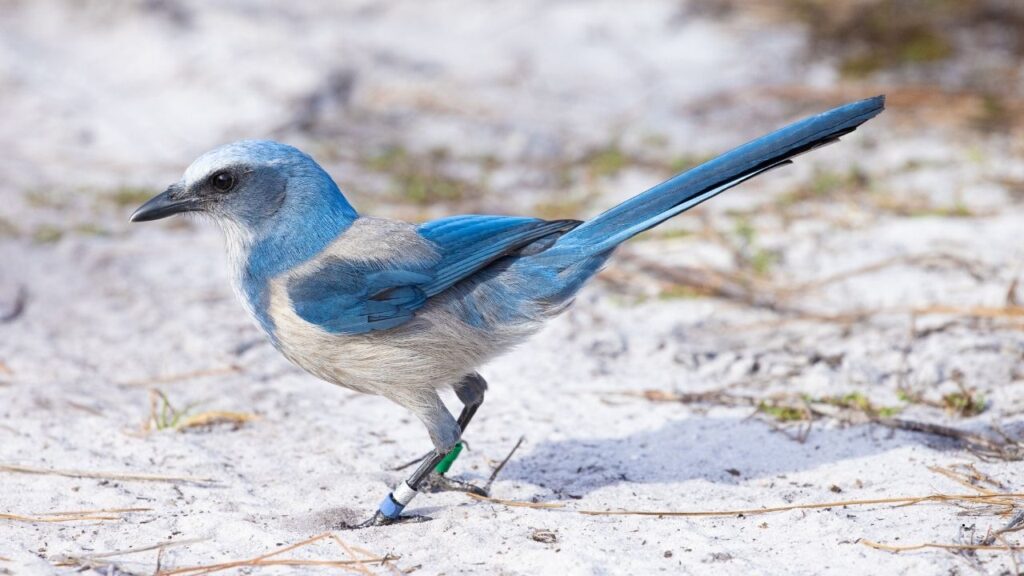
The Florida Scrub-Jay is a bold, intelligent bird found only in Florida, making it the state’s only endemic bird species. National Geographic mentions that it lives in dry, sandy areas and is known for its curious nature and strong family bonds.
Rather than dispersing widely, these birds stay close to home, forming tight-knit social groups centered around a shared territory—an important foundation for cooperative breeding.
Cooperative Breeding: Family Comes First
Florida Scrub-Jays are one of the best-known examples of cooperative breeding in birds. Instead of leaving immediately to start their own families, young birds often remain with their parents for one or more years as non-breeding helpers.
These helpers:
Assist in feeding nestlings and fledglings
Act as lookouts to warn of predators
Help defend the family’s territory
Only the breeding pair lays and incubates the eggs, but helpers greatly improve chick survival. Nests with helpers are more successful than those without, making this a classic example of alloparental care.
Why This Strategy Works
Cooperative breeding in the Florida Scrub-Jay is closely linked to limited habitat availability. With few open territories available, young birds often delay breeding.
By staying and helping, they support close relatives, gain valuable parenting experience, and increase their chances of inheriting a territory later. This practical and family-centered strategy is why the Florida Scrub-Jay remains a key species in cooperative breeding research.
2. Acron Woodpecker
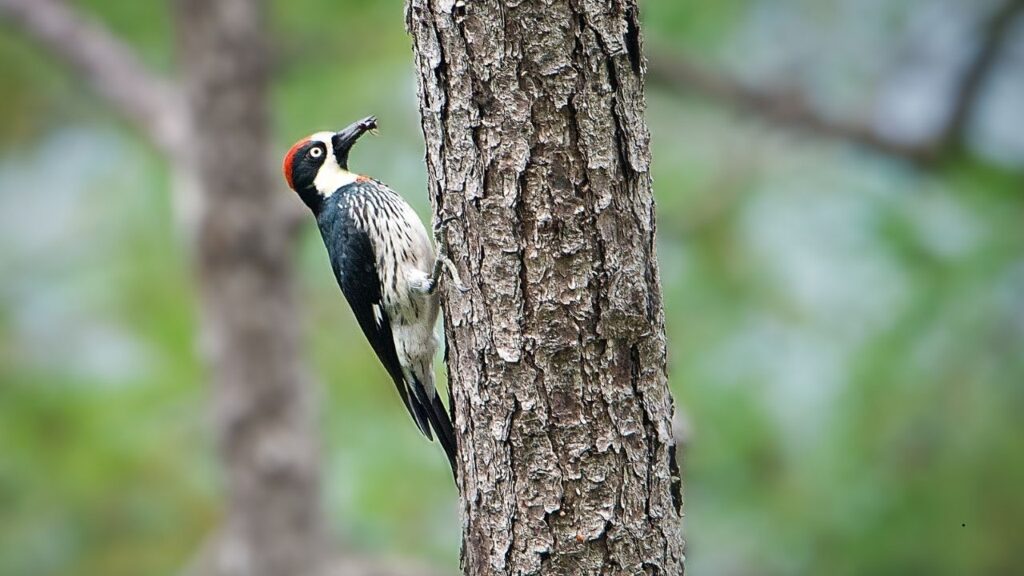
The Acorn Woodpecker is a highly social bird found in oak-rich landscapes. It’s best known for creating large “granaries,” where groups store thousands of acorns in drilled holes.
These shared food stores form the center of the group’s territory and are fiercely defended. Life for this species revolves around cooperation, from feeding to territory protection.
Cooperative Breeding: Shared Nests and Shared Care
Acorn Woodpeckers have one of the most complex cooperative breeding systems among birds.
Instead of a single pair:
Multiple adult males and females may breed within the same group
Eggs are laid in a shared nest cavity
Non-breeding helpers assist with incubation, feeding chicks, and defending the granary
All group members contribute to raising the young, and helpers play an essential role in chick survival.
Why This Strategy Works
Suitable territories with productive oak trees are limited, making cooperation more beneficial than competition.
By staying in a group, young birds gain access to food, learn survival skills, and may eventually inherit part of the territory. This system allows Acorn Woodpeckers to thrive in environments where long-term resource management is critical.
3. Superb Fairy-wren
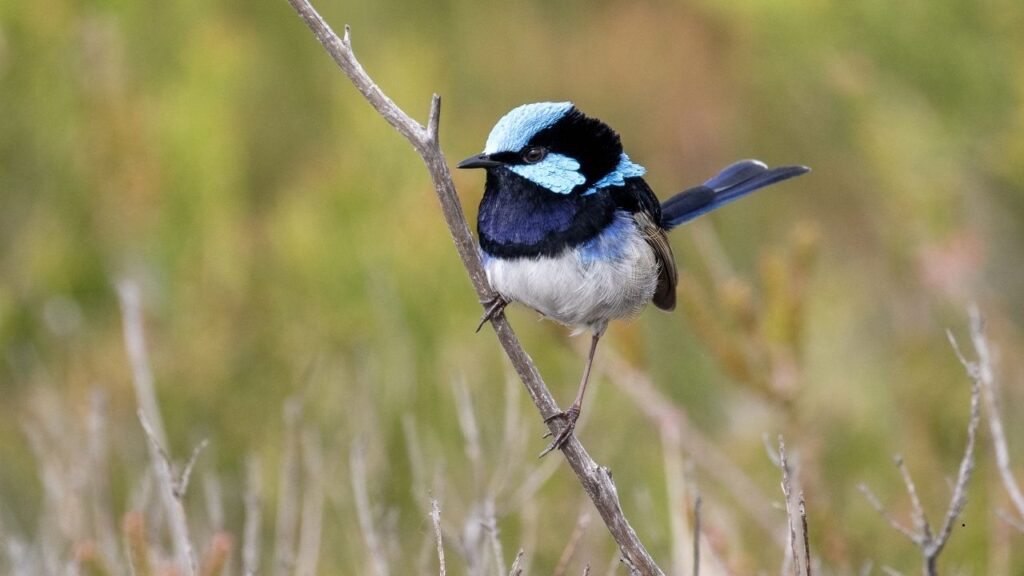
The Superb Fairy-wren is a small bird native to Australia, living in dense shrubs and grasslands. Despite their size, they have complex social lives and live in stable family groups. While pairs form strong bonds, they rarely raise chicks alone, relying instead on help from other group members.
Cooperative Breeding: Helpers at the Nest
Superb Fairy-wrens are classic cooperative breeders. A typical group includes:
One dominant breeding pair
One or more helper birds, often male offspring from previous seasons
Helpers assist by feeding nestlings, defending the territory, and keeping watch for predators. Their involvement significantly improves the survival chances of young chicks.
Why This Strategy Works
In environments where food availability can change quickly, shared effort provides stability. Helping relatives raises the success of the family group, while helpers gain valuable experience and improve future breeding opportunities.
This blend of cooperation and flexibility makes the Superb Fairy-wren a key example of how teamwork benefits even the smallest birds.
4. Southern Pied-Babbler
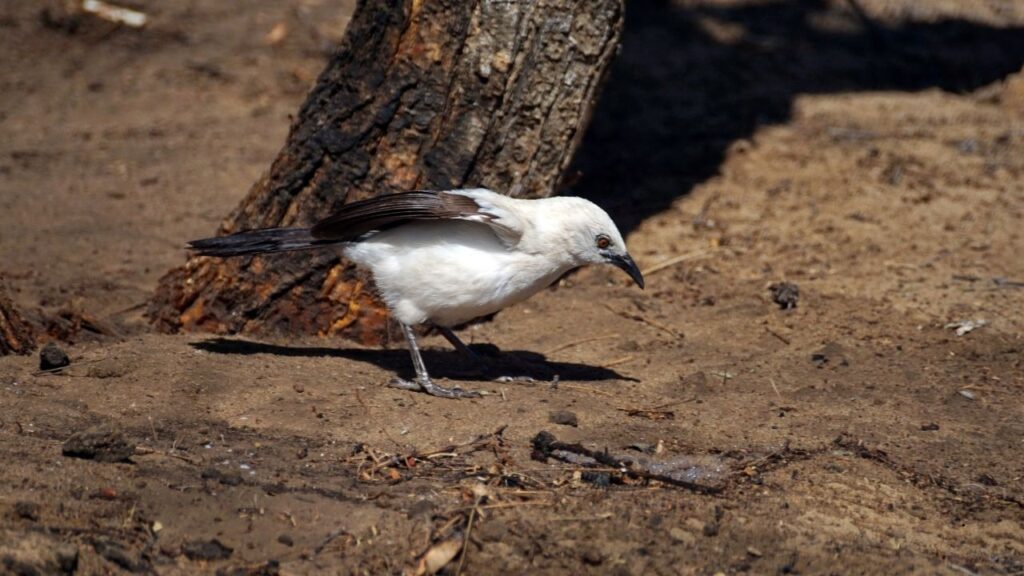
The Southern Pied-Babbler is a medium-sized, highly social bird found across dry savanna woodlands in southern Africa.
These birds live in year-round family groups rather than just pairs, and they spend much of their time together foraging, defending territory, and watching out for danger. Their social bonds are strong, and they depend on each other for daily survival in a challenging environment.
Cooperative Breeding and Shared Roles
Southern Pied-Babblers are classic cooperative breeders. Within a group:
A dominant breeding pair produces most of the young
Other group members help build the nest, feed chicks, and watch for predators.
Birdbuddy states that all adults pitch in to raise a single clutch of 2–4 eggs, and helpers assist both in the nest and after the young leave the nest. Some birds even take on sentinel duties, calling out warnings so the others can forage safely.
Why Teamwork Matters
Cooperation helps the group be more successful in raising young and defending valuable resources. In these tough, dry landscapes, shared effort means chicks get better care, helpers learn essential survival skills, and the whole family is better prepared to thrive.
5. White-fronted Bee-eater
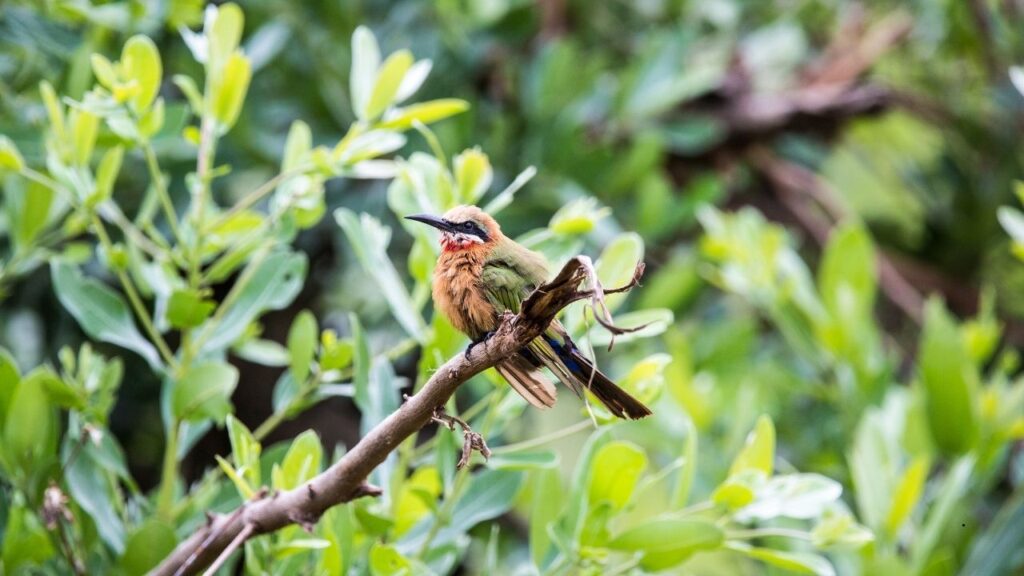
The White-fronted Bee-eater is a strikingly colorful bird of sub-equatorial Africa that lives and breeds in large colonies often composed of hundreds of individuals. These birds are highly social and spend much of their time flying together, foraging over grasslands, and nesting in sandy banks or river cliffs.
Cooperative Breeding in Clans
White-fronted Bee-eaters practice cooperative breeding within extended family groups known as clans.
In these clans:
Many breeding pairs nest close together
Helpers, usually close relatives, assist with digging nest burrows, incubating eggs, and feeding chicks
Helpers significantly improve breeding success, and in about half of nesting attempts, adults other than the parents help care for the young.
Why This Strategy Works
By living and breeding together in large groups, these bee-eaters benefit from shared vigilance against predators, cooperative nest defense, and greater food delivery to growing chicks.
This collective effort boosts chick survival and makes the White-fronted Bee-eater’s cooperative lifestyle one of the most sophisticated family systems seen in birds.
6. Sociable Weaver

The Sociable Weaver is an extraordinary bird native to southern Africa, most famous for building some of the largest communal nests of any bird species, as mentioned by the National Audubon Society.
These massive, straw-like structures can house dozens of birds across multiple generations, with separate chambers for roosting and breeding. Sociable Weavers live in dry grasslands where shared shelter and warmth help the whole colony survive harsh conditions.
Cooperative Breeding and Shared Duties
These birds are classic cooperative breeders. Within a colony:
Multiple breeding pairs nest side by side
Helpers, often previous offspring, assist with building and maintaining the nest
Group members help feed chicks and defend the colony from predators and competitors
By pooling efforts, Sociable Weavers ensure that both chicks and adults benefit from the security and shared workload of life in a large group.
Why Teamwork Matters
In the tough savanna environment, cooperation is key. The giant communal nest offers better insulation and protection than a solitary nest could.
Working together also strengthens social bonds, increases chick survival, and allows birds to thrive in a landscape where resources can be unpredictable. The Sociable Weaver’s communal lifestyle is one of the most remarkable examples of cooperative living in the bird world.
7. Green Wood Hoopoe
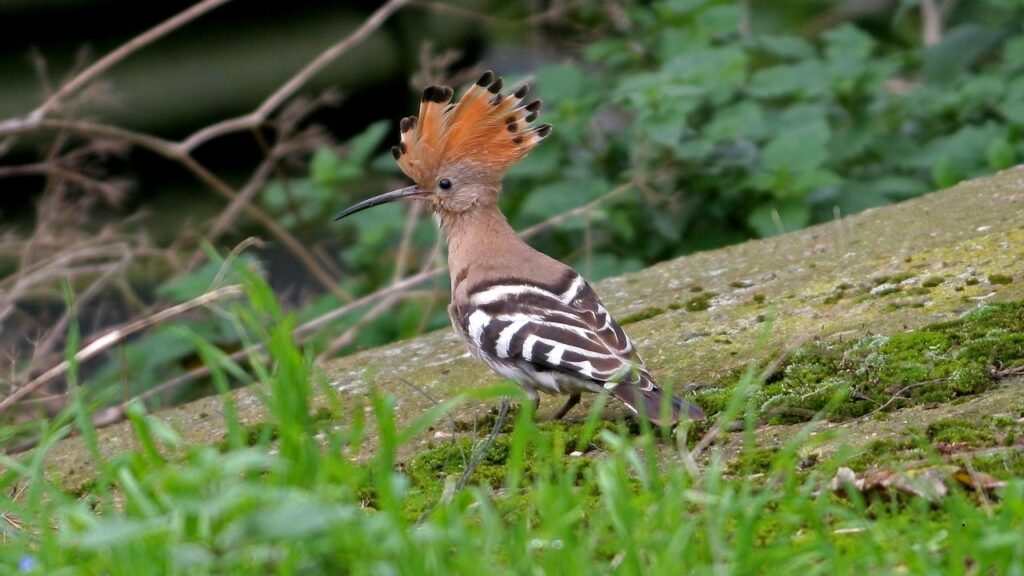
The Green Wood Hoopoe is a sleek, glossy bird found in woodland and savanna regions of Africa. These birds are highly social and rarely seen alone; they move through trees in small groups, chattering and foraging together.
Their striking black and greenish plumage and long, curved bills make them stand out as they hop and climb through branches in search of insects.
Cooperative Breeding and Group Care
Green Wood Hoopoes are cooperative breeders. In each group:
A dominant breeding pair lays the eggs
Other group members act as helpers
Helpers assist by feeding nestlings, watching for predators, and defending the territory.
This teamwork means that young birds get more food and protection than they would if the pair raised them alone, increasing the survival rate of the brood.
Why This Strategy Works
Living and raising young as a group helps Green Wood Hoopoes thrive in environments where food sources can vary and threats may come from many directions.
Helpers gain experience and strengthen family bonds, while the breeding pair benefits from shared responsibility. Their social lifestyle is a powerful example of cooperation, making life easier and more successful for all members of the group.
Conclusion
In the avian world, cooperatively breeding birds show how cooperative behaviour can shape survival and success. Within the same species, monogamous breeding pairs often form the core of a mating pair, but more than two birds may take part in raising young.
These cooperative systems may include male helpers, a female helper, or multiple breeders, all contributing to nest building, nest construction, and tending eggs. In some cases, up to four males or several breeding females may be involved, yet a monogamous pair usually remains central to reproduction.
This structure is closely tied to delayed dispersal, where birds stay in their natal territory to help raise chicks from previous broods instead of choosing to breed independently. Groups defend permanent group defended territories and sometimes compete with rival nests for access to a prime territory.
Through kin selection, helping other members of the entire group improves overall reproductive success, especially in similar habitats where resources are limited. Across many species, this balance of shared care and family bonds explains why cooperative breeding continues to thrive.
