




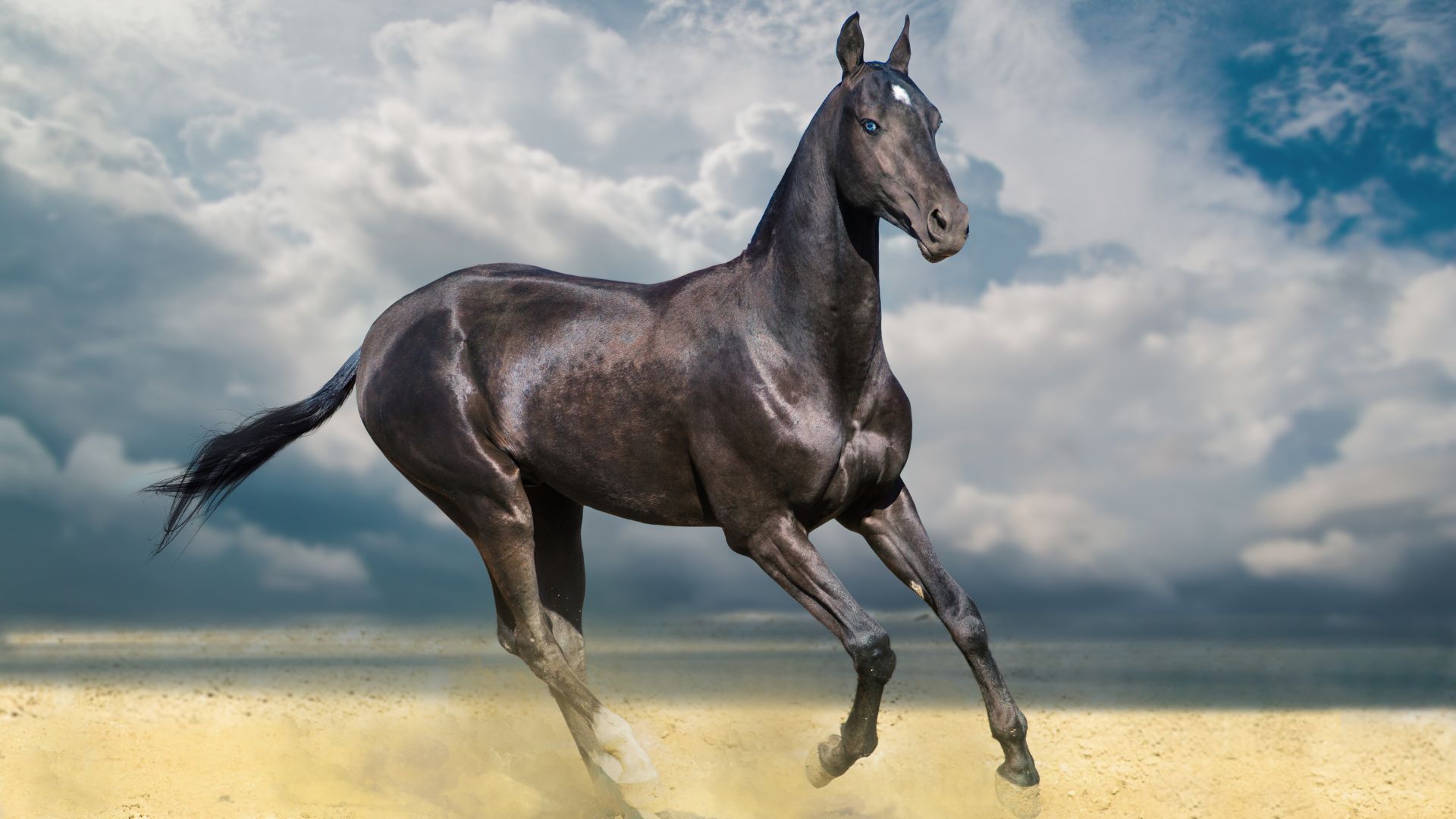
What does it mean for a horse to carry history within its blood? Horse breeds known for ancient bloodlines offer an answer rooted in survival, continuity, and human reliance.
These horses existed before standardized registries and modern breeding trends. Their lineage developed through necessity rather than preference. They were shaped by landscapes, labor, and long-term partnerships with humans who depended on them daily.
Ancient bloodlines reflect adaptation across generations, creating horses with consistent traits that resisted change. These bloodlines were preserved because they worked, endured, and remained reliable under pressure. Their value came from performance and temperament rather than appearance alone.
In this article, you will explore how ancient bloodlines emerged, how they survived historical upheaval, and why their legacy continues to shape certain horse breeds today.
Key Takeaways
Horses with ancient bloodlines carry centuries of history in every stride, moving with grace and intelligence honed over generations.
Arabians cover vast distances without tiring, while Marwaris navigate rocky or sandy terrain with precision, showing stamina and agility.
Fjord Horses and Akhal-Tekes add power and elegance, their strength and metallic coats turning heads across open landscapes.
From Caspians pulling chariots to Przewalski’s Horses roaming wild plains, each breed offers a glimpse into equine history you can witness firsthand.
Horse breeds known for ancient bloodlines
1. Arabian
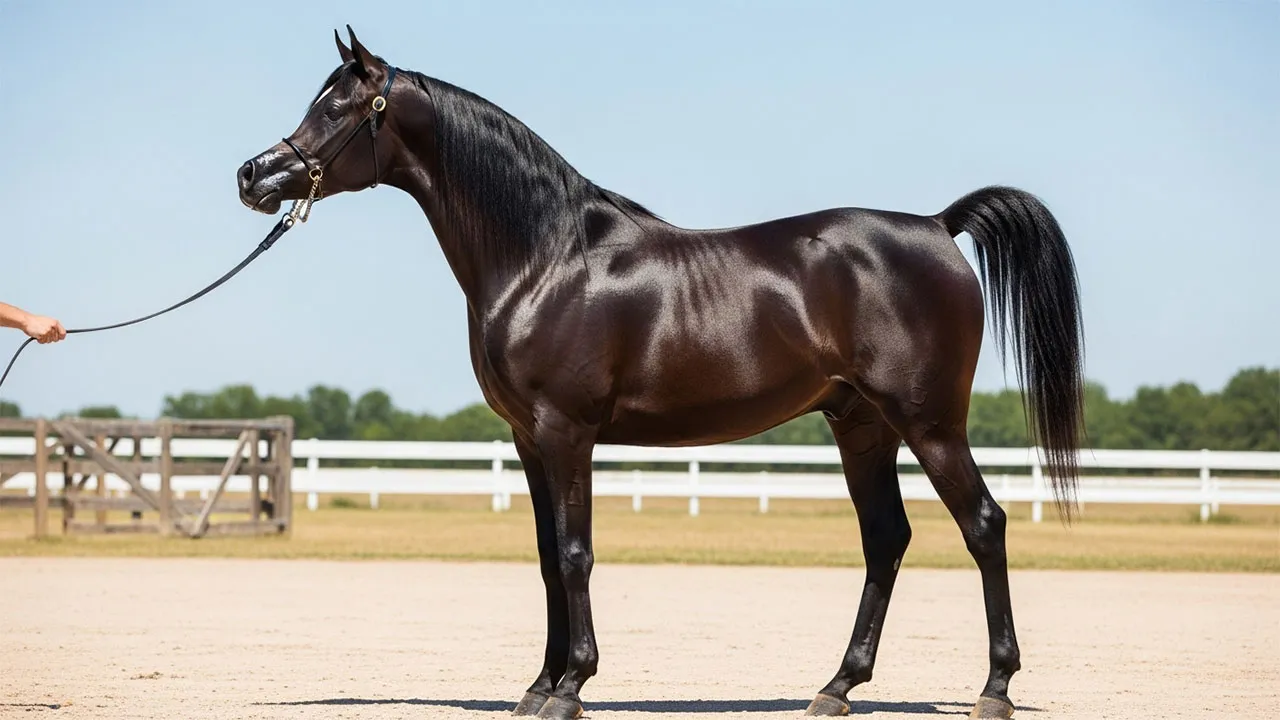
Arabian horses combine sharp intelligence with natural stamina, which allows them to cover vast distances without losing energy. Alert and responsive, they can adjust to changing conditions on long journeys. These qualities made them valuable in challenging environments across centuries.
Speed and Trail Capability
Their swift movement and strong balance help navigate rough terrain with precision. These horses keep a steady pace for extended periods without tiring.
Trail-related traits include:
High endurance for long distances
Quick recovery after sustained effort
Ability to maintain footing on varied surfaces
Historical Impact
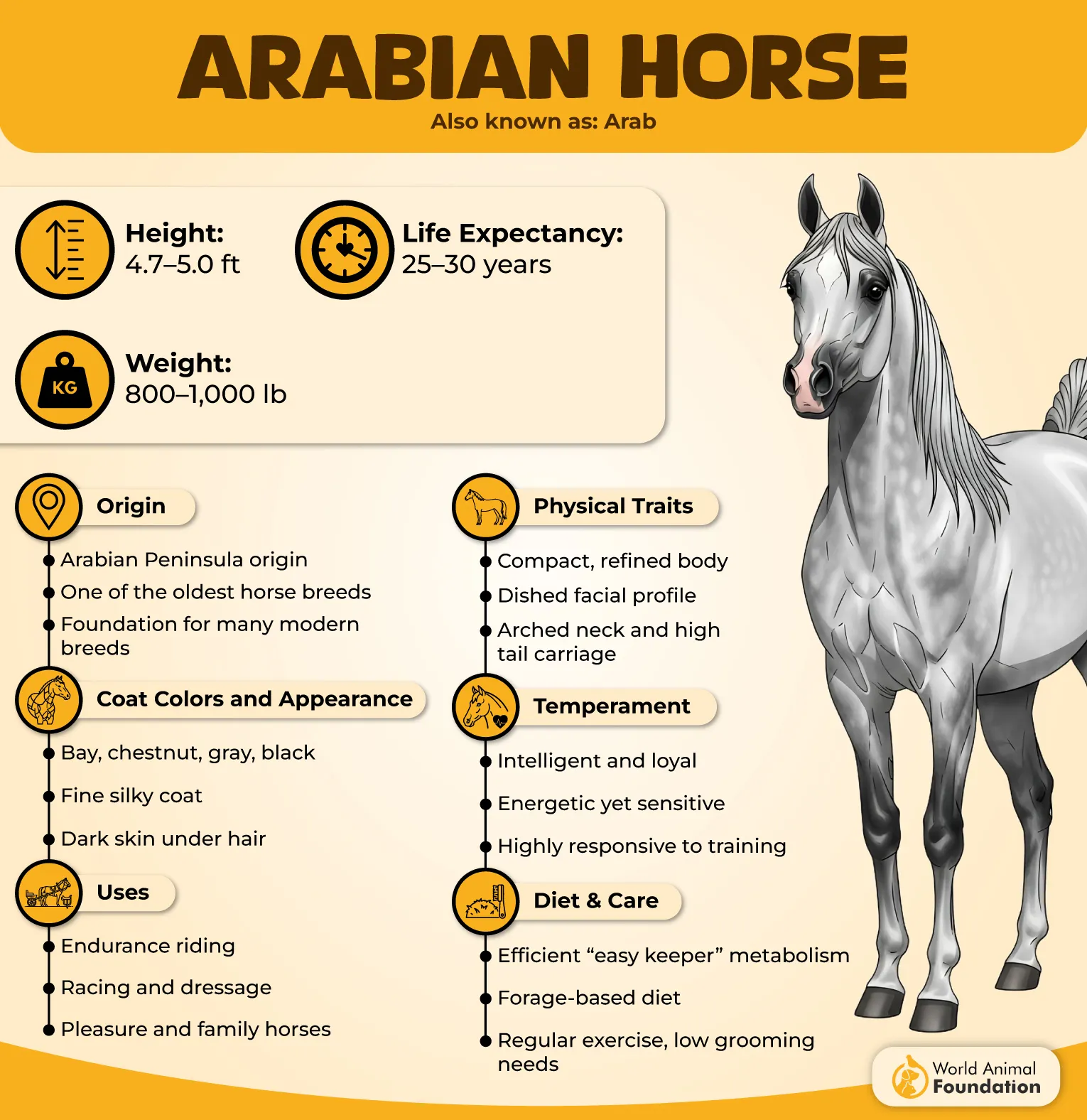
Arabians contributed significantly to the development of other horse breeds, passing along speed, endurance, and refined movement. They played a key role in military campaigns and long-distance travel, as per Arabian Horse Haven. Their abilities influenced equestrian practices and the evolution of performance horses.
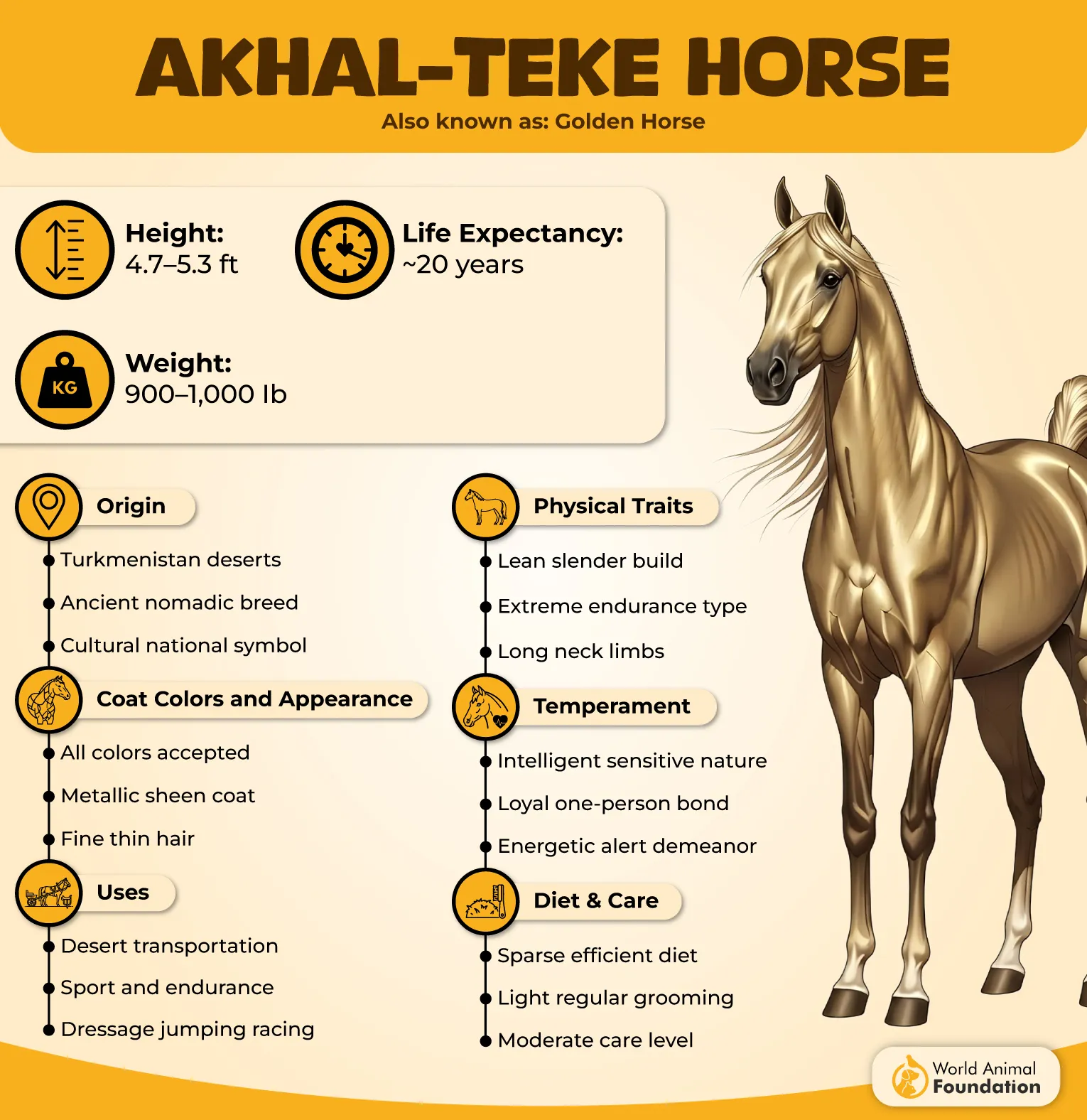
2. Akhal-Teke
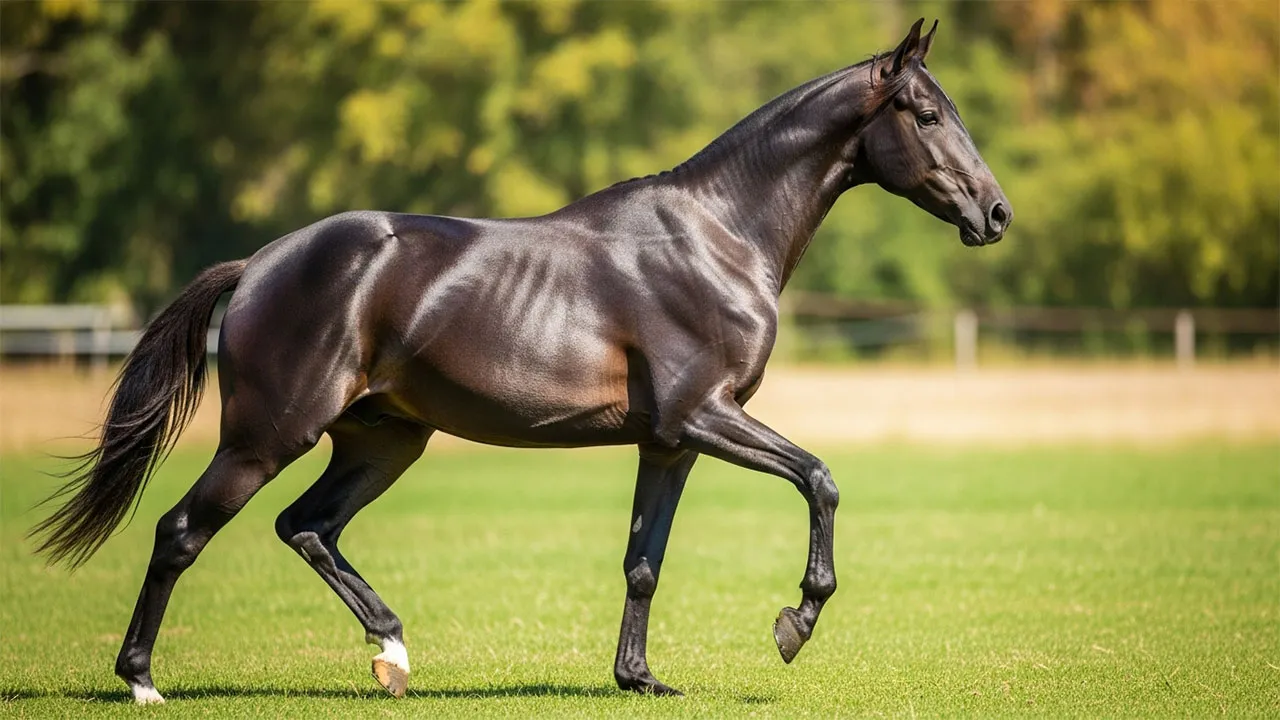
Akhal-Tekes stand out with their lustrous metallic coat that catches the light on open terrain. Their slender frame hides surprising strength, allowing them to maintain speed across long stretches. This combination of elegance and power makes them compelling among ancient bloodline breeds.
Endurance and Agility
Speed and stamina define this horse on extended routes. The Akhal-Teke moves with effortless efficiency, handling tough paths without tiring quickly.
Its natural abilities translate into practical advantages in the wild:
Maintains pace over long distances
Recovers quickly after exertion
Moves confidently on varied surfaces
Historical Significance
For centuries, these horses were prized by nomadic groups for transportation and tactical advantage, as per Mad Barn. Their alertness and quick responsiveness allowed them to navigate deserts and challenging terrain effectively. This breed carries a legacy of utility paired with a striking presence.
3. Caspian
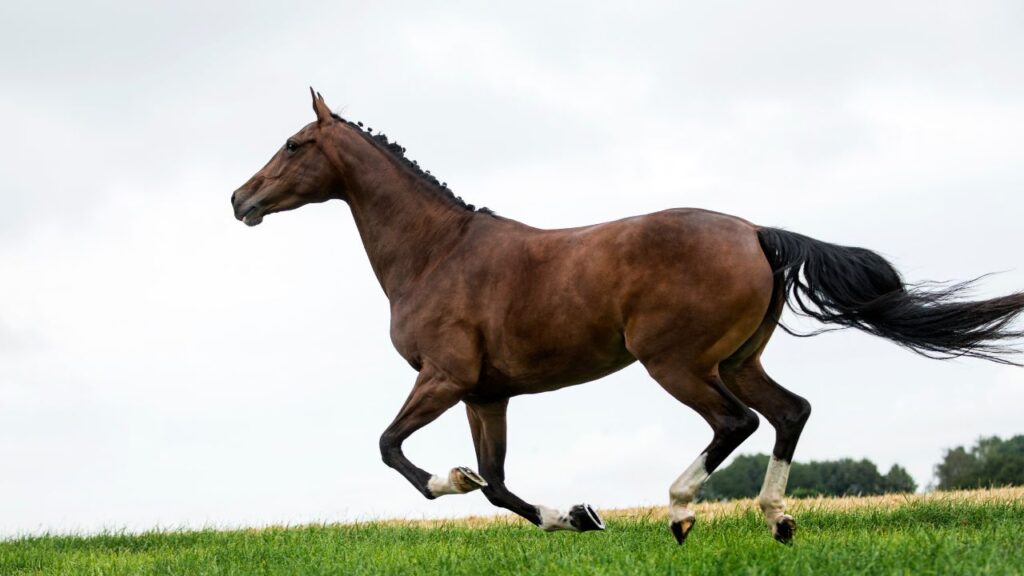
Caspian horses impress with their small yet athletic frames, moving with elegance that belies their size. Their agility allowed them to serve in ancient ceremonial roles and even pull chariots, showing that stature is no limitation. Observing their gait, it’s clear that intelligence and grace work together naturally in every step.
Agility in Action
This breed navigates terrain with remarkable ease, blending balance, speed, and sharp reflexes. Their compact build provides an edge for precise movements and quick adjustments on uneven ground.
A few standout abilities make them particularly fascinating
Nimble turns and sudden stops
Efficient use of energy across distance
Expressive movements that reveal awareness
Living Link to History
Caspian DNA preserves primitive traits rarely seen in modern horses, offering insight into early domesticated populations. Their features, from narrow heads to lively eyes, match ancient Persian depictions almost perfectly. These traits make them a living reminder of equine history.
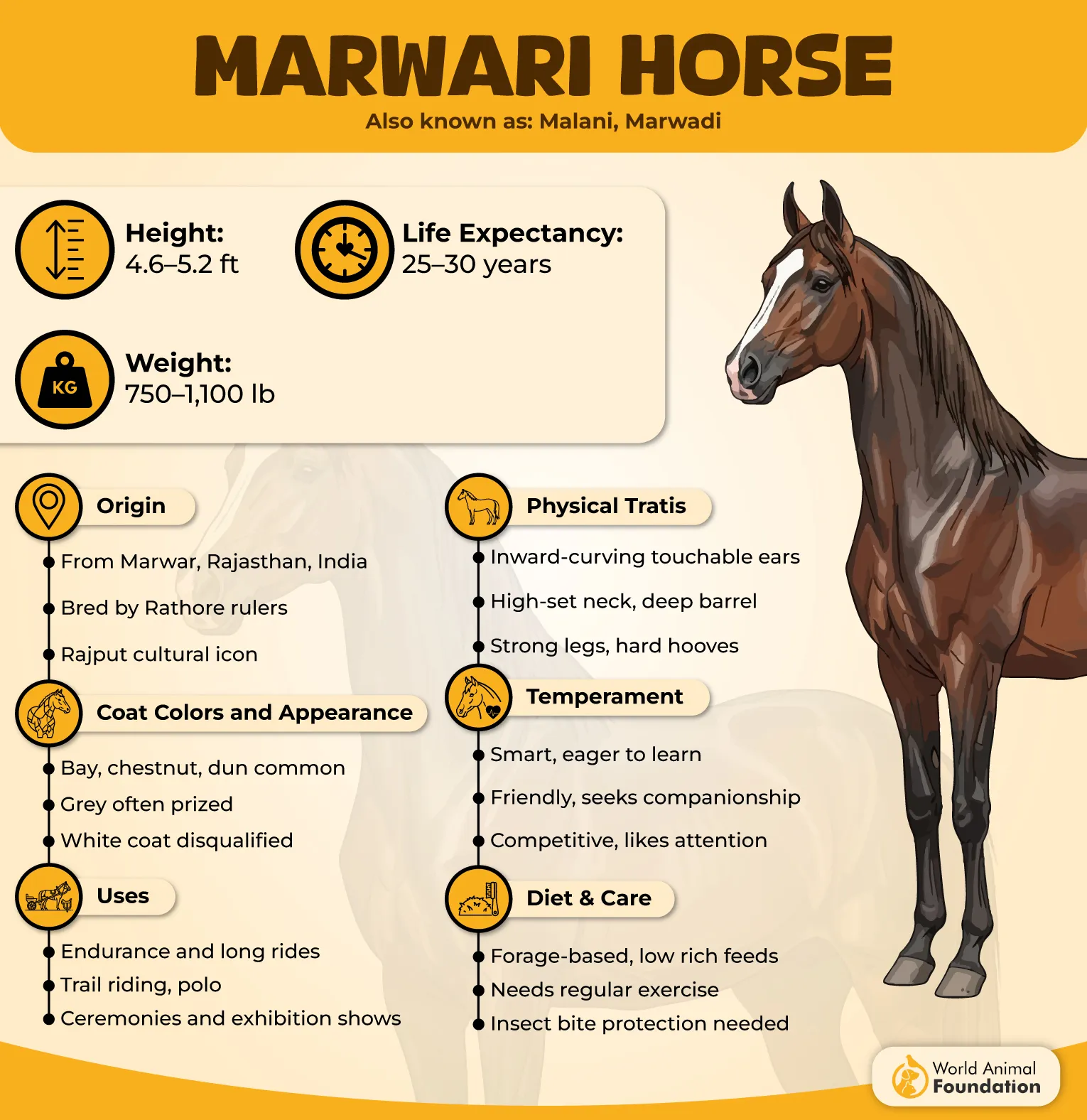
4. Marwari
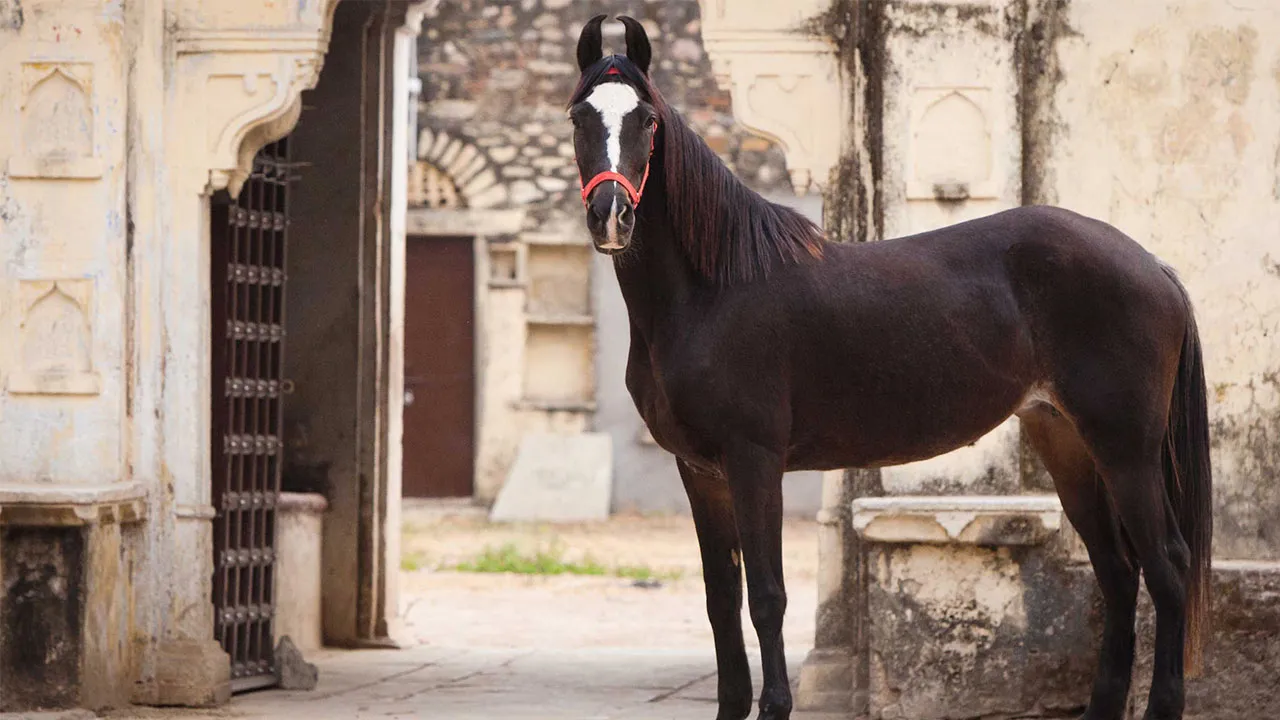
Marwari horses are known for their spirited nature, which makes them excel in challenging environments. Their agility and sure-footedness help them navigate sandy or rocky ground with precision. This combination of poise and energy makes them stand out among horses with ancient bloodlines.
Endurance Meets Adaptability
Their stamina is legendary, allowing them to remain active over long stretches without tiring quickly. Movement is smooth and controlled, which keeps the horse confident on unpredictable terrain.
Key abilities for wild riding are:
Efficient travel across deserts and open land
Quick adjustments to uneven paths
Strong recovery after an extended effort
Alert Senses in Action
Marwari horses rely on heightened awareness to handle unfamiliar surroundings. Their inward-turning ears are sensitive to subtle cues, helping with direction and spatial judgment. This feature keeps them responsive to terrain changes while remaining composed and focused.
5. Przewalski’s Horse
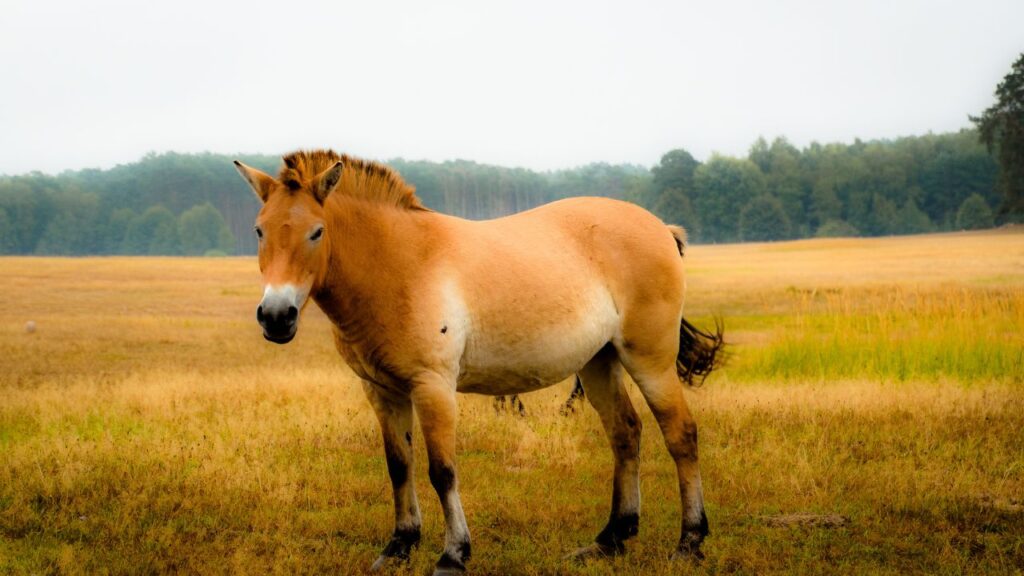
Przewalski’s Horse has maintained a natural alertness that guides it across vast grasslands. Every movement is cautious yet purposeful, showing a true adaptation to open terrain. This instinctive awareness has kept the species alive despite centuries of environmental challenges.
Strength and Resilience
Robust muscles and a sturdy frame make this horse remarkably fit for harsh landscapes, as per OKSTATE. It handles steep inclines and rough patches without strain, demonstrating an innate toughness.
Their resilience shines through in these abilities:
Navigating uneven terrain with stability
Quick recovery from exertion
Enduring extreme weather conditions
Connection to Ancient Equines
This horse reflects genetics untouched by domestication, offering a living glimpse into early horse species. Its behaviors and social structure mirror patterns observed in fossil records and historical studies. Observing them provides insight into how horses once roamed freely.
6. Fjord Horse
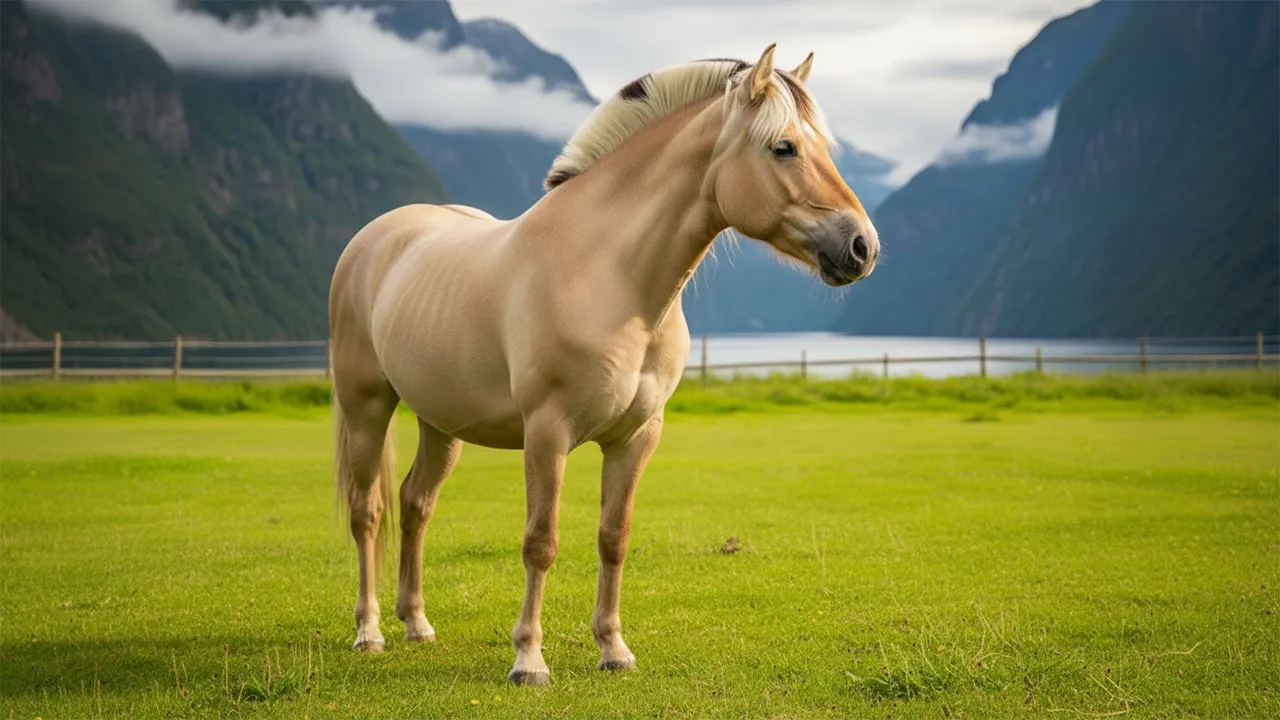
Fjord Horses are admired for their sturdy build and impressive power, making them practical for tough tasks in wild environments. Their strong muscles allow them to manage rough terrain with ease and stability. This resilience ensures consistent performance across varied landscapes.
Adaptable and Versatile
These horses handle work and leisure with remarkable ease, showing flexibility in movement and energy. Their steady disposition makes them reliable companions for long days outside.
A few practical points illustrate their capability:
Smooth and sure-footed on rocky paths
Able to manage heavy loads comfortably
Calm under challenging conditions
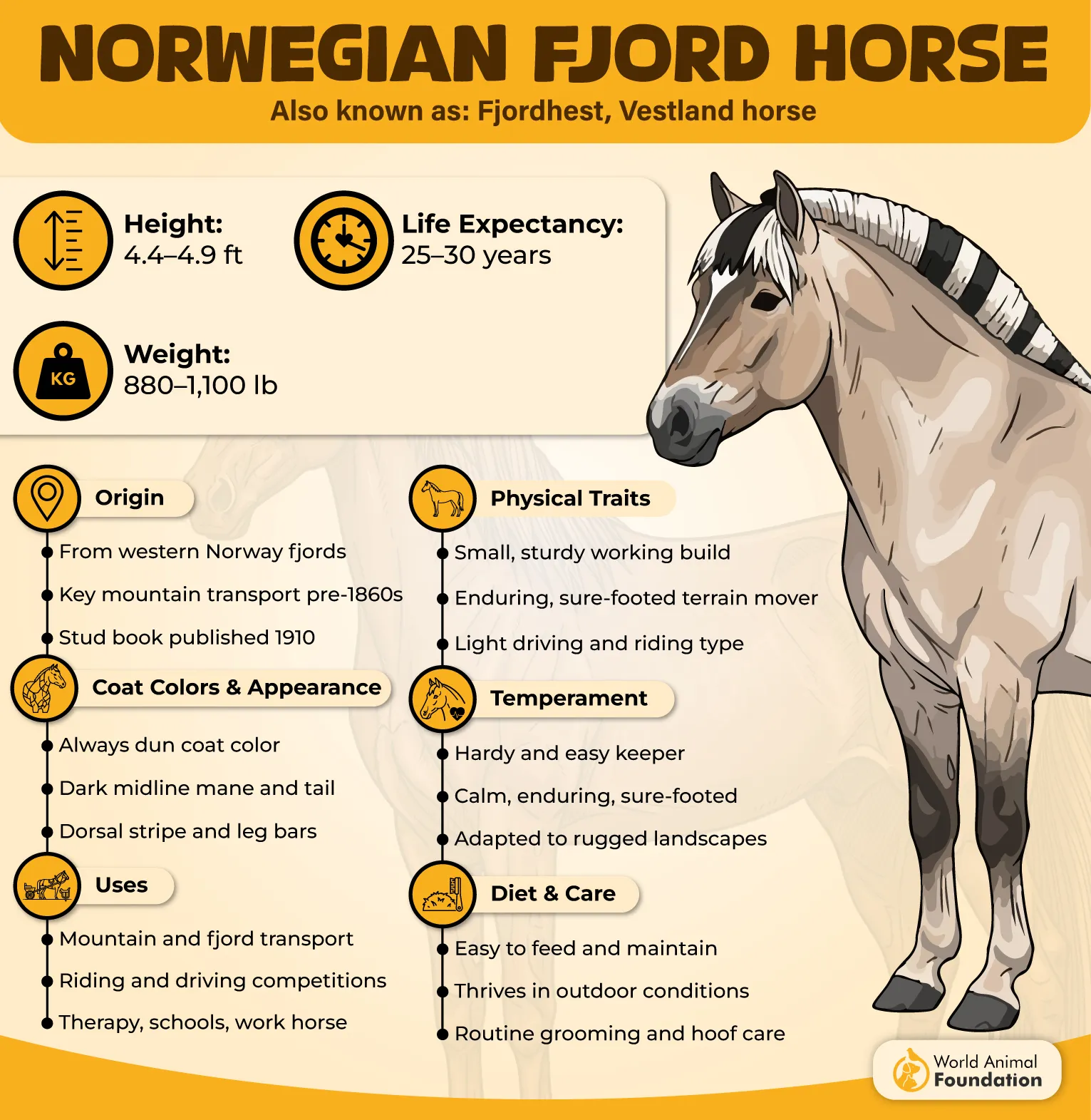
Distinctive Appearance
The dorsal stripe and upright mane give the Fjord a striking look while also hinting at its rugged nature. Their physical traits are functional, aiding balance and coordination on uneven ground. These features contribute to efficiency and presence in open and rugged settings.
7. Andalusian
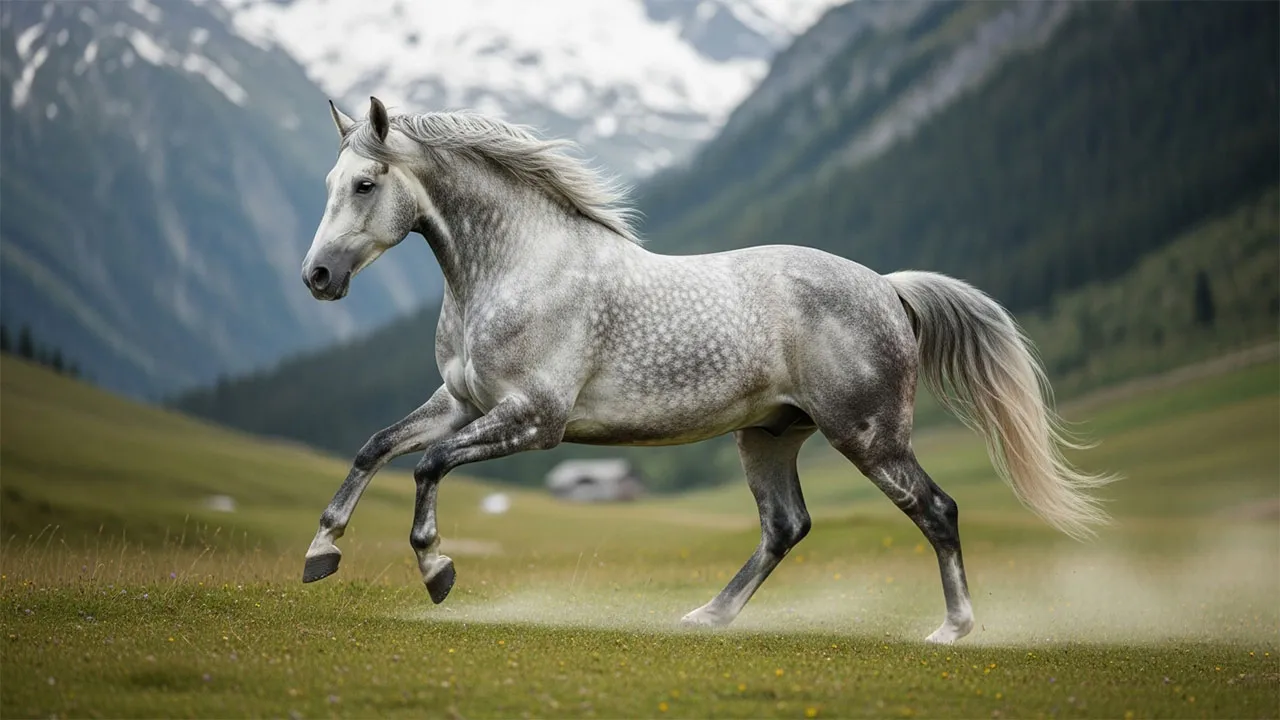
Andalusians have a commanding presence that reflects both strength and elegance. Their expressive movements are precise and fluid, showing remarkable control in motion. This makes them versatile for varied equestrian activities that demand balance and responsiveness.
Versatile Performance
The breed’s agility and muscular build allow it to adapt to different disciplines and long, structured routines. They move with natural rhythm and control, handling uneven or demanding terrain with ease.
Some other key traits are:
Elevated, flowing gaits
Strong hindquarters for precise turns
Agile movement over changing surfaces
Intelligent and Alert
Their awareness helps them respond quickly to shifts in the environment without unnecessary tension. Andalusians are sensitive to cues and terrain, which aids in maintaining steady performance during demanding work. This alertness contributes to their enduring reliability.
Conclusion
Horse breeds known for ancient bloodlines offer more than visual beauty. They represent the oldest horse breeds shaped by survival, travel, and purpose. These horses influenced modern horse breeds through strength, stamina, and reliable structure. Their athletic build supports trail riding across uneven ground and long distances.
Some of the oldest horse breeds also laid the foundations for endurance racing, where balance and recovery matter most. Even today, modern stallions carry traits passed down through ancient bloodlines. Compared to modern horse breeds, these horses move with restraint and awareness. Their presence shows how history remains active in living form. The oldest horse breeds remind us that refinement comes from time, not speed.
