




Some dogs live forever in our hearts… but not quite as long as we’d hope in real life.
And if you are a dog owner who’s fallen head over heels for one of the giant breeds or big dogs, you probably already know the harsh truth. The bigger the dog, the shorter the life expectancy tends to be.
Just because certain breeds have a shorter lifespan does not mean we cannot make every single year count. Because quality beats quantity every time.
And with the right care, proper training, good dog food, and a whole lot of love, we can give these incredible canine companions the absolute best life possible.
Today, we are talking about dog breeds with short lifespans and how to maximize them. These are loving dogs with gentle personalities, big hearts, and unfortunately… shorter lives than most small dogs or mixed breed dogs.
But don’t worry. We are also talking about what pet owners can do to help their furry friends live longer, healthier, and happier.
Fun Fact!
Did you know?
The Irish Wolfhound, one of the tallest dog breeds in the world, has one of the shortest lifespans, around 6 to 8 years, as noted by American Kennel Club. Their massive size and rapid growth during puppyhood put strain on their heart and bones which contributes to their heartbreakingly short life expectancy.
Despite this, they remain one of the most gentle and loving dogs you will ever meet.
Dog Breeds with Short Lifespans and How to Maximize Them
1. Leonberger
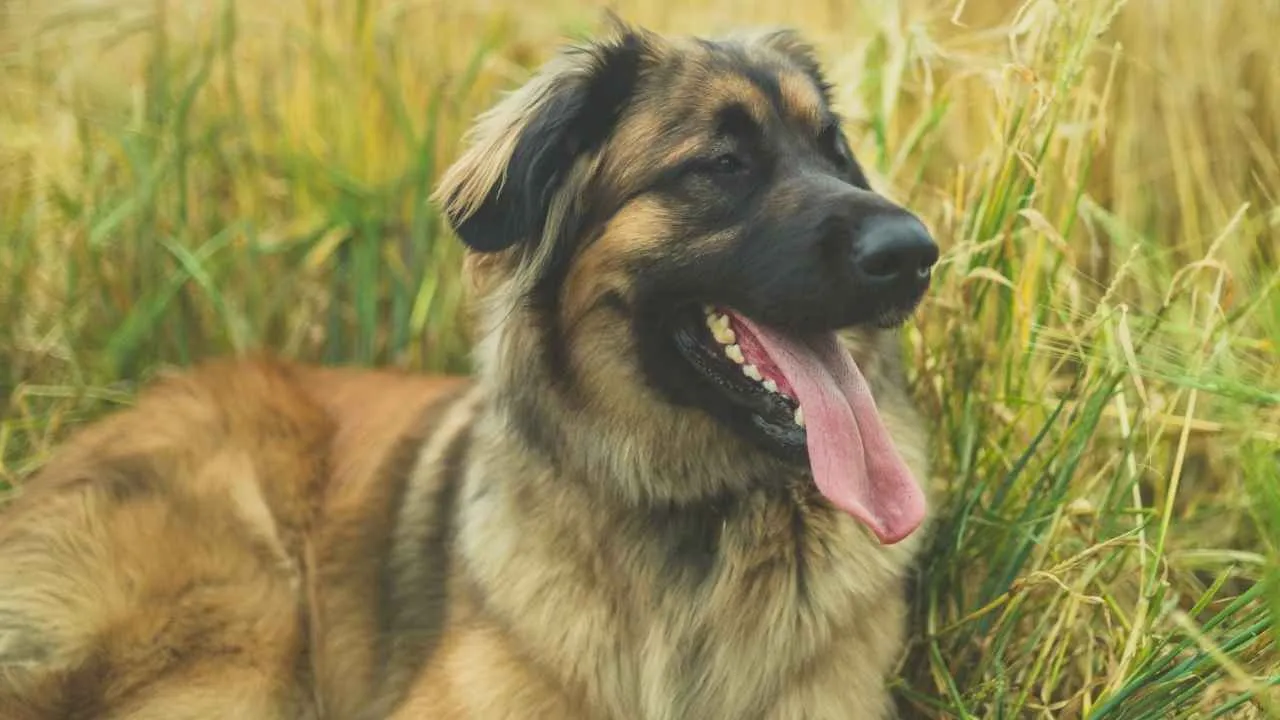
Massive. Majestic. And unfortunately… not with us nearly long enough.
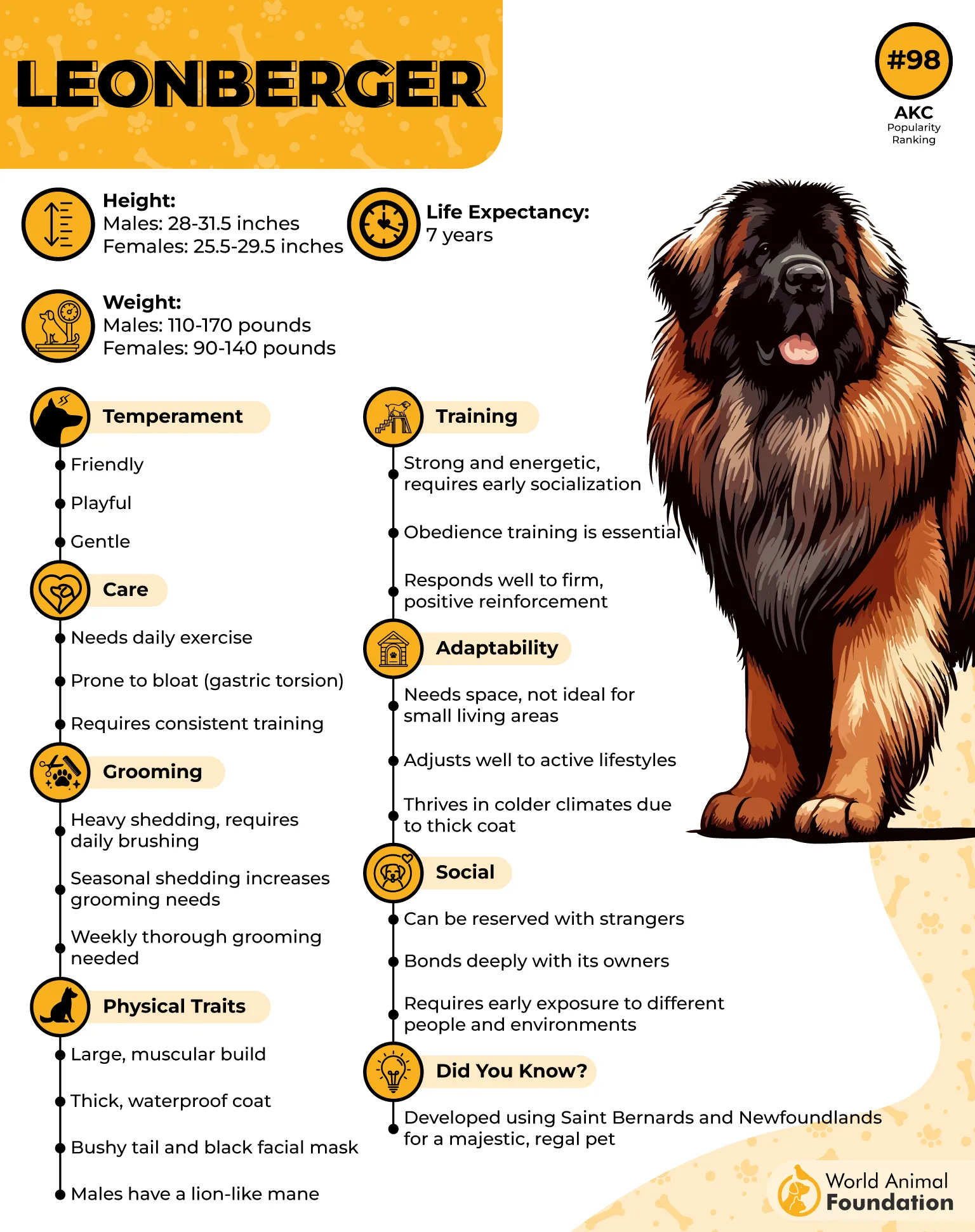
Leonbergers are giant dogs with thick double coats, calm demeanor, and an incredibly fun personality. They make great family dogs for households that can handle their size. But their average lifespan is around 7 years. Only!
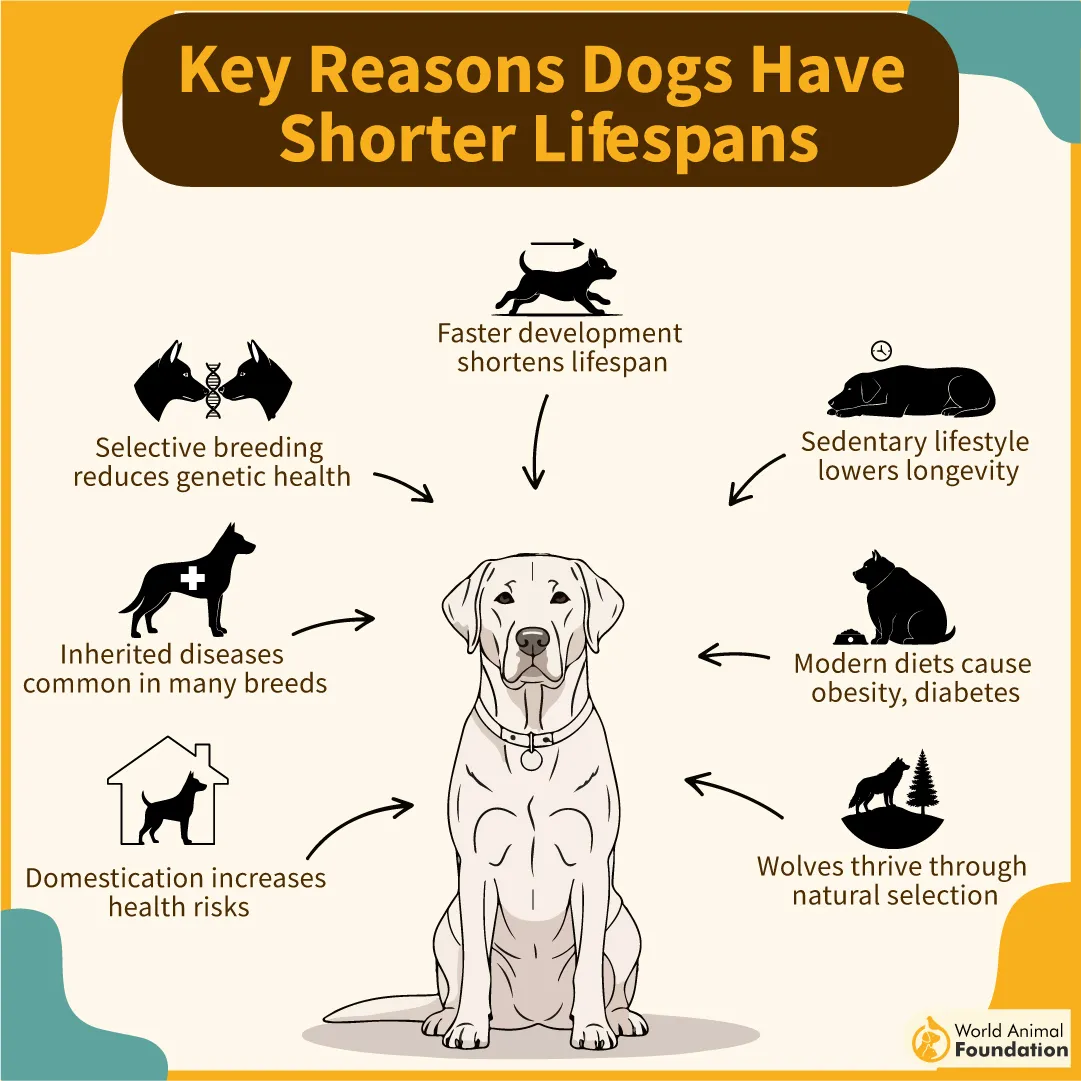
These sturdy dogs are prone to health issues like joint problems, cancer, hip dysplasia, and heart problems, as noted by PetMD. Their rapid growth as puppies puts stress on their joints, and giant breeds like this one just don’t live as long as other breeds.
So, how do you maximize their life expectancy?
Start with proper exercise. Not too much when they are young (their bones are still developing), but enough to keep them fit without overworking their joints. Feed them high-quality dog food for large dogs and keep up with vet checkups to catch health concerns early.
And just love these massive dogs hard. Every single day.
2. Newfoundland
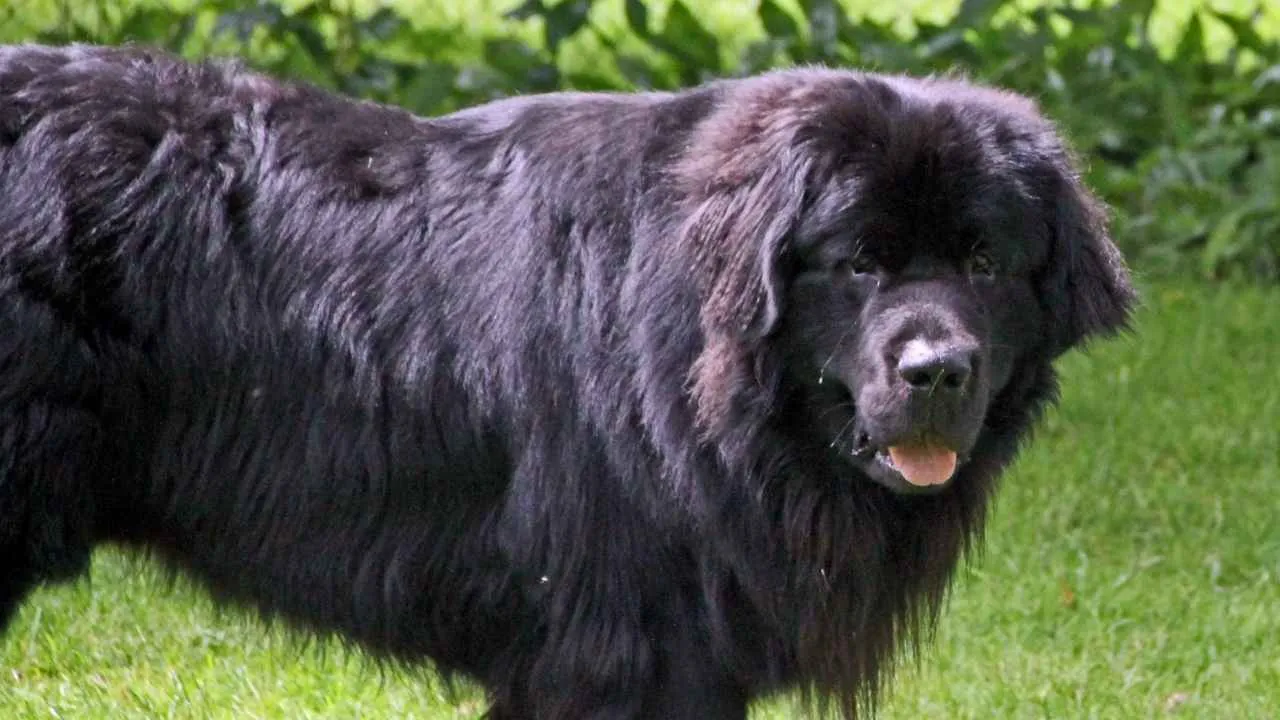
Newfoundlands are the definition of a gentle giant. These swimmer dogs are patient with small children, loyal to one family, and have a calm and loving vibe that makes everyone feel safe.
But their life expectancy is usually around 9 to 10 years!
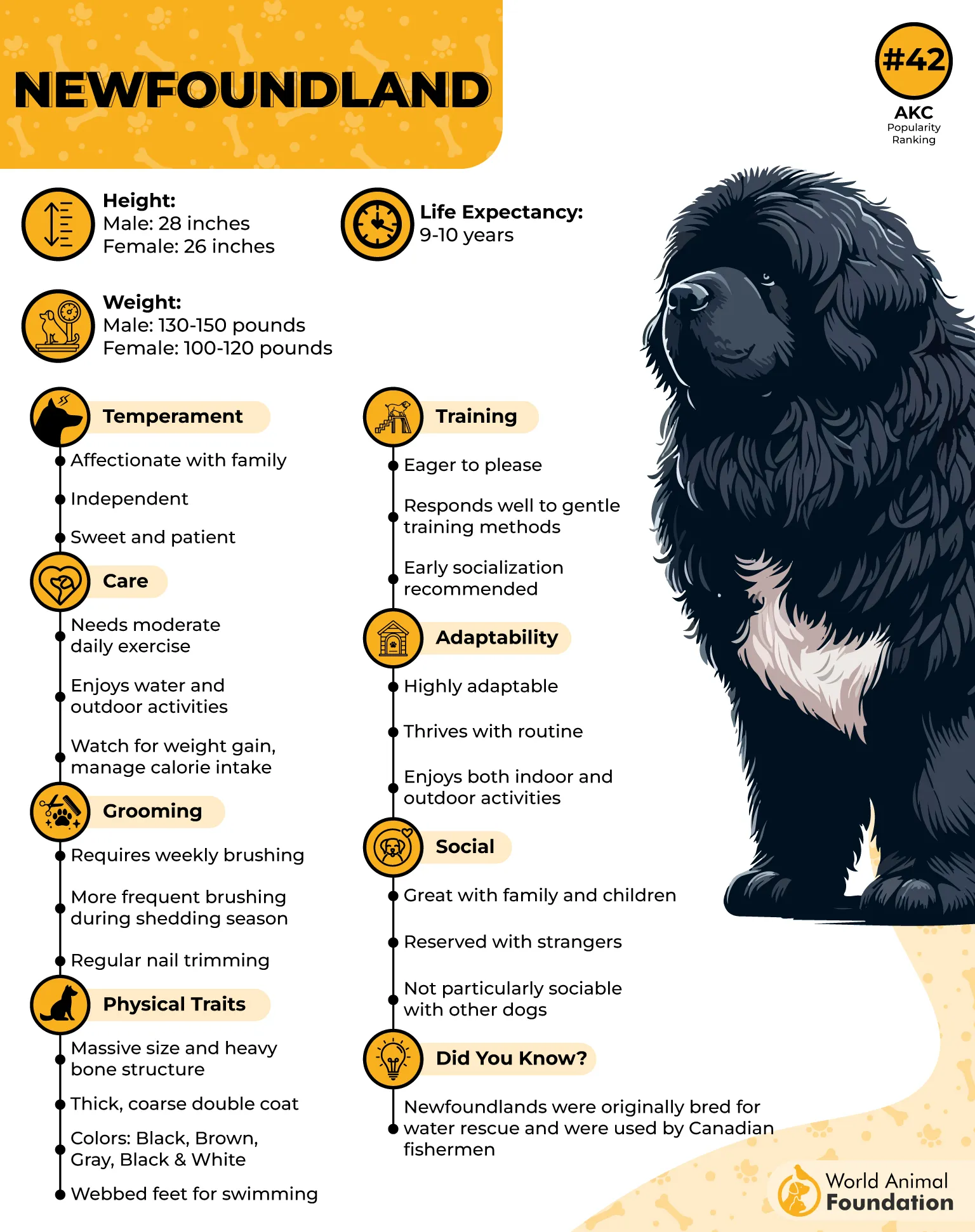
These dogs have a dense double coat and a muscular build, which makes them prone to overheating and joint issues. Health problems like hip dysplasia and heart disease are common in this breed. Plus, their size can put strain on their organs.
To help your Newfoundland live longer, focus on weight management. Extra pounds on an already large dog are tough on the heart and joints.
Keep them active with swimming (they LOVE water), feed them balanced meals, and don’t skip those vet visits.
Also, grooming is important. That longer fur can trap moisture and lead to skin issues, so regular brushing is key.
3. Rottweiler
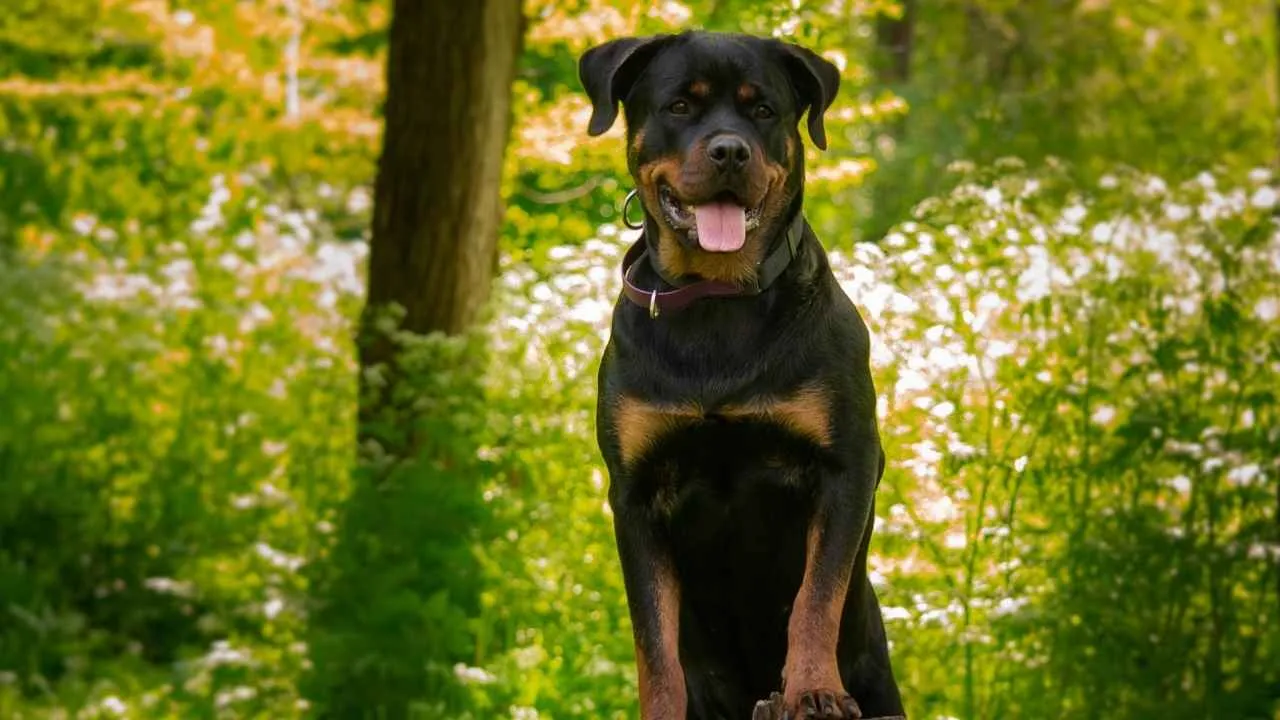
Rottweilers are one of those dog breeds that get a bad rep sometimes, but anyone who’s owned one knows the truth.
These Rotties are BIG softies; big dogs that love their people. They are confident, intelligent, and incredibly loyal dogs. But their average life expectancy is around 9 to 10 years.
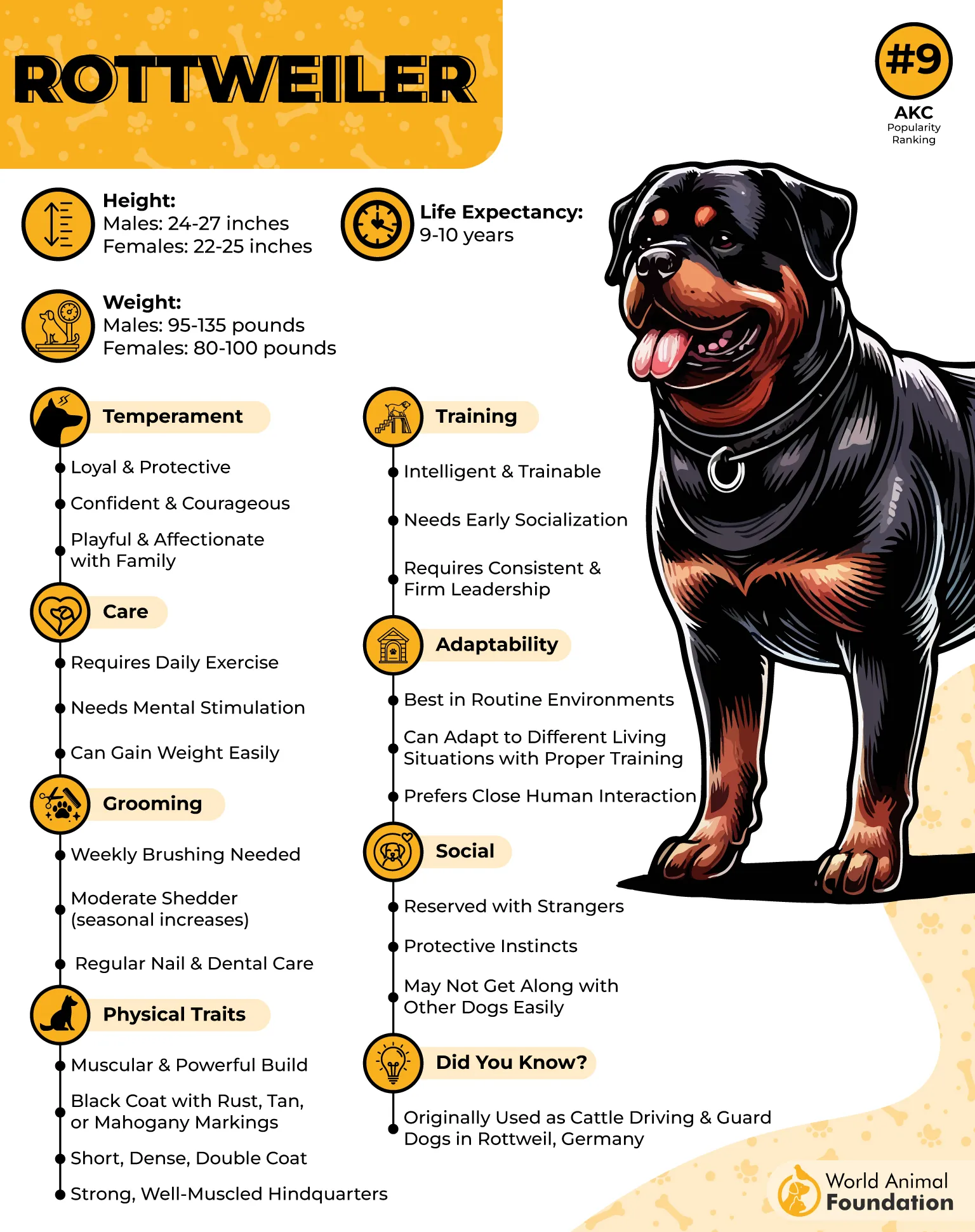
Some dog breeds, like Rotties, have a genetic predisposition to some serious health issues.
Bone cancer, heart problems, and hip dysplasia are all common in Rottweilers. Large breeds like this one also tend to age faster than small dogs, which means pet parents need to stay on top of their health early on.
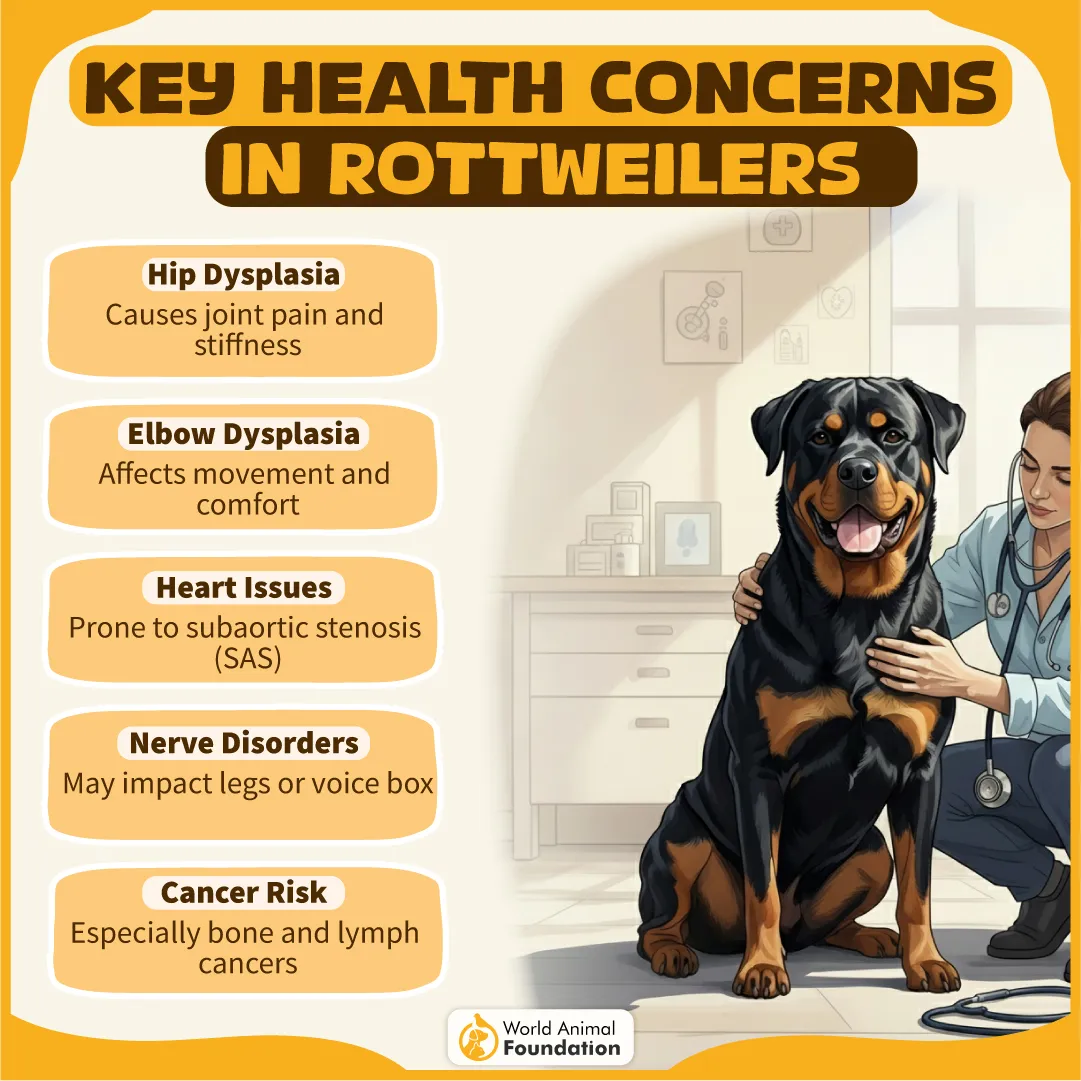
Proper training and early socialization from day one help maximize this dog’s life. As per Britannica, a well-trained Rottweiler is a happy and confident dog. Pair that with regular vet checkups, joint supplements as they age, and a diet that supports their energy levels without packing on extra weight.
And please… don’t skip the exercise. These dogs tend to need mental and physical stimulation to thrive.
4. Broholmer
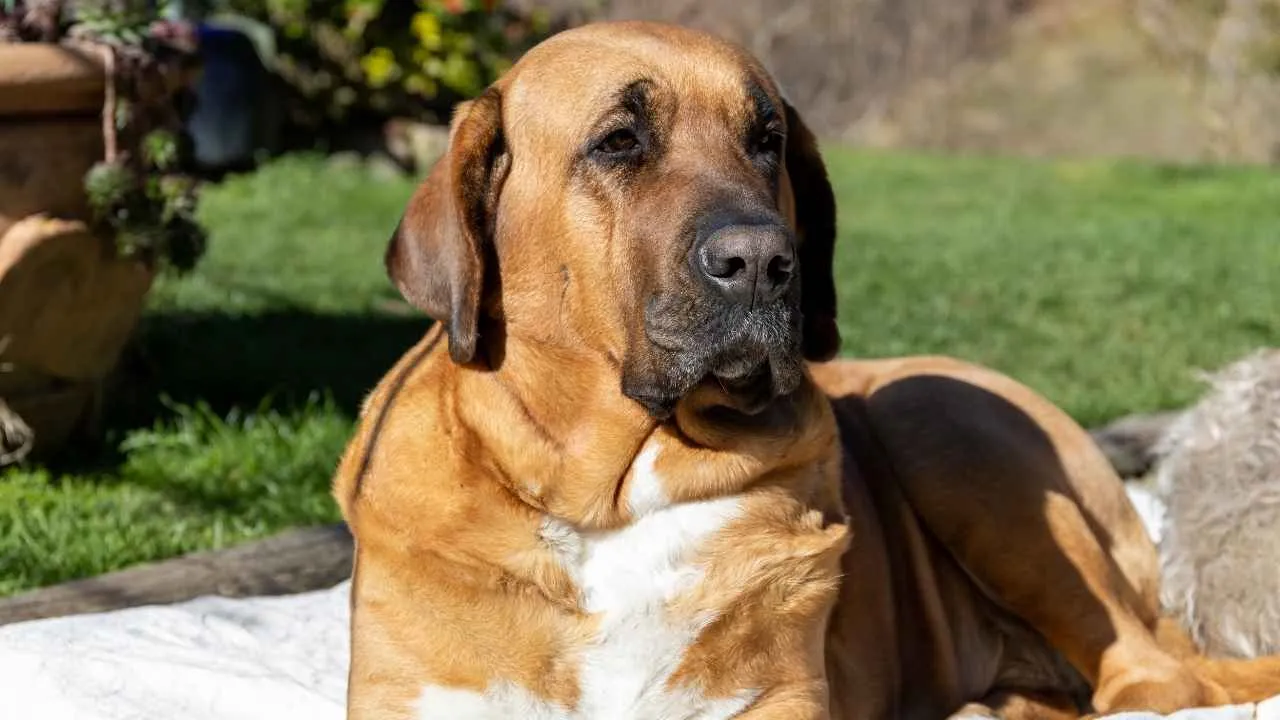
This Danish breed is rare but absolutely stunning.
Broholmer is calm, loyal, and has this quiet confidence that’s hard not to love. But, like other large breeds, their life span hovers around 8-10 years!
These Mastiff-type dogs are prone to hip dysplasia, heart issues, and other health issues common in giant breeds. Their size and slower metabolism mean they don’t live as long as smaller breeds, and unfortunately, responsible breeding practices are still catching up in terms of genetic health screening.
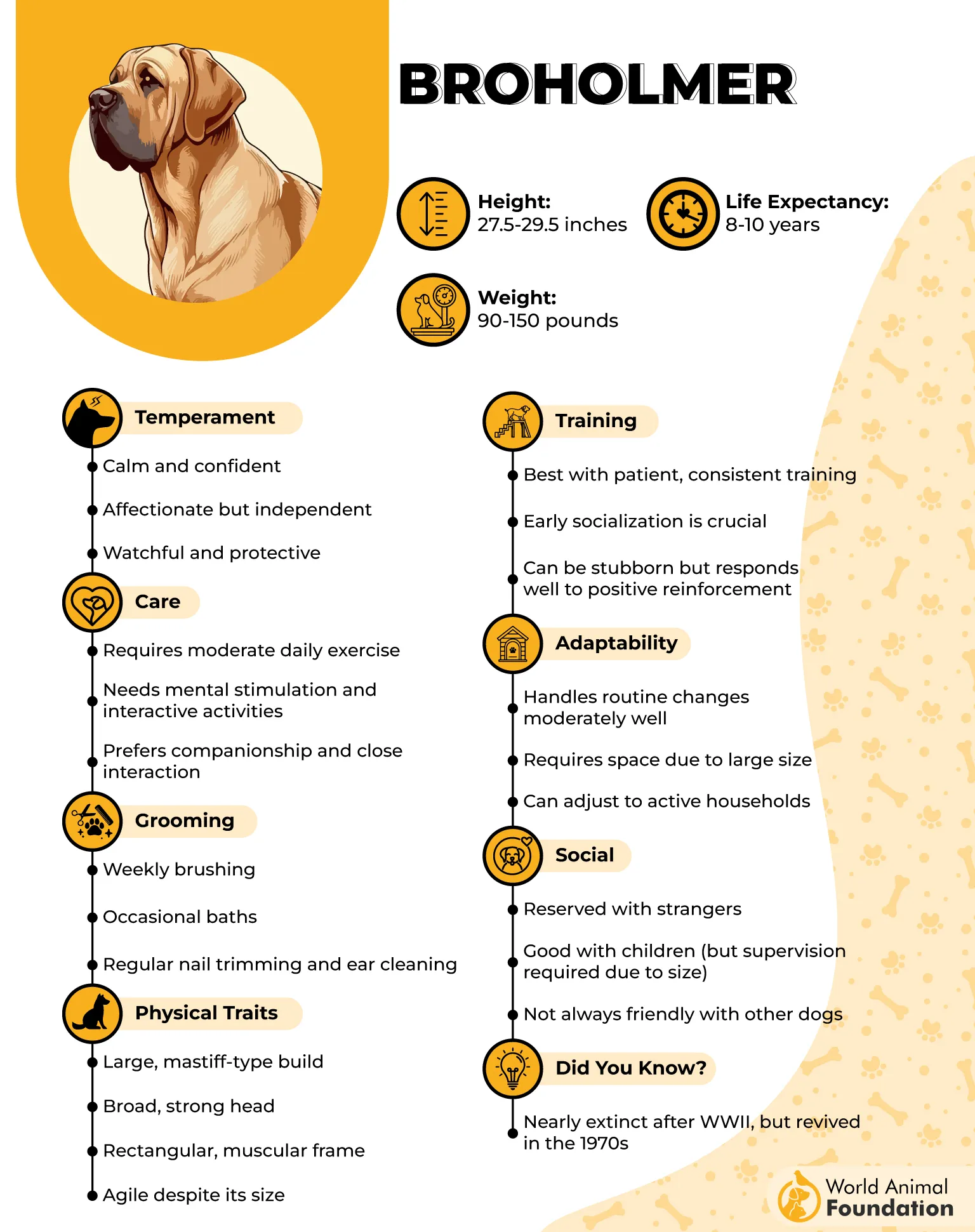
To help them live longer, focus on healthy breeding practices if you are getting a puppy. Ask breeders about health testing. Once you bring them home, keep them lean, active, and mentally engaged. These dogs are smart and need structure.
Regular vet visits, quality dog food, and a loving home!! That is the recipe for maximizing their time with you.
5. Bulldog
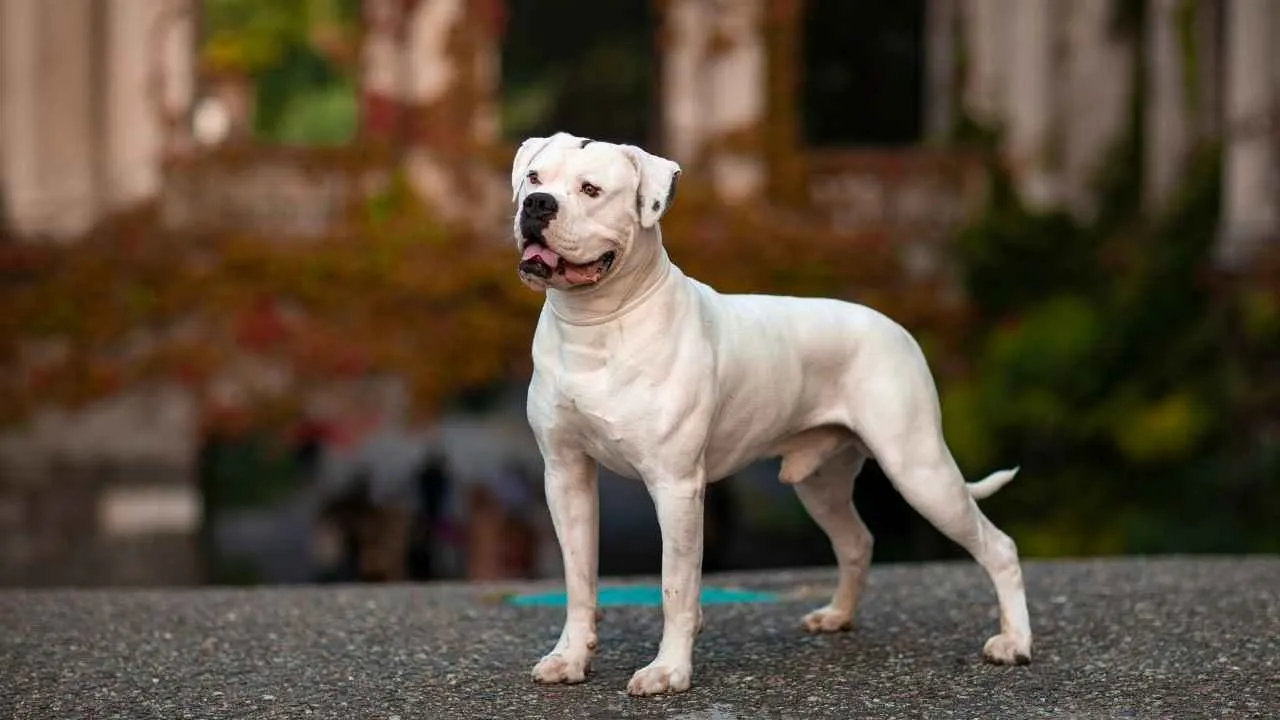
Wrinkly. Adorable. And honestly… a little bit of a medical mystery.
Bulldogs (especially English Bulldogs and French Bulldogs) are known for their smushed faces, stocky build, and lovable personalities. But their average lifespan is around 8-10 years. Sometimes, less.
These mushy, wrinkled dogs are prone to breathing problems, skin infections, hip dysplasia, and overheating. Their short snouts make it hard for them to breathe, especially in hot weather.
And those adorable wrinkles need regular cleaning to avoid infections.
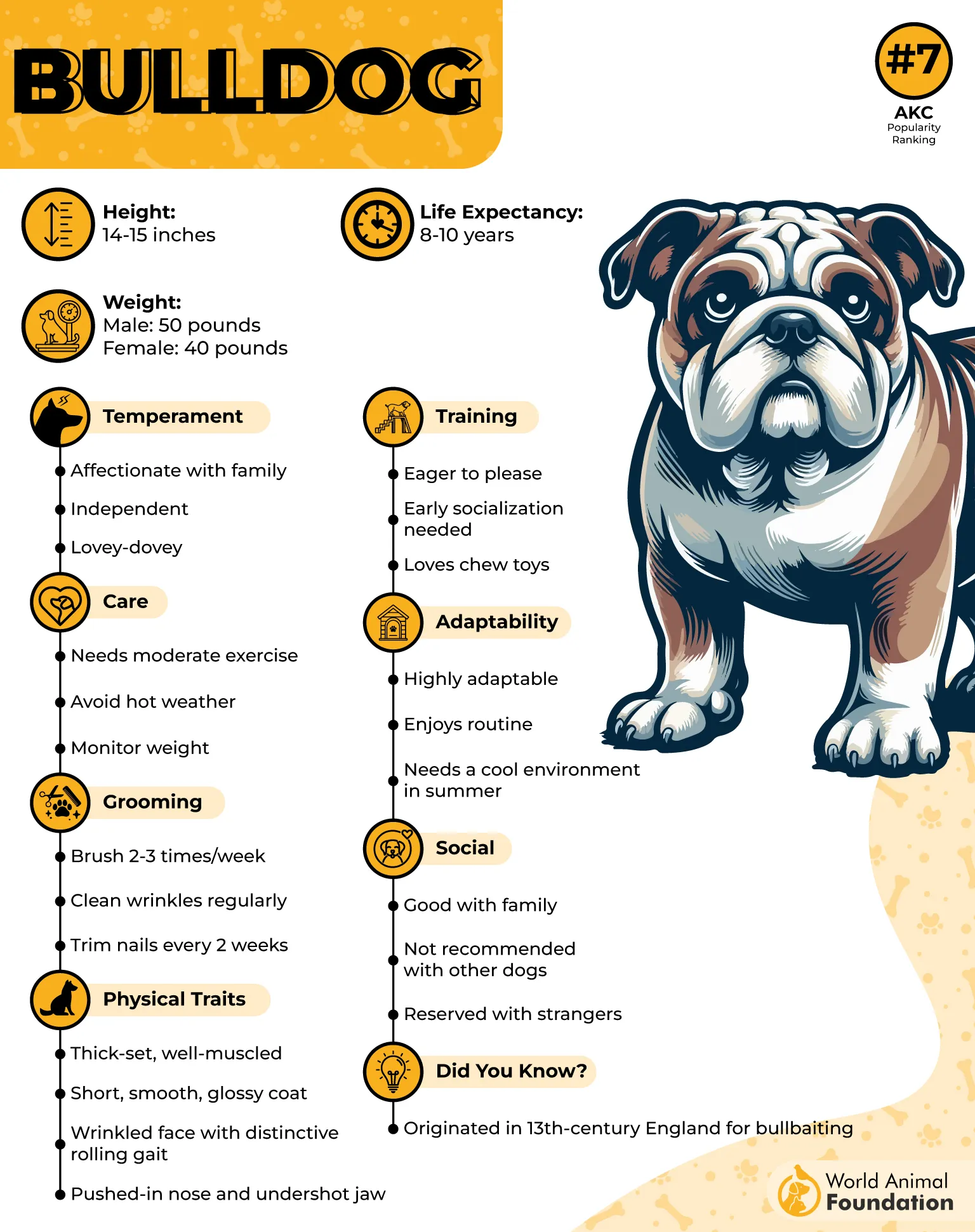
To maximize their life, keep them cool. Seriously.
Don’t over-exercise them in the heat. Feed them high-quality food (they can be prone to weight gain) and clean those wrinkles daily. Regular vet checkups are non-negotiable.
Also, if you are considering getting a Bulldog, please support breeders who prefer health over looks. These dogs deserve better.
6. Saint Bernard
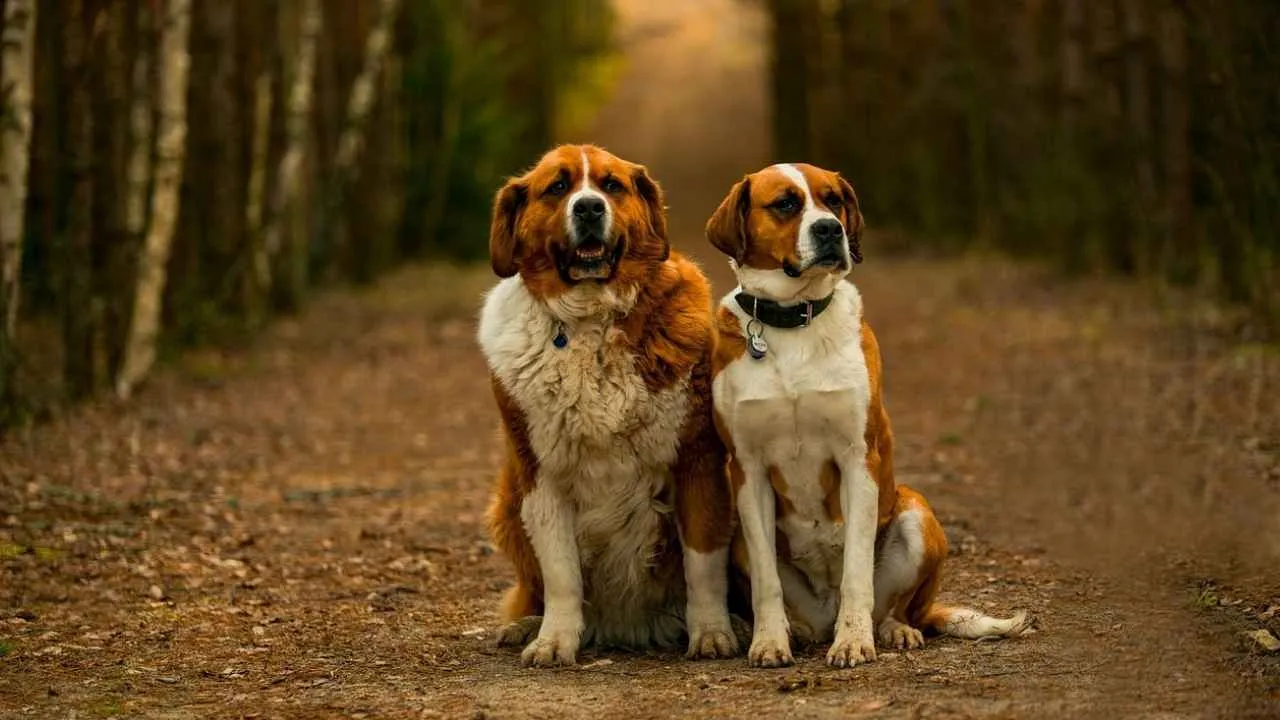
Saint Bernards are another one of those dog breeds with the shortest lifespan. These dogs just radiate kindness. They are patient with kids, loyal to their families, and have this calm and steady energy that makes them great family dogs.
But their lifespan is only around 8-10 years.
These giant dogs are prone to bone cancer, heart disease, and joint issues. Their size is massive (up to 180 pounds), which puts a strain on their limbs and bodies, and they age faster than most other dogs.
Health problems tend to show up early in life, so early intervention is key for these muscular dogs.
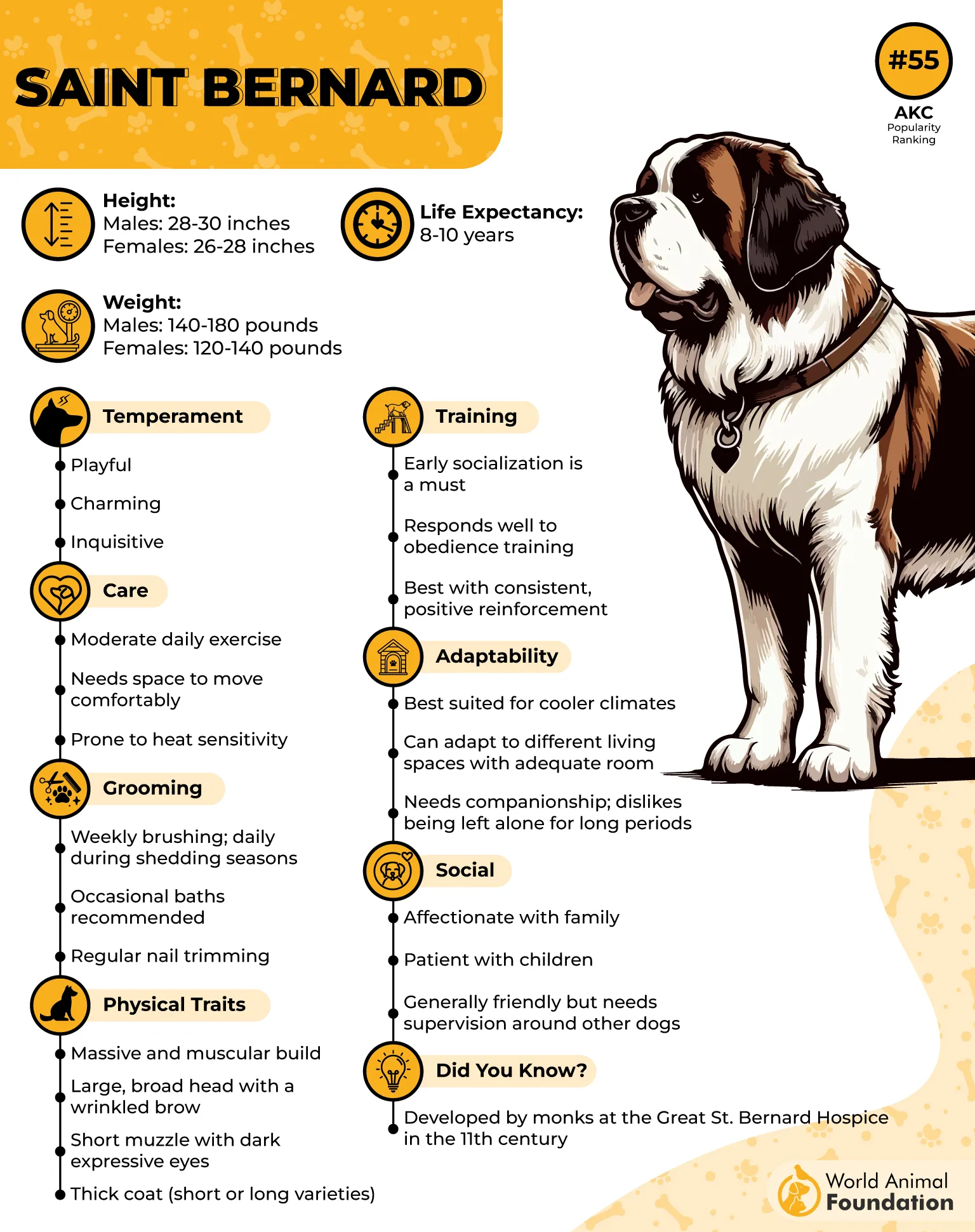
To help your Saint Bernard live longer, keep them at a healthy weight. Extra pounds on a dog this big is asking for joint and heart problems. Feed them good food, keep up with exercise (gentle walks are perfect), and monitor them for signs of pain and discomfort.
And give them a soft place to sleep.
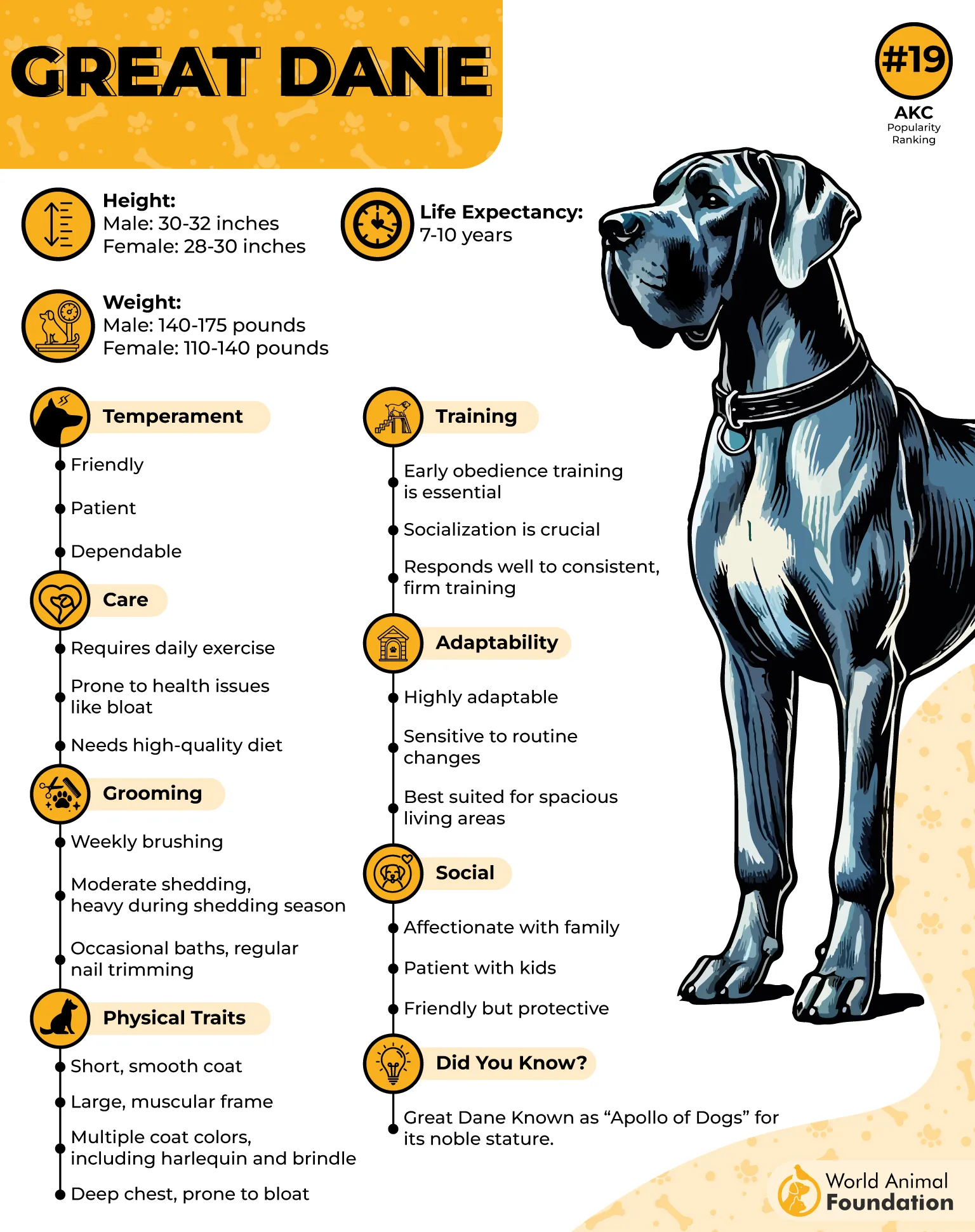
7. Great Dane
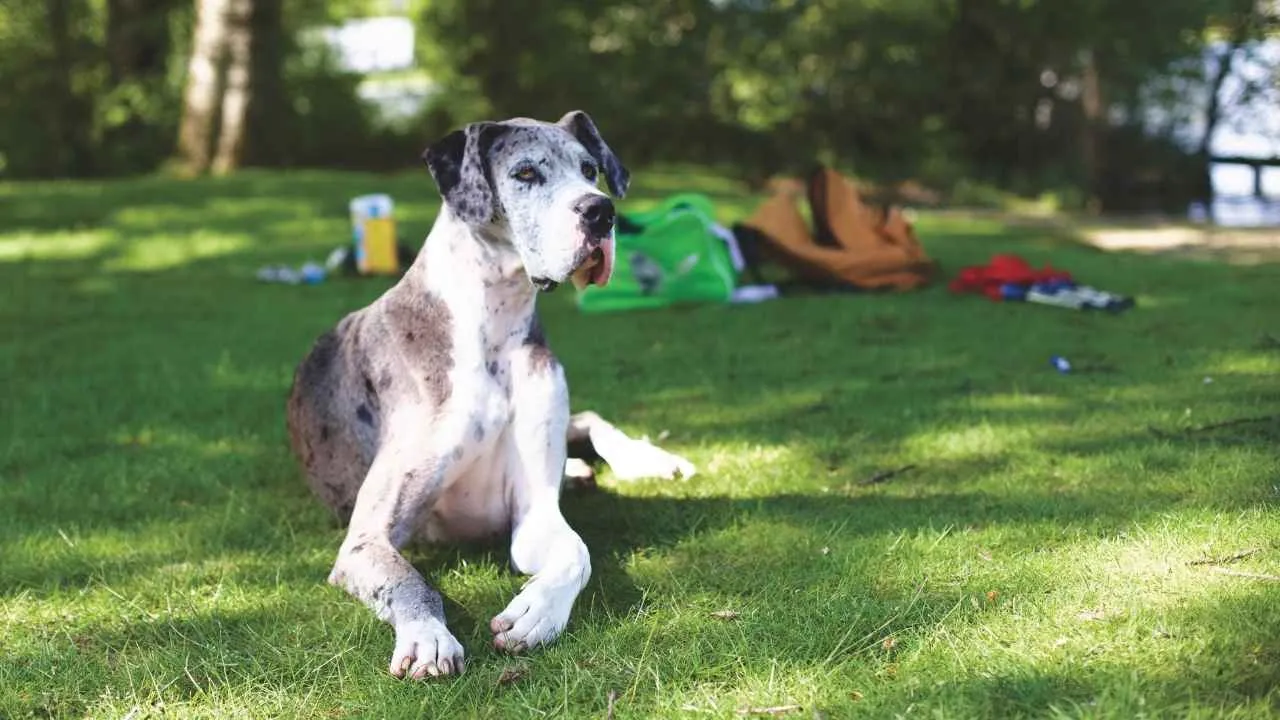
Tall. Elegant. Gone way too soon.
Great Danes are one of the most recognizable dog breeds in the world. They are gentle, goofy, and calm for their size. But their average lifespan is just 7 to 10 years. Some even live less.
These skinny and tall dogs are prone to bloat (a life-threatening sickness), heart disease, and degenerative myelopathy. Their sheer size, long legs, and rapid growth make them vulnerable to all kinds of health issues. Breeds with shorter lives include these giant dogs, and it is tough.
So, how do you maximize their time?
Feed them smaller, more frequent meals to reduce the risk of bloat. Help your dog maintain an ideal weight and keep them lean. Avoid intense exercise right after eating. Regular vet checks are critical as they are aging.
Great Danes are incredibly fun-loving companions. They leave a lasting impression on anyone they meet. And even though their time with us is short… it is worth every second.
Conclusion
Some dogs don’t get as many years as we’d like.
But dog owners need to remember this:
Dog lifespans are not about the number but the quality of the dog’s life. It is about the belly rubs, the walks, the cuddles, the adventures, and the love.
These dog breeds with short lifespans are amazing. And you can try these tips to maximize their lifespan. No matter if it is a Bernese Mountain dog, Dogue De Bordeaux, Cane Corso, German Shepherd, Neapolitan Mastiff, or any of the breeds we covered today that are recognized by the American Kennel Club, they all deserve the best care we can give these shortest living dogs.
The shortest average lifespans can be catered to with proper exercise, quality dog food, regular vet visits, and a whole lot of LOVE.
Because even if these dogs tend to leave us so soon… the memories they leave behind last FOREVER!!
