




A guard dog does not have to be a furry security siren. If you want a companion who is gentle at home, easy to live with, and still quietly tuned in when something feels “off,” you are in the right place.
Some breeds are naturally low-drama: they prefer to observe first, stick close to their people, and step forward only when it truly matters. That calm confidence can be a sweet spot for families, first-time owners, and anyone who wants loyalty without the constant commotion.
Below, we are highlighting docile guard dog breeds that tend to be affectionate, steady, and just protective enough to make you feel a little more at ease.
Fun Fact
Dogs can learn to recognize familiar routines and notice when something is out of place, like a new sound at the door or an unusual pattern in the yard. Their alertness is not always loud, sometimes it is simply a long, thoughtful stare.
Docile Guard Dog Breeds that are Loyal and Low-Key Protection Dogs
1. Doberman Pinscher
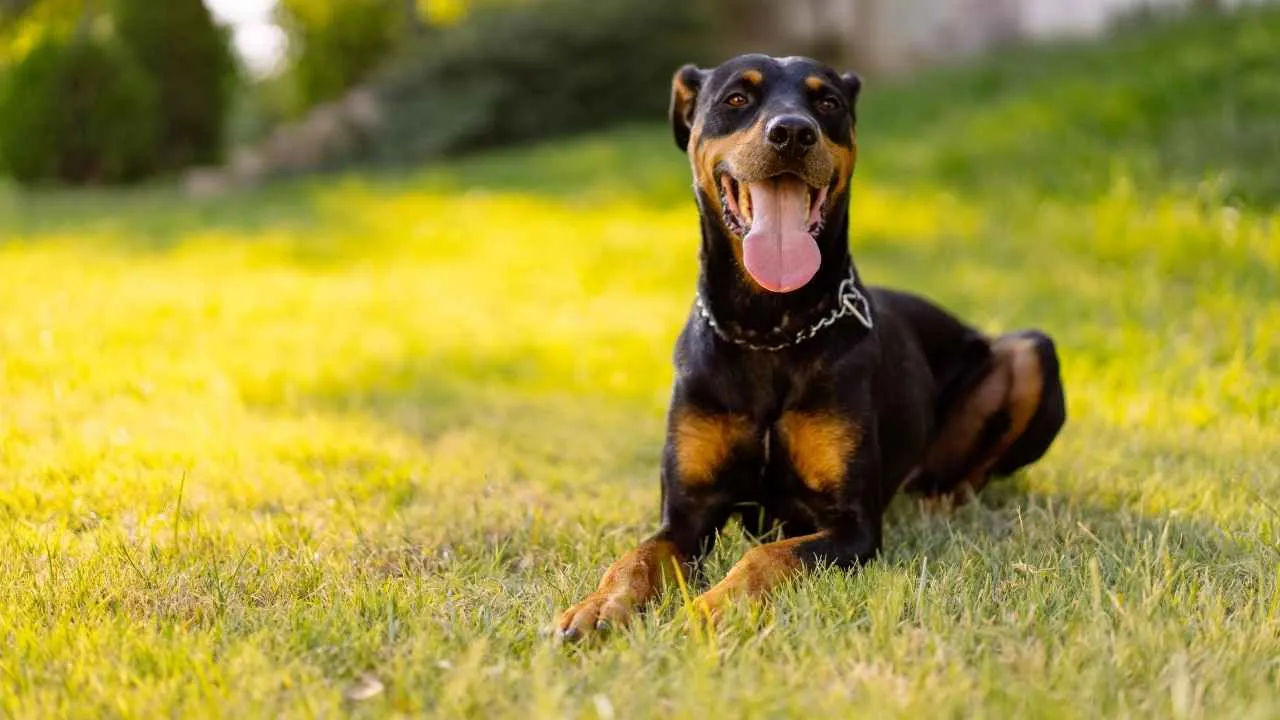
The Doberman Pinscher has that sleek, deep-chested look that turns heads, but the personality often surprises people. This is a lovable, intelligent dog that can be gentle and not aggressive by nature. With a loyal, alert temperament and a low tendency to bark, a well-trained “Dobe” can feel like a steady shadow with good judgment.
According to the AKC, Dobermans are energetic athletes who need plenty of exercise and space to run. Daily long walks or hikes, plus a large fenced area for free play, help keep them physically and mentally balanced. Obedience, tracking, and agility add extra brain-and-body workouts.
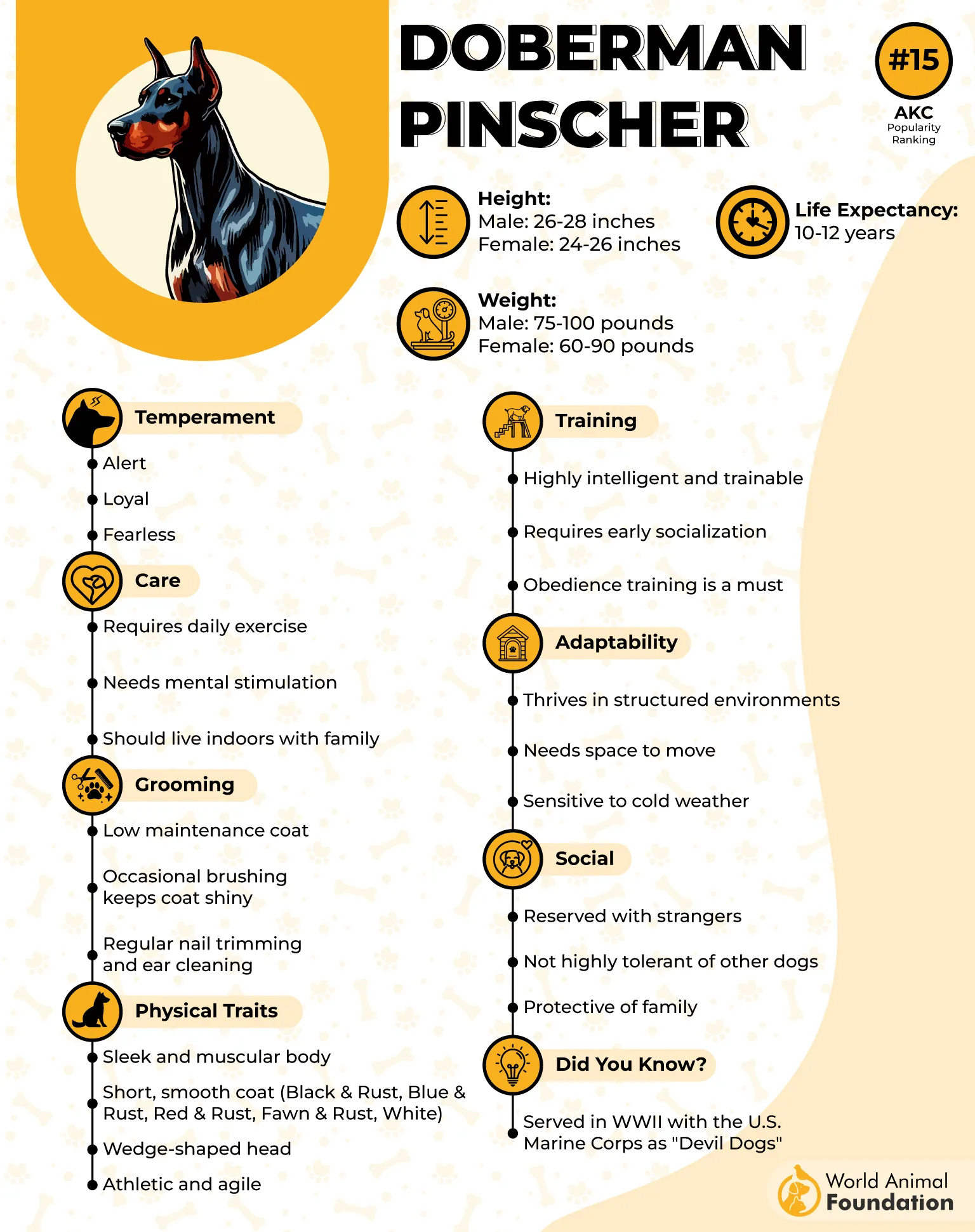
Because Dobermans learn quickly, proper training is essential and usually rewarding. Socialization matters too, so they stay confident in different situations. Many owners keep them on leash in public, since they can be defensive if they think you are under threat, and may not get along with unfamiliar dogs.
Fun Fact
During World War II, the Doberman Pinscher served as the Marine Corps’ official dog. Twenty-five Dobermans who died fighting on Guam are honored at the World War II War Dog Memorial at Naval Base Guam.
2. German Shepherd
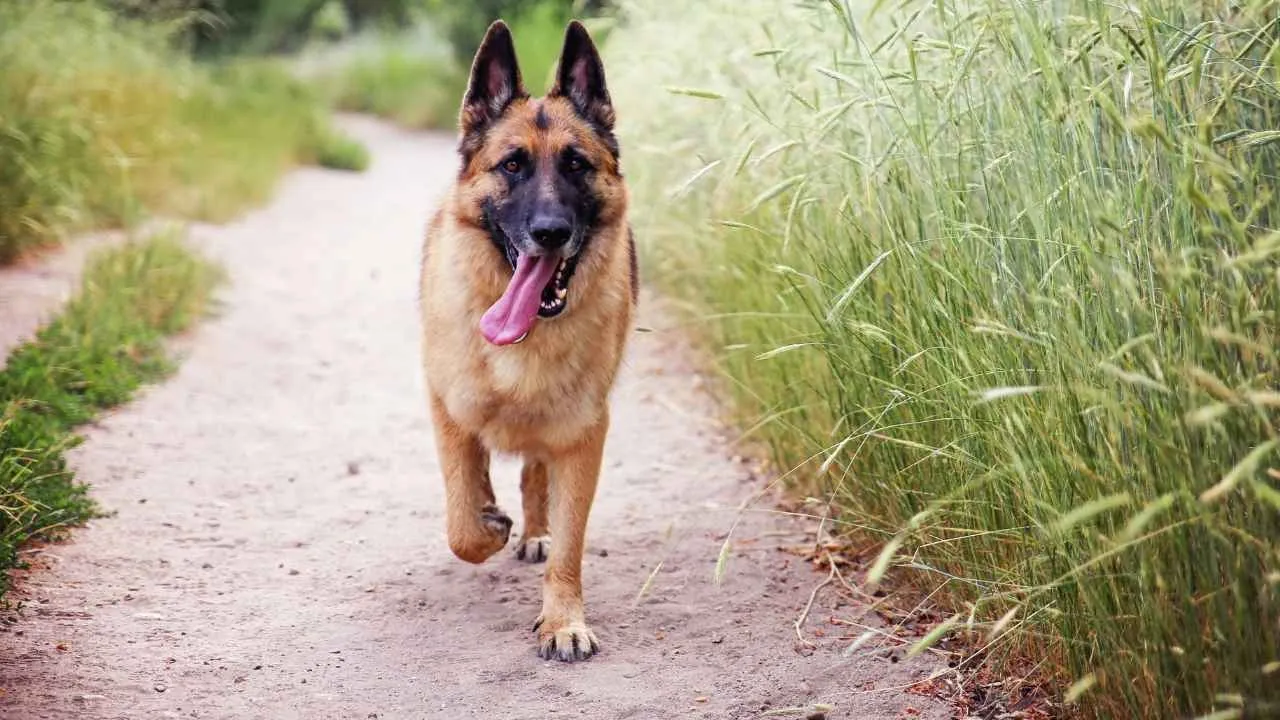
German Shepherd dogs are large, agile, and very loyal, with a brain that looks for a job as soon as their paws hit the floor. Originally bred as a herding dog, they are high-energy and thrive when they have a regular outlet for exercise and focus. Their confidence and bravery are reasons they are commonly used as working dogs in the military and police, including patrolling and search-and-rescue dogs.
Life with a German Shepherd goes best when training is part of the routine. Consistent practice and puppy socialization help them grow into well-mannered adults who can be gentle with their family members and more reserved with strangers. Because they have a strong drive, many pet parents keep them on leash or in a fenced yard so a squirrel does not turn into a chase scene.

They also come with a coat that likes to share. With a double coat that sheds a lot, frequent brushing helps reduce hair around your home. Pair that grooming with daily activity, and you get a dog that stays engaged and less likely to stir up trouble.
Fun Fact
Breed makes up only about 9% of a dog’s behavior, so training and environment do a lot of the heavy lifting. That is why two German Shepherds can act surprisingly different, even when they look like twins.
3. Boxer
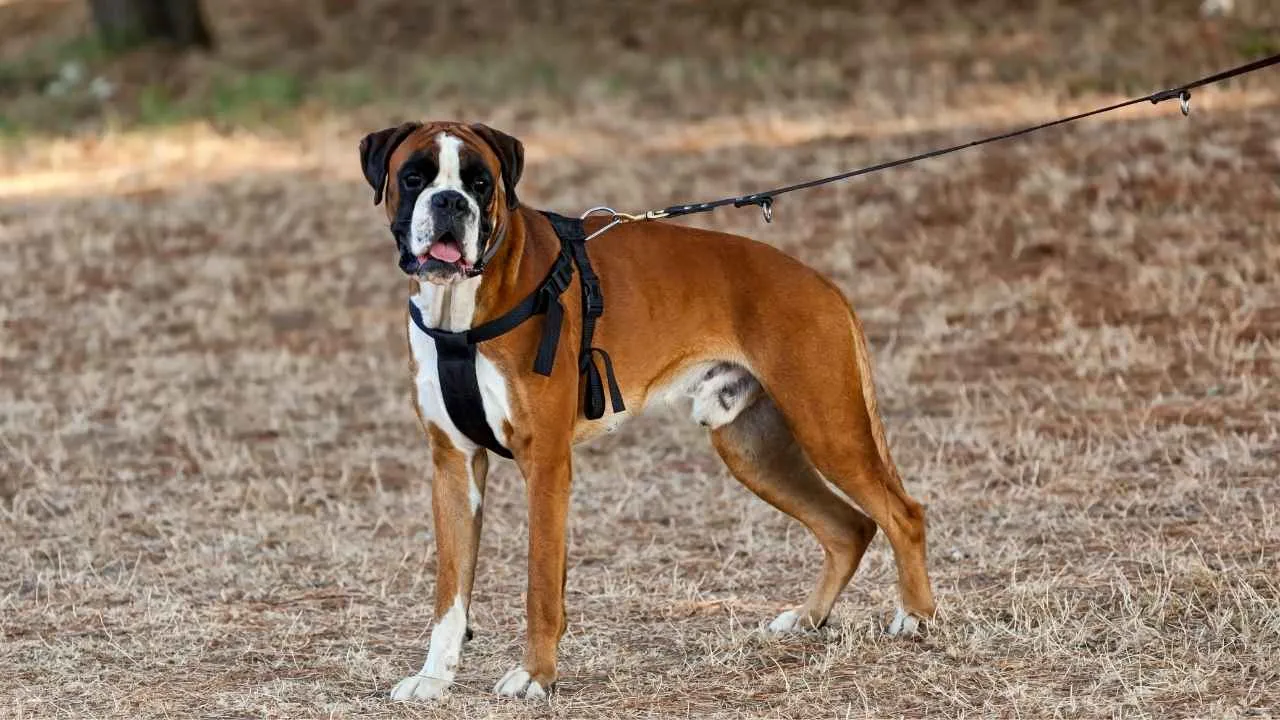
Boxers are bright, alert, and upbeat, with a sense of humor that can show up at the most inconvenient time. They are a protective dog breed that’s also affectionate and loyal, which can make them excellent guard dogs and amazing family pets at the same time. When they decide you are their person, they tend to take that job seriously.
They are high-energy and need ample daily exercise, on leash or in a securely fenced area. Boxers should not run loose, and young dogs can be big on jumping and leaping, so “down” becomes a useful household word. They also do best living inside with the family, since they do not handle extreme heat or cold well.
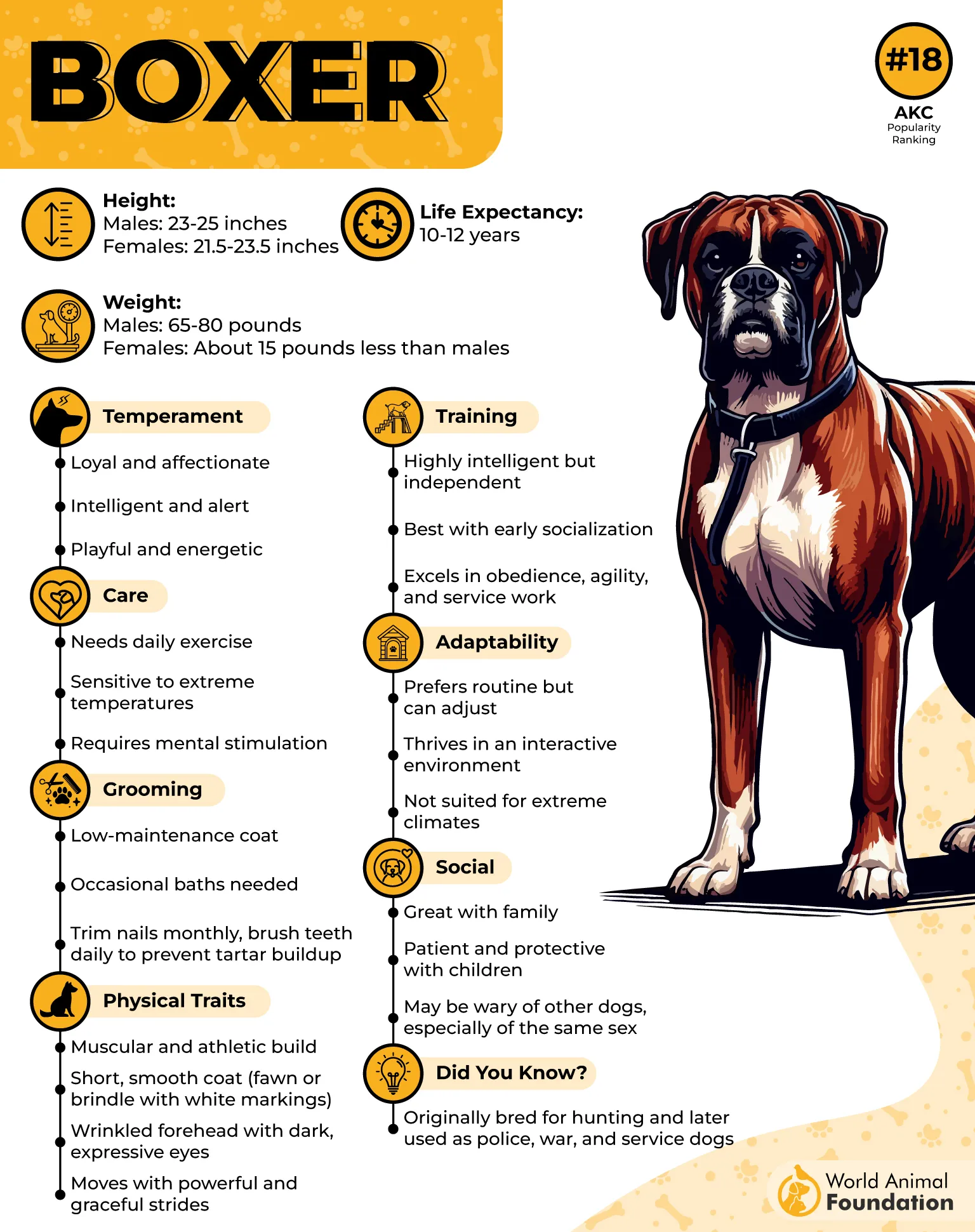
As mentioned by PetMD, Boxers are smart and can be very trainable, but their high energy often calls for a little extra patience. They tend to do best with clear, consistent direction and positive reinforcement.
Fun Fact
The Boxer’s ancestors include the war dogs of the Assyrian empire, going back as far as 2,500 B.C. The AKC registered its first Boxer in 1904, which is a long time to stay this playful.
4. Bernese Mountain Dog
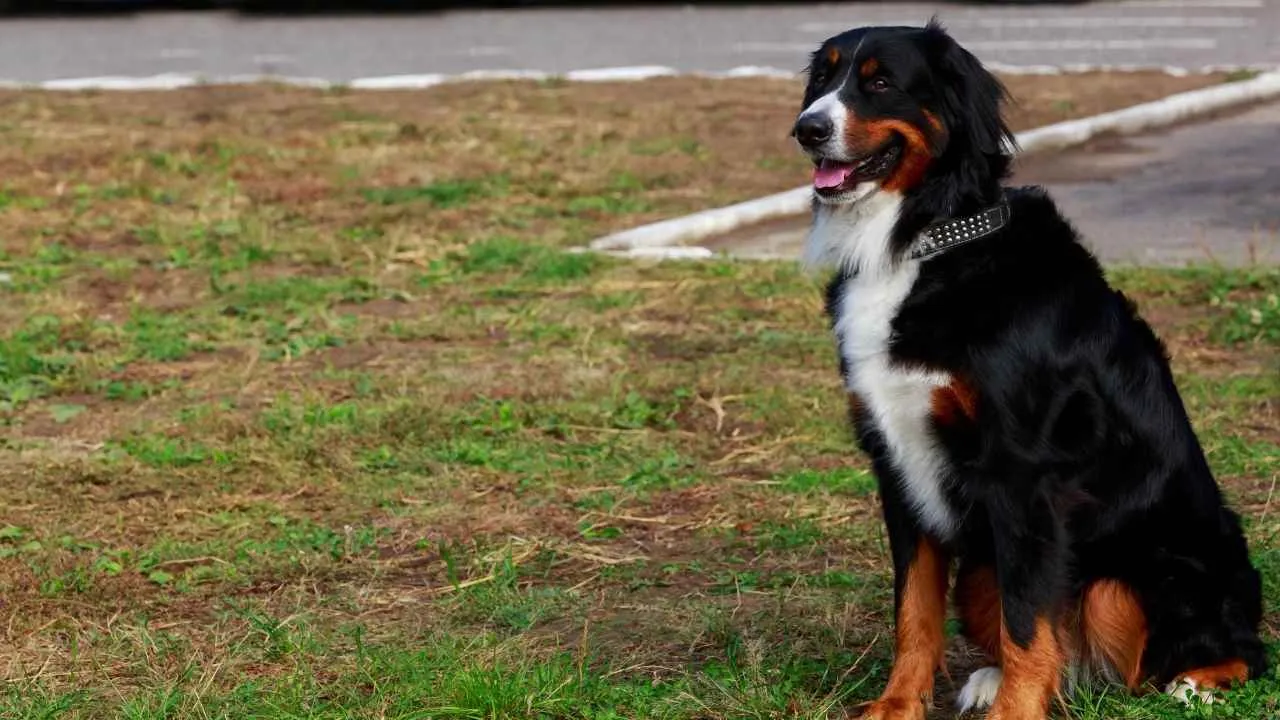
Bernese Mountain Dogs are big, tri-colored charmers with a strong, intelligent, agile build shaped by life in mountainous regions. Around the family, they are imposing but generally not threatening, and many do well with children. They often form a special attachment to one person, giving them a quietly devoted, “I will follow you to the kitchen” style of loyalty.
Their coat is part of the appeal and part of the housekeeping plan. With a longer outer coat and a woolly undercoat, they shed and need weekly brushing to remove loose hair and work out tangles, with extra effort during heavy shedding seasons. Nail trims matter too, since long nails can cause pain and walking issues.
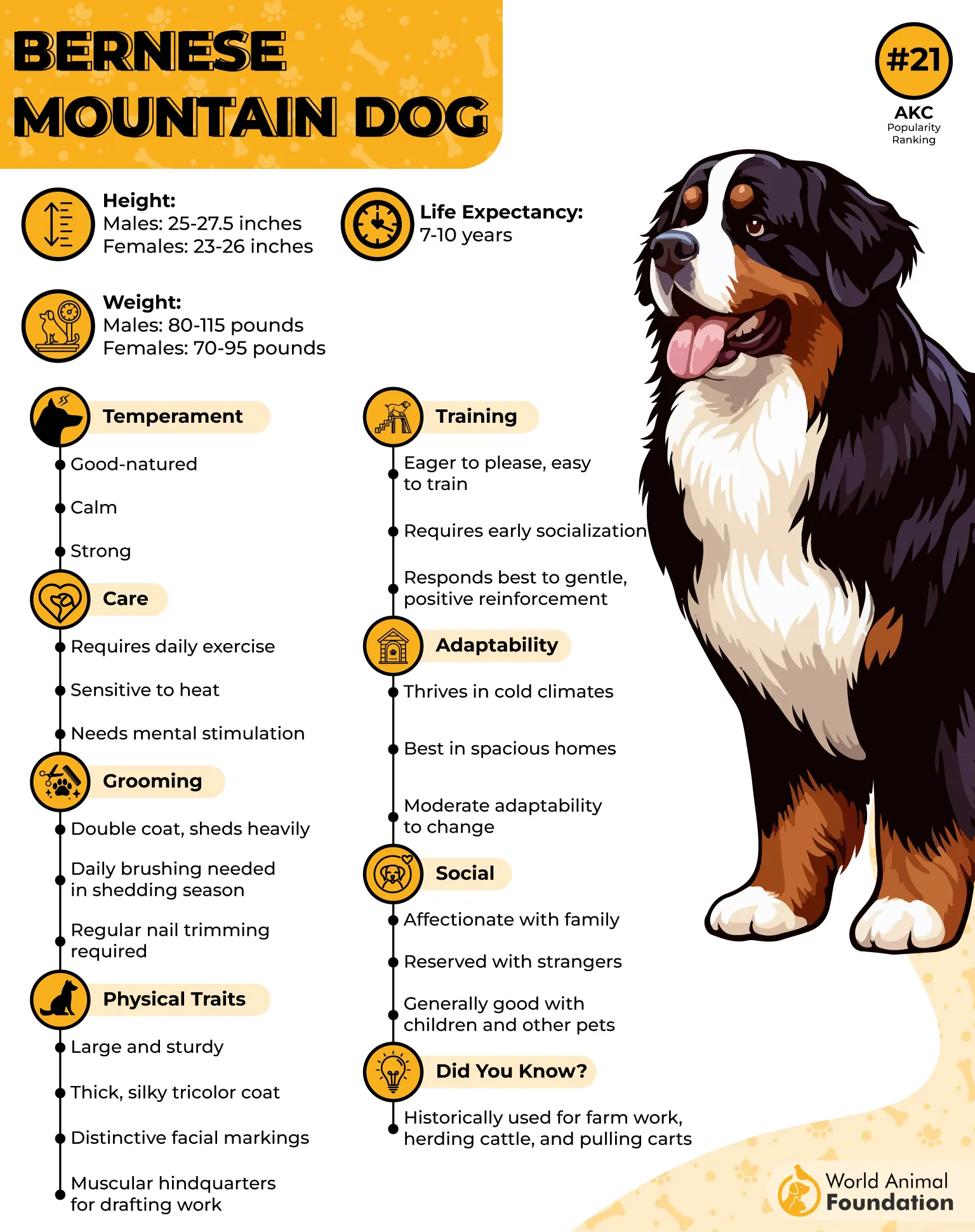
As per WebMD, Bernese Mountain Dogs need moderate daily exercise and enjoy long walks and hikes. Their thick coat can make them overheat in warm weather, and they can gain weight if they do not stay active. Even though they like outdoor time, they generally do best living indoors with their family.
Fun Fact
Bernese Mountain Dogs are one of four mountain dog breeds from the canton of Bern. They were used for driving, guarding, and draft work, and often pulled carts around the Swiss Alps.
5. Cane Corso
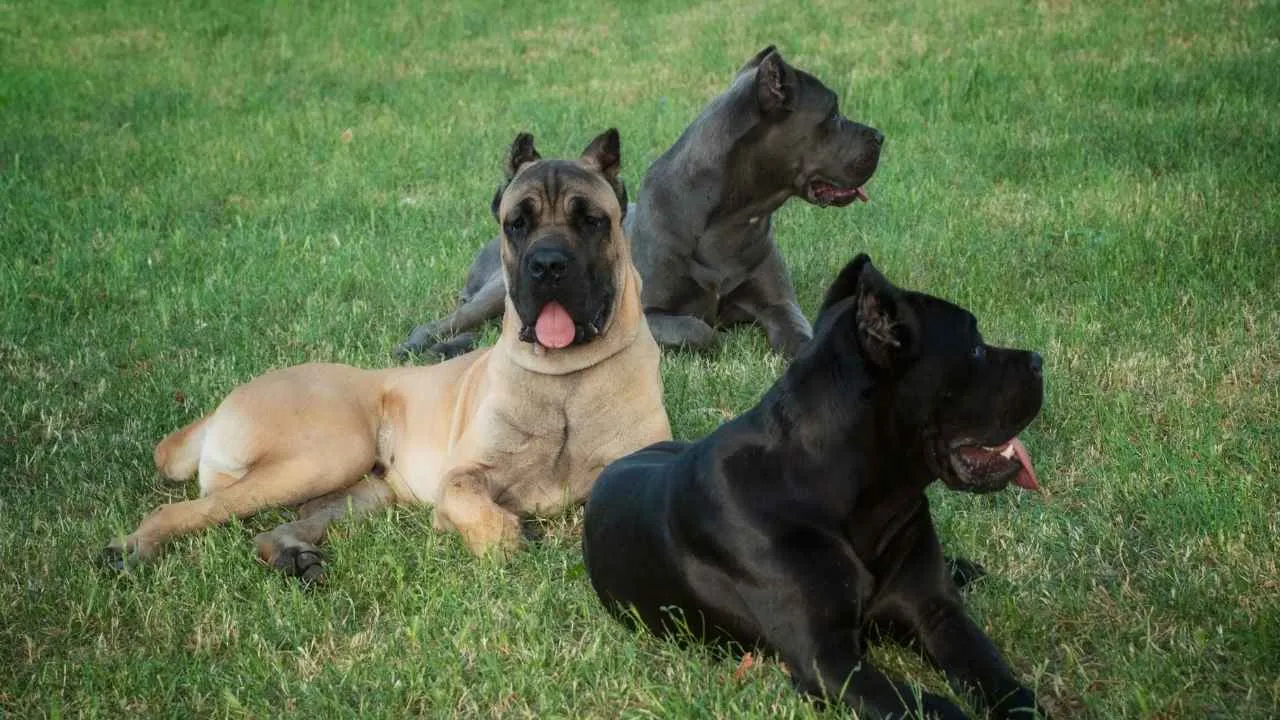
The Cane Corso, also called the Italian Mastiff, is a working breed with a serious look and a loyal, affectionate side. They tend to be reserved, confident, and extremely attentive to their surroundings, and many are naturally quiet in the house. Give them a family to stick close to, and they often act like they have appointed themselves the household manager.
Daily activity keeps that muscular body and busy brain in a good place. Frequent walks or runs and a sturdy, tall fence are recommended, and they are not a great fit for apartment life. Their short, smooth coat is low-maintenance, but regular nail trims, basic dental care, and weekly ear checks help round out everyday care.
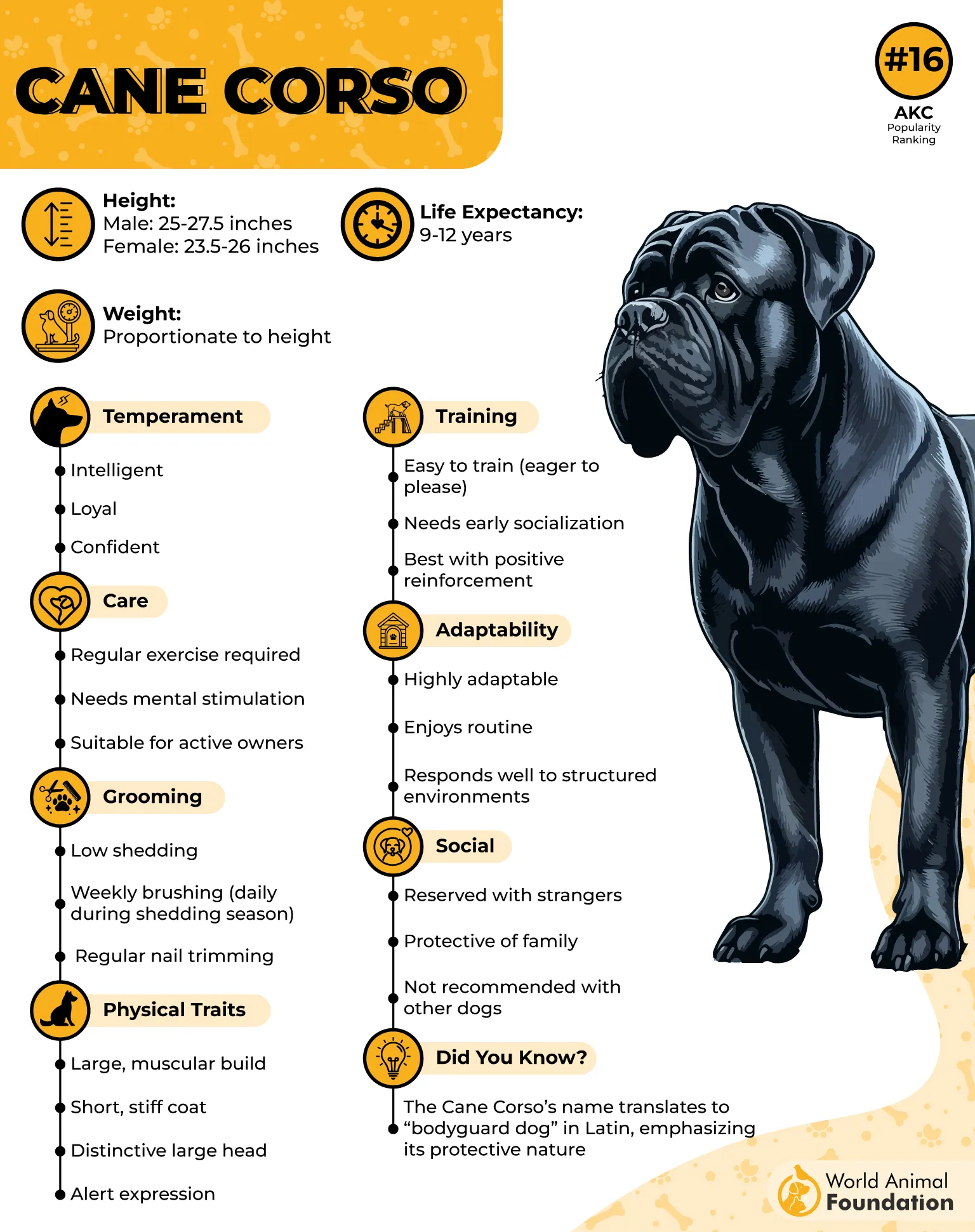
This breed can be willful and has an instinct to take charge, so clear expectations and consistent practice matter. In the right hands, they can be gentle and loving, and in the wrong setup, they can become reactive, so experience and kindness go a long way.
Fun Fact
The name “Cane Corso” traces back to Latin and is often translated as “bodyguard dog” or “guard dog of the courtyard.” Also, the correct plural is “Cani Corsi,” which sounds like something you would order at a very fancy Italian café.
6. Bullmastiff
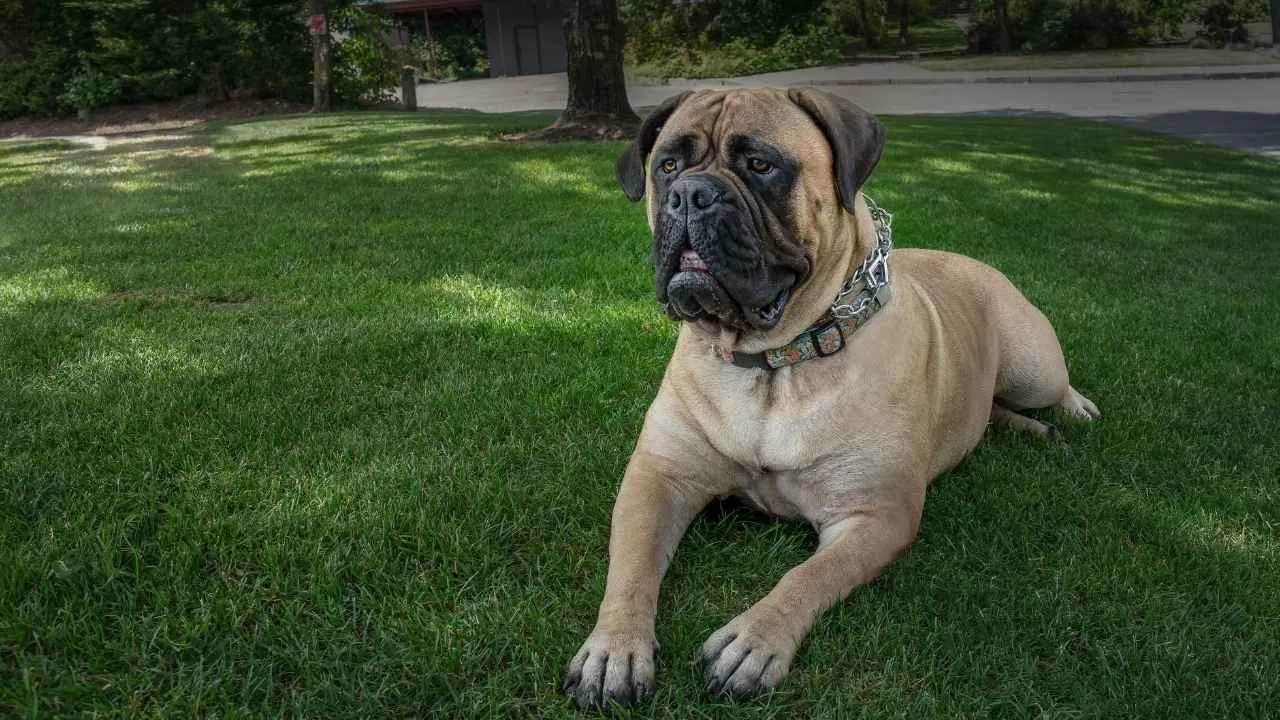
A Bullmastiff has the look of a heavyweight, but at home, they are often very calm, loving, and surprisingly gentle with people who pose no threat. They are great guard dogs and also form close bonds and crave human companionship, usually preferring to be near their family rather than posted outside on solo duty.
They may not do well in multi-pet homes, as they can have a high prey drive and can struggle with other dogs, especially males with other male dogs. Indoors, basic grooming is simple, but keeping ears and any facial folds clean and dry is part of the routine.
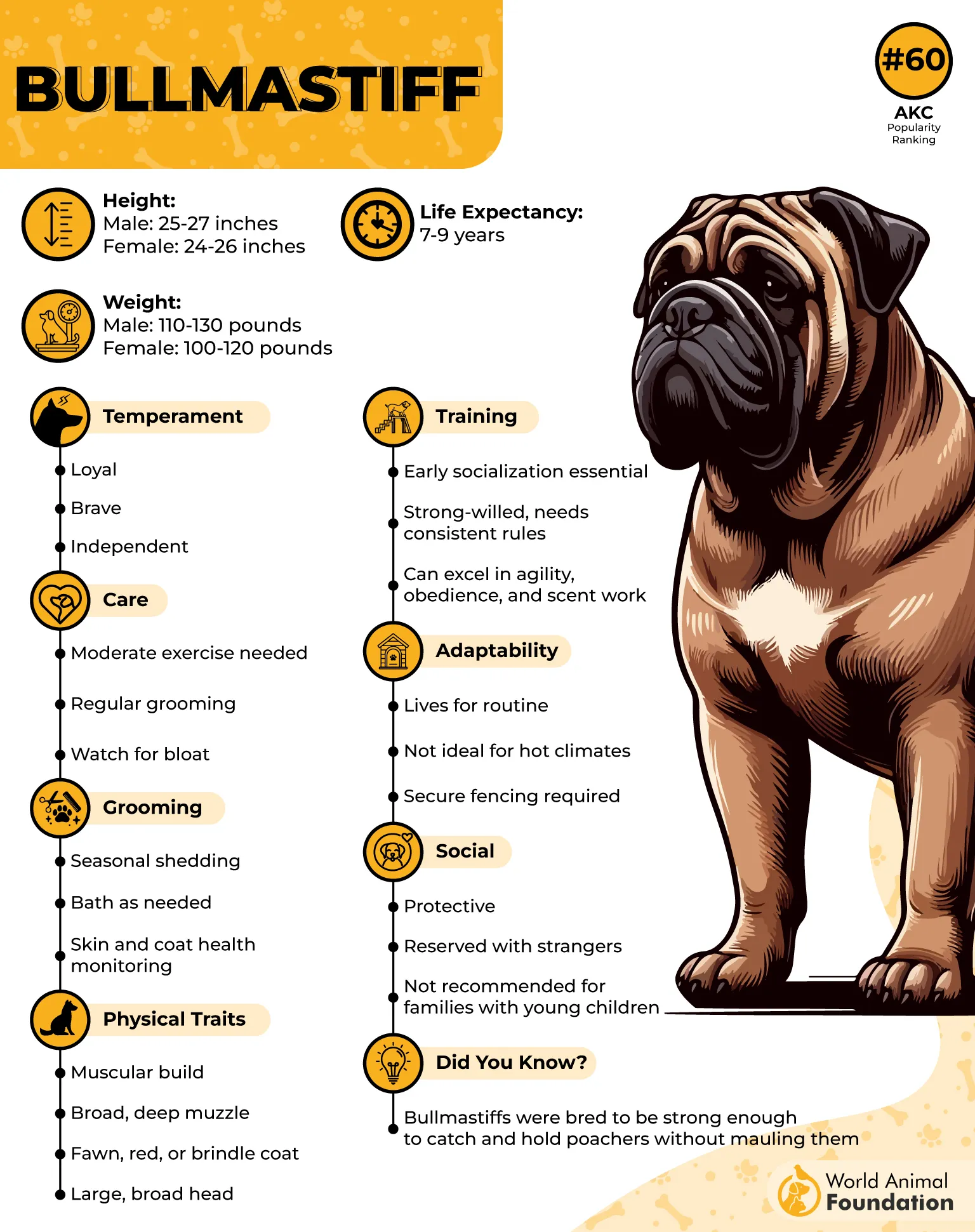
They are not overly active, but they do need routine mental and physical stimulation to stay fit and motivated. Hot weather can be tough due to their short snout, so keep exercise sensible and keep them cool.
Fun Fact
The Bullmastiff was developed by gamekeepers who wanted a dog capable of protecting game from poachers. The breed later worked guarding the De Beers diamond mines in South Africa, which is a pretty dramatic line on a dog’s resume.
7. Great Dane
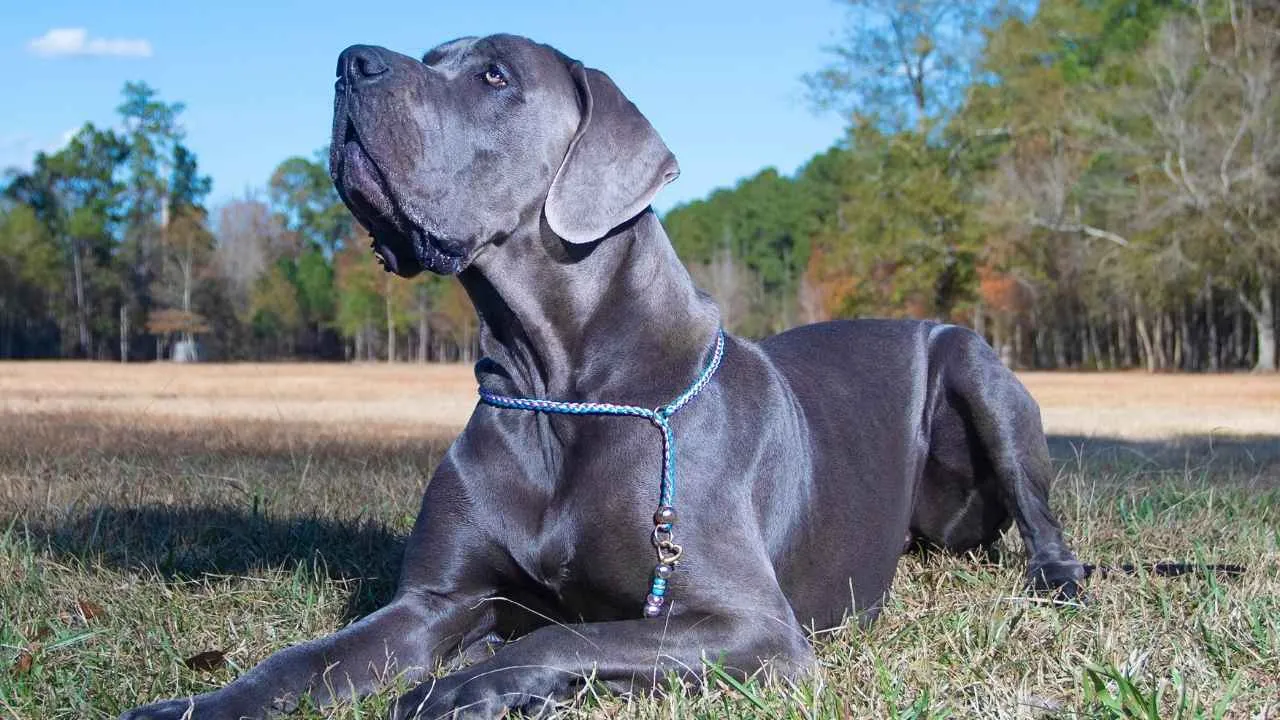
Great Danes are known for their big presence and friendly personality, and many love getting physical affection from humans. They are playful and confident, and often prove to be great family dogs. Their temperament is generally mild-mannered, which can make training and day-to-day handling feel more straightforward.
They are athletic and energetic, with high mental stimulation needs, so boredom is the real troublemaker here. Younger Danes can be rowdy, and some may develop unusual chewing behaviors or separation anxiety, especially if their routine lacks structure. Proper socialization matters because, without it, they may become snappy or aggressive in social situations.
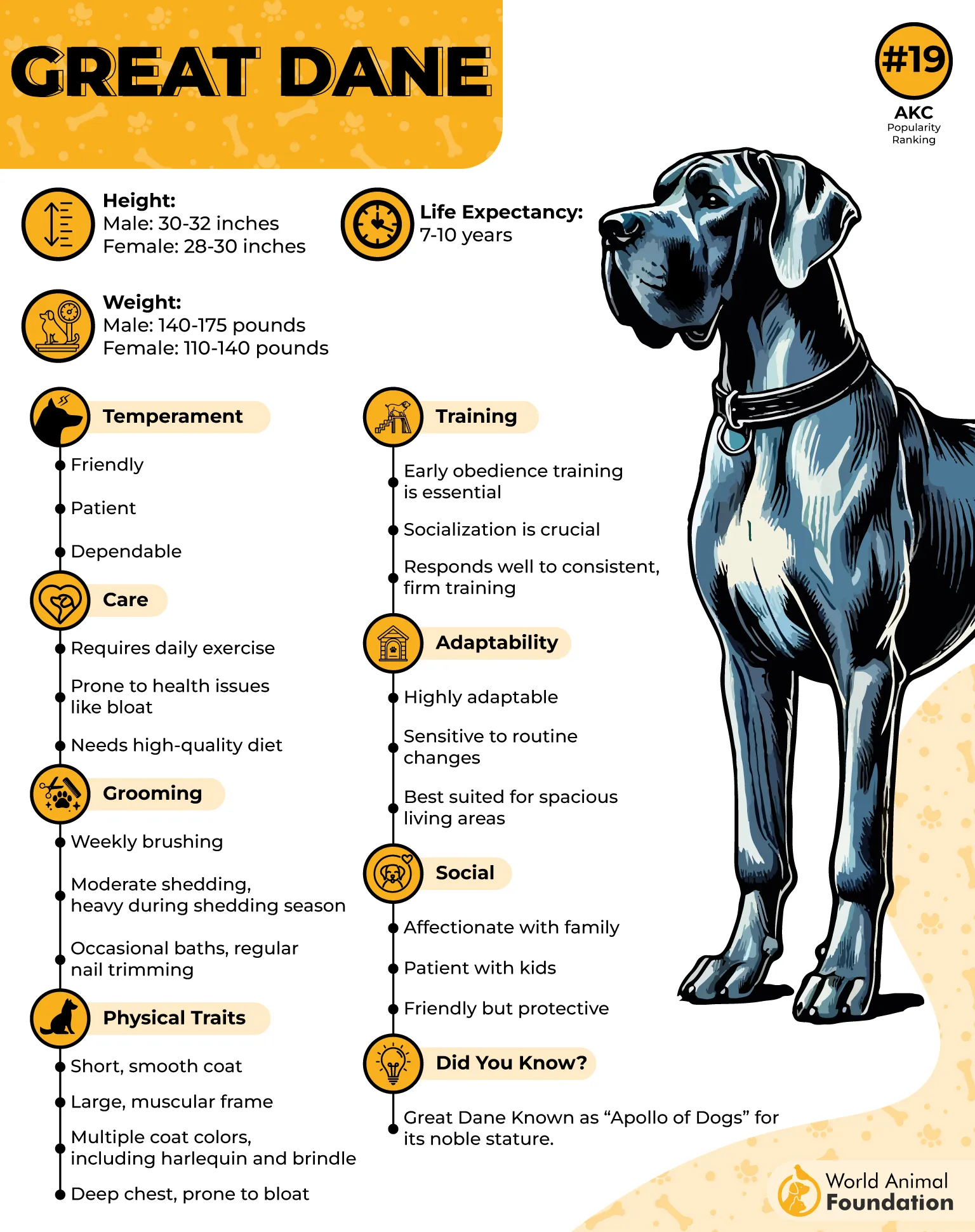
Care is fairly manageable, with a smooth, short coat and regular basics like dental hygiene and weekly ear cleaning. Leash walks are important because they can have a high prey drive, and a sturdy fence is recommended at home. Feeding habits matter too, since bloat is noted as a serious concern, so smaller meals and avoiding heavy exercise around mealtimes are commonly advised.
Fun Fact
The Great Dane is also called the German Mastiff, reflecting its roots and traditional name. It is described as a cross between the Old English Mastiff and the Irish Wolfhound, which helps explain the breed’s classic “gentle giant” vibe.
Conclusion
Docile guard dog breeds that are loyal and low-key protective can be a smart match for dog owners who want a calm demeanor at home and a protective nature when it counts. The best guard dogs are often those that are properly trained and socialized, so they develop a balanced temperament and fit smoothly into family life.
Many guardian breeds are naturally protective, and with consistent training and socialization, they can also learn to live comfortably with other pets, other animals, and small children.
Docile guard dog breeds can make a great family guard dog for families who want protection dogs that are loyal at heart. Other breeds, such as the Staffordshire Bull Terrier, Great Pyrenees, and Saint Bernard, are also worth considering among many dog breeds if you want to explore more options.
