




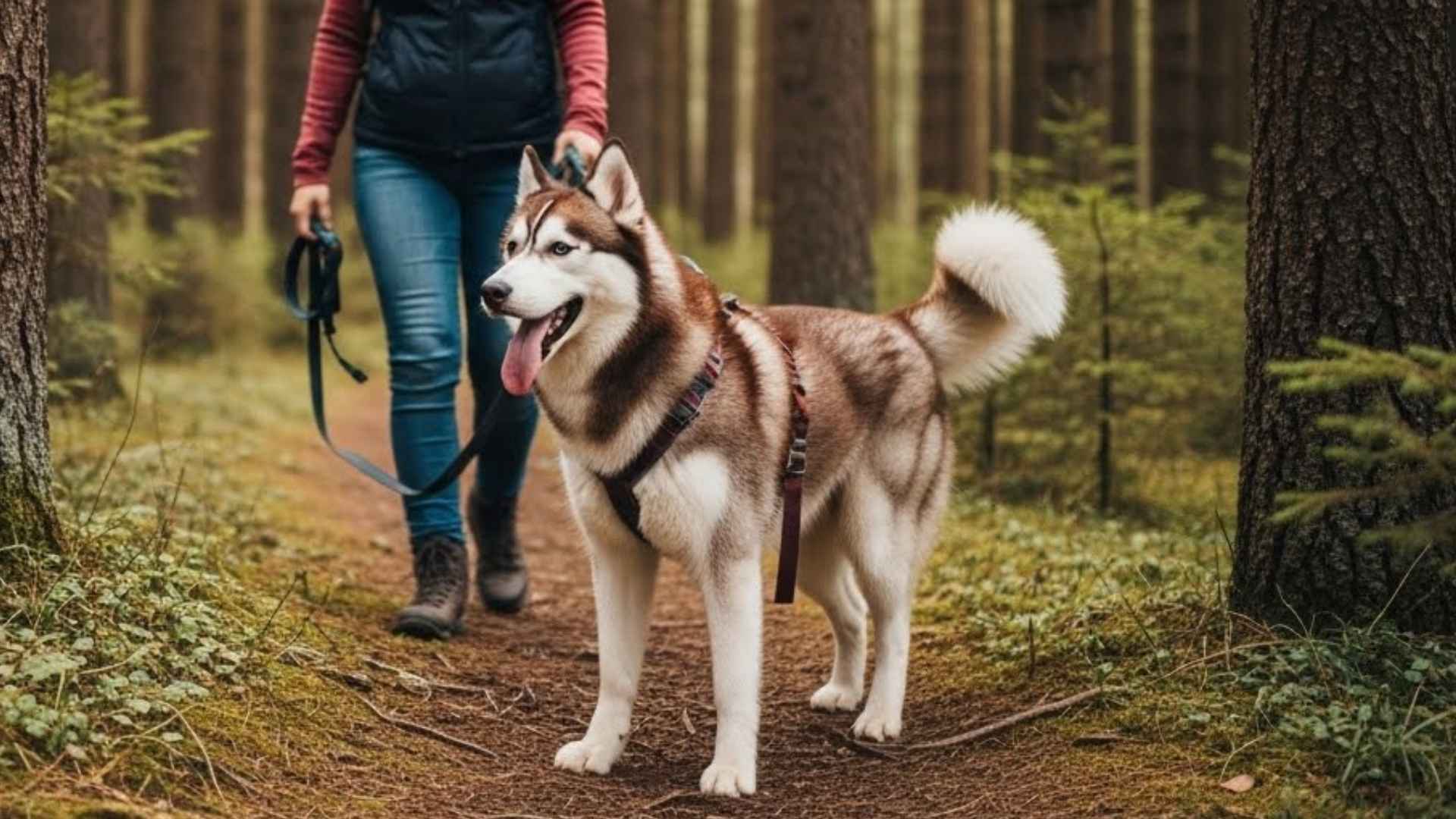
Adventure feels different when dogs lead the way. It starts with fresh air and open trails. It grows with muddy paws, quiet forests, and long days outside.
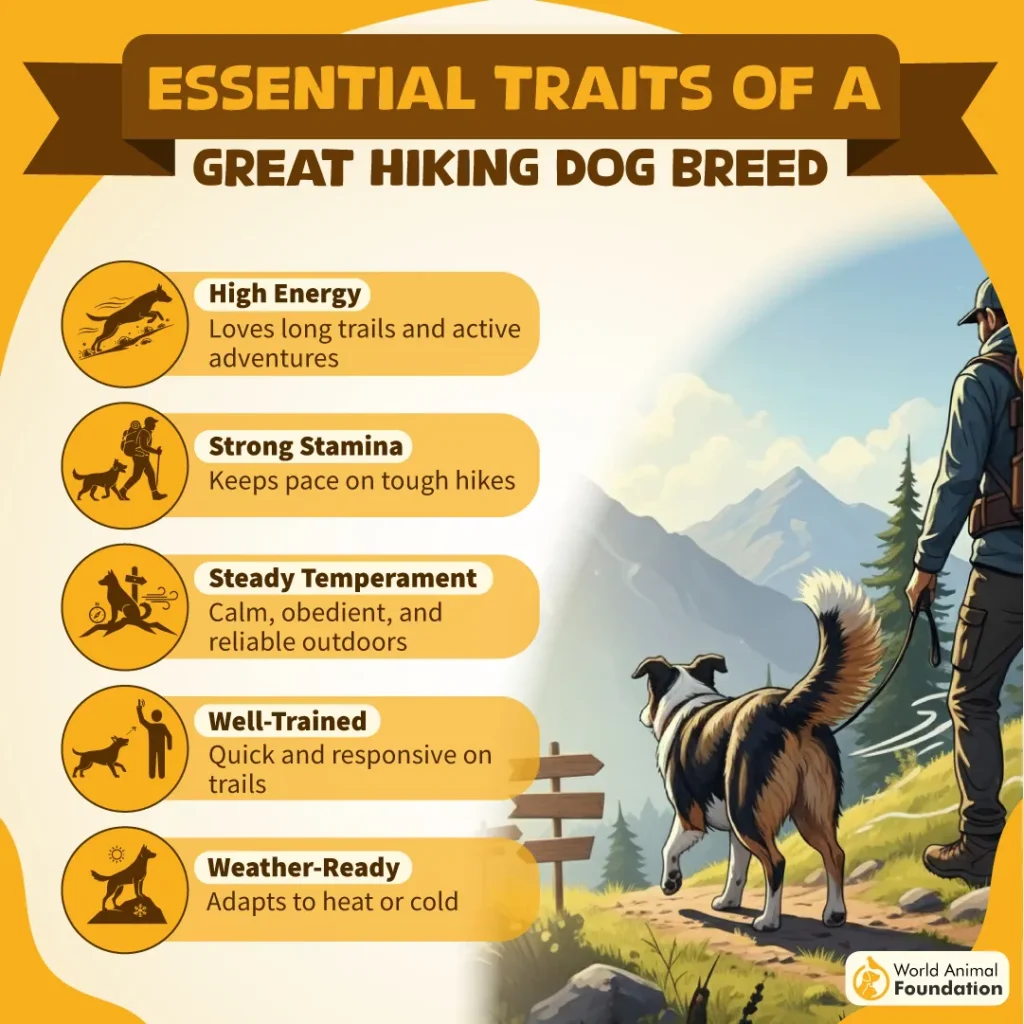
A wild and adventurous life for dogs is not about chaos. It is about freedom, movement, and purpose. Dogs that enjoy the outdoors need more than excitement. They need energy, stamina, and the right mindset to handle new sights, sounds, and terrain.
Choosing the wrong type of dog for an active lifestyle can lead to stress, boredom, or injury. Choosing the right one creates joy, balance, and trust.
Research shows that outdoor adventures help dogs form stronger bonds with their owners while supporting emotional health and confidence. A study shows that shared outdoor activities, like hikes and long walks, improve communication and teamwork between dogs and humans.
This guide explores the ideal dog breeds for a wild and adventurous life. Each breed experiences adventure differently. Some thrive in snow and distance. Others shine through loyalty, intelligence, or adaptability. You will find the right match for your version of the outdoors.
Ideal Dog Breeds for a Wild and Adventurous Life
1. Boston Terrier
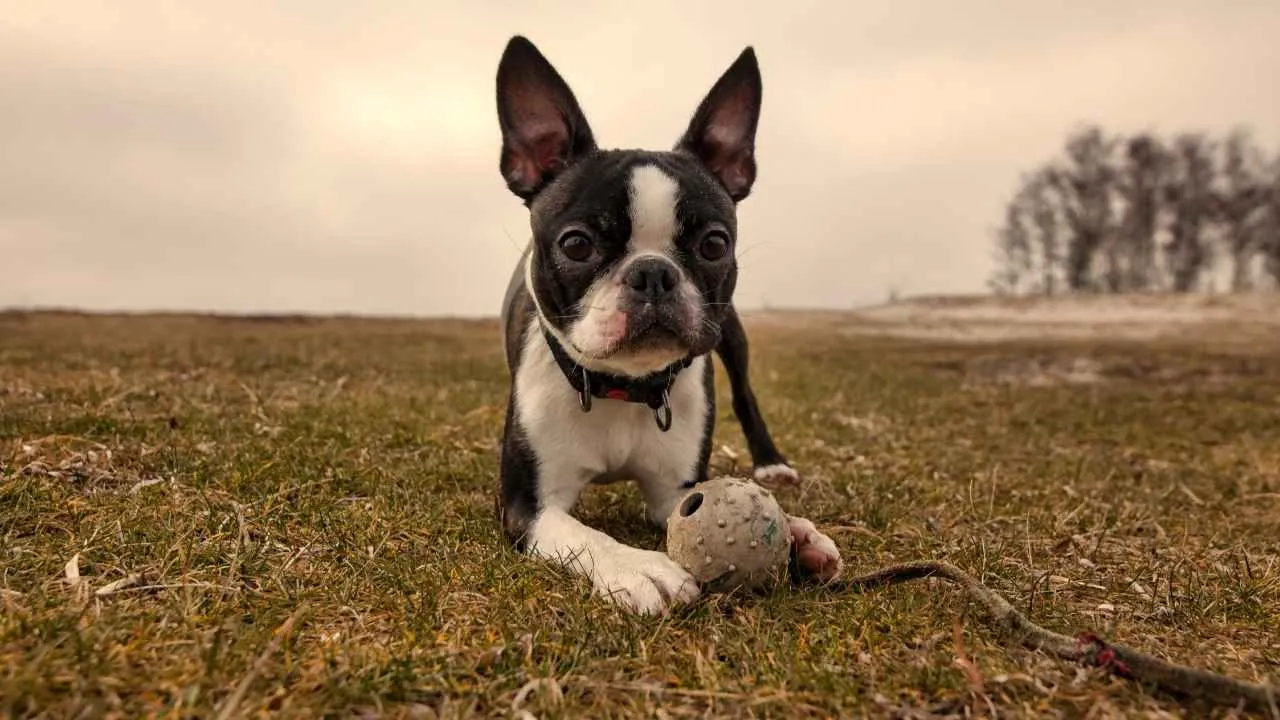
Short bursts of energy define the Boston Terrier, giving them boundless energy for short adventures. This dog breed loves quick movement and playful action. It may not go all day, but it brings enthusiasm every time it steps outside. That makes it an energetic option for owners who enjoy balance rather than extremes.
Boston Terriers transition well from urban life to outdoor spaces. They handle parks, greenways, and light trails with ease. They love hiking, which fits them best. Short climbs and relaxed paths keep them comfortable and happy.
Boston Terriers were developed as great companion dogs, which explains their adaptability to different environments and routines. Care stays simple with this breed. Their short coat needs little upkeep. That works well for active owners who want more adventure and less grooming.
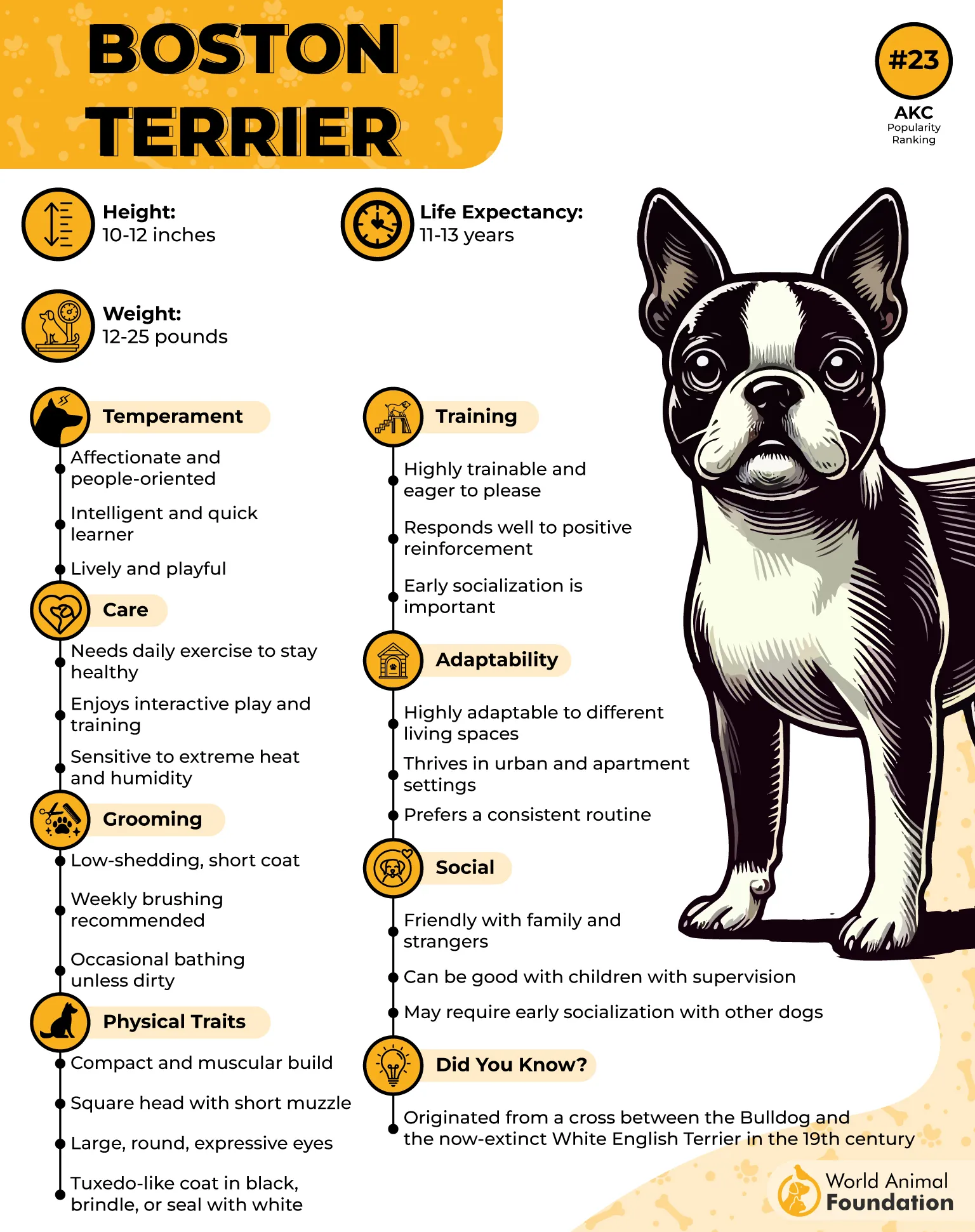
Boston Terriers enjoy spending time outdoors, especially when activities stay fun and social. This breed feels like a natural match. Among smaller hiking dogs, the Boston Terrier stands out for its personality and flexibility.
It proves that outdoor fun does not always require extreme endurance.
2. Golden Retriever
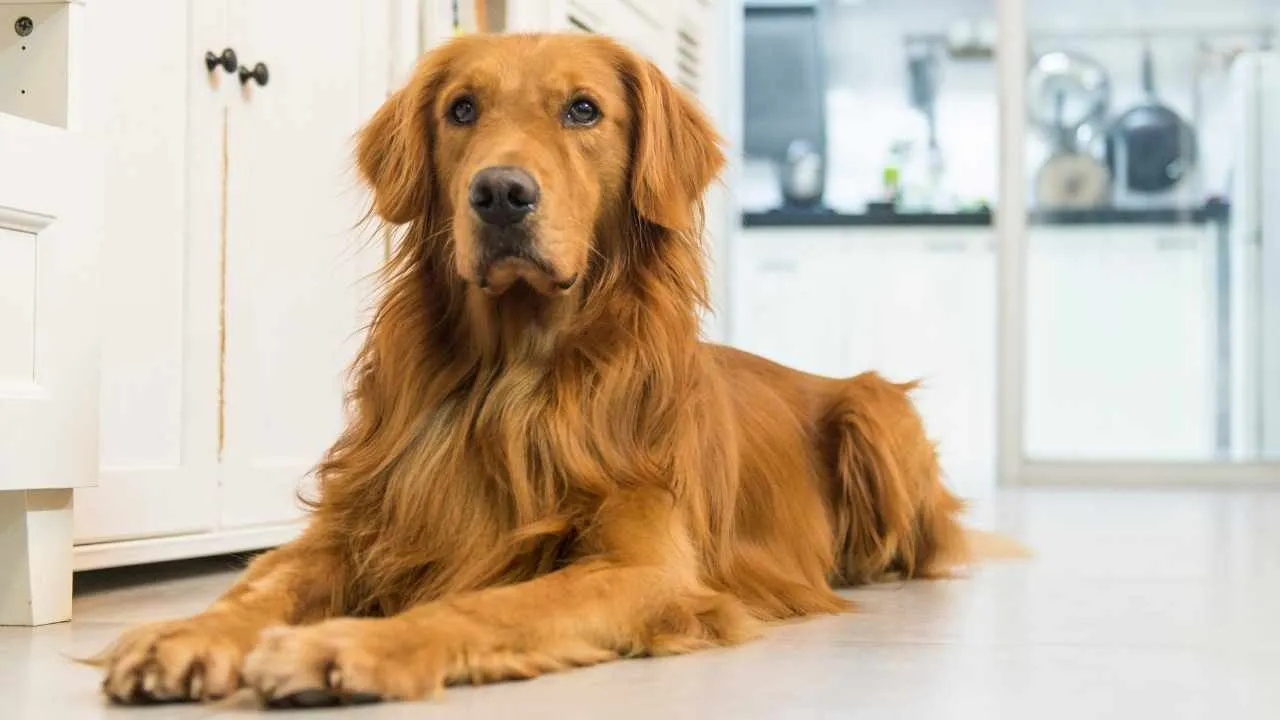
The Golden Retriever connects deeply with people. This breed is known for forming strong emotional bonds with its family. That connection shapes how it behaves outdoors.
Golden Retrievers do not just follow along. They stay engaged and attentive. Being close to their human matters most to them. This emotional awareness makes them highly responsive during activities. Long walks and trail time feel meaningful because they are shared experiences.
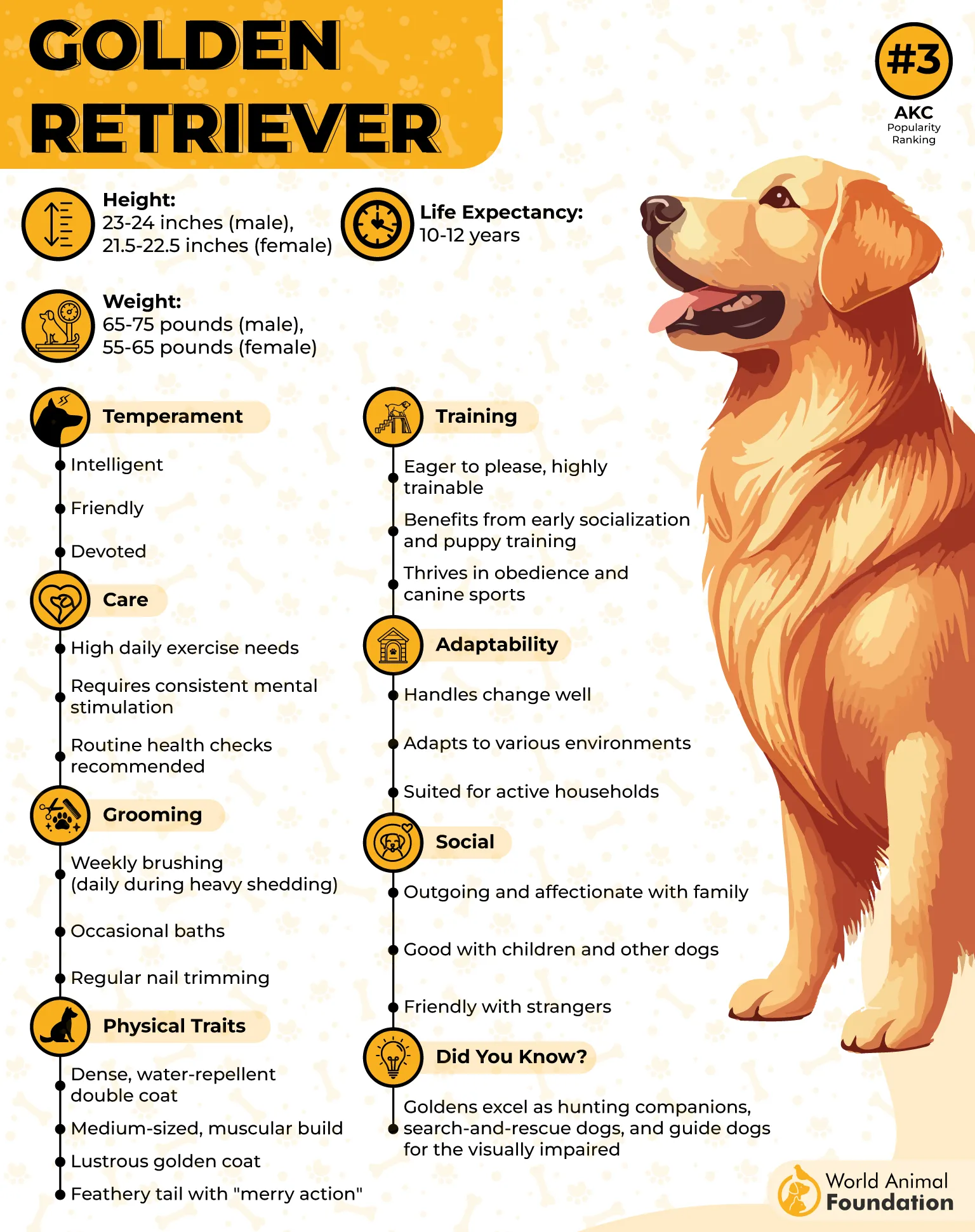
Golden Retrievers often check in visually and stay nearby. This breed was developed to work closely with people, which explains its cooperative mindset and steady focus during training.
Golden Retrievers are highly trainable, making them perfect for shared outdoor adventures. Many owners enjoy dog sports with Golden Retrievers, from agility to obedience trials. Golden Retrievers enjoy learning and repeating tasks.
Clear routines help them thrive. When outdoor time follows a pattern, they feel confident and relaxed. A consistent schedule builds trust and reliability.
Their eagerness to please and calm temperament make them one of the most trainable dog breeds for active lifestyles. Because of this balance, Golden Retrievers become dependable, active companions. Their affection and willingness to learn turn simple adventures into lasting routines.
3. Siberian Husky
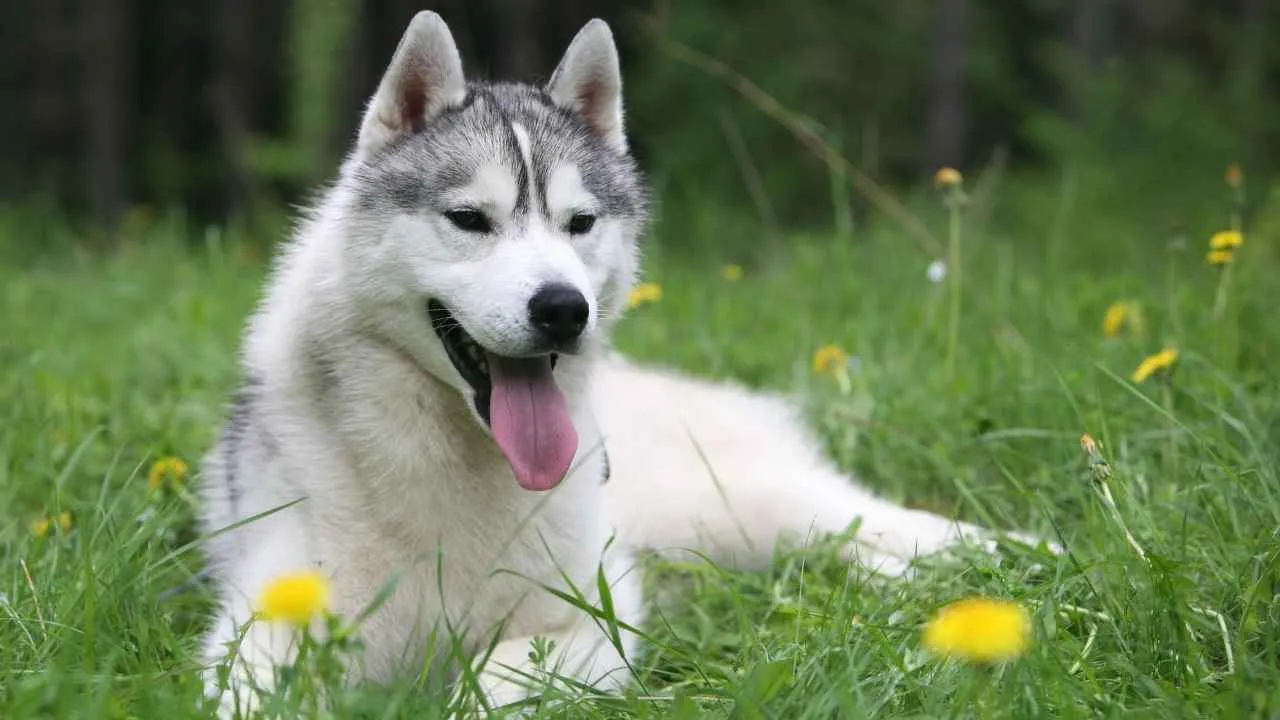
The Siberian Husky was made for movement. This breed was originally bred to pull sleds over long distances in harsh conditions. As a primitive dog breed, the Siberian Husky retains instincts for endurance and survival in harsh climates.
According to the American Kennel Club, Siberian Huskies were developed by the Chukchi people to travel across frozen land while carrying supplies and people with ease. They were also used to pull carts, demonstrating remarkable strength and teamwork. That history still shows today.
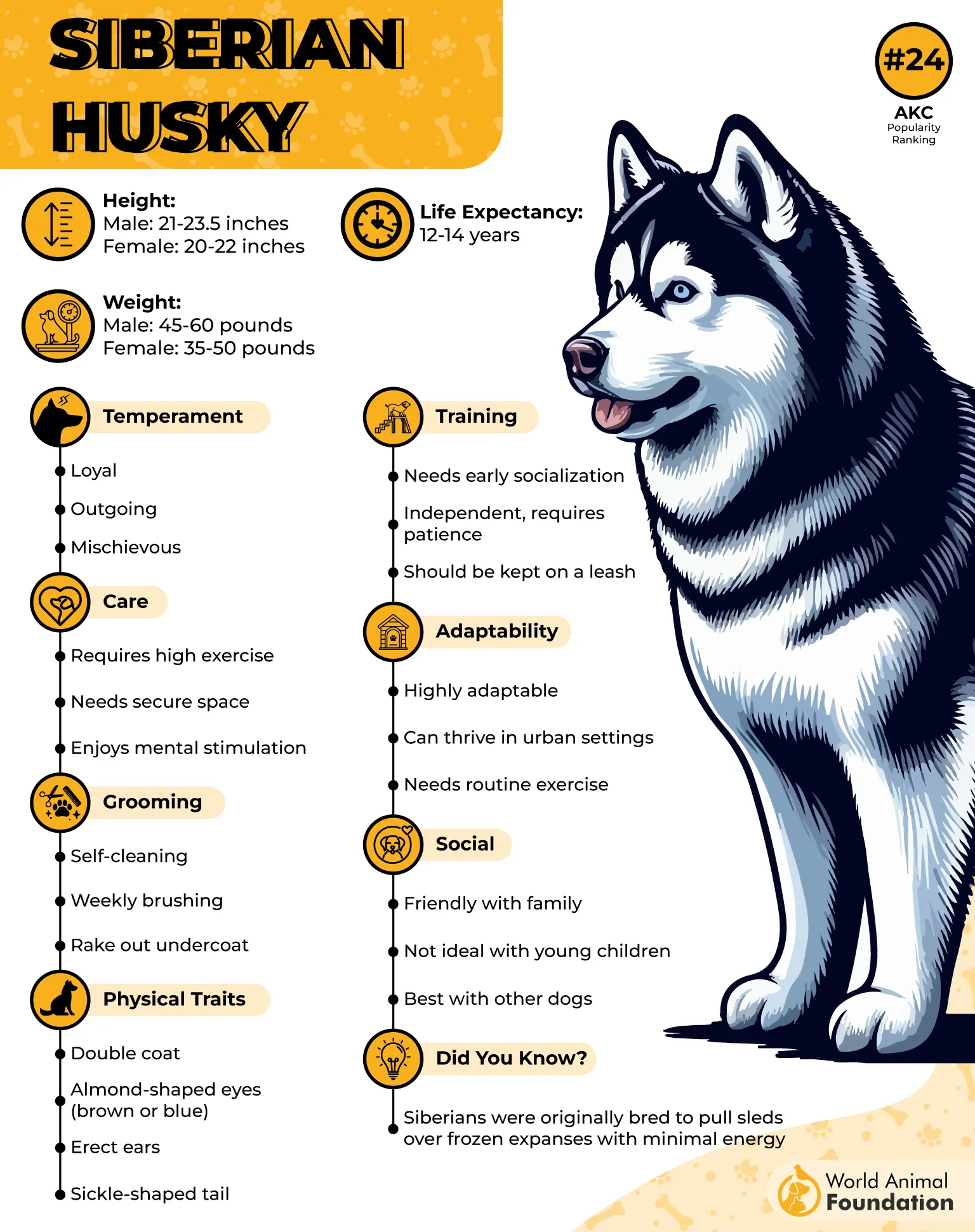
Cold weather feels natural to this dog. Thick fur protects it from wind and snow. Low temperatures do not slow it down. In fact, many Huskies become more active when the air turns cold. Snow-covered trails feel exciting, not challenging.
This comfort in cold climates makes the breed stand out among athletic dogs. Movement drives the Husky’s spirit. Exploration matters to them. They enjoy covering ground and discovering new paths. Long hikes feel rewarding, not tiring. Rough terrain does not intimidate them either.
Strong legs and steady pacing help them handle uneven trails with confidence. For owners who love distance and outdoor adventure, the Siberian Husky remains a powerful and dependable companion.
4. Labrador Retriever
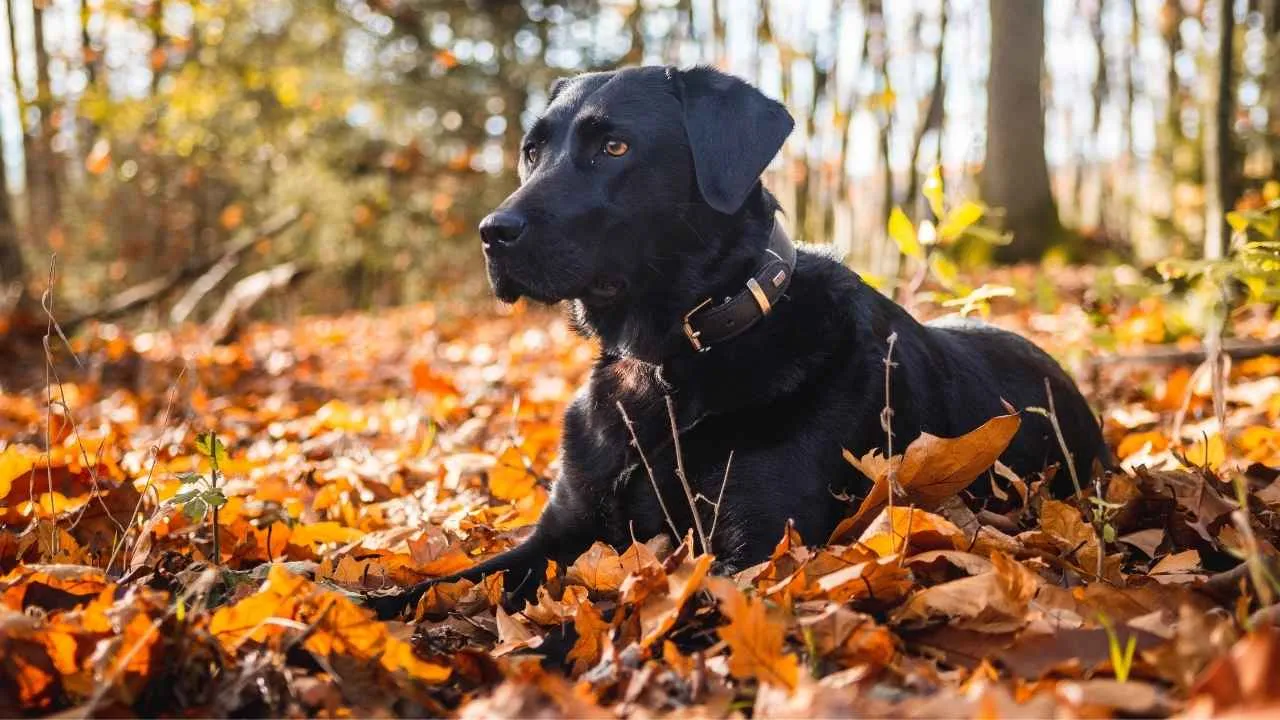
The Labrador Retriever fits almost any kind of adventure. This breed adapts easily to different outdoor activities. One day, it enjoys calm trails. The next day, it happily dives into the water. Labradors love movement, variety, and shared time with people. That flexibility makes them ideal for changing outdoor plans.
Labradors are excellent hunting dogs, skilled in water and land activities alike. Swimming sessions, lakeside hikes, and beach walks bring pure joy. This breed is also a top bird dog, trained to retrieve with care and precision. Camping trips also suit them well. They stay close, rest easily, and enjoy being part of the group.
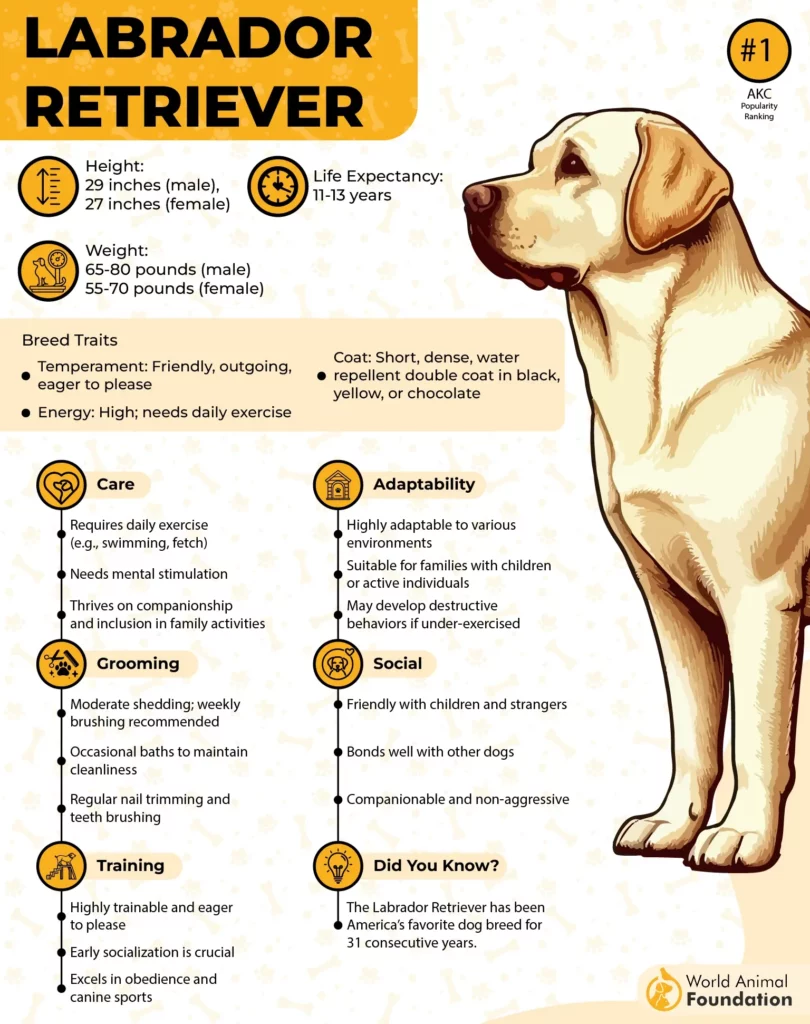
Simple games like fetch showcase their fun-loving nature. According to PetMD, Labradors were developed to work closely with humans, which explains their eagerness to join every activity and stay engaged outdoors.
Bonding matters deeply to Labradors. Their friendly nature helps them connect with families and other dogs quickly. They thrive in active families that spend time outside together.
This strong people-focused attitude is one reason Labradors remain one of America’s favorite dog breeds. They are not just outdoor dogs. They are loyal partners for everyday adventure.
5. Cavalier King Charles Spaniel
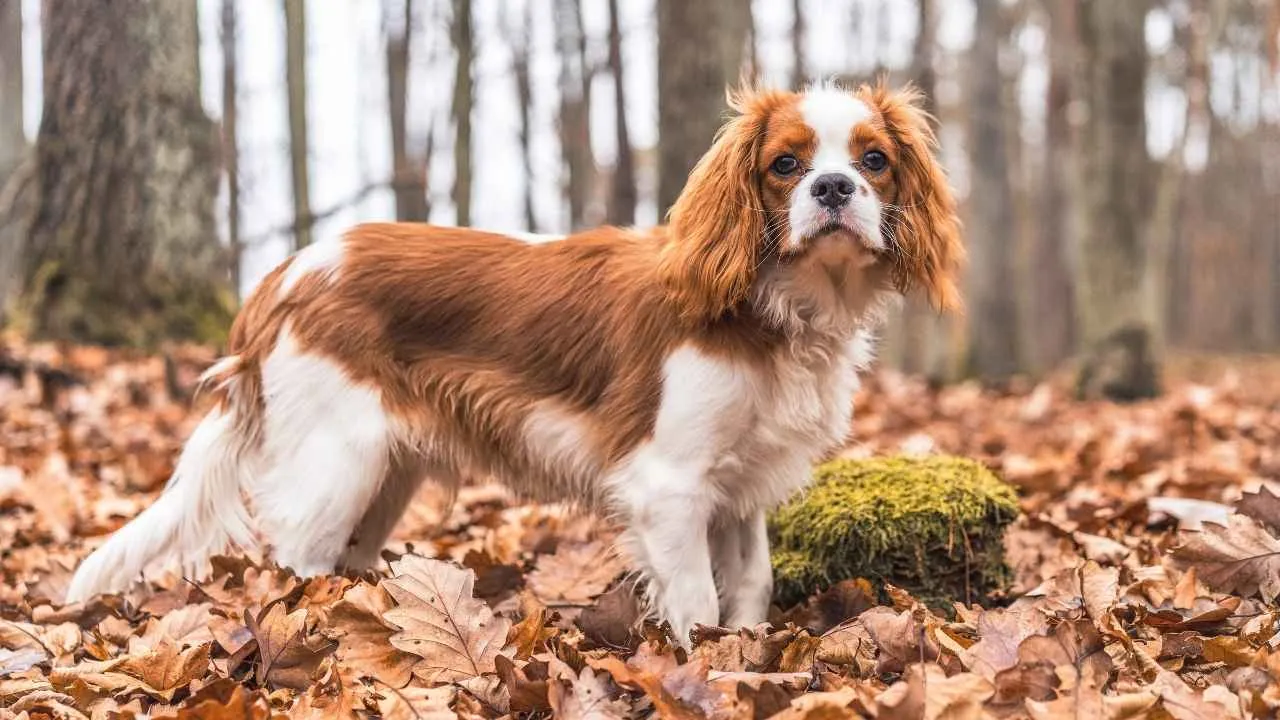
Small dogs can still love the outdoors. The Cavalier King Charles Spaniel proves that size does not limit adventure. This small dog breed enjoys fresh air, new scents, and gentle movement. It may not race across rugged terrain, but it thrives when given the right pace. Outdoor time feels exciting, not overwhelming.
Light trails suit this breed best. Smooth paths, shaded parks, and nature walks offer the perfect balance. Cavaliers enjoy steady movement without strain. Short hikes allow them to stay curious and relaxed.
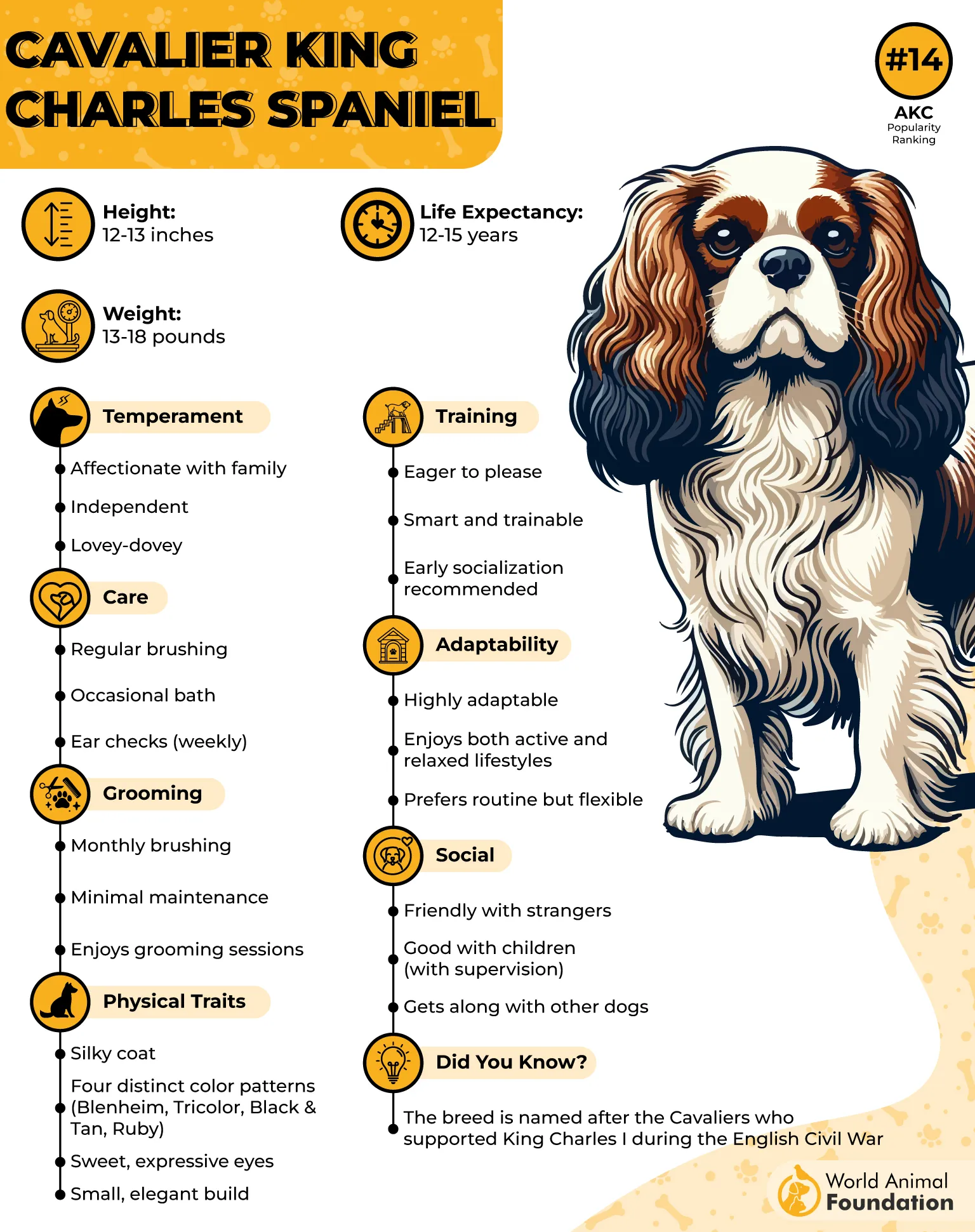
This breed was developed as an excellent companion, which explains its comfort staying near its person during outdoor time. Attachment defines the Cavalier’s nature. These are classic Velcro dogs. They stick close and seek constant connection.
This strong bond helps them stay focused on the trail and responsive to direction. Cavaliers are known as affectionate dogs that prefer shared experiences over independence.
For calm explorers, this breed offers steady, peaceful adventure.
6. Saint Bernard
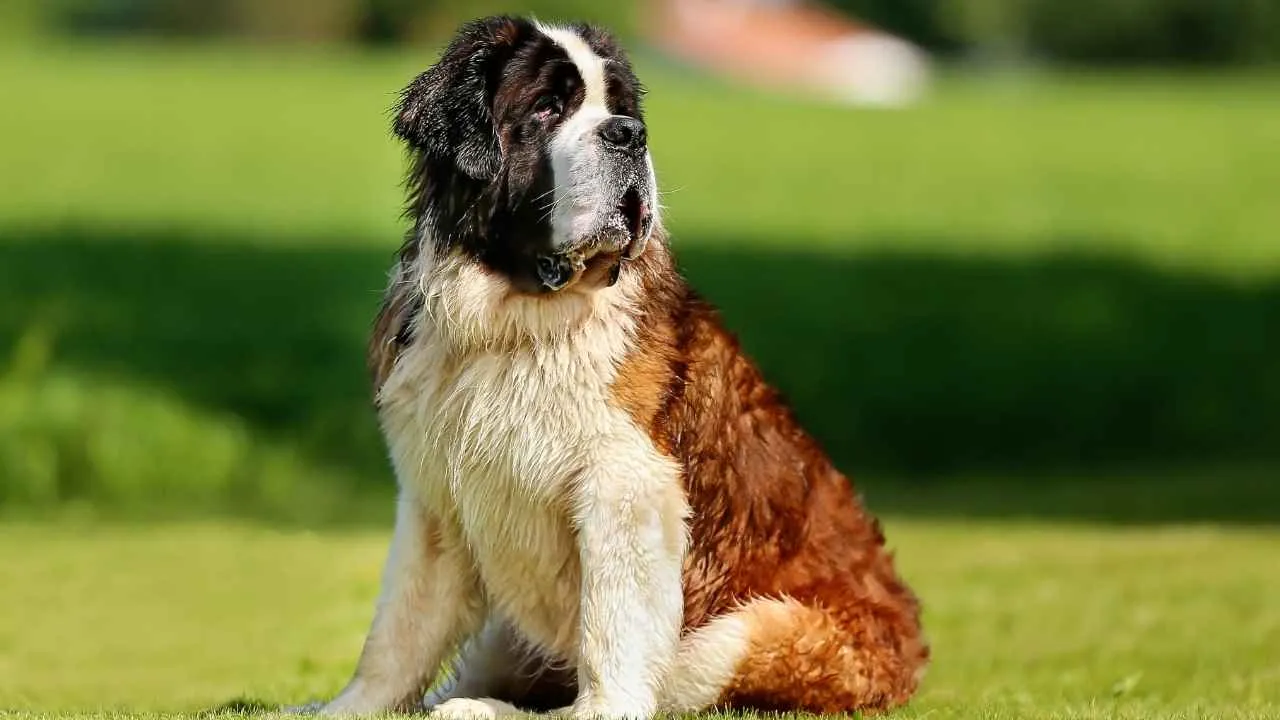
Strength. Loyalty. Mountain roots.
Saint Bernard dogs were shaped by harsh land and serious work. This working dog breed’s history begins high in the Swiss Alps. Monks at the Great Saint Bernard Pass relied on these dogs to help travelers cross dangerous mountain routes.
Deep snow, steep paths, and freezing winds were part of daily life. Only the strongest dogs survived and succeeded. Over time, the Saint Bernard became known for its massive power and steady presence in extreme conditions.
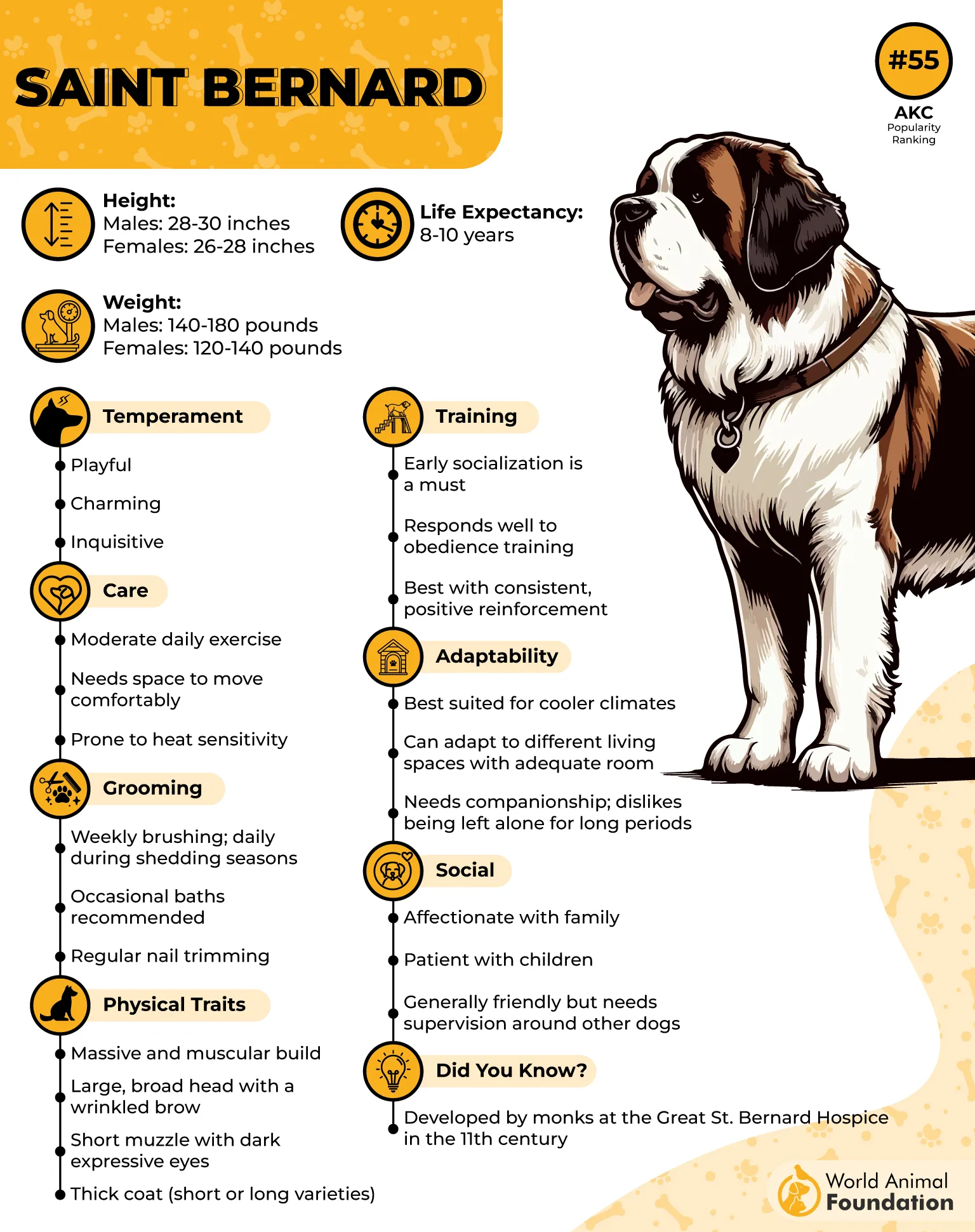
Strength defined every task they performed. These dogs carried supplies through snow and ice. They helped locate lost travelers buried by storms. Saint Bernards were trusted for rescue work because of their size, endurance, and ability to move confidently through deep snow.
Their muscular build allowed them to push forward when humans could not. The Saint Bernard’s strength was never rushed. It was controlled and purposeful. This dog breed proved that power does not need speed.
In the mountains, steady movement and physical force saved lives. That legacy still defines the Saint Bernard today.
7. French Bulldog
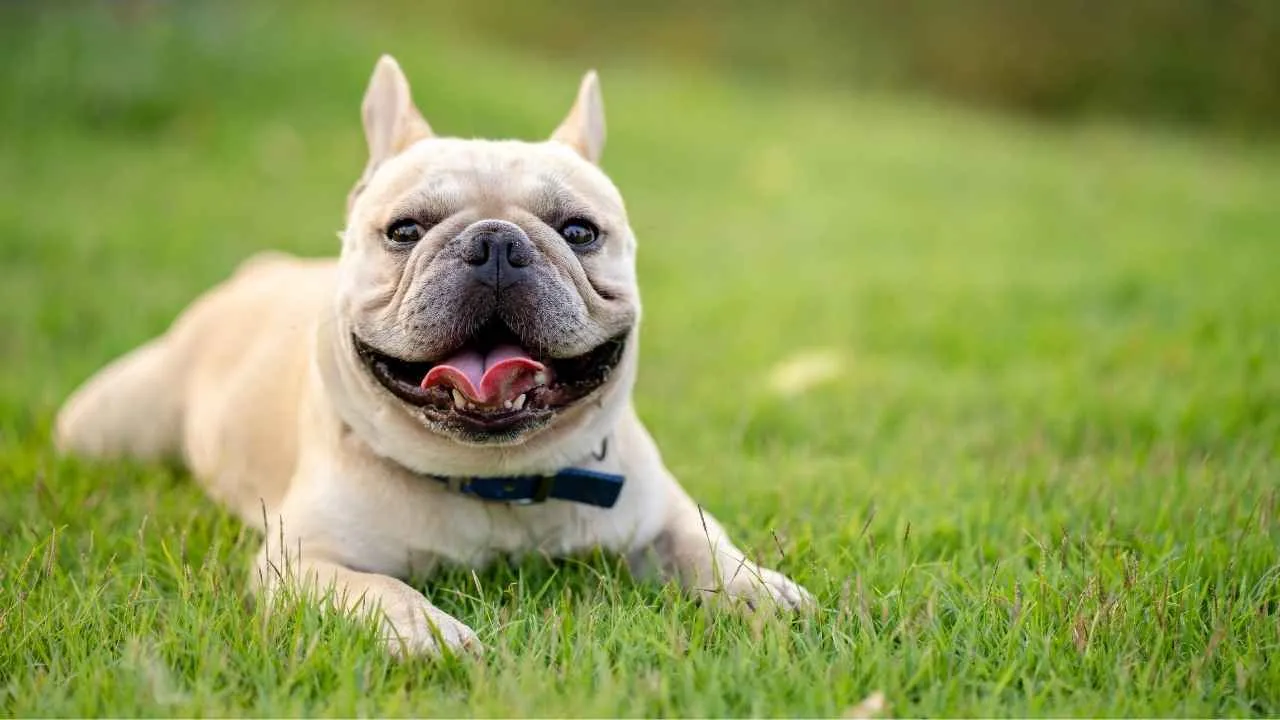
Compact. Affectionate. Full of personality.
The French Bulldog is a small but sturdy companion. Originally bred in France as a companion dog, this breed was never meant for long hikes or rugged outdoor life. Instead, they thrive in urban environments, cozy apartments, and homes where family time comes first.
French Bulldogs are playful, extremely intelligent, and extremely loyal, making them perfect indoor partners for families and individuals alike. Outdoor adventures for this breed are best short and controlled. Gentle walks, backyard play, or trips to the park suit them perfectly.
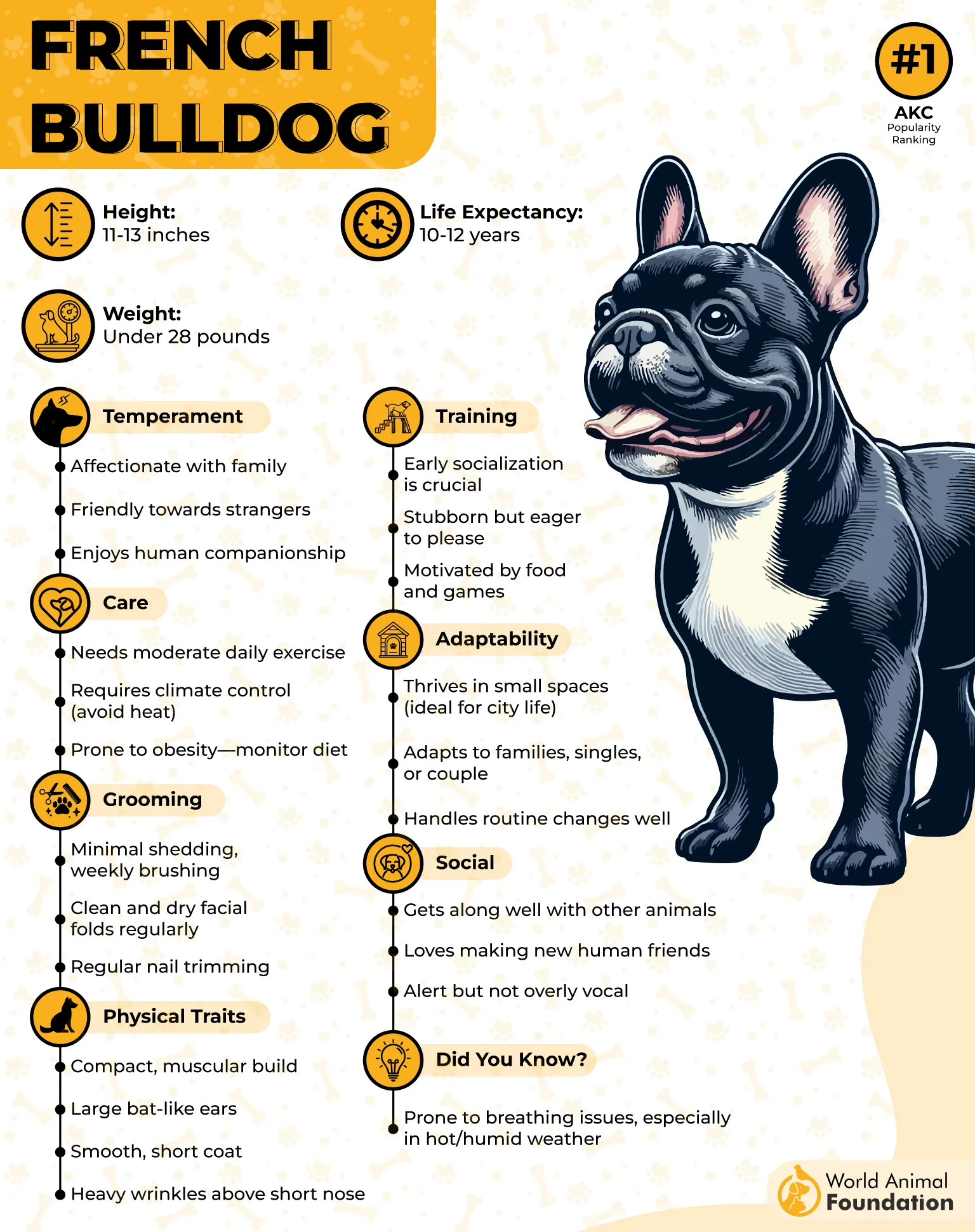
They enjoy spending time outdoors, but intense exercise or extreme temperatures—whether hot or cold—can easily stress them out. Their short snouts make breathing harder in the heat, and strenuous activity can quickly tire them.
Despite limited endurance, French Bulldogs shine in emotional connection. They stick close to their owners, seek attention, and bring joy to daily routines. Their affectionate nature and playful spirit make every moment a shared adventure, even if it’s a calm one.
For owners looking for a loyal, loving companion, the French Bulldog offers warmth, personality, and endless charm.
Conclusion
Adventure looks different for every dog. Some thrive on long trails and cold weather, while others prefer gentle paths and calm walks.
Matching a dog’s lifestyle to your own matters far more than size or appearance. Choosing the right companion ensures that both you and your dog enjoy outdoor adventures, long hikes, or even simple backyard play.
If you’re considering adding a dog to your life, remember that many amazing companions wait in local shelters. Adoption gives a deserving dog a chance to thrive while matching your activity level and personality.
Whether you choose a high-energy dog or a calm, affectionate friend, pick a breed—or a rescued pup—that fully fits your life.
With the right match, every outdoor adventure becomes an opportunity to strengthen your bond, enjoy the great outdoors, and help your dog thrive as a loyal companion.
