




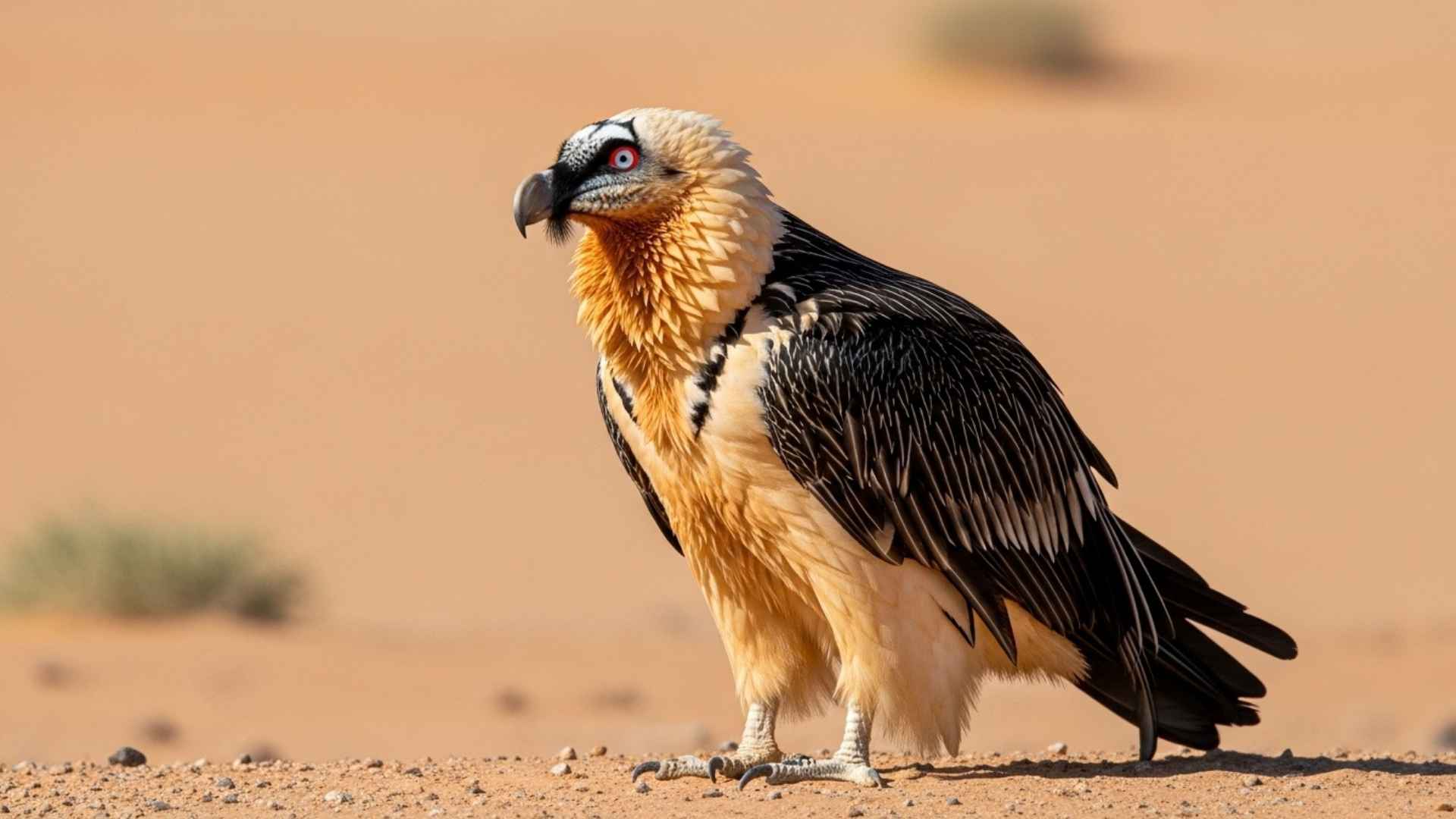
Imagine a place where water is scarce, the sun blazes down relentlessly, and temperatures can swing from scorching hot by day to freezing cold at night. This is the desert — a tough, unforgiving environment that covers about one-third of the Earth’s land surface.
You might think it’s a place too harsh for many creatures, but believe it or not, deserts are home to a surprising variety of life, especially birds.
These feathered survivors don’t just live in deserts — they’ve evolved incredible ways to thrive there. Some travel miles in search of water, while others get moisture straight from their food or even the air they breathe.
In this article, we’ll explore the amazing world of desert bird species — how they adapt, survive, and flourish in places where life seems almost impossible.
Birds That Have Adapted to Life in the Desert
1. Greater Roadrunner
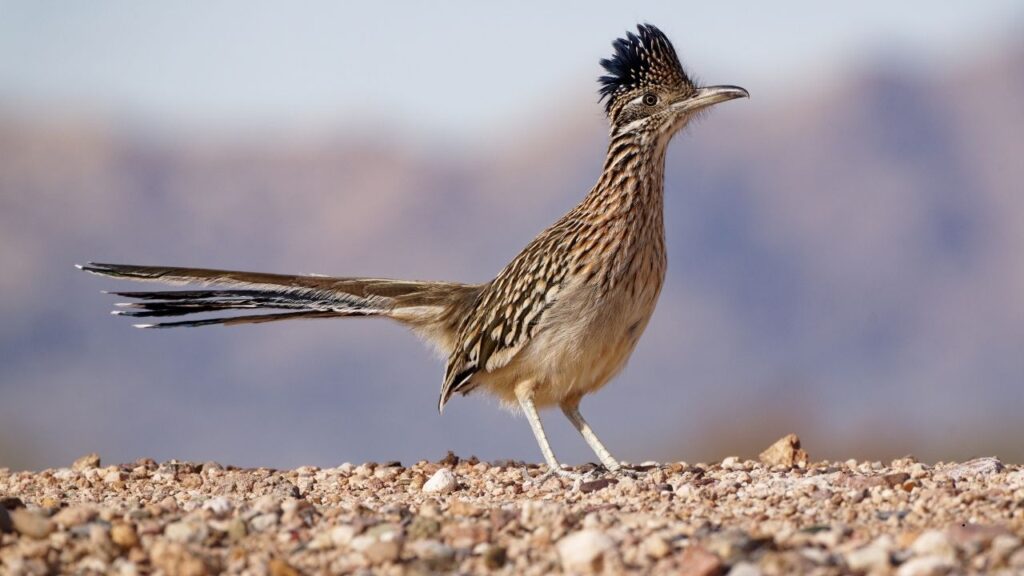
The Greater Roadrunner is a fascinating bird perfectly adapted to life in the deserts of southwestern North America, including the Mojave and Sonoran deserts.
Unlike most birds, it rarely flies and instead relies on its strong legs to run at speeds of up to 26 miles per hour, as mentioned by the National Wildlife Federation. This incredible speed helps it escape predators like coyotes and hawks and catch prey such as lizards, desert insects, and even rattlesnakes.
Key adaptations for desert survival include:
Running quickly to move across the desert and hunt
Being active during the cooler early hours and resting in the shade during the hottest part of the day to avoid overheating
Eating a varied diet, including insects, frogs, reptiles, small birds, fish (near water), plants, fruits, and seeds in winter
It uses a sharp clicking motion with its beak to kill prey before eating
Greater Roadrunners build their nests in thorny shrubs, low trees, cacti, or even man-made structures like fences and utility poles. Their nests are made of sticks, leaves, grass, and sometimes feathers, often decorated with items like snakeskins or bones for camouflage or protection.
2. Cactus Wren
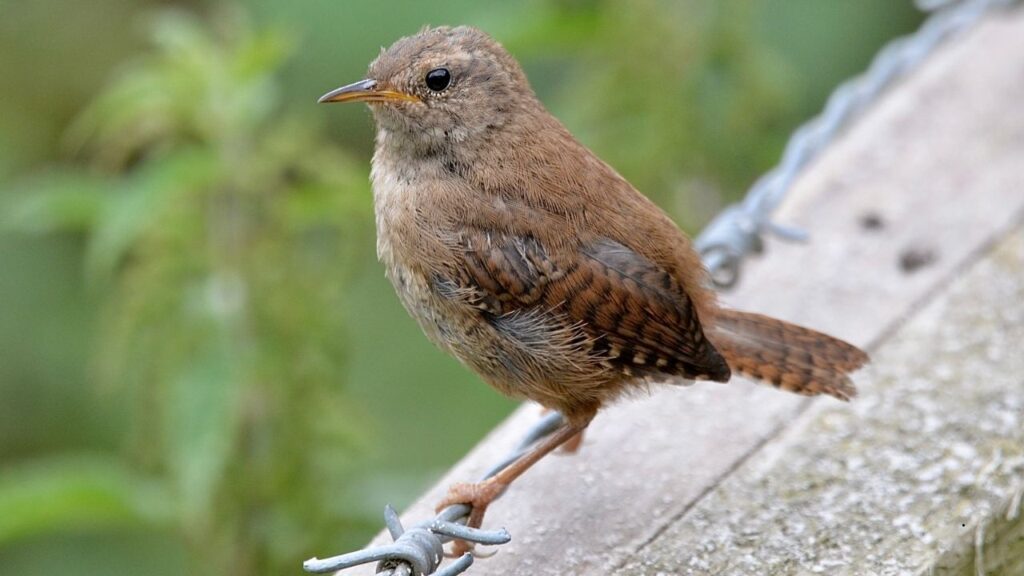
The Cactus Wren is a small but tough bird that has perfectly adapted to life in the deserts of southwestern North America, including the Chihuahuan, Mojave, and Sonoran deserts.
It often makes its home perched on cacti like prickly pear, yucca, mesquite, and saguaro. This bird is social and commonly seen atop these plants, where the spiky environment provides safety from predators.
Key adaptations for desert survival include:
Building nests in thorny vegetation or on cacti to protect against wild animals
Constructing large, globular nests made of grass, twigs, leaves, and cactus segments, with an outer layer of thorny sticks acting as a natural shield
Feeding on a variety of desert insects such as beetles, butterflies, spiders, grasshoppers, and desert lizards
Getting water mainly from the moisture in their food, like cactus fruits and small water sources such as lakes
The Cactus Wren is one of the most common desert birds and is even the state bird of Arizona. Its ability to use the natural defenses of cacti for nesting and its diet, which supplies both food and water, make it a remarkable example of desert adaptation.
3. Burrowing Owl
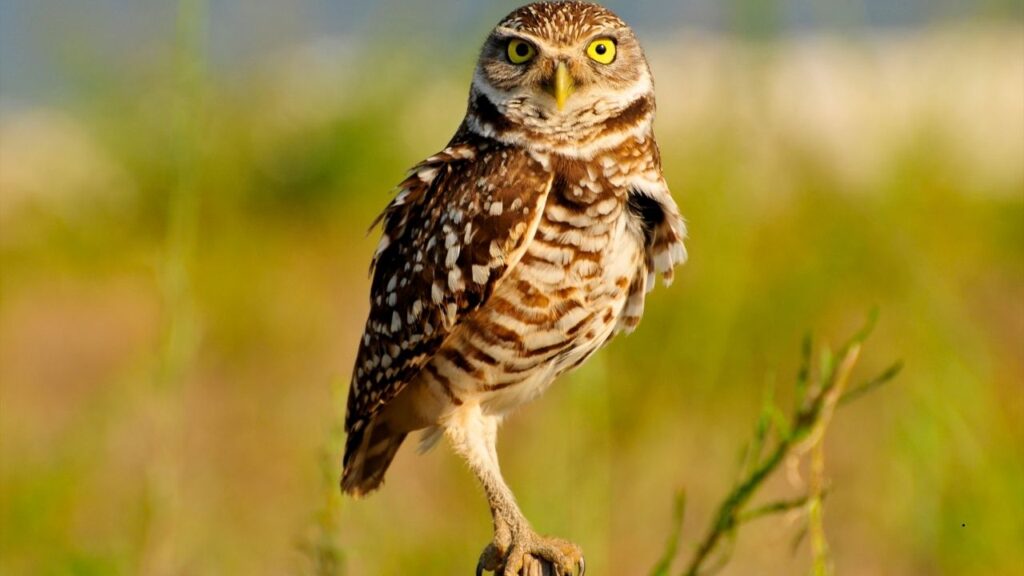
The Burrowing Owl is a special desert bird that lives in open habitats like deserts, prairies, and grasslands with loose soil. It makes its home underground by using burrows dug by animals such as prairie dogs, gophers, and tortoises.
Unlike many birds, it rarely digs its own hole but expands existing burrows to fit its needs. This owl has tan feathers that help it blend into sandy environments, and its large yellow eyes are perfect for seeing at dawn and dusk when it is most active.
Because it spends so much time underground, it has developed a higher tolerance for carbon dioxide compared to other birds, according to the Cornell Lab.
Key adaptations for desert survival include:
Living in burrows to avoid heat and predators
Tan coloring for camouflage in sandy areas
Being active mainly at dawn and dusk
Feeding mostly on insects, but also on snakes, small rodents, and other small animals
Burrowing Owls are smart about food, too — when they find extra prey, they expand their burrows and store leftovers for later. This behavior helps them survive in an environment where food can be scarce.
4. Bearded Vulture
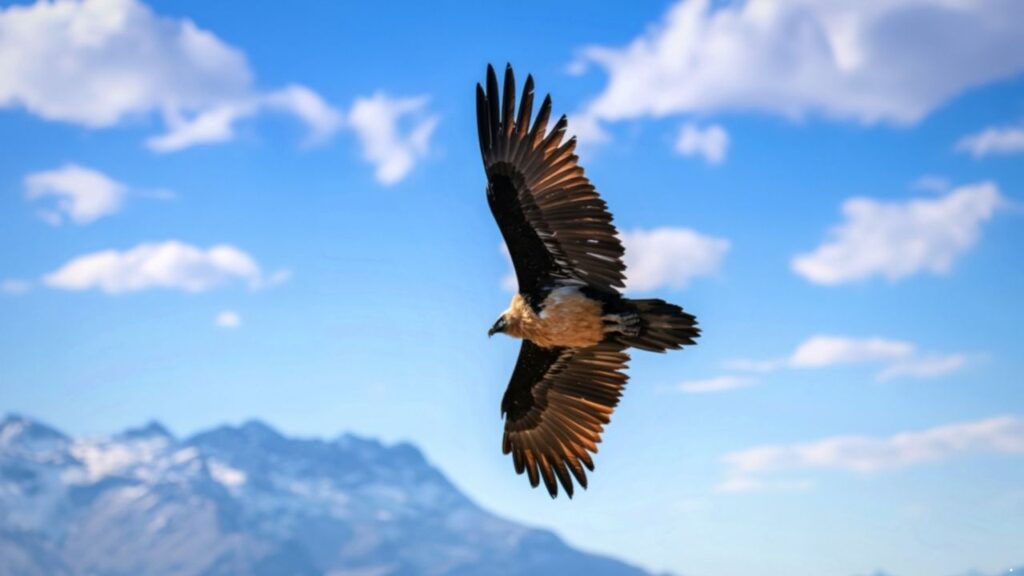
The Bearded Vulture, also known as the lammergeier, is a striking bird of prey with a unique lifestyle in rugged, dry landscapes like mountainous and desert‑like highland areas.
It soars high above cliffs and rocky valleys, using strong air currents to glide across large territories while searching for food. Though not a typical sandy desert bird, it thrives in arid mountain regions such as the edges of the Sahara’s Atlas Mountains.
Key adaptations for desert and mountain survival include:
Feeding mostly on bones and bone marrow, which make up 80–90% of its diet
Dropping large bones from great heights onto rocks to break them and access the nutritious marrow inside
It has long, broad wings that allow it to soar efficiently over vast areas in search of food
Possessing a highly acidic stomach that dissolves bones within about 24 hours, and extracts nutrients unavailable to most other animals
The Bearded Vulture nests on high cliff ledges or rocky outcrops, places safe from most predators. Its incredible specialization shows how life can adapt in extreme, dry environments by finding unique ways to survive.
5. Desert Sparrow
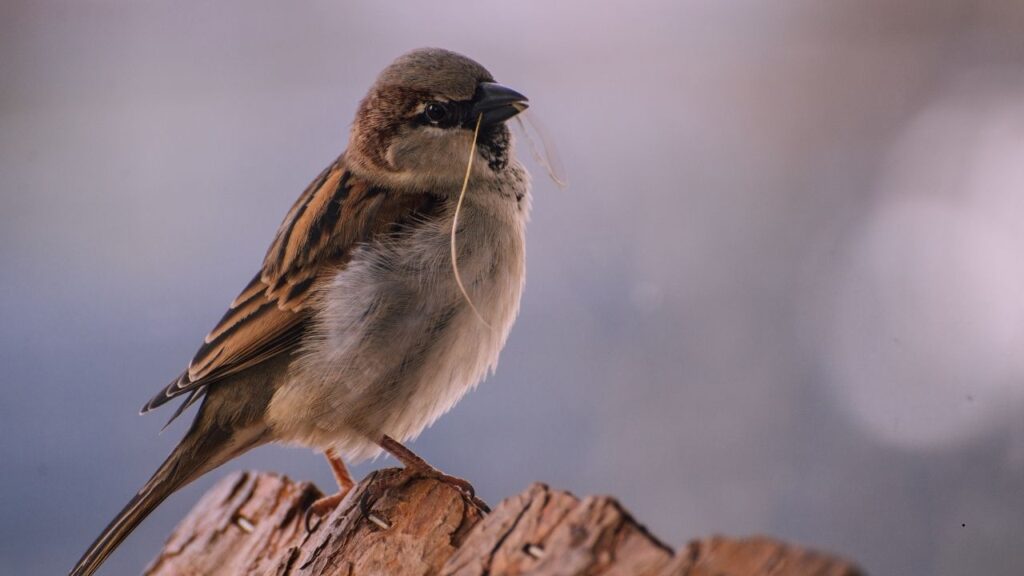
The Desert Sparrow is a small, hardy bird that perfectly embodies adaptation to the harsh desert environment of the Sahara and other dry regions in North Africa and parts of the Middle East.
It lives in open, arid landscapes, often near small settlements, wells, or oases where a bit of shelter and food are available. These sparrows blend into the desert with their sandy‑colored feathers, making them hard to spot unless you know what to look for.
Key adaptations for desert survival include:
Sandy plumage that provides excellent camouflage in deserts
A diet of seeds and small insects that supplies both nourishment and moisture
Living year‑round in arid regions without long migrations
Building nests in quiet desert spots like crevices, bushes, or holes near human structures
In the desert, Desert Sparrows feed mainly on seeds and insects, a diet that supplies them with the water they need without relying on open water sources. Their pale feathers help reflect harsh sunlight and blend with the surroundings, protecting them from predators.
Unlike many birds that avoid humans, these sparrows often live close to traditional desert villages and wells, where they find food and nesting sites.
6. Golden Eagle
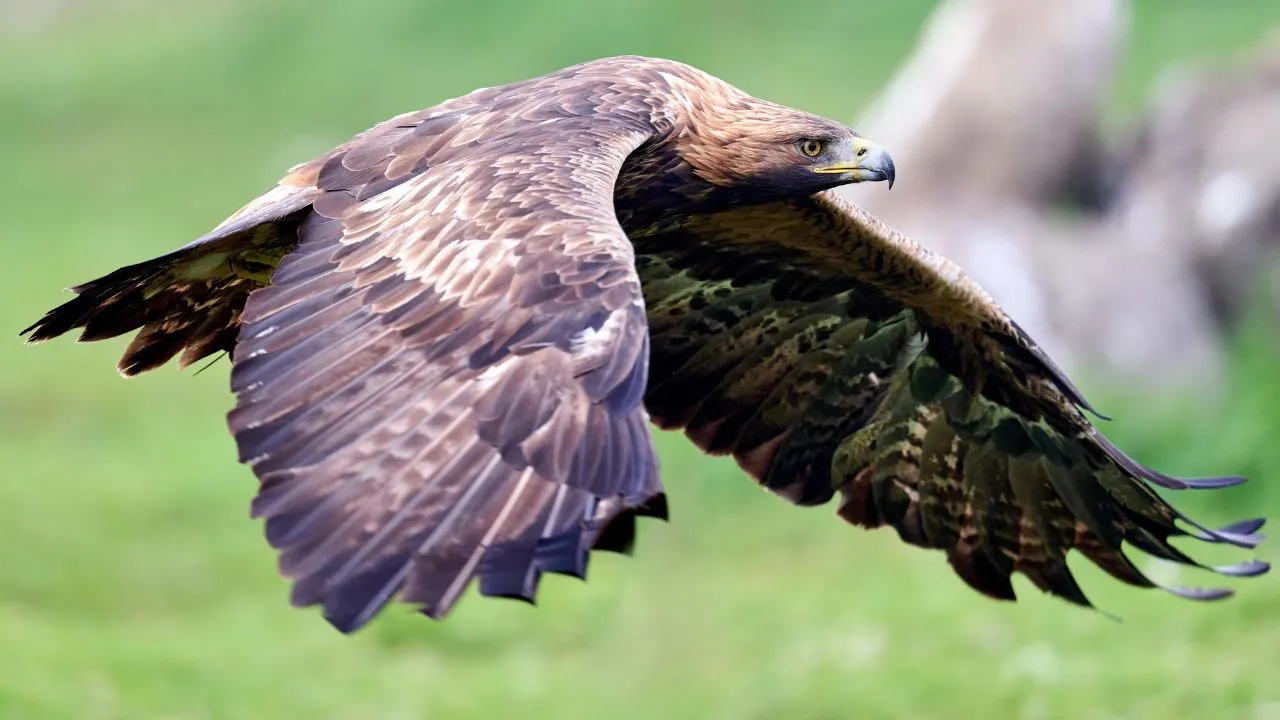
The Golden Eagle is a majestic bird that lives in open habitats like deserts and grasslands across North America and Eurasia. Known for the golden feathers on its head, this bird is a symbol of strength, wisdom, and courage. It’s so powerful and respected that it even appears on the Mexican flag.
Key adaptations for desert survival include:
Being a top predator with no natural enemies due to its size and flying ability
Hunting small mammals and birds, sometimes cooperating with a mate to catch prey
Capable of flying at speeds up to 200 mph and soaring as high as 20,000 feet
Having strong wings and sharp talons to lift prey weighing up to 11 pounds
Golden Eagles have keen eyesight that allows them to spot prey from great distances while soaring high above the desert. Their powerful flight muscles and broad wings enable them to dive at incredible speeds to capture prey with precision.
These eagles also adapt their hunting techniques depending on the terrain, showing great flexibility in how they survive in harsh environments.
7. Common Ostrich
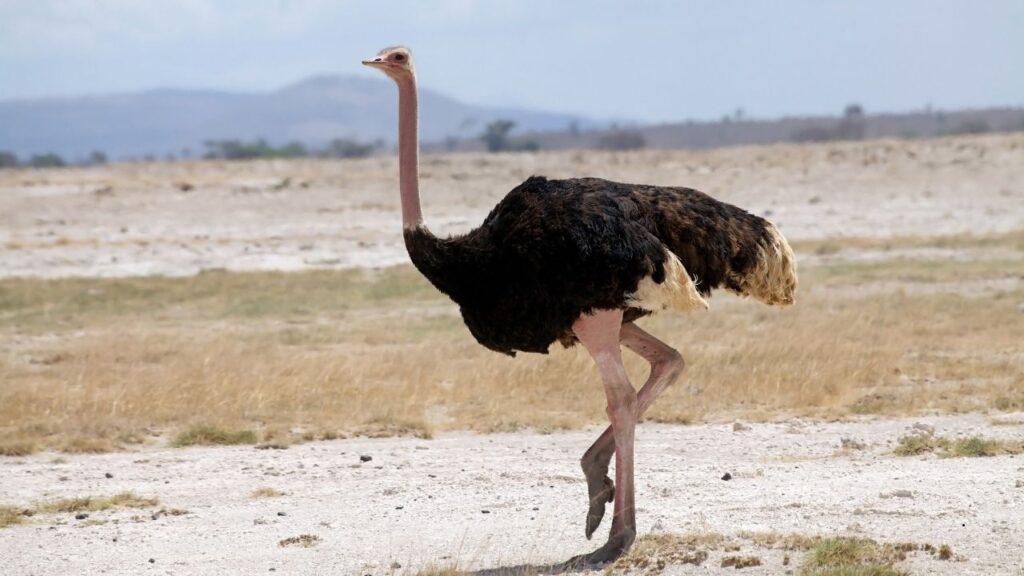
The Ostrich is the largest bird on Earth and one of the most impressive desert dwellers in Africa. Unlike most birds, ostriches cannot fly due to their enormous size.
Instead, they rely on their incredible speed, capable of running up to 43 miles per hour, to escape predators. They live not only in deserts but also in woodlands, savannas, and other dry, arid areas.
Key adaptations for desert survival include:
Exceptional running speed to outrun predators like lions, cheetahs, hyenas, and wild dogs
Feeding on a varied diet of desert plants, flowers, fruits, insects, and lizards
Large size and powerful legs that help them defend themselves and cover long distances quickly
Behavioral adaptations like fleeing or playing dead when threatened, rather than hiding
Ostriches have strong, long legs not only for running but also for delivering powerful kicks that can deter or injure predators. Their large eyes provide excellent vision, helping them spot danger from miles away.
National Geographic mentions that these birds also conserve water by efficiently extracting moisture from the plants and insects they eat, allowing them to thrive in dry desert conditions.
Conclusion
Many desert birds share similar adaptations that help them thrive despite the harsh conditions. Their ability to find enough food supply and water, often from unexpected sources like insects or plants, is vital for survival.
Most desert birds have extremely efficient kidneys that allow them to lose almost no liquid, conserving precious water even in dry environments. Whether living near rivers or at lower elevations close to sea level, these birds have learned to use every bit of available moisture.
For the most part, deserts might seem like barren sand and harsh wildlife, but they also offer refuge for these incredible birds. Their resilience and specialized adaptations allow them to live where few others can.
By understanding how desert birds survive and thrive, we gain a deeper appreciation for the delicate balance of life in some of the world’s toughest habitats.
There are other birds as well that thrive in the deserts. These include the Red-Tailed Hawk, Black-Throated Sparrow, Costa’s Hummingbird, Gila Woodpecker, and Scott’s Oriole.
