




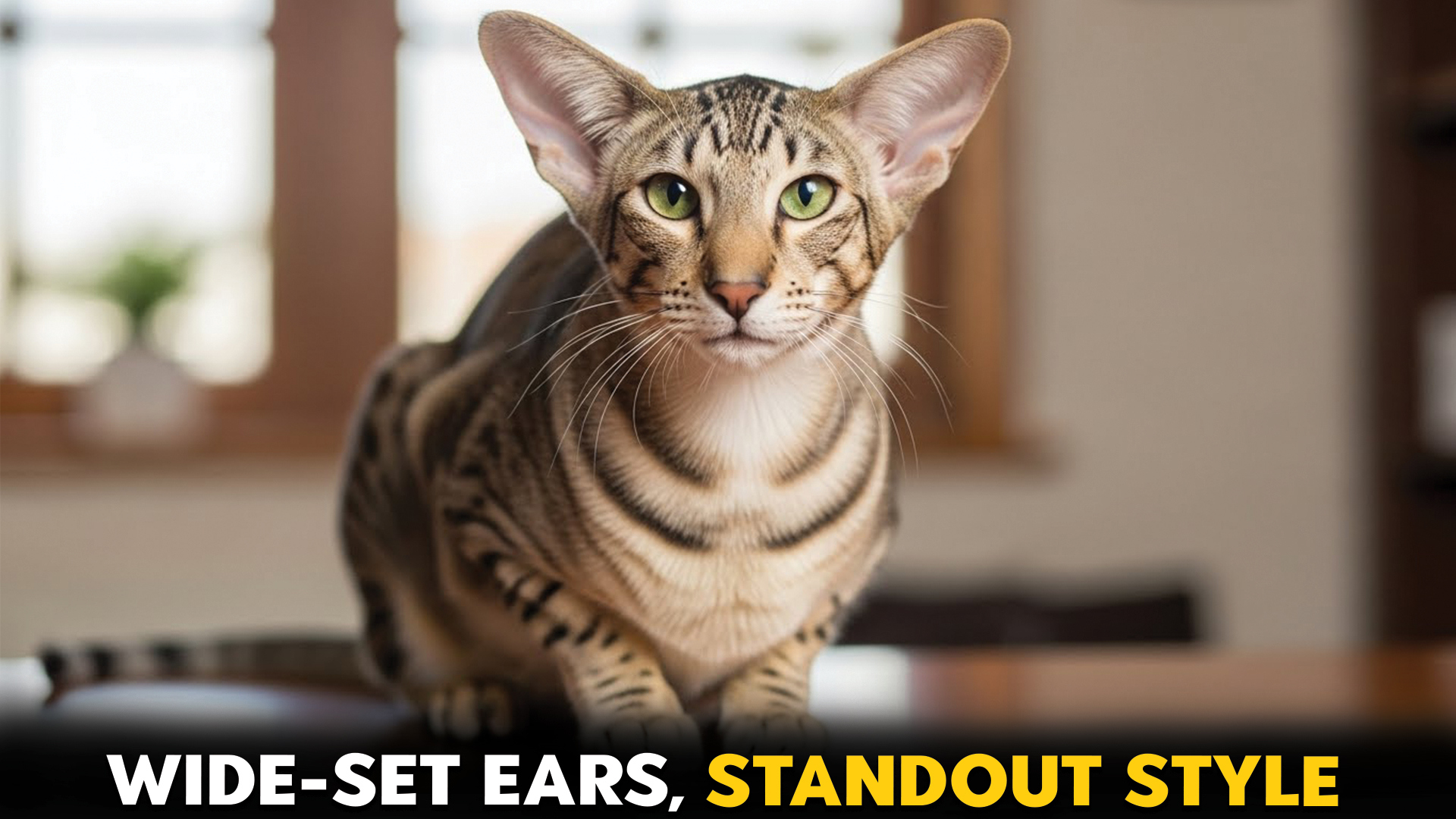
Wide ears make some cats instantly stand out. They give certain breeds a look that’s part elegant and part silly-cute, like they’re always paying attention. Those big ears frame the face, make expressions pop, and can make even a quiet cat seem curious about everything.
If you love pets with standout features and big personality packed into a sleek package, these cats are worth a closer look. From sculptural silhouettes to playful expressions, wide ears add character without trying too hard.
Let’s meet the feline stars whose ears do more than just sit pretty and somehow manage to steal the show.
Fun Fact
Cats with wide ears often look like they are constantly listening in on secrets. Even when they are fast asleep, their ears give off an alert, nosey vibe that makes them look far more invested than they actually are.
Cat Breeds With Wide Ears
1. Oriental Shorthair
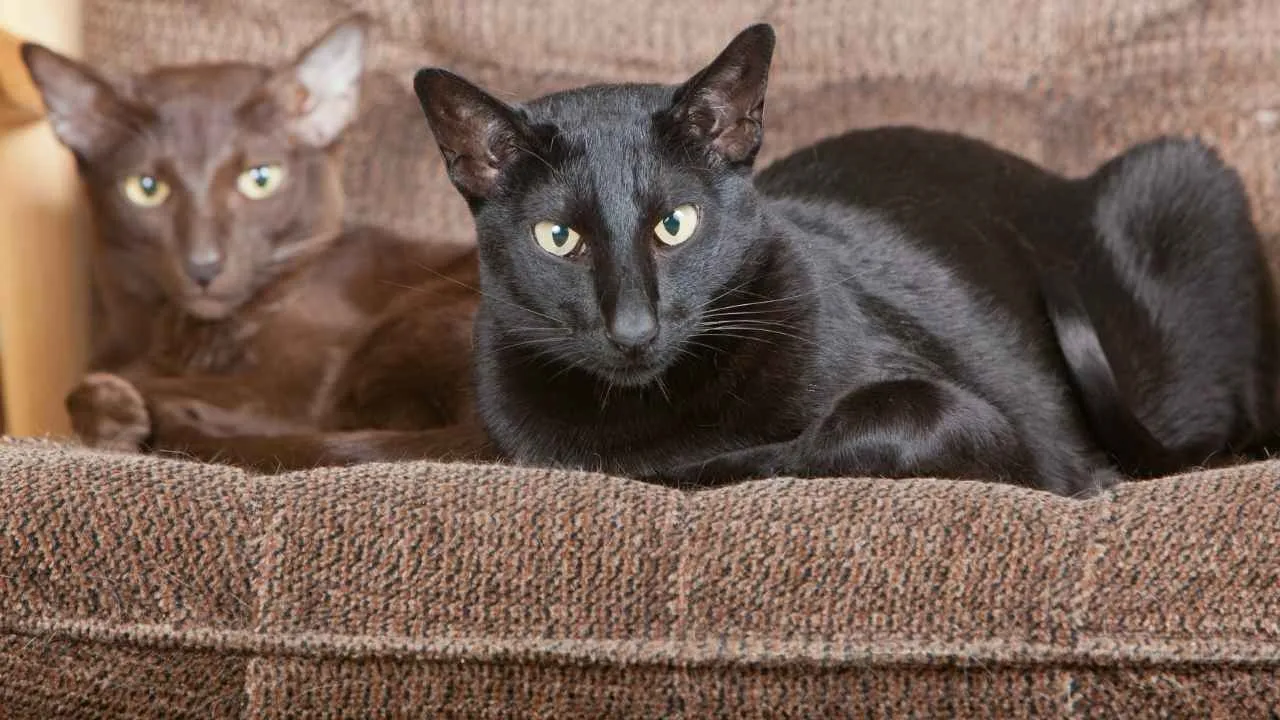
The Oriental is one of the best-known cat breeds with big ears. With a long, slender body, a glossy coat, and a triangular-shaped head, they have a sleek, elegant look that’s topped off with Dumbo-esque ears that are hard to miss. Their coat shows up in a wide range of colors and patterns, so there’s plenty of variety in the same sculpted silhouette.
Personality is where they really clock in for overtime. Orientals are social, intelligent, and often quite vocal, the kind of cat that answers back as if the conversation is clearly about them. Many stay playful as adults, and fetch is not off the table if you make it worth their while.
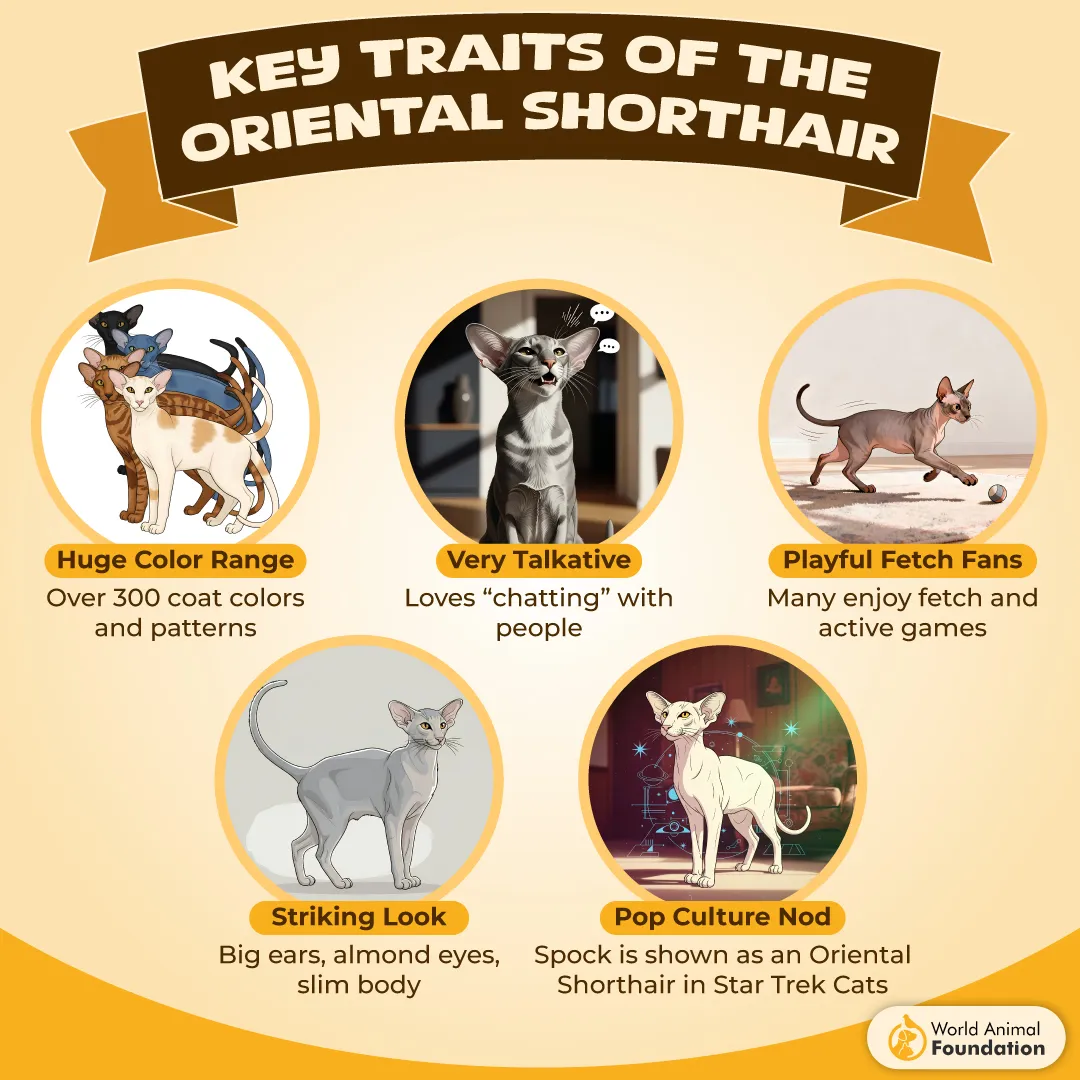
They also prefer company, whether that’s another cat or their favorite human. Give them interaction, play, and room to bounce up to high spots, and they’ll happily run the household with charm and confidence.
Fun Fact
Some white Oriental Shorthairs can have two different eye colors, with one green eye and one blue eye. It’s a striking look that somehow makes their already-dramatic face even more theatrical.
2. Sphynx
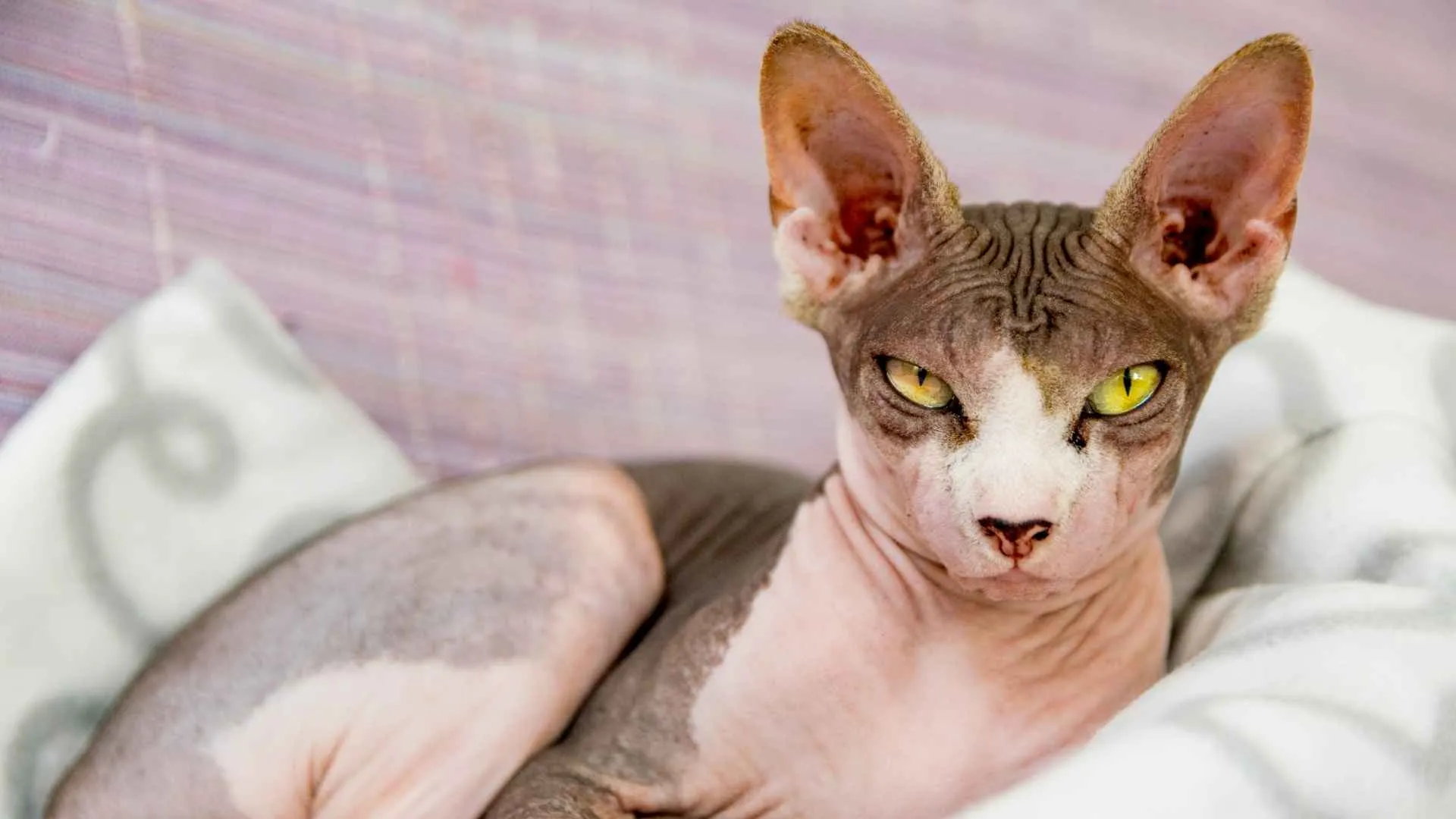
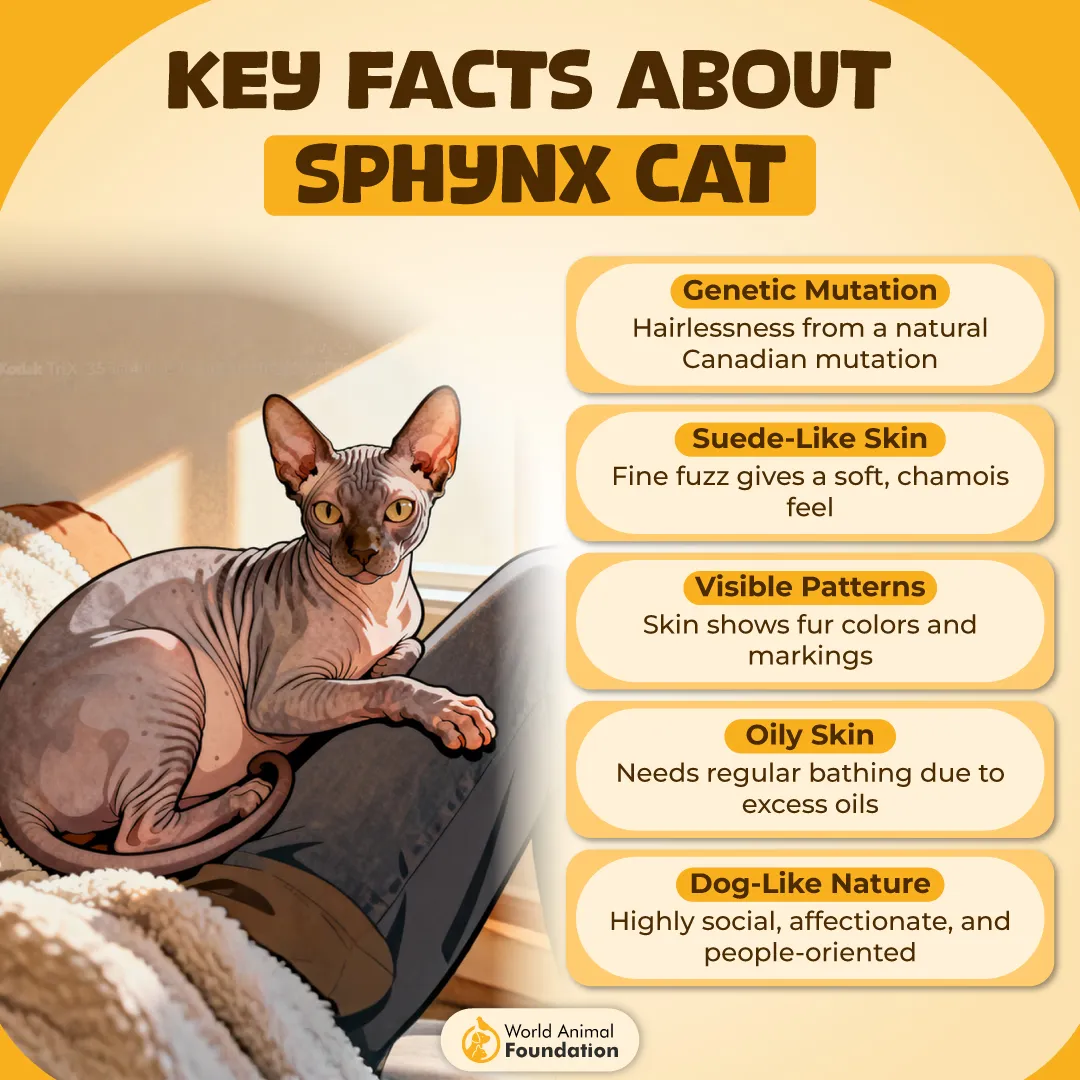
The Sphynx is famous for the “no sweater needed” aesthetic, thanks to a natural hairless mutation that was developed through selective breeding starting in the 1960s. It can be said that the Sphynx is a very unusual-looking cat because of their hairless look and big upright ears. However, they have charming and endearing personalities that many people love.
They’re also little heat-seekers. With no fur, they lose body heat more readily and tend to hunt down warm spots like a pro, including blankets, sunny patches, and yes, your lap.
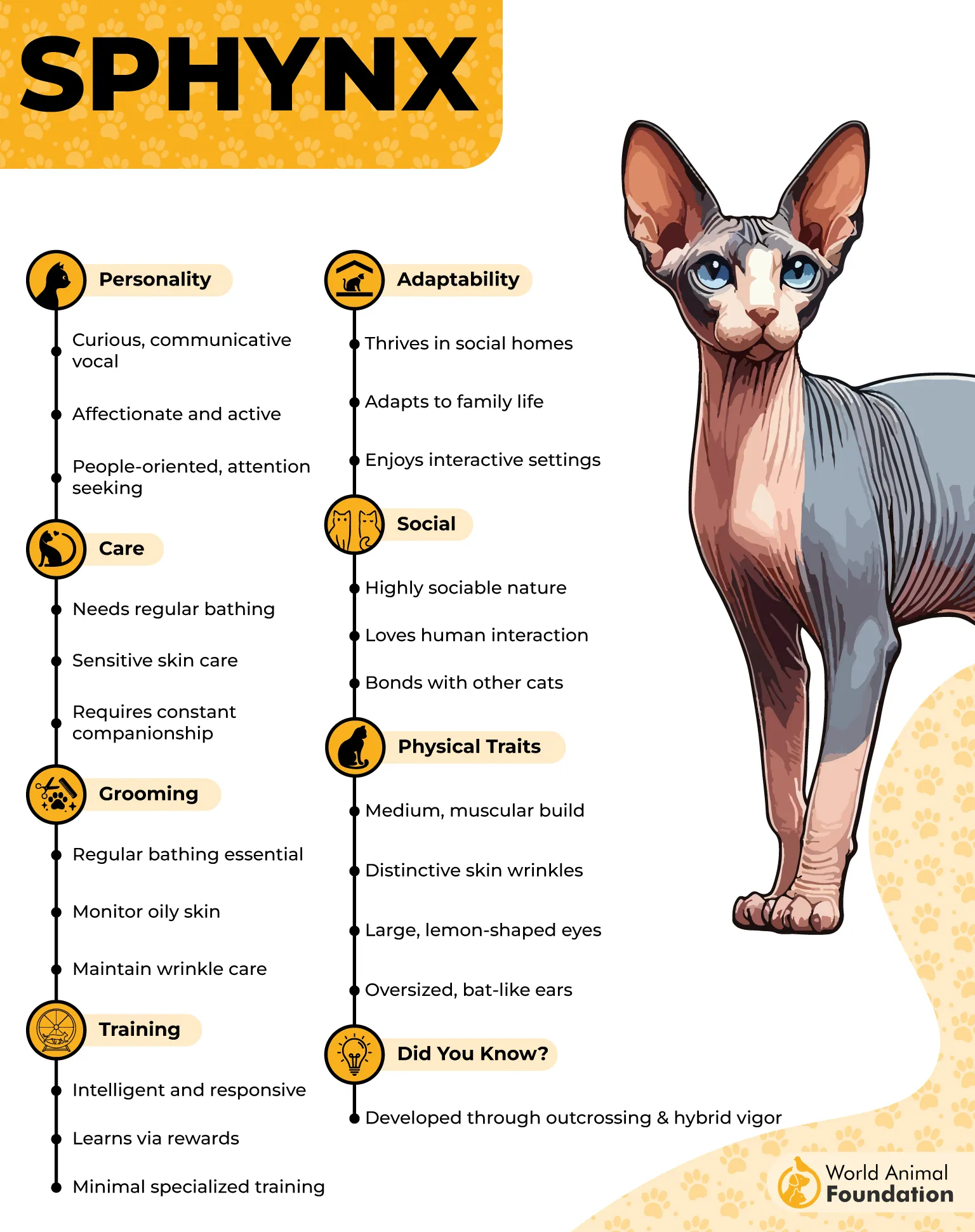
Sphynx cats are social, playful, and fun to be around. They enjoy spending time with people and often get along well with other pets, including friendly dogs. They’re also smart and can learn tricks easily.
Fun Fact
Early breeders first referred to these cats as “Moonstones” and “Canadian Hairless” before the name Sphynx stuck. The breed’s modern roots trace back to hairless kittens discovered in both Toronto and Minnesota.
3. Devon Rex
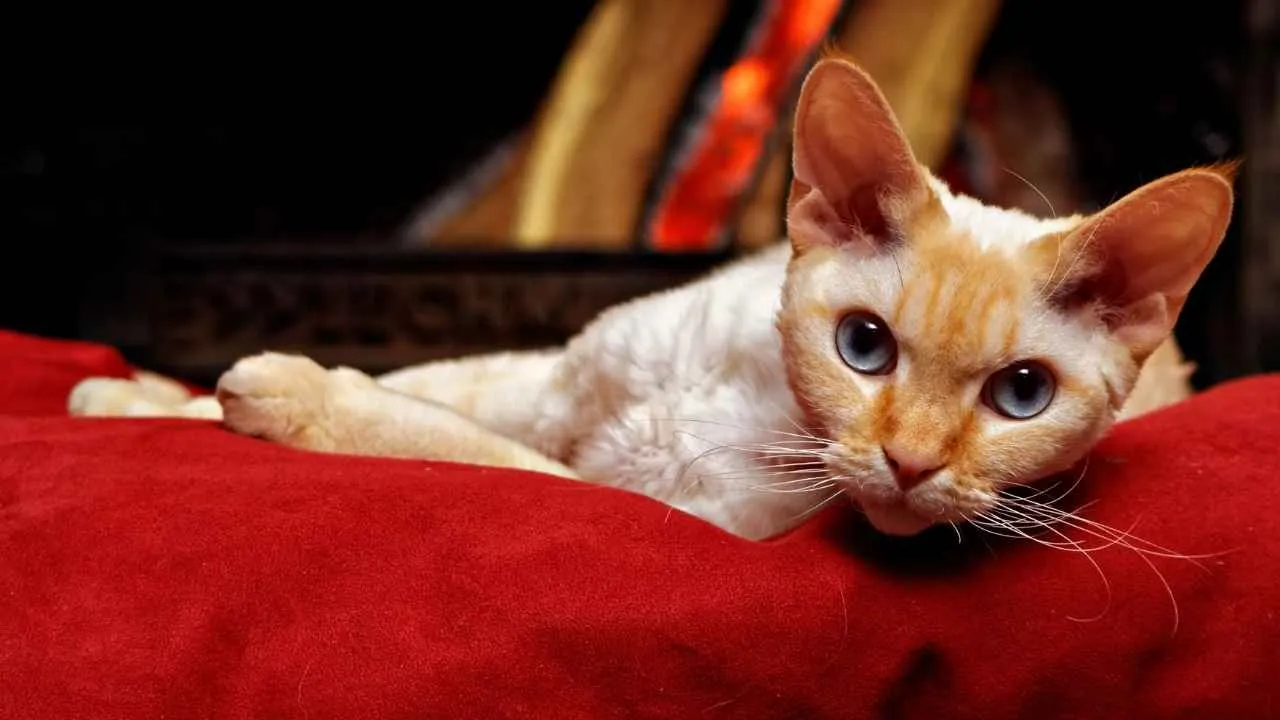
The Devon Rex comes with an “elfin” look that’s hard to ignore: huge ears, big eyes, and a face that always seems mildly amused. Their short coat is wavy, and it can look like it ripples when you pet them, which makes casual cuddles feel a bit like petting a warm plush toy. They have a small build, but their personalities can feel bigger than those of much larger cats, which only adds to their charm.
If your idea of a good pet is “social and slightly nosy,” this one delivers. Devon Rex cats are known for being highly social and fun-loving, and some people even describe them as dog-like. They want to be where you are, doing what you’re doing, preferably with commentary and enthusiasm.
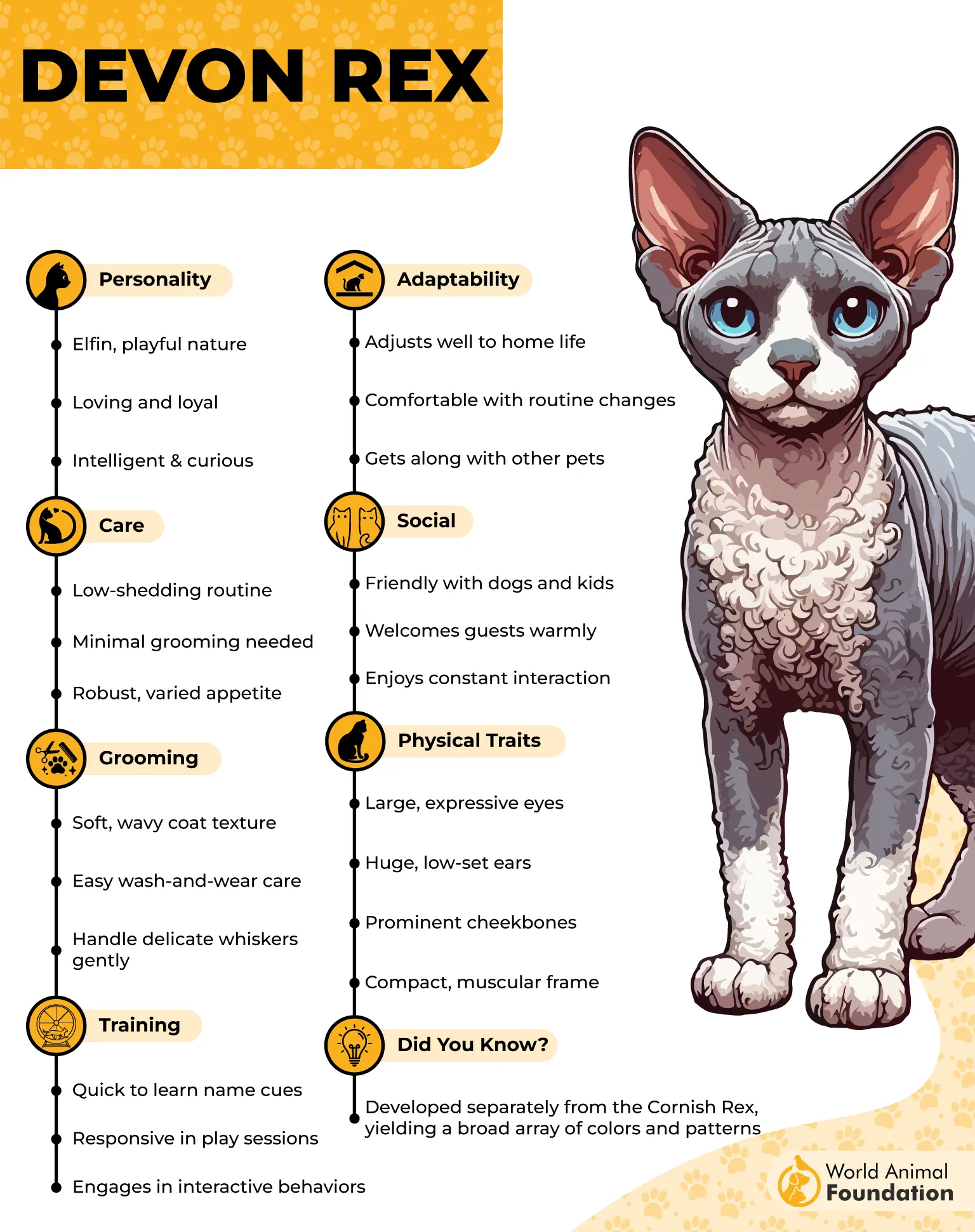
Their origin story starts in England, where a curly-coated kitten named Kirlee became the foundation for the breed. That quirky beginning fits, because Devon Rex energy often feels like friendly chaos with great manners, most of the time.
Fun Fact
Kirlee was first offered as part of efforts to preserve the Cornish Rex coat, but breeding trials showed his curly coat came from a different gene. That discovery is what kicked off the Devon Rex as its own distinct breed.
4. Cornish Rex
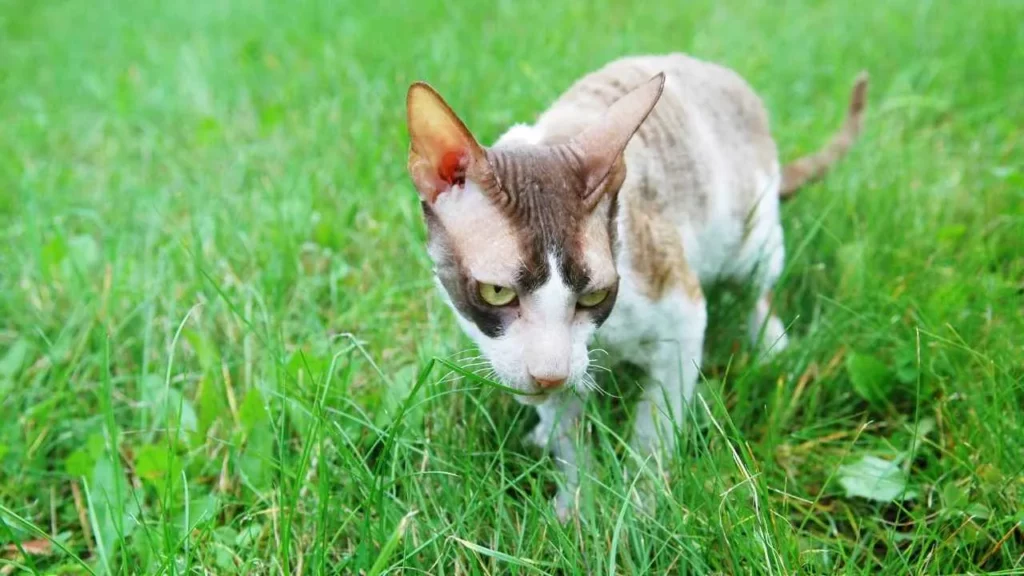
The Cornish Rex looks like someone took a classic cat outline and smoothed it into something sleek and sporty, then topped it with bat-like ears. They’re known for a distinctive wavy coat, which traces back to a kitten born in Cornwall, England with a genetic mutation for that rippled fur. The result is a cat that stands out even when they’re doing absolutely nothing.
They’re smart enough to learn tricks and even play fetch, so dog people may find themselves thinking, “Wait, this cat gets me.” Just be ready to participate, because this is not a “decorate the sofa and nap forever” type.
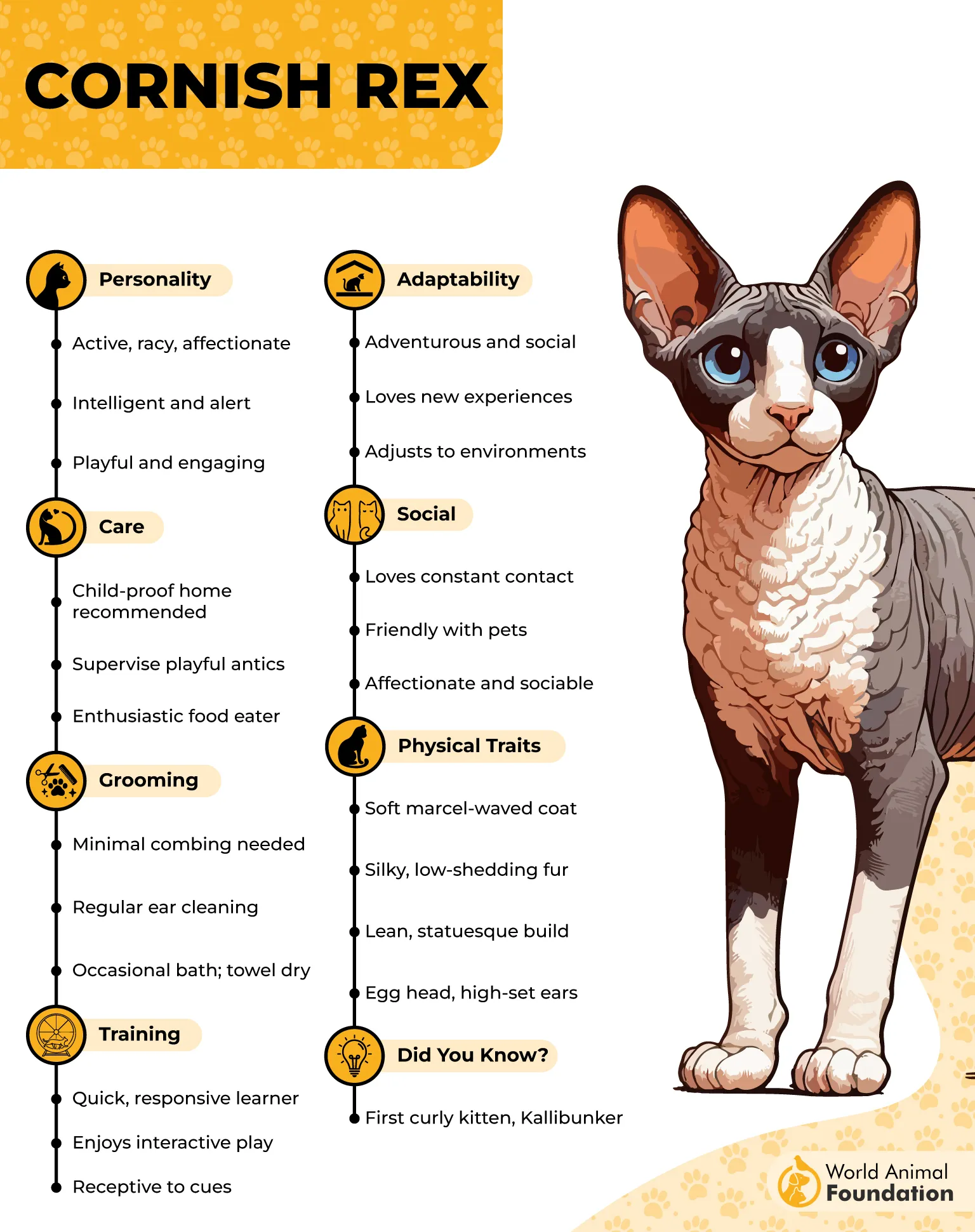
According to Purina, the Cornish Rex cat’s wavy coat is low-maintenance, and a rubber brush can help lift away dead hair, but over-brushing can damage the coat. For cats with pale coloring, sunscreen on the ears may be needed during summer.
Fun Fact
The first Cornish Rex kitten is famously known as Kallibunker. That one cat became the starting point for developing the breed’s signature look.
5. Abyssinian
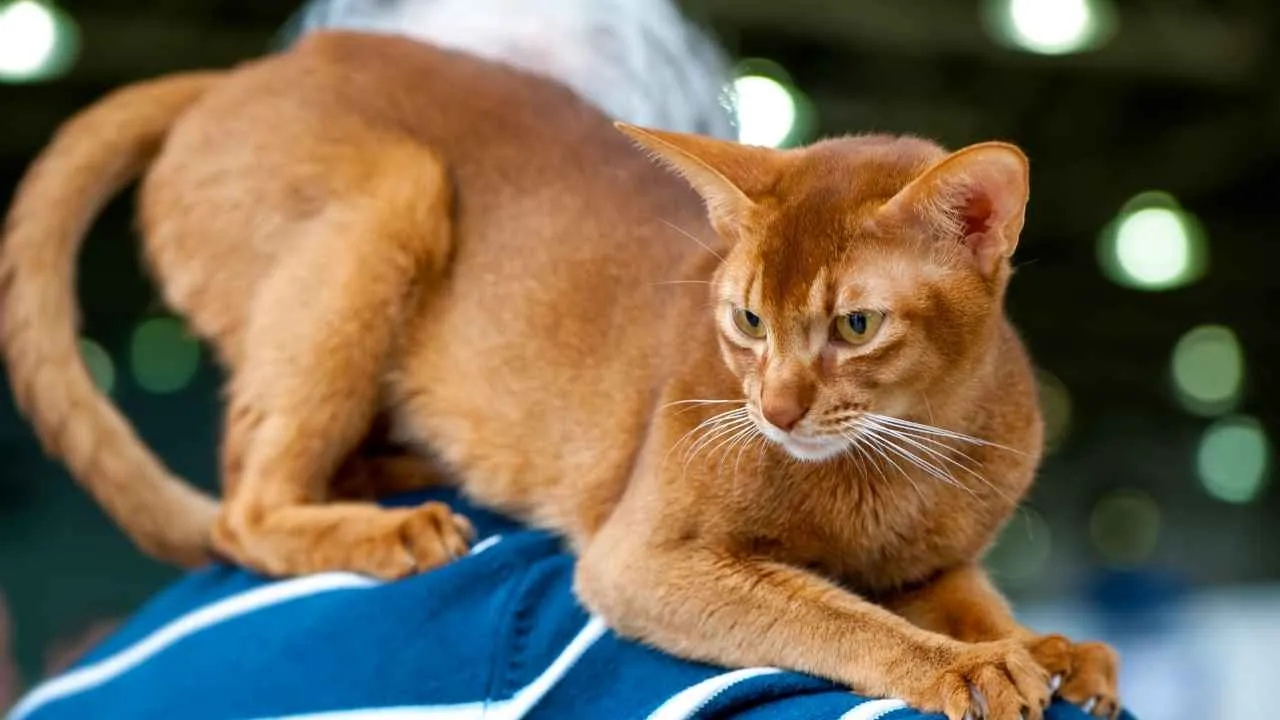
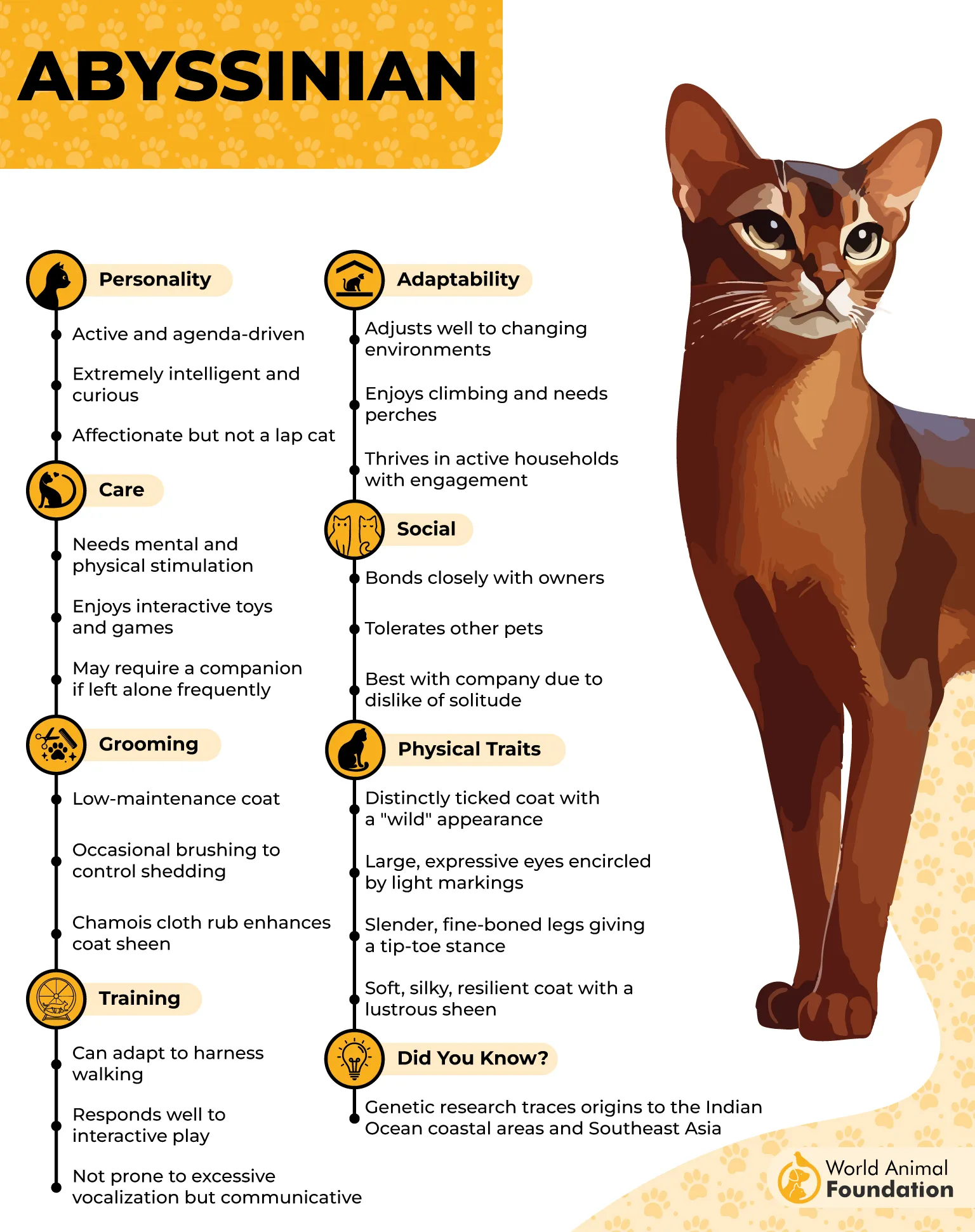
An Abyssinian has a built-in “alert mode” face, thanks to large, pointy ears that always look like they just heard something interesting. Their hallmark is a ticked tabby coat, where each hair is banded with different colors, creating that warm, shimmering effect without relying on big stripes or patches. The overall impression is sleek, athletic, and ready to investigate whatever you’re doing.
An Abyssinian may look like a show cat, but at home they prefer to stay busy on their own. They don’t always like being held, and they often ignore the rules. Still, they might suddenly hop into your lap or onto your shoulder, usually when you’re trying to focus.
As per PetMD, redness, a bad smell, or buildup in your cat’s ears can point to an ear infection or parasites. If you spot any of these signs, it’s best to call your veterinarian.
Fun Fact
In 2007, the first cat to have its entire genome published was an Abyssinian named Cinnamon. That’s a pretty serious achievement for a cat who would still absolutely steal your chair.
6. Savannah
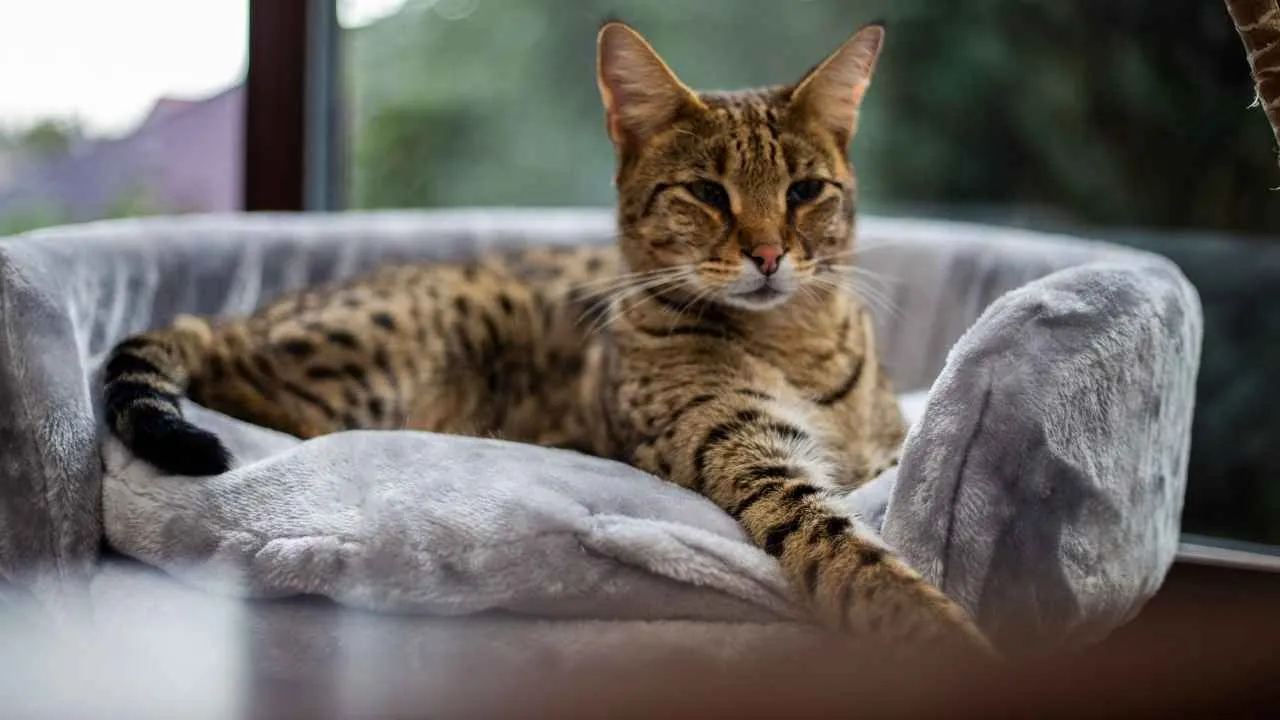
Savannahs come from a cross between a domestic cat and a serval, a wild African cat. They’re known for their exotic look, with long legs, very large ears, and a spotted coat that gives off wild cat vibes. These cats are very active and need lots of space and enrichment to stay happy.
Keeping a Savannah engaged takes real effort. They’re described as highly intelligent and energetic, and it takes a lot to keep them physically and mentally exercised. This is the type of cat who benefits from an environment that encourages movement and interaction, not just a single toy tossed their way once a week.
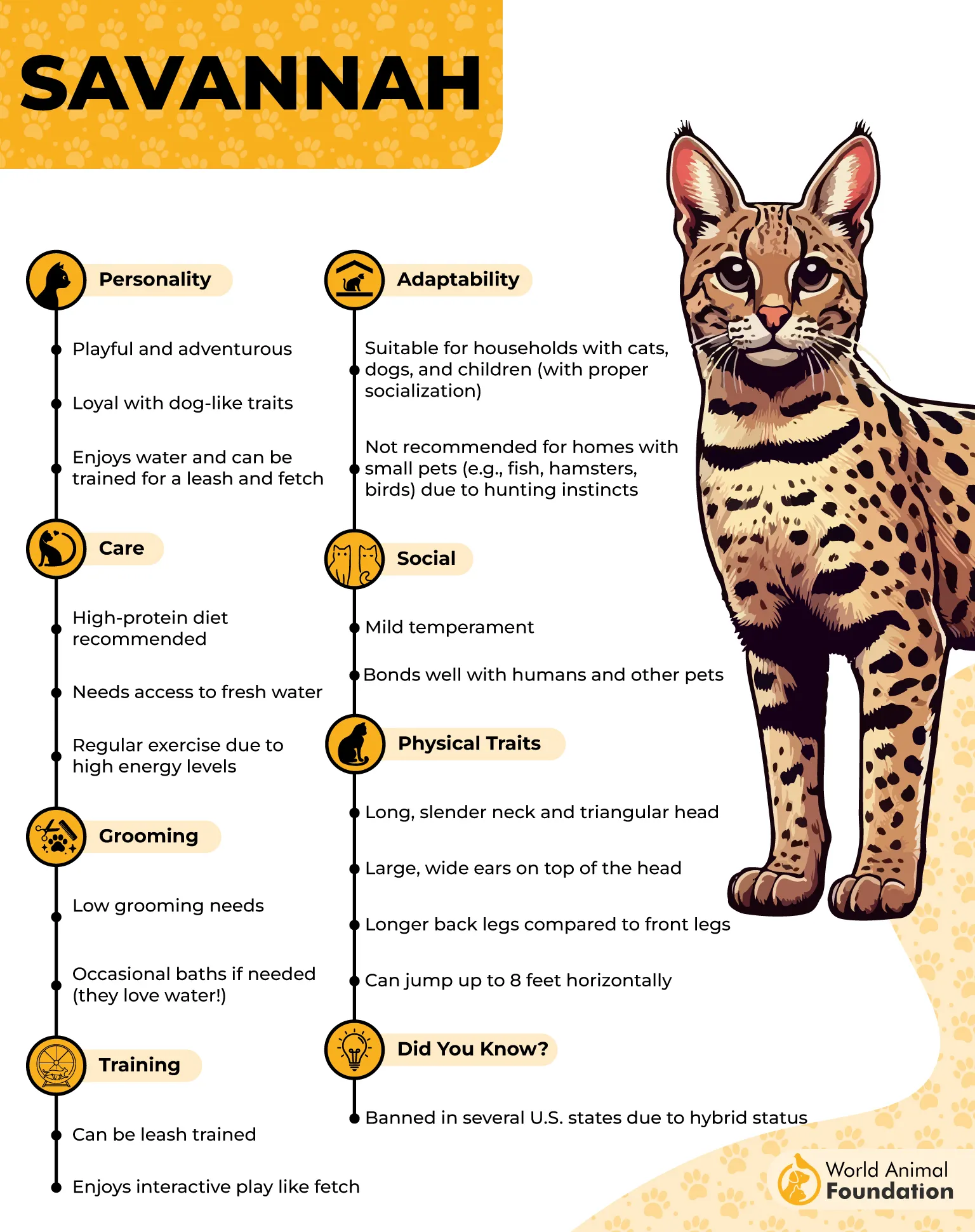
According to WebMD, the Savannah’s coat is low-maintenance, and a weekly brush along with regular nail trims is usually enough. It also recommends daily tooth brushing to support good dental health.
Fun Fact
The Savannah cat is a cross between domestic cats and wild African servals. That family tree helps explain why they can come across as a little more “adventure-ready” than your average house cat.
7. Egyptian Mau
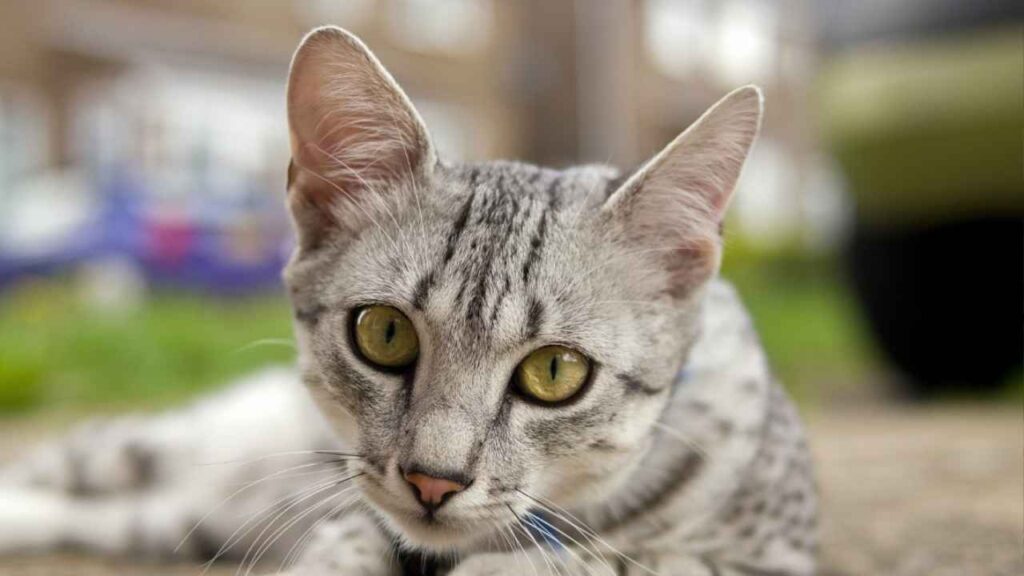
The Egyptian Mau brings serious style with a naturally spotted coat and a long history tied to ancient Egypt. Sources describe cats like these appearing in Egyptian culture, including depictions on papyrus and pottery, which is a pretty impressive résumé for a living room companion. Today’s Mau still looks athletic and alert, with a sleek, short coat and expressive eyes often described as gooseberry green.
Egyptian Maus form close bonds with their people and may even pick a favorite. They might not be dedicated lap cats, but they love to play, explore, and watch the world from high vantage points. They can start out wary of strangers, then warm up once they decide the new human is acceptable.
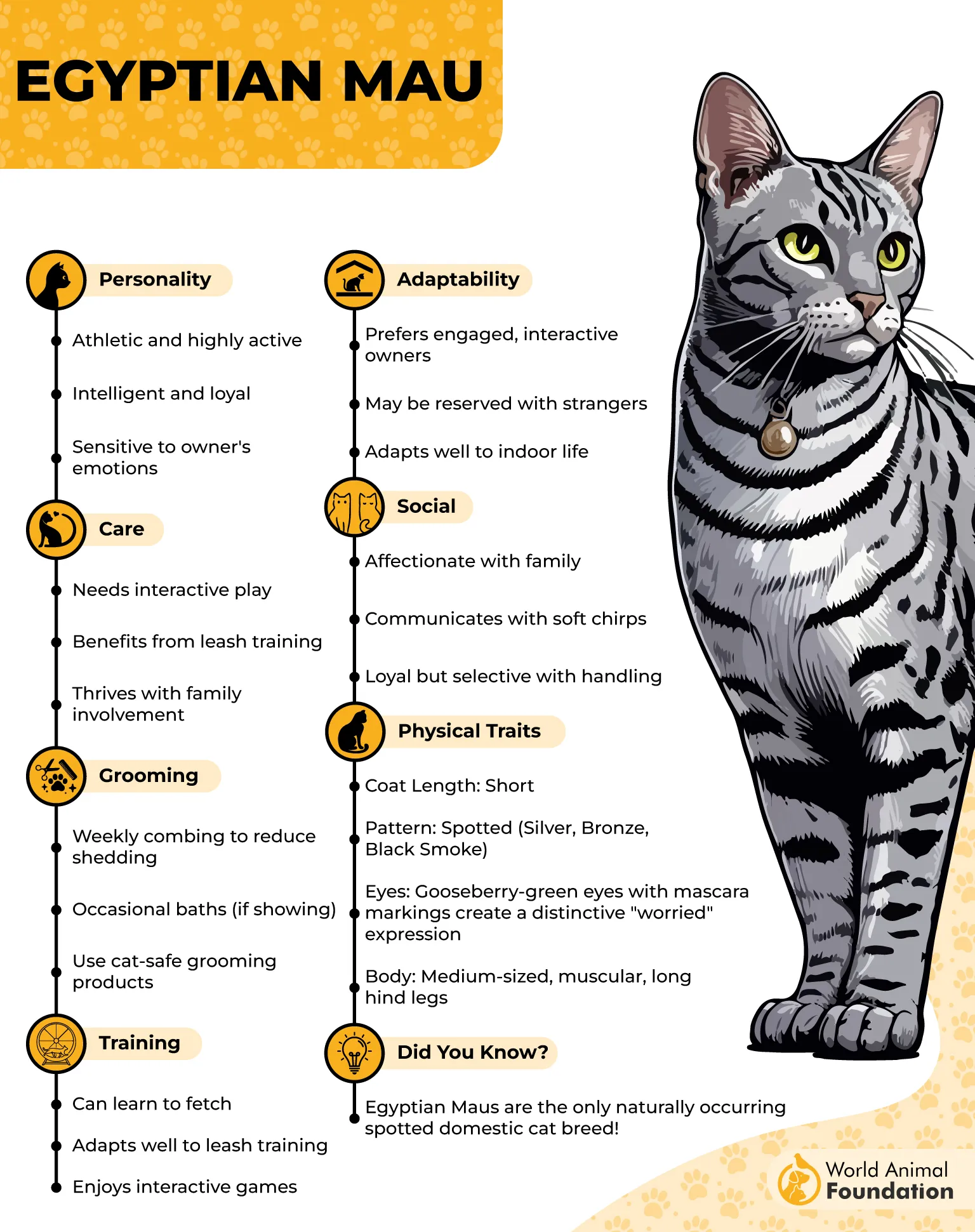
These cats are built for action. Their back legs are longer than their front legs, and they have an extra skin flap along the flank to the back knee that supports their jumping talent. With play, climbing options, and interactive time, a Mau tends to stay happily busy.
Fun Fact
When content, Egyptian Maus may communicate in a soft, melodious voice. They can also do a quick tail wiggle while treading with their forepaws, like they’re happily typing out a tiny victory speech.
Conclusion
Cat breeds with big ears are a treat for pet parents who love a cat with a striking appearance. Those oversized ears can create an almost bat like appearance that makes each cat feel special in its own way. But don’t let that delicate appearance fool you, because many big eared cats are playful and often super friendly. Some can be loud, too, acting like a chatty family member who always wants to tag along.
The breeds mentioned above all have their own charm, so the best match depends on the traits you want in a companion, like energy level, affection, and how social you like your cat to be. Either way, they’re all good options to choose from. Other breeds such as Wild African Cat and Jungle Cat are also good options worth exploring if you are interested in such breeds.
