




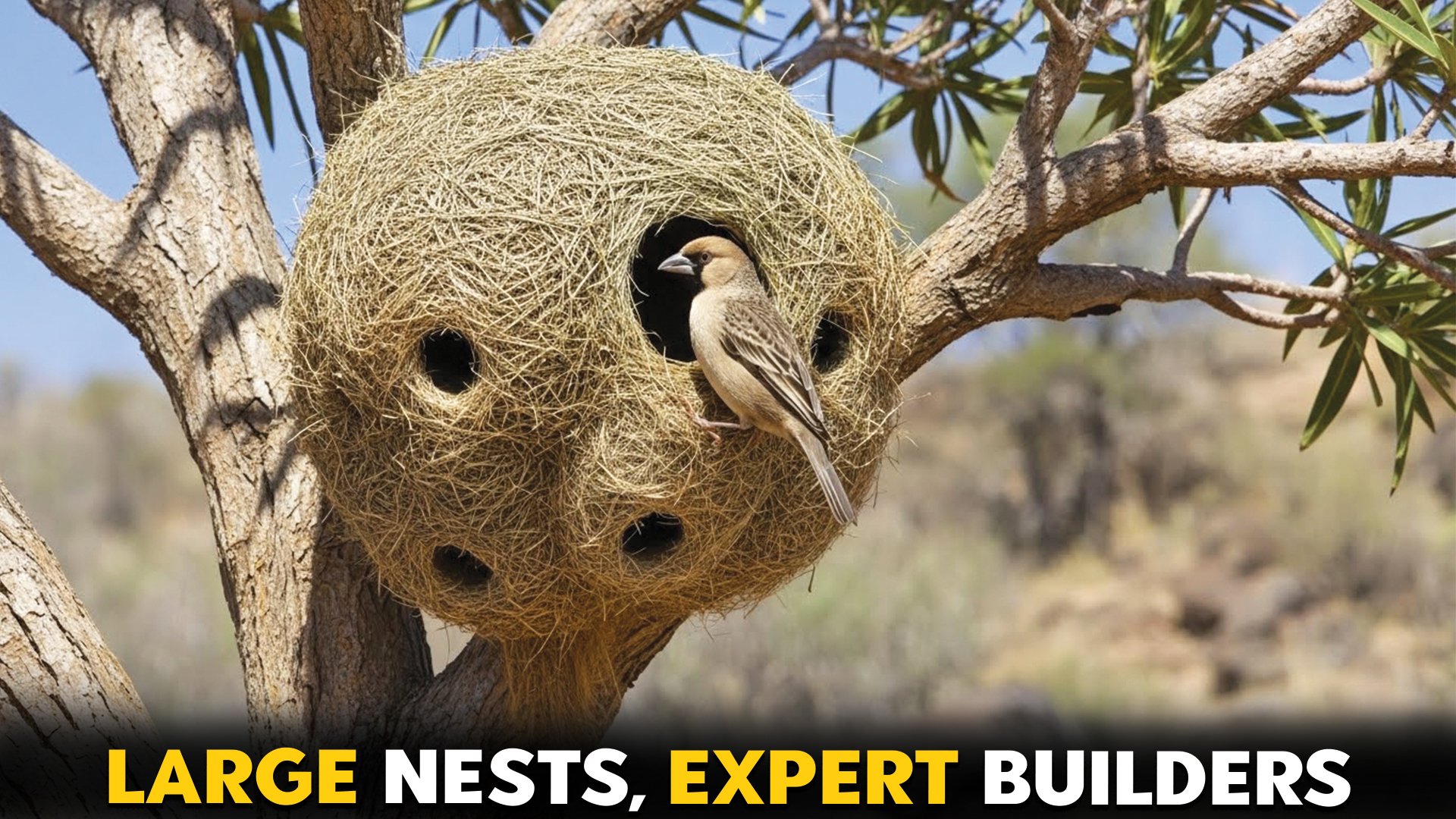
When you think about architects, you might picture people with blueprints and hard hats—but nature’s finest builders are birds. These incredible creatures don’t just take to the skies; they’re also experts at crafting some of the most impressive homes you’ll ever see.
From enormous nests perched high in the treetops to tiny, intricately woven hideouts that seem almost magical, birds use their creativity and instincts to build shelters that protect their families and stand the test of time.
What’s amazing is how varied these nests can be! Some birds pile together sticks into towering fortresses visible for miles, while others spin delicate masterpieces using materials like spider silk or even bits of plastic. Nest-building isn’t just about throwing twigs together—it’s a fine-tuned art form designed to keep eggs safe, cozy, and hidden from danger.
So, get ready to explore some of the most fascinating and complex nests out there—and see just how inventive and skilled these feathered architects really are.
Key Takeaways
See how Bald Eagles and Sociable Weavers build giant nests that stand for decades—true marvels of nature’s engineering.
Discover the stunning hanging nests of Baya Weavers and Montezuma Oropendolas made from surprising materials.
Learn how tiny Tailorbirds and Penduline Tits use clever tricks like sewing leaves and secret doors to protect their young.
Uncover the incredible ways birds design nests to survive, attract mates, and thrive in every environment.
Birds That Build Large and Complex Nests
1. Sociable Weaver
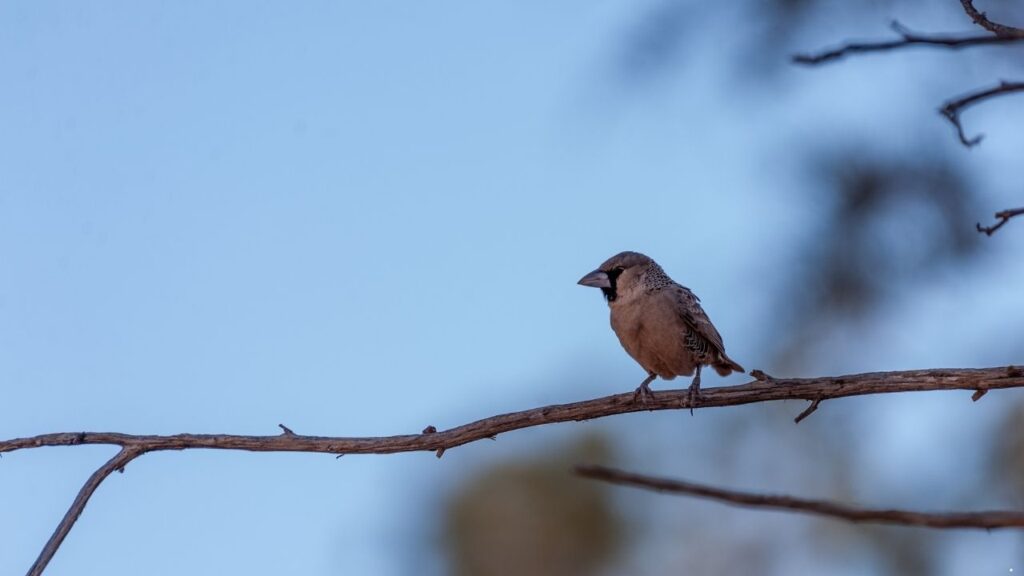
Sociable weavers, native to Southern Africa, are famous for building some of the largest and most complex nests of any bird species.
These birds don’t just build a single nest—they create huge communal structures that can house over a hundred pairs at once. Their nests look like giant haystacks perched on trees or tall poles, making them true marvels of natural architecture.
Their nests are made from soft twigs, dry grasses, and other plant materials. Inside, the nest is divided into many chambers.
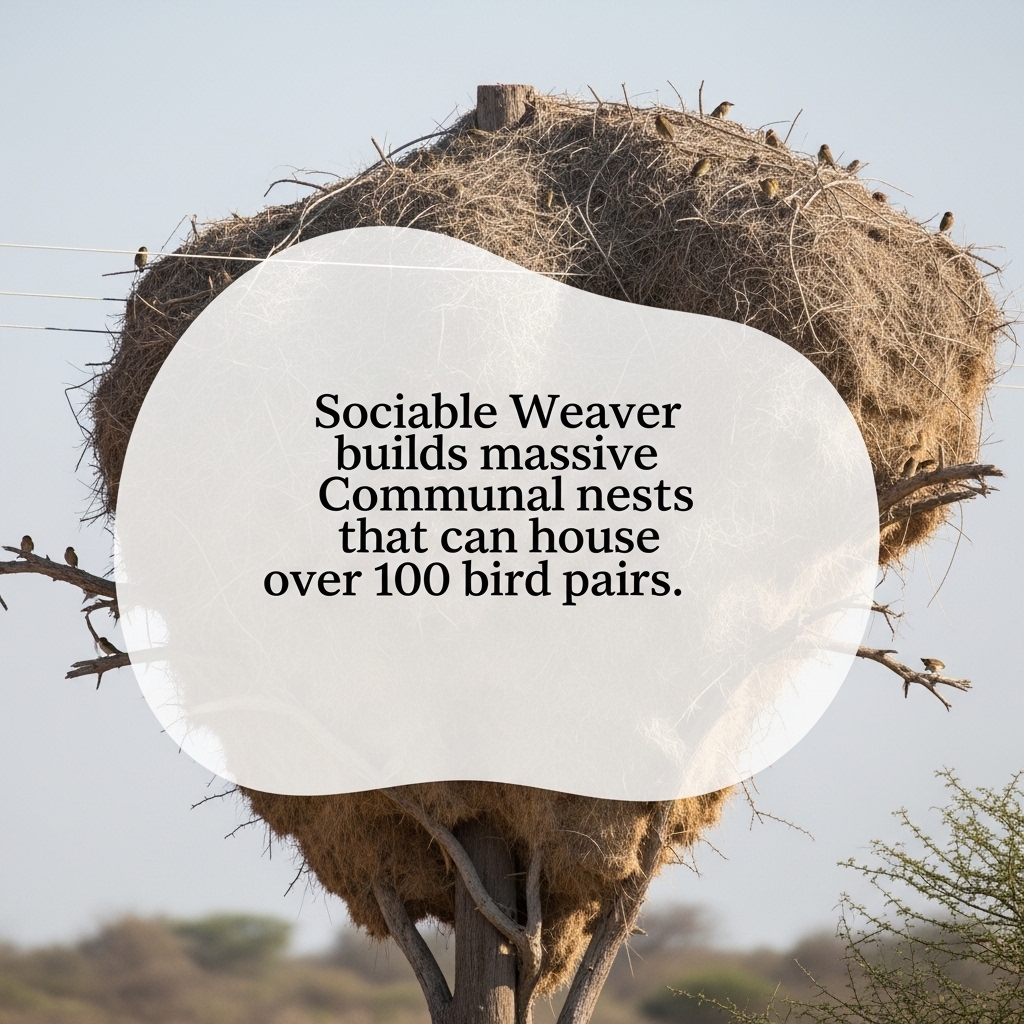
Some key features include:
Central chambers that retain heat and provide a warm place to roost at night.
Outer chambers that stay cool during the hot days, offering shelter when temperatures soar.
Entrances are often guarded by sticks to help keep predators away.
These clever designs help the birds survive extreme temperature changes in their environment. What’s even more impressive is that Sociable Weaver nests last for decades and are used by many generations of birds.
Other species like finches, lovebirds, and even falcons take refuge there after the breeding season. Despite the nest’s size and complexity, predators like snakes still manage to eat many eggs, reminding us how challenging life can be in the wild.
2. Baya Weaver
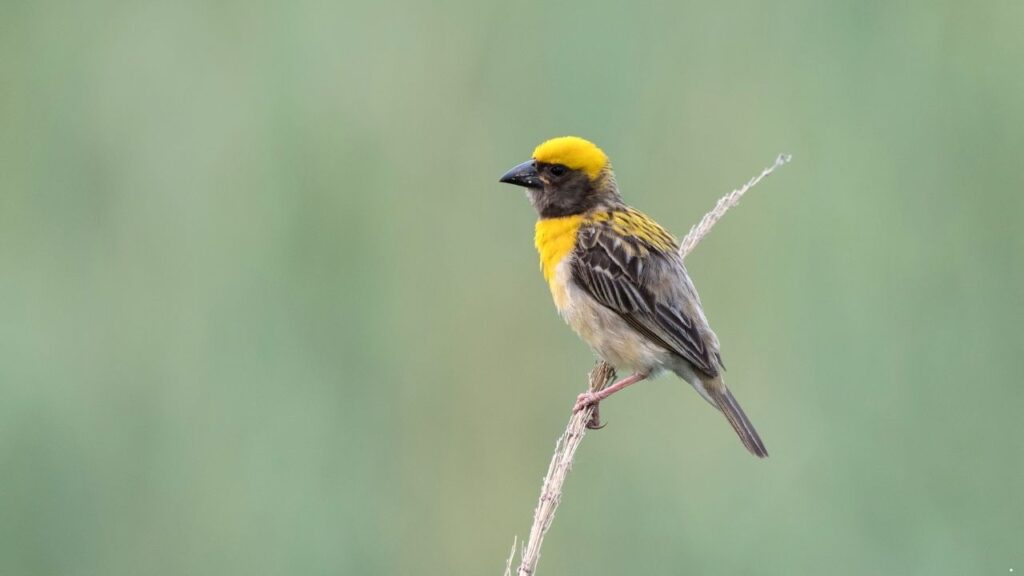
The Baya Weaver is a remarkable bird known for its skill in building large and complex hanging nests. Found mainly across the Indian subcontinent and Southeast Asia, these birds create nests that dangle from tree branches or palm fronds.
Male Baya Weavers do most of the building. They use long strips of grass and palm leaves to weave a strong, intricate nest.
The nest has a bulb-shaped chamber where the birds live, with a long, narrow entrance tube hanging below. This unique design helps keep predators out and protects the eggs and chicks inside.
Some key features of the Baya Weaver’s nest include:
Complex hanging structure with a secure chamber and long tubular entrance.
Built on thorny trees or over water to reduce predator attacks.
Made from natural materials like grasses and palm leaves, woven tightly together.
Mating importance, as males build nests to attract females, who inspect and choose based on quality.
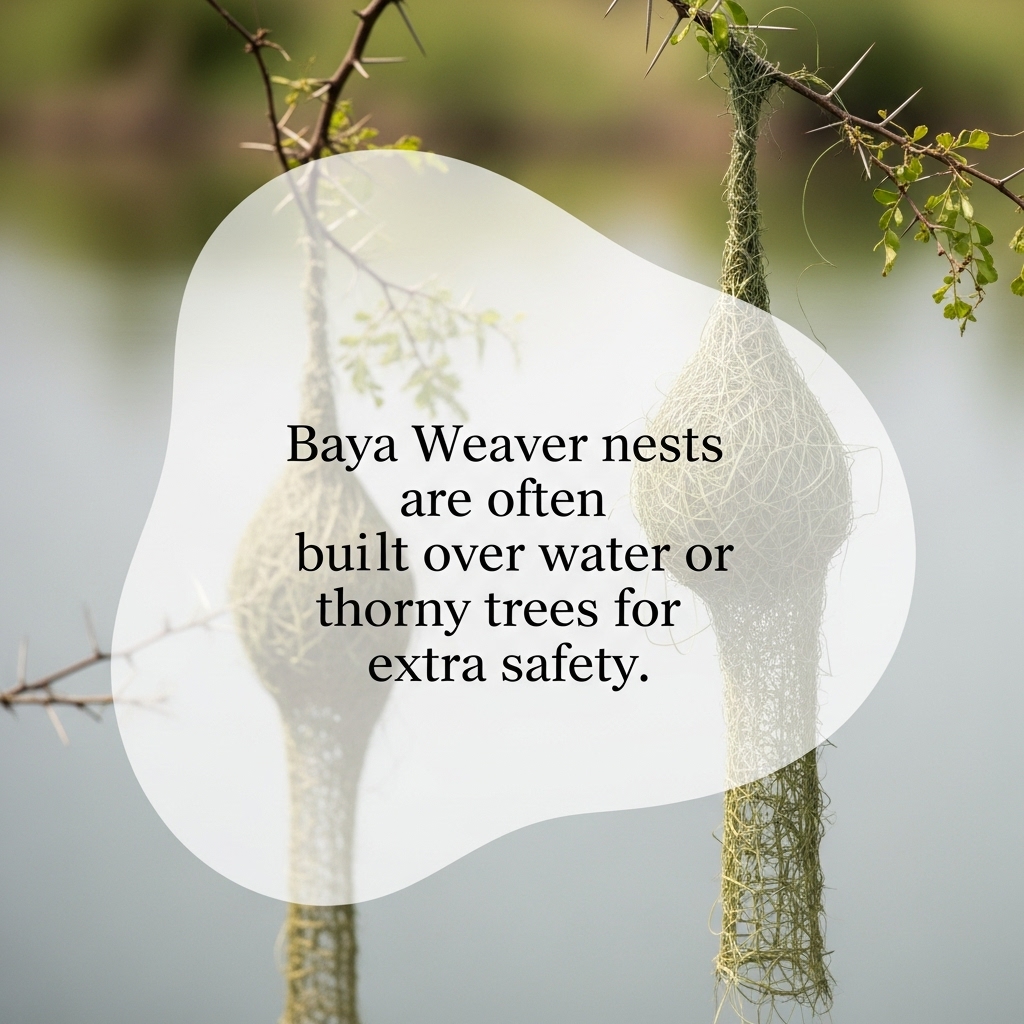
The nest-building process can take weeks, with males making hundreds of trips to gather materials. These hanging nests serve both as protection and as part of the birds’ courtship rituals, showing off the builder’s skill to potential mates.
3. Bald Eagle
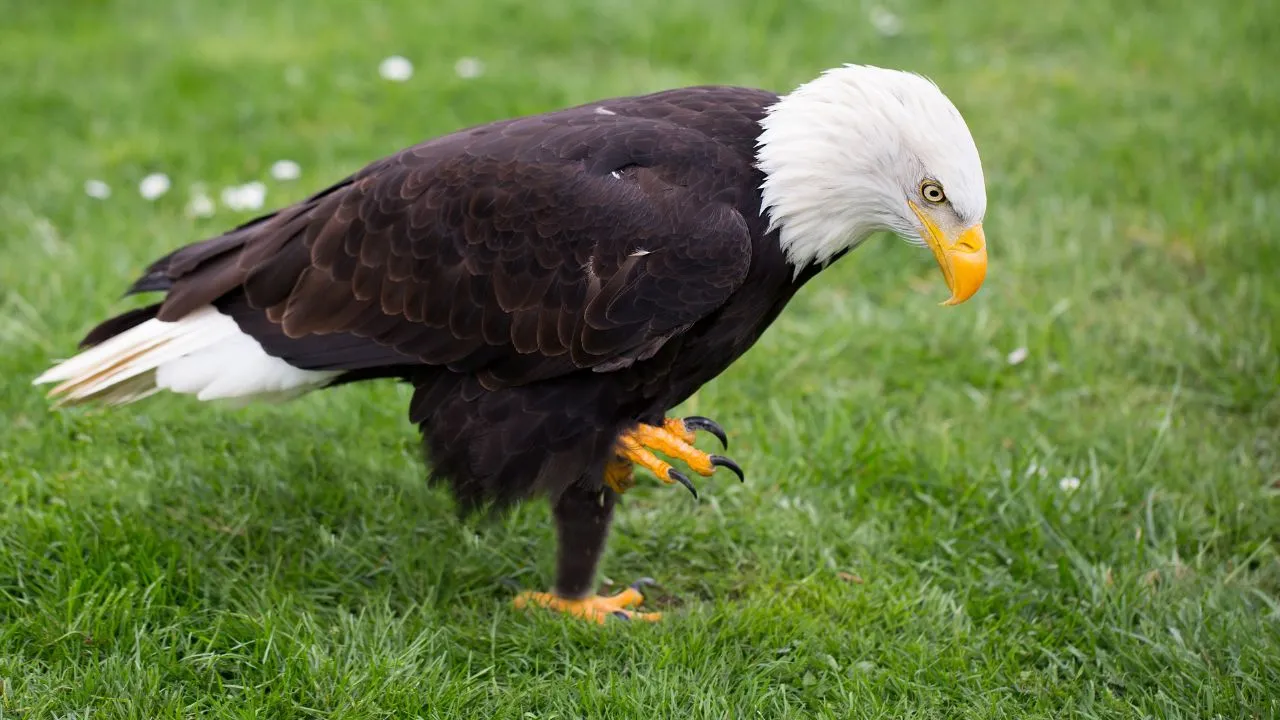
The Bald Eagle is one of North America’s most iconic birds and serves as the national symbol of the United States.
Once facing extinction in the late 20th century, their population has since bounced back thanks to conservation efforts. These powerful birds are not just impressive flyers—they’re also master builders.
Avian Reports mentions that Bald Eagles hold the record for building the largest tree nest ever recorded. Both males and females work together to build enormous nests high up in tall trees.
Their nests are made from thick sticks woven together and lined with softer materials like grass, moss, feathers, and plant stalks.
Building a nest can take up to three months, and pairs often return to the same nest year after year, adding more materials to it over time.
Key features of Bald Eagle nests include:
Massive size, sometimes measuring over 9 feet in diameter and weighing up to a ton.
Durability and reuse, as the same pair, may add to the nest for many years.
High placement in tall trees for safety and a wide view.
Strong construction with interwoven sticks and soft lining for comfort and protection.
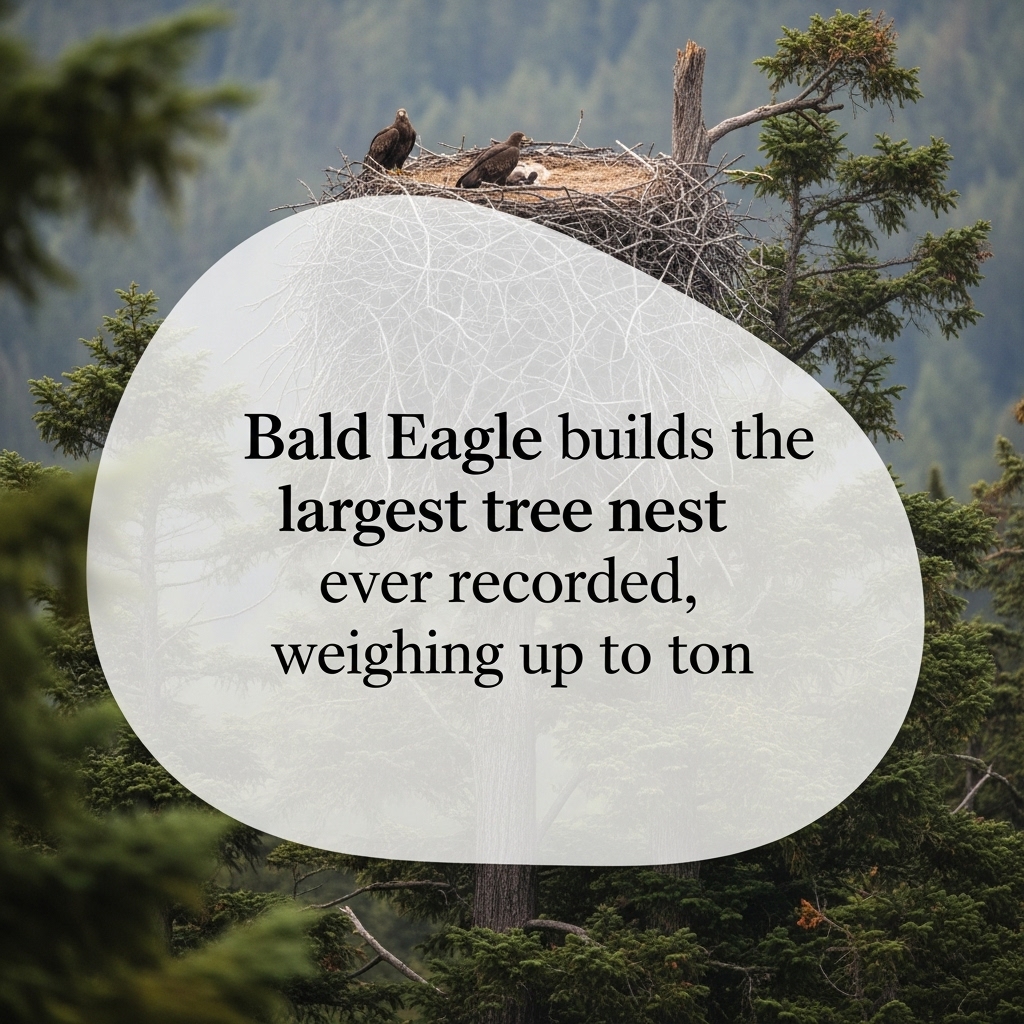
The largest recorded Bald Eagle nest was found in St. Petersburg, Florida. It measured nearly 10 feet wide and was about 20 feet deep, weighing almost 2 tonnes. These nests are true marvels of avian engineering and a testament to the Bald Eagle’s strength and dedication.
4. Montezuma Oropendola
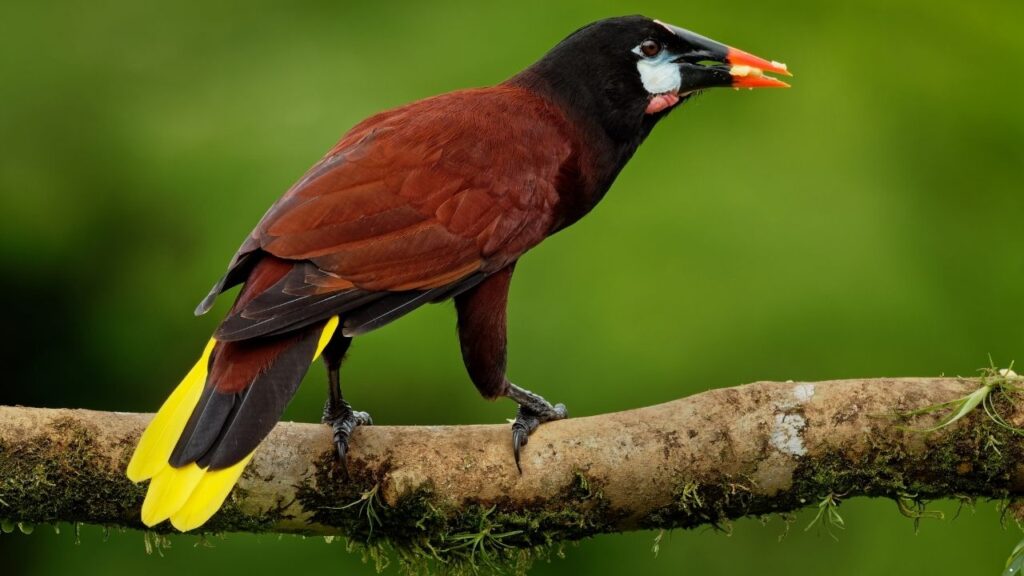
Montezuma Oropendolas are tropical birds found in the Caribbean coastal lowlands. These birds are social breeders, living in colonies that build some of the most striking hanging nests in the bird world. Their nests look like long woven baskets, crafted from fibers and vines, and hang high in isolated trees.
Each nest can be up to 6 feet (180 cm) long, and a single colony may have around 30 nests, though some colonies have been recorded with over 150. Interestingly, these birds often build their nests near wasps’ nests, using the wasps as natural protectors to keep predators away.
Some key facts about their nesting habits include:
Colony living, with dozens of nests grouped together in a single tree.
Large, pendulous nests woven from fibers and vines, suspended high in the trees.
Protection strategy, building near wasps’ nests to deter predators.
A social mating system, where a dominant male mates with most females, but some subordinate males also mate away from the main colony.
These complex nests and social behaviors make Montezuma Oropendolas fascinating examples of birds that build large and intricate homes in the wild.
5. Bowerbird

Bowerbirds are fascinating birds found mainly in Australia and New Guinea. They are famous not just for flying or singing, but for their extraordinary building skills.
Unlike many birds that construct nests for raising young, male bowerbirds build elaborate structures called bowers — not to shelter eggs, but to attract a mate, as mentioned by the SanDiego Zoo Wildlife Alliance.
These bowers are architectural feats. Males gather sticks, twigs, and other forest materials to build tunnels, hut‑like structures, or avenues.
They decorate their creations with a dazzling array of brightly colored objects — from flowers and berries to shells, stones, and even human‑made items like shiny plastic or bottle caps. The more eye‑catching the decoration, the greater the chance of attracting a female.
Some key features of bowerbird constructions include:
Purpose‑built display arenas that are not used for nesting or raising chicks.
Highly decorated structures with objects chosen for color or novelty.
Different styles — some look like tunnels or huts, others like cleared courts surrounded by walls of sticks.
Courtship focus, where males perform dances and songs to impress visiting females at the bower.
Once a female selects a mate, she leaves the bower and builds a simple cup‑shaped nest elsewhere to lay her eggs. The male’s ornate structure remains behind as a testament to his building skill and creativity — a true marvel of avian architecture driven by love and competition.
6. Tailorbird
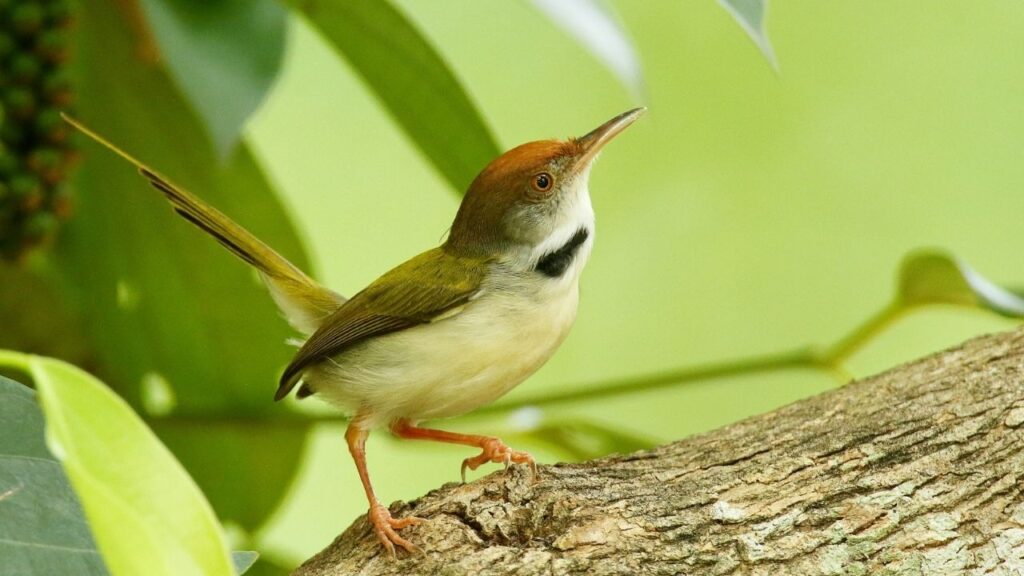
Tailorbirds are small songbirds known for building one of the most unique nests in the avian world. They get their name from the way they sew their homes, using leaves and natural fibers in a process that looks just like stitching fabric.
To make their nest, the female tailorbird selects large, strong leaves and folds them together. She uses her sharp, needle‑like beak to pierce tiny holes along the edges, then threads plant fibers, spider silk, or other fine material through those holes to bind the leaf edges together.
Once the outer leaf “pocket” is sewn, the nest interior is lined with soft grass, feathers, and plant down to make a cozy spot for eggs and chicks.
Key features of Tailorbird nests include:
Sewn leaf structure created by piercing and stitching living leaves together.
Natural “thread” made from spider silk, plant fibers, or fine grass.
A hidden and camouflaged location among dense foliage.
Soft, insulated lining inside for warmth and comfort.
The entire sewing process often takes several days and requires skill and persistence. This tiny bird’s nest blends so well with its surroundings that it can be almost invisible, showing how nature’s smallest architects use both craftsmanship and camouflage to protect their young.
7. Penduline Tit
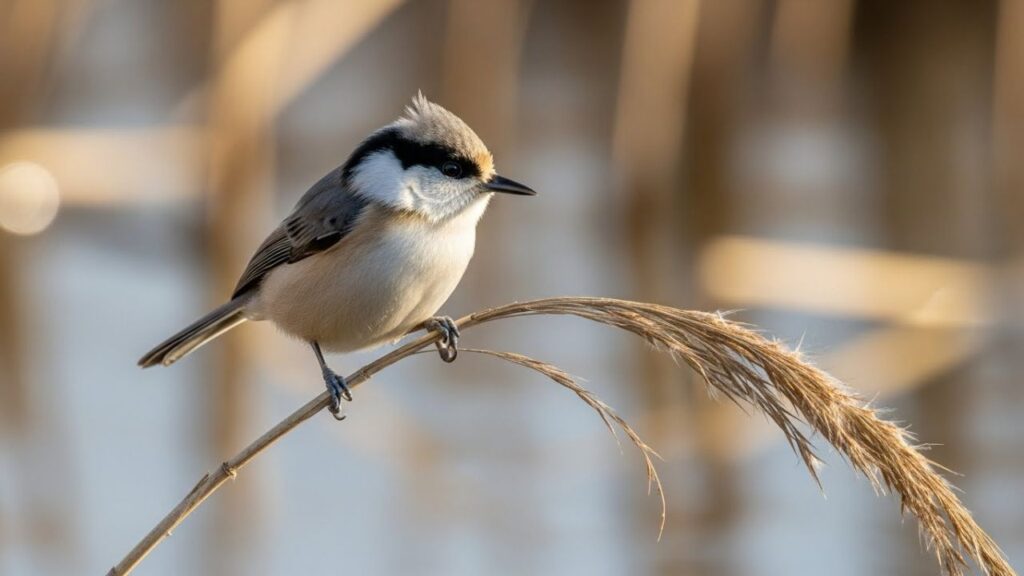
Penduline tits are diminutive birds famous for crafting some of the most elaborate hanging nests in the bird world. These nests hang like soft sacks from thin branches, woven from plant fibers, spider webs, wool, and animal hair — materials that make the structure strong and flexible.
Their nests are not just beautifully made; they are also clever. Many penduline tits build nests with false entrances and hidden chambers to confuse predators, according to the Cornell Lab.
A visible entrance may lead to an empty pocket, while the real entry is tucked away and can be sealed — a smart design that keeps eggs and chicks safer from snakes and other threats.
Key features of Penduline Tit nests include:
Hanging, pear‑shaped structure woven from fibers, silk, and hair.
Suspended from tree branches or reeds, often near water.
Hidden and false entrances that help protect against predators.
Soft interior lining for comfort and insulation.
Both males and females typically take part in building these complex nests, which can take several weeks to complete. The result resembles a tiny woven pouch that showcases the penduline tit’s remarkable architectural skills — small birds with big engineering ideas.
Conclusion
Birds build some of the most elaborate nests in the animal kingdom, perfectly adapted to their unique habitats. These characteristic nests often feature a thick layer of various materials such as mud, vegetation, feathers, and even insects.
By carefully selecting and combining these elements, these feathered friends create safe and comfortable homes to protect their eggs and young from wind, predators, and other animals.
Many nests are used by multiple generations, showing the incredible durability and design passed down over time. Some birds proudly display their architectural skills through complex structures built in shrubs, on the ground, or high up in trees.
Whether simple or intricate, these nests reveal how most birds use nature’s resources to survive and thrive in diverse environments.
Complex Bird Nests 🪺 Can You Score 5/5?
Which bird builds massive communal nests used for decades?
Which bird creates hanging nests with long tubular entrances?
Which bird holds the record for the largest tree nest ever recorded?
Which bird often builds nests near wasps for protection?
Which bird sews leaves together to form its nest?
