




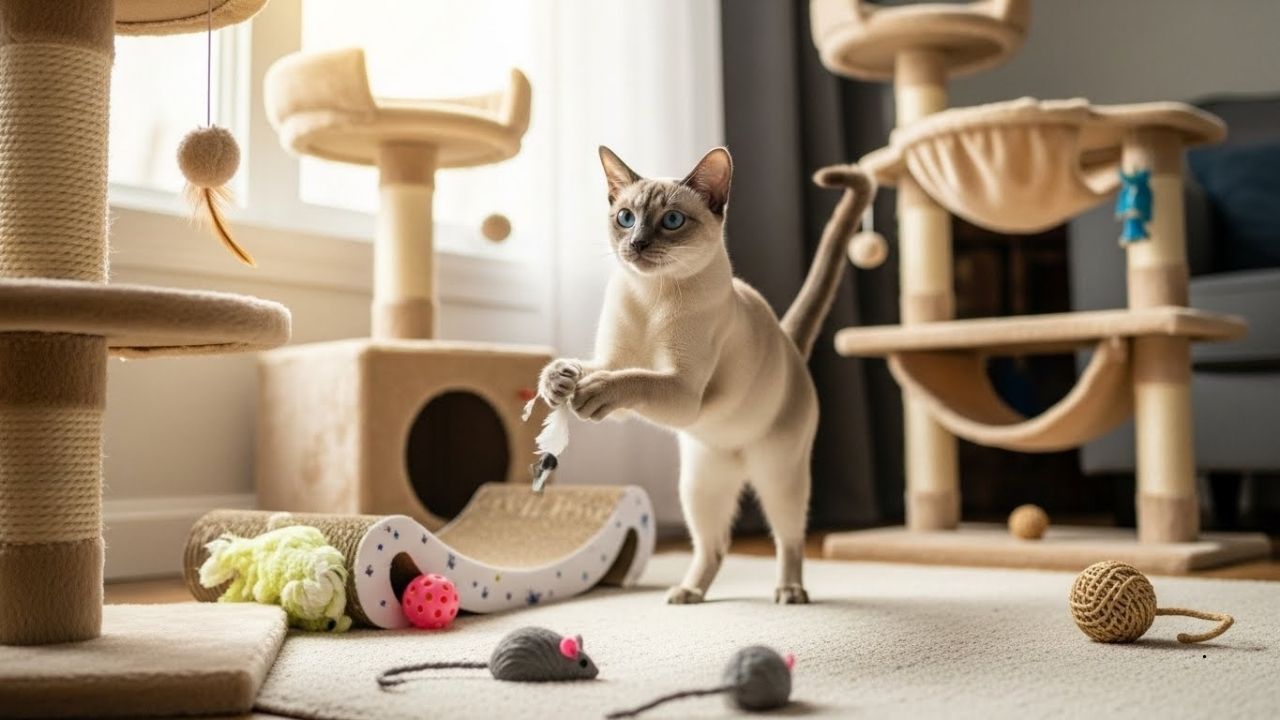
Some cats are perfectly happy lounging for hours, while others seem to need something to do at all times. Cat breeds that need constant engagement are curious, alert, and deeply interested in their surroundings.
These cats thrive on interaction, play, and mental challenges, often seeking out attention from their people throughout the day. Without enough stimulation, they may invent their own activities, which is not always ideal for your furniture or sanity. Understanding which breeds crave frequent involvement can help cat owners create a home that keeps these busy minds satisfied.
In this article, we explore cats that do best with regular play, learning, and connection, making life more enjoyable for both the cat and the humans who share their space.
Cat Breeds That Need Constant Engagement
1. Bengal
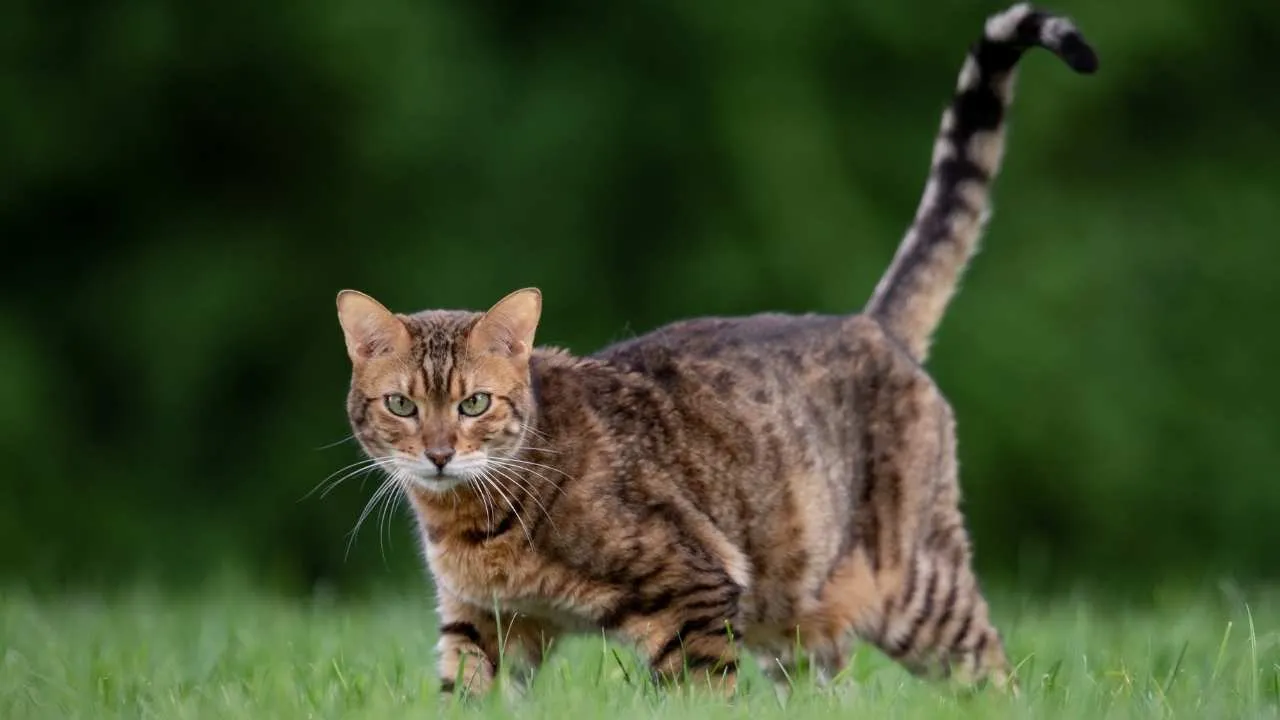
Bengal cats are known for their sharp intelligence, athletic build, and nonstop curiosity, which keeps them mentally switched on throughout the day. They tend to watch everything closely, often studying people, objects, and routines before jumping in.
As per Purina, this breed thrives on activities that challenge both body and mind, including climbing, chasing, and interactive games. Bengals often seek attention through play rather than cuddling, using motion and exploration as their preferred communication style. When left without enough stimulation, they may create their own entertainment in creative and sometimes destructive ways.
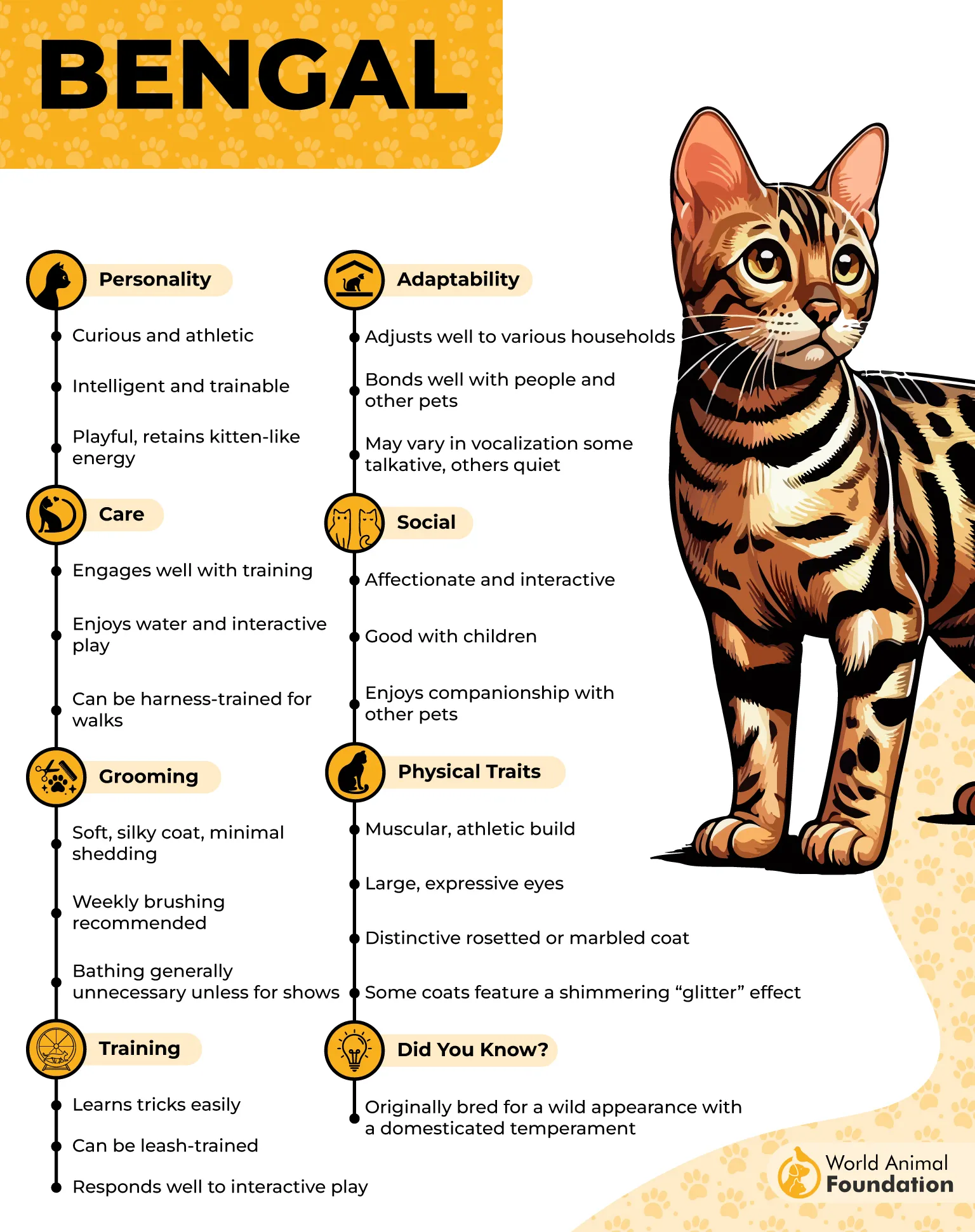
Bengals usually form strong bonds with their people and prefer homes where interaction is part of daily life. They enjoy learning routines and staying involved in household activity instead of observing from a distance. Consistent engagement helps channel their energy in positive directions and keeps their behavior balanced.
Why This Cat Is a Good Fit
Needs regular interaction to stay mentally satisfied
Enjoys active homes with daily play built in
Best for owners who like staying involved
2. Siamese
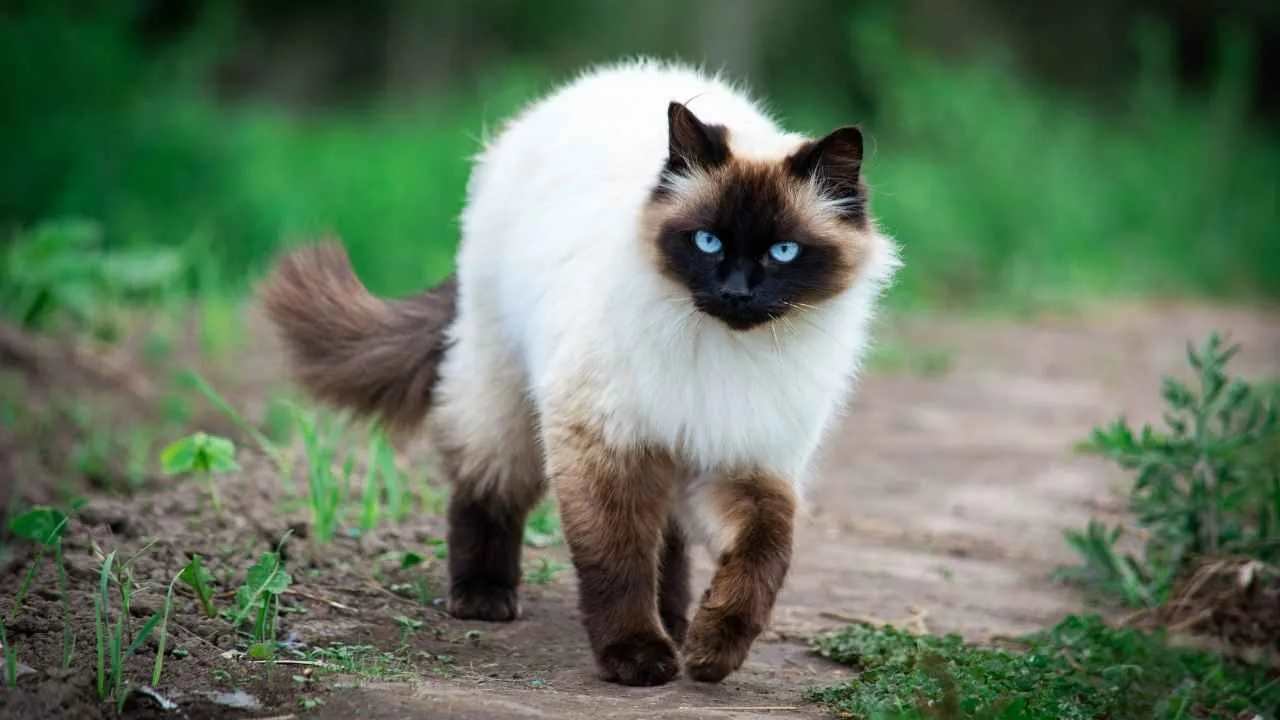
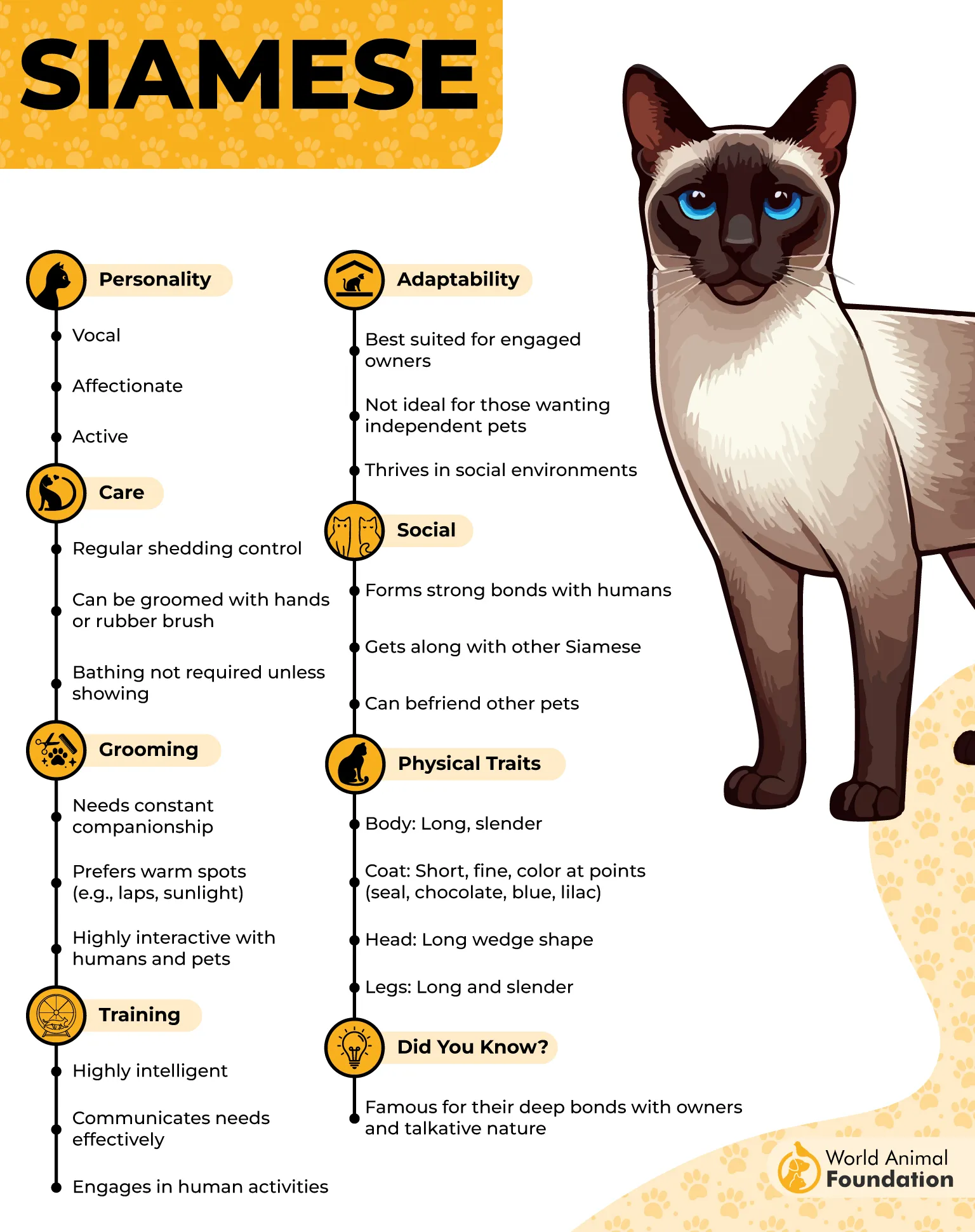
Siamese cats are famously social and strongly attached to their people. They are one of the friendliest cat breeds who prefer constant companionship and are known for expressing their needs clearly. Being ignored is rarely acceptable in their world.
This breed is intelligent and emotionally aware, often noticing changes in routine or mood. Siamese cats enjoy activities that involve communication, learning, and direct interaction. They often follow their owners from room to room to stay involved.
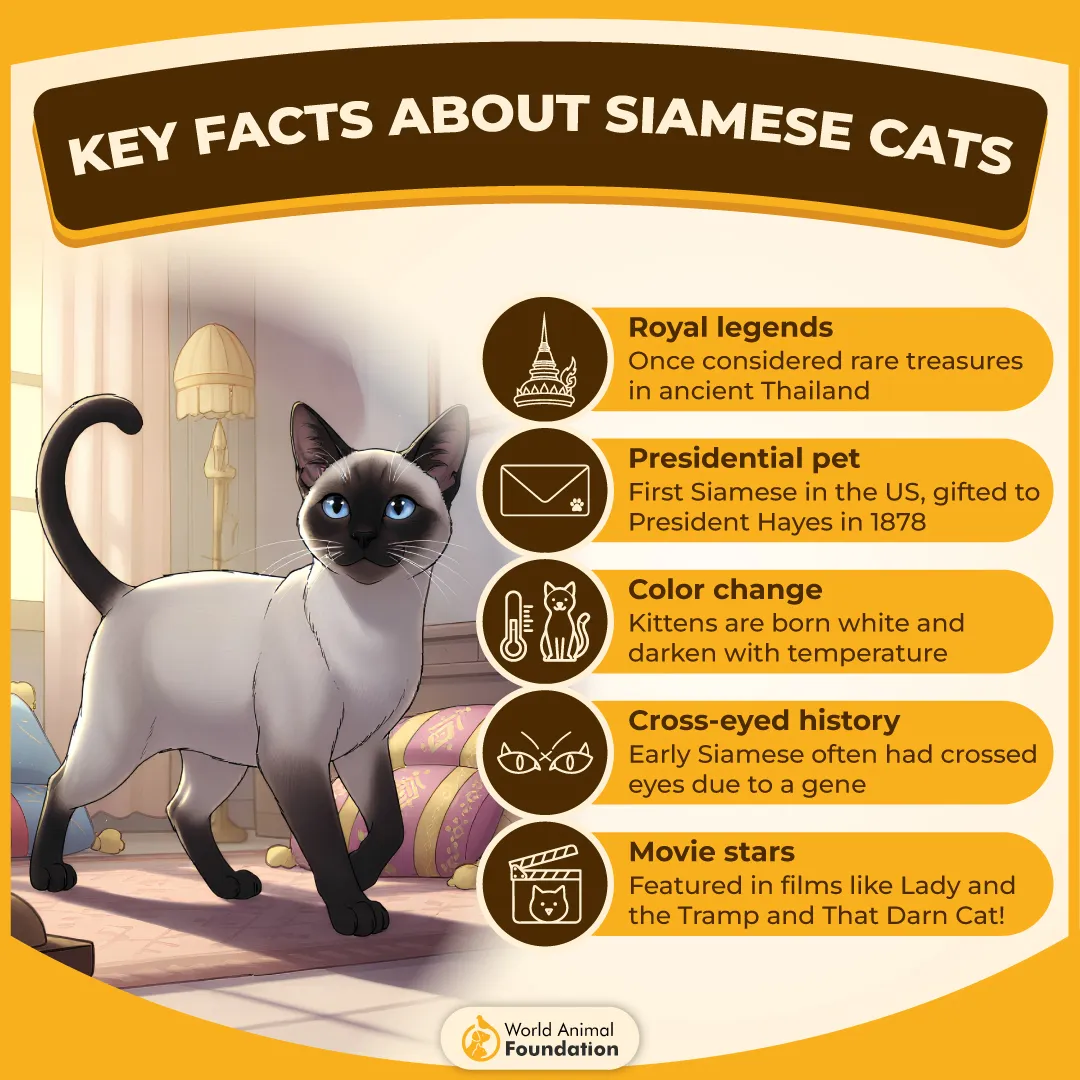
According to the CFA, the Siamese cats do best when engagement is frequent and predictable. They may become restless or vocal when bored or left alone too often. Regular interaction helps them feel secure and content.
Why This Cat Is a Good Fit
Thrives on frequent attention and interaction
Prefers active involvement over independence
Ideal for owners who are home often
3. Abyssinian
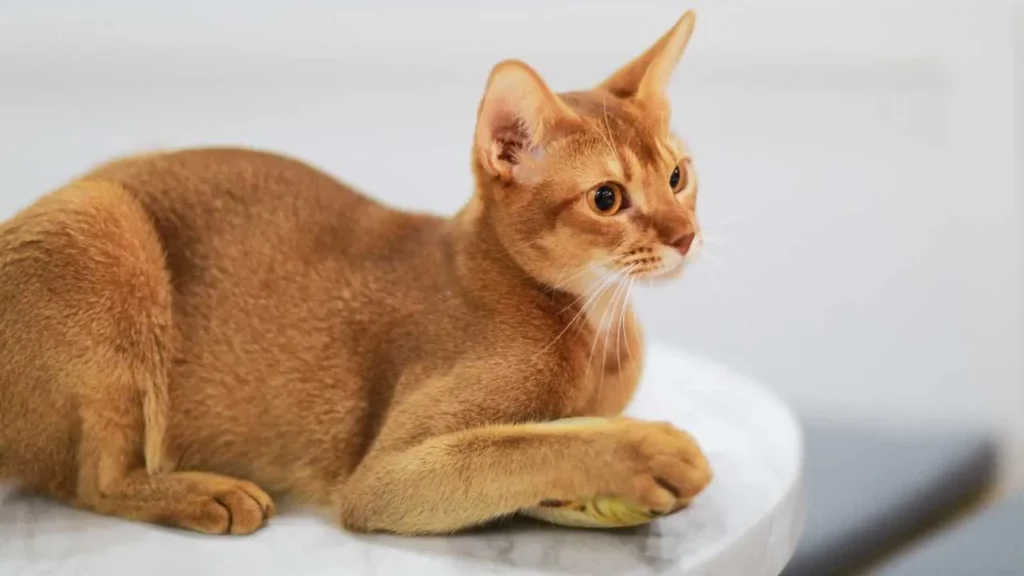
As per PetMD, Abyssinians are highly energetic cats that approach life with constant curiosity. They enjoy exploring their environment and rarely sit still for long. Watching from the sidelines is not their style.
This breed is known for quick thinking and a strong desire to stay busy. Abyssinians enjoy activities that involve climbing, problem solving, and movement. They often choose play over rest whenever given the option.
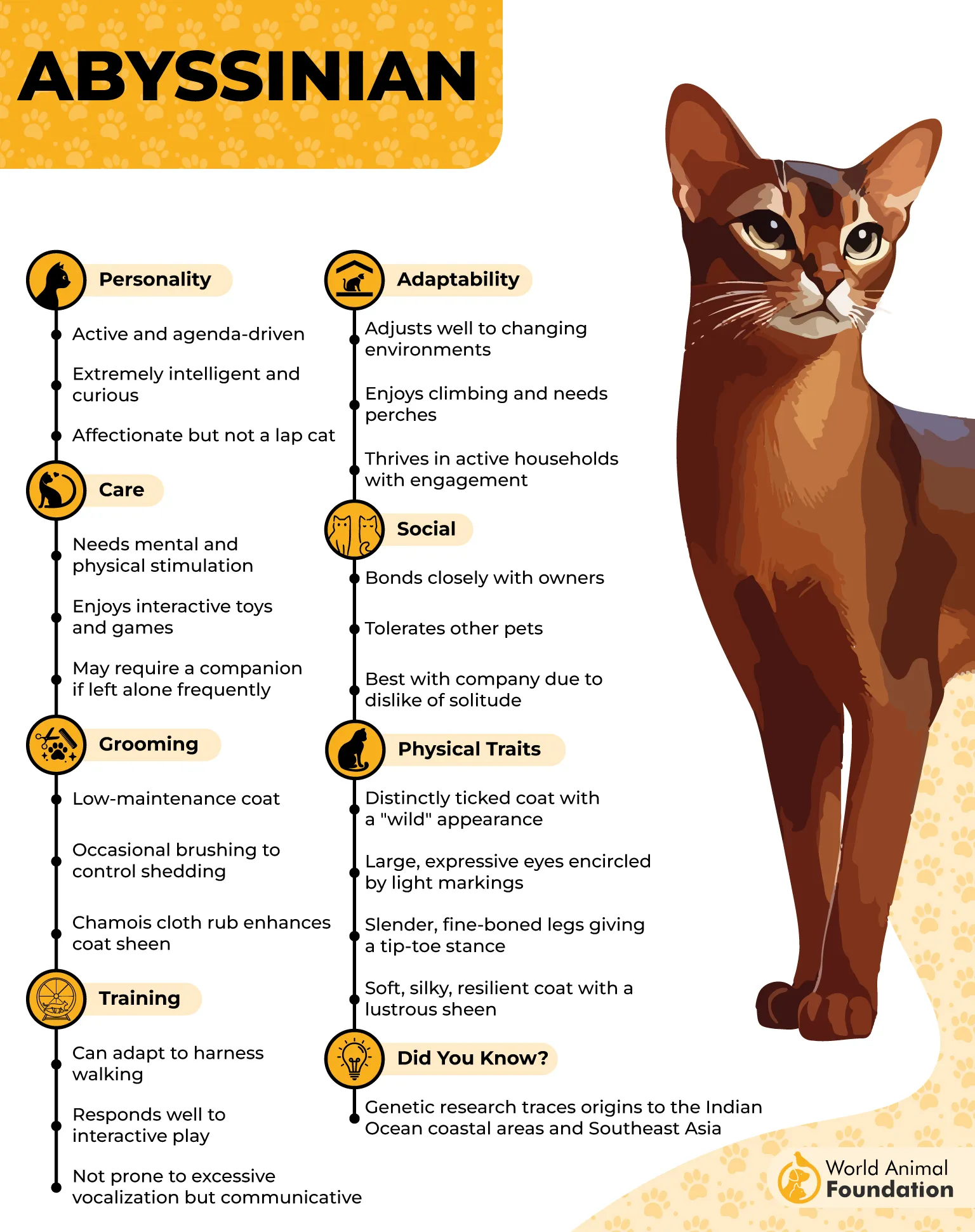
Abyssinians tend to bond closely with their people but show affection through shared activity rather than lounging. They prefer engagement that feels interactive and purposeful. Mental stimulation is just as important to them as physical movement.
Why This Cat Is a Good Fit
Needs frequent activity to stay content
Enjoys learning through movement and play
Best for energetic households
4. Tonkinese
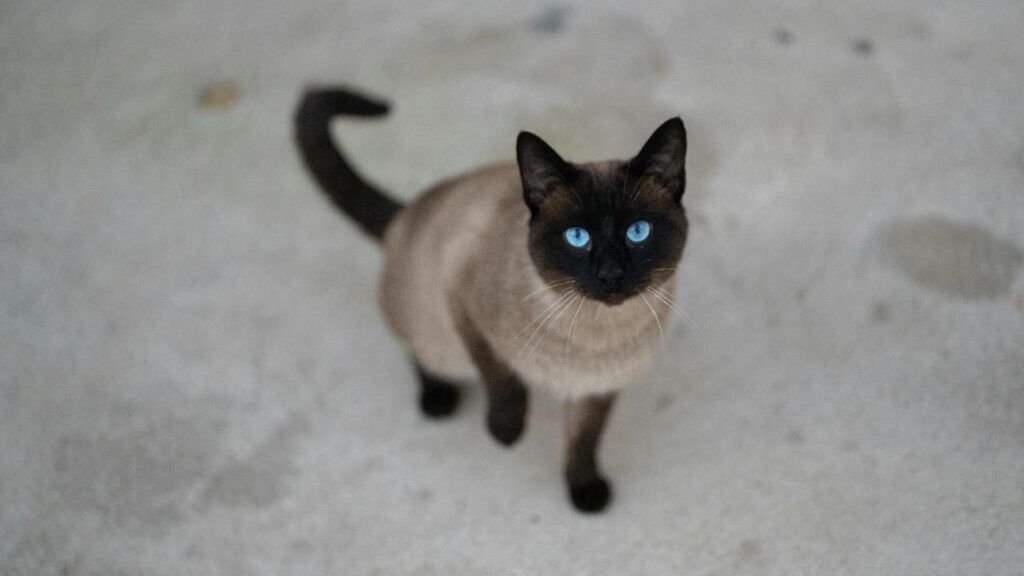
The Tonkinese cat is highly social and dislikes being left out of daily life. This breed enjoys being part of conversations, routines, and playtime. They often seek engagement directly rather than waiting for it.
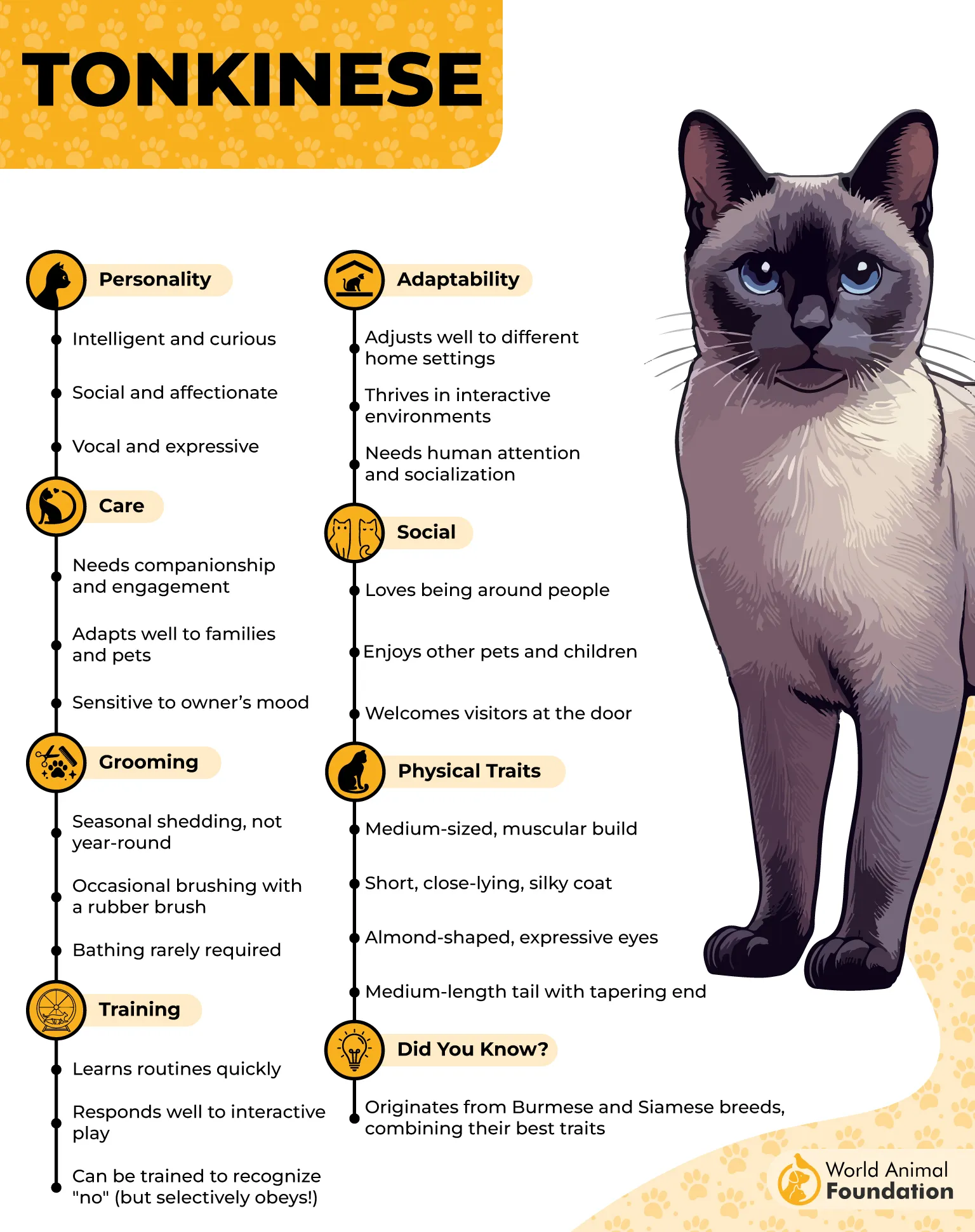
Tonkinese cats are intelligent and curious, enjoying activities that challenge their thinking. They respond well to interactive games and shared play experiences. Boredom tends to show quickly if their needs are ignored.
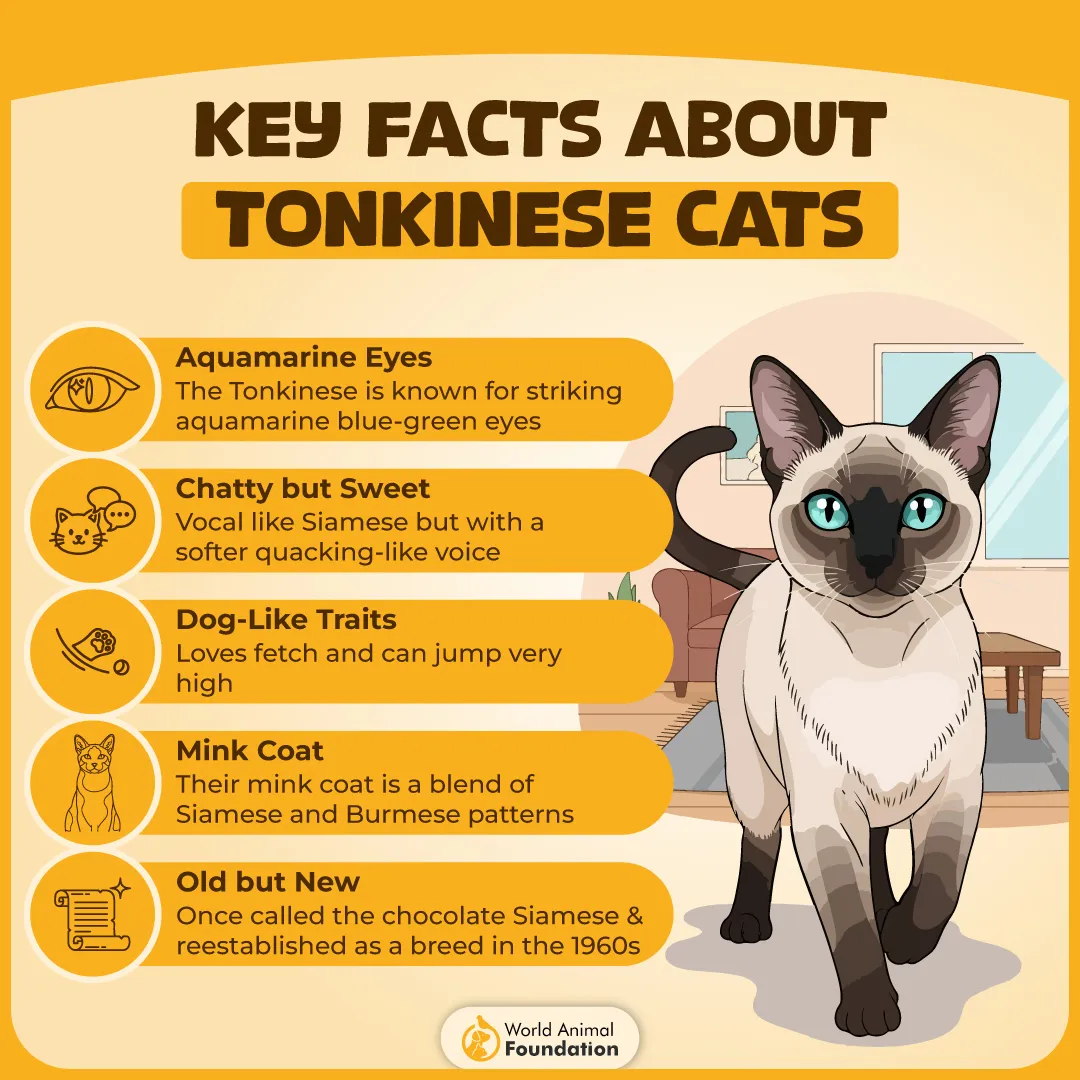
This breed forms strong emotional bonds and prefers consistent attention. Tonkinese cats often thrive in homes where interaction is frequent and predictable. Engagement helps them feel relaxed and secure.
Why This Cat Is a Good Fit
Craves daily interaction and involvement
Enjoys shared play and learning
Ideal for attentive owners
5. Devon Rex
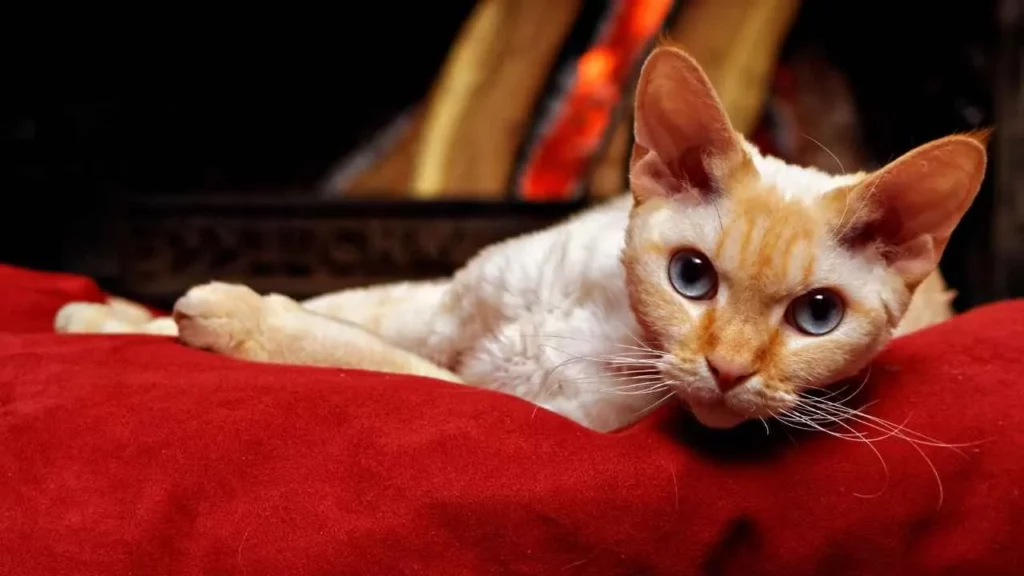
The Devon Rex is known for its elfin face, large ears, and curly coat, but its personality is what truly sets it apart. This breed is extremely people focused and often wants to be involved in everything happening around the house. Sitting alone for long periods is rarely appealing to a Devon Rex.
Devon Rex cats are highly intelligent and emotionally aware, which makes them sensitive to changes in routine. They often seek constant interaction, whether through play, following their owners, or simply being nearby. This strong attachment can mean they dislike being left alone for extended stretches.
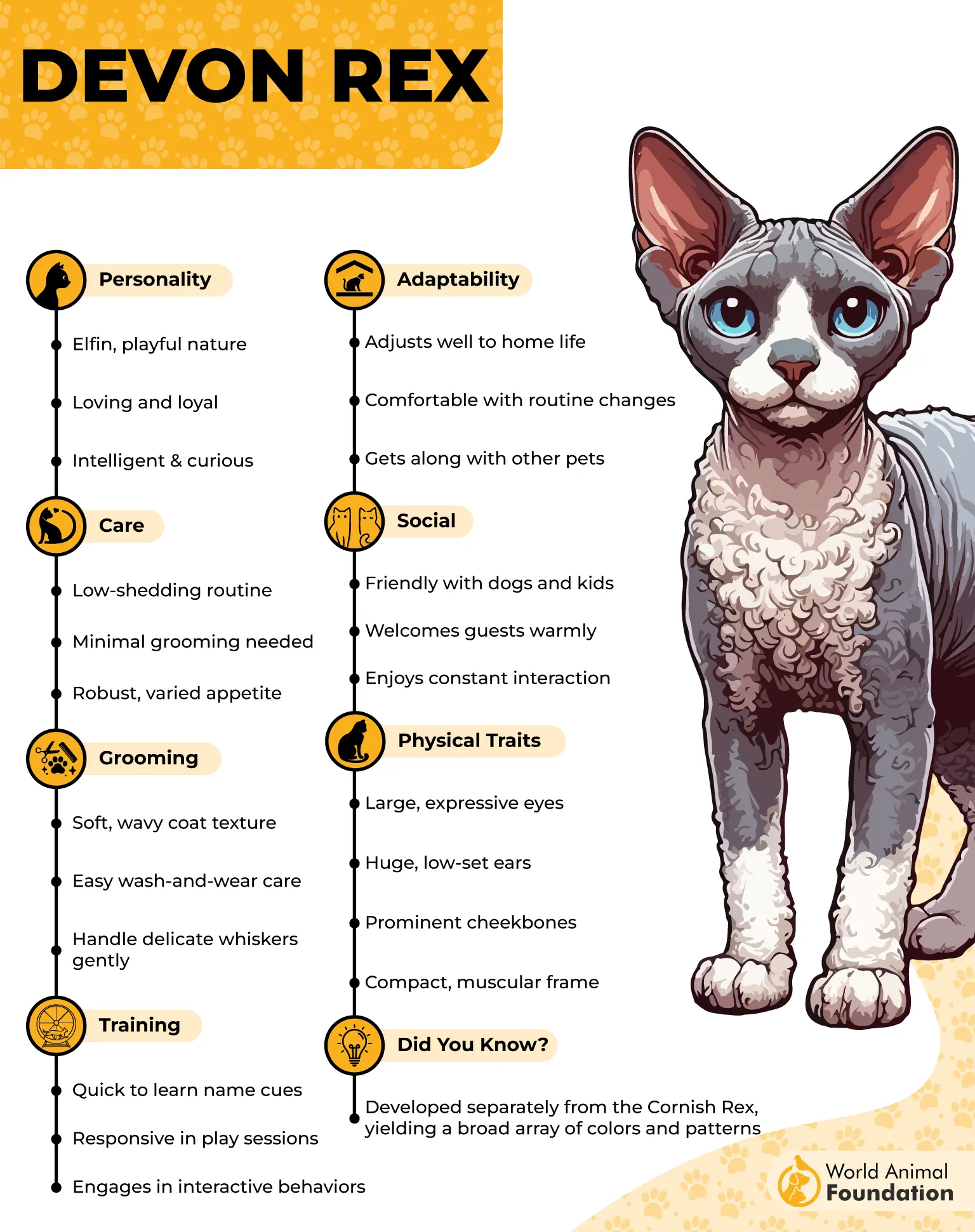
Play and engagement are essential for keeping a Devon Rex content. They enjoy activities that involve movement, problem solving, and human participation. Without enough attention, they may become restless or overly vocal as a way to reconnect.
Why This Cat Is a Good Fit
Thrives in homes with frequent human interaction
Enjoys constant involvement in daily activities
Best for owners who are home often
6. Cornish Rex
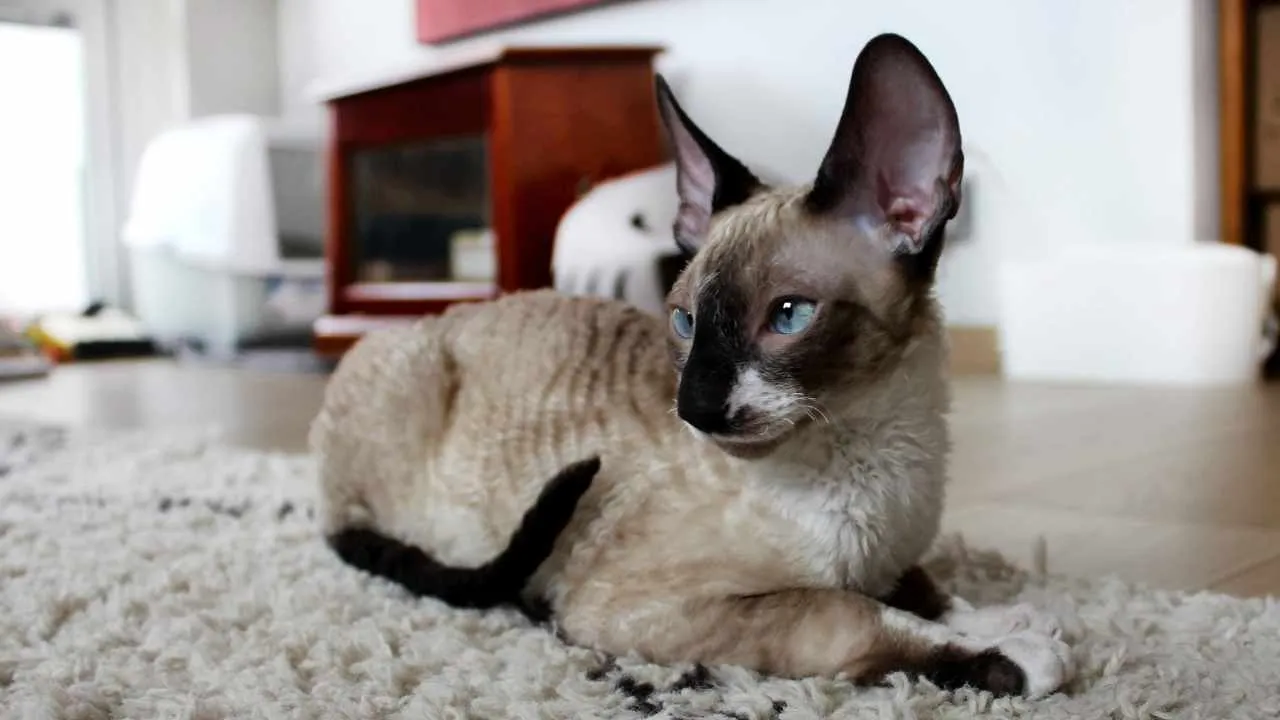
The Cornish Rex has a sleek body, fine curly coat, and endless energy. This breed is known for staying active and playful throughout adulthood. Rest comes second to curiosity for a Cornish Rex.
Cornish Rex cats are quick learners and enjoy activities that challenge their minds. They are often drawn to interactive play and games that require focus and movement. Their intelligence means they notice when engagement drops.
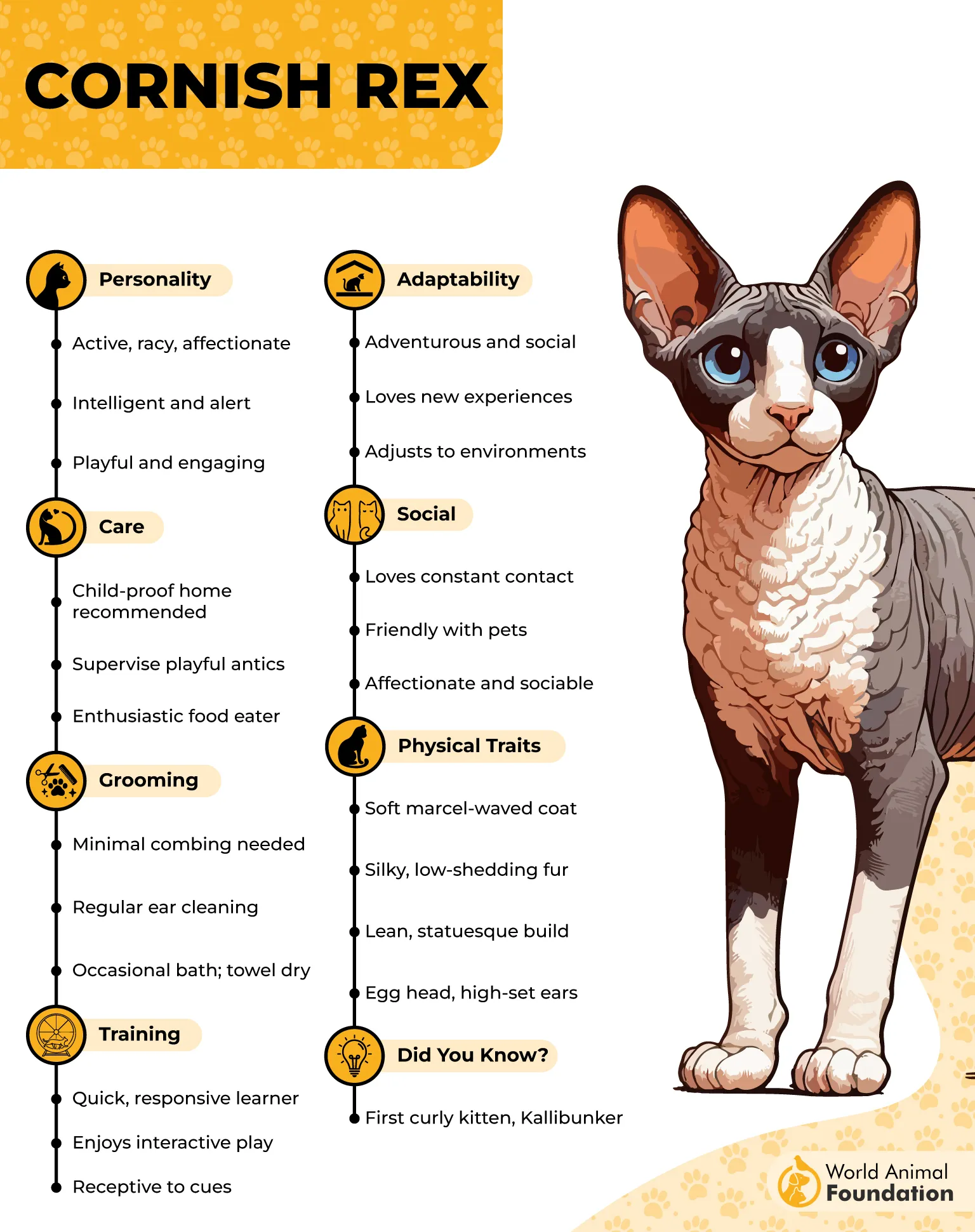
They are affectionate pets that form strong bonds with people and often prefer companionship over independence. Cornish Rex cats may struggle when left alone too long and tend to seek reassurance through interaction. Regular play and attention help keep their behavior balanced.
Why This Cat Is a Good Fit
Needs frequent stimulation to stay content
Enjoys interactive and mentally engaging play
Ideal for attentive, active households
7. Savannah
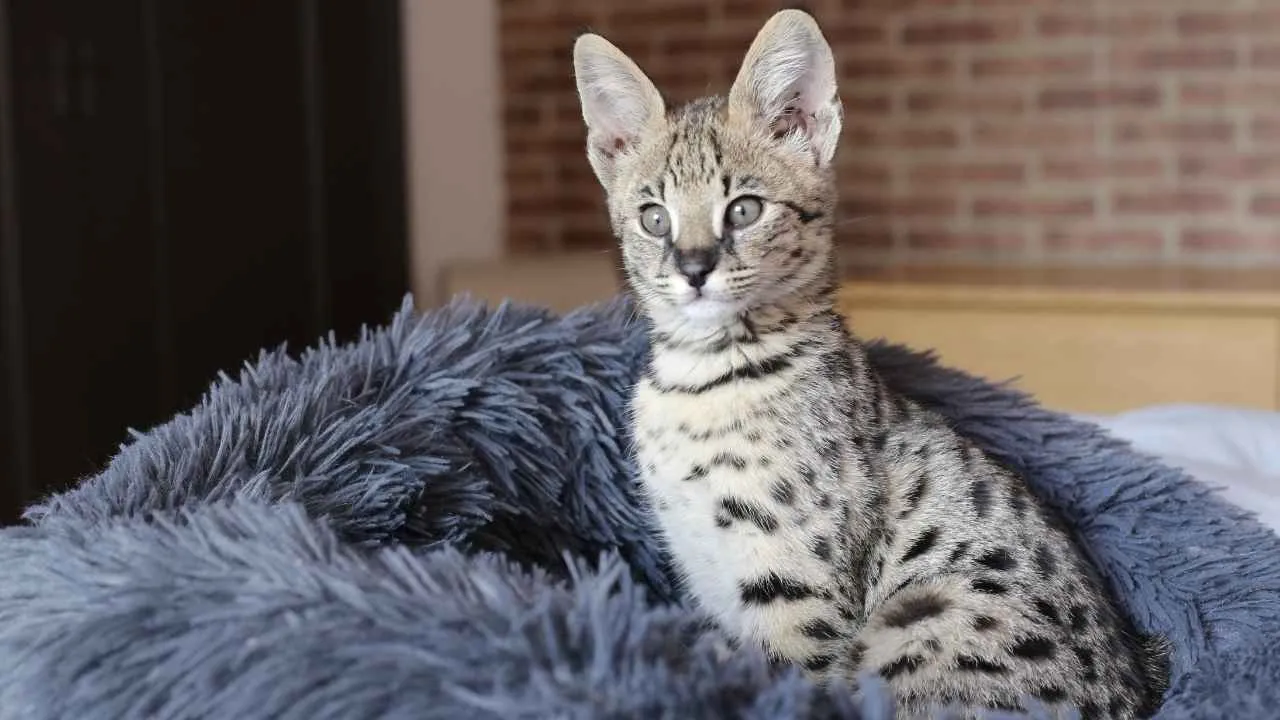
The Savannah cat is tall, alert, and intensely curious about its environment. This breed is known for its bold personality and strong need for stimulation. Quiet, inactive settings often leave a Savannah feeling under challenged.
Savannah cats are highly intelligent and require activities that engage both mind and body. They enjoy exploring, problem solving, and interactive games that mimic real world challenges. Engagement helps prevent frustration and unwanted behaviors.
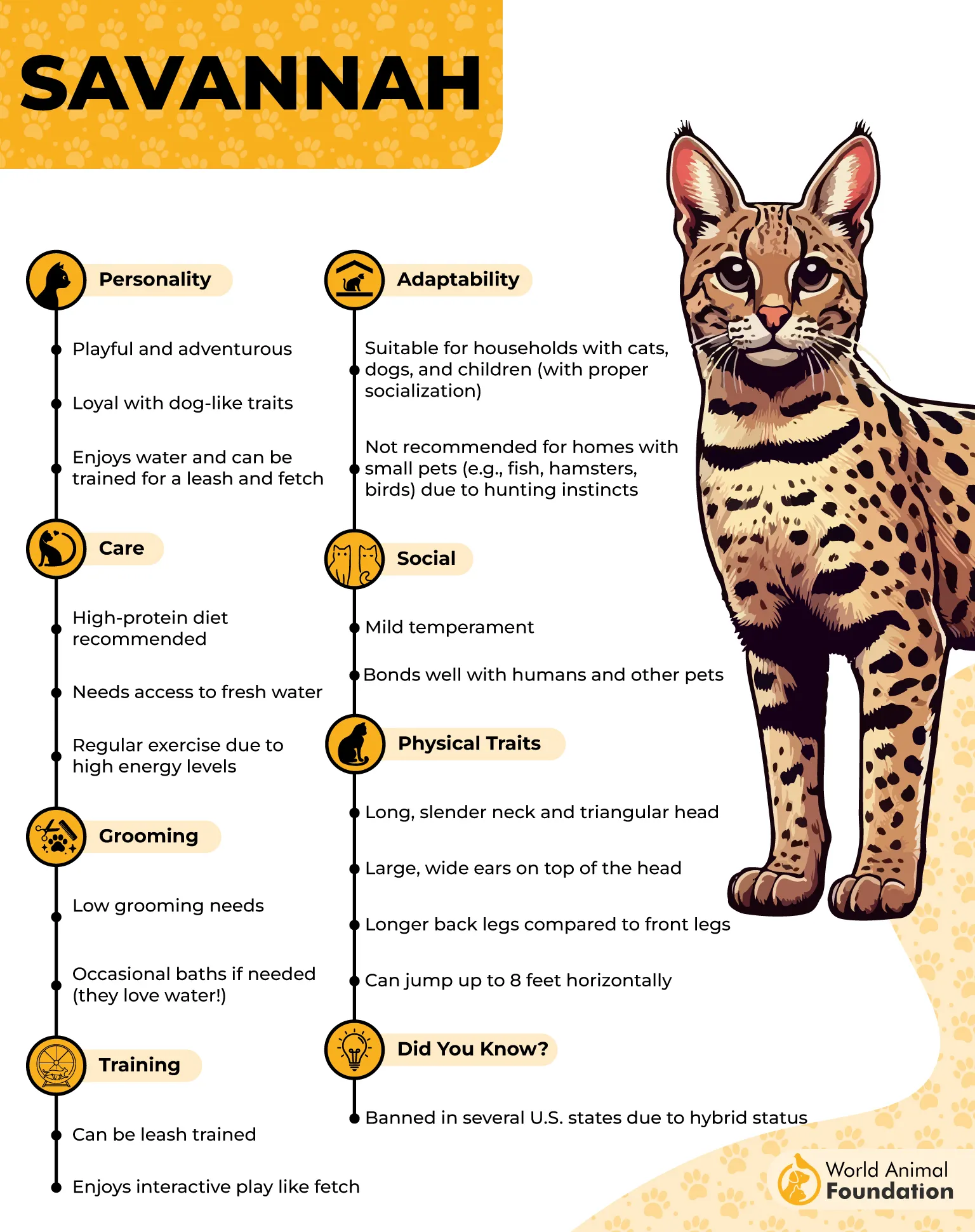
This breed often forms strong bonds with the household and prefers structured interaction throughout the day. Savannah cats do best in homes prepared to provide consistent engagement and enrichment. Their confidence grows when their need for activity is met.
Why This Cat Is a Good Fit
Requires regular mental and physical engagement
Thrives in structured, interactive environments
Best for experienced, hands on owners
Conclusion
Affectionate cat breeds hold a special place in the cat world, offering deep bonds, loyalty, and constant companionship. From a gentle giant like the Maine Coon to a vocal kitty that patiently waits for attention, these cats thrive on family life and human interaction. Many cat owners are drawn to the most affectionate cat breeds because they fit easily into homes with other cats, other pets, other animals, and growing family members. Whether it is a people oriented feline friend with a silky coat or a playful cat friend who may even play fetch, cats often become loyal companions and best friends to their human families.
Other most popular cat breeds such as Burmese cats, Scottish Fold with folded ears, Birman cats, Persian cat, Sphynx cats, Abyssinian cat, and American Shorthairs can also make great family pets and show an affectionate nature depending on personality, environment, and bonding with human companions.
