




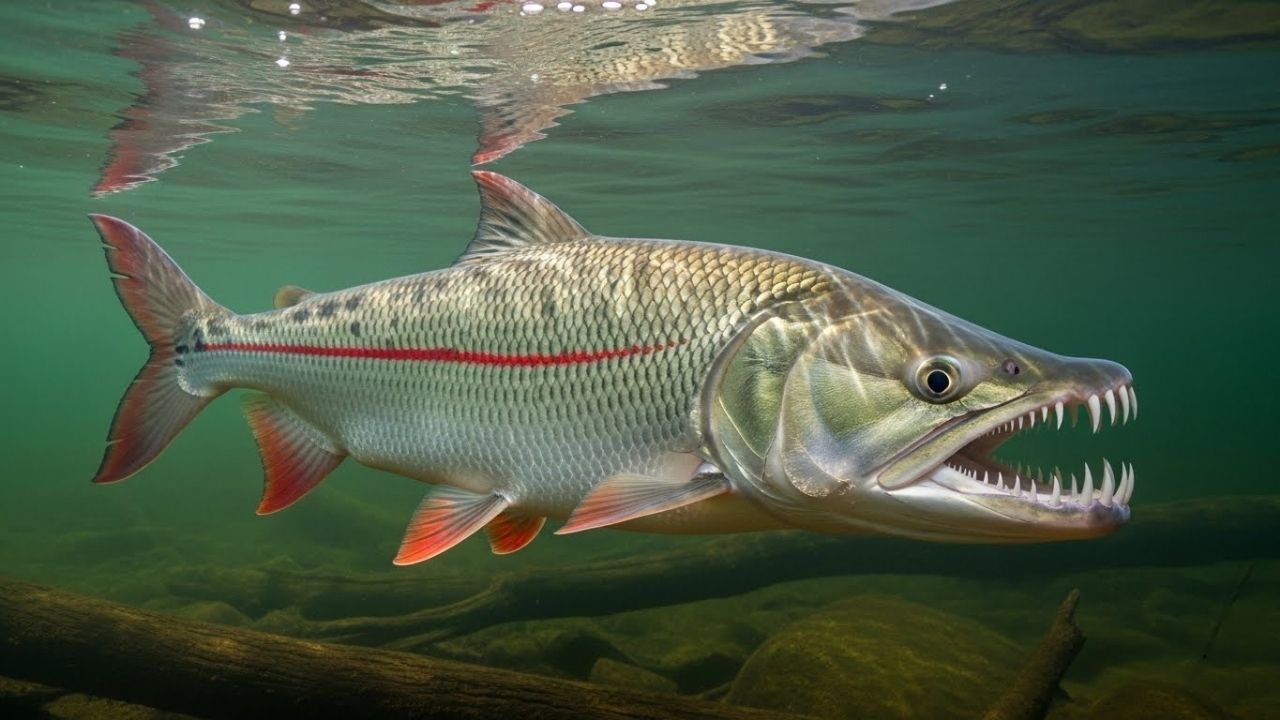
Ever wondered what nightmares look like underwater?
Well, buckle up, because we’re about to dive deep into the ocean and meet some of the most jaw-dropping (literally) fish that have the longest teeth you’ll ever see.
These toothy terrors aren’t just making scary faces for fun—their massive fangs are perfectly designed weapons for survival in some of the harshest environments on Earth. From the pitch-black depths of the deep sea to the murky waters of the Amazon, these species have evolved some awe-inspiring dental work that would make any dentist faint.
Let’s meet these fascinating, frightening creatures and learn why they need such crazy chompers in the first place.
7 Fish That Have the Longest Teeth
1. The Common Fangtooth

These little guys, named The Common Fangtooth, have earned the title of having the longest fish teeth relative to head size of any marine fish, which is pretty awesome if you think about it—except, you know, for their prey.
The fangtooth’s dental situation is so extreme that evolution had to get creative.
When this fish closes its mouth, those massive fangs would actually pierce straight through its brain if it weren’t for special sockets in its skull that act like little parking spots for each tooth. Talk about working around a design flaw!
These skull adaptations are basically nature’s version of a shock absorber, protecting the fish from its own weapons. It’s like if your teeth were so long you needed memorable holes in your head just to keep them from stabbing you—wild, right?
Living in the food-scarce deep-sea zones where every meal counts, the fangtooth uses its terrifying choppers to pierce prey before swallowing them whole. Unlike us humans, who munch and crunch our food, these fish are all about the grab-and-swallow technique. Their teeth don’t have the typical enamel layer that human teeth have, and they’re permanently attached—no tooth fairy visits for these guys.
Once those fangs grow in, they’re there for life, making every bite count in the endless darkness where finding food is more complicated than finding your phone in a dark room.
2. Pacific Viperfish
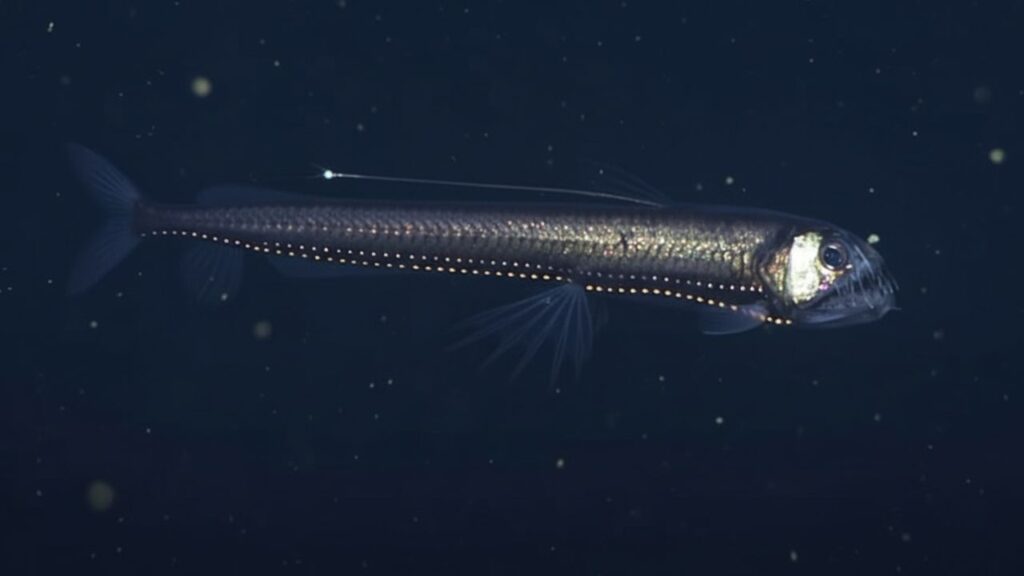
The viperfish’s needle-like teeth are so absurdly large that they protrude outside its mouth even when it’s trying to keep things shut, creating what basically looks like a cage made of fangs. Imagine having an underbite so severe that your teeth stick out like prison bars—that’s everyday life for this guy.
The Pacific viperfish can grow up to about a foot long, according to Britannica, and a significant portion of that is just teeth and jaws. These sharp teeth aren’t just for display; they’re angled backward from the jaw, forming a deadly trap that makes escape nearly impossible for any unlucky prey that swims too close.
When a small fish or shrimp gets caught in this fang cage, and those massive jaws snap shut, there’s basically zero chance of getting away. It’s like nature designed the perfect Venus flytrap, except this one swims around in the sea hunting you down.
What makes the viperfish even more terrifying is that it doesn’t just rely on its massive teeth—it’s also got a bioluminescent lure on its dorsal fin that glows in the pitch-black deep sea. It’s basically the underwater equivalent of a creepy van offering candy, except way more effective and way more deadly.
The viperfish spends its days in the twilight and midnight zones of the sea, which are precisely as dark and mysterious as they sound. At night, it migrates to shallower water to feed, bringing its nightmare fuel appearance closer to the surface.
3. Payara
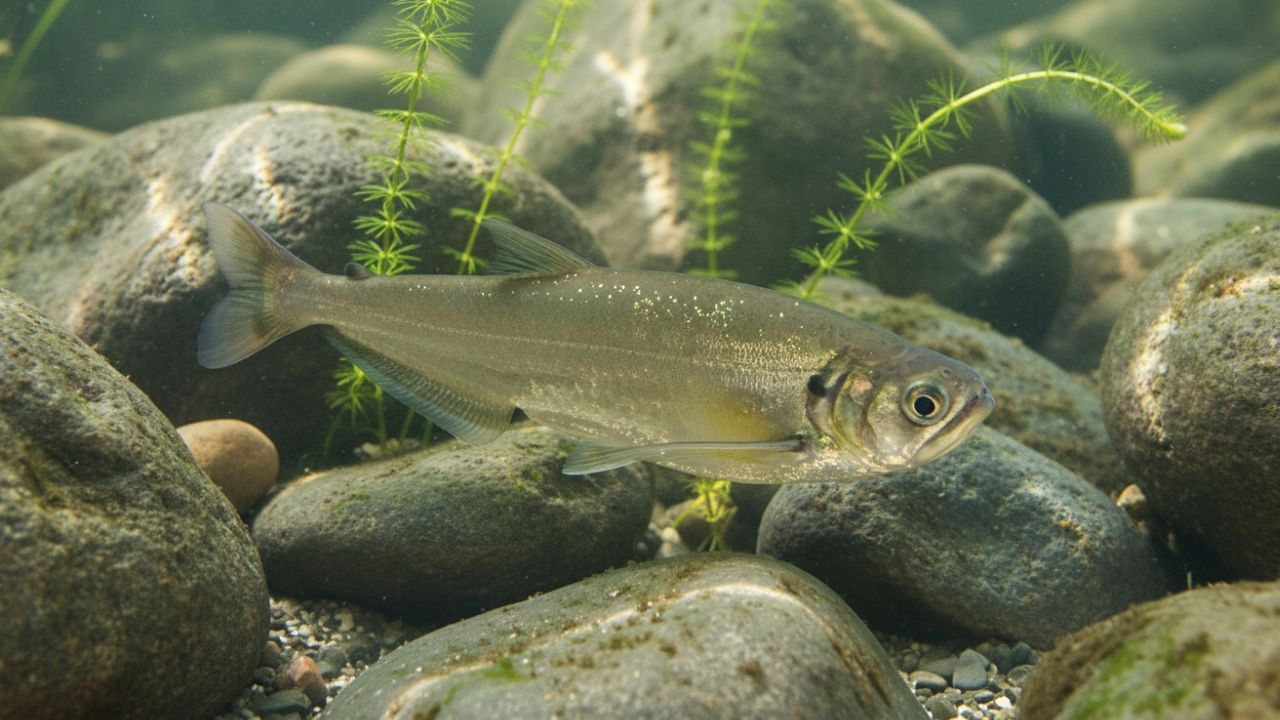
These Amazon Basin predators have some of the most impressive teeth in the entire fish world—we’re talking fangs that can grow between four and seven inches long. That’s half the size of a standard ruler, and it’s sticking out of a fish’s face. Even piranhas, which are famous for their bite, have to watch out for these guys.
The payara’s lower jaw sports two massive fangs so long they require special sockets in the upper jaw just to fit when the jaw is closed. In fact, these teeth are sometimes visible protruding from the top of the fish’s head, which is both amazing and slightly disturbing.
Unlike piranhas, which have multiple rows of triangular, serrated teeth designed for tearing, the payara goes for the “two giant spears” approach. These long, thin fangs are used to stab prey in one swift motion, functioning like natural harpoons. The payara doesn’t mess around with multiple bites—it just stabs its target and either swallows it whole or tears off large chunks of food.
These carnivorous fish use their formidable fangs not just for hunting but also for defense, making them one species you definitely don’t want to mess with during a casual swim. The fact that they can successfully hunt piranhas—fish that have horrified humans for generations—shows just how powerful those massive teeth really are. In the ecosystem of the Amazon, where competition for food is fierce, having fangs that can reach half a foot in length is basically like bringing a sword to a knife fight.
4. Barracuda
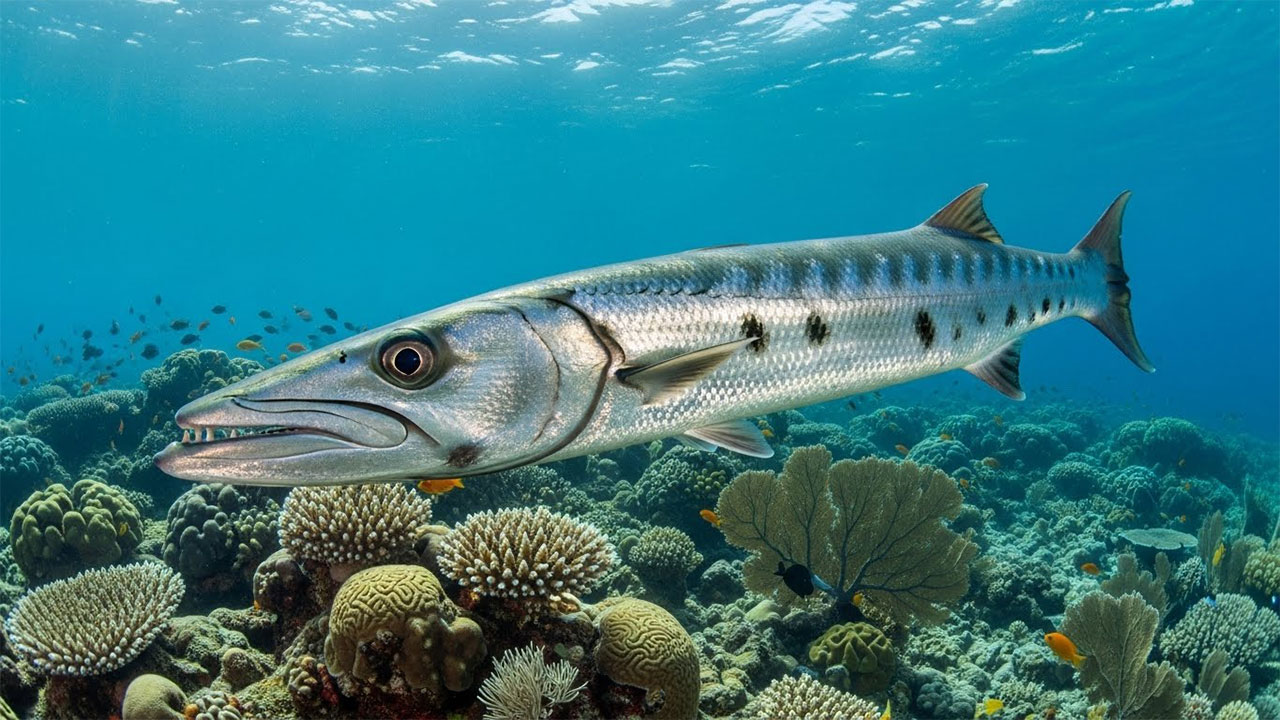
These sleek, silvery predators are found in tropical water all around the world, and they’re famous for having some of the most intimidating jaws in the ocean. Barracudas don’t just have long teeth—they have rows of them, arranged in a system so efficient it would make a medieval weaponsmith weep with joy. The outer row consists of small, needle-like teeth perfect for slicing, while the inner row features large, fang-like teeth that jut down to grip slippery prey and prevent any chance of escape.
What makes barracuda teeth so scary is how perfectly they work together. The small outer teeth sever and slice through flesh, while the larger inner teeth, which can reach between one and one and a half inches in length (though fishermen swear they’ve seen bigger), lock onto the prey like a vice.
Oceana claims that Barracudas are ambush vultures that use short bursts of incredible speed to overwhelm their prey before it even knows what’s happening. Their elongated, slender body shape lets them accelerate faster than most other fish species in the ocean, and when they strike, their powerful bite can literally cut large fish in half.
Like sharks, the bigger the barracuda, the larger its teeth, and some of these fish can grow over six feet in length. That’s a lot of fish and a whole lot of teeth.
Despite their scary appearance and powerful jaws, barracudas don’t typically target humans—we’re just not on the menu, thankfully. However, their teeth are often compared to piranha teeth in terms of sharpness and effectiveness, which tells you everything you need to know about how dangerous these choppers can be.
5. Atlantic Needlefish
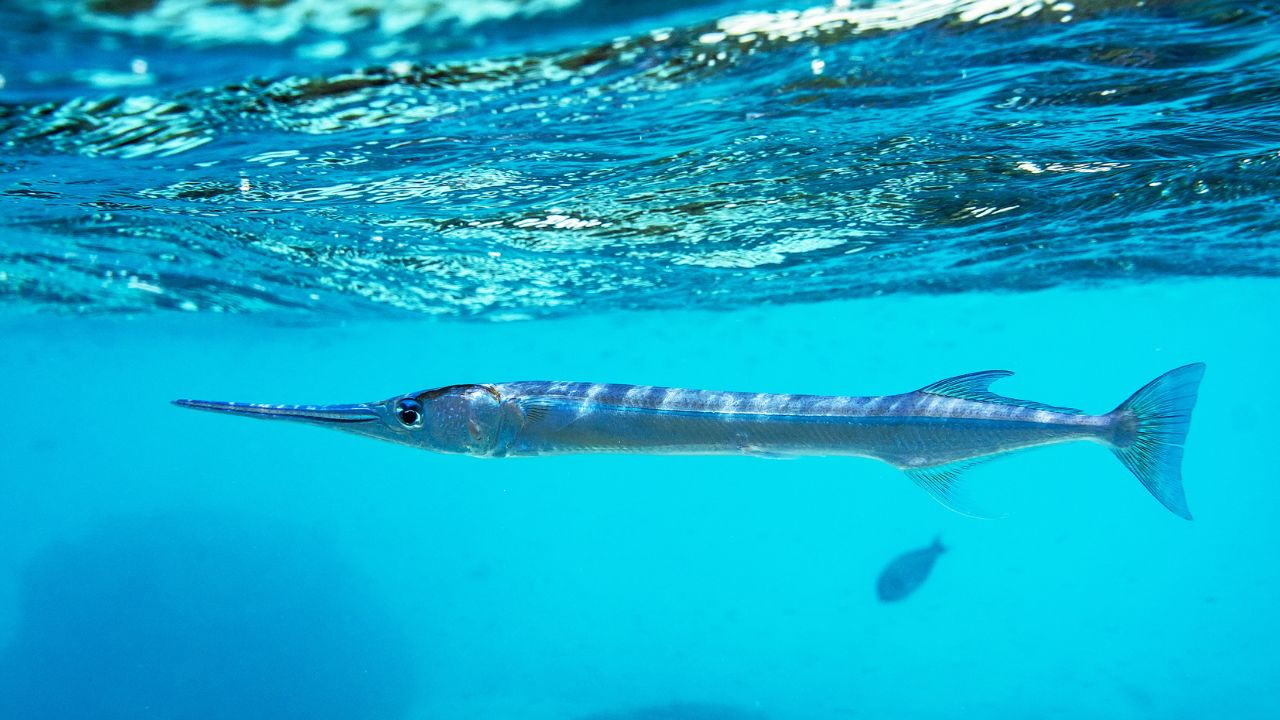
These slender fish get their name from their long, needle-like jaws that are filled with numerous small, sharp teeth designed to impale and hold onto slippery targets like small fish and crustaceans. Unlike some of the other toothy terrors we’ve met, needlefish teeth aren’t designed for tearing or crushing—they’re all about the grip.
The Atlantic needlefish’s elongated jaws look more like a beak than a traditional fish jaw, and both the upper and lower jaws are packed with these tiny, needle-like teeth. The lower jaw is slightly longer than the upper jaw, giving them a distinctive appearance that makes them easy to spot if you’re lucky enough to see one near the water’s surface. Young needlefish don’t have elongated jaws like adults do—they develop this unique feature as they mature, kind of like how human teenagers eventually grow into their features (hopefully).
What’s really interesting about needlefish is that they’re surface dwellers, often found swimming near the surface of their habitat, where they hunt for food. Their hunting strategy relies on speed and precision rather than raw power.
Those small, sharp teeth might not look as intimidating as a payara’s six-inch fangs or a viperfish’s protruding needles. Still, they’re perfectly adapted for catching quick, slippery prey in the open ocean.
6. Goliath Tigerfish
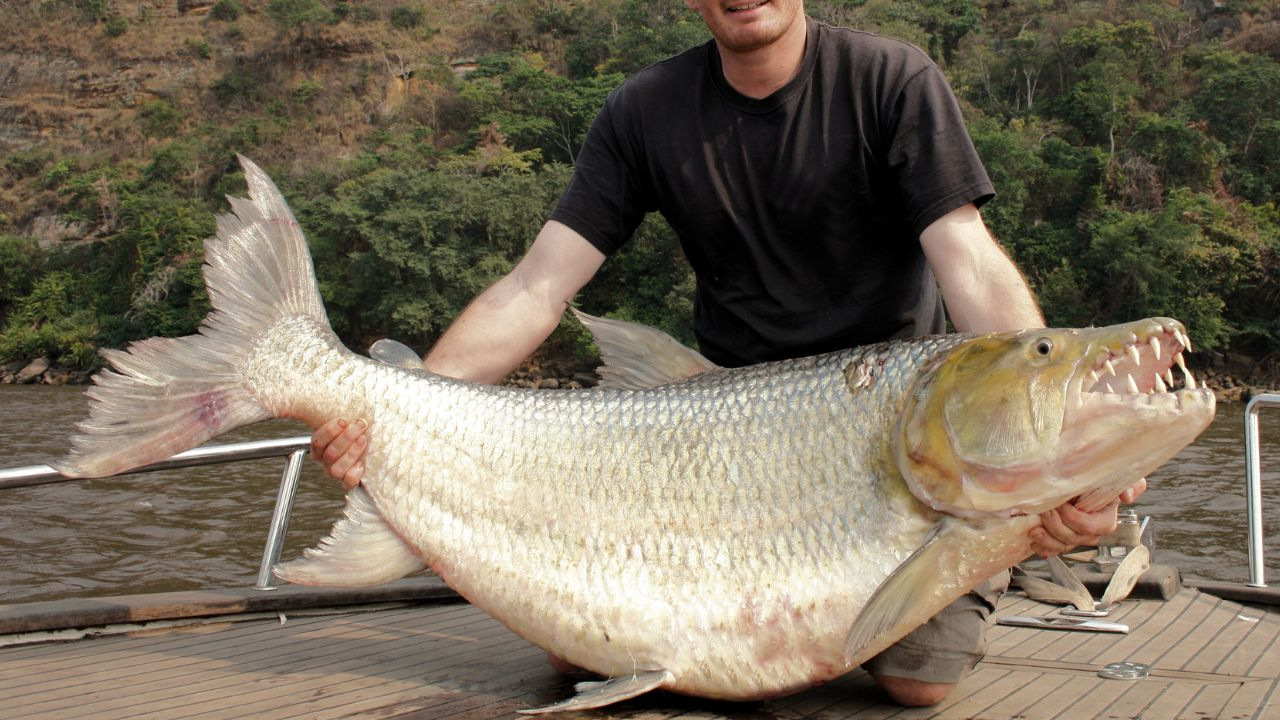
The Goliath tigerfish has thirty-two razor-sharp, interlocking teeth that can grow up to an inch long—about the same size as a great white shark’s teeth. Let that sink in for a moment. This is a river fish with teeth similar to those of one of the ocean’s most feared vultures.
These dagger-like teeth aren’t just long—they’re designed for maximum damage. Each tooth fits into grooves in the jaw, creating an interlocking system that allows for a powerful, clean cut through flesh. The Goliath tigerfish doesn’t nibble at its meals; it slices and tears with those razor-sharp choppers, making it one of the most powerful predators in freshwater environments anywhere on Earth.
The Goliath tigerfish’s reputation as a “monster fish” isn’t just hype. These things are genuinely aggressive apex vultures that will attack other fish, and there are even reports of them going after crocodiles and humans.
They have few known predators of their own, with crocodiles being pretty much their only real threat in the wild (aside from human anglers who prize them as game fish). When a Goliath tigerfish opens its mouth to display those thirty-two interlocking teeth, it’s easy to see why everything else in the river gives it a wide berth.
What makes these teeth so effective is their design for slicing rather than crushing. Unlike the Atlantic wolffish, which we’ll get to in a second, the Goliath tigerfish’s teeth are built for cutting through flesh with surgical precision.
7. Atlantic Wolffish
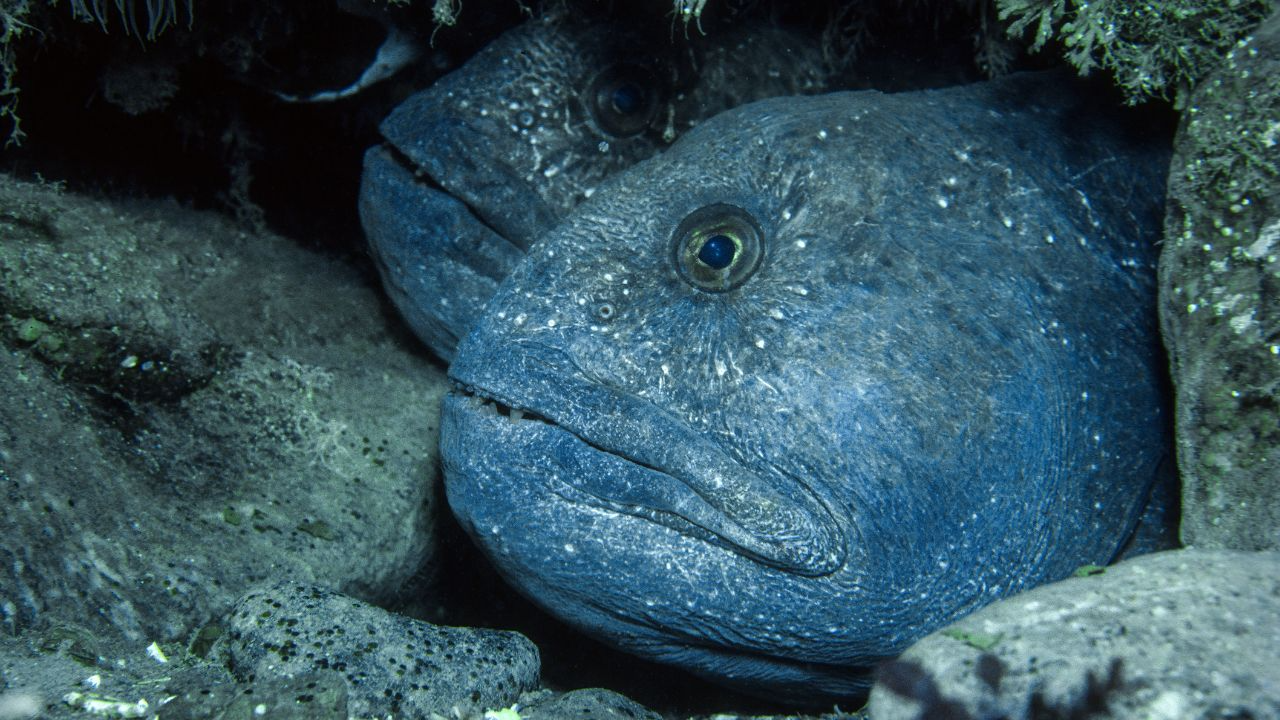
While most of the species on this list use their impressive chompers to impale prey and tear flesh, the wolffish has a different strategy: crushing. These generally bottom-dwelling fish are found in the deep waters of the northwestern Atlantic and are managed as part of the Northeast multispecies groundfish complex.
The Atlantic wolffish has multiple rows of teeth, including prominent canine-like front teeth and mighty molars in the back. What’s really impressive is just how strong these jaws and teeth are—in fact, so strong that fishermen have to handle wolffish with extreme caution to avoid getting bitten.
But before you start thinking this fish is out there terrorizing everything in sight, here’s the thing: those powerful jaws weren’t put there by nature to bite humans. Instead, they’re designed to crush hard-shelled prey like sea urchins, crabs, large marine snails, and other tough-bodied invertebrates that most predators can’t even touch.
What’s fascinating about the Atlantic wolffish is how it represents an entirely different approach to the “long teeth” strategy we’ve seen in other species.
Conclusion
From the pitch-black depths of the sea to the murky waters of the Amazon and Congo Rivers, fish that have the longest teeth prove that evolution can create some truly wild solutions to the challenge of survival.
Whether it’s the common fangtooth with teeth so long they need special skull sockets, the Pacific viperfish whose mouth can’t even close around its fangs, or the payara’s vampire-like spears, each of these species has evolved the perfect dental equipment for their specific environment and hunting style.
What’s really cool is how different these teeth are from human-like teeth—we use ours for chewing and grinding, but these fish have turned their teeth into specialized hunting weapons. Some use them to impale prey, others to slice and grip, and some to crush through shells.
