





Some animals leave an impression. Horses leave a presence. Across continents and centuries, certain horse breeds have earned admiration not just for their beauty, but for how they move through history, sport, and human memory.
People do not simply admire these horses; they follow them, photograph them, race them, ride them, and celebrate them. Popularity in horses is never accidental. It grows from performance, temperament, endurance, and the ability to connect with humans in ways that feel instinctive.
These breeds appear again and again in competitions, farms, films, traditions, and legends. They become symbols of culture, power, grace, and reliability. Their fame crosses borders and generations, remaining relevant long after trends fade.
In this article, you will explore why certain horse breeds dominate the global stage, what makes them so widely loved, and how their reputations were built over time.
Key Takeaways
Horses capture hearts across the globe for many reasons, from speed and strength to personality and charm.
Quarter Horses impress with their short-distance speed and adaptability, while Arabians balance intelligence with staying power that lasts for years.
Thoroughbreds, Appaloosas, and Morgans showcase versatility, excelling in everything from competitive events to everyday riding.
By the end, you’ll see which breeds combine beauty, skill, and temperament to earn a spot on the world’s most beloved list.
Most Popular Horse Breeds Around the World
1. Quarter Horse
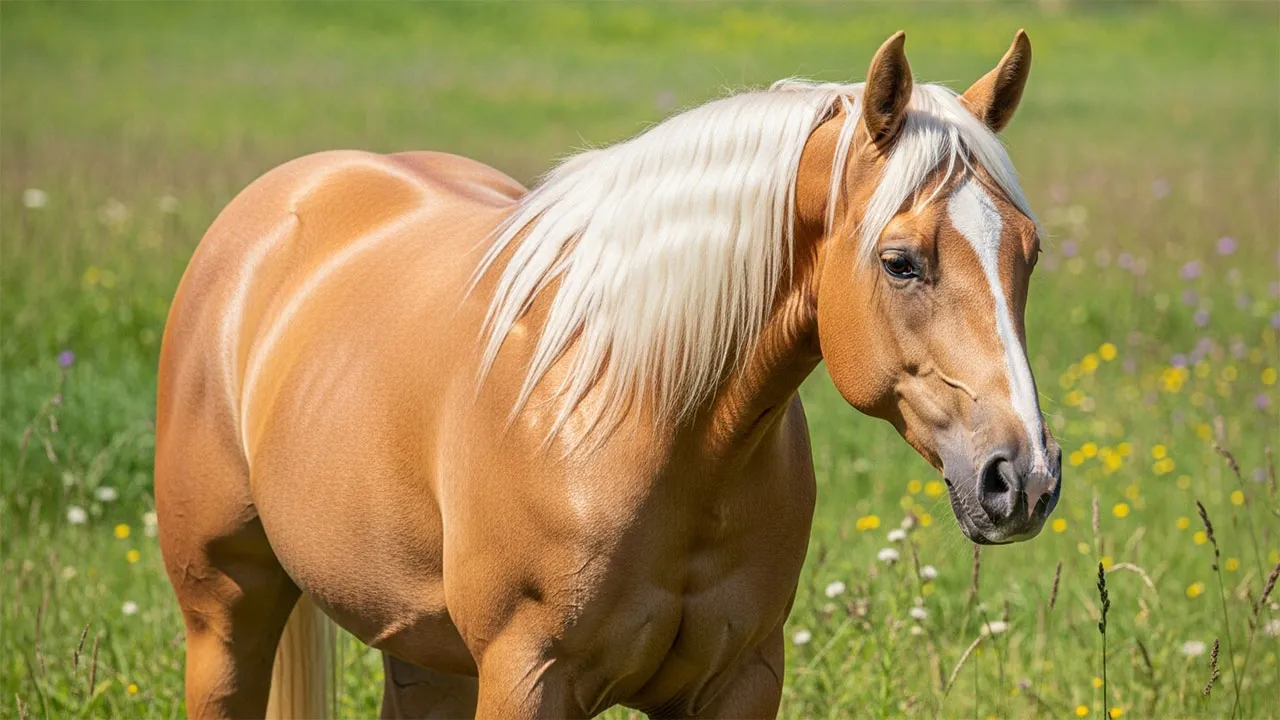
Quarter Horse stands out for its steady mindset, which explains its wide acceptance across different skill levels. This breed handles new settings with ease, making it familiar in schools, programs, and everyday use worldwide. That dependable nature plays a big role in why it remains so widely chosen.
Speed Meets Versatility
Quarter Horse is also known for short-distance speed, with documented ability to cover a quarter mile in about 21 seconds, as per Britannica. That athletic edge blends smoothly with its adaptability across multiple disciplines.
This balance shows up clearly in everyday actions:
Quick acceleration
Reliable stopping power
Smooth transitions between tasks
A Natural All-Rounder
Quarter Horse fits comfortably into western work, trail settings, jumping arenas, and even dressage programs. Its willingness to learn keeps training straightforward and consistent across disciplines. This flexibility has helped the breed gain lasting global recognition.
2. Thoroughbred
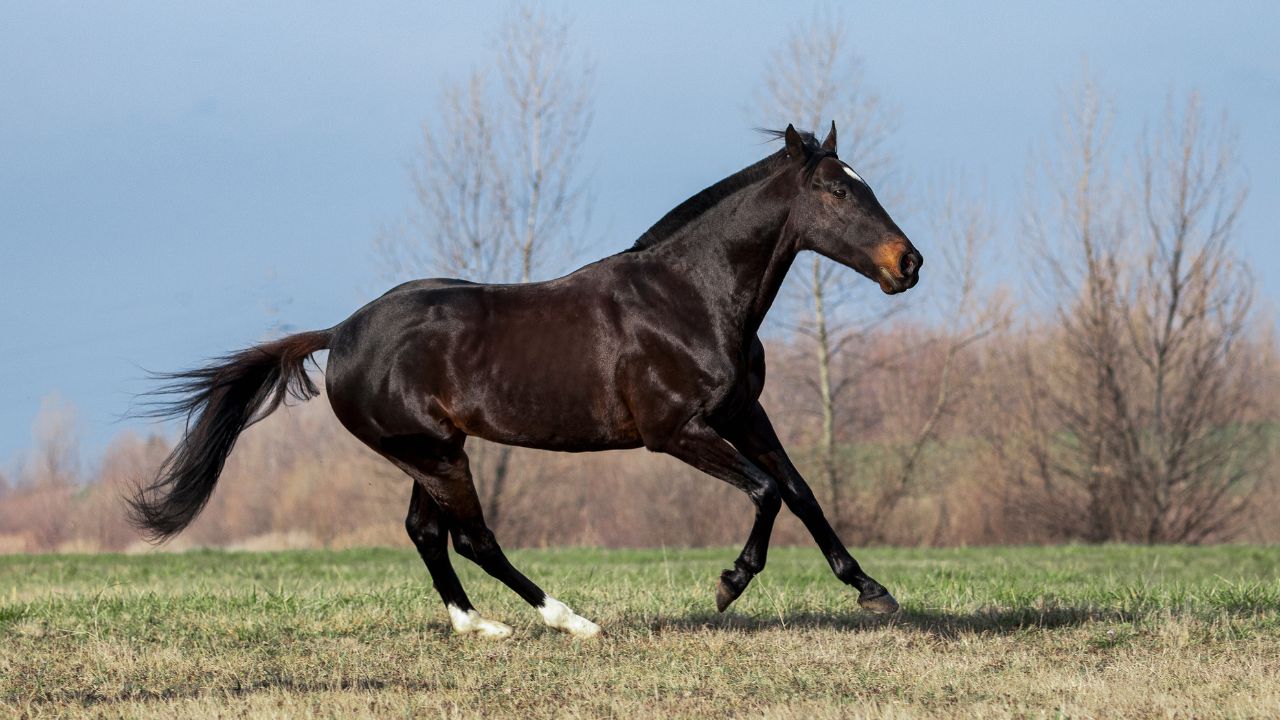
Thoroughbred horses are widely recognized for raw speed paired with athletic structure. Reaching speeds close to 40 mph places this breed among the fastest horses in the world. That reputation has made it a global favorite, especially where performance and competition matter most.
Athletic Range Beyond Racing
Versatility keeps this breed in demand far beyond the track. Its movement and responsiveness allow it to perform across several disciplines when trained correctly.
A few areas where this athletic ability shows clearly:
Competitive jumping courses
Eventing with speed-focused phases
Refined flatwork foundations
Power With Precision
Strength and agility work together in a way that feels deliberate rather than loose, as Equishop writes. This combination supports controlled speed, quick turns, and explosive movement when required. Such physical ability explains why the breed continues to dominate high-intensity equestrian sports worldwide.
3. Arabian
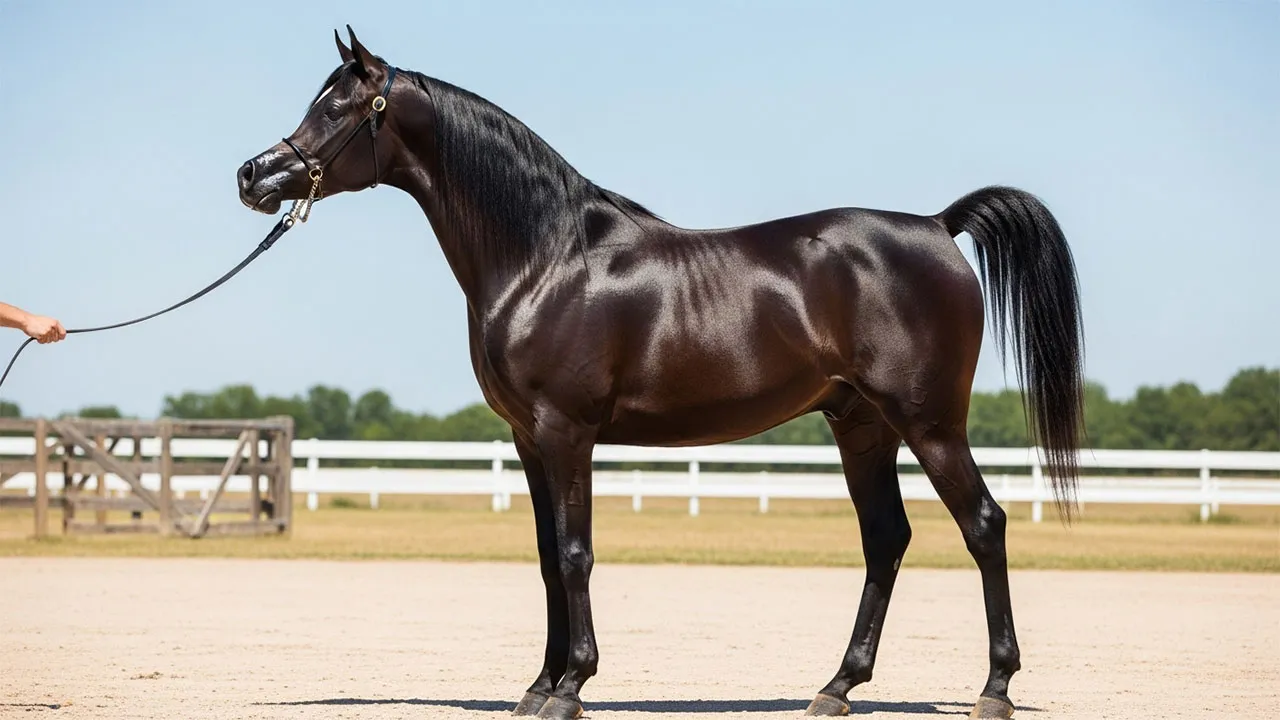
Arabian horses stand out for their athletic build and sharp awareness, traits that have helped them gain global recognition. Their ability to adapt to different uses has made them a familiar sight across continents. Popularity follows consistency, and this breed delivers that across generations.
Versatility That Keeps Them Relevant
Arabian horses remain widely chosen because they fit into many equestrian paths without losing identity. They perform well in competitive settings and also suit everyday handling with ease.
That broad appeal rests on a few clear strengths
Success across multiple disciplines
Strong learning ability
Long working life
Intelligence With Staying Power
Arabian horses are known for quick understanding and reliable strength, which supports long-term use in sport and leisure. Their mental sharpness allows them to transition between activities without heavy retraining. Longevity further adds to their reputation as a dependable choice worldwide.
4. Appaloosa
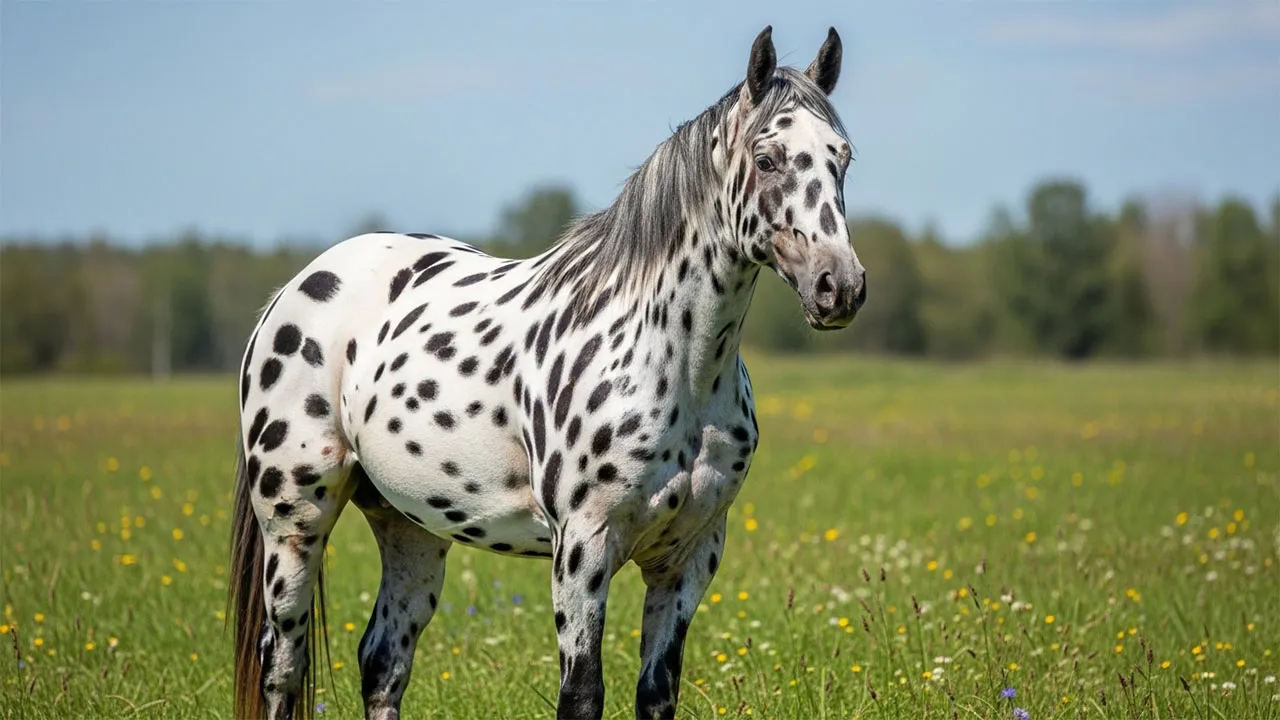
Appaloosa horses draw attention through their distinctive coat patterns, including blankets, spots, and roan variations. These markings have become closely associated with the breed’s global recognition and lasting appeal. The visual variety adds personality without being the only reason this horse remains widely favored.
Built for Many Roles
Appaloosa earned popularity by showing capability across a wide range of equestrian activities. Its adaptability allows smooth transitions between speed-focused tasks and controlled movements.
This broad usefulness is reflected in how it performs across disciplines:
Effective in racing and jumping
Reliable in reining and pole bending
Comfortable in general riding settings
A Breed That Welcomes Different Skill Levels
Calm responses and steady behavior make Appaloosa approachable for people at different experience stages. It tends to cooperate during learning phases, which supports confidence rather than tension. That consistency helps explain why it is often chosen for mixed-age and mixed skill environments.
5. Morgan
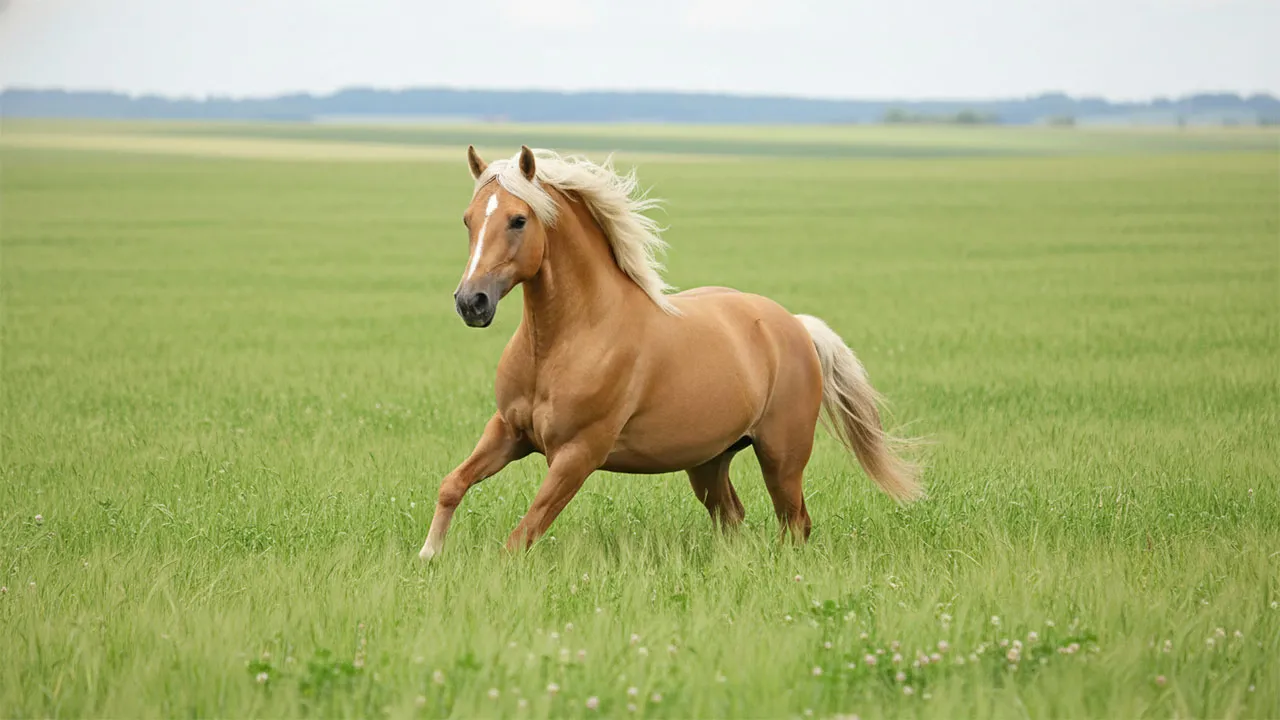
A Morgan horse’s compact size and ease of handling are well-known, which explains its broad appeal across different riding styles and work settings. This balance of strength and manageability makes it a familiar sight in both recreational and professional environments.
Willing and Reliable to Work
Morgan is known for being cooperative during training and consistent in daily routines, which keeps it in demand worldwide. That reliability shows up across many disciplines and working roles.
A few areas where this breed is commonly seen:
Driving competitions
Ranch and farm work
Therapy programs
Practical by Nature
Low maintenance needs add to the Morgans’ reputation as a sensible choice for long-term ownership, as Mad Barn notes. Simple grooming routines and generally good health reduce the effort required to keep them in working condition. This practicality plays a quiet role in why the breed remains widely favored.
6. American Paint Horse
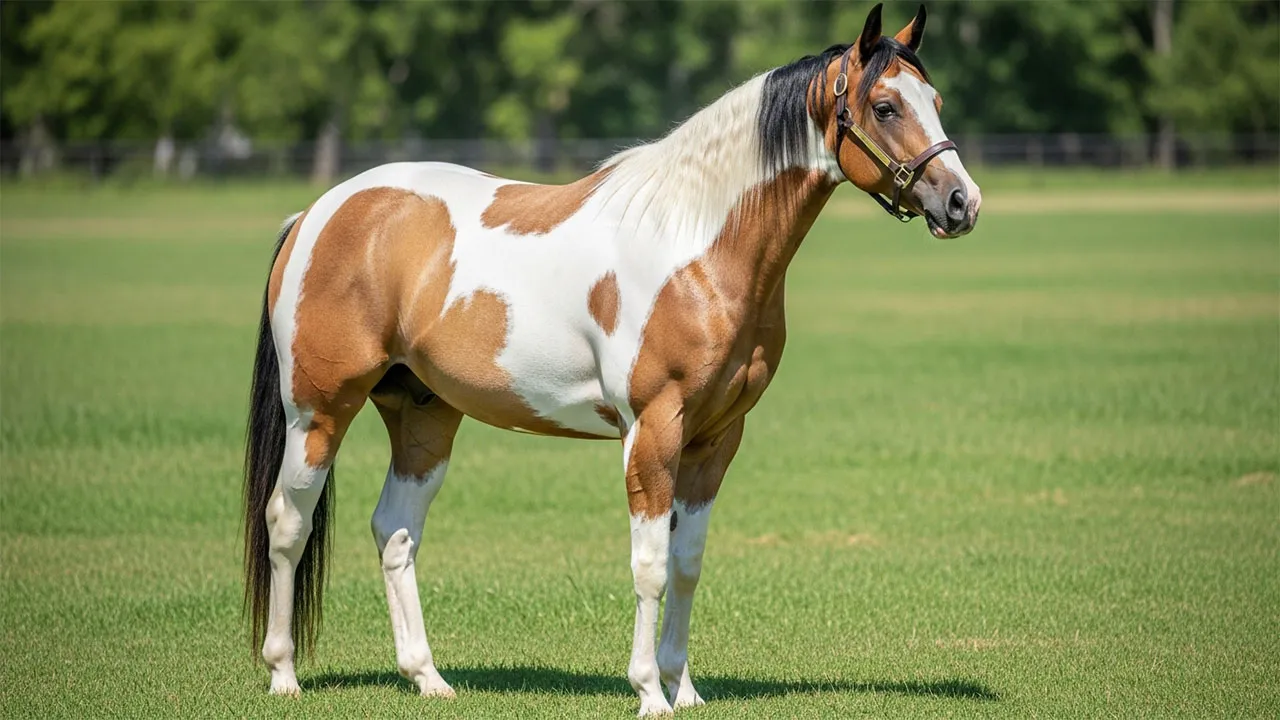
American Paint Horses have striking coat patterns that attract attention across continents. Those bold markings help explain why this breed remains familiar even to people outside horse circles. Its popularity grows from visual appeal paired with everyday versatility.
Patterned Looks With Practical Use
Beyond appearance, this breed fits comfortably into many equestrian settings without demanding adjustments. That flexibility plays a big role in its global appeal.
A closer look explains why:
Overo, tobiano, and tovero patterns
Smooth adaptability across disciplines
Calm presence in shared spaces
Sport-Friendly Versatility
American Paint Horse performs confidently in jumping, dressage, and reining without losing composure. This ability to move between structured arenas and casual environments keeps interest high worldwide. It suits families, clubs, and competitive circles looking for one dependable option.
7. Friesian
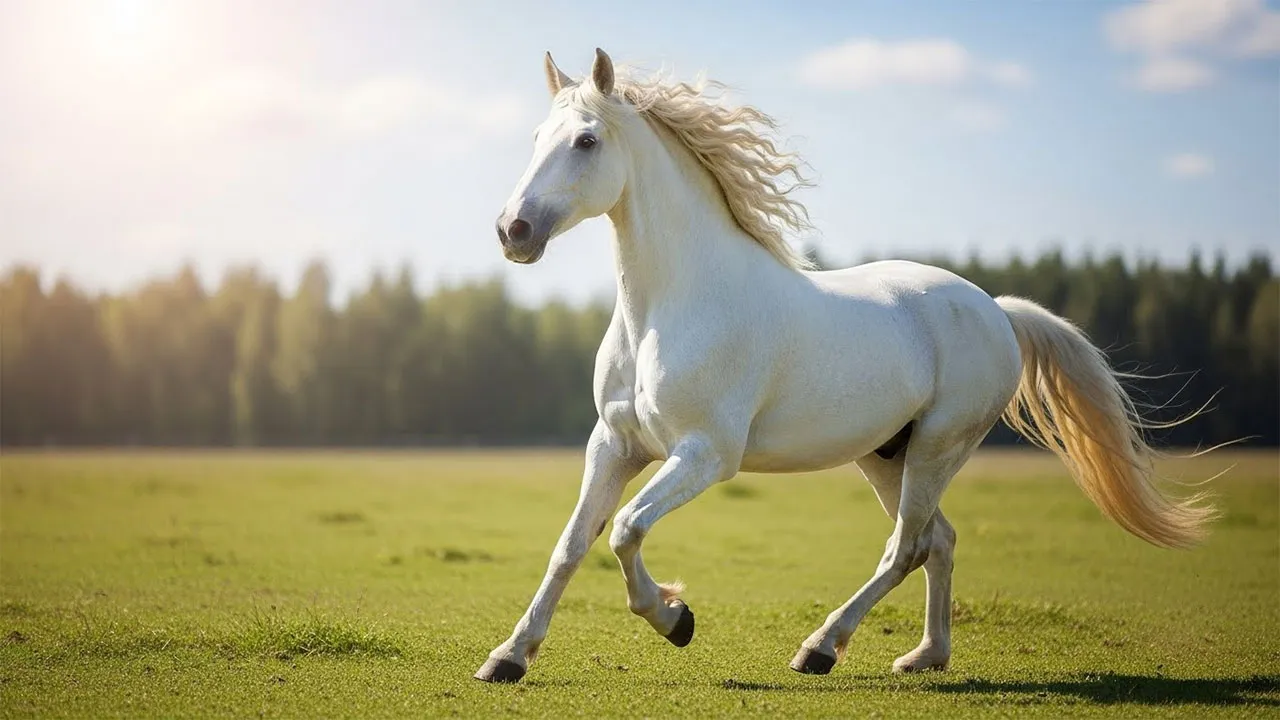
Friesians combine power with elegance, carrying themselves with a natural rhythm that suits wild terrain. Their long mane, tail, and leg feathering give them a flowing appearance, which also requires attention during rides. These horses adapt to varied trails while keeping a smooth, controlled motion.
Adaptable and Skilled
Friesians excel in multiple areas, from saddle seat to dressage, and their skills translate well to trail rides. Their willingness to learn makes them reliable for riders exploring uneven paths.
Key qualities to keep in mind:
Balanced movement over rough terrain
Quick adjustment to changing pace
Calm approach to obstacles
Awareness and Intelligence
Alert and focused, Friesians read terrain changes and rider cues with precision. Their intelligence helps them handle longer rides without losing rhythm or energy. Awareness and composure combine to make navigation over unpredictable trails easier.
8. Mustang
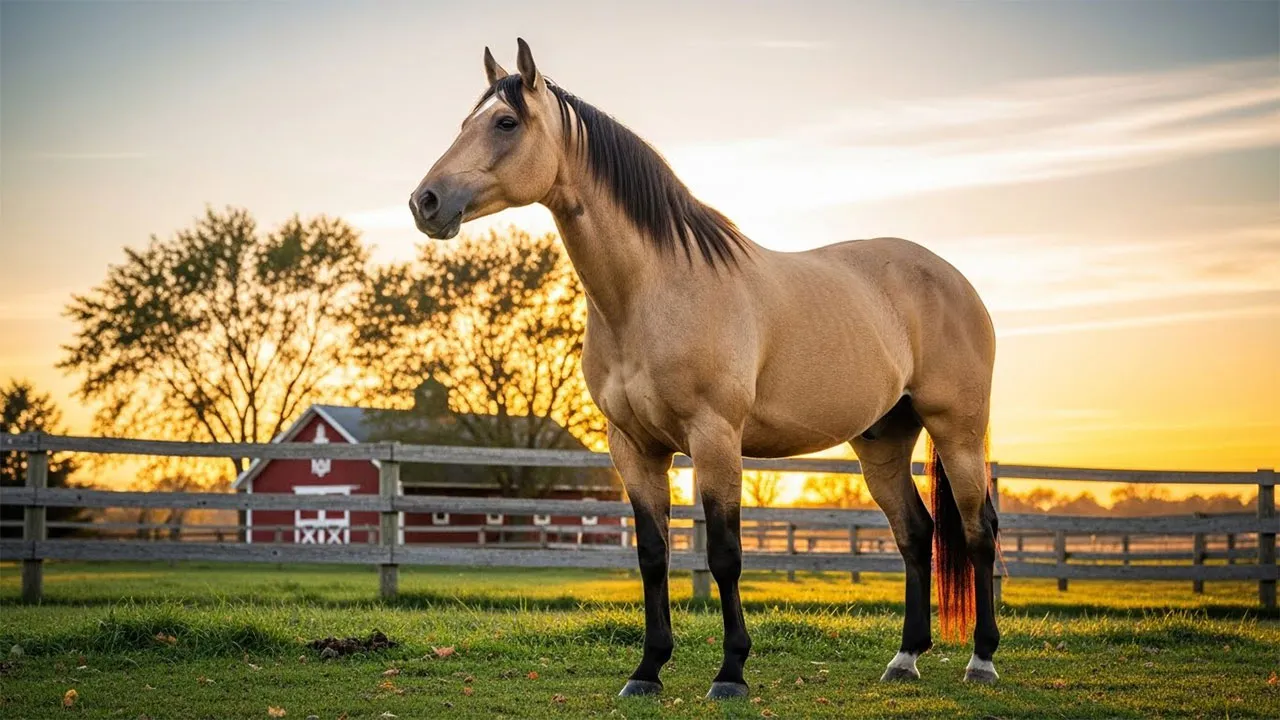
Mustangs handle a wide variety of terrain with ease, making them ideal for outdoor adventures. Their natural agility lets them navigate rough paths and open plains without hesitation. This resilience helps them adjust quickly to changing environments and unpredictable trails.
Strengths in Motion
These horses respond well to training and adapt to both work and sport disciplines. Their energy and balance translate into smooth rides over long distances.
Some key abilities that stand out include:
Quick recovery after intense activity
Steady pace across uneven terrain
Comfortable handling of sudden changes in footing
Intelligent and Alert
Mustangs are highly aware of their surroundings, noticing subtle shifts in terrain or obstacles. This attentiveness contributes to confident movement through challenging areas. Their intelligence also makes them responsive partners when guided by someone experienced.
9. Clydesdale
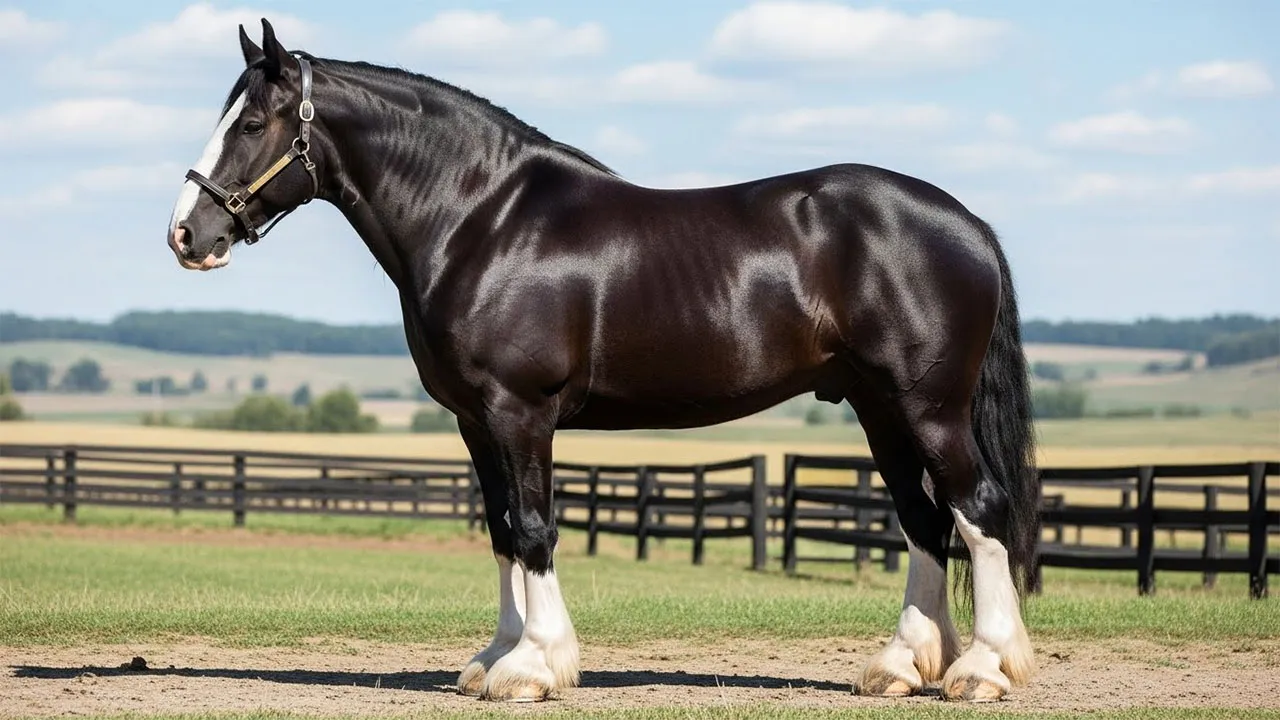
Clydesdale horses impress with their calm and steady demeanor while moving through open fields or trails. Their large frame doesn’t slow them down, and their smooth gait makes handling them surprisingly manageable.
Strength That Shows in Every Step
Beyond size, Clydesdales display a surprising finesse when navigating uneven terrain or pulling light loads along trails. Their powerful build supports endurance while keeping movement controlled and confident.
Traits that help them stay sure-footed:
Broad, steady hooves for firm footing
Even stride on varying ground
Feathers that protect legs from rough brush
Stunning Presence
The distinctive leg feathering and glossy coat catch the eye while walking or working in open spaces. Their visual appeal helps in reflecting sunlight and protecting sensitive areas. This combination of beauty and practicality makes them a striking sight in natural surroundings.
Conclusion
Popularity in the horse world is earned through trust, performance, and lasting connection. These breeds appear again and again because they meet people where their goals live. Some dominate horse racing with speed and precision. Others shine in western riding through balance and responsiveness.
Many excel in endurance riding, proving stamina and mental strength over long distances. Each versatile breed adapts without losing identity. A popular breed stays relevant because it serves many purposes well. Among the best horse breeds, reputation grows through consistency, not trends. These horses remain chosen because riders remember how they feel to ride, work with, and rely on year after year.
