




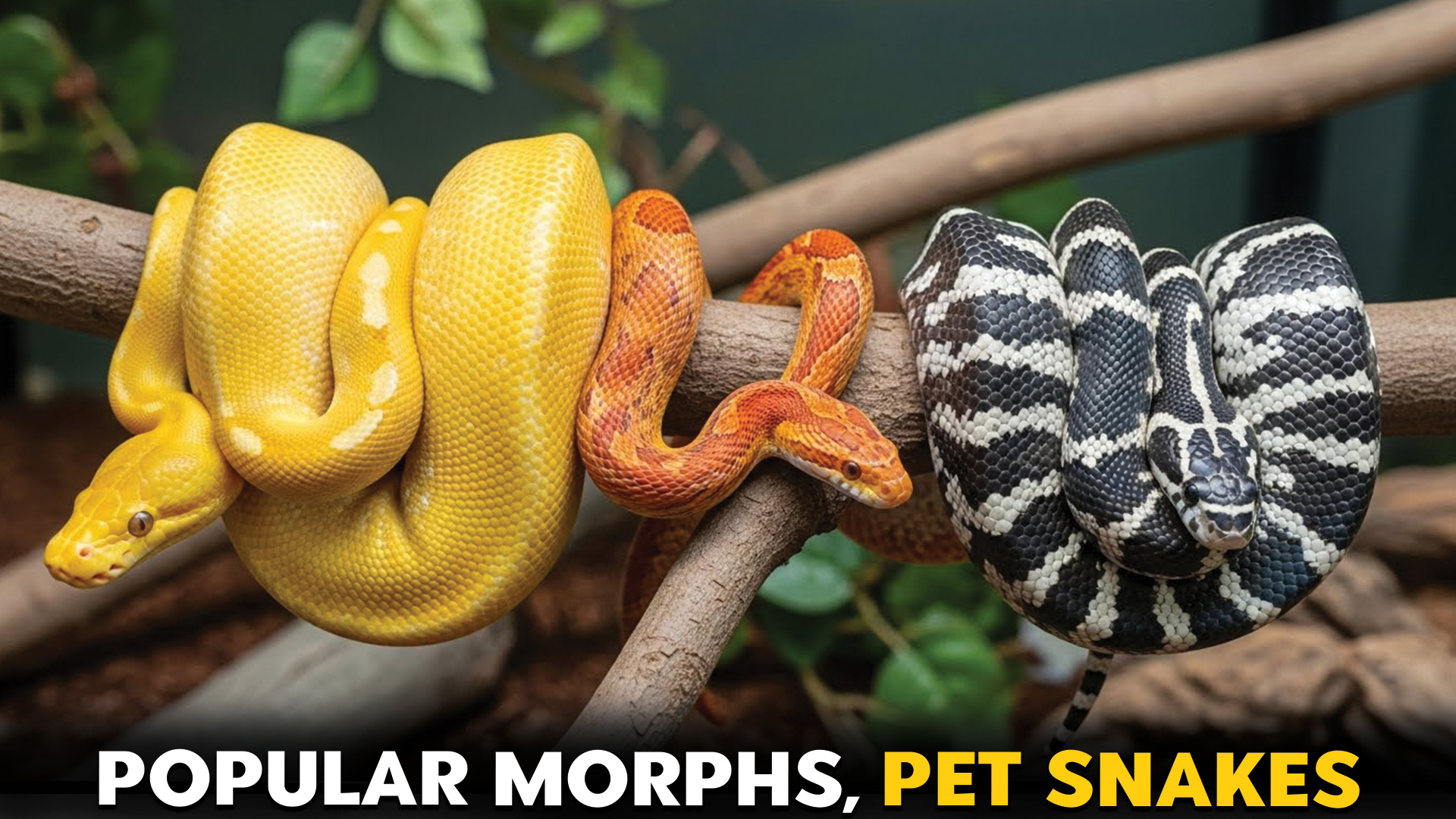
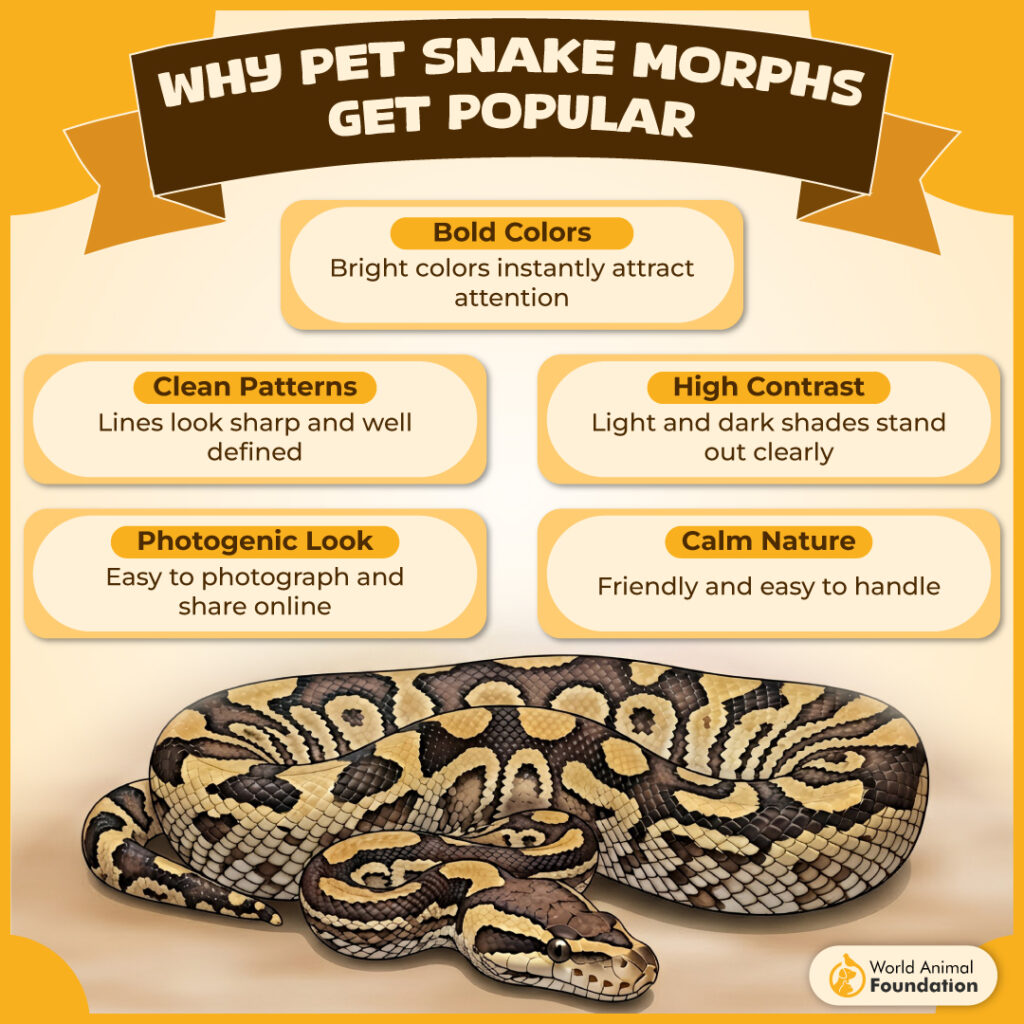
At a reptile expo, one enclosure always gathers a crowd. People pause, lean closer, and quietly point. The snake inside is calm, but its appearance does all the talking. This scene repeats wherever popular pet snake morphs appear.
These morphs do not rely on rarity alone. They succeed because they balance beauty with approachability. First-time buyers feel drawn in, while experienced keepers appreciate the refinement behind each visual trait.
Color saturation, clean pattern lines, and unique contrasts elevate these snakes into conversation pieces. Over time, their popularity spreads through shared photos, recommendations, and breeding projects. What begins as curiosity becomes preference, then standard.
In this article, you will look beyond the surface to understand how these morphs earned their reputation and why they remain favorites within the pet snake community.
Key Takeaways
Patterns and colors can completely transform a snake’s look, making some of the most common species feel almost magical.
Ball Pythons show how selective breeding can turn the same species into thousands of striking morphs, each with its own personality.
Corn Snakes and California Kingsnakes add variety with bold patterns and calm temperaments that make handling simple and engaging for keepers.
By following their traits, behavior, and patterns, you’ll see how these seven snakes redefine what makes a pet truly captivating.
Snakes Known for Their Most Popular Pet Morphs
1. Ball Python
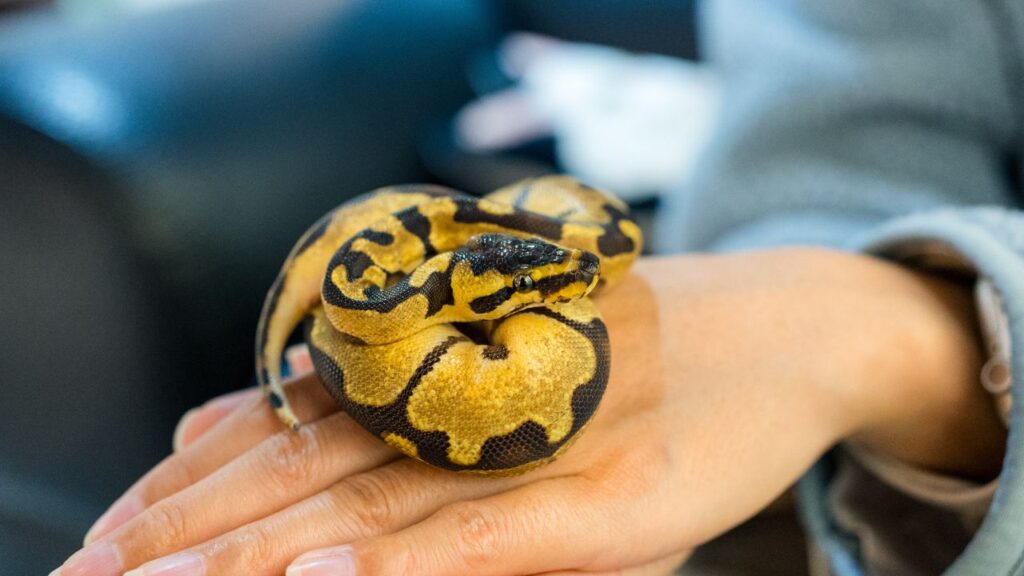
Ball Python draws attention for one main reason: its appearance can change dramatically without altering the species itself. Subtle shifts in color, pattern, or contrast create snakes that look entirely different from one another. This flexibility is what made the breed a centerpiece of the pet morph world.
How Morphs Take Shape
Ball Python morphs come from specific genetic variations that affect how colors and patterns appear. These changes are not tied to subspecies, but to how individual genes interact during breeding.
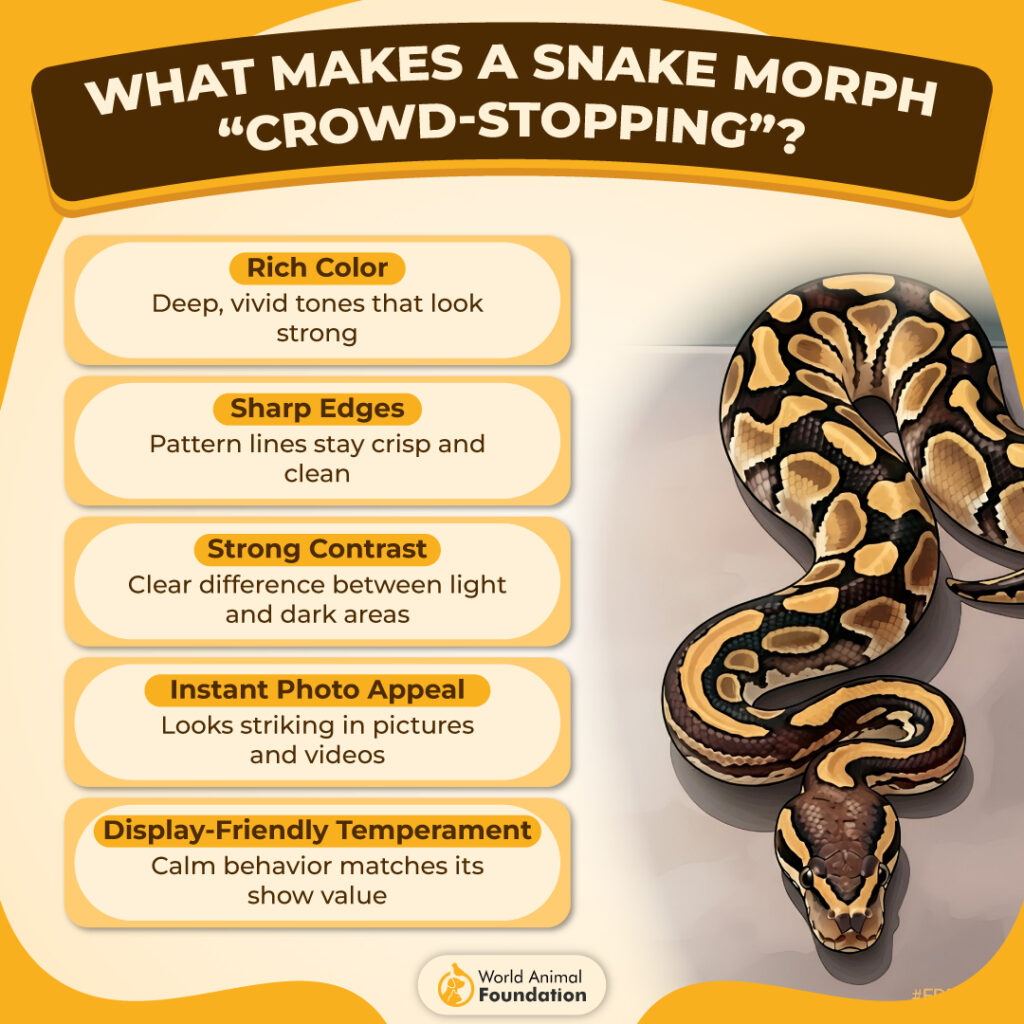
That interaction follows clear genetic rules:
Dominant genes always show visually
Recessive genes need both parents
Codominant genes blend visible traits
Selective Breeding and Variety
Careful pairing allows certain markings to become brighter, darker, or more defined over generations, as stated in XYZ Reptiles. This process explains how thousands of recognized morphs exist today, each with a distinct look. The scale of variation reflects how adaptable the breed is to genetic selection.
2. Corn Snake
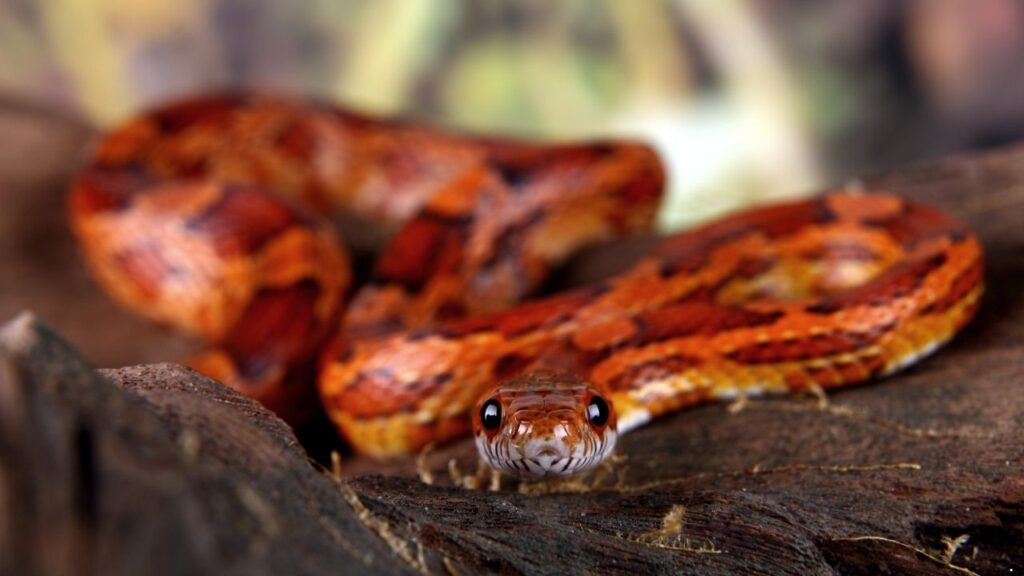
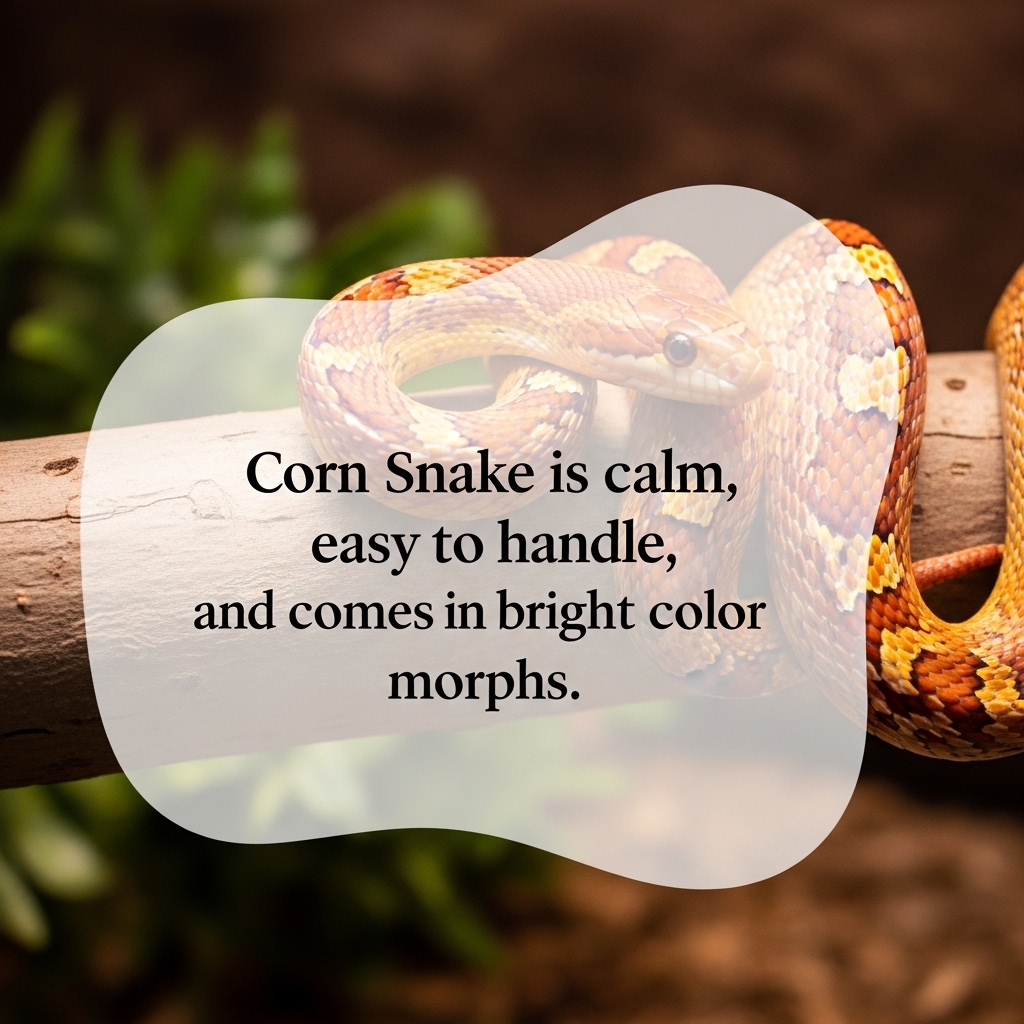
Corn Snake stands out in the pet world because of their wide range of eye-catching morphs. Pattern variation and color intensity are the main reasons this species appears so often in collections. That visual diversity keeps interest high without demanding complex care routines.
Calm Handling Experience
Corn Snake is widely appreciated for how manageable it feels during regular interaction, as per Wild Science. The relaxed response to handling helps new keepers build confidence early.
A few practical points tend to matter most:
Easy to handle
Predictable behavior
Low stress response
Simple Setup Needs
Corn Snake fits well into controlled home environments because its habitat requirements are straightforward. A warm side and a cooler area allow natural regulation without advanced equipment. Feeding remains uncomplicated with frozen then thawed mice forming the standard diet.
3. California Kingsnake
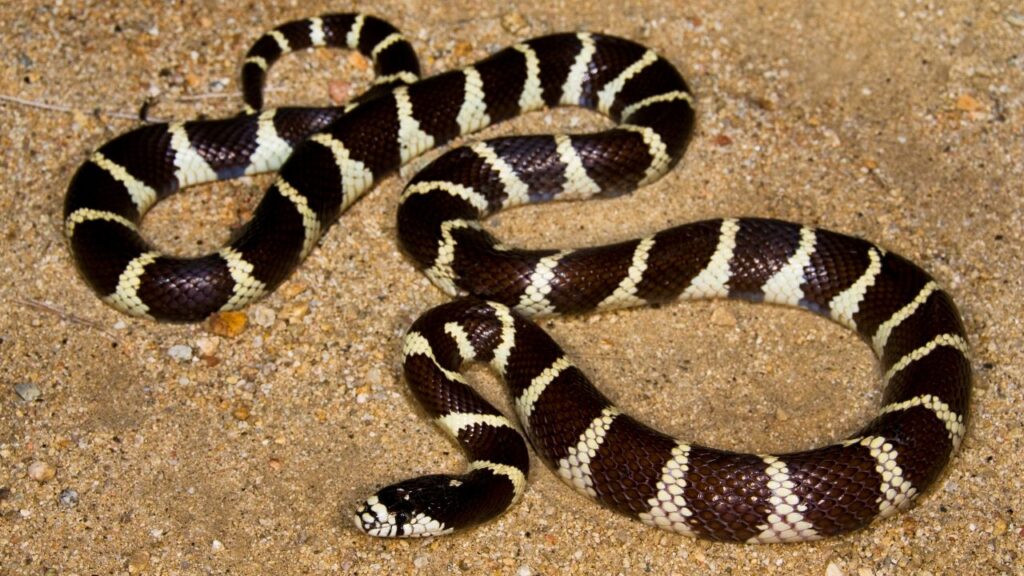
California Kingsnake moves with energy that keeps enclosures active rather than decorative. That restless behavior plays a big role in why this species draws attention among popular pet morphs. Pattern appeal matters here, but movement is what keeps interest long-term.
Escape Skill That Shapes Setup
Strength and flexibility allow this snake to test weak points without much effort. Housing decisions quickly become part of responsible ownership rather than an afterthought.
This behavior explains why experienced keepers plan carefully:
Tight-fitting enclosure lids
Reinforced locks and seams
No shared housing
Pattern Range People Look For
Visual variety keeps this species high on morph-focused lists. Banding and striping appear across black, white, tan, yellow, and brown tones without losing clarity as the snake matures, as mentioned in Lindsey Wildlife. These consistent patterns explain its continued presence in the pet trade.
4. Western Hognose Snake
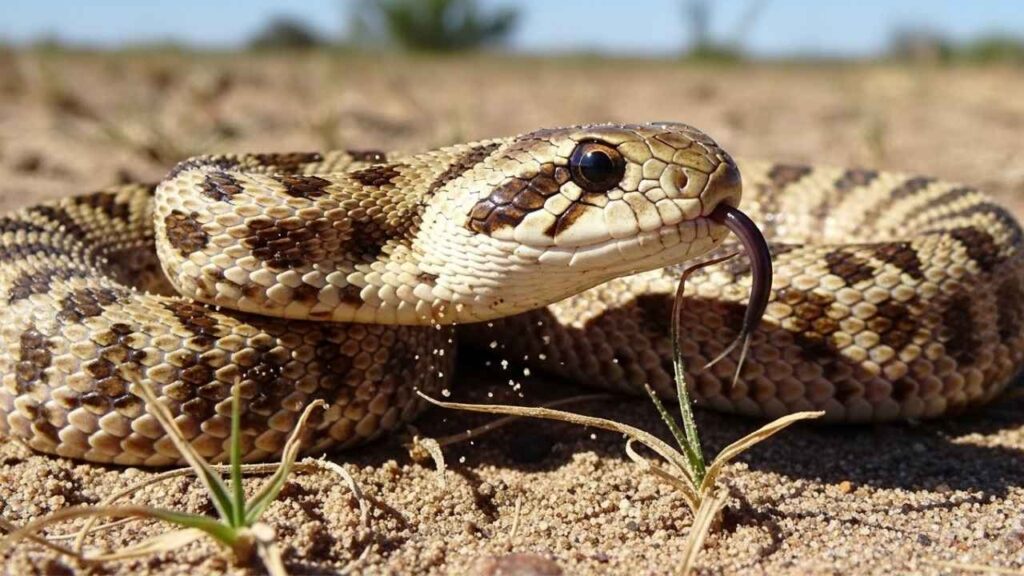
Western Hognose Snake stays relatively small, which keeps the pet’s morph patterns easy to see at a glance. That manageable length helps color shifts, and markings remain clear instead of stretching thin. For morph-focused setups, size directly affects how well visual traits present day to day.
Burrowing Habits and Morph Display
Western Hognose Snake spends time digging through loose substrate using its upturned snout. This natural behavior changes how patterns appear as the body moves in and out of view.
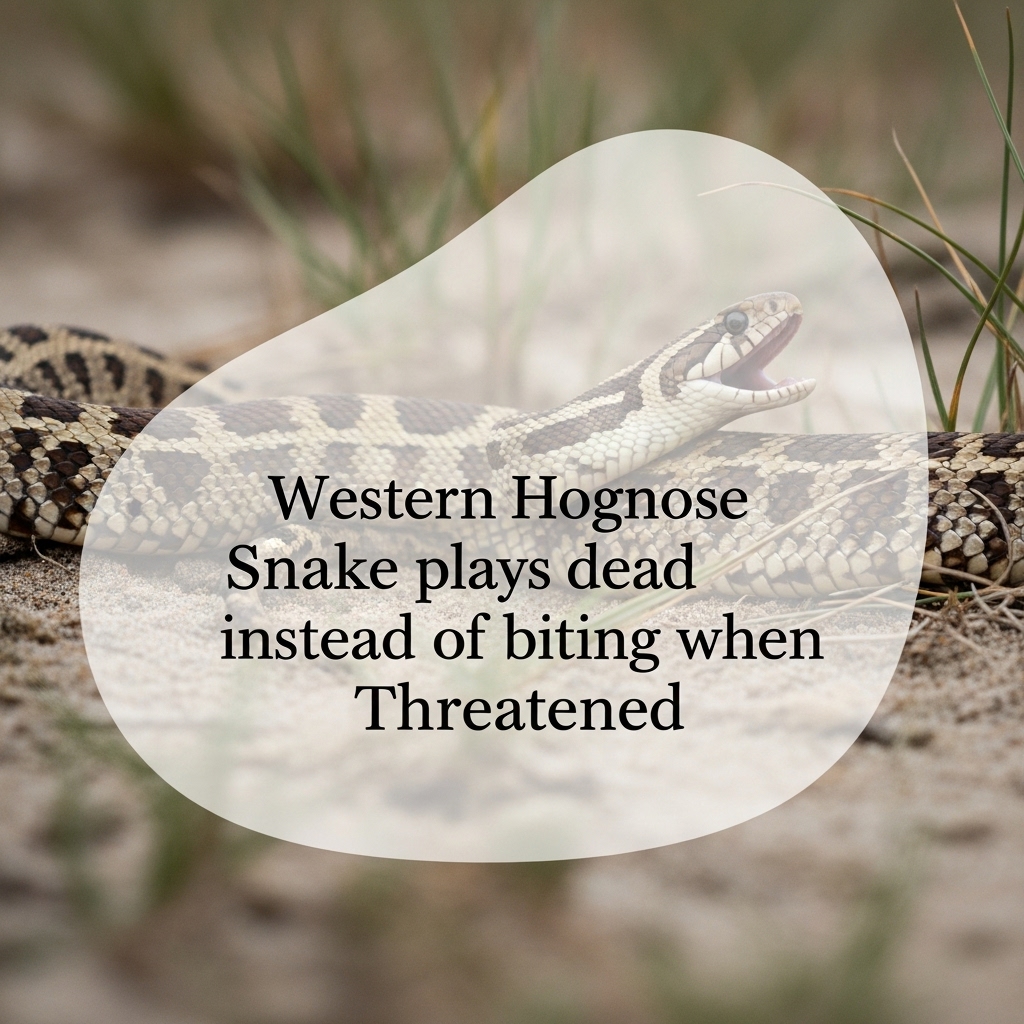
That movement highlights certain morph features through routine activity:
Frequent surface and burrow transitions
Substrate contact that frames pattern edges
Calm behavior during enclosure interaction
Theatrics Without Real Risk
Western Hognose Snake relies on dramatic defense rather than force. Puffing up, hissing, or playing dead happens when the snake feels pressured, and the behavior fades quickly. These displays are harmless and well documented, which helps keep handling predictable.
5. Garter Snake
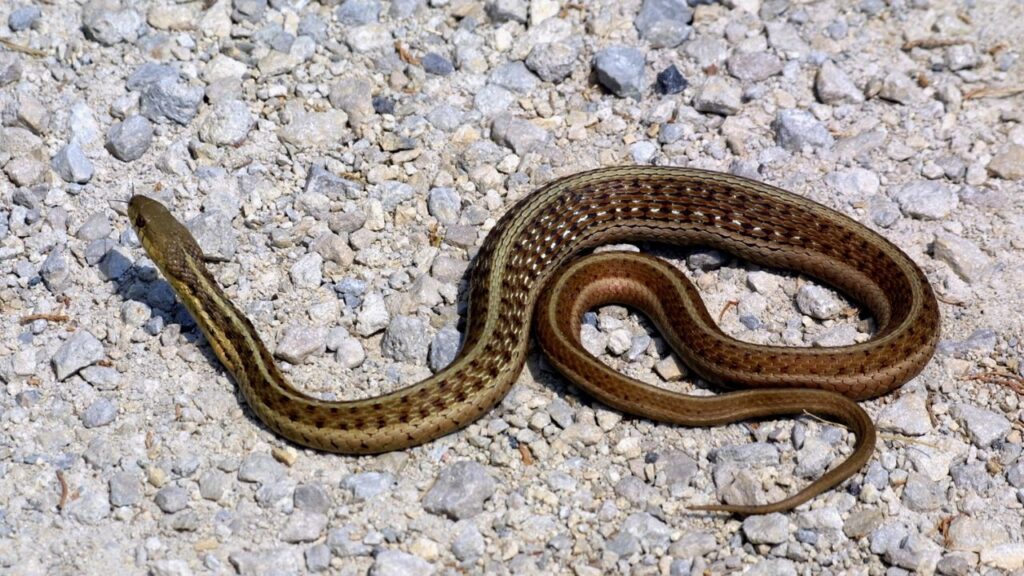
Garter snakes are naturally curious, moving actively through their environment and checking every nook. Their alert nature keeps them engaged and makes interactions interesting for those observing them. Small and agile, they adapt easily to changes in their surroundings without stress.
Flexible Diet
They accept a wider range of foods than most pet snakes, which makes feeding less restrictive. Their adventurous eating habits help them stay healthy and stimulated.
Some practical points about their eating are:
Eat fish, worms, and small amphibians
Accept frozen-then-thawed mice
Adapt easily to diet changes
Recognizable Patterns
Distinctive stripes along the body vary in color between types, giving each snake a signature appearance. These markings also make spotting them in their habitat simple. Their lively patterns reflect their active and engaging personality in daily observation.
6. Rosy Boa
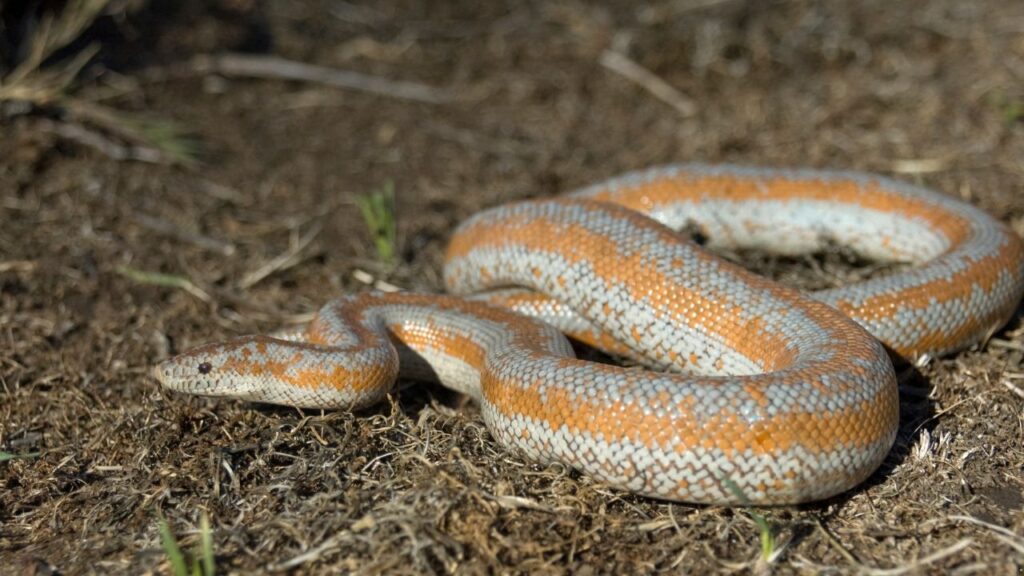
Rosy Boa is known for its calm nature, making it approachable for interaction and careful handling. Their small size adds to the convenience of maintaining them in compact spaces. Nighttime activity makes them fascinating to watch as they explore their enclosure quietly.
Colors That Catch the Eye
This species displays a range of striped patterns in shades from rose and orange to beige and brown. These markings can vary subtly, giving each snake a distinctive appearance.
You can see their striking look reflected in:
Smooth, glossy scales
Subtle yet distinct banding
Gradual color transitions along the body
Environment and Exploration
Providing rocks, hides, and climbing surfaces allows them to express natural curiosity safely. They enjoy slinking through tight spaces and navigating layered structures. This setup keeps them stimulated without overwhelming their gentle temperament.
7. Milk Snake
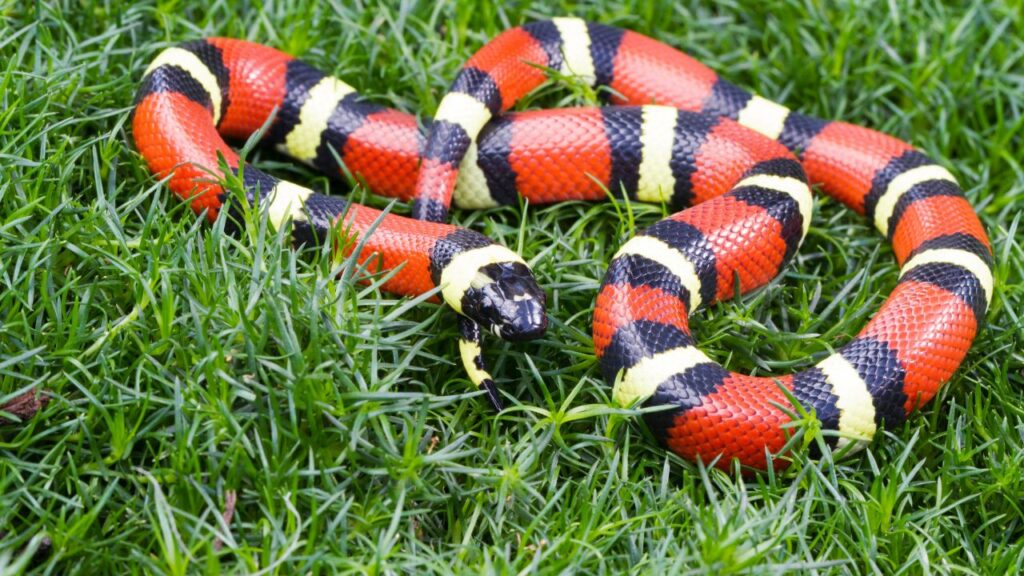
Milk snakes show off bright bands of red, black, and yellow that make them striking on display. Their pattern isn’t just pretty; it can help keep them safe by mimicking venomous coral snakes. This visual trick is part of why they remain fascinating for enthusiasts.
Easy Care and Feeding
These snakes are straightforward to feed and maintain, which adds to their popularity for new keepers. Their calm appetite and simple enclosure needs make handling smoother.
Their easygoing habits include:
Accept frozen-then-thawed rodents easily
Tolerate gentle, regular handling
Adapt well to beginner setups
Comfort in Handling
Milk snakes may be squirmy at first, but regular, patient interaction helps them settle. Their docile nature emerges as trust builds, allowing them to explore safely in a tank or small enclosure. This balance of curiosity and calm makes them approachable for observation and interaction.
Conclusion
Snakes admired for their morphs succeed because beauty meets balance. The most popular pet snakes remain approachable while offering visual depth that grows with time. Each snake species featured here shows how pattern, color, and behavior connect naturally. For snake keepers, these traits reduce guesswork and increase long-term satisfaction.
Even when compared to a venomous snake, their calm nature shifts fear into fascination. From one python species to several different species, variety never overwhelms care needs. Morph popularity lasts because these snakes reward patience, observation, and respect, turning simple enclosures into living displays shaped by trust rather than novelty.
Popular Pet Snake Morphs: Can You Score 5/5? 🐍✨
Which snake is called a centerpiece of the pet morph world?
What feeding option is described as the standard diet for Corn Snakes?
Which species is known for testing weak points and needing tight enclosure security?
Which snake uses an upturned snout to burrow through loose substrate?
Milk snakes’ bright bands help protect them by mimicking which snake?
