




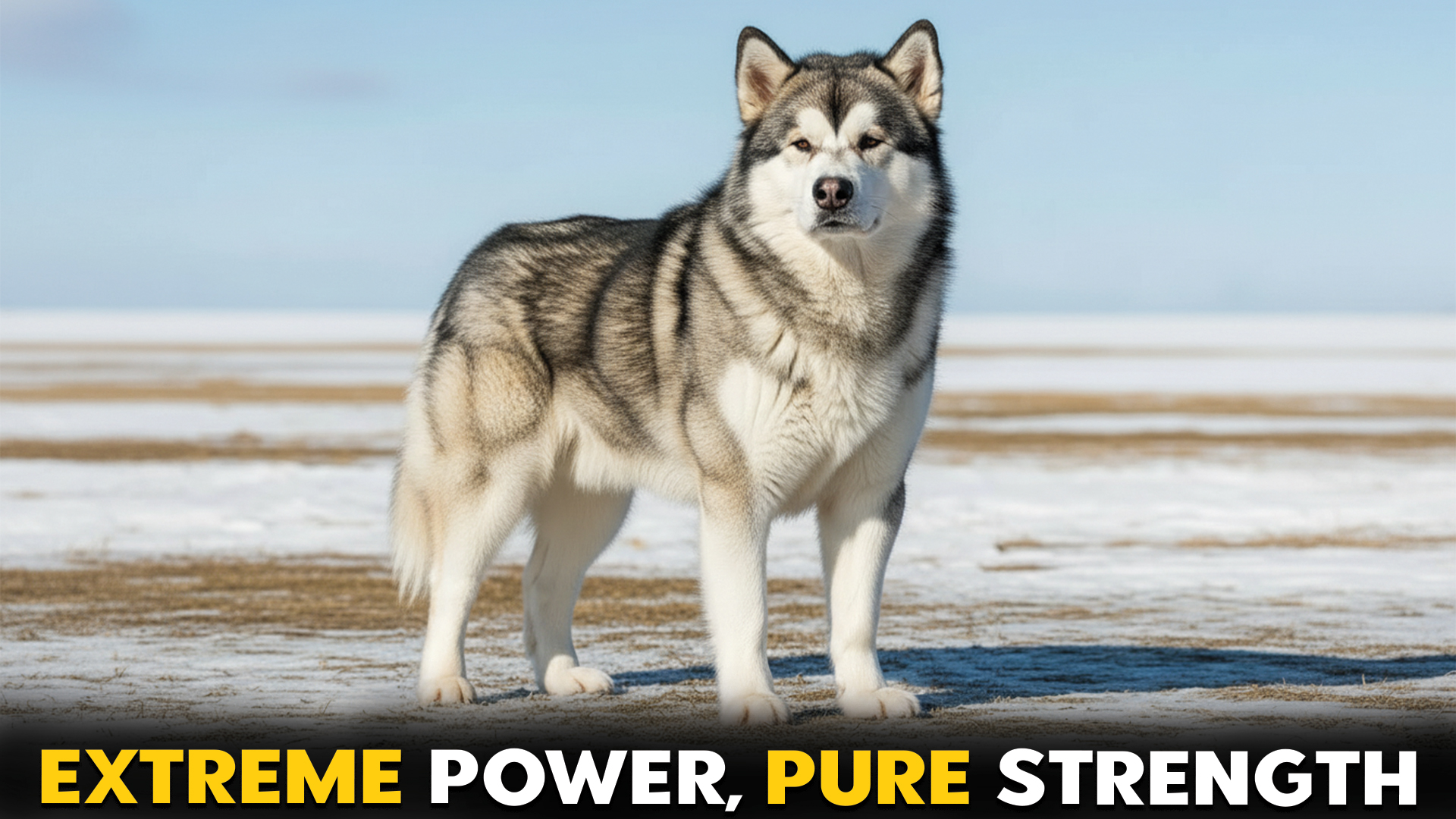
Strength in dogs does not always announce itself with noise or flash. It can appear in steady focus, confident movement, or the way a dog handles demanding work without second thoughts. Some breeds were shaped by roles that called for real physical power balanced with intelligence and self-control.
What makes these dogs stand out is how purpose-driven they are. They are reliable, motivated, and deeply connected to their people, whether they are pulling heavy loads, guarding territory, or handling challenging tasks.
Their strength is functional, not showy, and it defines how they live and work. Let’s explore dog breeds that blend power, character, and loyalty into truly memorable companions.
Fun Fact
Many powerful dog breeds were developed to work side by side with humans for long hours. Their strength mattered most when it was guided by patience, focus, and the ability to follow direction.
Remarkable Dog Breeds Exhibiting Superior Strength
1. Alaskan Malamute
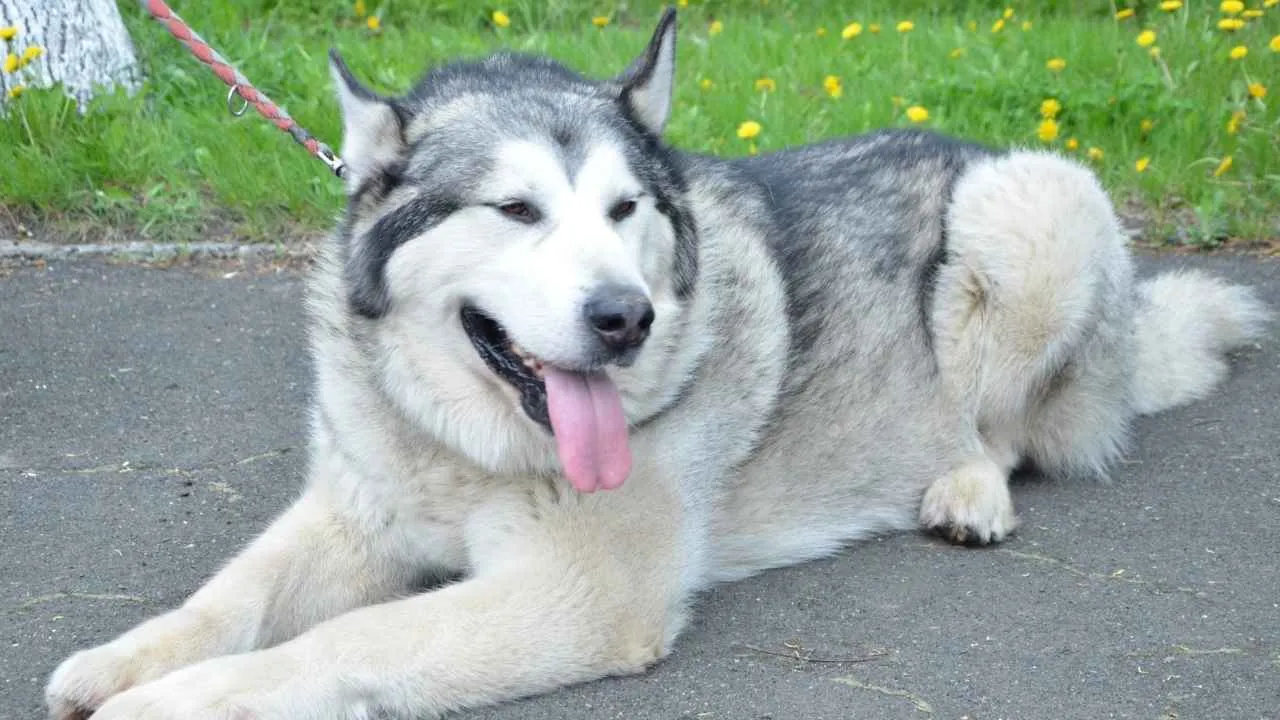
Long before modern dog sports or backyard adventures, the Alaskan Malamute earned its place alongside people through demanding physical work.
These dogs were relied on to pull heavy loads, assist with hunting, and help protect camps in extreme conditions. That early partnership shaped a breed known for resilience, cooperation, and physical capability.

Time spent with a Malamute is rarely quiet or dull. Their sharp minds and curiosity often lead them to test limits, whether that means exploring the yard or figuring out how to reach something interesting. Meaningful physical outlets help keep their energy focused and their attitude balanced.
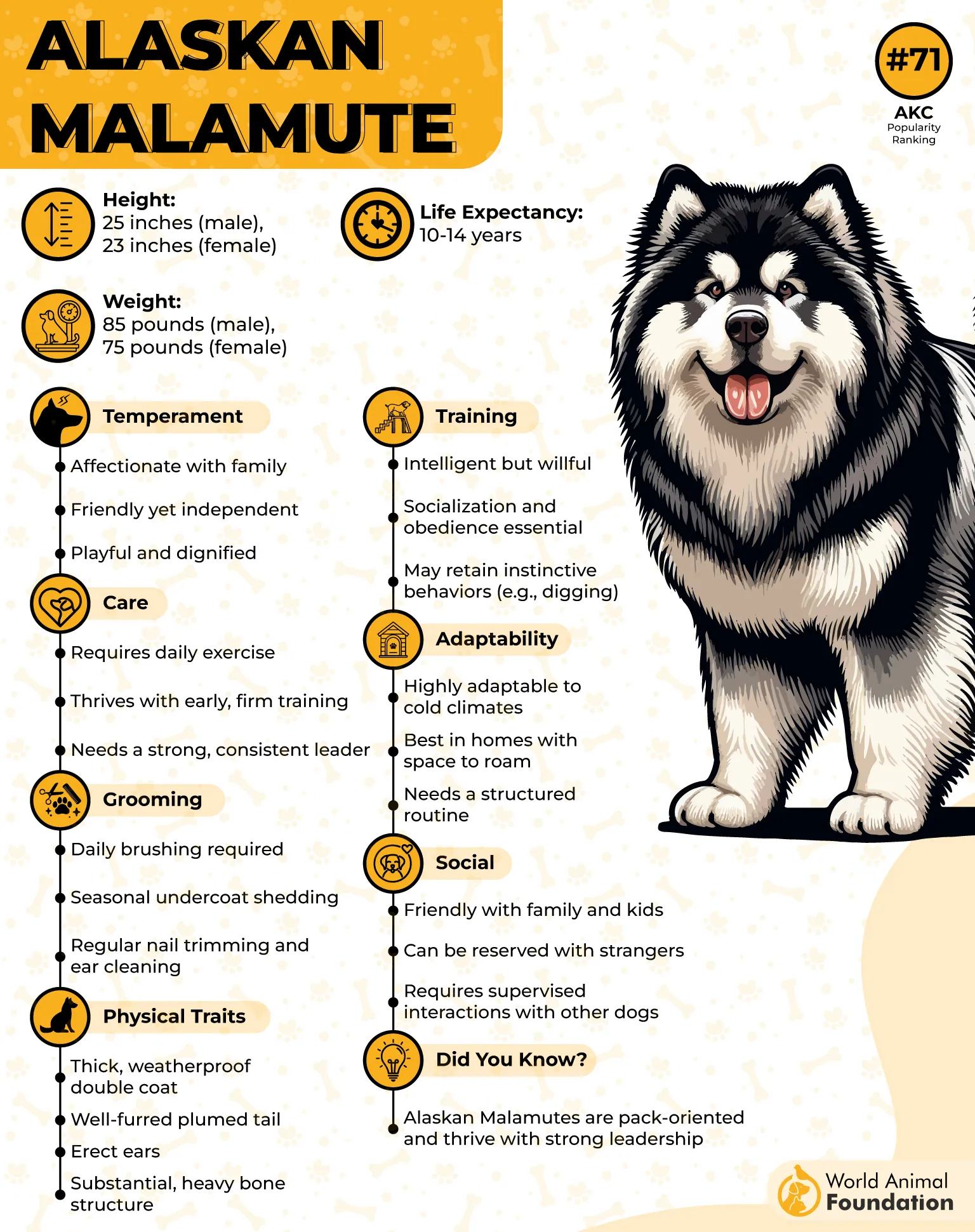
As per PetMD, Alaskan Malamutes are not a good match for households where they spend long hours alone. They need consistent interaction, mental challenges, and physically demanding exercise to stay content. With regular training and daily grooming, they can become deeply rewarding companions for owners ready to commit the time and effort.
Fun Fact
Alaskan Malamutes are known for dramatic facial expressions. Many owners say their dogs communicate feelings without making a sound.
2. Tibetan Mastiff
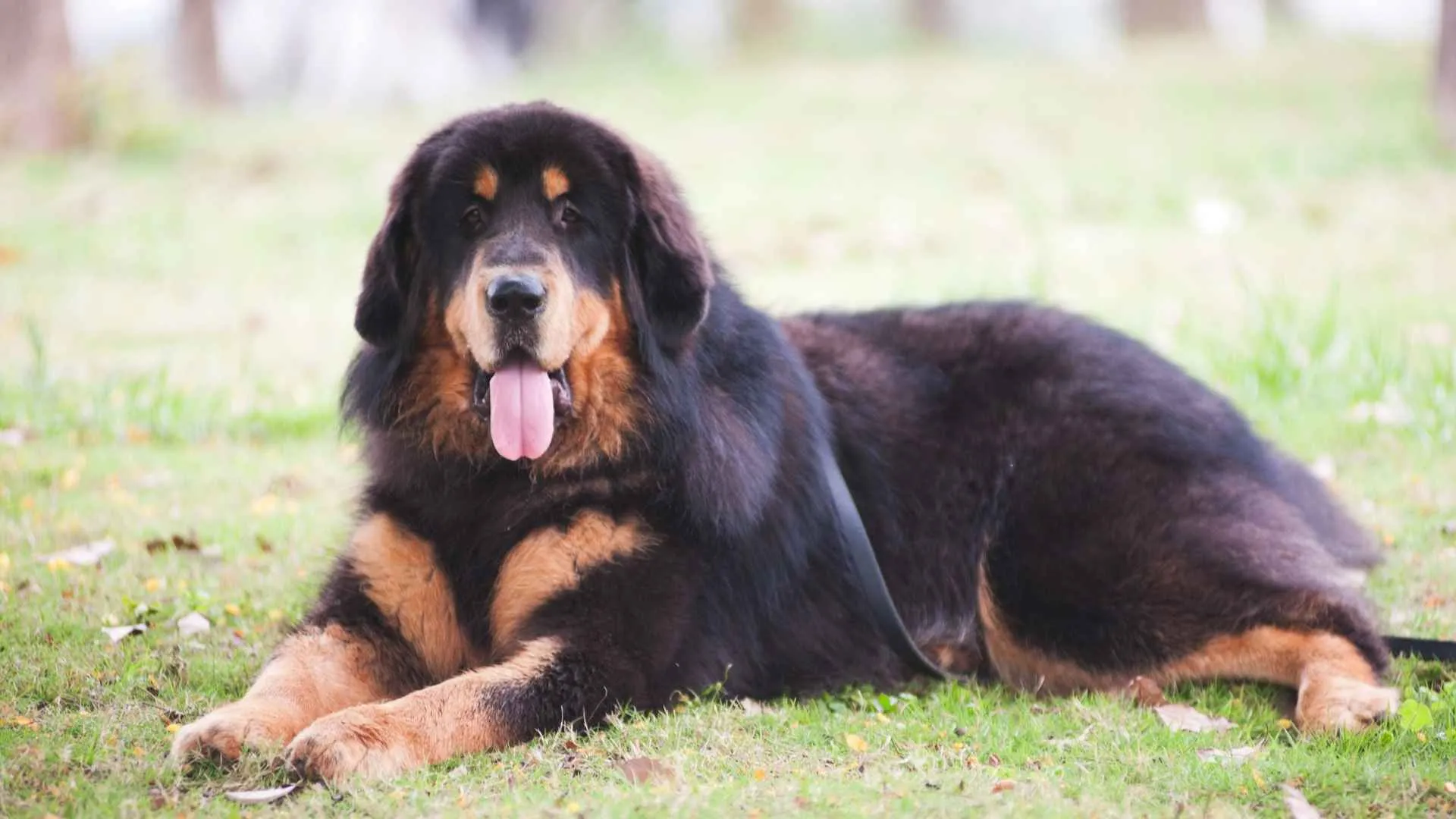
Standing beside one feels a bit like sharing space with a silent sentinel. The Tibetan Mastiff developed in remote regions where independence and good judgment mattered more than speed. Their size, coat, and steady presence reflect generations spent guarding livestock and sacred spaces.
Interactions with this breed often unfold at their pace. They observe situations carefully before responding, which can surprise people expecting instant reactions. Clear routines and calm handling tend to earn their respect over time.
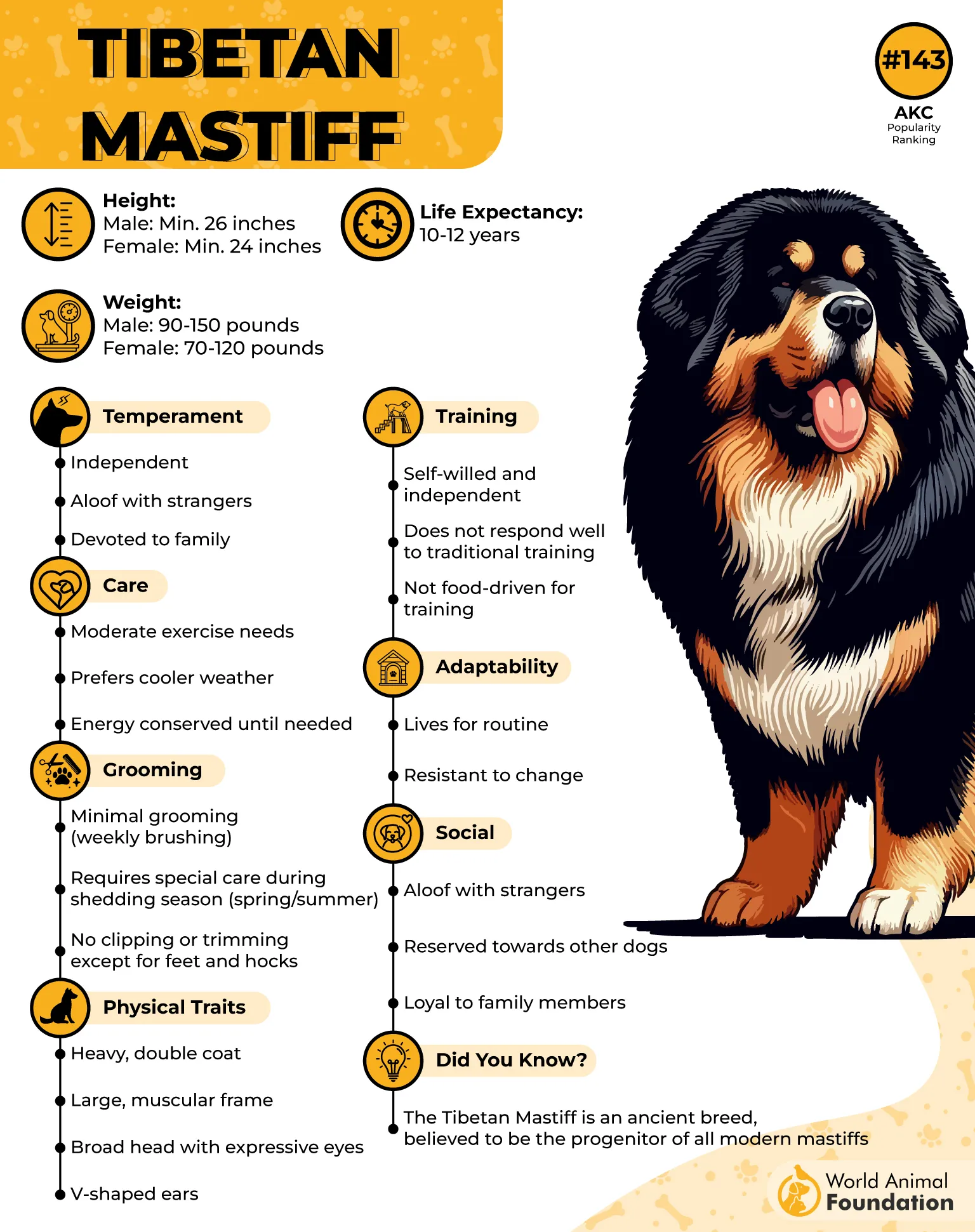
Evenings often find them relaxed but alert, keeping an eye on their surroundings. Seasonal coat changes can be dramatic, requiring consistent brushing when shedding increases. A predictable home environment allows their reserved loyalty to come through naturally.
Fun Fact
Tibetan Mastiffs are famously selective with their affection. When they choose to bond with someone, that loyalty tends to be deep and long-lasting.
3. Australian Shepherd
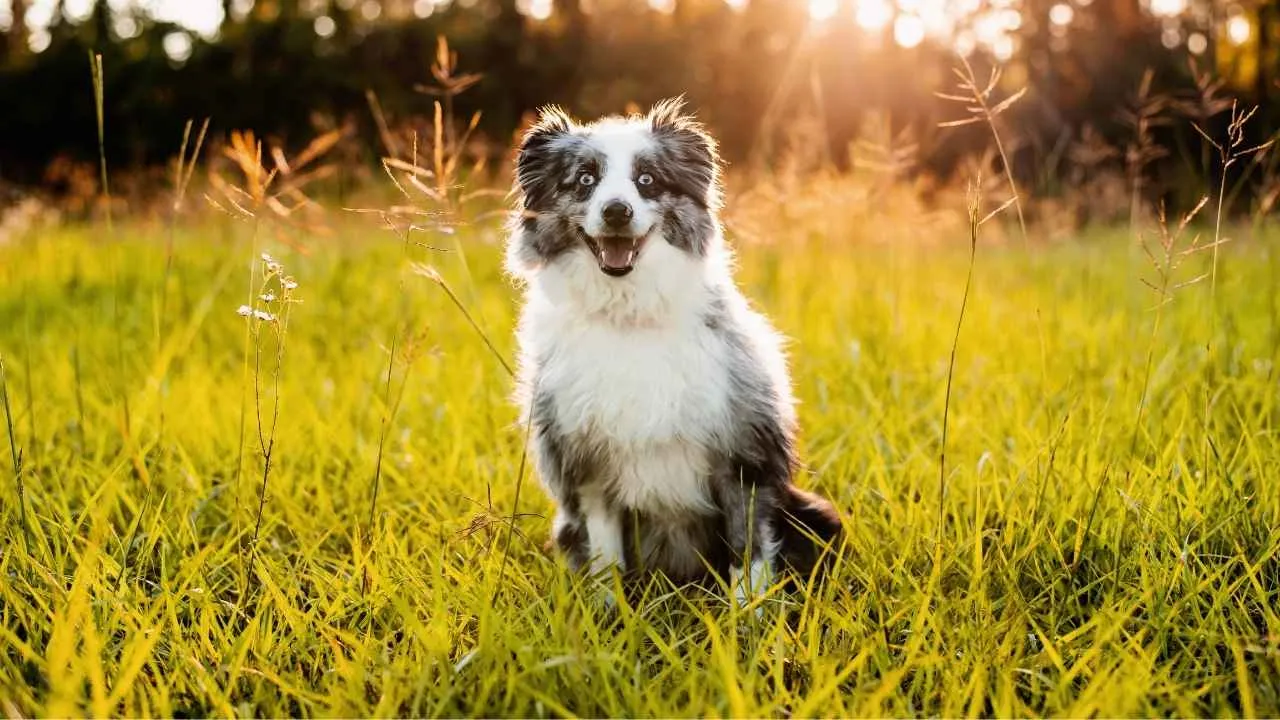
Watching an Australian Shepherd in motion makes their working background obvious. Developed in the United States to manage livestock, they were bred for stamina, balance, and the ability to make quick decisions on the move. Their solid build and low center of gravity support long days of physical activity.
Australian Shepherds are deeply affectionate with their owners. They respond quickly to guidance and tend to enjoy structured routines with their family. Regular brushing and occasional baths help maintain their coat and keep grooming straightforward.
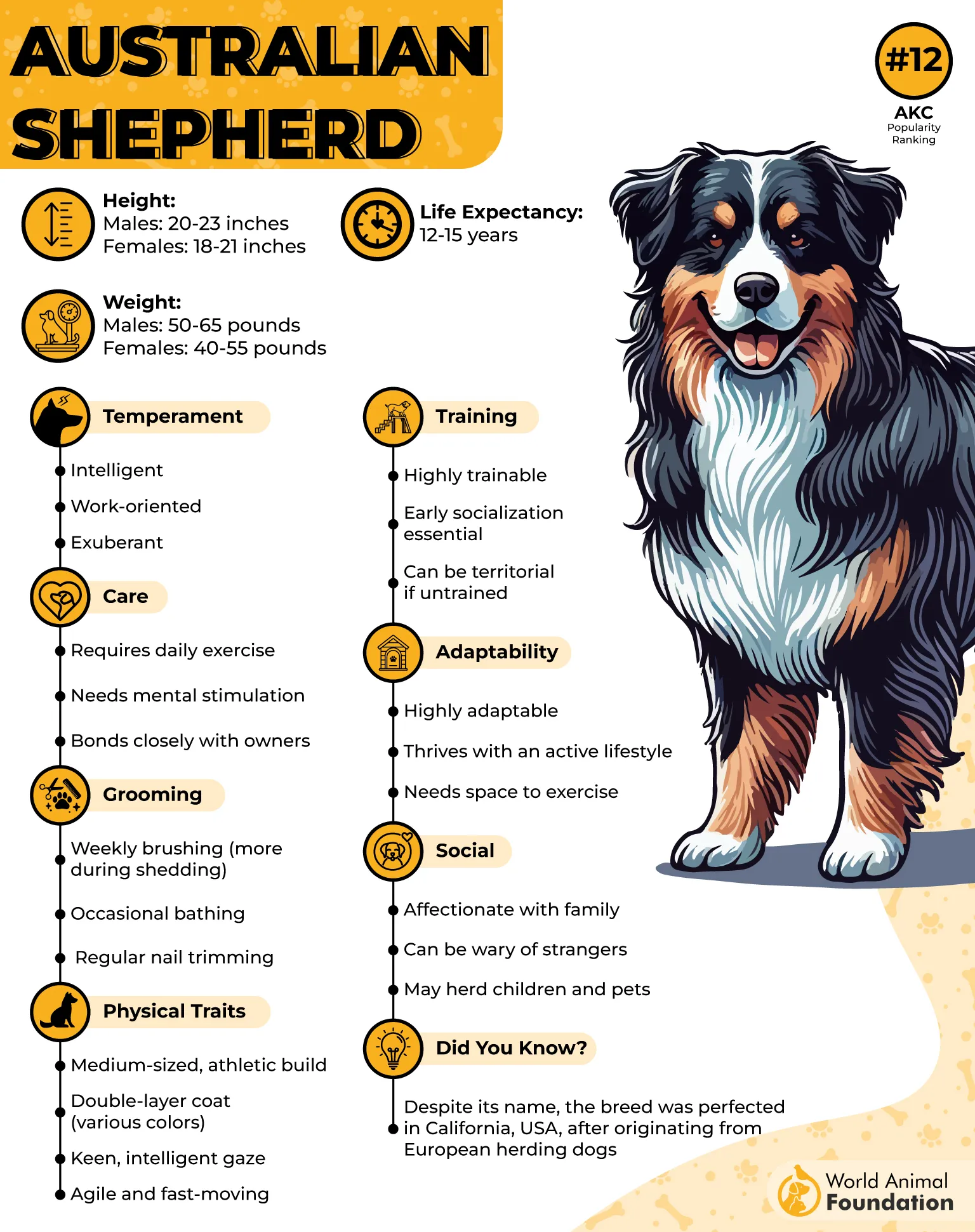
Mental engagement plays a major role in their happiness. Structured play, running, and training exercises give them an outlet for both energy and intelligence. Without regular involvement, they may invent activities to stay occupied.
Fun Fact
Australian Shepherds are often seen performing in rodeos and traveling shows. Their combination of athletic movement and trainability made them natural crowd-pleasers long before dog sports became popular.
4. Border Collie
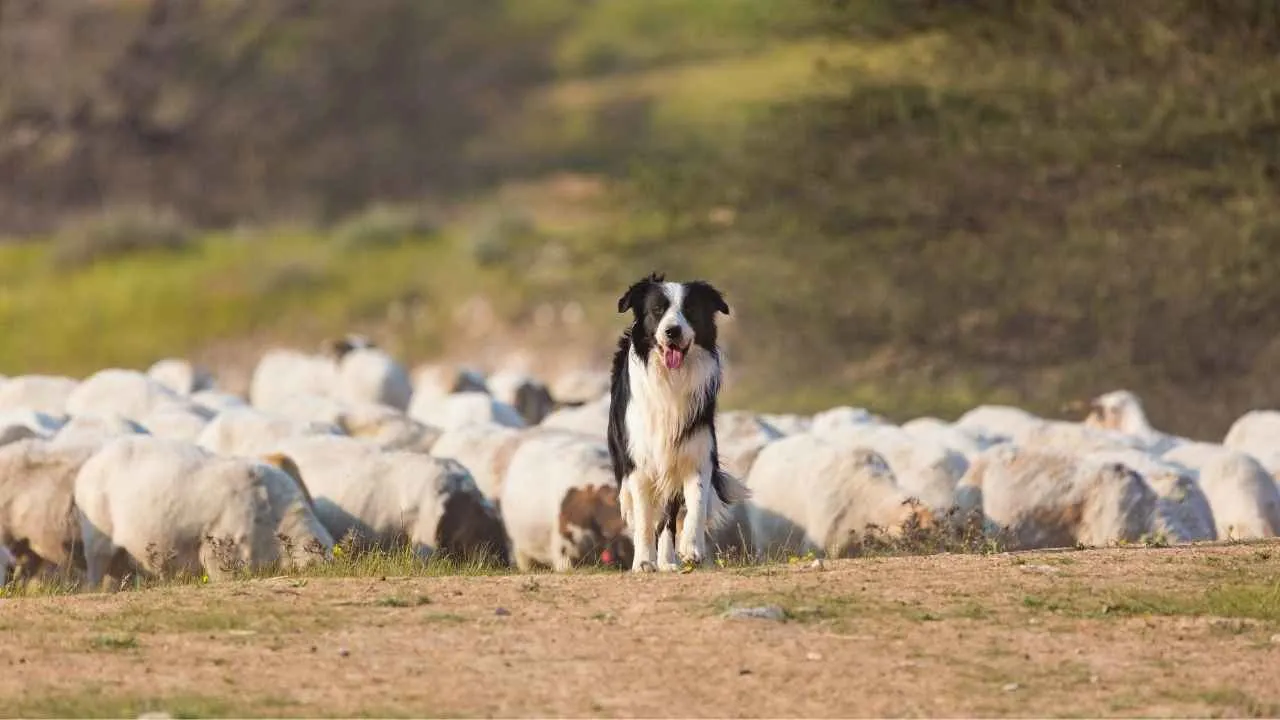
A Border Collie rarely moves without intention. Originally bred to herd sheep, they developed remarkable control, focus, and physical coordination. Their athletic frame supports both speed and endurance, making them natural movers.
Days tend to go best when their minds stay busy. Learning cues, navigating challenges, or staying active outdoors gives them a sense of purpose. Without enough engagement, they often create their own projects, sometimes with surprising creativity.
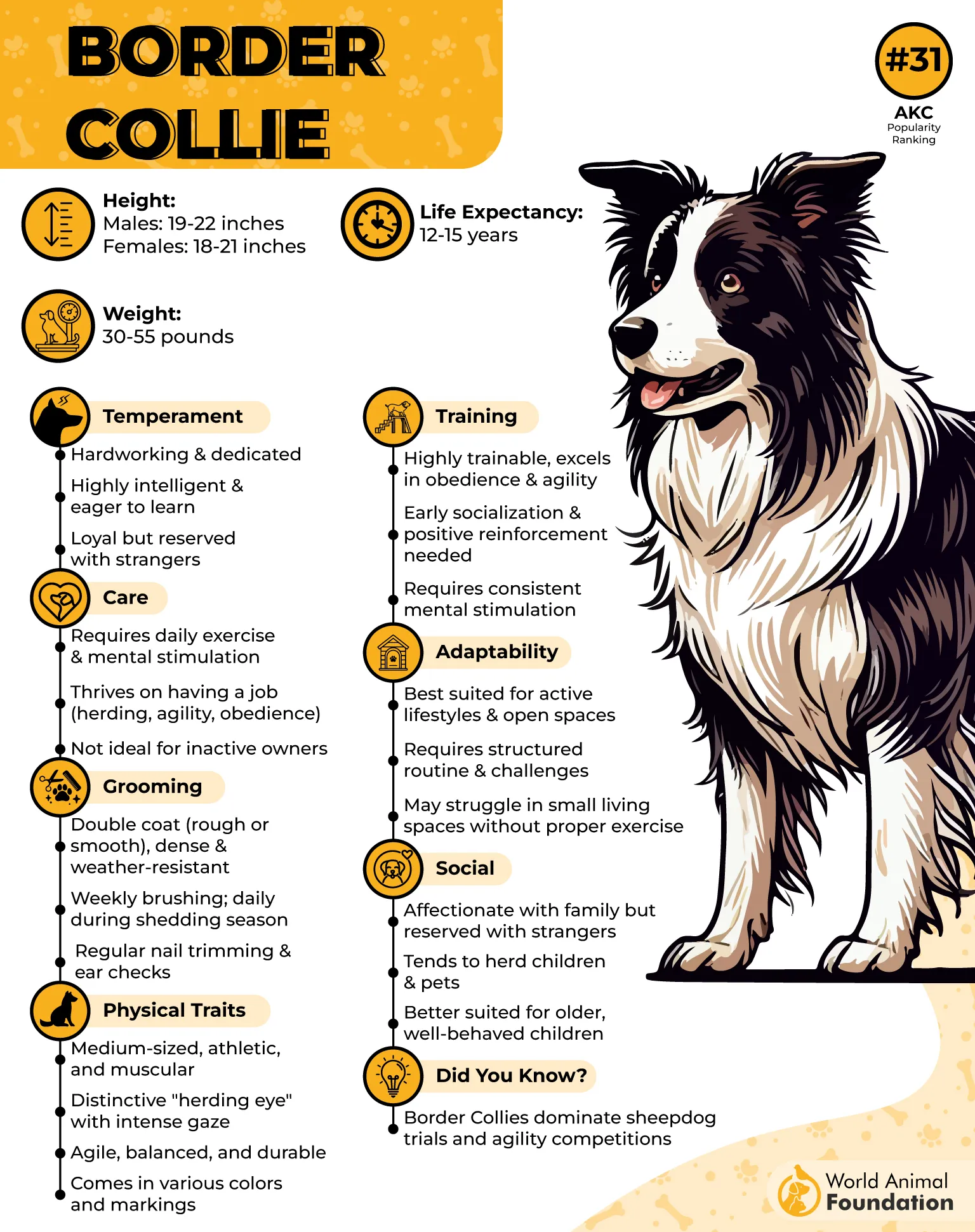
According to WebMD, Border Collies may get restless or stressed if they’re left by themselves for extended periods. A consistent daily routine, plus enough activities to keep them busy, can help them feel more settled.
Fun Fact
Border Collies are known for exceptional pattern recognition. Some can memorize complex routines and anticipate what comes next, even when cues are subtle or unspoken.
5. Siberian Husky
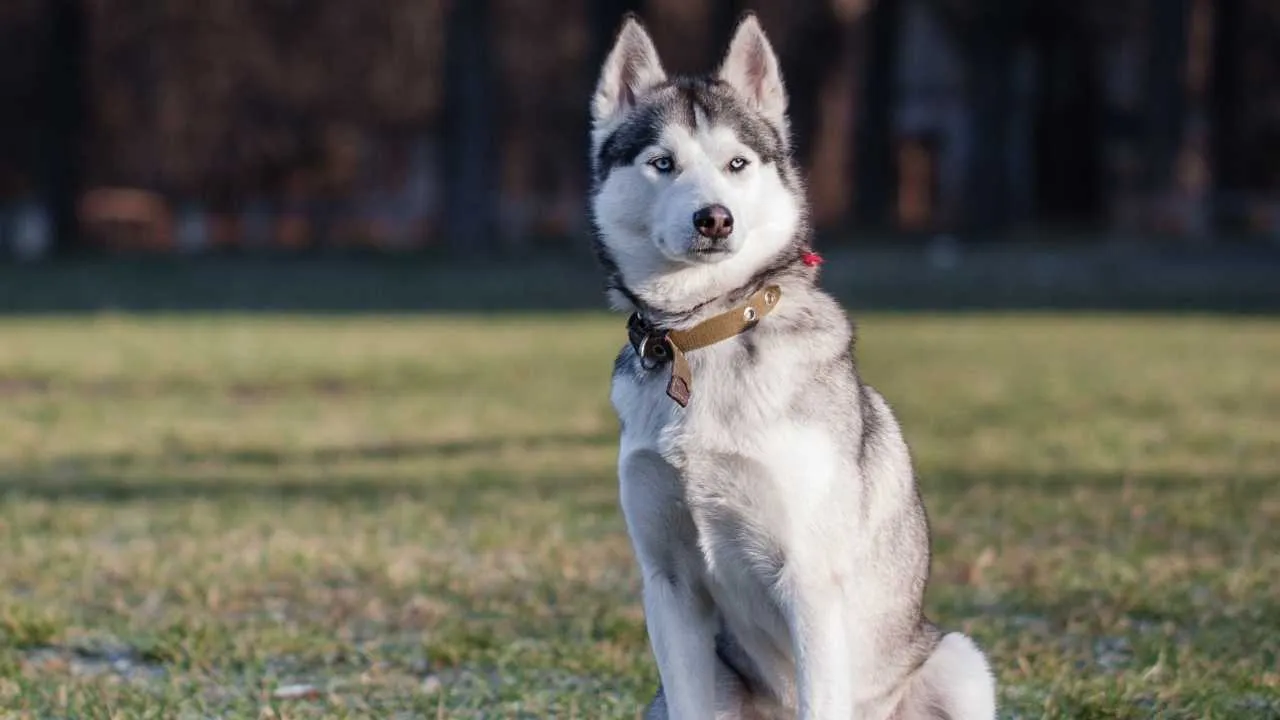
The Siberian Husky’s appearance reflects its cold-weather design, with a compact body, dense coat, erect ears, and a thick tail carried in a gentle curve.
These traits supported efficient movement and warmth retention in freezing environments. Bred to pull light loads over long distances, they were valued for conserving energy rather than relying on brute force.
Life with a Husky is highly social and interactive. They thrive on close companionship and prefer being around people or other dogs, which makes isolation a poor fit for this breed. A strong desire to run is deeply ingrained, so secure fencing or leash use is essential to keep adventures from turning into long-distance escapes.
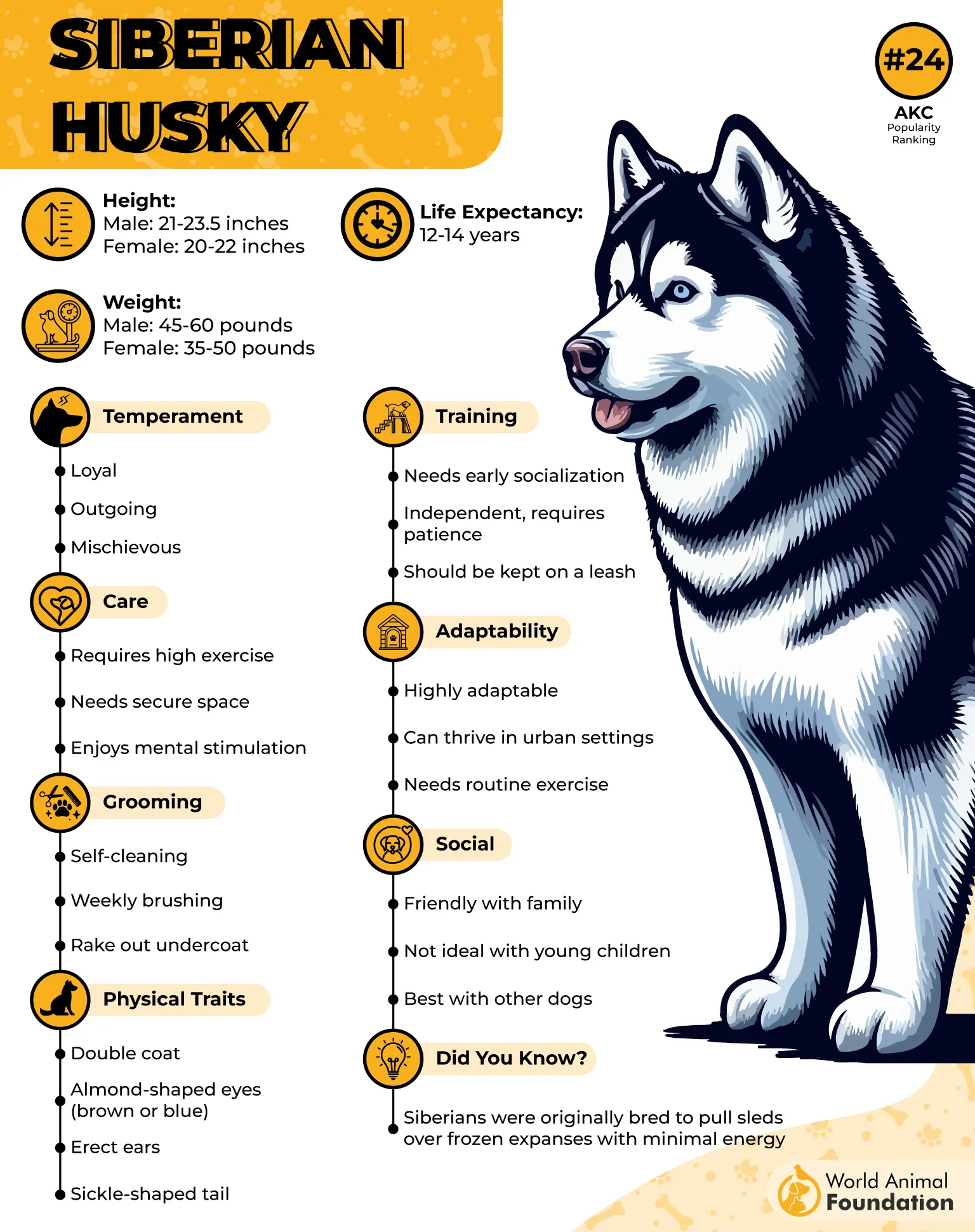
Care routines often surprise new owners in pleasant ways. Siberian Huskies are naturally clean, lack strong body odor, and maintain a healthy weight on comparatively smaller food portions. With proper training, exercise, and human interaction, they remain active and engaged well into their senior years.
Fun Fact
Siberian Huskies have been known to nap comfortably in the snow. Their insulating coat allows them to rest in freezing temperatures without discomfort.
6. Akita
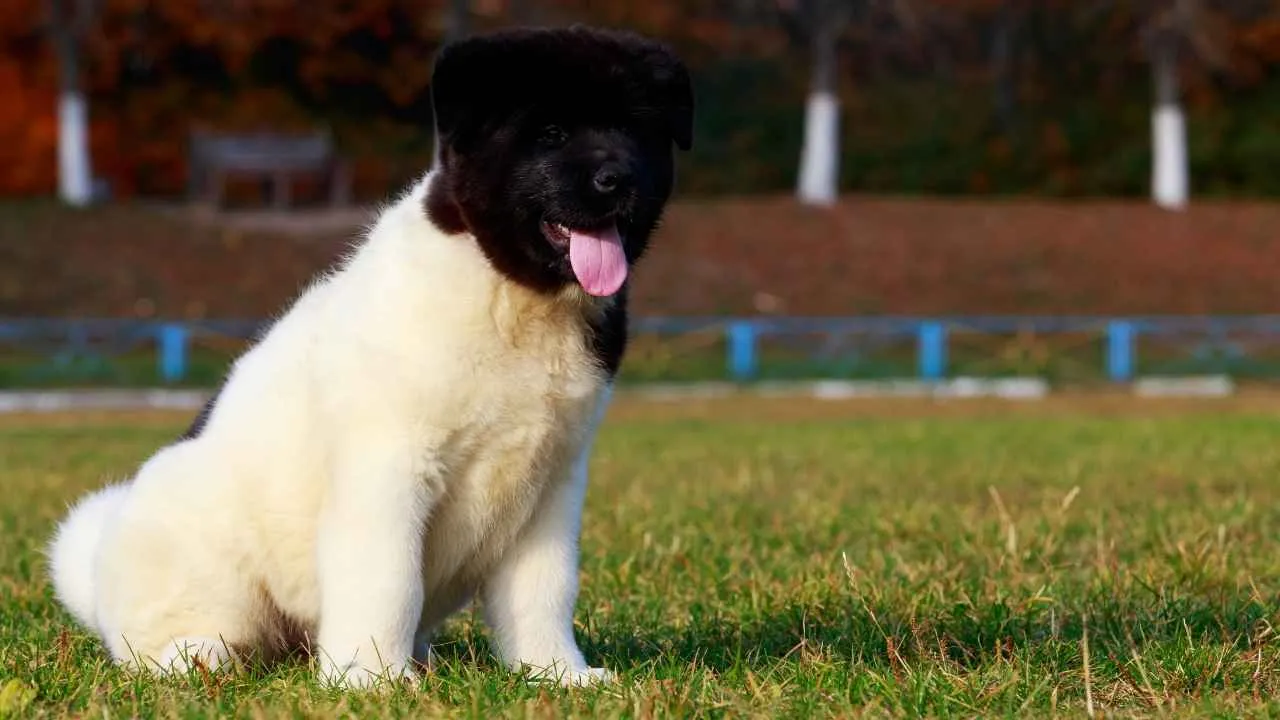
Power and composure define the Akita’s presence. Originating as a working dog, this breed has a muscular build supported by heavy bone and a dense double coat suited for cold climates. Their large head, erect ears, and curled tail create a distinctive silhouette.
Weekly brushing keeps the coat manageable, with heavier shedding periods occurring a few times each year. Exercise needs are modest, with walks and play sessions providing enough physical and mental engagement.
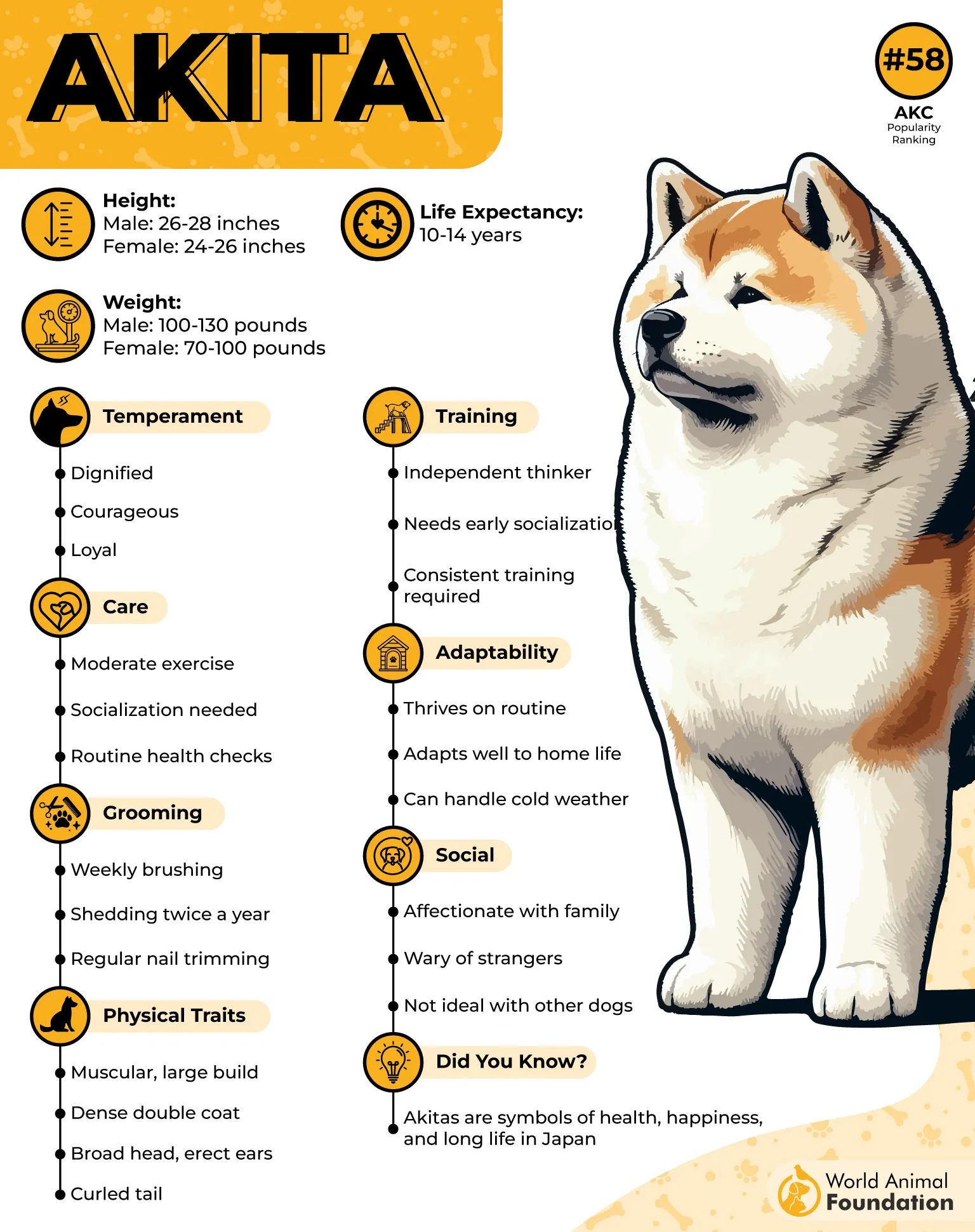
Rather than energetic enthusiasm, Akitas bring calm alertness into daily life. They are known for courage, fierce loyalty, and a reserved nature that favors quiet observation. Strong guarding instincts make them attentive companions, though they tend to be selective with other dogs.
Fun Fact
Akitas are rarely noisy dogs. Many owners appreciate that their dogs bark only when they sense a real disturbance.
7. Norwegian Elkhound
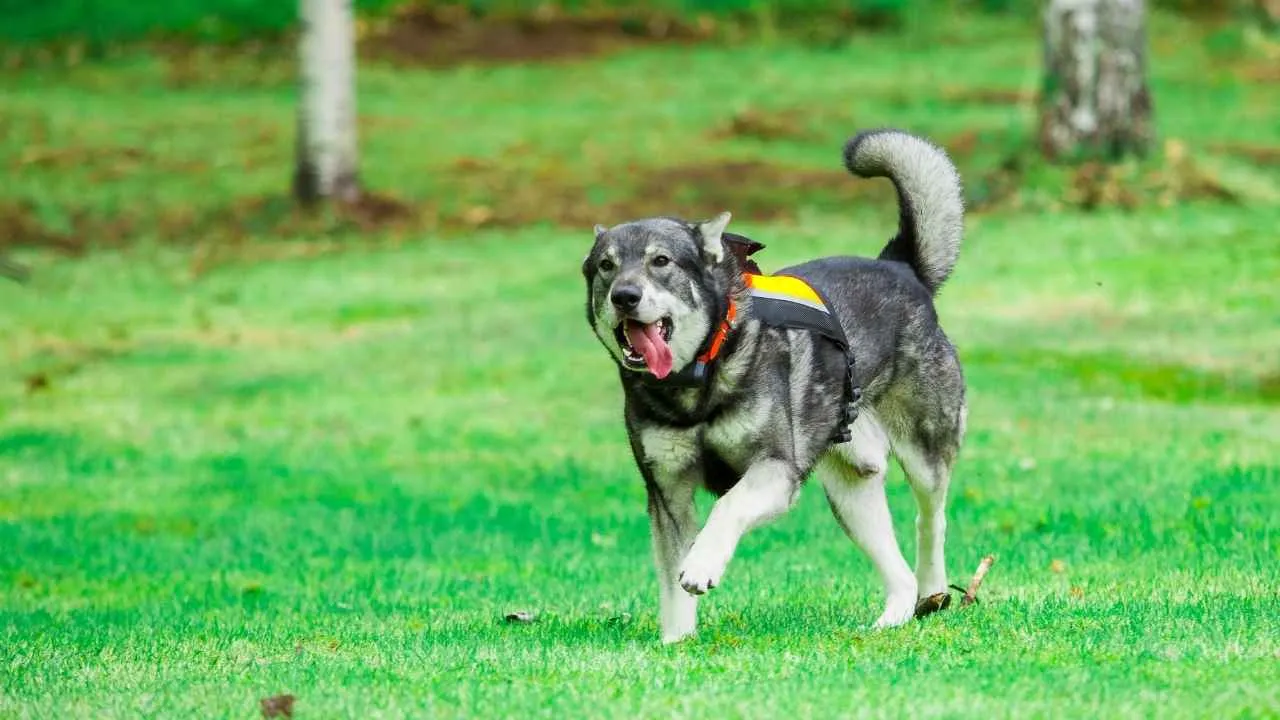
Stories of the Norwegian Elkhound stretch deep into Nordic history. These dogs accompanied Vikings, guarded farms, and assisted hunters by tracking large game through rugged terrain. Their silver-gray coat and tightly curled tail reflect a classic spitz appearance shaped by centuries of cold-weather work.
Daily life with this breed often includes outdoor activity and mental stimulation. Elkhounds are very intelligent watchdogs that remain reserved with strangers at first. Once trust is established, they form steady and devoted bonds with their people.
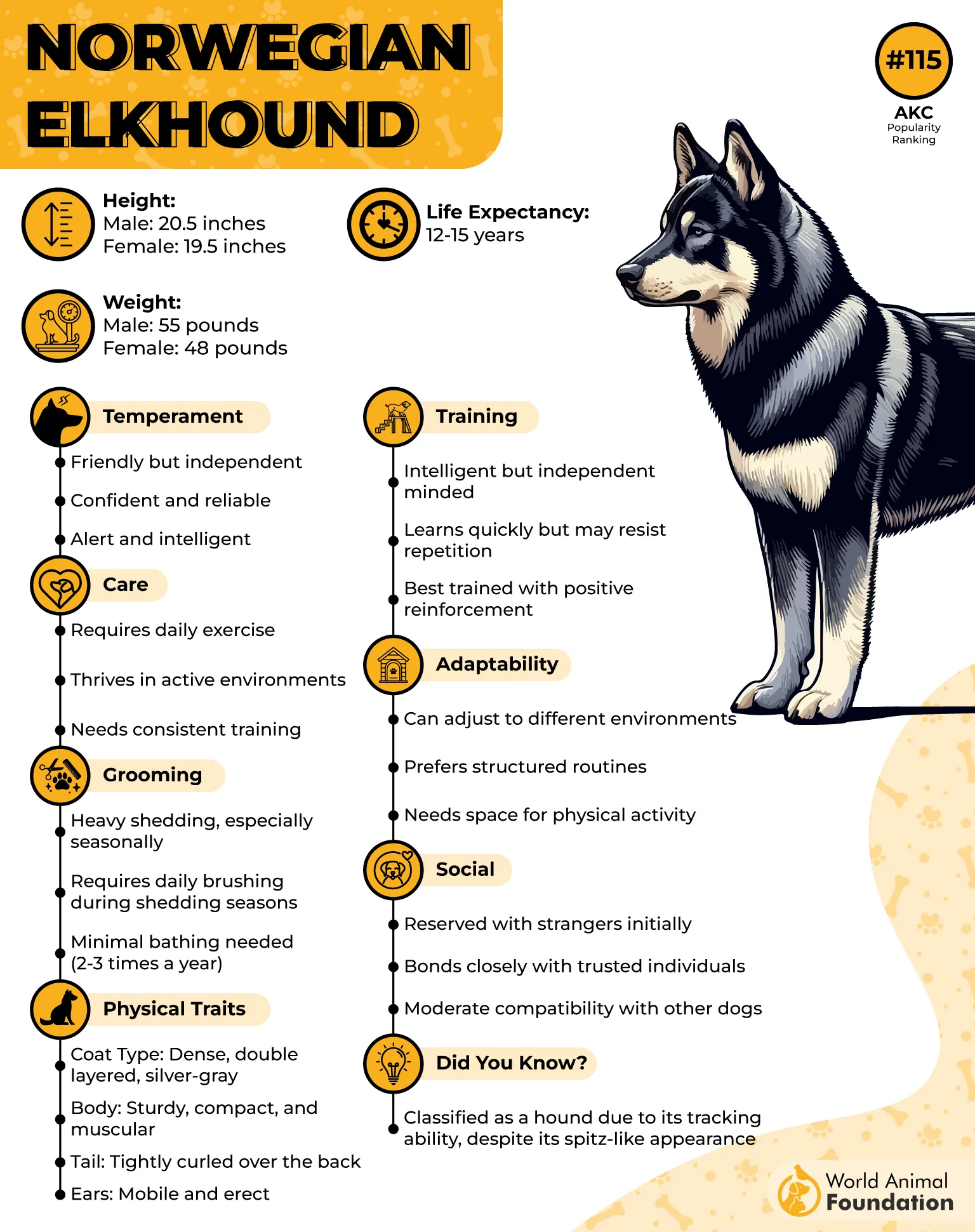
As mentioned by AKC, when exercising a Norwegian Elkhound, it’s best not to let them wander off-leash around the neighborhood or park. They have a built-in urge to roam and check everything out. Many enjoy swimming, and some also take well to agility and herding trials.
Fun Fact
Archaeological findings place Norwegian Elkhound remains alongside ancient tools and weapons. This suggests they lived closely with humans more than 4,000 years ago.
Conclusion
Strength in the canine world is about far more than just muscle. The strongest dog breeds combine physical strength and endurance with calm demeanor, protective instincts, and unwavering loyalty.
From sled dogs and hunting dogs to excellent guard dogs, these dogs show impressive abilities when given proper socialization and consistent training from a young age. Many large dogs often labeled as gentle giants grow into loving family pets and well-behaved companions.
Beyond the breeds covered here, other breeds such as the German Shepherd, Caucasian Shepherd Dog, Cane Corso, American Pit Bull Terrier, Great Dane, and Saint Bernard are also part of the world’s strongest dogs, known across the canine world for incredible strength, protective nature, and devotion.
