




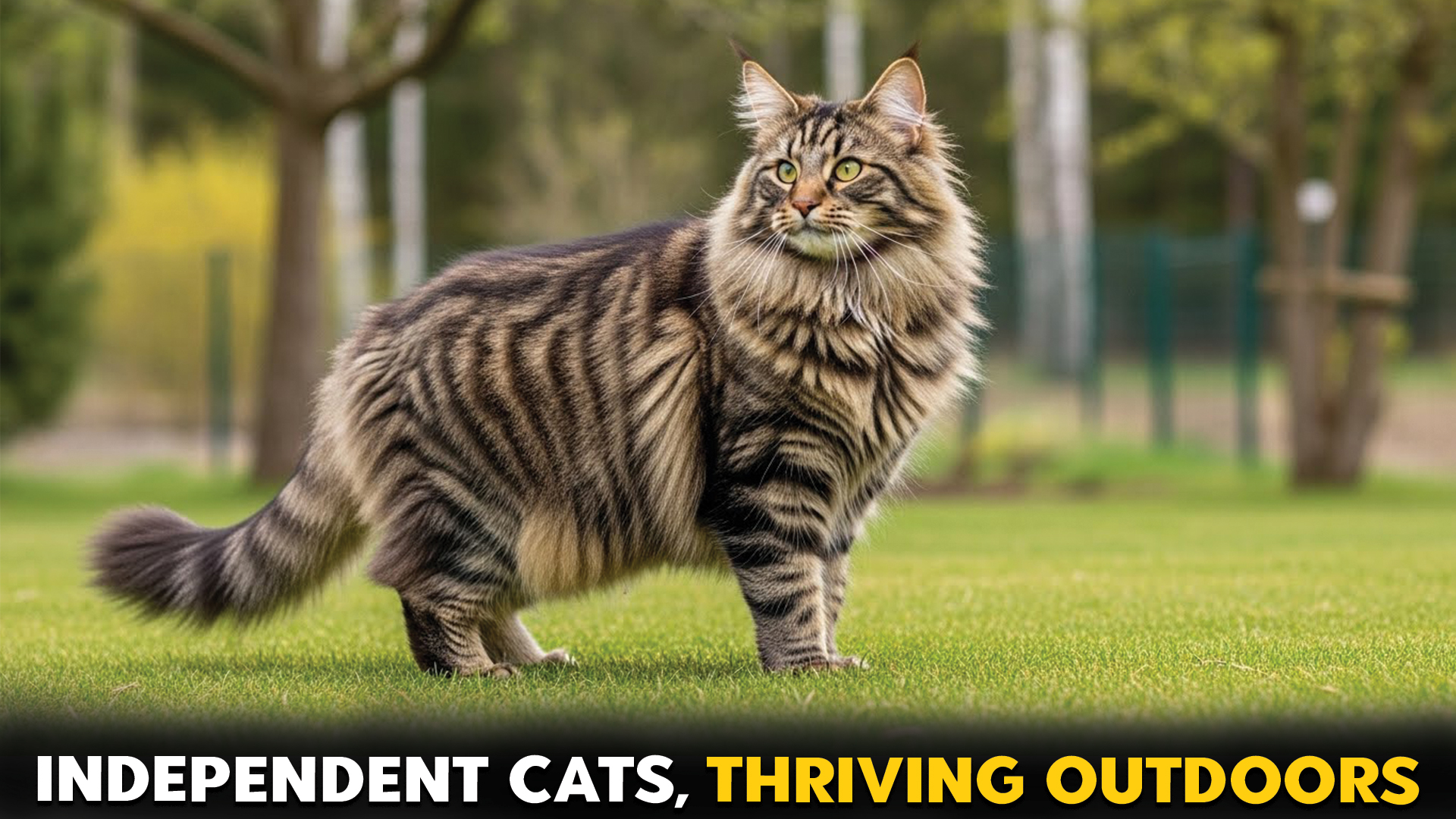
Choosing a cat breed that thrives with free roaming means finding a feline friend who loves exploring nature, climbing, and following their curiosity beyond the front door.
Some breeds have adventurous spirits, sturdy builds, and natural instincts that make them well-suited for life outdoors or in safe outdoor spaces like yards and gardens.
Whether you’re a rural dweller with wide open spaces or a suburban cat owner who wants a confident explorer, certain breeds can adapt beautifully to a freer lifestyle while still being affectionate companions at home.
Cat Breeds That Do Well with Free Roaming
1. Bengal
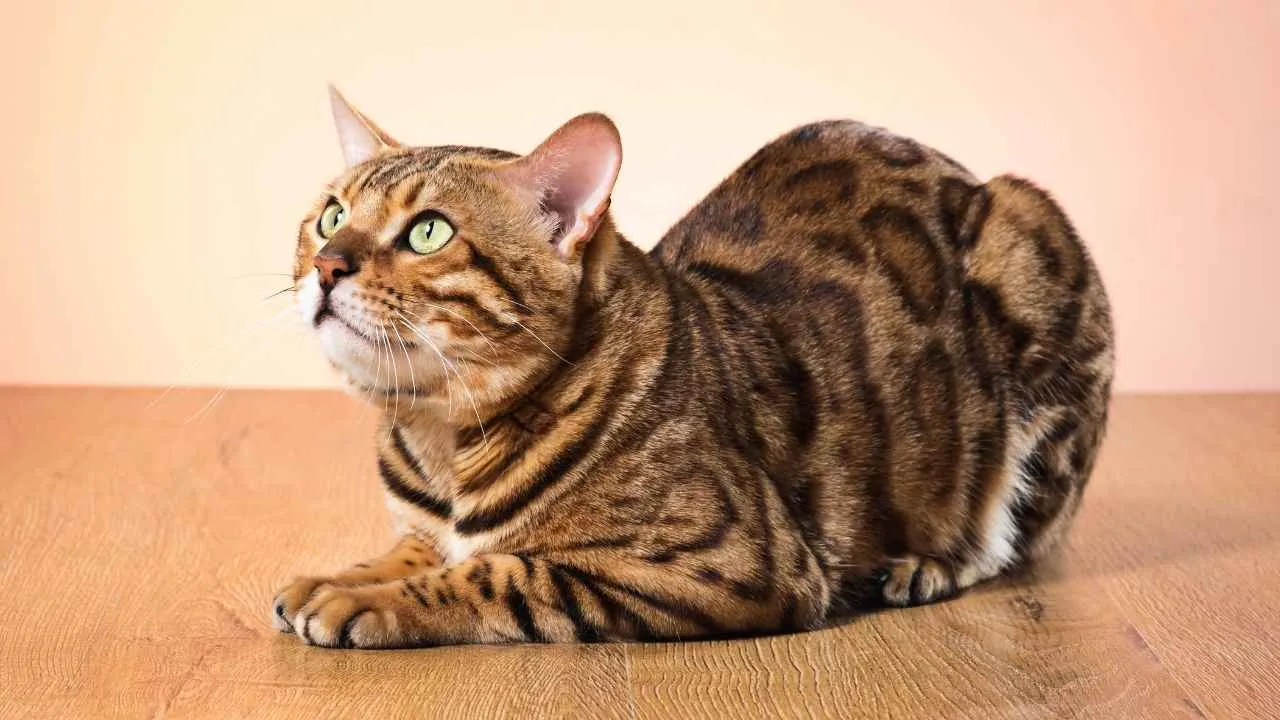
Bengal cats are known for their high energy levels and sharp curiosity, which often show up in constant motion and a strong interest in their surroundings. They enjoy interactive play, climbing, and exploring spaces that give them room to move and think. A bored Bengal will usually find its own entertainment, whether you planned for it or not.
As per Purina, this breed is often described as confident and alert, with a bold personality that keeps them actively engaged with the world around them.
Bengals are quick learners and tend to enjoy challenges, including puzzle toys and activities that mimic hunting behaviors. Their athletic build supports jumping, running, and climbing with ease.
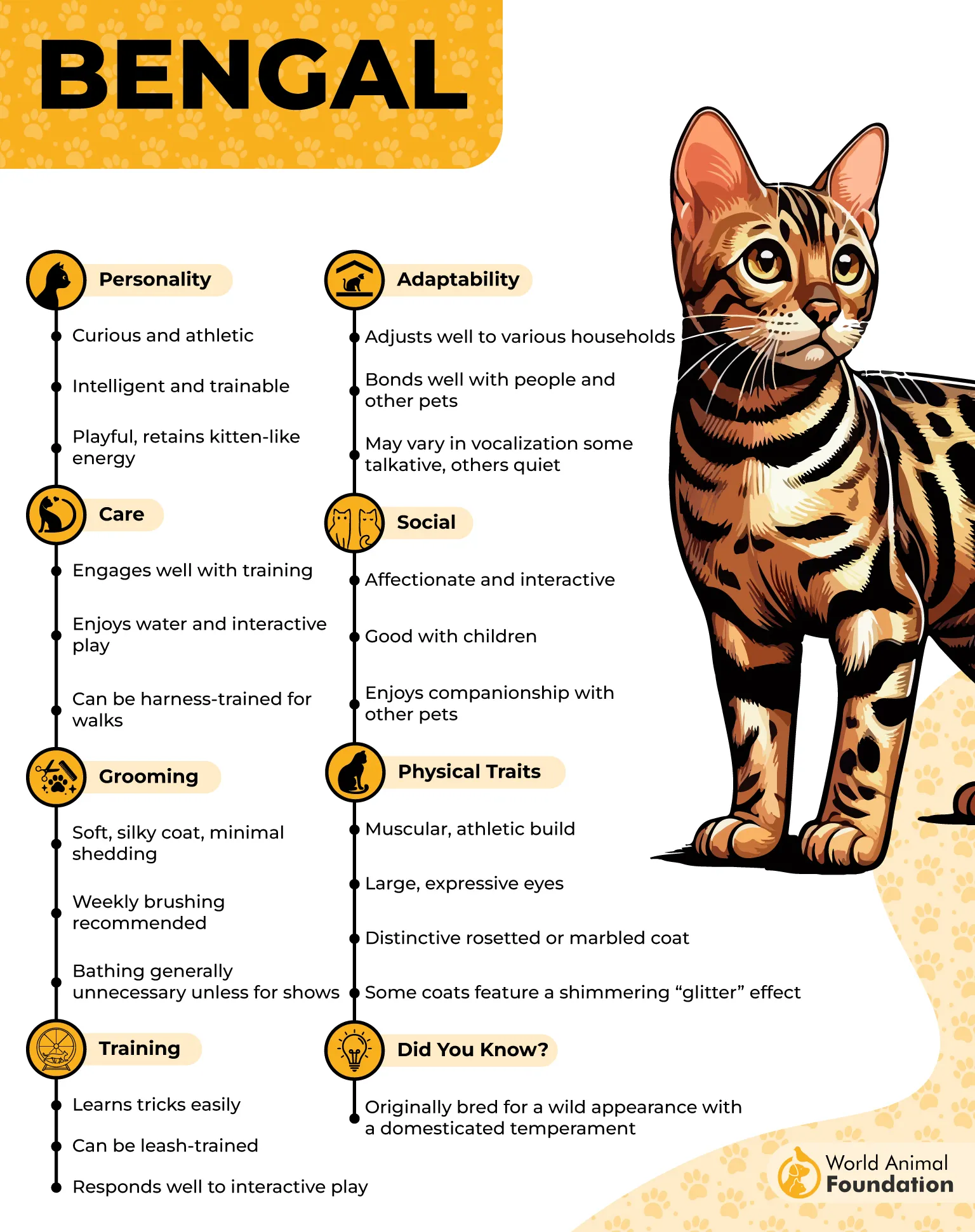
Bengals are also highly social and often form close bonds with their people, following them from place to place. They tend to prefer environments where something interesting is always happening. Quiet, inactive settings are rarely their favorite choice.
Why This Cat Is a Good Fit
Thrives with space to explore and burn off extra energy
Enjoys environments that encourage movement and curiosity
Well-suited for owners who appreciate an active, involved cat
2. Norwegian Forest Cat

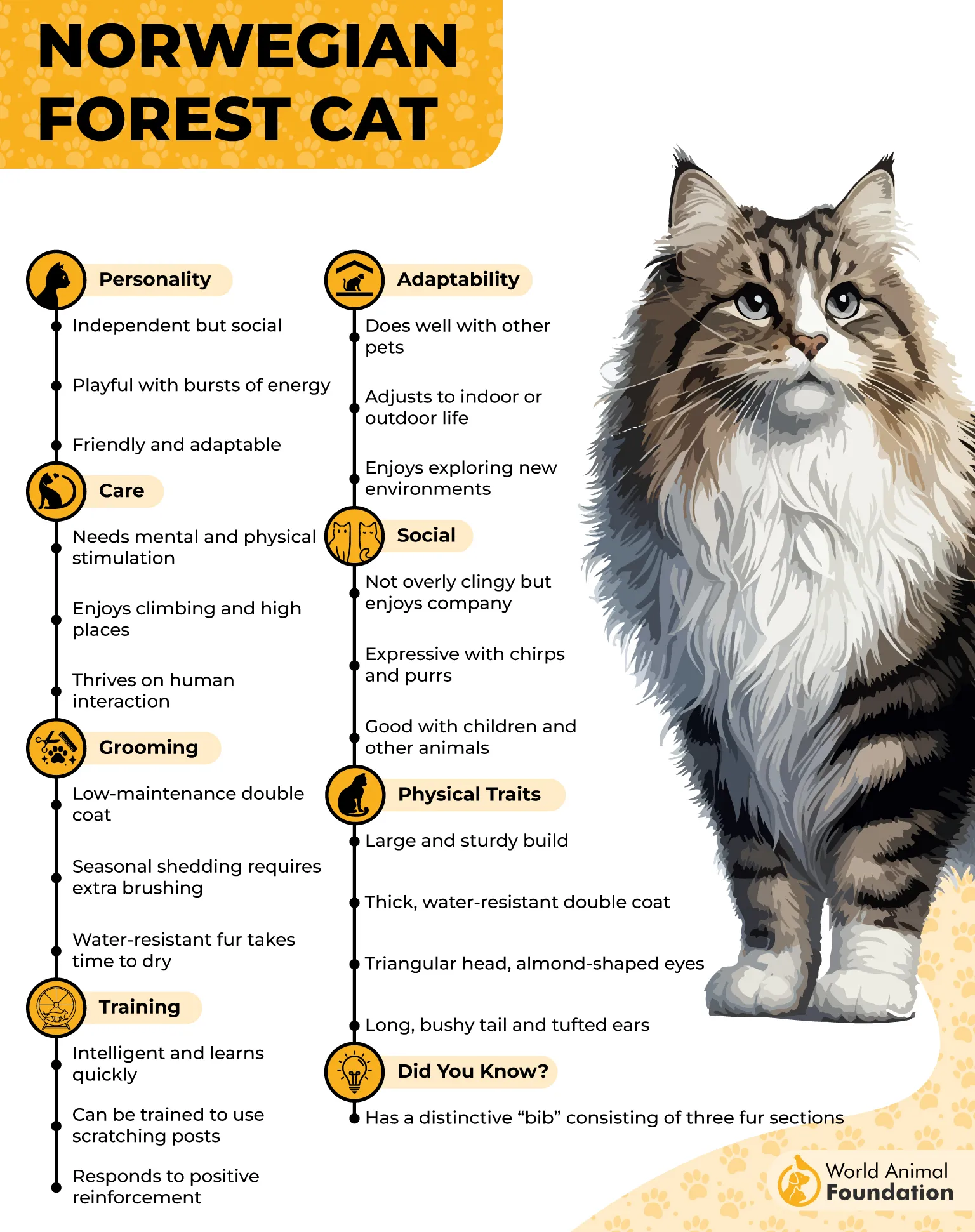
The Norwegian Forest Cat has a long history tied to rugged outdoor environments and changing weather conditions. Its sturdy body and thick coat reflect a breed built for resilience rather than delicacy. This cat tends to move with calm confidence instead of constant speed.
While they enjoy independence, Norwegian Forest Cats are also known for being gentle and even-tempered. They often observe before acting, choosing their moments rather than rushing into everything. This thoughtful nature can make them feel steady and reliable.
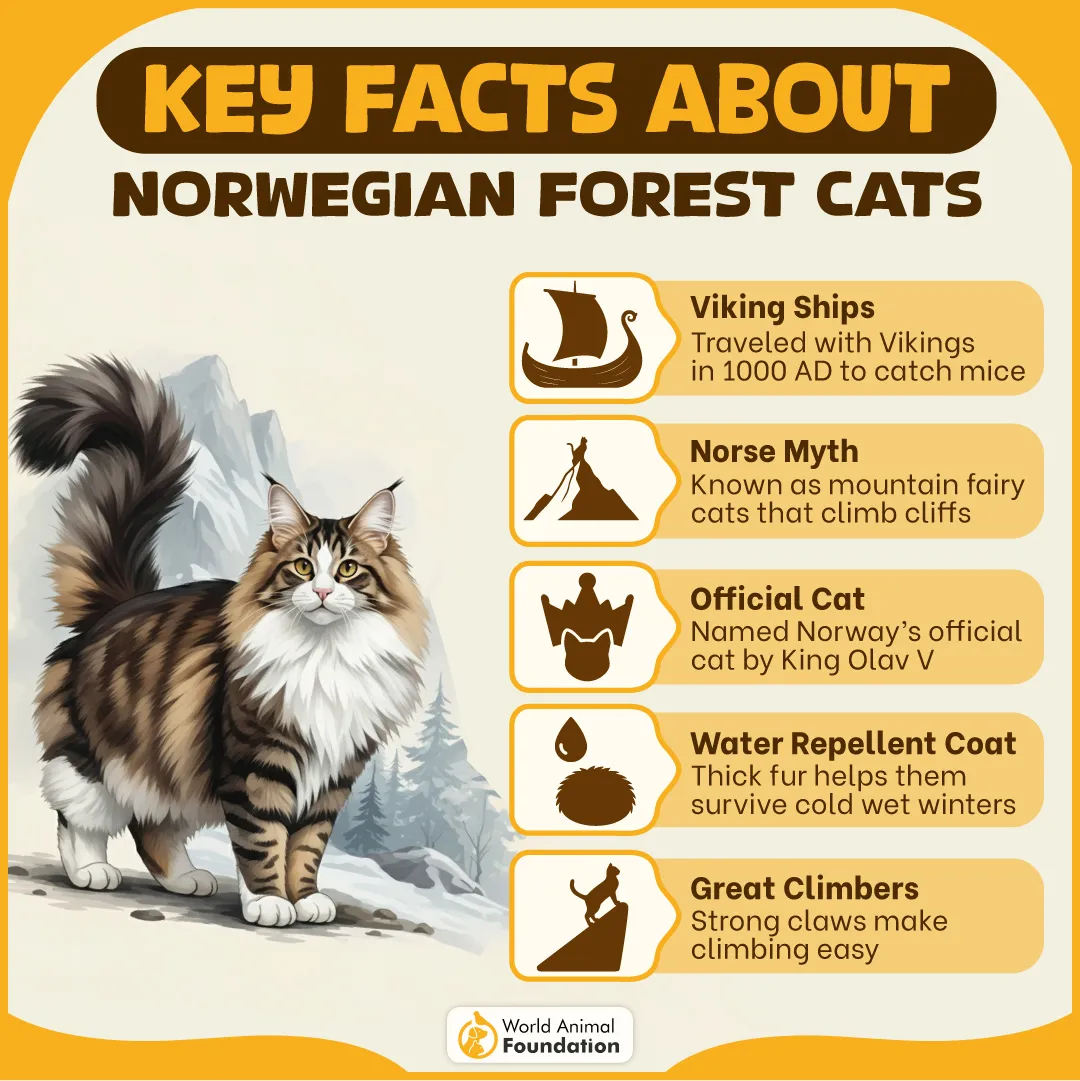
According to the CFA, being forest cats, climbing comes naturally to this breed, and they are often happiest when given vertical space to explore. Trees, platforms, and elevated areas tend to hold their attention. They usually balance their adventurous side with long periods of rest.
Why This Cat Is a Good Fit
Comfortable navigating natural outdoor environments
Handles changing conditions with ease
Enjoys exploration without being overly impulsive
3. Abyssinian
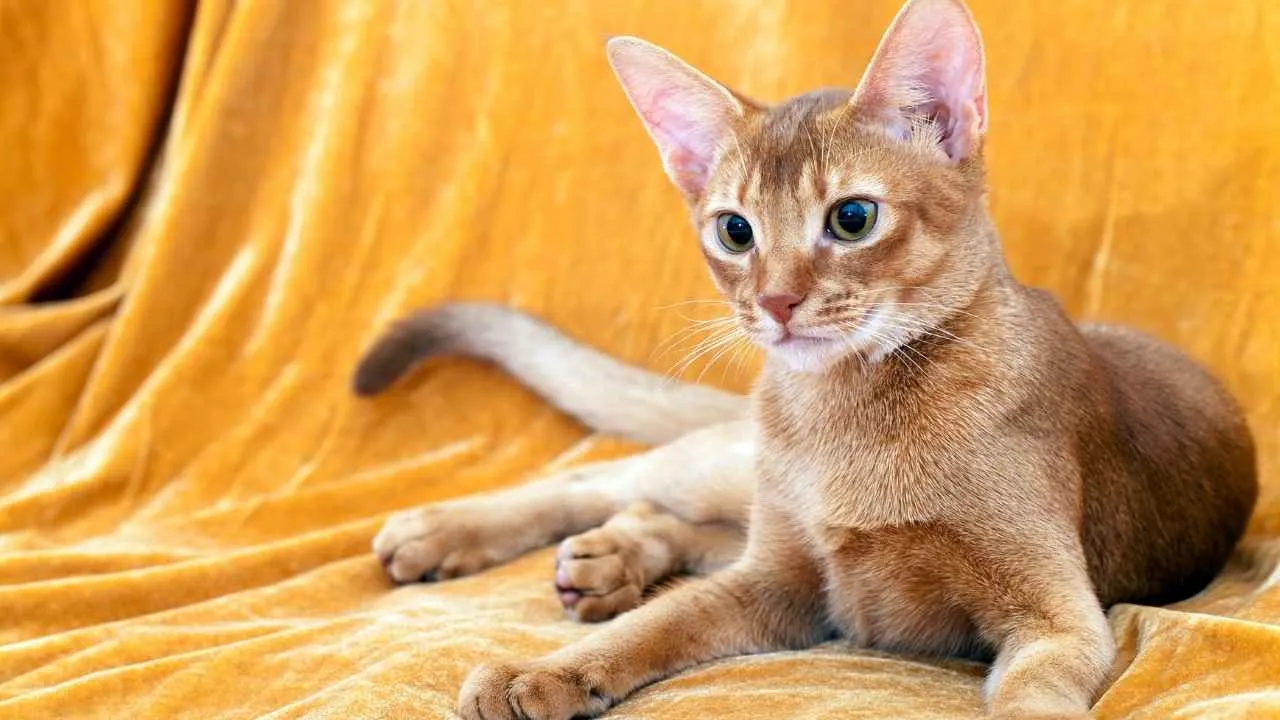
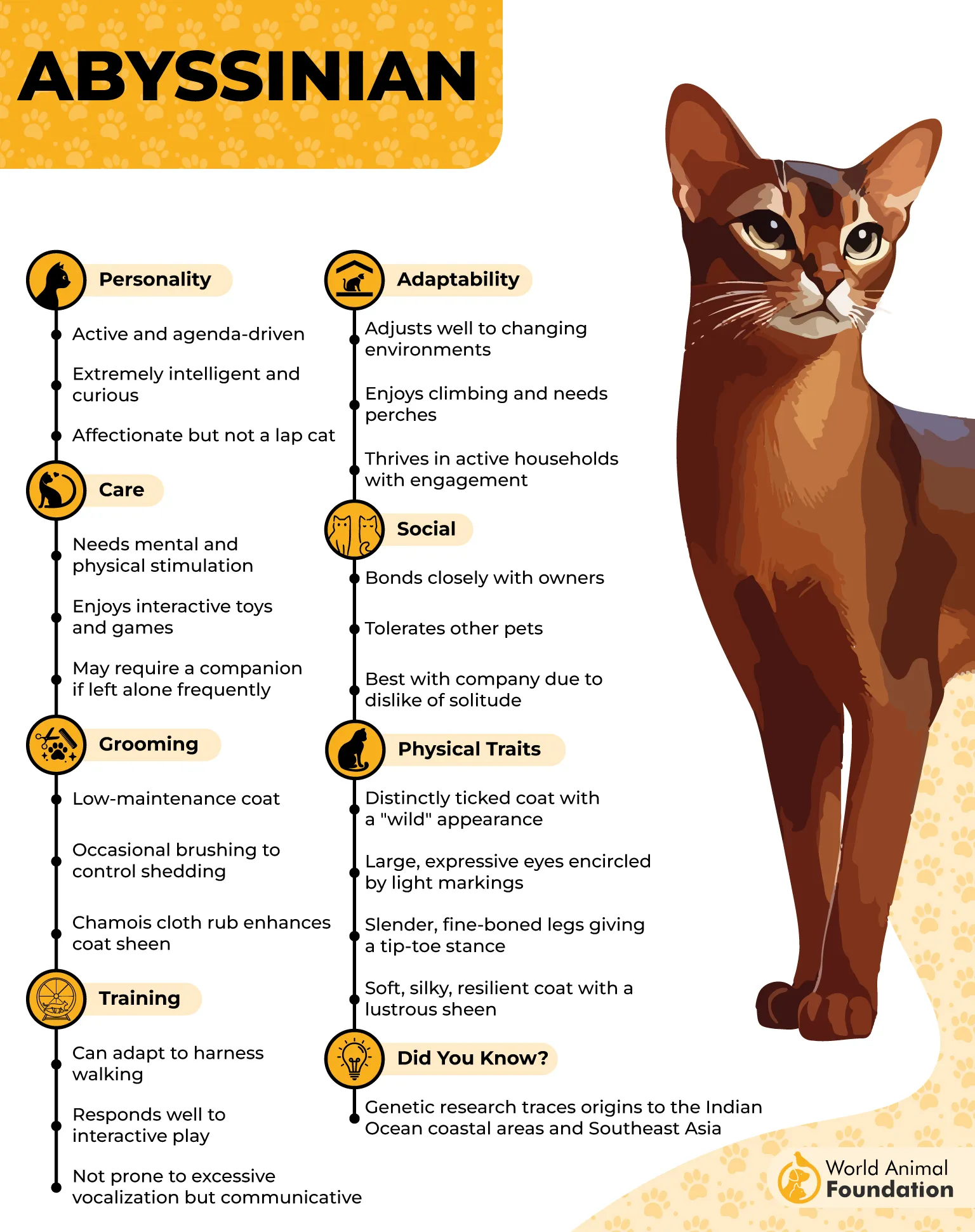
Abyssinians are famous for their busy minds and playful personalities. They like to be involved in everything and often place themselves right in the middle of daily activity. Sitting still for long is not their strong point.
This breed is highly intelligent and curious, which often leads them to investigate new sights, sounds, and spaces. Abyssinians enjoy climbing, leaping, and exploring from high vantage points. Mental stimulation is just as important to them as physical movement.
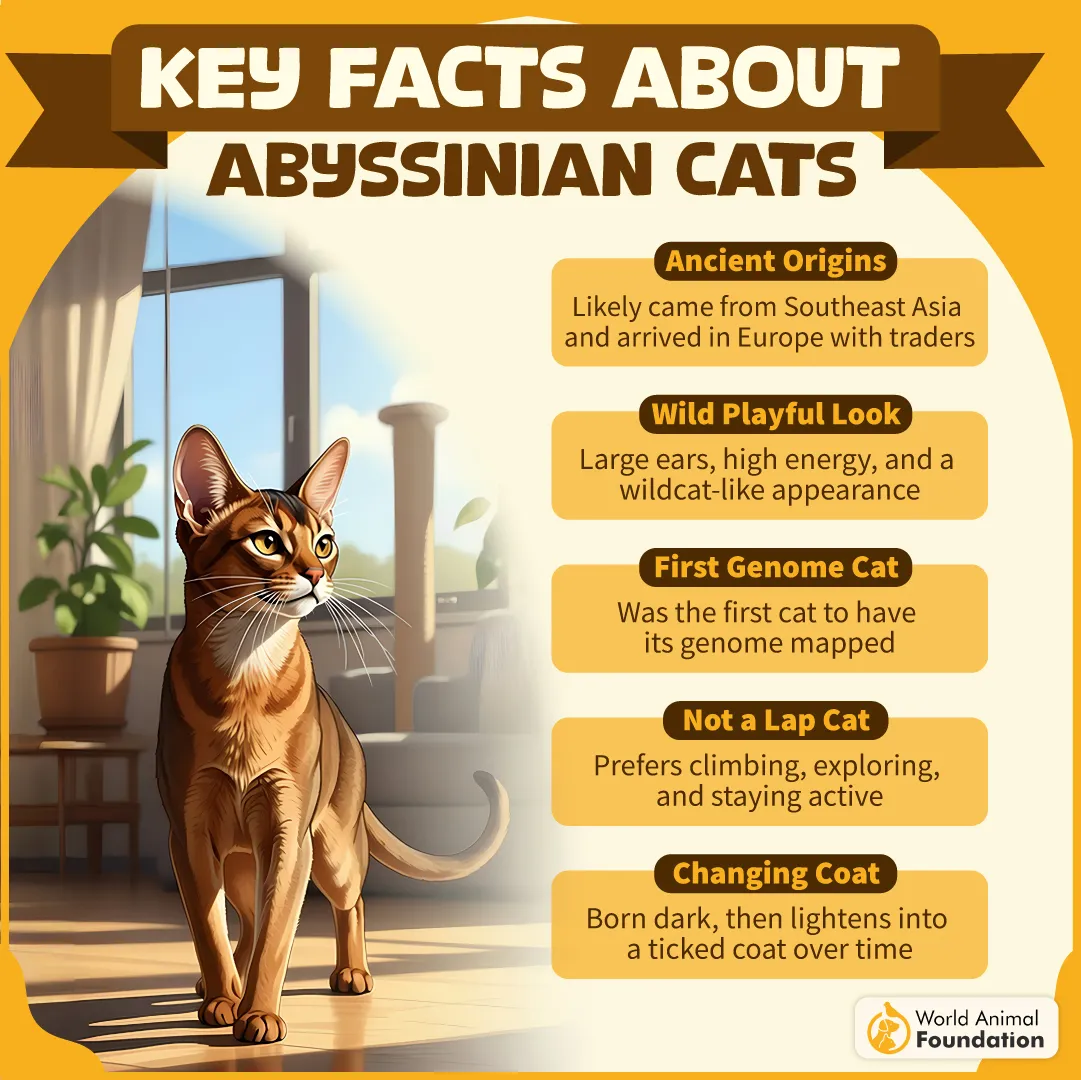
Despite their independent streak, Abyssinians are people-oriented and enjoy companionship. PetMD notes that they often follow their owners around, watching closely and sometimes offering opinions. Their lively nature brings a lot of motion into any environment they share.
Why This Cat Is a Good Fit
Loves exploration and staying mentally engaged
Comfortable navigating open, stimulating spaces
Great for owners who enjoy an active, interactive cat
4. Maine Coon
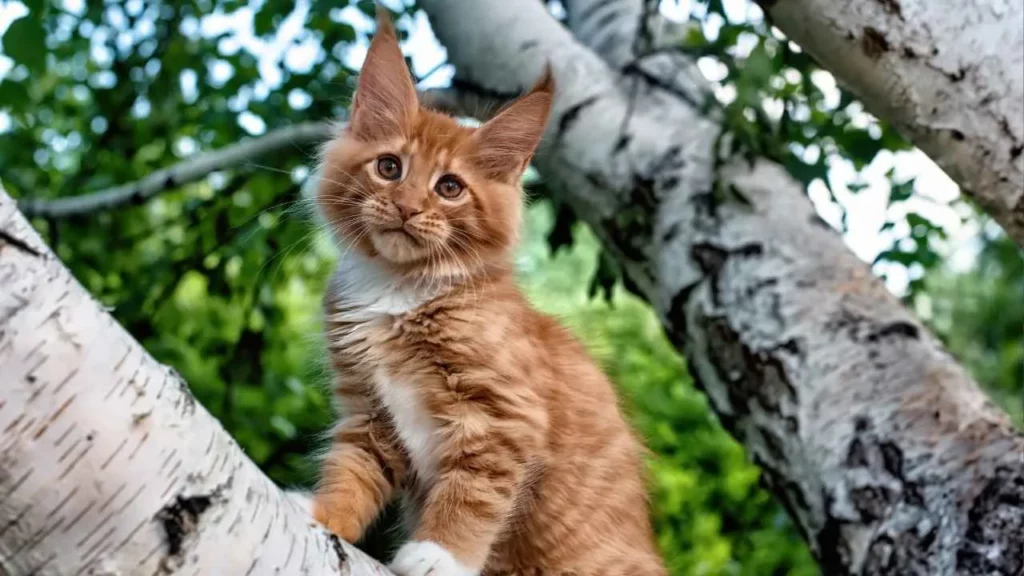
Maine Coons are known for their large size and relaxed confidence. They tend to approach new environments with curiosity rather than caution, taking their time to explore. Their sturdy build supports steady movement instead of quick bursts.
This breed often shows a balanced personality that mixes independence with affection. Maine Coons may roam and explore, then return for social time with their people. They are usually adaptable and take changes in stride.
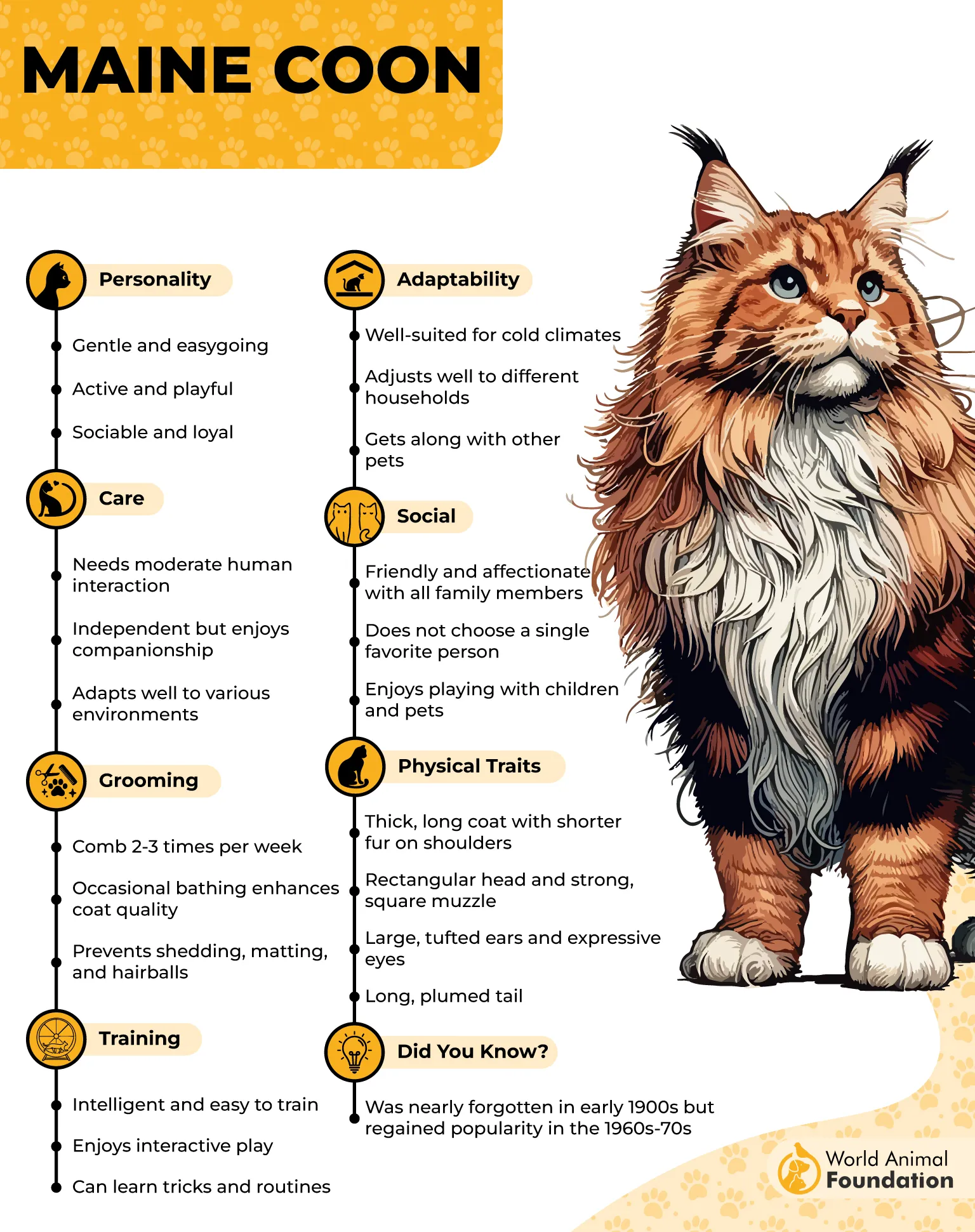
Maine Coons are also known for their practical intelligence and problem-solving skills. They observe carefully and seem to understand routines quickly. Their calm nature helps them handle larger spaces without becoming overwhelmed.
Why This Cat Is a Good Fit
Adaptable to larger outdoor or semi-outdoor environments
Explores confidently without constant supervision
Balances independence with strong social bonds
5. Turkish Van
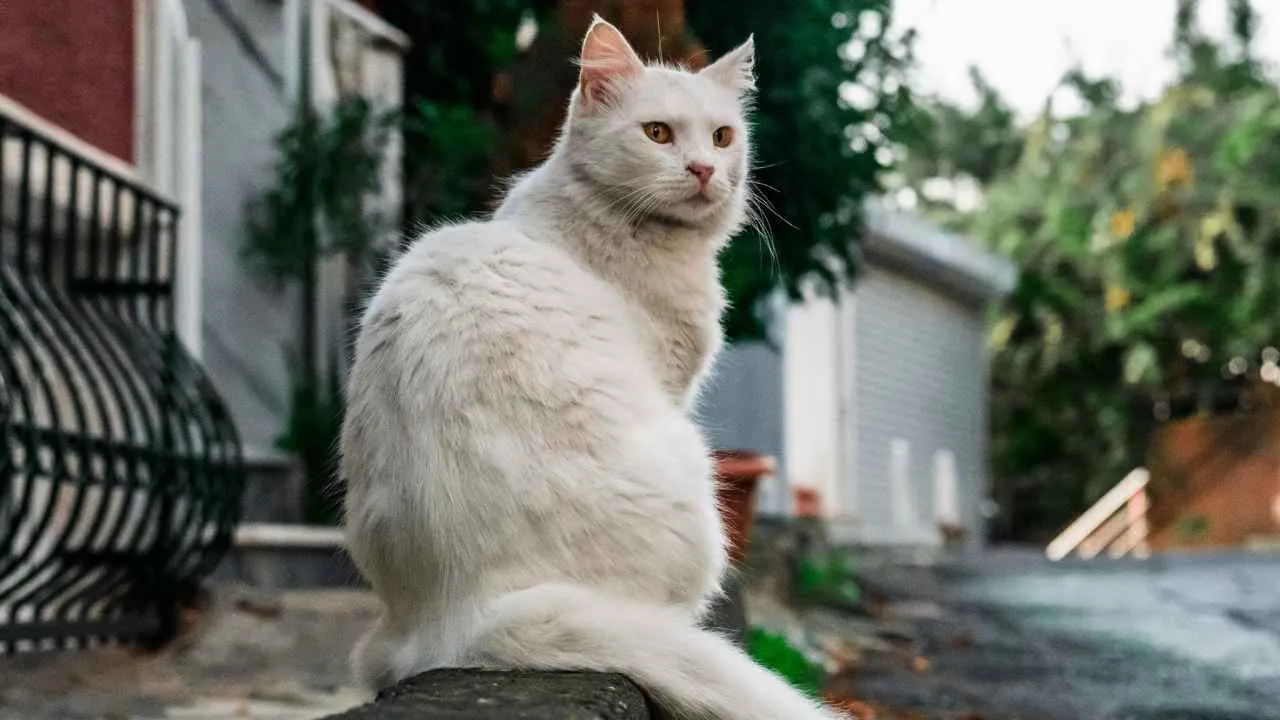
The Turkish Van is a powerful, athletic cat known for its bold personality and love of movement. This breed matures slowly, often keeping a playful, kitten-like attitude well into adulthood. Its strong legs and balanced frame support climbing, jumping, and roaming with confidence.
The Turkish Van is often fascinated by water and may actively seek it out. This curiosity reflects a broader tendency to explore unusual textures, surfaces, and environments. They are alert, observant, and rarely content staying in one place for long.
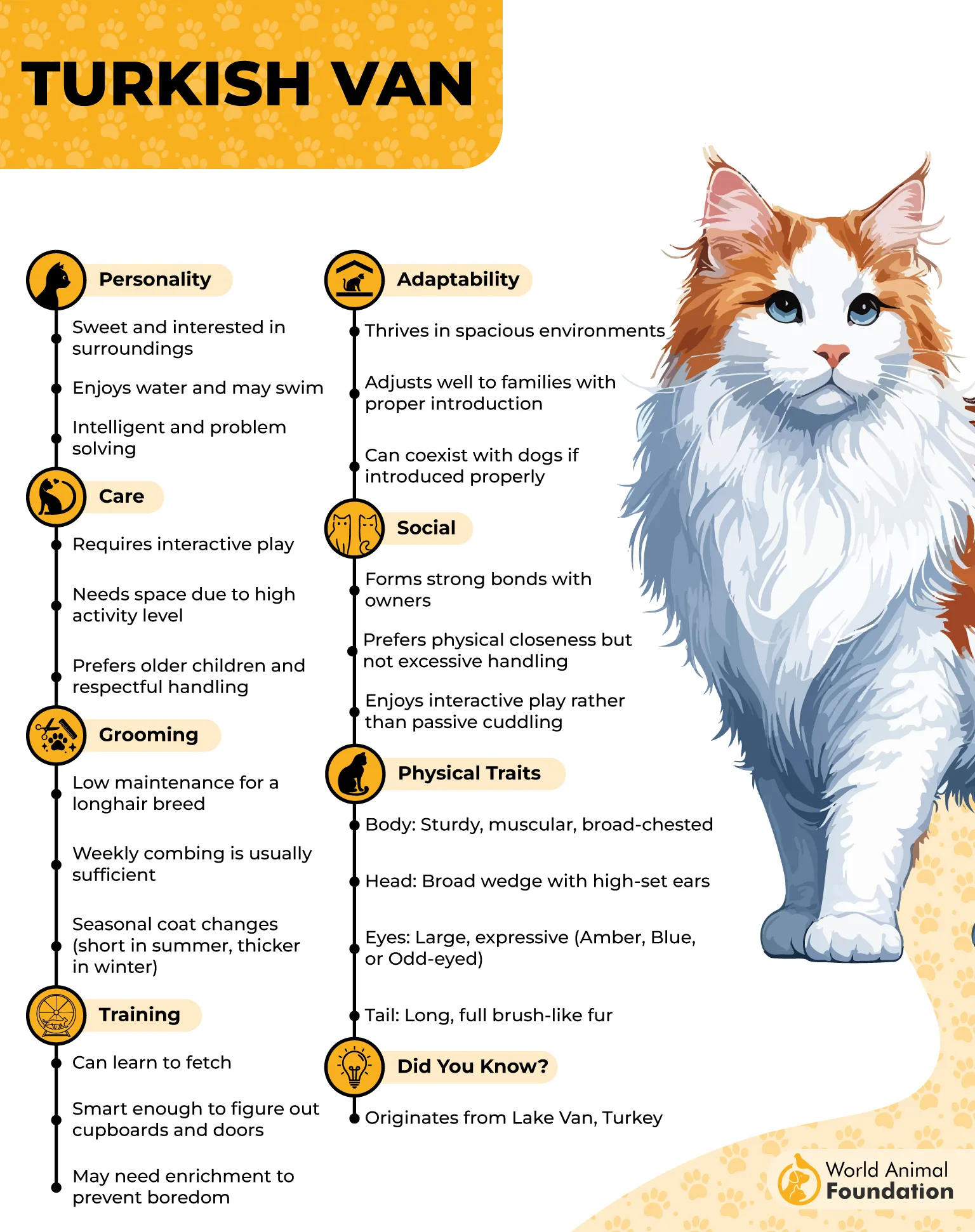
Turkish Vans are independent thinkers but still form close bonds with their families. They enjoy having choices and freedom rather than being constantly handled. When given space to explore, they tend to show calmer and more satisfied behavior overall.
Why This Cat Is a Good Fit
Naturally confident exploring wide, open areas
Physically equipped for active, outdoor movement
Prefers freedom and independence over confinement
6. Manx
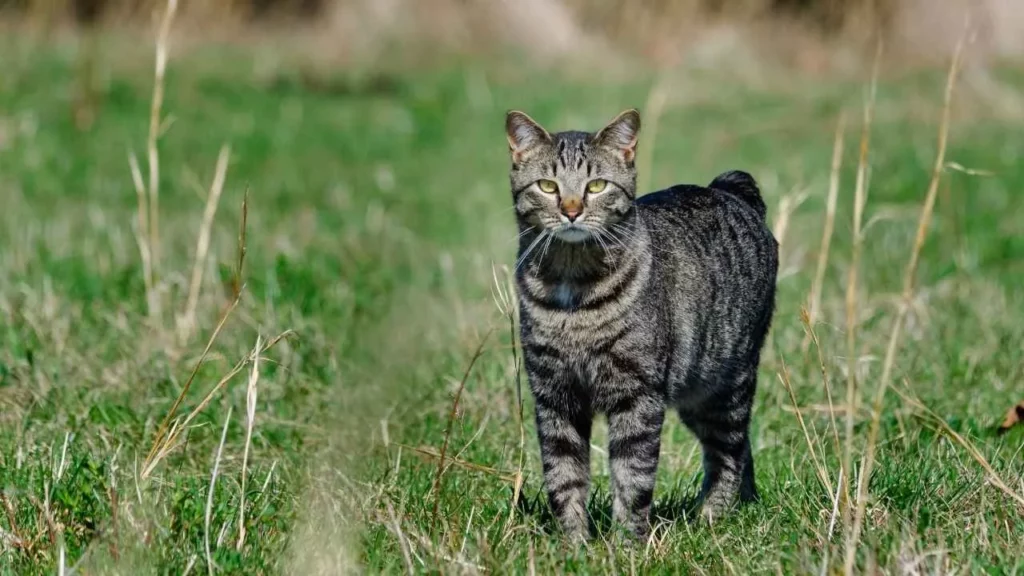
The Manx cat is instantly recognizable due to its naturally short or missing tail. This breed is compact, muscular, and surprisingly agile despite its rounded appearance. Strong hind legs allow for impressive jumps and quick bursts of speed.
Manx cats are known for being intelligent and adaptable, often adjusting well to changing environments. They tend to be curious without being reckless, taking time to understand their surroundings. Many show a strong interest in outdoor sights, sounds, and activities.
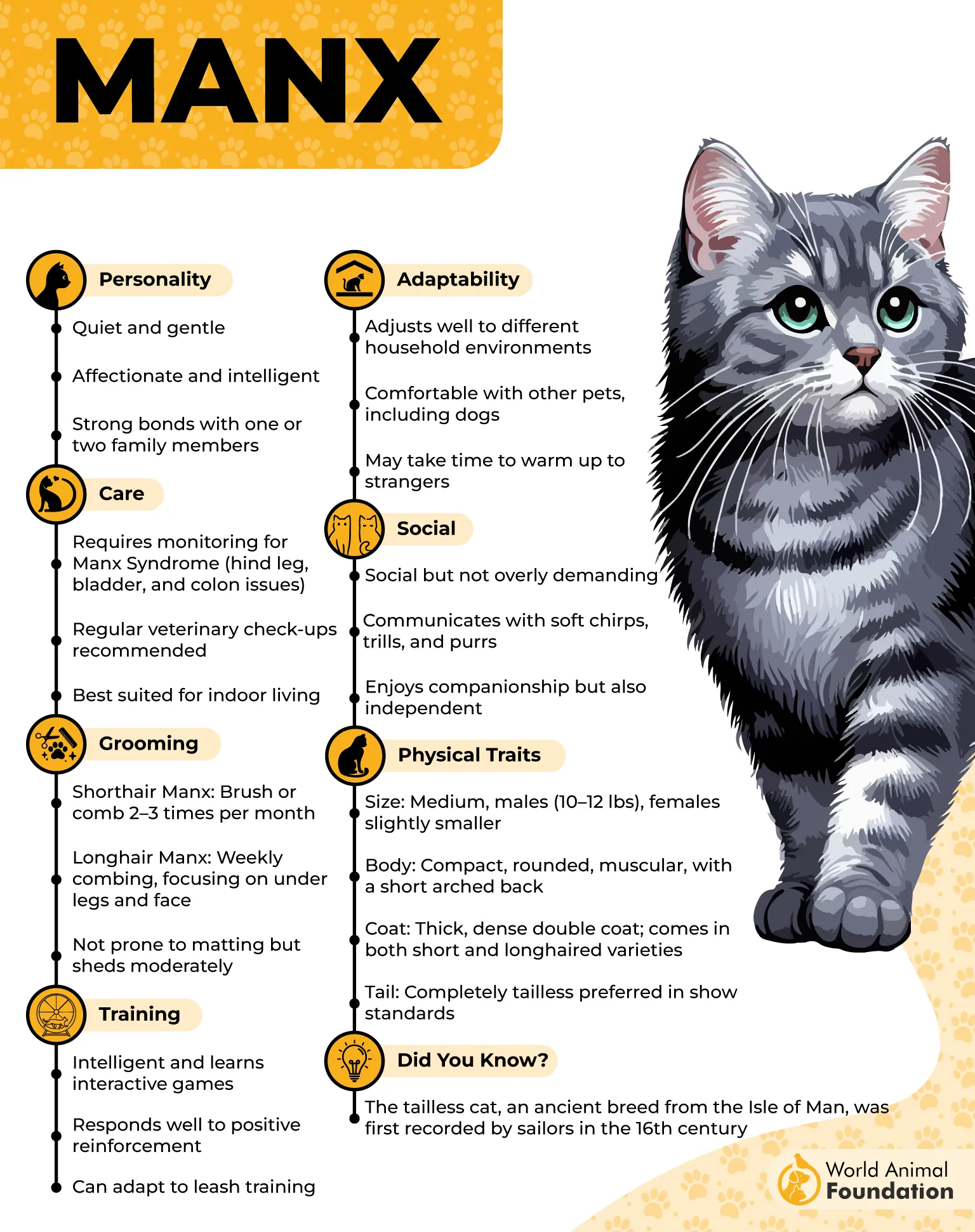
Social by nature, the Manx often bonds closely with people and other animals. They enjoy interactive play but are not constantly demanding attention. Their balanced temperament allows them to explore while still staying connected to home.
Why This Cat Is a Good Fit
An agile body suited for roaming and exploring
Curious but thoughtful about new environments
Comfortable balancing independence with loyalty
7. American Bobtail
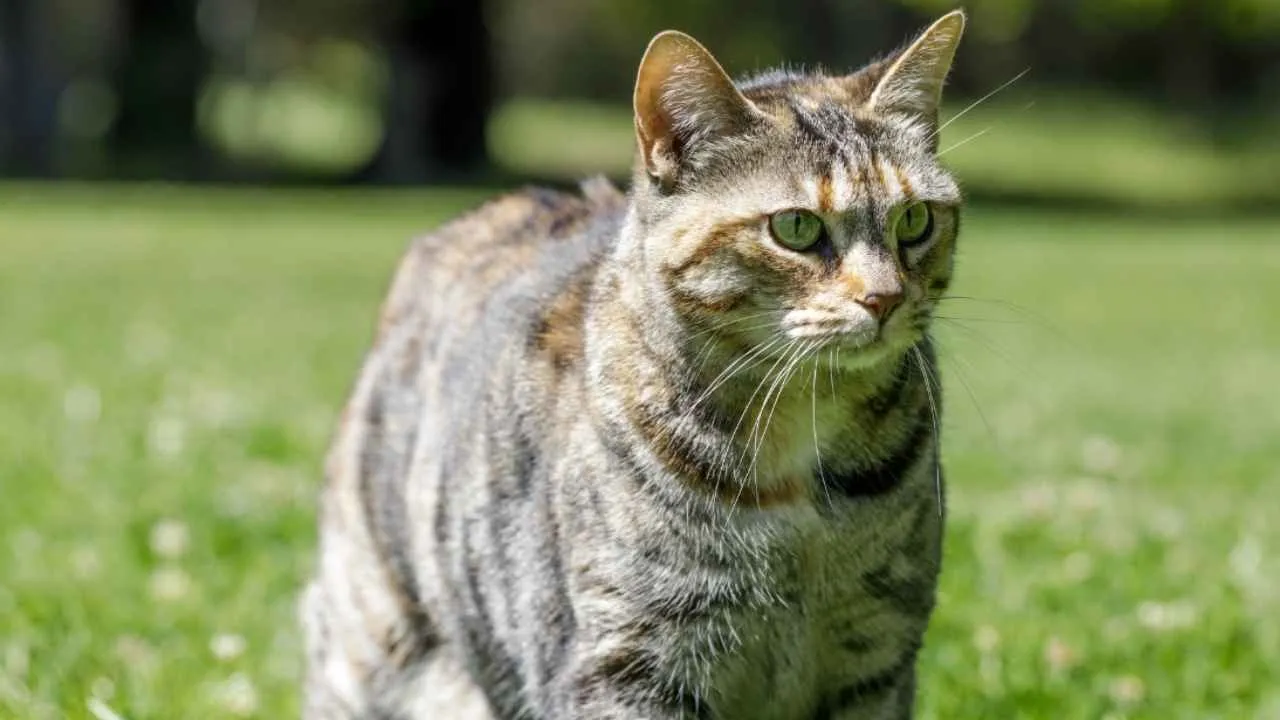
The American Bobtail is a sturdy, athletic breed with a distinctly wild appearance. Its muscular build and strong bone structure support climbing, running, and navigating uneven ground. This breed often carries itself with relaxed confidence rather than nervous energy.
American Bobtails are highly intelligent and known for problem solving skills. They enjoy learning routines and exploring spaces at their own pace. Their curiosity is steady and deliberate instead of frantic.
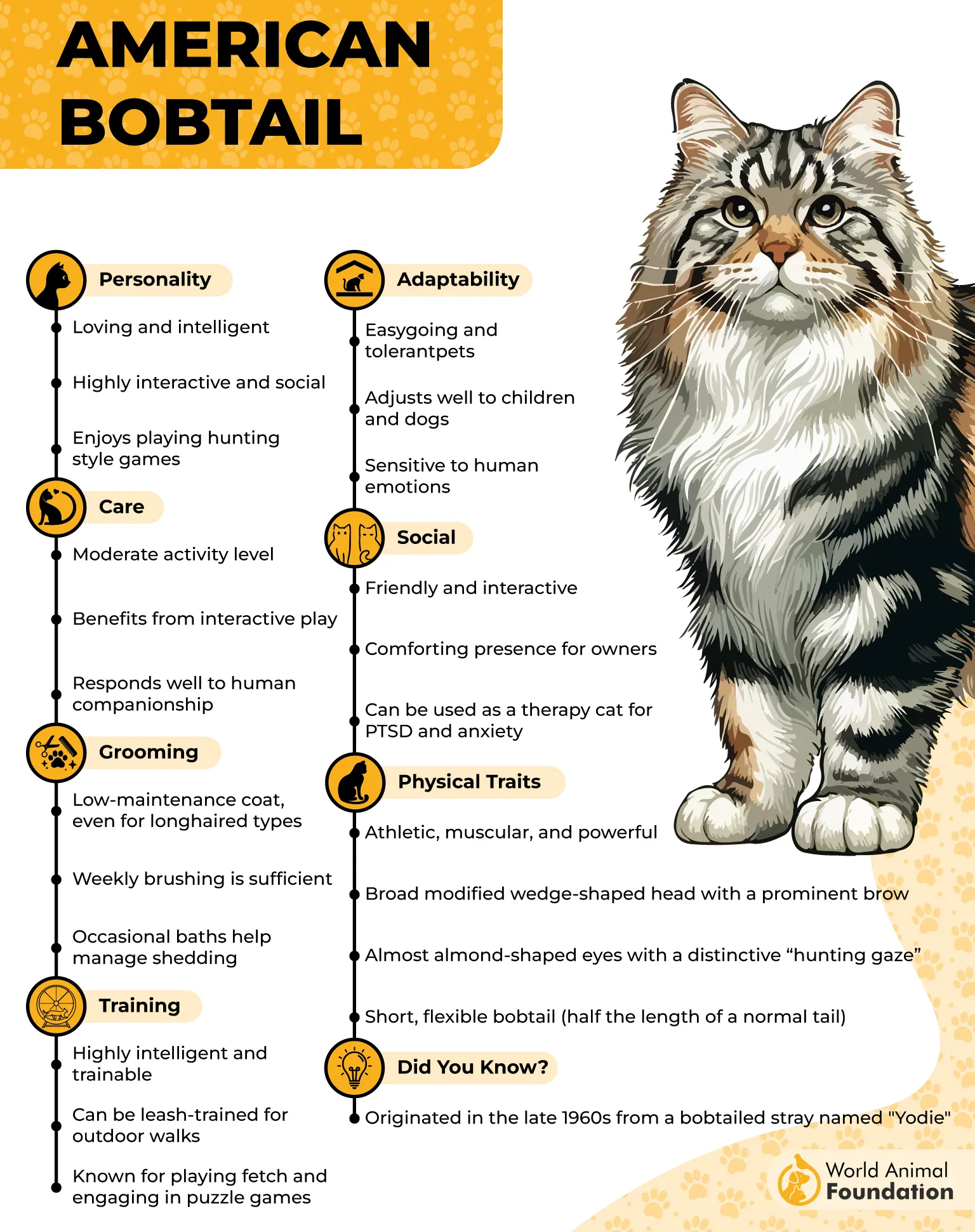
This breed is also known for being social and adaptable, often adjusting well to different living situations. American Bobtails tend to stay calm in unfamiliar settings and rarely panic. Their flexibility makes them comfortable exploring larger outdoor areas when given the chance.
Why This Cat Is a Good Fit
Strong, athletic build supports outdoor activity
Calm confidence helps with navigating open spaces
Adaptable nature suits changing environments
Conclusion
Free roaming can be a rewarding option for outdoor cats when their needs, safety, and surroundings are carefully considered. In the cat world, every domestic cat is different, whether it is a barn cat with a rugged appearance or a well-fed kitty that enjoys the great outdoors for a few hours before heading home.
Pet parents should think about physical and mental stimulation, human interaction, and how their pets spend time on their own devices or alongside other cats, dogs, or other pets.
Other breeds such as Siamese cats, Persian cats, Russian Blue, American Shorthair, British Shorthair, Oriental Shorthair, and Scottish Fold may also adapt well depending on temperament, lifestyle, and supervision.
