




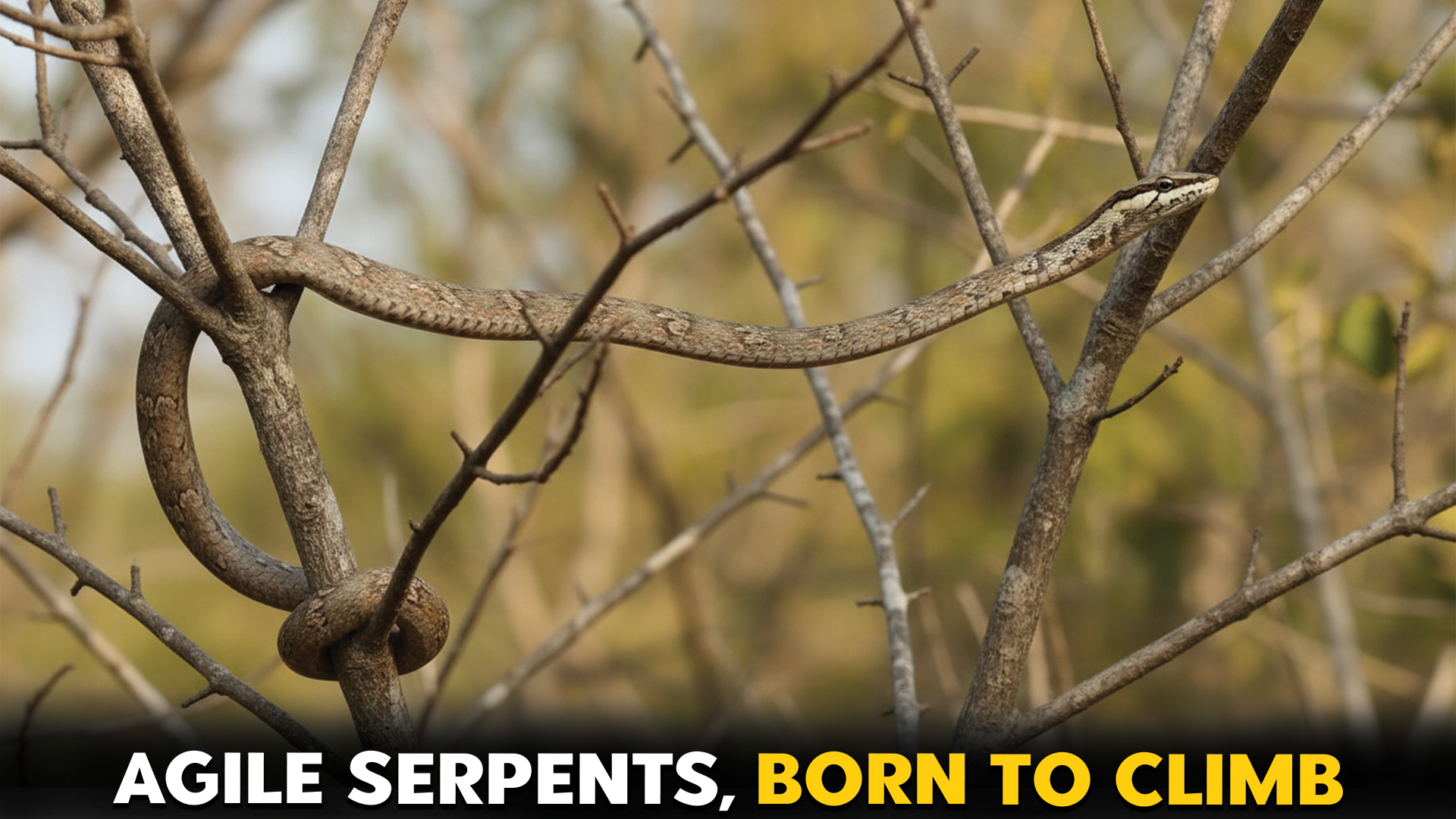
High above the forest floor, among tangled branches and swaying leaves, a different kind of snake reigns supreme. Arboreal snakes are masters of balance and movement, gliding effortlessly through trees where one wrong move could mean a dangerous fall.
Their agility allows them to hunt, escape predators, and navigate complex vertical environments with remarkable precision. These snakes have evolved long, slender bodies, strong gripping tails, and exceptional coordination.
Some can stretch from branch to branch, while others coil securely around limbs, remaining perfectly still as they wait for prey. Birds, tree frogs, and small mammals rarely see them coming.
Life in the trees offers both opportunity and challenge. Food is abundant, but space is limited, and movement requires finesse. Arboreal snakes meet these demands with elegance and confidence, turning treetops into their personal highways.
As we explore these agile climbers, you’ll gain a new appreciation for snakes that don’t just slither—they climb, balance, and glide with breathtaking skill.
Quick Insight: Some snakes, like the emerald tree boa, are built for life above the ground. Their prehensile tails, strong muscles, and keeled scales let them grip branches and move with astonishing precision—making them expert hunters in the treetops.
Snakes Known for Their Agility in Trees
1. Southern Twig Snake
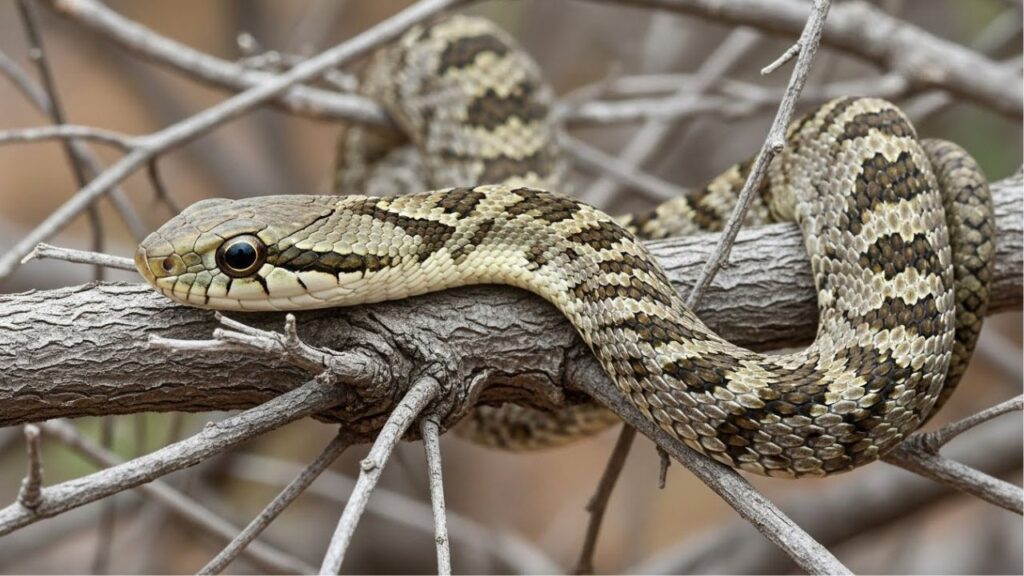
If you’ve ever wondered who the real acrobats of the animal kingdom are, look no further than the Southern Twig Snake. These serpents aren’t just any snakes—they’re the ultimate masters of hide-and-seek… and they take their job very seriously.
Twig snakes spend most of their lives lounging in trees, blending in so well with branches and leaves that you’d need a superhuman eye—or maybe a magnifying glass the size of a pizza—to spot them.
Think of them as nature’s little camo experts, quietly waiting for their next meal to wander by. They’re the classic ambush predators: patient, precise, and a little bit sneaky. Here’s where it gets really cool: twig snakes aren’t picky eaters. Hanging out on a low branch, they have the luxury of catching both terrestrial and arboreal prey.
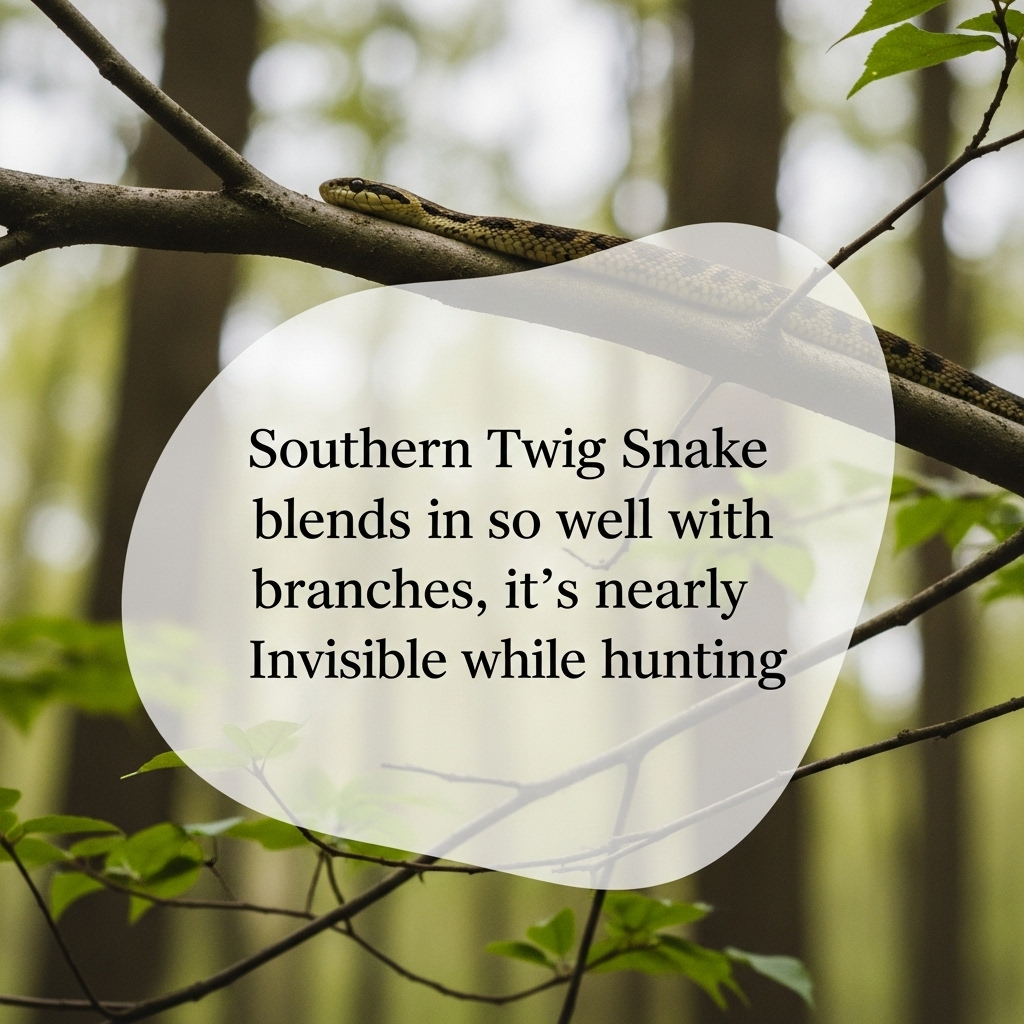
And get this—they can even swallow their meals upwards, straight from their perch, so they don’t have to leave their comfy branch. Imagine eating your dinner while still lounging in a hammock—that’s basically twig snake life goals.
Originating from southern Africa, these snakes are highly venomous, but they aren’t the kind to pick a fight. With horizontal keyhole pupils that give them binocular vision, twig snakes can size up their prey like a tiny, slithery sniper. Their fangs are tucked away in the back of their mouth, making bites rare but potentially dangerous.
So, while you might want to admire them from a distance, there’s no need to panic—they’d rather mind their own business than chase you down.
2. Paradise Flying Snake
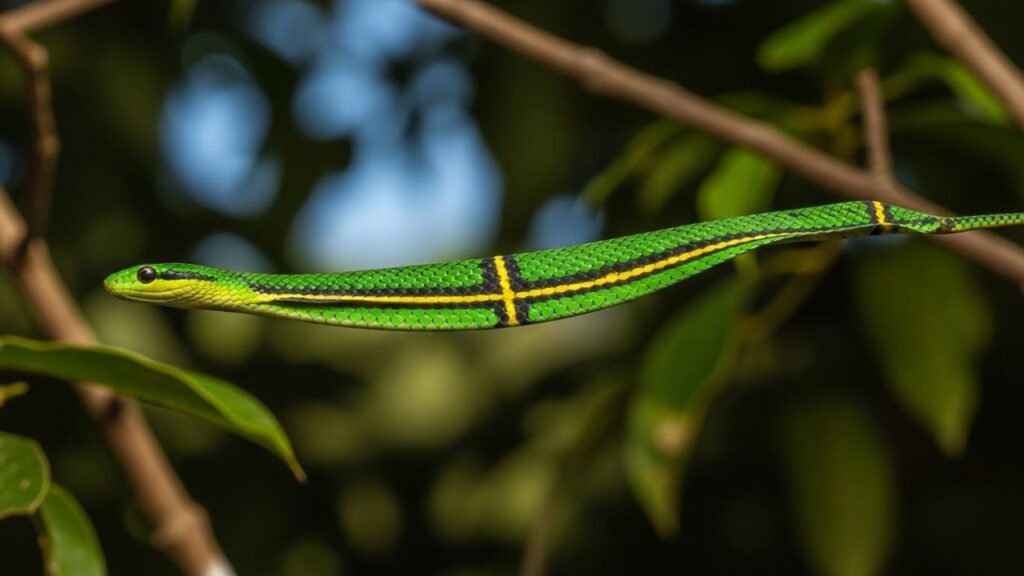
Meet the Paradise Flying Snake—nature’s own tiny aerial acrobat. These snakes don’t just climb trees; they glide from one to another like leafy ninjas on a mission. How do they do it? They flatten their bodies to form a sort of aerodynamic wing, then launch themselves off branches with the strength of a mini serpent catapult.
And here’s the mind-blowing part—they can cover almost 30 feet in a single glide. That’s basically the snake version of a flying leap in an action movie… but, you know, scaled down and way more terrifying if you’re a bug.
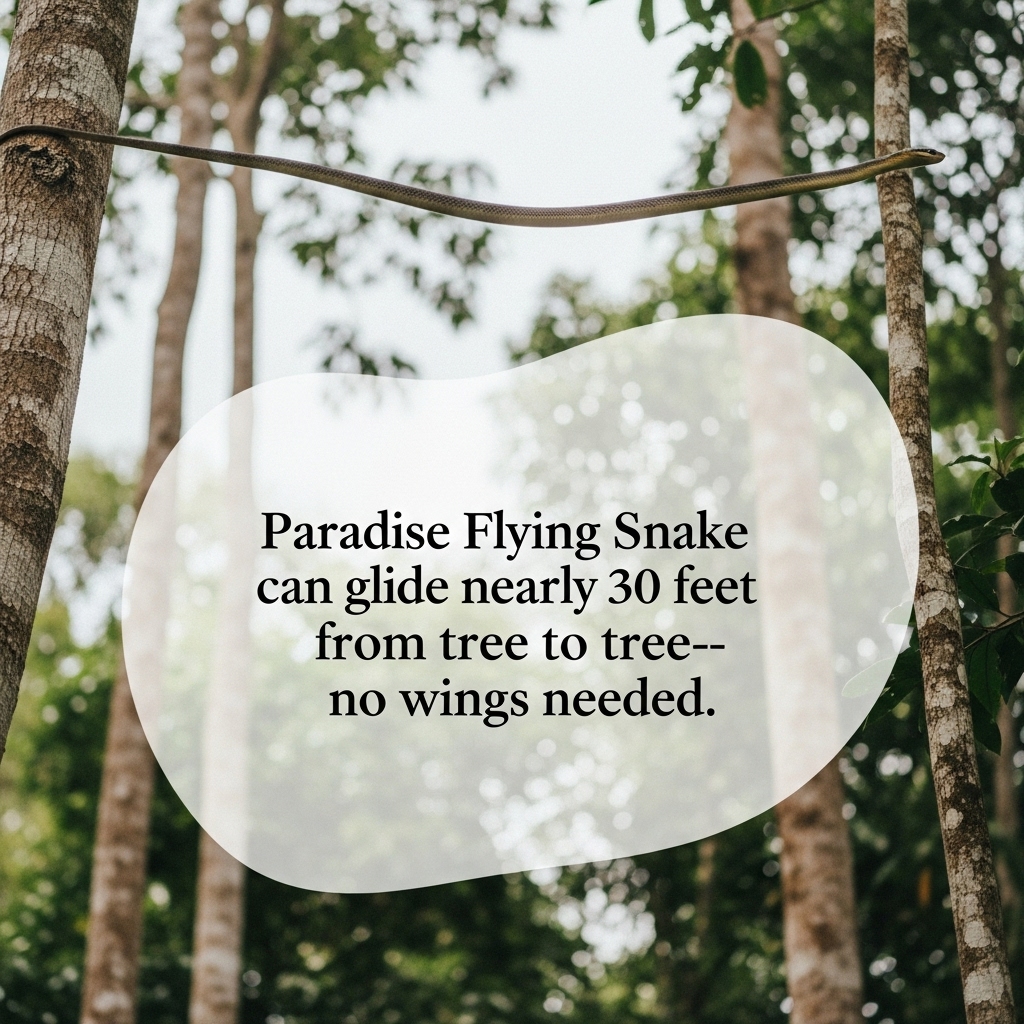
Found in Southeast Asia, these snakes are considered better flyers than flying squirrels. Yes, you read that right—better flyers than a fluffy, gliding rodent that actually has wings (sort of). Once airborne, they undulate their flattened bodies like a tiny, scaly jet, steering gracefully to their target like an expert pilot. Mid-air adjustments? Check. Style points for flair? Double check.
And climbing? No problem. If they can glide through the forest canopy like an acrobat, ascending a tree is just a warm-up. They’re agile, precise, and just the right amount of terrifying to make any predator think twice before messing with them.
In short, if the Southern Twig Snake is the yoga master of the trees, the Paradise Flying Snake is the daredevil stunt pilot—ready to take flight at a moment’s notice and glide effortlessly from branch to branch like it’s no big deal.
Next time you’re in the jungles of Southeast Asia, keep your eyes on the treetops… You might just see a snake in full flight, showing off its aerial chops.
3. Western Rat Snake
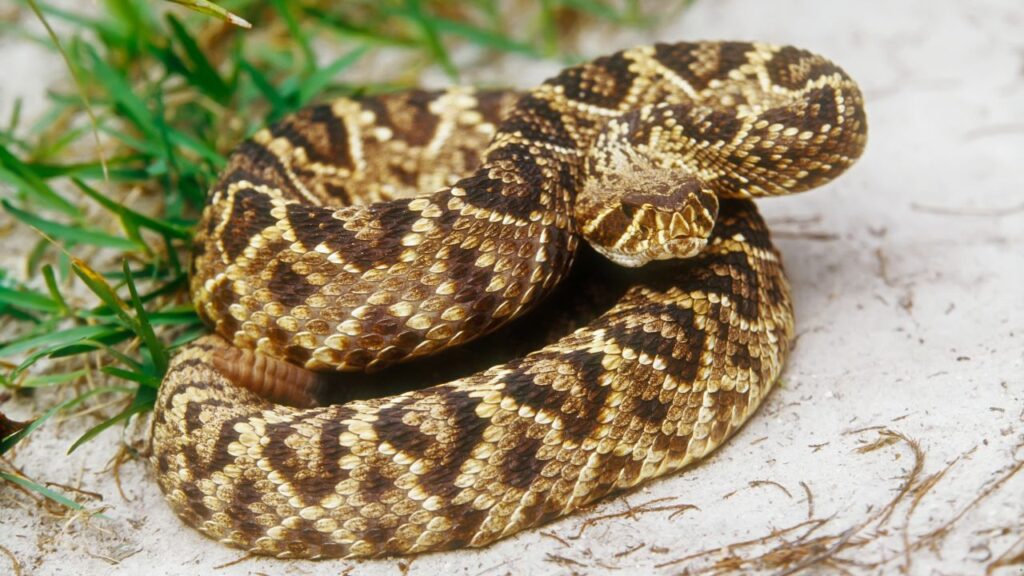
Meet the Western Rat Snake, North America’s very own tree-climbing champ. These snakes aren’t just long—they’re long and lean, with some stretching over 9 feet! That’s like a slithery jungle gym right in your backyard. And don’t let their size fool you—they’re masters of vertical adventures.
Thanks to specialized belly scales, these snakes can grab onto rough surfaces and shimmy up trees like tiny, scaly rock climbers. Smooth surfaces? Nope. But give them some bark, a fence, or a hollow tree, and they’ll make their way upward with the confidence of a seasoned mountaineer.
MDC noted some have been known to climb 20 feet high without any help at all, which is pretty impressive for a creature that’s basically a flexible, living rope. Western Rat Snakes are smart about where they set up camp. Hollow trees make perfect spots for laying eggs, while forests with water sources keep their meals nearby.
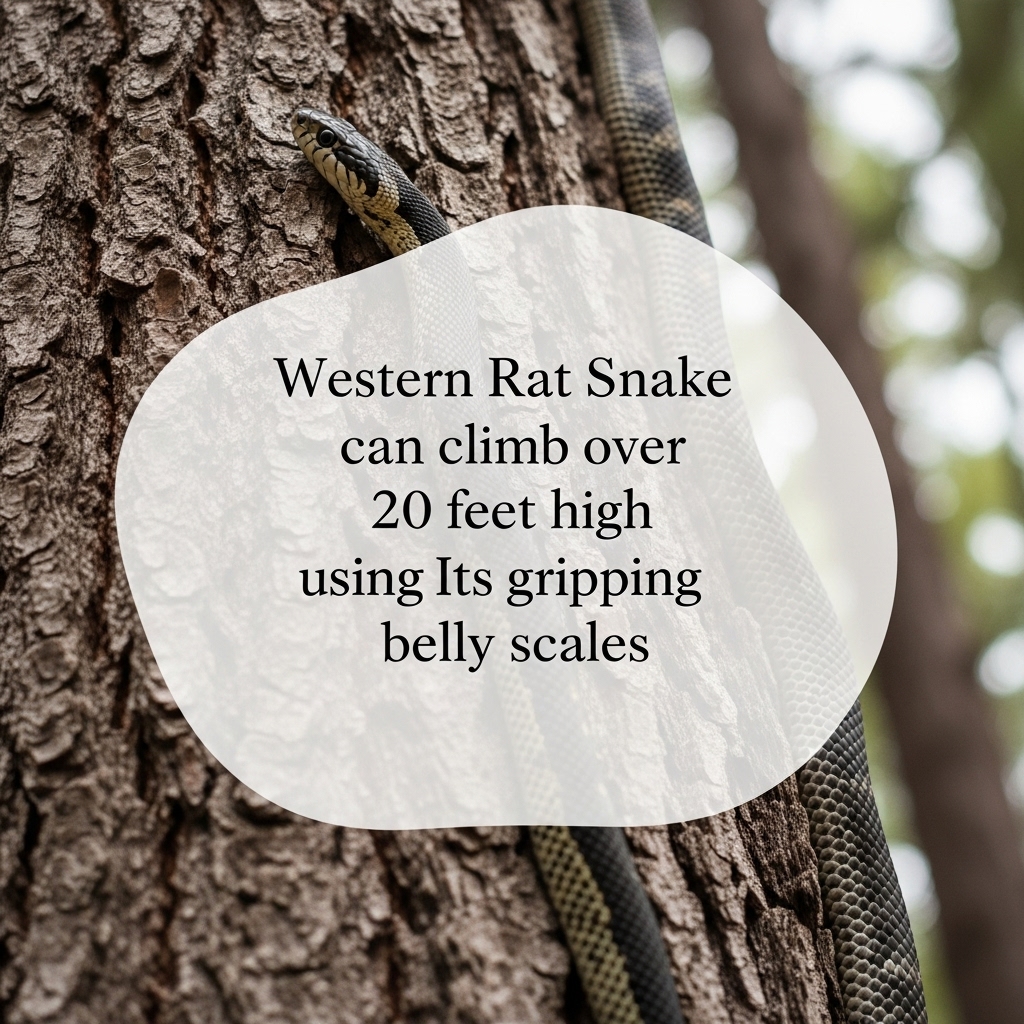
And don’t be surprised if one shows up near human homes—they’re quite the urban explorers. Speaking of meals, these snakes are the ultimate opportunists. Birds, eggs, lizards, rodents, frogs—you name it, they’ll consider it. But don’t think they’re gluttons.
Also called black snakes, these climbers are stealthy hunters of both land and tree, making them one of North America’s most versatile serpent superstars. Whether raiding a bird’s nest high above or scavenging the forest floor, they prove that you don’t need wings to be a top-tier arboreal predator.
4. Brown Tree Snake
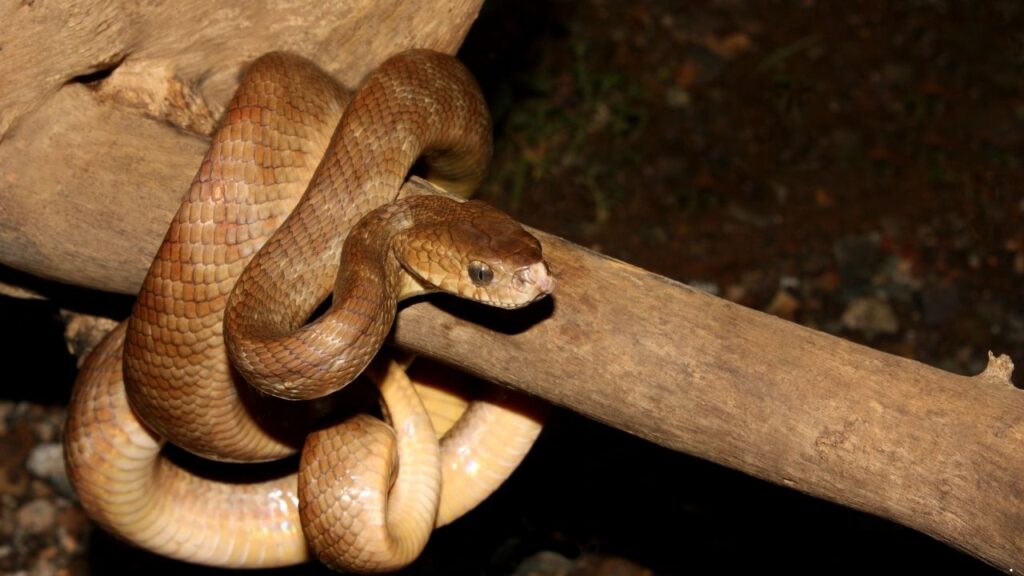
Meet the Brown Tree Snake, also known as the brown catsnake—a slender, slithery acrobat of the trees. Native to parts of Australia, Indonesia, Papua New Guinea, and northwestern Melanesia, this snake isn’t just good at climbing; it’s basically a master of vertical parkour.
One of the coolest things about this snake? Its slim, flexible body lets it squeeze through tiny gaps in buildings, logs, and shady hiding spots—perfect for avoiding the harsh sunlight or sneaky predators. And yes, it can go up to 2 meters long, which gives it serious reach for snacking, climbing, and general tree domination.
Now, let’s talk about the Guam brown tree snake, a particularly inventive cousin. These snakes use their bodies like a lasso, wrapping themselves around a tree trunk and slowly “walking” upward by lifting one side of the loop at a time.
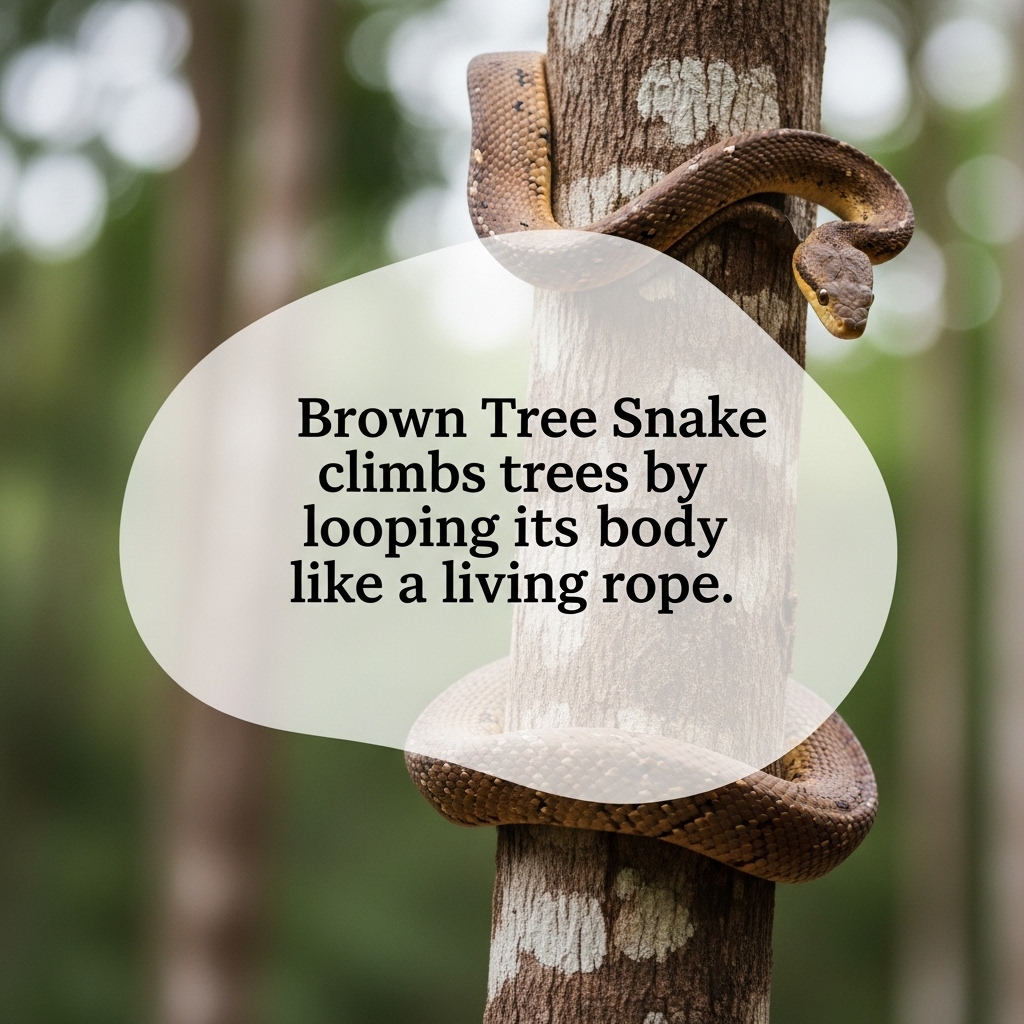
It’s basically the snake version of a climbing rope trick—but with deadly precision for catching small birds and lizards. In Guam, this ability helped them become an ecological nightmare, devastating native bird populations.
Brown tree snakes are versatile, too. While they love forests, they can thrive in grasslands and sparse woodlands. And if food is scarce? No worries—they can survive long stretches without a meal, making them some of the chillest snakes in the wild.
Venom? They’ve got it, but don’t panic—it’s designed for small prey, not humans. So while a brown tree snake may look intimidating with its big head and sleek body, its venom is more “lizard killer” than “dangerous to you.”
5. Golden Lancehead Viper
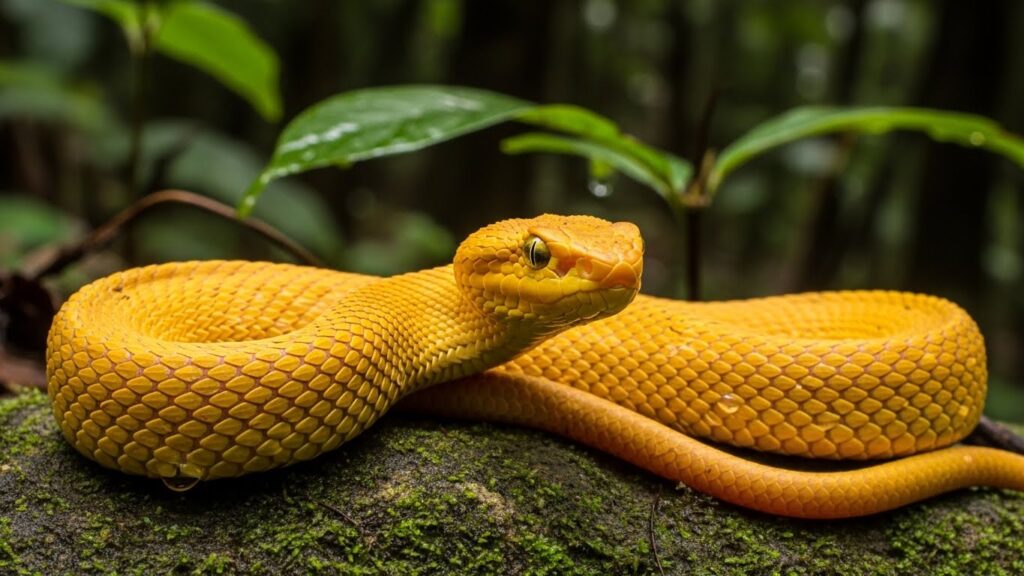
If you’re thinking of snakes as harmless garden dwellers, the Golden Lancehead Viper will make you reconsider… especially if you’re anywhere near Snake Island, a tiny, venom-packed paradise off the coast of Brazil.
Golden lanceheads are extremely venomous pit vipers, with venom so potent it can literally melt tissue. Nature’s way of saying: “Eat your dinner before it flies away.” These snakes primarily dine on birds, which explains why they’ve taken to climbing trees.
Slender, golden-hued, and sporting that signature spearhead-shaped head, these snakes are ambush predators at heart. Some evidence even suggests they use caudal luring—wiggling their tails to attract curious birds—showing that patience and a little cunning go a long way in the world of vipers.
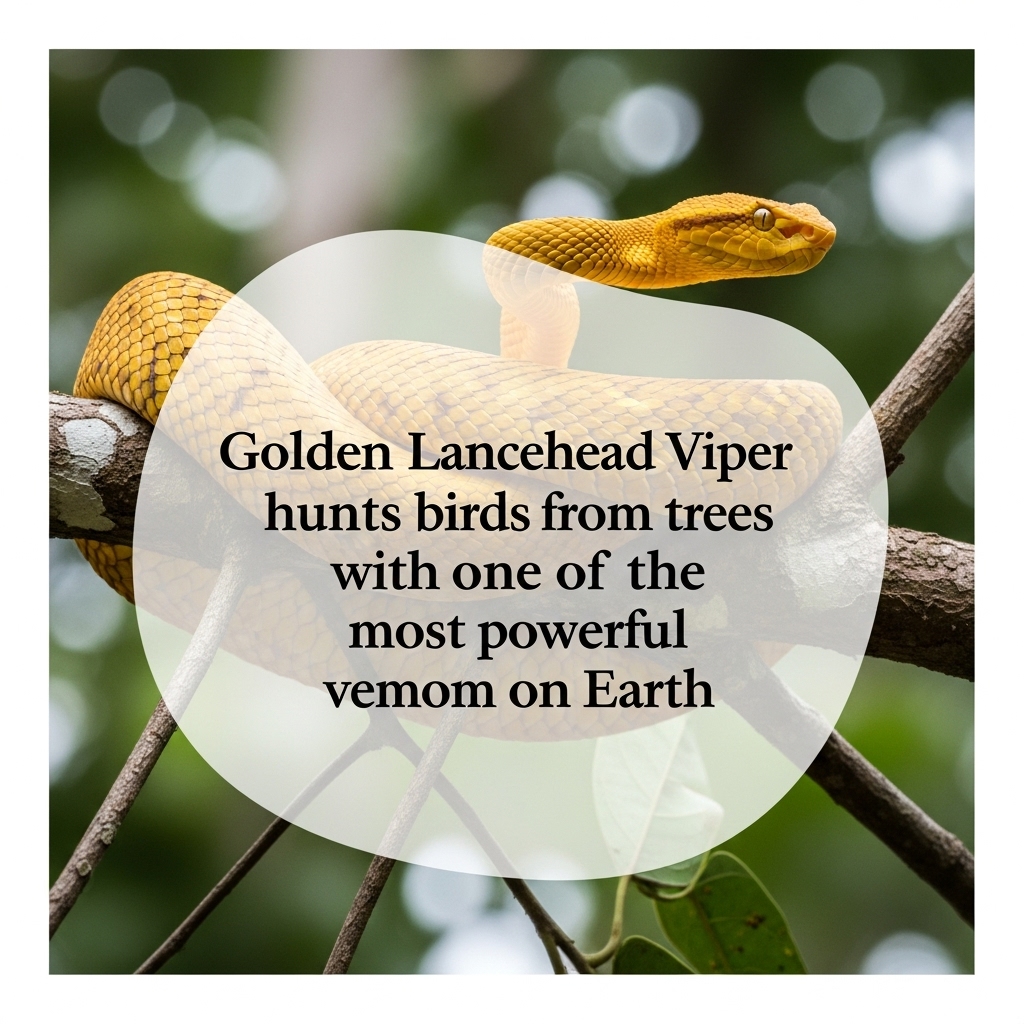
According to Science Focus, the Golden Lancehead is extremely isolated, living only on this 30-mile offshore island. Human interactions are extremely rare, and usually happen only because a daring researcher or poacher ventures too close.
Rumor has it, legends of early 20th-century encounters—including a lighthouse keeper and his family—might have ended in tragedy, though nothing is fully verified.
In short, the Golden Lancehead Viper is the ultimate tree-hunting specialist: beautiful, deadly, and expertly adapted to its tiny, snake-filled kingdom. It’s proof that in the snake world, sometimes the most dangerous predators don’t just stay on the ground—they climb, lurk, and strike with precision from above.
6. Emerald Tree Boa
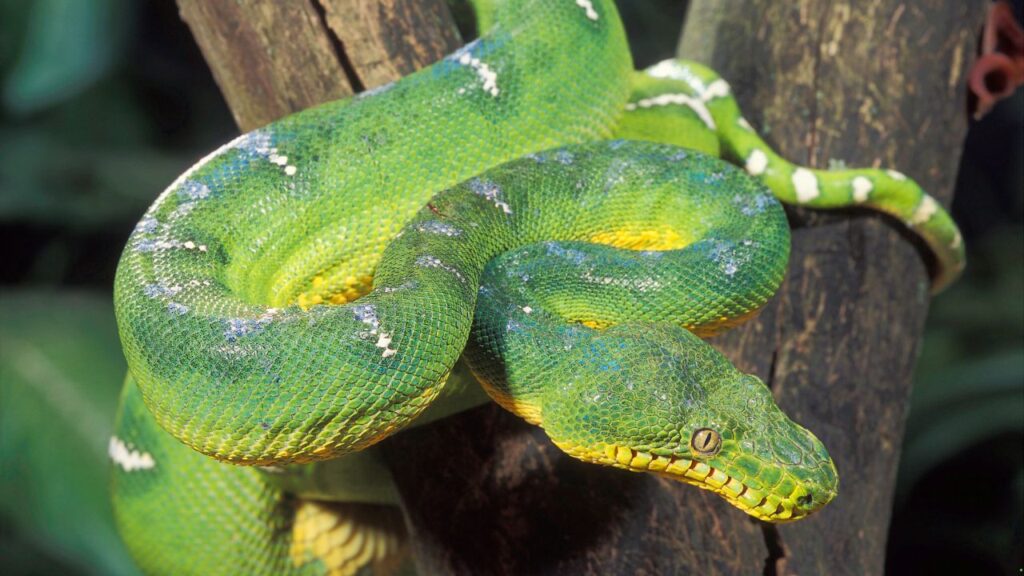
If trees had royalty, the Emerald Tree Boa would be crowned king—or queen—of the canopy. Found in the lush rainforests of South America, this snake isn’t just a climber; it’s a living gemstone, draping itself over branches like a green velvet scarf with a dazzling white zigzag pattern.
Emerald tree boas are ambush predators, spending most of their lives coiled around branches, waiting for unsuspecting birds, bats, or small mammals to wander within striking distance. And strike they do—with precision and lightning speed—making them masters of patience and timing.
These boas aren’t venomous, but don’t let that fool you—they’re constrictors, meaning they squeeze their prey with impressive strength before swallowing it whole.
Their muscular bodies are perfectly adapted for life in the trees, with scales that help grip branches and keep them steady as they wait for dinner to come along.
Fun fact: Emerald tree boas are mostly nocturnal, so while the jungle sleeps, they’re awake and hunting. Their vibrant green coloring isn’t just for show—it helps them blend seamlessly into the leaves, making them almost invisible to both prey and predators.
7. Rough Green Snake
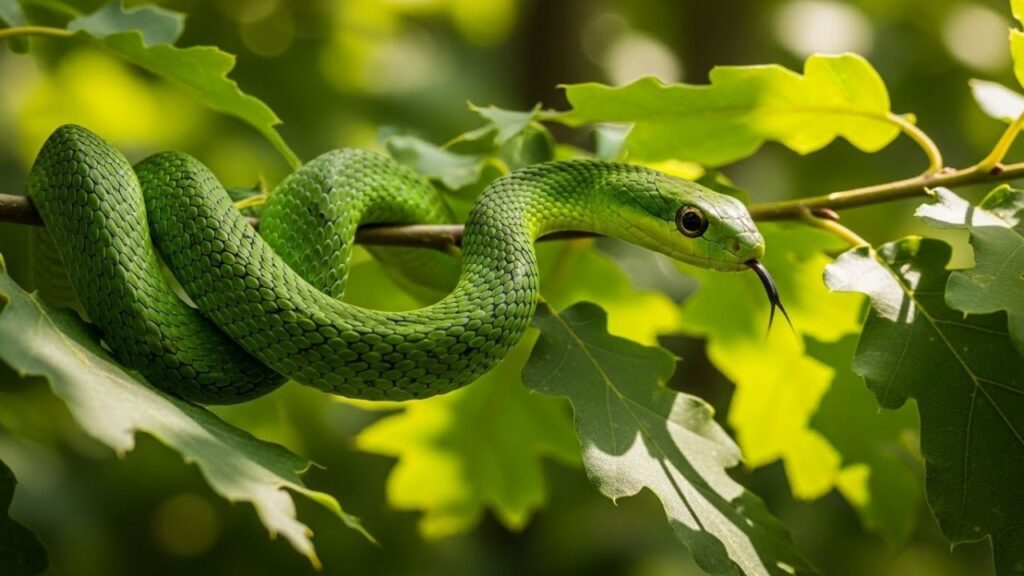
Meet the Rough Green Snake, one of the eastern United States’ most graceful tree dwellers. These snakes are the acrobats of the canopy, effortlessly draping themselves along branches as they navigate the treetops in search of food or a refreshing sip of water.
Speaking of water, rough green snakes have a clever trick up their sleeves—or rather, tongues. They often drink dew from leaves, allowing them to stay high in the trees for long periods without having to descend to a pond or stream.
Their diet is light, but they’re efficient hunters: crickets, caterpillars, grasshoppers, and occasionally frogs, spiders, or snails make up their menu. Think of them as the tiny, leafy green gardeners of the forest, munching on insects and keeping the tree ecosystem balanced—without ever drawing much attention.
Sleek, slender, and perfectly camouflaged in green foliage, these snakes are experts at blending in. You could walk past one without even noticing it, and that’s exactly how they like it. They’re peaceful, non-venomous, and incredibly nimble—a quiet ninja of the eastern US forests.
In short, the Rough Green Snake proves that climbing skill doesn’t always mean deadly venom or dramatic ambushes. Sometimes, it’s about finesse, grace, and the simple art of living high above the ground.
Conclusion
Snakes known for their agility in trees exhibit extraordinary skills that allow them to climb trees, navigate tree branches, and, in some cases, swim or glide, as seen in flying snakes. Their keen, large eyes and flexible neck provide excellent spatial awareness, helping them hunt other animals, avoid danger, and adapt to complex arboreal habitats. While many are nonvenomous snakes, some species are invasive or threatened, underscoring the importance of understanding their conservation status.
These invasive species have developed clever ways to thrive, even in residential areas, blending survival instincts with impressive acrobatics. Their remarkable tree-climbing and maneuvering abilities highlight the evolutionary adaptations that make them some of the most agile reptiles in the natural world.
Tree-Climbing Snakes 🐍 Can You Score 5/5?
Which feature helps arboreal snakes grip branches?
Which snake can glide nearly 30 feet between trees?
Which North American snake can climb up to 20 feet high?
Which snake became invasive and harmed bird populations on Guam?
Which arboreal snake is nonvenomous and hunts by constriction?
