




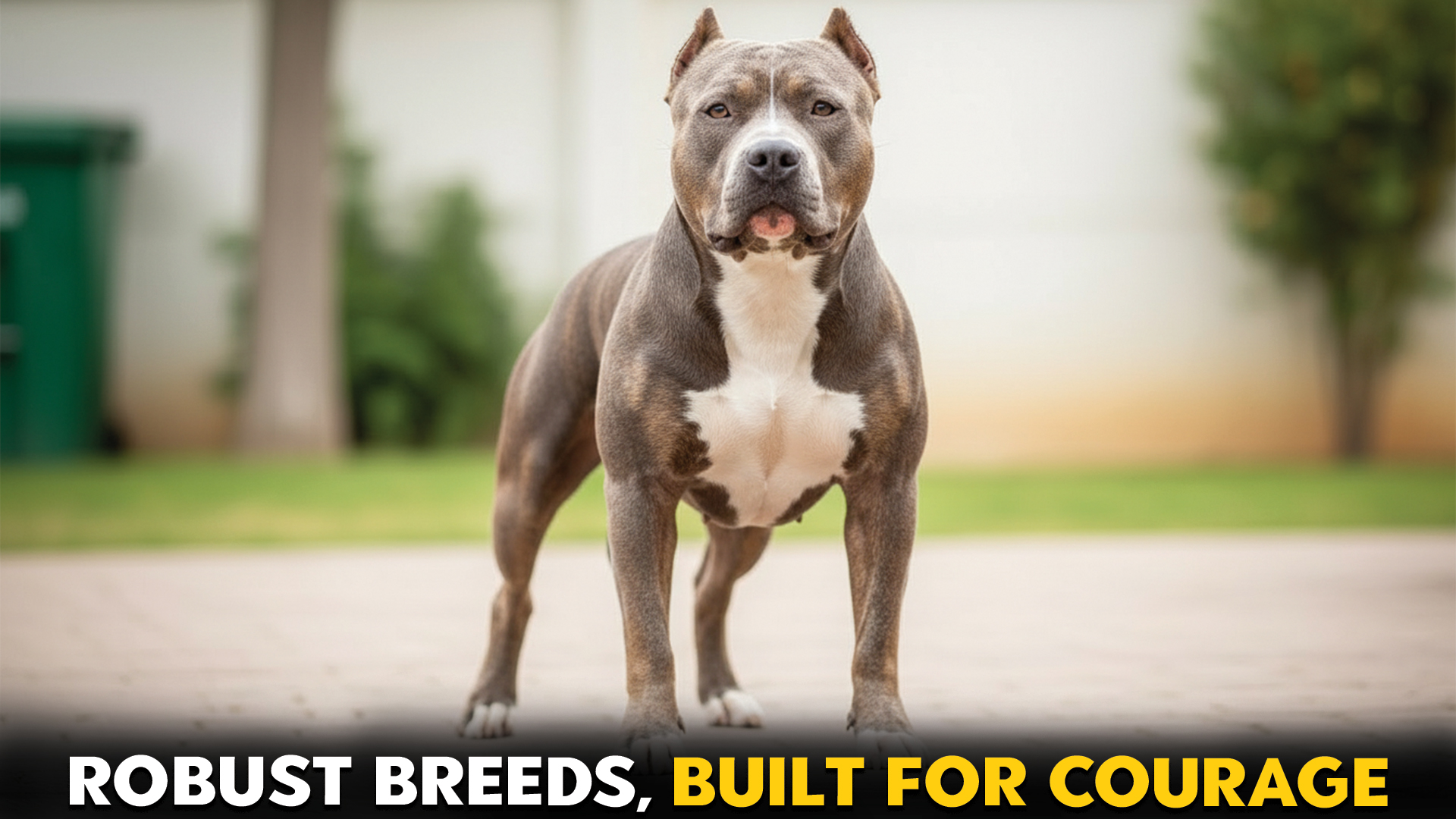
Big hearts come wrapped in muscle, loyalty, and a little stubborn courage. Robust dog breeds have served in a variety of environments and roles, from guarding livestock to protecting families and working alongside military and police forces.
Many of these breeds are highly adaptable, thriving in both traditional working settings and modern family or urban environments. Working dog breeds are originally bred to perform specific tasks for humans, such as herding, guarding, or pulling loads.
Over generations, these dogs developed physical traits and instincts tailored to their roles, making them uniquely suited for the jobs they were created to do. If you’re considering adding a robust breed to your home, it’s important to learn about their unique needs and characteristics.
With the right approach, you’ll ensure a strong bond and a happy, healthy relationship with a dog that’s as loyal as they are strong. These breeds are not just tough, they’re devoted companions, ready to stand by your side through every adventure.
Robust Dog Breeds Bred for Courage and Strength
1. American Pit Bull Terrier
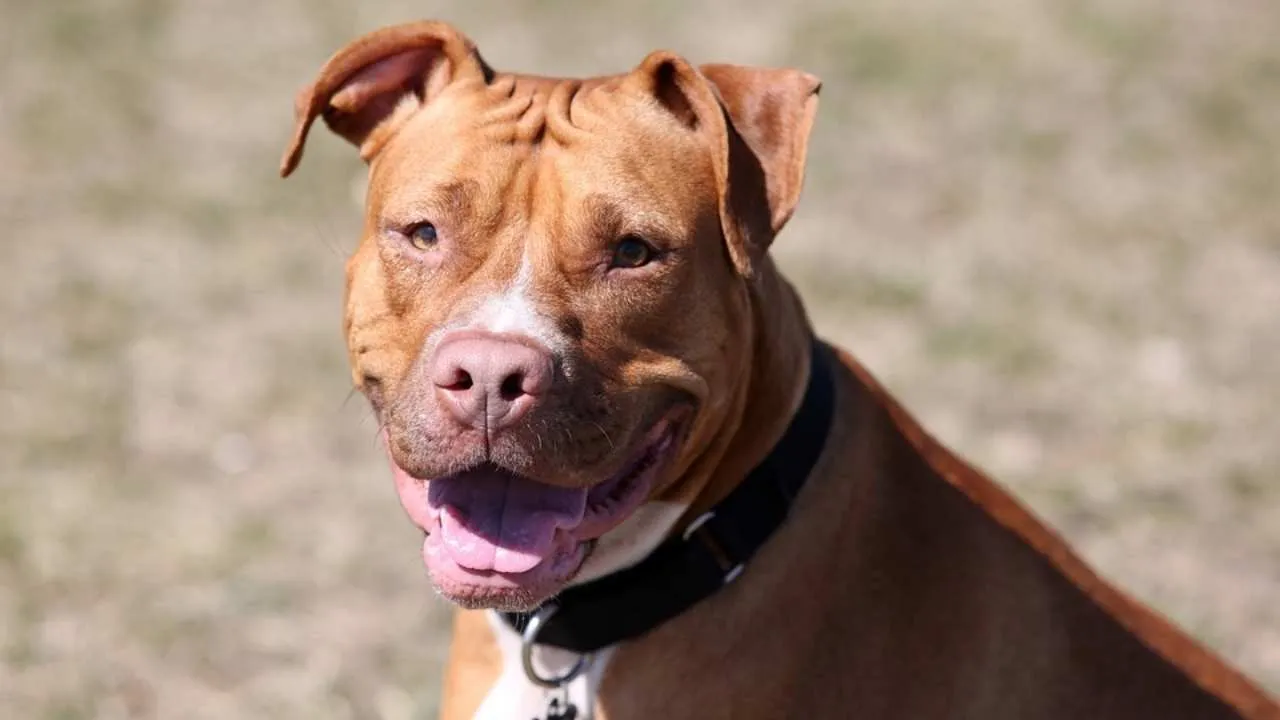
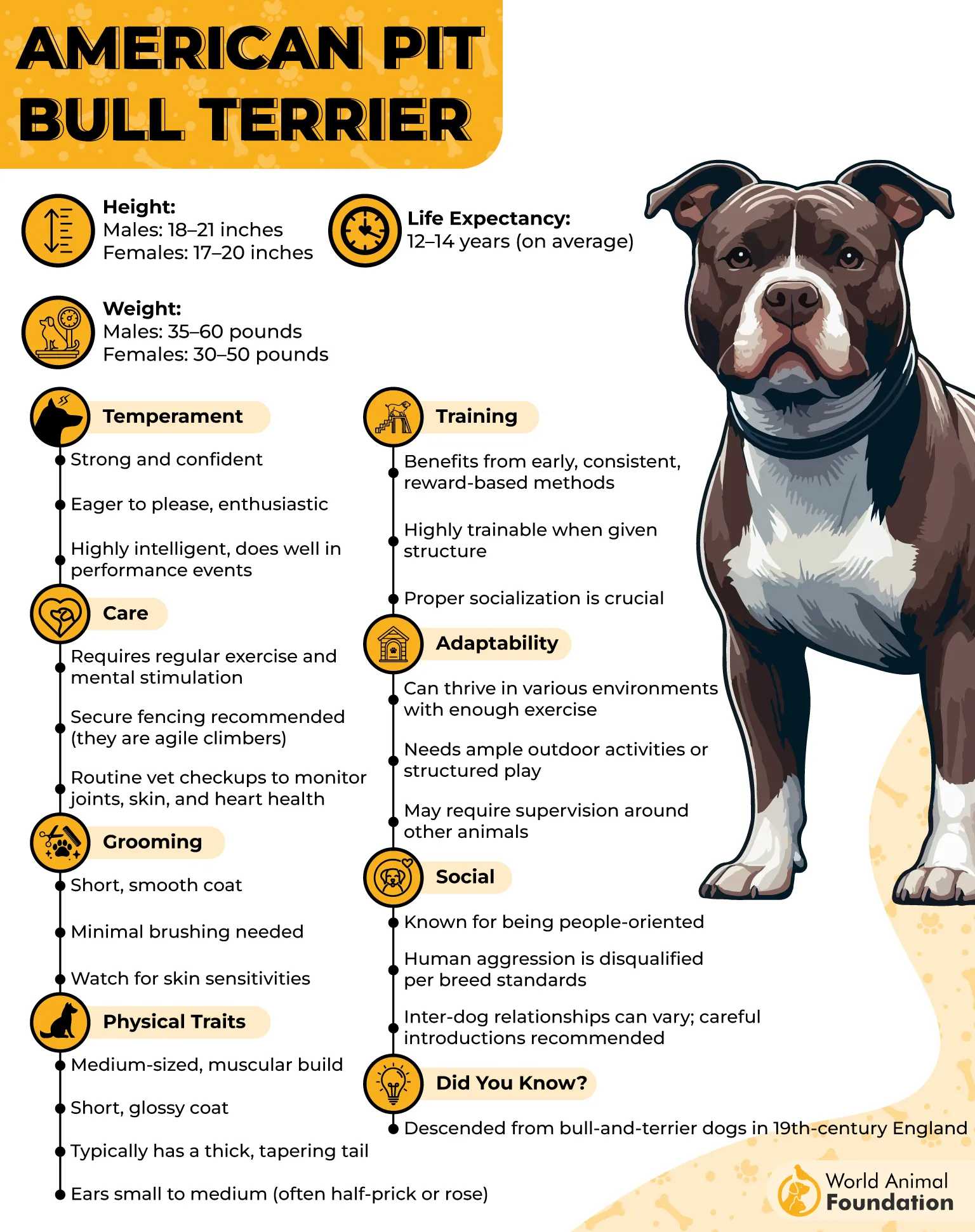
American Pit Bull Terriers look like they do push-ups for fun. They have a wide chest, a big head, and a tight, athletic body that is longer than it is tall. That build is not for show. It was shaped by hard work and grit, and it still shows in how they move and how they play.
These dogs are famous for courage, but the best kind of courage is steady. A well-raised pit bull is often goofy, people-loving, and social. That can make them a funny “guard dog” because they may greet a stranger like, “Hi, new bestie.”
Still, their confidence, strength, and pain tolerance mean they can stand their ground when life gets loud. You just have to channel that power with calm training and good habits.
They also have a working-dog mindset. If you do not give them a job, they will invent one. Sometimes that job is redecorating your couch with their teeth.
But why bother with that? Give them daily play, basic obedience, and safe chew time, and you get a loyal buddy who tries hard to do the right thing.
The courage “switch” you can teach
Short, upbeat training sessions work better than long lectures.
Early social time helps them stay relaxed around new sights and sounds.
Strong dogs need strong rules, but also kindness and routine.
2. Rottweiler
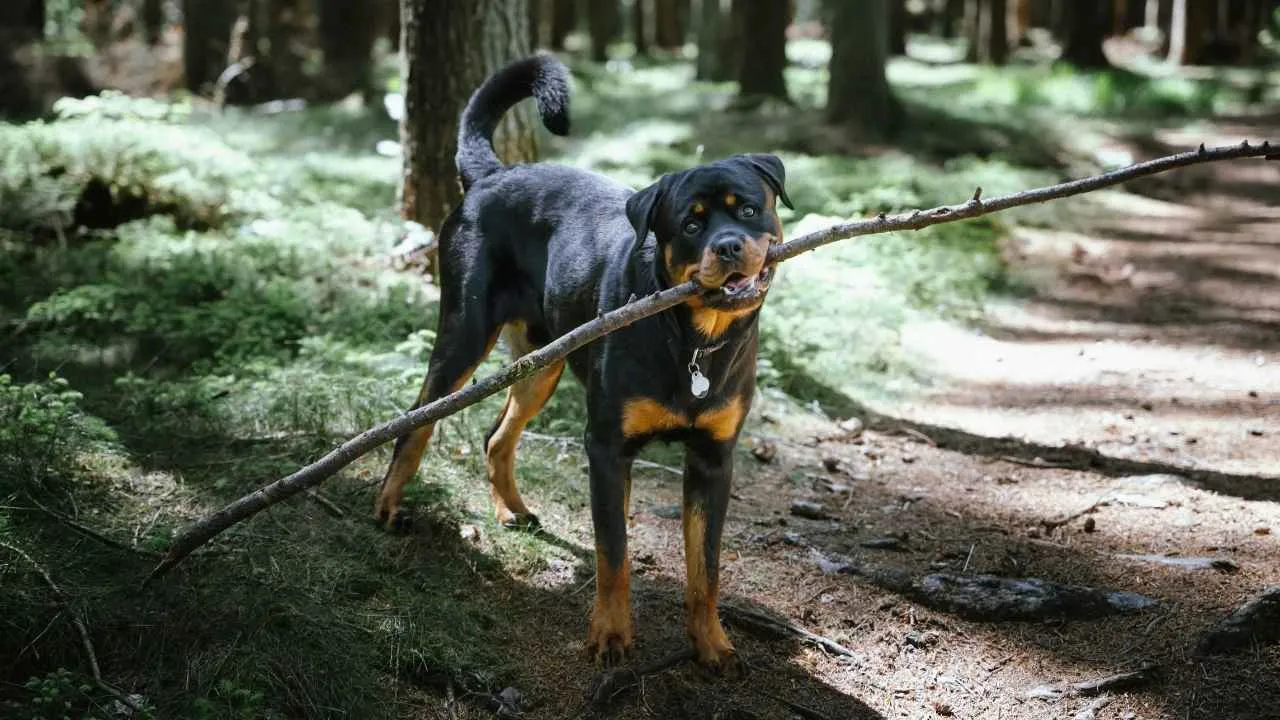
Rottweilers have a “built like a tank” vibe, and it is not an act. They are a robust working breed known for great strength, with a calm, watchful nature around strangers.
Historically, AKC notes that they worked moving livestock and pulling carts, and today they still love purpose. When a Rottie thinks, “This is my family,” it means it.
Courage in a Rottweiler is quiet. They do not need to bounce and bark to feel brave. They often stand there, solid and sure, like a bouncer at a club who has seen everything.
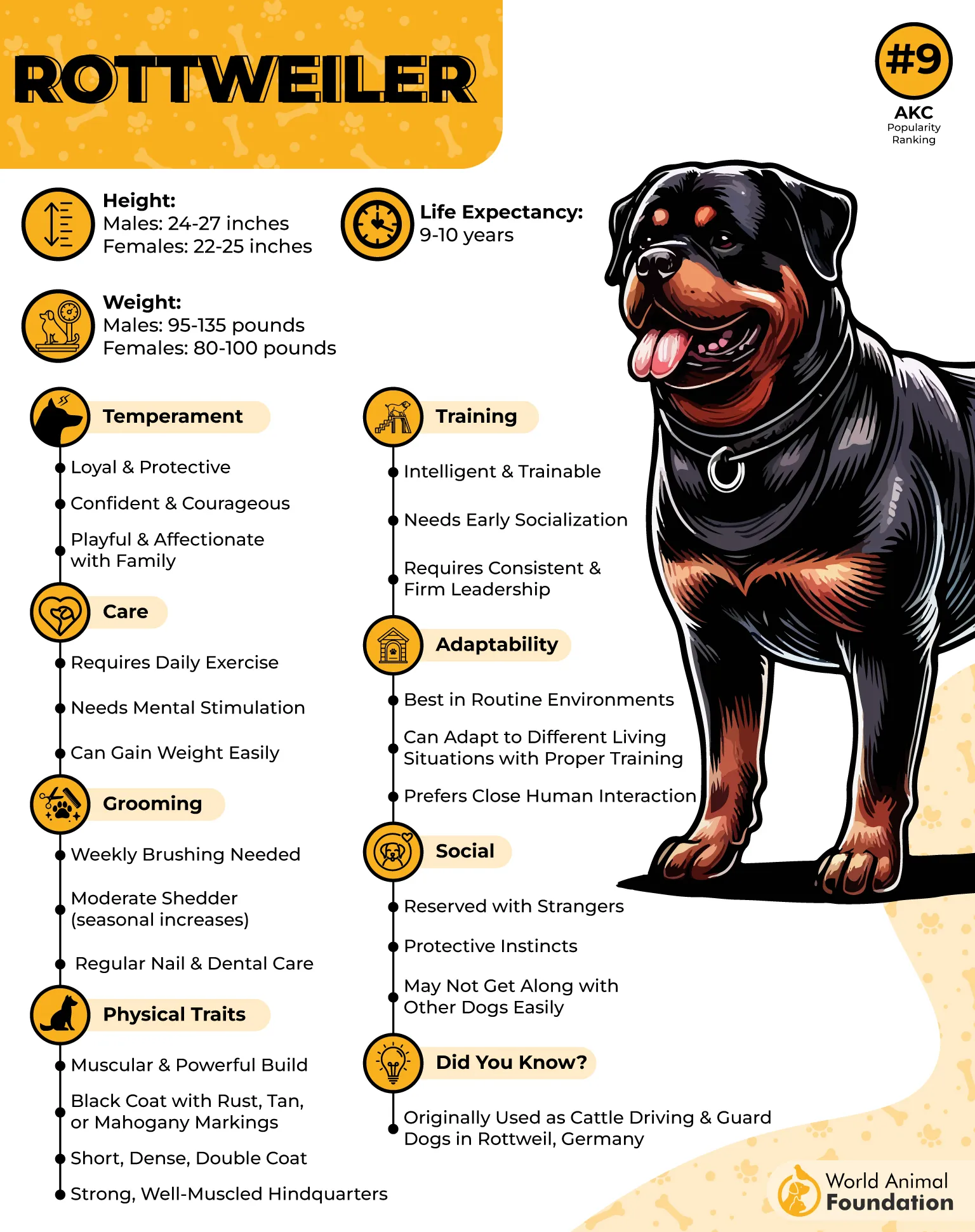
Here’s the good part. With steady training, they can be gentle at home and serious when they need to be. That combo is why people trust them as guard and service dogs.
They are also strong enough that sloppy handling can get even worse, though, fast. A bored Rottweiler can pull like a truck and make “walk time” feel like a cardio nightmare.
Clear rules, daily exercise, and calm leadership keep their power in the “protector” lane, not the “wrecking ball” lane.
Strength that needs structure
- They do best with confident, consistent owners.
- Mental work matters as much as long walks.
- Good social skills start early and stay practiced.
3. Doberman Pinscher
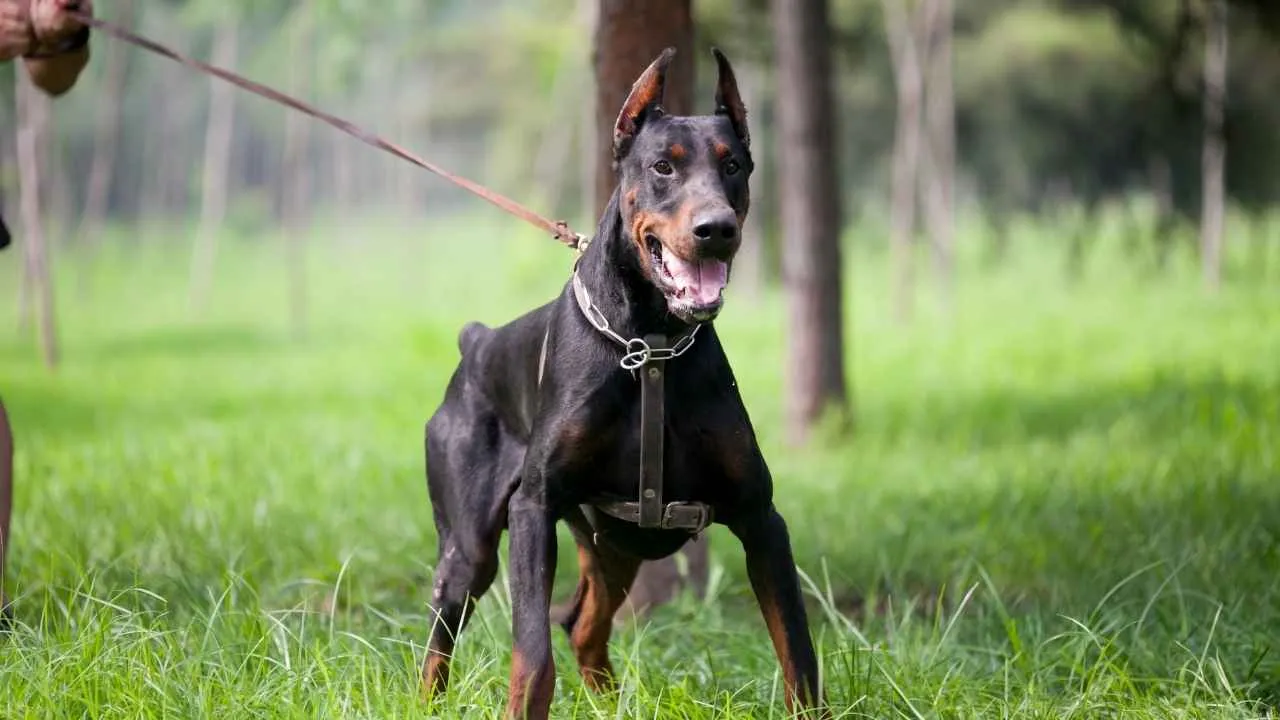
The Doberman is sleek power on four legs. They are known for being fearless and vigilant, and they stand among the top protection breeds for a reason. They are muscular, fast, and sharp, with a focused look that can make strangers rethink their choices. Sounds crazy, right? One dog can look that elegant and still be that tough.
Dobermans were developed for personal protection, and you can still feel that purpose in how they watch the world. They pick up patterns fast. They notice small changes.
They also bond hard with their people, which is a huge part of real courage. A brave dog is not just bold. A brave dog is loyal enough to stay close and steady when it counts.
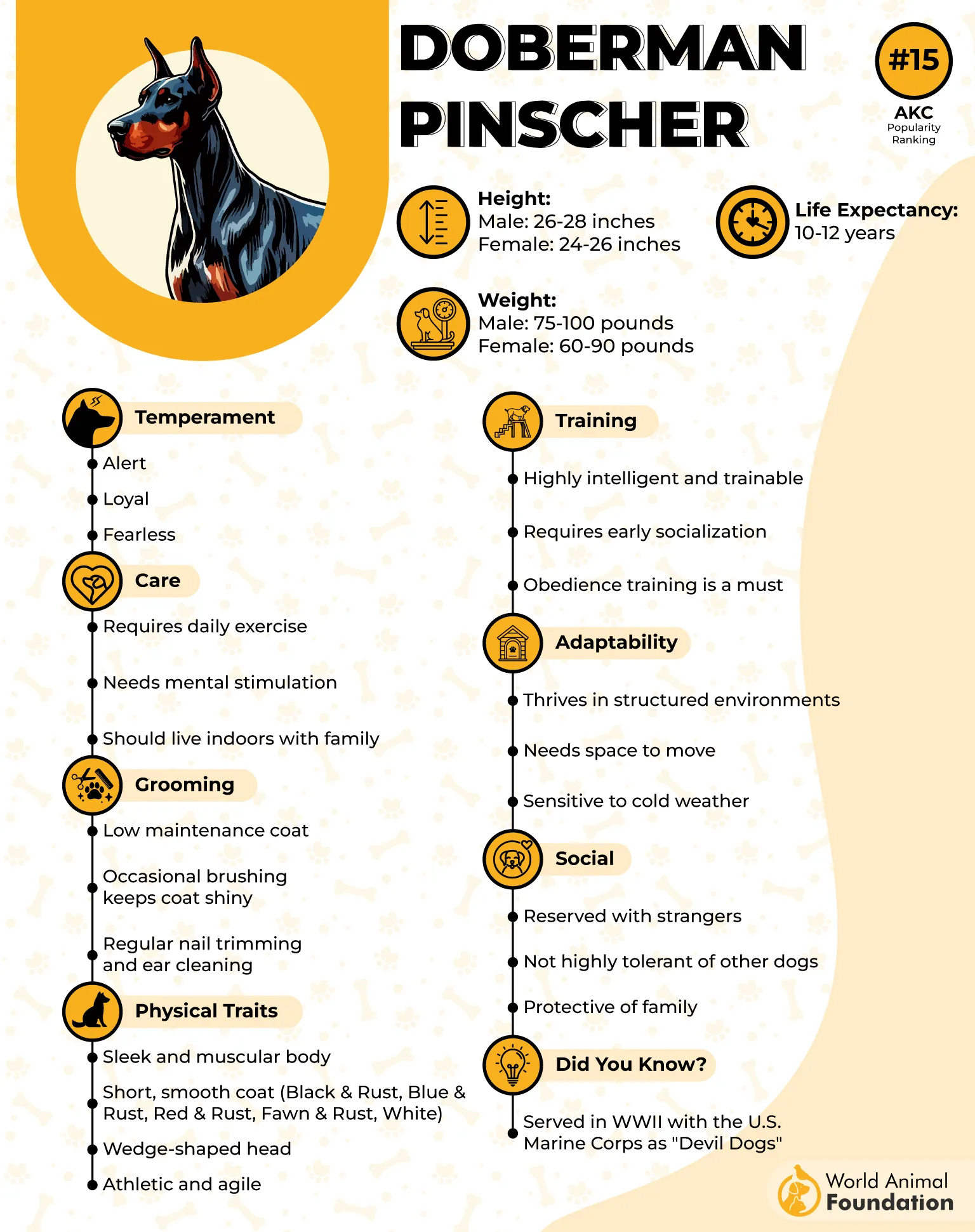
But wait, there’s more! A Doberman’s brain needs exercise, too. If you skip training and play, they can get pushy or anxious, and then the “protector” vibe turns into “I will manage everything myself.” No thanks.
Give them jobs like obedience, scent games, and calm social time, and they shine.
Quick notes for a sharp, brave dog
They need daily movement plus mental games.
Early social training helps prevent over-guarding.
A bored Doberman will create drama. Do not let them.
4. Cane Corso
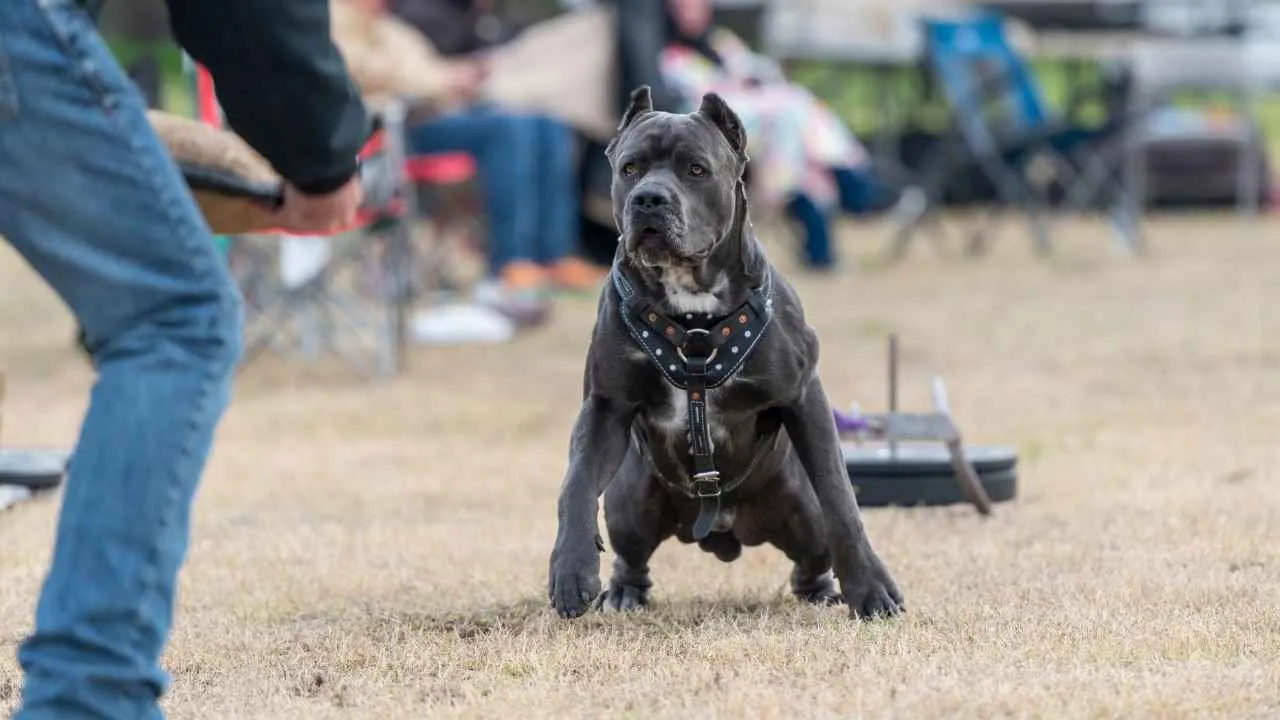
The Cane Corso is a muscular Italian Mastiff with a calm, serious presence. This breed is a natural guard dog that bonds closely with its family.
You often see the courage in their stillness. They do not have to prove anything. They already know they are large, strong, and in charge.
They were bred for protection and also worked as hunters and guardians, so they are wired to watch, assess, and act. Training is not optional here. It is the whole deal.
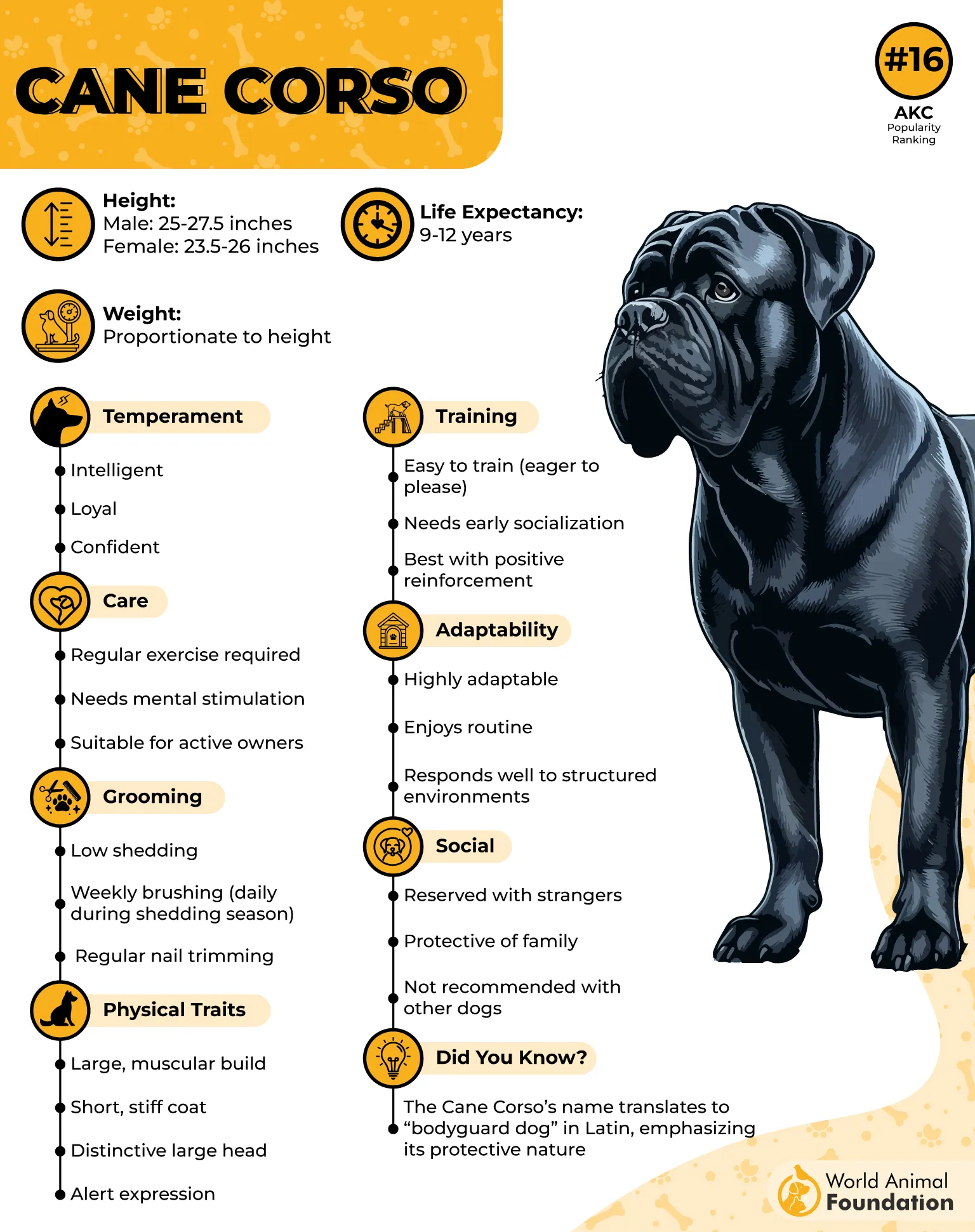
With clear training and structure, they can be loyal, loving, and stable. Without it, they can become too suspicious and too pushy, and that is not fun for anyone.
If you want a dog that can make intruders think twice, the Cane Corso does that just by standing there.
Here’s the best part! When they are well trained, they can also be calm family dogs who take their “job” seriously but do not overreact. That balance is the real superpower.
Important note for first-time owners
This breed often needs an experienced, hands-on home.
Social training should start early and stay gentle and firm.
Daily exercise keeps the body and mind steady.
5. Dogo Argentino
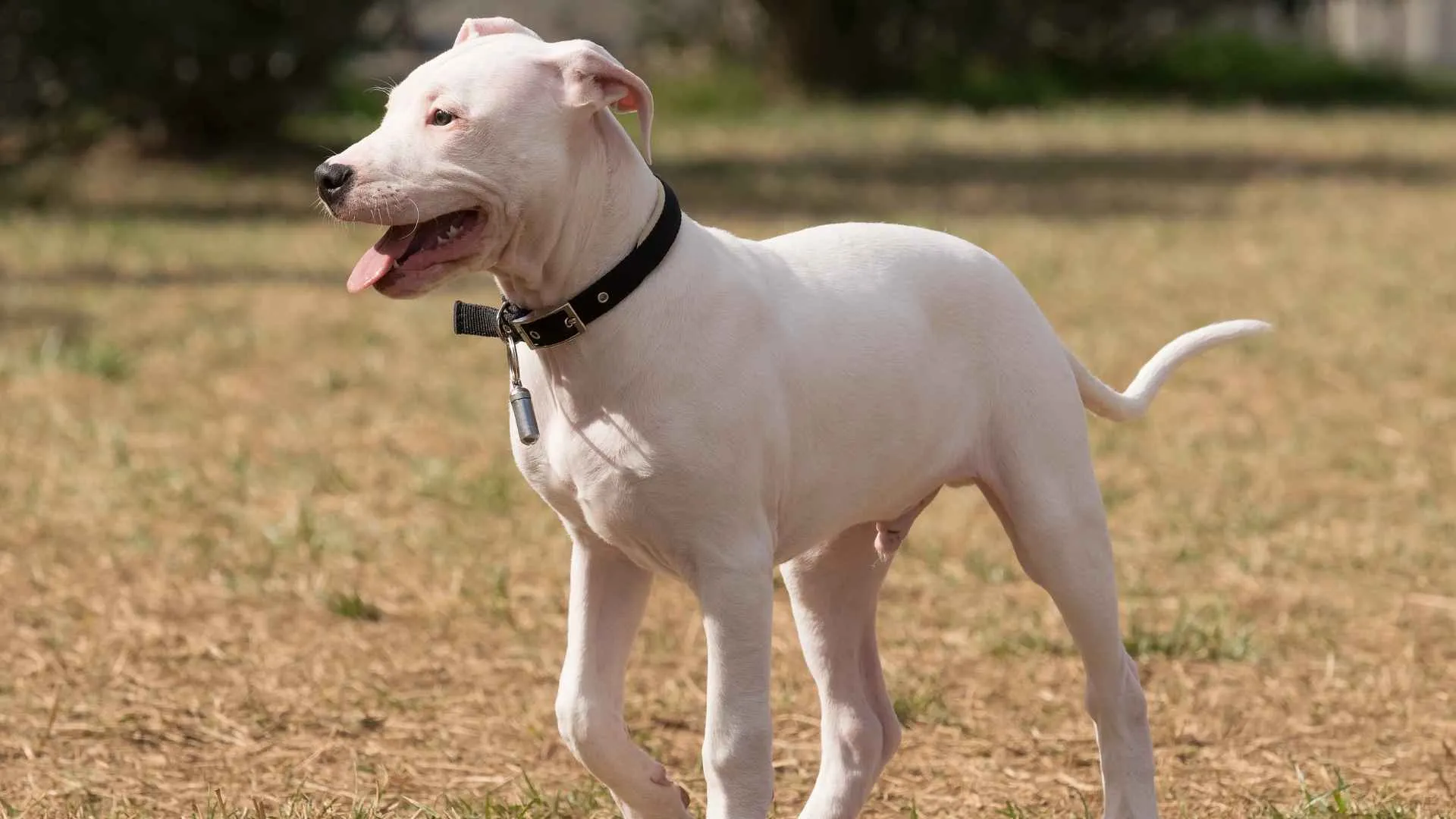
The Dogo Argentino is a powerful working dog from Argentina with a thick, muscular build and a short white coat. According to PetMD, this breed was created for big-game hunting, so courage is baked right in. Think strong lungs, strong legs, and a “we can do this” attitude that does not quit.
Because of that history, they are athletic and bold, and they can be strong guard dogs in the right hands. They can also be intense.
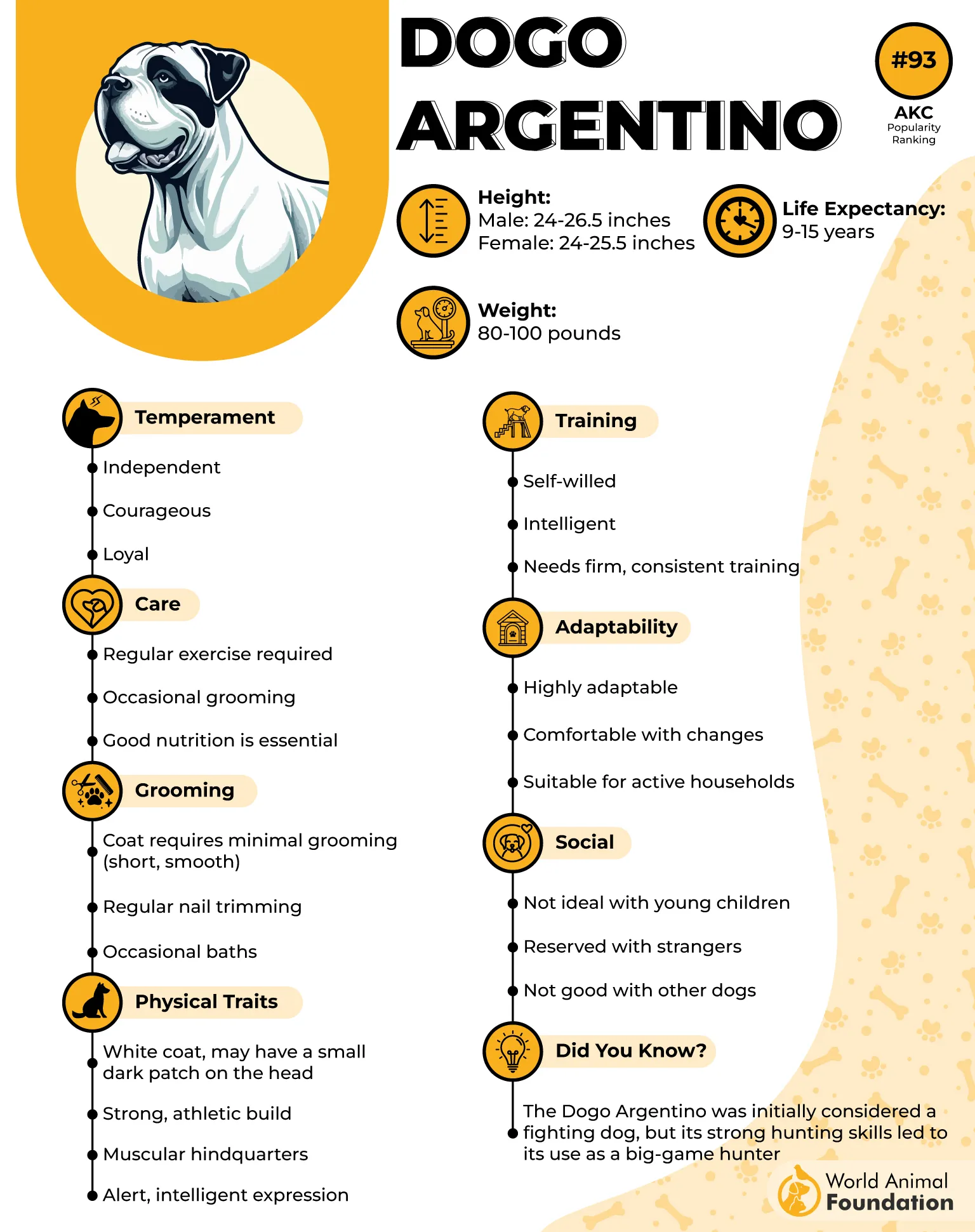
Not “mean” by default, but intense like a teammate who takes every game like a final. Dedicated, consistent training helps them stay polite, safe, and under control.
And here’s the best part! Many Dogos are very people-focused with their families. They like being included, being near you, and knowing what is going on.
If you give them structure, social time, and enough activity, you get a brave companion who is both tough and close to their people.
What makes their courage different
Big-game roots mean high drive and big stamina.
They need a confident owner and clear rules.
Early social time helps them stay calm in busy places.
6. Boxer
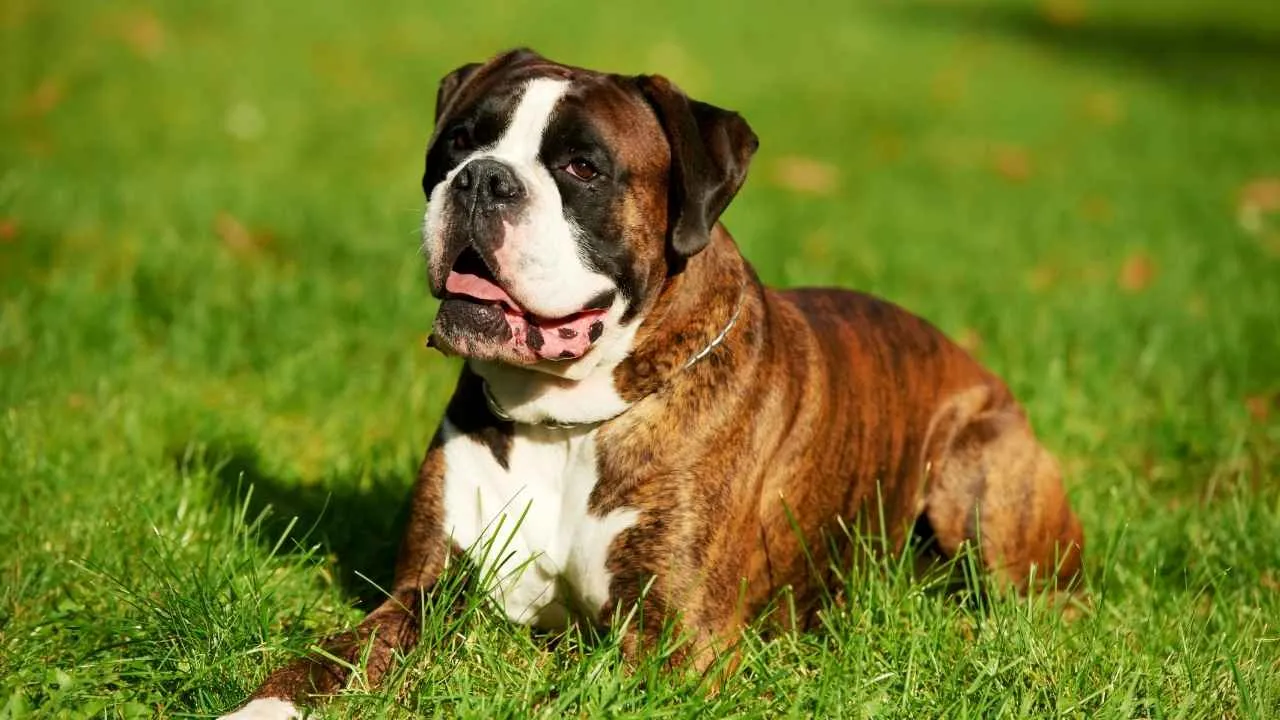
Boxers are muscles with a smile. They are described as powerhouses on four legs, with a strong chest and a sturdy, athletic build. Yet they are also known for a gentle nature, especially with kids, which is a nice reminder that strength and kindness can live in the same dog.
Boxers are known for their natural courage and strong protective instincts, making them excellent family dogs.
Their courage shows up in how they throw themselves into life. Boxers are bold, bouncy, and ready for action. Their alertness and quick response make them effective protectors of their home.
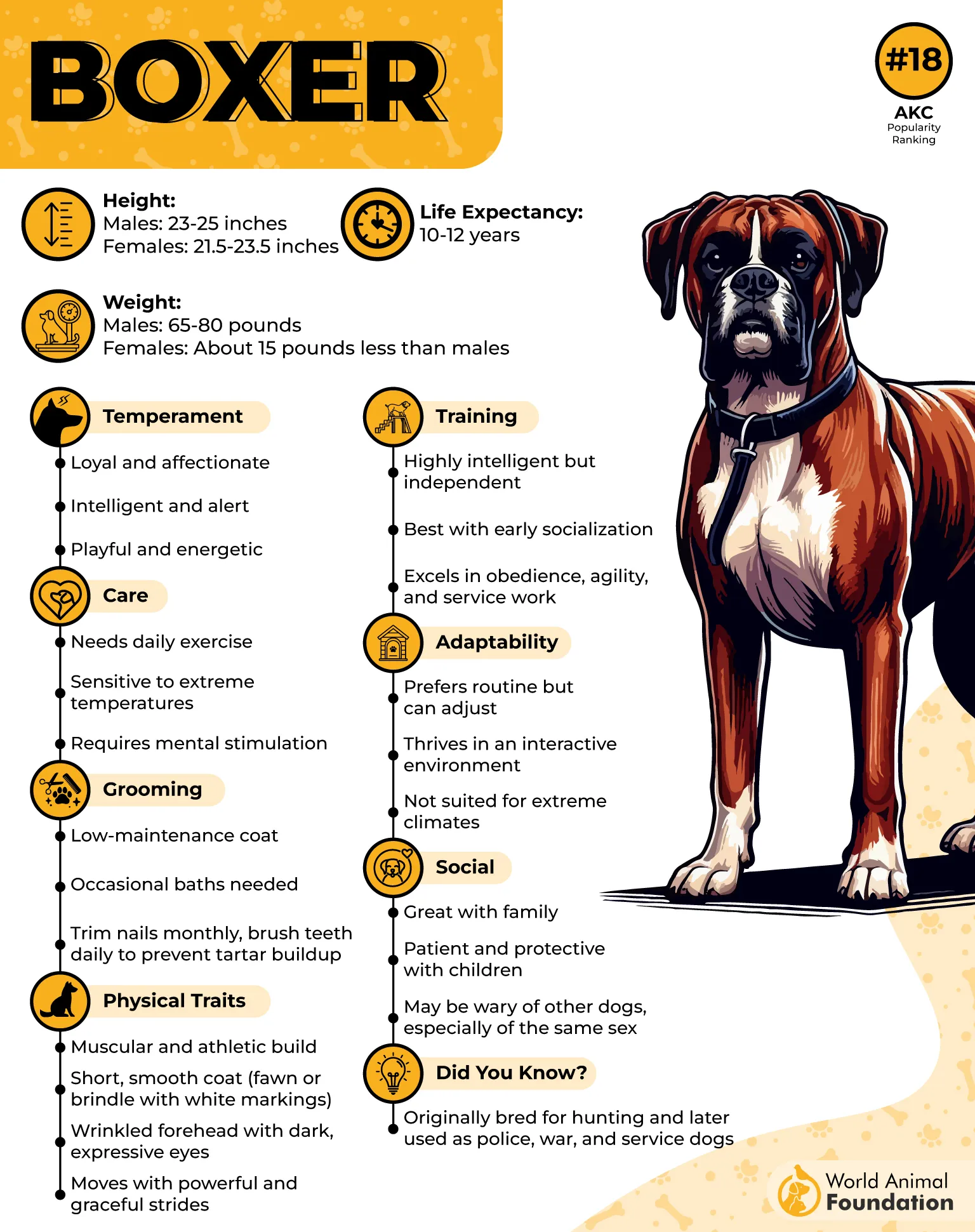
Boxers were bred for hunting large game and guarding, showcasing both strength and playful nature. But they do it with that classic Boxer humor, like, “I will protect you, but I will also do a silly wiggle first.” It is impossible not to laugh.
It gets even worse, though, if you skip exercise. A bored Boxer can turn your living room into a wrestling ring. The fix is simple and pretty fun.
Daily play, short training, and brain games help them stay calm and confident. Then their courage becomes steady, not chaotic.
Fun fact and quick care points
Boxers are famous for goofy “kid at heart” energy.
They love games that use both brain and body.
Training works best when it feels like play.
7. Staffordshire Bull Terrier
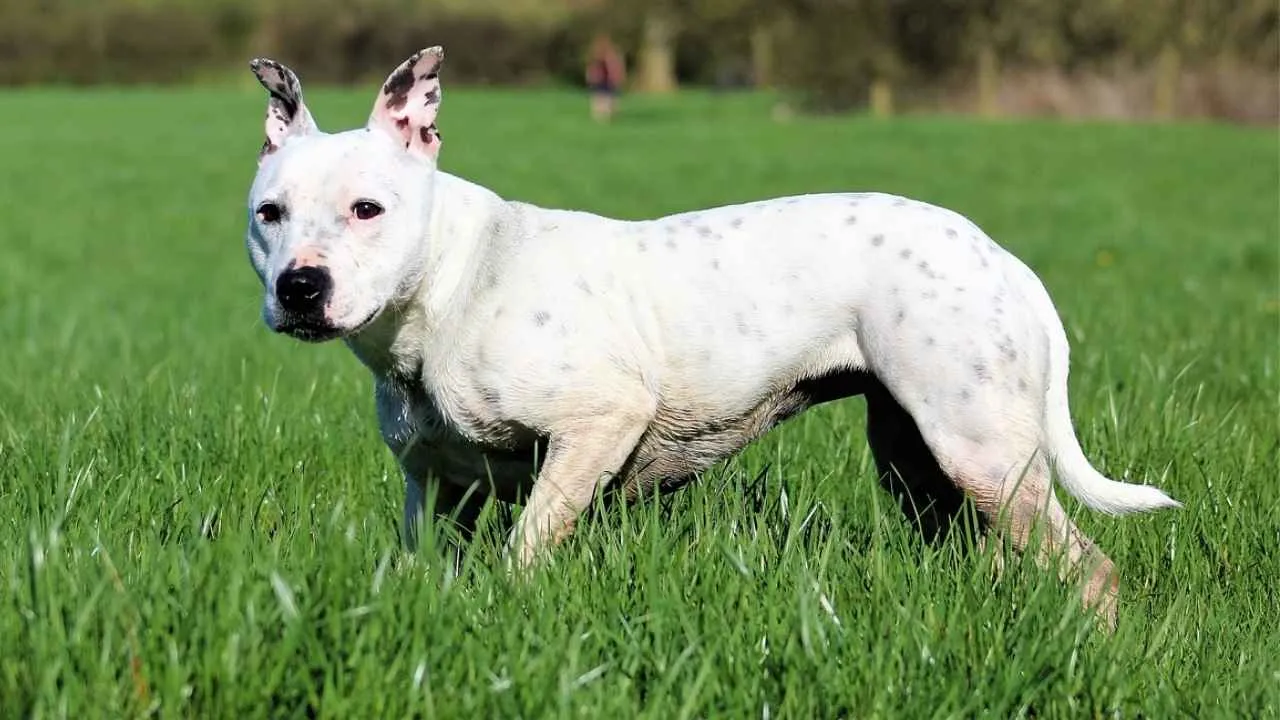
Staffies are compact, muscular, and very strong for their size. As per Britannica, they were bred in England from bulldog and terrier crosses, and their past included cruel blood sports.
Thankfully, the modern Staffy is better known for loyalty, courage, and being a total clown with their people.
Their bravery often shows in tenacity. They do not give up easily. They love tug, wrestling, and chew games with serious enthusiasm.
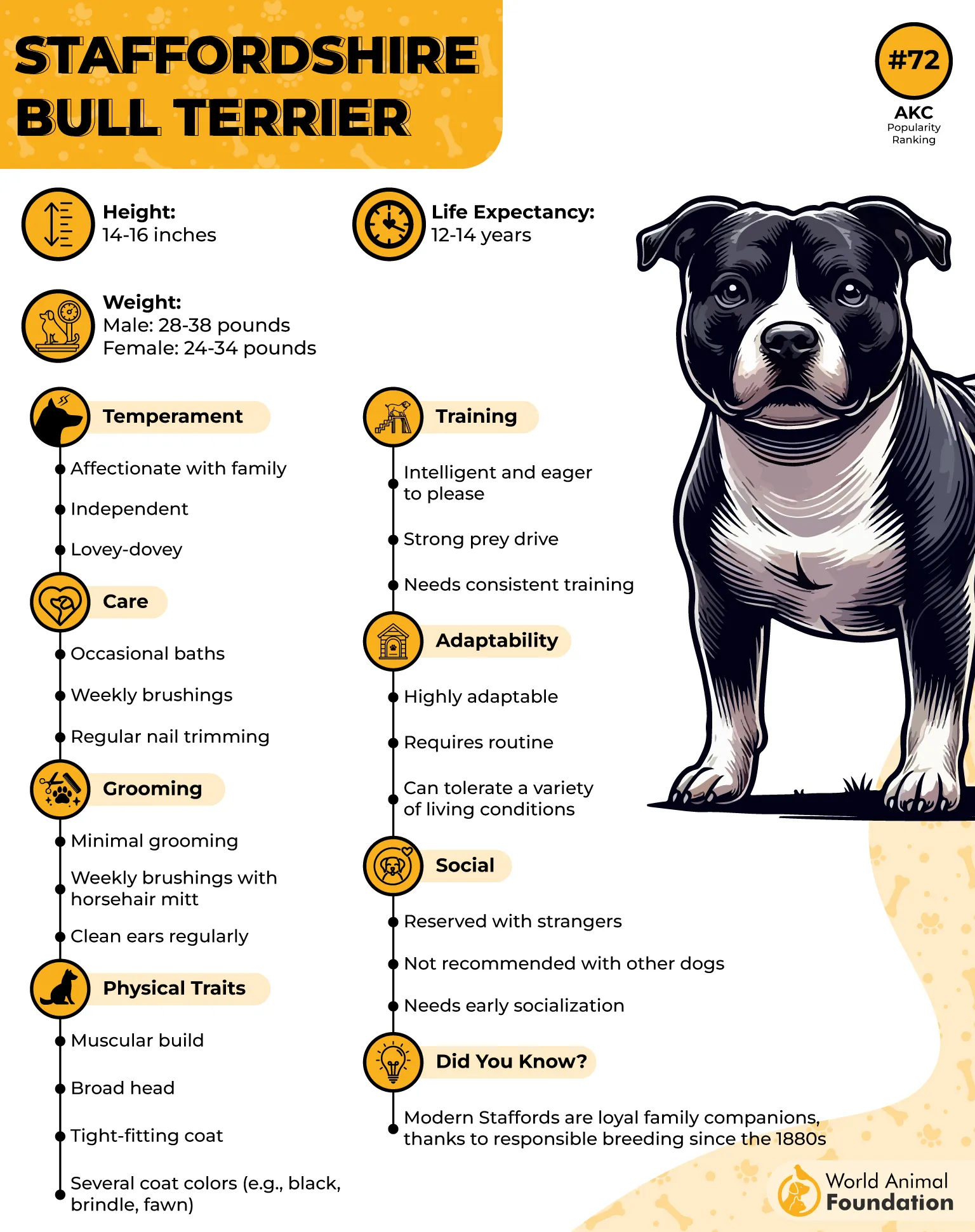
They also tend to adore people and want to be close, which can make them feel like a brave little shadow who follows you everywhere. Many are affectionate with kids, but their bouncy bodies can knock children over, so supervision matters.
Here’s the good part. Staffies respond really well to force-free, positive training when you start early. Give them clear rules, good outlets for chewing, and enough mental play, and they become fun, friendly family dogs with a tough little spark.
A few “staffy-proofing” tips
Use durable chew toys, because their jaws are strong.
Teach calm greetings so they do not body-slam guests.
Keep training upbeat and consistent, not harsh.
8. German Shepherd
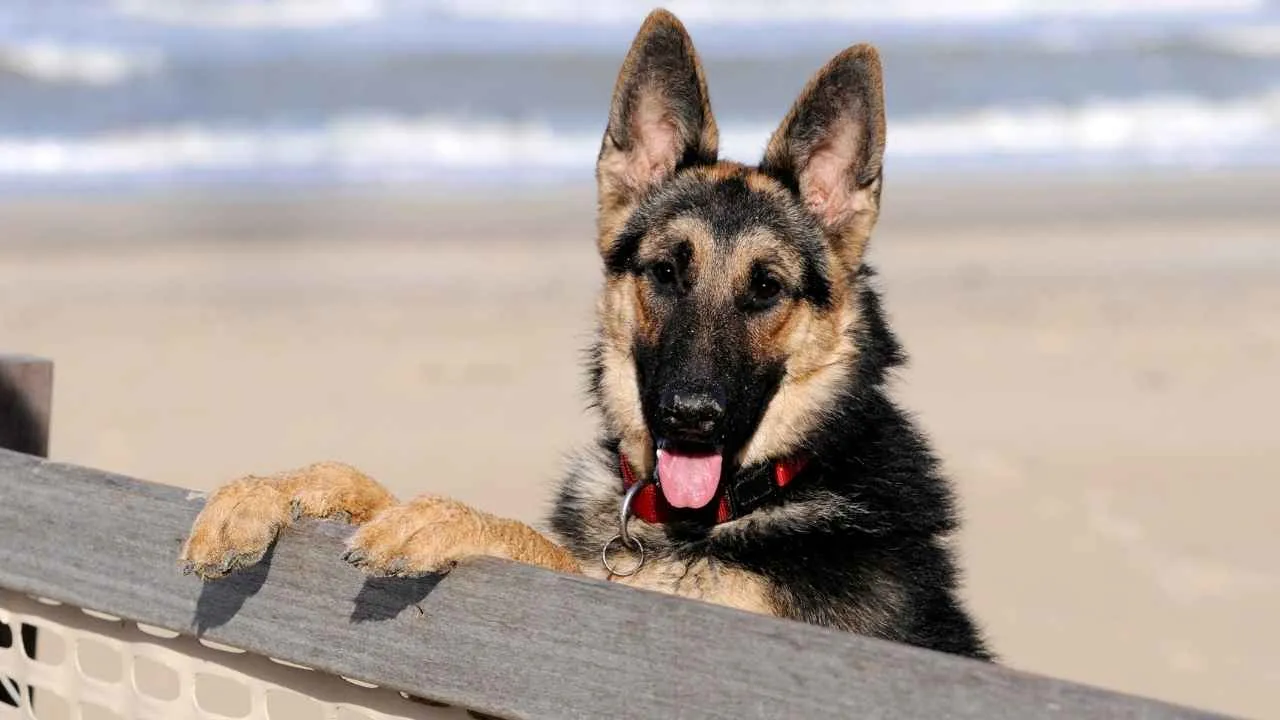
German Shepherds are famous for being all-purpose workers. They are large, agile, muscular, and very smart. Their agility, both physical and mental, makes them excel in dog sports, training, and task-oriented activities.
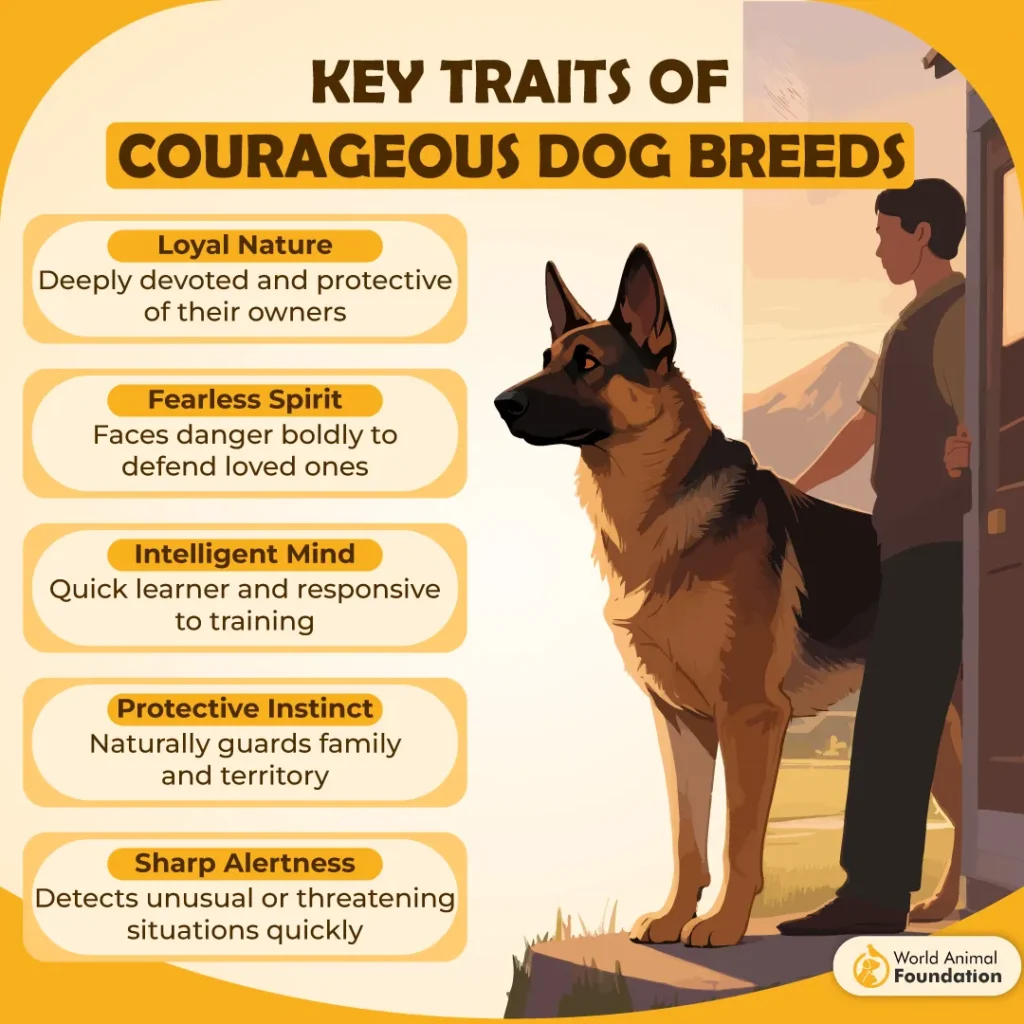
Loyal, confident, courageous, and steady is basically their whole brand. German Shepherds are known for their courage and intelligence, originally bred for herding. And yes, that is why they show up in police and military roles so often.
Their courage is not just physical. It is mental. They can stay calm in chaos and still follow direction, which is a big deal.
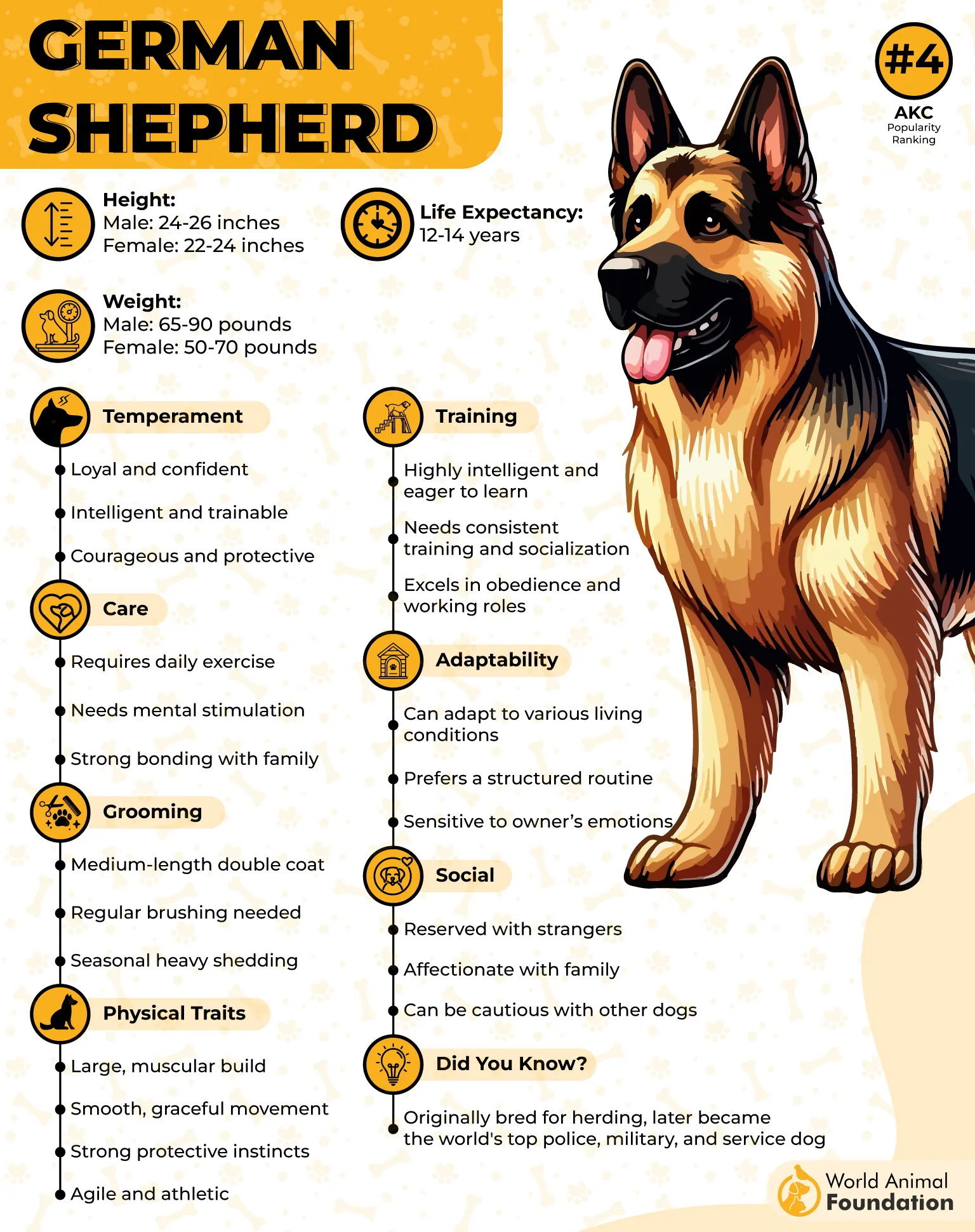
A dog that panics is not helpful, no matter how strong. German Shepherds are built to think, to focus, and to work with humans. That teamwork is what makes them feel so brave and reliable.
But why bother with a German Shepherd if you will not train them? They need structure, jobs, and clear boundaries. If you give them that, you get a dog who can protect, assist, and still chill at home like, “All good. I’m on it.”
The best ways to support their strength
Give them training that feels like teamwork.
Mix exercise with brain work, like scent games.
Social time keeps their confidence balanced.
9. Mastiff
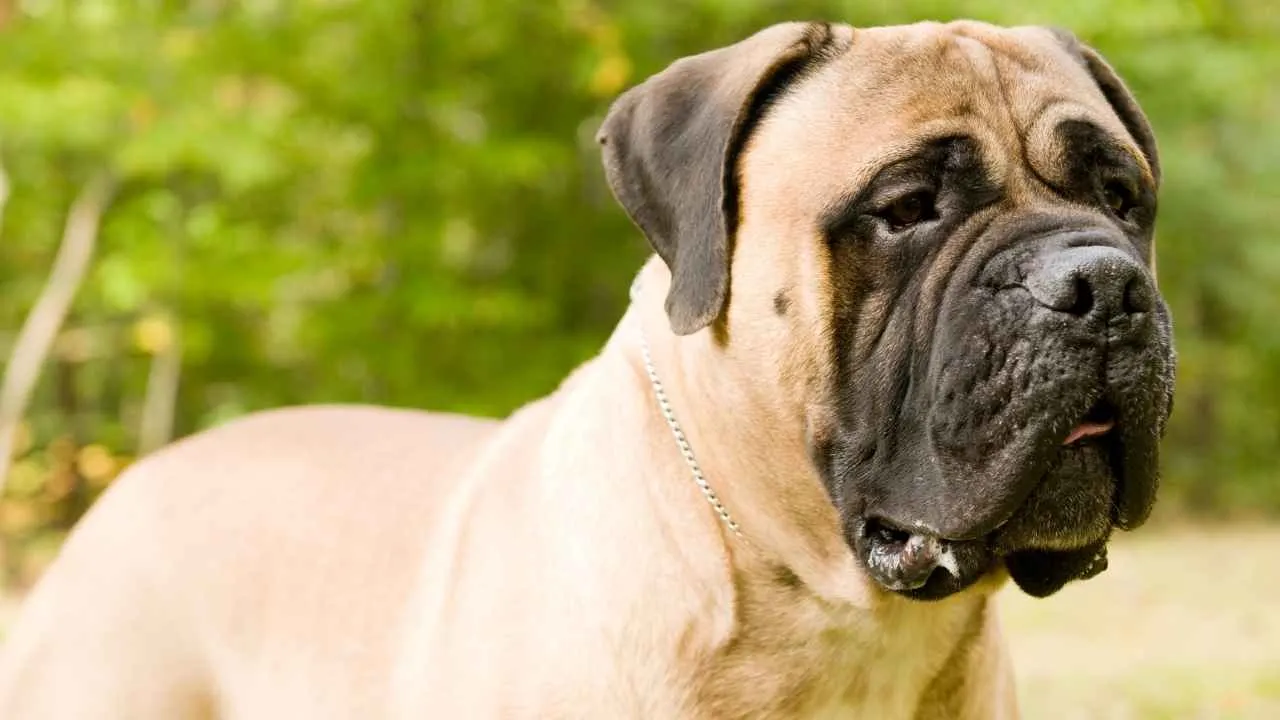
Mastiffs are the definition of raw strength. They are ancient working dogs, and many can be huge, with some of the largest reaching around 230 pounds.
They are muscular and built like small tanks, which is great for guarding, but it also means you must take training seriously from day one. Physical power in dogs includes significant muscle mass, powerful bone structure, and high bite force indicators.
Here’s the best part. For many Mastiffs, courage looks calm, not loud. They often do not need to rush. Their size already sends the message. Many are patient and lovable with their families, and they can be loyal companions when raised with gentle, consistent training.
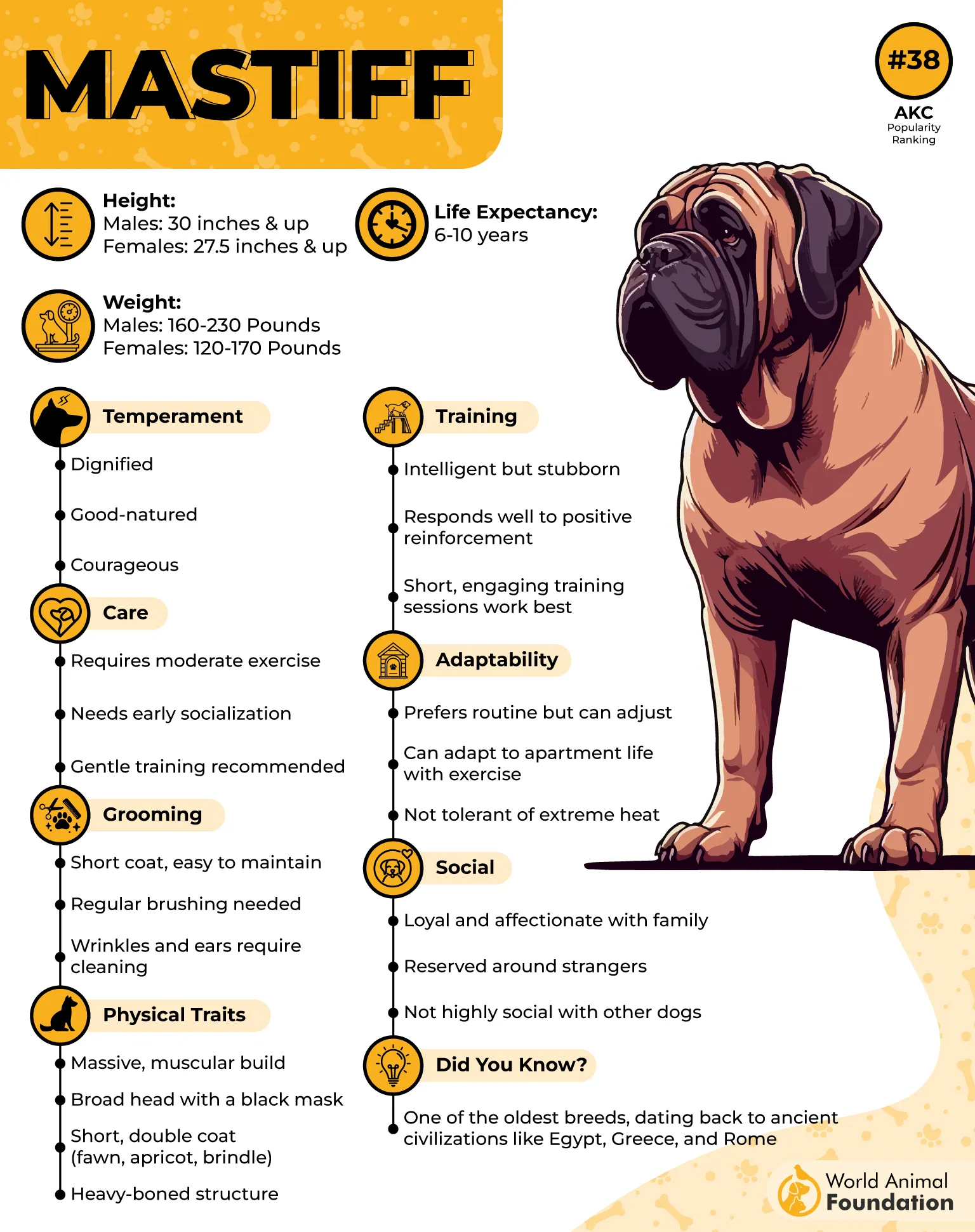
However, a common mistake is underestimating the challenges of owning such a large, powerful breed; proper preparation and understanding are essential. So yes, the “giant tough dog” can also be a softie.
But wait, there’s more! Their strength is real, and so are their needs. Big bodies can have joint stress, and big dogs need space and good manners.
Keep walks steady, teach polite leash skills, and make sure they learn calm greetings. Then you get a brave, steady guardian who feels like a warm, living couch.
Important notes for gentle giants with a gentle nature
Start training early so size never becomes a problem.
Keep exercise low-impact and consistent.
Social training helps them stay confident, not suspicious.
Conclusion
In the right environment, certain breeds turn into the kind of dogs you trust with real jobs and real love. Some are quick learners, extremely intelligent, and highly trainable, with a serious work ethic and a strong desire to stay useful.
That is why you see them in the military and police, as steady working dogs or protection dogs. Whether it’s a Shepherd dog built to herd cattle across long distances, a bold Belgian Malinois, or a calm Anatolian shepherd as a livestock guardian, the goal stays the same: courage with control.
A large dog like Saint Bernards can even become one of those warm, gentle therapy dogs when raised with care, while excellent guard dogs can still be great family pets ina healthy family life.
Breeds like the American Bulldog may have the muscle for hard work, and some even have histories tied to tasks like hunting wild boar and facing wild boar, but they still need an active lifestyle, clear rules, and mental stimulation to stay balanced.
That’s why experienced owners and experienced handling matter, along with proper training, so these top breeds do not clash with other breeds or overwhelm family environments.
