




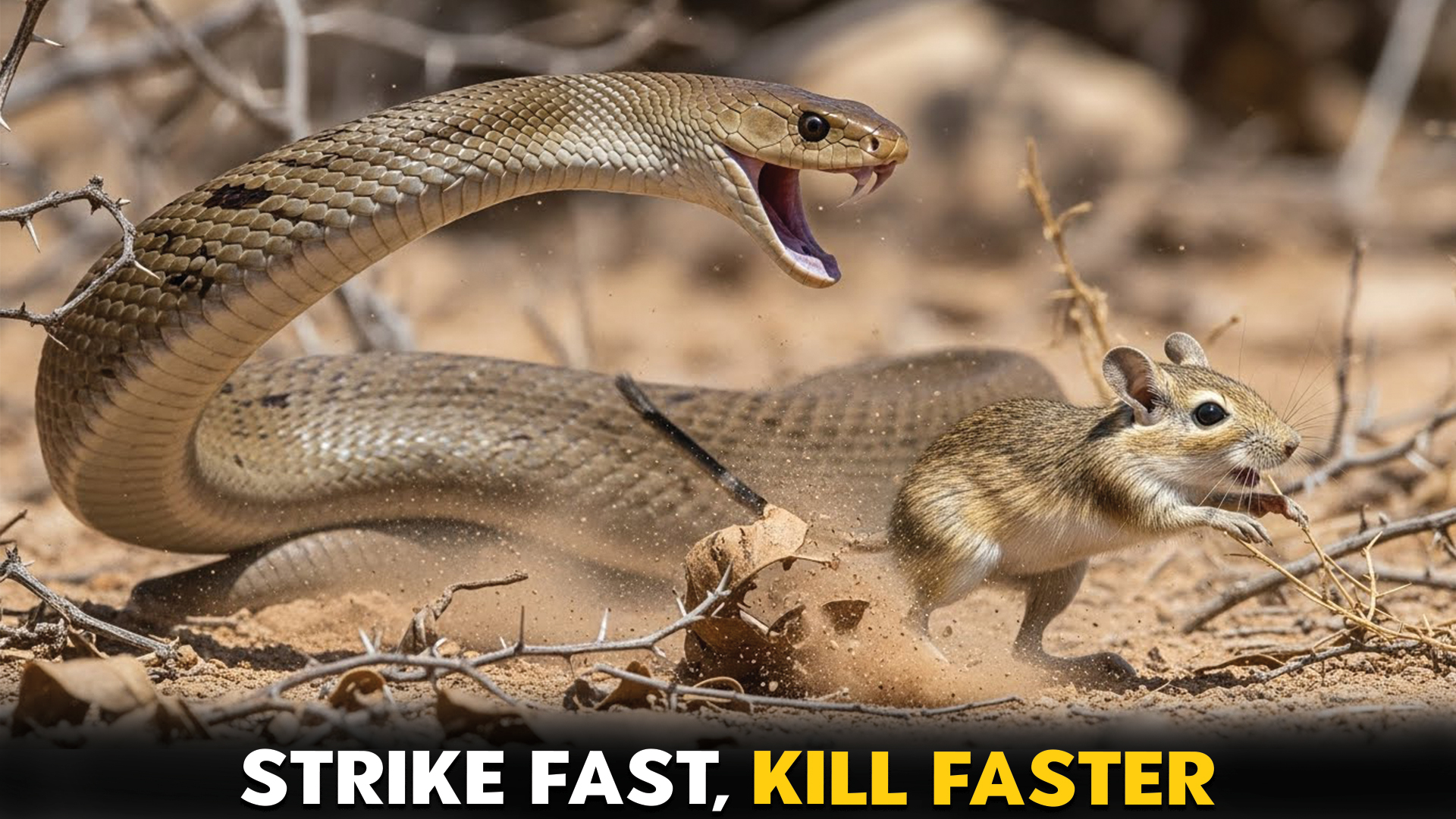
In the animal kingdom, survival often hinges on the ability to hunt effectively—and some snakes take this art to an extreme. Certain species are renowned for their aggressive hunting techniques, striking with precision, patience, and sometimes sheer ferocity.
These snakes don’t just wait for prey; they actively hunt, chase, and ambush with strategies honed over millions of years of evolution. Some are lightning-fast, capable of striking with speed that leaves prey no chance to escape.
Others employ stealth, coiling silently and waiting for the perfect moment to attack. Many use specialized venom, constriction, or a combination of tactics to secure their next meal. Their hunting behavior reflects not only efficiency but remarkable adaptability, as each species evolves methods suited to its environment and prey type.
Studying these aggressive hunters offers a glimpse into a thrilling side of snake behavior. Get ready to meet 7 snakes that embody raw hunting prowess and evolutionary mastery.
Fact: The king cobra and black mamba aren’t just venomous—they actively hunt with lightning-fast strikes and strategic ambush tactics, showing that some snakes rely on brains as much as brawn to catch their prey.
Snakes Known for Their Aggressive Hunting Techniques
1. Black Mamba
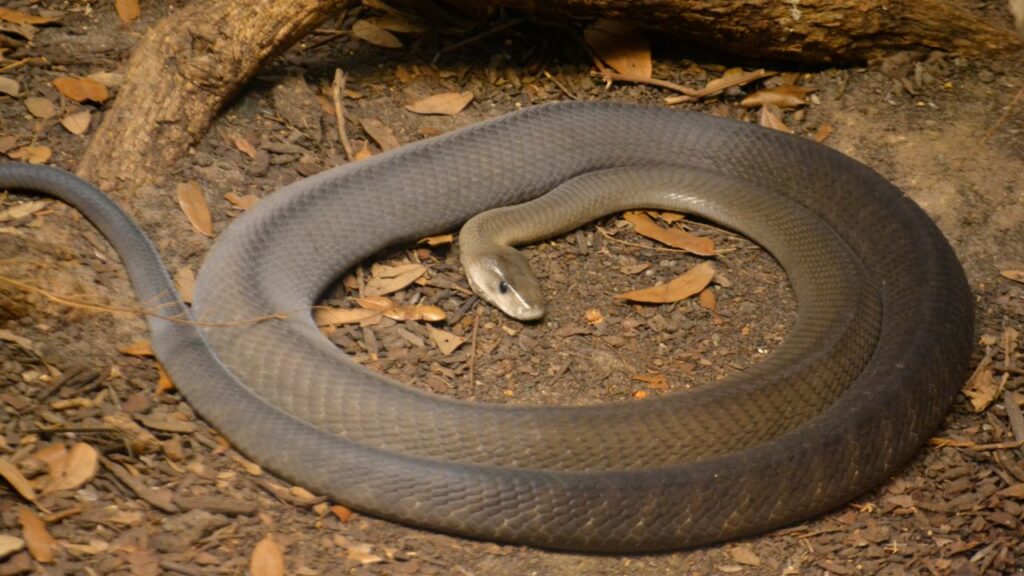
If snakes had a “most likely to make you run for your life” award, the black mamba would win it hands down… or should I say, fangs down? This East and South African native is not only the second-longest venomous snake on the planet but also the fastest—clocking in at a terrifying 12 mph.
That’s faster than your average jogger, and definitely faster than your chances if one decides you’re on the menu. What really makes the black mamba a top contender on the aggressive snake list is its fearlessness.
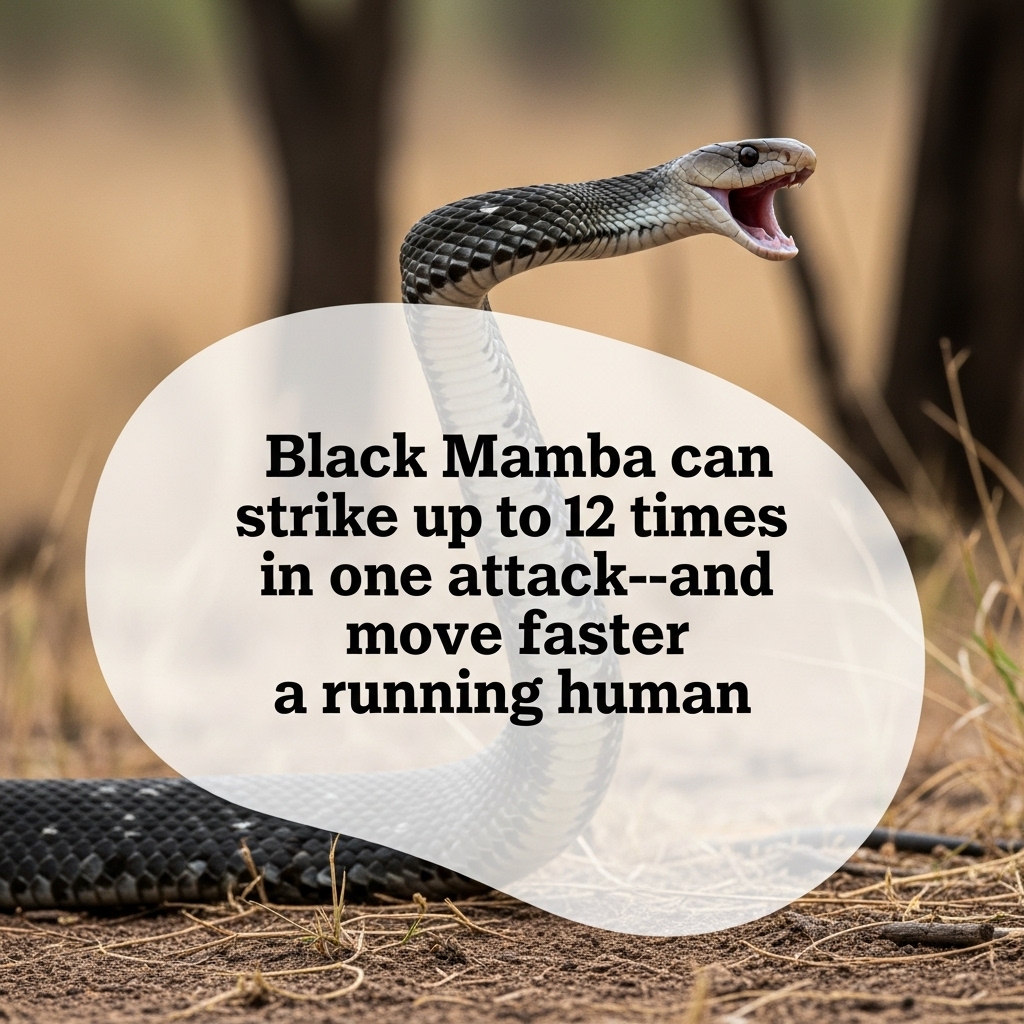
If cornered, it doesn’t debate, negotiate, or ask for a truce—it attacks. And it doesn’t just give a polite warning bite. Oh no. It injects a super-toxic cocktail of venom in multiple strikes—up to 12 in one go! Think of it as the snake equivalent of ordering “the full buffet” and then insisting you eat every single dish… with deadly consequences.
Its venom is so potent that untreated bites are almost always fatal, and even with treatment, survival isn’t guaranteed. The black mamba’s signature threat display—opening its black mouth wide, spreading its neck, and hissing—is basically its way of saying, “Back off, or things get messy.”
And while it might sound like a creature of pure malice, the black mamba does have a palate: galagos, bats, birds, rats, and even chickens. Basically, if it can catch it, it’s dinner. And it has a particular fondness for termite mounds, which it sometimes adopts as its personal fortress.
2. Saw-Scaled Viper
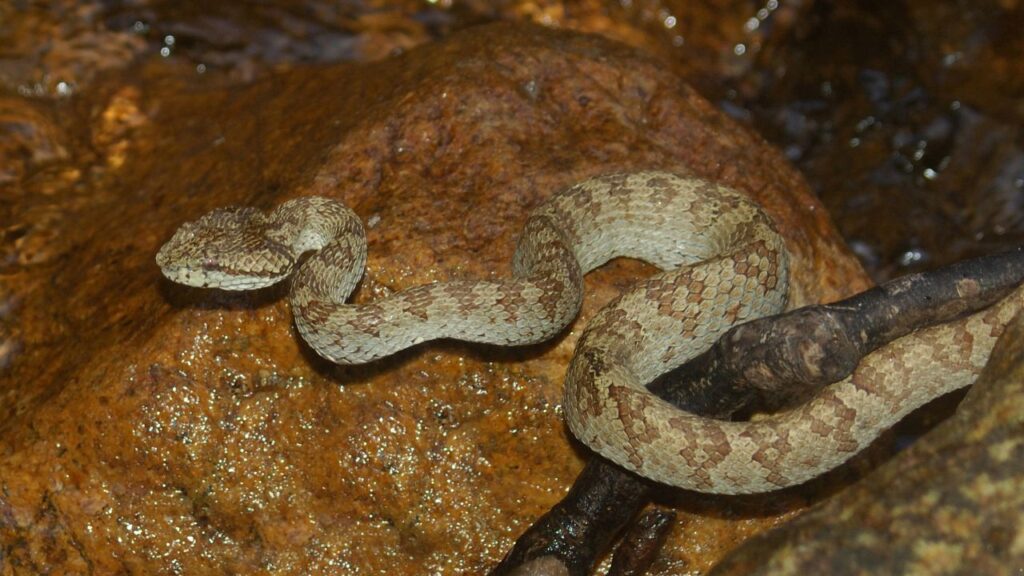
This little snake may only grow to about 2–3 feet long, but don’t let its size fool you—its venomous bite is nothing short of deadly. In fact, the saw-scaled viper is responsible for more human deaths than all other snakes combined. Yes, you read that right—it’s small but mighty, and it’s not picky about who or what it bites.
Aggression is in its DNA. Unlike other snakes that might give a warning hiss or slither away when threatened, the saw-scaled viper springs into action. It coils tightly, waits for the perfect moment, and then strikes with lightning speed.
Its stealthy coloration makes it blend seamlessly into sand, leaves, or urban rubble, making it almost invisible until it’s too late. Think of it as the snake equivalent of a ninja ambush… only with fangs instead of throwing stars.

Venom like a sledgehammer. This snake doesn’t just bite; it over-delivers. Injecting three times as much venom as it needs to kill, the saw-scaled viper ensures its prey—or unfortunate human—doesn’t get a second chance.
Unlike some snakes that shy away from humans, the saw-scaled viper doesn’t mind popping up near homes, farms, or villages. This proximity, combined with its aggression, makes it especially dangerous. It’s one of those snakes that doesn’t just wait for you to come to it—it’s ready to meet you halfway.
Personality quirks? Well, if you can call it that, this snake is constantly “rattling” its scales, producing a dry, rasping sound as a warning. Imagine someone shaking a tin of coins at you while snarling—it’s their version of a polite “back off.”
Despite its deadly reputation, humans aren’t defenseless. Antivenom exists, and with quick medical treatment, victims often survive. But the saw-scaled viper’s reputation is well-earned—it’s aggressive, efficient, and, frankly, the kind of snake you don’t want to accidentally step on.
3. Coastal Taipan
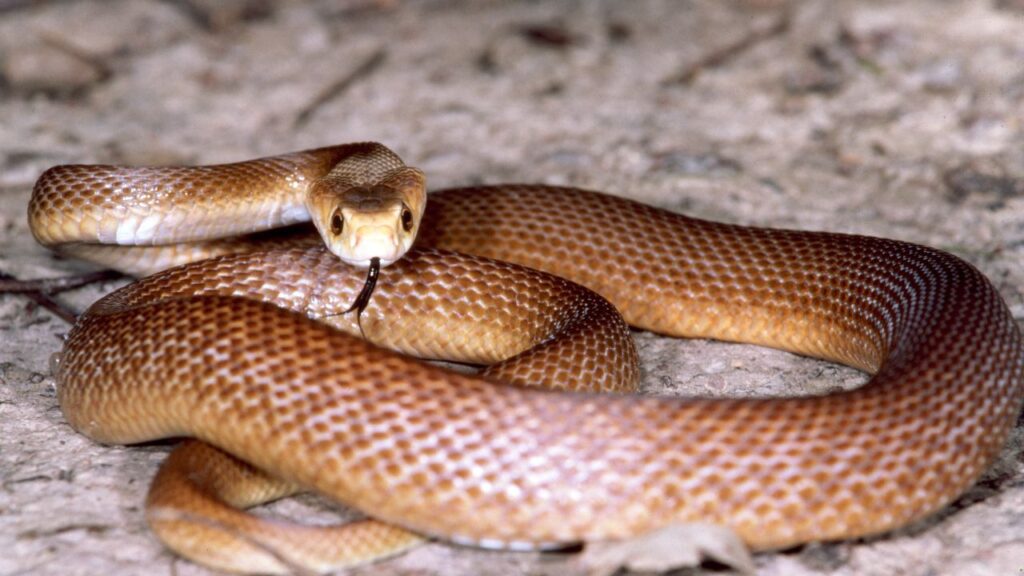
If the black mamba had a cousin down under, it would be the coastal taipan—fast, venomous, and with a personality that says, “I didn’t come here to play.” Found along the east and north coasts of Australia and parts of New Guinea, this snake is a master of precision hunting, blending speed, stealth, and deadly venom into one lethal package.
Averaging 6.5 feet long, the coastal taipan is Australia’s runner-up for the longest venomous snake title. Elegant, alert, and extremely lethal, it’s the kind of snake you notice even before it notices you.
Much like its African relative, the black mamba, the coastal taipan is a hunter that doesn’t waste energy unnecessarily. It allows its prey to move around a bit, ensuring they’re not damaged while its venom works its magic.
Venom? Not to be underestimated. The coastal taipan is the third most venomous land snake in the world, delivering multiple rapid strikes with venom that penetrates deep into tissue. Thankfully, with prompt antivenom treatment, mortality rates stay relatively low at around 4.3%, though every encounter is still a serious medical emergency.
This snake cruises like it owns the place, holding its head high as it scans for prey. Once a target is spotted, it freezes—patient and calculating—before striking with lightning speed. It doesn’t just bite once; multiple rapid bites ensure maximum venom delivery.
Don’t be surprised if you stumble upon a coastal taipan in sugarcane fields, open woodlands, or forests. They’re surprisingly comfortable near human activity, which makes them both fascinating and potentially dangerous to encounter.
4. Bushmaster
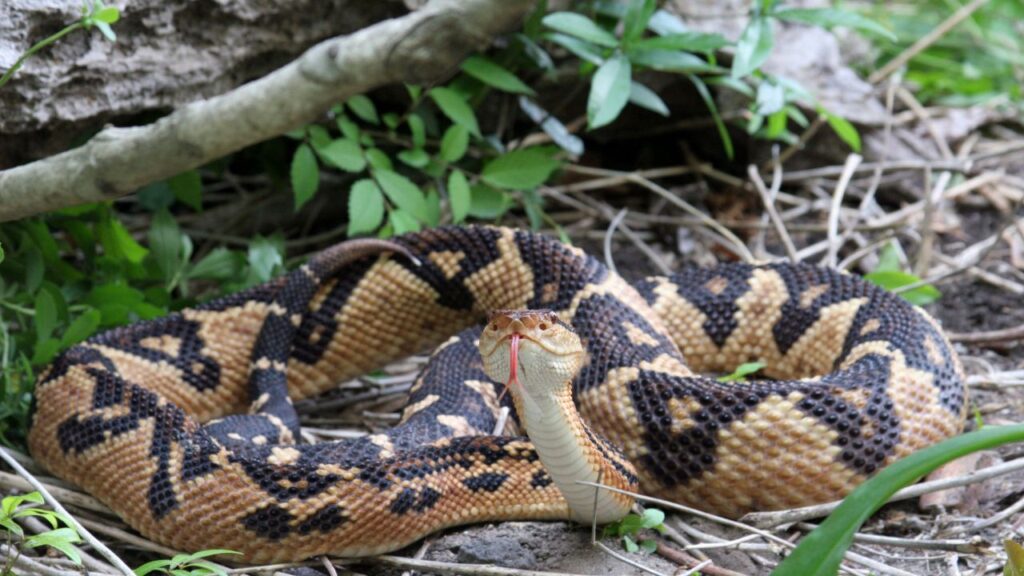
Found in the dense forests of Central and South America, this massive pit viper is the largest venomous snake in the Americas—and one of the most aggressive in the world when threatened. With lengths reaching up to 12 feet (though averaging around 6.5 feet), the bushmaster is basically the “tank” of the snake kingdom: big, well-camouflaged, and not afraid to stand its ground.
Patient predator: The bushmaster is the master of ambush. It can sit perfectly camouflaged in one spot for days, waiting for unsuspecting prey to wander by. Its preferred habitat is cool, dense forests below 3,000 feet, far from the hustle and bustle of city life.
While this makes human encounters rare, it also means that when people do stumble across one, it can be an intense surprise. Aggression and defense: Don’t mistake its patience for meekness. If disturbed, the bushmaster will strike repeatedly, delivering its highly toxic venom with precision.
It may even “halfheartedly chase” someone trying to escape—but more than a chase, it’s a firm statement: “I’m not moving, and you’re not welcome here.”
Bushmasters are mostly night owls, hunting under the cover of darkness. Their secretive nature keeps them largely out of sight—but their venomous bite ensures that when they do make contact, it’s not to be taken lightly.
Female bushmasters are attentive mothers. They lay eggs and incubate them carefully, refusing to leave for food. And if you happen to disturb them during this period? Expect a serious defensive reaction. Mother bushmasters don’t mess around.
5. Eastern Brown Snake
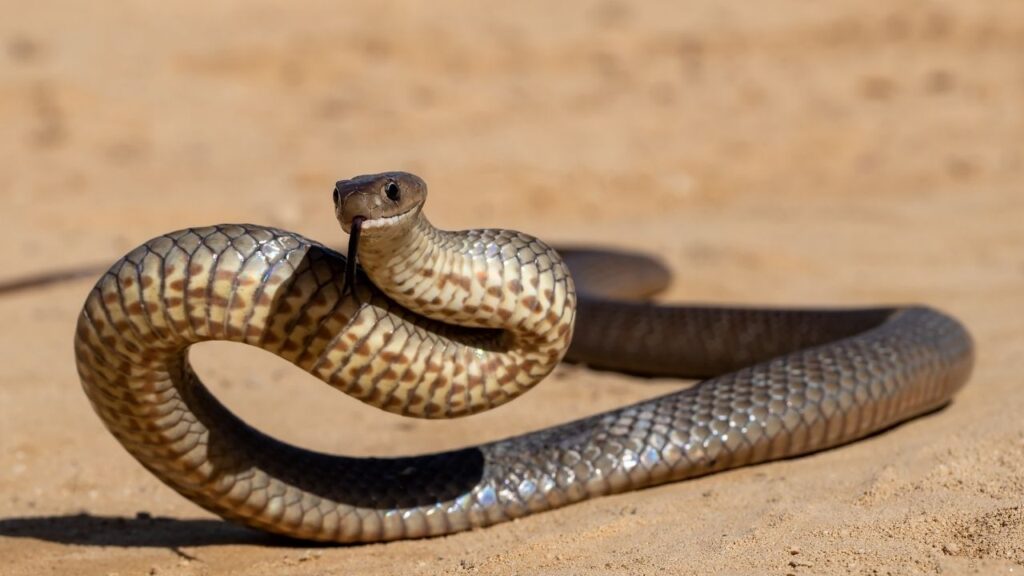
Meet the eastern brown snake (Pseudonaja textilis), also known as the common brown snake—a slender, fast, and extremely venomous predator that holds the title of the world’s second-most venomous land snake, right after the infamous inland taipan, Wikipedia noted.
Unlike many snakes that rely mostly on scent, the eastern brown snake hunts with its eyes. It frequently raises its head like a periscope, scanning the landscape for unsuspecting prey. It’s basically the snake version of a watchtower, constantly on alert and ready to strike.
When it captures prey, this snake doesn’t just rely on venom. It will coil around and constrict its target, combining the powers of grappling and envenomation. Think of it as a one-two punch: “Hold still while I inject this lethal cocktail.” Its method is both efficient and lethal, making it a master predator in its environment.
The eastern brown snake’s venom is highly potent and acts quickly, making it extremely dangerous to humans if bitten. Quick response with antivenom is crucial—but its reputation alone makes people give it a very wide berth.
Eastern brown snakes are commonly found in farmlands, grasslands, and even suburban areas. They are alert, intelligent hunters that adapt well to human presence—but that’s only more reason to respect their space. Disturb them, and they won’t hesitate to defend themselves.
6. King Cobra
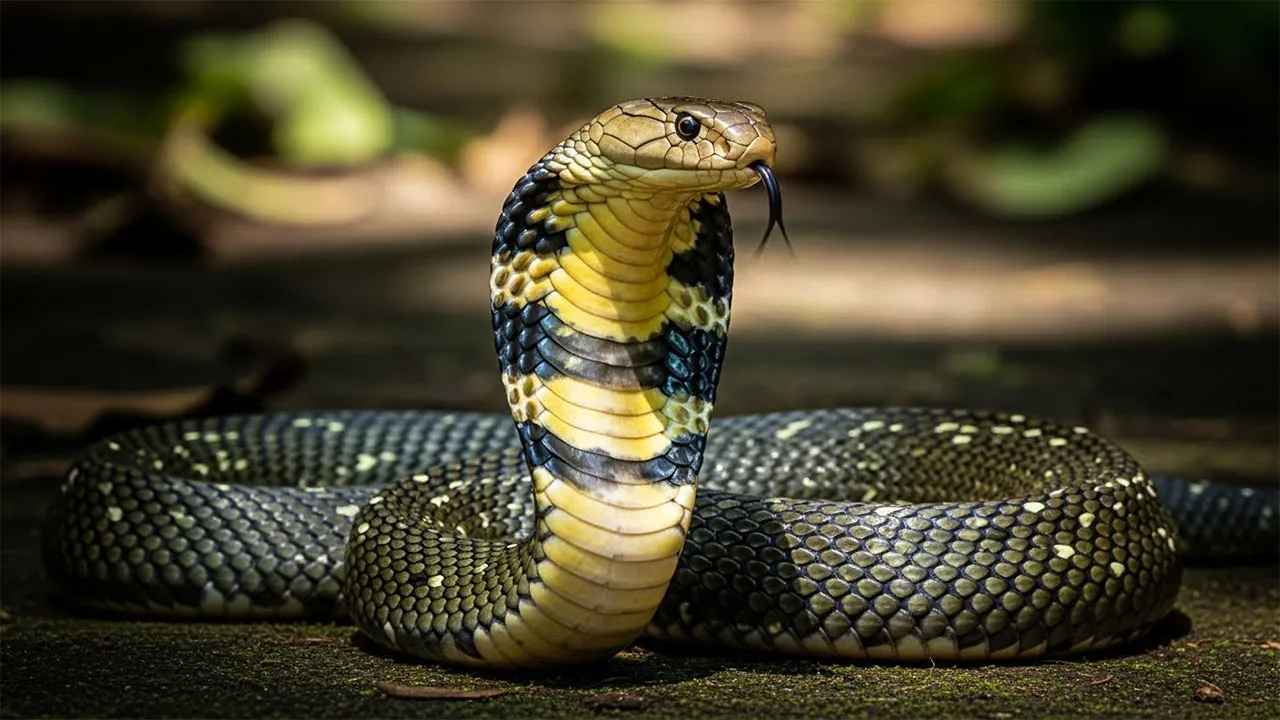
Meet the king cobra (Ophiophagus hannah), the world’s longest venomous snake, and quite possibly the royalty of the reptile kingdom. Growing up to 18 feet, this snake isn’t just about size—it’s a combination of intelligence, venom potency, and sheer intimidation.
A hunter with a taste for snakes: Unlike most snakes that go after rodents or birds, the king cobra prefers a very specialized diet—it hunts other snakes, including venomous ones. Its name literally means “snake-eater,” and it does so with precision, striking quickly and delivering enough venom to immobilize even the most dangerous prey.
King cobra venom is not the deadliest per milligram, but the sheer volume it delivers is staggering. A single bite can inject enough venom to kill multiple humans or completely subdue large prey like other snakes. And unlike some snakes that give warning strikes, the king cobra can deliver multiple full-strength bites if provoked.
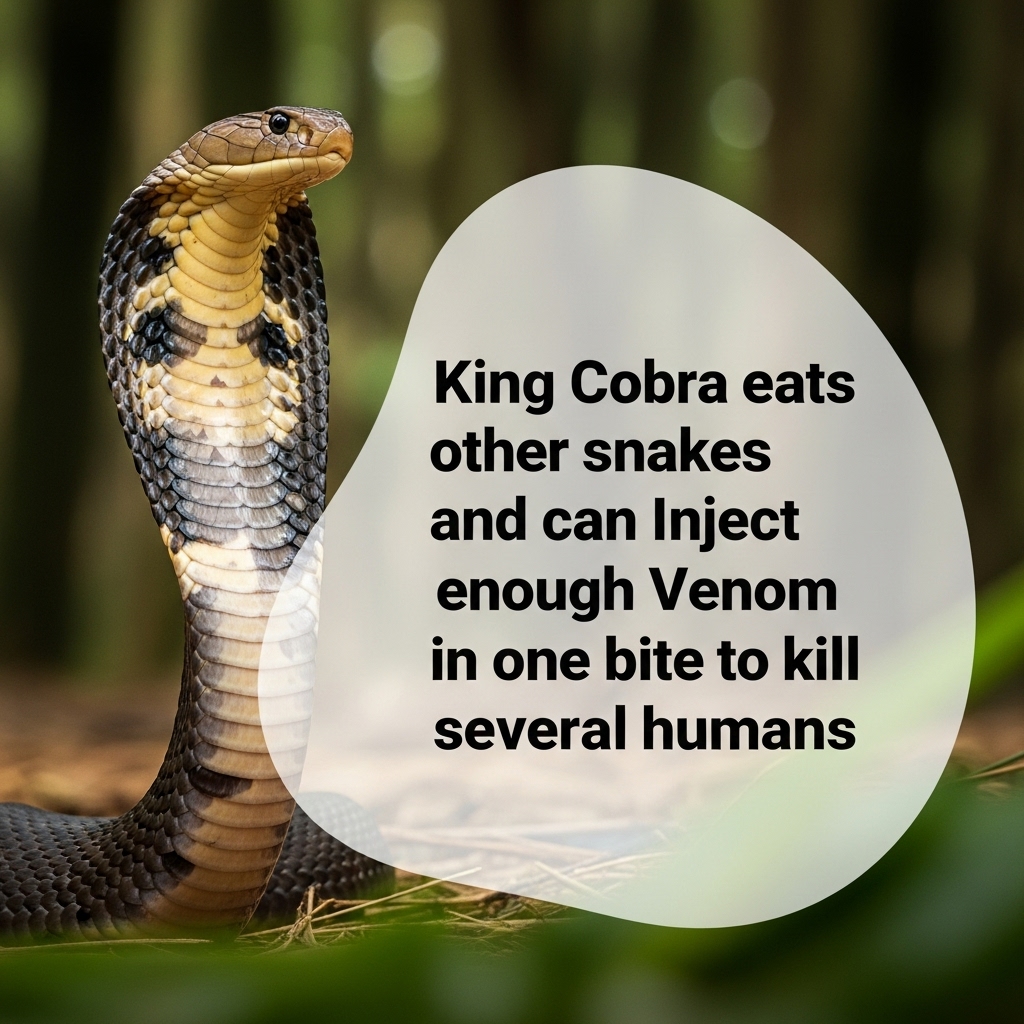
True to its name, the king cobra knows how to make an entrance. When threatened, it raises the front third of its body, spreads its hood, and hisses—a terrifying display that says, “Back off, or pay the price.” This posture makes it look even longer and more intimidating than it already is.
Found across Southeast Asia and parts of India, king cobras prefer forests, bamboo thickets, and areas near streams. They are intelligent and alert, often detecting threats long before humans get too close. Despite their deadly reputation, king cobras tend to avoid confrontation when possible, reserving aggression for defense or hunting.
King cobras are unique among snakes in that females build nests for their eggs and guard them fiercely—a rare act of parental care in the snake world. During this time, the mother cobra becomes extremely protective and aggressive.
7. Boomslang
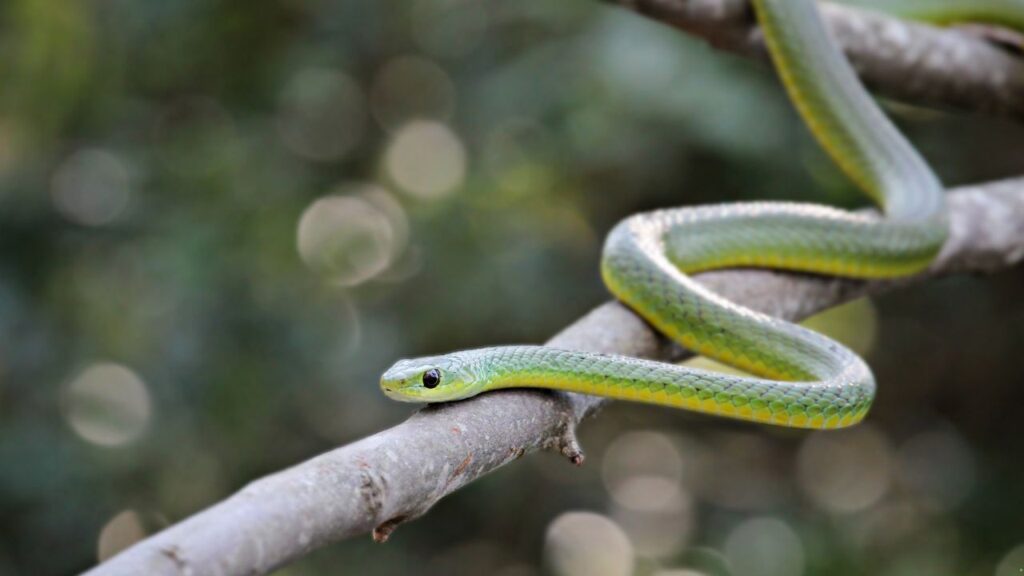
Say hello to the boomslang, one of Africa’s most fascinating—and surprisingly deadly—snakes. Its name alone is fun to say: “boomslang” literally means “tree snake” in Afrikaans and Dutch. But don’t let the playful name fool you; this snake may look unassuming, but its venom can be deadly, so anyone bitten should seek treatment immediately.
Arboreal lifestyle: True to its name, the boomslang spends most of its time high up in trees, moving gracefully from branch to branch to hunt, rest, or soak up the sun. When it comes down to the ground, it doesn’t wander far; instead hiding cleverly wherever it can.
Venom with a slow punch: Unlike some snakes that strike for defense, the boomslang’s venom is perfectly designed for hunting small animals. According to Britannica, it’s a rear-fanged snake, but its venom is potent, targeting the circulatory system and preventing blood from clotting.
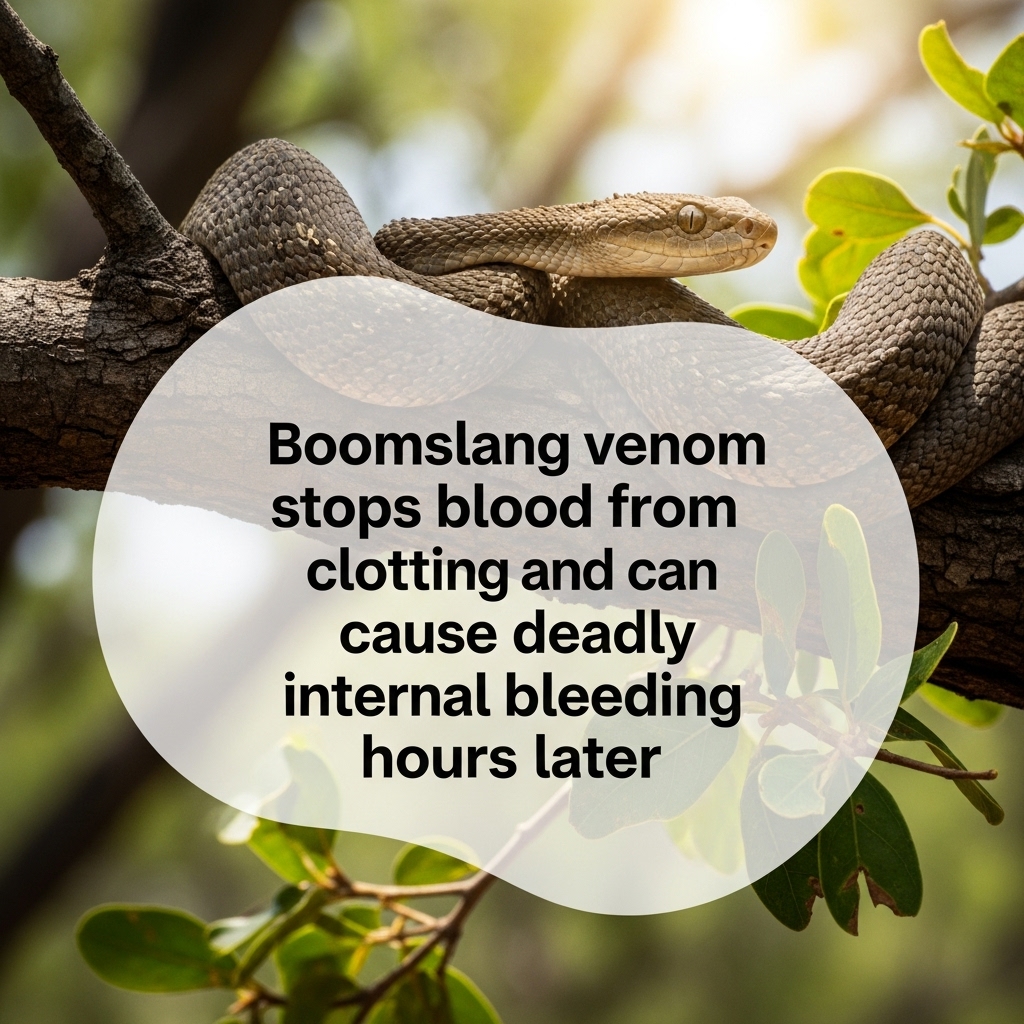
In humans, this can lead to serious internal and external bleeding if not treated. The slow-acting nature of the venom is a reminder that the boomslang isn’t trying to scare you off—it’s just doing what it does best: hunting efficiently.
When threatened, the boomslang doesn’t immediately bite. Instead, it has a few clever tricks up its sleeve. It can widen its neck and open its mouth, creating the illusion of a much larger, more intimidating snake.
On top of that, it secretes a foul-smelling substance to convince predators that it’s best left alone. Think of it as a mix of a Halloween mask and bad breath—nature’s way of saying, “Back off, or regret it.”
Conclusion
Snake species known for their aggressive hunting techniques are among the most effective hunters in the natural world, combining powerful bodies, venomous strikes, and ambush predation to catch small mammals, frogs, lizards, toads, and other prey. Sea snakes, coral snakes, garter snakes, king snakes, boa constrictors, pythons, and puff adders all employ unique adaptations such as neurotoxic venom or hemotoxic venom, heat-sensing pits, and acute awareness of the nervous system to approach and inject venom effectively.
These serpents can outrun or ambush prey, hiss loudly to intimidate other predators, and exploit complete darkness to maximize hunting success in their snake hunting strategies. While their potent venom can cause internal bleeding if left untreated, these iconic serpents display extraordinary hunting skills, making them formidable predators capable of catching prey across diverse habitats, from grasslands to the southwestern United States.
Aggressive Hunting Snakes 🐍 Can You Score 5/5?
Which snake is considered the fastest venomous snake?
Which snake is responsible for more human deaths than any other?
Which snake mainly hunts other snakes?
Which snake is known for combining venom with constriction?
Which snake is the largest venomous snake in the Americas?
