




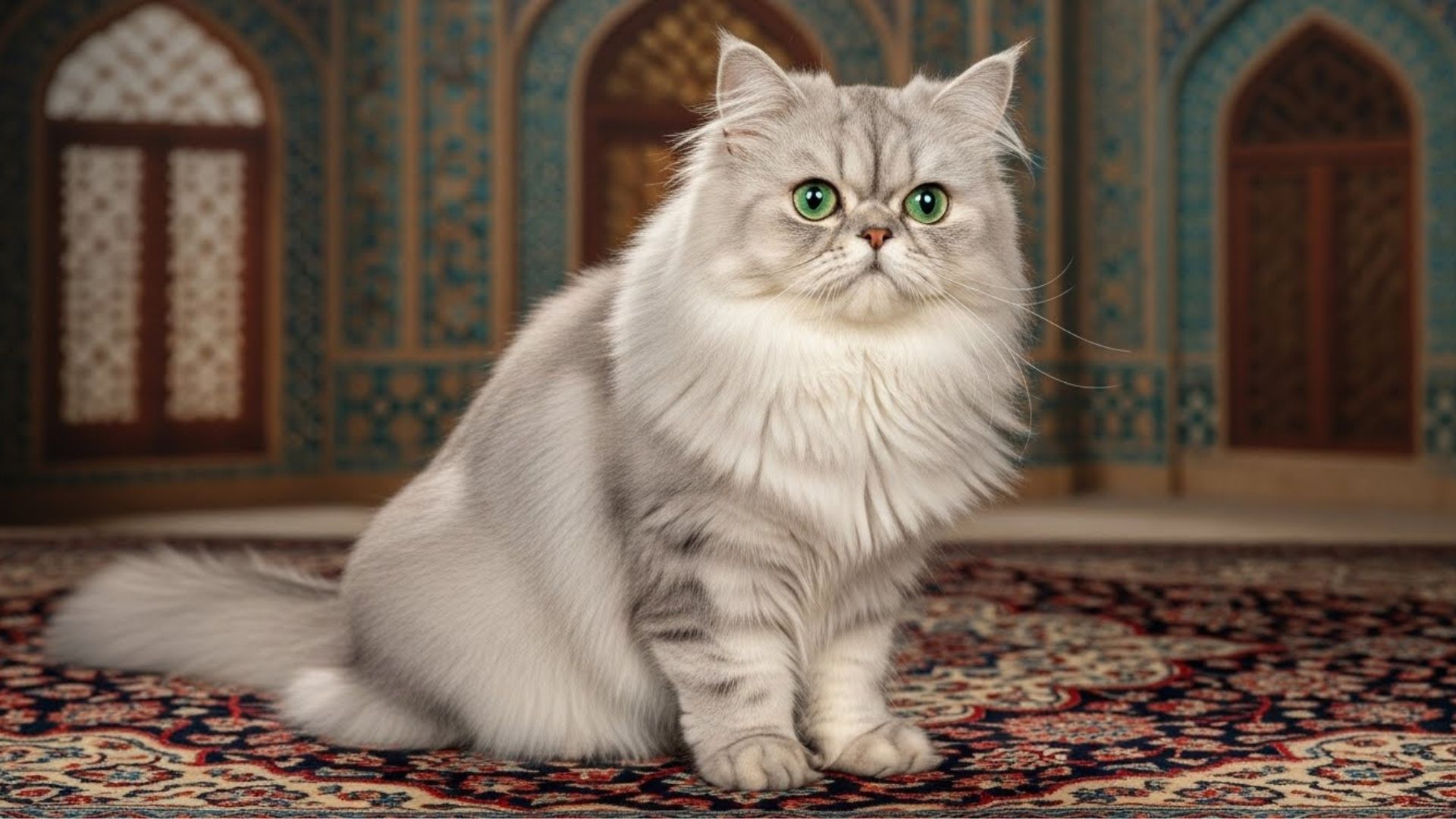
Cat breeds from the Middle East carry a presence that feels ancient the moment you encounter them. Their gaze feels steady, thoughtful, and deeply aware, as if shaped by generations of survival, climate, and close coexistence with humans.
These cats are not defined by excess or ornamentation, but by balance, resilience, and quiet intelligence. Their movements feel deliberate. Their expressions feel measured. Living alongside people for centuries in challenging landscapes has shaped their temperament, their physical structure, and their instincts in ways that feel purposeful rather than accidental.
There is patience in them, but also alertness. There is independence, but also connection. Cat breeds from the Middle East reflect the regions they come from, warm climates, open spaces, and long histories where animals were respected companions rather than decorations. Their story is not loud, but it is enduring.
In this article, you will explore the origins, traits, personalities, and defining characteristics that set Middle Eastern cat breeds apart.
Key Takeaways
Middle Eastern cat breeds often carry a mix of elegance, agility, and loyalty that feels almost timeless.
Persian cats captivate with their flowing coats and calm presence, while Turkish Angoras glide with feather-light steps and expressive almond eyes.
Egyptian Maus and Chausies bring energy and alertness, leaping, climbing, and exploring with playful intelligence that surprises visitors.
By the end, you’ll see which seven breeds combine beauty, brains, and personality to create truly unforgettable companions.
Cat Breeds from the Middle East
1. Persian
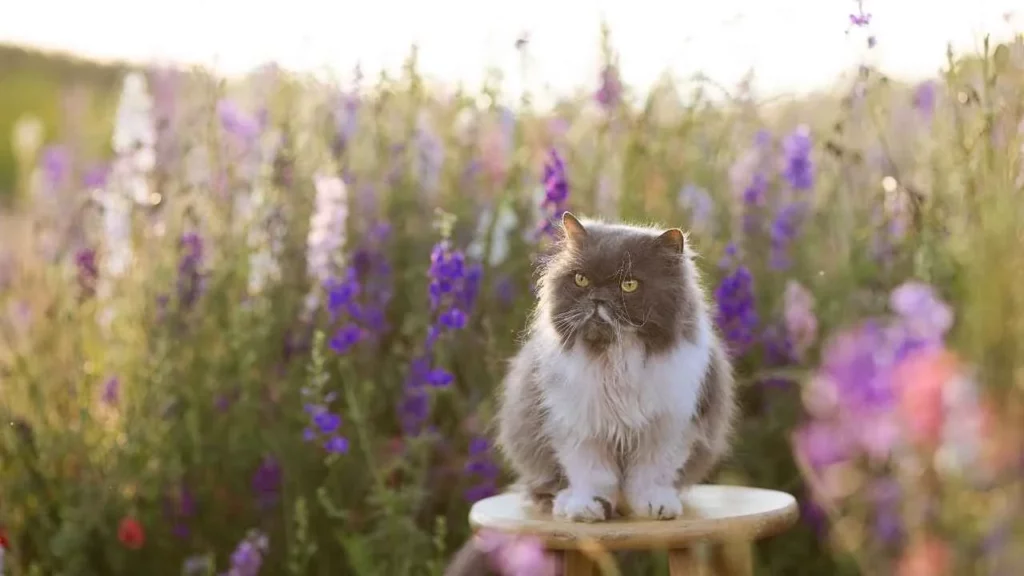
Persian cats are known for their quiet, composed behavior that fits well with relaxed home settings. This steady nature has helped the breed remain favored across generations in Middle Eastern households. Their calm approach makes daily interaction feel unhurried and predictable.
Coat and Show Appeal
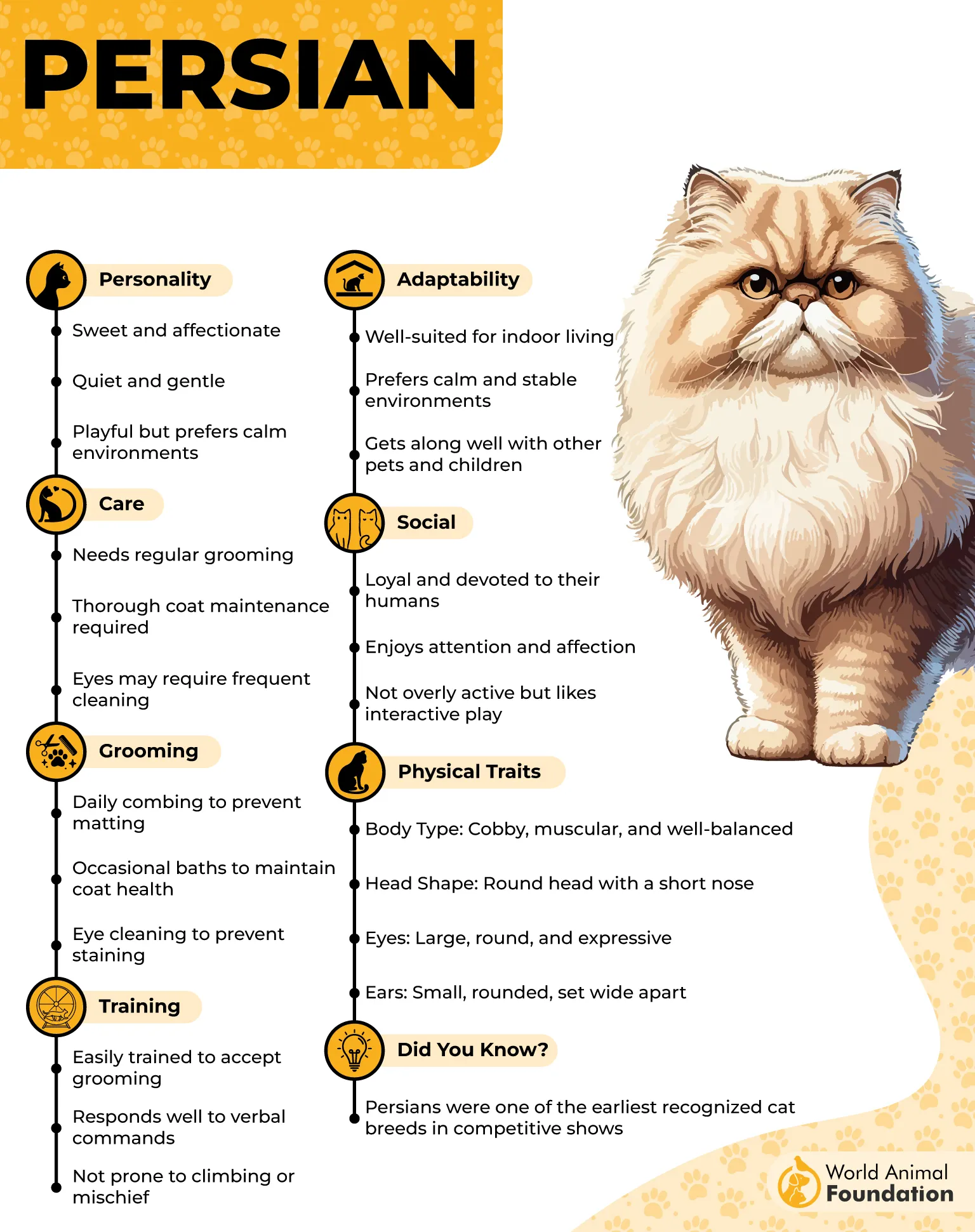
Persian cats gained worldwide attention for their long, soft coats and refined look, which also placed them firmly in the cat show scene, as Royal Canin writes. That visual appeal connects directly to their popularity beyond their region of origin.
A closer look explains the lasting admiration:
Dense and flowing fur texture
Recognizable round facial structure
Strong presence in competitive shows
Social Yet Reserved
Persian cats enjoy human company without demanding constant attention. They tend to stay close, observing quietly, and respond gently when approached. This balance suits homes that value companionship without noise or constant movement.
2. Turkish Angora
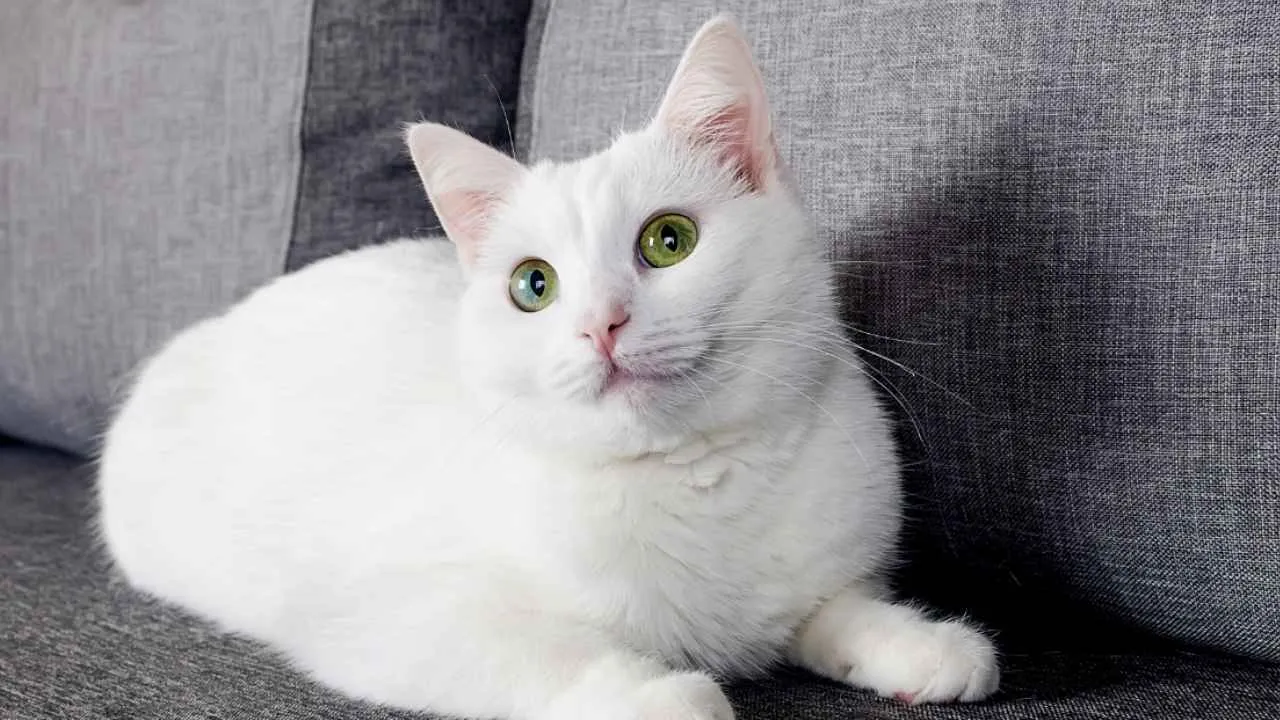
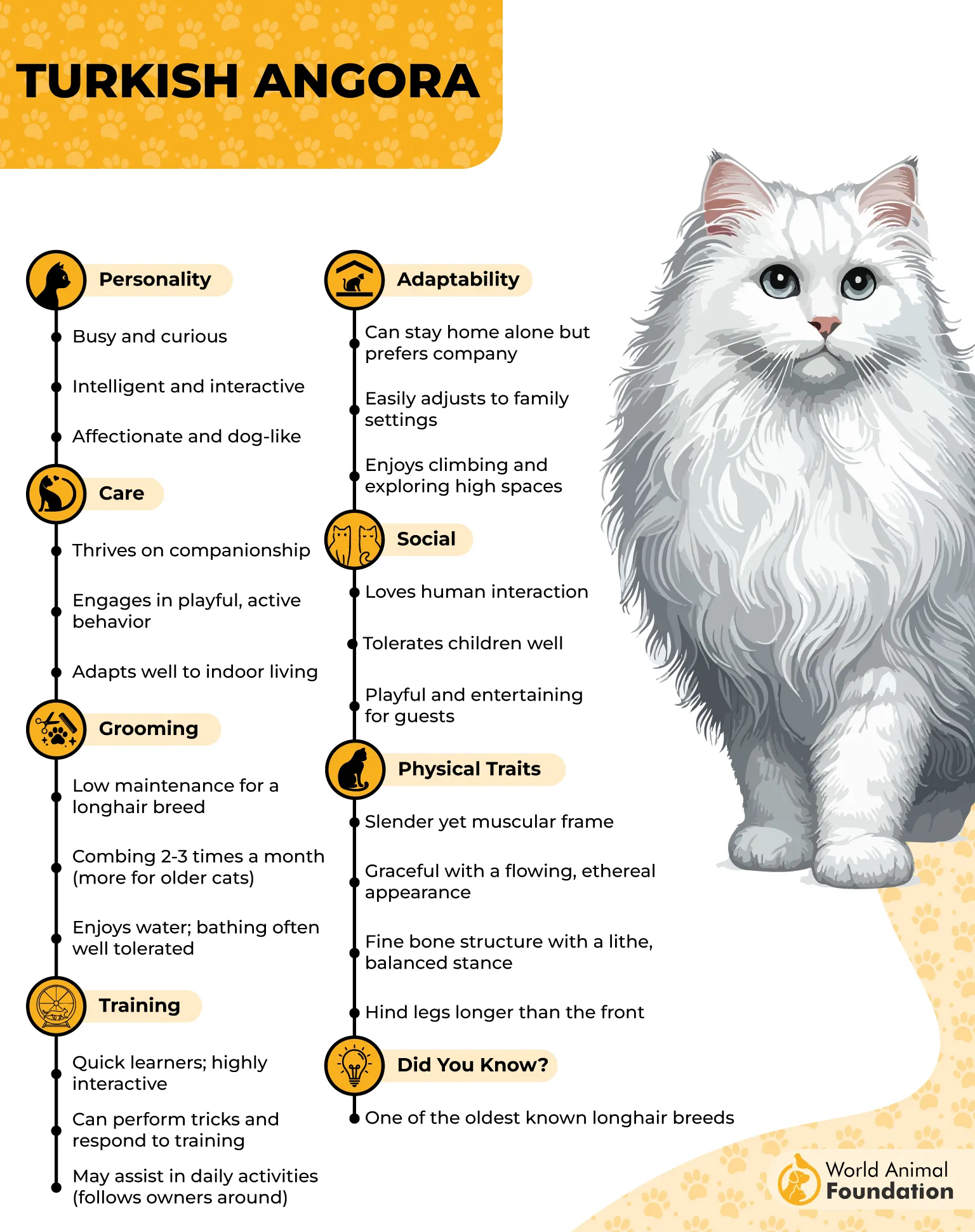
Turkish Angora moves with a light and fluid rhythm that draws attention without effort. The long, silky coat flows with each step, giving the cat a refined presence often linked to Middle Eastern breeds. Even at rest, the body language feels balanced and deliberate.
Distinct Physical Expression
Turkish Angora stands out through details that shape its overall elegance. The plume-like tail and expressive almond eyes add to a look that feels carefully sculpted rather than dramatic.
You can see its elegance reflected in these features:
Feathery tapered tail
Large, high-set ears
Almond-shaped expressive eyes
Coat and Color Variety
The coat feels smooth and fine rather than heavy, which helps maintain that airy silhouette. Color range is wide, though certain shades like chocolate and lavender are absent. Eye color can vary widely, too, including blue, amber, green, or strikingly odd eyes.
3. Turkish Van
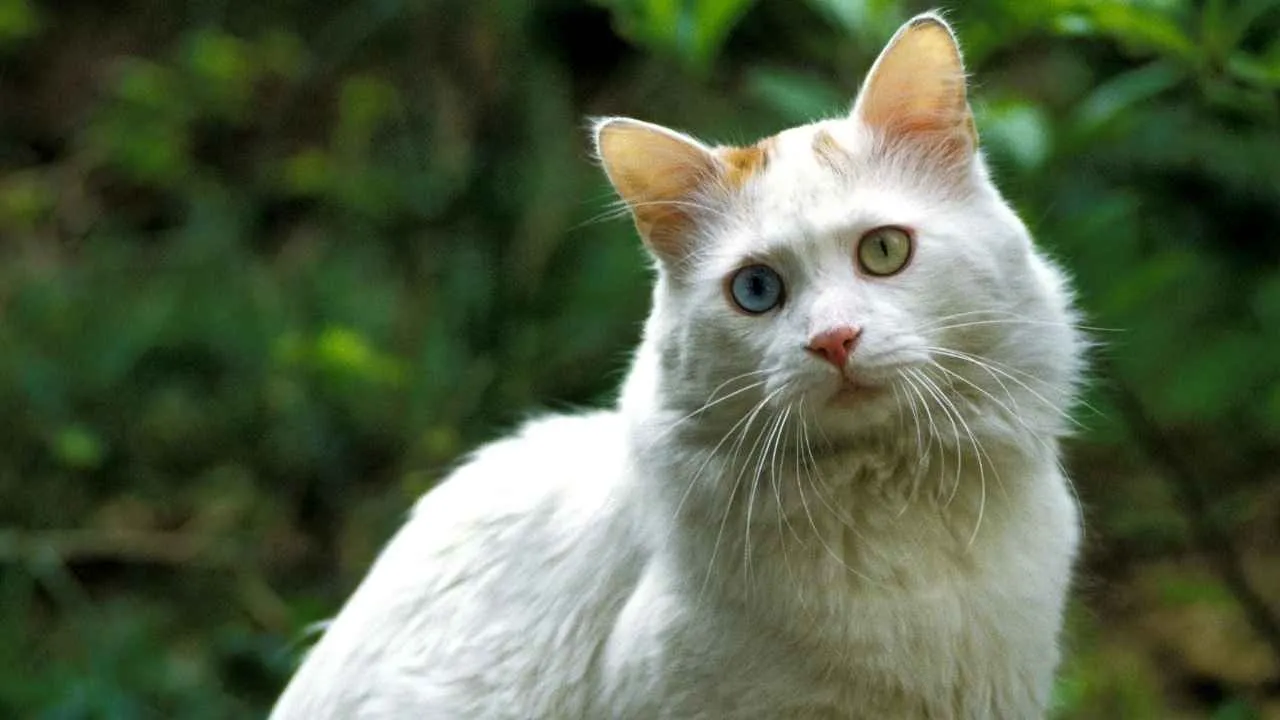
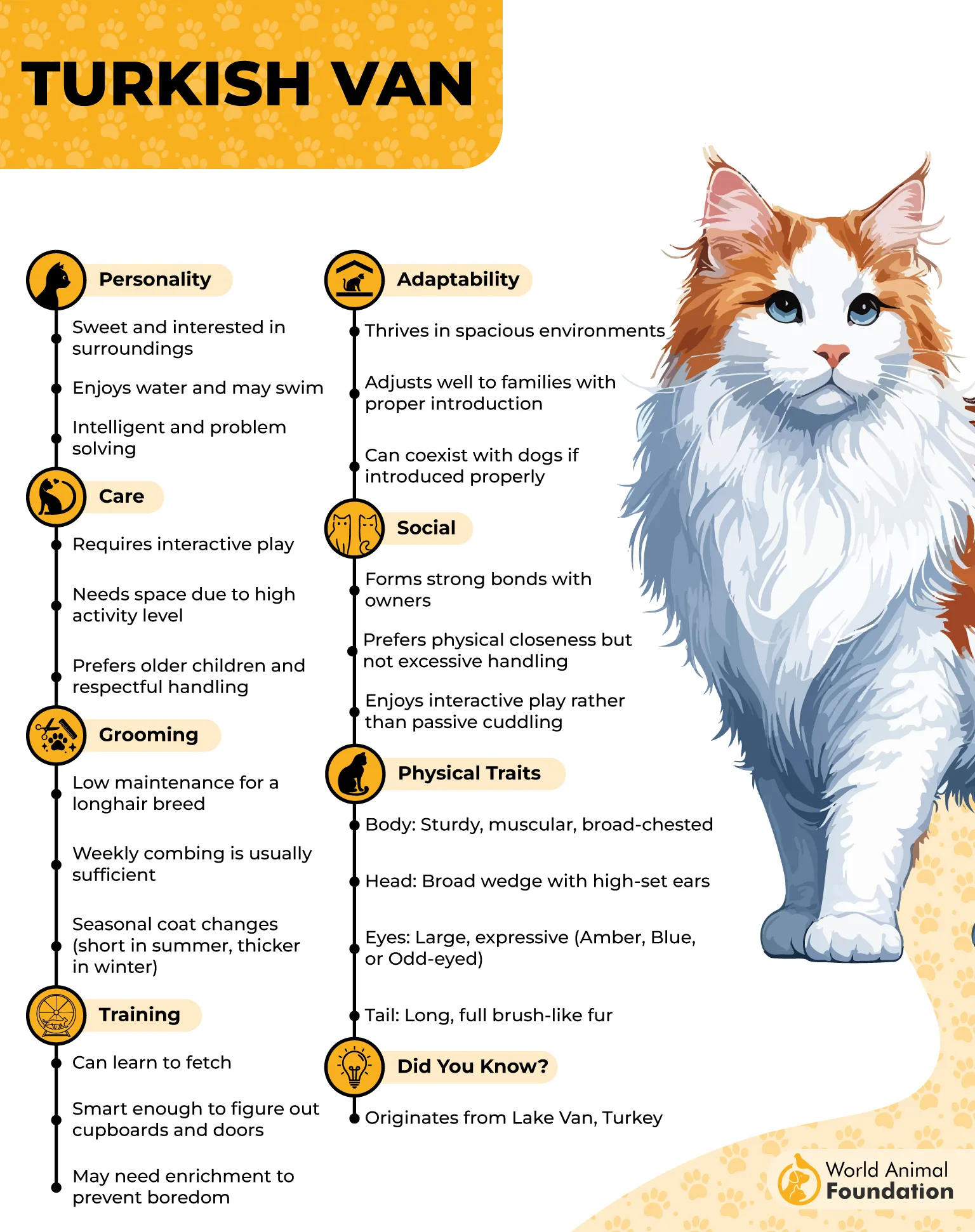
Turkish Van stands out for its athletic build and constant movement around the home. This breed prefers climbing high spots, jumping across rooms, and staying involved in daily activity. That natural curiosity connects closely with its long history in the Middle East.
Recognizable Look and Habits
Turkish Van is instantly noticed for its white coat paired with color limited to the head and tail. The pattern feels deliberate rather than decorative and adds to the breed’s strong visual identity.
The appearance hints at everyday habits:
Face and tail markings only
Strong climbing instincts
Constant room-to-room exploration
A Cat Drawn to Water
Turkish Van has an unusual comfort level with water that surprises first-time households. Some willingly step into sinks, tubs, or shallow pools without hesitation. This behavior has earned the breed its well-known swimming cat nickname in feline circles.
4. Egyptian Mau
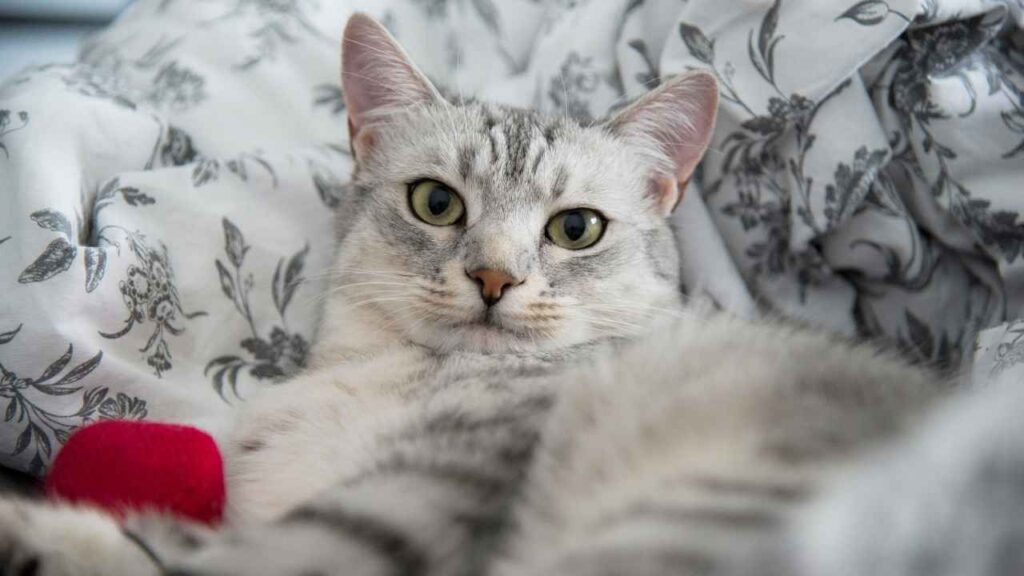
Egyptian Maus are instantly recognizable with their striking spotted coats, giving them a wild and exotic appearance. Their alert posture and graceful movement make them engaging companions around the home. These cats adjust their behavior depending on who they are with and how comfortable they feel.
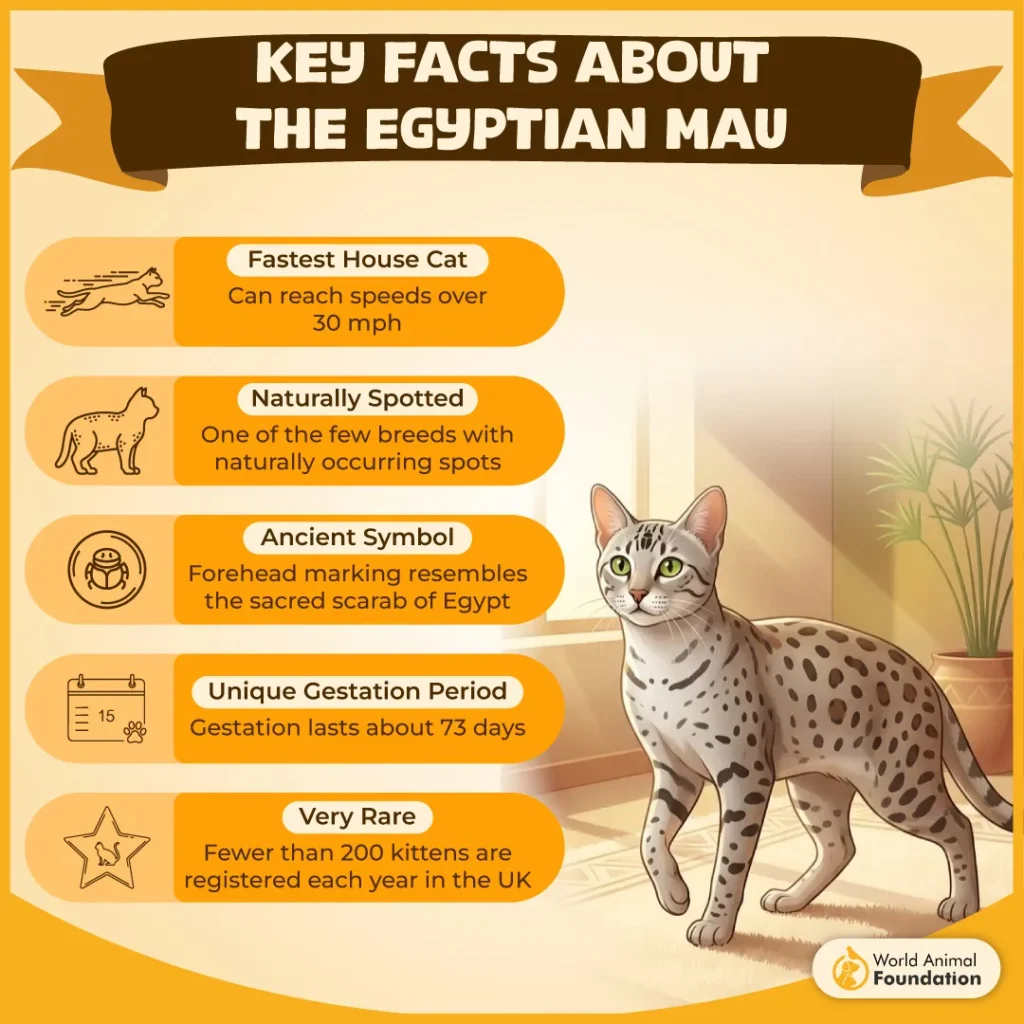
Playful Intelligence
Maus are clever and curious, often exploring corners and observing everything that moves. Their personalities shine in active interactions, and they are happiest when involved with their favorite person.
This is what highlights their playful nature:
Quick reflexes for interactive play
Adapts smoothly to changes in routine
Remembers favorite spaces and objects
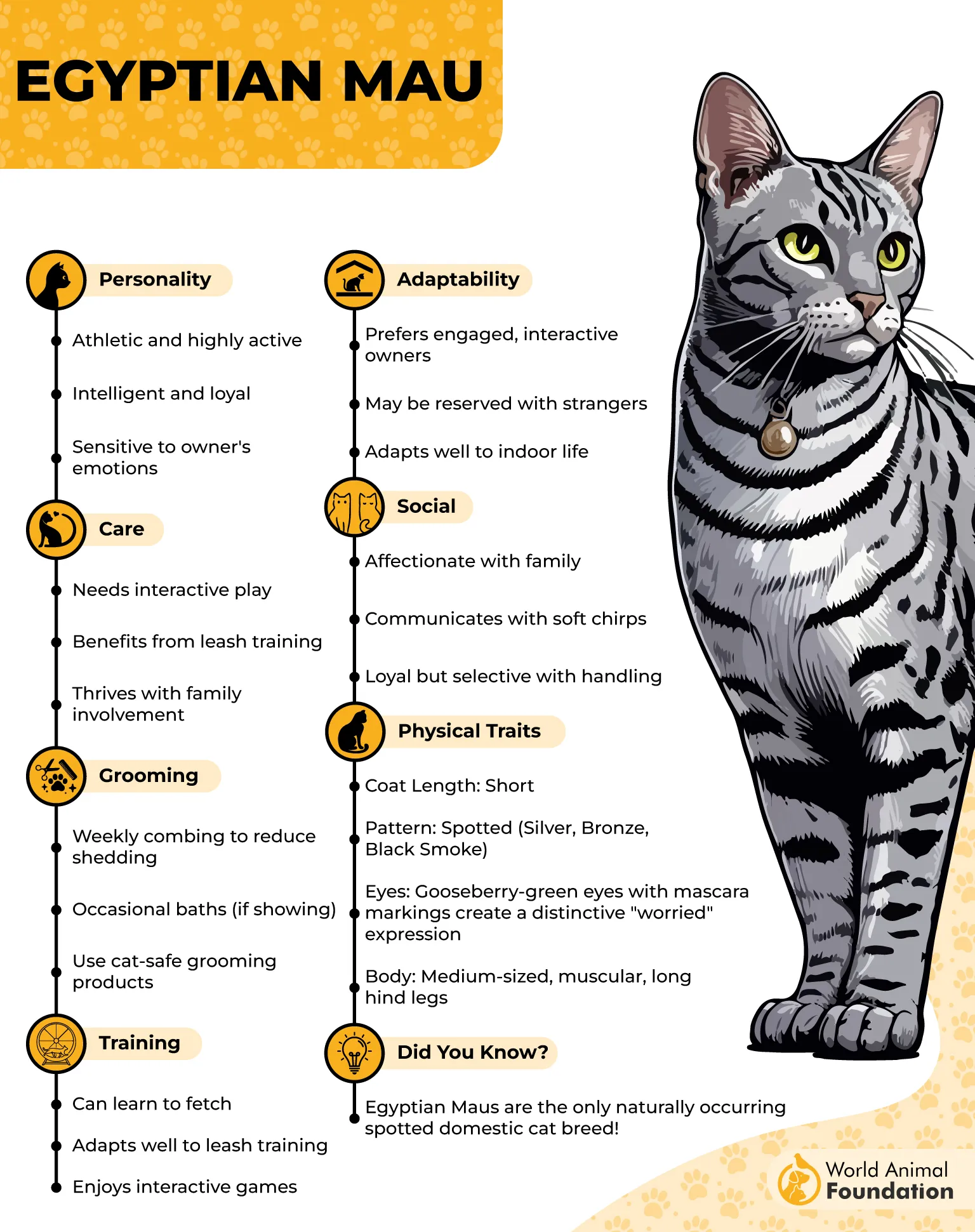
Loyalty That Connects
While friendly with family members, Egyptian Maus often develops a deep bond with one special person, as mentioned in WebMD. This connection shapes their affectionate behavior, with the cat seeking attention and reassurance regularly.
5. Chausie
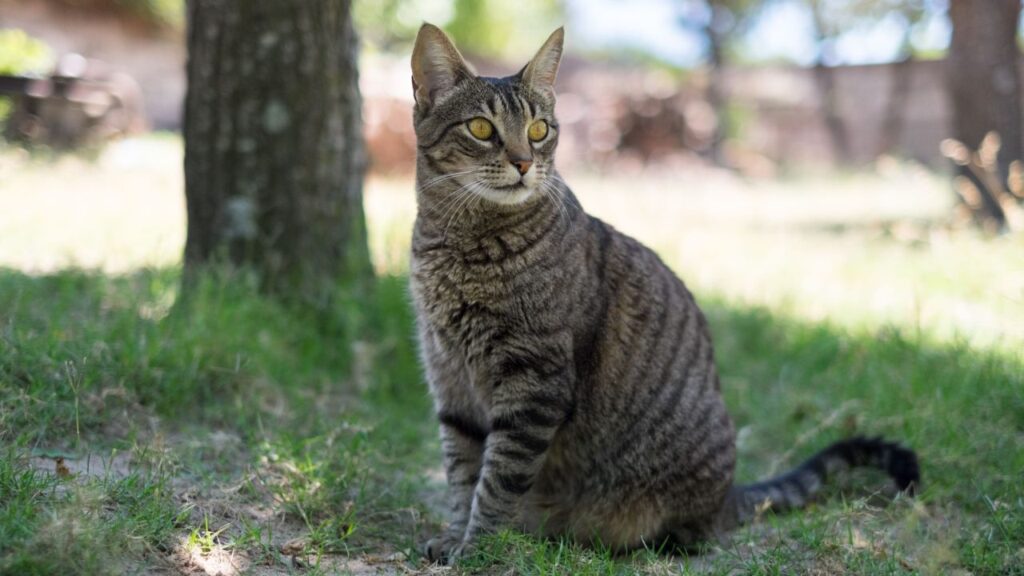
Chausie moves with the fluidity of its wild ancestor, built for speed and distance across obstacle-filled terrain. Its long legs and lean body give it an edge in jumping and running with precision. Every movement feels deliberate, as if made for navigating complex surfaces like reed beds and shallow waters.
Strength in Motion
The breed’s musculature is low on bulk but high in flexibility, making it ideal for dynamic leaps and extended sprints. This cat excels at controlled bursts of energy while staying balanced.
The features to notice include:
Limber, elongated limbs for high jumps
Deep chest for lung capacity
Light, supple frame for fast maneuvering
Keen Senses and Alertness
Eyes slanted above with high cheekbones allow sharp focus on its surroundings. Upright, tufted ears pick up subtle sounds, while the slightly short tail helps maintain agility during quick turns. These traits make Chausie aware of every ripple, movement, and shift in terrain around it.
6. Arabian Mau
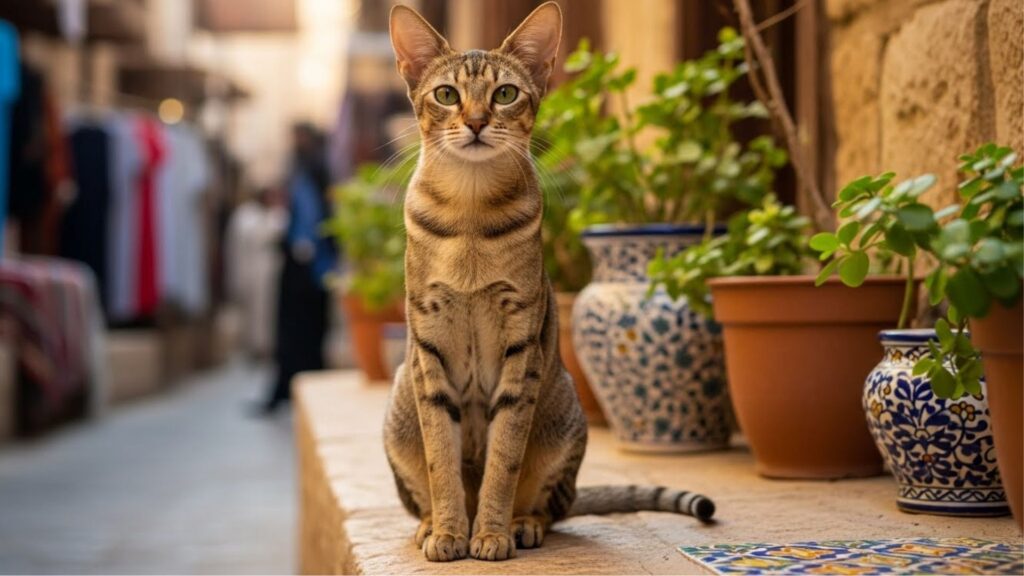
Arabian Mau approaches every corner with curiosity, exploring both indoor and outdoor spaces with sharp attention. Their intelligence makes them quick learners, while their instincts guide them during play and interaction. This alertness keeps them engaged and aware throughout the day.
Lively and Interactive
They enjoy activities that challenge both mind and body, making playtime an essential part of their routine, as stated in Pawland. Their agility and energy show through every jump, dash, and pounce.
Here’s how their energetic personality comes to life:
Quick reflexes during exploration
Enjoyment of climbing and perching
Strong interest in interactive toys
Independent Yet Affectionate
Though they are not lap cats, Arabian Mau form strong bonds with their humans and often follow them around the home. Their affection is expressed through presence rather than clinginess. This balance creates a companion that is loving without being demanding.
7. Burmese
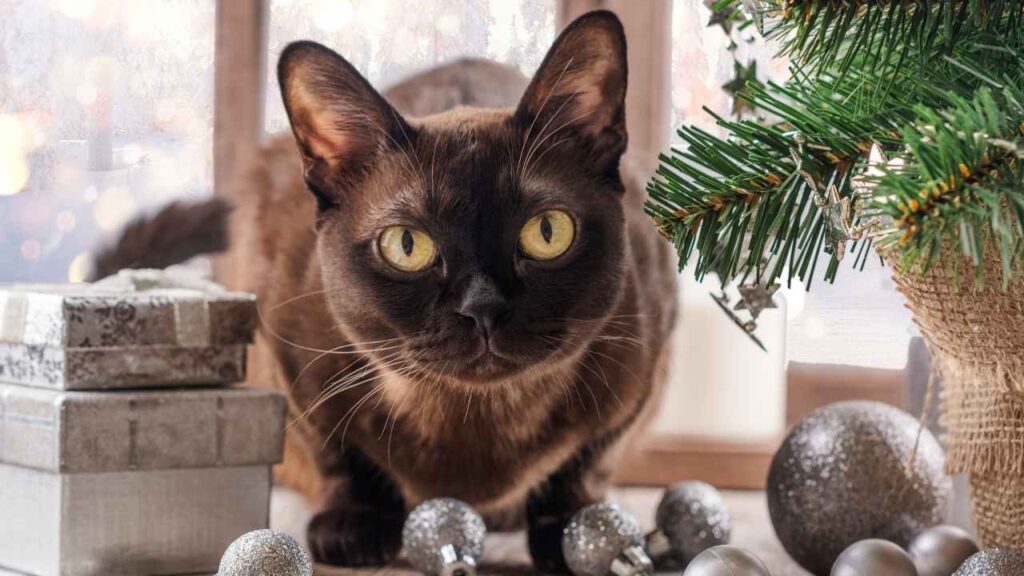
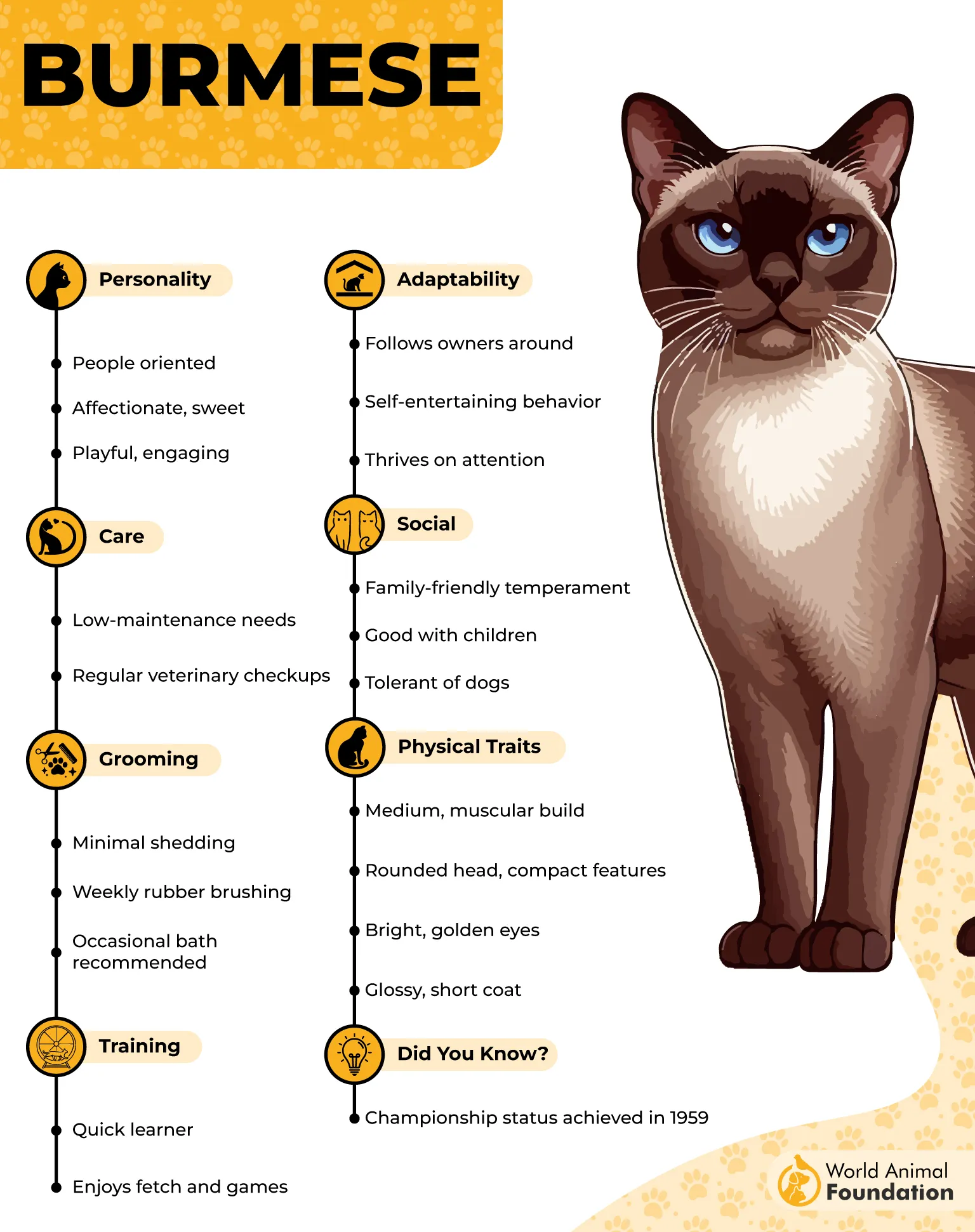
Burmese cats catch attention with a short, finely textured coat that deepens from soft milk-chocolate in kittens to a rich sable in adults. Their small, rounded head and wide-set golden eyes give them a striking and expressive look. Subtle changes in shading across the face, ears, and tail add to their visual appeal.
Graceful Movement and Presence
This breed moves with a smooth, fluid elegance that makes it captivating in any room. Their posture and compact frame create a natural poise while interacting or exploring.
Alongside their physical charm, a few traits stand out
Tapered tail that may kink near the tip
Paler underside contrasting the rich coat
An alert expression that communicates curiosity
Ancient Roots in Modern Times
Burmese cats combine historical significance with contemporary breeding standards. Their appearance reflects careful selection for both symmetry and charm. This harmony between body and personality gives them a noticeable presence without being overwhelming.
Conclusion
Cat breeds from the Middle East reflect centuries of coexistence between people and place. From Egyptian cat breeds shaped by history to other regional lines, each domestic cat carries balance, resilience, and quiet presence. These domesticated cats developed as a natural breed rather than an ornament, adapting alongside street cats and households alike.
While some later joined the most popular cat breeds worldwide, their character remains rooted and purposeful. Cat owners often notice how intelligent cats from this region read space and mood with ease, offering companionship that feels steady and aware in homes where calm bonds matter most over time.
