




Some film scenes stay with us not because of dialogue or music, but because of a horse standing still while the world moves around it. A steady gaze. A powerful run. A quiet presence that carries emotion without a single spoken line.
Over decades of cinema, horses have shaped unforgettable moments on screen, becoming as memorable as the actors beside them. They carried heroes into battle, raced through open landscapes, and stood loyal during moments of loss and triumph.
Audiences remember their movement, their strength, and their silence. These iconic horses were not background details. They were central to the story. They carried tension, freedom, courage, and heart in every frame. When the credits rolled, their images remained.
This article takes you into the world of horses that became legends through film, exploring the stories behind their roles, their impact on cinema, and the scenes that made them unforgettable.
Key Takeaways
Legendary horses have given films a depth that human actors alone could not provide, blending precision, emotion, and presence.
Trigger brought fluidity to Westerns with precise cues, while Black Beauty offered an emotional depth that left viewers seeing life from a horse’s perspective.
Seabiscuit and Shadowfax added speed, grit, and grace, making every chase and journey feel alive and real.
By the end, you will see which seven legendary horses shaped cinema with performances that are still remembered today.
Horses That Have Been in the Most Famous Films
1. Trigger
Trigger entered films with a calm confidence that translated naturally on screen. His expressions, timing, and responsiveness made scenes feel fluid rather than staged. That ease is why audiences connected with him across decades of Western cinema.
Intelligence Trained for the Camera
Trigger worked as an active performer rather than a background presence in famous roles, as Willow Brook reports. He responded to cues with precision, which allowed complex scenes to unfold smoothly. That reliability showed itself through details that audiences still remember.
His reliability was evident in specific ways like these:
Performed over 100 trained actions
Responded to verbal and visual cues
Executed scenes without doubles
A Film Legacy That Still Stands
Trigger appeared on screen before becoming a television icon, including a notable role in The Adventures of Robin Hood in 1938.
His later fame on The Roy Rogers Show cemented his status as a standout animal performer. The combination of skill, recognition, and longevity secured his place in film history
2. Black Beauty
Black Beauty entered the cinema with emotional weight rather than spectacle. First filmed in 1946, the story brought a horse’s inner world to the screen in a way audiences had not seen before. That perspective made the character memorable across generations of film adaptations.
Why Filmmakers Returned to the Story
Black Beauty kept returning to the screen because the narrative translated well to different eras. Each remake stayed anchored to the same core themes drawn from Anna Sewell’s 1877 novel.
A few elements consistently shaped its film legacy
First adaptation released in 1946
Major remakes in 1994 and 2020
Story told through the horse’s own perspective
Life Shown From the Saddle
Black Beauty’s on-screen journey moves through open fields, city roads, and demanding working conditions. The films highlight how a horse’s life can change based on human treatment rather than its setting alone. This approach gave audiences a grounded look at working horses beyond fantasy or heroism.
3. Seabiscuit
Seabiscuit became a cinematic icon through a story built on grit, timing, and movement under stress. The horse’s racing intensity translated well to film, where scenes demanded precision and repeated takes. Britannica notes that the ability to stay focused helped shape one of the most recognizable horse stories on screen.
Behind the Camera Reality
Seabiscuit’s film role required far more than a single performance. Short scenes, race sequences, and close-ups placed different demands on the horses used during production.
That is why the role was shared across multiple trained horses
Ten horses were used for filming
Specialized training for race scenes
Separate horses for close shots
A Film That Cemented a Legacy
Seabiscuit reached global audiences through the 2003 Disney film based on the true racing story. The movie introduced this horse to viewers far beyond the racing world. Its success turned a historical racehorse into a permanent figure in film culture.
4. Silver
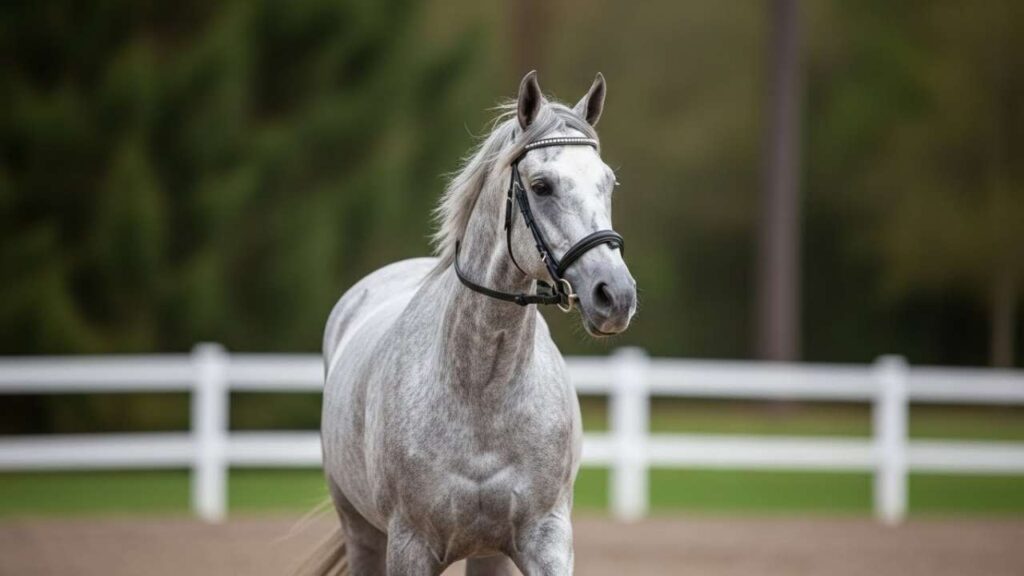
Silver steps into film history with a look that audiences remembered instantly. The bright white coat paired with confident movement made every entrance feel deliberate. That visual clarity helped the character stand out in wide Western shots and fast action scenes.
Loyalty in Motion
On screen, Silver is shown responding quickly to danger and staying close to the Lone Ranger during tense moments. The way scenes unfold makes that partnership feel active rather than symbolic.
Here’s how that dynamic shows up on screen:
Rapid action scenes
Strong rider connection
Clear visual contrast
From Classic to Modern Cinema
Silver first reached fame in the 1949 film and returned to theaters in the 2013 remake. The consistency of the character across decades kept the horse recognizable to different generations. That continuity helped anchor the Lone Ranger story visually and emotionally.
5. Shadowfax
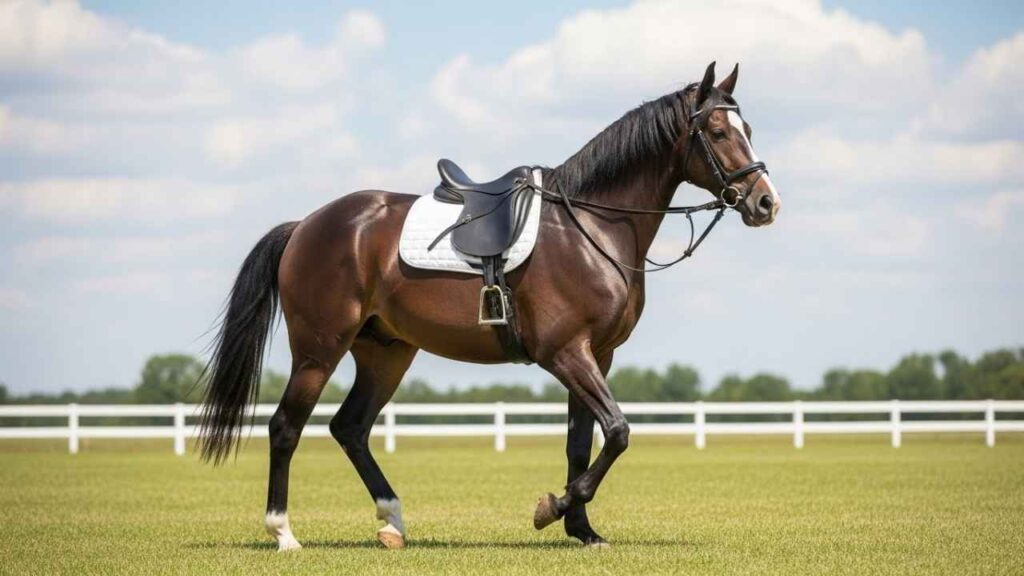
Shadowfax is remembered first for intelligence, shown through calm focus and instant response in key scenes. That sharp awareness helped shape his presence as Gandalf’s trusted companion on long rides across Middle-earth. On screen, this trait made every movement feel deliberate and controlled.
Speed That Defined a Legend
Shadowfax became unforgettable once speed entered the frame, turning wide landscapes into moving backdrops. His pacing gave weight to urgency without chaos, which helped sell the scale of the journey.
That cinematic effect came together through a few clear elements:
Fast ground coverage
Smooth extended strides
Strong rider connection
The Horse Behind the Role
Shadowfax was portrayed mainly by a white Andalusian stallion named Domero during filming. His physical ability and training allowed complex riding scenes to look natural rather than staged. This realism helped the character feel believable within a fantasy setting.
6. Hidalgo
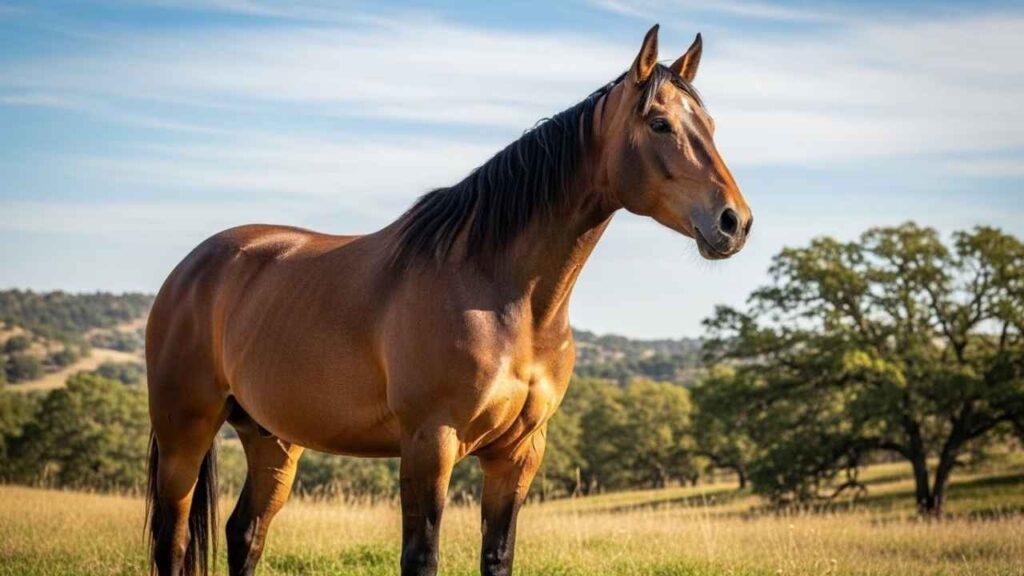
Hidalgo opens this list with grit that feels earned rather than staged. On screen, the horse shows focus under pressure, a quality that anchors the film’s long desert sequences. That steady resolve helped the story feel grounded even during extreme racing scenes.
Built for a Demanding Role
The role of Hidalgo was portrayed by several American Paint horses chosen for reliability and athletic movement, as highlighted by the American Humane Society. Those choices mattered because the film demanded consistency across harsh terrain and extended shoots.
A few practical details shaped that decision:
Calm performance under heat
Strong distance pacing
Consistent movement between takes
A Story Rooted in Endurance
Released in 2004, the film follows Frank Hopkins and his horse through a 3,000-mile endurance race. The narrative leans heavily on stamina, trust, and survival rather than spectacle alone. That focus allowed the horse’s performance to feel central to the story, not decorative.
7. The Black Stallion
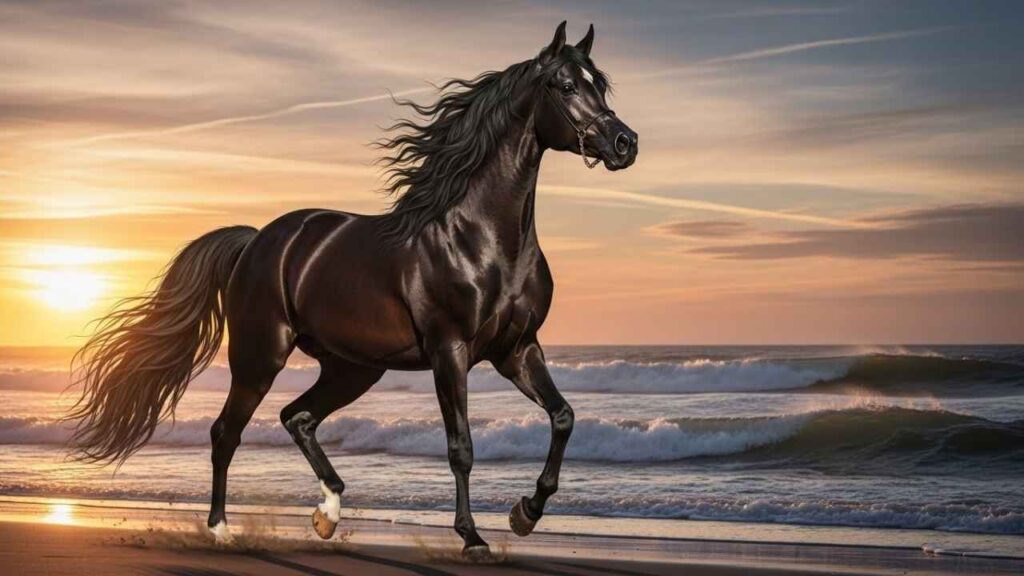
The Black Stallion captures attention with a quiet intensity that feels almost magnetic on screen. Its presence alone conveys power and grace, making every scene with the horse memorable. Riders and viewers alike sense the bond that forms through mutual trust and instinct.
Trailblazing Speed and Stamina
This horse demonstrates both swiftness and endurance that help it navigate challenging landscapes naturally. Its agility and responsiveness make it ideal for sequences that demand motion and control.
When you watch it in action, several qualities stand out:
Smooth acceleration over varied terrain
Quick recovery from bursts of speed
Confident footing in tight or uneven spaces
Connection Beyond Words
The Black Stallion shows that understanding between horse and human goes deeper than commands. It reacts intuitively to the rider’s cues, creating a sense of seamless partnership. This sensitivity is crucial for maintaining balance in dynamic or unpredictable settings.
Conclusion
Cinema remembers moments, but it also remembers presence. These famous horses shaped stories through movement, restraint, and quiet intensity. Each scene proved how famous horses could carry emotion without dialogue. In the horse world, few performances match the impact left by famous horses on screen.
From sweeping runs to silent stillness, famous horses became anchors of memory. Even a little horse framed in the right moment could hold an entire scene together. These famous horses were never decorations. They were storytellers. Long after the credits fade, famous horses remain part of how audiences remember courage, freedom, and loyalty in film.
