




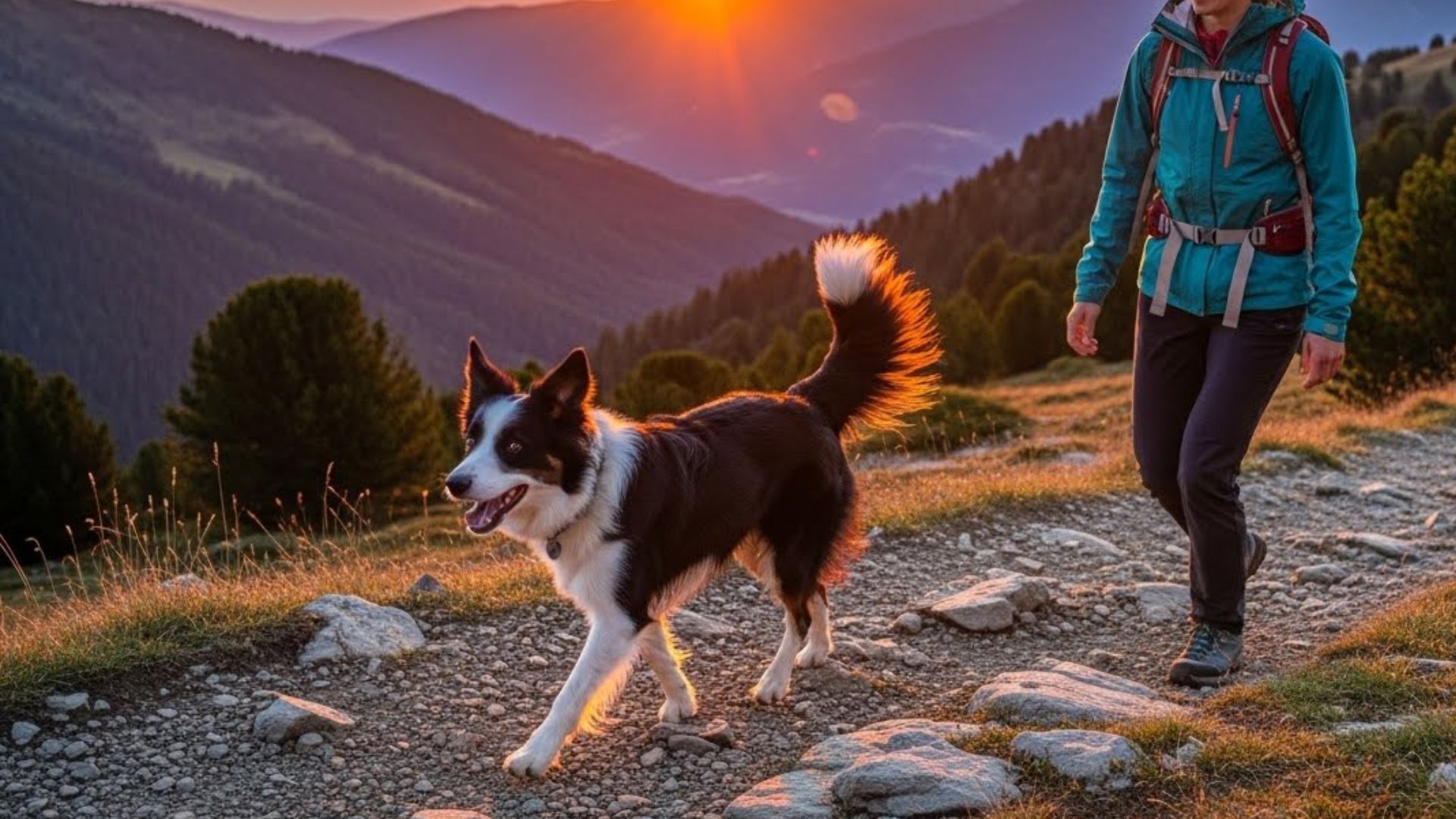
An active outdoor life deserves a dog that truly belongs in it. Long trails, uneven paths, changing weather, and open spaces demand more than basic energy.
They require strength, focus, resilience, and a genuine love for movement. The right dog does not slow you down. It moves with you, adapts with you, and thrives in the same environments you enjoy most.
This blog will explore dog breeds that were built for adventure. These are dogs shaped by work, endurance, and purpose, not just appearance.
From hiking steep terrain to spending long days outside, each breed brings unique traits that support an active lifestyle.
You will learn what makes these dogs reliable outdoors, how their instincts influence behavior, and why matching the right breed to your routine matters. The goal is simple! Help you choose a dog that turns outdoor time into a strong, lasting partnership.
Remember: According to PetMD, if your dog is new to hiking, ask a vet about safe distances.
Best Dog Breeds for a Life of Outdoor Excitement
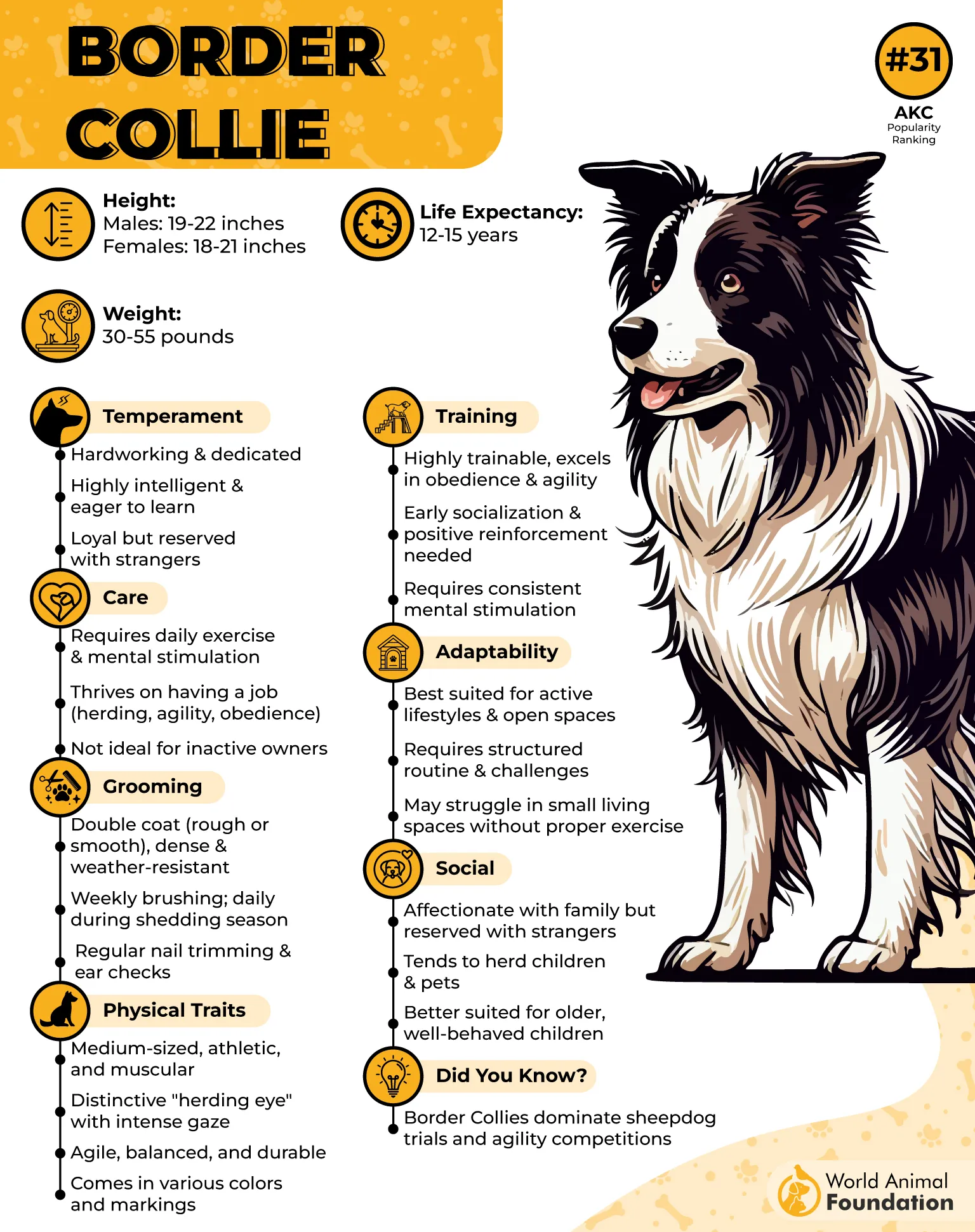
1. Border Collie
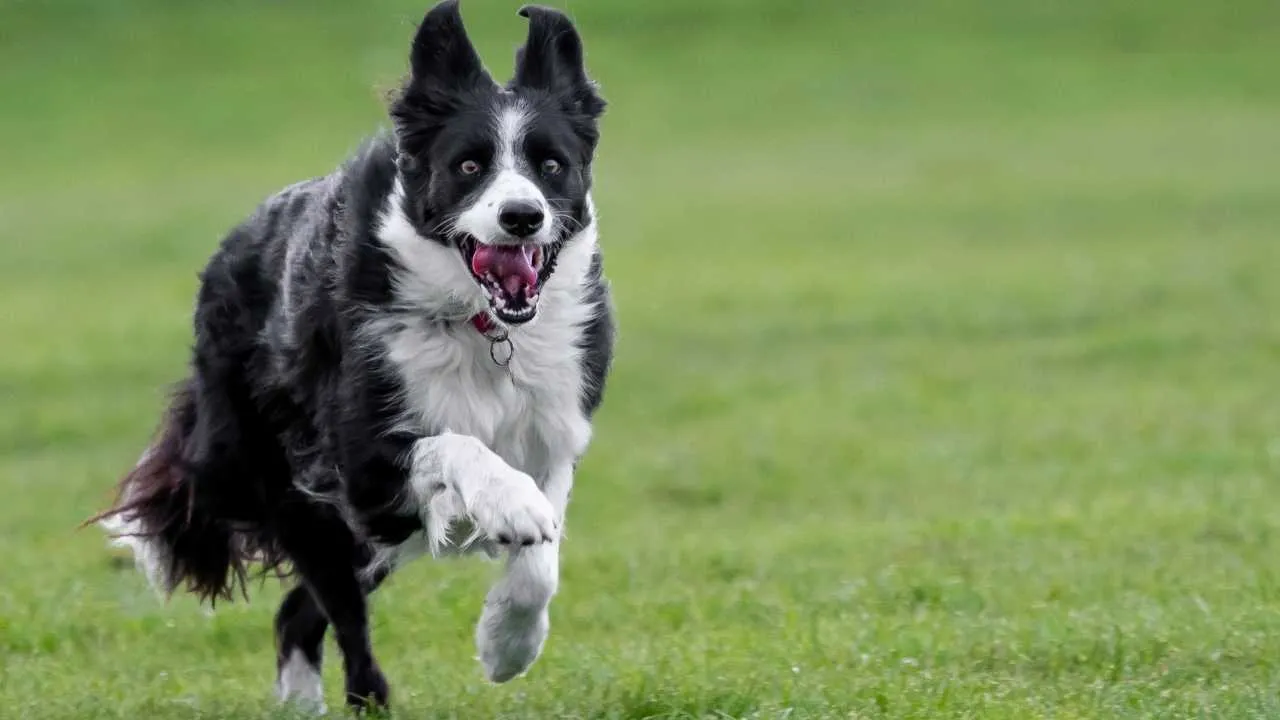
Border Collies wake up in “let’s go” mode. They were bred to herd all day, so they bring sharp focus, quick feet, and serious stamina.
If your outdoor life includes long hikes, trail runs, frisbee at the park, or agility practice, this dog will treat it like a dream job. They hate boring routines, period.
They are also scary smart, in a good way. But why bother with that? Because brains need work too. A Border Collie that only gets a short walk can get bored fast, and bored can turn into chewed stuff.
Mix movement with thinking, like scent games, fetch with rules, and new routes, and you’ll see that happy, locked-in glow.
And here’s the best part! They love learning with you. Teach a solid recall, a “wait” at trail crossings, and a calm “leave it” for wildlife smells.
With steady training and plenty of space to stretch out, they can be one of the best off-leash hiking partners around.
Outdoor sweet spot
Trail running, agility, frisbee, and long-distance walks
Loves puzzles, scent work, and learning new cues
Needs daily exercise plus mental games to stay chill
2. German Shepherd
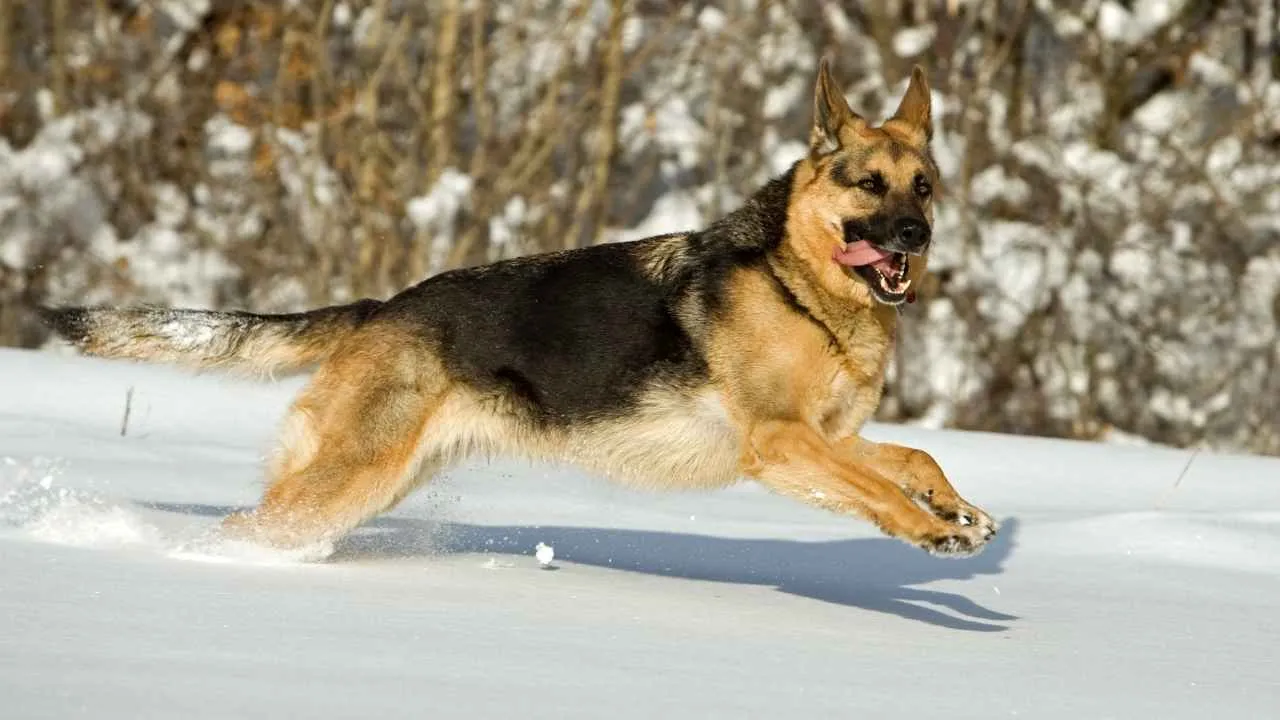
German Shepherds are the classic “ready for anything” working dog. They are athletic, brave, and super loyal. On a trail that often looks like a dog who checks in, stays close, and keeps an eye on the whole crew.
Sounds crazy, right? Exactly. It’s like hiking with a bodyguard who also wants belly rubs. They love having purpose.
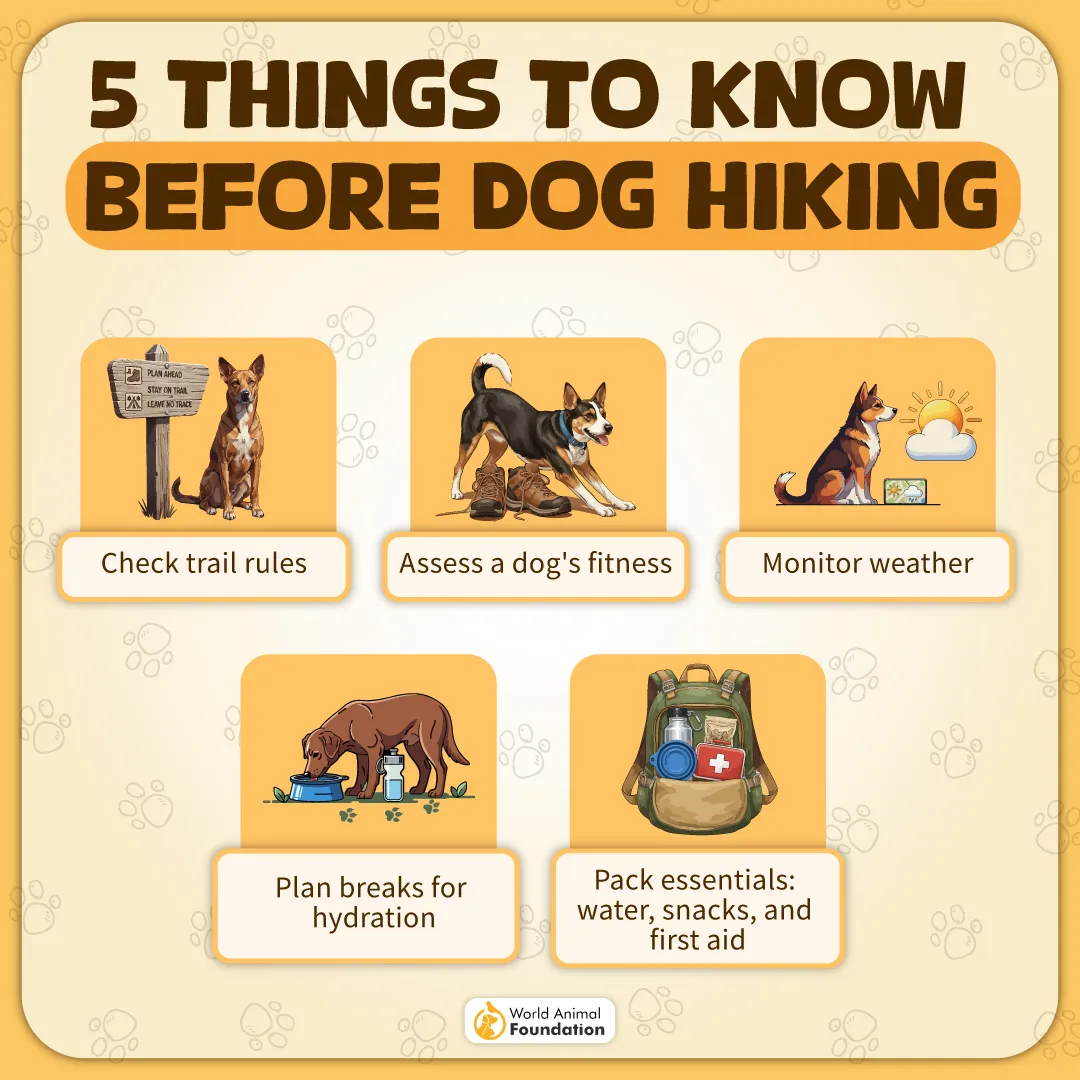
They need real exercise, not just a quick lap around the block. Long walks, hikes with hills, and structured play help their body and their mind.
Training matters a lot with this breed because they are powerful and alert. With clear rules and early social time, you get a confident outdoor companion instead of a stressed-out watchdog.

Here’s the good part. A well-trained German Shepherd can handle busy trailheads, new campsites, and changing weather with steady nerves.
Keep sessions fun and positive, and give them a job, like carrying a light pack, tracking a scent trail, or practicing obedience around distractions.
Outdoor sweet spot
Hiking, backpacking, scent work, and obedience drills
Thrives with training, structure, and clear boundaries
Needs daily workouts and calm social exposure
3. Rottweiler
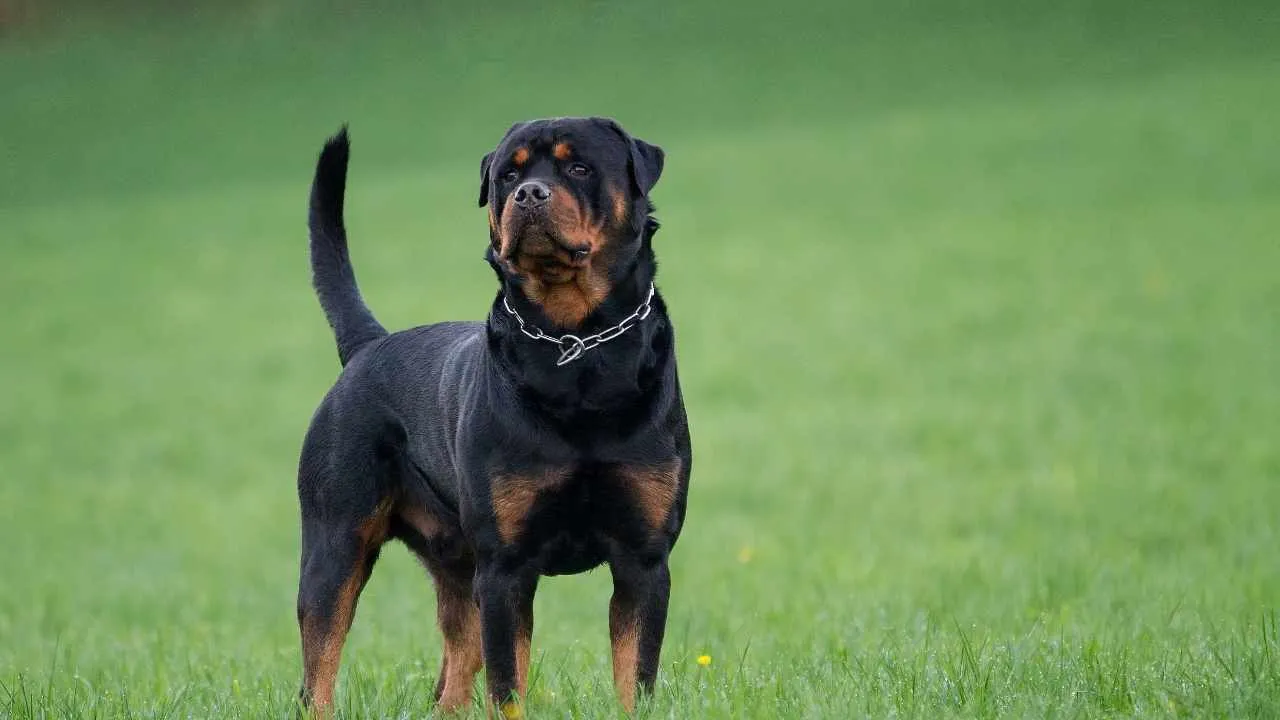
Rottweilers are built like tanks, but they move with surprising agility. Many people think “couch potato,” then it gets even worse, though, because they forget this breed is also a working dog.
With the right routine, a Rottie can be a solid hiking buddy who loves to explore, climb, and power-walk beside you. They prefer calm, confident handling.
They do best with steady, adult-level exercise and a careful start when young. Their bodies grow big and heavy, so it’s smart to avoid too much jumping or long distances when they are puppies.
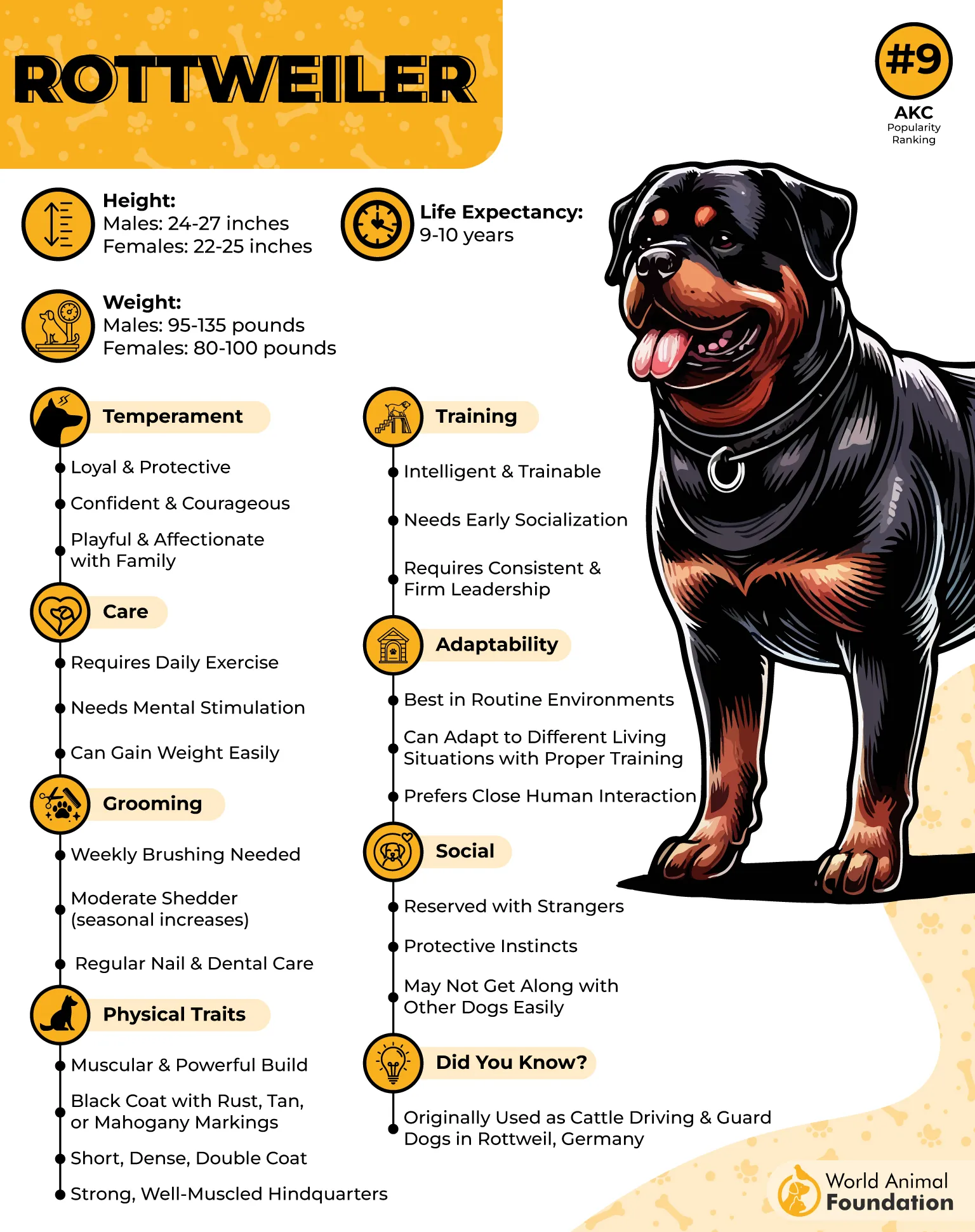
Now, once they are mature and conditioned, they can handle long walks, trail time, and dog sports that use both strength and brains.
Rottweilers also tend to bond hard with their people. That loyalty can be amazing outdoors, because they often stay close and watch for direction.
Still, you want polite greetings, good leash manners, and a calm “settle” for camp. Train early, keep it kind, and you’ll have a tough, affectionate buddy who likes adventure and nap time.
Outdoor sweet spot
Sturdy hikes, strength-style play, and controlled adventures
Needs about 1 to 2 hours of daily activity when grown
Early training helps with manners and calm confidence
4. Rhodesian Ridgeback
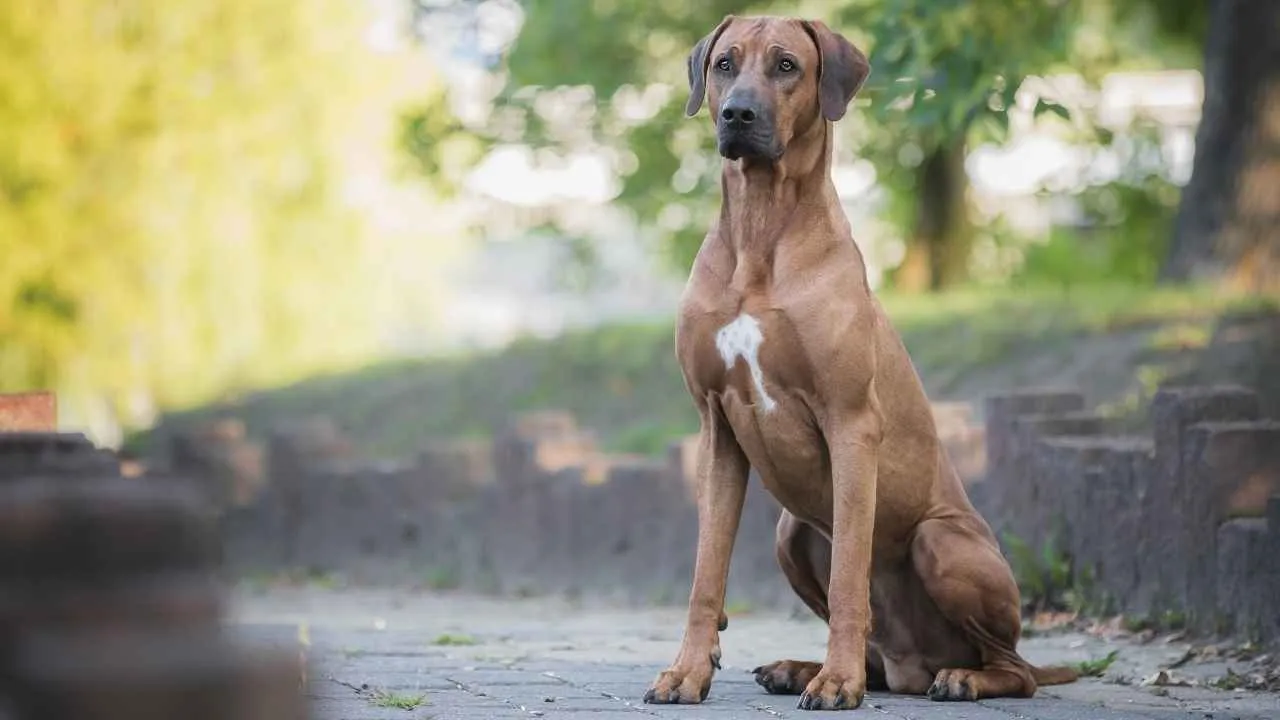
Rhodesian Ridgebacks were shaped for tough conditions and long days. They are strong, athletic hounds with endurance, and that famous ridge of hair down the back.
Outdoors, they often look smooth and steady, like they could jog for miles and still have energy for a sniff tour at camp. They enjoy quiet, open trails.
They usually do well with a daily routine that includes a good run or a brisk hike. But wait, there’s more! Many Ridgebacks have a serious prey drive, so off-leash freedom should be earned, not assumed.
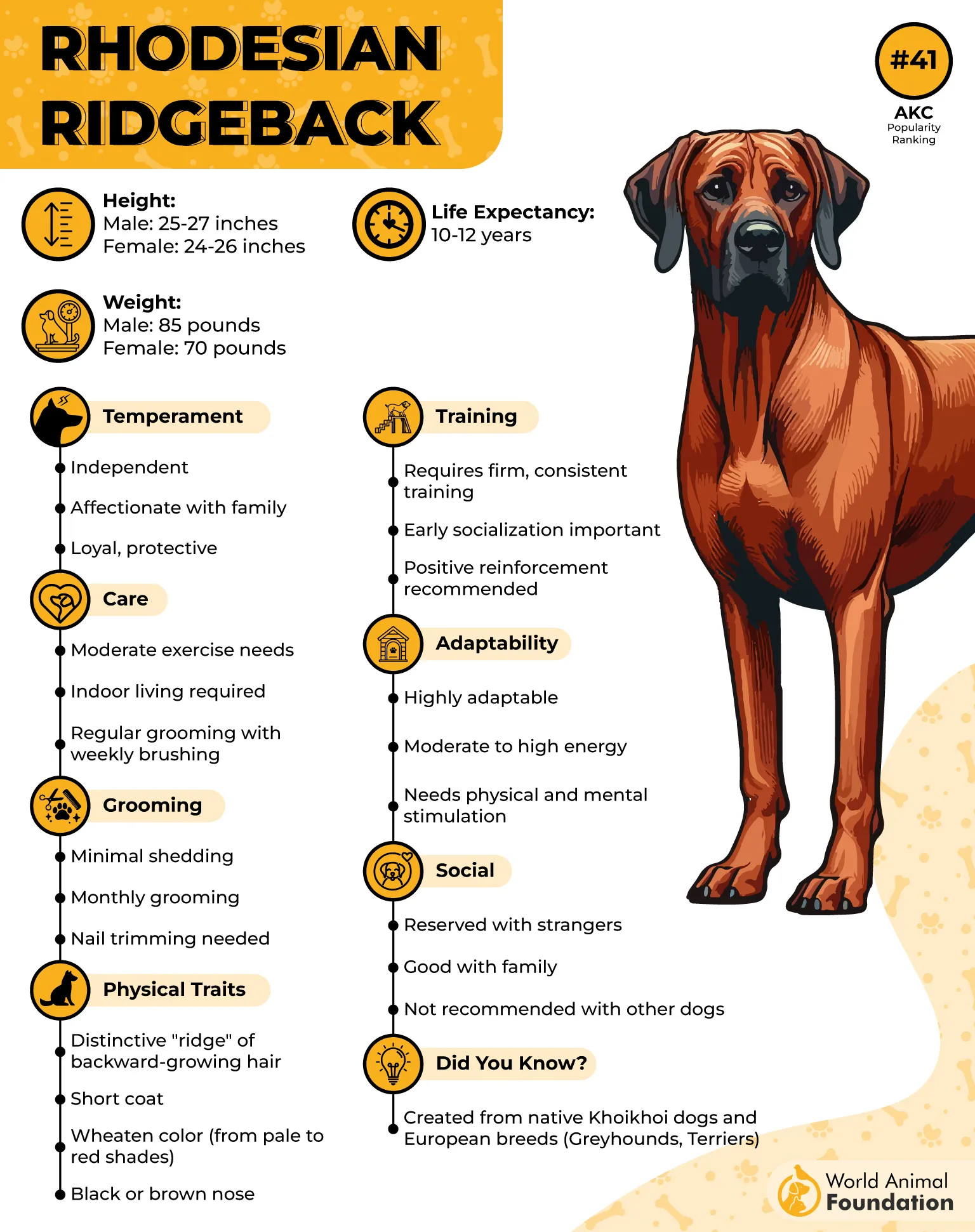
A secure fenced area, a strong recall, and a “leave it” that actually works can save your whole day on the trail.
This breed is often loyal to family and a bit reserved with strangers. That can be great for quieter hikes where you want a calm partner who is not trying to greet everyone.
Keep social time positive, keep training consistent, give them mental games, and you’ll get a dignified adventure pal who still loves to crash on the tent floor later.
Outdoor sweet spot
Endurance hikes, steady runs, and exploring wide open spaces
Best with solid recall training and safe, fenced play areas
Enjoys routine exercise plus enrichment to avoid boredom
5. Vizsla
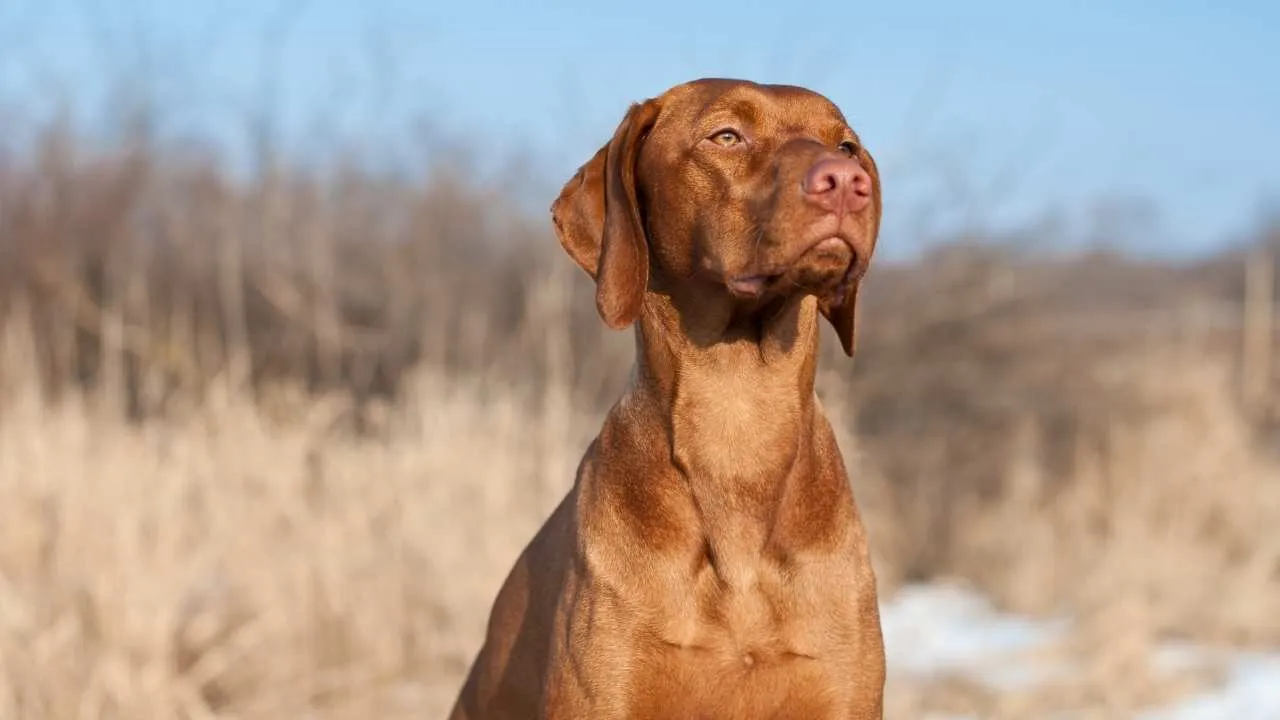
Vizslas are the “velcro athlete” of the dog world. They are sporting dogs with stamina, grace, and a huge need to be near their people.
If you want a dog who is thrilled to jog, hike, and then curl up next to you like you are the whole universe, this breed can feel like magic. They crave closeness on adventures.
They excel in active sports because they are eager and quick to learn. Think running, hiking, agility, scent work, and fetch that turns into a full cardio session.
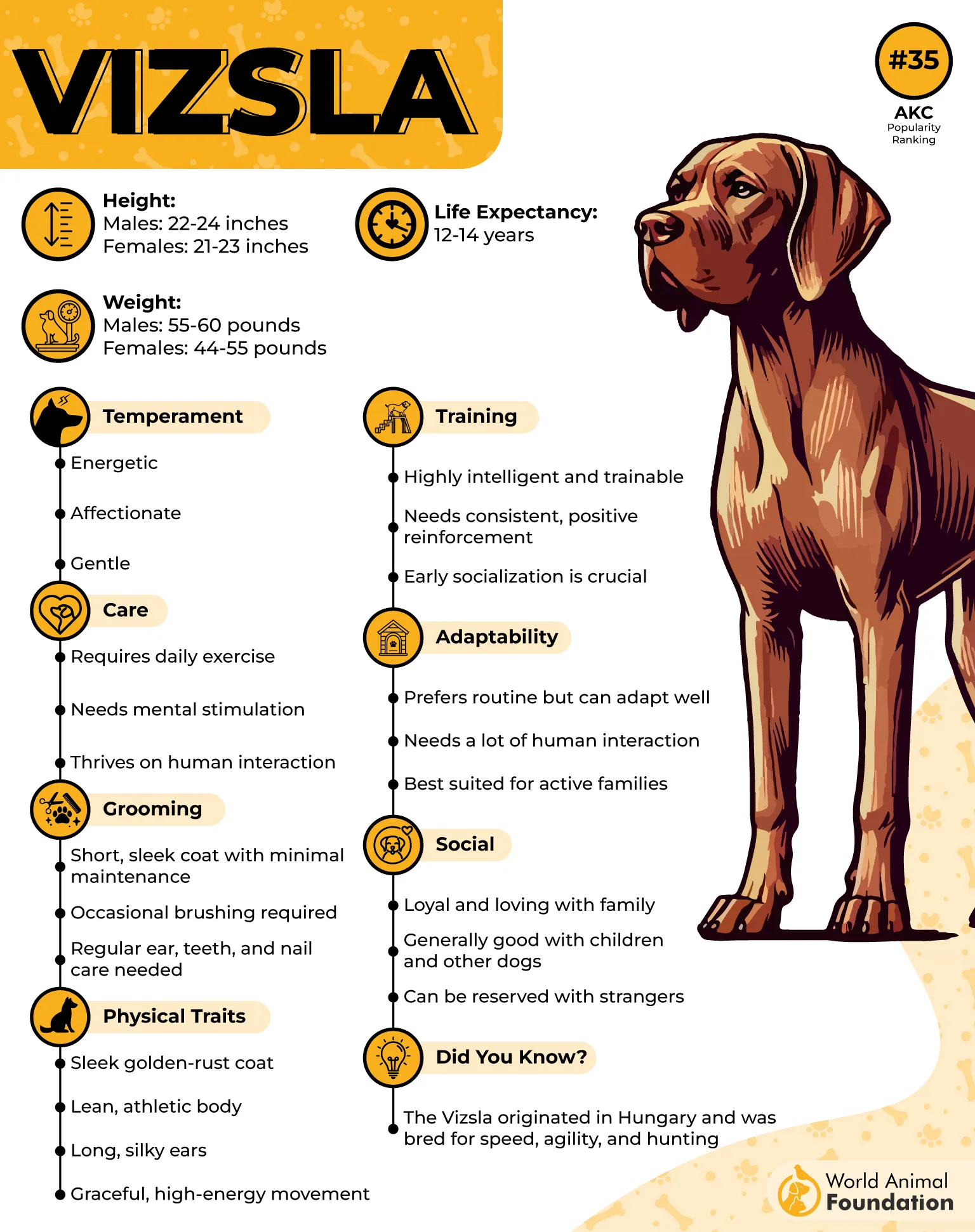
But why bother with that? Because a Vizsla with unused energy can get anxious or noisy. The fix is simple: daily movement, brain games, and plenty of friendly time with you.
AKC notes that Vizslas also tend to love water and outdoor play. Teach a reliable recall and a polite greeting, and you can enjoy busy parks without chaos.
Watch for overheating in hot sun, and you’ve got a bright, affectionate trail partner who makes every outing feel like a celebration.
Outdoor sweet spot
Running, hiking, agility, scent work, and water play
Very people-focused and happiest near their humans
Needs daily exercise plus training to stay relaxed
6. Siberian Husky
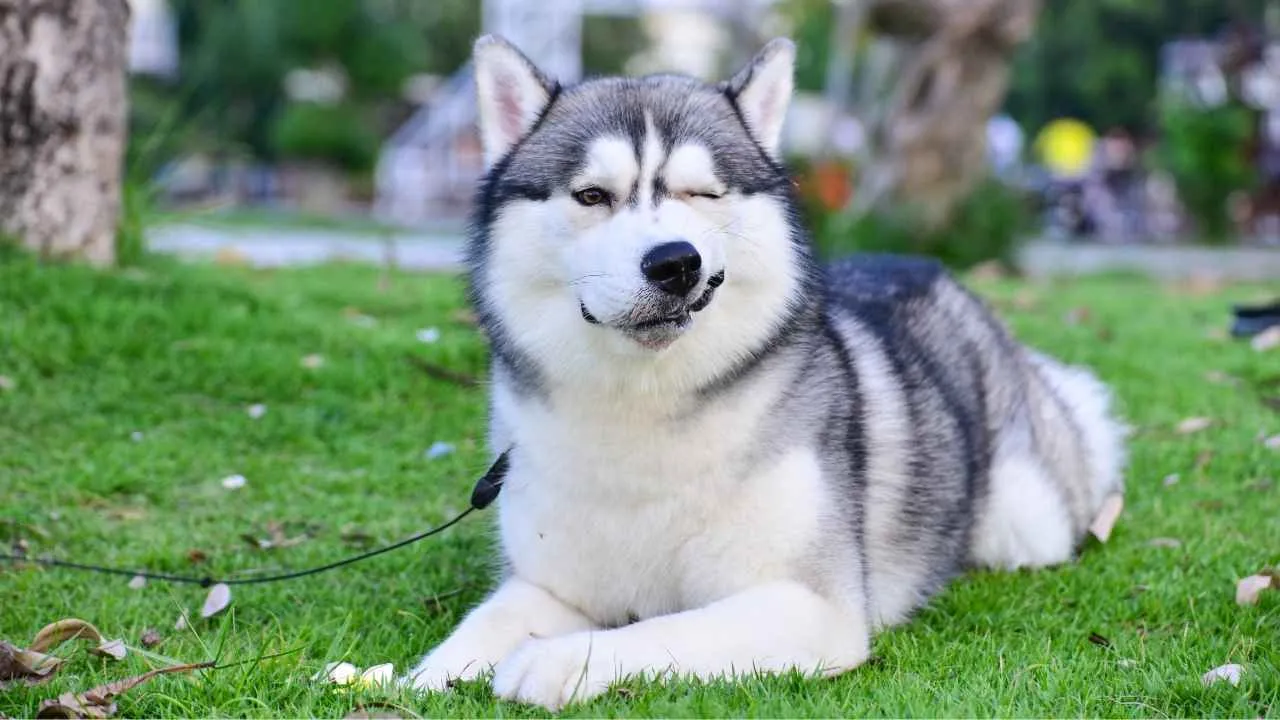
If snow is your happy place, a Siberian Husky is basically a living winter meme. These dogs were bred to run and pull for miles, so endurance is their whole thing.
Long runs, brisk hikes, and cold-weather adventures can make a Husky glow with joy. They run like therapy daily.
Now, here’s the part many people miss. Huskies are friendly, but they can be independent. It gets even worse, though, when someone expects perfect off-leash obedience right away.
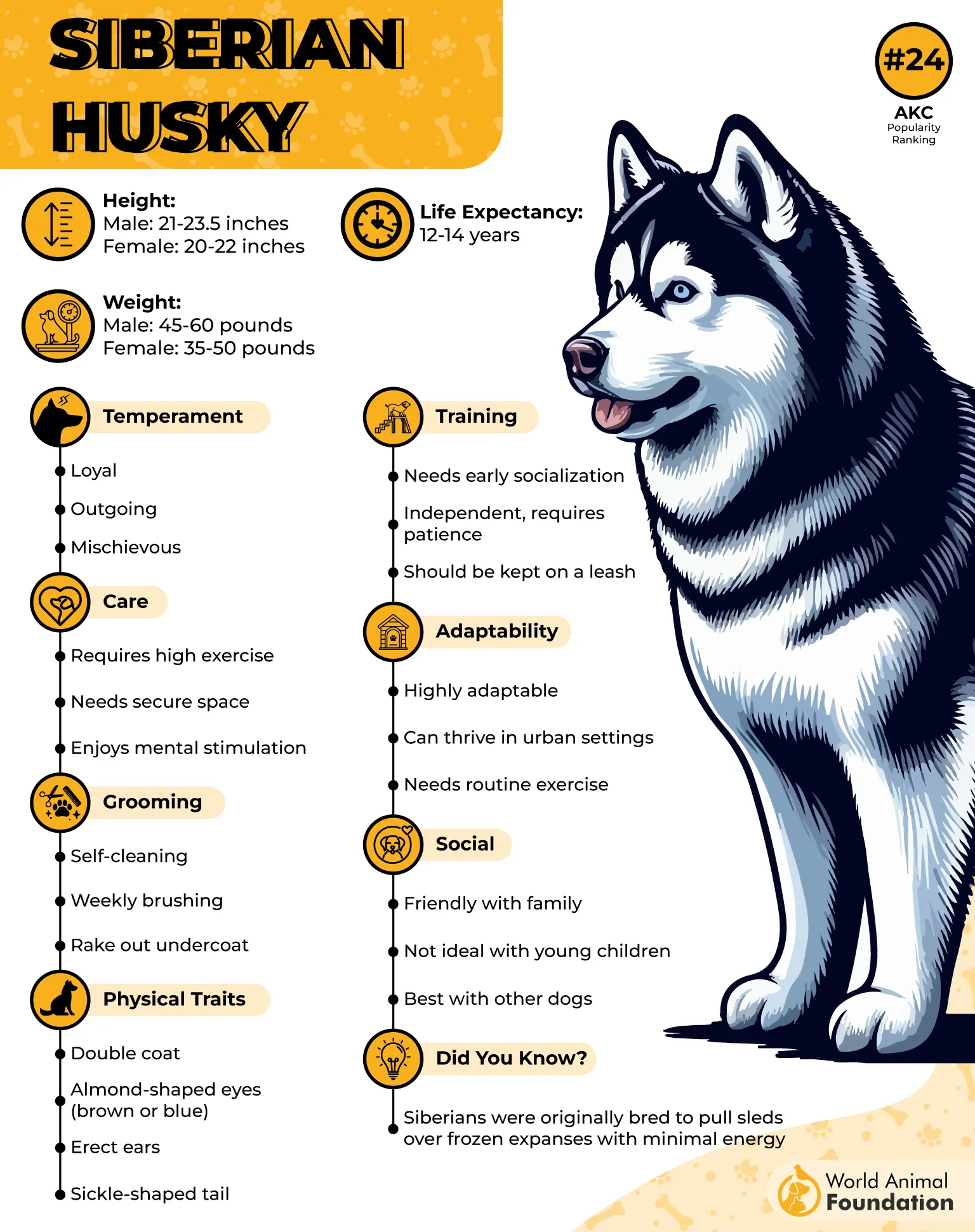
Many Huskies love to roam and chase, so secure gear matters: a sturdy harness, a strong leash, and a habit of checking in. Think “team sport,” not “robot dog.”
As per Britannica, they have a thick double coat that helps in cold climates. In warm weather, plan early-morning hikes, bring extra water, and take shade breaks.
Give them a job, like pulling a canicross line in safe conditions, and you’ll have a cheerful, chatty outdoor partner who turns winter walks into a party.
Outdoor sweet spot
Snowy hikes, long runs, and endurance-based adventures
Best on leash or in secure areas due to roaming instinct
Thrives in cool climates with smart heat management
7. Weimaraner
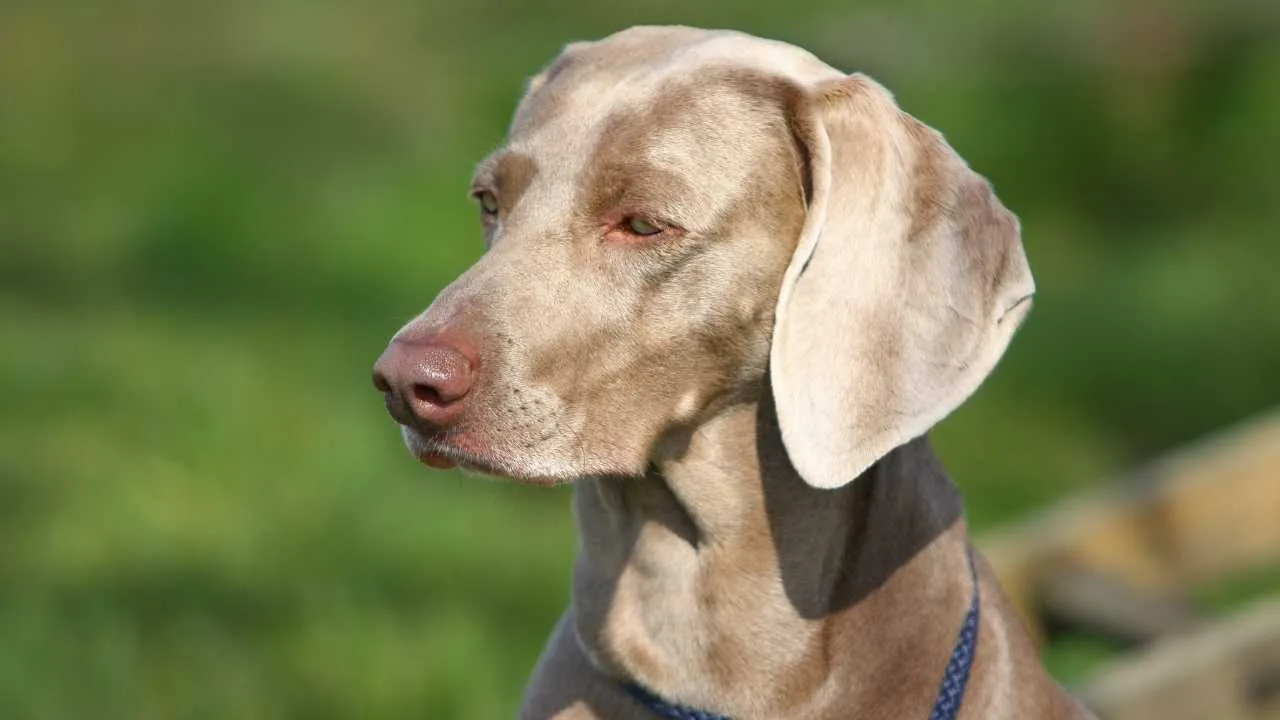
Weimaraners are sleek, fast, and famously nicknamed the “gray ghost.” They were bred for hunting with speed and courage, and you can feel that athletic history the moment they start moving.
If your weekends look like sunrise hikes, long runs, and big open trails, a Weim can match that pace. They need nose work breaks.
They are friendly and eager, but they need a lot of activity and mental stimulation. Without it, boredom can show up as chewing, digging, or general chaos.
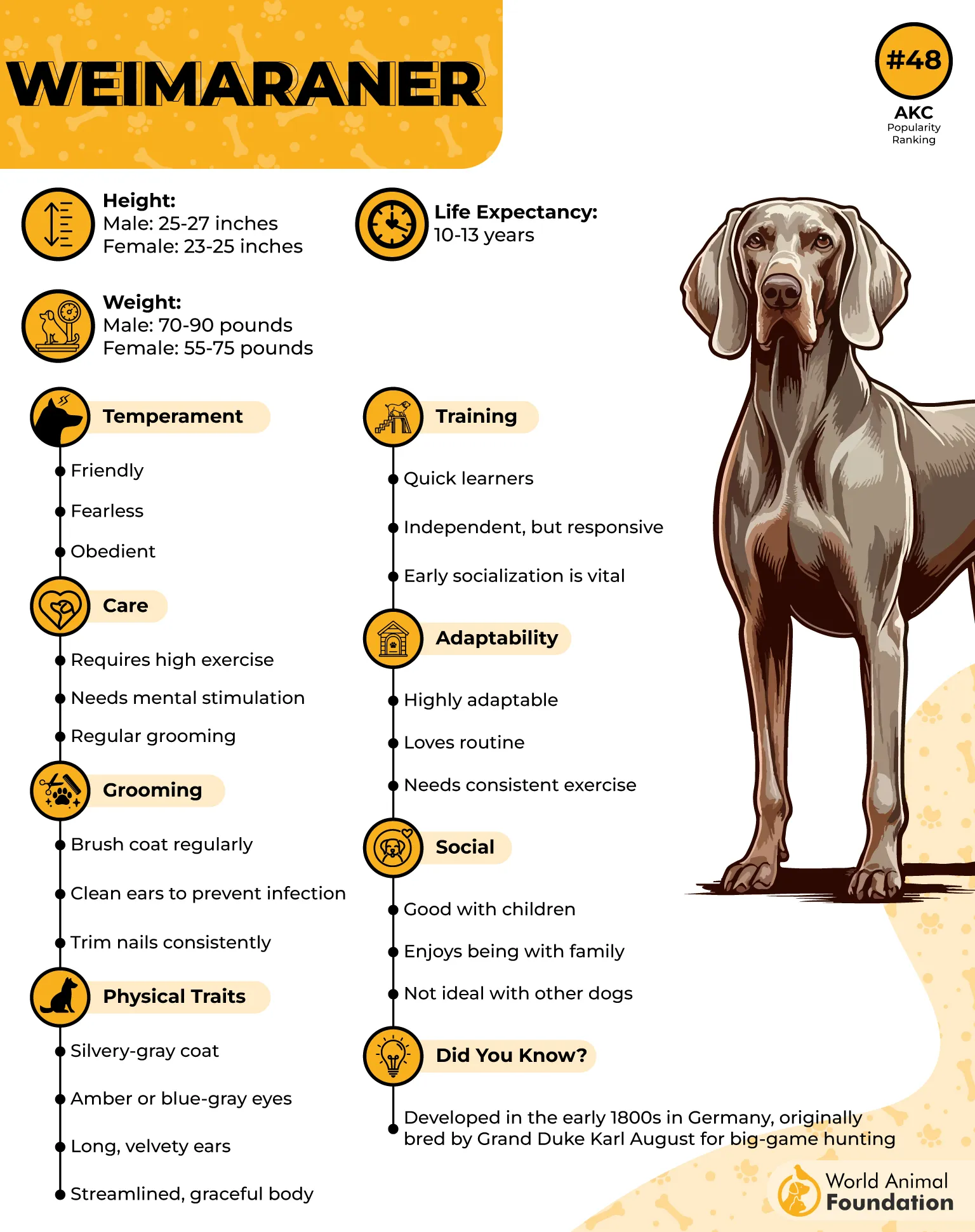
Sounds crazy, right? Exactly. The trick is to make exercise feel like a mission. Mix running with training, add scent games, and use safe off-leash time only after recall is rock solid.
Weims also love being with their people, so they are not the “leave me in the yard” type. For camping, teach a calm “place” on a mat, practice quiet time after play, and you’ll have a fearless, affectionate buddy who wants to explore all day and then sleep like a rock.
Outdoor sweet spot
Trail runs, long hikes, and scent-heavy exploring
Needs vigorous daily exercise plus thinking games
happiest when included in the action, not left alone
8. Golden Retriever
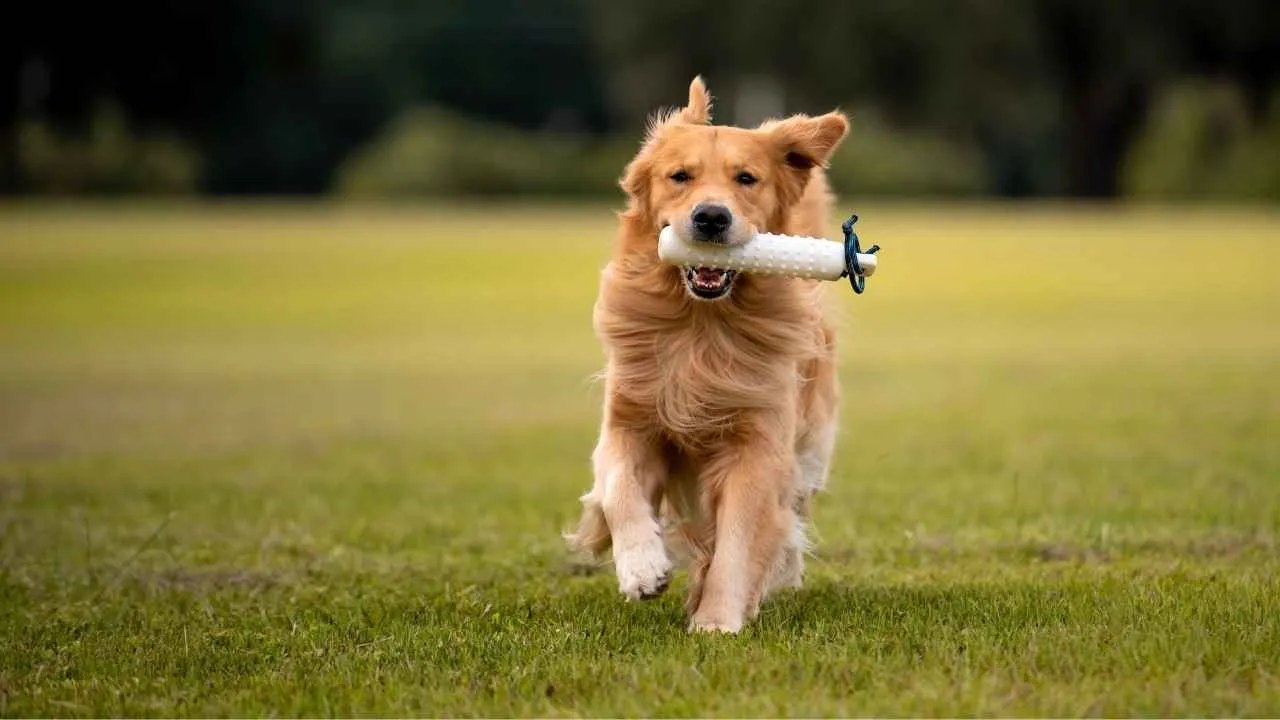
Golden Retrievers bring sunshine and energy to the outdoors. They are friendly, willing to learn, and usually thrilled to do whatever you’re doing, as long as they are with you.
Hiking, swimming, camping, and endless games of fetch? Yes, please. They make friends on trails.
They are athletic and can handle a wide range of activities, especially when you build stamina over time. Here’s the good part.
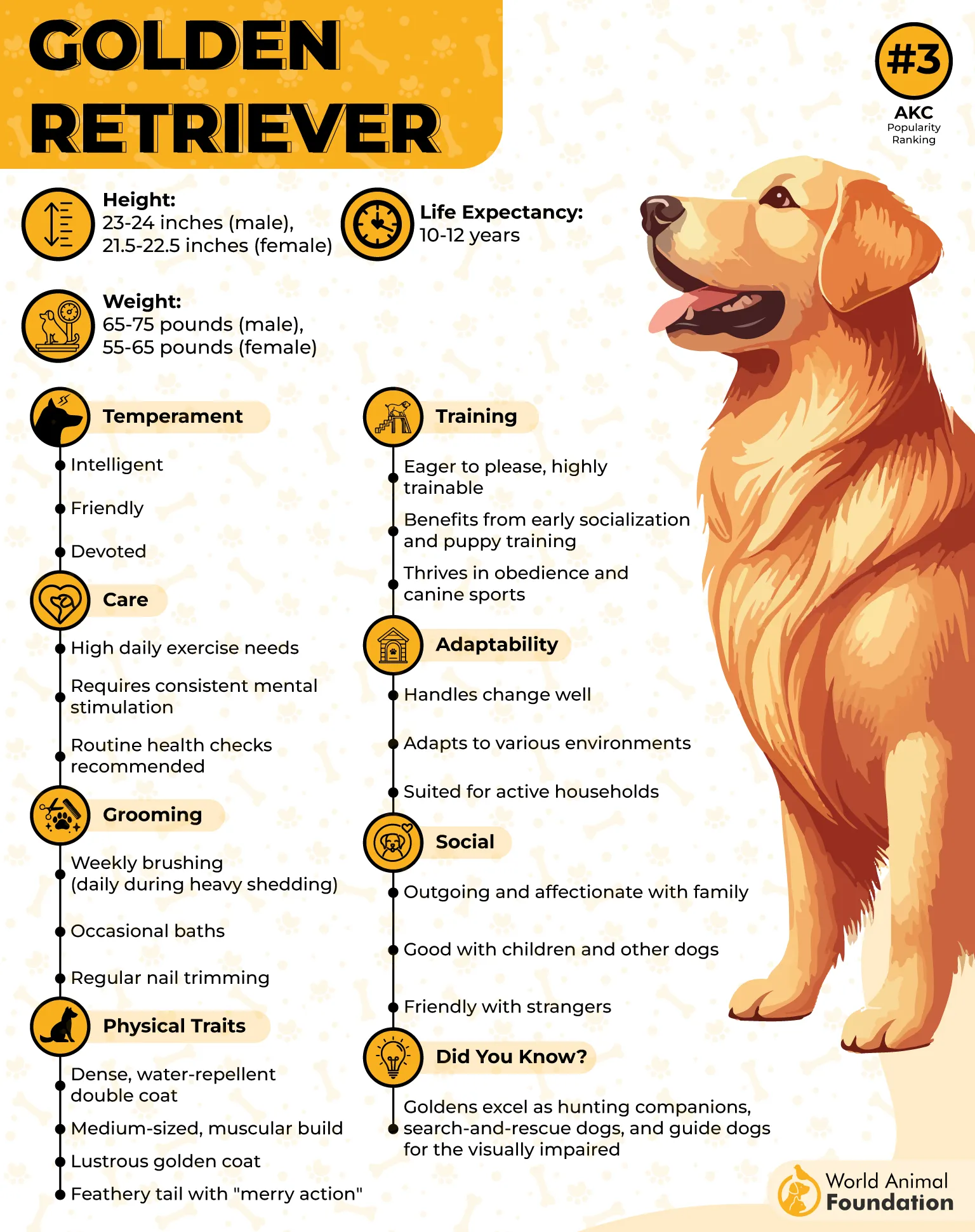
Their people-loving nature often makes training easier, and that helps on trails. A strong recall, a steady heel, and polite manners at a campsite go a long way when you meet other hikers.
Goldens also tend to enjoy water and retrieving, which makes lake days and beach walks extra fun. Keep an eye on the heat, bring fresh water, and brush out burrs after wooded hikes.
Do that, and you get a loyal adventure buddy who makes strangers smile and makes your own days feel lighter.
Outdoor sweet spot
Hiking, swimming, fetch, and family camping trips
Highly trainable and great at staying connected with you
Needs regular exercise and coat care after trail time
9. Labrador Retriever
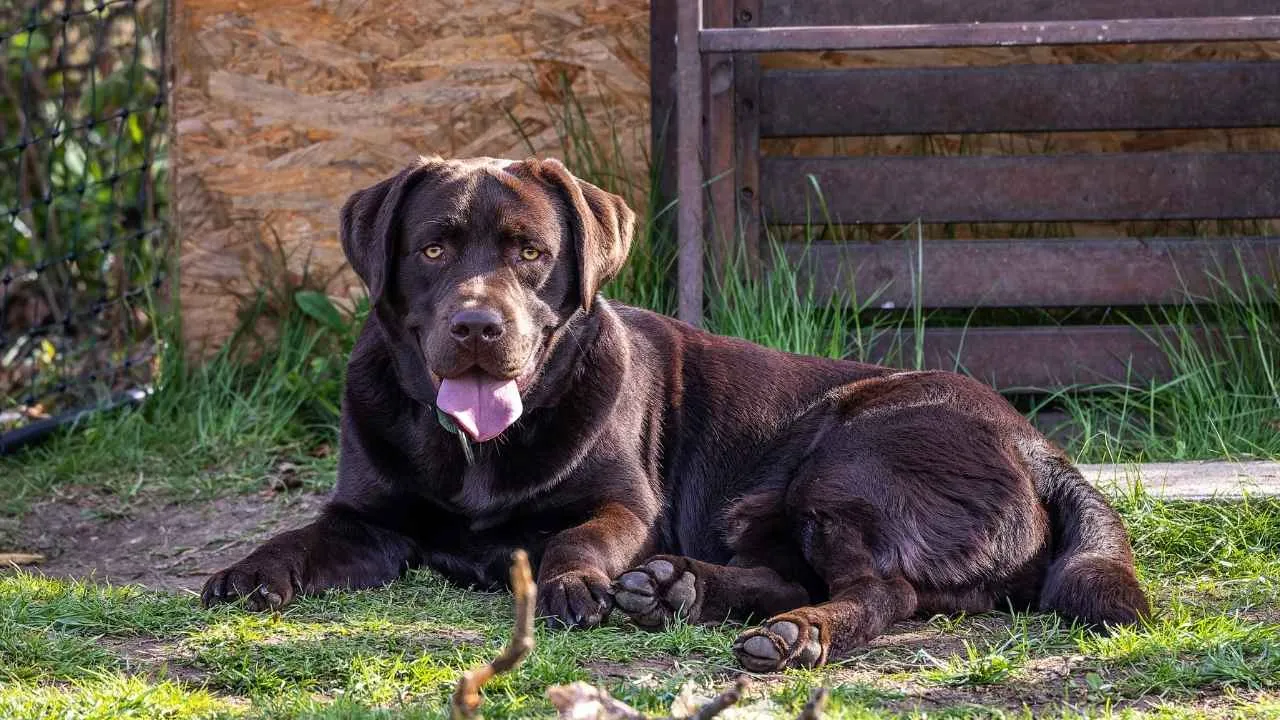
Labrador Retrievers are the ultimate “let’s do stuff” dog. They are friendly, energetic, and built for action on land and in water.
Labs were shaped by work that involved swimming and retrieving, so lakes, rivers, and muddy paths are kind of their love language. They live for water days.
They are also versatile. One day it’s a long hike with a steady pace, the next day it’s dock play, paddle time, or a simple neighborhood run.
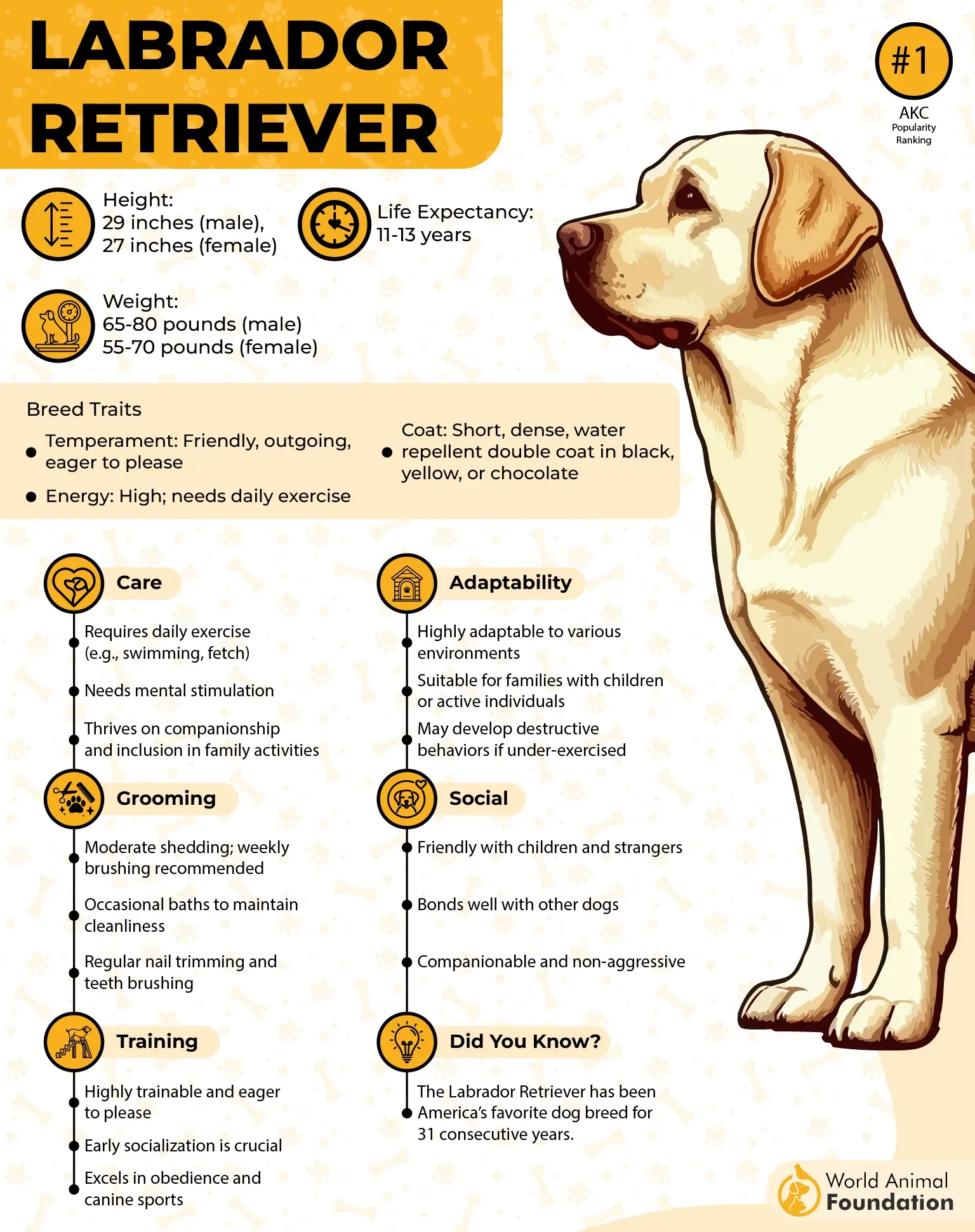
But wait, there’s more! Labs can gain weight if exercise slips, so regular activity is not optional. Keep meals sensible, keep games active, and you’ll feel the difference in their stamina.
Training is usually smooth because many Labs want to please. That makes it easier to teach trail basics like “come,” “leave it,” and “wait.”
Add a tough chew toy for camp downtime, and you’ve got a cheerful, social companion who fits right into an outdoor lifestyle, right from day.
Outdoor sweet spot
Hiking, swimming, retrieving games, and beach trips
Friendly, adaptable, and usually easy to train
Needs steady exercise to stay fit and healthy
Conclusion
Choosing the right breed for outdoor activities is not just about looks. It’s about the real-life stuff. Think of herding instincts in herding dogs like the Australian Shepherd and Australian Cattle Dog that were originally bred to herd cattle.
Think hunting dogs like the German Shorthaired Pointer and even the Belgian Malinois, which are highly intelligent, athletic dogs with incredible stamina.
Many popular dog breeds bond closely and can be excellent companions for active owners who enjoy hiking, even on the Appalachian Trail and other rugged terrain. But remember, every individual dog is still its own breed story, and that’s what makes it fun.
Now, don’t ignore comfort and health. Some larger breed dogs, like Bernese Mountain Dogs, have thick coats, which can be rough in warmer climates. Cold-weather giants like the Alaskan Malamute were built to pull sleds, but those same thick coats mean you must plan shade and water.
Also, most dogs can join your active lifestyle, including rescue dogs, as long as you build up slowly and watch for issues like hip dysplasia or signs tied to liver disease.
Keep it simple: pick energetic dogs with an outgoing nature and affectionate nature that fits your very active lifestyle. Then add joy, like playing fetch, and you’ll end up with a fun-loving furry friend who stands out from other breeds in the best way.
