




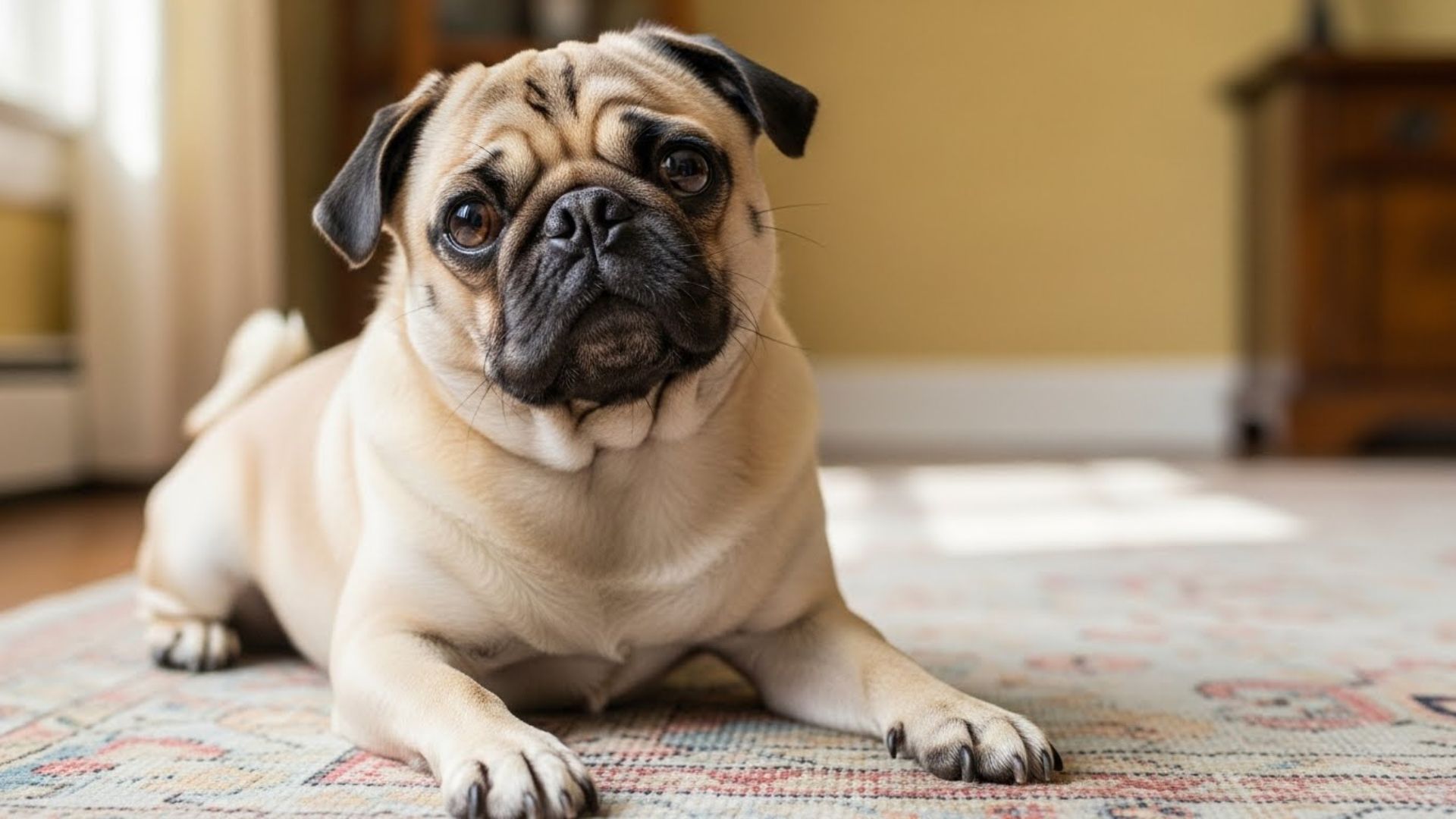
A dog’s nose does a lot more than just sniffing. It defines your pup’s facial appearance, personality, and charm. Various dog breeds have varying nose shapes. Some dogs have squishy, pushed-in noses, while others have long snouts.
A dog’s nose contains up to 300 million scent receptors compared to only six million in humans. They are capable of smelling separately from each nostril, and this trait enables them to determine exactly where smelly objects are located.
Dogs can detect even tiny reductions in odor molecules over short periods of time. Unique nose shapes are linked with breed function. For instance, breeds with long muzzles excel at hunting and retrieving, while flat-faced breeds usually provide companionship and bring charm.
Have a look at these adorable dog breeds and their nose features explained.
Adorable Dog Breeds and Their Nose Features Explained
1. Pug
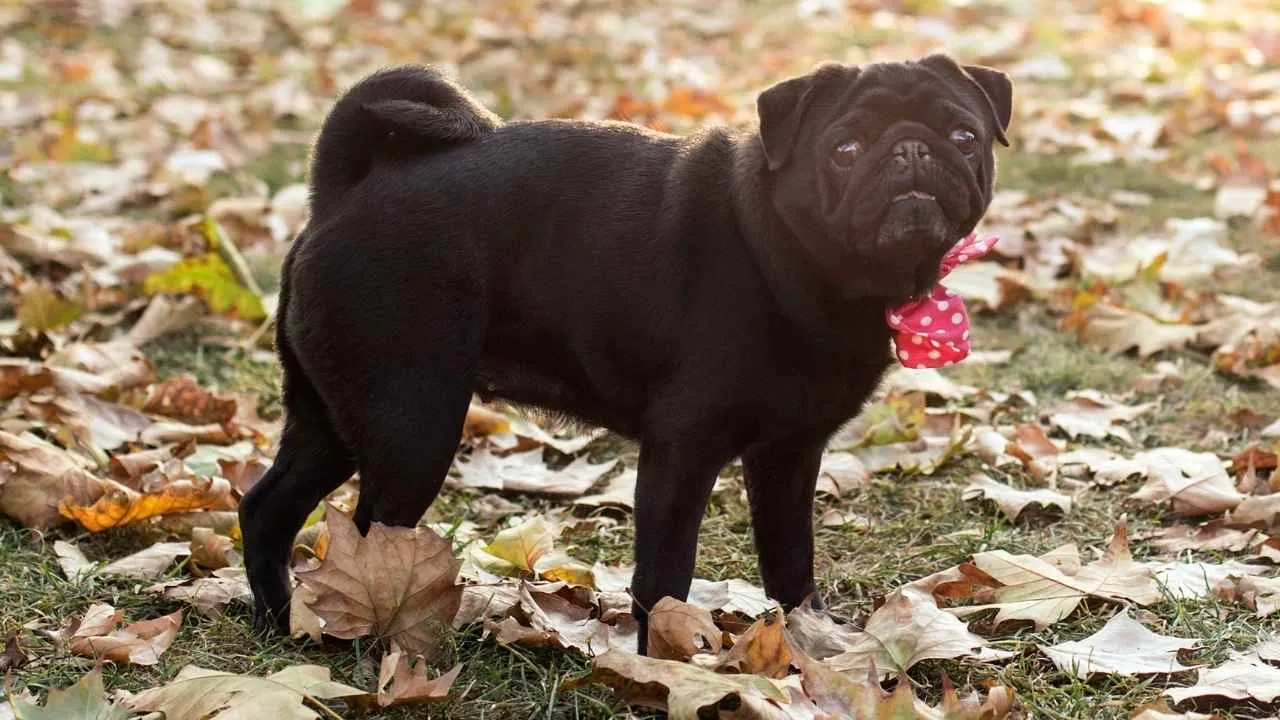
Pug is an ancient dog breed hailing from China. They were originally bred to be companions and are highly devoted to their humans. Pugs have a friendly and laid-back personality. Having short muzzles, Pugs are brachycephalic.
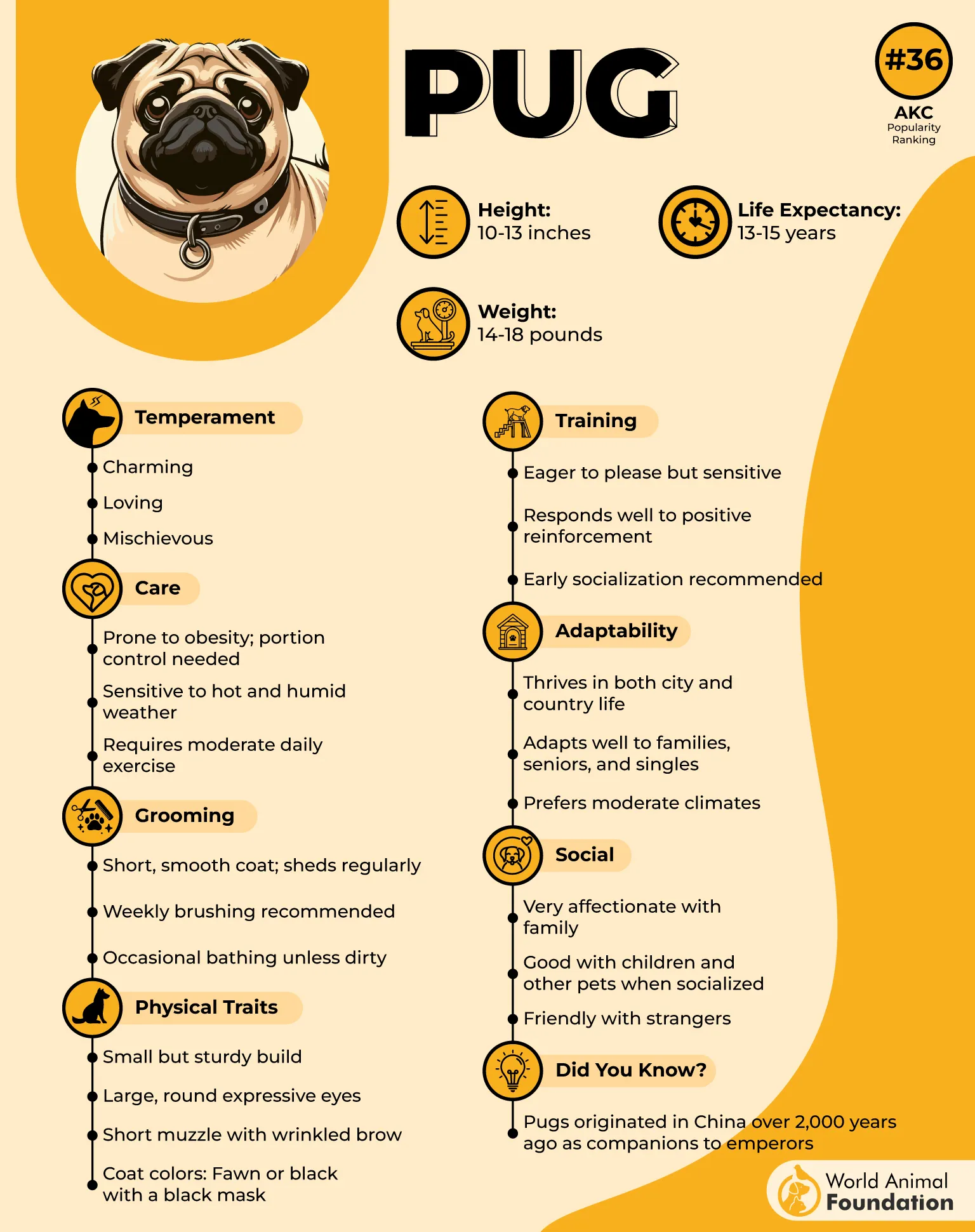
Their squished noses make them look irresistibly cute, but they are prone to various health problems, such as Brachycephalic Obstructive Airway Syndrome (BOAS). Flat faces make them prone to overheating, so make sure you do not take them out in hot and humid weather.

Pugs have loving personalities, and they never fail to entertain their owners with their playful antics. Sometimes, they make funny snorting sounds due to their small noses. Pugs have an adaptable nature, so they can adjust well in a variety of households.
2. French Bulldog
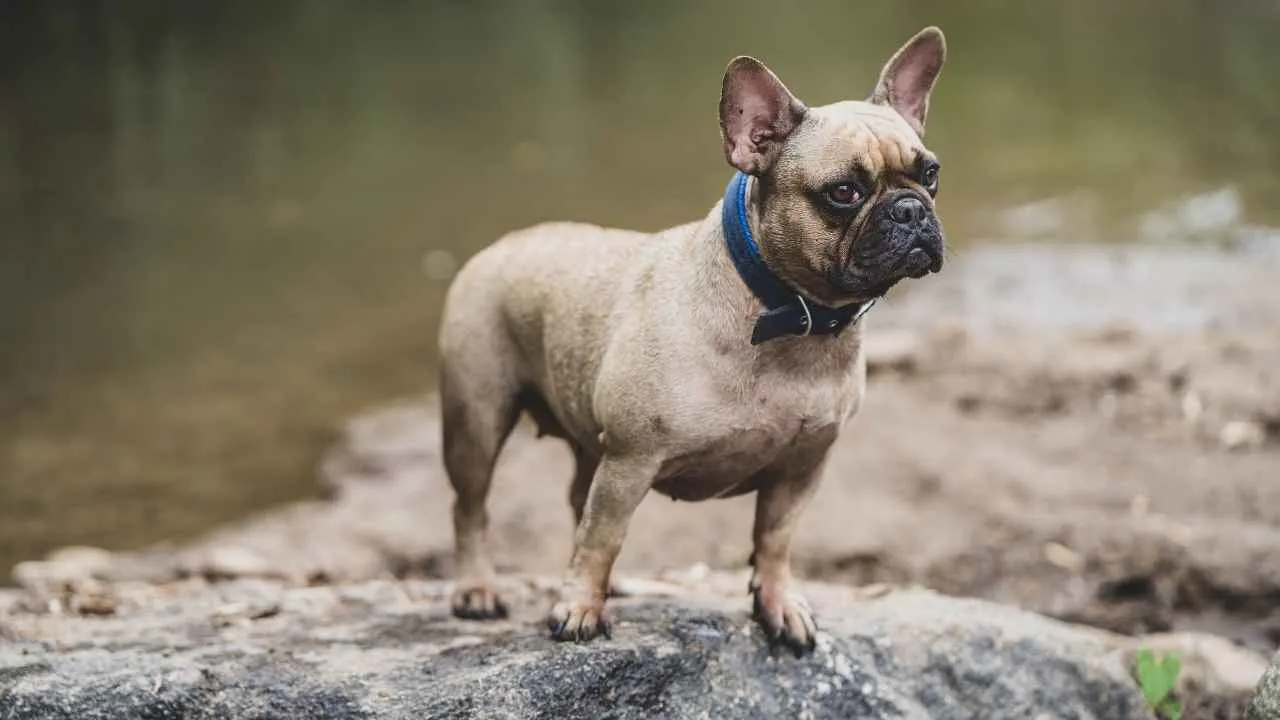
French Bulldog is a small and muscular dog with cute pointy ears, wrinkled flat faces, and smooshed noses. These outgoing and friendly dogs often experience breathing problems due to their snubbed noses. Frenchies are strong and affectionate dogs with an adorable appearance.
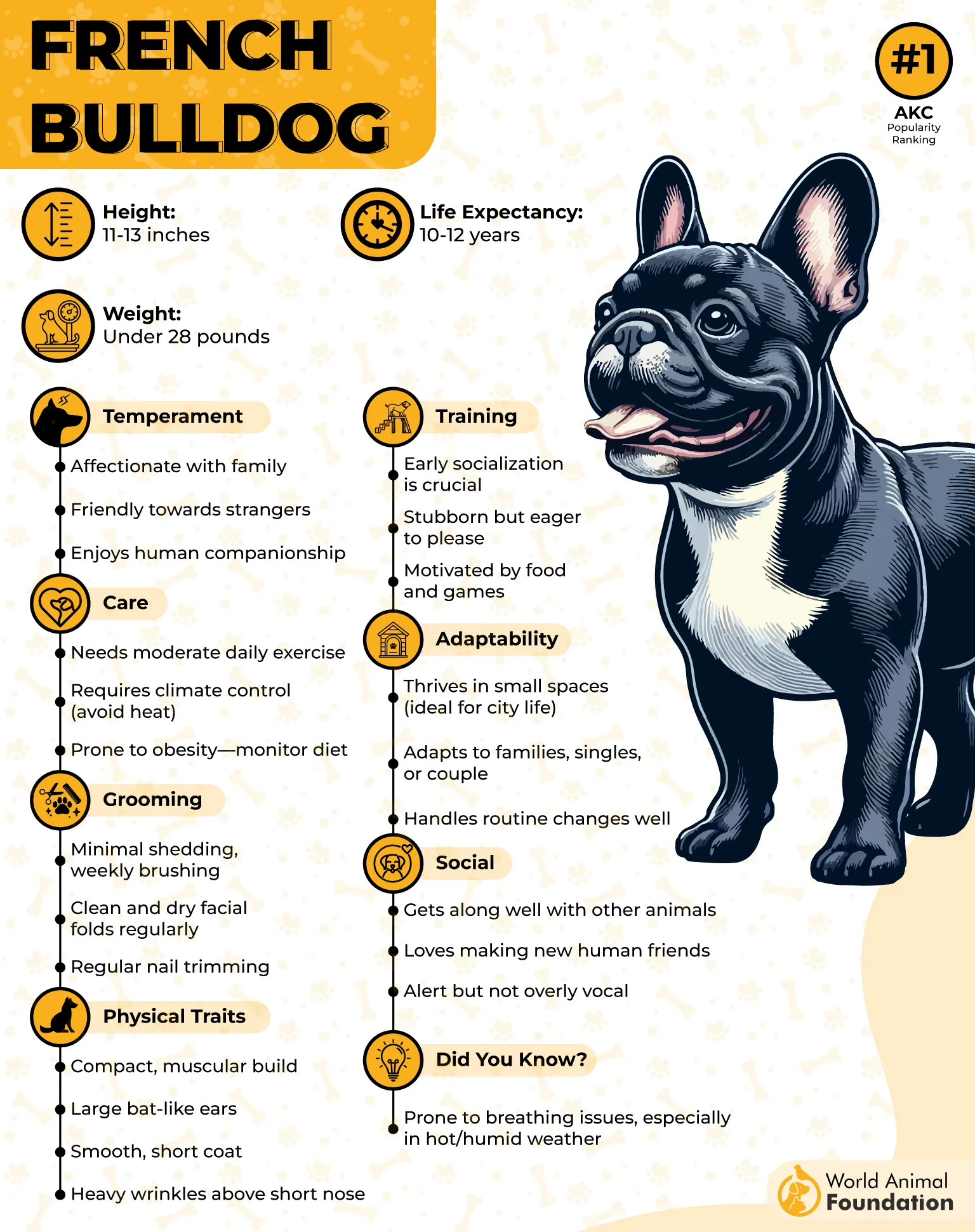
French Bulldogs commonly suffer from brachycephalic airway syndrome, explains PetMD. It is a combination of abnormalities that affect the respiratory tract, including narrow nasal openings and a trachea. As a result, the dog produces snorting sounds while breathing.
French Bulldogs may struggle to catch their breath when exercising. So, they prefer to breathe out of their nose and get tired easily. So, make sure you do not overexercise your dog or take them out in extreme heat.
3. English Bulldog
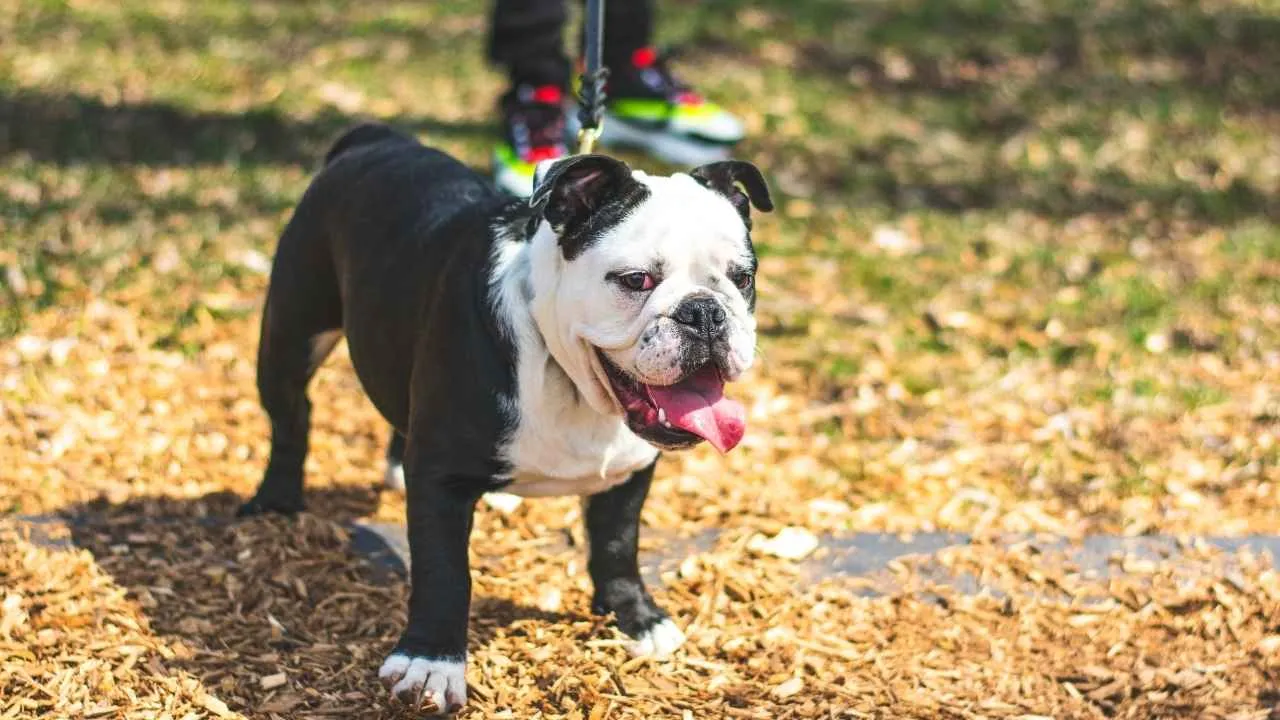
The English Bulldog is a famous short-nosed fellow known for its menacing appearance. They may look intimidating, but are lovable little monsters who make distinctive noises when they breathe or snore. Due to stenotic nares, this flat-faced breed is vulnerable to breathing issues.
BOAS in English Bulldogs is also linked to a long and soft palate that can block the windpipe or tissue folds in the throat that can limit airflow. Although they are loved for their appearance, this makes these dogs struggle with even simple activities sometimes.
English Bulldogs have a sweet and gentle disposition, explains Hill’s Pet. They make loving family pets and tend to be patient around kids. They were originally bred for bull baiting, so they make fine watchdogs and can be aggressive to other dogs.
4. Shih Tzu
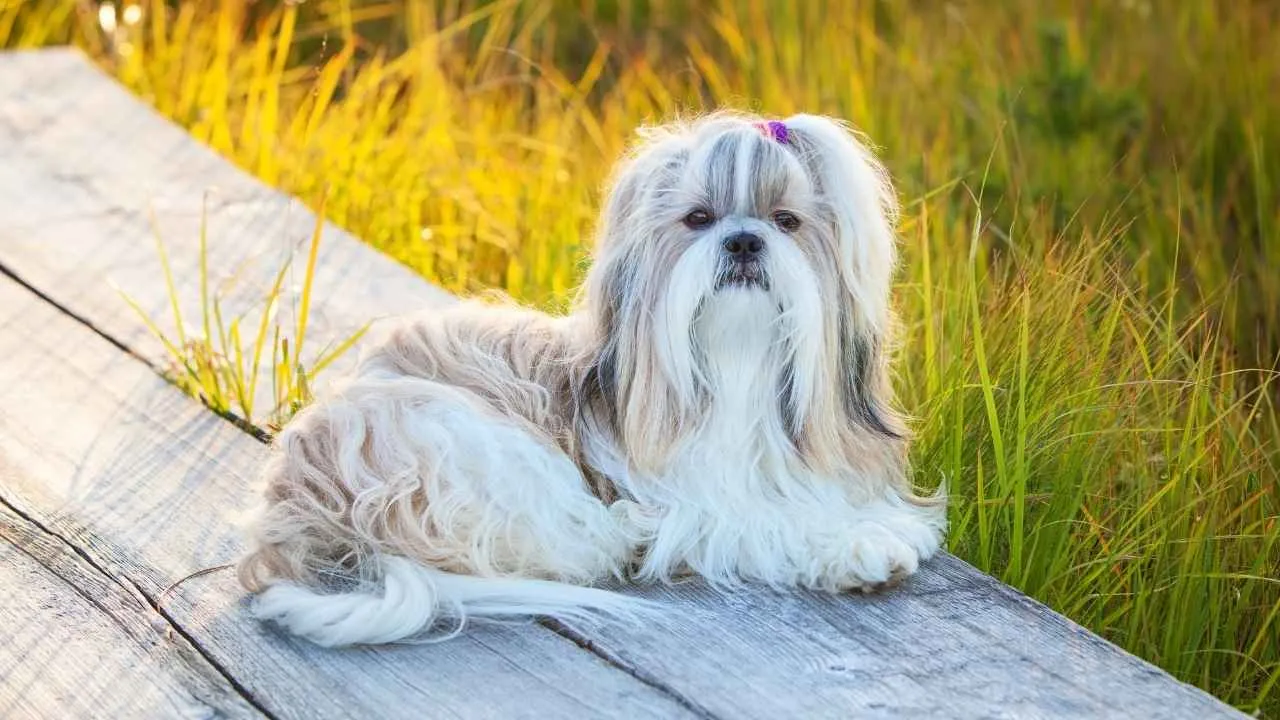
Hailing from Tibet, the Shih Tzu is a companion dog that is loved for its long, flowing coats and super cute ‘crysanthemum’ faces. Their flat faces, combined with their floppy ears, make them look quite adorable. Shih Tzus are friendly and patient with children.
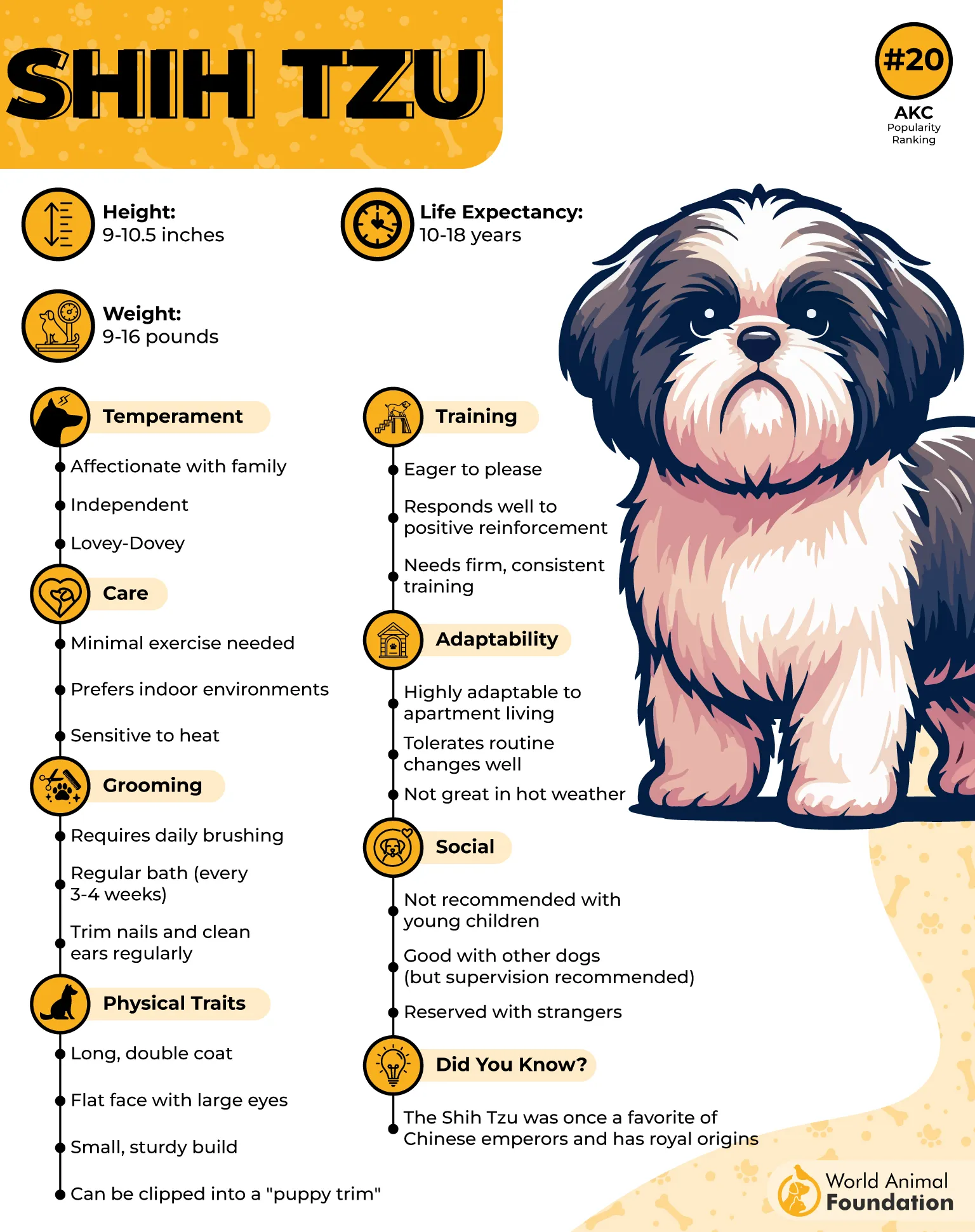
These ultimate social butterflies get along nicely with everyone and have an easygoing temperament. However, Shih Tzus are brachycephalic and experience certain breathing problems in their lives. Having low-shedding, hypoallergenic coats, Shih Tzus make ideal pets for allergy sufferers.
However, their luxurious hair requires daily brushing and frequent grooming to keep looking beautiful. Shih Tzus bring a playful energy to your life and are quite adaptable. They need only moderate exercise every day for physical and mental stimulation.
5. Pekingese
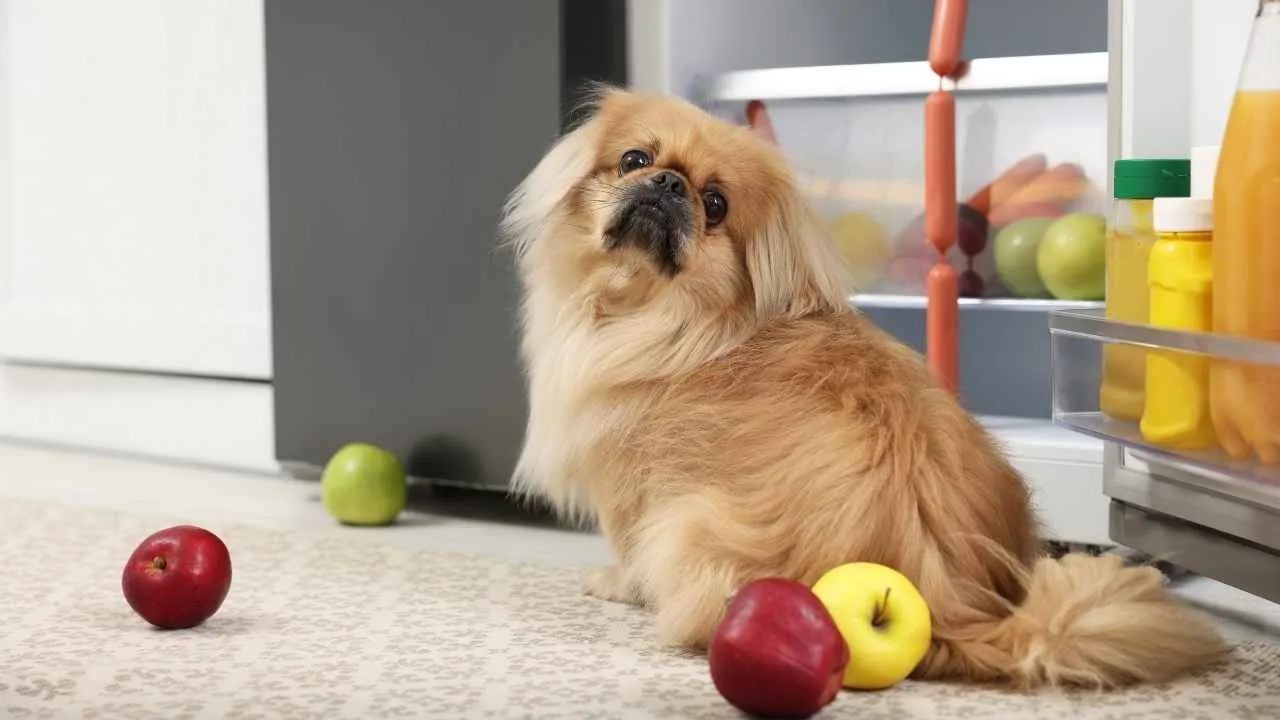
Pekingese can be easily recognized by their puffy lion-like mane and flat face. As with all short-faced breeds, a Pekingese’s nose is a defining feature of its personality and charm. They were originally bred for royalty, and this is highly reflected in their attitude.
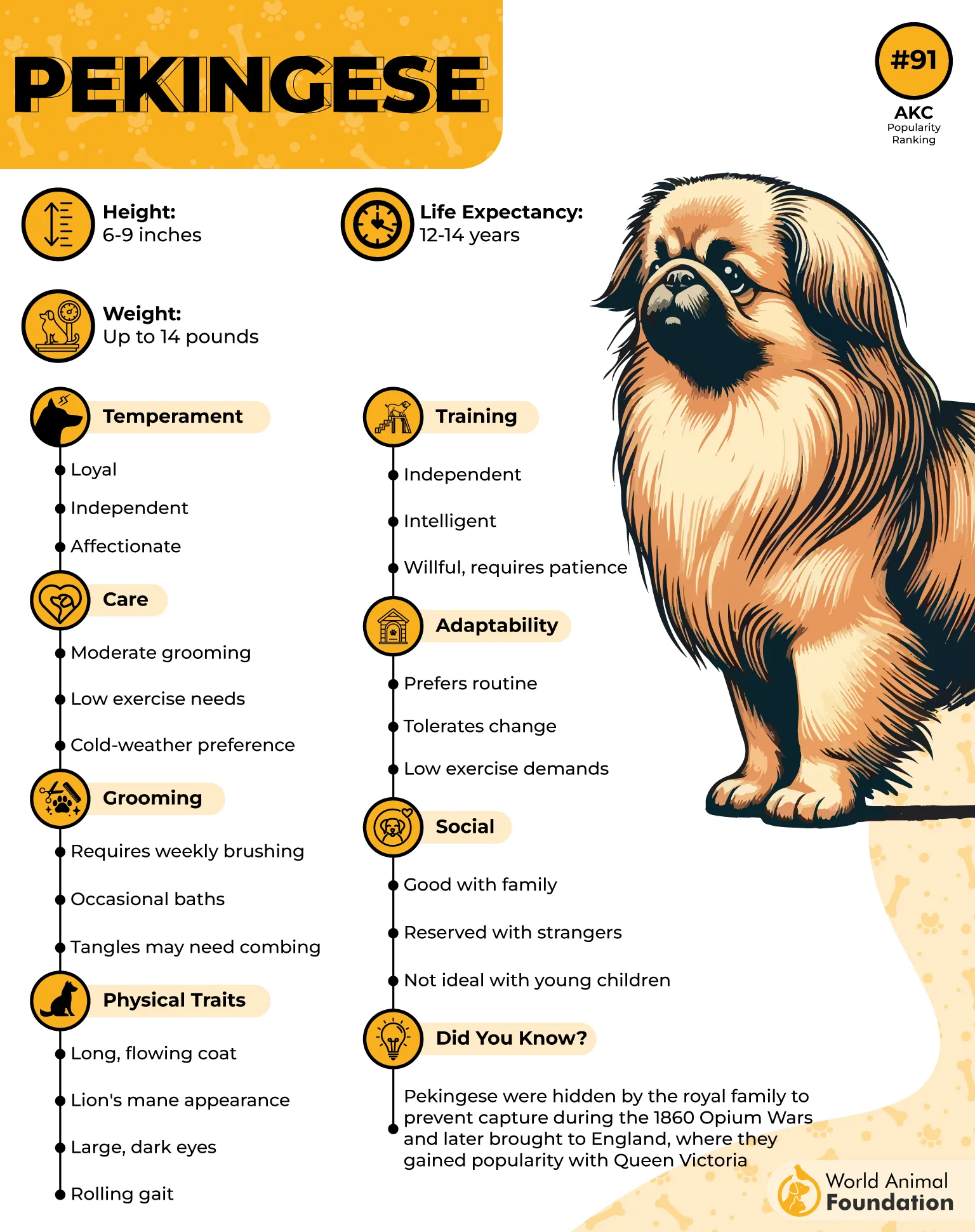
Like many other breeds on our list, Pekes are also prone to brachycephalic airway syndrome. Rapid breathing and grunting in a senior Pekingese mix indicate BOAS or cardiac problems. Symptoms include occasional distress, noisy breathing, and increased respiratory rate.
Pekingese make incredibly loyal companions for their owners. They love accompanying their humans and do not like being left alone. A Peke’s coat requires a lot of attention to stay in top-notch condition. They also need some extra care in hot weather.
6. Boston Terrier
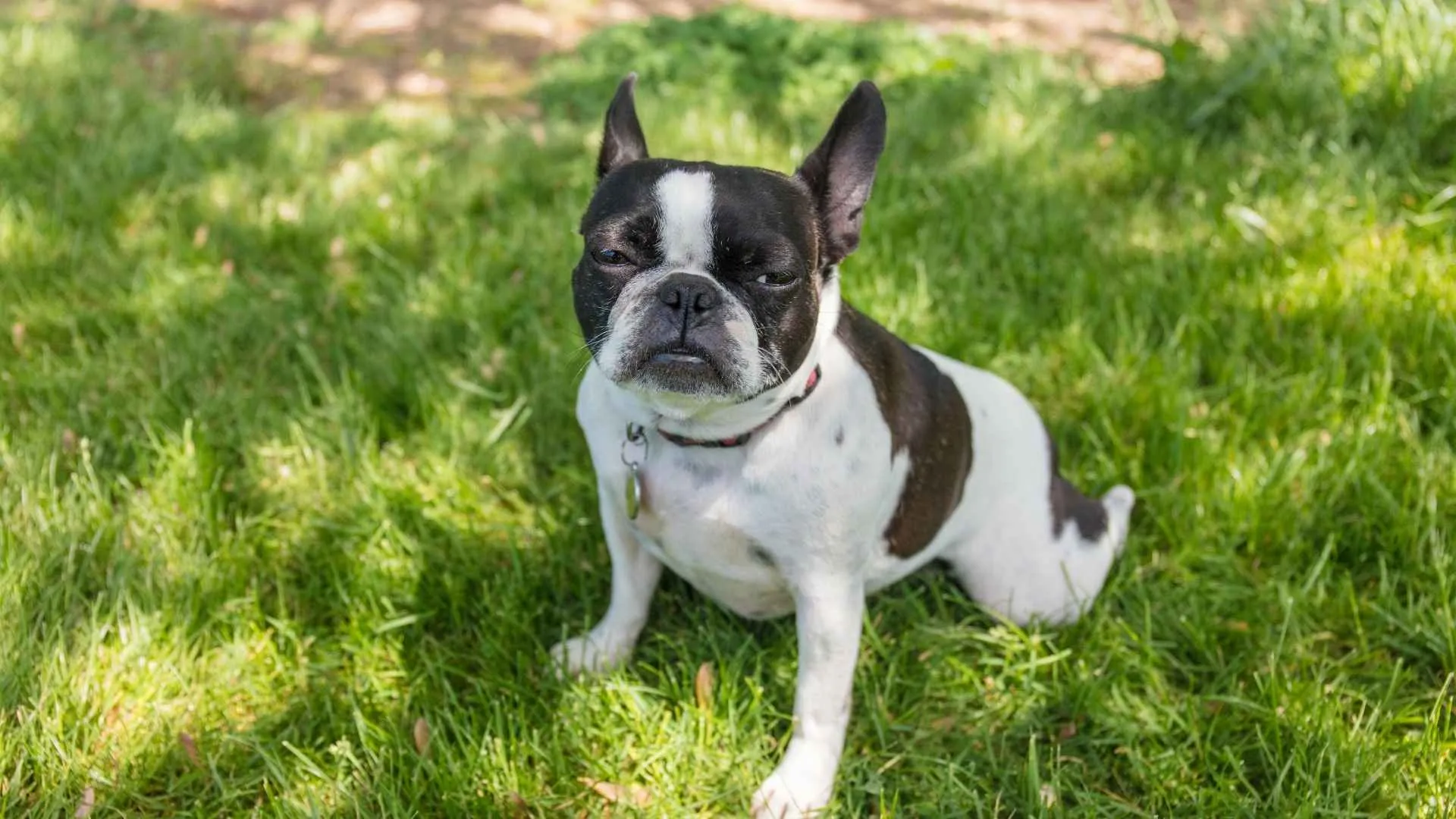
Boston Terrier is a compact toy dog recognized by their tuxedo-like coat, which has earned them the title of ‘The American Gentlemen.’ Thanks to their small size and moderate exercise needs, they make ideal city pets.
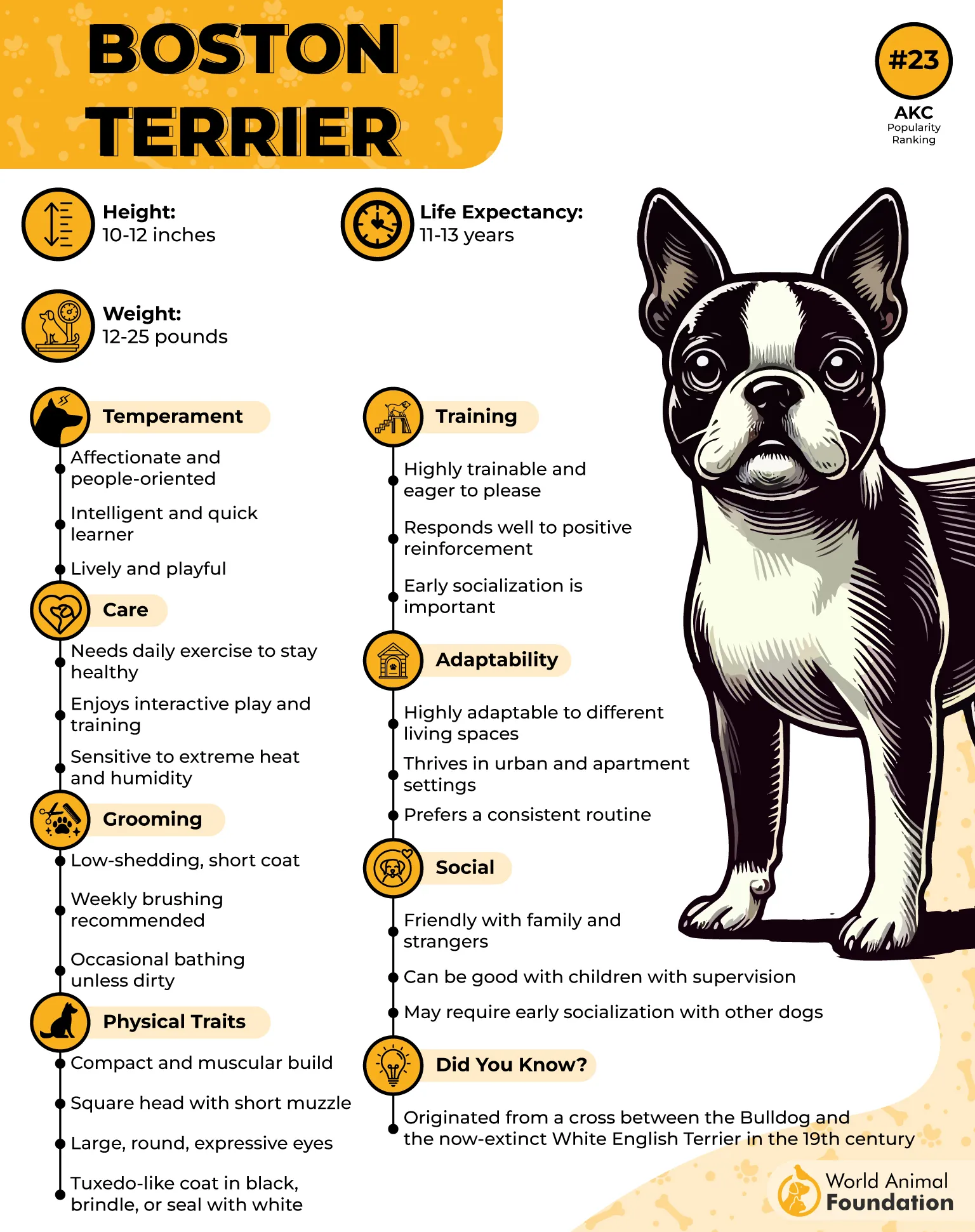
These people-oriented dogs are flat-faced or brachycephalic, which means they have snubbed noses. Boston Terriers are quite similar in appearance to French Bulldogs, but stand out due to their distinctive black and white coats.
Boston Terriers should not be overexercised or taken out in extreme heat. These furry friends are quite energetic and playful. They also enjoy taking part in dog sports like obedience, agility, flyball, and rally. They thrive on human companionship and can become anxious if left alone for too long.
7. Boxer
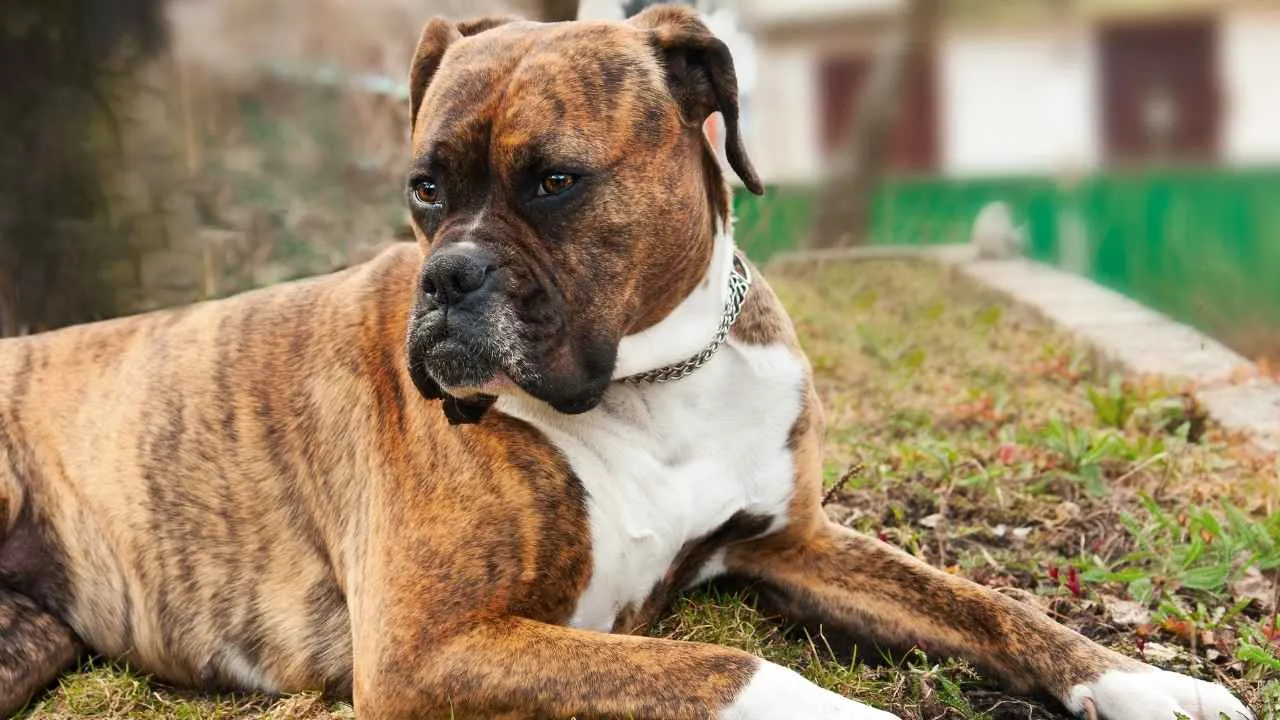
Boxers are loyal and athletic dogs who love spending time with their family. They are loved for their flat faces and pointy ears. These high-energy dogs require lots of exercise and play sessions every day for physical and mental stimulation.
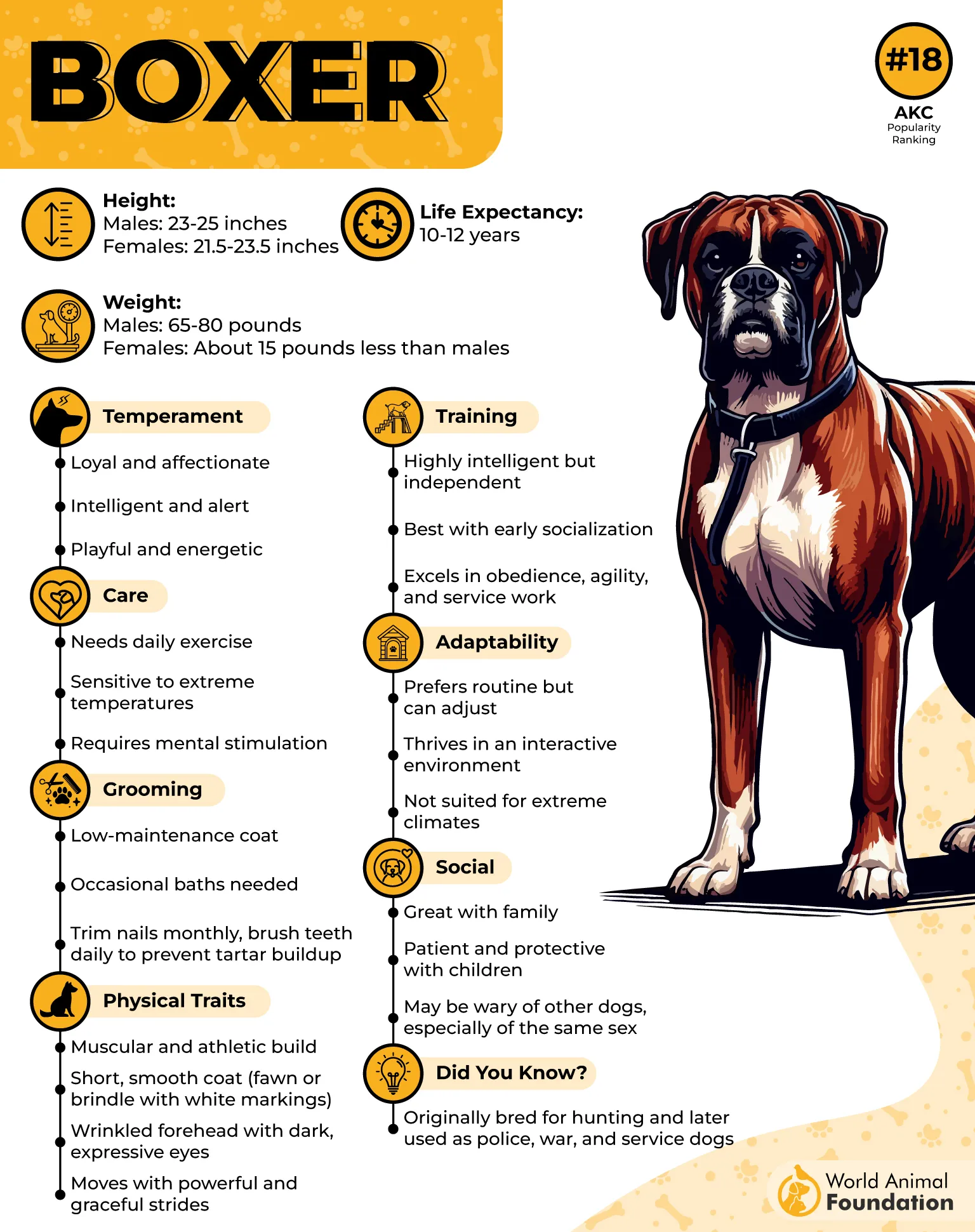
Boxers were originally bred to hunt big game such as bear, boar, and bison. They are active dogs, but need to be monitored for breathing issues because of the anatomy of their nose. These hardworking dogs have been serving in the police, the military, and on farms.

Boxers are deep-chested, medium-sized dogs with a short muzzle and slightly upturned chins. According to Purina, they make excellent pets for homes with adults and children alike. However, they may not be suitable for homes with very young children.
8. Brussels Griffon
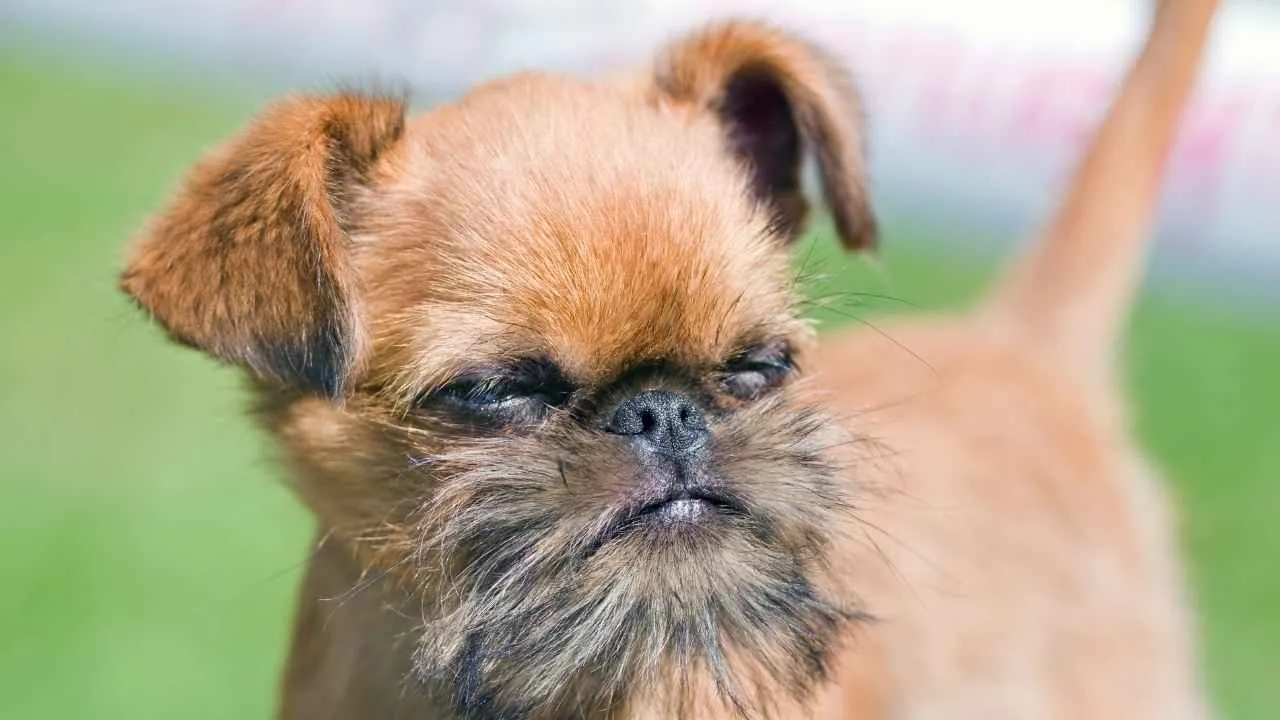
Having a small furry face and almost human-like eyes, the Brussels Griffon is a toy breed packed with tons of personality. These brachycephalic dogs have a short muzzle covered in a fringe of hair. Brussels Griffons are faithful and loving dogs who thrive on human companionship.
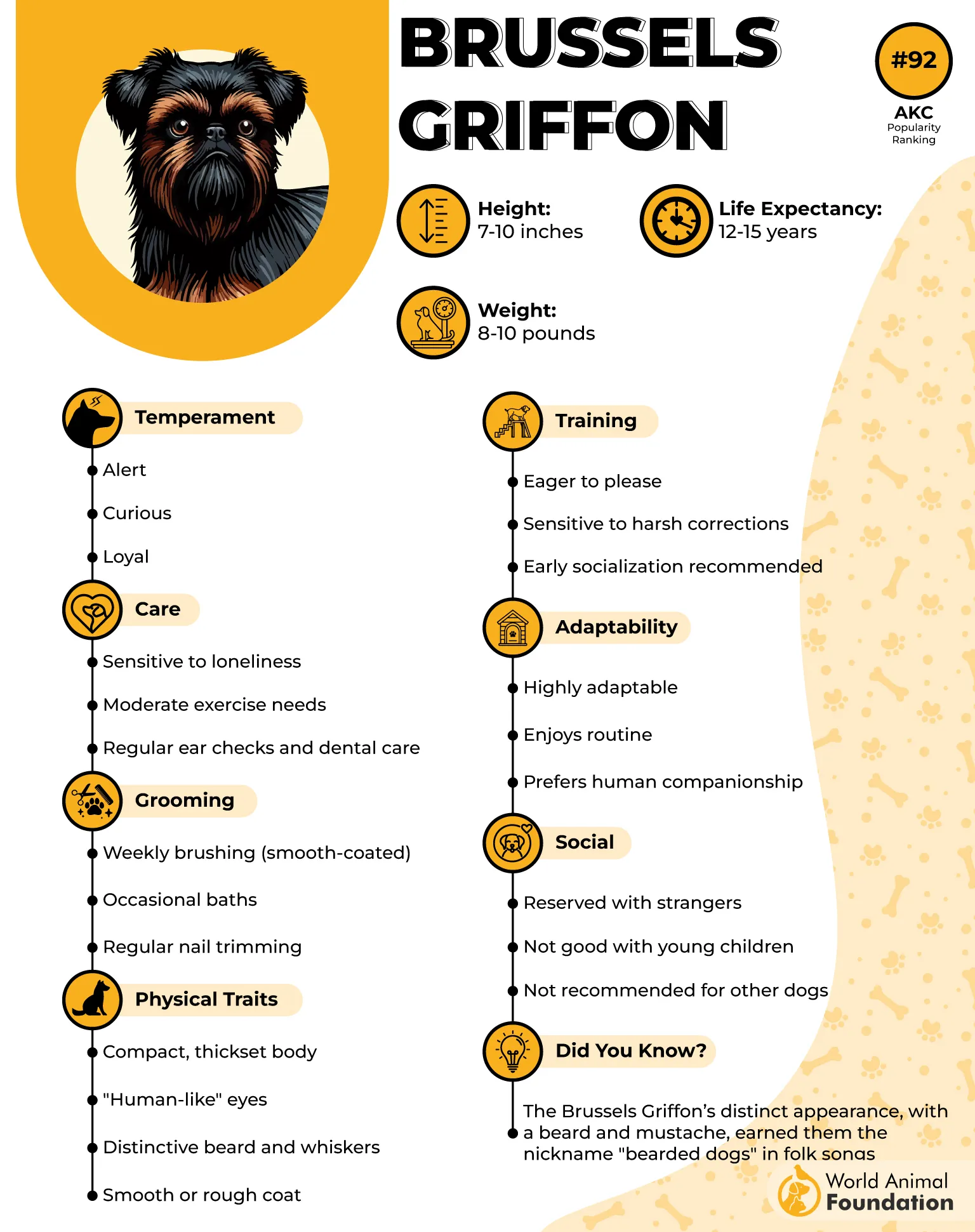
Their delicate build and snubbed noses mean they need extra protection in extreme weather. Brussels Griffons have big personalities, and they are known for their endearing antics and lively dispositions. They are known as ‘Velcro’ dogs who do not like being left alone.
Brussels Griffons are loved for their child-like expressions. Their moderate energy levels mean they need only short walks and indoor play sessions for physical and mental stimulation. Brussels Griffons are smart dogs who respond well to positive reinforcement-based methods.
9. Japanese Chin
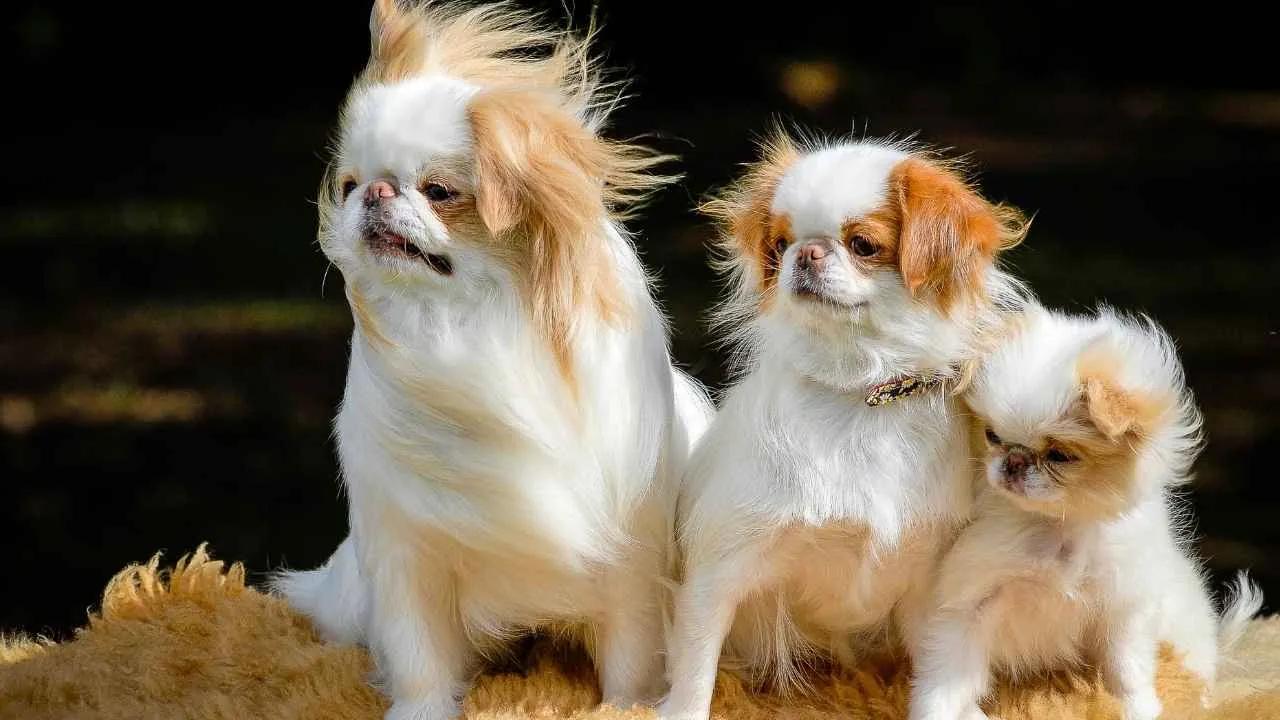
Japanese Chin is another flat-faced dog breed that was originally bred to be companions for the Japanese aristocracy. Having long silky hair and a graceful appearance, Japanese Chin make wonderful lap dogs. They are generally quiet but love getting attention.
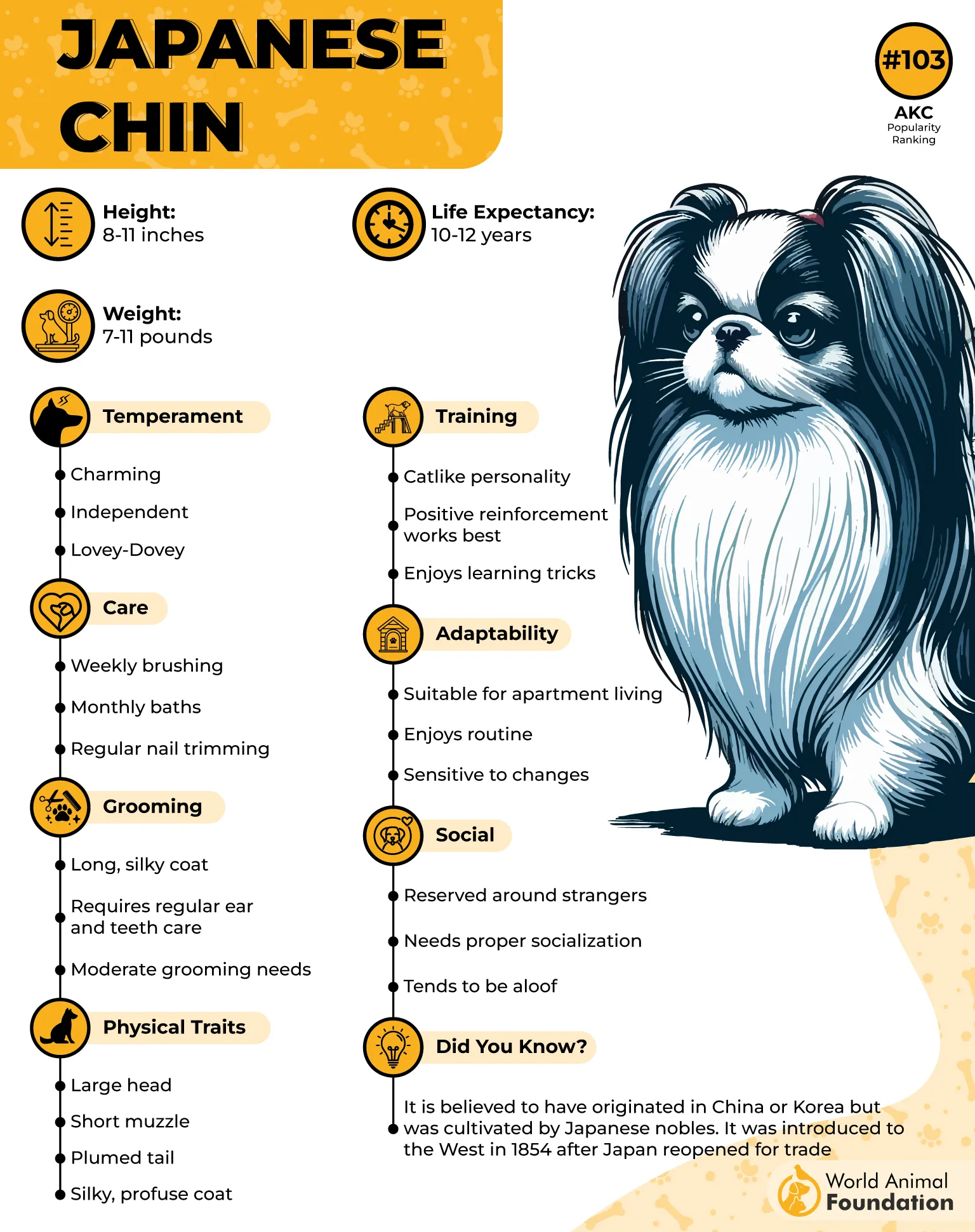
These cute dogs are prone to several breathing problems, including brachycephalic airway syndrome. Therefore, they need extra care during hot and humid weather. You can limit your pup’s exercise during cooler parts of the day.
Japanese Chins are people-oriented dogs that can develop separation anxiety when left alone for too long. Proper training and socialization play an important role in overcoming such behavior. They need only half an hour of exercise every day, including short walks and playtime.
Conclusion
The nose is a defining feature of a dog’s personality and charm. Some breeds possess long noses, while others have short muzzles. Dogs with flat faces are called ‘brachycephalic.’ Their smooshed faces make them prone to certain health considerations, such as BOAS.
Brachycephalic dogs are prone to overheating, so do not take out your pup in extremely hot or humid weather. Limit exercise during cooler parts of the day. Also, these dogs cannot tolerate extensive exercise and are content with only short walks and indoor play sessions.
Purchasing the dog from a reputable breeder and taking it for regular vet visits can help improve your dog’s quality of life.
