




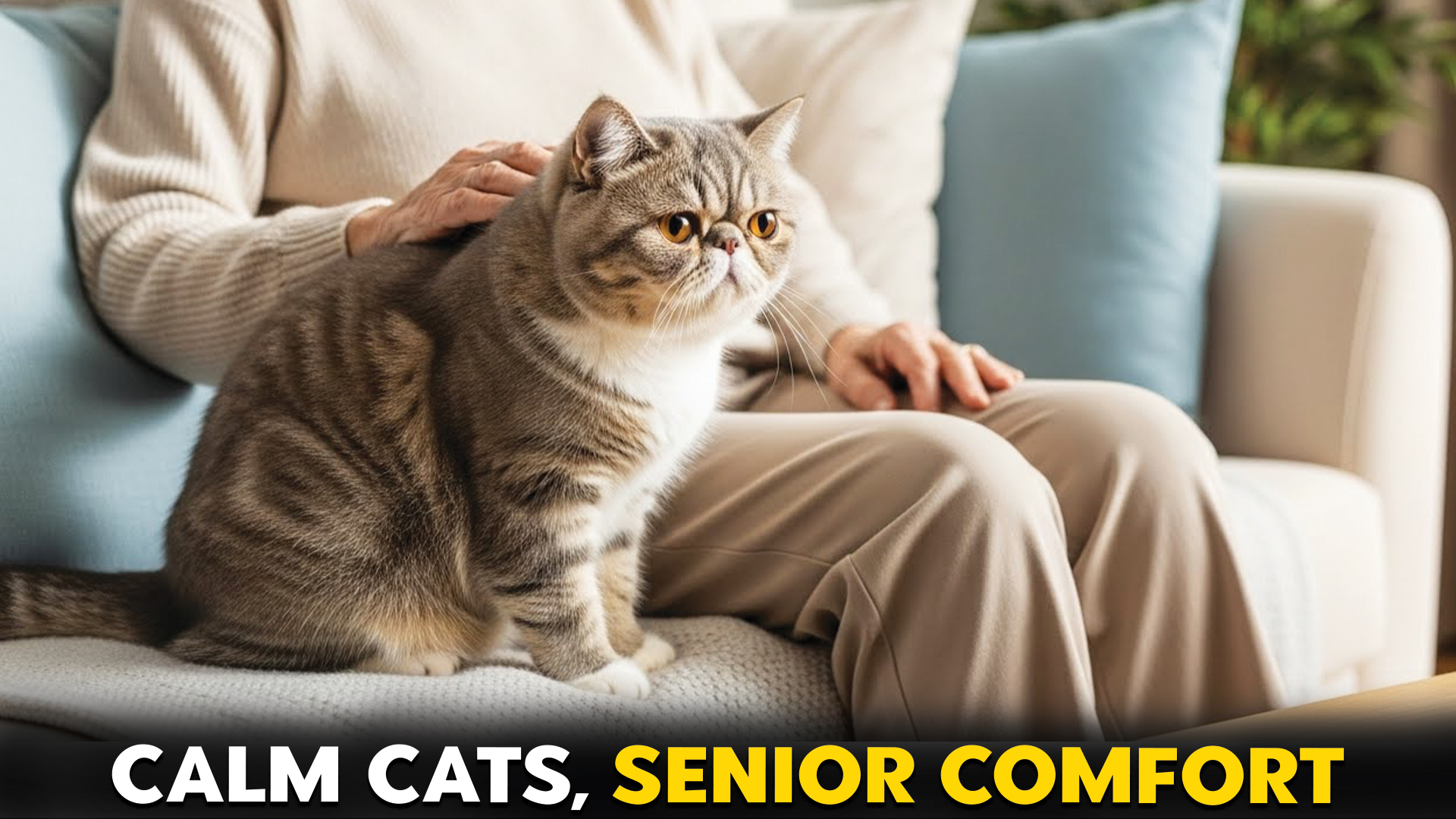
Cats can make wonderful companions for elderly owners, offering comfort, routine, and quiet companionship without the demanding needs of more high-energy pets. Their independent yet affectionate nature makes them especially well-suited for seniors who want a loving presence without constant supervision.
However, not every cat is an ideal match, which is why choosing the right breed can make all the difference in creating a stress-free and rewarding bond.
Feline companionship has been linked to reduced loneliness, lower blood pressure, and improved emotional well-being. Simple moments—like gentle play or the soothing rhythm of petting a cat—can bring calm and structure to daily life. Caring for a cat also encourages light movement, helping seniors stay engaged without feeling overwhelmed.
That said, temperament, grooming needs, and activity level matter. Some cats are calmer, more predictable, and easier to care for than others. In this article, we’ll explore cat breeds that are especially well-suited for elderly owners, helping you find a gentle, comforting companion that fits your loved one’s lifestyle perfectly.
Cat Breeds That Are Good with Elderly Owners
1. British Shorthair
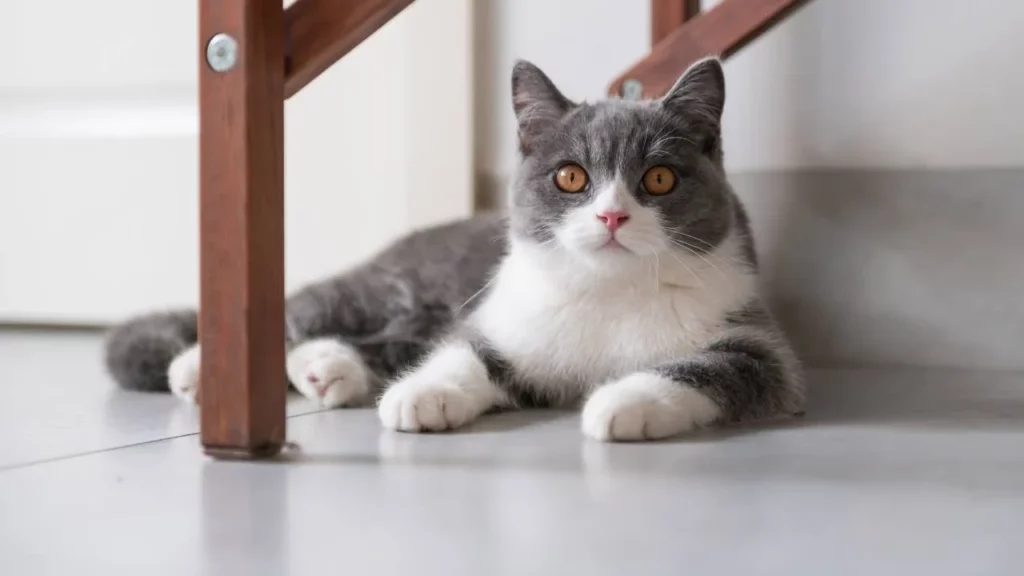
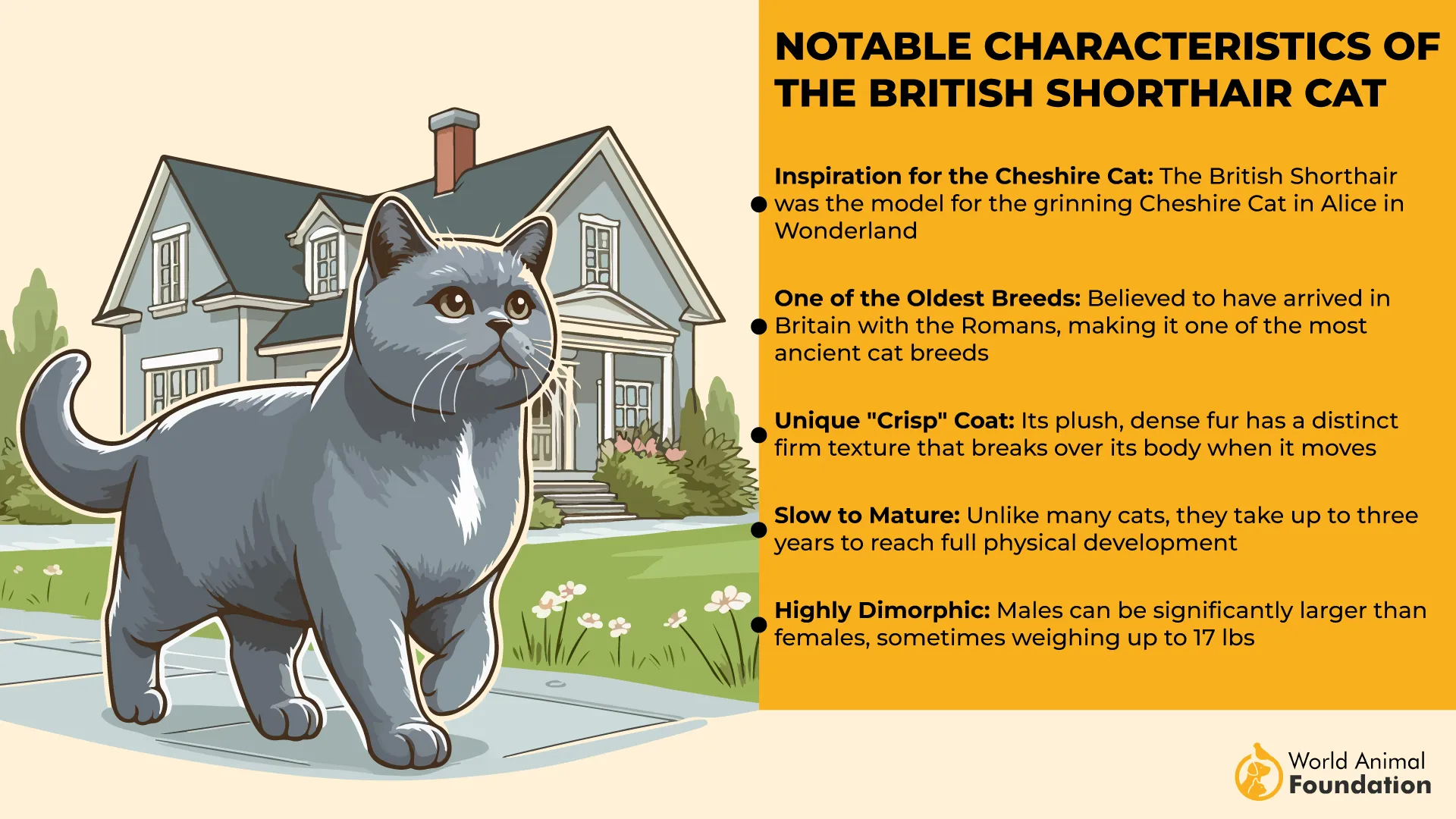
The British Shorthair—sometimes simply called the Brit—is known for its round face, dense plush coat, and calm, dignified presence. This classic breed has a sturdy build and a quietly affectionate personality that suits relaxed households perfectly, especially those led by seniors seeking low-maintenance companionship.
According to Britannica, females typically have an average litter size of about four kittens, which are usually quite large and somewhat chubby.
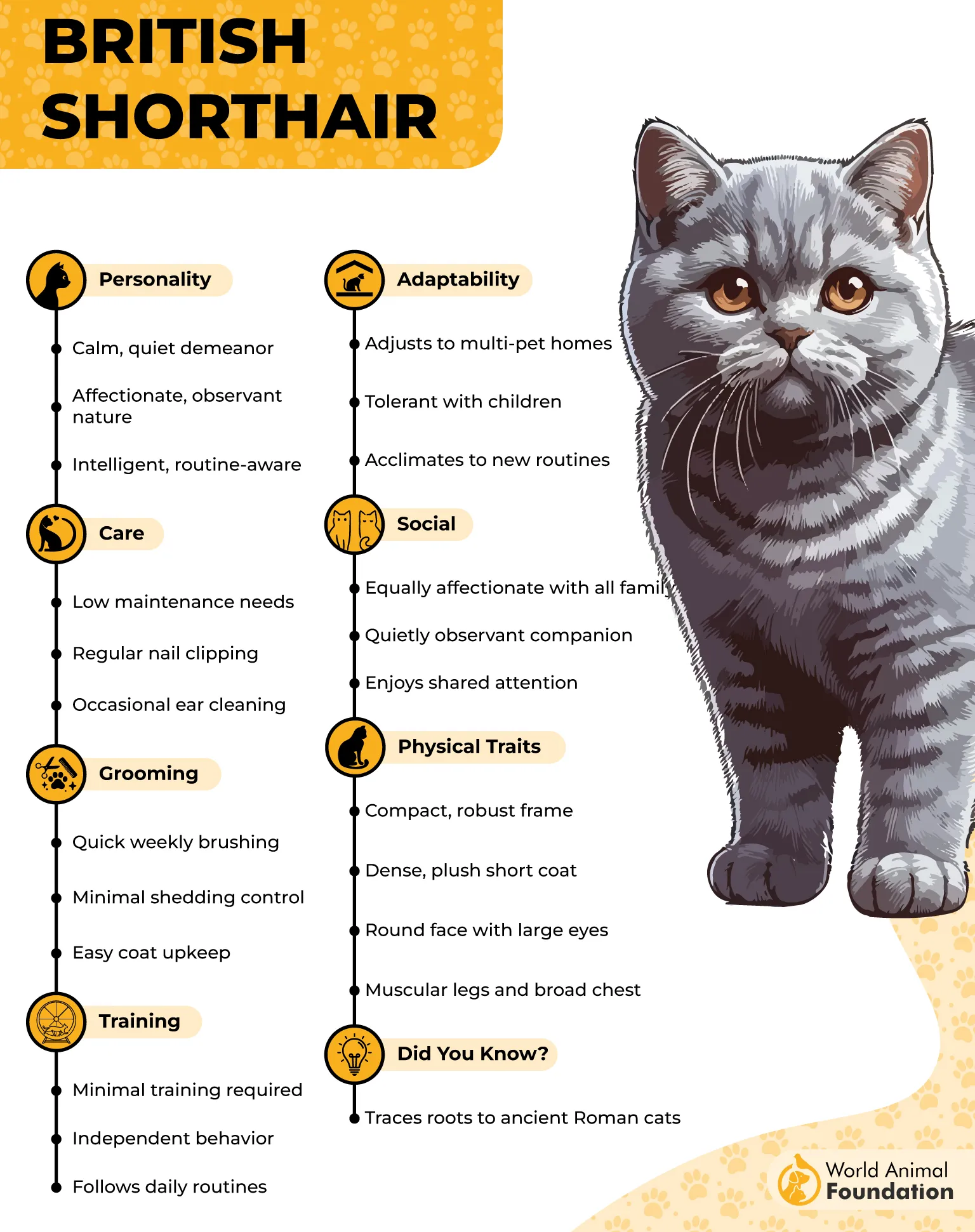
What makes the British Shorthair ideal for elderly owners is its independent yet loyal nature. These cats enjoy being near their humans without demanding constant attention, often choosing to nap in a sunny spot or sit calmly beside their owner rather than insisting on lap time. Their low energy level makes daily care manageable and stress-free.
British Shorthairs are intelligent and observant, quickly learning routines and gently reacting when something changes. They follow their owners from room to room, offering quiet companionship that feels reassuring rather than overwhelming. This balance of affection and independence is especially comforting for seniors.
Grooming is simple, requiring only weekly brushing despite some shedding due to the coat’s density.
2. Persian
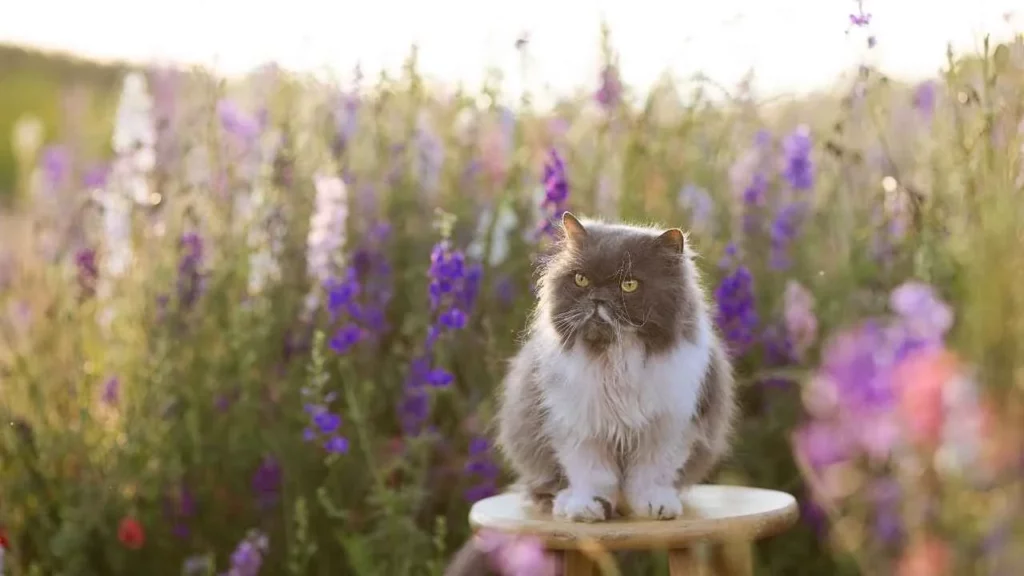
The Persian, also known as the Persian Longhair, is one of the oldest and most recognizable cat breeds, famous for its flat face, large eyes, and flowing coat. This medium-to-large cat is calm by nature, making it a gentle presence in quiet homes.
According to PetMD, Persian cats are believed to be among the oldest cat breeds, with origins that may date back to the 1600s.
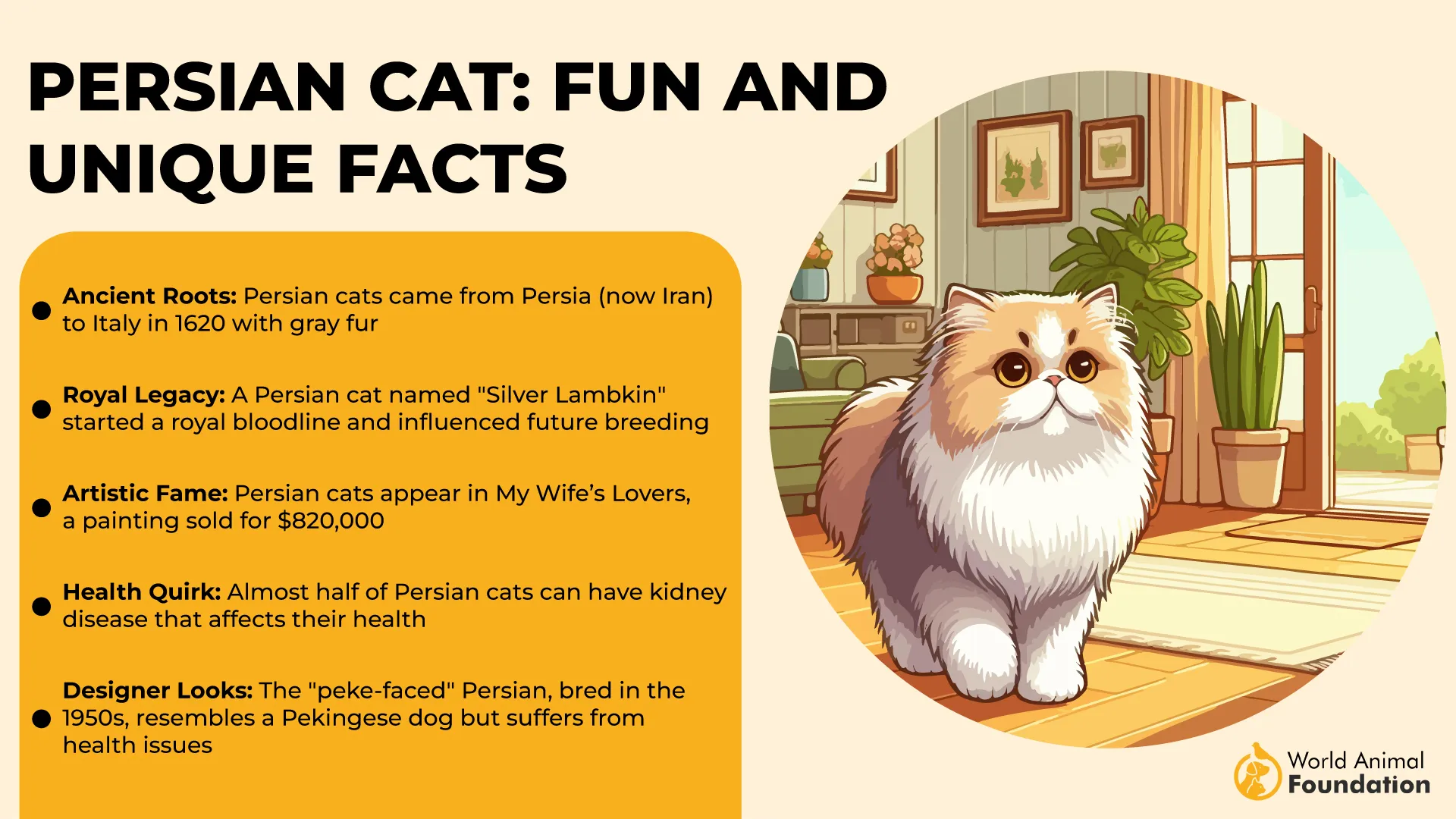
For elderly owners, Persians offer a relaxed and predictable temperament. They prefer peaceful surroundings, enjoy observing rather than chasing, and are happiest lounging in a favorite spot. Their dislike of rough handling makes them well-suited to seniors who value calm companionship.
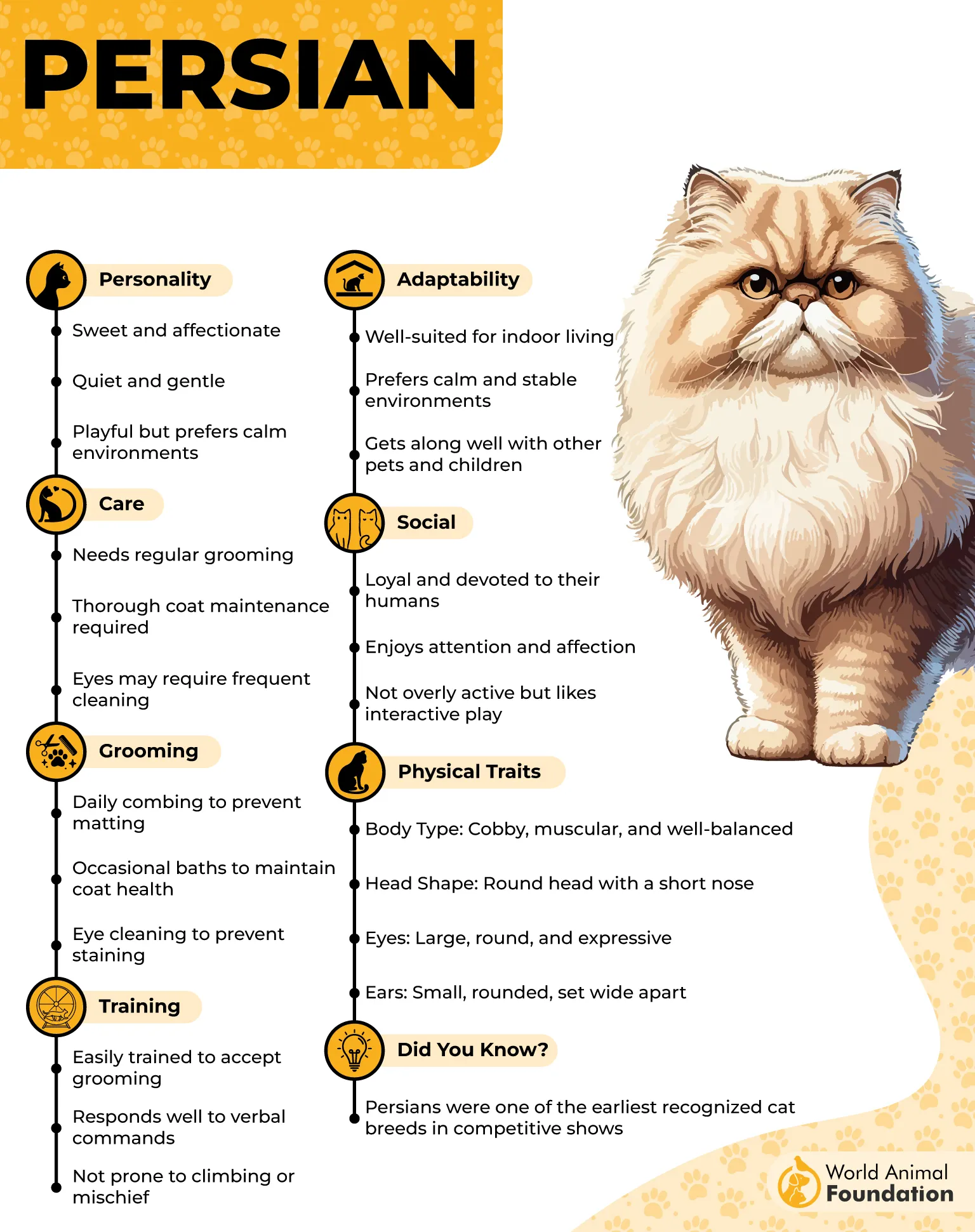
Affection comes on the Persian’s terms, which aligns well with a low-pressure lifestyle. Instead of demanding attention, they approach their owners when they want petting or company, offering soothing moments of connection without constant activity or noise.
While they are low-energy cats, grooming is an important consideration. Their dense coat needs daily brushing to prevent mats, but many seniors find this routine comforting and bonding.
Fact: Adult Persians are known for preferring gentle affection over energetic play.
3. Exotic Shorthair

Often called the “short-haired Persian,” the Exotic Shorthair combines a round face, plush coat, and sweet expression with easier grooming needs. Developed by crossing Persians with American Shorthairs or Burmese cats, this breed is compact, calm, and people-oriented.
According to Purina, the Exotic Shorthair—often called the “lazy man’s Persian”—shares the Persian’s body type and calm temperament but lacks the long coat and daily grooming requirements.
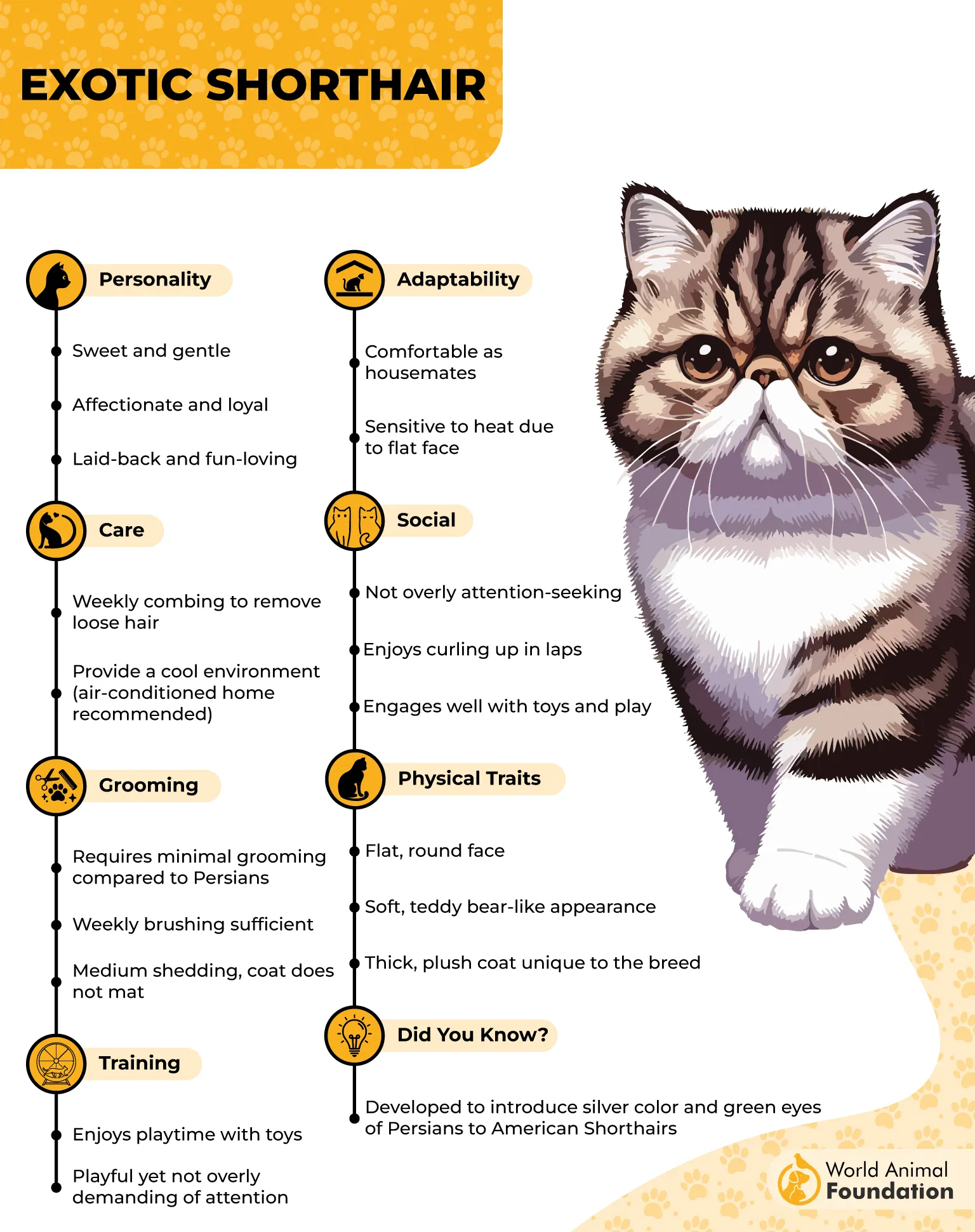
For elderly owners, the Exotic Shorthair’s low-key personality is a major advantage. They enjoy being near their humans without demanding constant attention, making them ideal companions for quiet homes. Their tendency to communicate through soft chirps rather than loud meows adds to their soothing presence.
While they do enjoy brief moments of exploration, Exotic Shorthairs are not overly active and may need gentle encouragement to exercise. Their moderate energy level suits seniors who prefer relaxed routines, and weekly brushing is usually enough to keep their coat comfortable and tidy.
Health awareness is important with this breed, as their flat facial structure can come with specific concerns. Choosing a responsible breeder and considering preventive care helps ensure a comfortable life.
4. Scottish Fold
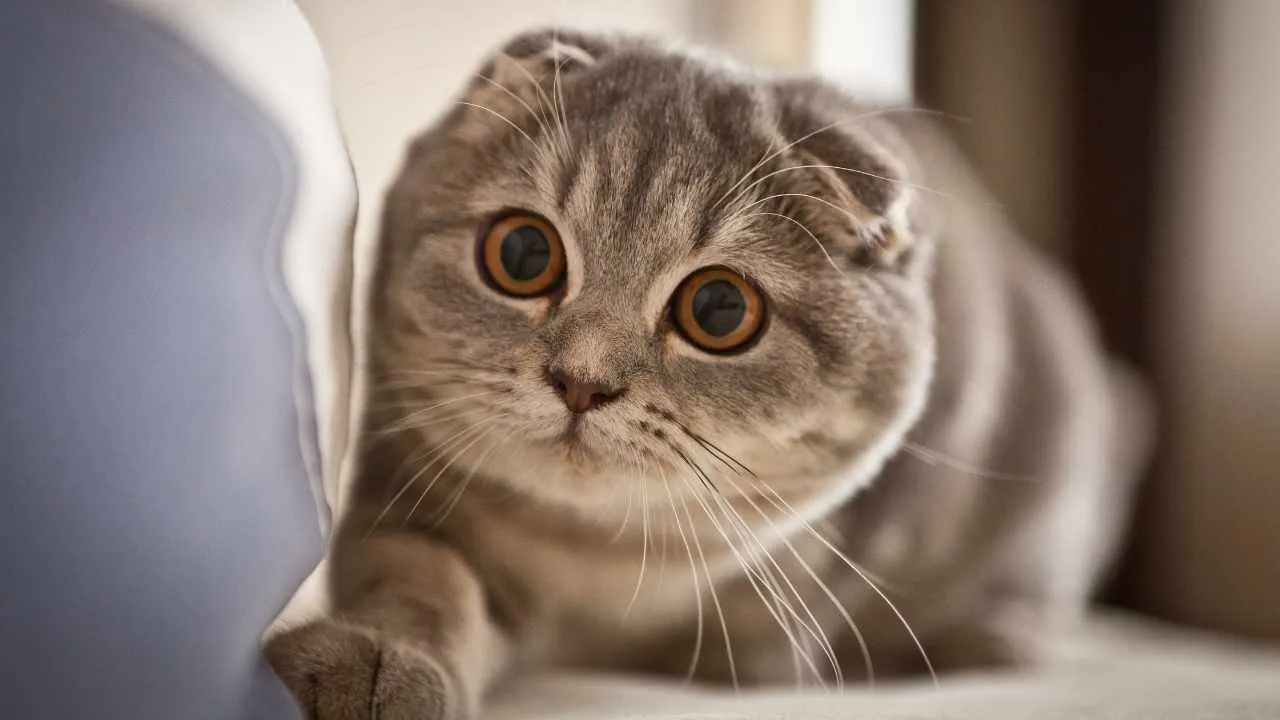
The Scottish Fold, sometimes called the Folded-Ear Scottish, is instantly recognized by its forward-folding ears and round, gentle expression. This medium-sized cat is calm, soft-spoken, and well-suited to quieter homes where companionship matters more than constant activity.

For elderly owners, Scottish Folds shine as affectionate lap cats that enjoy simply being nearby. They thrive on routine, prefer relaxed environments, and are content spending long stretches resting beside their favorite person. Their low-energy nature makes them easy to live with and ideal for seniors seeking steady, comforting company.
While playful at times, Scottish Folds are never overwhelming. They enjoy gentle interaction rather than high-intensity play, making them a reassuring presence for those who appreciate calm bonding. Their adaptability also allows them to settle comfortably into different living situations without stress.
These cats form deep attachments and express affection quietly through soft meows, purring, and closeness rather than demanding behavior.
Fun fact: Scottish Folds are famous for sleeping on their backs in the adorable “Buta position,” a trait often linked to their relaxed and trusting temperament.
5. Ragdoll
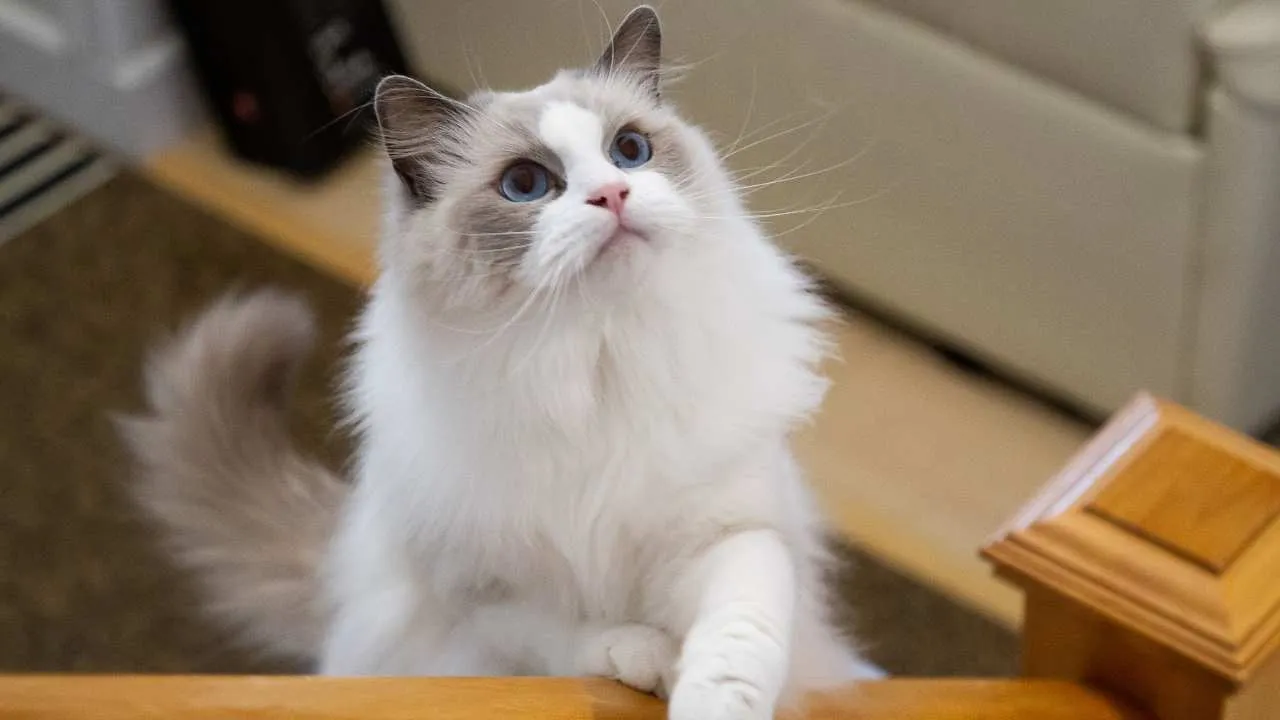
The Ragdoll, sometimes called the “puppy-cat,” is known for its striking blue eyes, plush semi-long coat, and famously relaxed demeanor. This large, gentle breed is beloved for going limp when held, making it especially comforting for elderly owners seeking calm companionship.
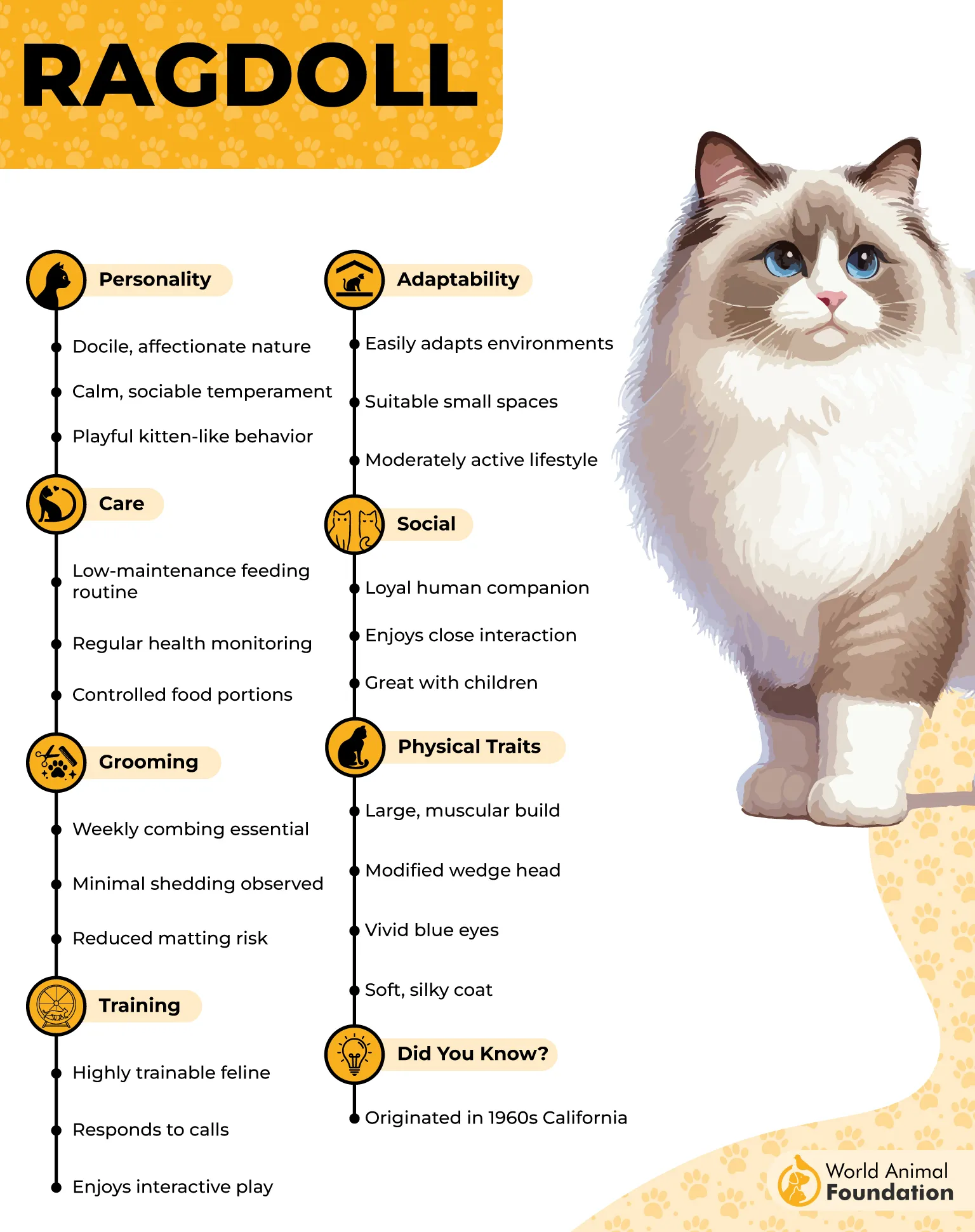
Ragdolls thrive on quiet togetherness rather than constant activity, often choosing to rest beside their owners for hours. Their friendly, trusting nature and predictable behavior help create a soothing presence, which can be reassuring for seniors who prefer a peaceful, low-stress pet.
Although they enjoy short play sessions to stay healthy, Ragdolls are considered low-energy cats overall. This balanced activity level suits elderly owners who may prefer light interaction without the demands of a highly active breed, while still benefiting from an affectionate bond.
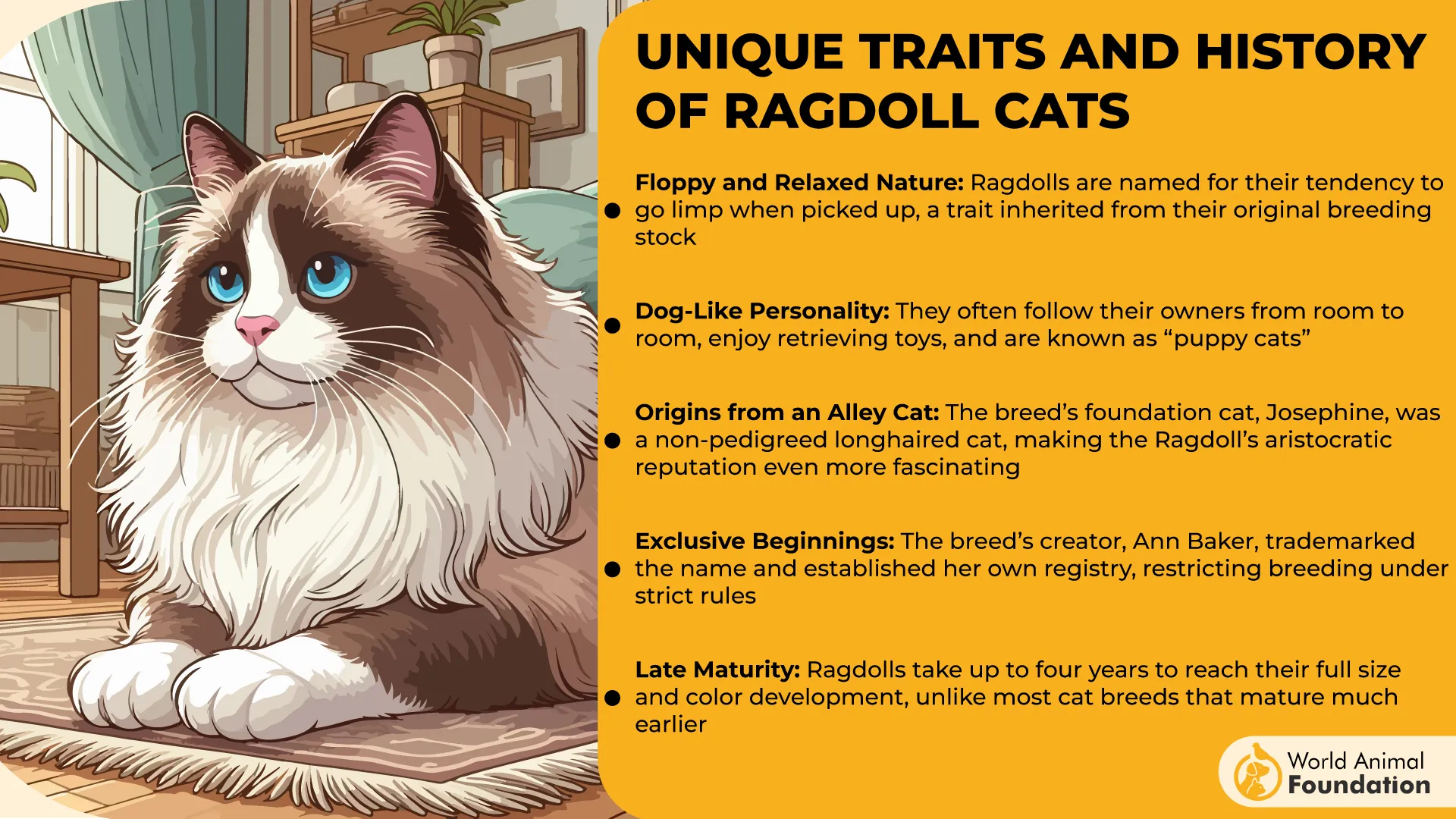
Despite their luxurious look, Ragdolls are surprisingly easy to groom. Their silky coats resist matting, so regular, gentle brushing is usually enough to keep them comfortable and tidy.
Fact: Adult Ragdolls remain famously calm and floppy when picked up.
6. Birman
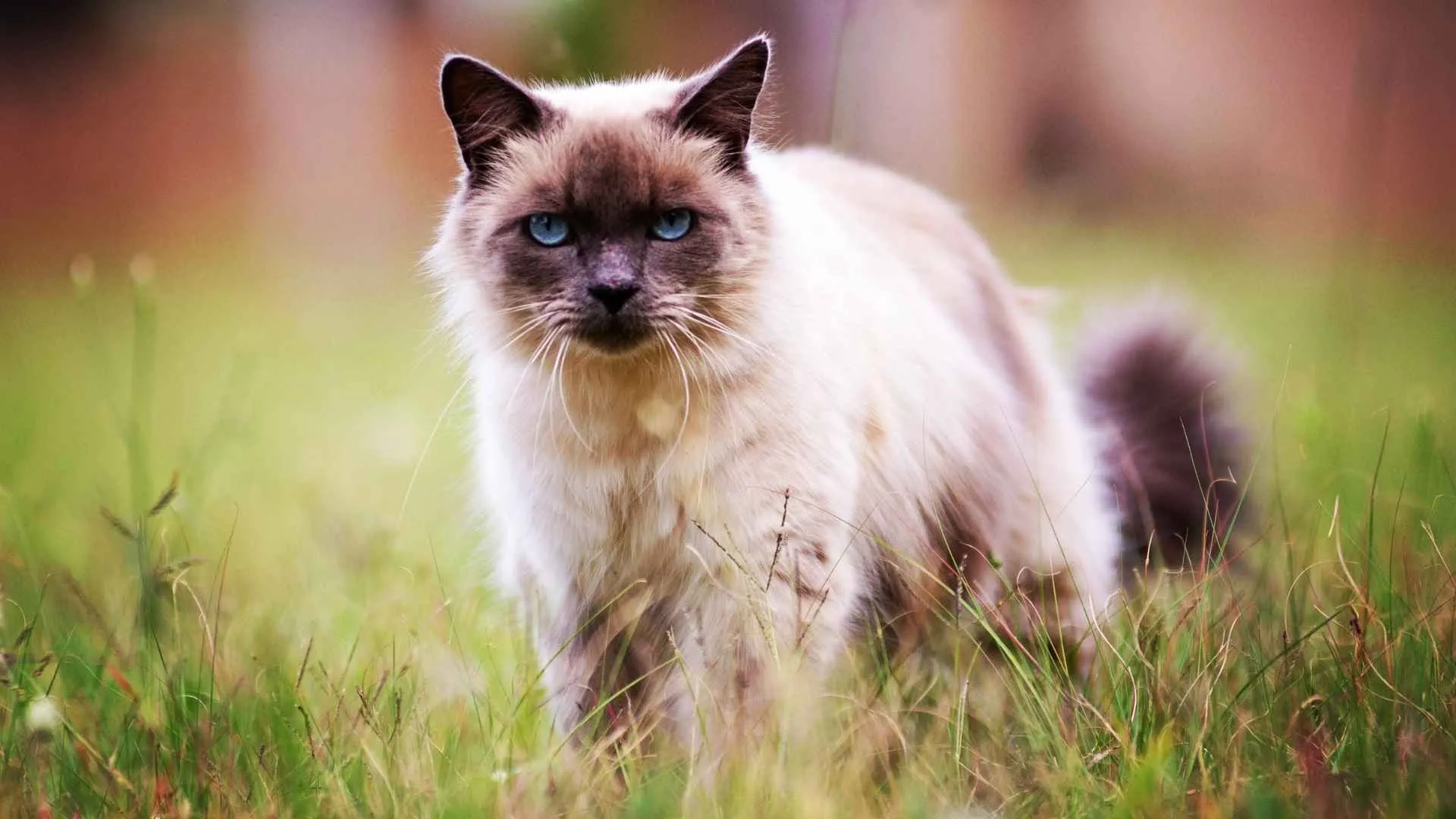
The Birman, also known as the Sacred Cat of Burma, is a calm, blue-eyed breed recognized for its silky coat and white “gloved” paws. Medium to large in size, this gentle cat is prized for its steady temperament and soothing presence, making it especially suitable for elderly owners.

For seniors, the Birman offers the ideal mix of independence and companionship. They enjoy staying close to their humans without being overly demanding, often resting nearby or quietly following from room to room. This low-energy demeanor suits owners who prefer a peaceful routine and consistent companionship.
Their long coat may look high-maintenance, but it’s surprisingly manageable. With a single silky layer, Birmans only need light weekly brushing, which many seniors find relaxing and enjoyable. The breed’s affectionate but calm nature also means less rough play and fewer surprises around the home.
Social yet selective, Birmans bond deeply with their owners and return affection gently, thriving on routine and familiar environments.
7. Maine Coon
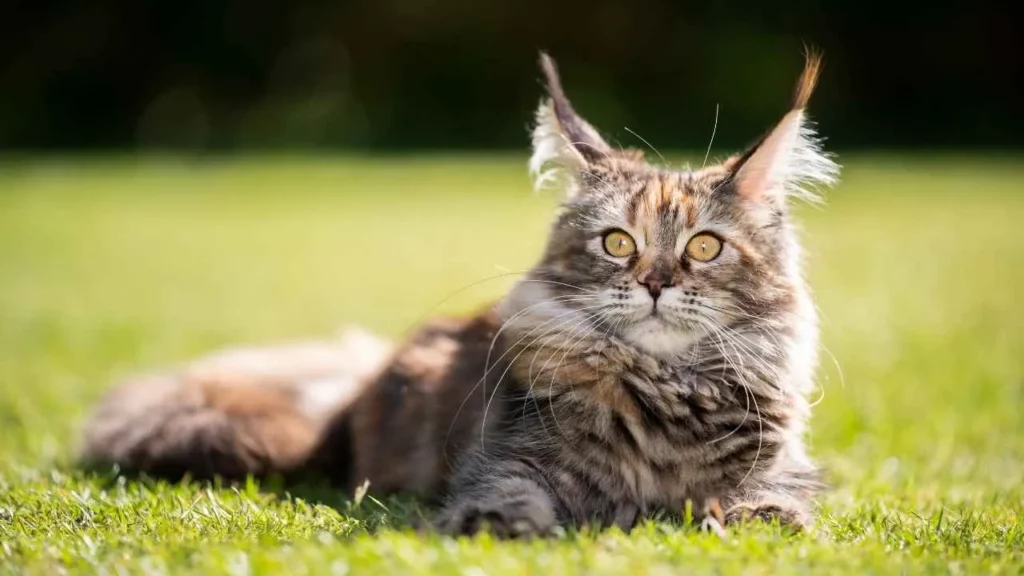
The Maine Coon, also known as the Gentle Giant or American Longhair, is the official state cat of Maine and one of the largest domestic cat breeds. Despite its impressive size and shaggy coat, this breed is widely admired for its calm demeanor and affectionate nature.
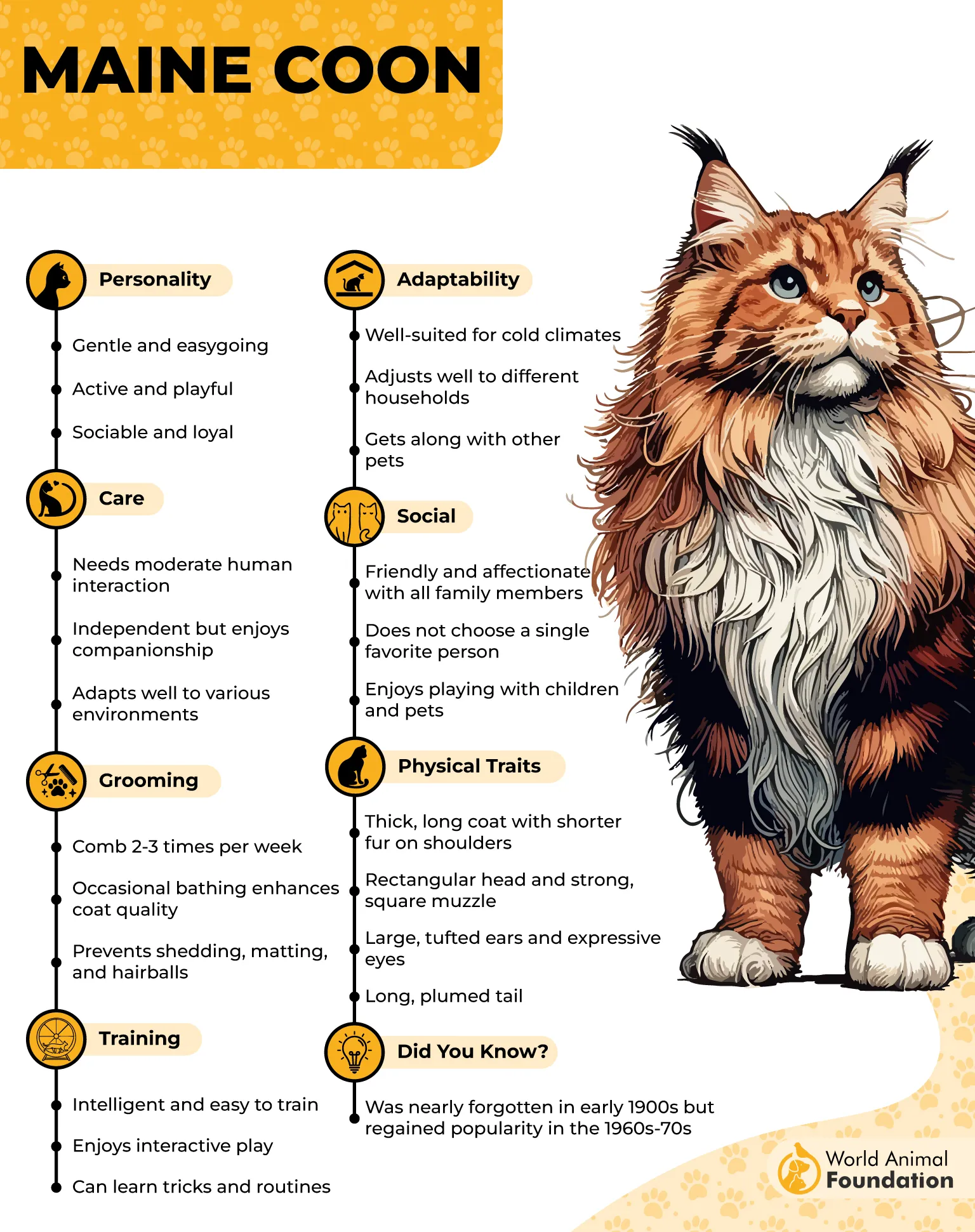
For elderly owners, Maine Coons offer steady companionship without being overly demanding. They enjoy staying close to their humans, often following them from room to room, while still respecting personal space. This balance makes daily life feel comforting rather than overwhelming.
Their friendly and patient personality also supports emotional well-being, which is especially important for seniors. While playful, they are not hyperactive and are content with gentle interaction, short play sessions, or simply resting nearby, reducing physical strain on older owners.
From a health perspective, Maine Coons are generally robust cats when properly cared for. Occasional grooming is needed due to their long fur, but their cooperative temperament makes it manageable. Interestingly, many Maine Coons are known to enjoy water.
8. Russian Blue
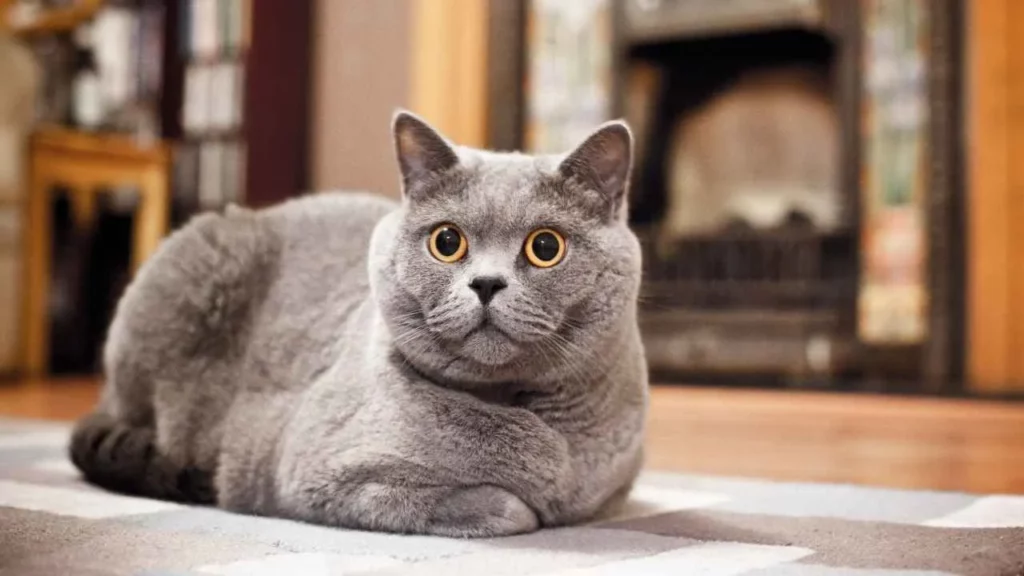
The Russian Blue, sometimes called the Archangel Blue, is a refined, medium-sized cat known for its plush blue-gray coat and vivid green eyes. This breed is naturally calm, gentle, and deeply attached to its people, making it an excellent companion for elderly owners seeking quiet affection.
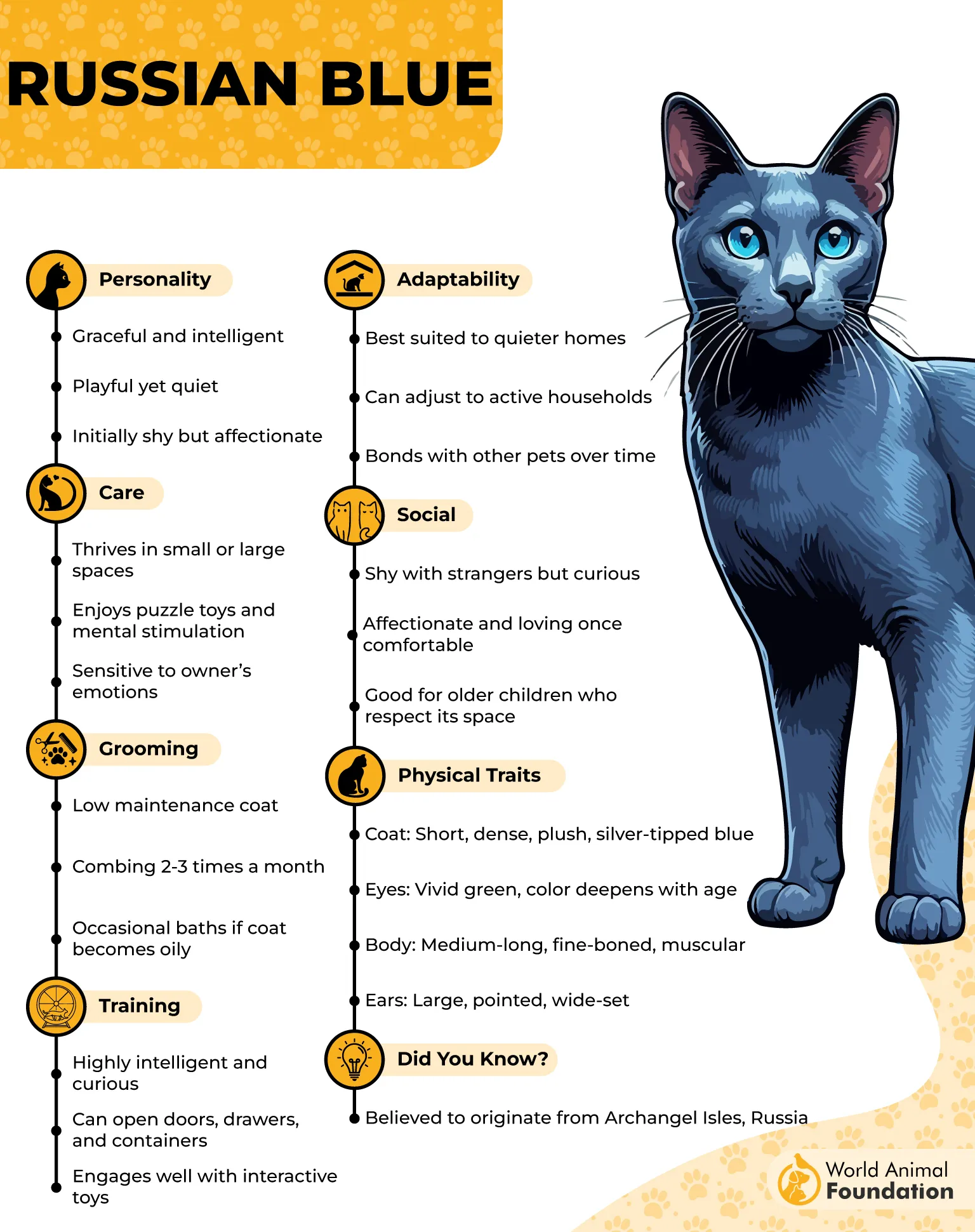
Russian Blues enjoy being near their owners without demanding constant attention. Their reserved and predictable nature suits seniors who appreciate companionship without high energy or disruptive behavior, and they often form strong, comforting routines around daily life.
Well-suited to apartment living, Russian Blues are happiest as indoor cats where their environment remains stable and secure. They tolerate small spaces well, enjoy observing from elevated spots, and prefer peaceful homes over noisy or chaotic settings.
While affectionate, they are sensitive to change and thrive best with consistent schedules, which aligns perfectly with many senior lifestyles. Their moderate activity level also helps reduce the risk of falls or accidents in the home.
Fact: Adult Russian Blues are prone to obesity if their diet isn’t carefully managed.
9. American Shorthair
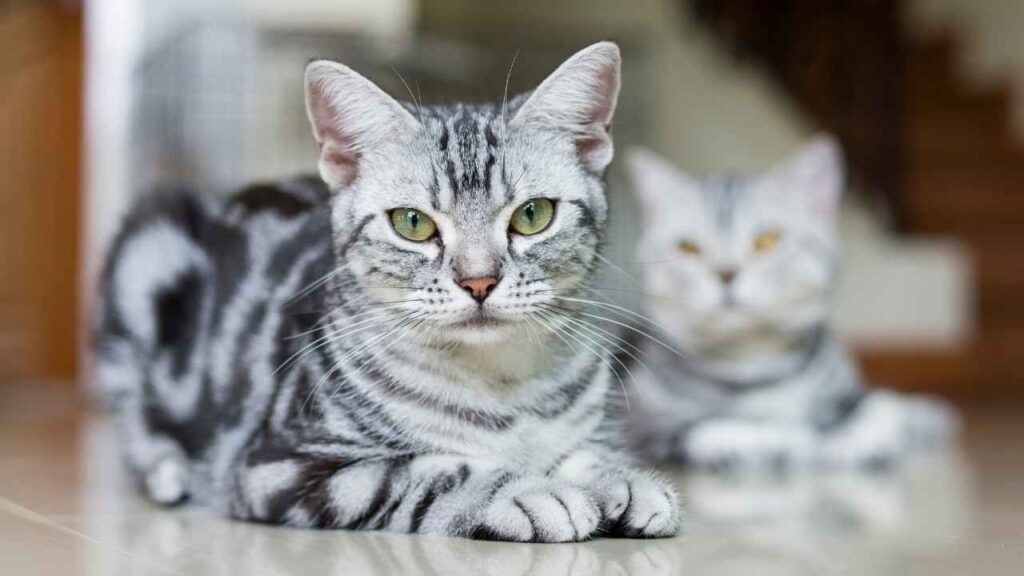
The American Shorthair, sometimes referred to as the American Short Hair, is a classic U.S. breed known for its sturdy build and calm confidence. With a short, easy-care coat and a balanced temperament, it’s a practical choice for seniors seeking a dependable feline companion.
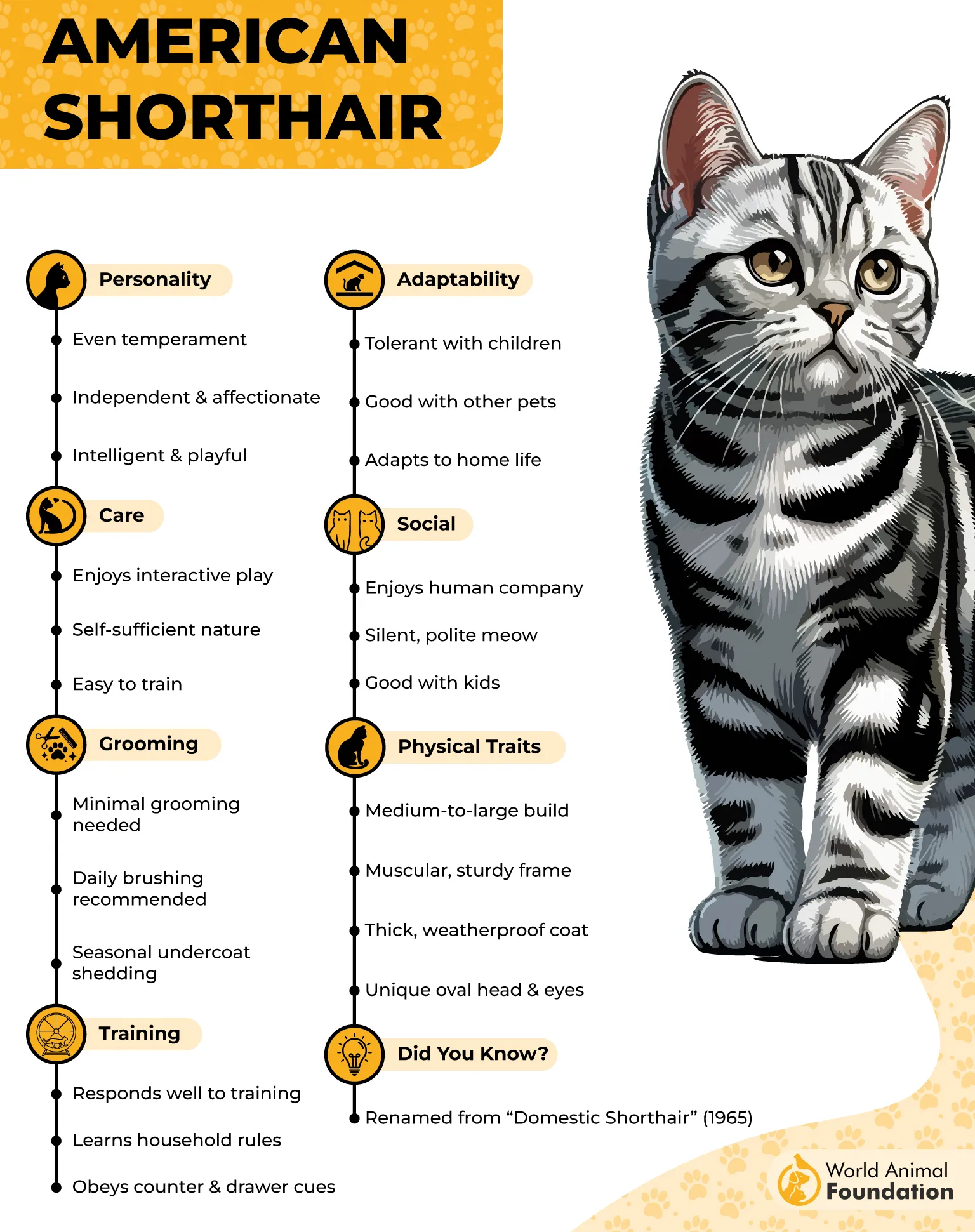
This breed blends affection with independence, making daily life easier for elderly owners. American Shorthairs are content spending quiet time alone, but will happily join their humans for gentle interaction or a relaxed lap cuddle without being overly demanding.
Their moderate energy level suits a slower-paced household, while their intelligent, watchful nature brings a sense of comfort and routine. Seniors often appreciate that these cats adapt well to calm environments and don’t require constant stimulation to stay content.
For older adopters, adult or senior American Shorthairs can be especially rewarding, as their personalities are already well established. This breed is typically bathed every 4 to 6 weeks using a gentle, hypoallergenic cat shampoo.
10. Chartreux
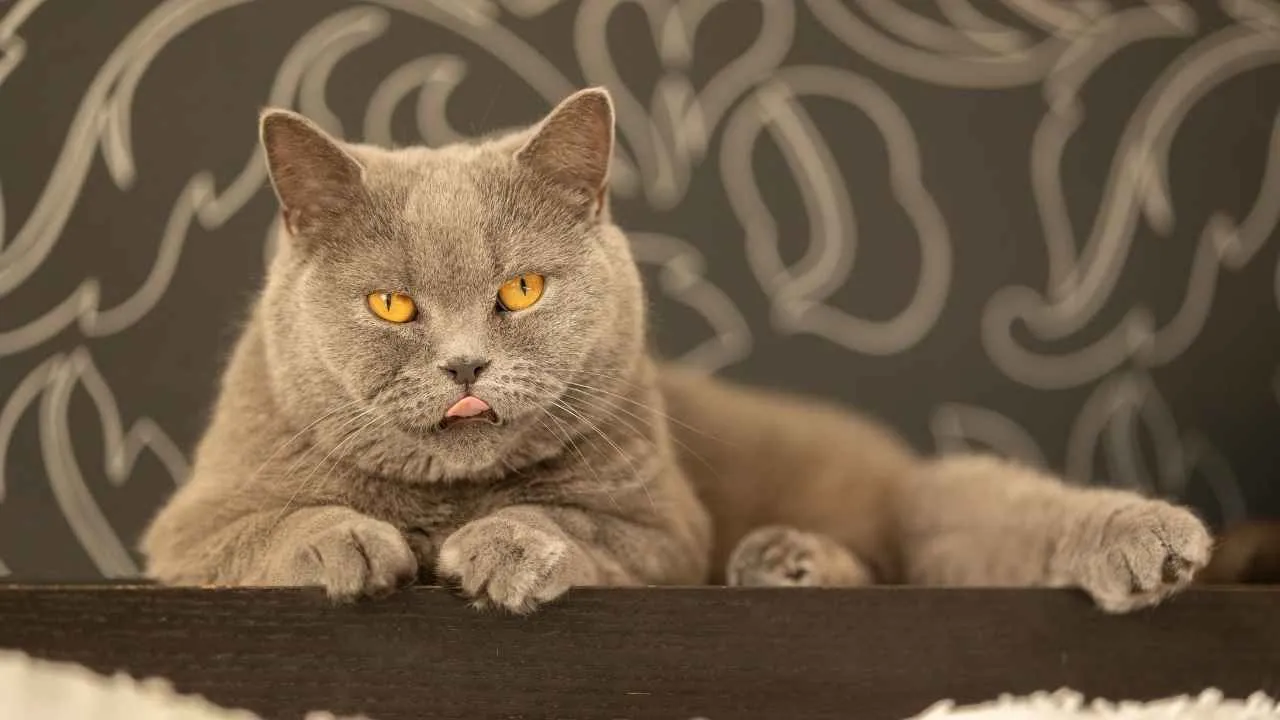
Also known as the French Chartreux or the Blue Cat of France, the Chartreux is a medium-sized, gray-coated breed prized for its calm demeanor and gentle presence. With a sturdy build and expressive copper eyes, this breed brings quiet companionship to the home.
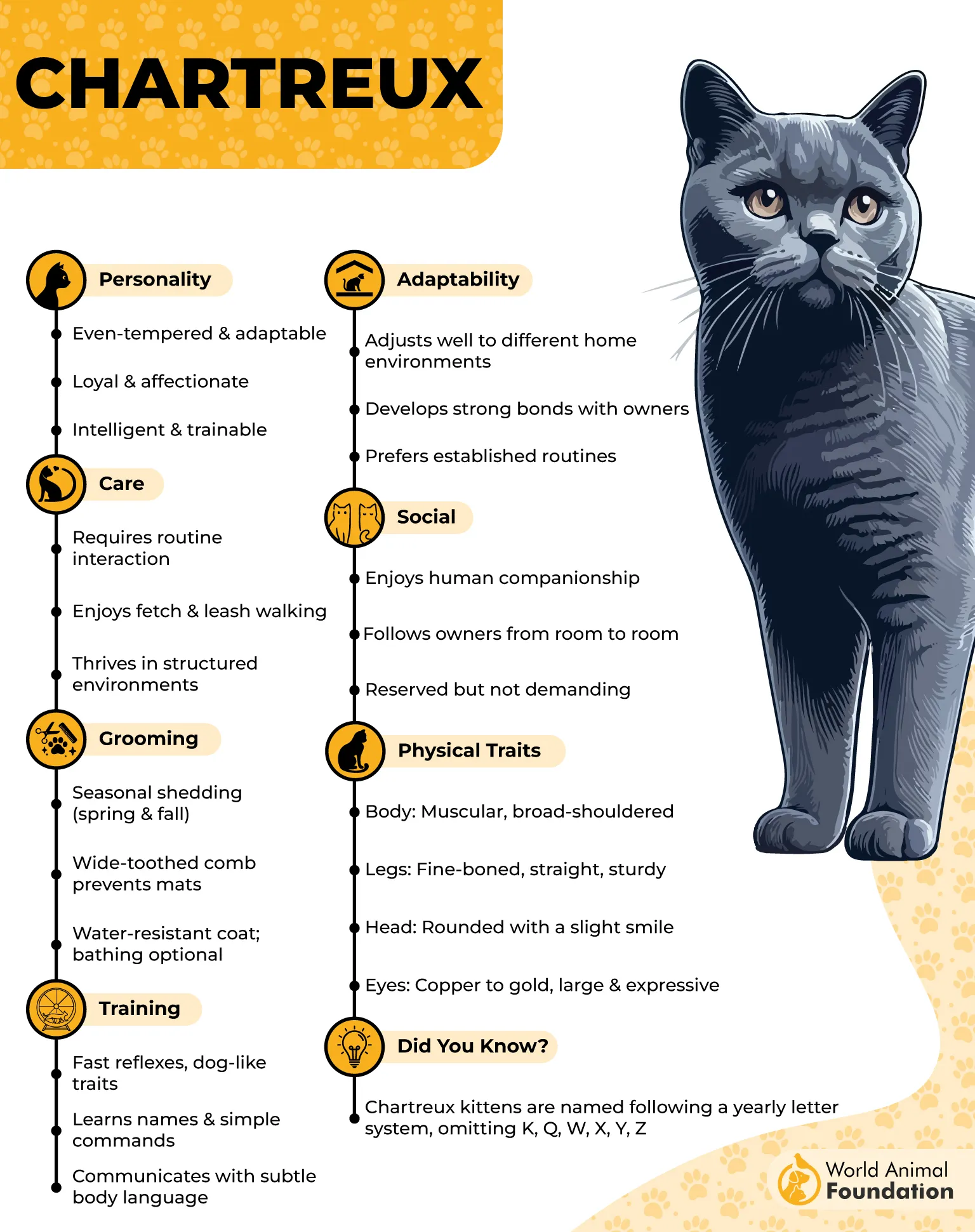
For elderly owners, the Chartreux is an ideal match thanks to its mellow, low-demand personality. It enjoys affection but is perfectly content spending time alone, making it suitable for seniors who value peaceful routines without constant attention.
While not overly energetic, the Chartreux does enjoy light play and observing its surroundings. Providing a cat tree or perch allows gentle climbing without excessive jumping, supporting safe activity that fits a relaxed lifestyle.
Friendly and adaptable, Chartreux cats often form a close bond with one person and adjust well to new environments or short trips.
Conclusion
Choosing the right feline friend can make a meaningful difference for senior citizens seeking comfort and companionship at home. Calm, laid-back cats with a gentle nature and predictable personality traits are often the best match for a senior person.
These loving breeds offer quiet affection without overwhelming demands, making them great companions for most people who value routine, peace, and emotional connection in their house.
Whether it’s a short- or long-haired furry companion, the ideal senior cat provides warmth, presence, and ease of care. While breeds like Siamese, Balinese cats, or even Munchkin cats may vary in activity levels, the focus remains on finding a loving breed that suits a relaxed lifestyle.
With the right match, a senior cat becomes more than a pet—it becomes a trusted furry friend bringing daily joy and gentle companionship.
