




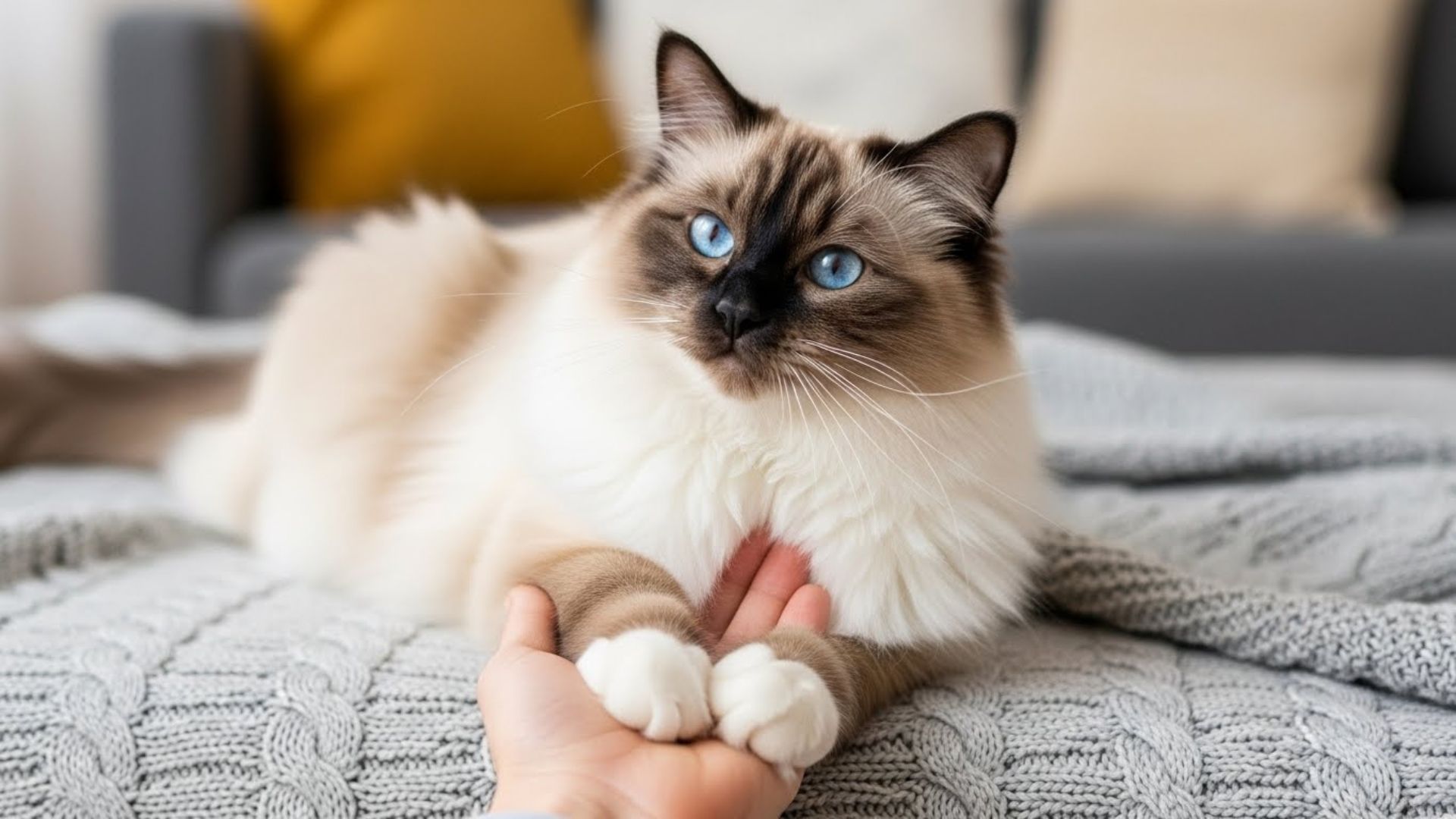
Cats often get labeled as distant or aloof, but anyone who has lived with the right feline knows how deeply bonded they can become. While some cats prefer independence, others form powerful emotional connections with their humans, following them from room to room, seeking closeness, and offering steady companionship. These cats don’t just share a home—they share a relationship.
Affection in cats shows up in many ways, from quiet cuddles to constant companionship. Certain breeds are especially known for this trait, displaying loyalty, attentiveness, and a strong desire to be involved in daily life.
Studies even suggest that many cat owners recognize a wide range of emotions in their pets, with affection ranking high among them. These cats thrive on interaction and often become emotionally attuned to their favorite people.
If you’re looking for a cat that bonds closely, breed choice can make a real difference. Naturally sociable and easygoing cats tend to adapt well to families, multi-pet households, and environments where human connection matters. In this article, we explore cat breeds that form strong bonds and what makes their relationships with humans so special.
Cat Breeds That Form Strong Bonds
1. Ragdoll
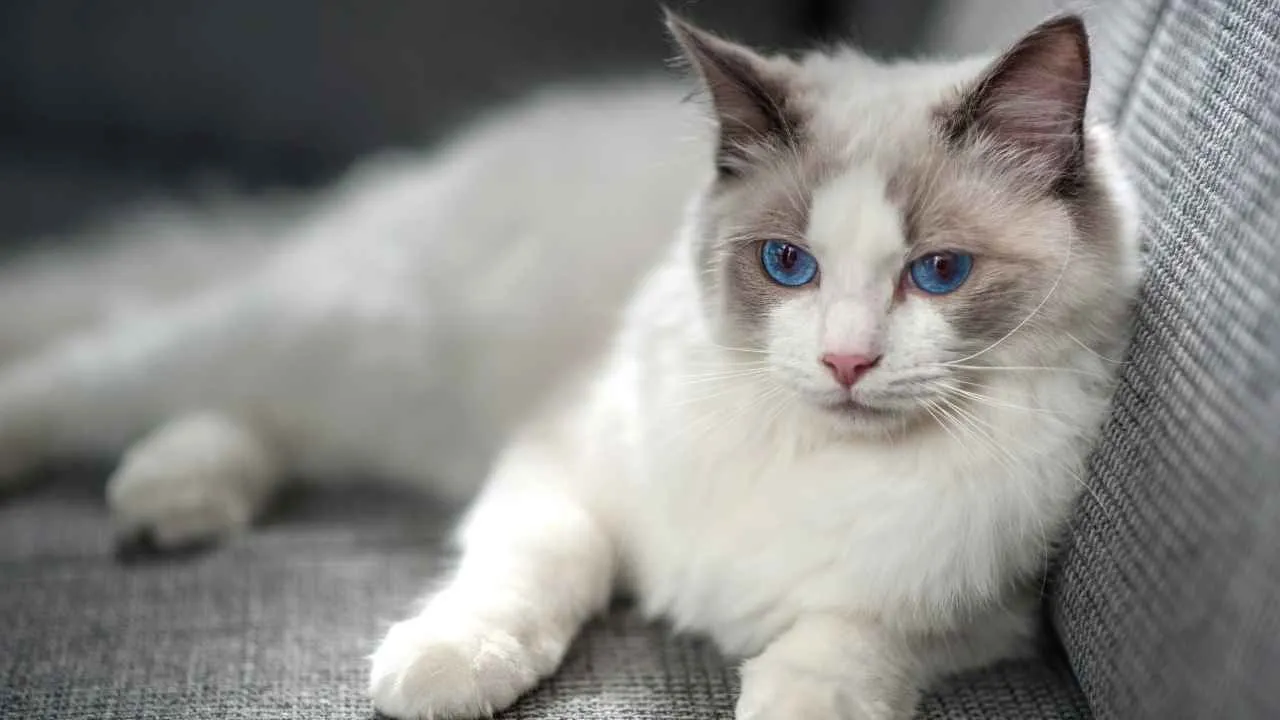
Often simply called the Ragdoll, this breed was developed specifically for companionship and is known for its calm demeanor and striking blue eyes.
According to Britannica, the cat has medium-sized ears with rounded tips, and its tail is long and fluffy. With a plush, medium-length coat and relaxed posture, Ragdolls are instantly recognizable.
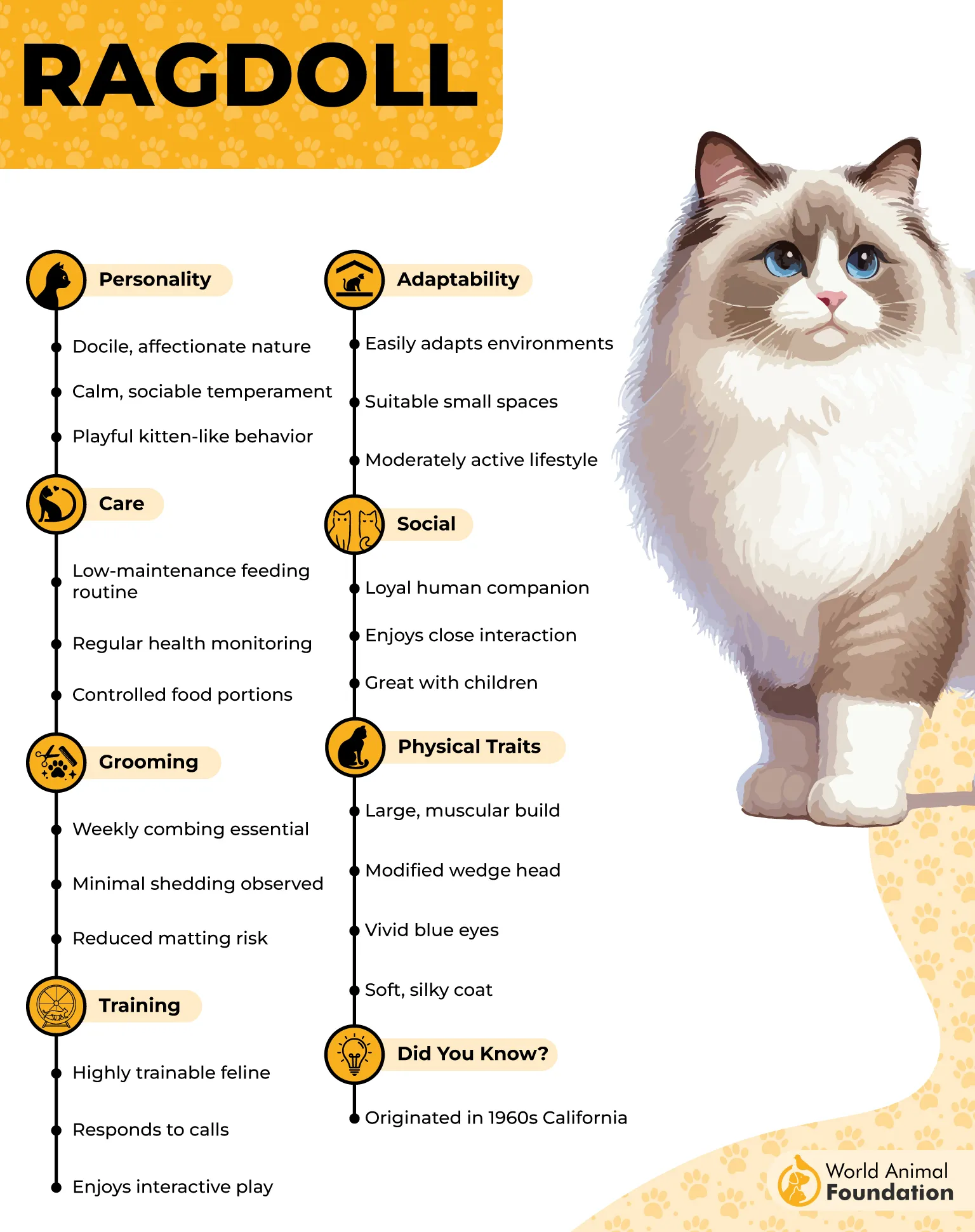
Ragdolls form strong bonds by staying close to their people throughout the day. They commonly follow family members from room to room, greet them at the door, and seek out laps for quiet time and reassurance.
This breed’s attachment is gentle rather than demanding. Ragdolls enjoy interactive moments like playing fetch, but they’re equally content lounging nearby, showing affection through presence instead of constant activity.
Understanding what it means for a cat to form a strong bond is easy with a Ragdoll. They’re emotionally attuned, tolerant with children and other pets, and thrive in stable households built on routine and trust.
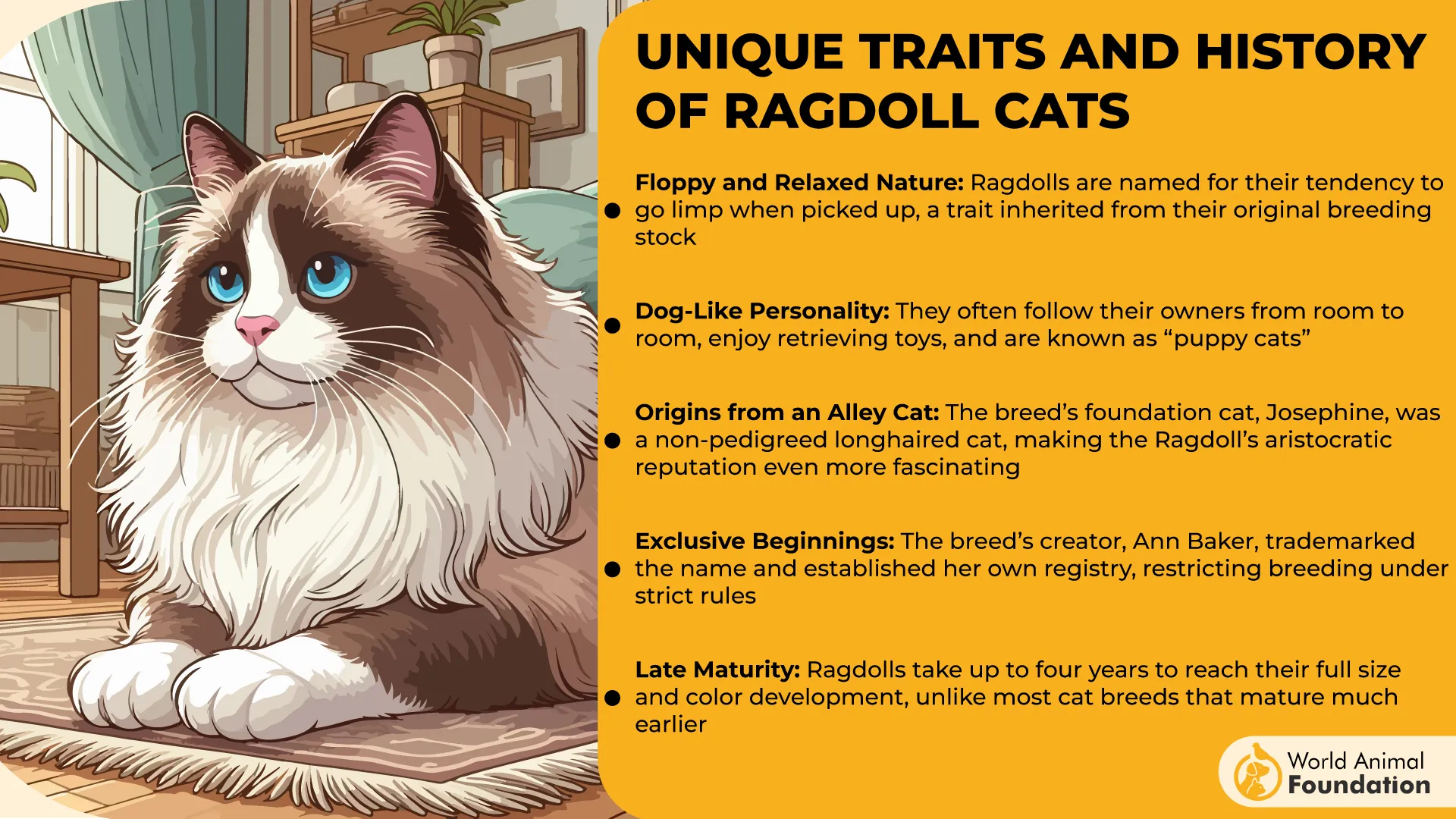
Fact: Ragdolls typically weigh between 10 and 20 pounds, stand about 11–13 inches tall, and are known for greeting their humans and following them around the home.
2. Siamese
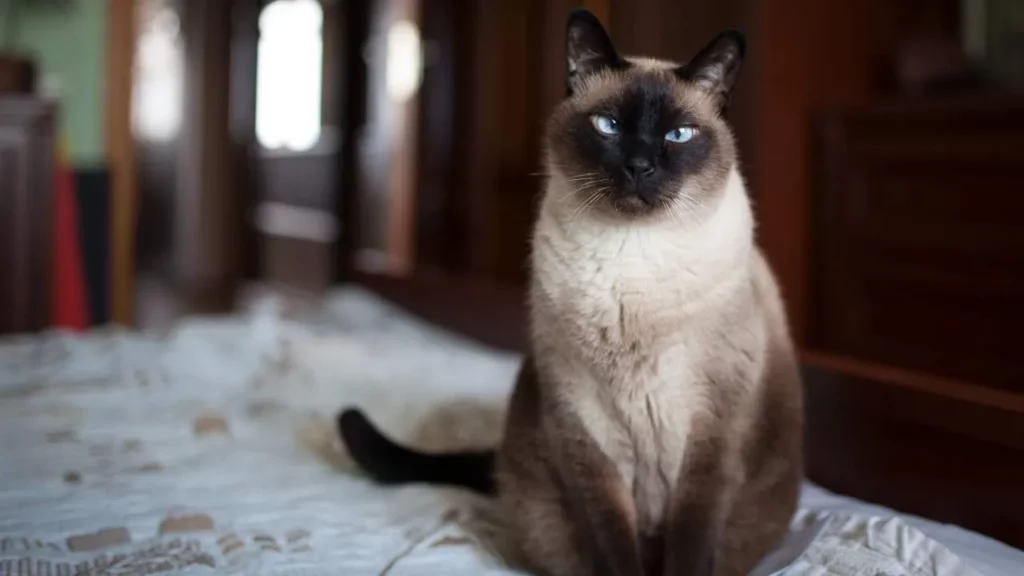
Often nicknamed the Meezer, the Siamese is a historic breed from Thailand known for its sleek body, color-point coat, and striking blue eyes.
According to PetMD, Siamese cats were once considered so exclusive that only royalty was allowed to keep them as companions. This elegant cat has long been admired for its intelligence and expressive personality.
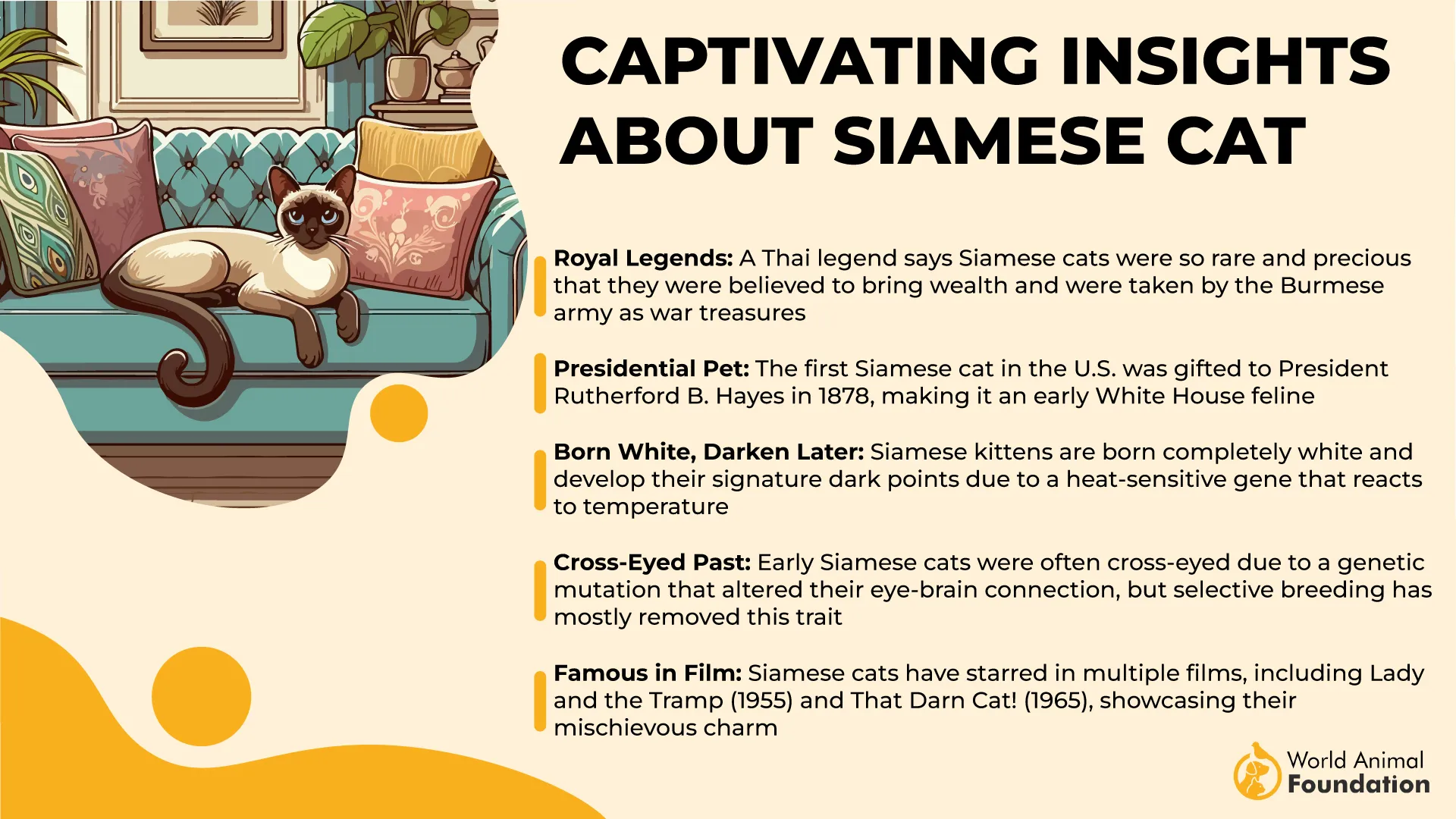
When it comes to forming strong bonds, the Siamese stands out. They are intensely people-oriented and thrive on constant companionship, often following their favorite person from room to room and insisting on being involved in daily life.
Their vocal nature plays a big role in bonding. Siamese cats “talk” frequently, using distinctive meows to communicate needs, emotions, and affection, creating a continuous feedback loop between cat and human.
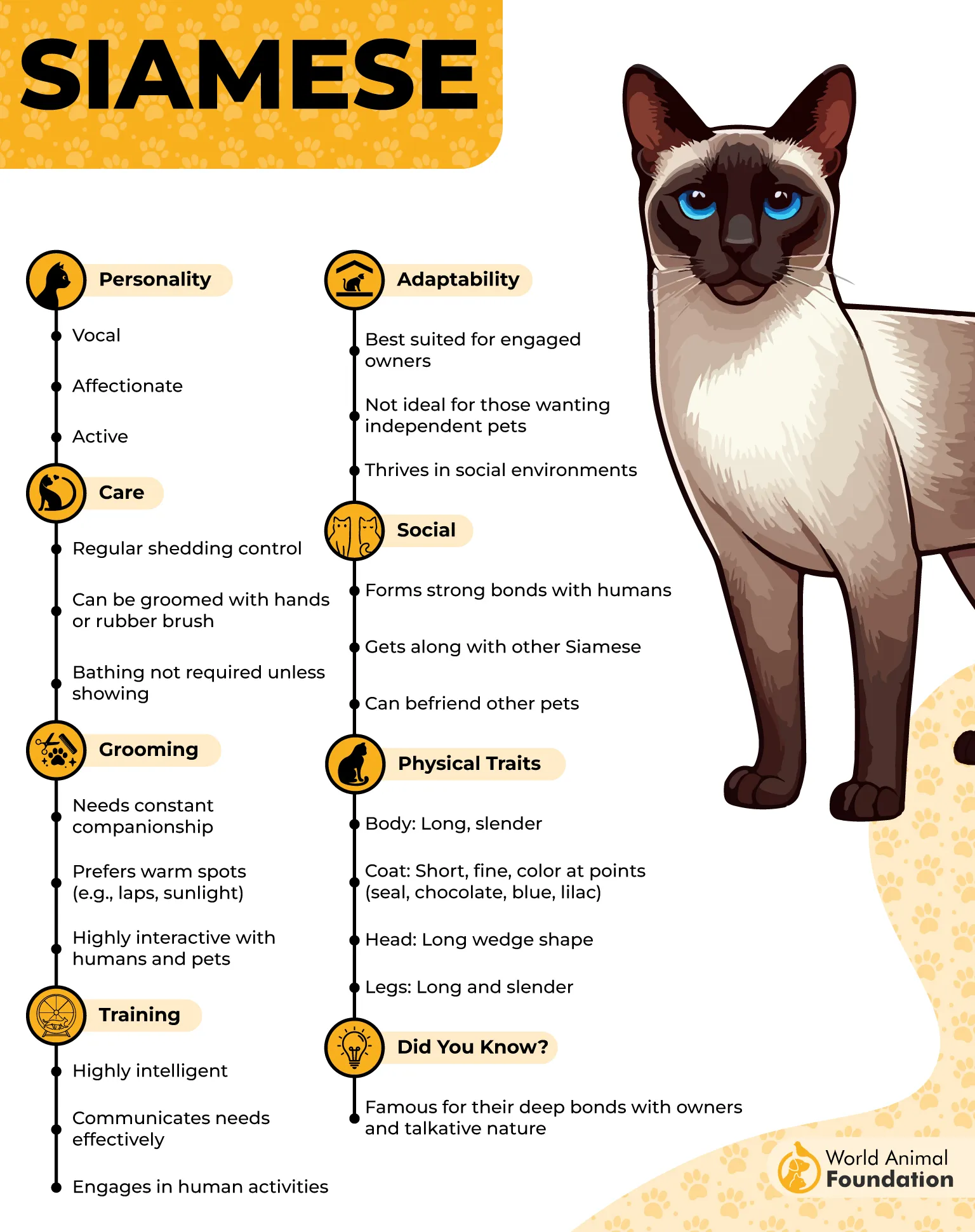
Some cat breeds are more affectionate because of selective breeding for sociability and emotional responsiveness, and the Siamese is a prime example. They don’t tolerate being ignored and form deep attachments to their families.
Fact: Siamese cats are widely known for their strong emotional bonds, vocal communication, and tendency to become distressed if left alone too long.
3. Burmese
Also known as the American Burmese, this medium-sized breed is famous for its sleek coat, rounded features, and intensely people-oriented nature.
According to WebMD, Burmese cats are affectionate and enjoy being around people. Burmese cats have a long history alongside humans and were once revered in temples in Myanmar.
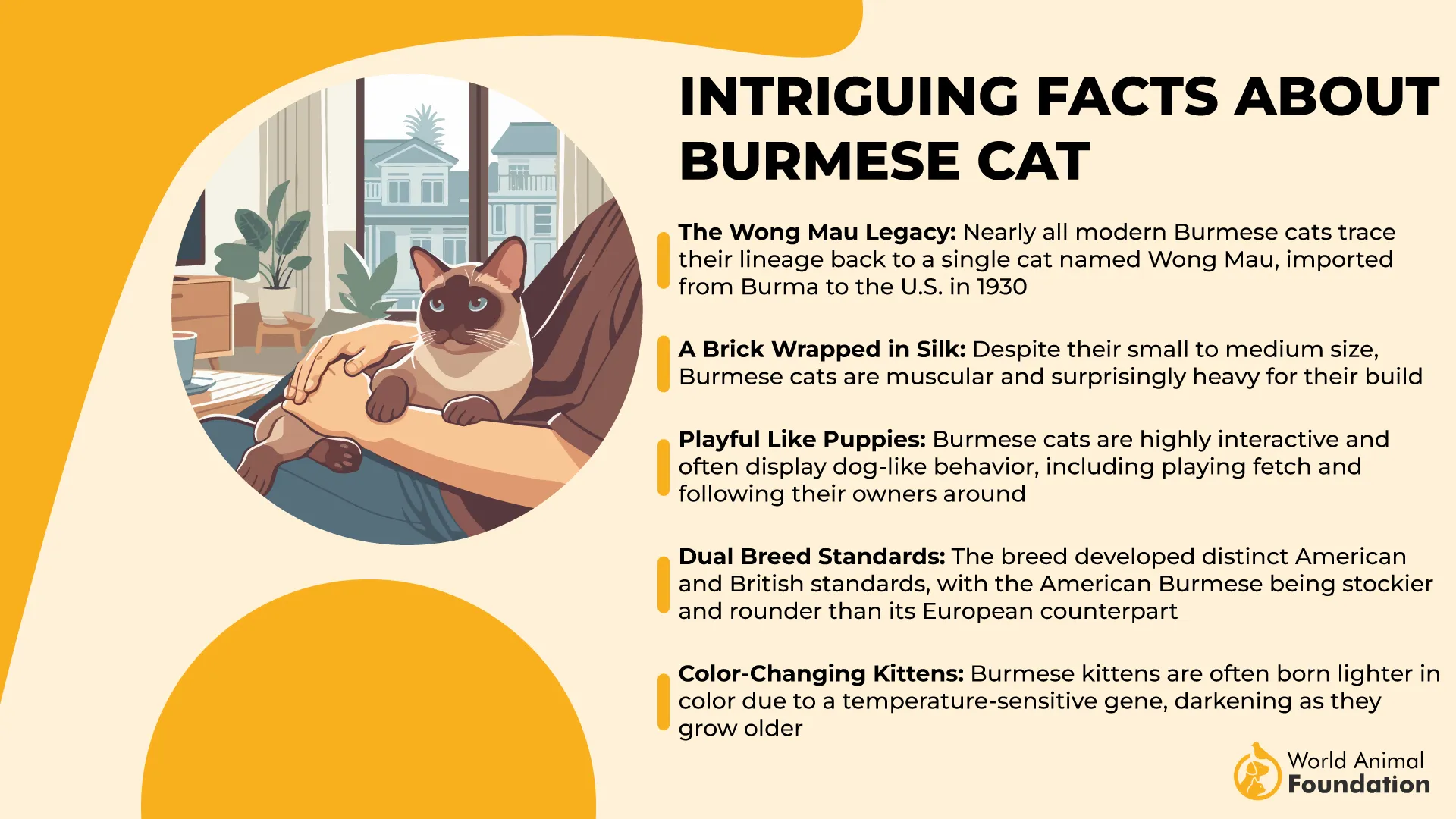
When it comes to forming strong bonds, the Burmese excel. These cats crave closeness and prefer to stay near their favorite people, often trailing them from room to room just to remain connected.
Their affection is active and expressive. Gentle head bumps, constant purring, playful antics, and soft vocalizations are all part of how Burmese cats reinforce emotional bonds with their humans.
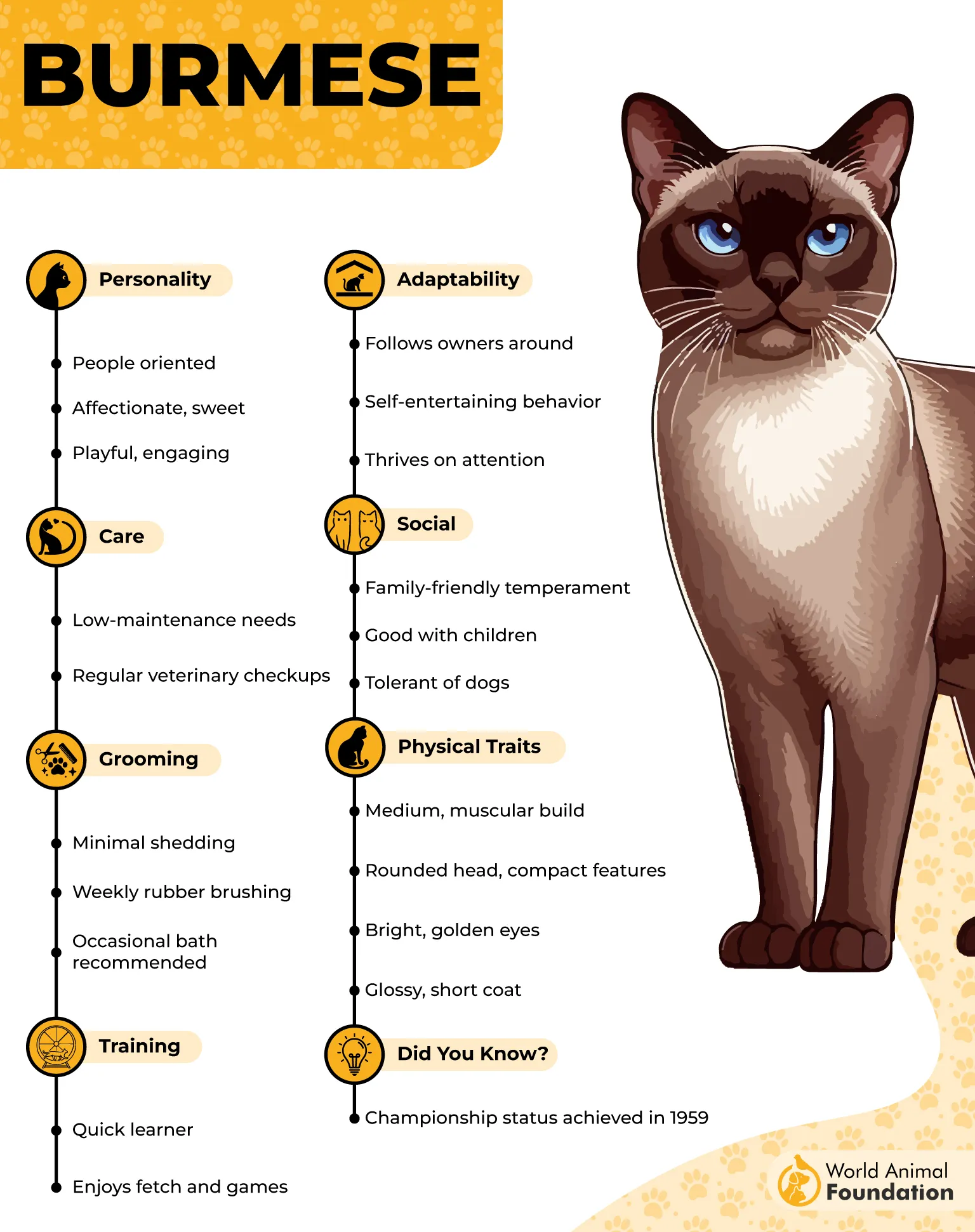
If you’re drawn to bond-focused cats, the Burmese fits best in homes where companionship is plentiful. They dislike being left alone and thrive in families that welcome interaction as part of daily life. Fact: Burmese cats are widely described as “dog-like” because of their strong attachment to people and their tendency to follow owners everywhere.
4. Sphynx
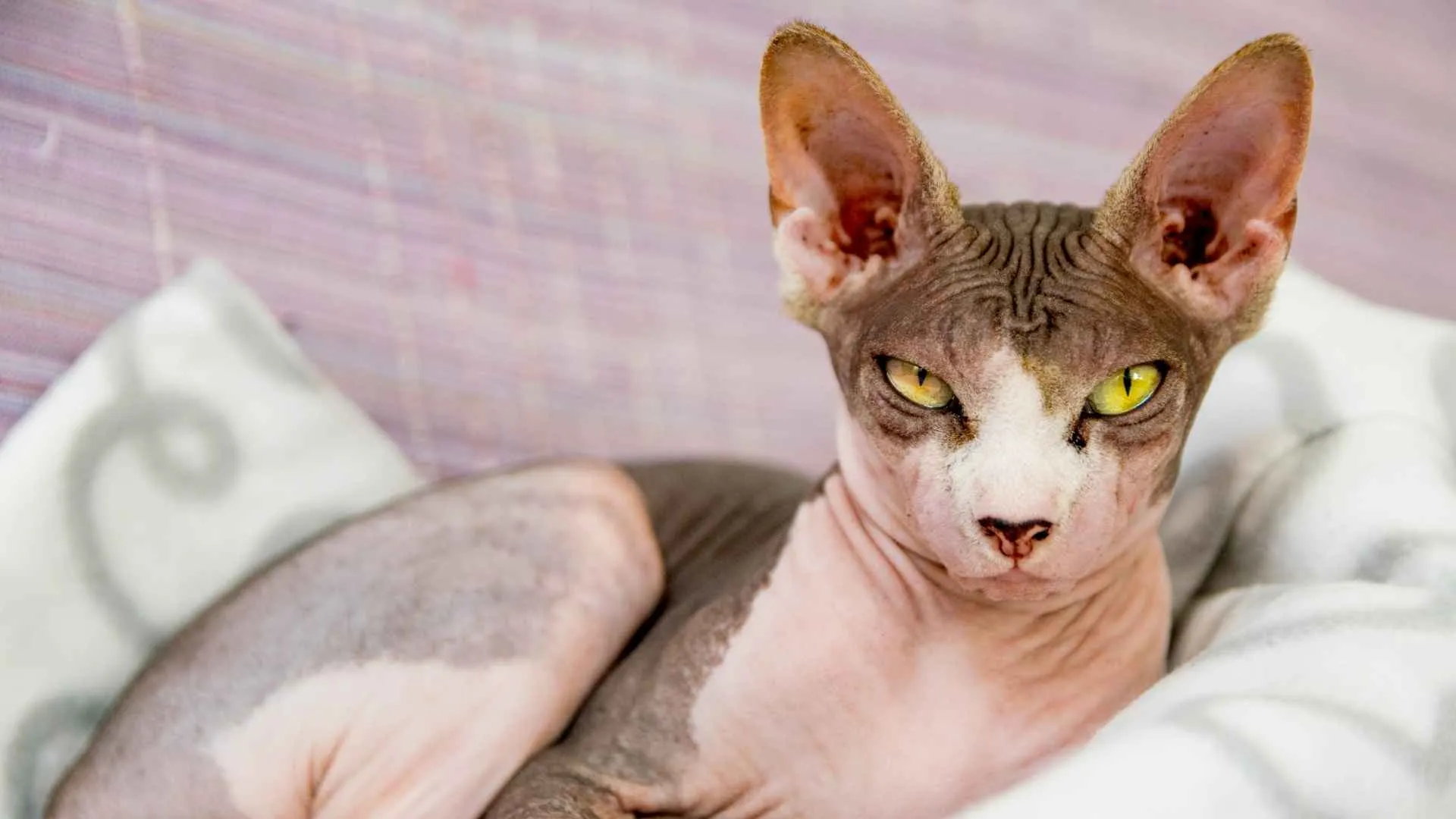
Often called the Canadian Sphynx or simply the hairless cat, the Sphynx stands out for its bare skin, oversized ears, and expressive eyes. Beyond appearances, this breed is famous for forming intense emotional connections.
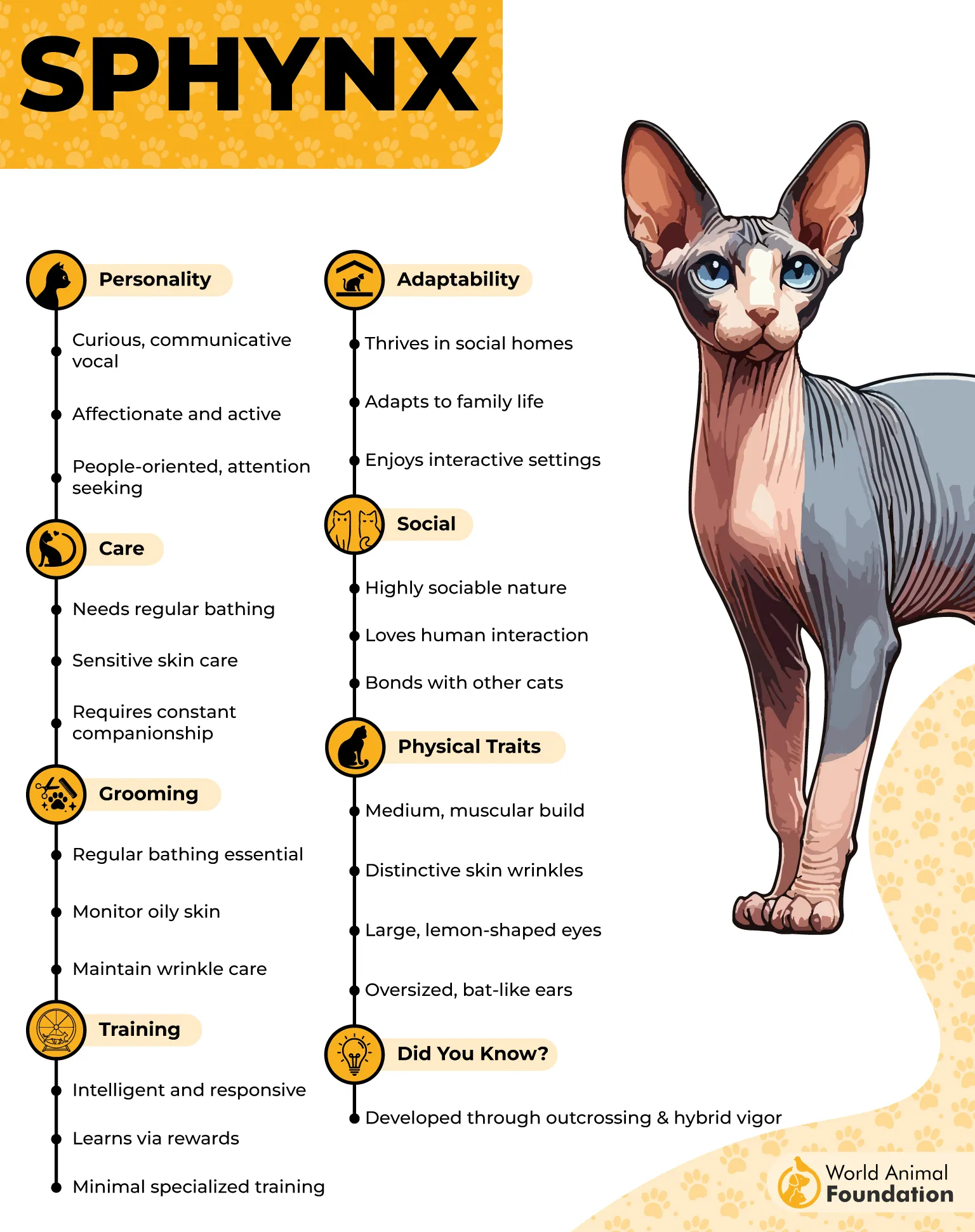
Sphynx cats are exceptionally people-oriented and dislike being alone. They follow their humans from room to room, seek laps for warmth, and prefer sleeping beside their favorite person, reinforcing constant closeness.
Their bond deepens through early socialization. Frequent playtime, exposure to different people, and gentle introductions to other pets help Sphynx kittens grow into confident adults who trust and rely on human companionship.
Because they crave attention, early interaction teaches them that security and affection go hand in hand. Owners willing to invest time are rewarded with devotion.
Fact: Sphynx cats are often described as one of the most dog-like breeds because they hate being alone and actively seek constant companionship.
5. Birman
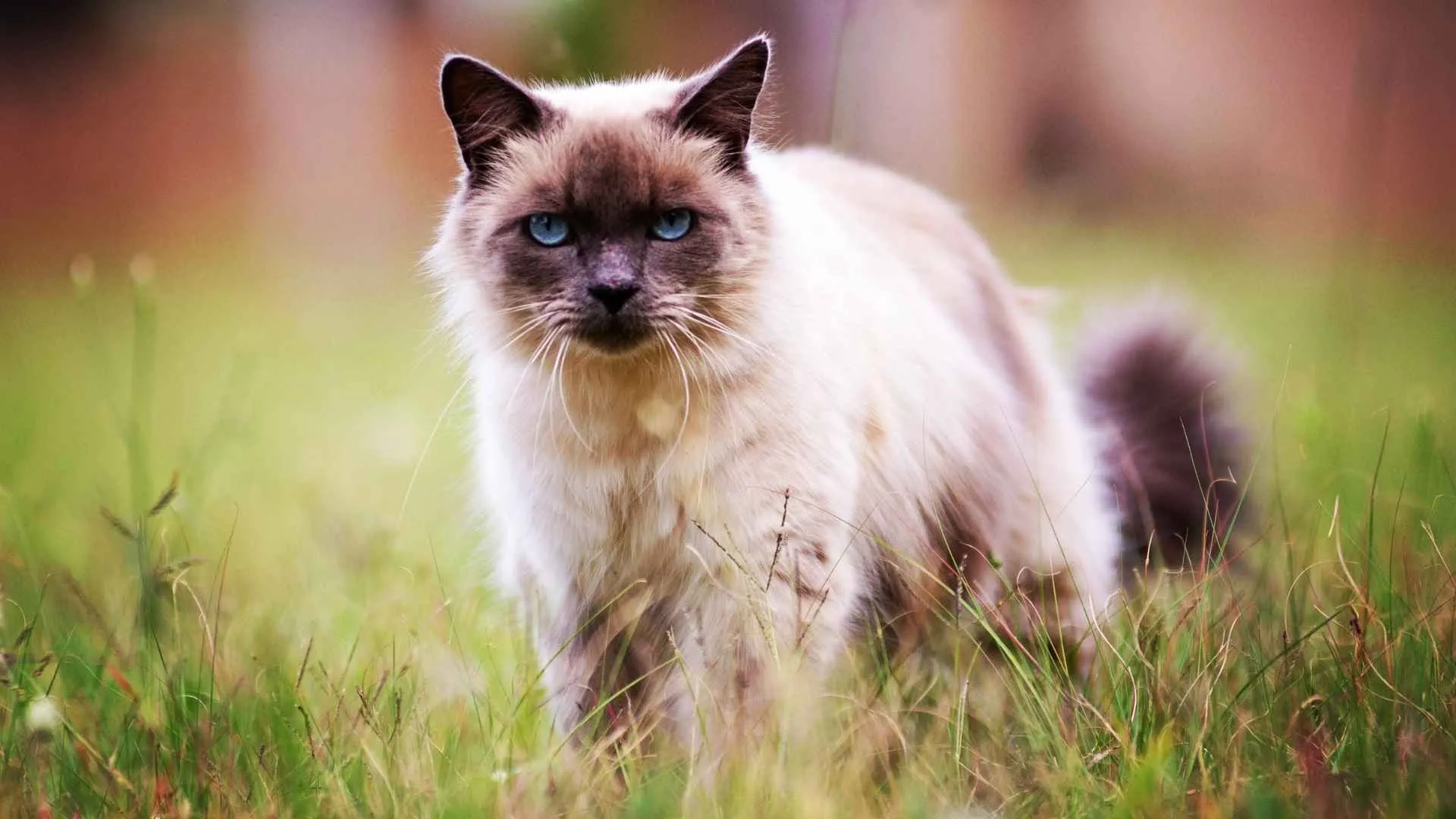
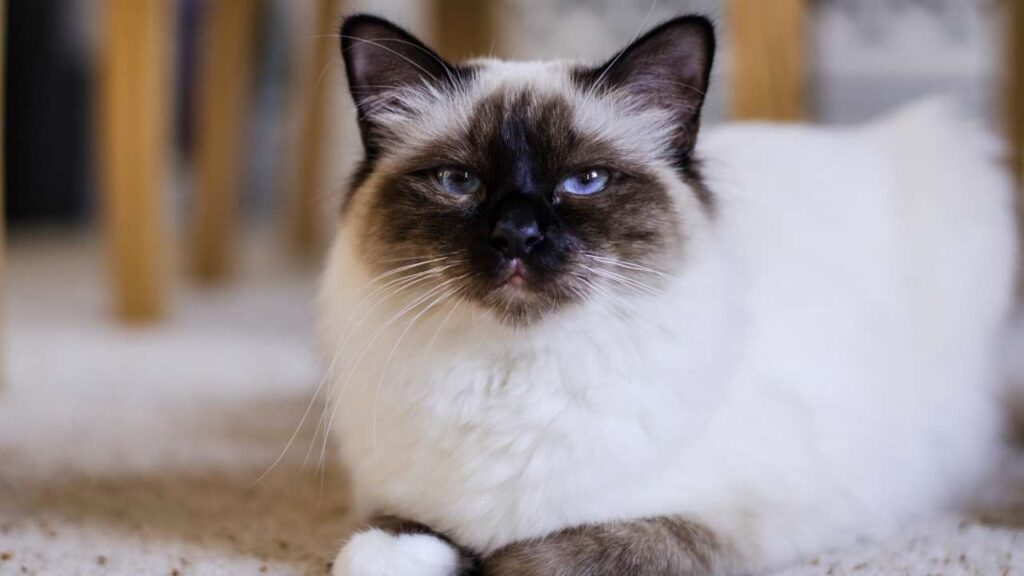
Also known as the Sacred Cat of Burma, the Birman is a long-haired, blue-eyed breed celebrated for its gentle expression and distinctive color-point markings with white “gloves” on each paw.
Birmans are naturally people-oriented and form strong, lasting bonds with their families. They enjoy being near their humans, often following them from room to room without being demanding.

Unlike louder breeds, Birmans tend to communicate softly, using chirps more than meows. This calm style, paired with their affectionate nature, helps them connect deeply without overwhelming their owners.
When considering the best homes for highly attached cat breeds, Birmans thrive in families, multi-pet households, and quieter environments where companionship is consistent.
Fact: Birman cats are known for being patient, affectionate, and quick to bond with both humans and other animals.
6. Maine Coon
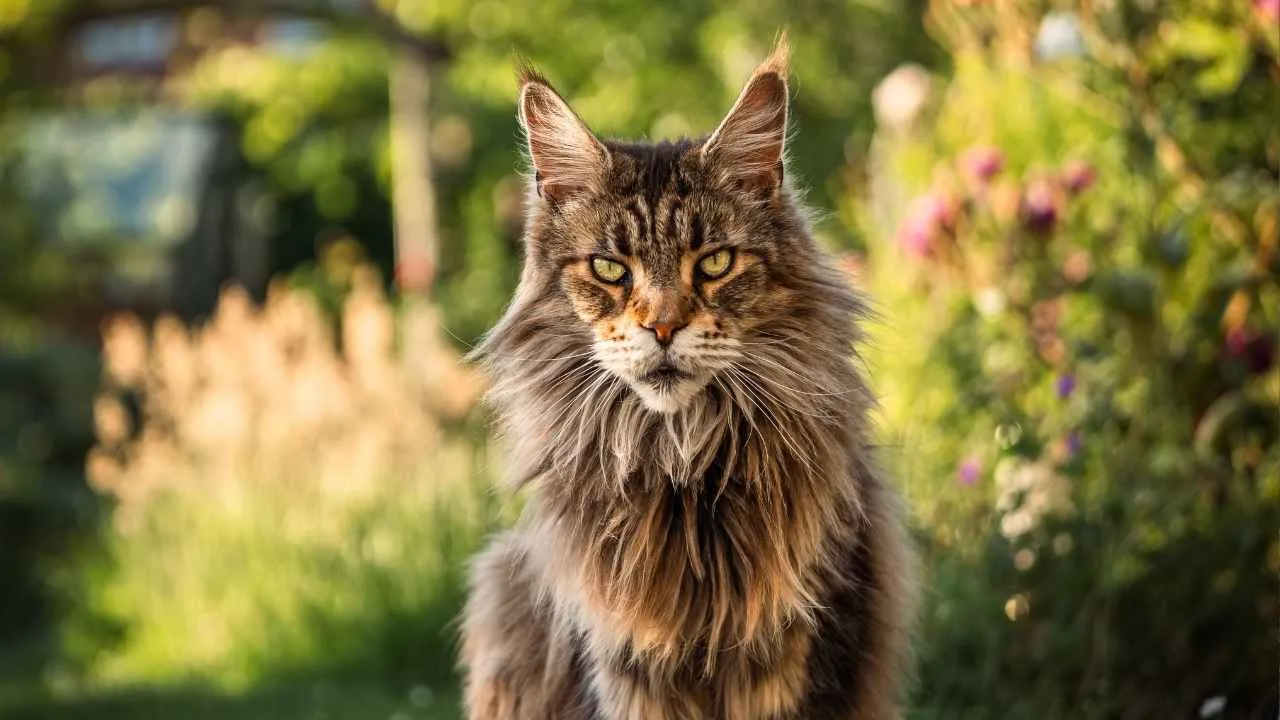
Often called the Gentle Giant or American Longhair, the Maine Coon is one of the largest domestic cat breeds and a true original of the United States. With a long body, tufted ears, and a thick double coat, this breed is as striking as it is lovable.
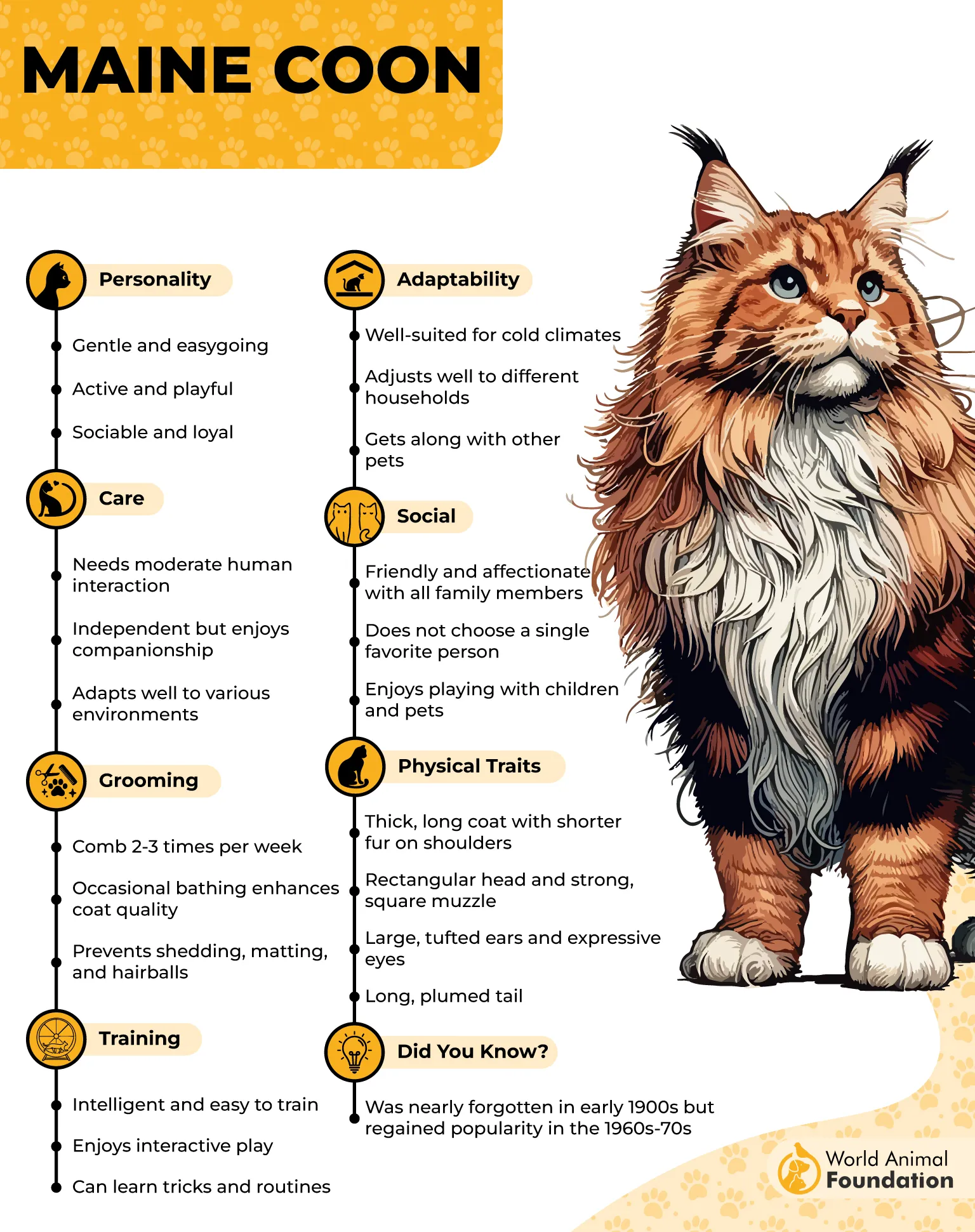
Maine Coons are famous for forming deep emotional bonds. They’re loyal without being clingy, often choosing a favorite person to quietly follow from room to room, offering steady companionship rather than constant demands.
Their communication style reflects that connection. Soft chirps, slow blinks, and calm body language signal trust and affection, making them especially comforting for families, children, and multi-pet households.
Caring for a cat that craves emotional connection means offering presence as much as play. Maine Coons thrive when included in daily routines and family moments, even if they don’t always sit on your lap.
Fact: Maine Coons typically weigh between 9 and 17 pounds and can stand up to 16 inches tall, with a life expectancy of 9 to 15 years.
7. Chartreux
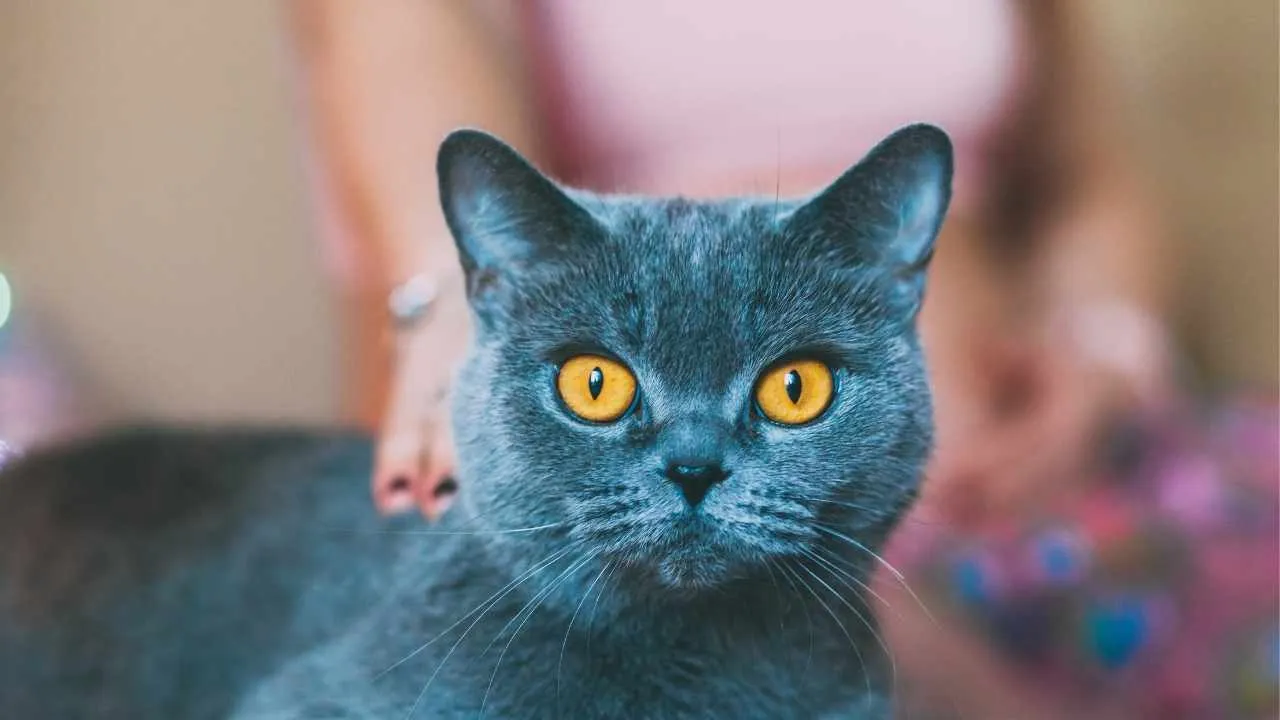
Also known as the French Blue, the Chartreux is a quietly devoted breed recognized by its dense blue-gray coat and copper-to-gold eyes. Originating in France, this cat has long been admired for its calm presence and steady loyalty.
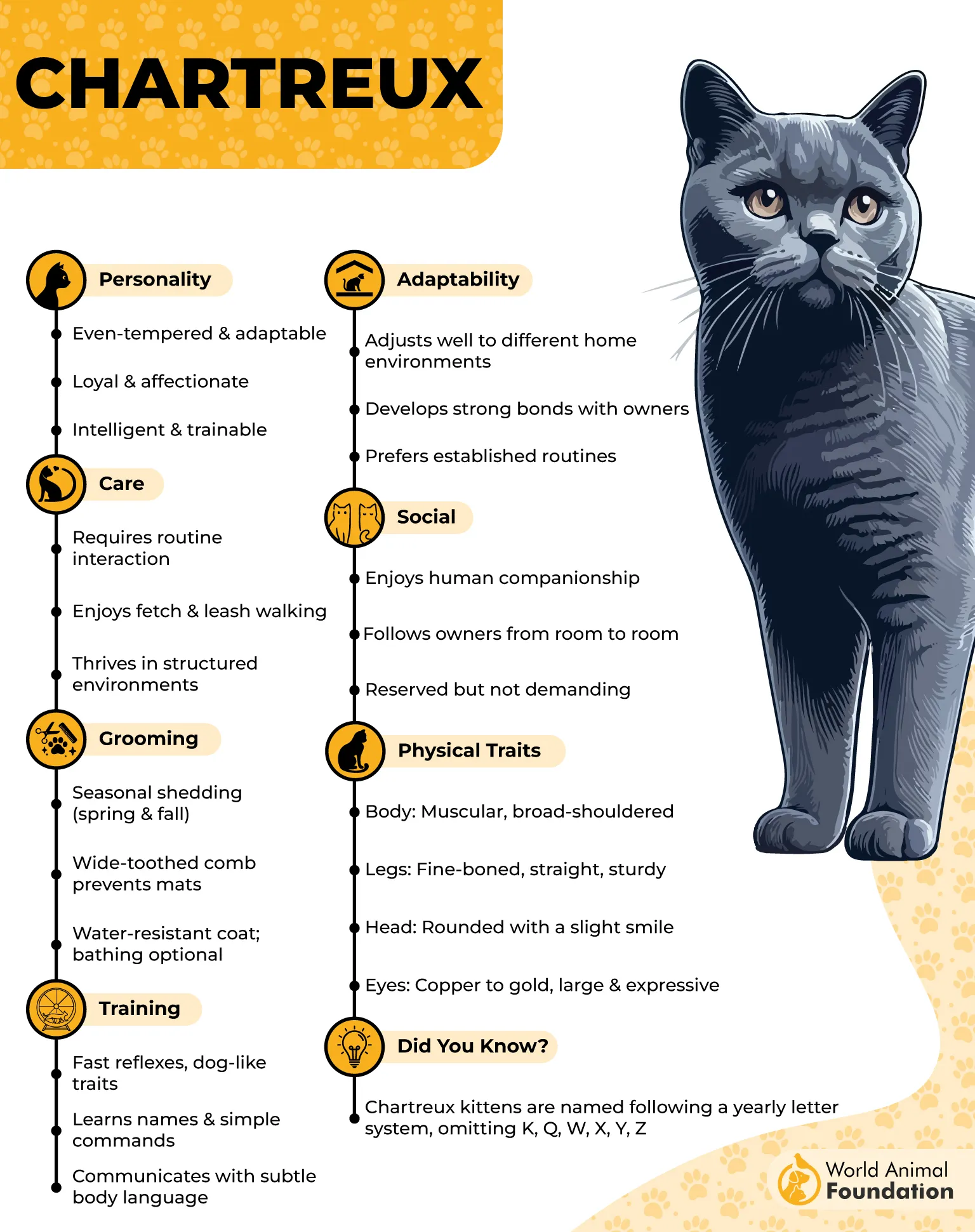
Rather than demanding attention, Chartreux cats form deep bonds by staying close. They often follow their favorite person from room to room, content to observe and share space without being intrusive.
Their intelligence strengthens these bonds. Chartreux cats learn routines quickly, respond to their names, and communicate with soft chirps instead of loud meows, creating a subtle but meaningful connection with their humans.
When choosing a loyal feline companion, the Chartreux suits households that value quiet affection and consistency. They adapt well to families, children, and other cats while maintaining a strong attachment to their people.
Fact: The Chartreux breed nearly disappeared during World War II but survived through careful crossbreeding with Russian Blue, British Shorthair, and Persian cats.
Conclusion
Cat breeds that form strong bonds stand out for their affectionate temperament and deep need for human interaction. From Scottish Fold cats to Balinese cats, these affectionate cat breeds are known for being extremely affectionate, often choosing to be lap cats that thrive on constant attention.
Whether you welcome a purebred cat, a mixed breed, or even a shelter cat, many of the most affectionate cat breeds share one trait in common—they crave closeness and become devoted, affectionate companions. Their loyalty makes them some of the most popular cat breeds among dedicated cat lovers.
Strongly bonded cats also shine as great family pets, enjoying interactive play and bonding moments as a playful cat or calm furry friend. While some barn cats prefer independence, many feline friends, including those from an ancient breed, flourish indoors with attentive care.
Across both popular cat breeds and rescues, these cats prove that love and connection define the strongest feline bonds.
