




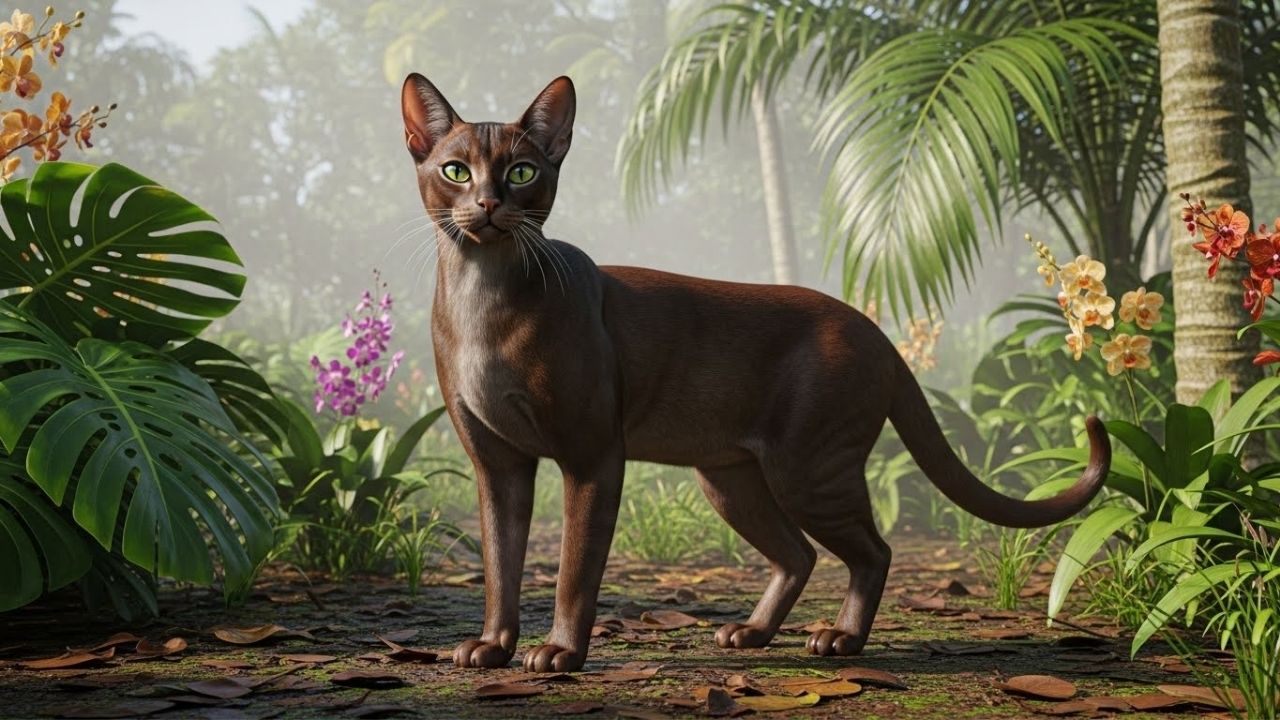
Cats from tropical regions bring a fascinating mix of natural adaptability and unique charm to homes around the world. These feline friends often come from warm climates and have physical traits that help them stay comfortable in heat, such as sleek coats or lean builds that encourage cooling.
Whether you live in balmy coastal areas or hotter inland locales, understanding the breeds that flourish in warm weather helps you choose a cat that fits your lifestyle and environment.
From classic short-haired favorites to exotic-looking companions, these cats offer heat-friendly personalities and companionship for owners everywhere.
Cat Breeds from Tropical Regions
1. Siamese
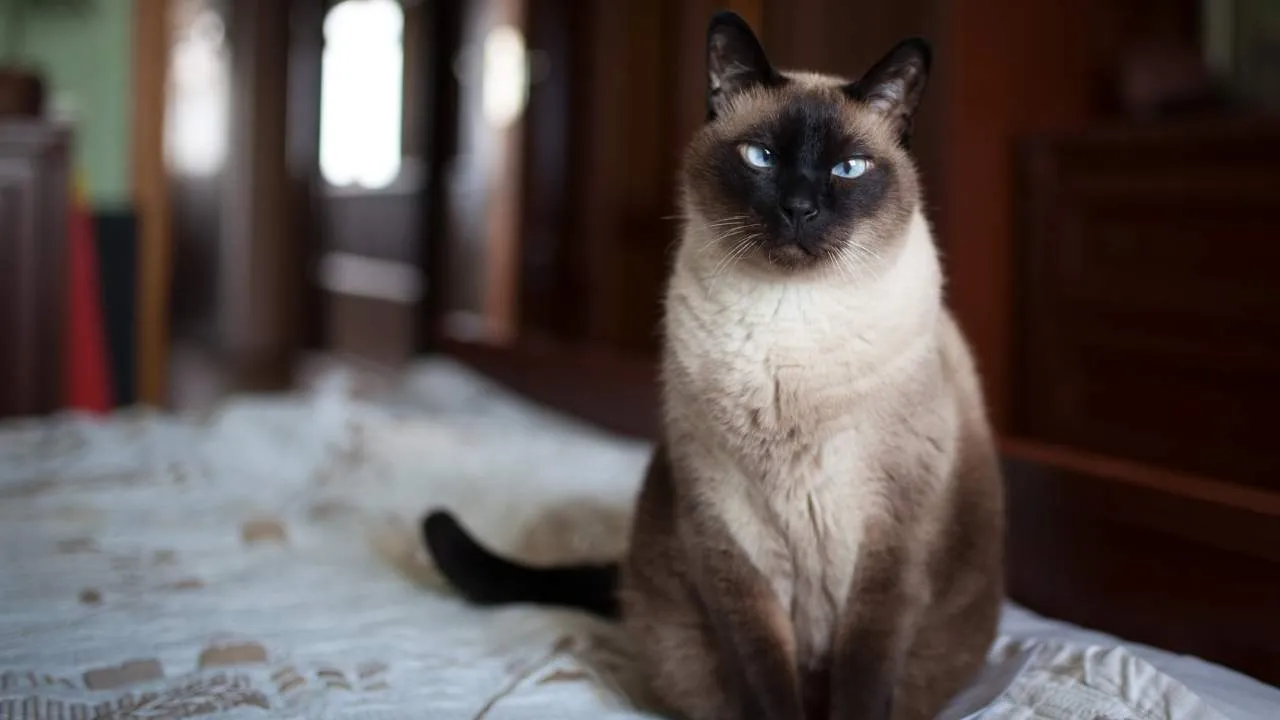
The Siamese cat traces its roots to Thailand, once known as Siam, where it was historically kept by royalty and monks. It is instantly recognizable for its color, pointed coat, pale body contrasted with darker ears, face, paws, and tail. Bright blue almond-shaped eyes and a sleek, muscular frame give the breed a refined, elegant look.
As per Britannica, this breed is famously vocal and expressive, often “talking” to its people with a wide range of sounds. Siamese cats form strong attachments and prefer being involved in daily life rather than watching from a distance. They are intelligent and curious, which means they enjoy puzzles, interaction, and routine engagement.
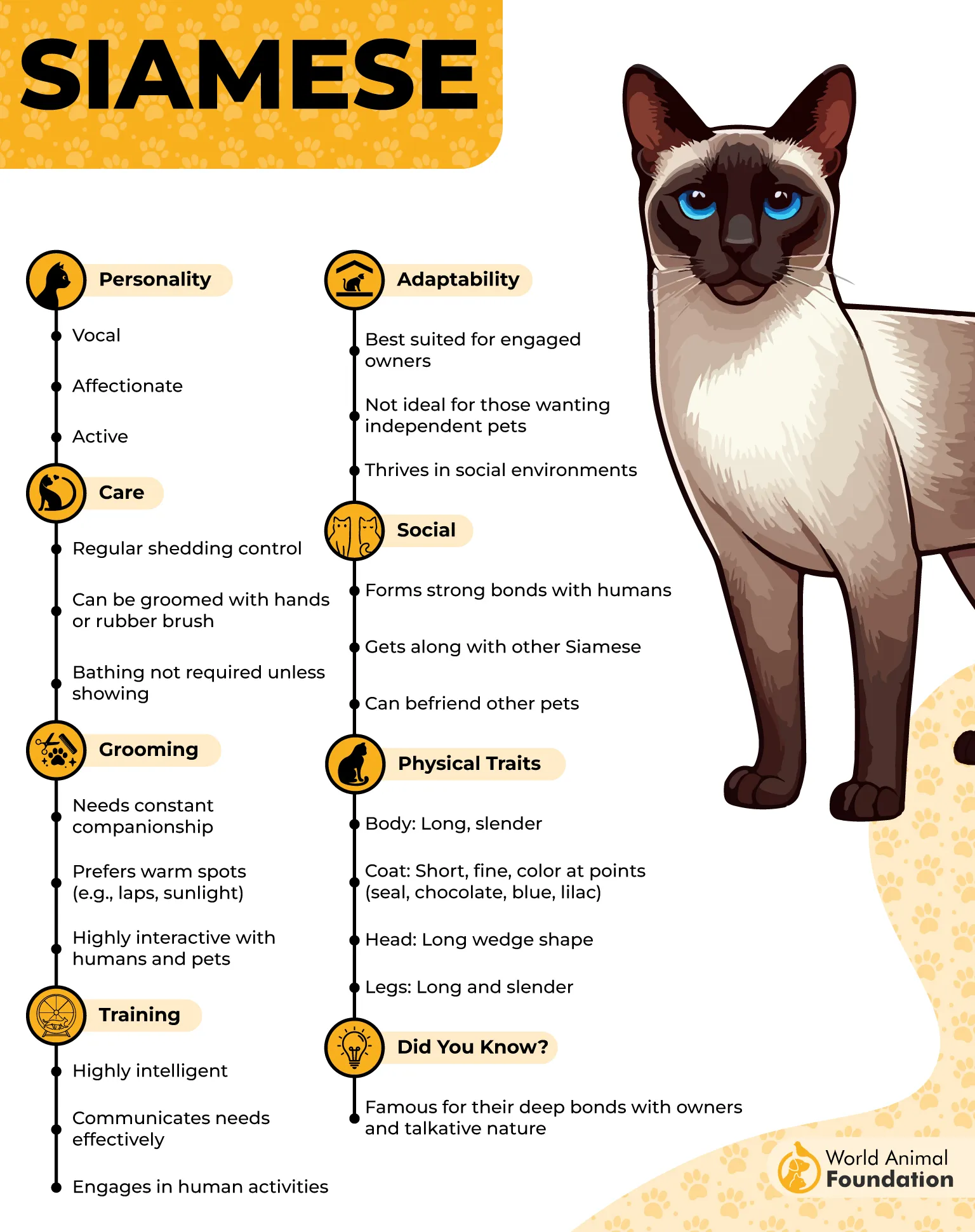
Their short, fine coat lies close to the body and requires minimal grooming. Originating in a warm climate, they are naturally comfortable in heat and tend to seek out sunny spots for lounging. A Siamese thrives best in a home where attention and companionship are part of the daily schedule.
Why This Cat Is a Good Fit
Enjoys warm environments thanks to its short, heat-friendly coat
Well-suited for owners who want an interactive, people-focused cat
Adapts easily to indoor living with mental stimulation
2. Korat
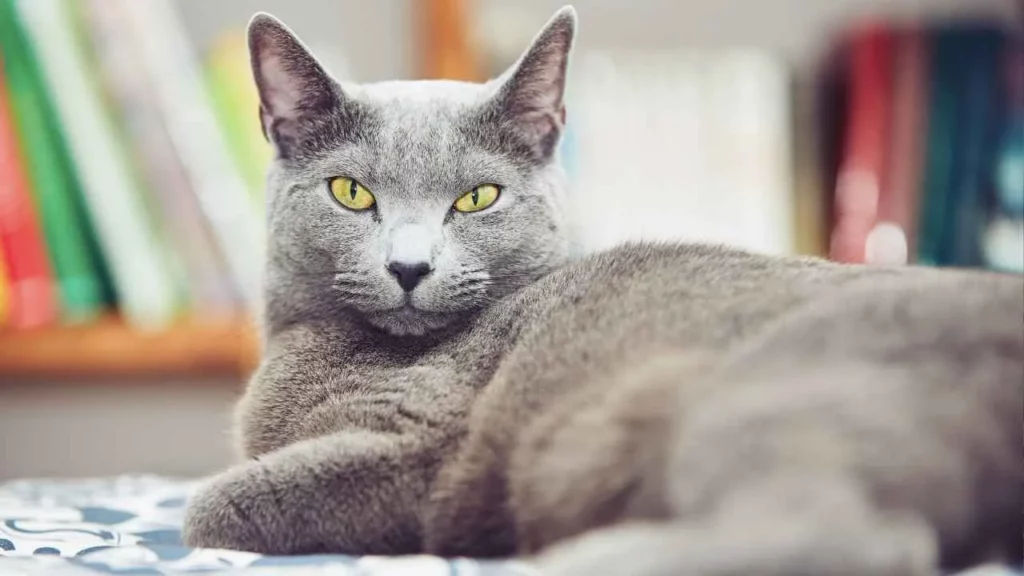
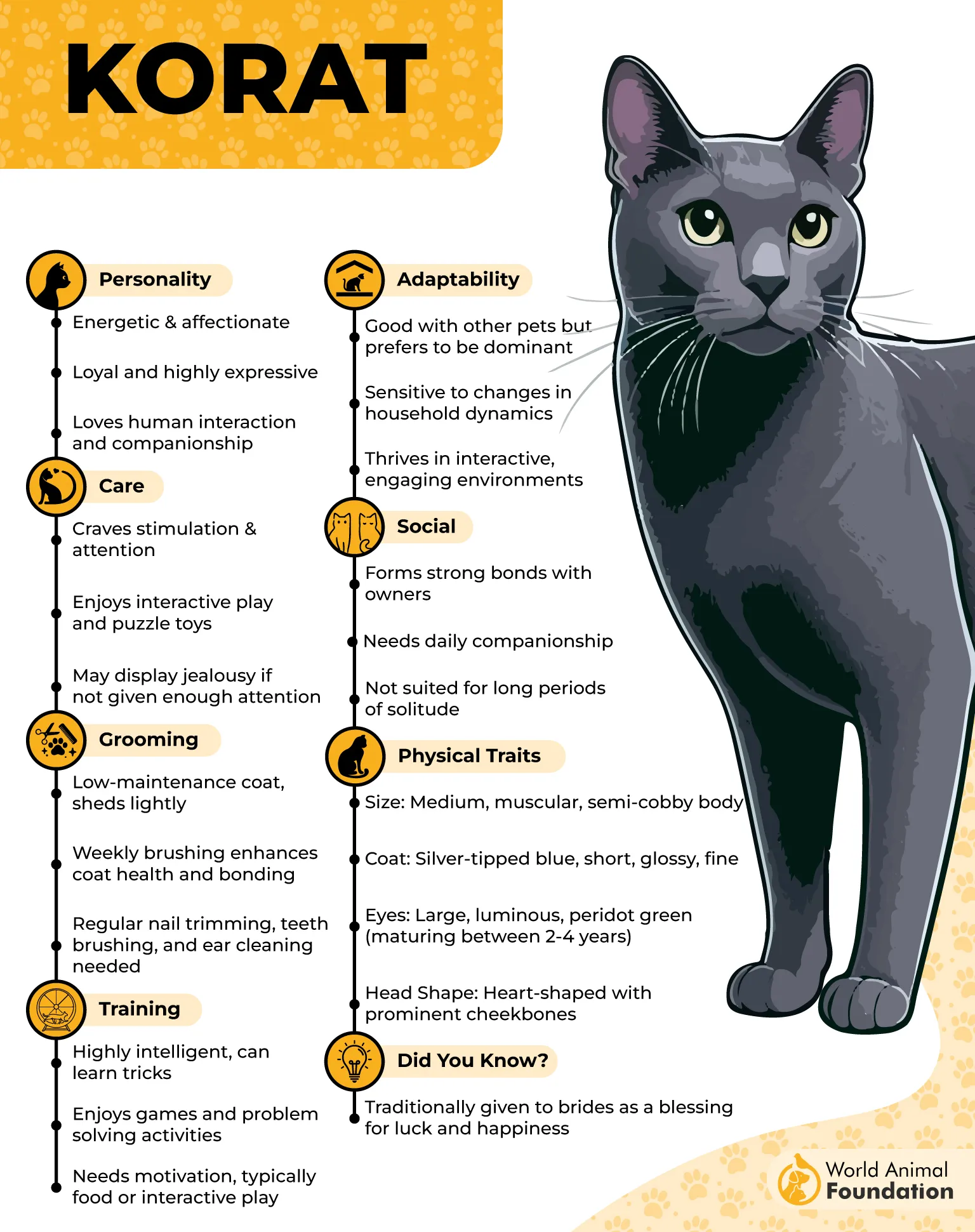
The Korat is an ancient breed from Thailand, traditionally associated with good fortune and prosperity. It has a distinctive silver-blue coat that reflects light, giving it a shimmering appearance. The heart-shaped face and large green eyes create a soft yet alert expression.
Unlike more outspoken breeds, the Korat tends to communicate quietly and thoughtfully. According to the Korats.org, it bonds deeply with its family and often chooses one or two favorite people. This breed prefers calm surroundings and can be sensitive to sudden changes or loud environments.
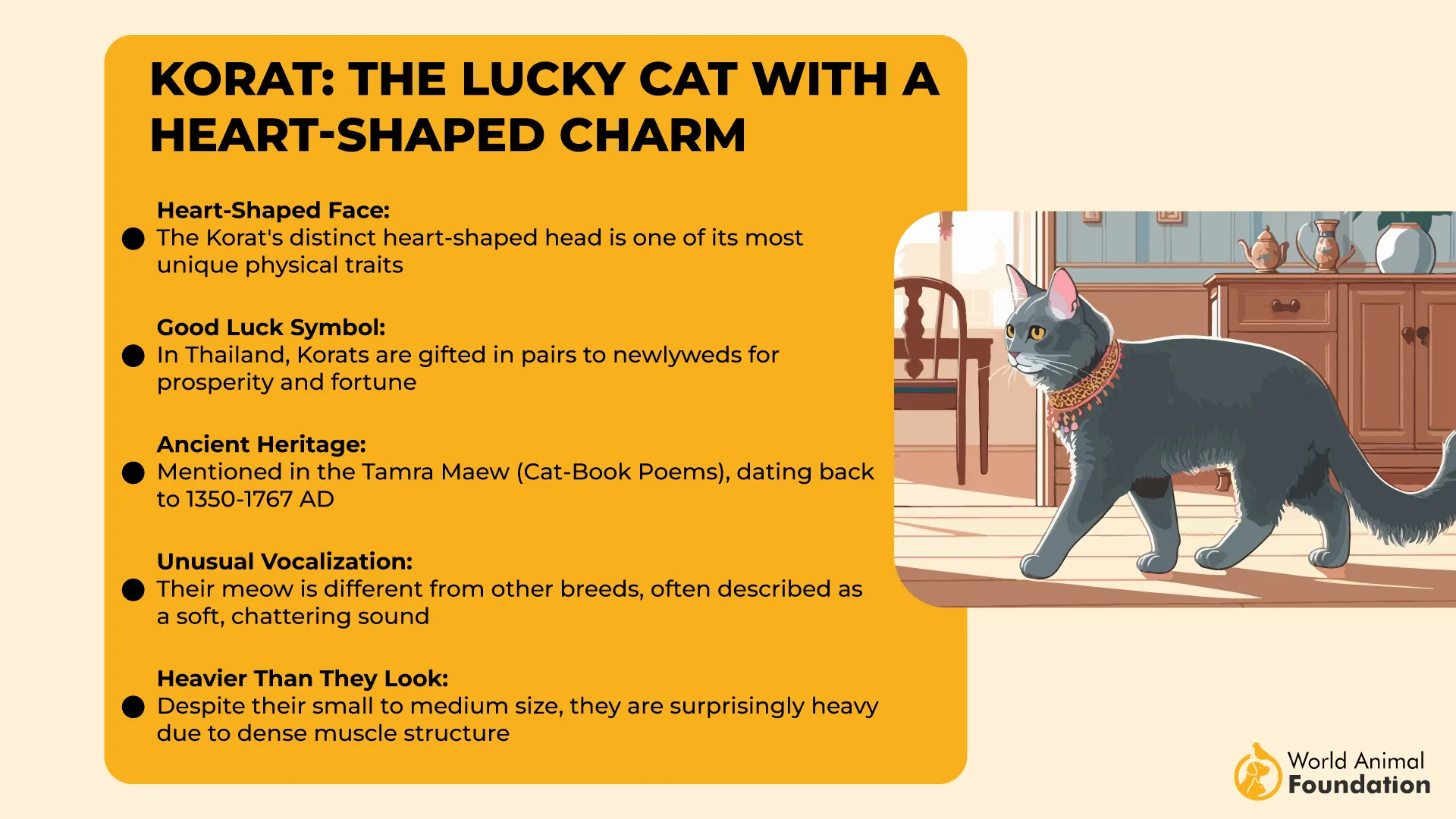
The Korat’s coat is short, single-layered, and close-fitting, making grooming simple. Developed in a naturally warm region, it handles heat comfortably and often enjoys resting in warm spaces. While playful, it balances activity with long stretches of relaxed observation.
Why This Cat Is a Good Fit
Comfortable in warm homes due to its lightweight coat
Ideal for quieter households that value close companionship
Low grooming needs make care straightforward
3. Suphalak
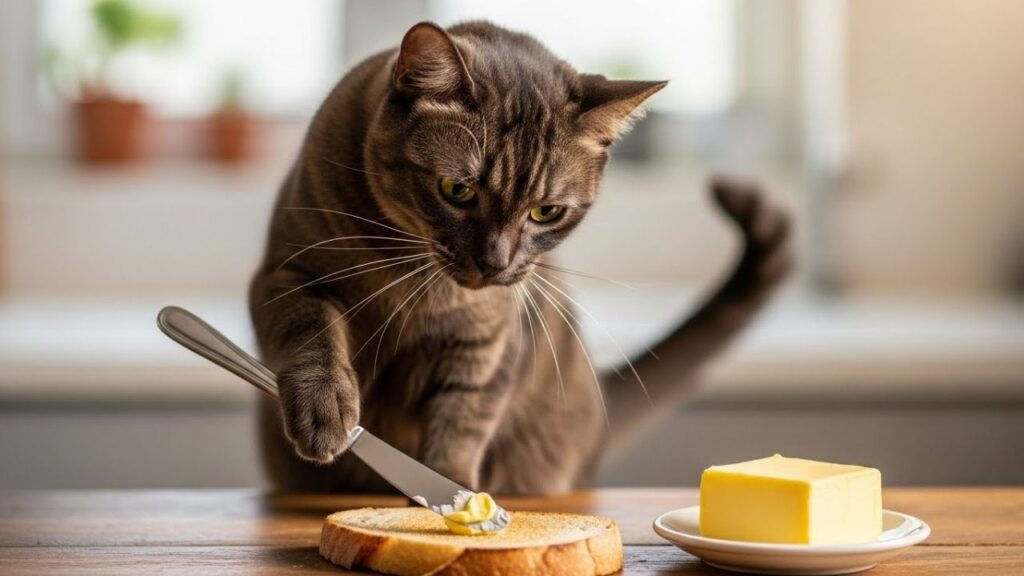
According to the WCF, the Suphalak is a rare Thai breed with deep historical significance, once mentioned in ancient manuscripts. Its solid reddish brown coat is short, glossy, and smooth against the body. Copper or amber eyes enhance its striking, uniform appearance.
This breed is known for its affectionate and people-oriented nature. Suphalak cats enjoy being near their humans and often follow them from room to room. They tend to be confident and social without being overly demanding.
Coming from a tropical climate, the Suphalak is naturally suited to warm temperatures. Its coat does not trap heat, and grooming is minimal. Because of its rarity, it is less commonly seen, but its adaptable temperament makes it a pleasant companion.
Why This Cat Is a Good Fit
Naturally adapted to warmer climates
A friendly personality suits social households
Easy coat care supports low-maintenance living
4. Burmese
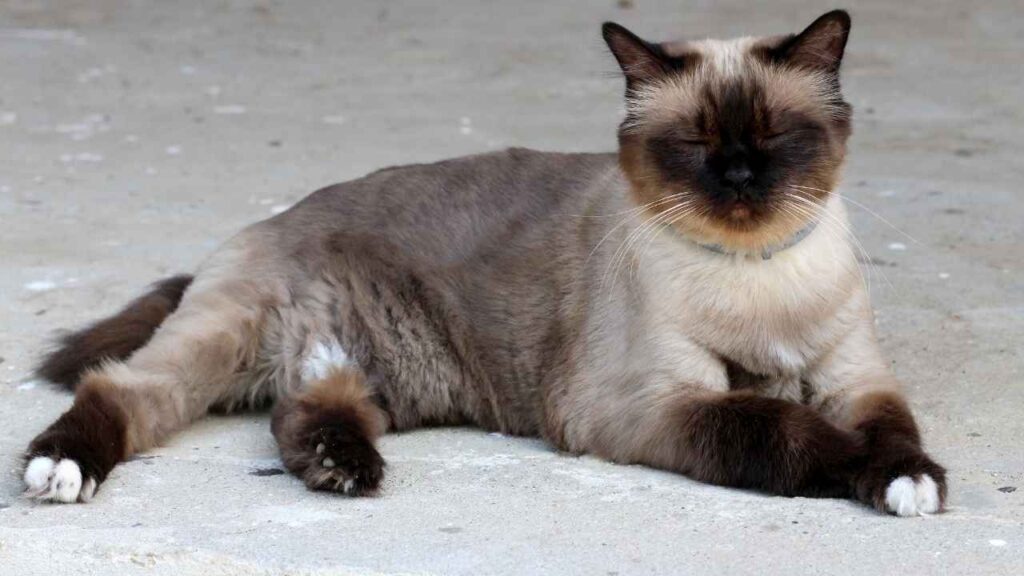
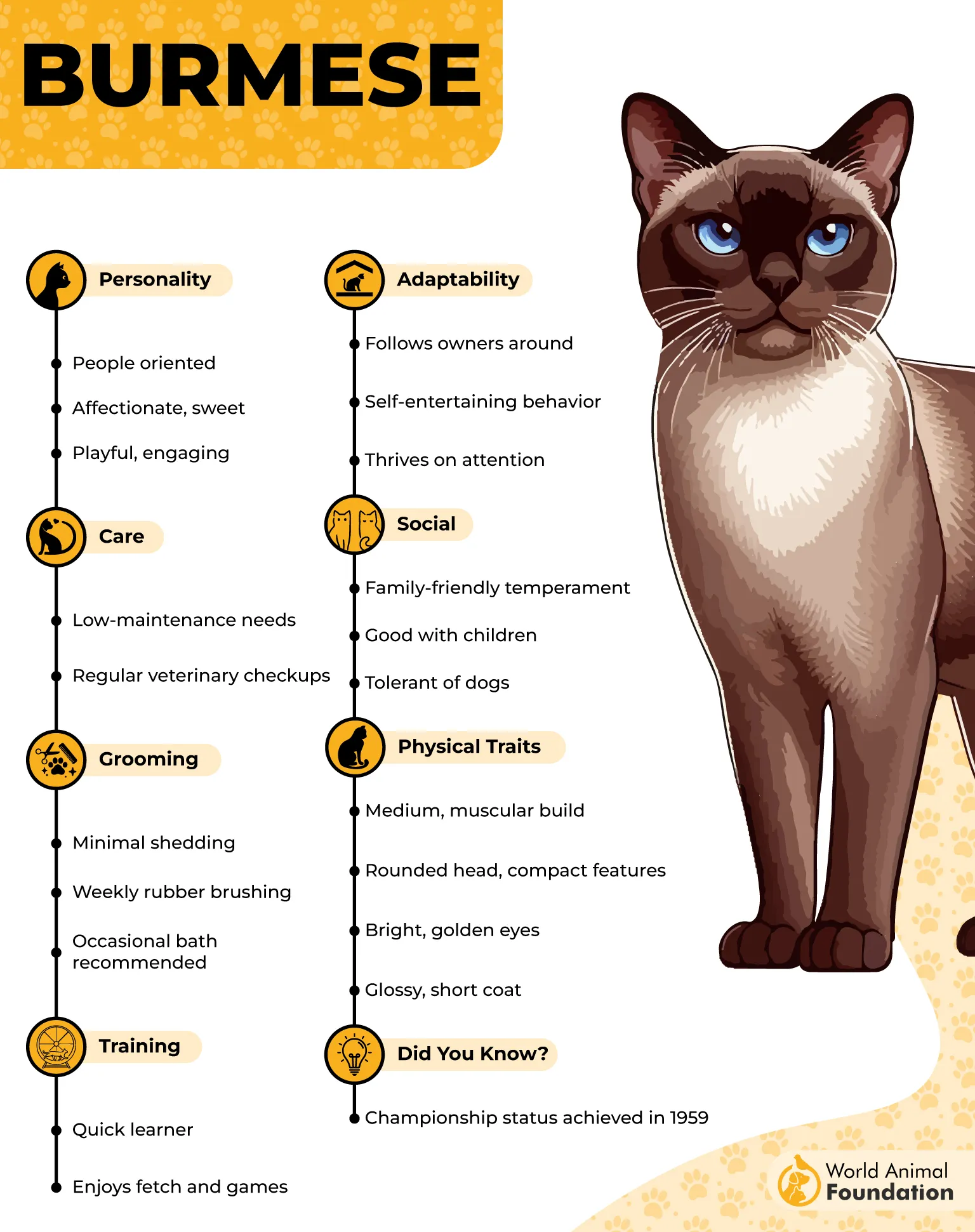
The Burmese originated in Southeast Asia and later developed further through selective breeding. It has a compact, muscular body paired with a short, satin-like coat that feels smooth to the touch. Rounded features and expressive eyes give it a youthful appearance even into adulthood.
Burmese cats are known for their playful, affectionate nature and strong attachment to people. They enjoy interactive play and often retain kitten-like energy well into later years. This breed dislikes being left alone for long periods.
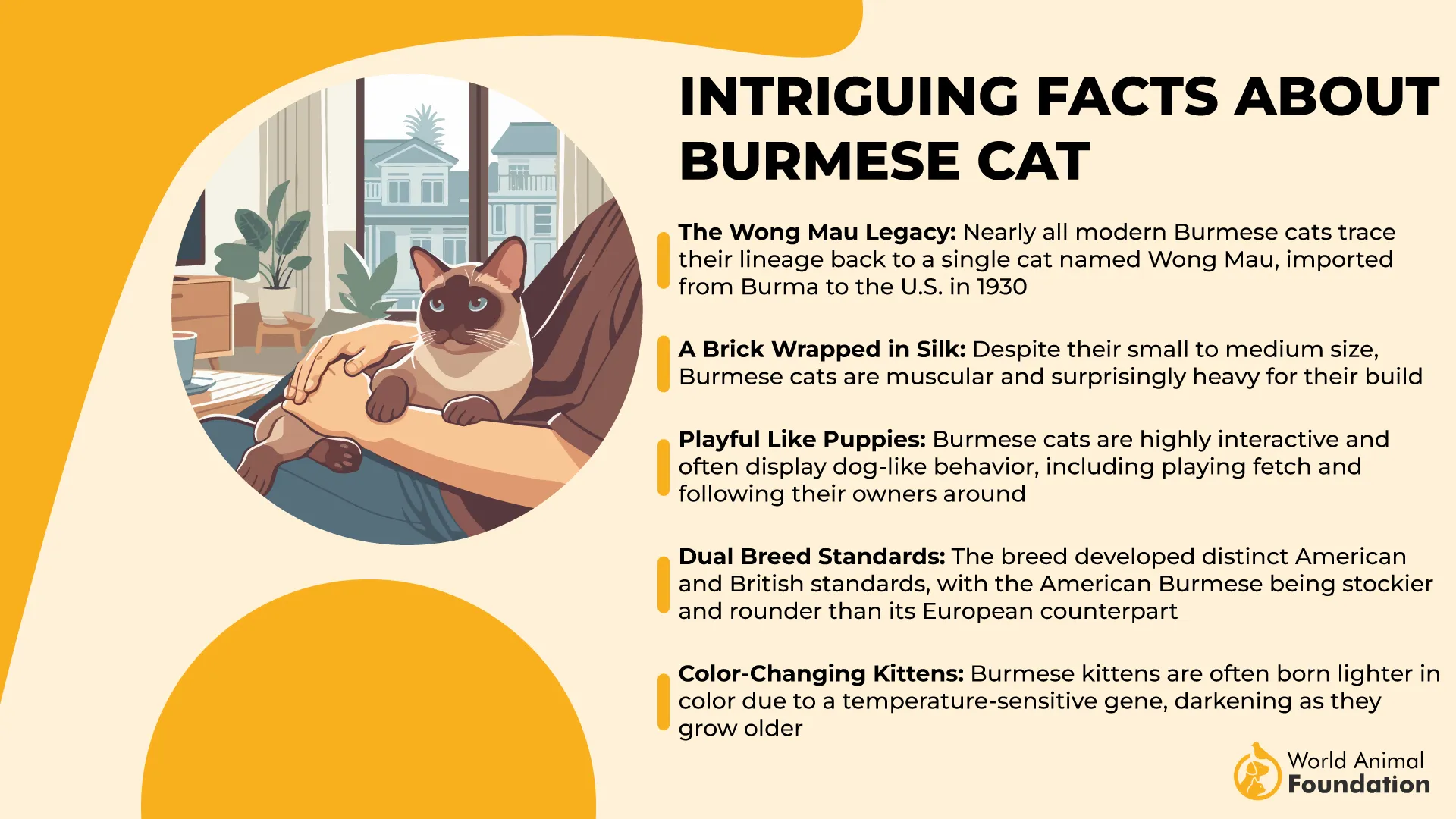
Their fine coat offers little insulation, making them comfortable in warm environments. Grooming is simple, requiring only occasional brushing. Burmese cats adapt well to indoor life and enjoy cozy spaces, especially when shared with their favorite humans.
Why This Cat Is a Good Fit
A short coat helps manage heat comfortably
Thrives in homes with frequent human interaction
Great match for families seeking an active companion
5. Singapura
The Singapura is one of the smallest recognized cat breeds and originates from the streets of Singapore. Its coat is short, fine, and ticked, giving a warm beige appearance that blends naturally with sunny environments. Large ears and oversized eyes create an alert, curious expression that feels almost permanent.
This breed is known for being highly people-focused and surprisingly bold for its size. Singapuras enjoy following their humans, observing daily routines, and inserting themselves politely into whatever is happening. They are playful without being chaotic and often prefer interactive games over solitary play.
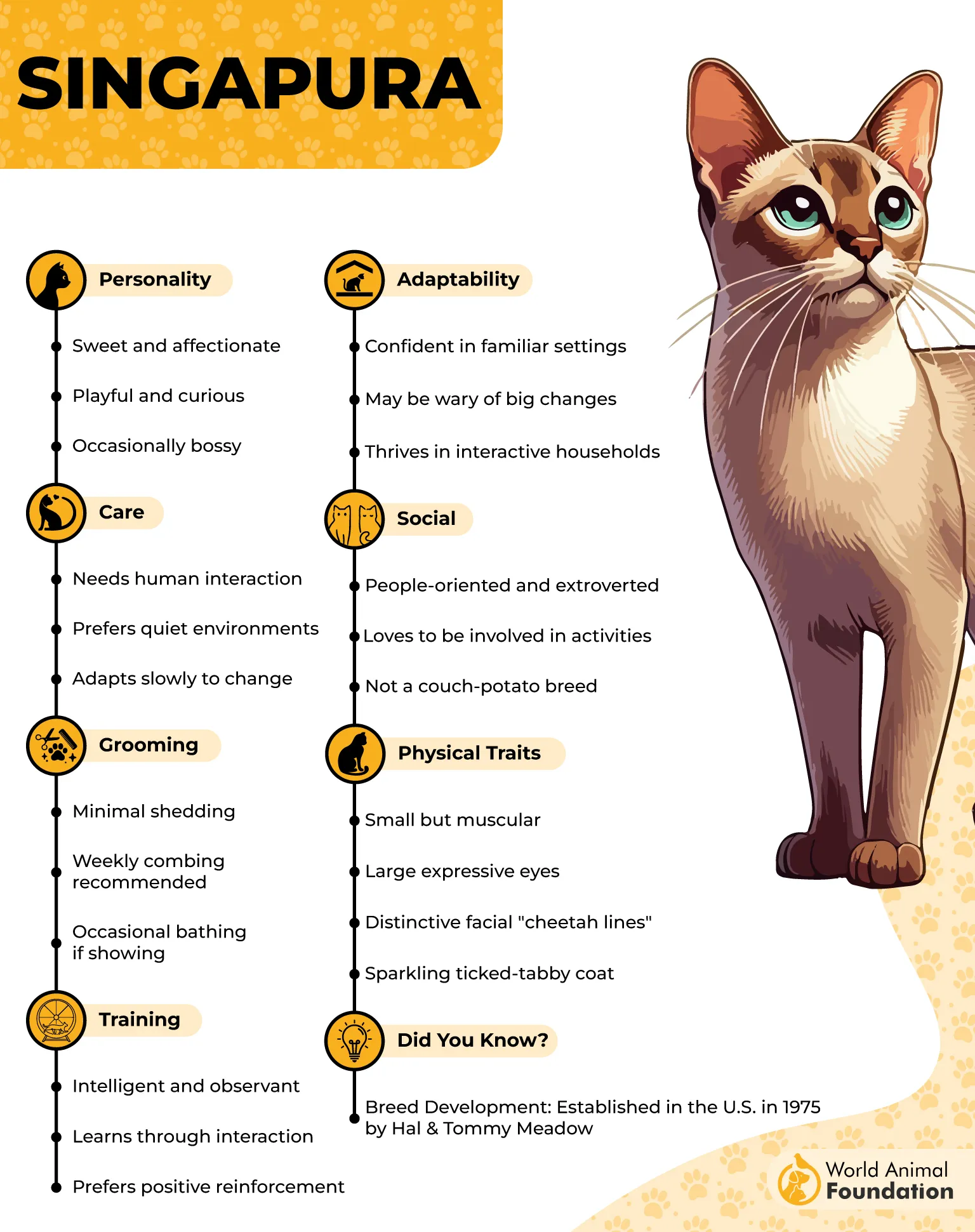
Because of its lightweight coat and lean body, this small cat is comfortable in warm climates and sunny indoor spaces. Grooming needs are minimal, usually limited to occasional brushing. Despite its petite frame, it has a confident personality that makes it feel much larger than it looks.
Why This Cat Is a Good Fit
Handles warmth well thanks to a fine, close-lying coat
Works nicely in smaller homes or apartments
Appeals to owners who enjoy an affectionate shadow
6. Ceylon Cat
The Ceylon Cat traces its origins to Sri Lanka and is considered a naturally occurring breed. It has a short coat with a subtle ticking pattern and a soft, earthy coloration. The face is gently rounded, with expressive eyes that give an attentive, thoughtful look.
Ceylon Cats are known for being friendly and adaptable without being overly demanding. They enjoy companionship but are also comfortable entertaining themselves when needed. This balance makes them easy to live with in a variety of household settings.
Coming from a warm island climate, the Ceylon Cat is well-suited to higher temperatures. Its coat is light and requires very little grooming. While still relatively rare, it is appreciated for its easygoing temperament and quiet confidence.
Why This Cat Is a Good Fit
Naturally adapted to warm indoor environments
A calm personality fits relaxed households
Low grooming needs simplify daily care
7. Khao Manee
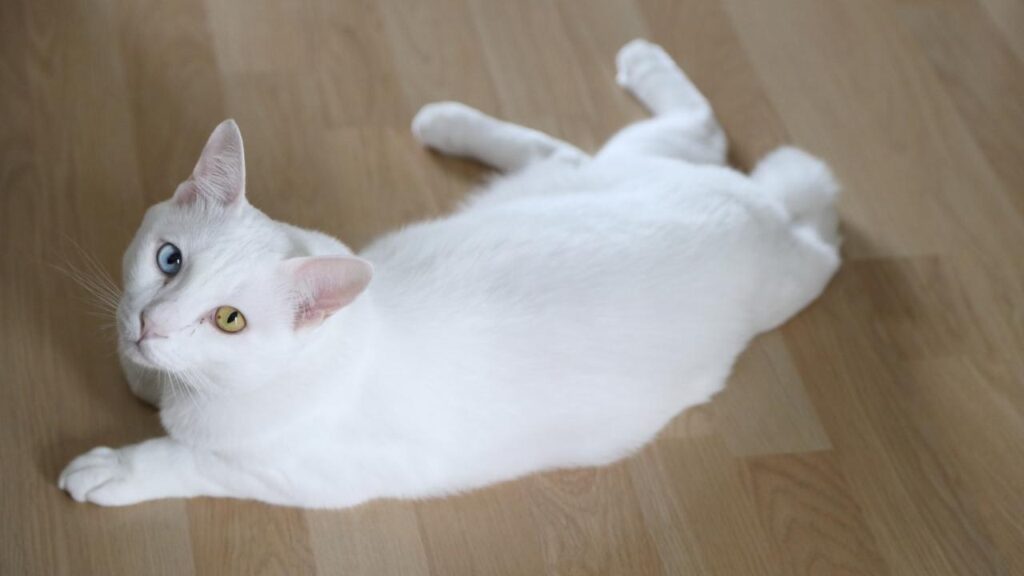
The Khao Manee is an ancient Thai breed traditionally associated with good fortune. It is best known for its pure white coat and striking eyes, which may be blue, gold, or even mismatched. The coat is short, smooth, and lies close to the body.
This breed is social, intelligent, and enjoys being part of family life. Khao Manee cats often seek interaction and do not like being ignored for long periods. They are playful and alert, frequently exploring their surroundings with confidence.
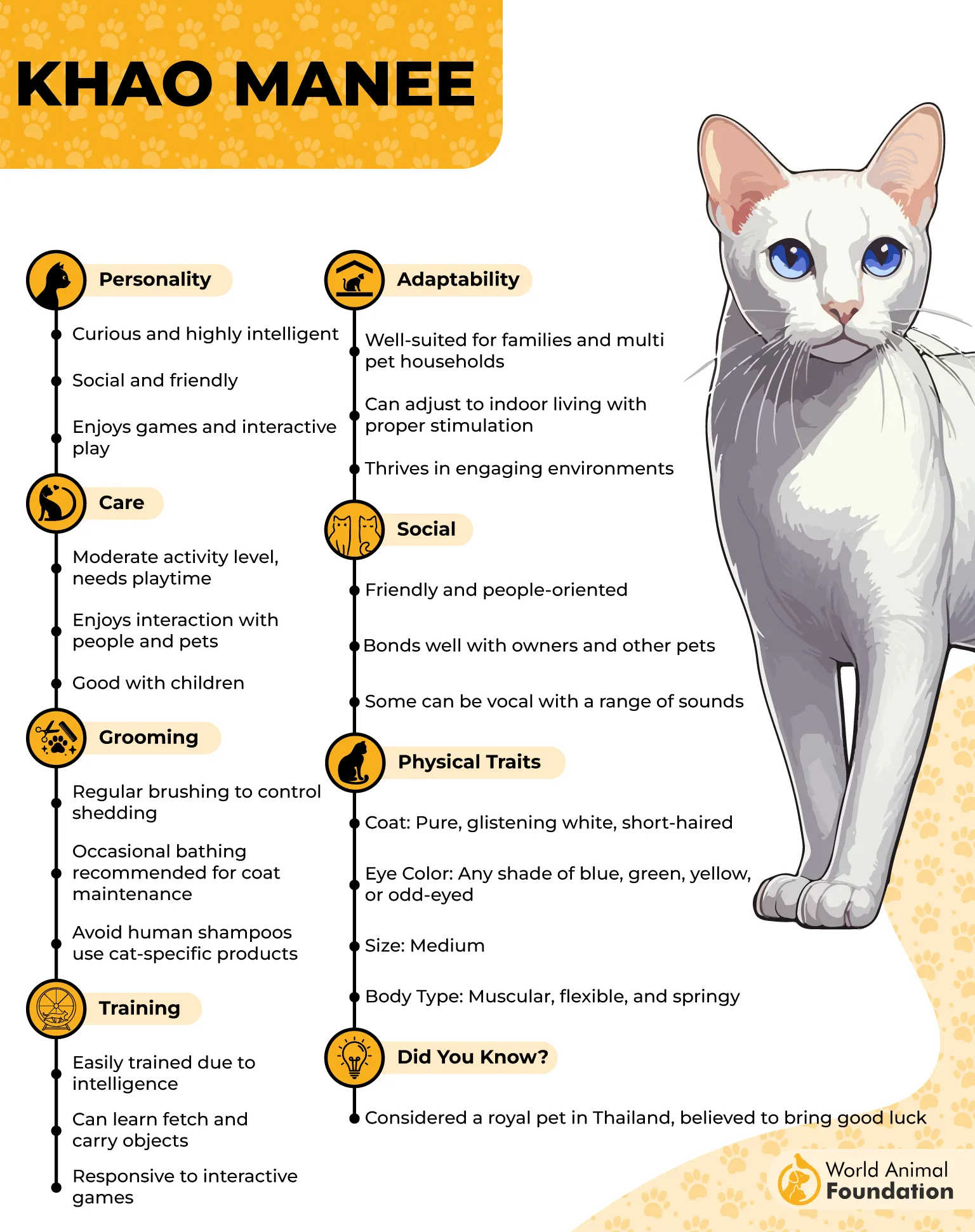
Originating in a hot climate, the Khao Manee tolerates warmth well but prefers indoor safety. Its coat is easy to maintain and sheds minimally. Because of its strong social nature, it does best in homes where people are around regularly.
Why This Cat Is a Good Fit
A short coat helps regulate body temperature
Thrives in homes with frequent human presence
Ideal for owners wanting an engaging companion
Conclusion
Cats from tropical regions remind us how closely the domestic cat is connected to the wider Felidae family and its wild ancestry. While today’s house cats are far removed from stalking prey like small rodents, birds, fish, or small mammals in dense vegetation, their traits still echo wild cat species shaped by warm habitats. From jungle cat roots like the small wild cat, Felis chaus, to African wildcats of the Middle East and South Asia, climate and habitat types have always influenced feline behavior and build.
Beyond all the cats covered here, other species such as the asian leopard cat, bengal cat, rusty spotted cat, flat headed cat, marbled cat, clouded leopard, sunda clouded leopard, bay cat, black footed cat, geoffroy’s cat, andean mountain cat, mountain lion puma concolor, snow leopard, tiger cat, and other small felid and big cats across South America, Central Asia, tropical rainforests and the western hemisphere highlight the diversity of wild cats and the ongoing challenges of habitat loss and conservation status.
