




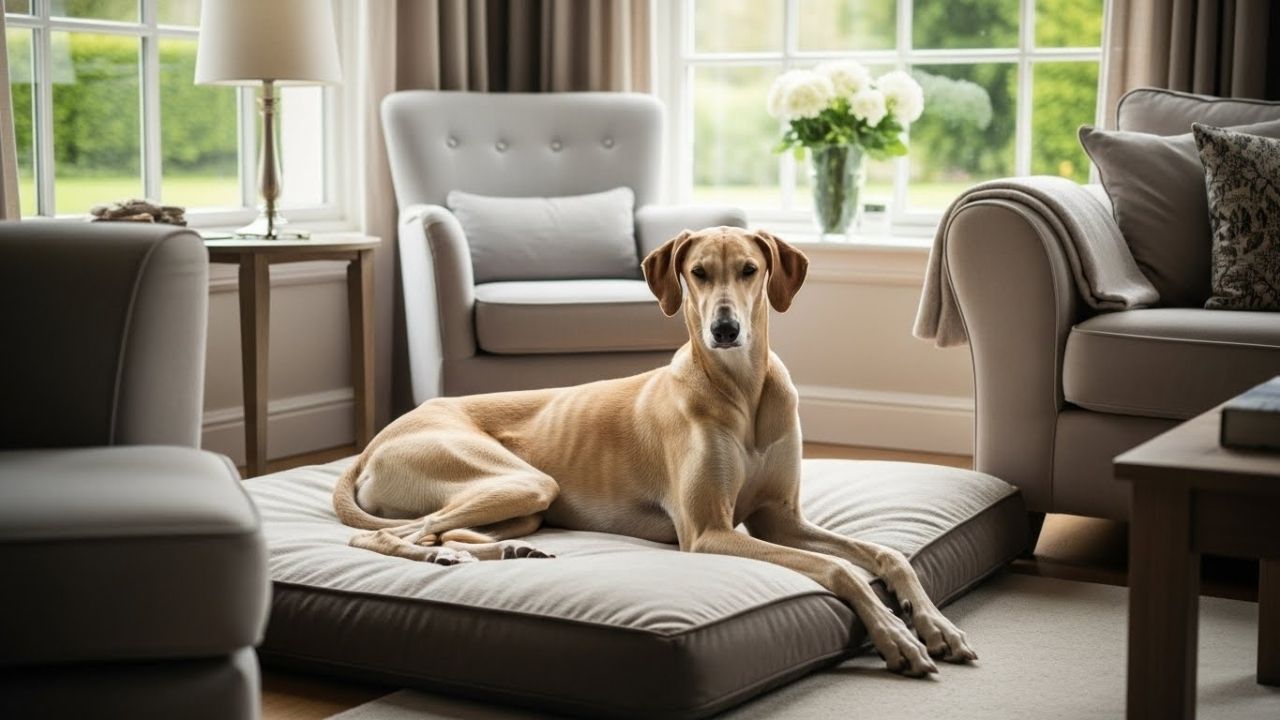
Quiet homes deserve big dogs with soft hearts and softer footsteps.
Some large dogs are basically living alarms. Doorbell? Bark. Wind? Bark. Your neighbor sneezes? Bark. It gets even worse, though, because many people assume “big dog” always means “noisy dog.” Nope. Not every quiet dog breed feels the need to announce every sound or shadow.
Here’s the good part. Some large breeds have a calm and gentle temperament with a calm and relaxed demeanor that fits peaceful spaces. They are low-drama roommates. They learn house rules fast.
Their calm nature makes them surprisingly easy to live with, even for apartment dwellers who value quiet days and restful nights.
But why bother with that? Because a quiet home is a vibe. Maybe you work from home. Maybe you have a baby who finally sleeps. Maybe you just like being calm. Exactly.
For the right dog, apartment living can work beautifully when the home is steady, and the routine makes sense. One important note before we jump in: “quiet” does not mean “zero needs.” These dogs still need daily movement, training, and love.
Lesser-Known Large Dog Breeds Perfect for Quiet Homes & Calm Living
1. Azawakh
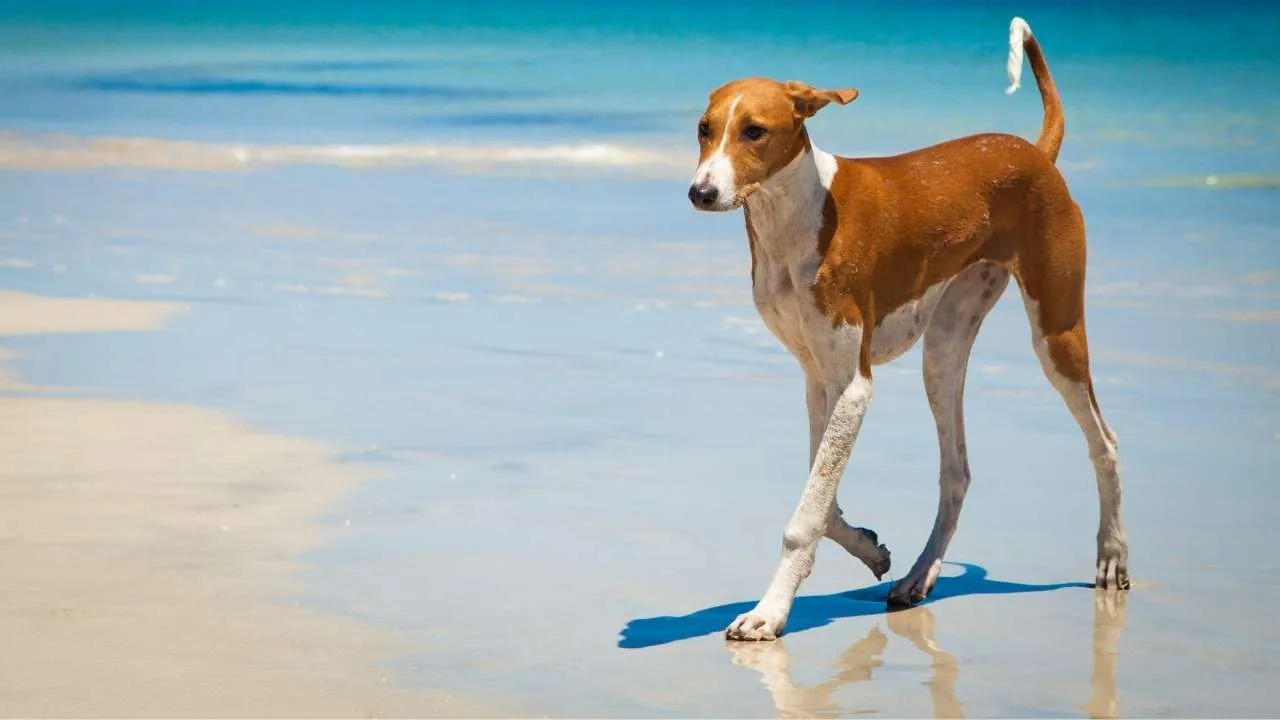
The Azawakh is a tall, slim sighthound from West Africa. They look like they were drawn with a single clean pencil line.
Sounds crazy, right? But inside that elegant frame is a dog that can be loyal, sensitive, and very tuned in to their people. They often act reserved with strangers, which can actually help in quiet homes. Less “party dog,” more “close circle only.”
Now, don’t get fooled by the calm face. This dog needs real exercise and brain time to maintain their calm temperament. But wait, there’s more! When an Azawakh gets enough daily action and mental work, they can settle nicely indoors.
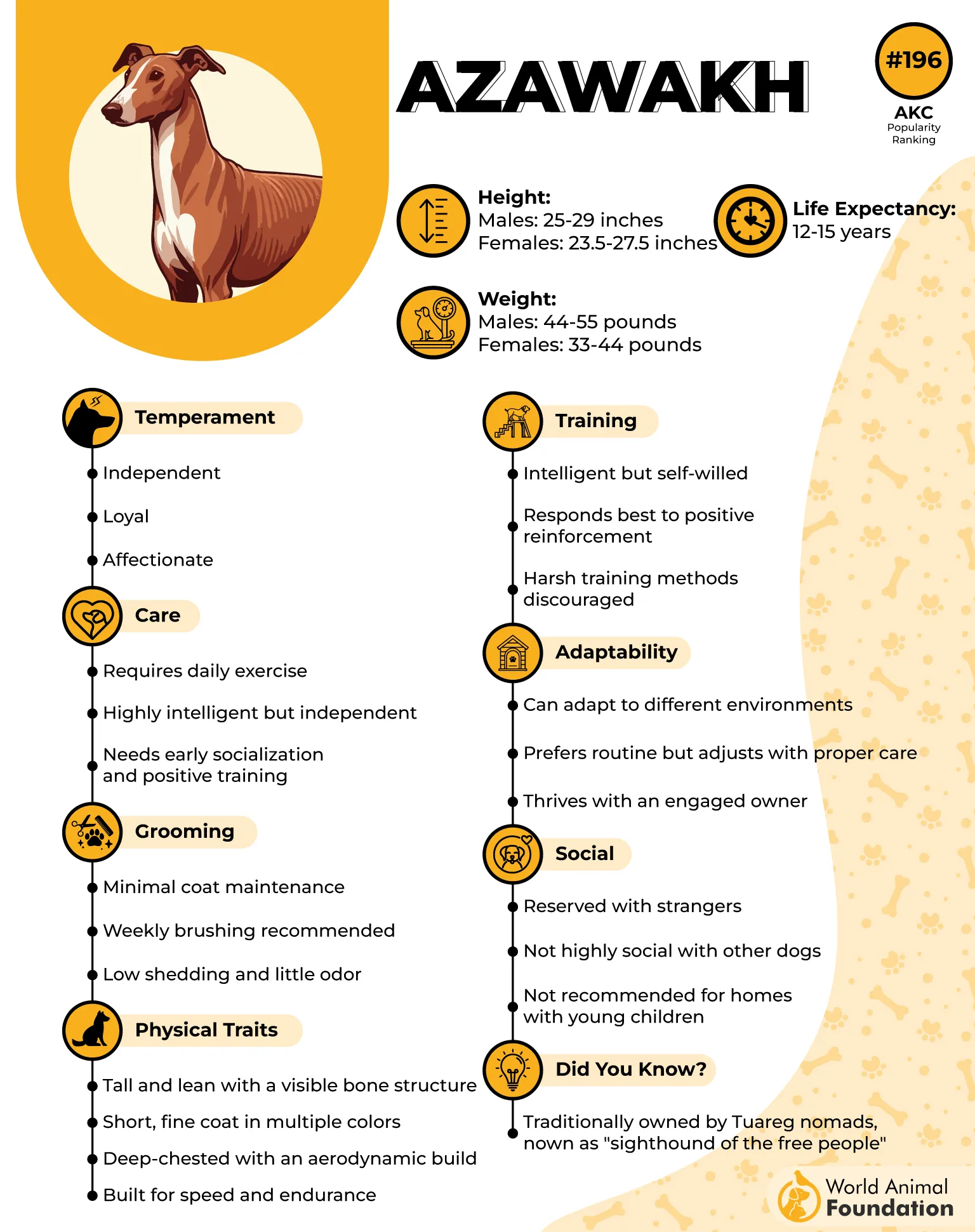
They are usually not the type to bounce off the walls in the living room all day. They like comfort, soft bedding, and a predictable routine.
Did you know many Azawakhs are naturally protective and deeply loyal? That bond can feel intense in a sweet way. I’ve always found sensitive dogs do best when the home feels steady.
If your place is peaceful and you like a close, “one-team” bond, this dog breed can feel like a quiet shadow that follows you from room to room.
Quiet-home notes
Best with calm, gentle training and a steady daily routine
Needs a safe, fenced space or secure running plan
Often reserved with strangers, which can reduce household chaos
2. Sloughi
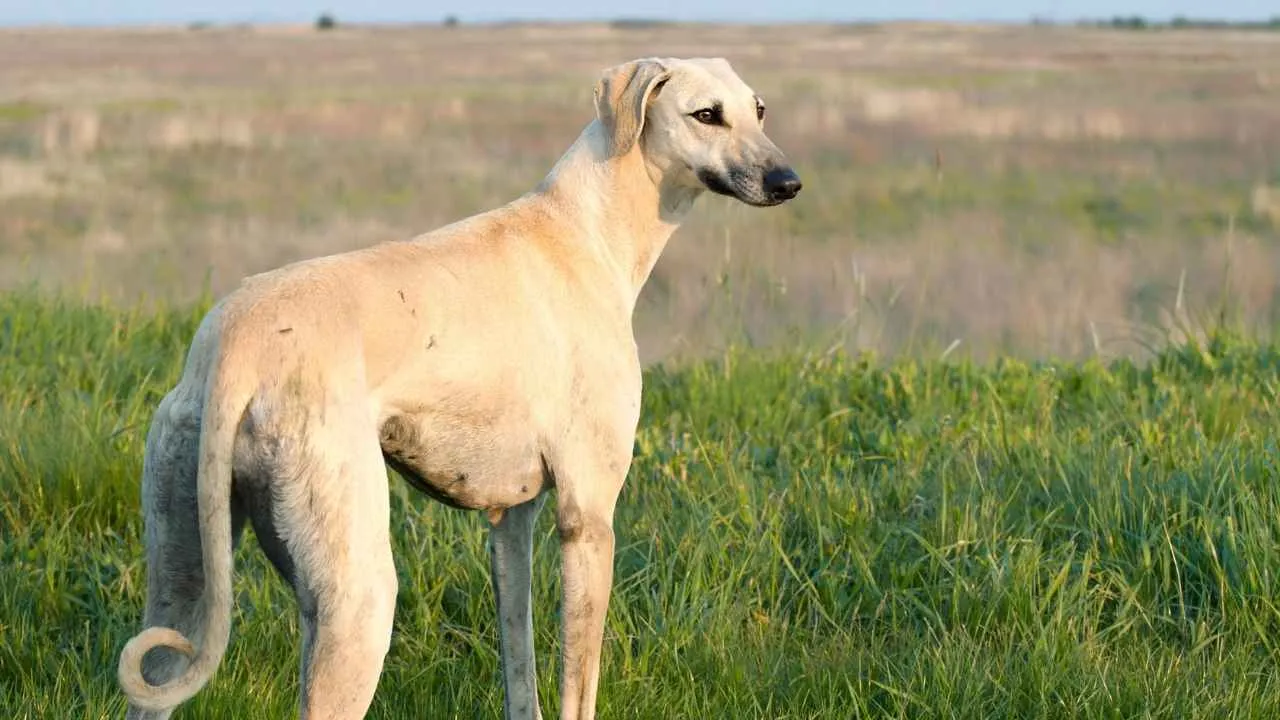
The Sloughi is another North African sighthound, sometimes called the “Arabian Greyhound.” They are athletic, graceful, and usually calm at home, according to the AKC.
And here’s the best part: Many Sloughis are of a quiet nature and reserved, with low barking compared to a lot of other breeds. That is a big win in a quiet house.
They can be affectionate with family but a bit aloof with new people. Think “polite introvert.” They also tend to be sensitive, so harsh training can backfire.
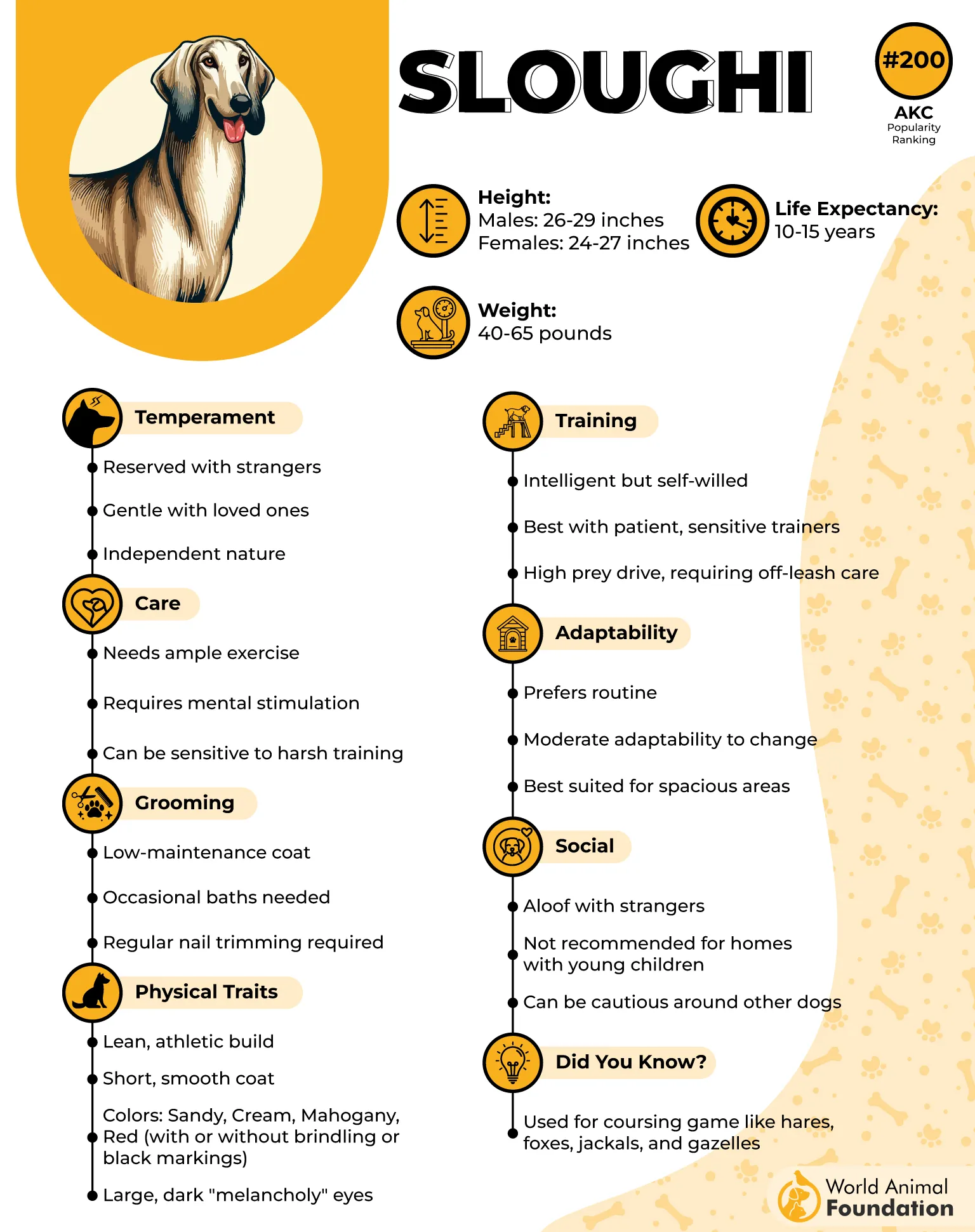
Now, a quick real-life vibe: sensitive dogs often notice your mood fast. When you are calm, they relax. When you are stressed, they can get tense too. So a quiet home with kind handling fits them well.
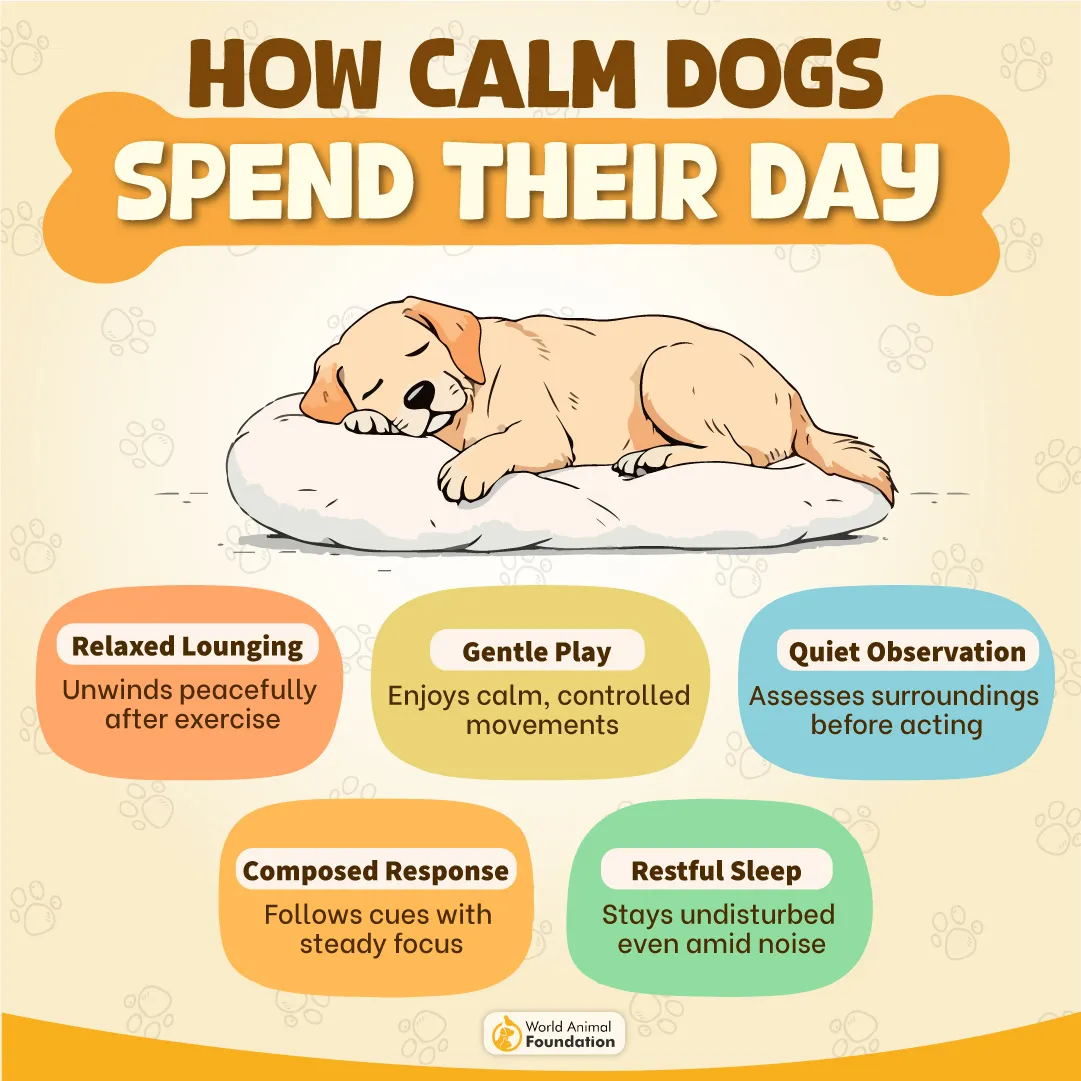
Exercise matters, though. They were bred to chase and run. Give them a daily outlet, and then they often turn into soft, calm couch companions.
If you skip that outlet, you might get restless energy. And nobody wants a bored sighthound inventing new hobbies like “redecorate the sofa.”
Quiet-home notes
Often quiet and low on barking, but still alert
Gentle, patient training works best for this sensitive breed
Needs regular running time, then relaxes indoors
3. Estrela Mountain Dog

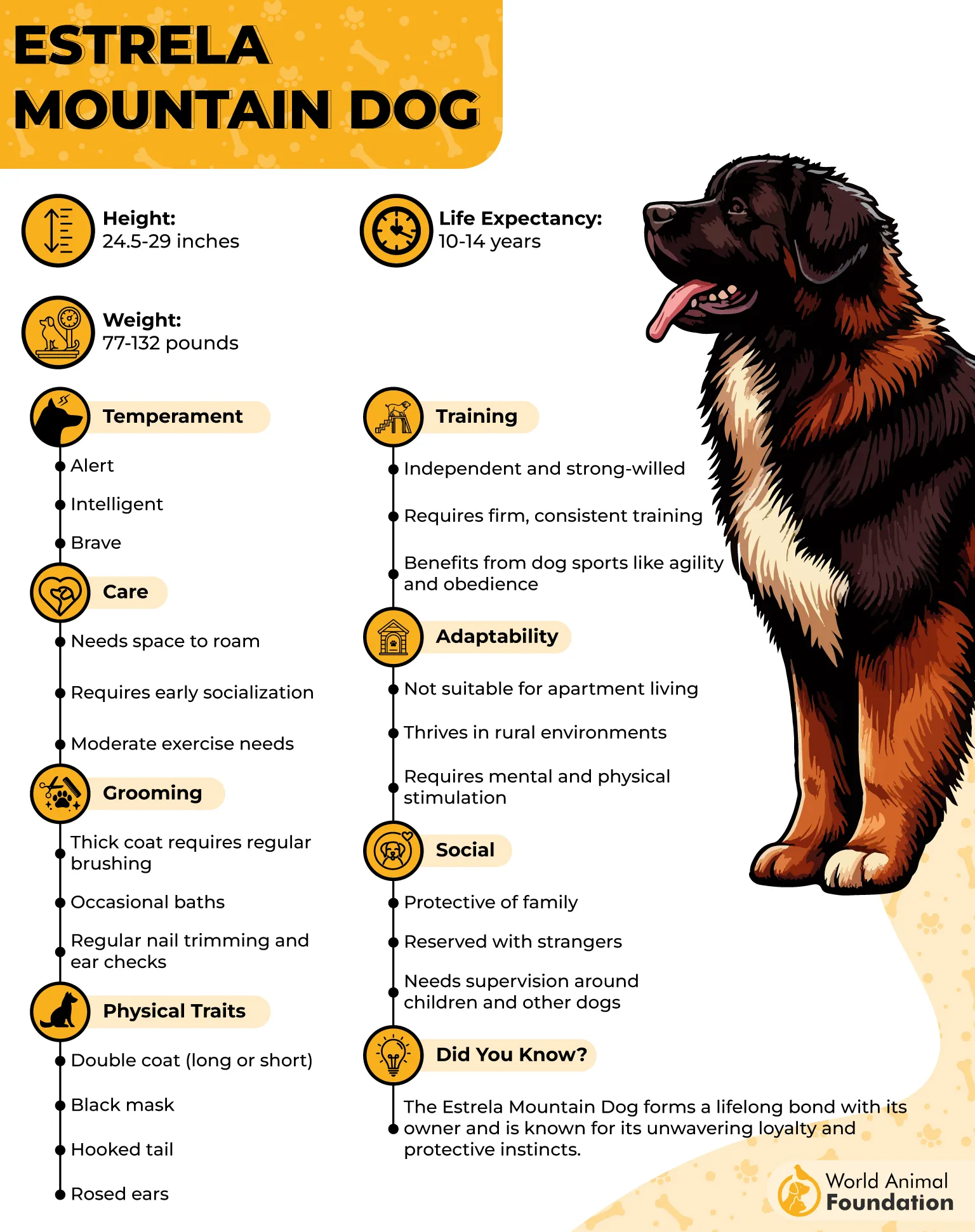
The Estrela Mountain Dog is a Portuguese guardian breed with a friendly nature. Big, strong, and built for rugged land. But when they are “off duty,” they can be loving, affectionate companions, even with kids.
PetMD notes that they are also known to be wary of strangers, which is part of their guarding history. In quiet homes that can look like calm watchfulness instead of nonstop noise, if they are trained and socialized well.
This dog breed does best with space and a secure yard, because they like room to move and check things out. They are not meant to be cooped up with no outlet.
Now, if you give them daily activity, they can be pretty chill inside. Many guardian breeds save their energy for “when it matters.” That’s a nice match for a calm household that values routine.
Fun fact: they often have a dark mask and “rose ears” that fold back in a neat way. Also, they come in long or short coat types. If you like the idea of a calm, steady dog that feels like a gentle bodyguard, the Estrela can fit.
Just remember: early social time is not optional. It is how you get “calm guardian,” not “worried bouncer at the door.”
Quiet-home notes
Loyal with family, often reserved with strangers
Needs early socialization to stay calm around visitors
Usually happiest with a secure yard and daily activity
4. Caucasian Shepherd Dog
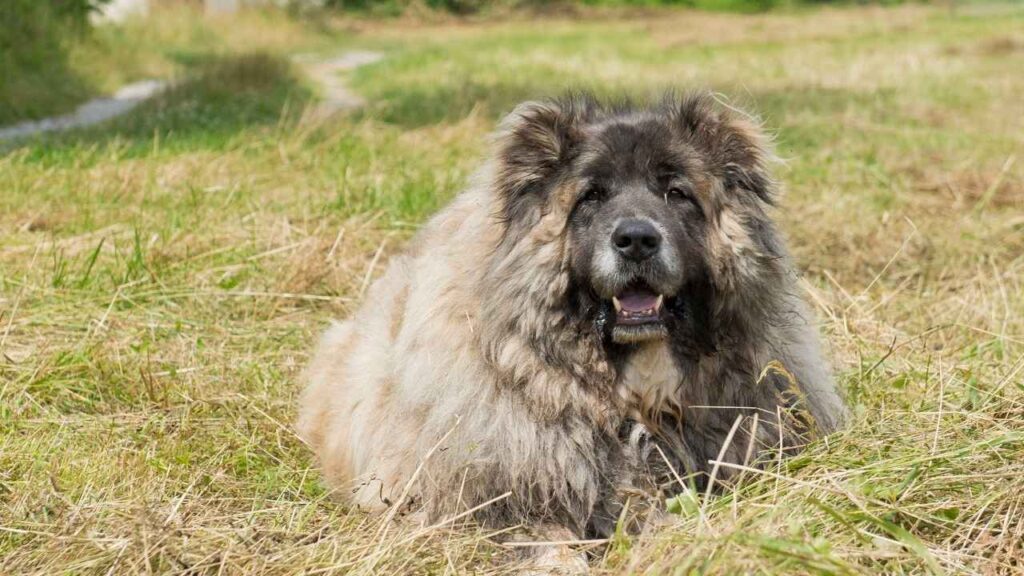
Okay, real talk. The Caucasian Shepherd Dog is not a casual choice. This is a serious guardian breed, huge and powerful, with strong instincts.
But why is it on a quiet-home list? Because many thrive in a calm, quiet environment with a homebody owner. They can struggle with frequent travel, lots of strangers, or constant changes. They want their place, their people, and their routine.
They are naturally suspicious of strangers, and that can be tough in busy homes with lots of guests. In a quiet home with controlled introductions, it can be easier.
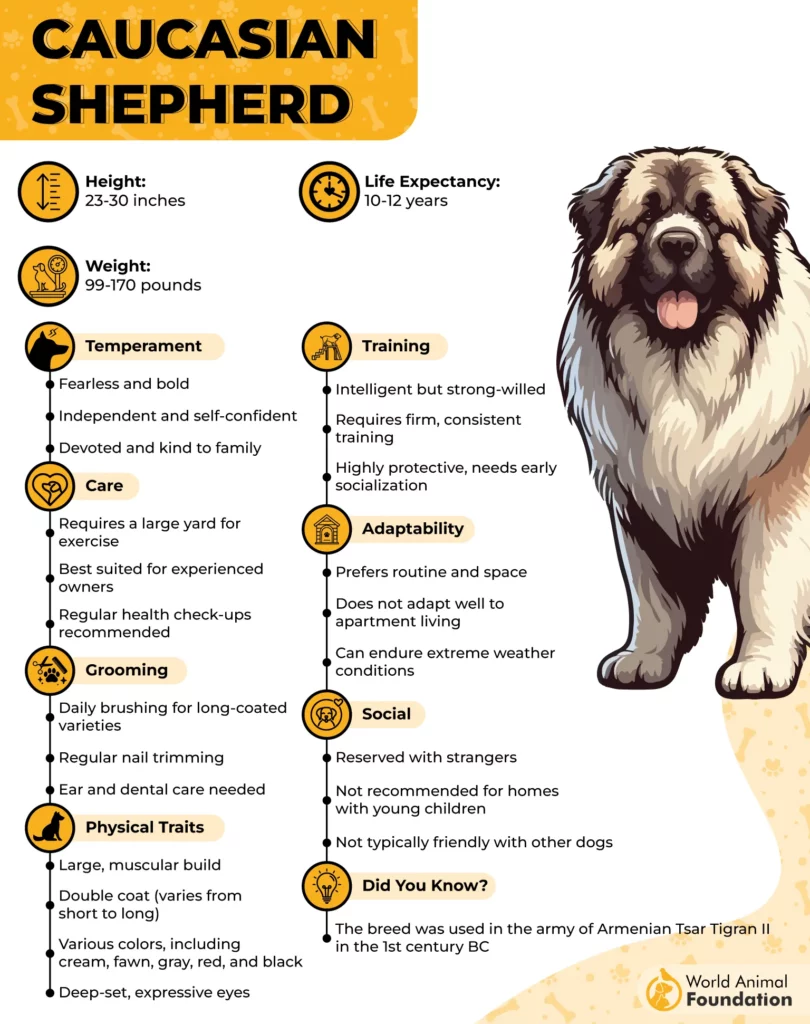
Still, this is a dog breed that needs confident, consistent training and careful social exposure from puppyhood. If you are not ready for that, please do not “wing it.” It’s not fair to you or the dog.
Here’s the good part. With the right person, they can be devoted and kind to their family. They can be calm at home, and they often prefer peace over commotion.
But wait, there’s more! Their size alone means your home setup matters. Strong fencing, solid handling, and clear rules are basic needs, not “nice extras.”
Quiet-home notes
Often prefers calm, stable homes with a consistent owner
Strong guarding instincts, needs early training and social work
Not ideal for frequent visitors or a busy, unpredictable schedule
5. Tornjak
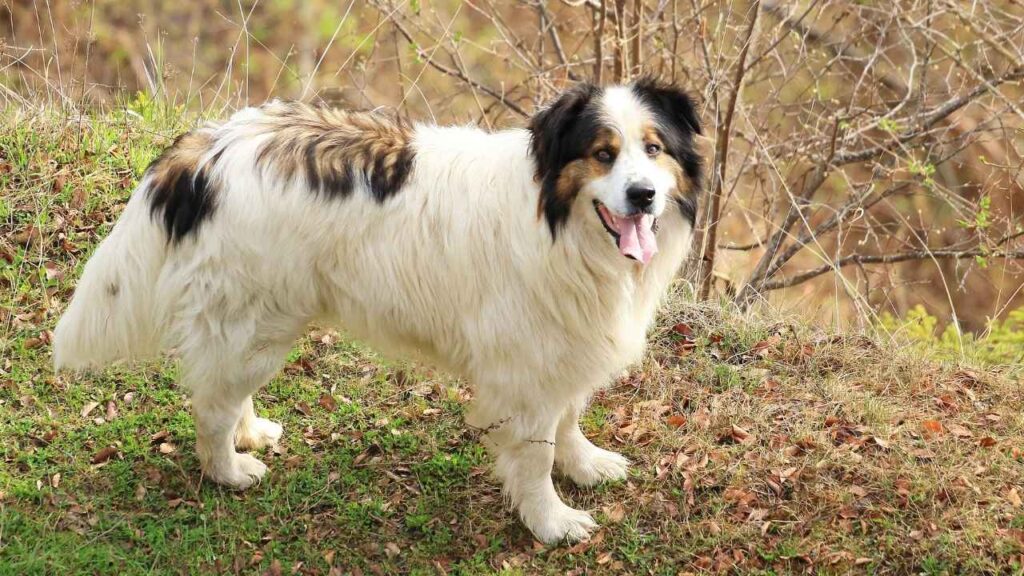
The Tornjak is a livestock guardian breed from Bosnia and Croatia, and it’s still pretty unknown in many places. In the best way, this dog can be quiet and laid-back at home. Exactly what a quiet-home person wants. They can be affectionate with family and steady when life is normal, as mentioned by Wikipedia.
But why bother with learning about a rare breed like this? Because Tornjaks can be calm without being fragile. They can handle the outdoors, then come inside and just exist peacefully near you.
They are built to watch, not to buzz around like a toy breed on espresso. If something feels wrong, they can switch into guard mode. That’s their job history. But in everyday life, many are not looking for trouble.
Did you know some descriptions point out how calm they can be around their trusted people? That “calm presence” is the whole magic for a quiet home.
Still, you need social time and training, so their protective side stays balanced. Otherwise, they can get territorial. A calm dog is great. A worried guard dog is not.
Quiet-home notes
Often quiet and relaxed at home, alert when needed
Protective history means socialization matters a lot
Best with clear boundaries and a steady daily routine
6. Spanish Mastiff
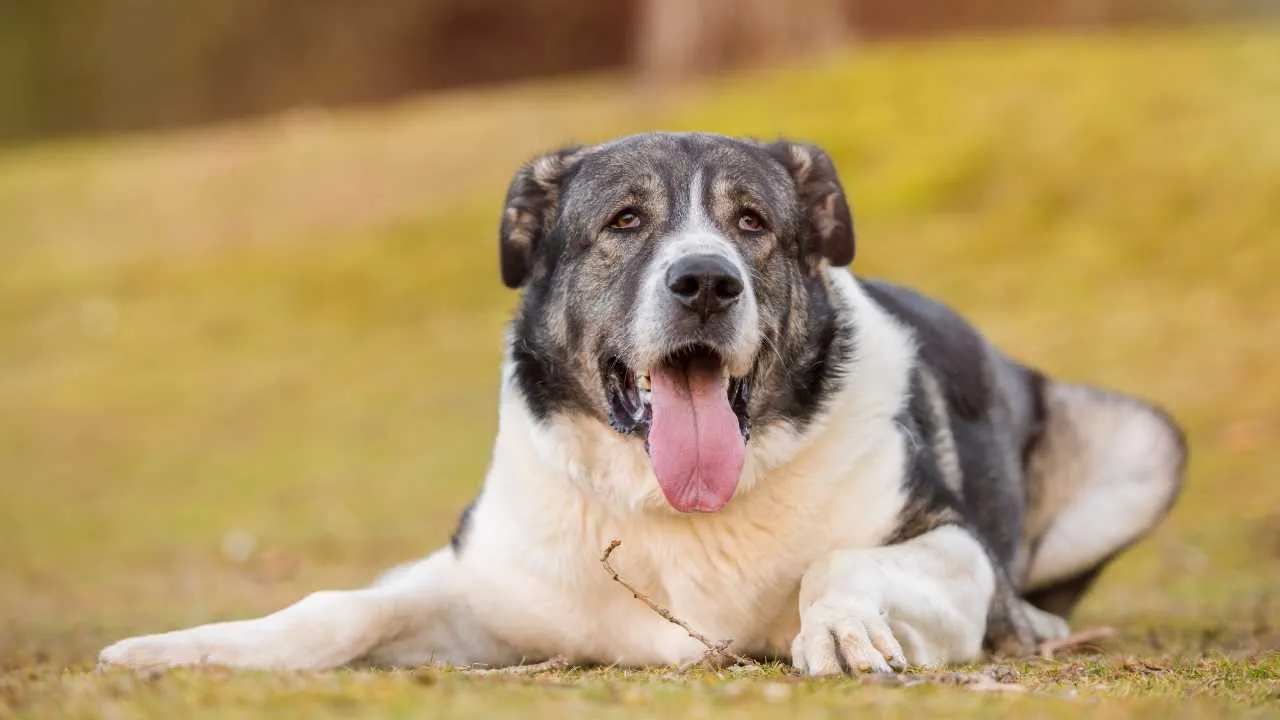
The Spanish Mastiff is basically the definition of “gentle giant,” with a protective streak. They were built to guard livestock, so they tend to be brave and serious, but also affectionate and kind with their people.
Many are calm when settled, which is perfect for a quiet household that wants a big, warm presence instead of a noisy whirlwind.
Now, here’s the catch. Calm does not mean pushover. This breed does best with a confident owner who understands guardian traits.
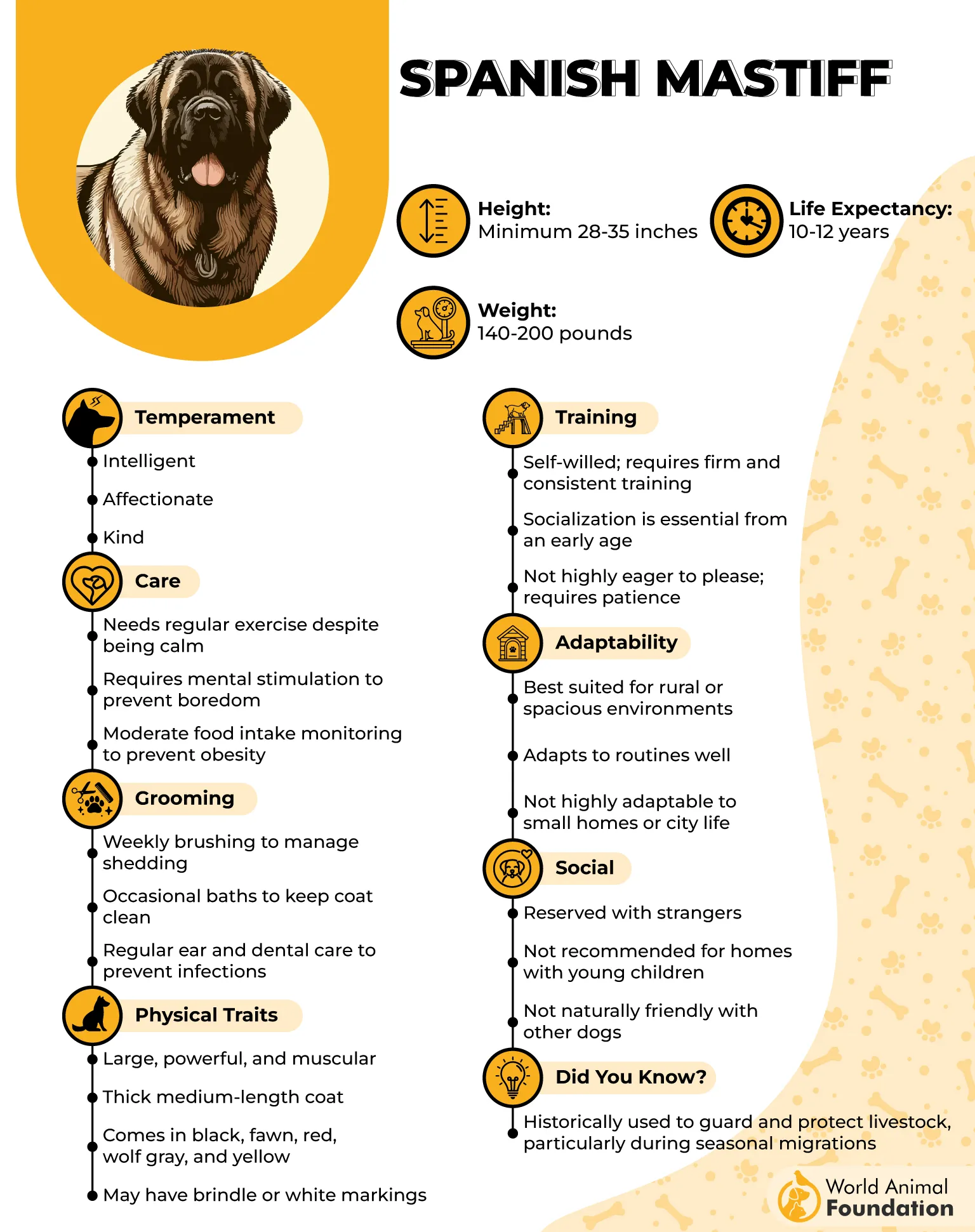
They can be protective around strangers or in new situations, so early training and slow, positive introductions are a must. If you do it right, you can get a dog that lounges like a fluffy boulder and only speaks up when it truly matters.
Fun fact: people often call them rare, which can make finding one harder. But wait, there’s more! Daily exercise still matters, even for a calm mastiff.
Think steady walks, not marathon running. Quiet homes are a great fit when the routine is simple and consistent.
Quiet-home notes
Calm, gentle vibe, but still protective and watchful
Needs steady leadership and early social work
Usually happier with relaxed daily walks and lots of downtime
7. Leonberger
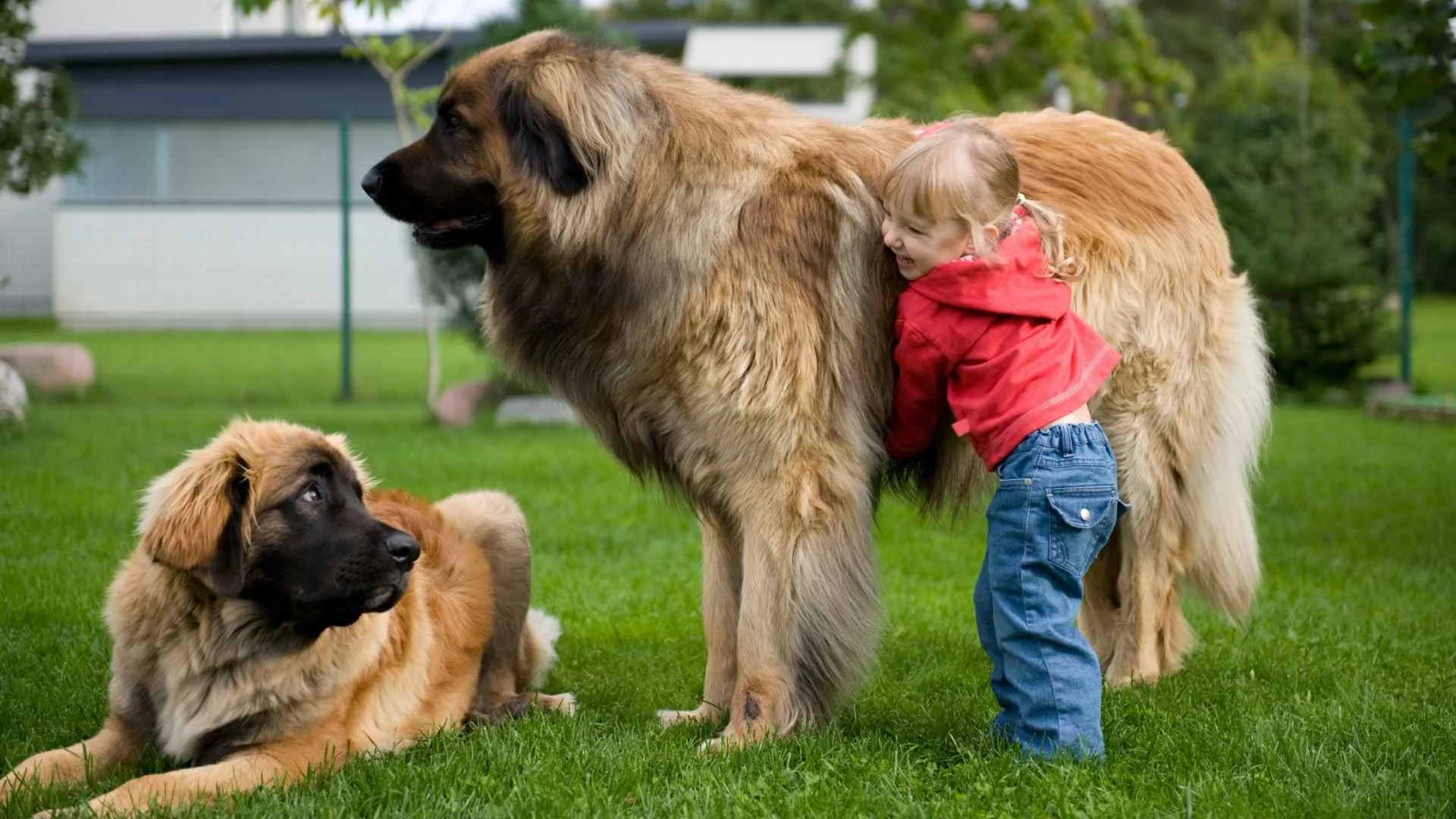
If you want a large dog that feels like a walking hug, the Leonberger is worth a look. They are often described as calm and quiet, but not lazy.
They like being with their people and do not love being left out in the yard like a forgotten lawn chair. That people-focused, easygoing nature can be a dream in a quiet home, because they settle near you and just… be.
They do need grooming and regular exercise, and they often do best with space. Some sources mention they are not ideal for city life and may prefer a home with a yard and strong fencing.
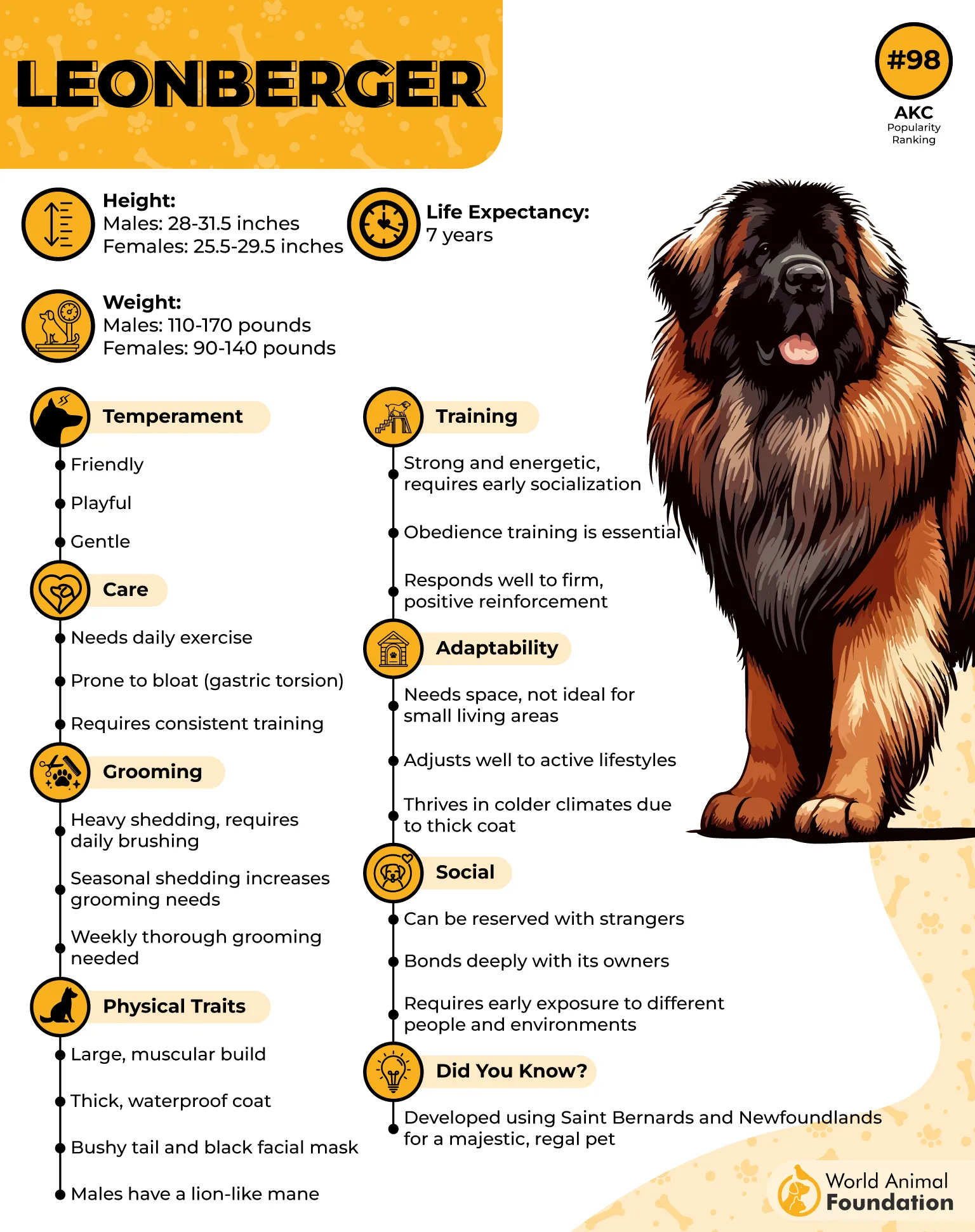
Still, their day-to-day temperament can be steady and friendly when their needs are met. If you want a perfect companion with a little playful spark outdoors, they can fit beautifully.
Did you know they can be smart and trainable, but sometimes a bit stubborn? I kind of respect that. It’s like the dog version of “I hear you, but I have thoughts.”
Keep training positive and consistent, and you can shape a big, gentle housemate who matches your home’s quiet rhythm.
Quiet-home notes
Often calm and quiet, strongly attached to family
Needs daily grooming and steady exercise
Usually best with space, routine, and lots of together time
Conclusion
Finding the right dog is less about size and more about the individual dog in front of you. Certain breeds surprise you with a calm demeanor, a good-natured vibe, and an affectionate nature that makes them a true, loving companion.
Even among many dog breeds, the best matches are the ones that feel like great companions in your real life, with your schedule, your home, and your comfort level around things like excessive barking, other pets, and alone time.
And here’s the best part. A peaceful home can work for couch potatoes with low energy and minimal exercise needs, as long as you still offer mental stimulation and indoor playtime.
Some dogs love slow walks and a little minimal exercise, while others need moderate exercise or even extensive exercise, plus chances to enjoy mental challenges with puzzle toys.
Yes, even famous examples like Basset Hounds with short legs remind us that the best dog breeds are the ones that fit your life, whether you live in small apartments or just want a quiet, low-maintenance companion who enjoys your company.
