




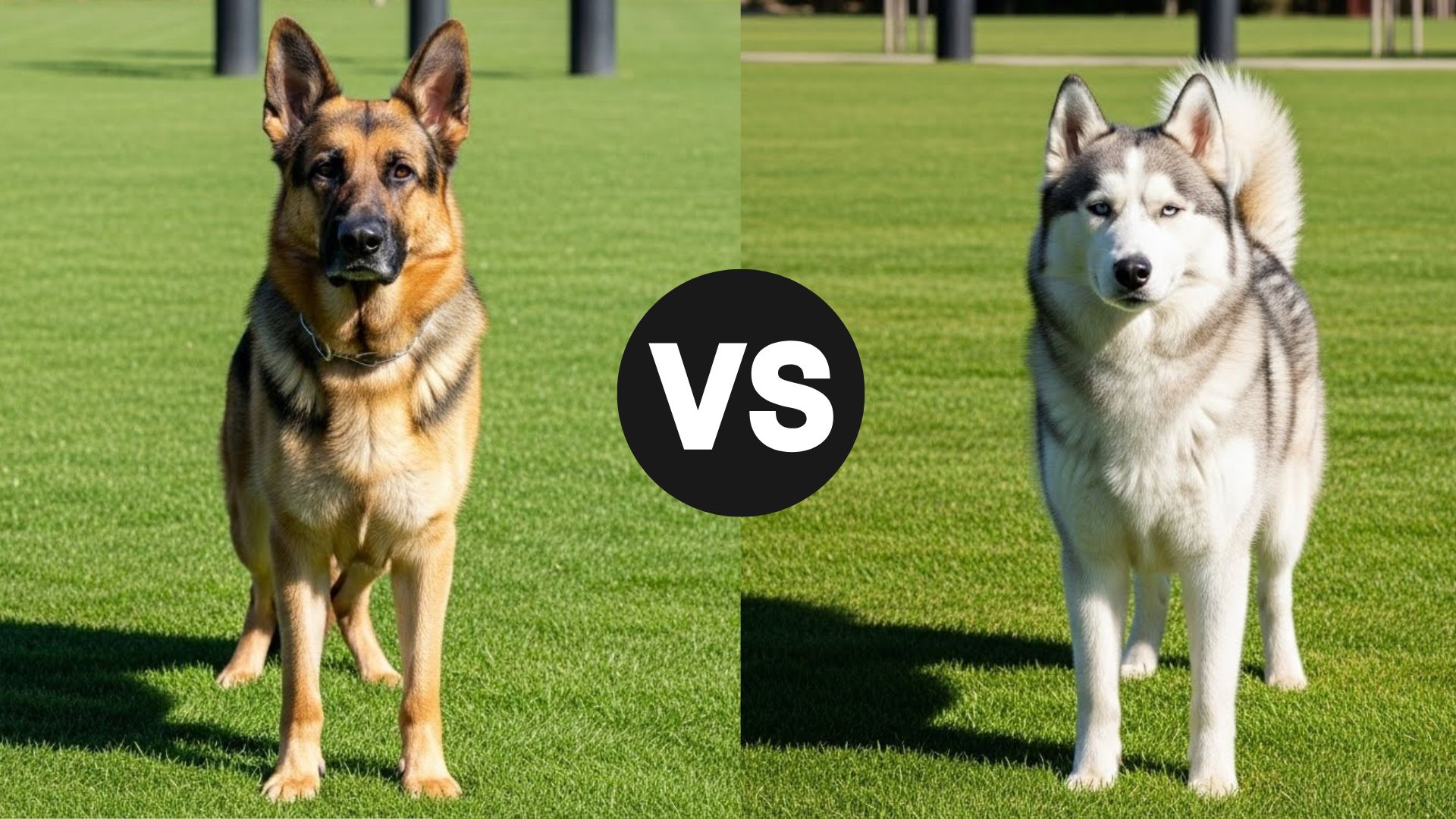
Choosing between a German Shepherd vs Husky often feels like choosing between two very different love stories. Both dogs are stunning, intelligent, and full of life, yet the way they connect with humans can feel worlds apart.
A German Shepherd is the kind of dog that watches you closely, learns your routines, and stands by your side like a silent promise of loyalty.
A Husky, on the other hand, steals hearts with playful chaos, dramatic “talking,” and an unstoppable urge to explore—true to its roots as one of the most famous sled dogs.
For families, couples, or even a first-time dog owner, this decision can bring excitement and a little fear. Will your home match their energy? Can you keep up with their needs?
This Shepherd vs Husky guide dives into personality traits, exercise demands, and family compatibility—helping you find the right breed that fits your lifestyle, not just your Instagram feed.
German Shepherd vs. Husky
Breed Overview
German Shepherds are large, intelligent, and incredibly loyal dogs, making them one of the most popular breeds for families and working roles alike. Agile, muscular, and confident, they thrive when given a purpose or regular physical activity, which keeps both their minds and bodies sharp.
According to PetMD, highly trainable and often seen serving in police work, military roles, search and rescue, and other demanding tasks. Their bravery, loyalty, and protective instincts make them devoted companions, yet they also bond deeply as gentle family pets, showing patience and care with children.
Siberian Huskies, on the other hand, bring a completely different kind of charm. Medium-sized and highly energetic, they were originally bred as sled dogs for endurance and long-distance travel in cold climates.
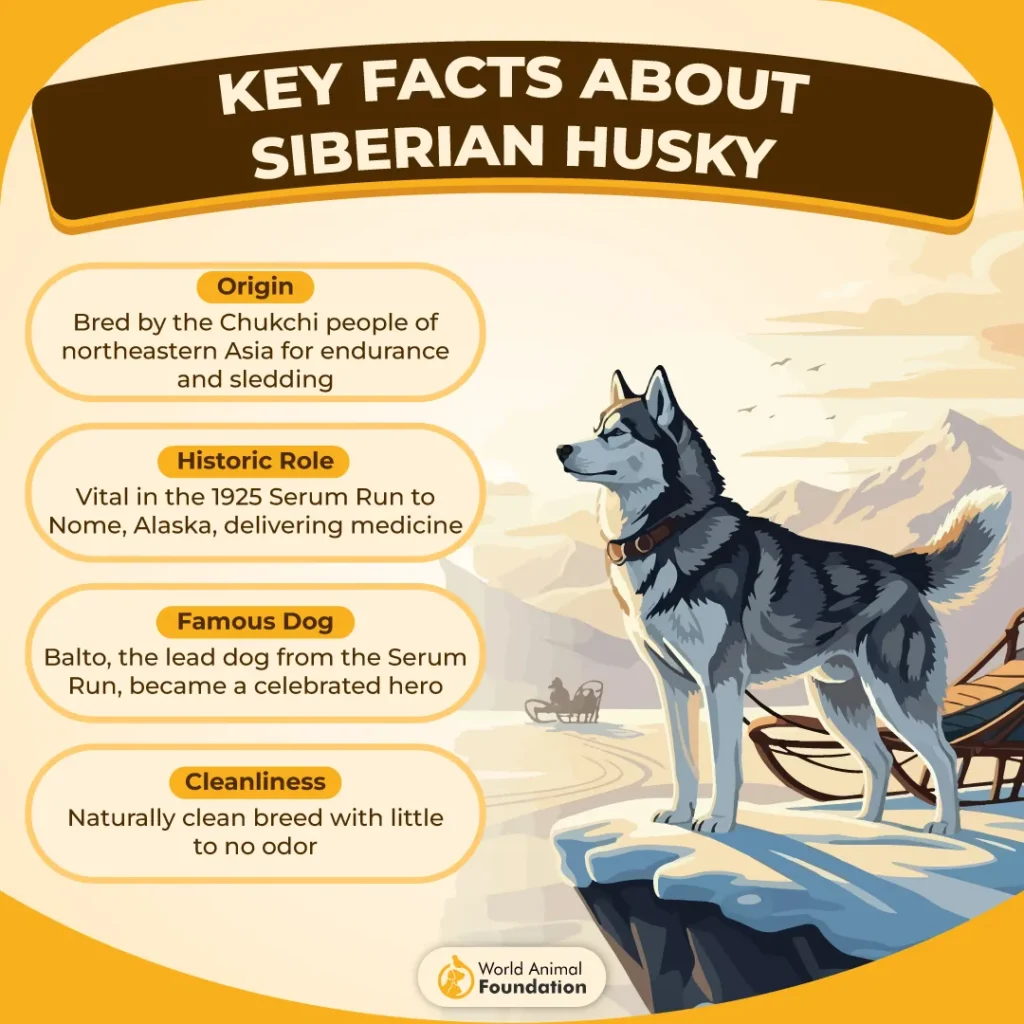
Known for their talkative, friendly, and playful personalities, Huskies thrive in active households with experienced owners. While not natural watchdogs, their affectionate, social, and adventurous nature makes them excellent companions for those ready to match their energy.
Physical Structure: Size, Strength & Build Comparison
The German Shepherd dog is a large, powerful dog with a balanced and athletic frame. Standing up to 26 inches at the shoulder, its body flows in smooth, graceful curves rather than sharp angles.
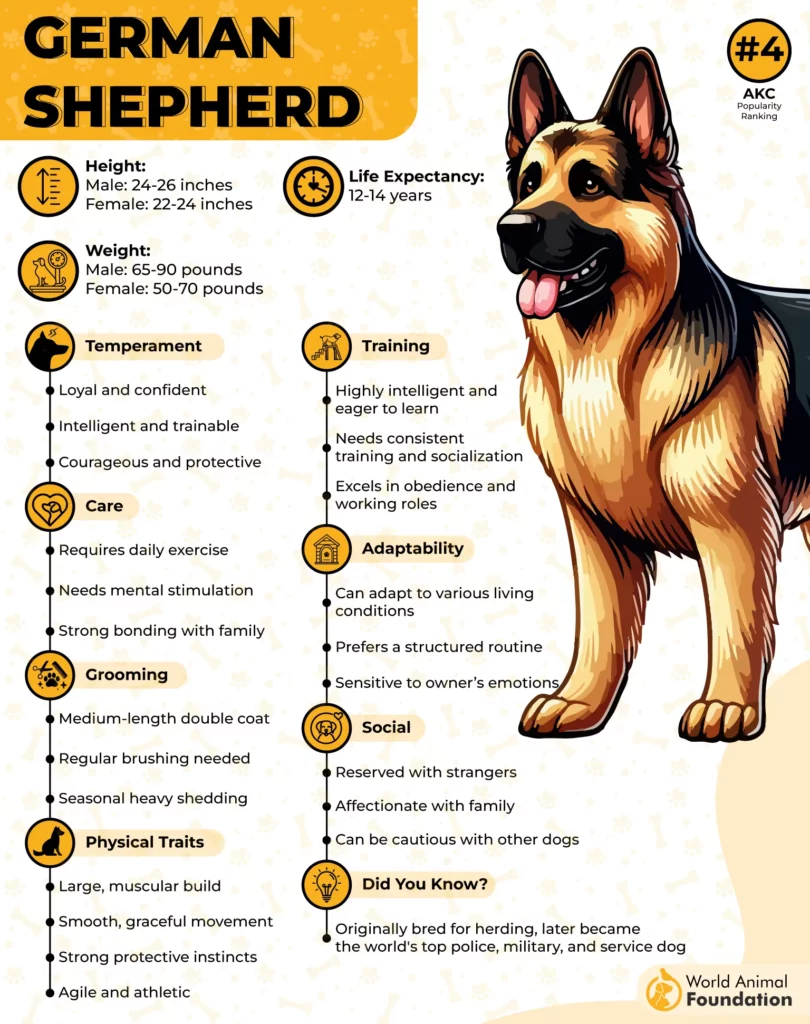
A strong chest, muscular limbs, and a free-and-easy trot give it both elegance and speed. The dense double coat, made up of a coarse outer layer and soft inner fur, adds to its commanding presence and strength.
The Siberian Husky is more compact and lighter in build, designed for endurance rather than raw power. Usually weighing under 60 pounds, it moves with an effortless, nimble gait that reflects its working history in cold climates.
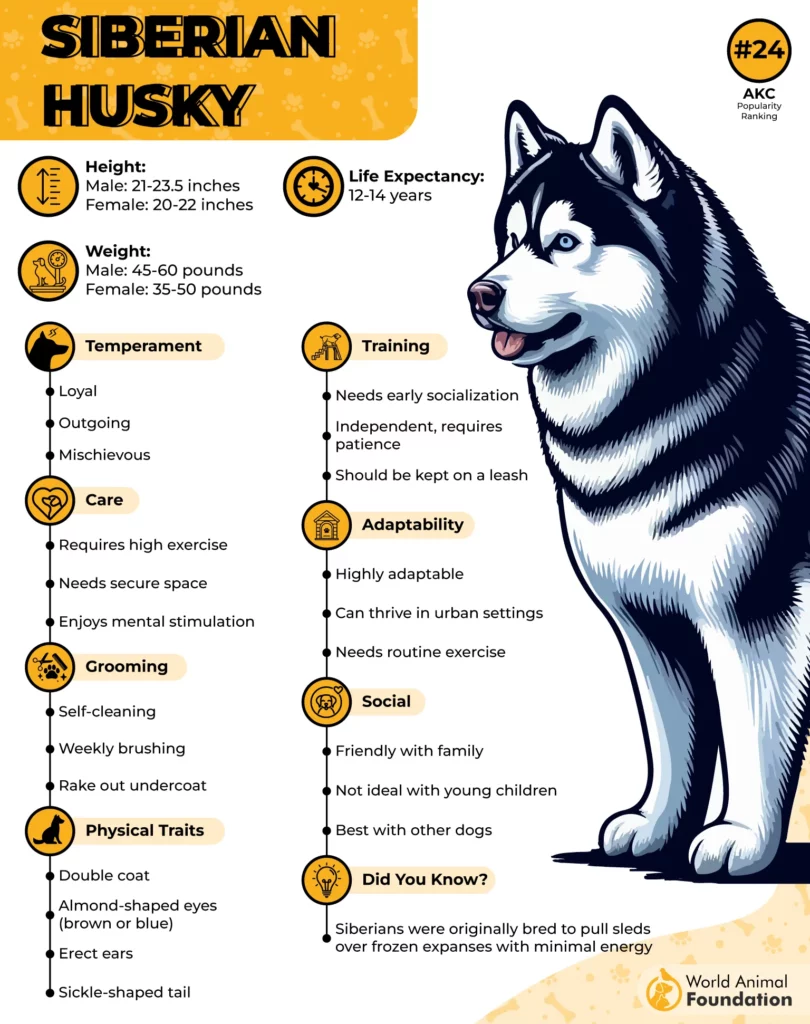
According to Britannica, erect ears, almond-shaped eyes, and a thick, soft coat give the Husky a striking yet athletic look. The Husky’s frame is lean, agile, and built for long-distance movement.
Temperament, Nature & Personality Traits
German Shepherds are known for their loyalty, intelligence, and protective instincts. While individual temperaments vary, their history as herders and guardians makes them naturally alert and devoted to family.
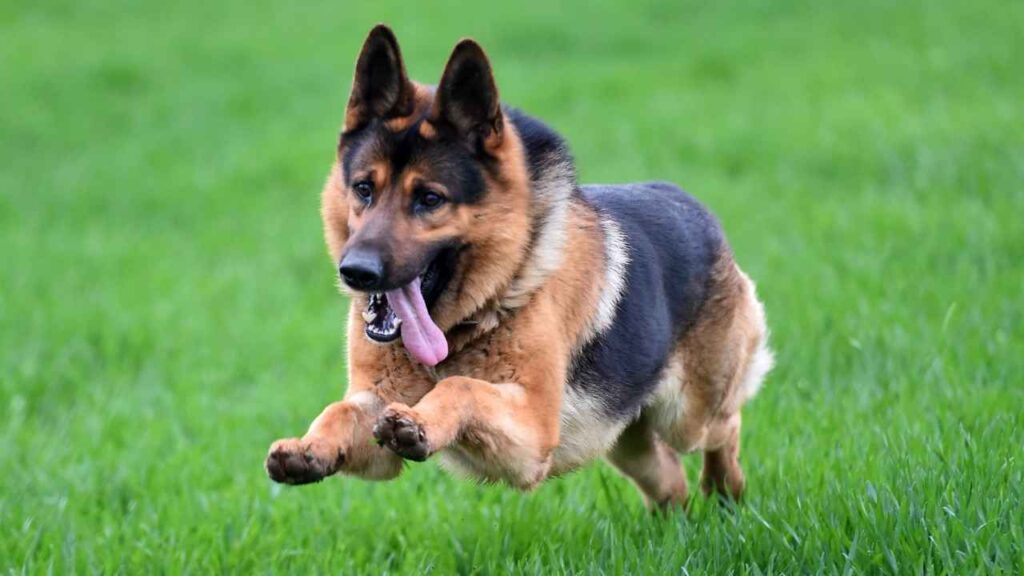
They are gentle with children and can bond deeply with family members, but may remain cautious around strangers. Proper socialization and consistent training are key to ensuring they are well-behaved and balanced.
Because of their high drive and curiosity, German Shepherds should always be kept on a leash or in a secure yard to prevent chasing smaller animals.
Siberian Huskies, in contrast, are energetic, playful, and outgoing dogs with a streak of independence. Their intelligence and strong-willed nature make early training essential to prevent mischievous behaviors such as chewing, digging, or escaping.
Friendly and social, Huskies usually get along well with kids and other pets. They thrive when given plenty of mental stimulation and physical activity, making them happiest in active households where they can run, play, and be part of family adventures.
Activity Demands: Exercise & Energy Levels
German Shepherds are highly active and athletic dogs that require plenty of physical and mental exercise to stay happy and healthy. Without sufficient activity, they can become frustrated and develop unwanted behaviors.
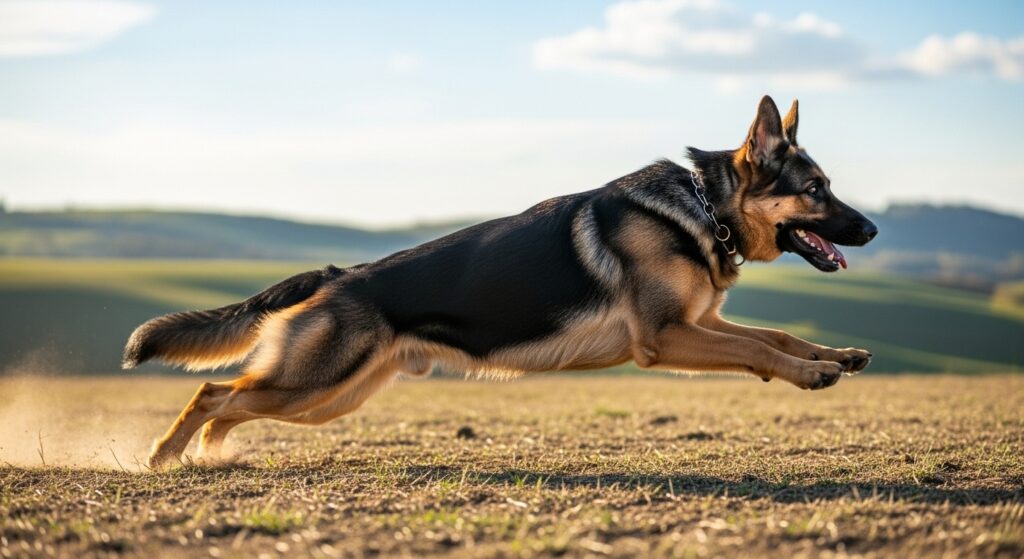
According to the AKC, daily long walks, play sessions in a securely fenced area, and puppy-friendly short activities help channel their high energy effectively. Beyond basic exercise, German Shepherds thrive in canine sports and activities such as agility, herding, tracking, and dock diving.
These activities provide mental stimulation while strengthening the bond between dog and owner. Even well-trained dogs should remain on leash or within a secure area, as their curiosity and drive can easily distract them.
Siberian Huskies share a love for activity and require regular exercise to remain content. As a working breed, they enjoy tasks that challenge their bodies and minds. Daily walks, runs, or dog sports like rally, agility, and obedience keep them engaged, while fenced yards or harnessed walks prevent escape attempts and ensure safety.
Intelligence, Trainability & Working Ability
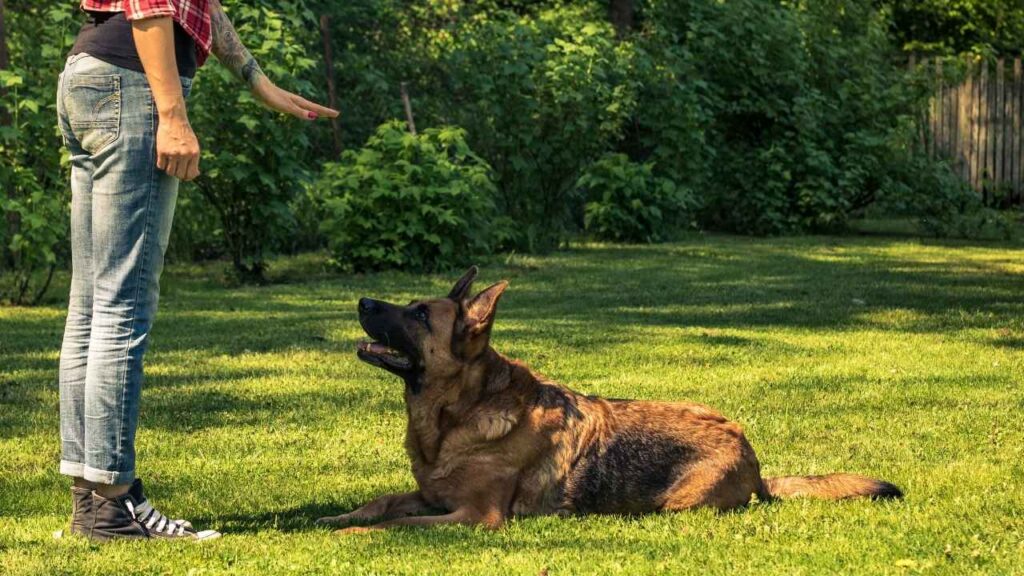
German Shepherds are highly intelligent and eager to learn, which makes early socialization and puppy training essential. When obedience training is continued consistently, they grow into adaptable and well-mannered adults.
This breed responds exceptionally well to positive, reward-based methods and quickly masters complex commands. Strongly bonded to their humans, they perform best when raised within the household and included in daily family activities. Their intelligence and focus explain their success in demanding working roles.
Siberian Huskies are also smart, but their independent nature can make training more challenging. Training should begin in puppyhood to address behaviors like running off, barking, and howling before they become habits.
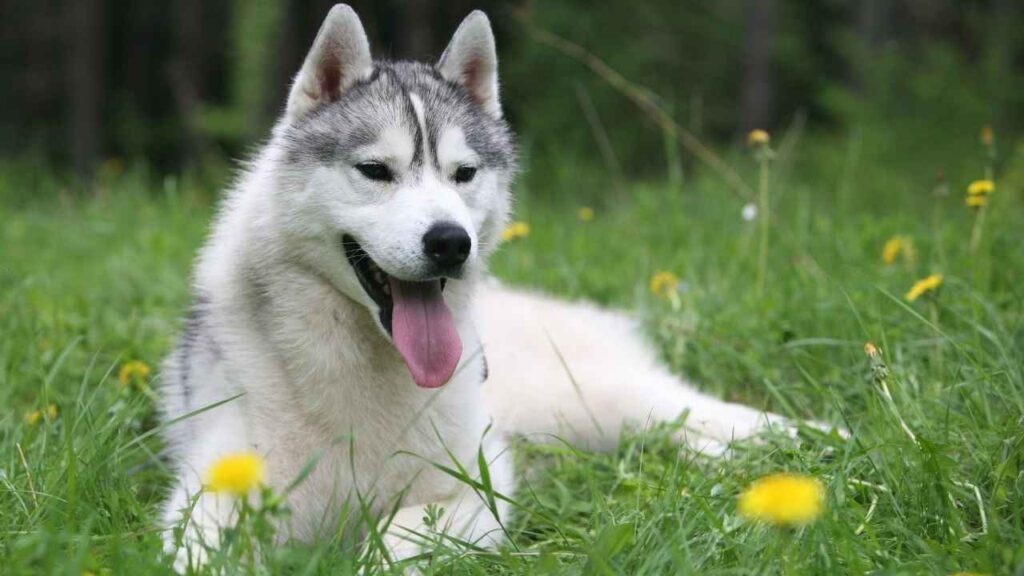
Leash training is especially important, as Huskies love to explore. Consistency, patience, and short, engaging sessions work best for them.
Using treats before mealtimes can boost motivation and encourage cooperation. While they may test boundaries, proper training helps unlock their working ability and turns their intelligence into a positive, rewarding experience.
Vocal Tendencies & Alertness Level
German Shepherds are naturally alert and attentive, which often shows through their vocal behavior. As per PDSA, bred for herding and guarding, they tend to bark when someone approaches the home or when there is unusual activity around them.
This alert barking makes them effective guard dogs, although the amount of noise can vary greatly from one dog to another. With proper training and mental stimulation, excessive barking can usually be managed.
Siberian Huskies are also vocal, but in a very different way. While they are not known as heavy barkers, they are famous for their expressive howling and “singing.” Their sounds often feel playful and dramatic rather than protective. This trait can be entertaining but challenging in apartments or homes with close neighbors.
Consistent training and guidance from an accredited behaviorist can help manage excessive noise in both breeds.
Coat Type, Shedding Patterns & Grooming Requirements
The German Shepherd has a medium-length double coat made up of a dense outer layer and a softer undercoat. While the coat is generally easy to maintain, regular brushing every few days helps manage loose fur.
Shedding increases once or twice a year, during which more frequent grooming is needed. Occasional baths are enough, but monthly nail trimming is important to avoid discomfort or structural issues.
Siberian Huskies are famous for their thick double coat, featuring a dense undercoat and longer guard hairs. This coat sheds heavily about twice a year, often leaving fur on floors, furniture, and clothing. Regular brushing with a rake-style tool helps control shedding and keeps the coat healthy.
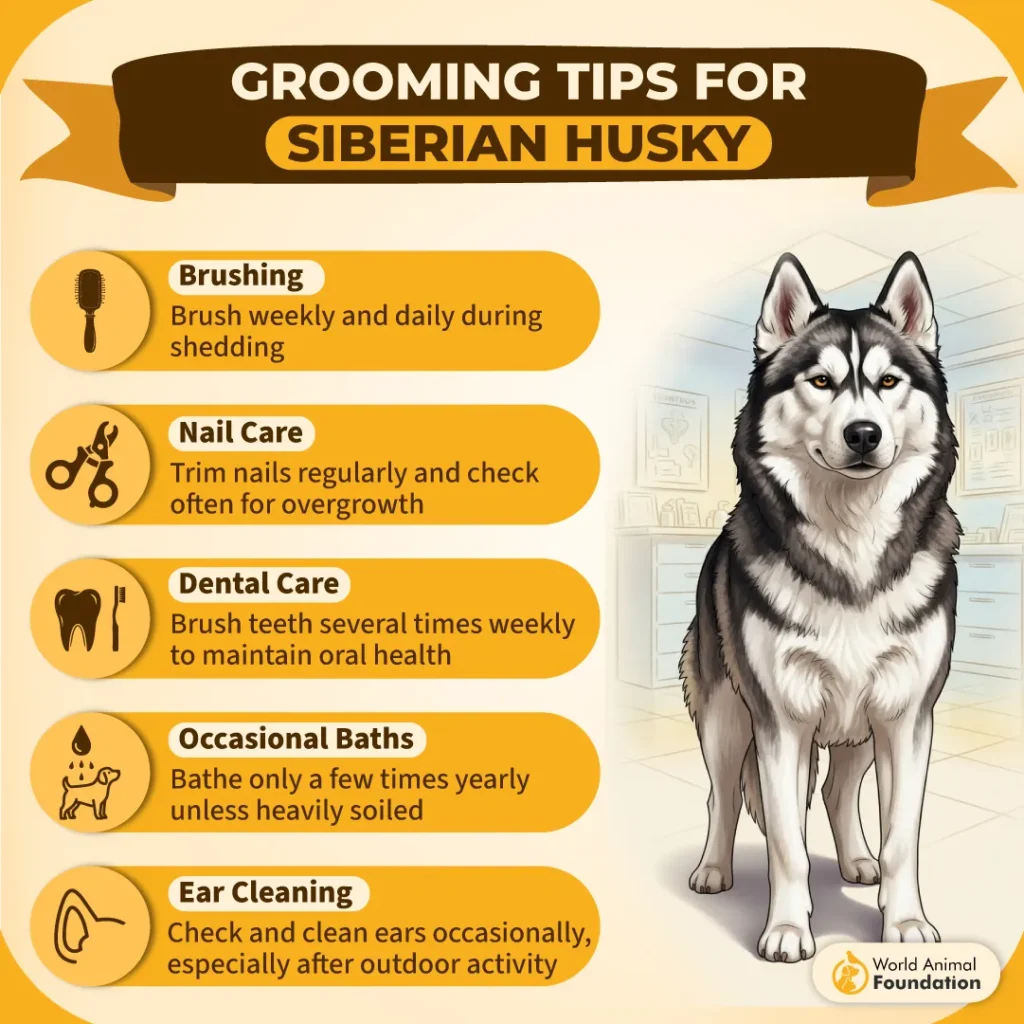
Huskies are naturally clean dogs with little odor, so bathing is needed only occasionally. Consistent grooming keeps both breeds comfortable, healthy, and looking their best year-round.
Health Concerns, Genetic Issues & Average Lifespan
German Shepherds are generally strong and resilient dogs, but like many large dogs, they are prone to certain genetic health issues.
Hip dysplasia and elbow dysplasia are among the most common concerns and can affect mobility over time. Some may also develop digestive sensitivities or degenerative conditions as they age.

With proper care, regular vet checkups, and a healthy diet, the German Shepherd’s life expectancy typically ranges between 9 and 13 years. Early screening and responsible breeding play a major role in long-term health.
Siberian Huskies are known for being a relatively healthy breed with good endurance. However, they can be prone to eye problems such as progressive retinal atrophy and corneal dystrophy. Skin issues may also appear in some dogs. Their average lifespan is slightly longer, usually around 12 to 15 years.
Routine veterinary care, balanced nutrition, and pet insurance can help manage unexpected health concerns and support a long, active life.
Suitability Comparison: Home Security, Guarding & Family Environment
When it comes to home security, the German Shepherd naturally stands out. With strong protective instincts and high alertness, this breed is quick to notice strangers and unusual activity.
Loyal and confident, it forms deep bonds with its family and is often gentle with children when properly trained. This makes it a strong choice for families looking for both companionship and protection.
Siberian Huskies approach family life very differently. Friendly, social, and welcoming, they are not suited for guarding or protection roles.
They tend to greet strangers with curiosity rather than suspicion. However, their playful nature and affection make them good family dogs, especially in active households. For homes focused on security and guarding, the German Shepherd is usually the better choice.
For families seeking an energetic, social companion who thrives on togetherness rather than protection, the Husky fits best. The right decision depends on your household needs and lifestyle.
Conclusion
Choosing between these two breeds ultimately comes down to lifestyle, expectations, and long-term commitment. Both are intelligent, beautiful, and full of personality, but they give love in very different ways.
One thrives on structure, responsibility, and close partnership with humans, while the other lives for freedom, movement, and shared adventure.
If your home values loyalty, protection, and a dog that is eager to learn and work, the German Shepherd often feels like a natural fit. It suits families who want a devoted companion with strong guarding instincts and a desire to please.
On the other hand, if your household is active, playful, and ready for a high-energy companion that loves to run, talk, and explore, the Husky can be a joyful addition.
Neither choice is about which breed is better overall. It is about which one fits your time, energy, and heart. When matched correctly, both can become unforgettable family companions.
