




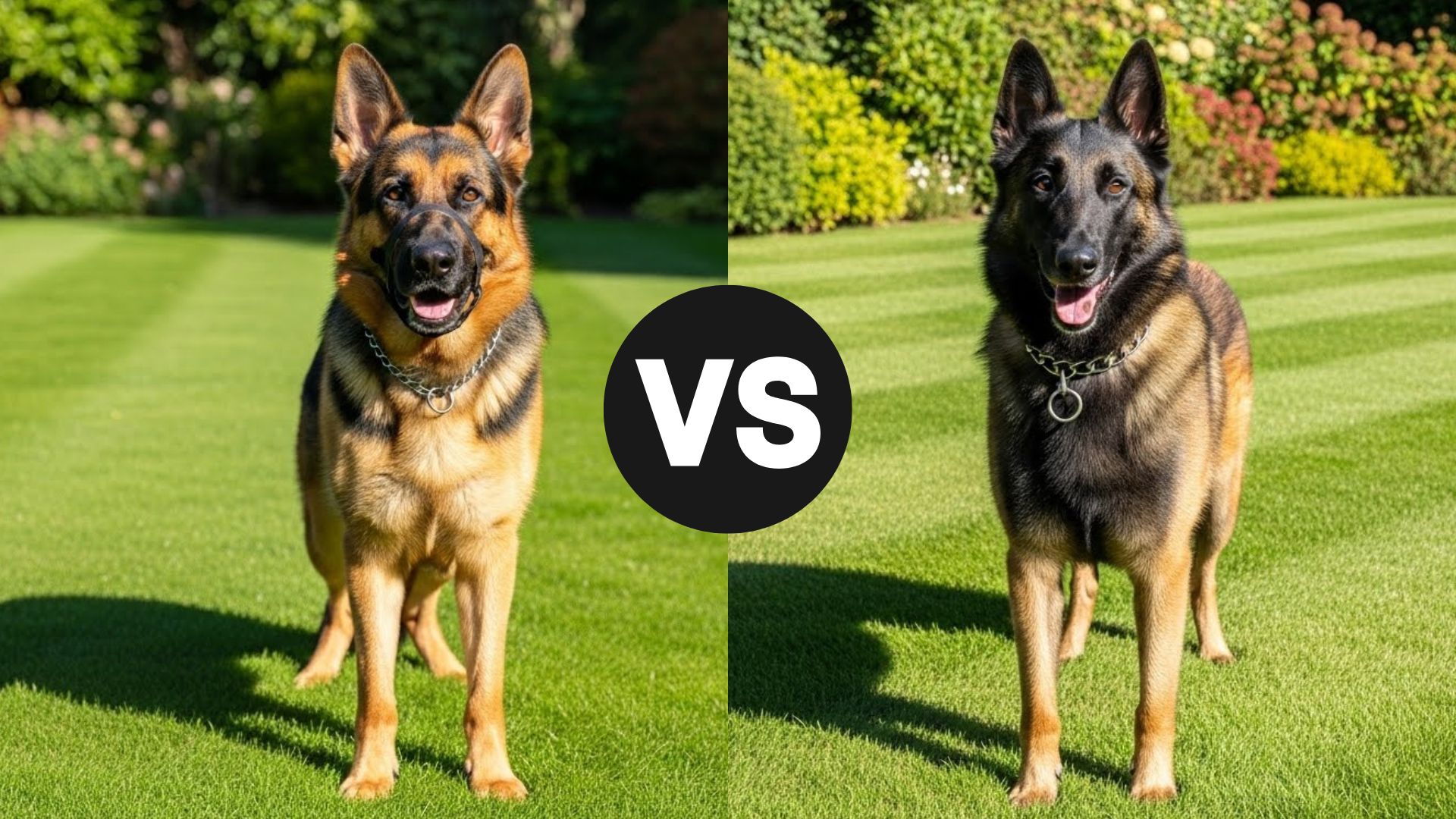
When choosing a working, loyal, and intelligent companion, two breeds often come up in comparison: the German Shepherd and the Belgian Shepherd. Both are renowned for their courage, agility, and versatility, excelling in roles from police work to family guardianship.
But while they share many traits, subtle differences in temperament, energy, trainability, and coat type can make one breed a better fit depending on lifestyle. German Shepherds are famous for their calm confidence, loyalty, and protective instincts, while Belgian Shepherds, including the Malinois, are highly energetic, driven, and often favored for specialized work.
Choosing between these two breeds requires understanding your lifestyle, training commitment, and the type of companionship you desire.
Today, we’ll compare their history, characteristics, and suitability, helping you decide which shepherd breed aligns best with your family, work, or personal preferences.
German Shepherd vs. Belgian Shepherd: Meet the Breeds
When it comes to top-tier doggy royalty, few breeds can compete with the German Shepherd and the Belgian Shepherd. Think of them as the James Bond and Jason Bourne of the canine world—loyal, intelligent, and always ready for action.
The German Shepherd:
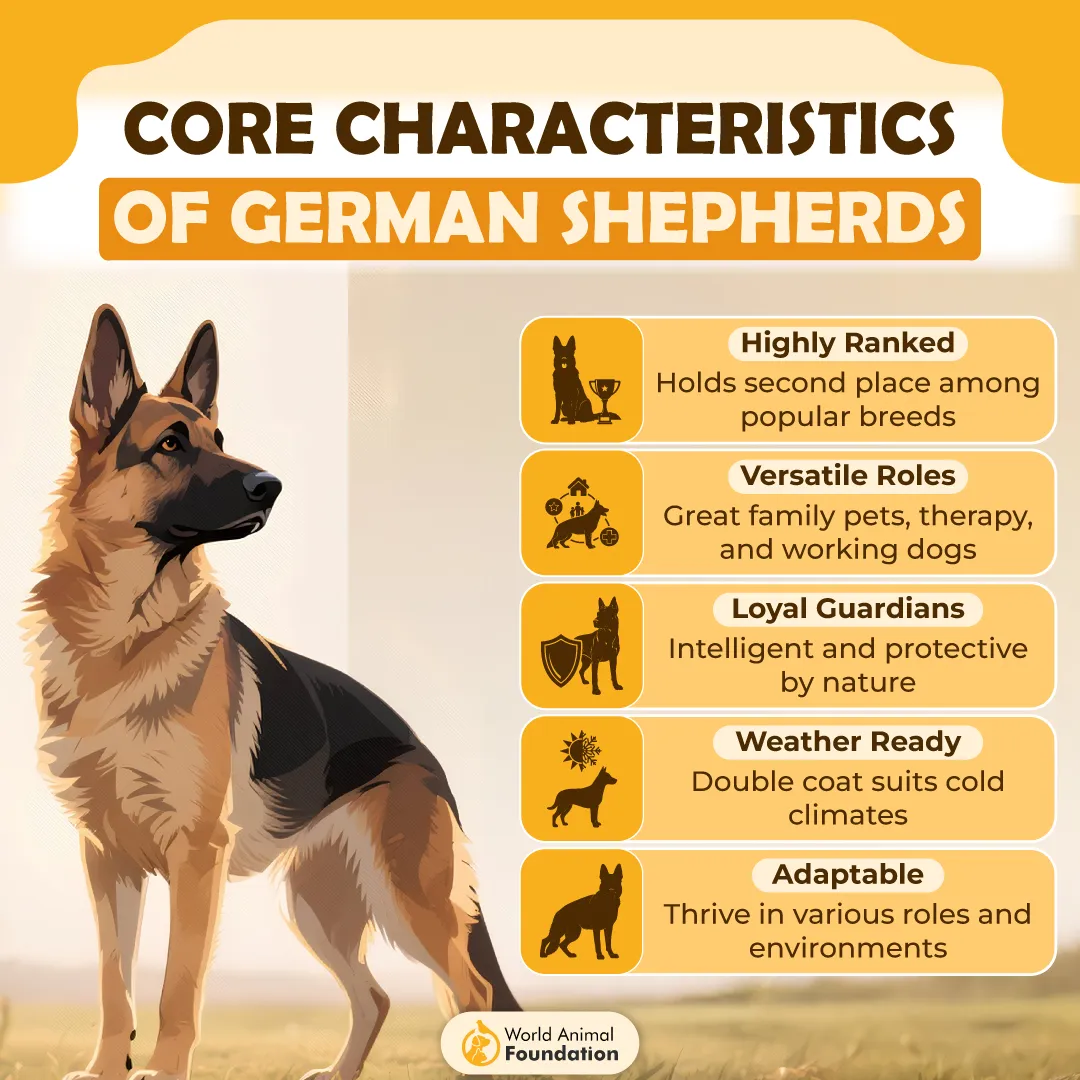
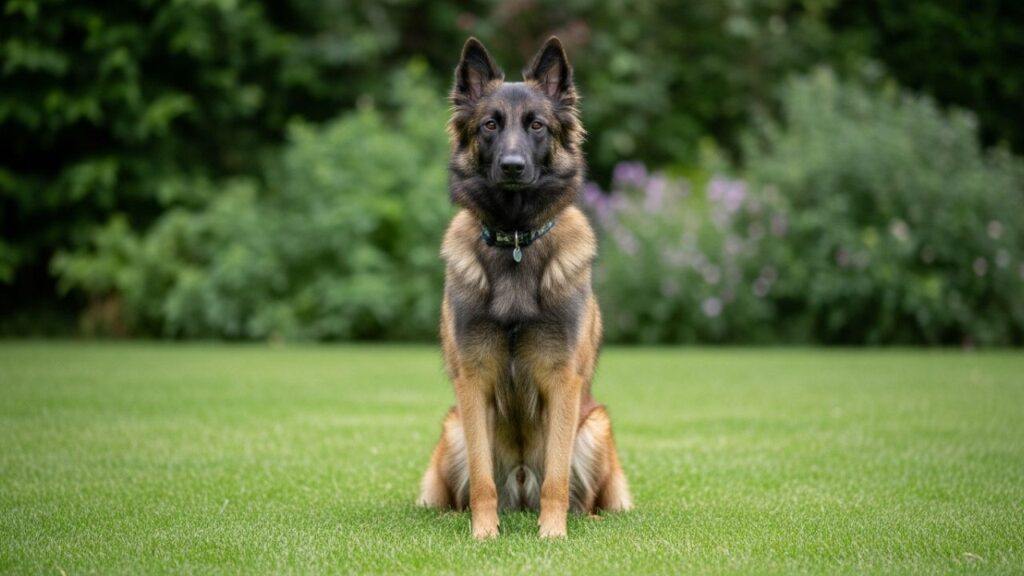
The quintessential all-rounder. AKC states that German Shepherd dogs are like that reliable friend who’s good at everything—sports, school, and yes, even saving the day. With their classic tan-and-black coats, commanding presence, and brains to match their brawn, they’ve earned roles in police work, search and rescue, and even Hollywood.
The Belgian Shepherd:
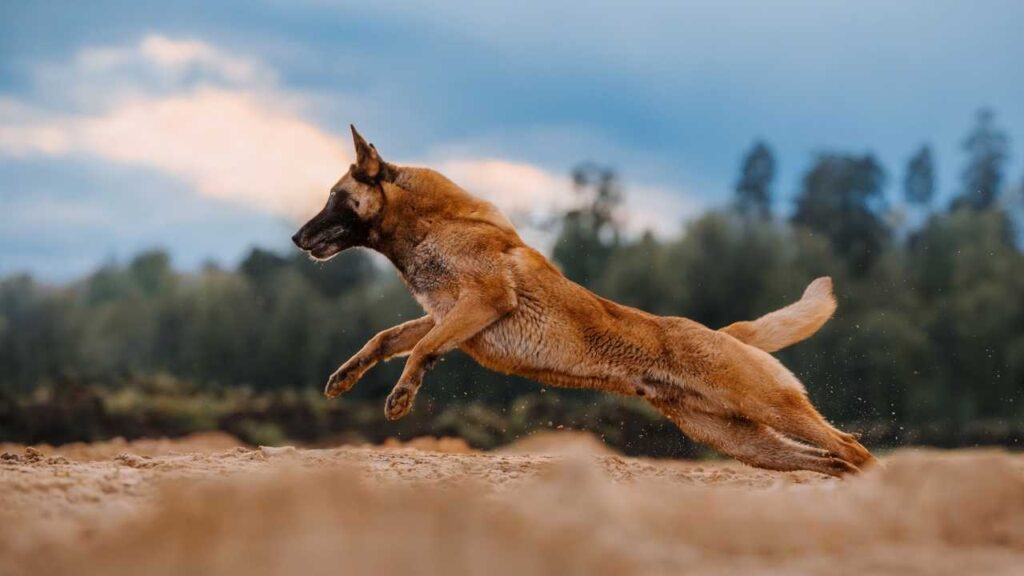
Meet the Belgian Malinois, the more “artsy cousin” of the Shepherd world. With sleek coats and an athletic frame that seems sculpted for agility competitions, these dogs are speed demons with a flair for style. Belgian Shepherd dogs are smart, alert, and highly energetic—basically, a personal trainer, life coach, and guard dog rolled into one.
Choosing between them is less about right or wrong and more about which four-legged hero fits best into your life story. So, grab a cup of coffee (or a dog treat) and let’s dive into the ultimate Shepherd showdown—because who doesn’t love a little friendly canine rivalry?
History & Origin
Before these dogs became the superheroes of modern households, they had very different lives—and let’s just say, they were working dogs before “working from home” was even a thing.
German Shepherd:
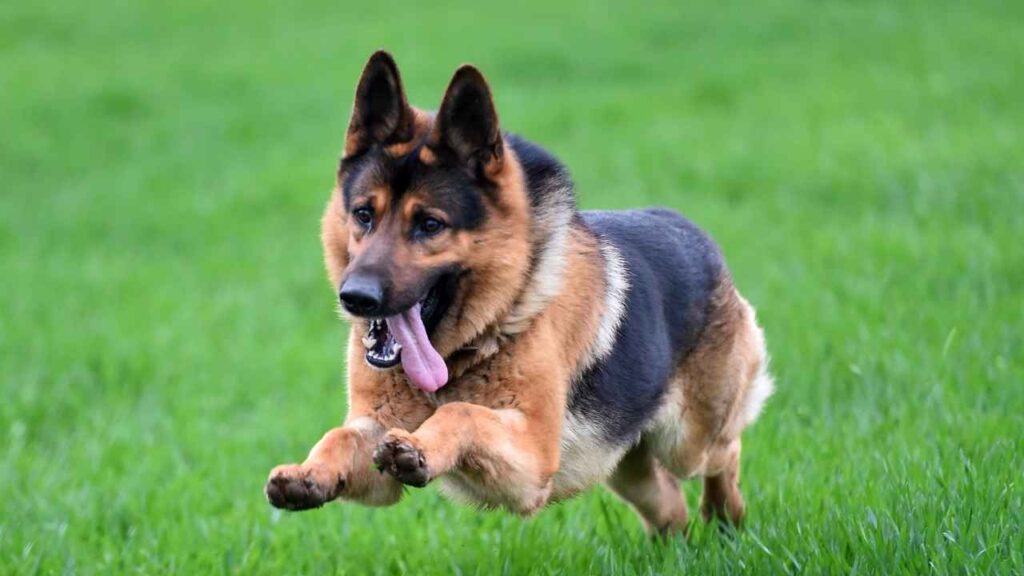
The German Shepherd made its debut in the late 19th century in Germany, thanks to Captain Max von Stephanitz, a man with a dream: to create the perfect working dog. His vision? A dog that was smart, strong, loyal, and versatile enough to herd sheep by day and save lives by night. And voilà—the German Shepherd was born.
Belgian Shepherd:
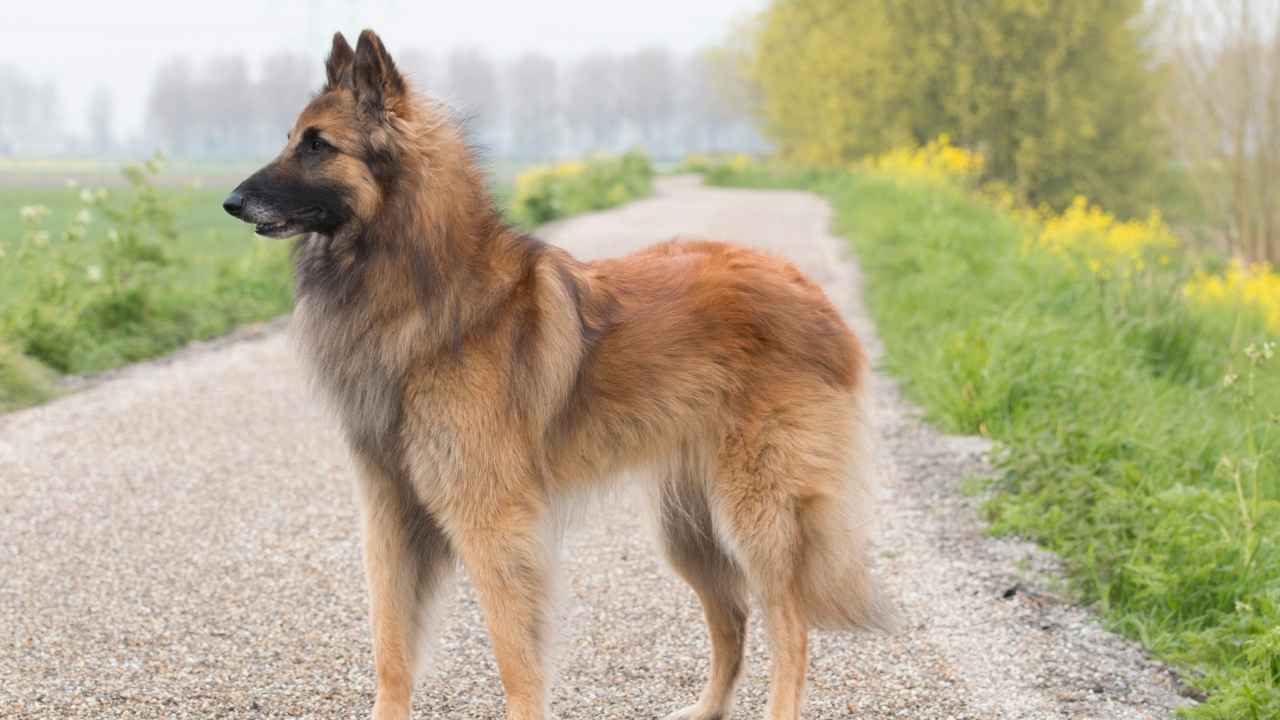
Across the border in Belgium, four distinct varieties of Belgian Shepherds were emerging. PetMD notes that these dogs were primarily herders, prized for their intelligence, agility, and work ethic. They were the dogs you’d trust to manage a flock of sheep—and, if necessary, protect the farm from any unwelcome visitors, be they foxes or rogue geese.
Both breeds share common roots as herding dogs, but their evolution tells a story of slightly different paths: one perfected for all-around work and heroism (the German), the other sculpted for agility, speed, and precision (the Belgian).
Size, Build & Appearance
If dogs had a runway show, both the German Shepherd and Belgian Shepherd would strut down it like supermodels—but each in their own style. Let’s break it down:
German Shepherd:
These dogs are the “classic action hero” type. Strong, muscular, and well-proportioned, they exude confidence just by standing still.
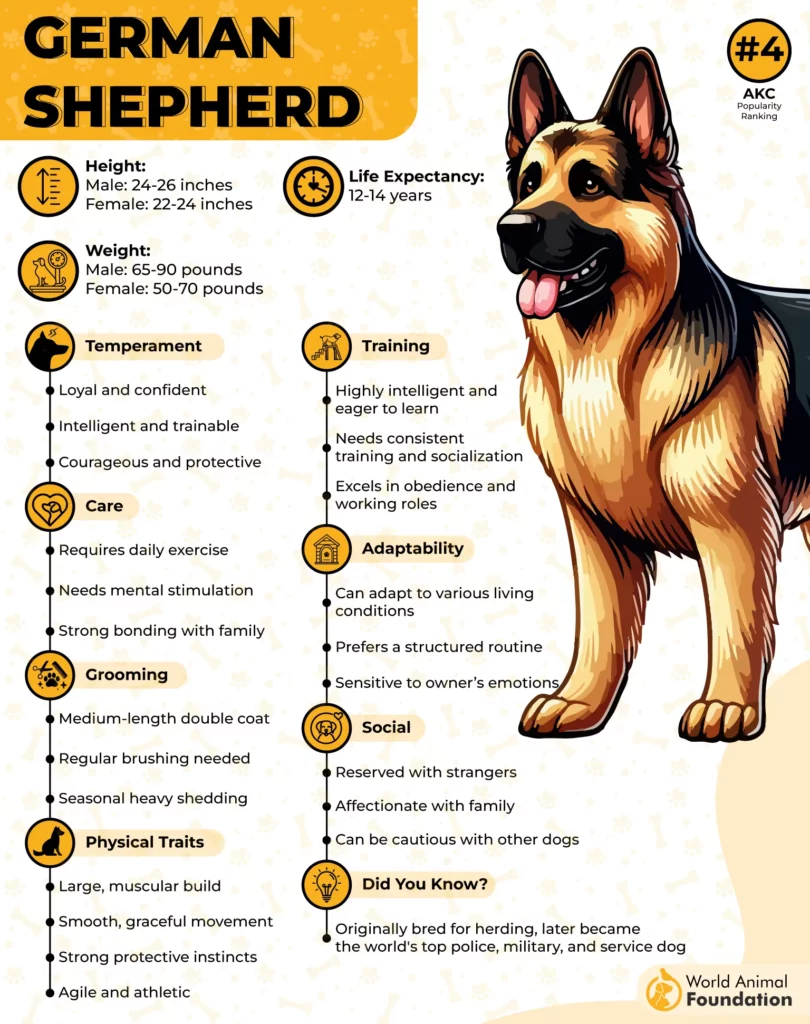
Male weight: 65–90 pounds
Female weight: 50–70 pounds
Belgian Shepherd:
Sleek, athletic, and slightly more “supermodel chic,” Belgian Shepherds are lighter and more agile than their German cousins.
Weight: 40–75 pounds
Appearance-wise, both breeds command attention, but one is more about strength and presence, while the other is about grace and energy. Either way, you’ll turn heads on your daily walk.
Coat, Colors & Grooming
Let’s be real—these dogs are gorgeous, but beauty comes with a little maintenance. Luckily, both the German Shepherd and Belgian Shepherd wear their coats like crowns, each with its own style and personality.
German Shepherd:
The classic German Shepherd coat is medium-length, dense, and double-layered, built to handle cold weather, muddy adventures, and the occasional dramatic squirrel chase. Their colors are iconic:
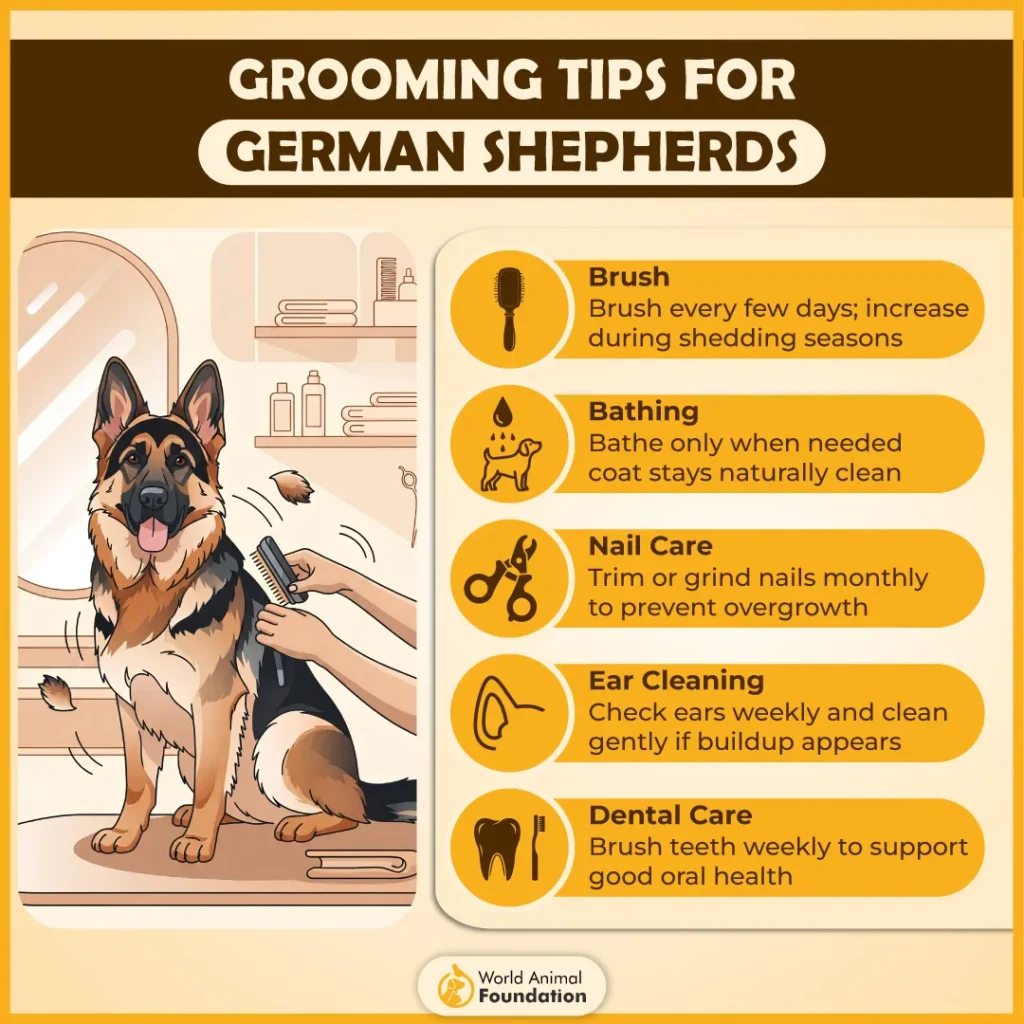
The classic black-and-tan
Sable,
All-black versions.
Bi-color (mostly black with some tan or cream markings)
White (less common, considered controversial in some breed standards)
Black and silver (rare, striking variation)
Belgian Shepherd:
Here’s where things get stylishly diverse. The Belgian Shepherd comes in four varieties:
Malinois: Short, fawn coat with a black mask
Tervuren: Long, fawn coat with black overlay
Groenendael: Long, solid black coat
Laekenois: Rough, wiry coat
Either way, these dogs will make you look good just by association—but don’t forget the brush and lint roller!
Temperament & Personality
When it comes to brains, loyalty, and attitude, German Shepherds and Belgian Shepherds are both top-tier—but each has its own flavor of awesome.
German Shepherd:
Loyal and courageous
Confident but slightly calmer
Excellent with families and work situations
Thrives on structured activity
Belgian Shepherd:
Intelligent and sensitive
High-energy and agile
Excels in challenges and dog sports
Needs lots of mental and physical stimulation
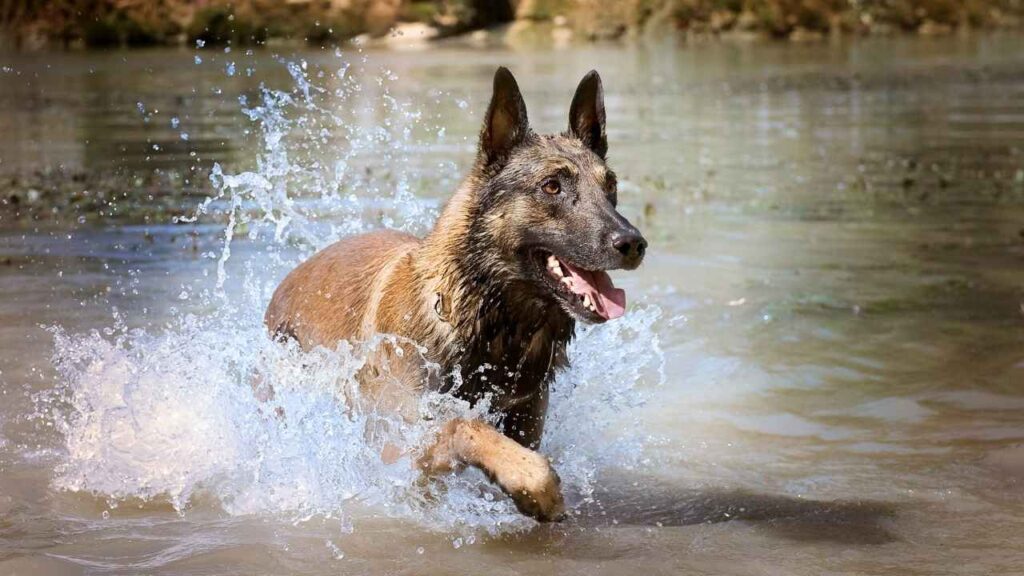
Basically, the German Shepherd is your dependable partner in life, while the Belgian Shepherd is your high-energy, brainy adventure buddy. Both will love you fiercely—but one might demand more mental gymnastics than the other!
Energy Levels & Exercise Needs
If you’re thinking about bringing a German Shepherd or Belgian Shepherd into your life, you’d better be ready to move—because both of these breeds come with plenty of energy, just in different flavors.
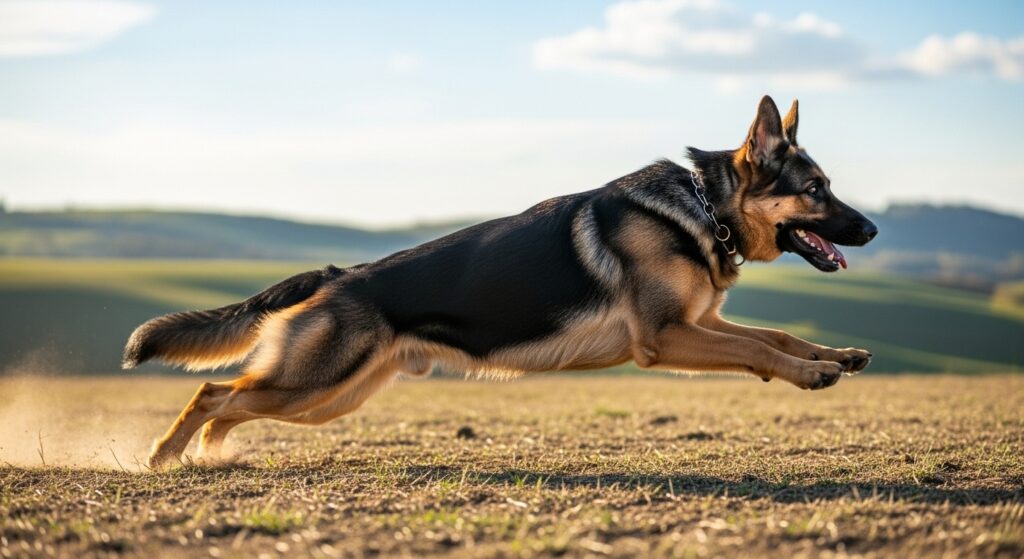
German Shepherd:
Moderate to high energy
German Shepherds are versatile athletes. They enjoy long walks, hikes, and playtime, but they also appreciate downtime with their humans. They are active dogs who need both mental and physical stimulation, but they can often strike a balance between high-energy activity and relaxing at home. Think of them as a reliable workout partner who also enjoys binge-watching your favorite show.
Belgian Shepherd:
Very high energy
Belgian Shepherds, on the other hand, are turbo-charged! Highly active and driven, they need regular exercise —long runs, agility training, or challenging play sessions are a must. Without enough activity, they can become bored, restless, or even mischievous. They’re perfect for active owners who want a four-legged companion for sports, adventures, and mental games, as Britannica mentions.
If you like a mix of adventure and chill, the German Shepherd is your match. If you want a high-octane companion who keeps you moving all day, the Belgian Shepherd will push you to your limits—in the best way possible.
Intelligence & Trainability
Both German Shepherds and Belgian Shepherds are brainiacs in the dog world, but each brings a slightly different flavor of smarts to the table. If dogs had report cards, these two would earn straight A+… plus extra credit for cleverness.
German Shepherd:
German Shepherds are widely regarded as one of the most intelligent dog breeds. They’re quick learners, highly adaptable, and eager to please, which makes them excellent candidates for obedience training, work roles, and even complex tasks like search-and-rescue. Their strong desire to work alongside humans means they thrive under structured training, especially with consistency and positive reinforcement.
Belgian Shepherd:
Belgian Shepherds are equally intelligent, though often a bit more intense and sensitive. They can pick up commands quickly but may get bored if training isn’t stimulating enough. Mental enrichment is just as important as physical exercise for this breed—they shine in agility, obedience, and protection sports. In short, a Belgian Shepherd isn’t just smart—they’re a thinker, strategist, and sometimes, a tiny little mischief-maker.
Behavior with Family & Other Pets
Both German Shepherds and Belgian Shepherds are family-oriented dogs, but their approach to people and pets differs slightly. Whether you have kids, other dogs, or a menagerie of pets, knowing their tendencies can help you pick the right companion.
German Shepherd:
Chewy states that German Shepherds are famously loyal and protective. They bond deeply with their family and often view themselves as their human pack’s guardian. With proper socialization, they are excellent with children, patient, and gentle.
They can be a bit wary of strangers at first, which makes early exposure to different people and situations important. They usually get along with other pets, especially if raised together, but their protective instincts can make introductions with unfamiliar animals slow and deliberate.
Belgian Shepherd:
Belgian Shepherds are affectionate and highly social, forming strong connections with their family. They are energetic and love interactive play, making them great companions for active kids. However, they can be a bit sensitive or high-strung, so positive reinforcement and calm guidance are essential.
With other pets, Belgian Shepherds generally do well, particularly if socialized early, but their high prey drive in some varieties (like the Malinois) may require careful management around smaller animals.
Health, Lifespan & Common Issues
Both German Shepherds and Belgian Shepherds are robust, active breeds, but like all dogs, they have their own health considerations. Knowing what to watch for can help you keep your furry friend happy and healthy for years to come.
German Shepherd:
Lifespan: 9–13 years
German Shepherds are generally healthy but are prone to some genetic issues due to their genetics and build, such as:

Hip/elbow dysplasia
Allergies
Digestive problems
Degenerative myelopathy
Belgian Shepherd:
Lifespan: 12–14 years
Belgian Shepherds are typically healthy dogs with good longevity, but each variety has slightly different vulnerabilities. Malinois, for example, can be prone to:
Hip dysplasia
Eye issues
In short, both breeds are generally healthy, but early screening, a balanced diet, exercise, and proper grooming are key. Think of it as giving your dog a VIP wellness plan—they’ll reward you with years of loyalty, energy, and companionship.
Best Roles: Working Dog vs Family Companion
Both German Shepherds and Belgian Shepherds are versatile, but their strengths can make them shine in slightly different roles. Whether you’re looking for a loyal family companion, a working partner, or a mix of both, understanding their natural tendencies helps you make the best match.
German Shepherd:
German Shepherds are the ultimate all-rounders. With their intelligence, courage, and strong work ethic, they excel in professional roles like police work, search-and-rescue, and protection services. At home, they transform into devoted family companions, overly protective yet gentle with children. Their calm confidence and loyalty make them ideal for households that want both a furry bodyguard and a loving family member.
Belgian Shepherd:
Belgian Shepherds are the energetic, high-octane specialists. Malinois, for instance, dominate in working dog roles—police, military, and competitive sports—thanks to their agility, speed, and sharp instincts. As family pets, Belgian Shepherds are loving and playful, but they require an active lifestyle and plenty of mental stimulation. They thrive with families who enjoy outdoor activities, training, and interactive play.
Choosing the Right Breed for You
So, German Shepherd or Belgian Shepherd? Both are brilliant, loyal, and full of personality—but your lifestyle, activity level, and household needs will determine which one fits best. Think of this as matchmaking, but with fur, wagging tails, and an impressive work ethic.
German Shepherd:
Ideal for families who want a loyal, protective companion
Great for households seeking a steady, adaptable dog
Excels as both a working dog and a family pet
Belgian Shepherd:
Perfect for active individuals or families who love outdoor adventures
Thrives on mental challenges and high-intensity activities
Excellent in working roles, dog sports, and agility training
If you want a dependable, confident partner who can work and relax with the family, the German Shepherd is your best match. If you’re ready for a lively, intelligent, high-energy companion who keeps life exciting and challenging, the Belgian Shepherd will be your perfect fit.
Conclusion
When comparing the German Shepherd dog with Belgian Shepherds, understanding the key differences is essential for choosing the right family dog. While both are agile dogs and come from two breeds developed for demanding work, most German Shepherds tend to have a slightly better off switch, making them easier to settle around loved ones after activity. Belgian Shepherds, especially working lines, often require more constant stimulation and structured outlets for their energy.
From a care perspective, German Shepherds usually need more frequent brushing, though a quick brushing routine can help manage shedding. Both breeds benefit greatly from early socialization and structured training classes, and sourcing puppies from reputable breeders is critical for health and temperament.
