




Cats are often seen as independent thinkers, but many are surprisingly capable of learning simple household commands. With patience, consistency, and the right motivation, some cat breeds show a strong ability to understand cues, routines, and basic training.
These cats tend to enjoy mental stimulation and interaction with their owners, which makes learning feel more like a game than a chore. From responding to their names to following simple instructions, command-friendly cats can be both engaging and rewarding companions.
In this article, we look at cat breeds that are commonly known for being quick learners and responsive to guidance at home. Whether you are curious about training or want a cat that enjoys structured interaction, these breeds stand out for their ability to learn and adapt.
Cat Breeds That Learn Household Commands
1. Abyssinian
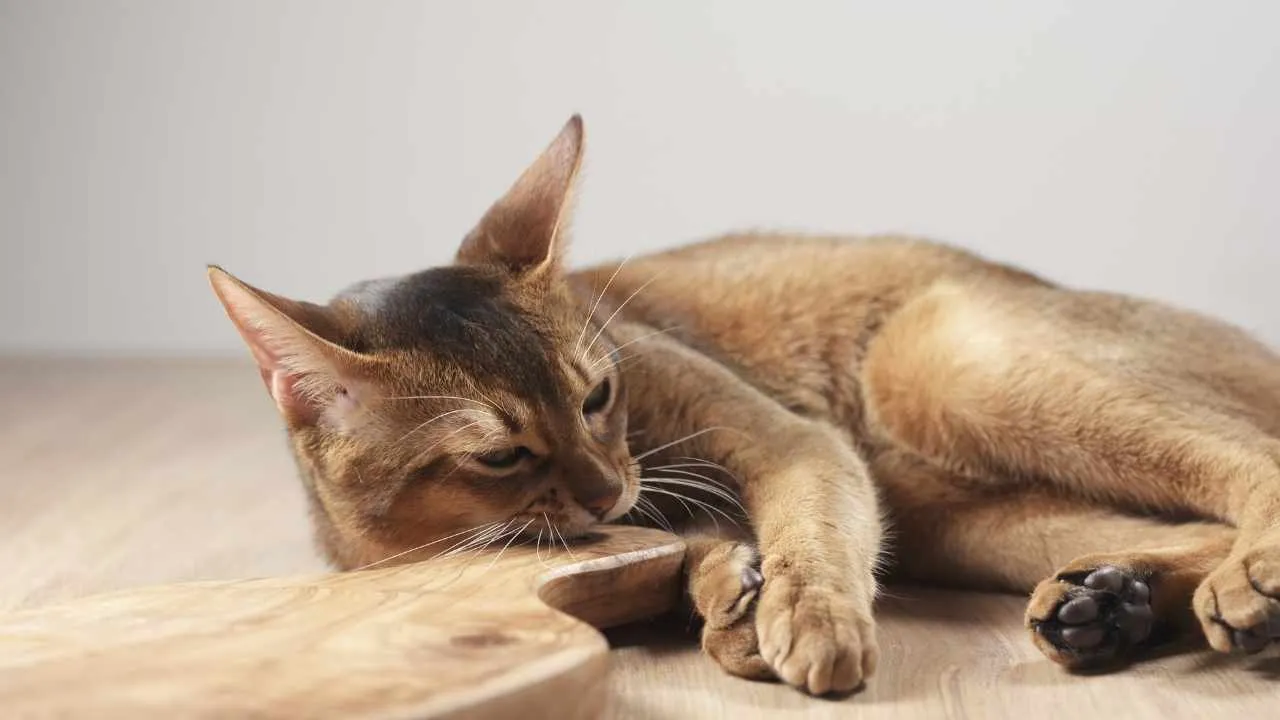
The Abyssinian is an alert, athletic cat known for its curiosity and constant interest in its surroundings. According to breed descriptions, this cat enjoys exploring, climbing, and staying mentally engaged throughout the day. Its quick reactions and awareness make it naturally responsive to routines and interactive activities.
According to Purina, this breed is often described as intelligent and people-focused, preferring involvement over passive observation. Abyssinians tend to watch closely, learn patterns quickly, and respond well to repetition. Because they enjoy interaction, they are often willing participants during training sessions.
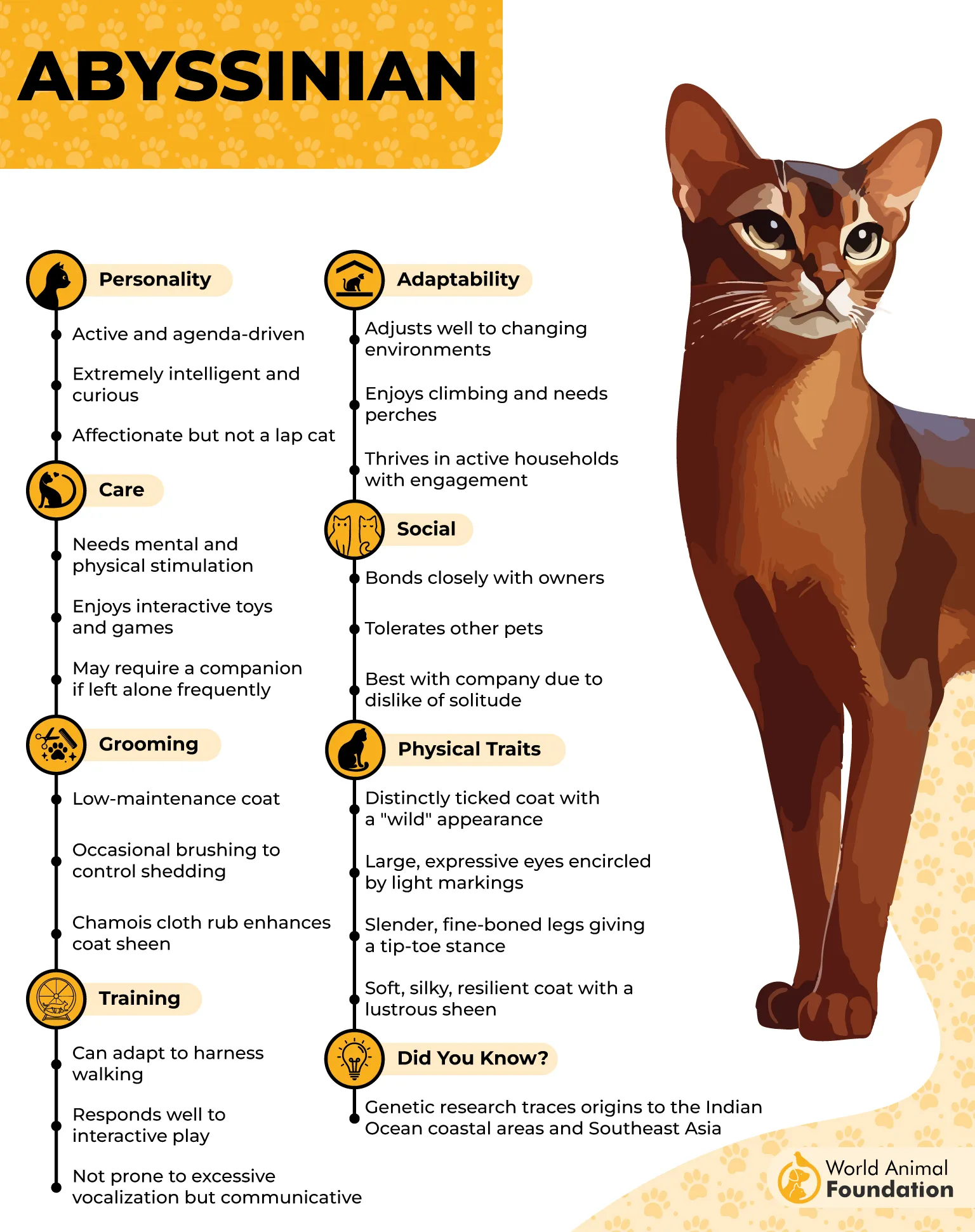
Rather than being content with inactivity, the Abyssinian seeks stimulation and challenges. Structured play and consistent cues help channel its energy into positive learning experiences. When given attention and variety, this breed often shows a strong ability to understand household expectations.
Why This Cat Is a Good Fit
Learns routines easily through repetition and engagement
Enjoys interactive training instead of passive play
Responds best in homes that offer daily mental activity
2. Bengal
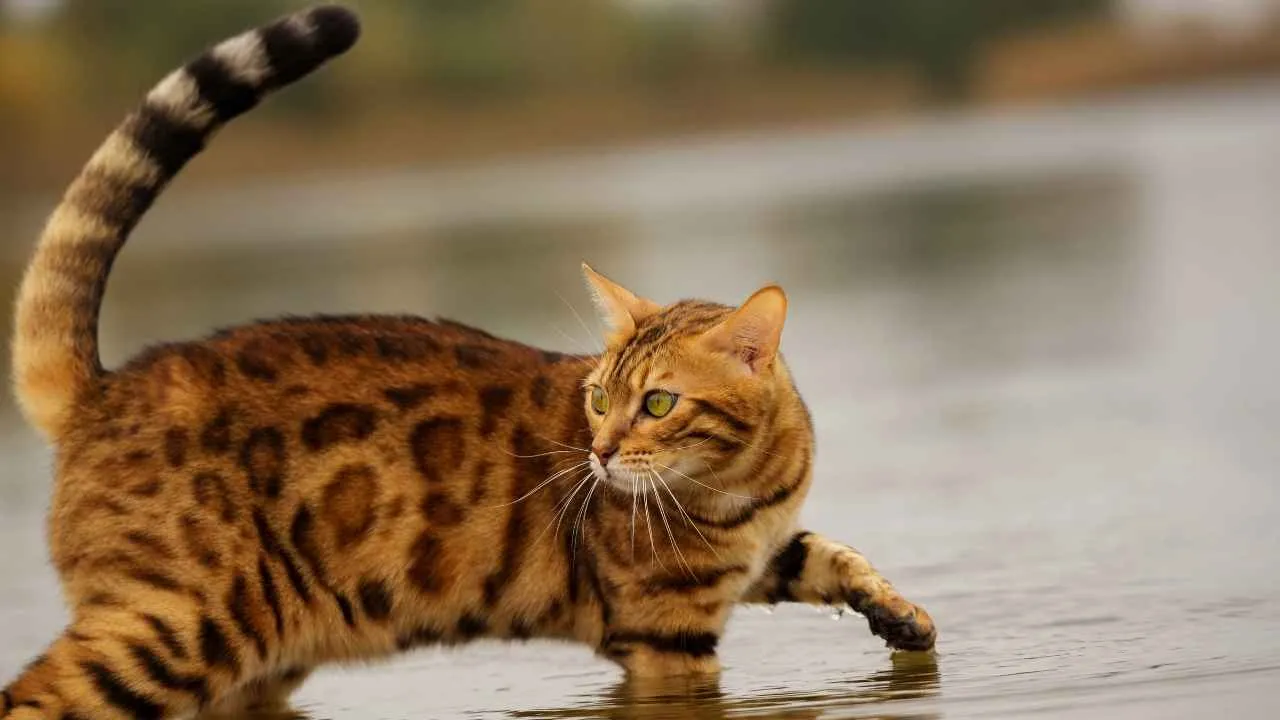
The Bengal is a striking cat with a confident presence and a highly active nature. Breed profiles describe Bengals as alert, energetic, and deeply curious about their environment. This curiosity often translates into a strong interest in learning new behaviors.
Bengal Cats are frequently noted for their intelligence and problem-solving skills. They tend to pick up on patterns, cues, and cause and effect quickly when training is consistent. Their enthusiasm can make command learning feel more like play than instruction.
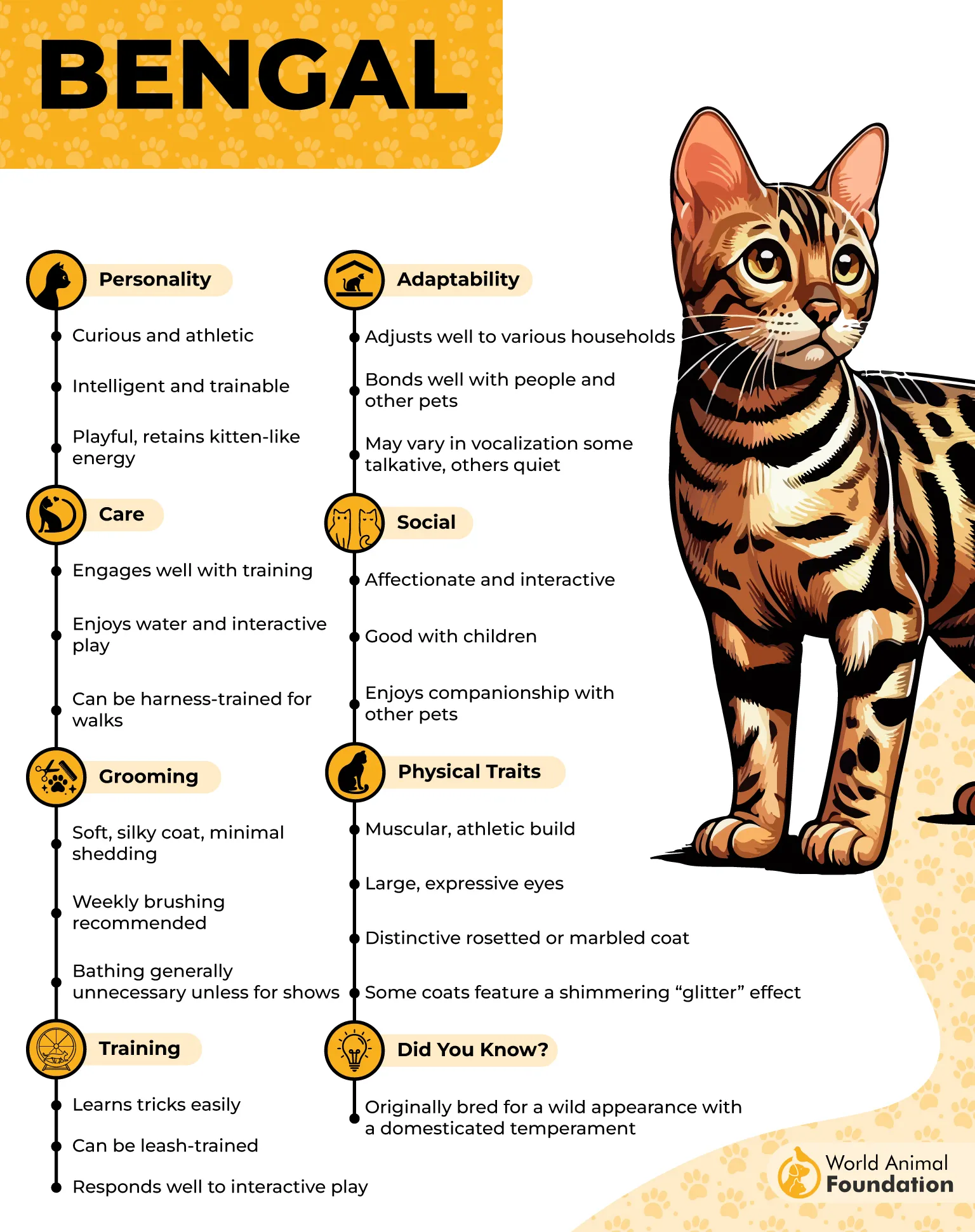
CFA states that Bengals often do best when given structured outlets. Training sessions help focus their attention while also meeting their need for stimulation. When properly engaged, they are capable of learning a wide range of household commands.
Why This Cat Is a Good Fit
Enjoys learning through active and hands-on interaction
Quickly understands patterns and repeated cues
Benefits from training that provides mental structure
3. Siamese
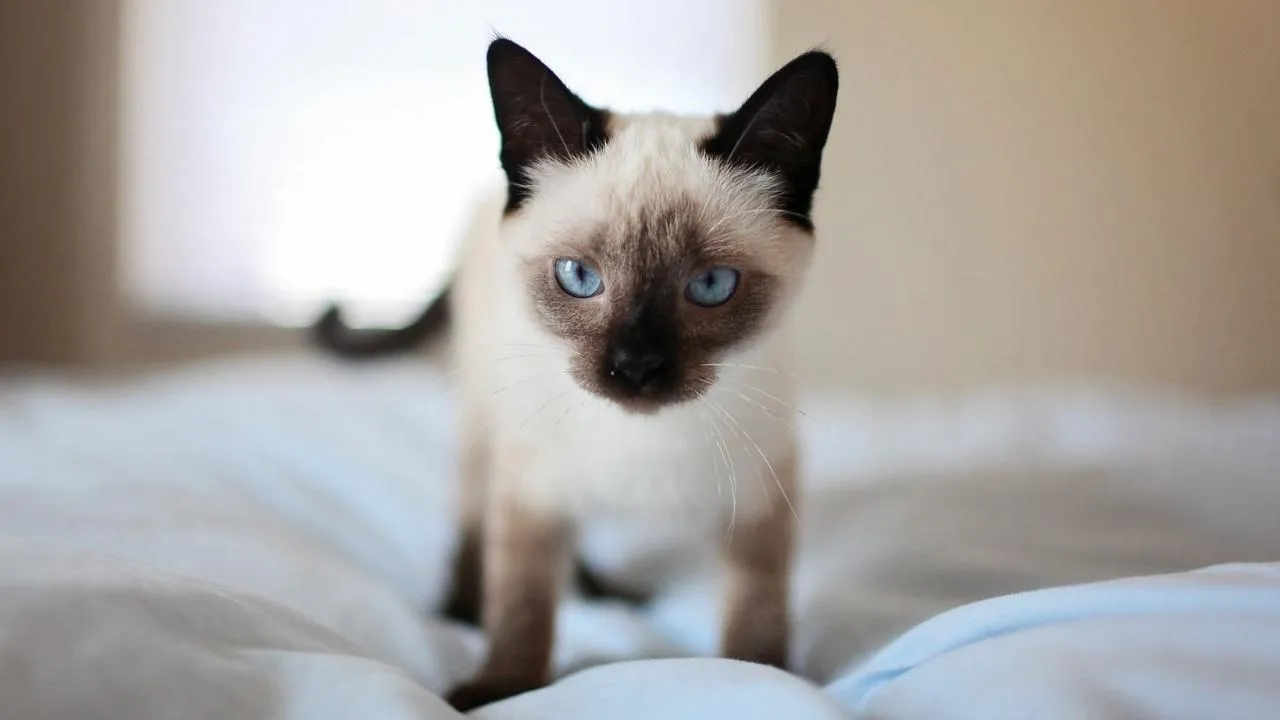
The Siamese is widely known for its vocal nature and strong interest in people. This breed tends to stay closely connected to household activity and enjoys regular interaction. Its social personality often supports learning through communication.
Siamese cats are intelligent and responsive to human cues. They tend to notice tone, timing, and repetition during daily routines. This attentiveness can make them easier to guide through simple commands.
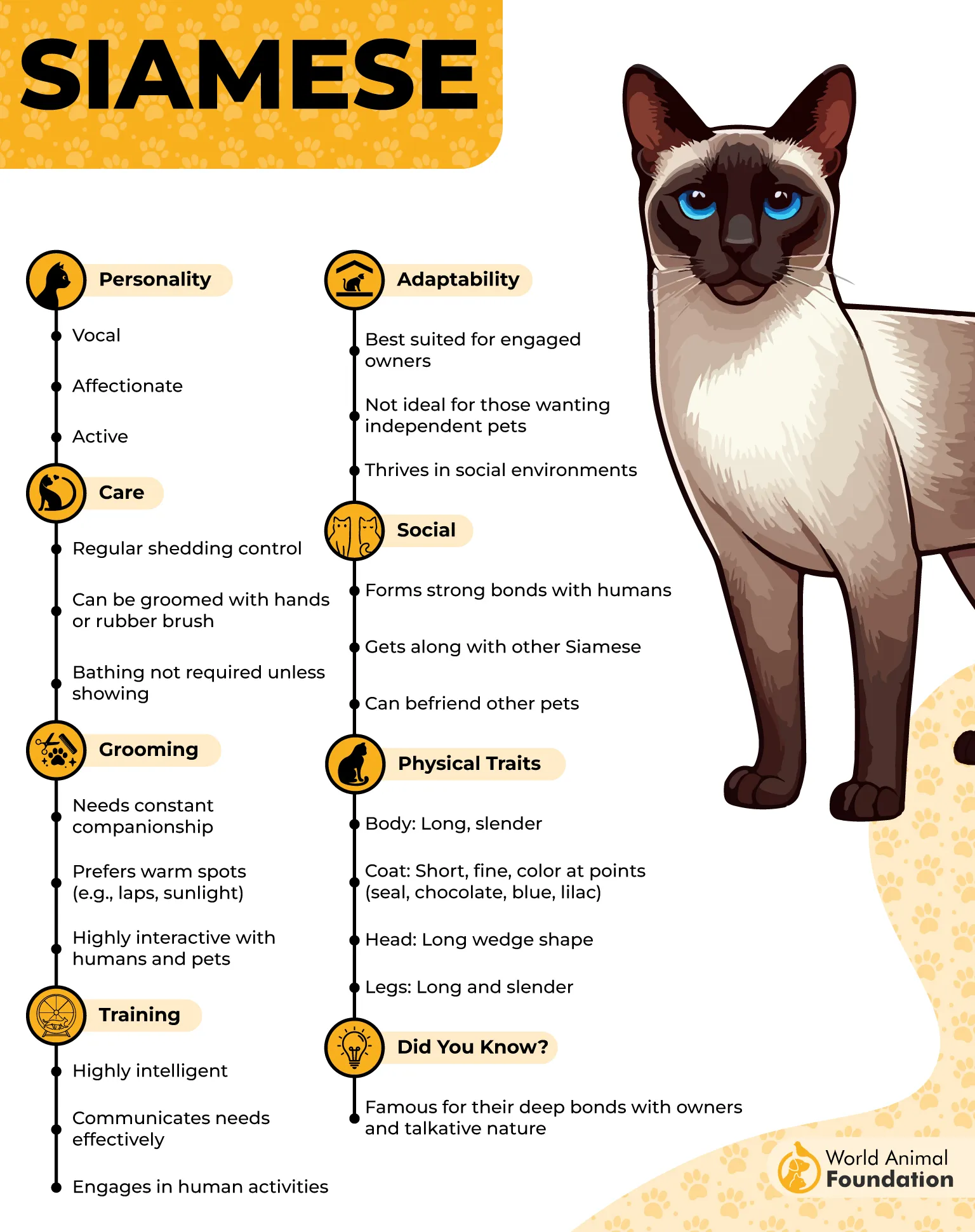
Because they thrive on connection, Siamese cats often enjoy training as a form of shared activity. They respond well when learning feels interactive rather than forced. Clear signals and consistency help this breed stay engaged and cooperative.
Why This Cat Is a Good Fit
Pays close attention to voices and visual cues
Enjoys learning through shared interaction
Stays engaged when training is consistent and social
4. Maine Coon
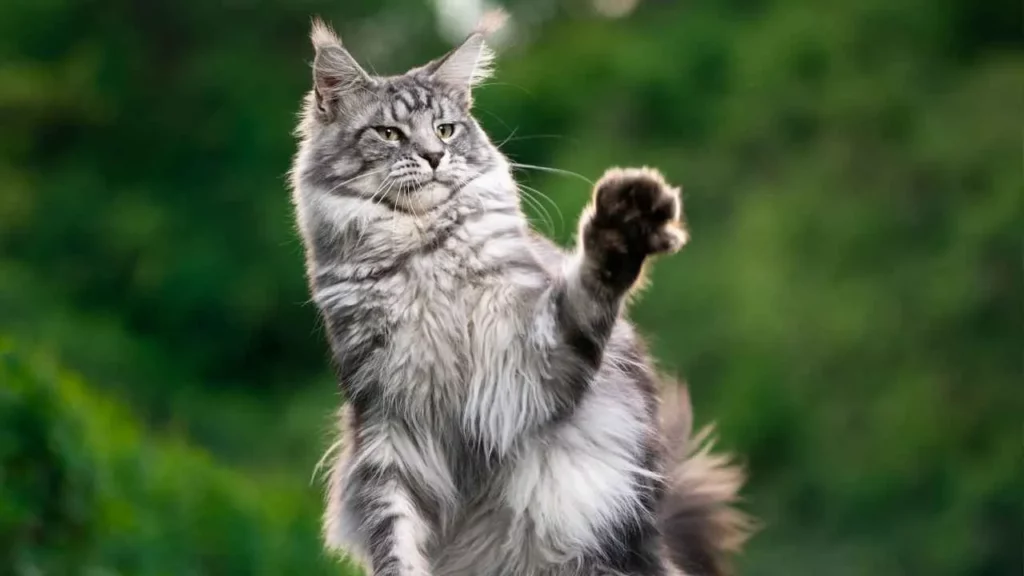
The Maine Coon is a large, sturdy cat with a calm and thoughtful personality. Breed information often highlights its gentle nature paired with steady intelligence. This balance supports learning without stress or pressure.
Maine Coons are known for being observant and patient. They often take time to understand expectations before responding. This thoughtful approach can work well for learning basic household commands.
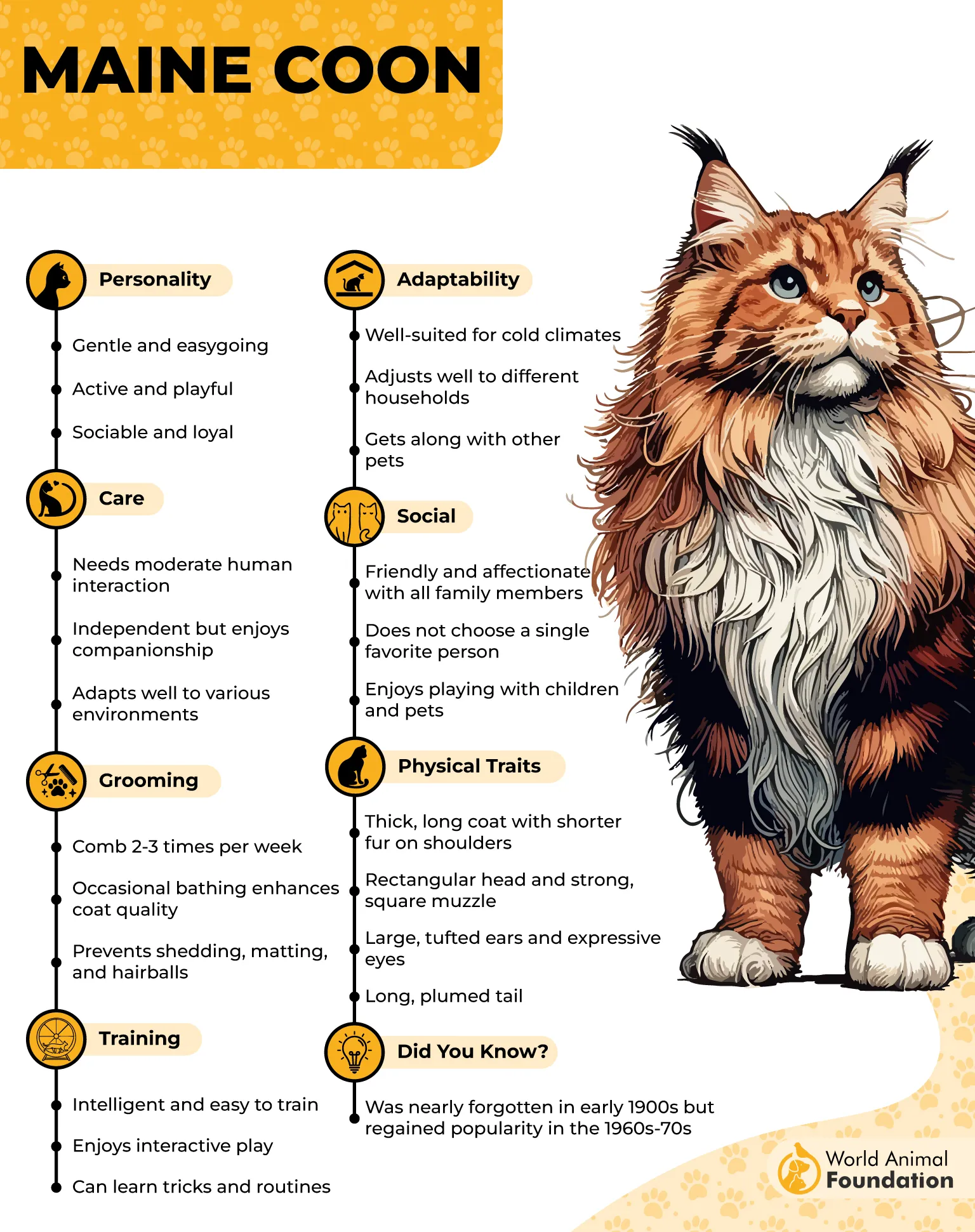
Rather than rushing, this breed benefits from clear routines and calm repetition. Maine Coons often respond best when training is relaxed and predictable. Their steady temperament allows learning to happen at a comfortable pace.
Why This Cat Is a Good Fit
Learns best through calm and consistent routines
Responds well to gentle guidance and patience
Comfortable following structured household patterns
5. Burmese
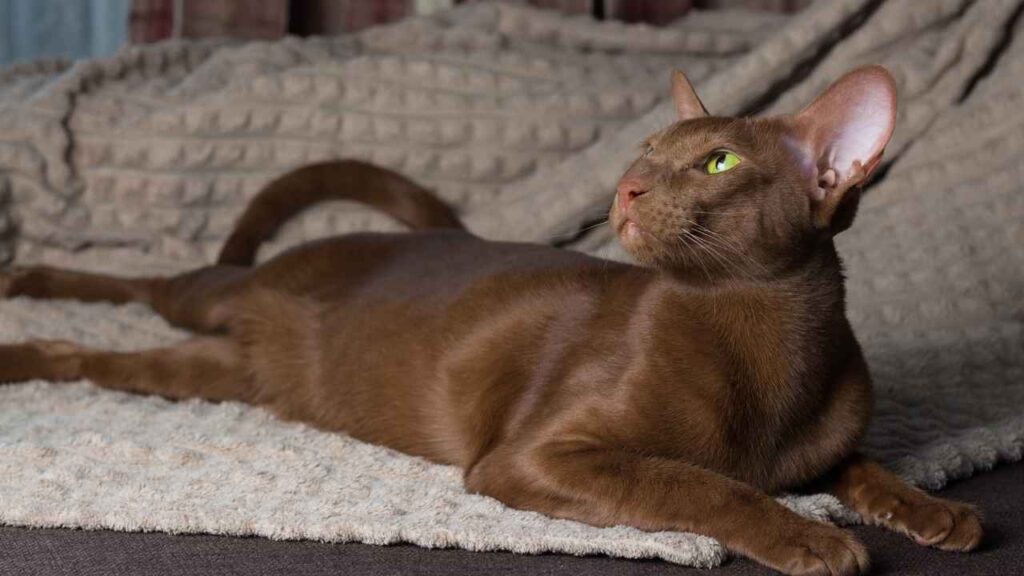
The Burmese cat is a compact, muscular domestic cat known for its people-focused personality and alert expression. This friendly breed often seeks out interaction and prefers staying involved in daily household activities. Many pet parents notice that Burmese cats pay close attention to routines and respond well to familiar voices.
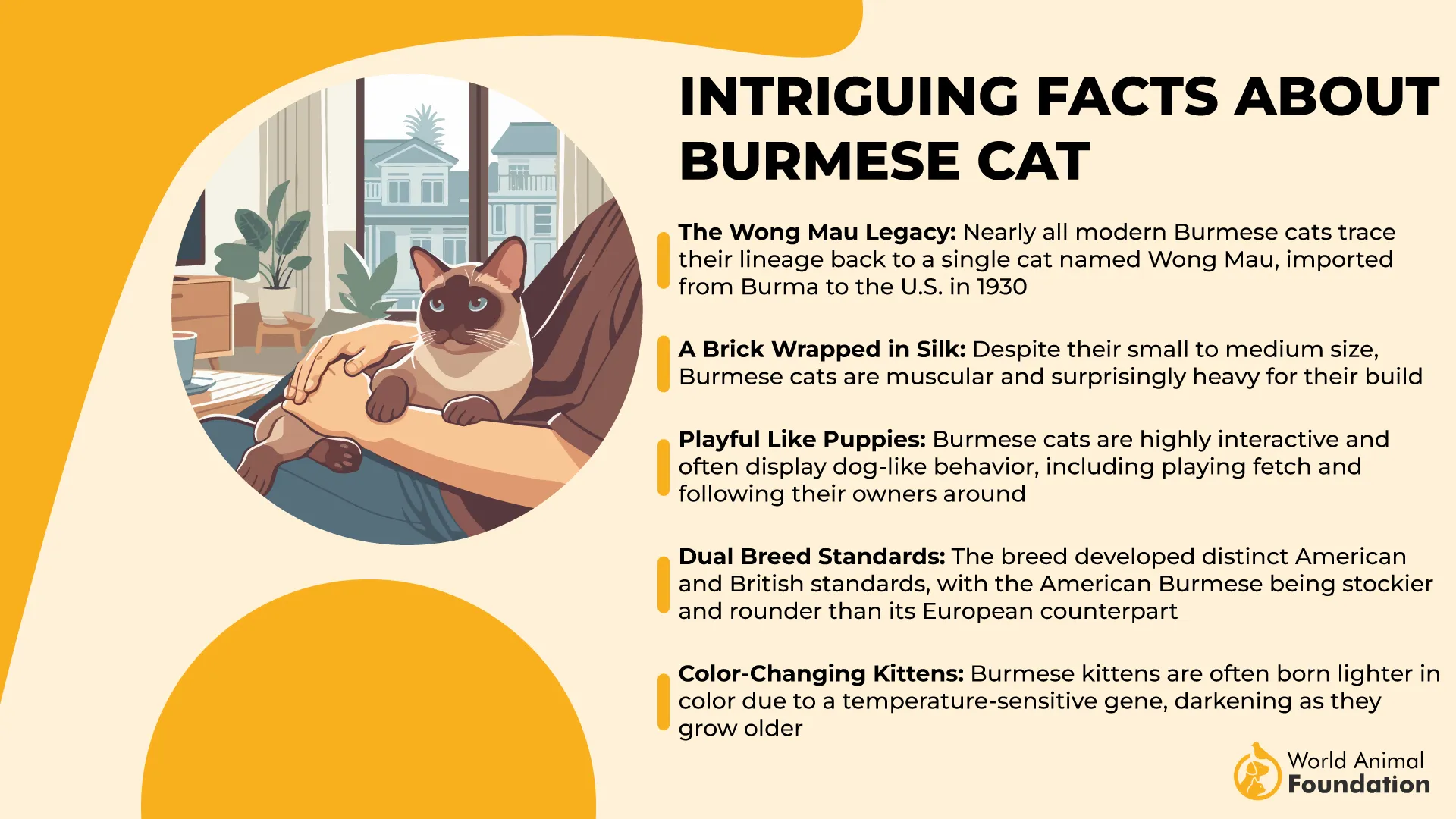
This breed is frequently included among the smartest cat breeds due to its curiosity and responsiveness. Burmese cats enjoy interactive play and often stay mentally engaged for long periods. Their affectionate nature helps them stay motivated during learning activities.
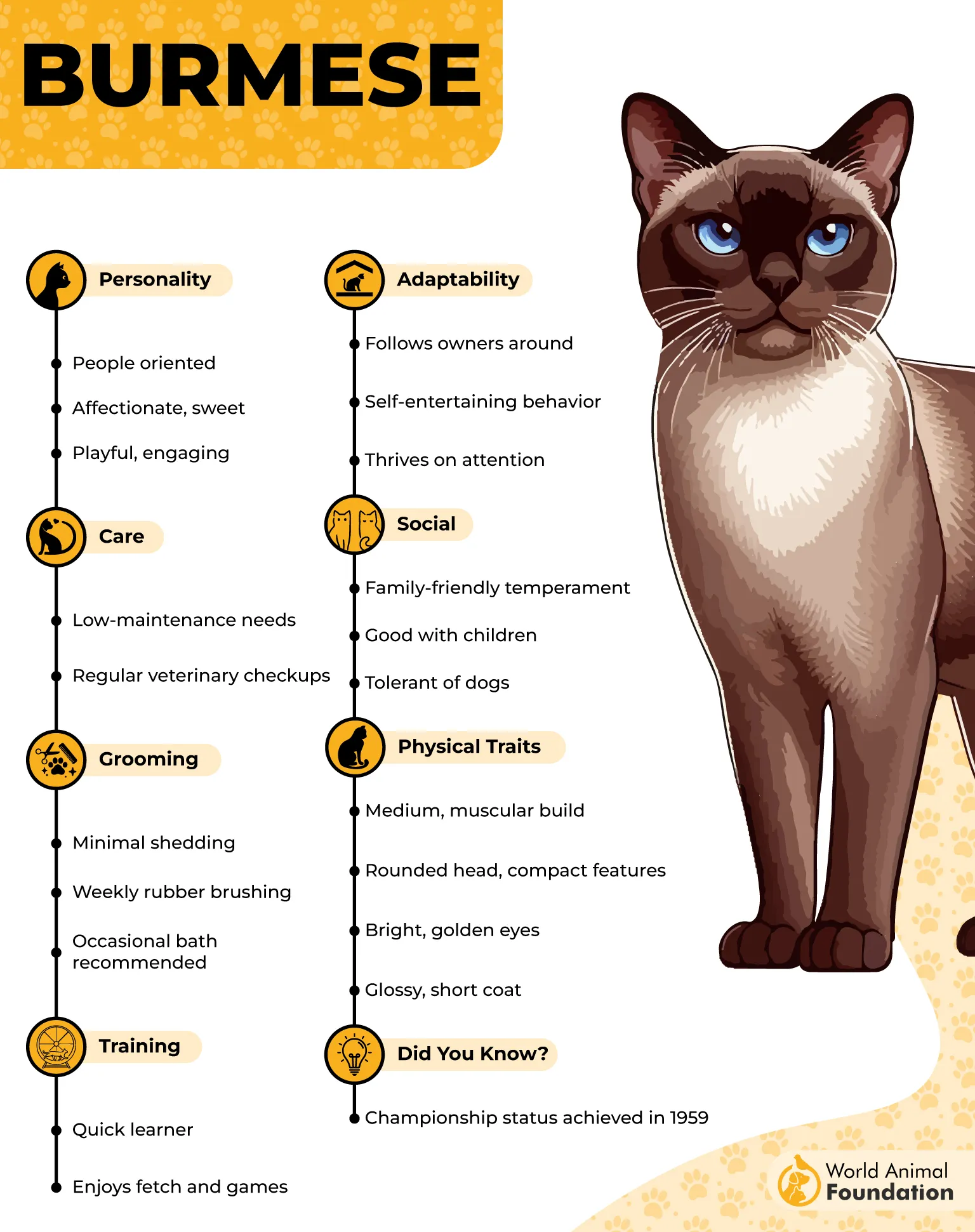
Because they form strong bonds with their owners, Burmese cats tend to enjoy training that feels social rather than repetitive. They often respond best to positive reinforcement and clear cues. When given structure and attention, this clever kitty can pick up household commands with ease.
Why This Cat Is a Good Fit
Enjoys learning through social interaction and routine
Stays engaged when training feels rewarding
Bonds closely with people who spend time teaching
6. Turkish Van
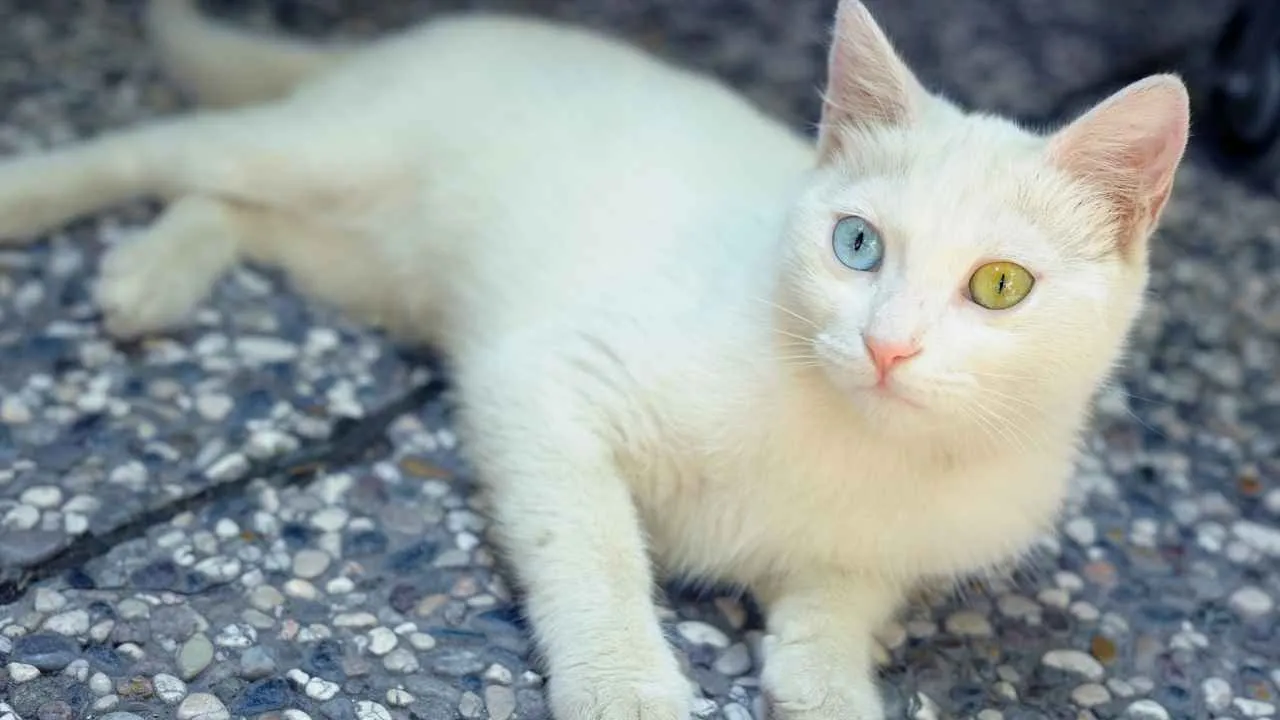
The Turkish Van is a powerful, athletic cat with a confident presence and a curious nature. This relatively rare cat breed is often noted for its independence, balanced with a strong interest in its environment. Its alert posture and steady focus reflect a high level of awareness.
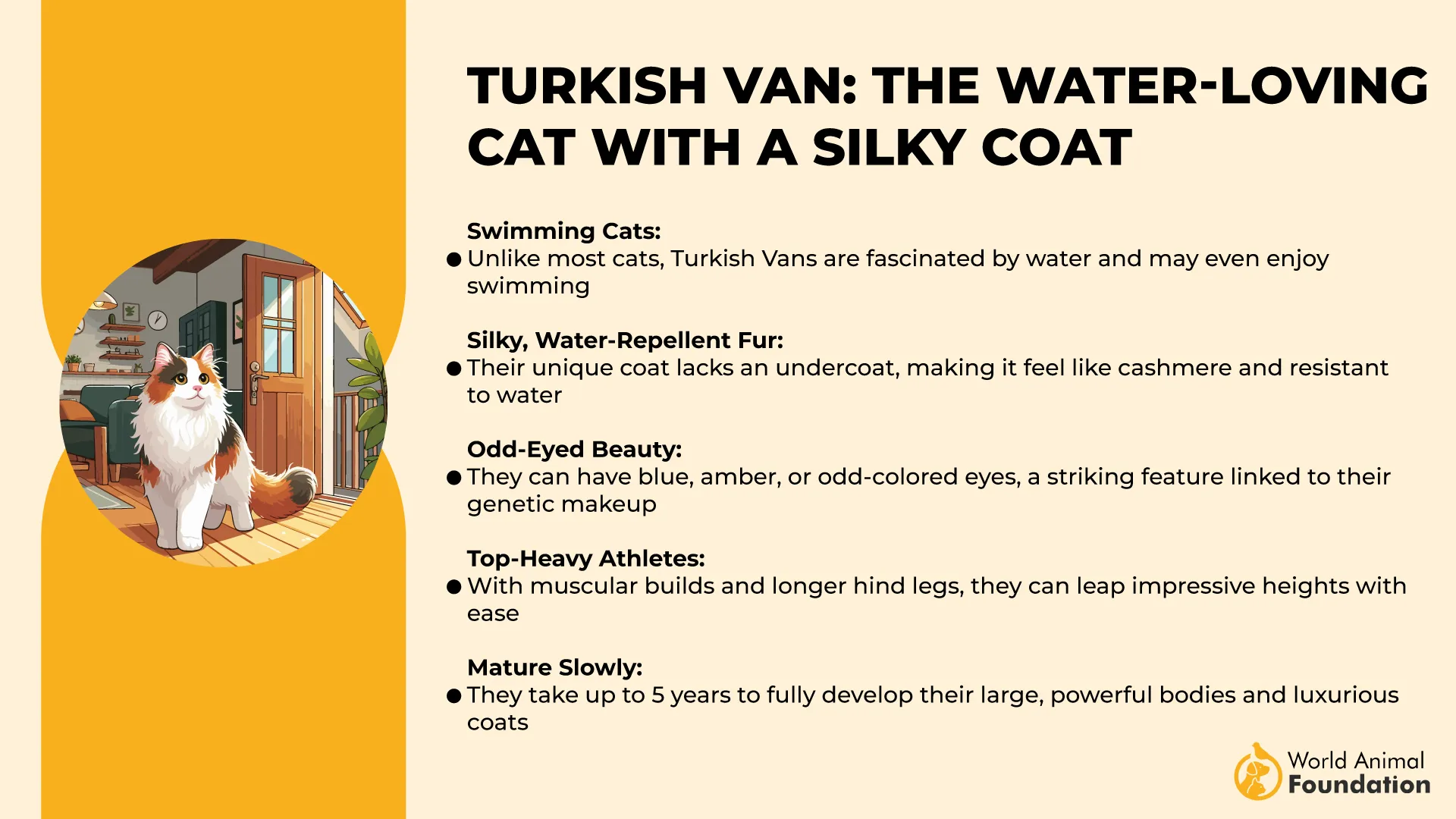
Often grouped with intelligent cats, the Turkish Van is known for problem-solving and adaptability. This breed enjoys exploring new environments and investigating changes in the home. Mental challenges help prevent boredom and keep learning active.
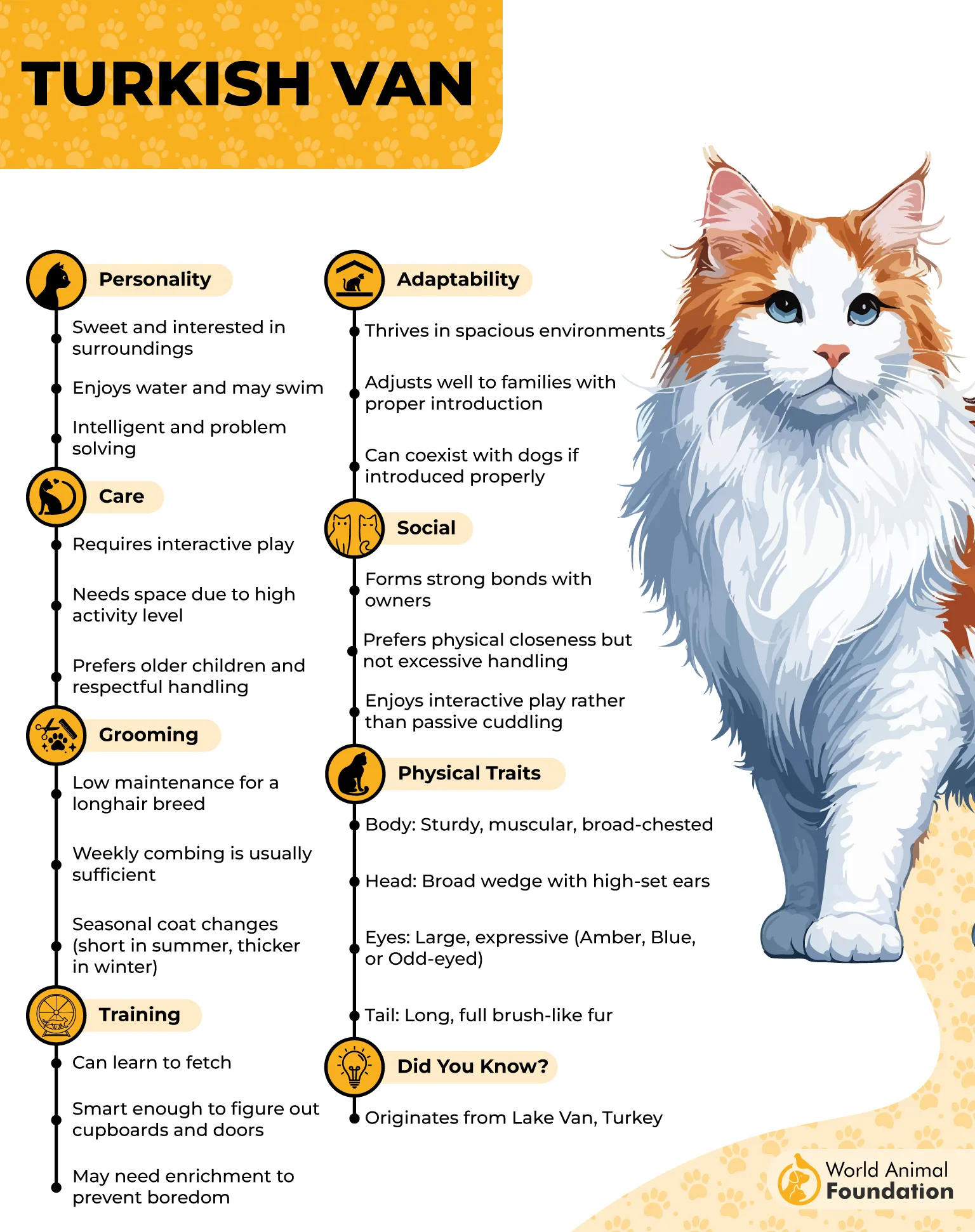
Training works best when sessions are varied and engaging. Turkish Vans often respond well to interactive games and puzzle toys that encourage thinking. Their high intelligence supports learning commands when patience and consistency are applied.
Why This Cat Is a Good Fit
Learns best through variety and mental challenges
Stays focused when training feels engaging
Adapts well to structured household routines
7. Scottish Fold
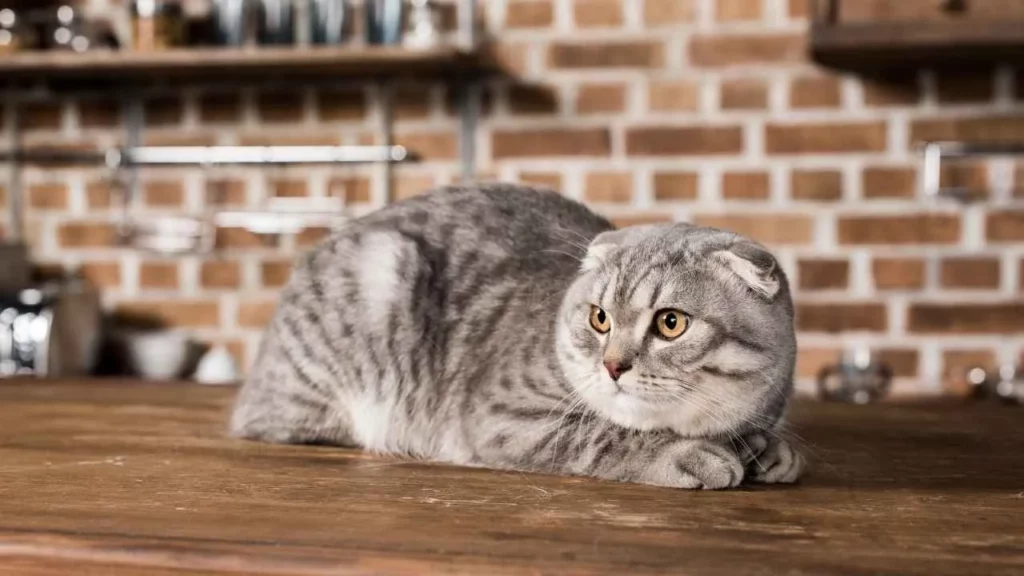
The Scottish Fold is recognized for its rounded features and distinctive folded ears. This friendly breed is often calm and observant, preferring to watch before reacting. Its gentle behavior supports a relaxed approach to learning.
Scottish Folds are often listed among smart cats due to their ability to recognize patterns and routines. They may not rush into activity, but they tend to remember repeated cues. This thoughtful pace helps reduce stress during training.

Rather than intense sessions, this breed benefits from short, consistent practice. Scottish Folds often enjoy interactive play that reinforces learning without pressure. Their steady temperament allows household commands to be learned gradually and comfortably.
Why This Cat Is a Good Fit
Responds well to calm and predictable training
Learns routines through repetition
Comfortable with gentle guidance and structure
Conclusion
Cats that respond well to guidance often stand out among the most trainable breeds in the cat world. A highly intelligent feline friend with an inquisitive nature can enjoy playing games, puzzles, and interactive toys without getting bored easily.
These brainy breeds show how a cat’s intelligence supports learning simple actions like sit, walk, or fun tricks using treats and clicker training. Some cats even enjoy games like playing fetch, showing behavior that feels dog-like.
In the wider world of cats, other breeds such as the Savannah cat, Cornish Rex, Turkish Angora, and even the Asian leopard cat are often discussed by curious owners. Whether short hair or long hair, some cats can be leash trained and live happily alongside other cats, other pets, or other animals.
