




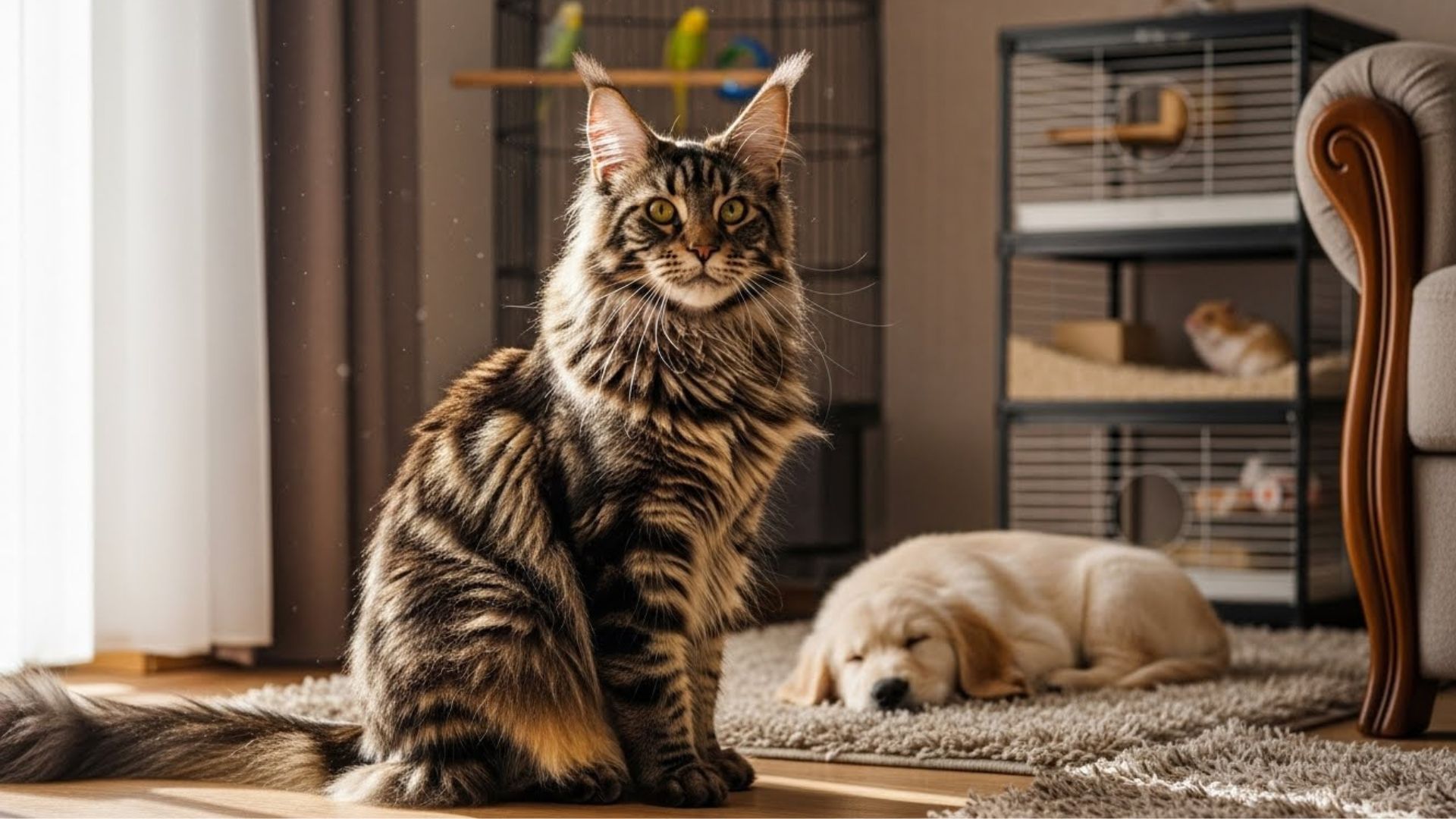
Bringing a new cat into a home already filled with pets can feel both exciting and overwhelming. Not every feline is eager to share their space, toys, or favorite nap spots. That’s why choosing a cat breed known for its friendly, adaptable temperament can make all the difference. Certain breeds are naturally more tolerant, social, and curious, allowing them to adjust smoothly to life alongside dogs, other cats, or even smaller pets.
In a successful multi-pet household, personality matters just as much as proper introductions. Cats that thrive in these environments tend to be confident without being dominant, playful without being aggressive, and calm enough to handle the energy of other animals. Their ability to read social cues and remain relaxed helps reduce stress, prevent conflicts, and build positive relationships over time.
If you’re searching for a feline companion that can fit right into a lively, pet-filled home, you’re in the right place. This guide highlights cat breeds that are especially well-suited for shared living, making it easier to create a peaceful, happy home where every pet feels welcome and secure.
Cat Breeds Best for Multi-Pet Households
1. Maine Coon
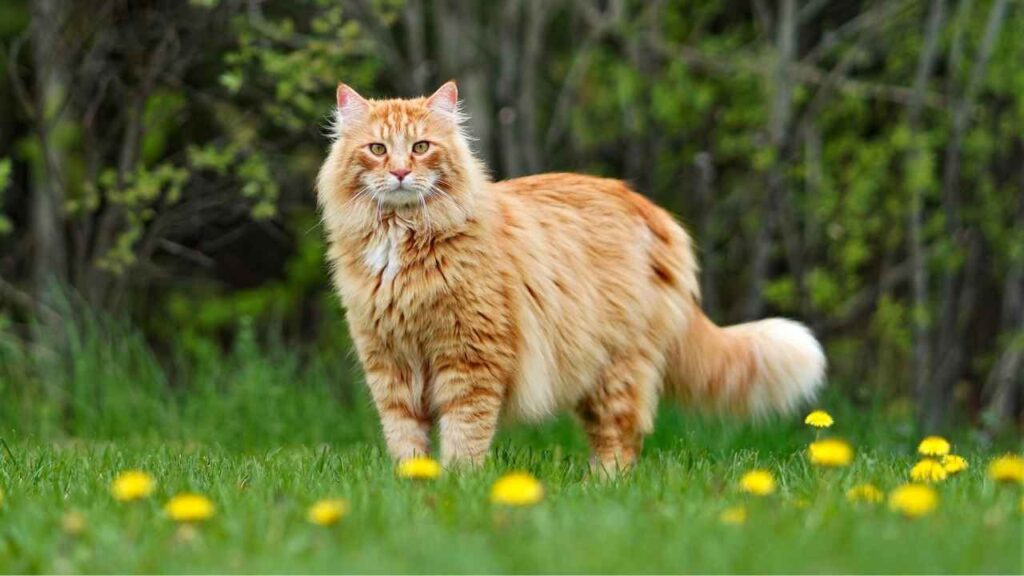
The Maine Coon, also known as the gentle giant of the cat world, is one of the largest domestic cat breeds, instantly recognizable by its tufted ears, bushy tail, and expressive face.
According to Britannica, the Maine Coon is considered North America’s only native breed of long-haired domestic cat. Despite their impressive size, they are famously sweet-natured and social, making them a natural fit for homes with multiple pets.
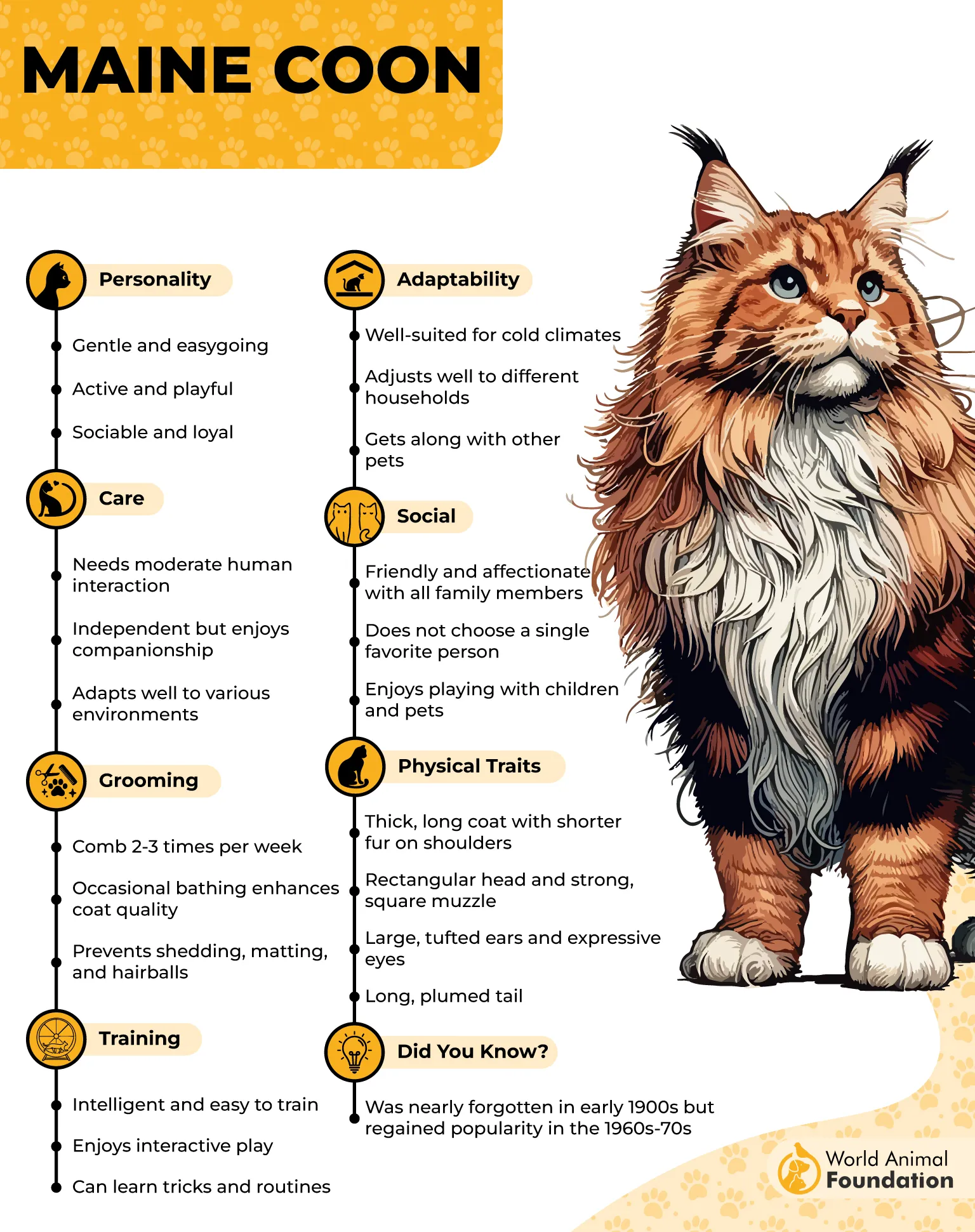
What makes a cat good for a multi-pet home often comes down to temperament, and the Maine Coon excels here. Their calm, patient personality allows them to accept dogs and other cats without unnecessary tension. They’re confident without being domineering, which helps reduce rivalry in shared spaces.
These cats are also highly adaptable and intelligent, quickly learning household routines and boundaries. Rather than reacting aggressively, Maine Coons tend to observe and assess situations, giving them an advantage in busy homes with different animals and energy levels. Playful yet gentle, they often act as social glue in a multi-pet household, forming bonds across species.
Fact: Maine Coon cats are known for their dog-like personalities and rarely show aggression toward other pets, even forming close friendships with family dogs.
2. Ragdoll
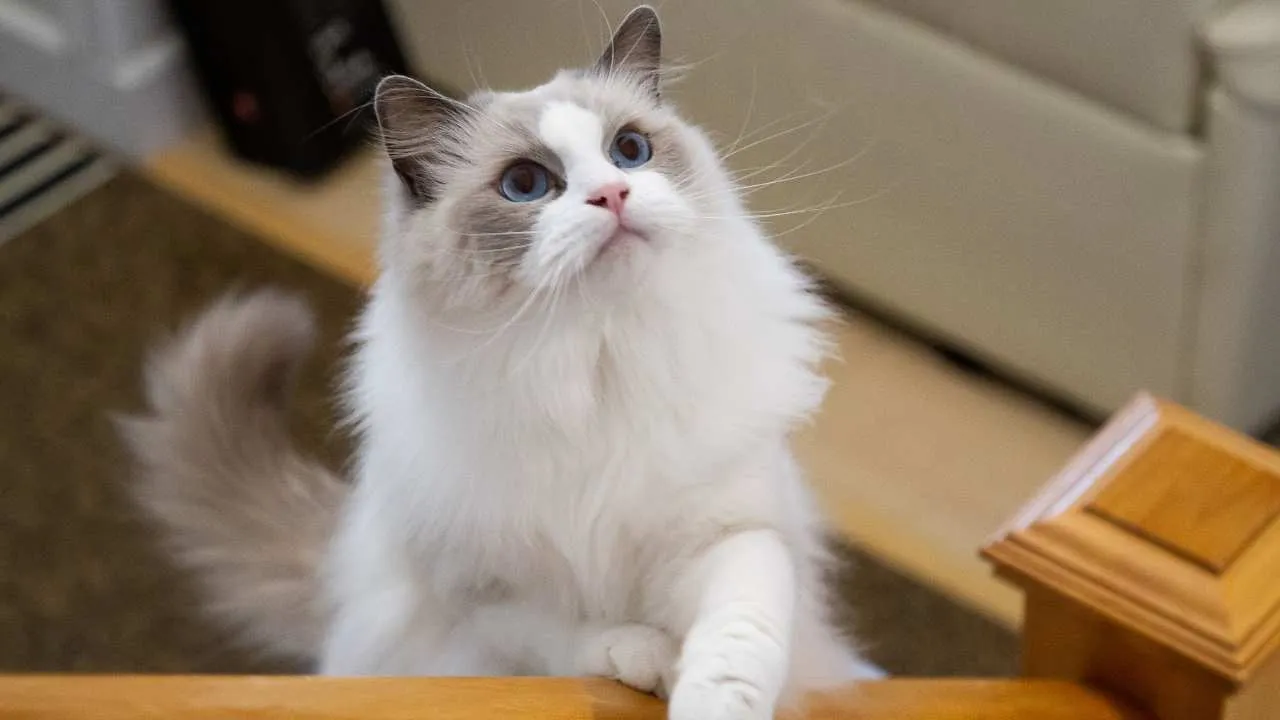
The Ragdoll, also known simply by its hallmark “floppy cat” nickname, is instantly recognizable for its striking blue eyes, plush coat, and famously relaxed demeanor.
According to PetMD, the Ragdoll gets its name from its well-known tendency to relax so completely during petting, cuddling, or being held that it becomes noticeably limp and floppy. This large, gentle breed is well known for going limp when picked up, a trait that hints at its naturally calm and trusting personality.
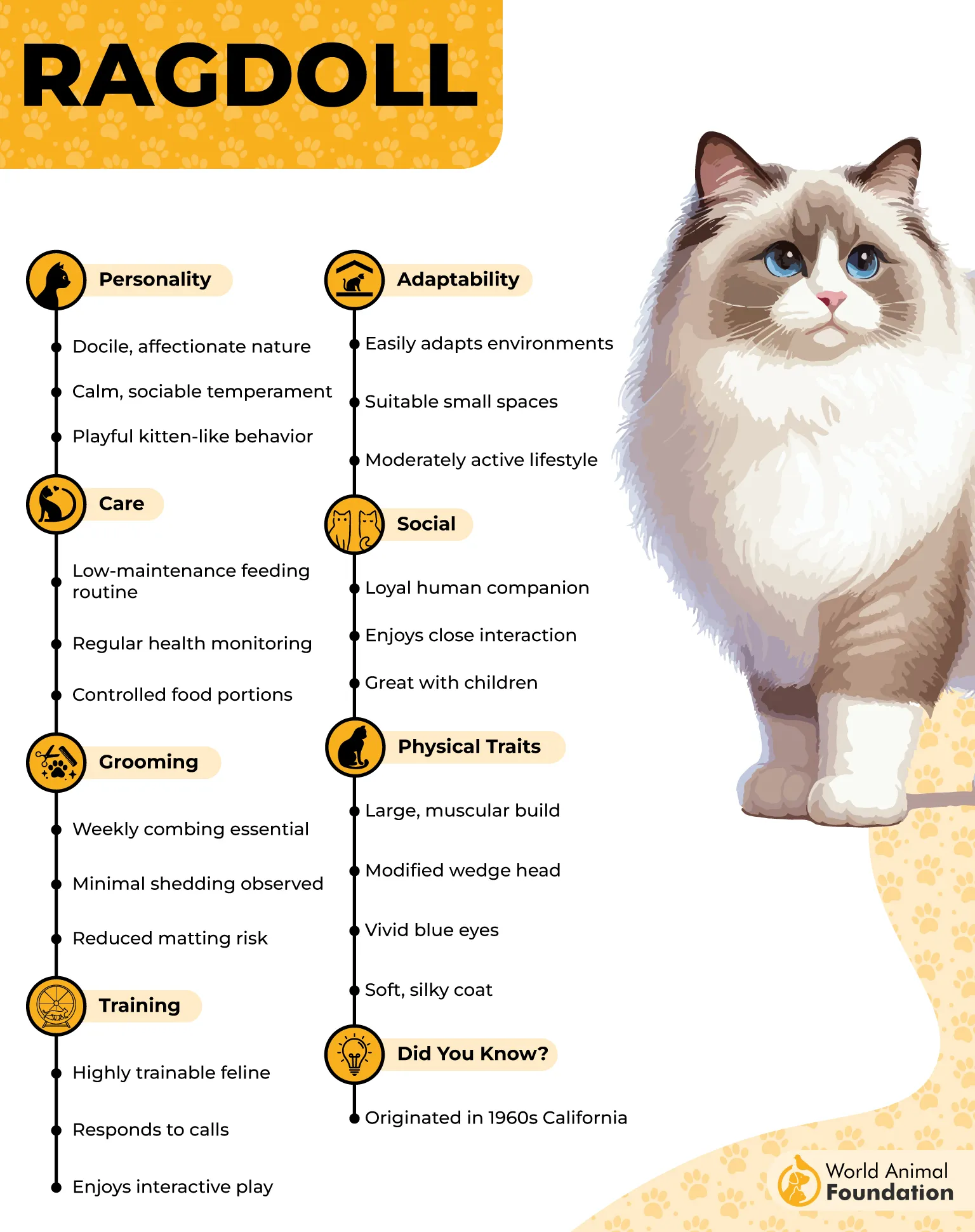
In multi-pet households, temperament traits matter most—and this is where Ragdolls truly shine. They are rarely territorial and tend to approach other pets with quiet curiosity rather than defensiveness. Their low-reactive nature helps reduce tension, especially in homes with dogs or multiple animals.
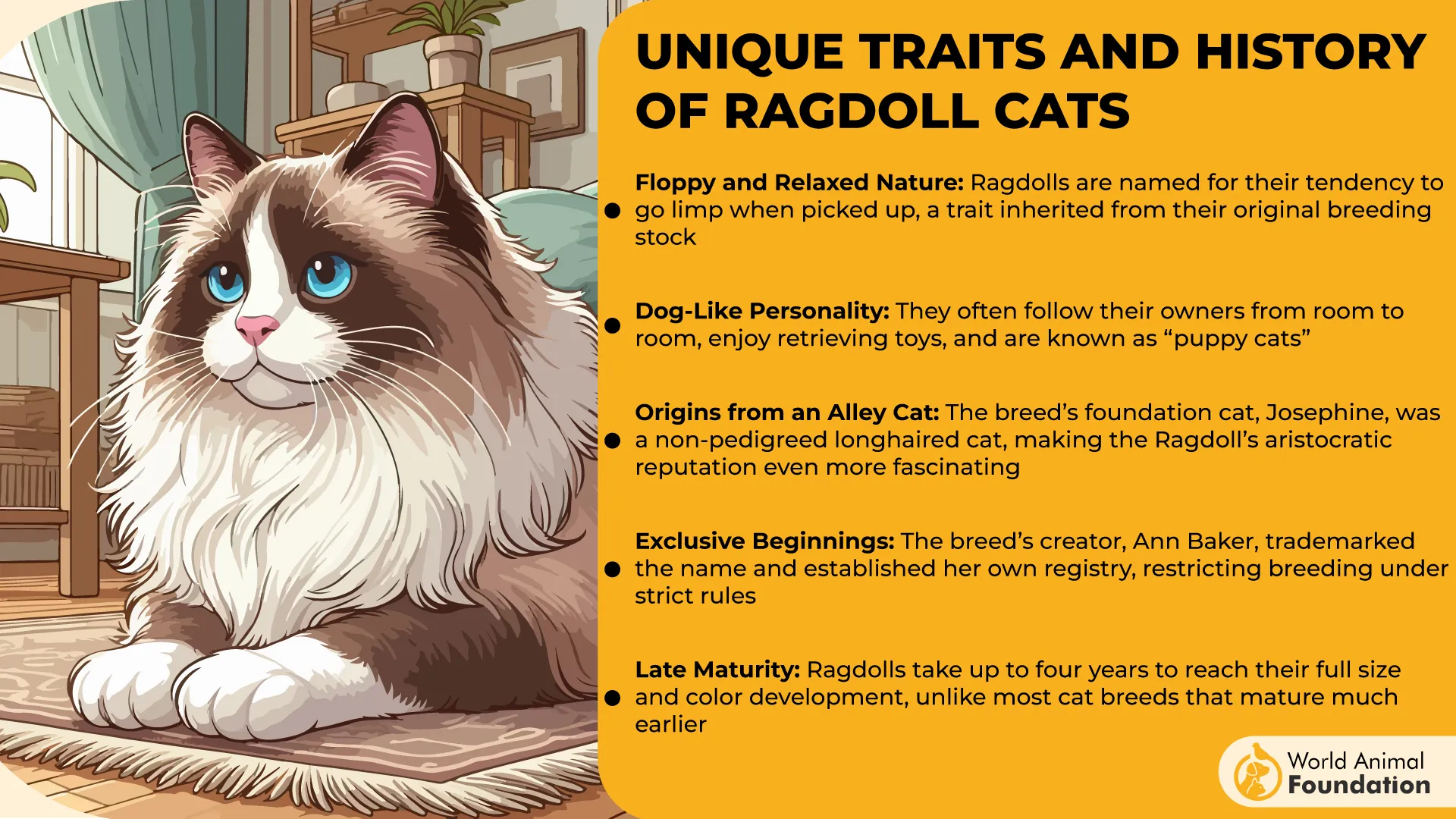
Ragdolls are natural peacekeepers, often choosing companionship over competition. Instead of hiding away, they’re content to nap beside dogs or engage in gentle play with other pets. Their calm presence can even help balance out more energetic animals in the home.
Because they don’t startle easily, Ragdolls adapt well to busy environments filled with movement and noise.
Fact: Ragdolls earned their name because they often go completely limp when picked up, reflecting their famously docile and relaxed temperament.
3. Abyssinian

Also known as the Aby, the Abyssinian is a sleek, athletic cat with a short ticked coat and alert, expressive eyes.
According to Purina, Abyssinians are exceptionally intelligent and very curious by nature. This ancient-looking breed is famous for its high energy, curiosity, and confident presence in busy households.
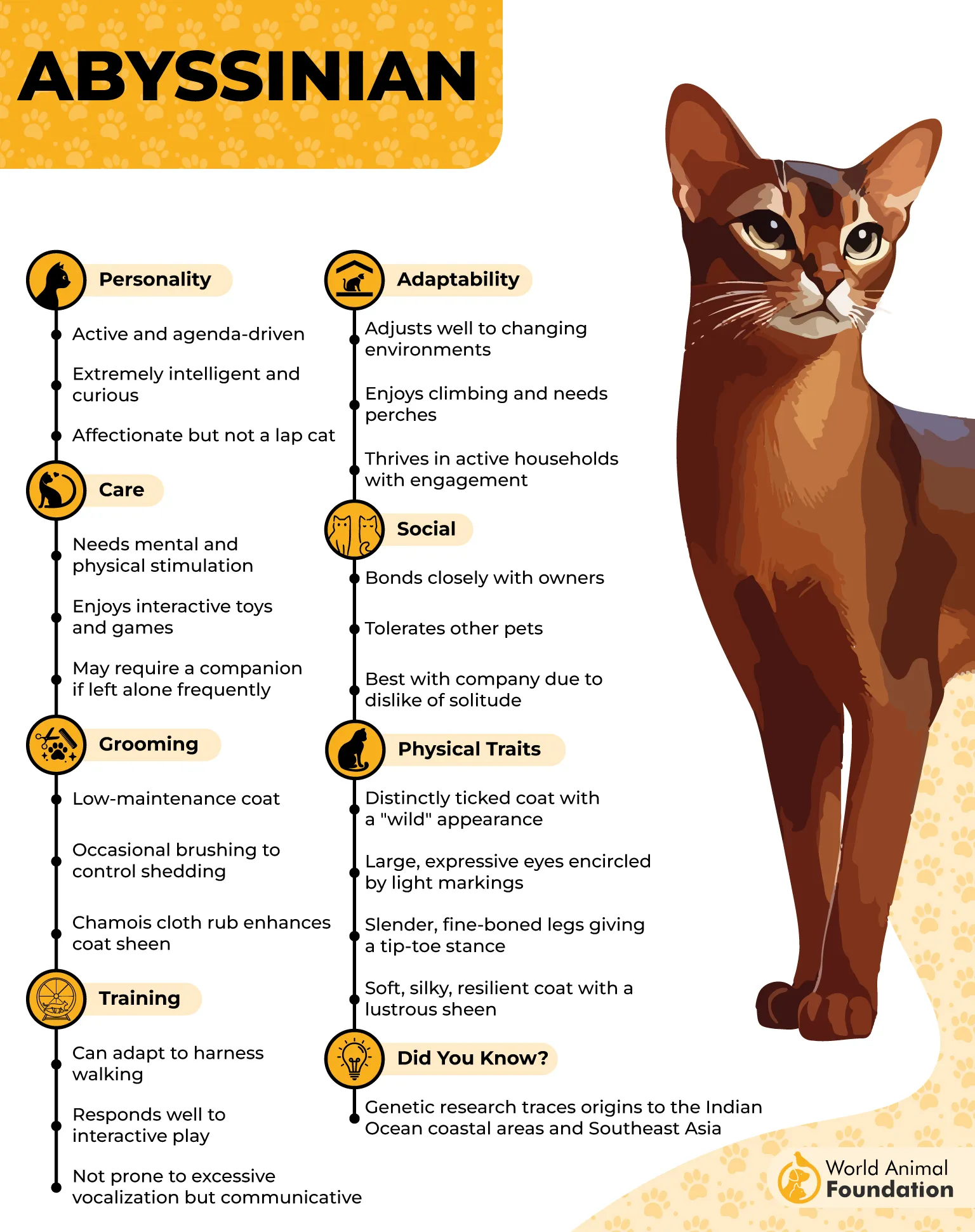
In multi-pet homes, Abyssinians stand out as social cat breeds that genuinely enjoy company. They are quick to approach other cats with playful intent rather than defensiveness, often initiating games that help break the ice and build trust.
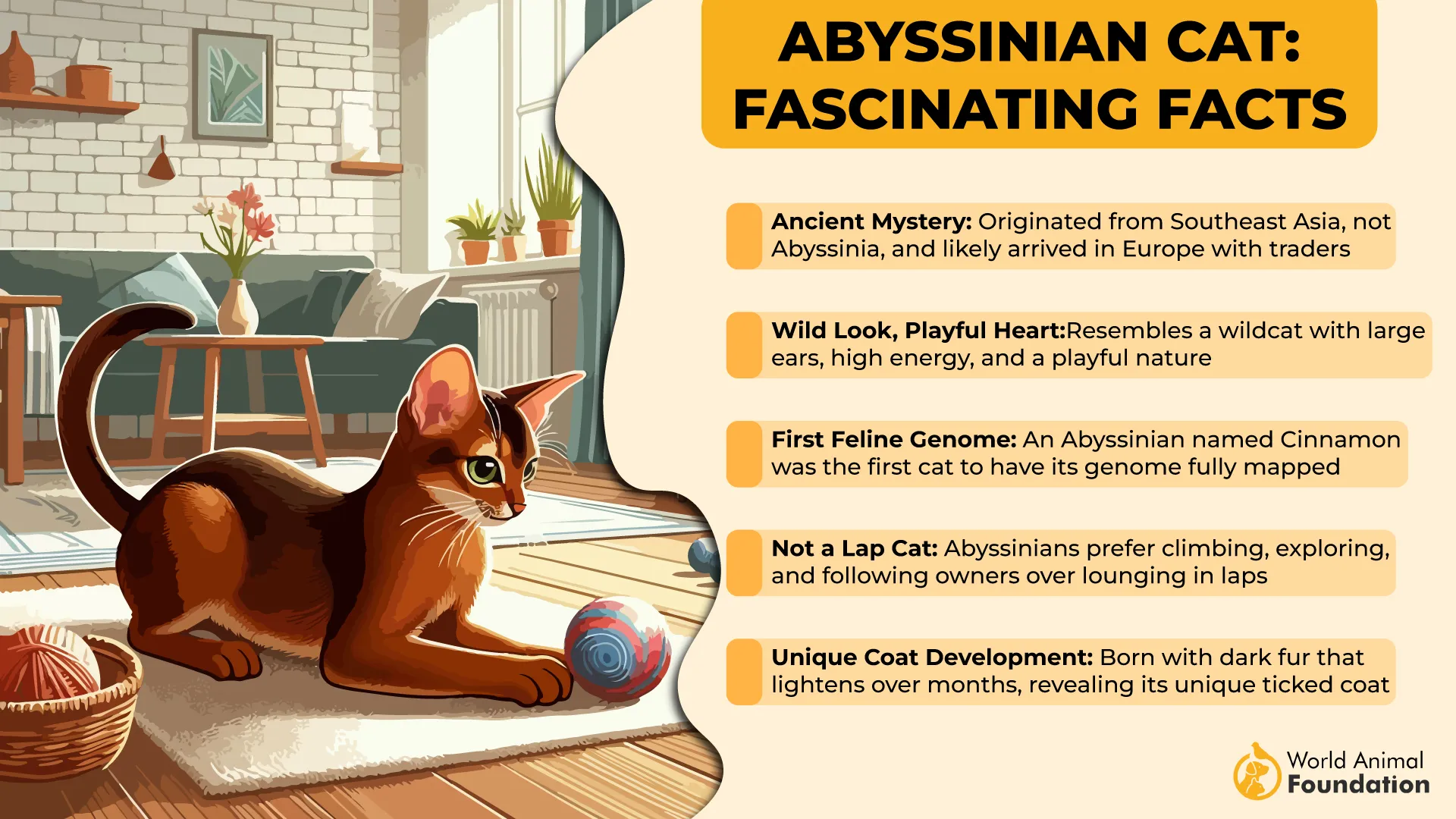
Their enthusiasm extends beyond felines, too. Abyssinians often bond easily with dogs, matching their energy during play while remaining respectful of boundaries. This balance helps reduce tension and encourages positive, ongoing interactions between pets.
Highly adaptable, Abys thrive when given climbing furniture, interactive toys, and daily engagement. Their curiosity allows them to adjust to routines and coexist peacefully with other animals when introductions are handled properly.
Fact: Abyssinians are active, social cats that get along well with humans and other pets but usually prefer play over being picked up.
4. Birman
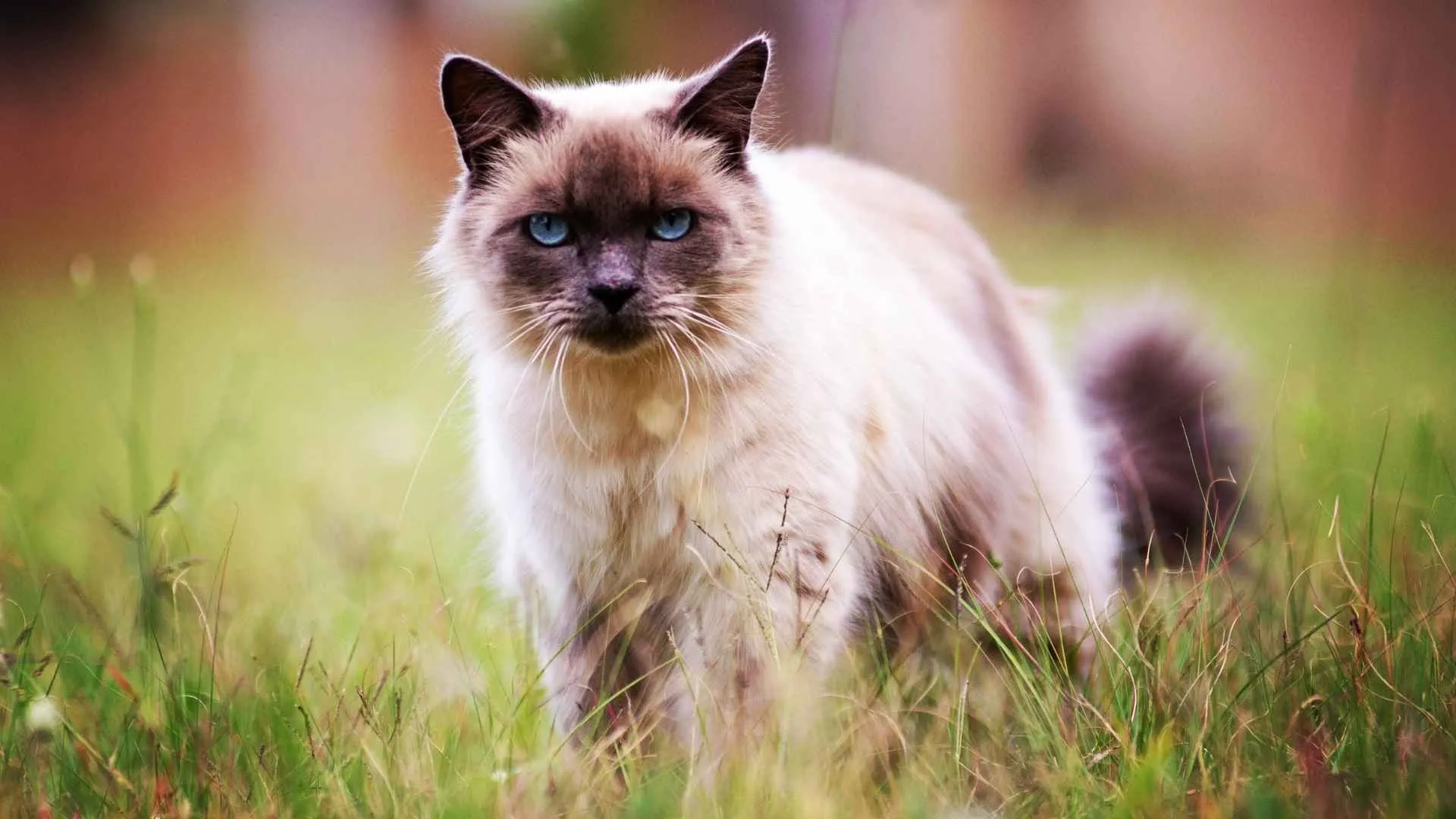
Also known as the Sacred Cat of Burma, the Birman is instantly recognizable by its deep blue eyes, silky coat, and signature white “gloves” on each paw. This breed is gentle, people-oriented, and naturally sociable, making it a strong choice for homes with multiple pets.

Birmans are known for their calm, balanced temperament, which helps them adapt easily to existing pet dynamics. They interact comfortably with other cats and are patient around dogs, even those with higher energy, without becoming stressed or defensive.
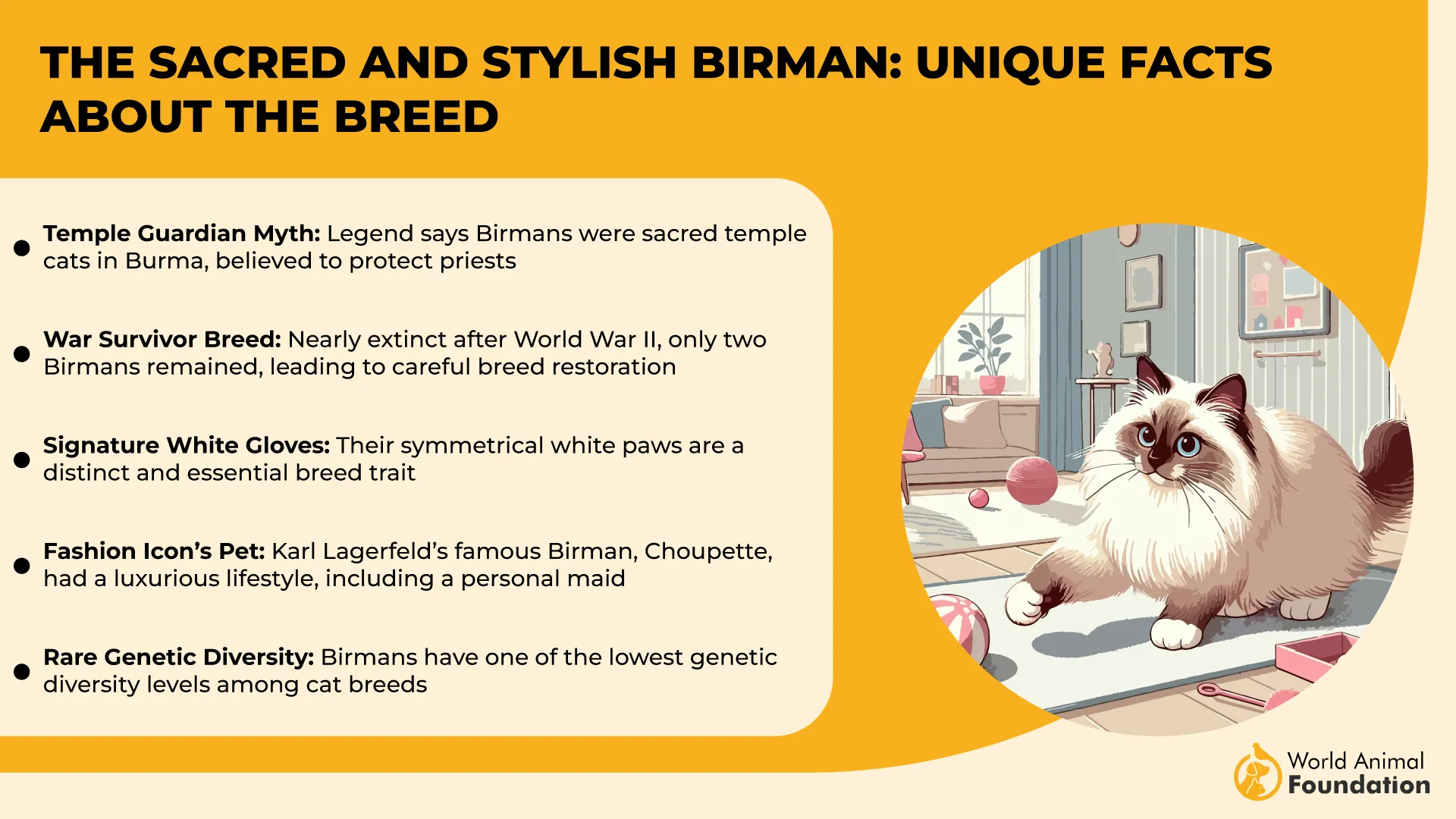
In busy, multi-pet households, their medium energy level truly shines. Birmans enjoy playful moments with other animals but are just as content relaxing nearby, preventing overstimulation or competition for attention in shared spaces.
Their affectionate nature also means they dislike being alone for long periods, so they often thrive when another pet is present. This social tendency allows them to form close bonds with both animals and humans, promoting harmony rather than rivalry.
Fact: Birmans are rated high for pet-friendliness and playfulness while maintaining a low tendency to vocalize.
5. Siamese
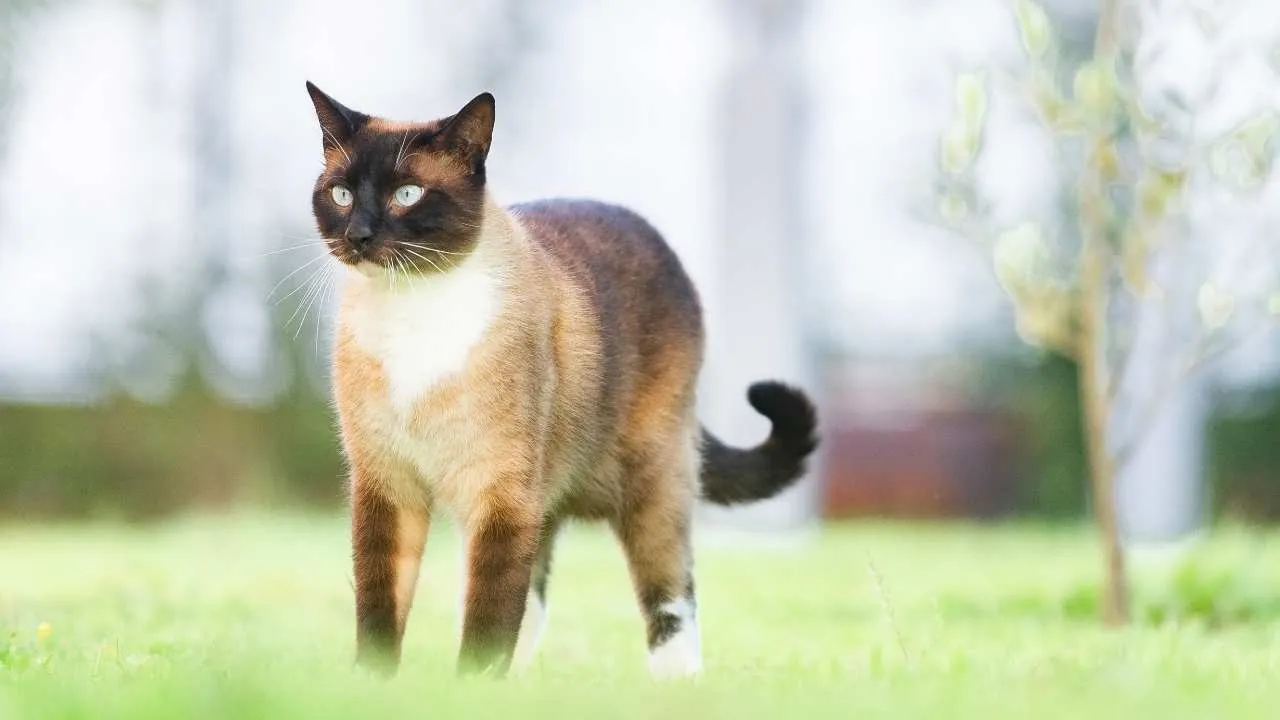
Also known as the Meezer or Thai cat, the Siamese is instantly recognizable by its sleek body, blue almond-shaped eyes, and pointed coat. This ancient breed is famous for its expressive voice, sharp intelligence, and deeply social nature.
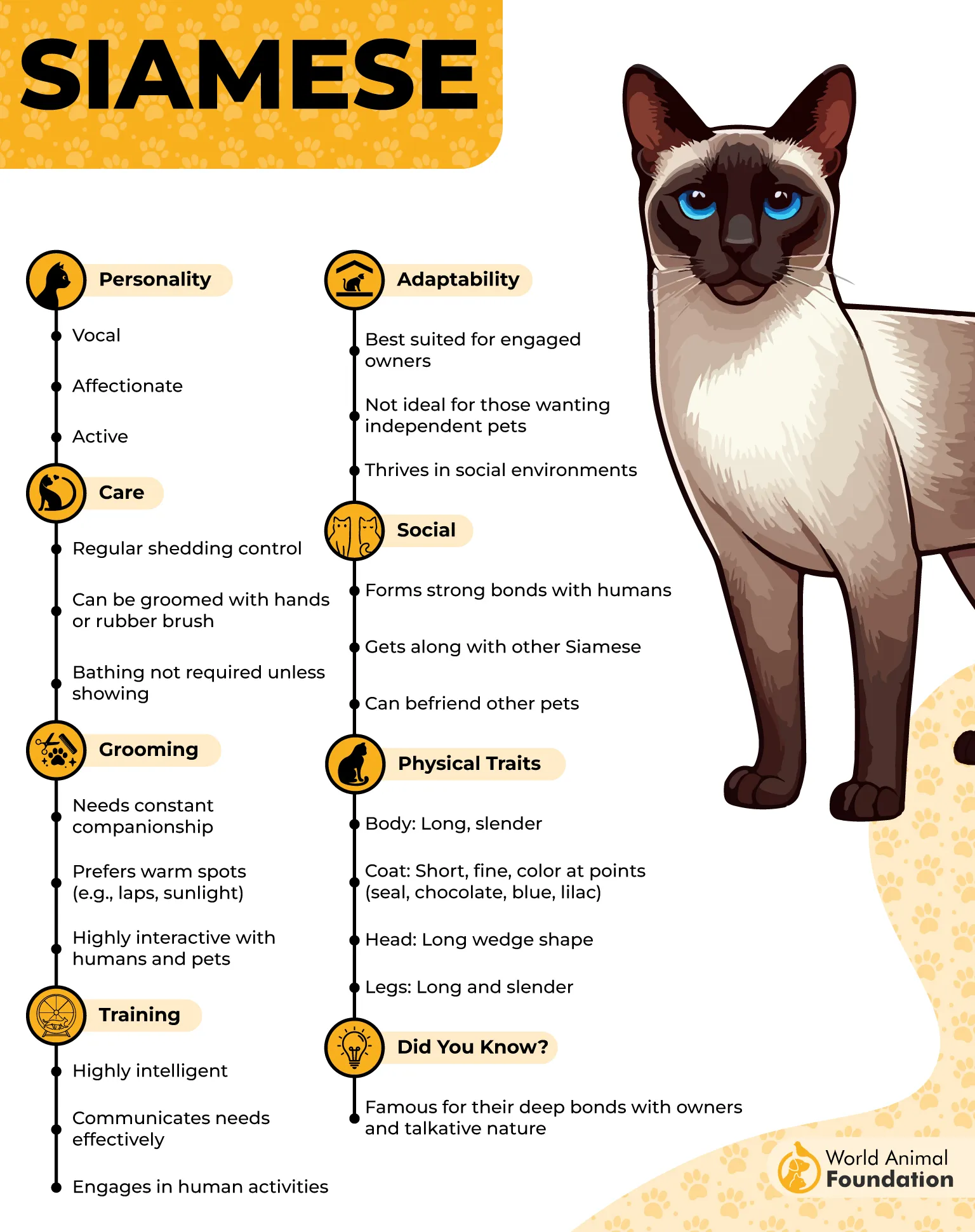
Their outgoing personality helps them adapt quickly to living with other cats and even friendly dogs. They enjoy interactive play and often seek out companionship rather than hiding from new animals.
Adaptability is one of the Siamese’s greatest strengths. Curious and confident, they tend to investigate new pets with interest instead of fear, making introductions smoother. Their playful energy also helps them bond with active animals that enjoy games and shared routines.
Because Siamese cats dislike being alone, a home with multiple pets keeps them mentally stimulated and emotionally content. They thrive in lively environments where social interaction is constant, and boredom is rare.
Fact: Siamese cats are highly vocal and can even learn games like fetch, thanks to their intelligence and curiosity.
6. Burmese
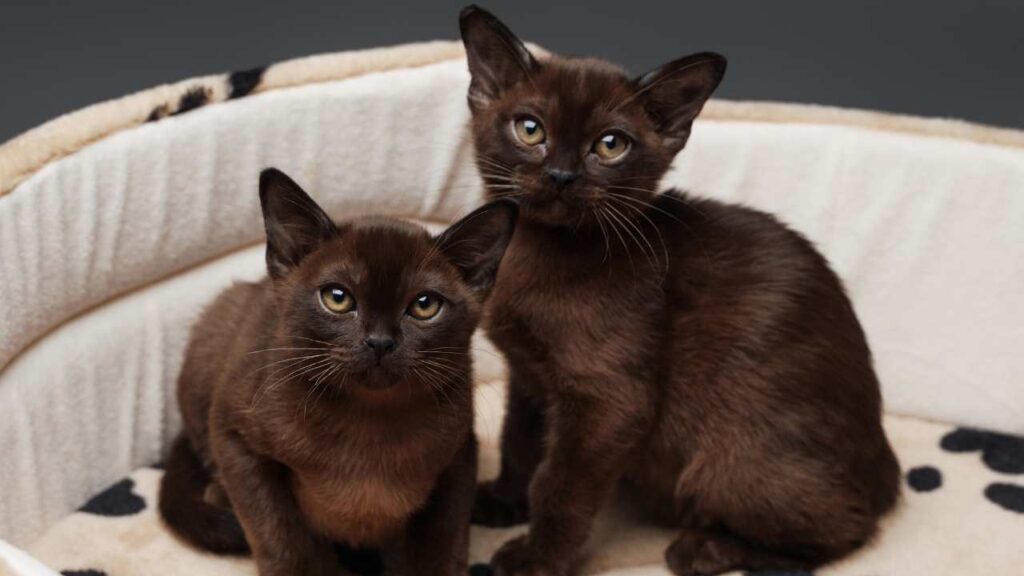
The Burmese, sometimes affectionately called the “Velcro cat,” is a medium-sized breed known for its sleek coat, expressive eyes, and deeply people-oriented nature.
Originally developed from Southeast Asian cats, this breed is instantly recognizable for its muscular build and constant desire to stay close to family members—human or otherwise.
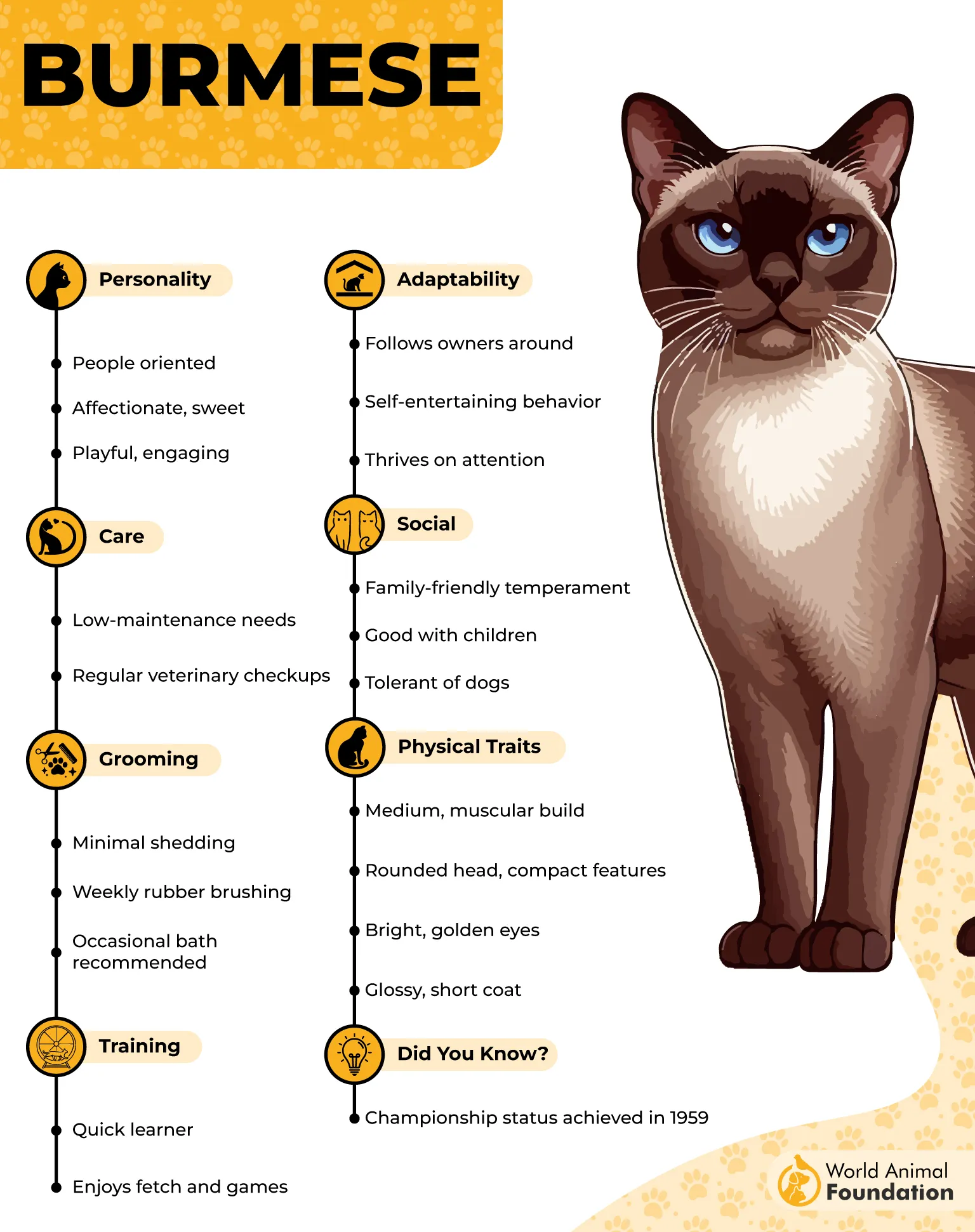
In multi-pet households, Burmese cats truly shine because they thrive on companionship rather than solitude. They often seek out other pets for company, happily sharing space with dogs or fellow cats. Their calm confidence helps them integrate smoothly without becoming territorial or withdrawn.
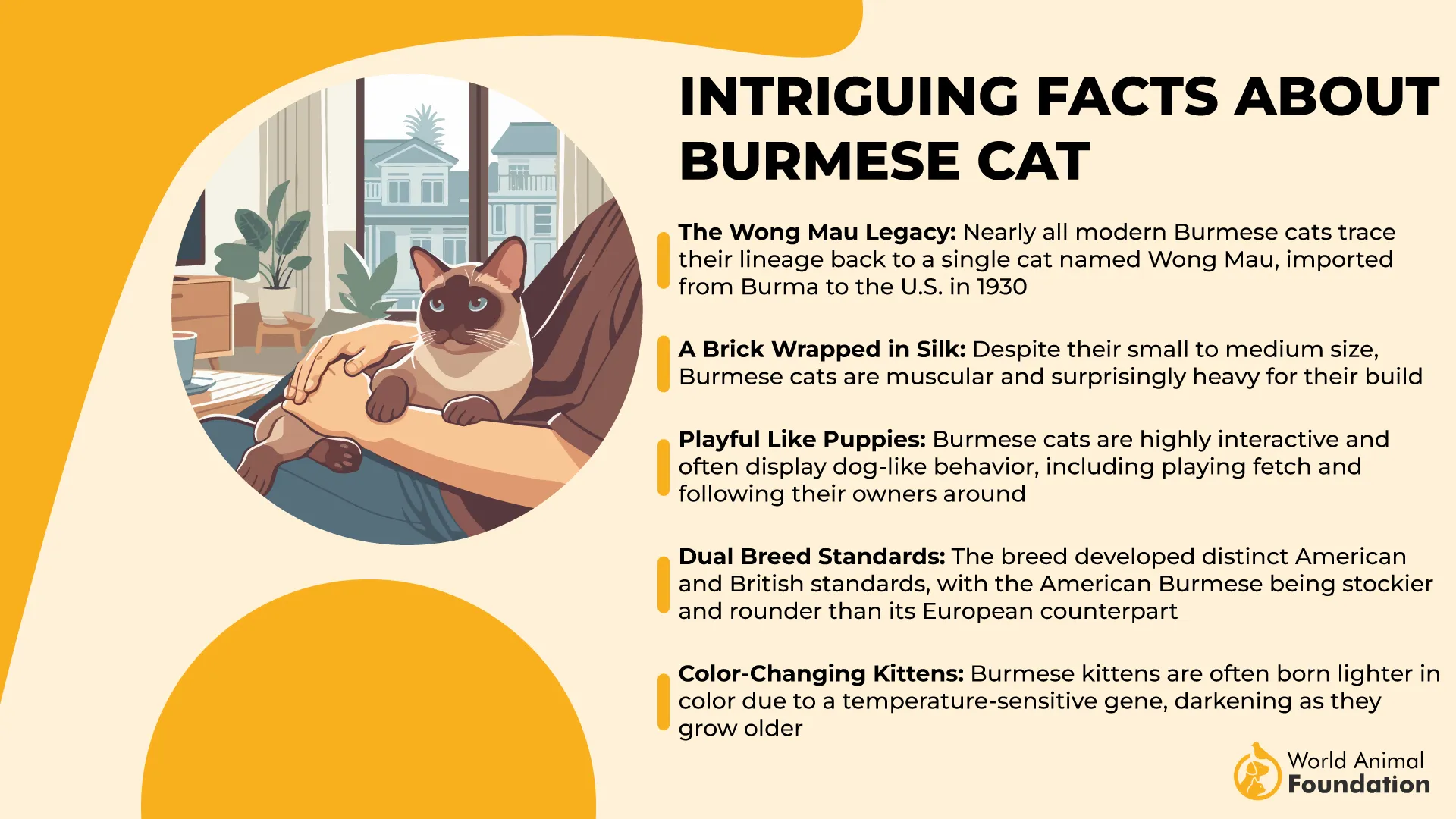
What sets the Burmese apart is their social intelligence and adaptability. They tend to read the mood of other animals well, adjusting their playfulness or gentleness depending on the situation. This makes them excellent at maintaining peace in busy homes filled with different personalities.
Because Burmese cats dislike being alone, they flourish in homes where other pets provide stimulation and comfort.
Fact: Burmese cats are widely recognized for forming strong, dog-like bonds with both people and other animals, making them ideal for multi-pet families.
7. American Shorthair
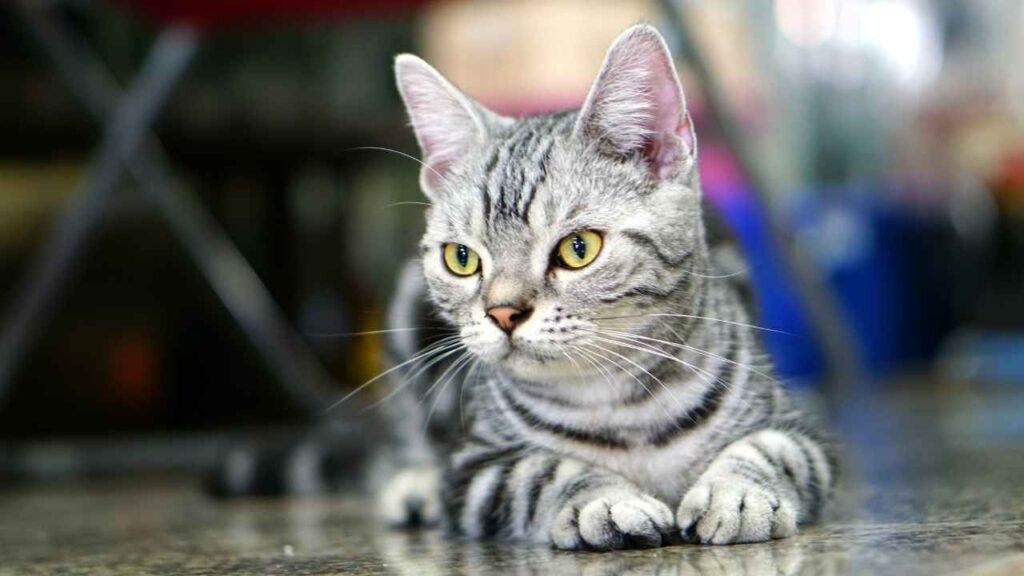
Also known simply as the ASH, the American Shorthair is a classic domestic breed celebrated for its sturdy build, short coat, and easygoing personality. Developed from early working cats, it’s admired for being adaptable, balanced, and friendly across many home settings.
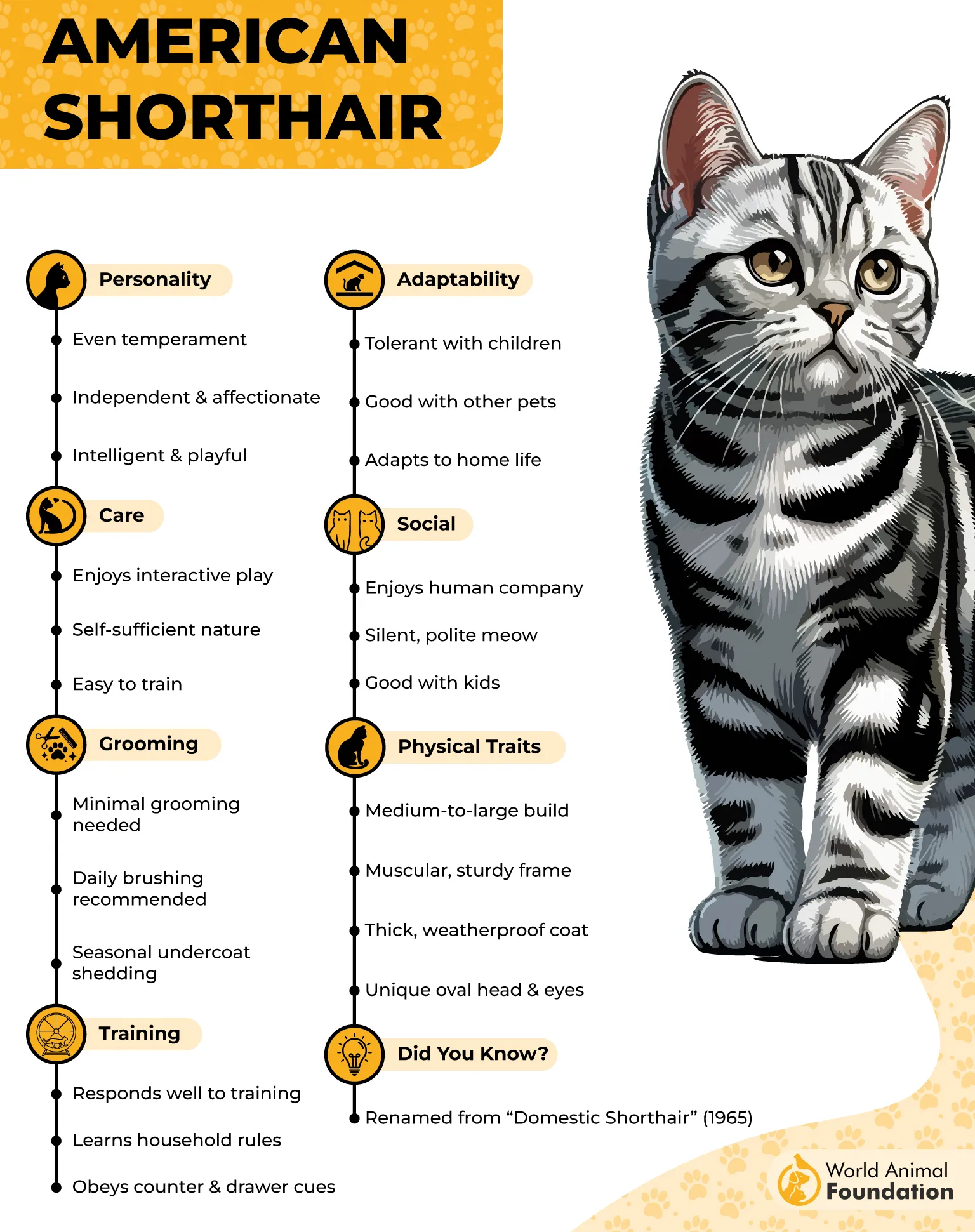
These cats tend to accept dogs and other animals without fuss, making introductions far smoother than with more territorial breeds. Their moderate energy helps them engage without overwhelming others.
When introducing a new cat into a multi-pet household, this breed’s ability to read social cues is a major advantage. American Shorthairs respect boundaries, adjust quickly to routines, and rarely react aggressively, helping maintain harmony even in busy, pet-filled homes.
Their long history as independent yet cooperative working cats contributes to their steady temperament today.
Fun Fact: An all-black American Shorthair named India served as the White House’s “first cat” and lived to the impressive age of 18.
8. Sphynx
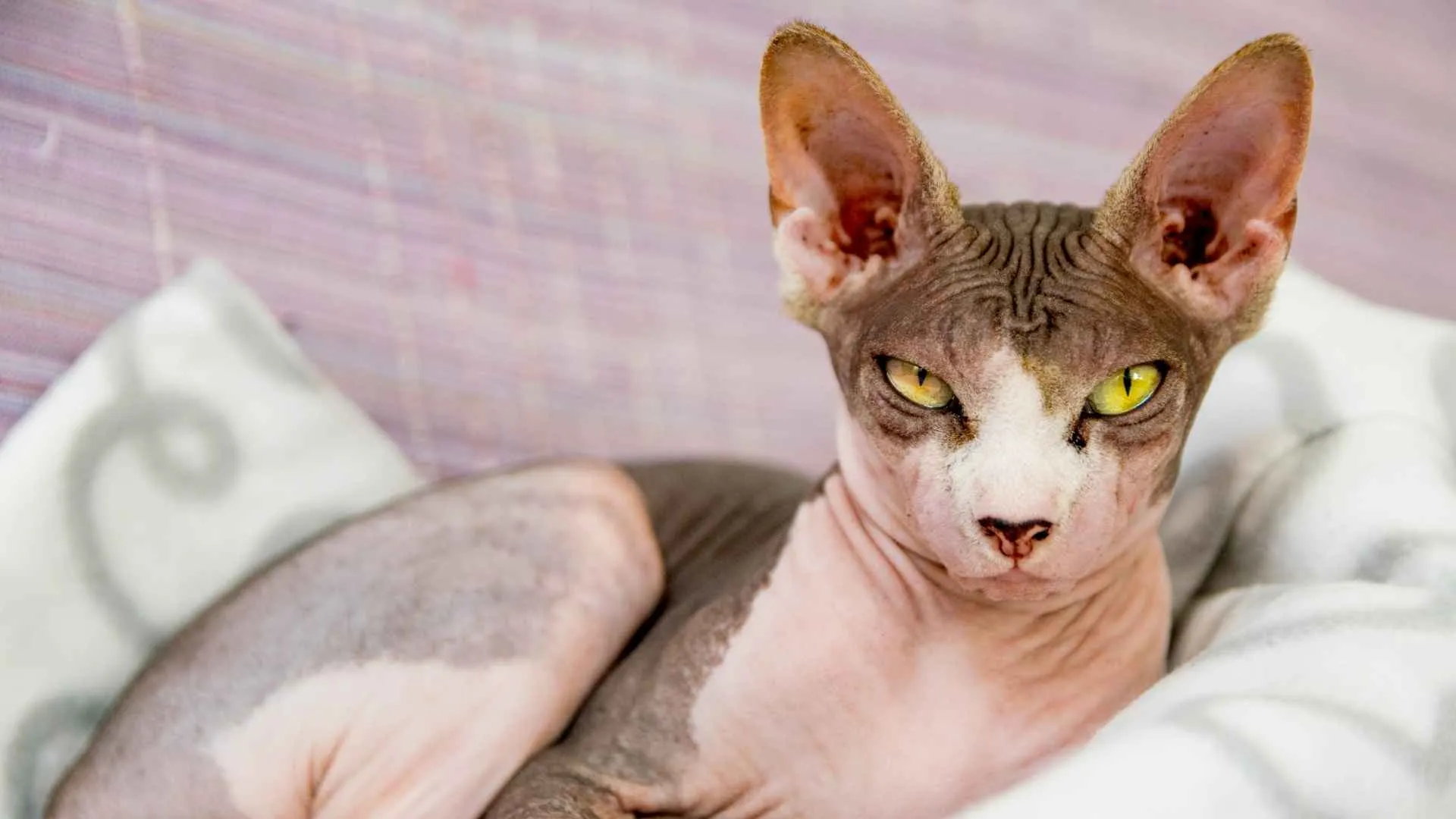
The Sphynx, also known as the hairless cat, stands out for its bare skin, large ears, and expressive eyes. Despite their unusual look, these cats are affectionate, energetic, and famously social, making them a natural fit for busy, multi-pet households.
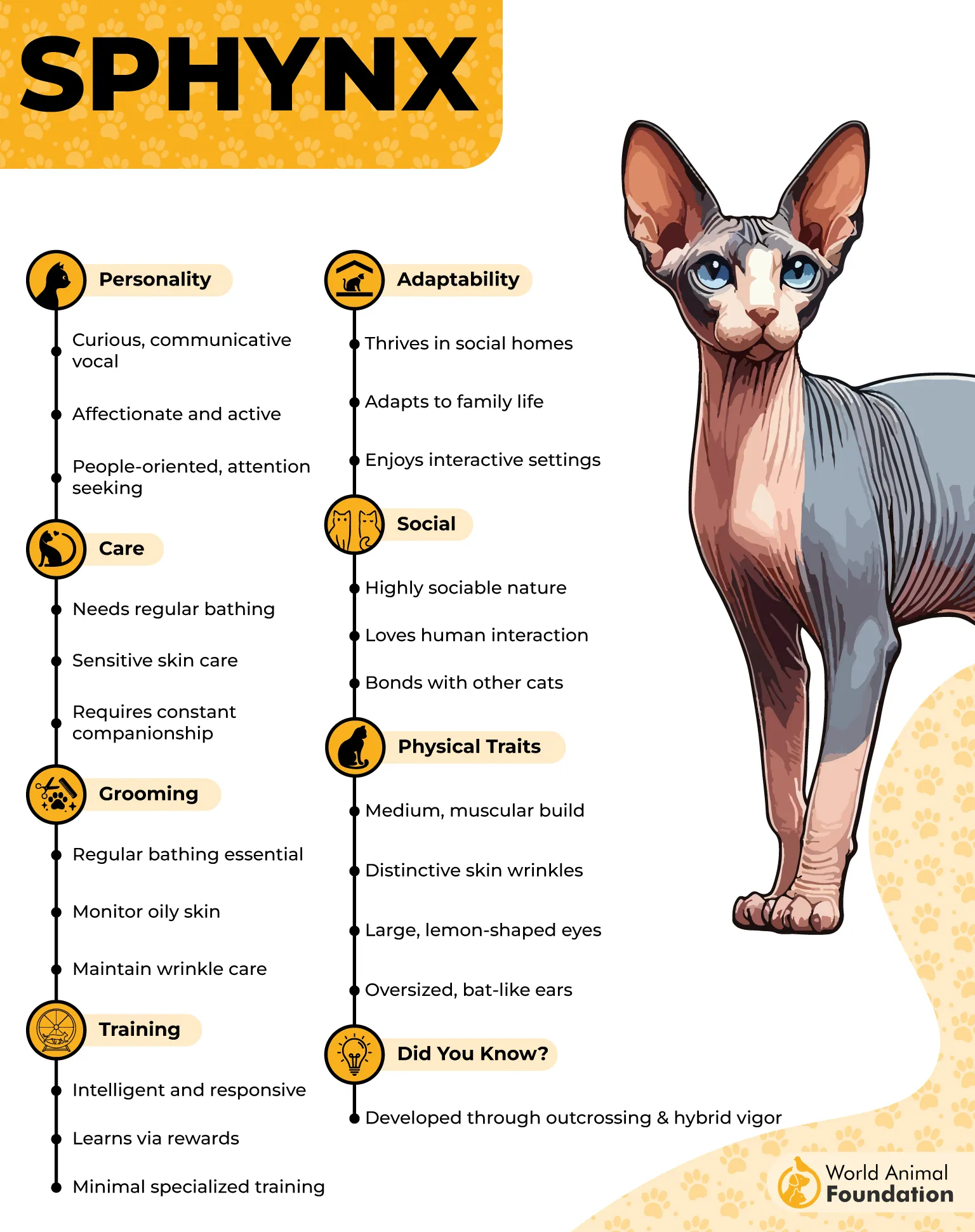
In homes with several animals, the Sphynx thrives on interaction rather than isolation. They eagerly engage with other cats and often form playful, dog-like friendships with canine companions, reducing tension through constant social bonding.
To maintain harmony, structured playtime works wonders with a Sphynx in the mix. Interactive toys, shared play sessions, and supervised introductions help channel their curiosity positively, preventing overstimulation or jealousy among pets.
Warm sleeping areas and shared lounging spots also encourage peaceful coexistence, as Sphynx cats love close contact and comfort.
Fact: Due to their high metabolism, Sphynx cats require more calories than other cats of similar size to help regulate body temperature.
9. Norwegian Forest Cat
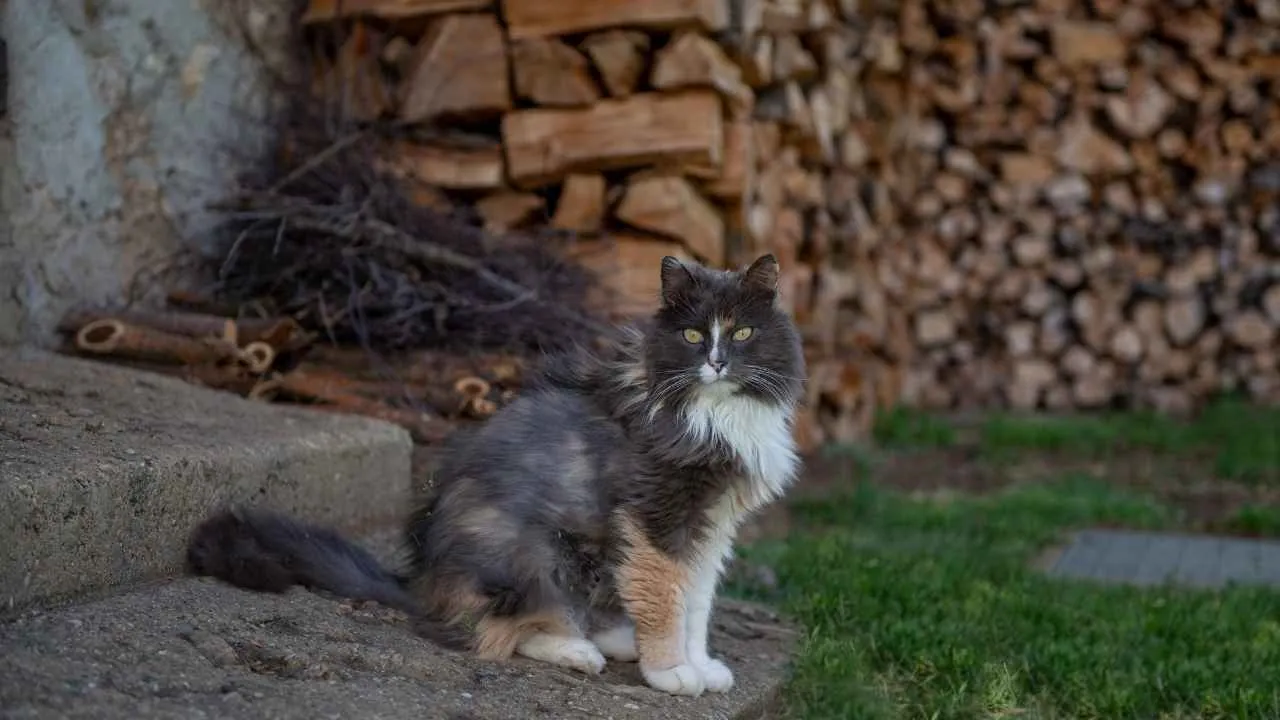
Often called the Wegie or Skogkatt, the Norwegian Forest Cat is a large, natural breed shaped by harsh Scandinavian climates. Its thick coat, sturdy frame, and calm confidence make it well suited to shared homes with multiple pets.
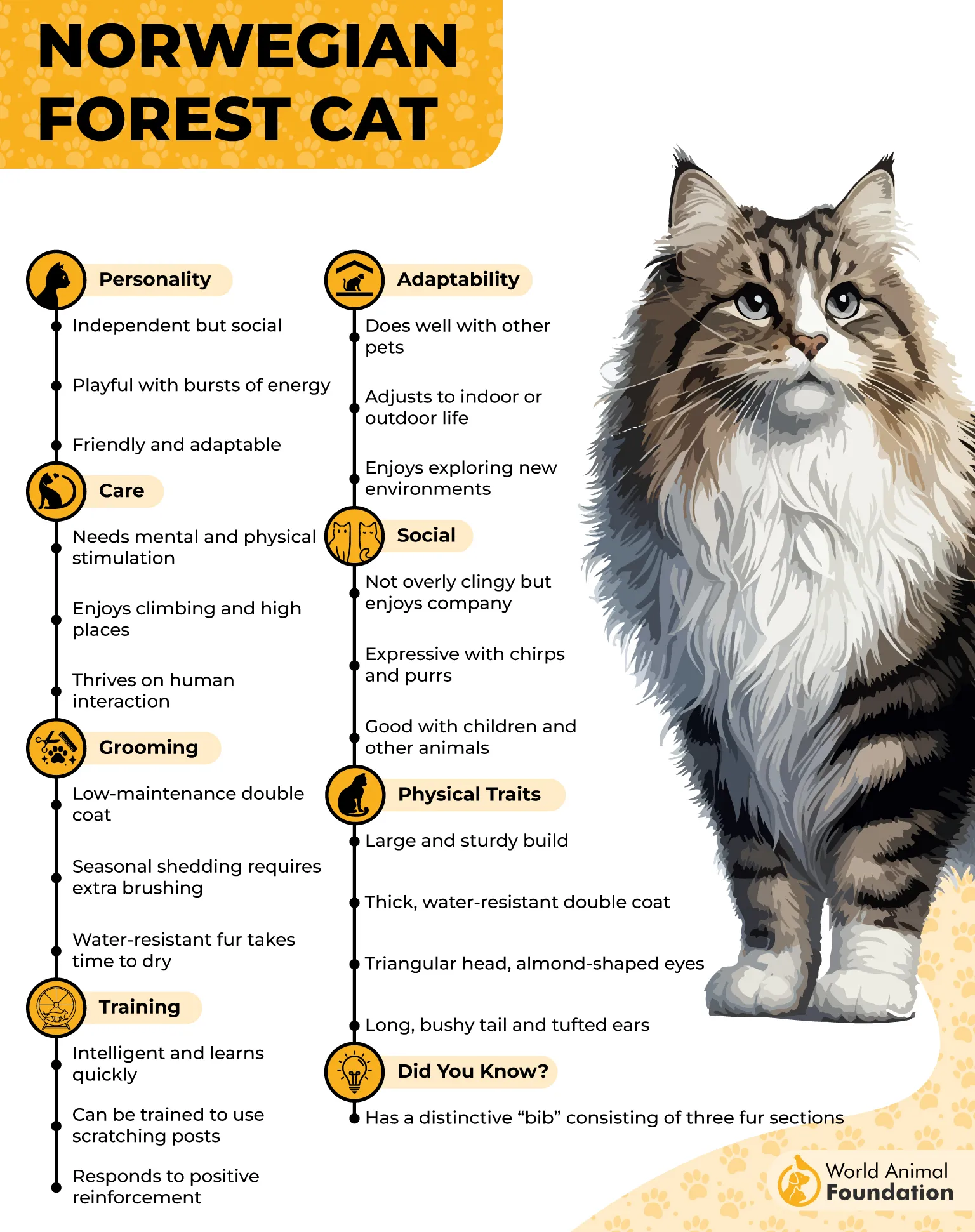
In multi-pet households, this breed stands out for its balanced temperament. Confident without being pushy, Norwegian Forest Cats tend to coexist peacefully with other cats and even dogs, often engaging in relaxed play or mutual grooming rather than competition.
Their strong build means they’re rarely intimidated by larger animals, yet they’re gentle enough to handle busy environments. While they retain natural hunting instincts, they can learn boundaries with smaller pets when introductions are managed thoughtfully.
Independent but affectionate, Wegies are content entertaining themselves when the house is quiet and enjoy bonding when family members are around. They’re patient with children, tolerant of other animals, and adapt well to bustling homes without becoming demanding.
Fact: Norwegian Forest Cats are known for being friendly and gentle, yet independent enough to stay relaxed in homes with multiple pets.
Conclusion
Choosing the right feline for a busy, multi-pet home comes down to temperament and adaptability. While not all cat breeds thrive around other animals, the friendliest cat breeds tend to show a docile and affectionate nature that helps them blend into family life.
Breeds like the ragdoll cat, Persian cats, and exotic shorthairs are known for being calm, patient, and tolerant, making them a reliable feline friend for both people and pets. Many cat parents find that sociable cats quickly become playful companions and a trusted presence in shared spaces.
For pet parents, success also depends on thoughtful introductions and respecting individual personalities. Both purebred cats and mixed breeds can thrive in multi-pet homes when matched correctly.
Whether welcoming kittens or adult cats, many cat owners discover that the right choice leads to harmony between animals and stronger bonds with their human companions, proving why these top cat breeds are so valued in shared households.
