




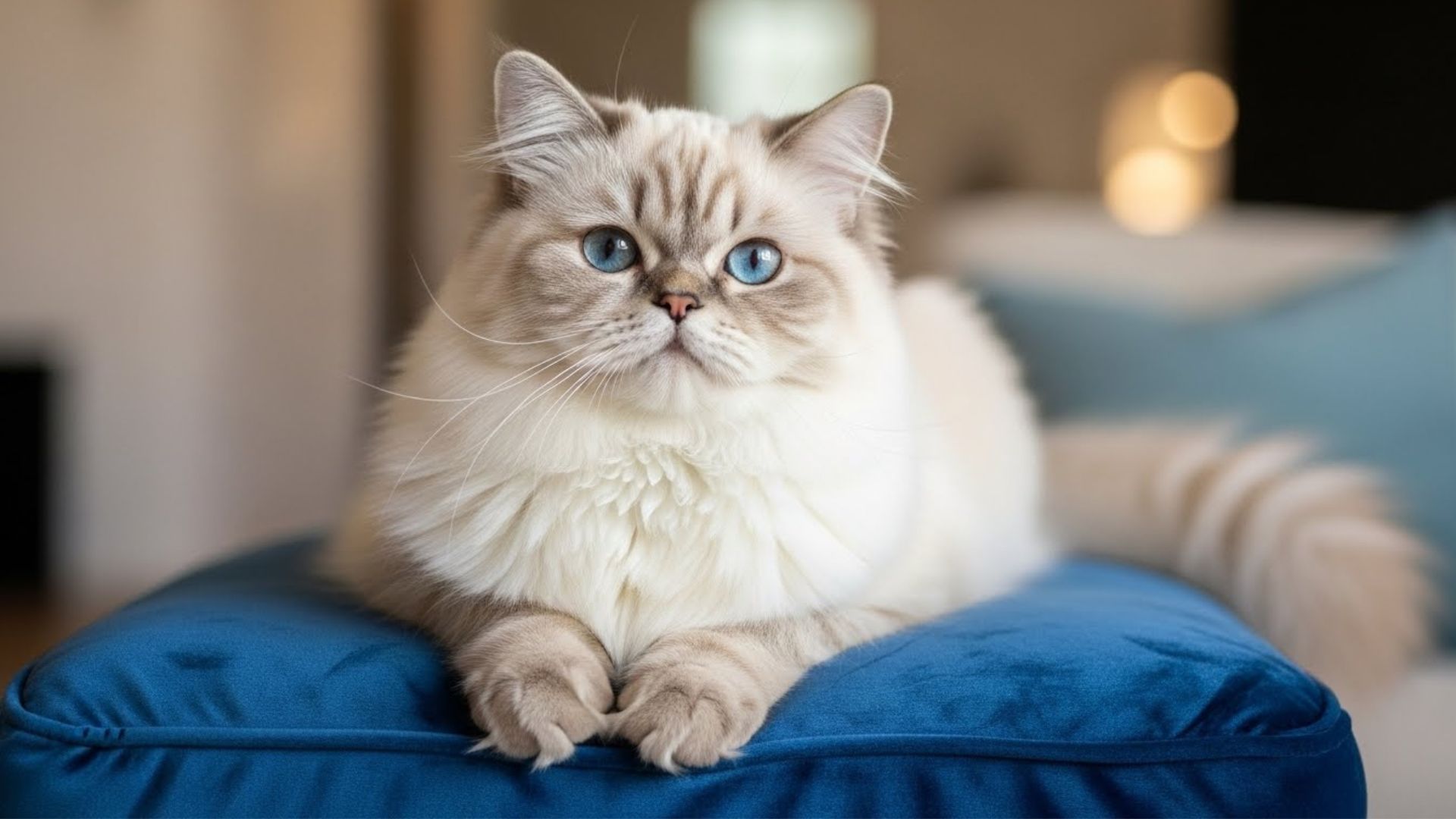
Some cat owners prefer a calm home where quiet companionship matters more than constant chatter. While every cat has its own voice, certain breeds are often known for being more reserved and less vocal than others.
These cats may communicate through body language, gentle presence, or soft sounds rather than frequent meowing. Choosing a quieter cat can be especially appealing for apartment living, shared spaces, or anyone who values a peaceful atmosphere.
Understanding which breeds tend to be more low-key can help set realistic expectations and lead to a better match. In this guide, we will explore cat breeds that are commonly associated with a quieter nature and what that might mean for daily life with your feline companion.
Quietest Cat Breeds
1. Persian
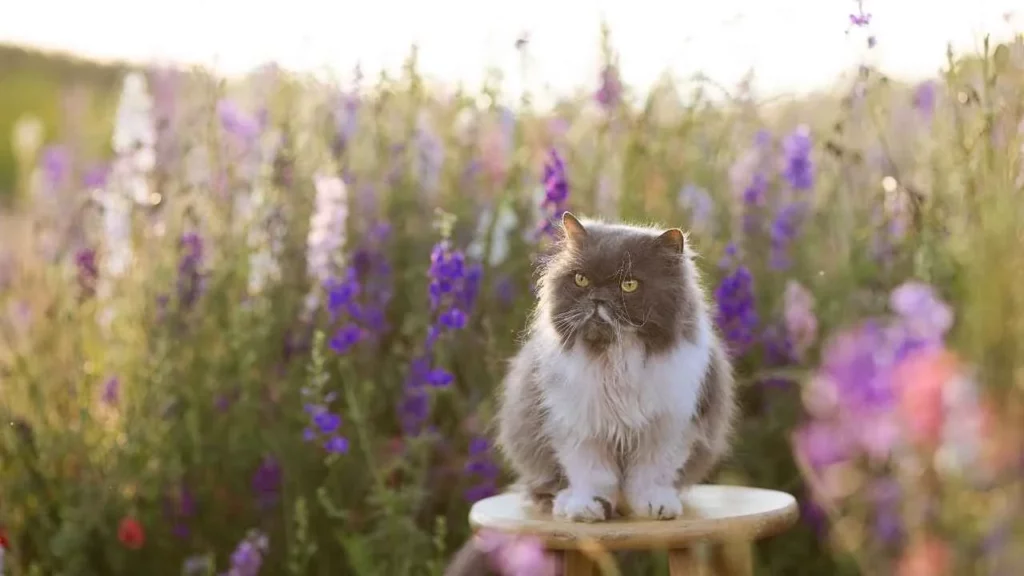
Persian cats are widely known for their calm, relaxed presence and preference for peaceful surroundings. They tend to move slowly, observe quietly, and spend much of their day resting in comfortable spots. This breed usually communicates softly and does not rely on frequent vocalization to express needs or emotions.
Daily life with a Persian often feels steady and predictable. They enjoy familiar routines, gentle handling, and quiet interaction with their people. Instead of following owners around the house, Persians are more likely to wait patiently in their favorite areas and enjoy companionship without constant engagement.
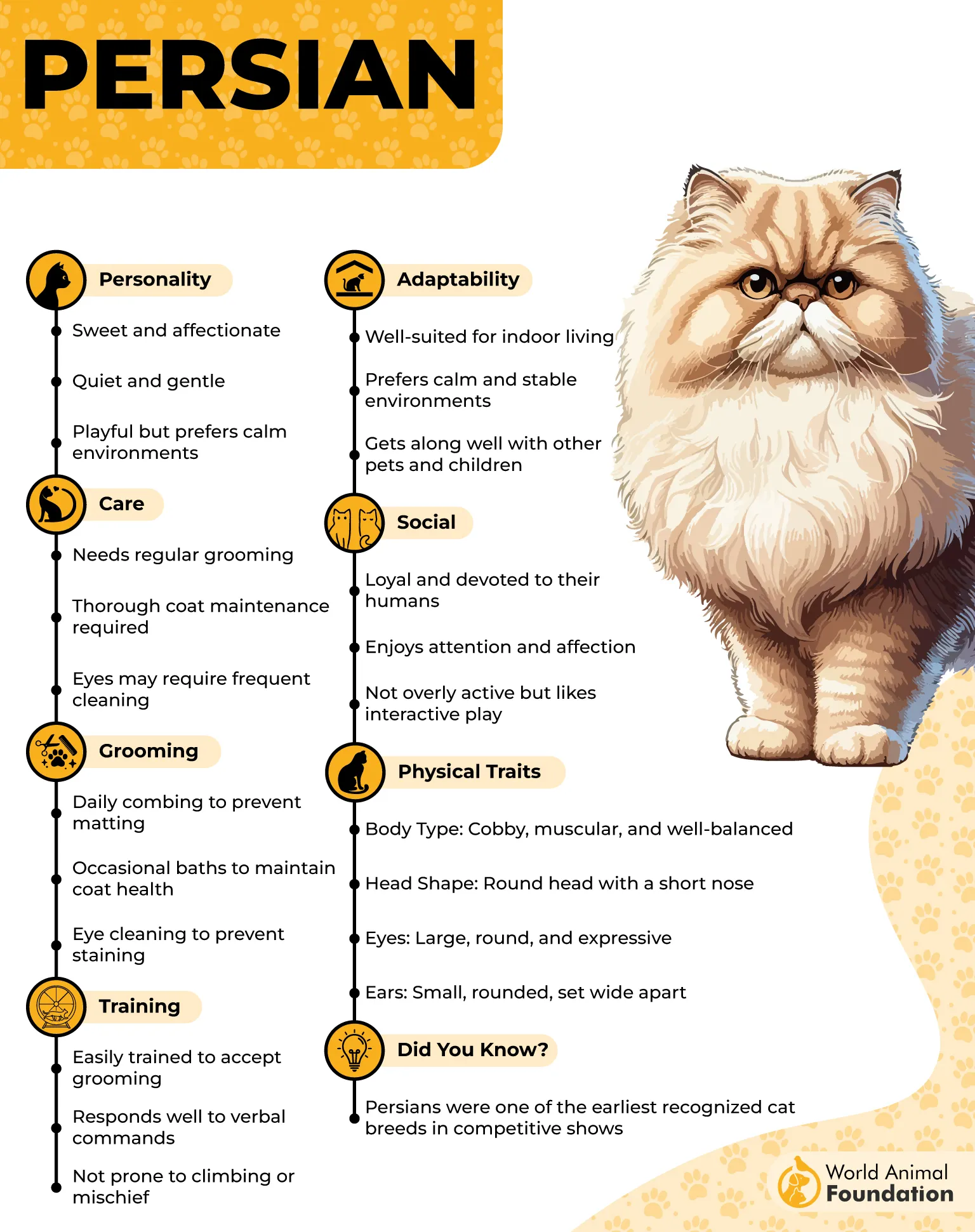
As per Purina, Persians often form strong attachments through consistency rather than attention-seeking behavior. They appreciate calm petting sessions and being near trusted people. Their low-energy lifestyle and reserved communication style make them well-suited for homes that value quiet comfort over activity.
Why This Cat Is a Good Fit
Creates a peaceful atmosphere in apartments or shared spaces
Ideal for owners who prefer quiet companionship
Adjusts well to calm indoor routines
2. British Shorthair
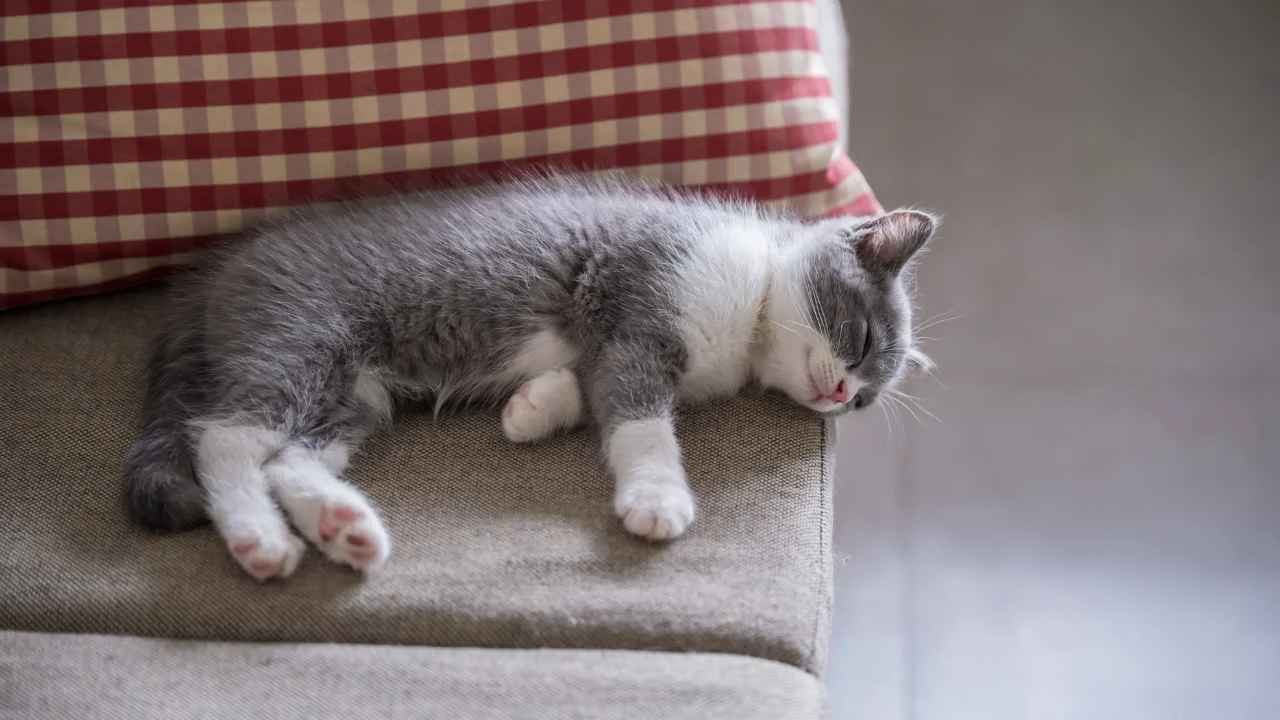
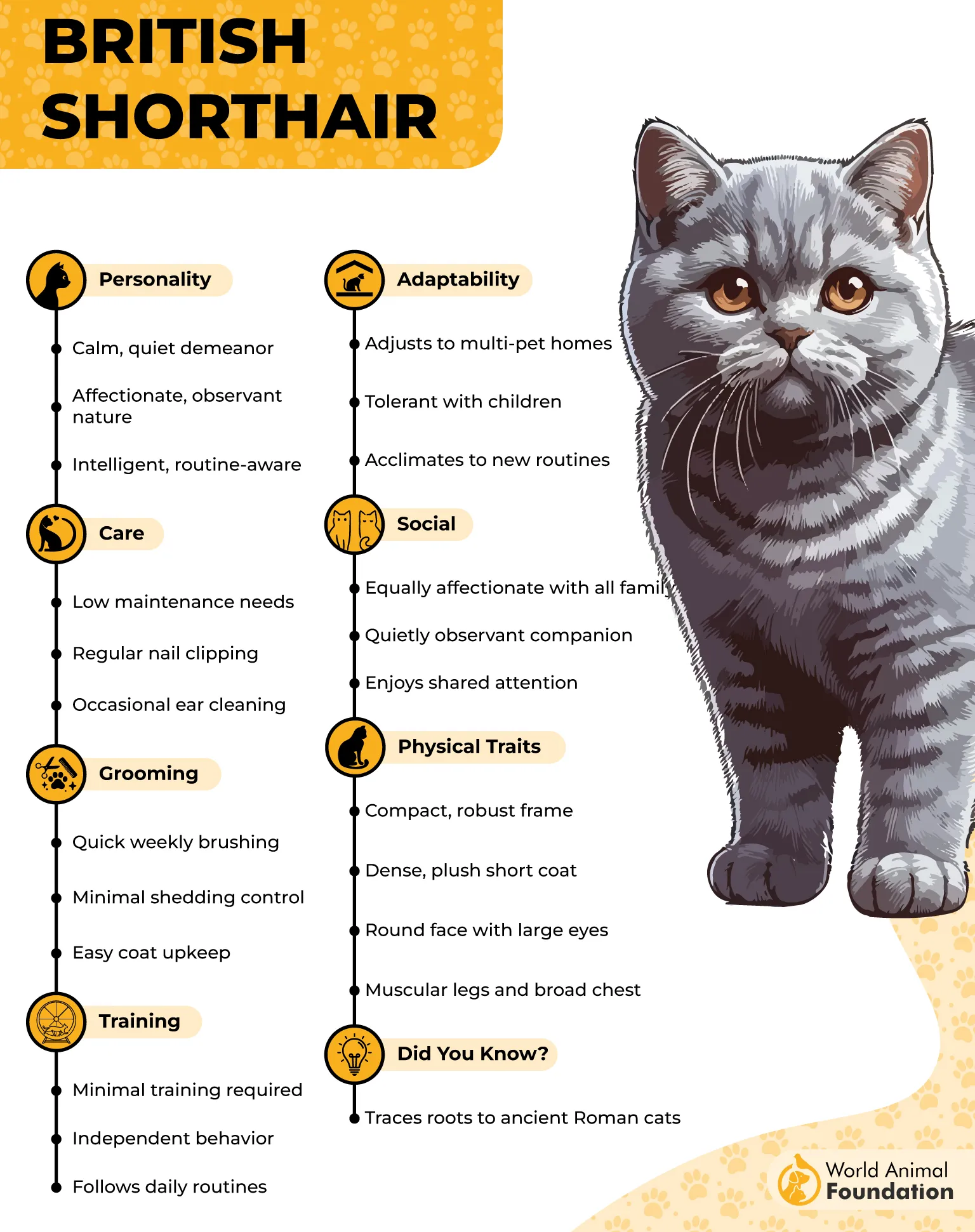
According to the CFA, British Shorthairs are known for their composed nature and thoughtful behavior. They tend to observe their environment carefully and rarely act impulsively. This breed usually communicates in subtle ways rather than frequent meowing.
In the home, British Shorthairs often enjoy independence balanced with steady affection. They may choose to sit nearby instead of seeking constant physical contact. Their interactions often feel polite and nonintrusive, which many owners find reassuring.
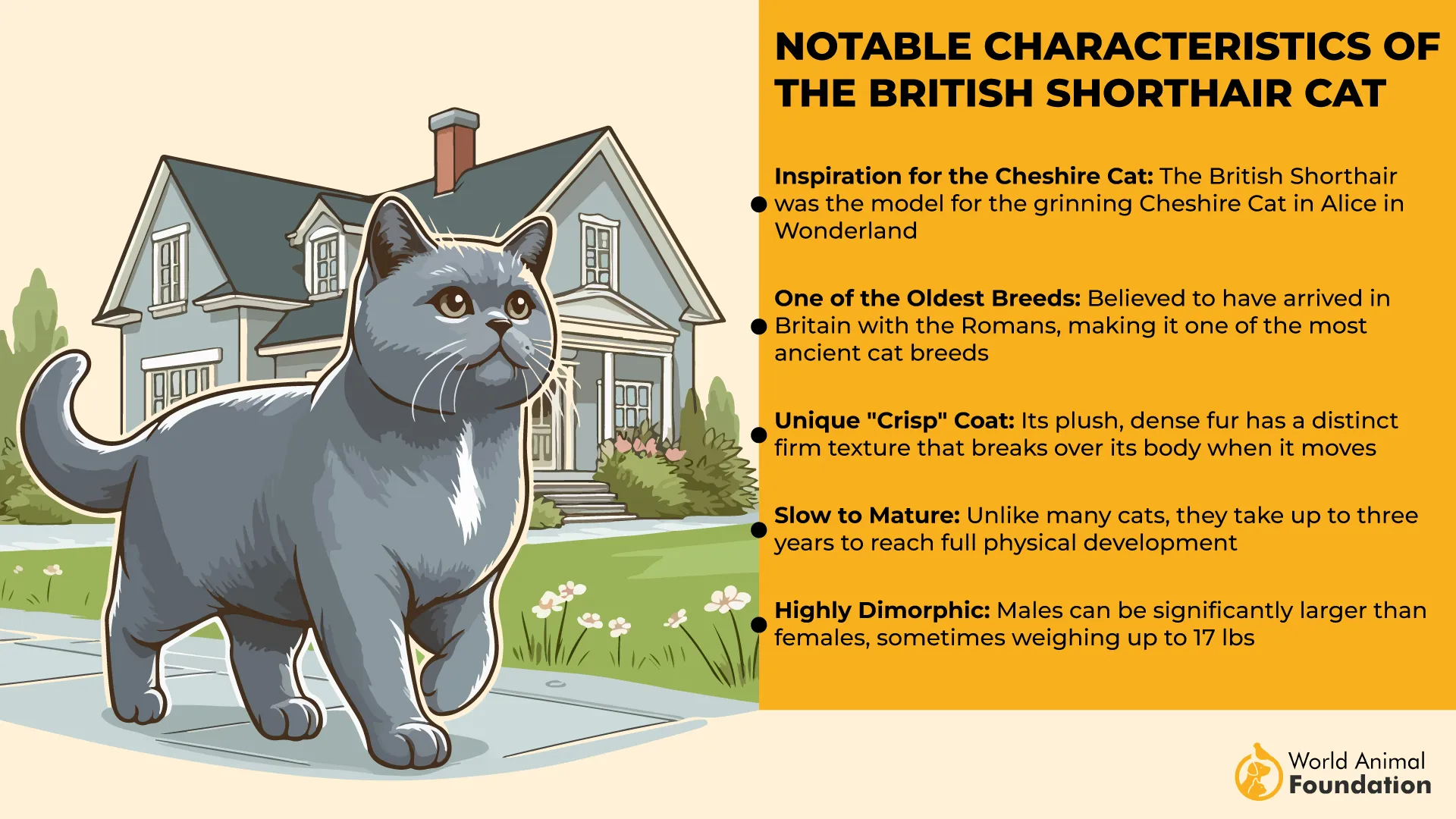
British Shorthairs typically thrive in stable environments with predictable routines. They adapt well to indoor living and do not demand high levels of stimulation. Their quiet confidence and reserved communication style contribute to a calm household dynamic.
Why This Cat Is a Good Fit
Well-suited for quiet homes and apartments
Comfortable spending time alone without distress
Easy to live with for first-time cat owners
3. Chartreux
Chartreux cats are recognized for their quiet demeanor and observant personality. They often prefer watching to vocalizing and use body language to communicate. Many Chartreux cats are content being present without drawing attention to themselves.
This breed tends to form close bonds while remaining low-key. Chartreux cats may follow their people quietly or rest nearby without interruption. Their companionship often feels calm and reassuring rather than demanding.
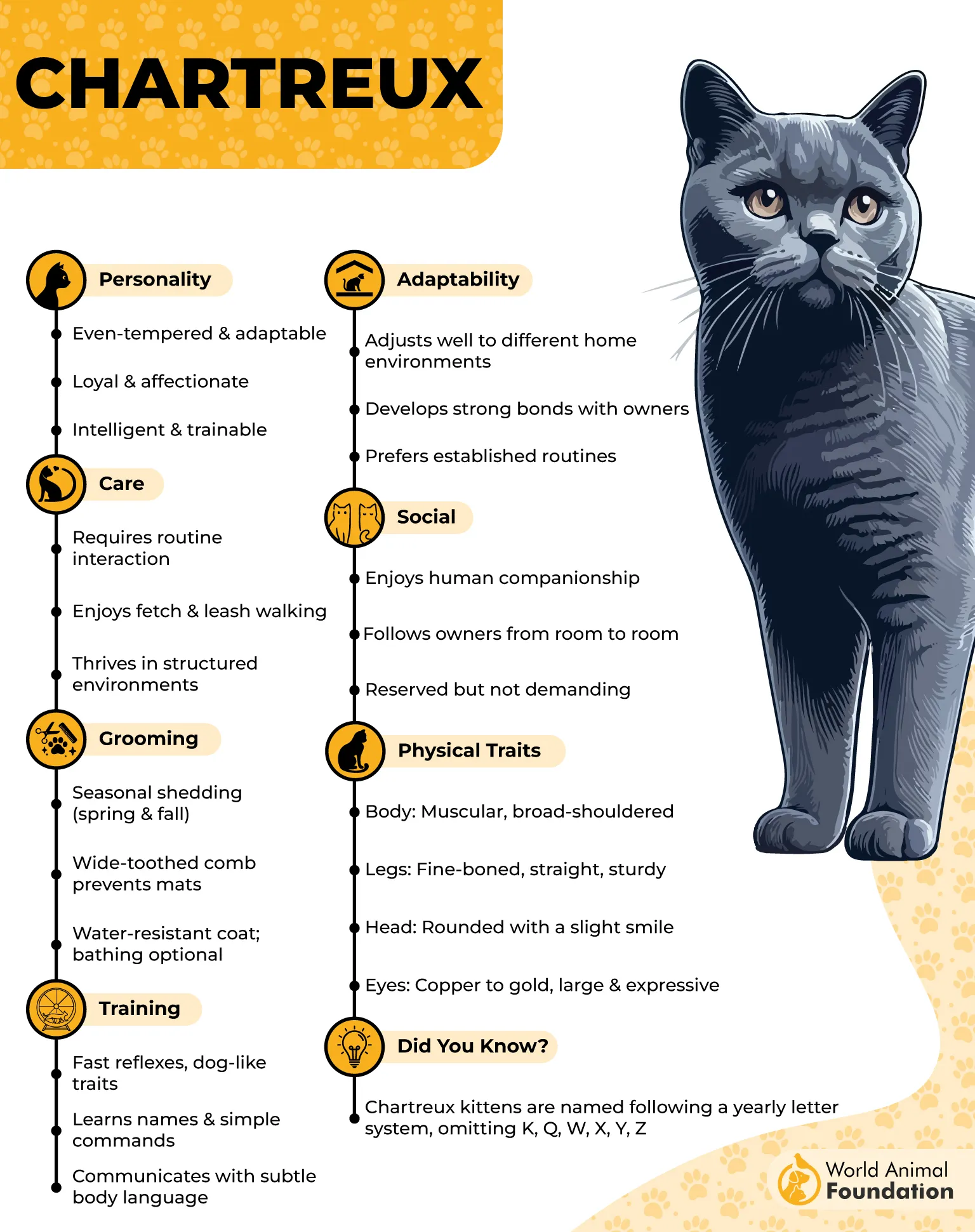
WebMD states that Chartreux cats usually enjoy routine and familiar spaces. They handle indoor living well and do not require constant interaction. Their gentle presence and limited vocalization make them appealing to those who value a tranquil home.
Why This Cat Is a Good Fit
Maintains a quiet and relaxed home environment
Bonds deeply without being attention-driven
Ideal for peaceful households
4. Birman
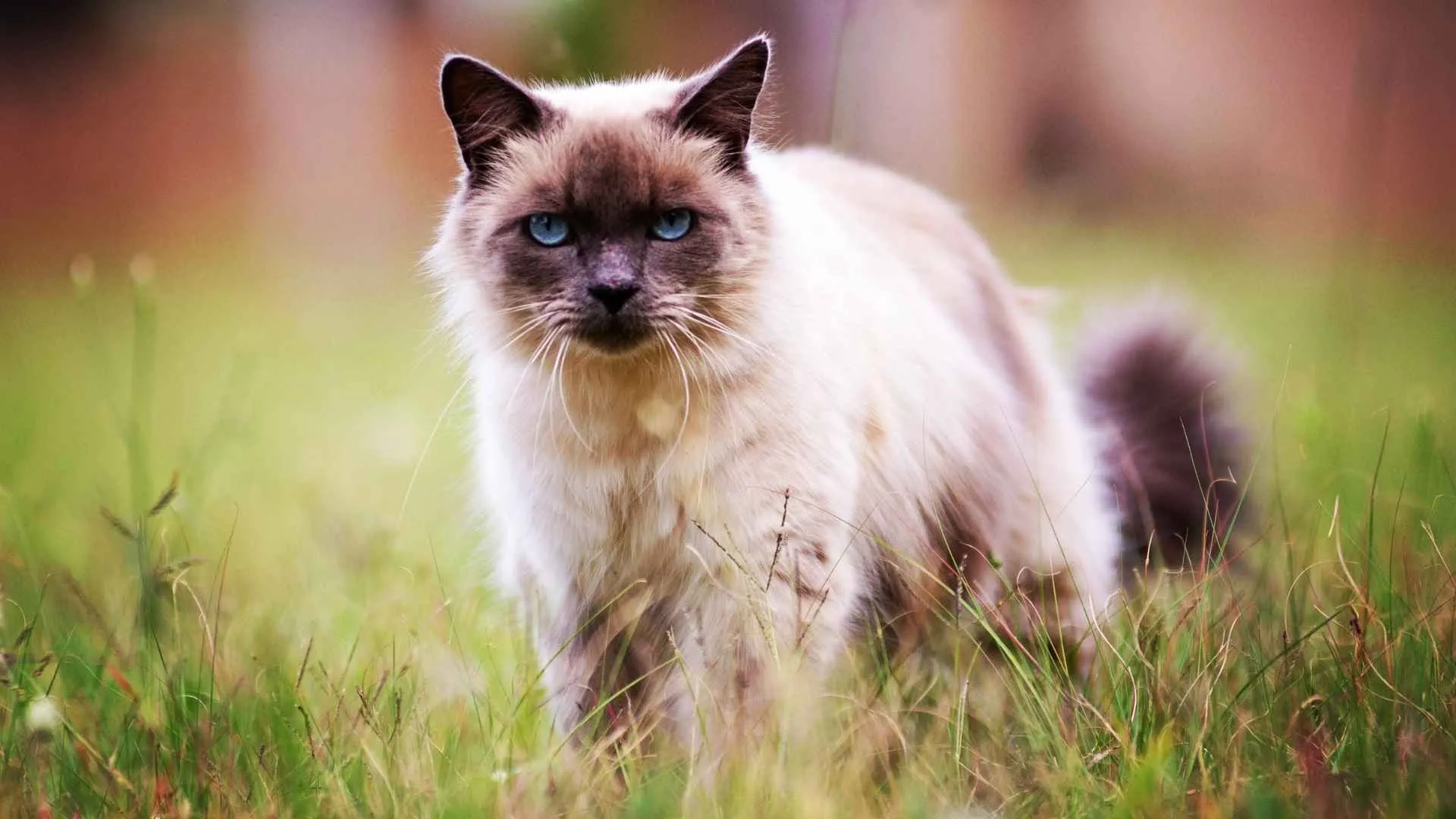
Birman cats are often described as gentle and soft-spoken. They tend to communicate in quiet ways and rarely vocalize excessively. Their calm presence often brings a sense of balance to the home.
Birmans usually enjoy being near people while respecting personal space. They may follow family members quietly or rest in the same room without interruption. This behavior supports bonding without overwhelming interaction.

This breed typically adapts well to indoor routines and steady environments. Birmans appreciate calm handling and consistent schedules. Their peaceful nature and low vocal tendencies make them a good match for quiet households.
Why This Cat Is a Good Fit
Supports calm living in apartments or shared homes
Enjoys companionship without constant noise
Easygoing choice for relaxed families
5. Scottish Fold
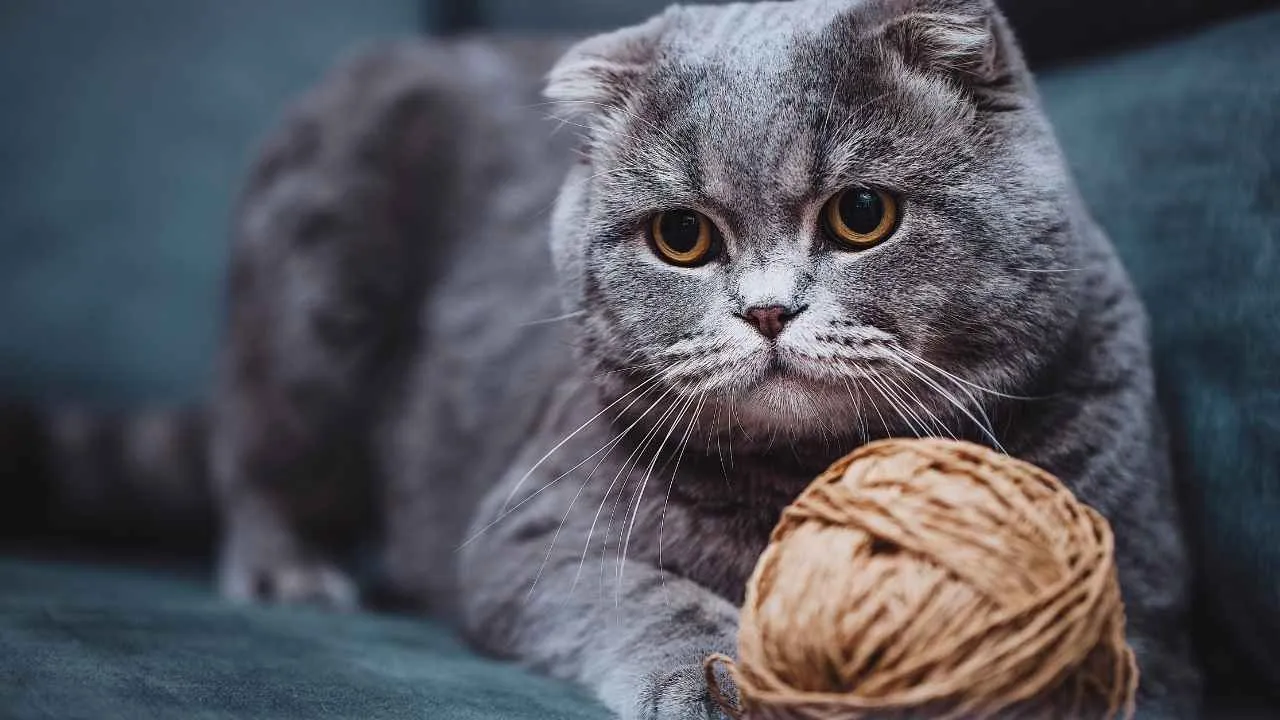
Scottish Fold cats are known for their gentle nature and soft communication. They tend to use quiet sounds or body language instead of frequent meowing. This breed often appears relaxed and content in calm indoor settings.
In daily life, Scottish Folds usually enjoy being close to their people without demanding constant attention. They may sit nearby, follow quietly, or rest in shared spaces. Their behavior often feels calm and predictable, which helps create a peaceful household rhythm.

Scottish Folds typically adapt well to stable routines and indoor living. They are comfortable observing activity without needing to participate loudly. Their reserved personality and low vocal tendencies make them appealing to owners who value a tranquil environment.
Why This Cat Is a Good Fit
Keeps noise levels low in apartments or shared homes
Enjoys companionship without excessive vocalizing
Fits well with calm family routines
6. Ragdoll
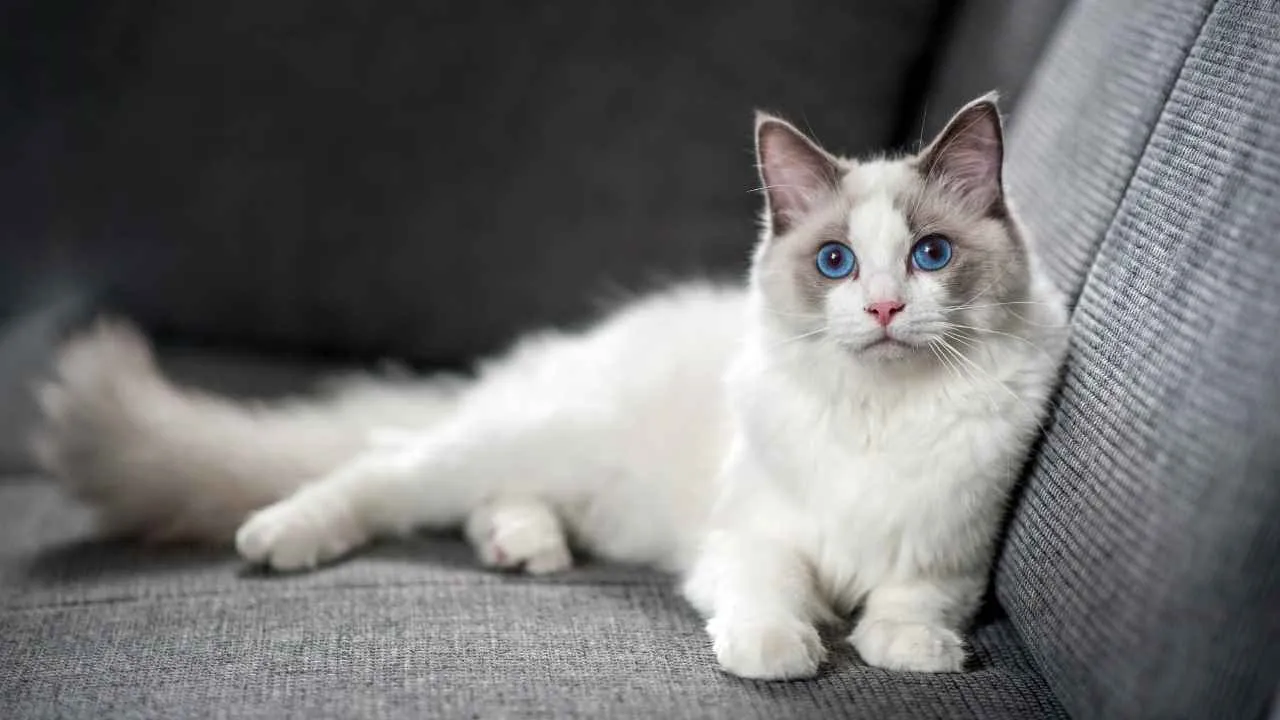
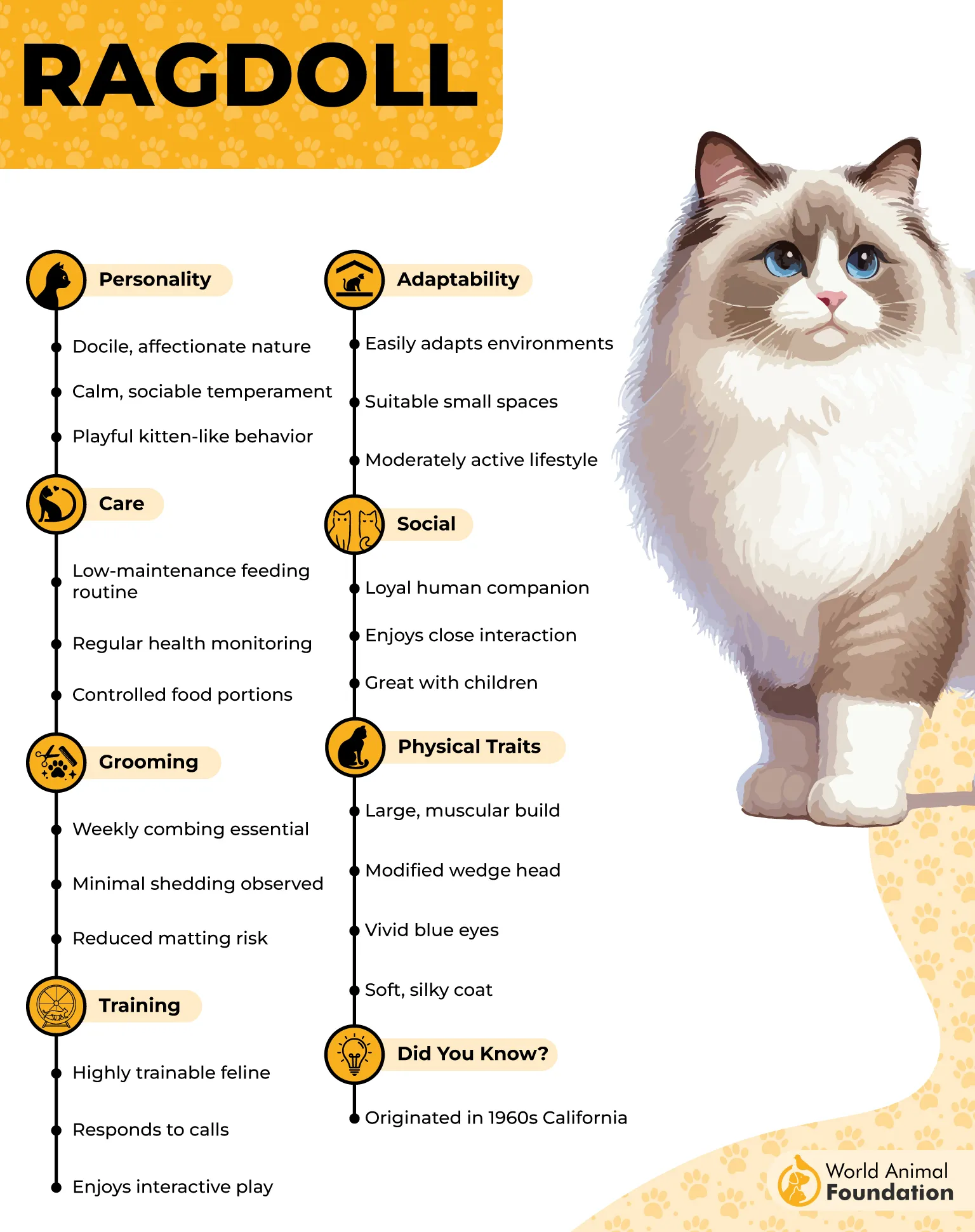
Ragdoll cats are widely appreciated for their laid-back personality and quiet demeanor. They tend to communicate gently and rarely use loud or frequent vocalizations. Many Ragdolls prefer calm surroundings where routines stay consistent.
This breed often shows affection through presence rather than sound. Ragdolls may relax nearby, settle into familiar spots, or enjoy quiet interaction with their owners. Their easygoing attitude often helps reduce stress in the home.
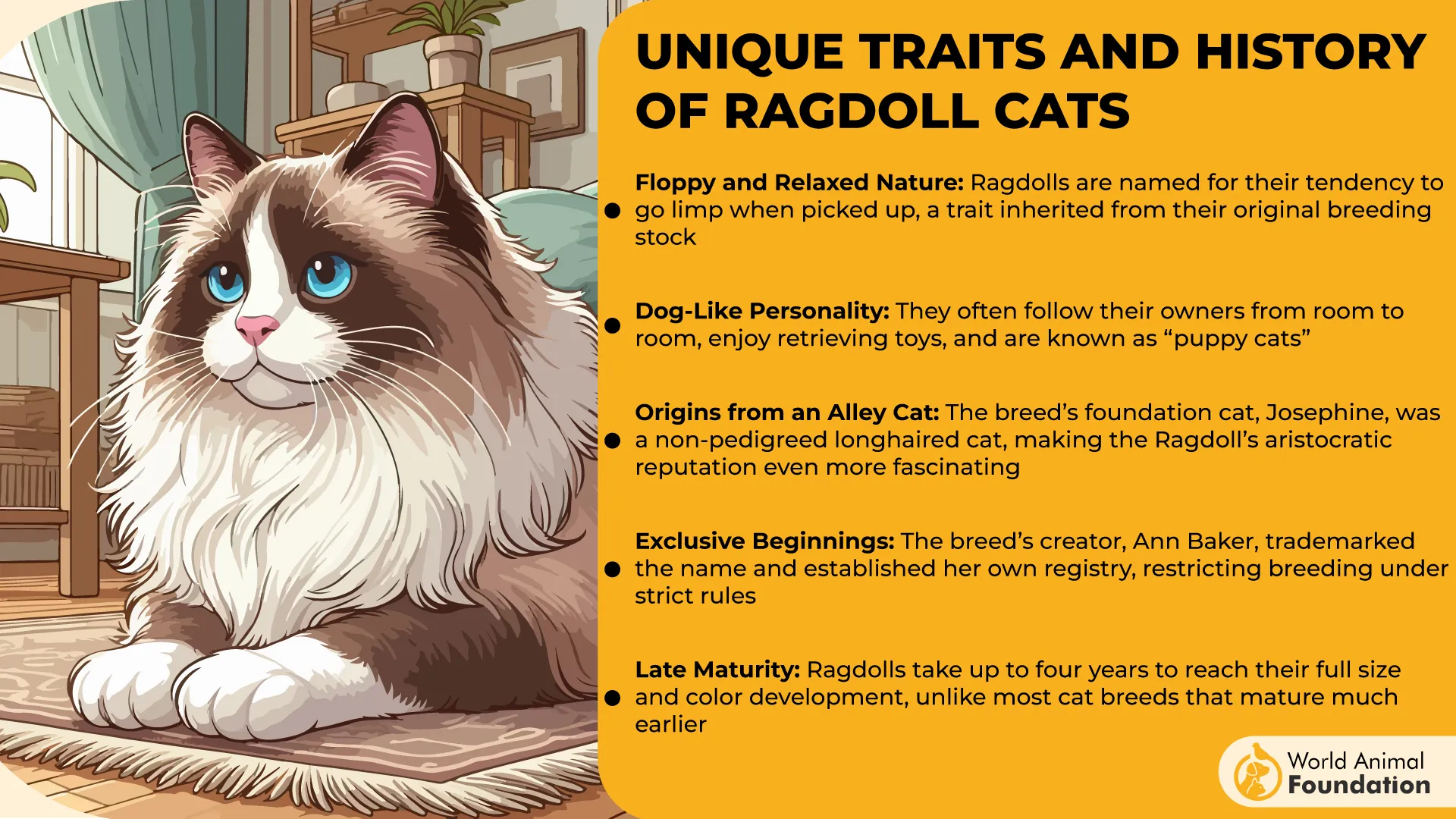
Ragdolls usually handle indoor life well and enjoy predictable schedules. They are not known for demanding attention through noise. Their calm behavior and soft communication style make them a strong choice for peaceful households.
Why This Cat Is a Good Fit
Creates a relaxed and quiet home atmosphere
Ideal for owners who enjoy calm companionship
Adjusts well to indoor and apartment living
7. Siberian
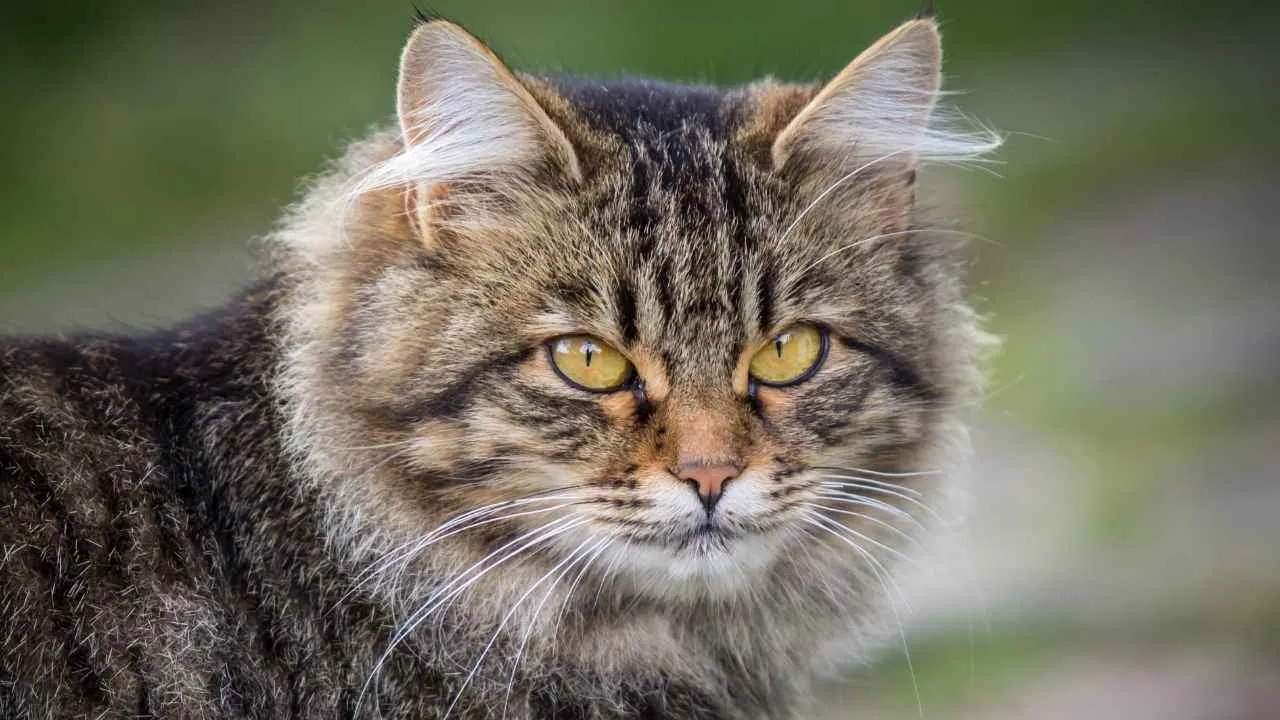
Siberian cats are known for their balanced temperament and moderate communication style. While they can be social, they are not typically loud or overly vocal. Many Siberians rely more on presence and interaction than sound.
In the home, Siberians often appear confident and steady. They enjoy spending time with their people, but usually do so without constant noise. Their communication tends to feel purposeful rather than frequent.
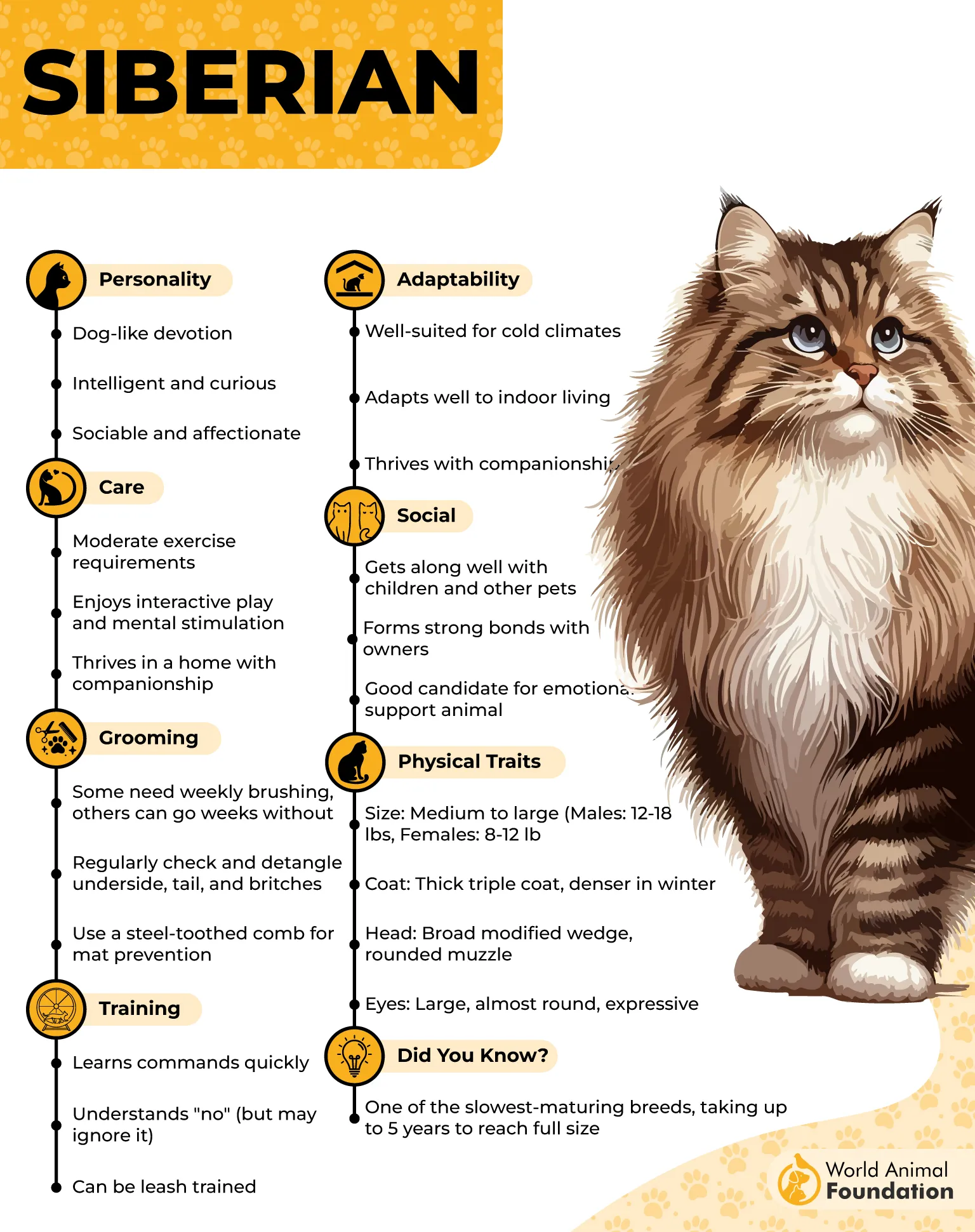
Siberian cats adapt well to family environments and indoor routines. They often handle changes calmly and settle into daily life without disruption. Their quiet confidence and composed behavior support a peaceful living space.
Why This Cat Is a Good Fit
Maintains a calm presence without excessive noise
Comfortable in family homes and shared spaces
Balances sociability with quiet behavior
Conclusion
Calm cats can be a wonderful choice for pet parents who value a quiet home and gentle companionship. A quiet breed often communicates through soft voices, body language, or a loud purr instead of constant noise. Many calm kitty types make an affectionate lap cat and enjoy long periods of human companionship.
While some cats tend to be playful or have an active nature, others offer a serene and easygoing nature that suits apartments or relaxed households. Choosing the right match helps pet owners create a peaceful bond with their feline friend and other pets or animals in the home.
If you are still exploring options, other cats such as Norwegian Forest Cat, Russian Blue, Exotic Shorthair, often called the lazy man’s Persian, American Shorthair, Havana Brown, Cornish Rex, or Maine Coon may also be surprisingly quiet and people-oriented, depending on personality and environment.
