




Cats may sometimes be unfairly labeled as distant, but anyone who’s shared a couch with a purring feline knows just how affectionate they can be. For many cat lovers, that bond is made even sweeter by an irresistibly soft coat. The feel of plush fur against your hand can be comforting, calming, and a big reason why cats make such cherished companions.
While personality and upbringing influence how cuddly a cat becomes, certain breeds are especially known for their luxurious, touchable coats. These cats often combine gentle temperaments with fur that feels silky, fluffy, or cloud-like, making them ideal for snuggling. From long, flowing coats to dense, velvety textures, softness can take many forms in the feline world.
If you’re dreaming of a cat that’s as soothing to pet as it is loving to be around, you’re in the right place. In this article, we explore cat breeds celebrated for having the softest fur, highlighting what makes their coats so special and why they’re favorites among people who love a truly tactile feline companion.
Cat Breeds with the Softest Fur
1. Ragdoll
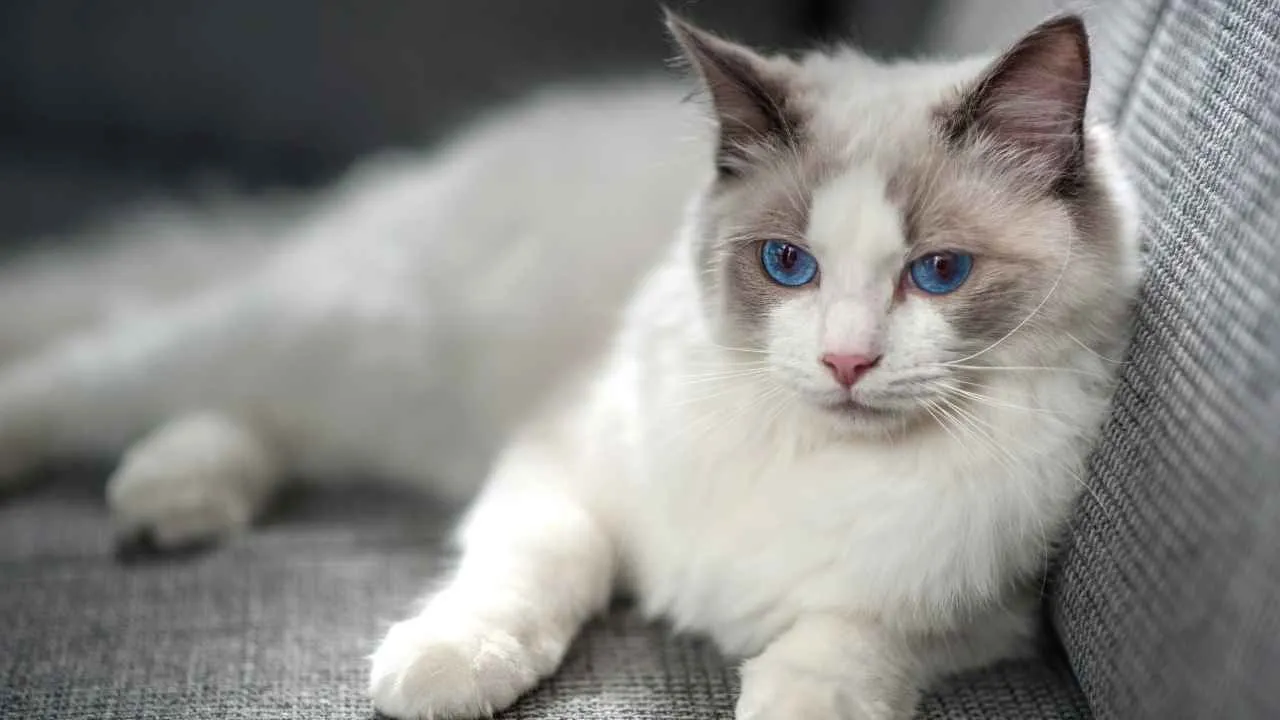
The Ragdoll is a medium-to-large cat breed best known for its striking blue eyes, pointed coloration, and impressively long coat.
According to Purina, Ragdolls are affectionate, intelligent, and playful cats. Its name reflects its famously relaxed nature when picked up, adding to its gentle appeal.
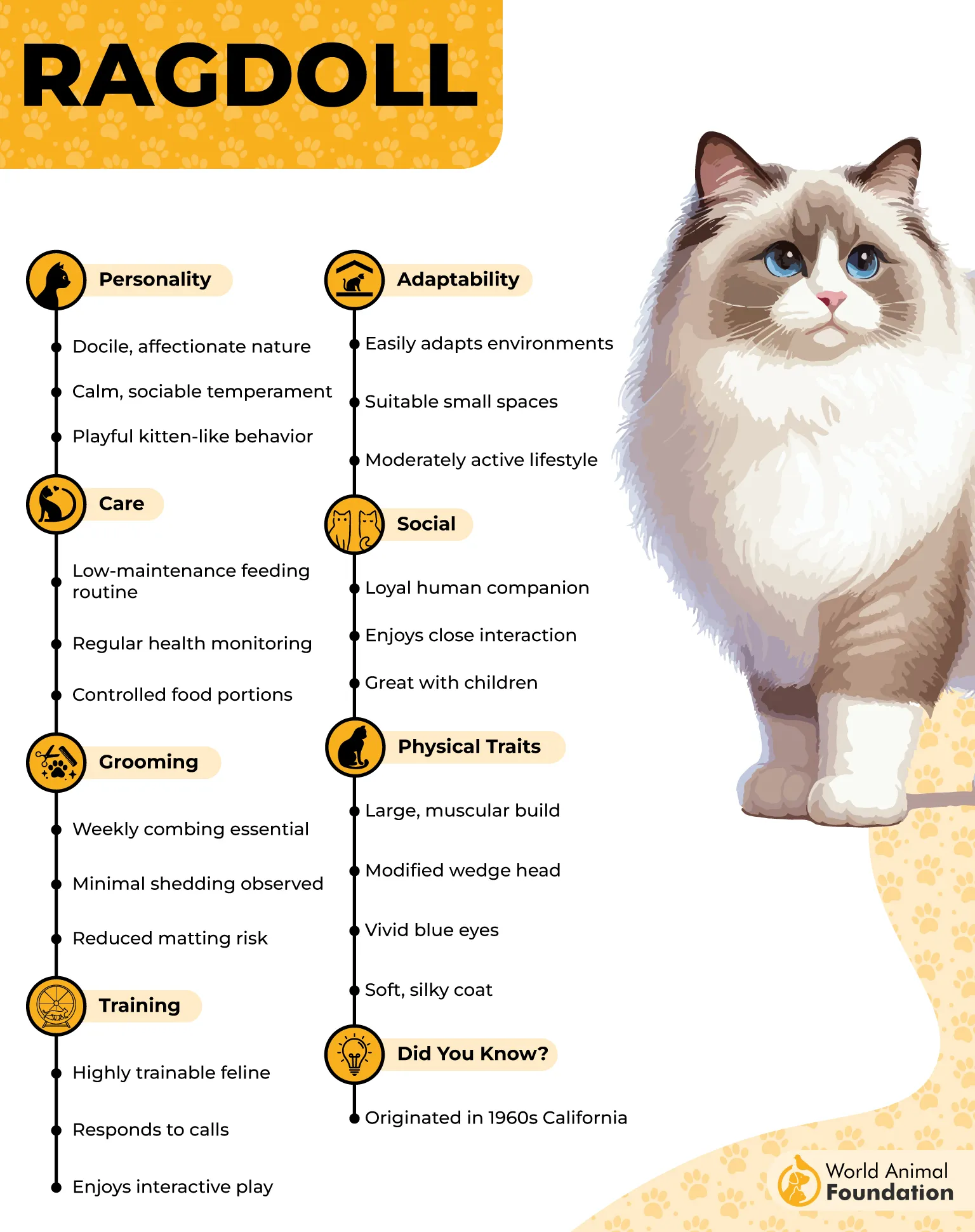
When it comes to softness, few breeds compare. Ragdolls are celebrated for their exceptionally plush, silky fur that feels luxurious to the touch. Their coat is long but not overly dense, giving it a flowing, cloud-like texture that’s ideal for snuggling.
As one of the most beloved long-haired cat breeds, the Ragdoll pairs softness with affection. These cats bond closely with their humans, often following them around the house or curling up in bed at night, making their soft coats impossible to resist.
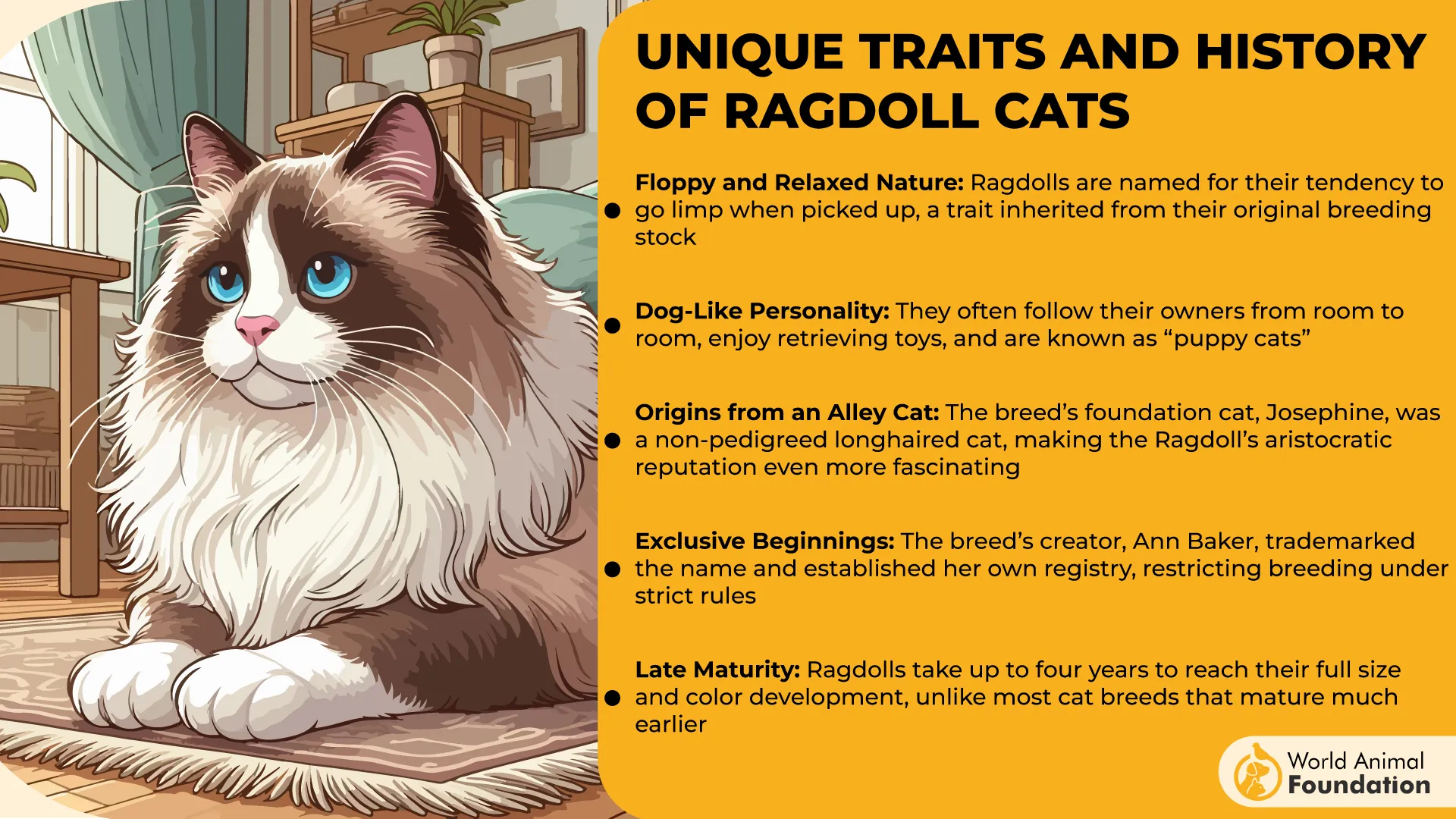
Although their fur looks high-maintenance, Ragdolls shed only an average amount and are easier to care for than many long-haired breeds.
Fact: Ragdolls are known for extremely soft, luxurious fur and typically weigh around 15 pounds when fully grown.
2. British Shorthair

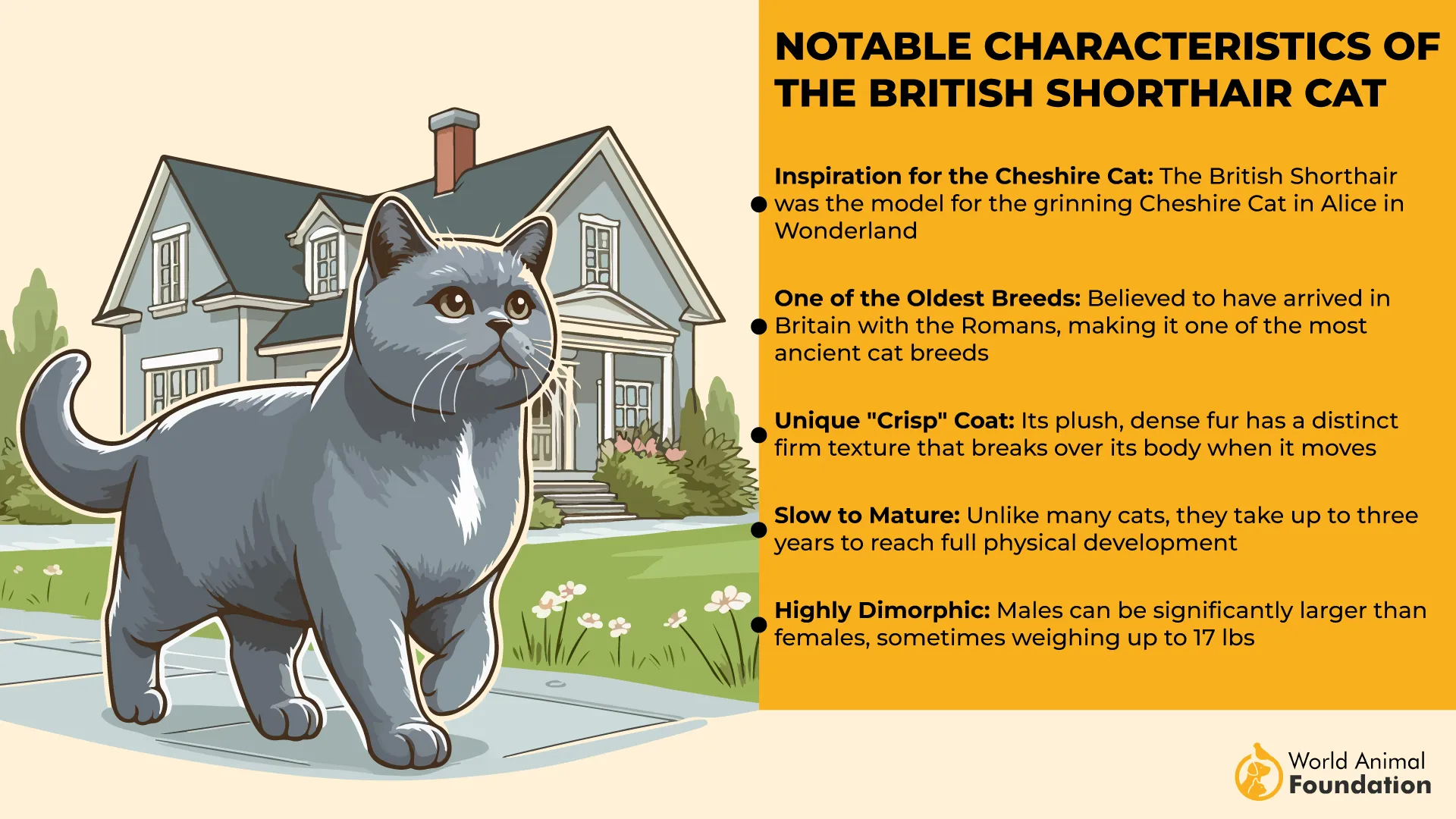
Often nicknamed the “Teddy Bear of cat breeds,” the British Shorthair traces its roots to cats brought to Britain by the Romans, later mixing with local wildcats. First shown in 1871, it’s now one of the most recognizable naturally established breeds.
According to PetMD, British Shorthairs are generally not overly energetic or very vocal, but they mature slowly. As a result, they may continue growing and retain a kitten-like personality until around their third or even fourth year.
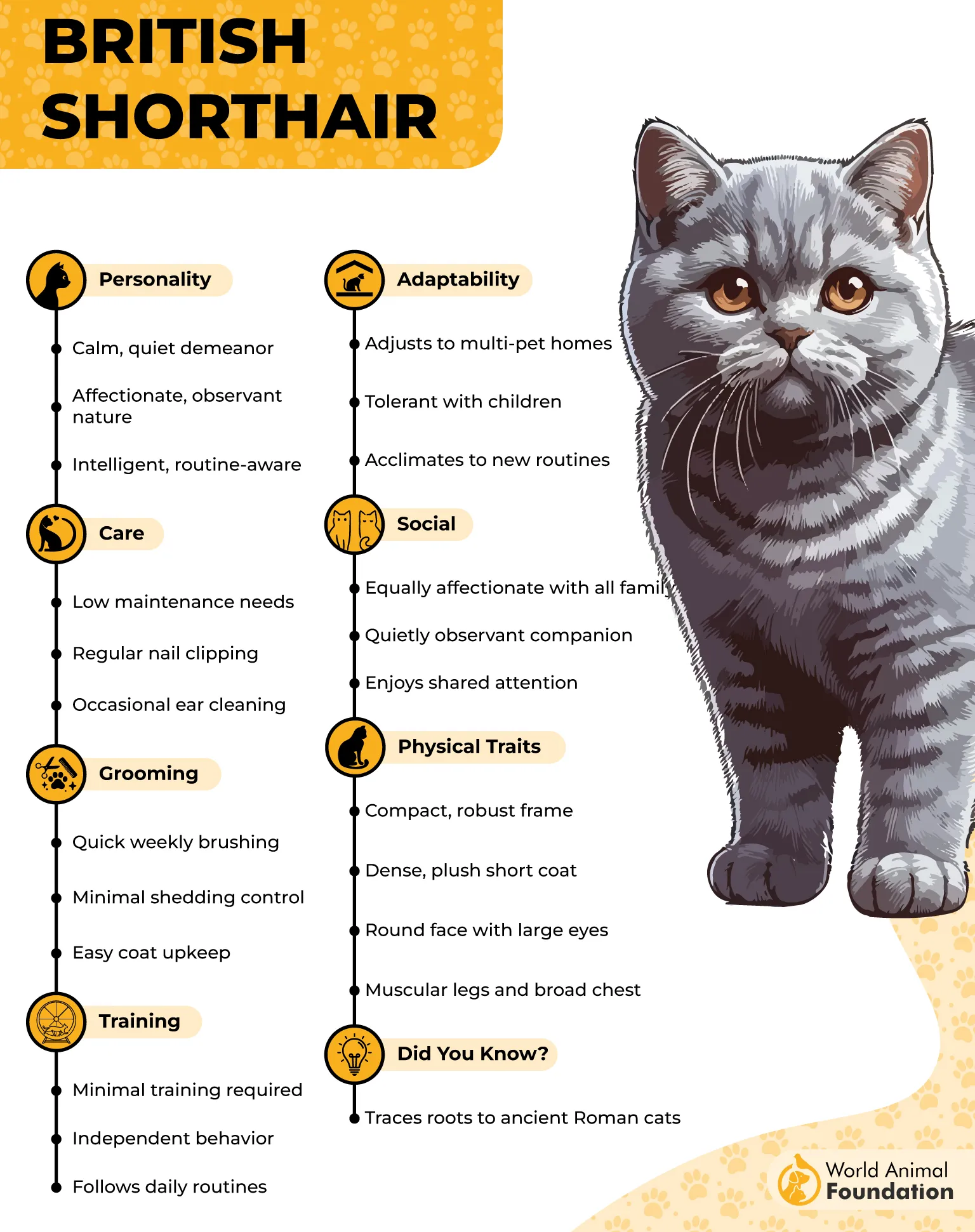
What sets this cat apart is its exceptionally soft coat. Despite being short-haired, the British Shorthair has a thick undercoat with densely packed, fine fur that stands slightly away from the body, creating a plush, velvety feel that surprises many first-time petters.
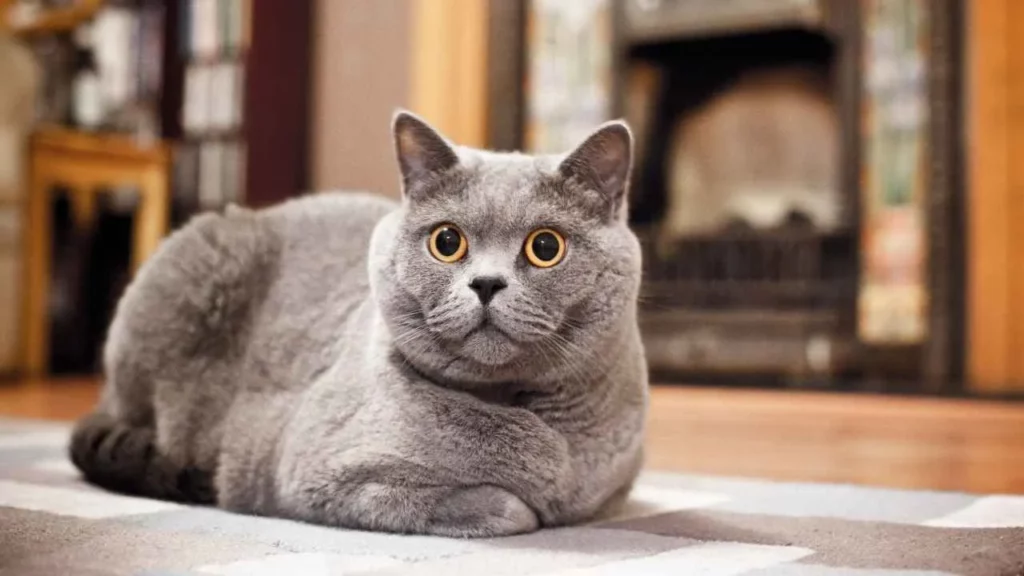
This softness is consistent across the breed’s many coat varieties. While the classic blue-gray remains iconic, British Shorthairs also appear in solid colors, tortoiseshell patterns, tabby markings, and color points—all maintaining that signature soft texture.
If you’re curious about short-haired cats with surprisingly soft coats, this breed is a perfect example of how density, not length, creates luxury.
Fact: The British Shorthair’s dense undercoat is what gives it its famously soft, teddy bear–like feel.
3. Birman
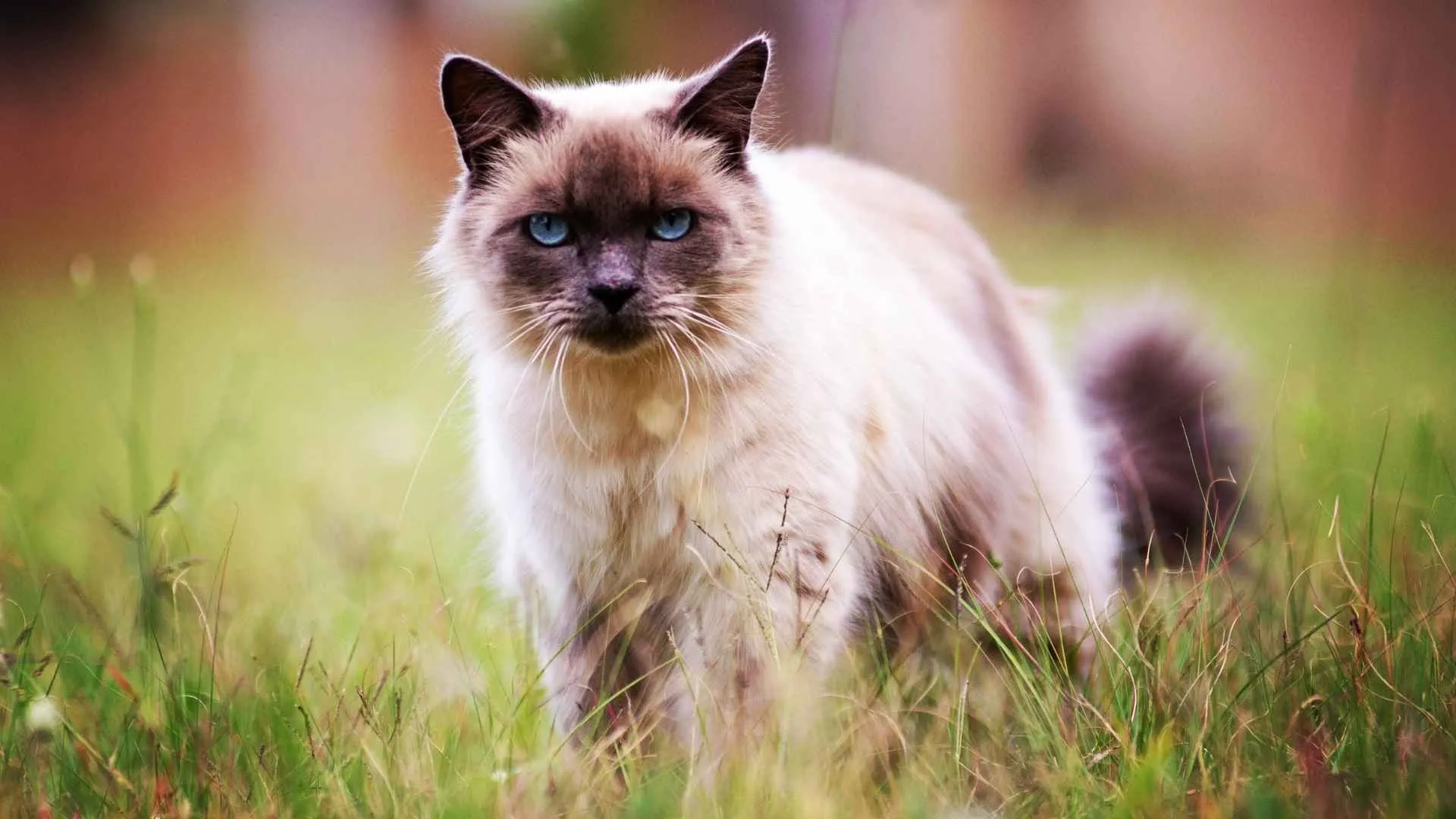
Also known as the Sacred Cat of Burma or Sacred Birma, the Birman is instantly recognizable by its deep blue eyes, pointed coloring, and signature white “gloves” on each paw. Its balanced build and gentle expression add to its timeless appeal.

What truly sets the Birman apart is its exceptionally soft coat. Medium-long and silky to the touch, the fur feels light and smooth rather than heavy, a texture influenced by genetics that limit excessive undercoat development and reduce tangling.
This genetic makeup explains why Birman fur stays plush without matting easily. Unlike many long-coated breeds, their hair grows in a way that resists knots, making the softness last with relatively simple upkeep and preserving that luxurious feel.
Understanding how genetics influence fur texture helps explain the Birman’s popularity among touch-loving cat owners. Daily light grooming supports coat health without altering its natural softness.
Fact: Birman fur is known for being soft and silky while rarely matting, making it easy to care for.
4. Russian Blue
Also known as the Archangel Blue, the Russian Blue is an elegant, naturally developed breed admired for its silvery-blue coat and vivid emerald-green eyes.
This shorthair cat is as refined in appearance as it is gentle in temperament. According to Britannica, the Russian Blue is a domestic cat breed distinguished by the fine quality of its short, plush-like coat.
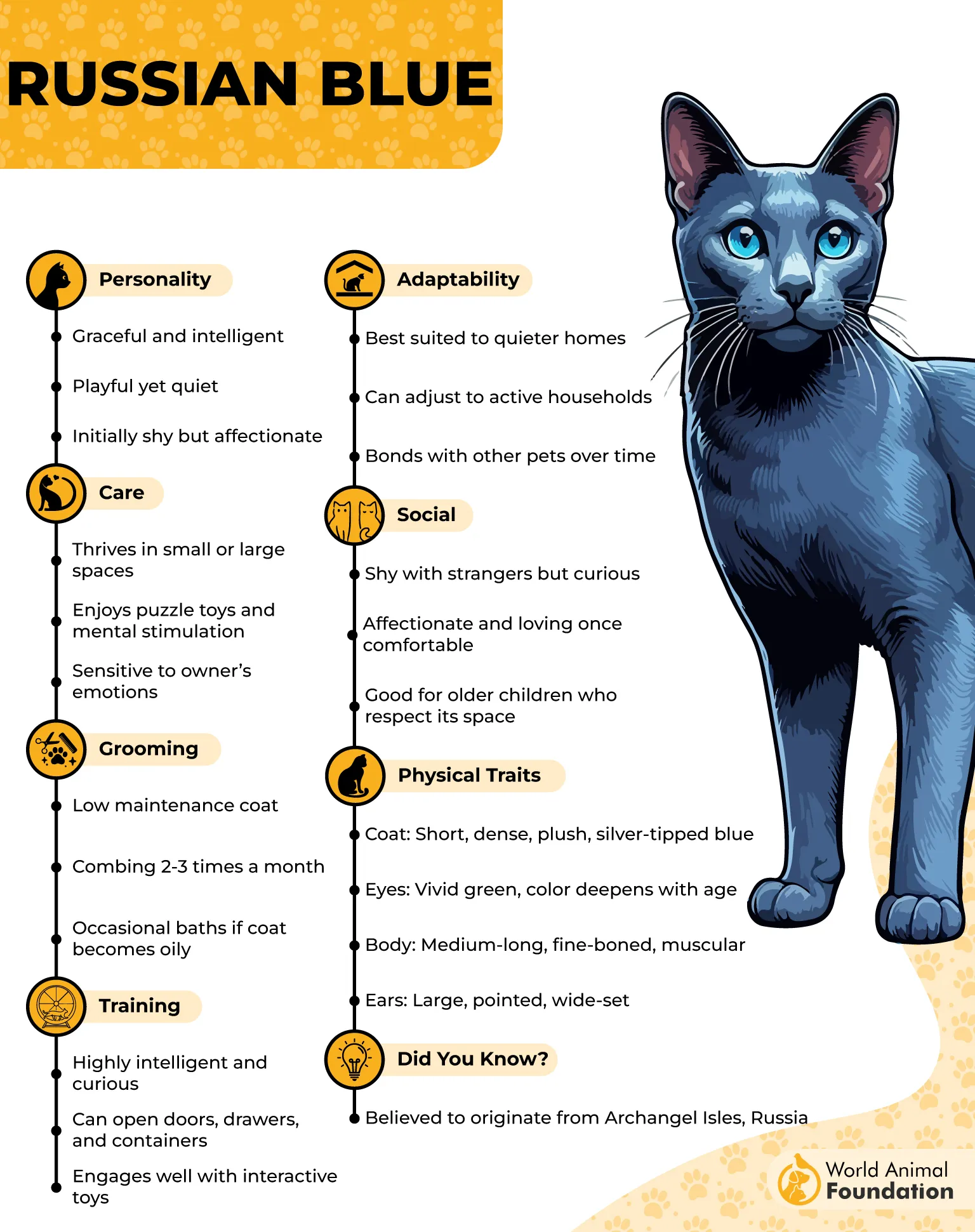
What truly sets the Russian Blue apart is its exceptionally soft, dense double-layered coat. The plush texture feels almost velvety to the touch, making it a favorite among cat lovers who value a luxurious petting experience.
Keeping that fur extra soft doesn’t require much effort. Weekly brushing with a soft-bristle brush helps remove loose hairs and evenly distribute natural oils, preserving the coat’s signature sheen without stressing the skin.
Their low-maintenance grooming routine, combined with infrequent shedding, makes them ideal for owners who want beauty without constant upkeep.
Fact: Russian Blues have a dense, double-layered blue-gray coat that is naturally soft and requires only light weekly brushing to maintain its texture.
5. Persian
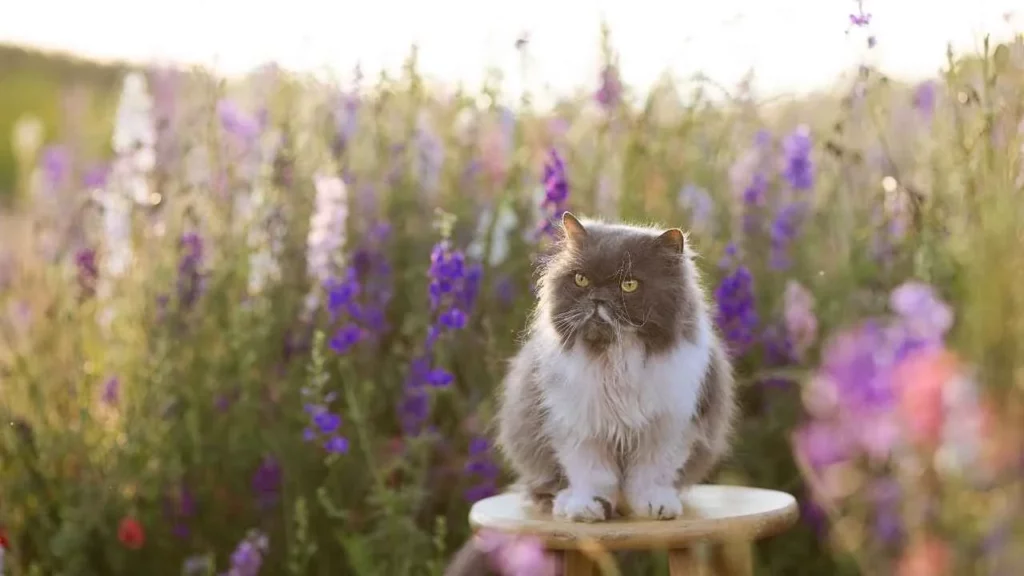
Also known simply as the Persian Longhair, the Persian is one of the oldest and most recognizable cat breeds, originating from ancient Persia (modern-day Iran). Its round face, large expressive eyes, and lavish coat define classic feline elegance.
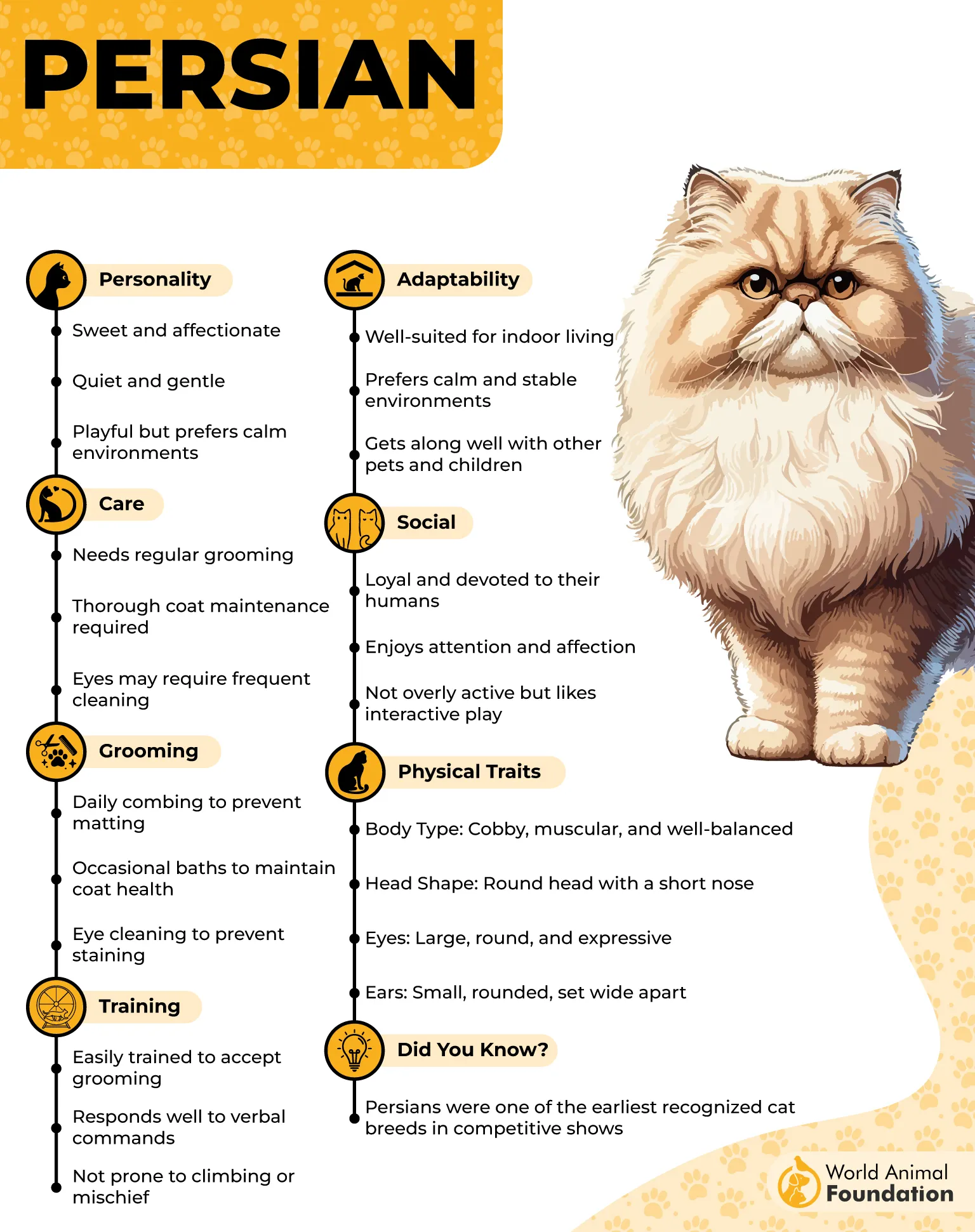
When it comes to softness, few breeds compare. The Persian’s long, dense fur is famously plush and silky, making it a favorite for calm, tactile companionship. Their gentle, quiet nature complements their luxurious coat, inviting relaxed lap time rather than high-energy play.
Coat quality in Persians is closely tied to diet and routine care. A complete, balanced diet rich in essential nutrients helps maintain skin health, while omega fatty acids can enhance softness and shine. Adequate nutrition supports the coat from the inside out.
Health also plays a role in fur condition. Proper grooming reduces tangles and hairballs, and fiber-rich foods may help manage excess fur ingestion.
Fact: Persians are known for their super-soft, long fur and calm temperament, thriving when their food, grooming, and care needs are consistently met.
6. Balinese
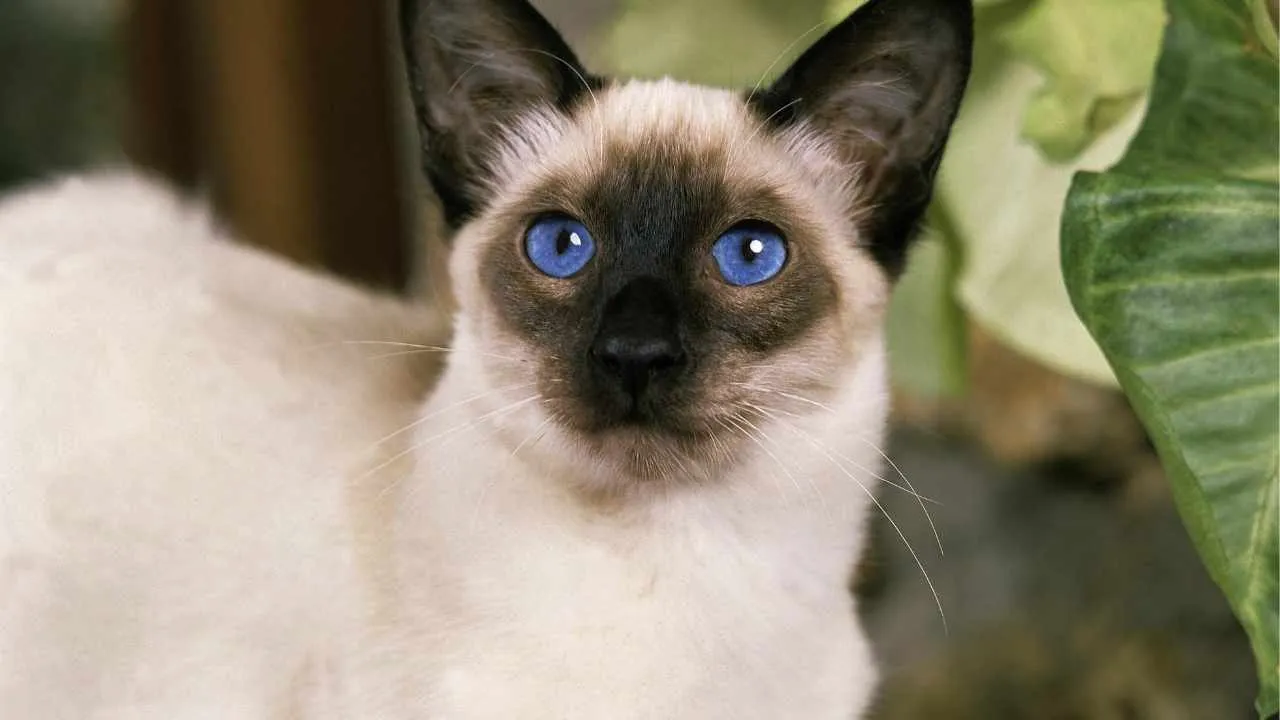
Often called the long-haired Siamese, the Balinese is a naturally elegant breed known for its slender build, sapphire-blue eyes, and flowing tail. Despite the name, it didn’t originate in Bali but earned it for dancer-like grace.

When it comes to softness, the Balinese truly delivers. Its silky, medium-length coat lacks an undercoat, giving it a smooth, lightweight feel that’s especially pleasant to touch. This texture makes petting and close contact soothing rather than overwhelming.
Are softer-furred cats better for cuddling? For many people, yes—and the Balinese support that idea. Their fine, plush coat pairs with an affectionate, people-oriented nature, encouraging lap time, bedtime snuggles, and constant closeness with their favorite humans.
Their fur also tends to shed and mat less than other long-haired breeds, making cuddles more comfortable and low-maintenance.
Fact: The Balinese has a silky coat without an undercoat, which helps it stay soft while shedding less than many long-haired cats.
7. Maine Coon
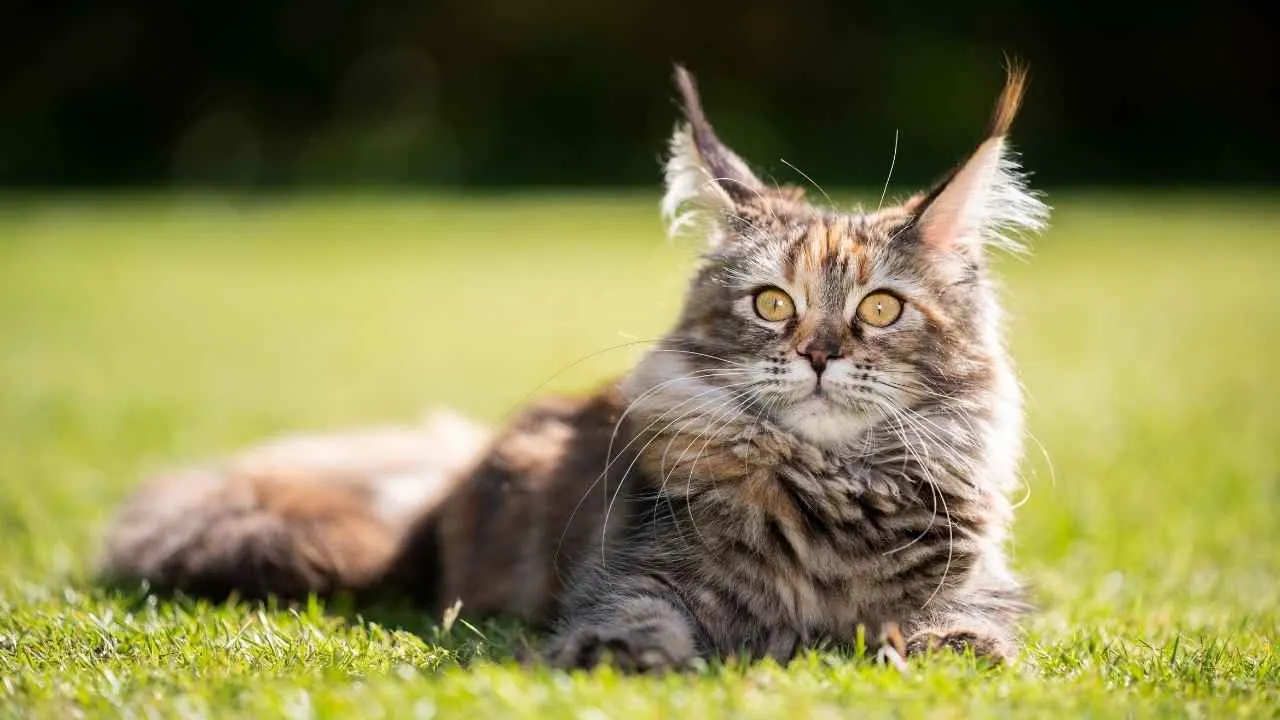
Often called the gentle giant, the Maine Coon originated in Maine and is the official state cat. Known for its large size, tufted ears, and bushy tail, this breed combines a rugged look with an unmistakably soft presence.
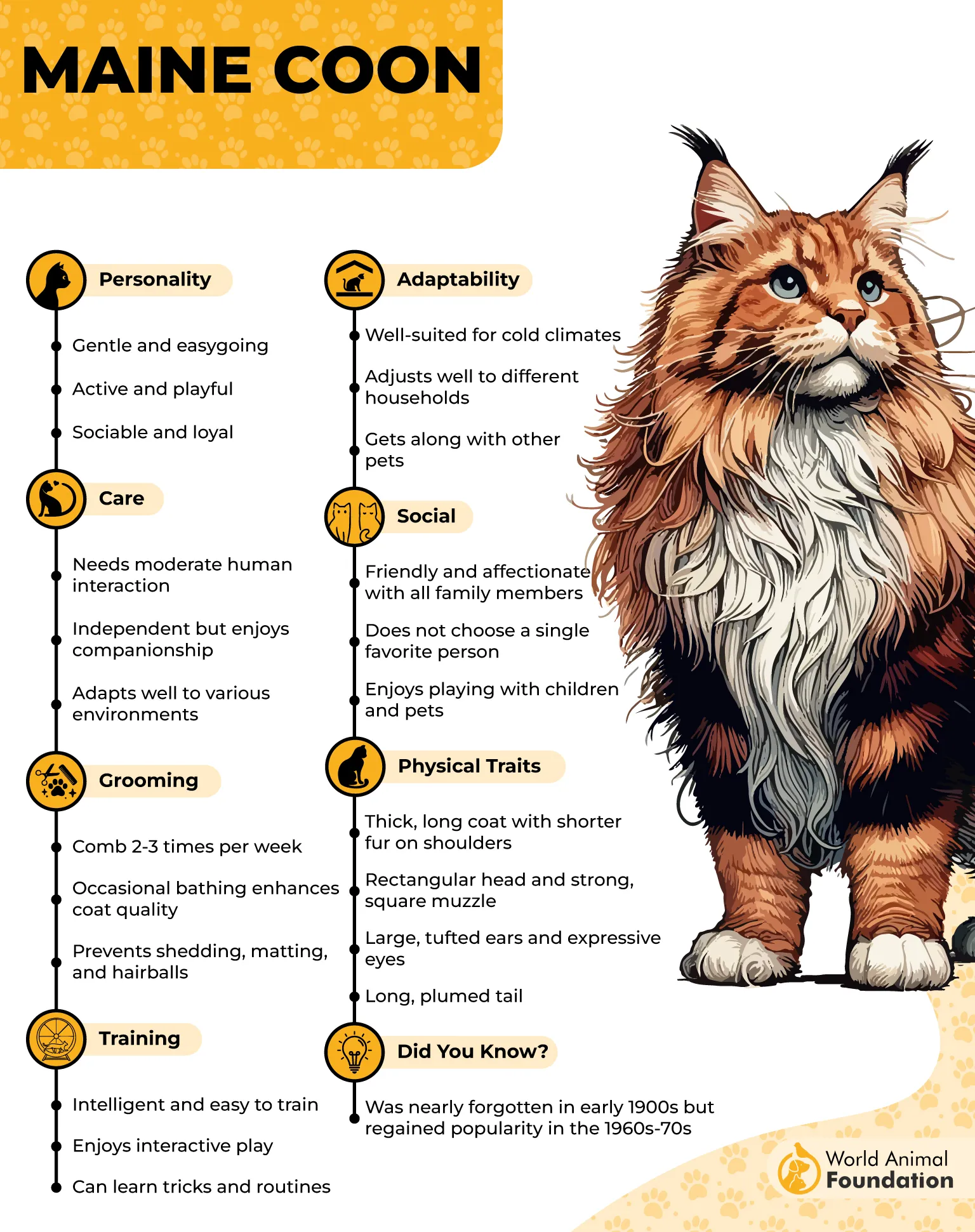
One of the Maine Coon’s most admired traits is its luxurious coat. Designed to withstand harsh New England winters, the fur is long, silky, and plush rather than coarse, making it especially satisfying to touch and ideal for anyone seeking softness.
Despite their impressive size, Maine Coons are calm and affectionate, which makes choosing a soft-coated cat easier for families. Their gentle temperament pairs well with their fur, encouraging cuddling without the skittishness some long-haired cats display.
When selecting the right soft-coated cat for your home, grooming and space matter. Regular brushing keeps their coat smooth and tangle-free while reinforcing bonding time.
Fact: Adult male Maine Coons can weigh up to 25 pounds, yet are famously known for having personalities as soft as their fur.
Conclusion
Cats with the softest fur offer more than visual beauty—they bring comfort, warmth, and a soothing presence into the home.
Many fluffy cat breeds, including the Norwegian forest cat with its dense double coat, the Persian cat, Siberian cats, Himalayan cats, and Birman cats, are prized for luxurious coat texture and a signature fluffy tail.
While other cat breeds may have a short coat or single coat, it’s often the longer hair and plush layers that define true softness.
Choosing among fluffy breeds also means considering care. Some coats are tangle-resistant and need only occasional brushing, while others require regular grooming, more grooming, or even daily grooming.
Cats with minimal grooming needs may suit busy households, especially with other pets or young family members. Whether you prefer social cats, Scottish folds, or other breeds, understanding coat care helps keep soft fur healthy—especially for homes managing cat allergies.
