




Cats are often seen as independent thinkers, content to do things on their own terms rather than follow instructions like dogs. Yet beneath that self-directed attitude lies sharp intelligence and an impressive ability to recognize patterns.
While training a cat may look different from training other pets, some breeds are remarkably quick to pick up routines, habits, and household expectations—sometimes leaving owners wondering who’s really doing the training.
Certain cats naturally excel at learning through repetition and observation. These breeds can master daily routines such as using specific feeding stations, responding to schedules, navigating pet doors, or even performing simple tricks.
Their success isn’t about obedience—it’s about understanding motivation, instinct, and consistency. When training aligns with what a cat already wants to do, learning becomes surprisingly smooth.
Not every cat will enjoy structured training, but breeds known for intelligence and adaptability often thrive with it. By working with a cat’s natural behaviors rather than against them, routines can become second nature. In this article, we explore cat breeds that learn routines quickly and why their minds are especially tuned for structured daily life.
Cat Breeds That Learn Routines Quickly
1. Abyssinian
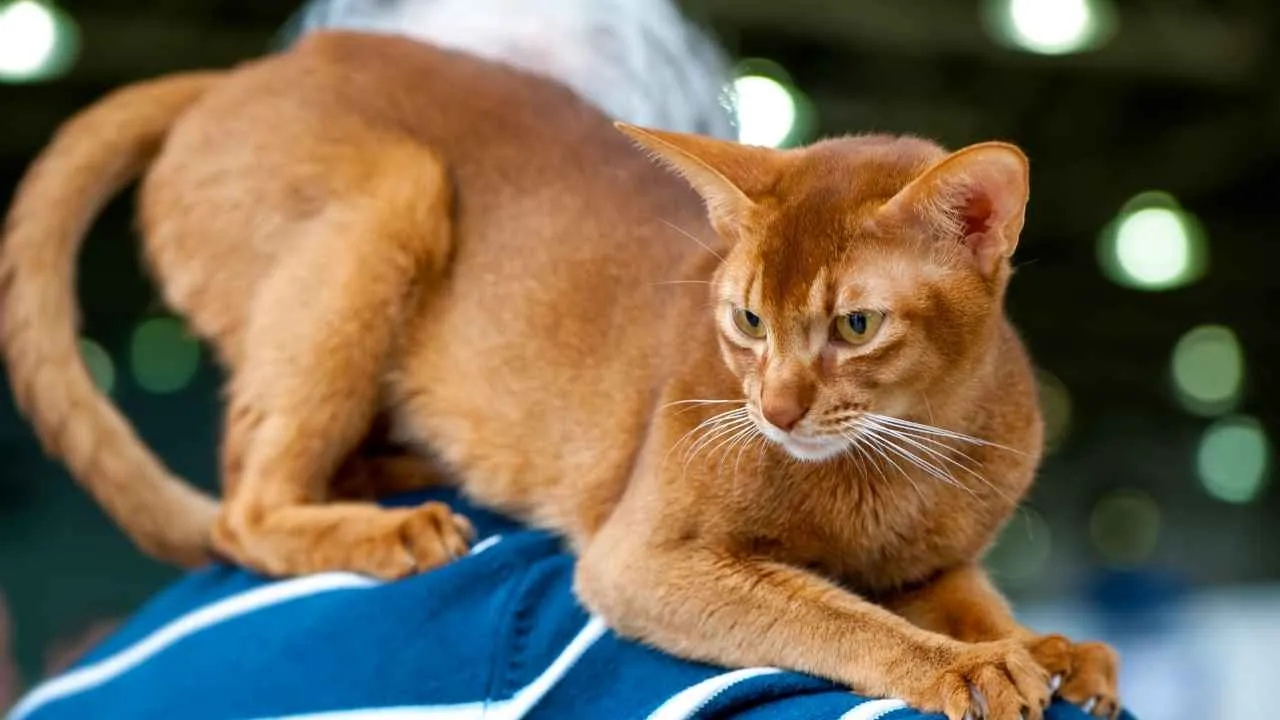
Often nicknamed the Aby or playfully called the “Abyssinian,” the Abyssinian is a sleek, athletic cat known for its ticked coat and alert expression. This breed is energetic, curious, and consistently ranked among the most intelligent cats.
According to Britannica, the Abyssinian is a domestic cat breed that is likely Egyptian in origin and is often regarded as the closest modern equivalent to the sacred cats of ancient Egypt.
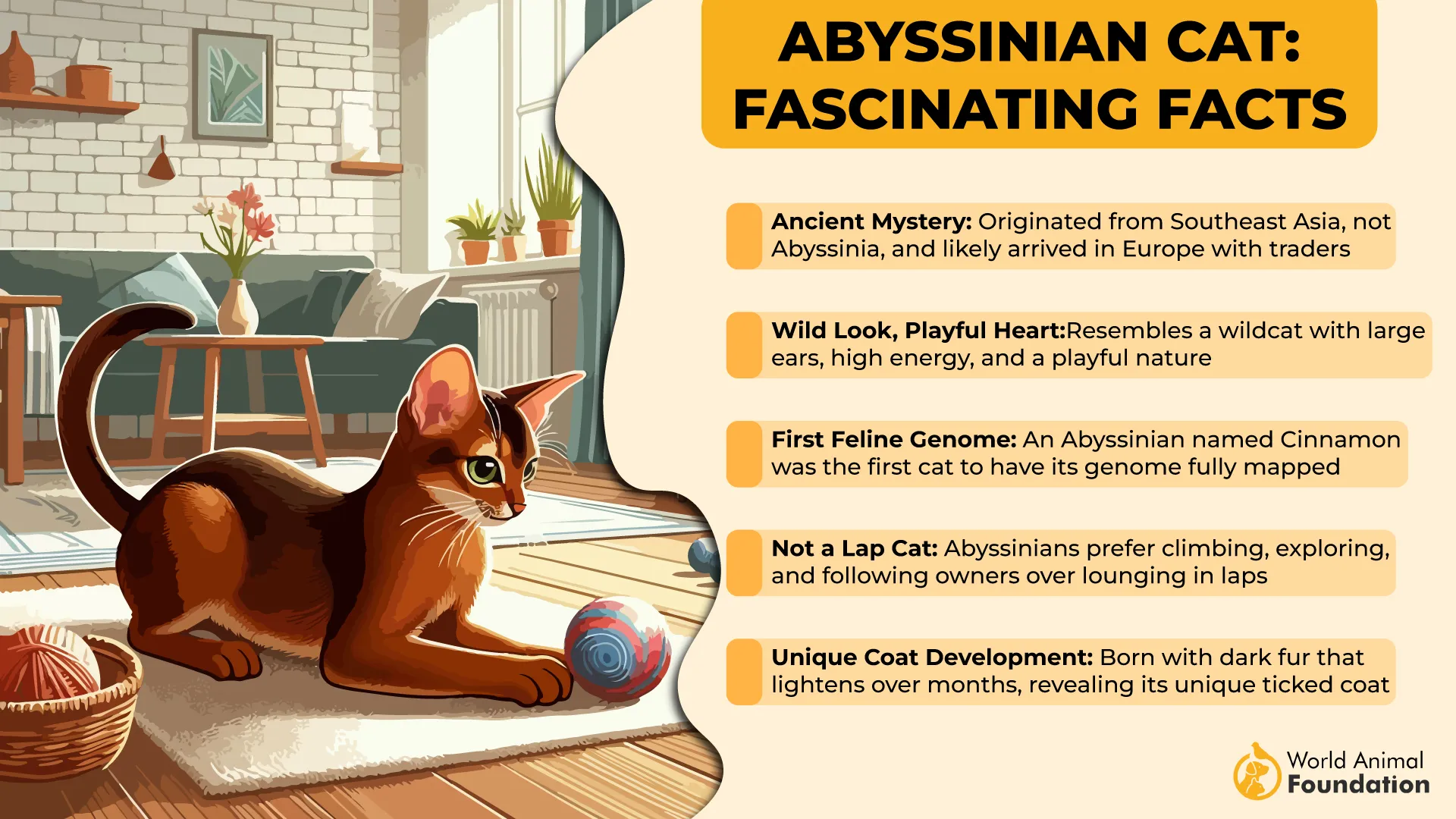
When it comes to learning routines, the Abyssinian excels. These cats quickly recognize daily patterns such as feeding times, play schedules, and training cues, often anticipating what comes next with enthusiasm and focus.
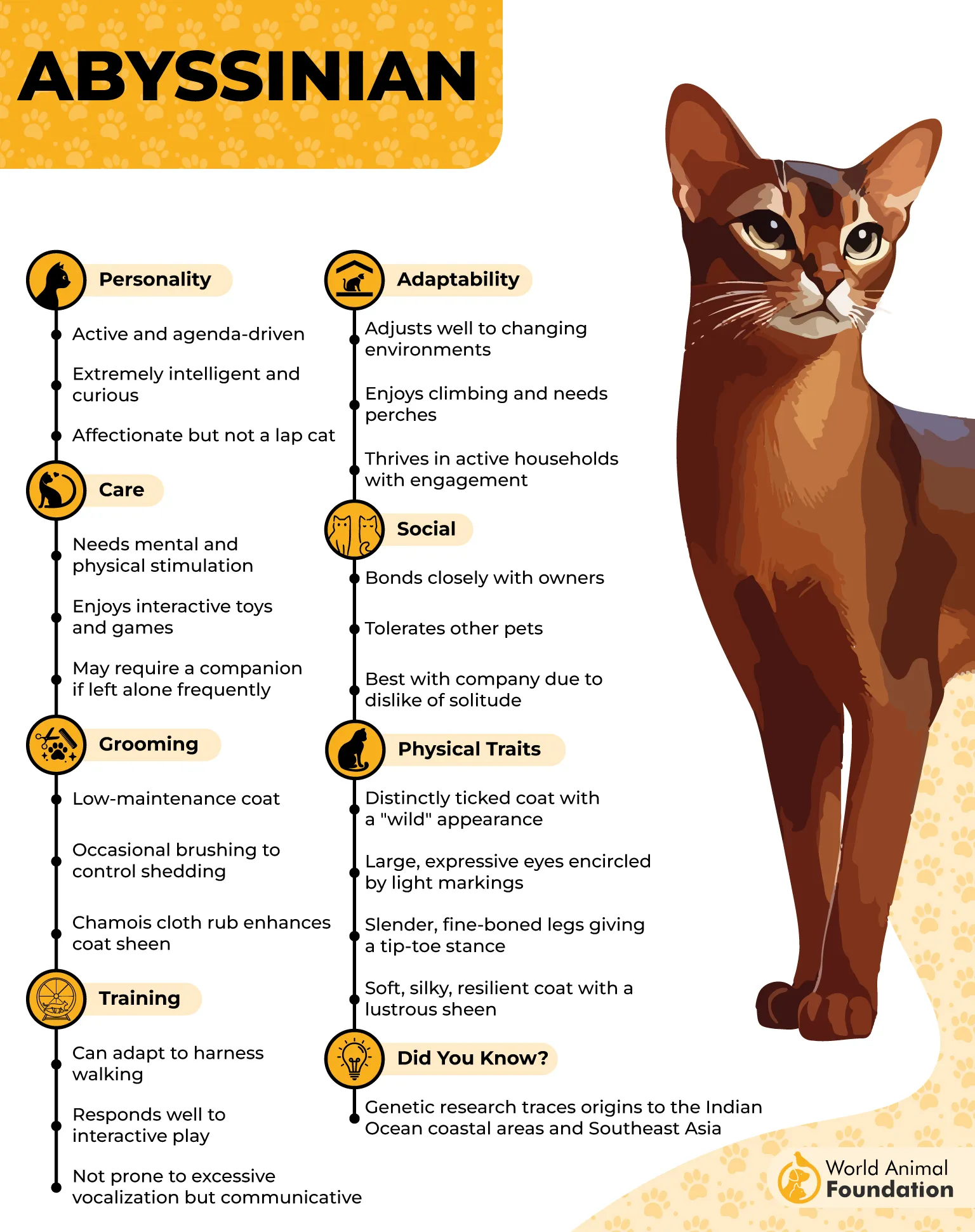
Understanding what it means for a cat to learn routines is key with this breed. Abyssinians thrive on repetition paired with engagement, mastering activities like fetch, leash walking, and simple tricks because mental stimulation is as rewarding as treats.
Structured interaction keeps them balanced and happy. Regular play, consistent training sessions, and predictable routines help channel their high energy into positive behaviors.
Fact: Many Abyssinians can learn to play fetch, walk on a leash, and perform tricks due to their high intelligence and eagerness to engage.
2. American Shorthair
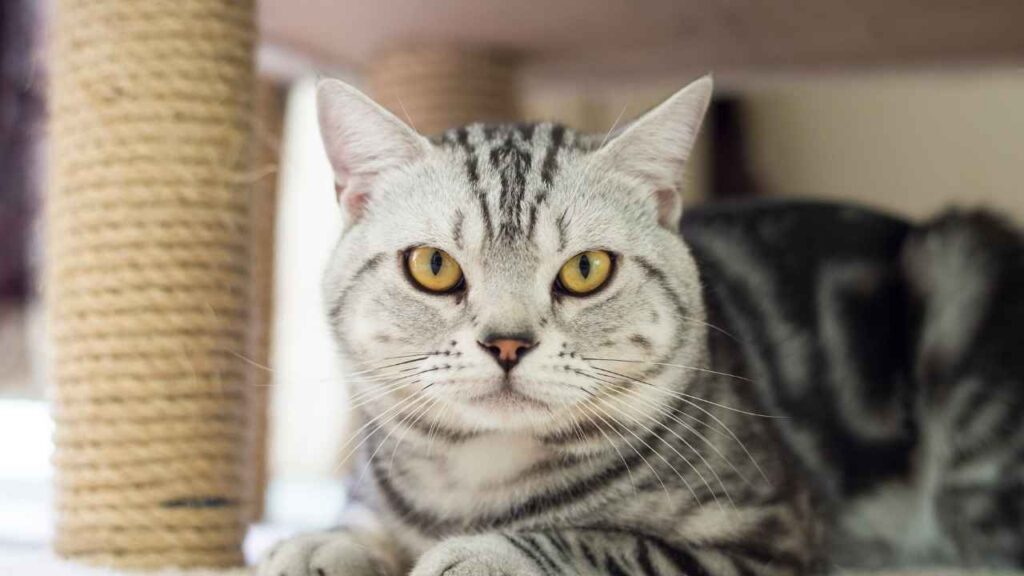
Formerly known as the Domestic Shorthair, the American Shorthair is a classic, well-balanced breed with a rounded face and a glossy coat that appears in many colors, including the iconic silver tabby pattern.
It’s long been valued for both looks and temperament. According to PetMD, American Shorthairs are typically playful, relaxed, and sociable cats.
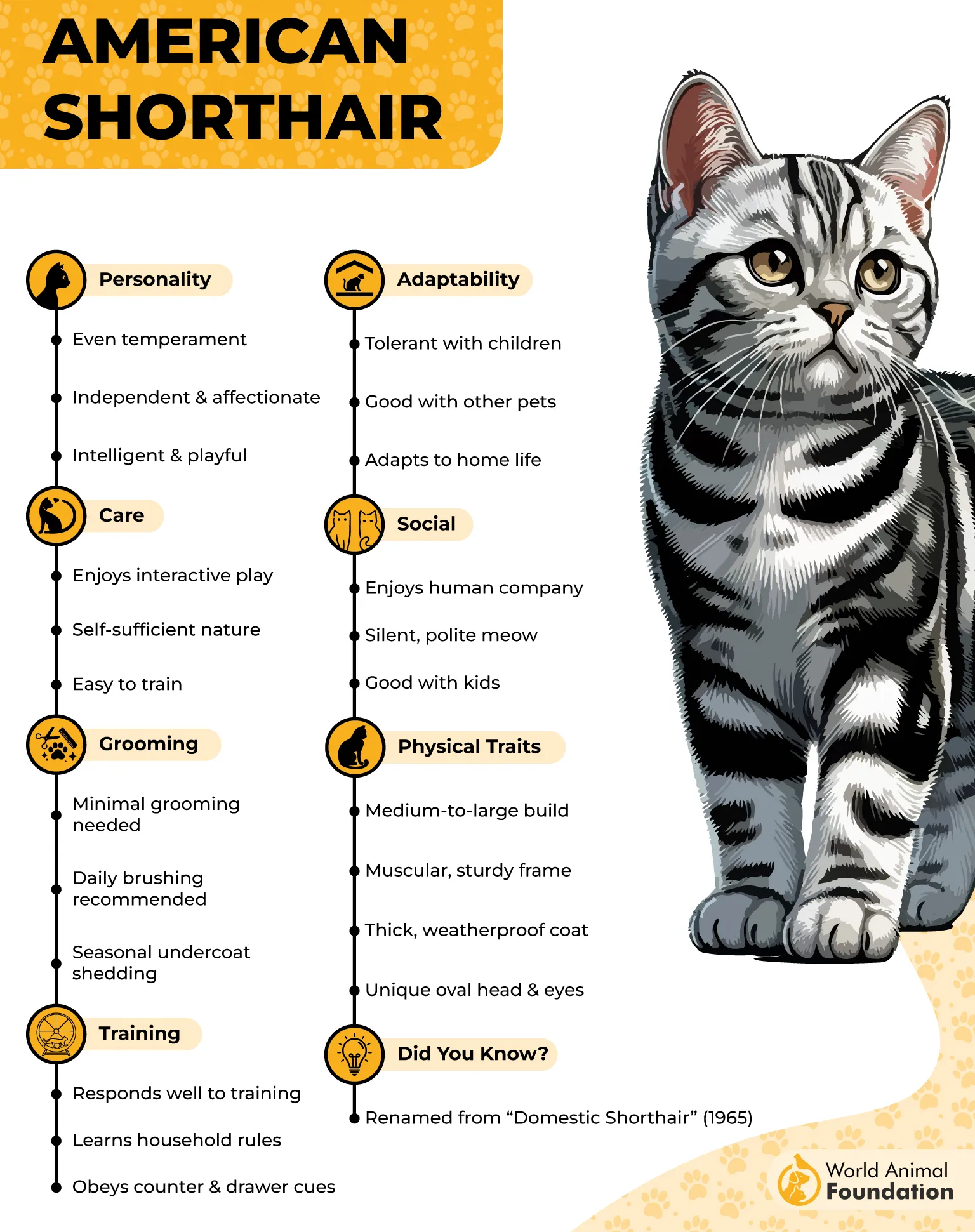
When it comes to learning routines, this breed excels through consistency and positive reinforcement. Their calm, even nature helps them absorb daily habits quickly, from feeding schedules to leash walks and puzzle play.
The link between intelligence and habit formation is clear in the American Shorthair’s love of problem-solving. These cats enjoy challenging games, interactive toys, and tasks that let them use their sharp minds without becoming overstimulated.
Because they’re adaptable and observant, routines tend to stick once learned. This makes them reliable companions in structured homes where patterns matter.
Fact: American Shorthairs are known to respond exceptionally well to positive reinforcement and are often trained to walk on leashes.
3. Bengal
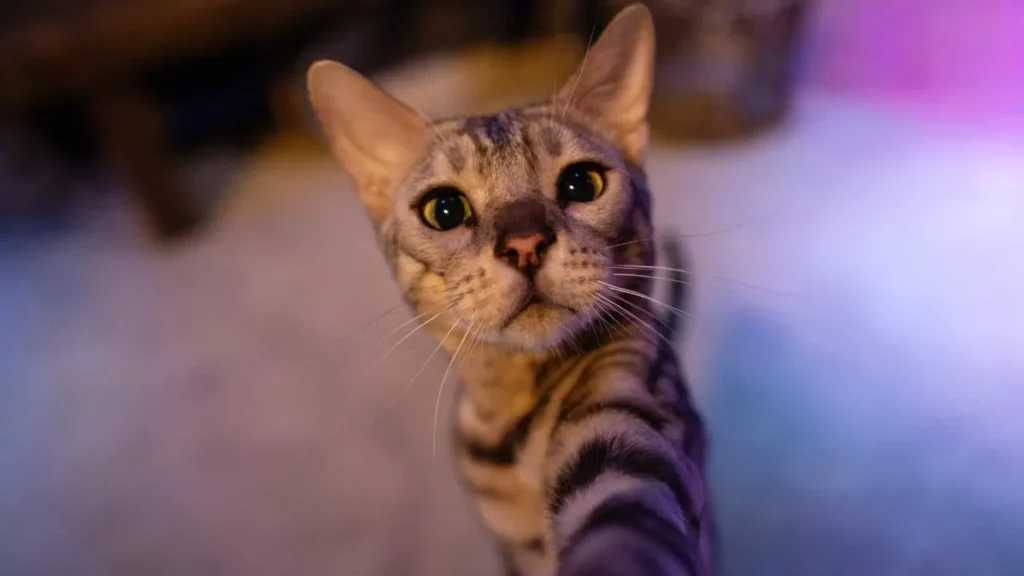
Also known simply as the Bengal cat, this striking breed descends from the Asian Leopard Cat and is famous for its spotted coat.
According to WebMD, Bengal cats are recognized for their leopard-like coats and can be an excellent addition to family households.
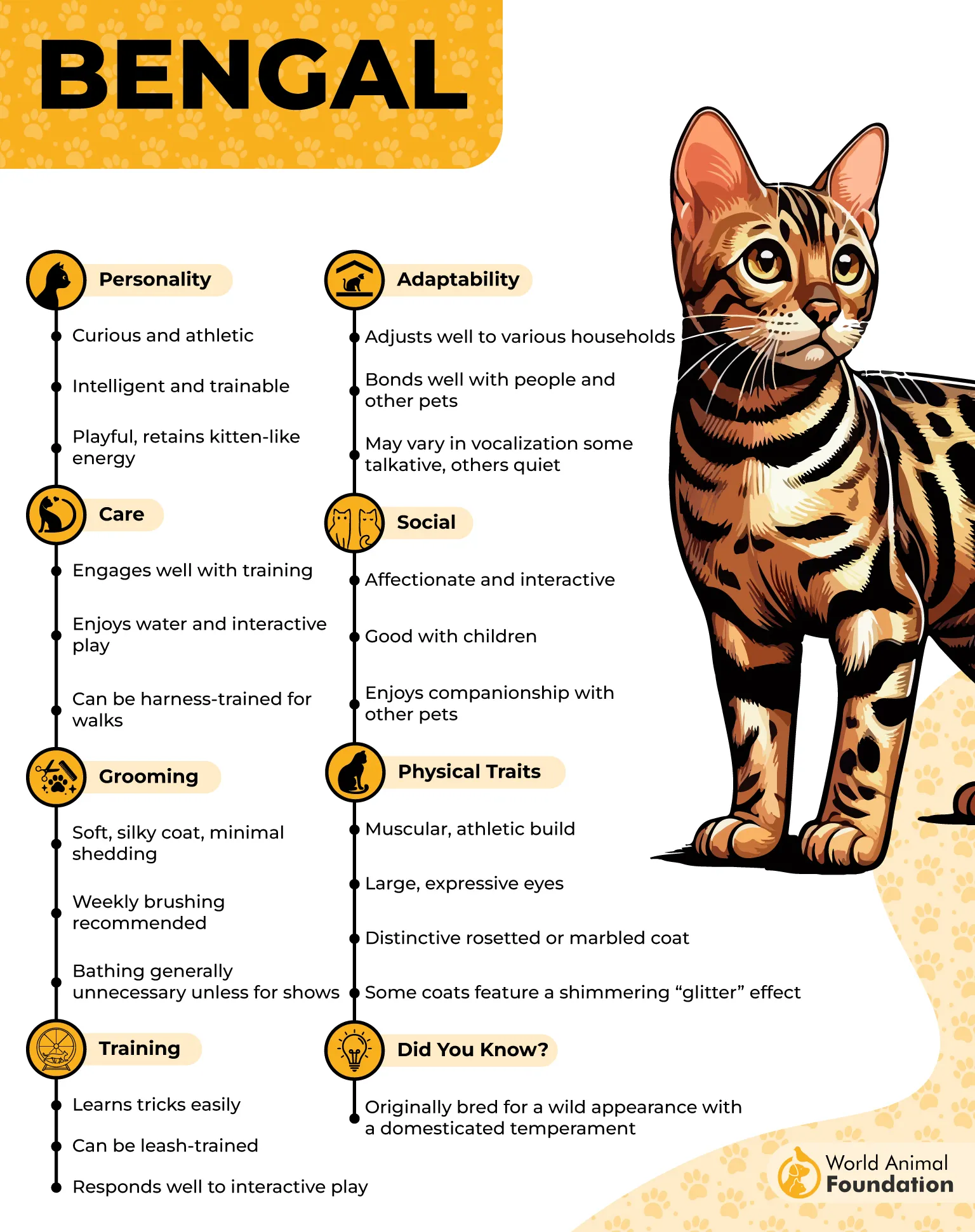
Bengals are exceptionally quick learners, making them ideal for routines built around play and interaction. Their high intelligence and curiosity help them pick up daily schedules, training cues, and household patterns faster than many other breeds.
As a social and people-oriented breed, Bengals adapt best in homes where interaction is consistent. They thrive on one-on-one time, responding well to routine play sessions, training games, and enrichment that feels engaging rather than repetitive.
Their adaptability also extends to multi-pet homes when introductions are handled carefully. With enough stimulation, Bengals channel their energy productively instead of becoming bored.
Fact: According to TICA, Bengals are among the most intelligent cat breeds and are highly social, confident, and quick to learn through interactive play.
4. Maine Coon
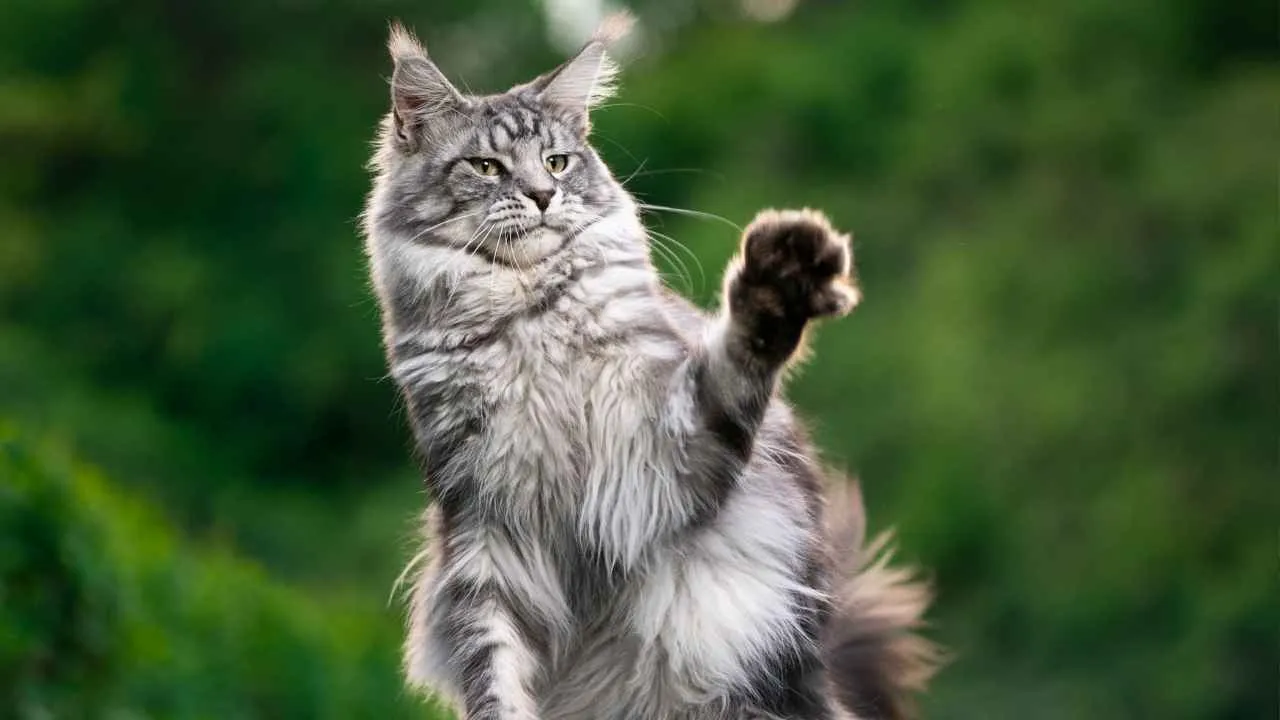
Often called the gentle giant of the cat world, the Maine Coon is a large, long-haired breed known for its calm temperament, intelligence, and adaptability. Believed to have arrived in America with seafarers, this breed evolved into a resilient and people-loving companion.
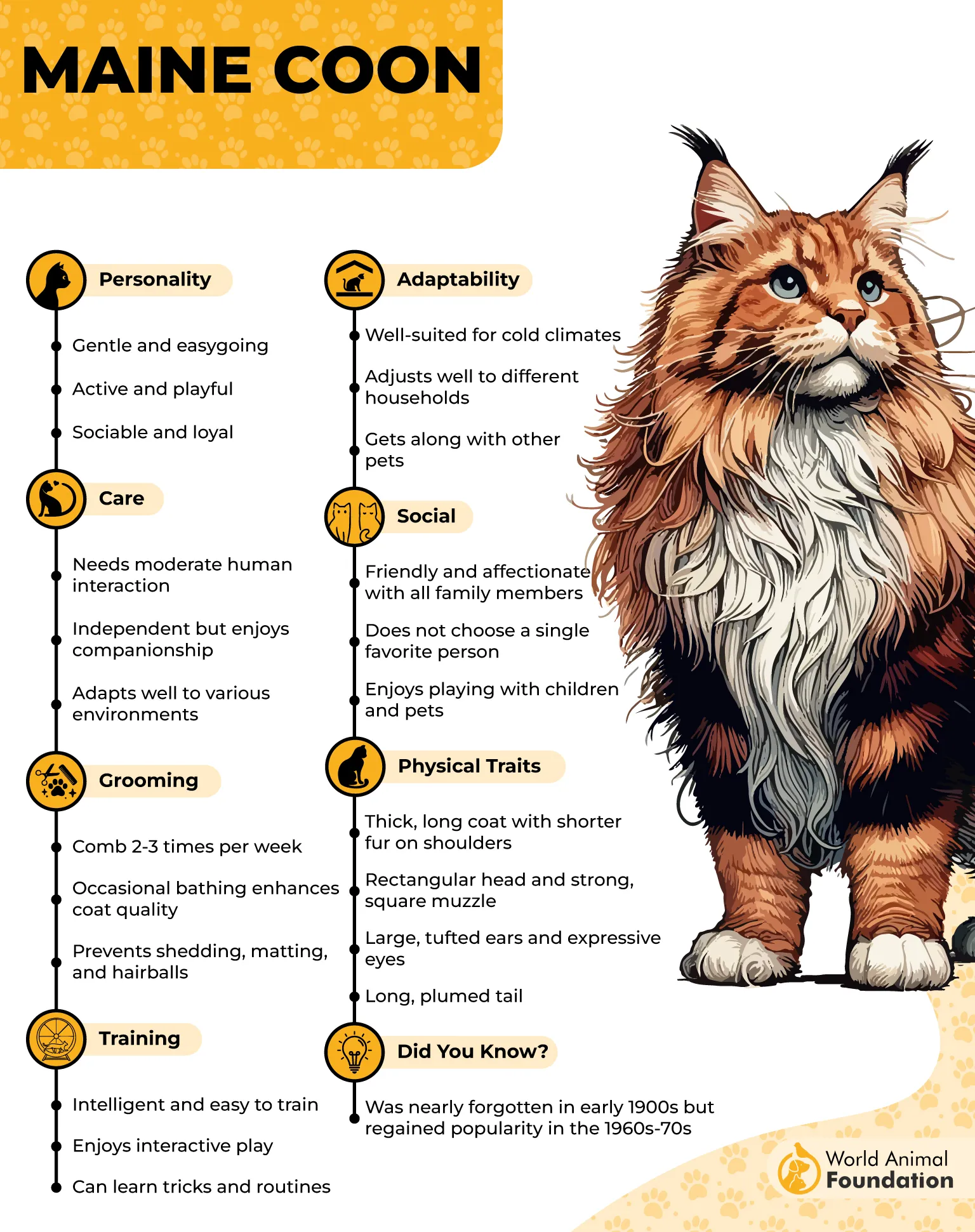
Maine Coons are especially quick to recognize routines thanks to their sharp minds and eager-to-please nature. They respond well to consistency, praise, and treats, making them receptive to learning daily schedules, feeding times, and interactive habits with ease.
Early training plays a big role in shaping how smoothly they pick up routines. Exposure to structured play, regular interaction, and predictable patterns helps Maine Coons associate actions with outcomes, reinforcing learning without stress or resistance.
Their balanced energy levels also support routine learning. While they enjoy bursts of play and exploration, they’re equally content resting between activities, which helps solidify habits over time.
Fact: Maine Coons are known to be fast learners and are often easy to train with patience, consistency, and positive reinforcement.
5. Ocicat
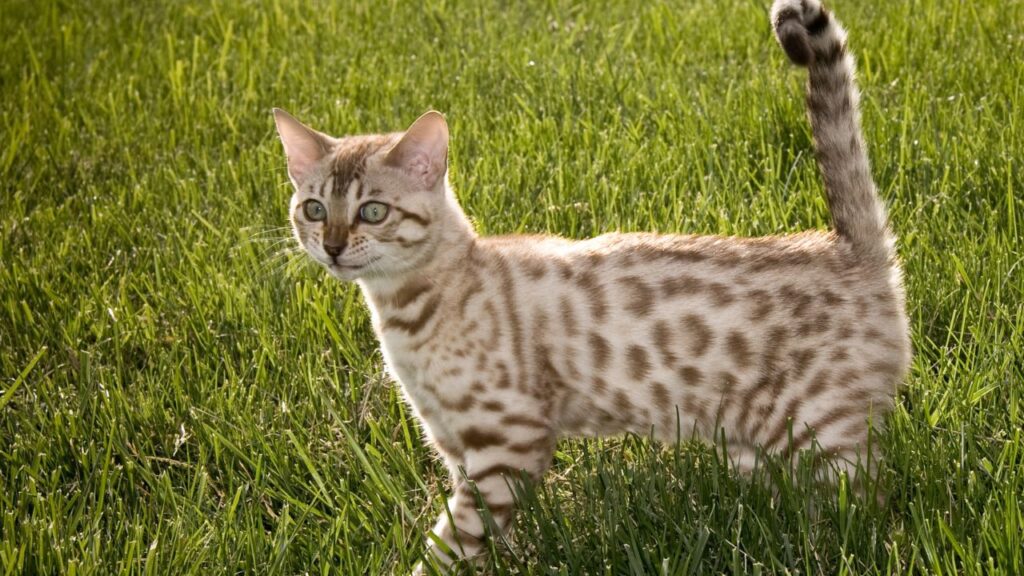
The Ocicat is an all-domestic breed named for its resemblance to the wild ocelot, though it has no wild ancestry. Developed from Abyssinian, Siamese, and later American Shorthair lines, it’s instantly recognizable by its spotted coat and athletic build.
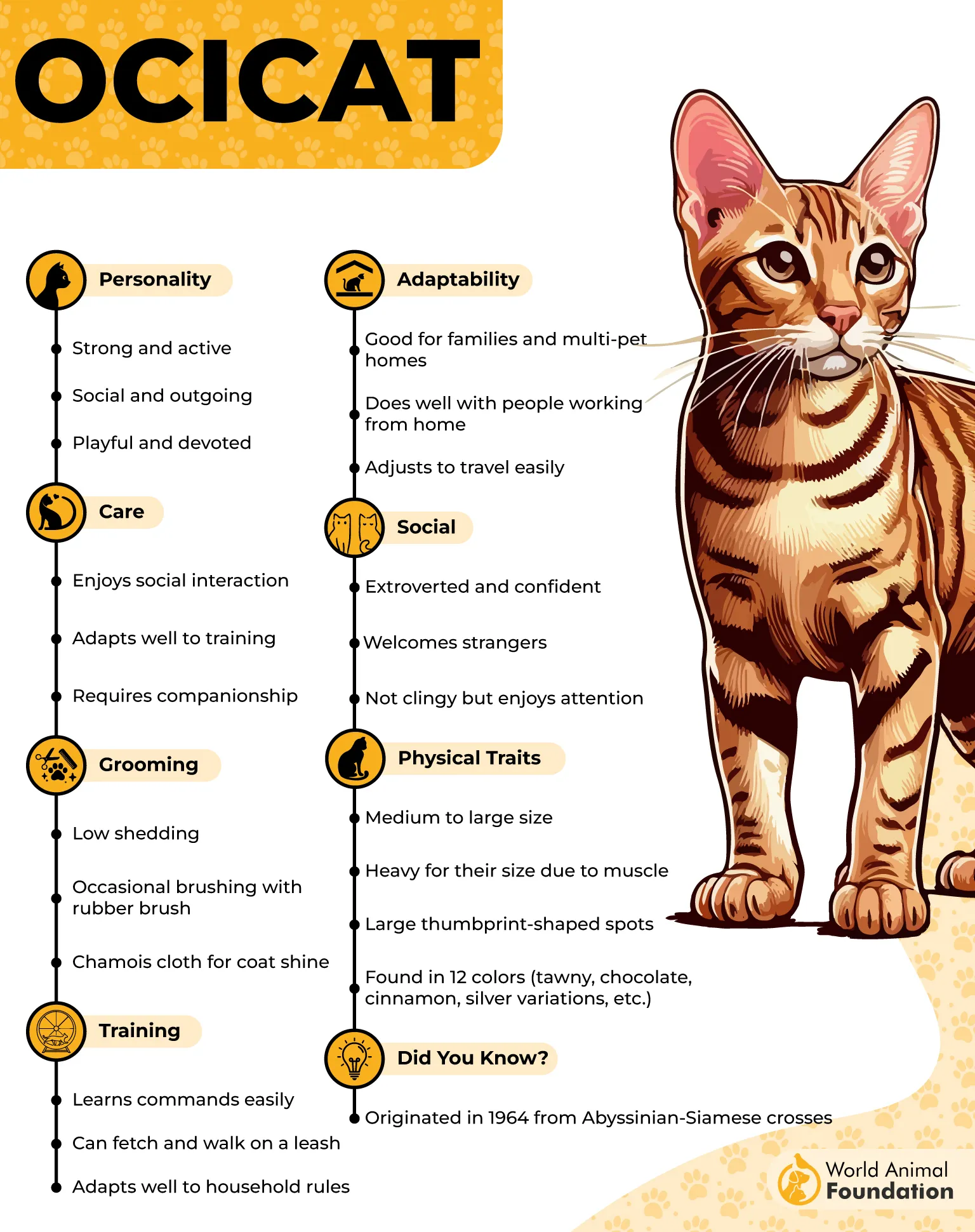
Known for high energy and intelligence, the Ocicat excels at learning routines quickly. These cats thrive on structure and readily pick up daily patterns like scheduled meals, interactive playtimes, and responding to cues for attention or activity.
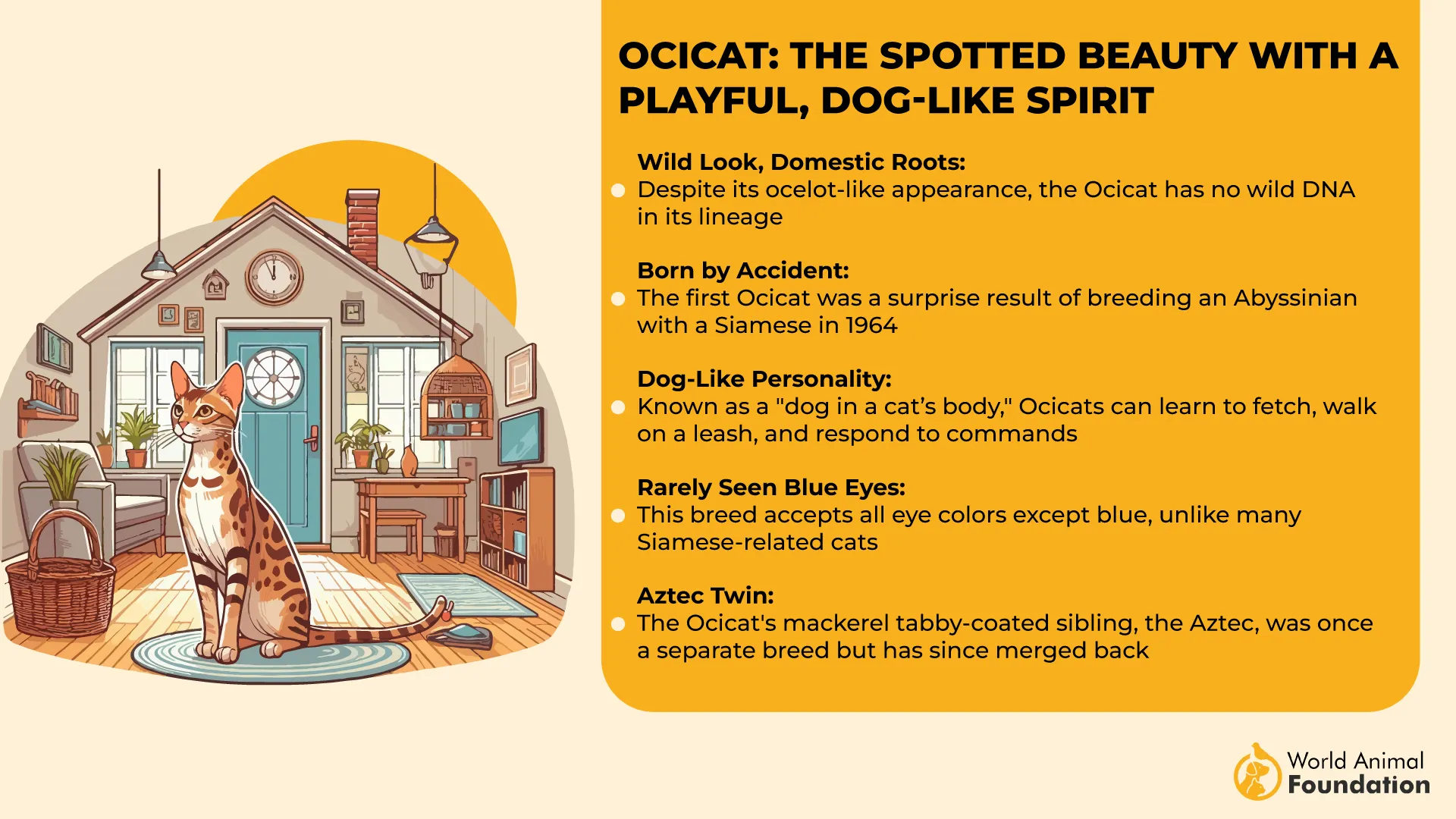
Many Ocicats enjoy functional routines beyond the basics. They can learn to play fetch, use puzzle feeders, walk on a leash, and even adapt to car or boat travel, making them unusually flexible companions for active households.
Because they crave mental stimulation, consistent routines help keep them focused and content. Training sessions that feel like games are especially effective with this breed.
Fact: Despite their wild appearance, Ocicats are entirely domestic and were bred from Siamese and Abyssinian cats.
6. Japanese Bobtail
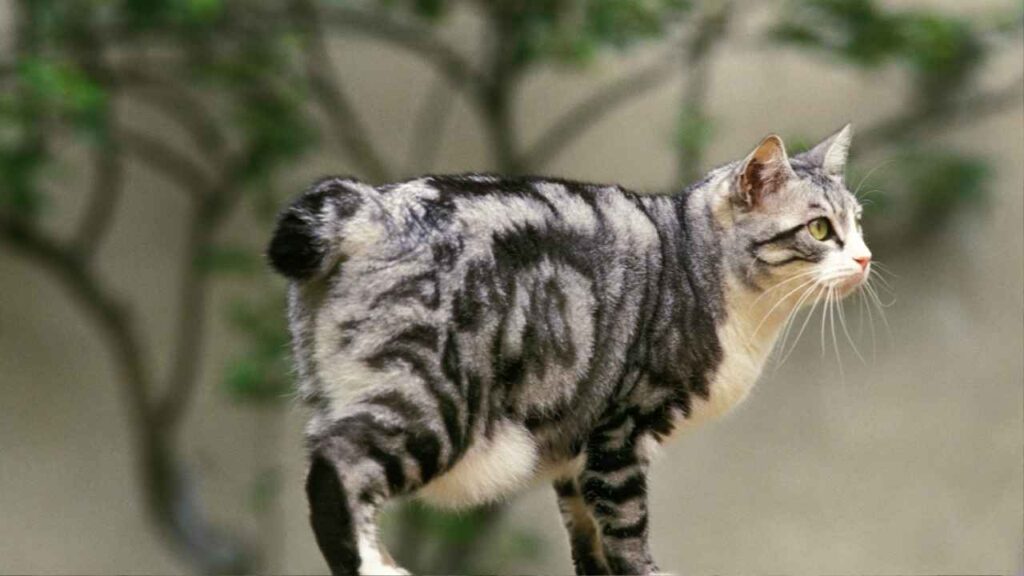
The Japanese Bobtail is instantly recognizable for its short, pom-pom tail, silky coat, and lively expression. This breed is confident, athletic, and famously people-focused, thriving in active households.
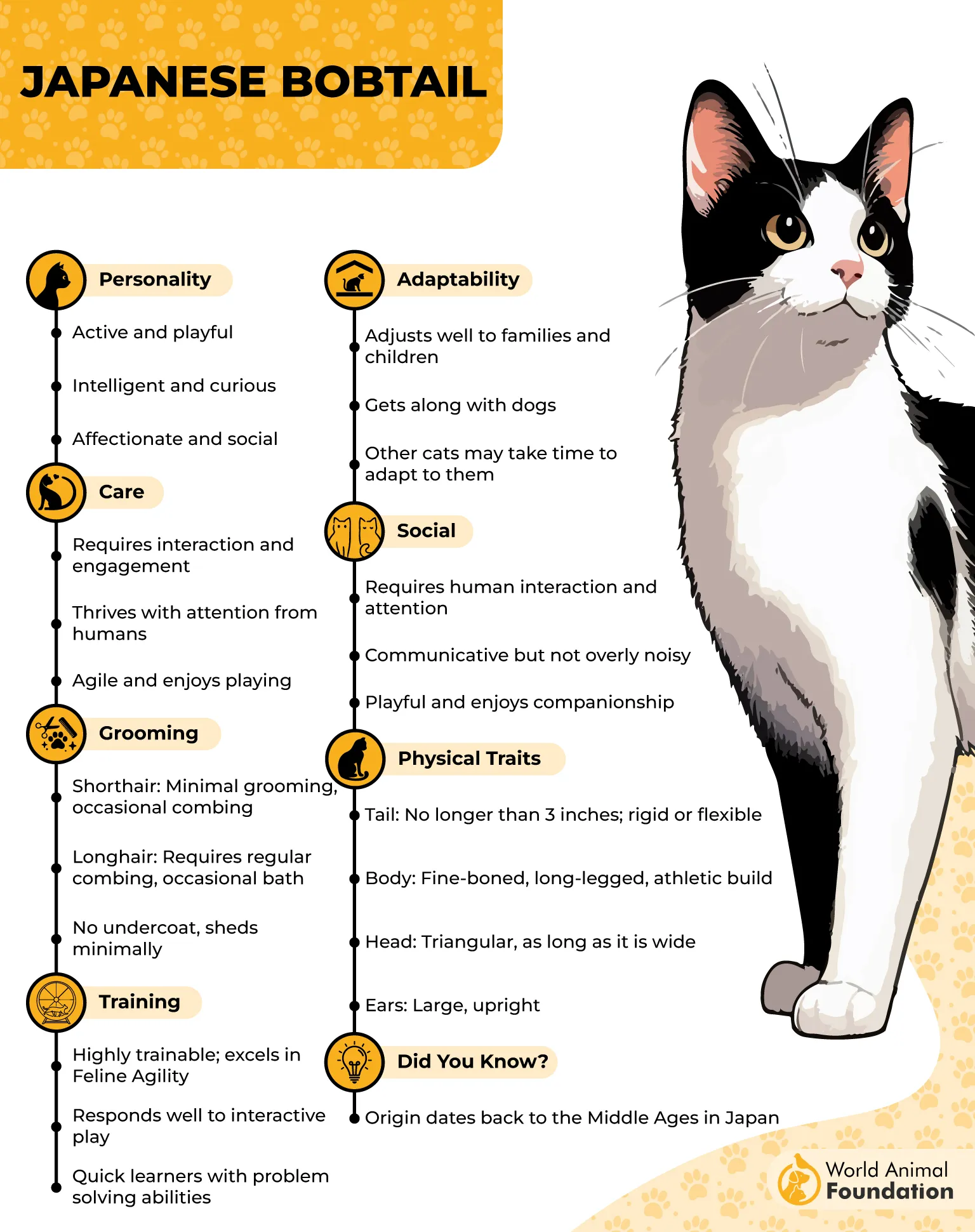
When it comes to learning routines, Japanese Bobtails excel. Their high energy and intelligence make them quick to recognize schedules, from playtime to feeding, and they eagerly engage in interactive habits like fetch or toy retrieval.
Teaching new habits works best when training feels like play. Praise, rewards, and short, engaging sessions help channel their curiosity, while daily activity prevents boredom-driven mischief such as counter surfing or door opening.
Consistency is key with this breed. Clear cues, repetition, and quality time strengthen learning while reinforcing trust.
Fact: Japanese Bobtails are known to enjoy playing fetch and often learn commands and tricks using praise and rewards.
7. Siamese
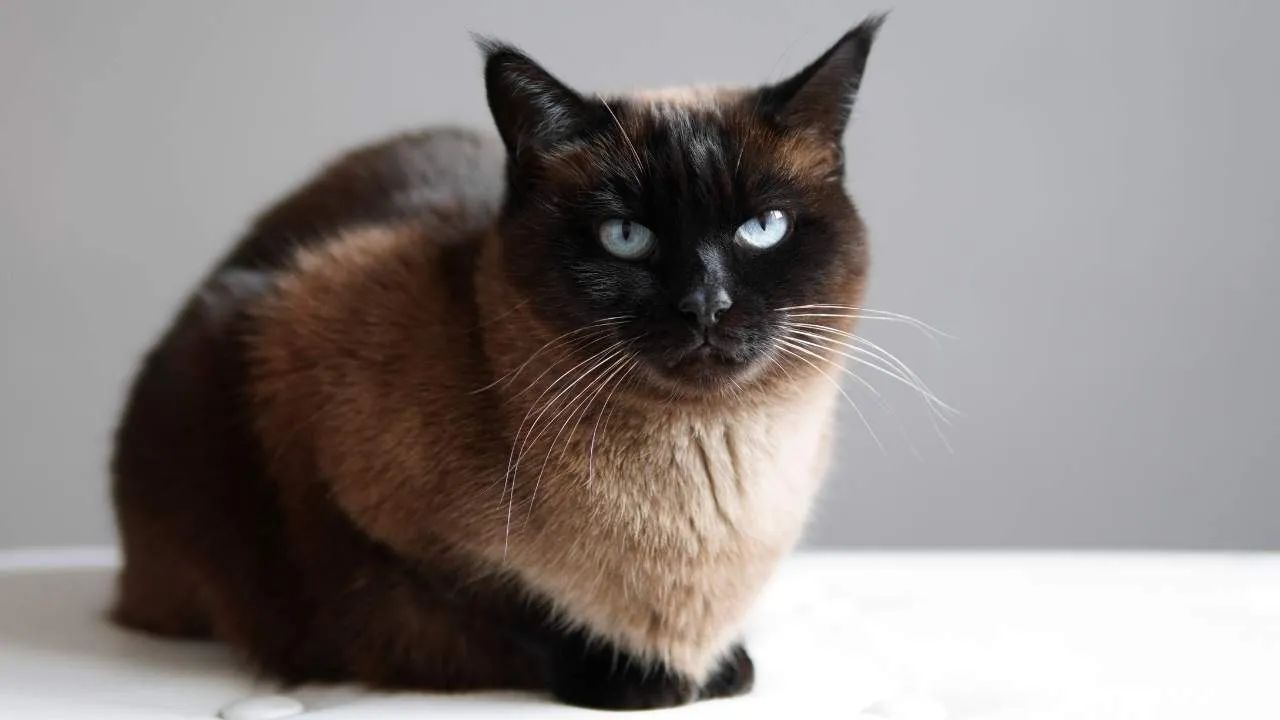
Often nicknamed the Meezer, the Siamese is an ancient, elegant breed known for its sleek body, color-point coat, and striking blue eyes. This highly social cat has shared homes with humans for centuries.
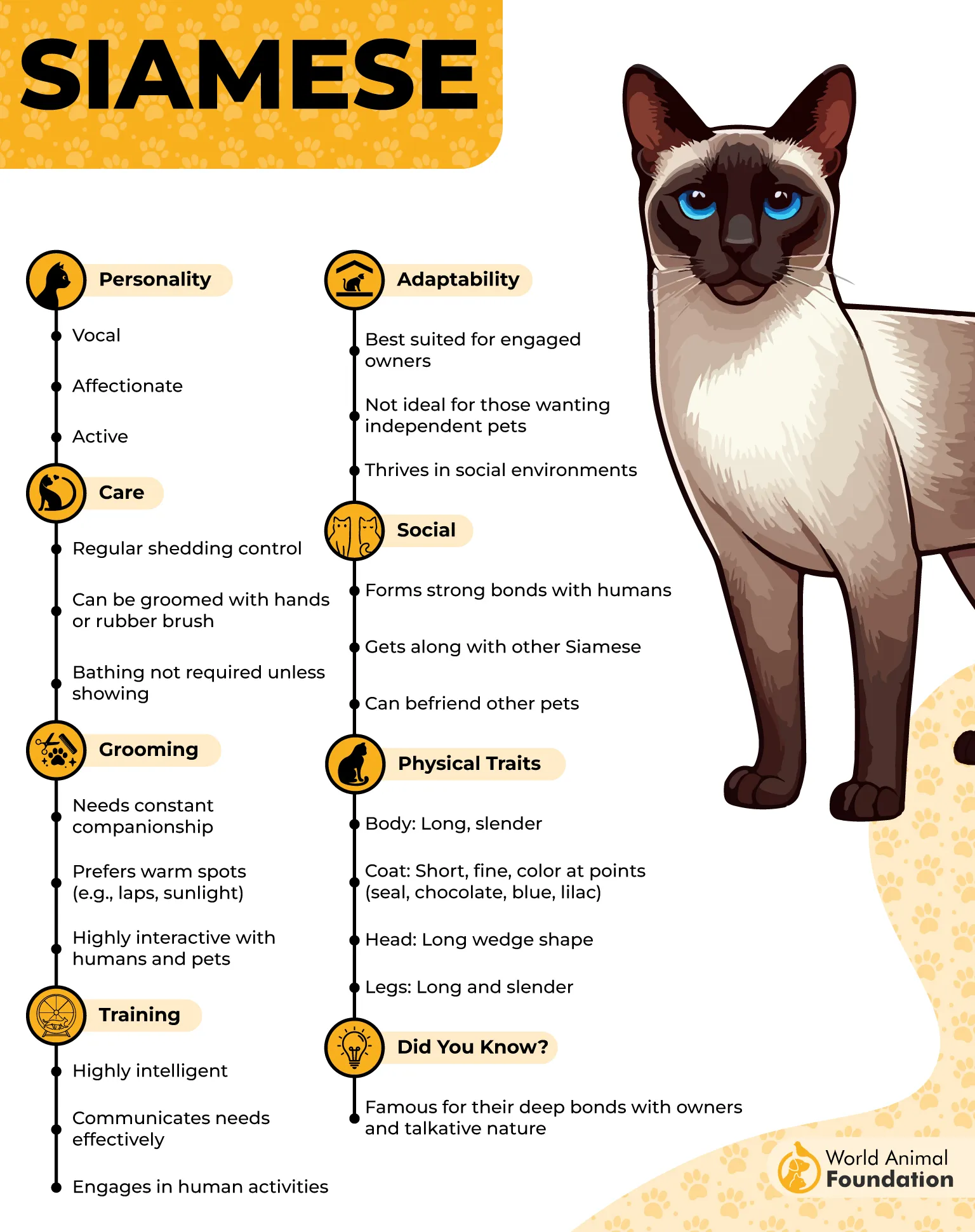
Siamese cats excel at learning routines because they crave involvement. They enjoy predictable schedules, thrive during training sessions, and eagerly participate in activities like playing fetch, walking on a leash, or responding to feeding and playtime cues.
Their talkative nature reinforces routine learning. Siamese cats often “chat” through training, using vocal feedback to stay engaged and communicate preferences, which helps owners fine-tune daily habits and expectations.
If you’re wondering whether a routine-focused cat fits your lifestyle, the Siamese is ideal for households with time and consistency. They bond deeply and expect interaction.
Fact: Siamese cats are known for being one of the most talkative and trainable breeds, often learning tricks and routines quickly.
Conclusion
Cats that learn routines quickly prove that intelligence and independence can go hand in hand. Trainable cat breeds like Siamese show how an affectionate nature, curious nature, and playful spirit help intelligent felines pick up habits, from using the litter box consistently to mastering cat tricks.
These clever cats enjoy structure, respond well to paying attention, and thrive when they can enjoy interactive play rather than grow bored easily.
For cat lovers and pet parents, choosing from the most trainable cat breeds—including mentions like Burmese cats, Russian Blue, Scottish Fold cat, Turkish Van, Oriental Shorthair, and Cornish Rex—can make family life smoother.
With patience, you can begin training, teach new tricks, try leash training, or set up a scratching post routine. A highly intelligent feline friend that balances an independent nature with learning ability often adapts well around other animals, making them rewarding companions.
