




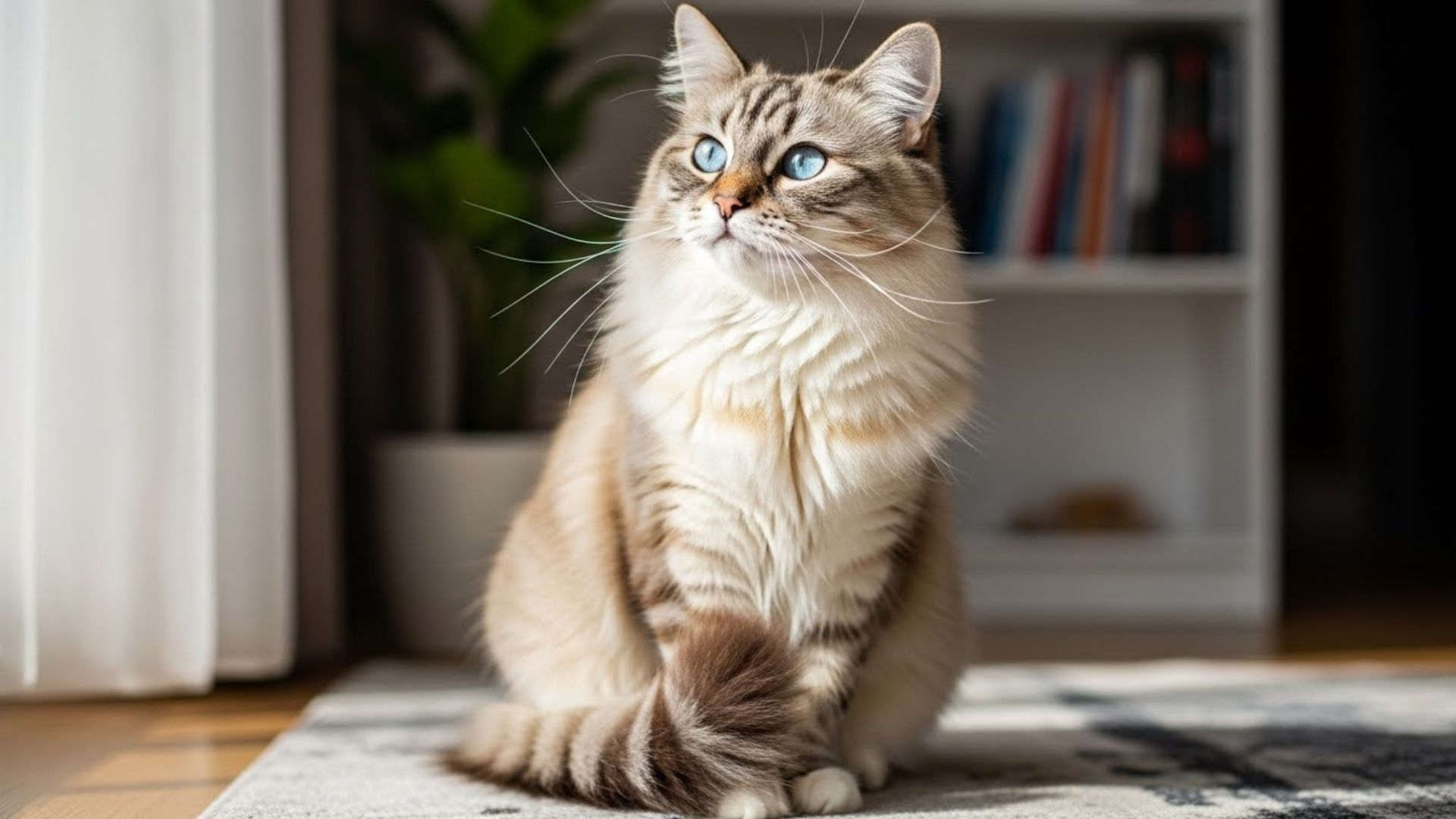
Loving cats and living with allergies can feel like an impossible combination. For many people, the sneezing, itchy eyes, and congestion that come with cat exposure make the idea of owning a feline companion seem out of reach. While it’s a common myth that completely hypoallergenic cats exist, the reality is a bit more nuanced—and far more hopeful.
All cats produce Fel d 1, the protein responsible for most cat allergies. It’s found in saliva, skin oils, and dander that settles into fur and around the home. However, not all cats produce the same amount. Certain breeds are known to release less of this allergen or shed less fur that carries it, which can significantly reduce allergy symptoms for some people.
With millions of cat-loving households and growing awareness around allergies, interest in allergy-friendly breeds has never been higher. While science continues exploring long-term solutions, there are already several breeds that may be easier to live with if you’re sensitive. In this article, we explore the most hypoallergenic cat breeds and what makes them a better match for allergy sufferers.
Most Hypoallergenic Cat Breeds
1. Siberian
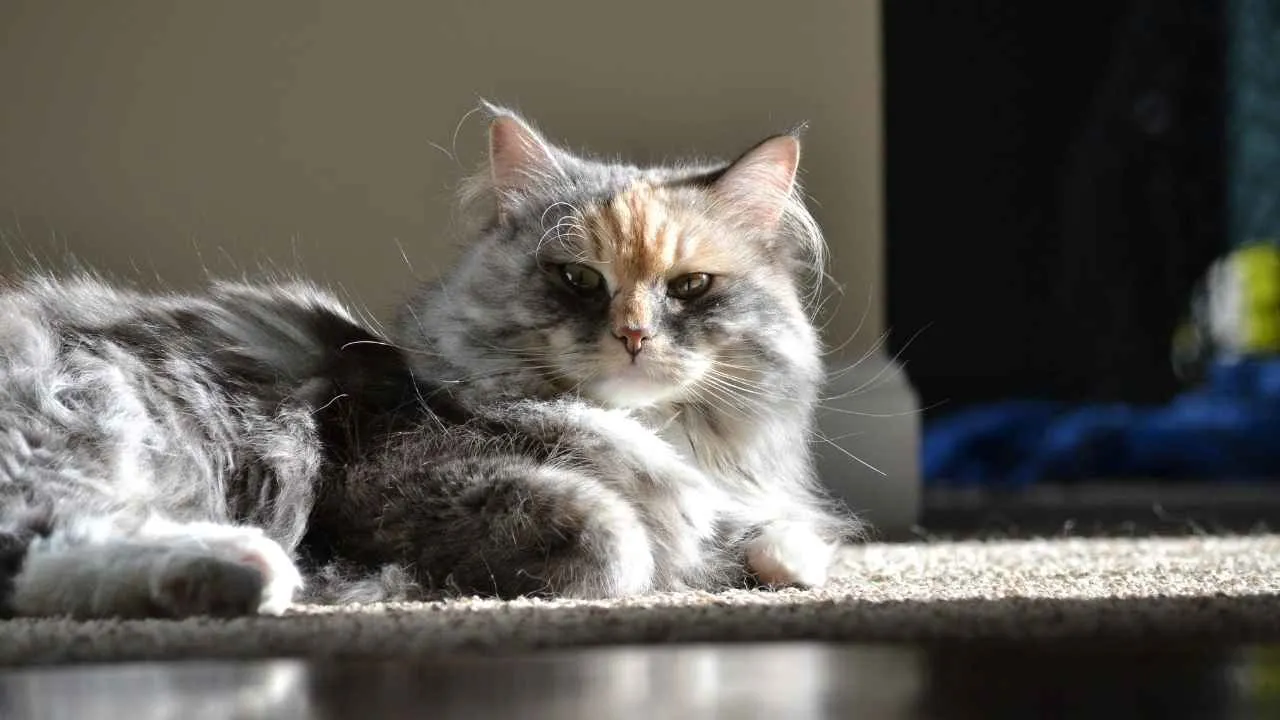
Also known simply as the Siberian Forest Cat, this breed hails from Russia and is instantly recognizable for its thick, luxurious coat and sturdy build. Despite its fluffy appearance, the Siberian is often mentioned among cats that may be easier for allergy-sensitive households.
According to Purina, this cat is friendly and affectionate, often trailing behind you throughout the day and happily purring on your lap while you groom its coat.
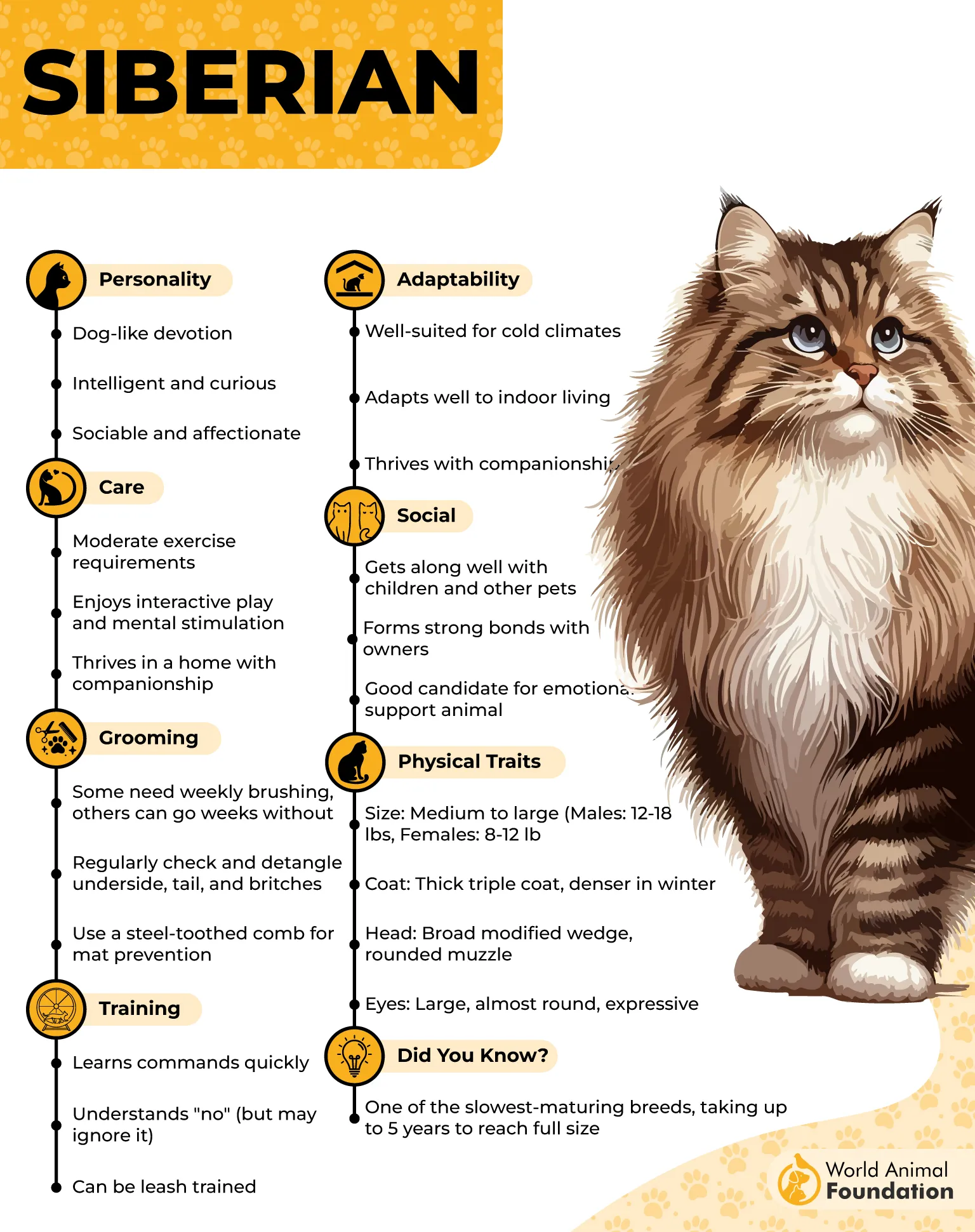
What makes the Siberian stand out in discussions about hypoallergenic cats is its tendency to produce lower levels of Fel d 1, the protein responsible for most cat allergies. While no cat is completely allergen-free, many allergy sufferers report milder reactions to Siberians compared to other long-haired breeds.
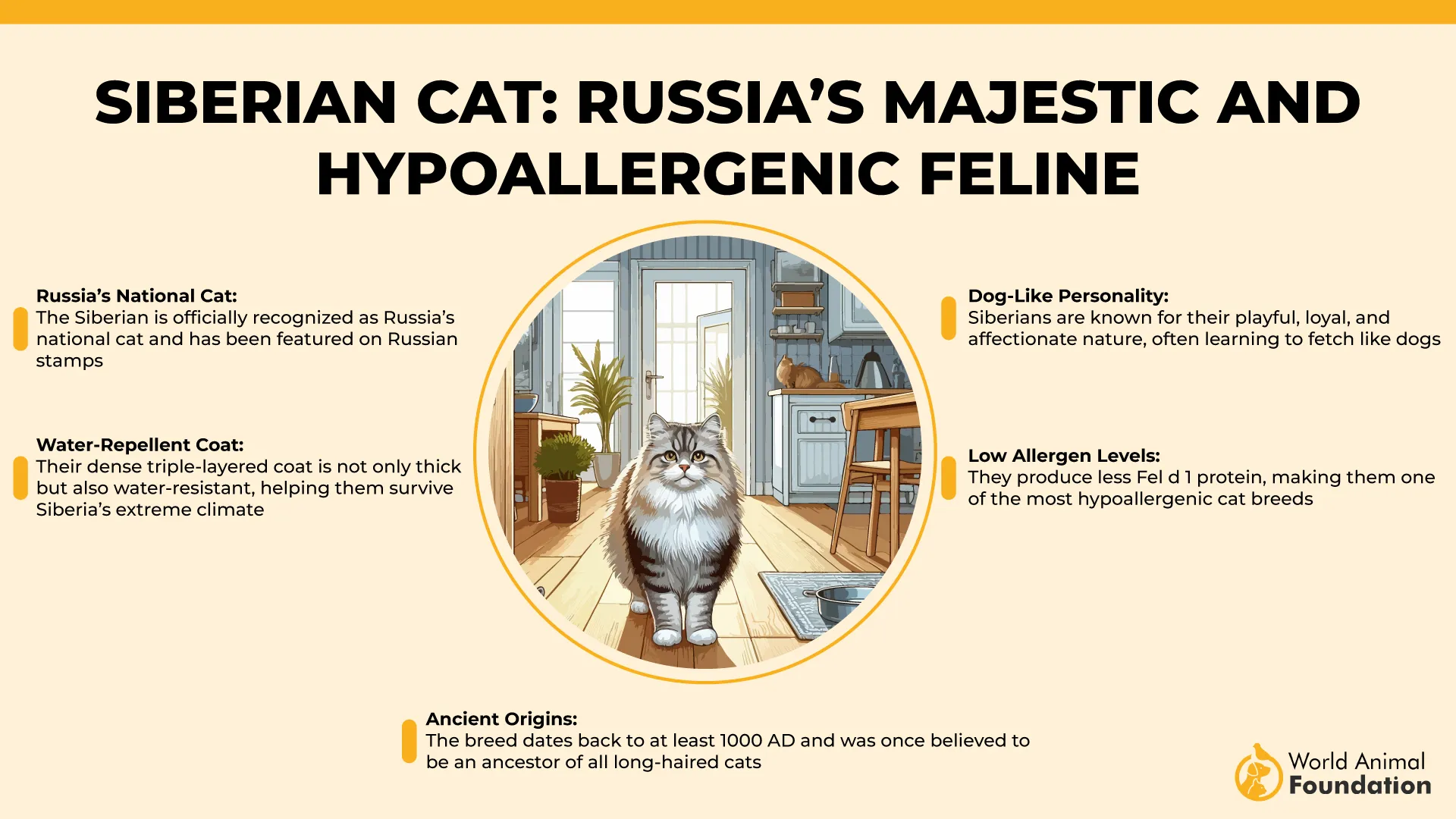
Understanding what “hypoallergenic” means is key here—it doesn’t mean allergen-free, but potentially lower allergen exposure. Siberians shed dander differently, and some individuals, especially females, are believed to release less Fel d 1, making careful selection important for sensitive owners.
Regular grooming plays a role as well, since weekly combing helps manage loose fur and allergens. Owners are often encouraged to spend time with parent cats before adoption to gauge reactions.
Fact: Studies suggest that about half of Siberian cats produce lower Fel d 1 levels than many other breeds, though all still produce some allergens.
2. Bengal

Also known as the Leopardette, the Bengal is instantly recognizable for its wild, spotted look inspired by the Asian leopard cat. Despite that exotic appearance, this is a fully domestic breed with a short, glossy coat and a bold, athletic presence.
According to PetMD, the Bengal cat looks so much like a leopard that it may be mistaken for a miniature version of one, and that impression is largely accurate.
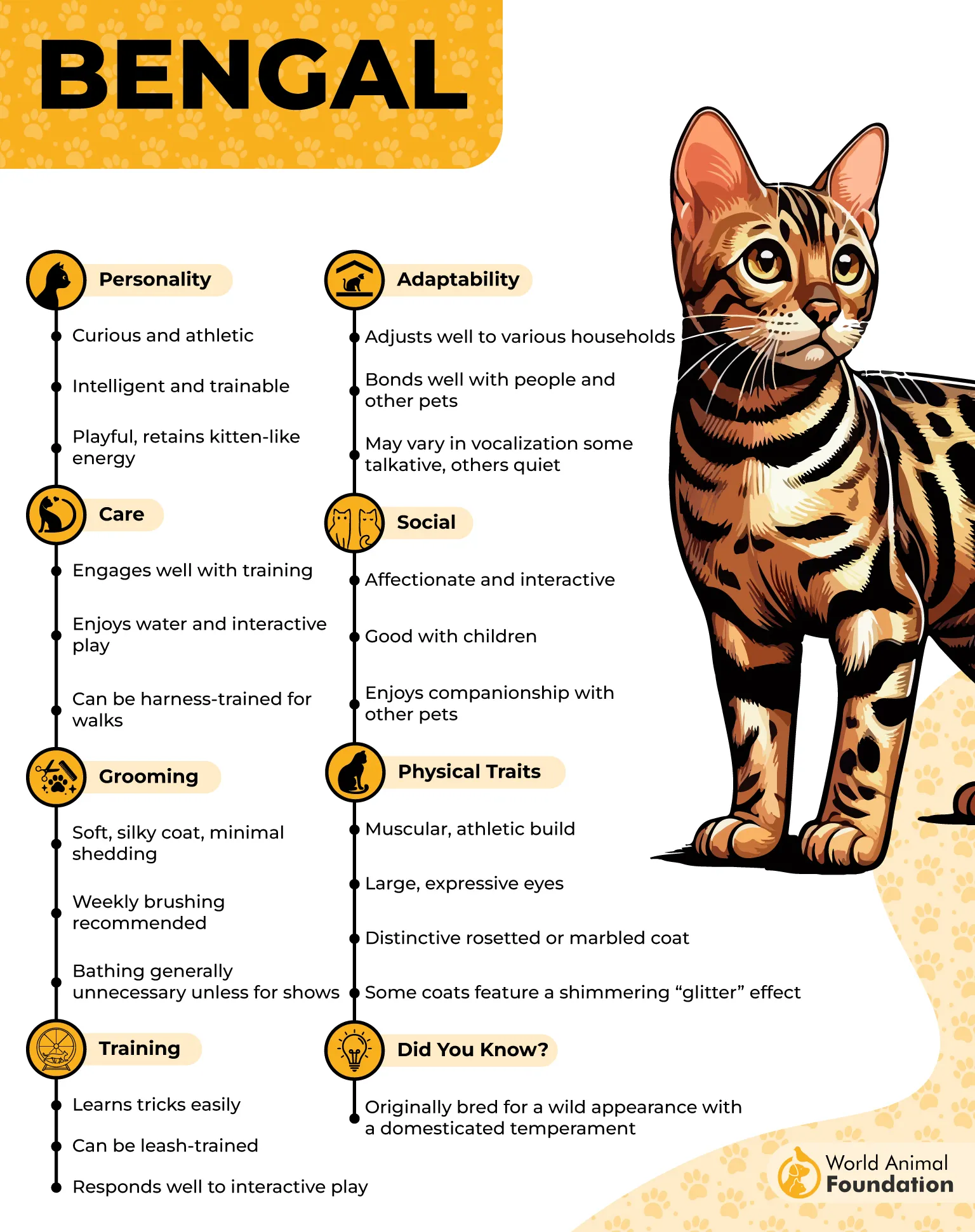
Bengals are often considered more allergy-friendly because their tight, sleek fur sheds less than that of many other breeds. With minimal grooming needs, fewer loose hairs circulate around the home, which can help limit the spread of allergens like dander and saliva proteins.
Their coat texture also plays a role in allergy management. Because the fur lies close to the body, allergens are less likely to cling and disperse, especially compared to fluffy or double-coated breeds. Regular wiping and basic grooming can further reduce allergen buildup.
That said, Bengals are highly energetic and intelligent, requiring daily mental and physical stimulation to stay balanced. A well-enriched environment supports healthier habits, which can indirectly help allergy-sensitive households manage exposure more effectively.
Fact: Bengals have short, sleek coats that shed very little, helping reduce the spread of allergens in the home.
3. Sphynx
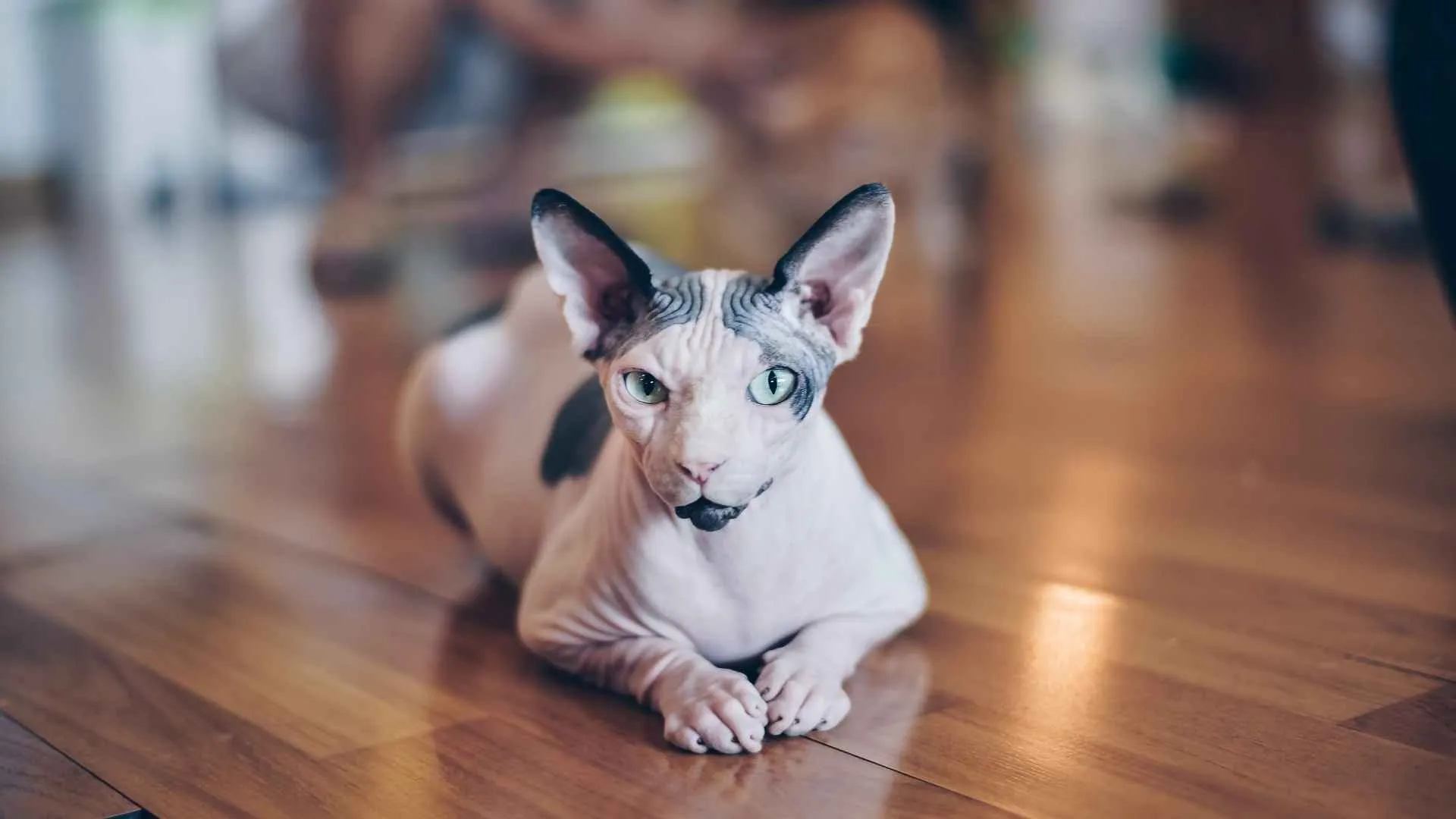
The Sphynx, also known as the Canadian Hairless, is instantly recognizable for its nearly fur-free body and wrinkled skin. According to WebMD, the Sphynx is a hairless cat breed known for having a playful personality.
This distinctive appearance isn’t just eye-catching—it also plays a role in why the breed is often considered more allergy-friendly than many others.
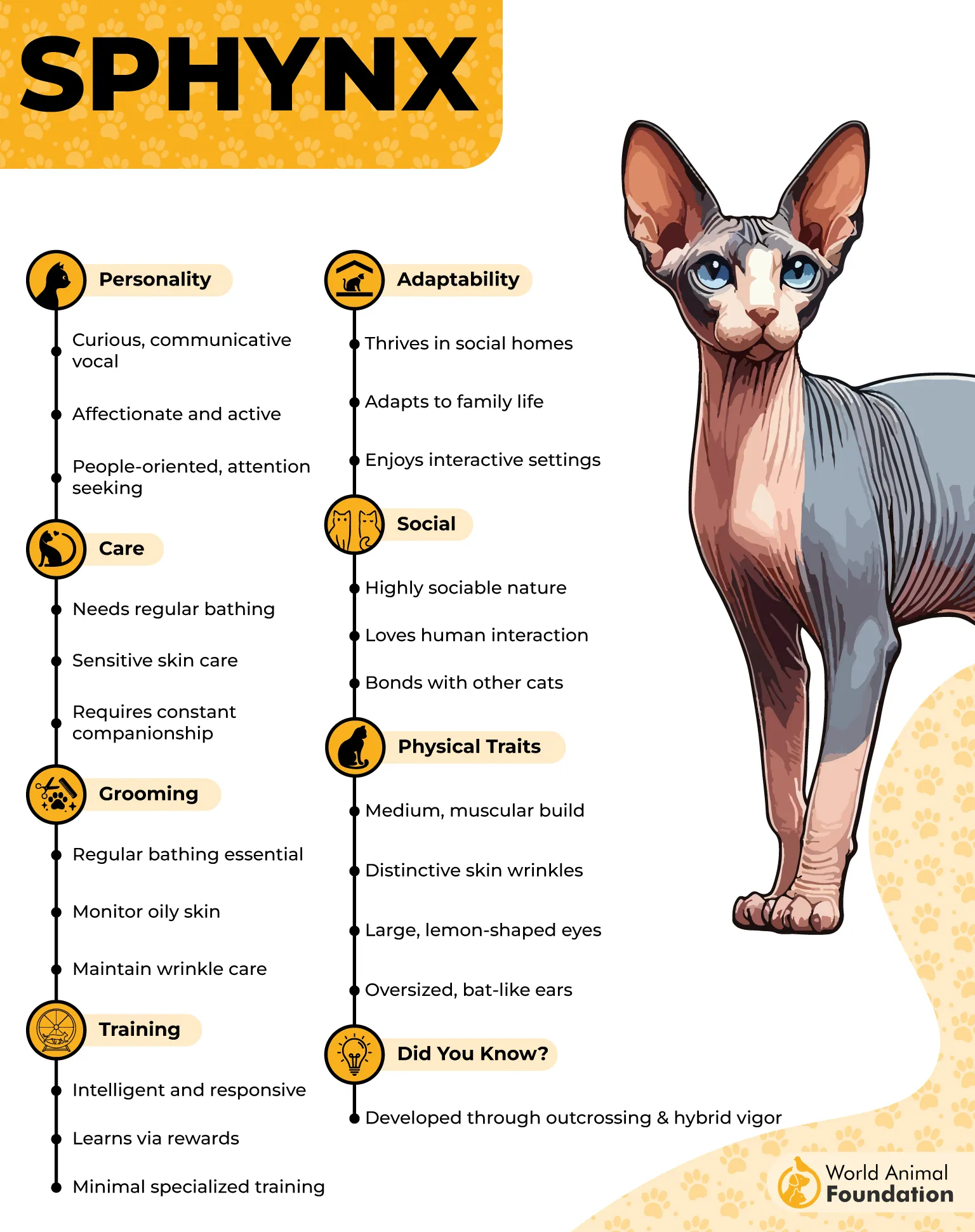
Because Sphynx cats lack traditional fur, there’s far less hair to trap and spread allergens around the home. While they still produce dander, the absence of a coat means allergen buildup is easier to manage with consistent cleaning and routine care.
That said, understanding allergens is key. Sphynx cats still produce Fel d 1, the protein responsible for most cat allergies, which is found in saliva and skin oils. When they groom themselves, this protein can still become airborne, though it tends to accumulate on skin rather than fur.
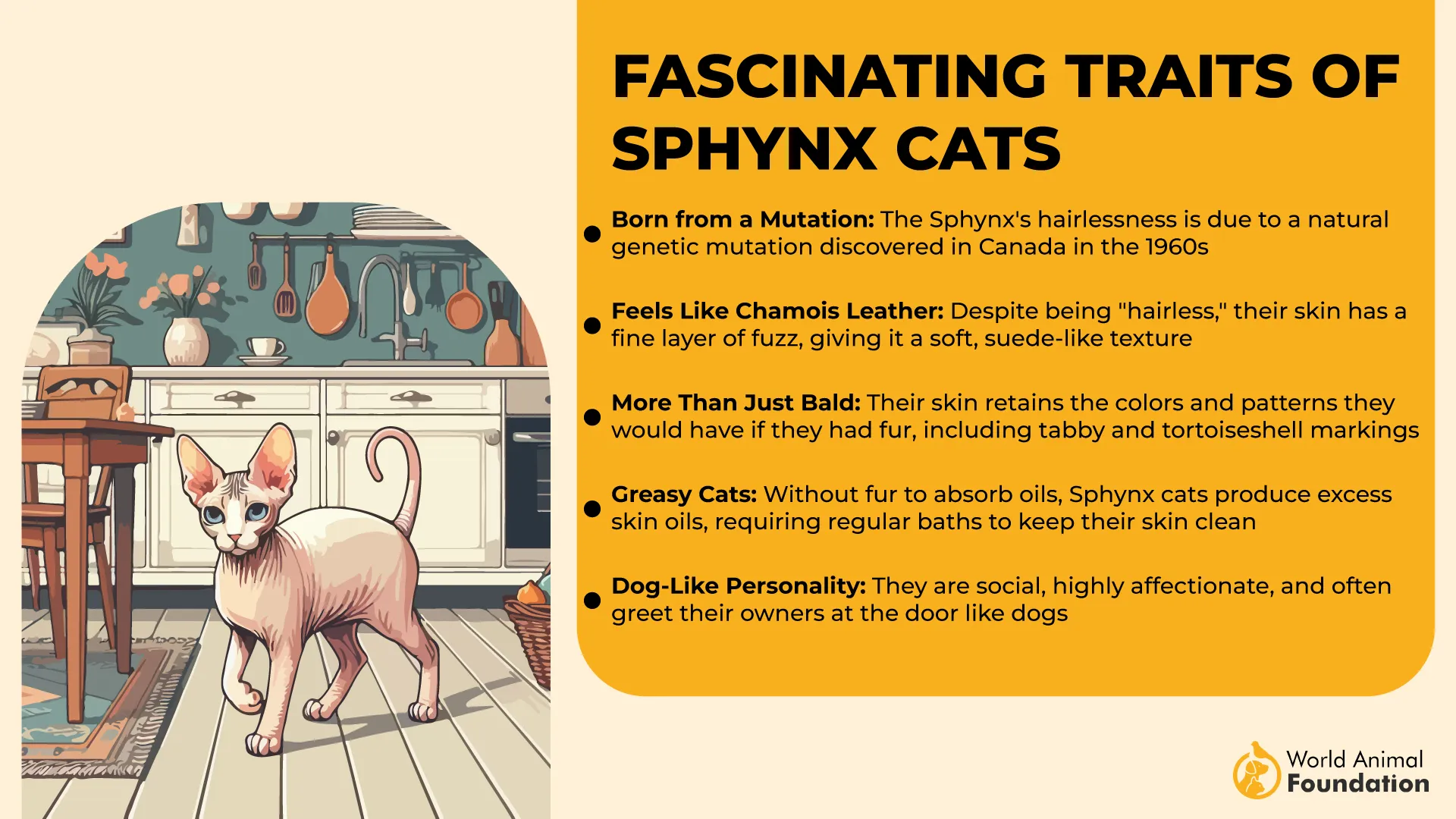
Regular bathing is essential for reducing oil buildup that can hold allergens, making maintenance an important part of allergy control. Owners should also note their sensitivity to temperature, requiring sweaters in cold weather and sun protection outdoors.
Fact: Despite being hairless, Sphynx cats still produce Fel d 1, the primary protein linked to cat allergies.
4. Russian Blue
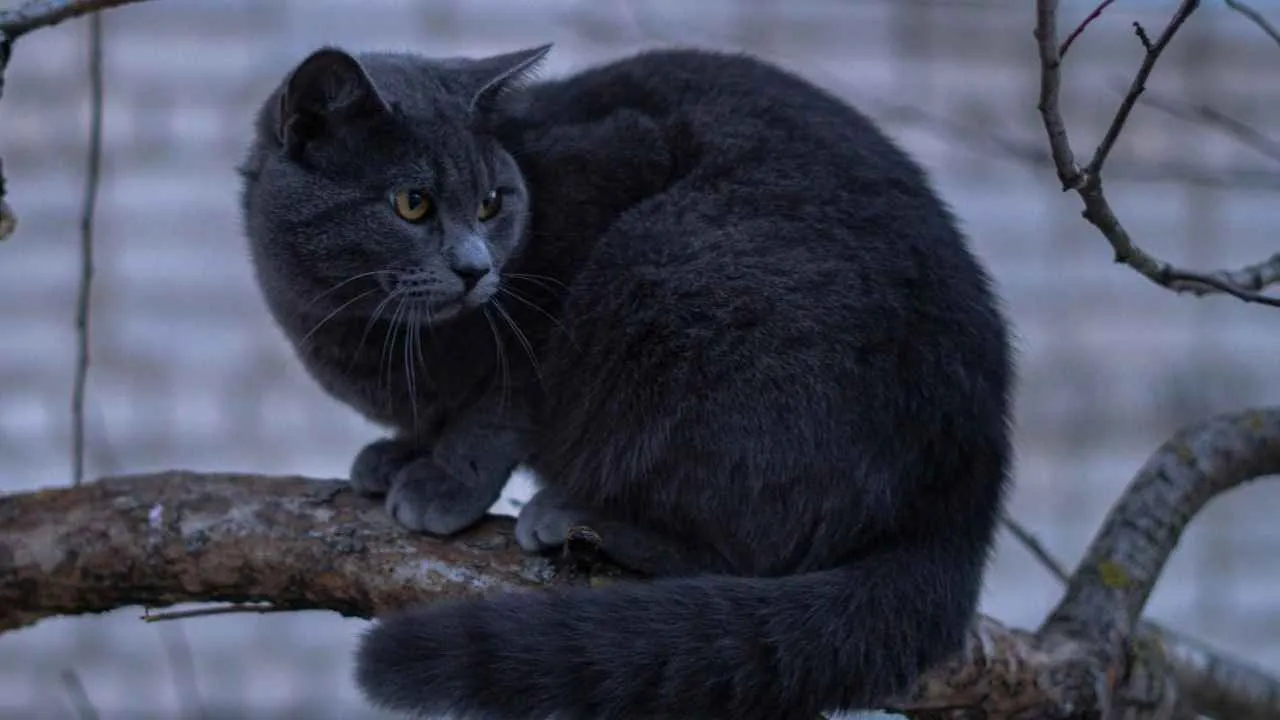
The Russian Blue, also known as the Archangel Blue, is a naturally elegant breed admired for its silvery-blue coat and refined build. Medium-sized and slender, this cat is instantly recognizable by its plush fur, wedge-shaped head, and calm, observant expression.
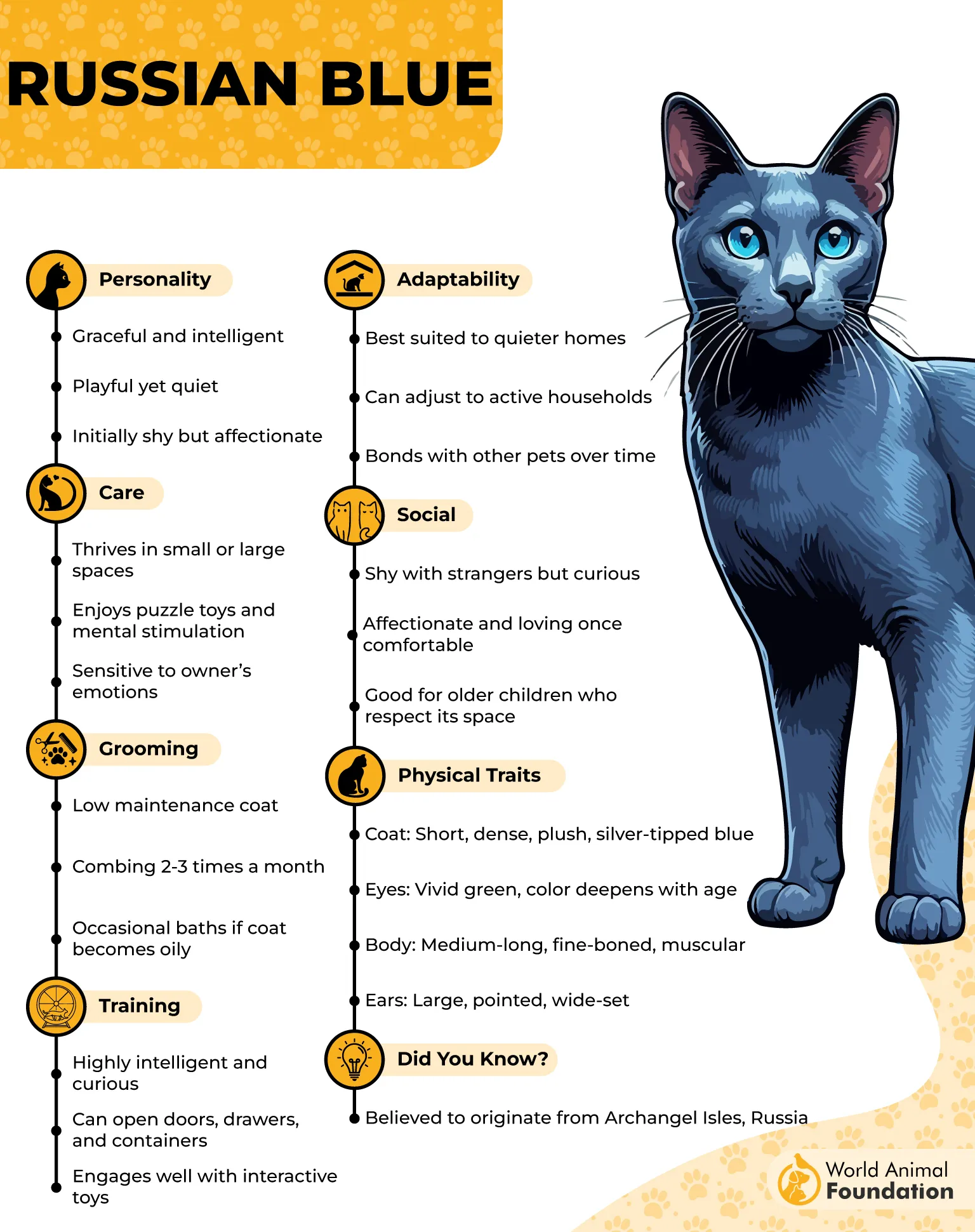
When it comes to allergy-friendly cats, the Russian Blue stands out thanks to its dense double coat, which tends to trap allergens closer to the skin rather than releasing them into the air. Combined with relatively low shedding, this makes the breed a popular choice among people seeking more hypoallergenic options.
Personality also plays a role in their appeal. Russian Blues are affectionate but not demanding, preferring quiet companionship over constant attention. Their reserved nature means less stress-induced shedding, which can further help reduce allergen spread in the home.
Maintenance is simple but beneficial. Occasional grooming keeps the coat healthy and helps manage allergens, while their clean habits add to their suitability for sensitive households.
Fact: A notable breed trait is that adult Russian Blues typically develop striking emerald green eyes by around two years of age.
5. Devon Rex
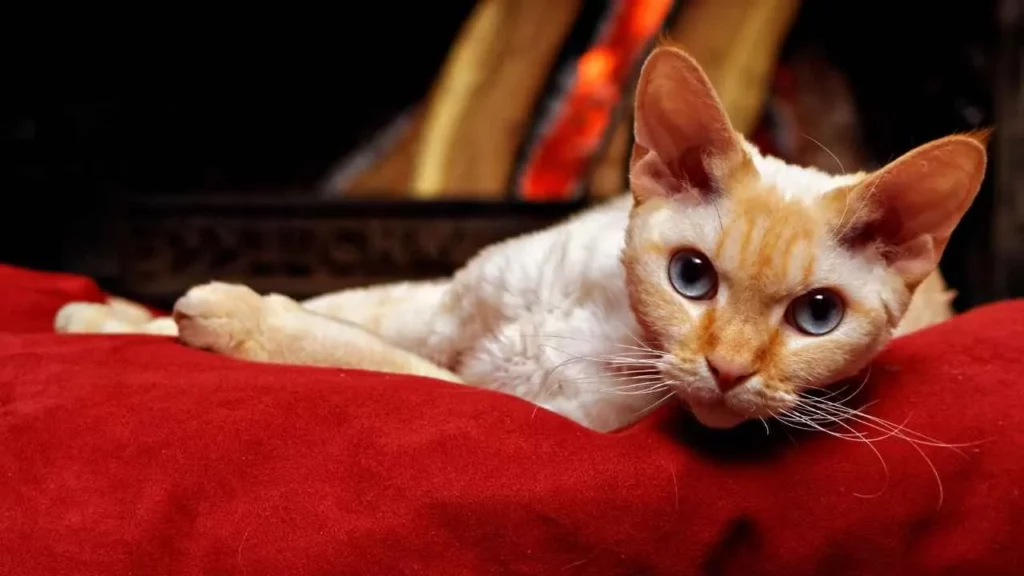
The Devon Rex, often nicknamed the “Poodle of the cat world,” is instantly recognizable for its short, wavy coat and oversized ears. This small, elfin-looking breed typically weighs between 6 and 9 pounds and stands out for its unique “rexed” curls and expressive face.
When it comes to allergies, the Devon Rex is frequently recommended because it sheds very little. With less fur to trap dander and a lower tendency to groom excessively, this breed spreads fewer allergens around the home compared to many other cats.
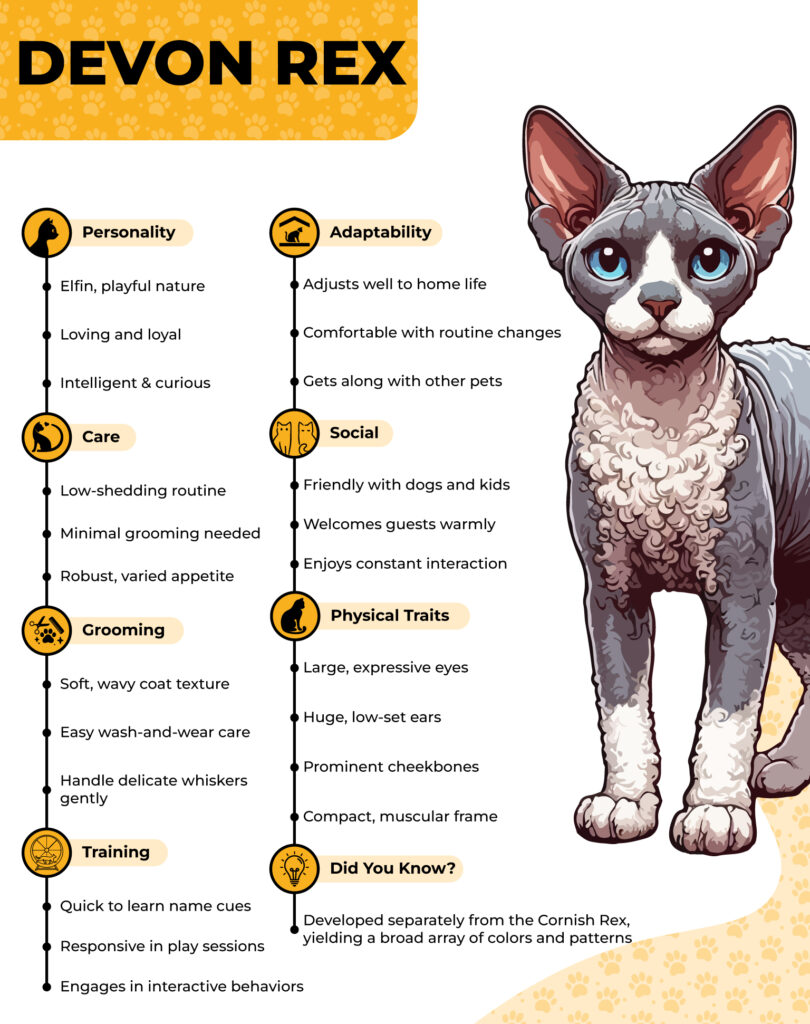
Their coat may be minimal, but their personality is anything but. Devon Rex cats are affectionate, highly intelligent, and thrive on close human contact, often choosing laps and shoulders over solitude. Their need for companionship makes them a better fit for households where someone is usually home.
While no cat is truly hypoallergenic, the Devon Rex sits at the intersection of low-shedding and lower allergen spread, helping allergy sufferers manage symptoms more easily.
Fact: Devon Rex cats are widely known for their short, curly coats and are considered one of the better cat breeds for people with allergies.
6. Cornish Rex
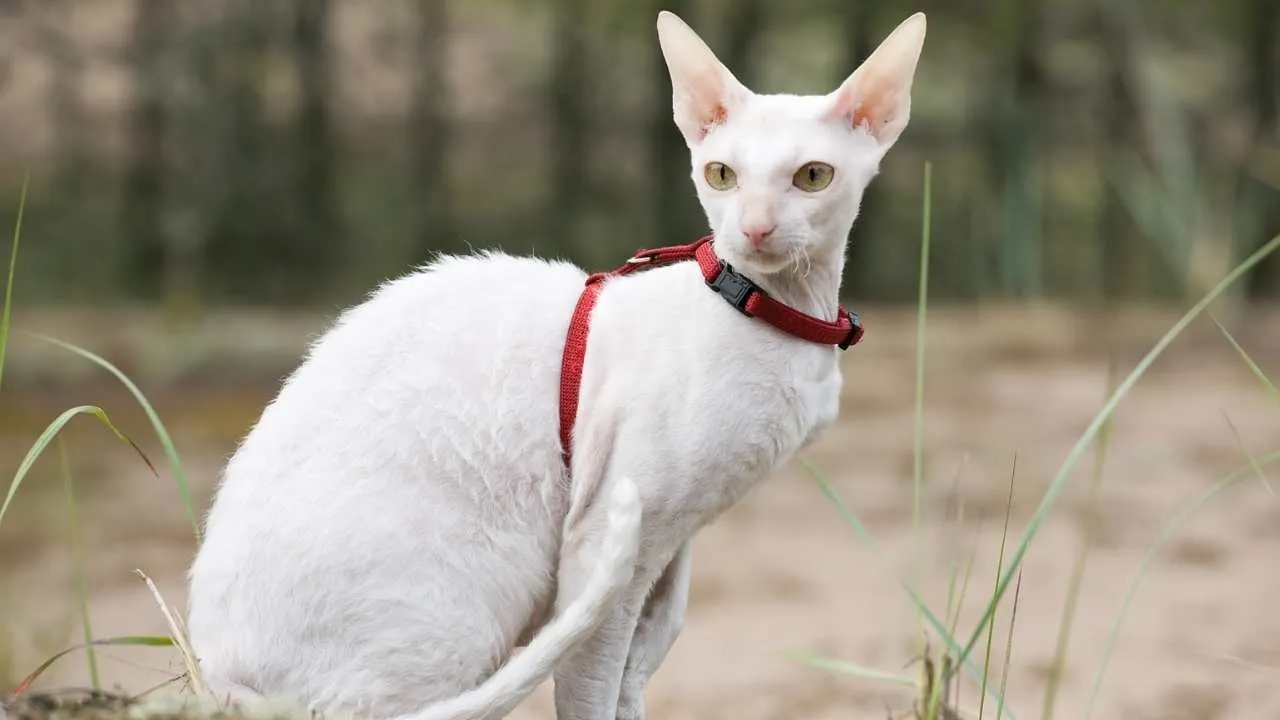
Also known simply as the Rex, the Cornish Rex is instantly recognizable for its soft, curly coat and sleek, athletic build. Originating in Cornwall, Great Britain, this breed lacks guard hairs and has only a fine undercoat, giving it a distinctive look and feel.
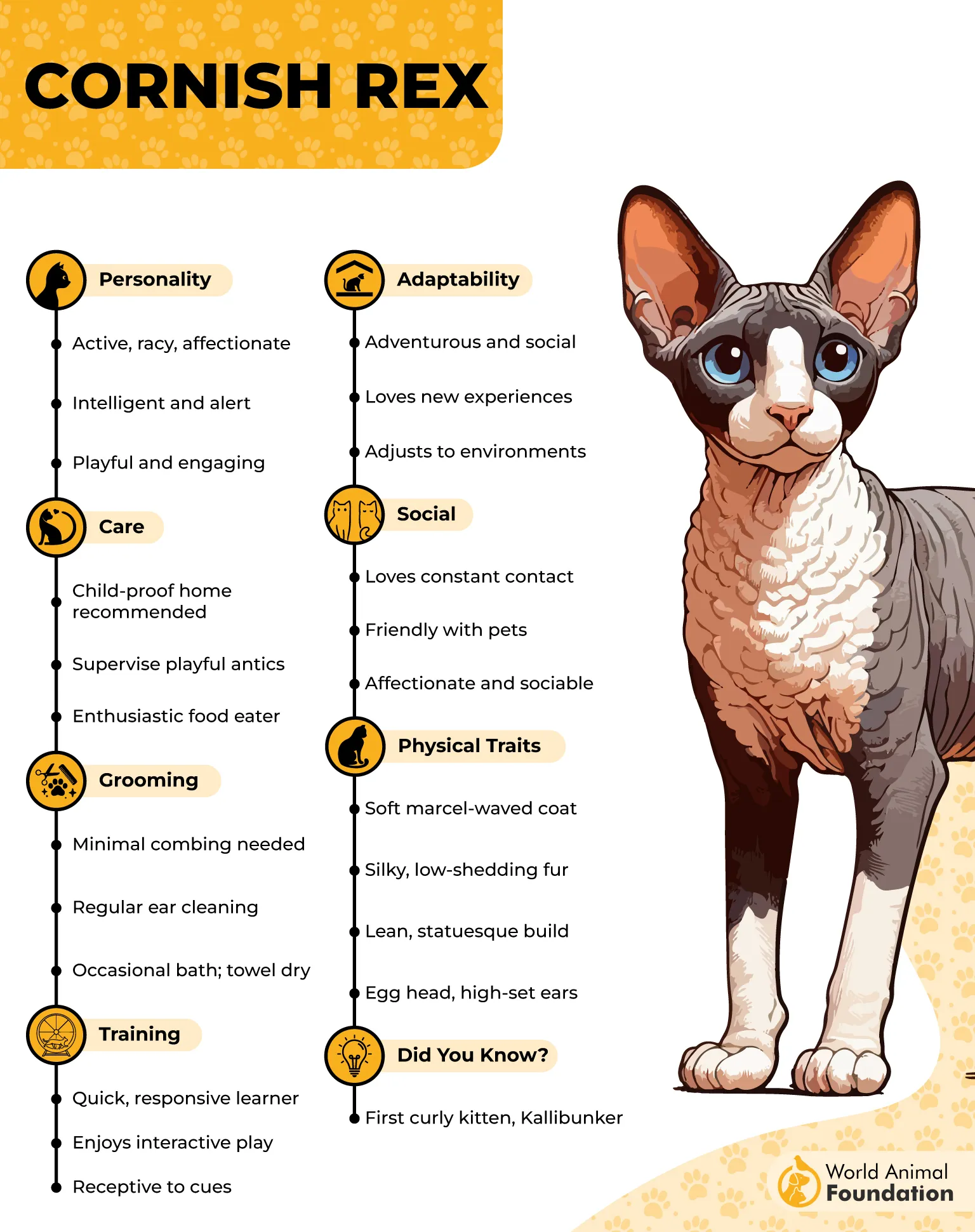
That unique coat plays a role in why the Cornish Rex is often recommended for allergy sufferers. With minimal shedding compared to many other breeds, fewer allergens are spread around the home, which can make daily life easier for sensitive owners.
Despite sometimes being confused with hairless cat breeds, the Cornish Rex does have fur—just less of it. Regular gentle grooming helps keep skin oils in check, which is important for managing allergy concerns while maintaining coat health.
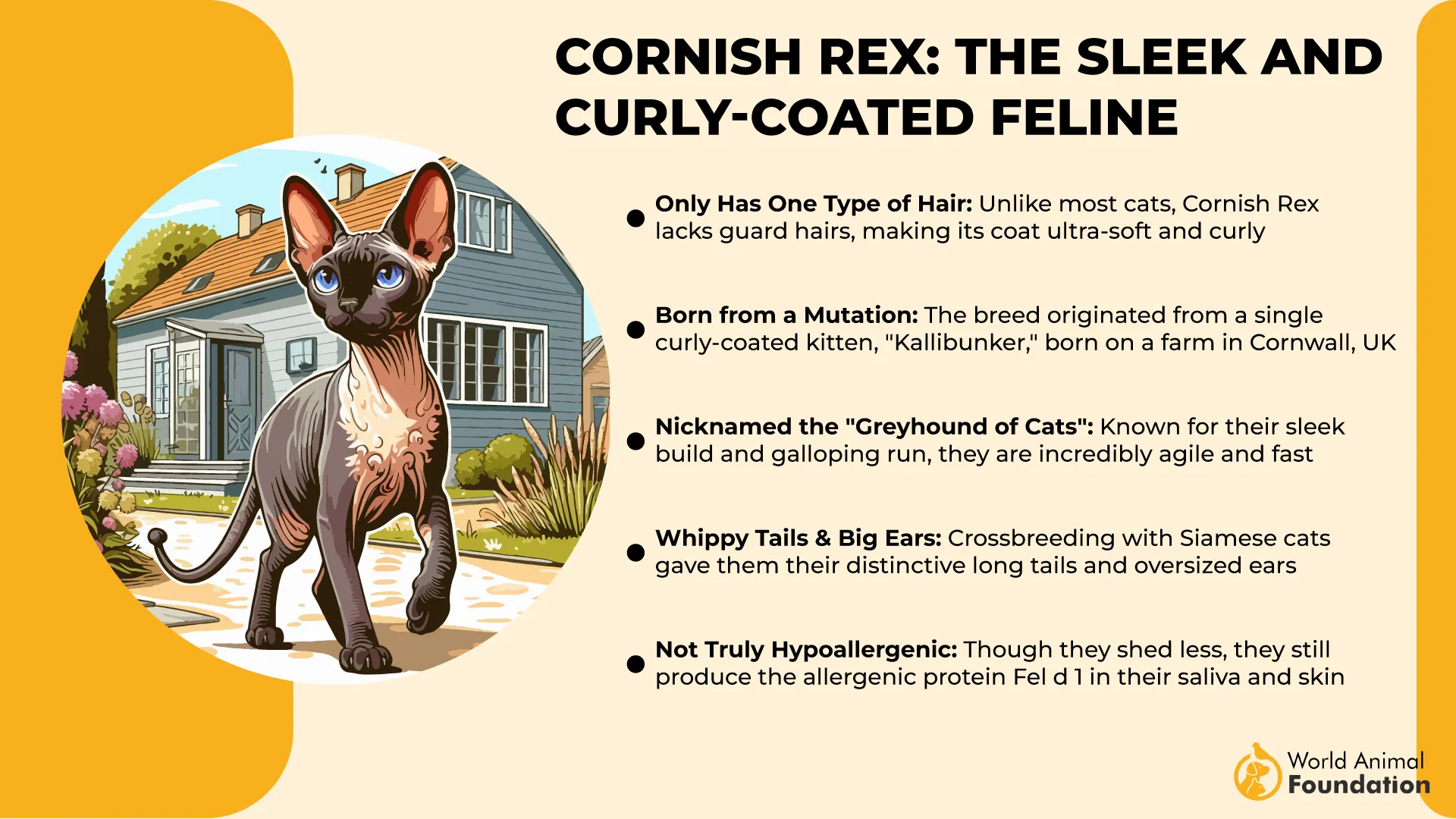
Energetic and affectionate, this breed thrives on interaction and activity, often following owners closely and even learning leash walking.
Fact: A notable fact is that Cornish Rex cats have only an undercoat and no guard or awn hairs, a result of a unique genetic mutation.
7. Balinese
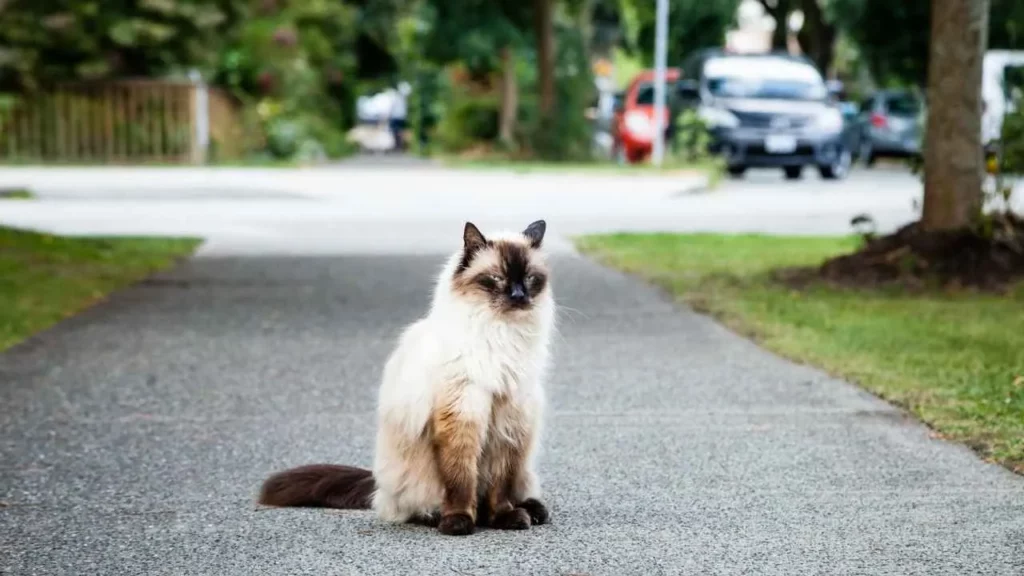
The Balinese, often called the “long-haired Siamese,” is an elegant, fine-boned breed known for its silky coat and close ties to the Siamese lineage. Despite the fluffy look, this cat is frequently recommended to allergy-sensitive households because it produces less Fel d 1 than many breeds.

What makes the Balinese stand out among hypoallergenic options is its single-layer coat. Without a dense undercoat, fewer allergens become trapped in the fur, which can help reduce what’s released into the home environment through shedding and dander.
Grooming plays a major role in allergy control with this breed. Brushing two to three times a week removes loose hair before allergens spread, while occasional baths help wash away saliva residue that contains Fel d 1, keeping reactions more manageable.
Because the Balinese lacks an insulating undercoat, it sheds less than many long-haired cats, though seasonal shedding can still occur. This lighter shedding, combined with consistent grooming, makes allergy management more realistic for many families.
Fact: The Balinese has no undercoat, which contributes to reduced shedding compared to double-coated breeds.
8. Siamese

Also known as the Thai cat or “Meezer,” the Siamese is a sleek, blue-eyed breed recognized for its pointed coat, elongated body, and elegant features. With a short, glossy coat that lies close to the body and no undercoat, this breed stands out among cats considered more allergy-friendly.
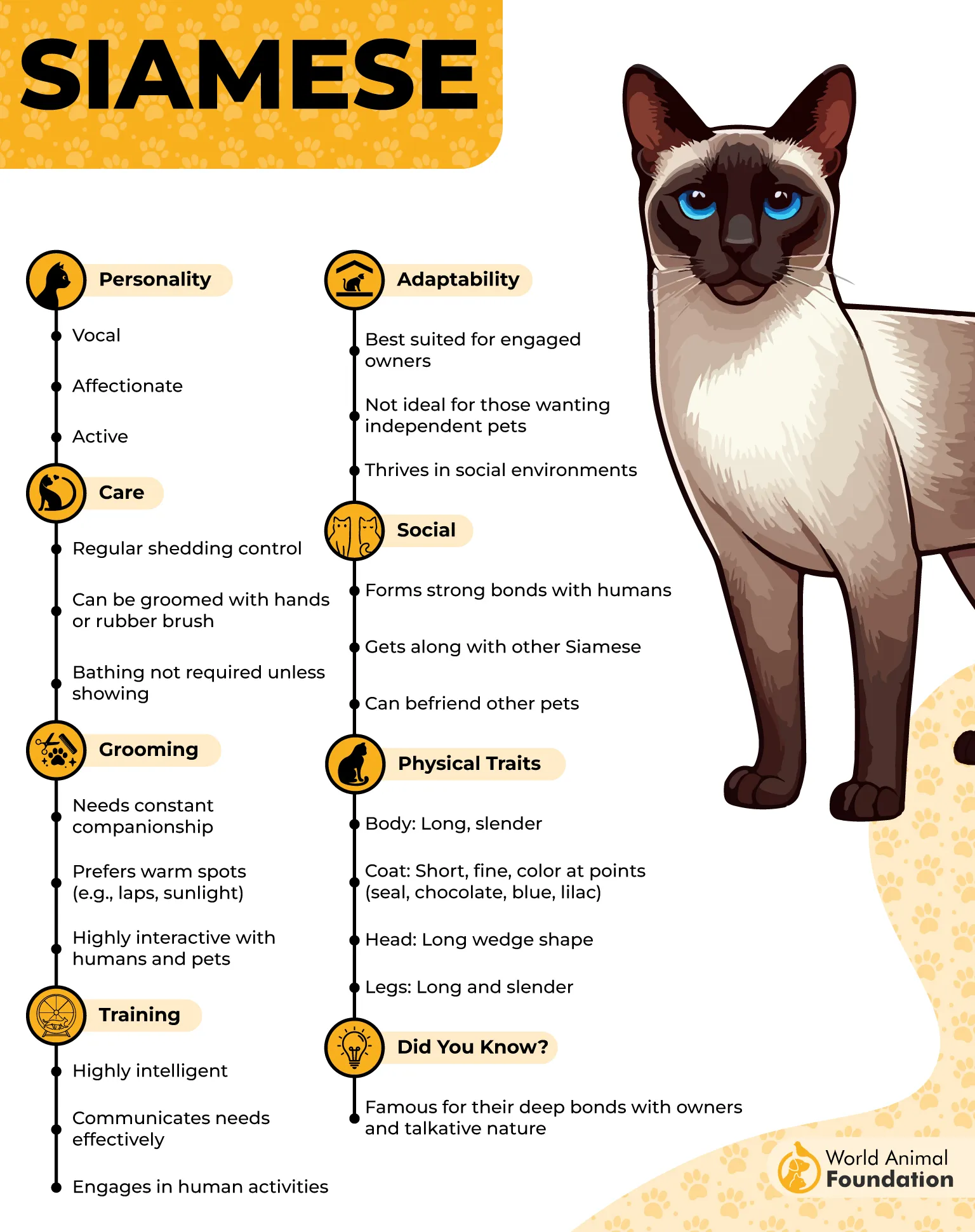
For allergy sufferers, the Siamese’s low-shedding coat helps limit the spread of dander around the home. While no cat is truly hypoallergenic, anecdotal evidence suggests Siamese cats may produce fewer allergens than heavier-coated breeds, making daily life more manageable for sensitive owners.
Living comfortably with cat allergies also means focusing on routine care. Regular brushing, frequent cleaning of bedding, and maintaining good air circulation can further reduce allergen buildup. Because Siamese cats are highly social, consistent interaction and structured routines help prevent stress-related grooming that could increase shedding.
Their strong bond with pet parents means they thrive in attentive households, where stable routines benefit both cat and owner.
Fact: Siamese cats are known for their short, fine coats that shed less than many other breeds, which may help limit allergen spread.
9. Oriental Shorthair
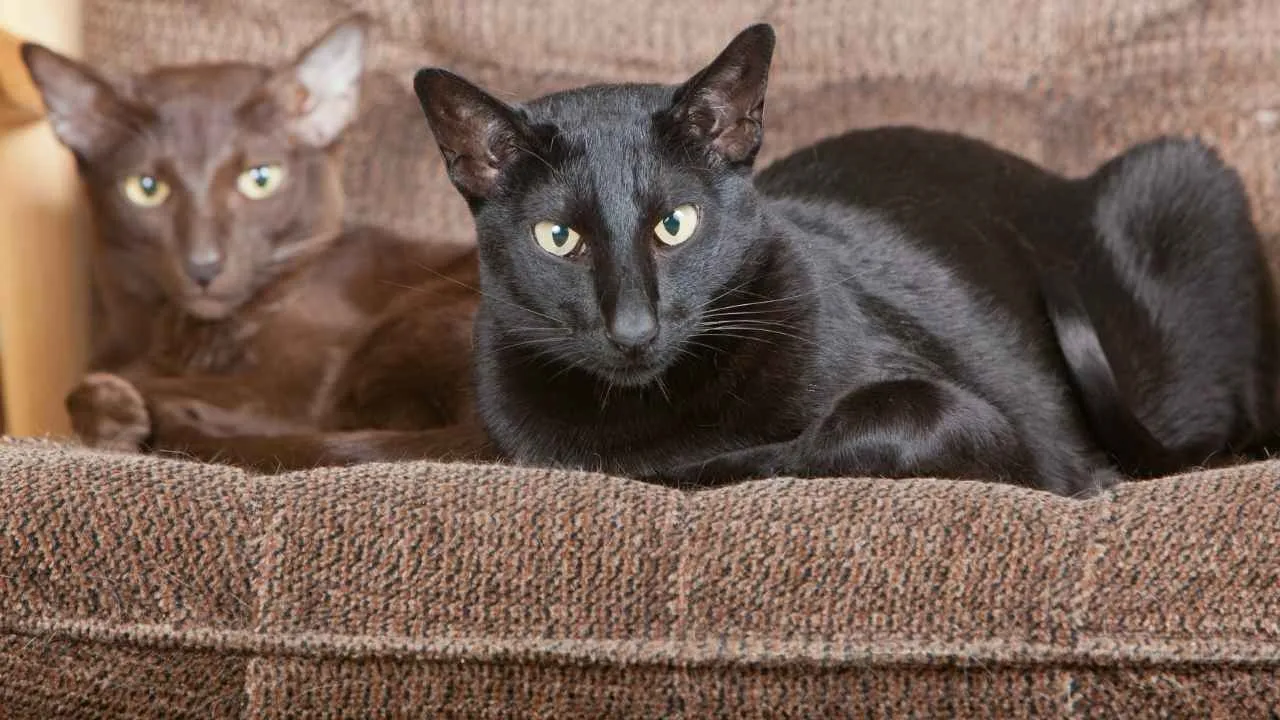
Also known as the Oriental, this breed is a close relative of the Siamese and is instantly recognizable by its slender body, oversized ears, and fine-boned build. Its short, sleek coat lies close to the skin, giving the Oriental Shorthair a polished, elegant appearance.
For allergy sufferers, the Oriental Shorthair is often considered a better option because its fine coat sheds very little and typically carries lower levels of Fel d 1. Less fur around the home can mean fewer allergens circulating in the air.
Beyond allergies, these cats are highly people-oriented and thrive on interaction, which makes them a rewarding choice for owners who want an engaged companion. Their intelligence and curiosity mean they enjoy routines, puzzle toys, and regular playtime that keeps both mind and body active.
That said, their social nature isn’t for everyone—Oriental Shorthairs demand attention and stimulation, so they’re best suited for households ready to commit time and energy.
Fact: Oriental Shorthairs are known for producing less Fel d 1 and needing minimal grooming due to their short coats.
10. Javanese
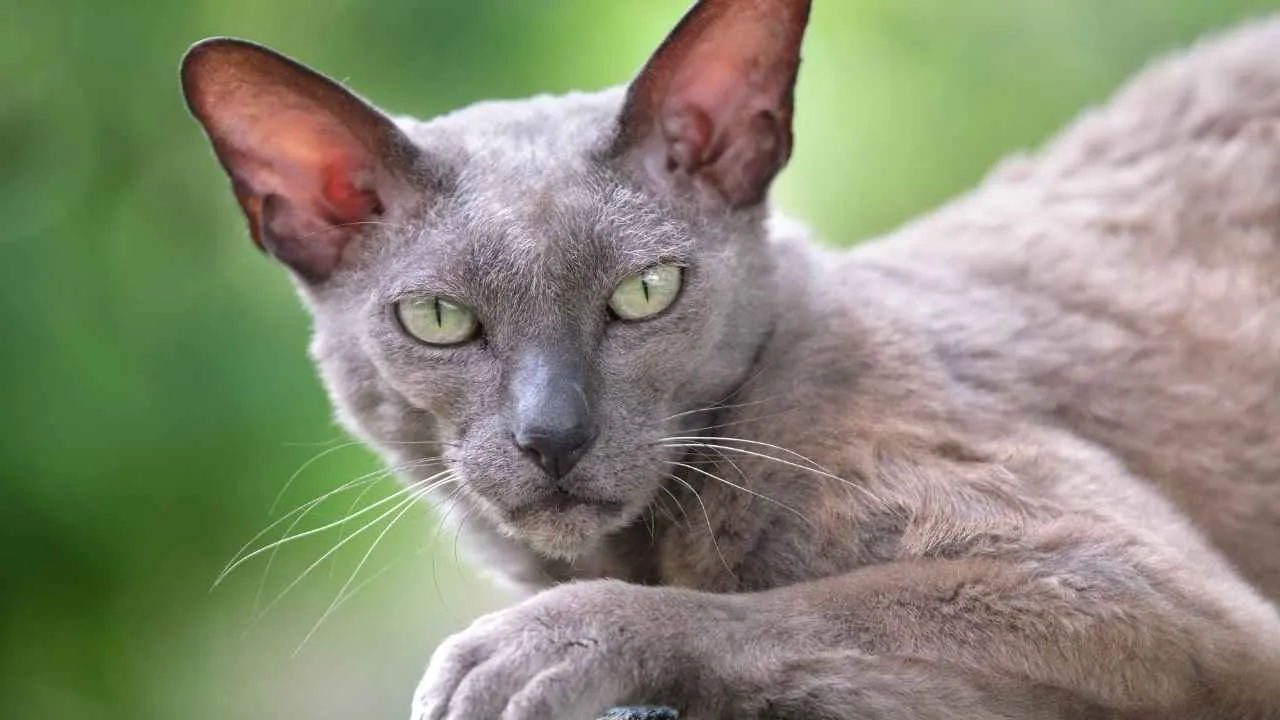
The Javanese, sometimes grouped with the Colorpoint Longhair and closely related to Siamese and Oriental breeds, is an elegant cat known for its silky, lightweight coat and expressive personality. Despite its longer fur, the coat lies flat and sheds very little, which helps limit the spread of allergens in the home.
That fine coat is one reason the Javanese is often considered among the more allergy-friendly cats. Less shedding means less dander circulating through living spaces, though regular grooming is still important to prevent matting and keep allergens under control.
Highly intelligent and people-oriented, Javanese cats thrive on interaction and mental stimulation. They enjoy playtime, routine, and close contact with their humans, which helps pet parents monitor grooming and cleanliness—both helpful factors for managing allergies.
While affectionate and cuddly, this breed can be sensitive and dislikes being left alone for long periods. They do best in attentive households that understand feline body language and are prepared to meet their social needs, making them a thoughtful choice for allergy-conscious owners.
Fact: The Javanese has a fine, silky coat that sheds very little, helping reduce the spread of allergens.
Conclusion
Choosing from the best hypoallergenic cat breeds can make a real difference for allergy sufferers who still want a loving feline friend.
While no cat is completely allergen-free, certain breeds produce fewer triggers linked to cat allergens, cat saliva, and cat’s fur. Factors such as how much cats groom, the amount of cat hair, and whether Sphynx cats produce dander all influence cat allergy symptoms and potential allergic reactions.
Breeds like the Balinese cat and other low-shedding options are often considered a better fit than other cat breeds for sensitive households.
Regular care helps too—cleaning surfaces, wiping your cat regularly, and using hypoallergenic pet wipes can reduce allergen buildup. With the right hypoallergenic breed and mindful maintenance, living comfortably with a cat is possible without sacrificing your health or your bond with a cherished companion.
