




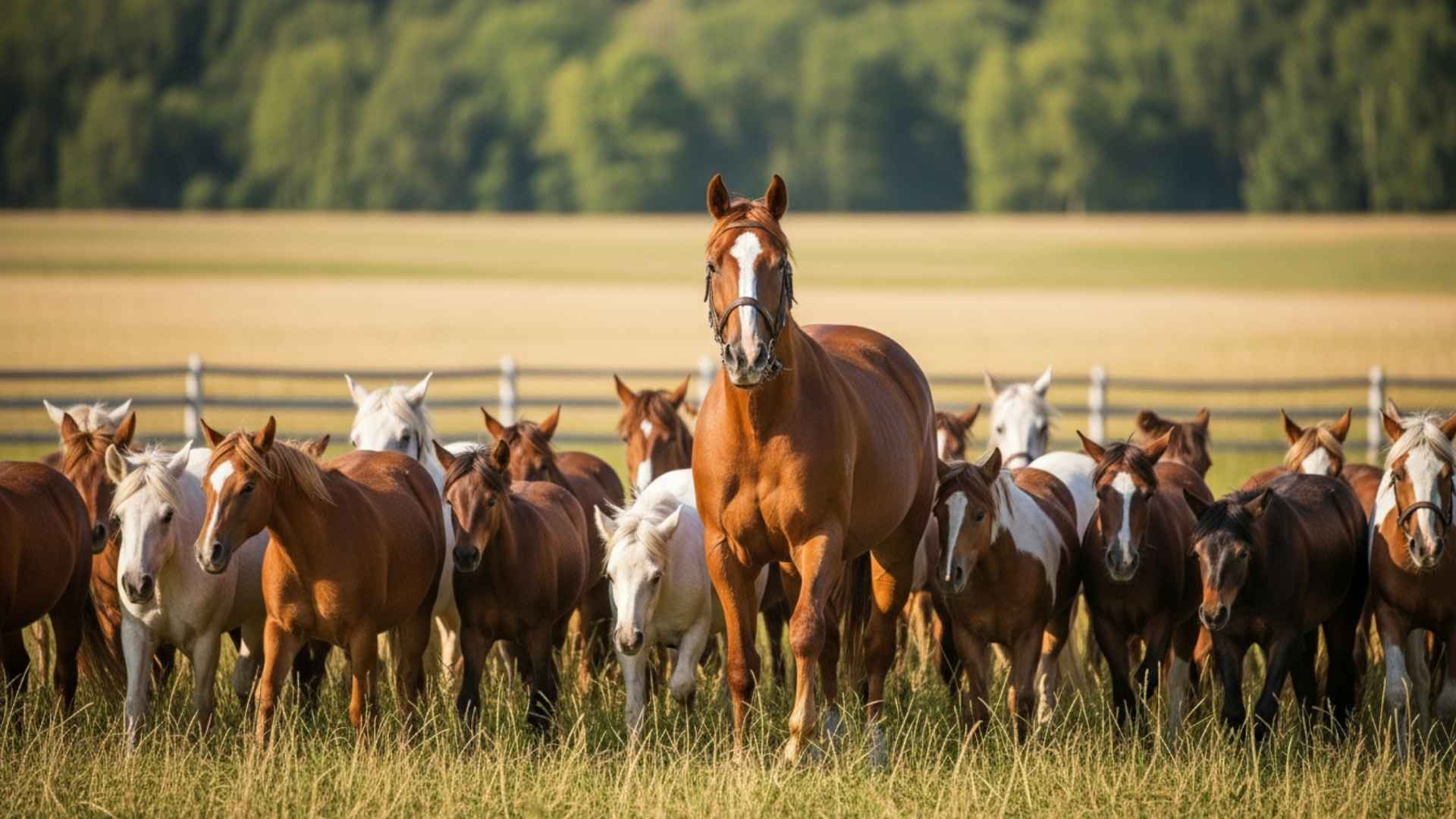
Herding asks something special from a horse. It requires patience without dullness and energy without chaos. Horses that excel at herding develop a quiet awareness that guides every step, turn, and pause.
They sense movement before it breaks apart and adjust their position to keep livestock flowing naturally. This work depends on trust built through repetition, timing, and calm responses under pressure. Riders feel the difference immediately when a horse understands the rhythm of herding.
The work becomes smoother, more controlled, and far less exhausting. These horses stay mentally present for long hours, offering steadiness when situations shift quickly. Their value lies not in force, but in judgment.
By the time you finish this article, you will understand the core qualities that make horses effective at herding, how mindset and movement work together in a herding environment.
Key Takeaways
Successful herding depends less on speed and more on a horse that stays present, responsive, and mentally steady under pressure.
American Quarter Horses and Paint Horses stand out for their sharp turns and instinctive cow sense that keeps control steady in fast moments.
Breeds like the Morgan and Appaloosa bring balance and endurance, staying composed across long hours and uneven ground.
As the list unfolds, each horse reveals how trust, patience, and instinct shape herding that feels controlled rather than forced.
Horses That Are Great for Herding
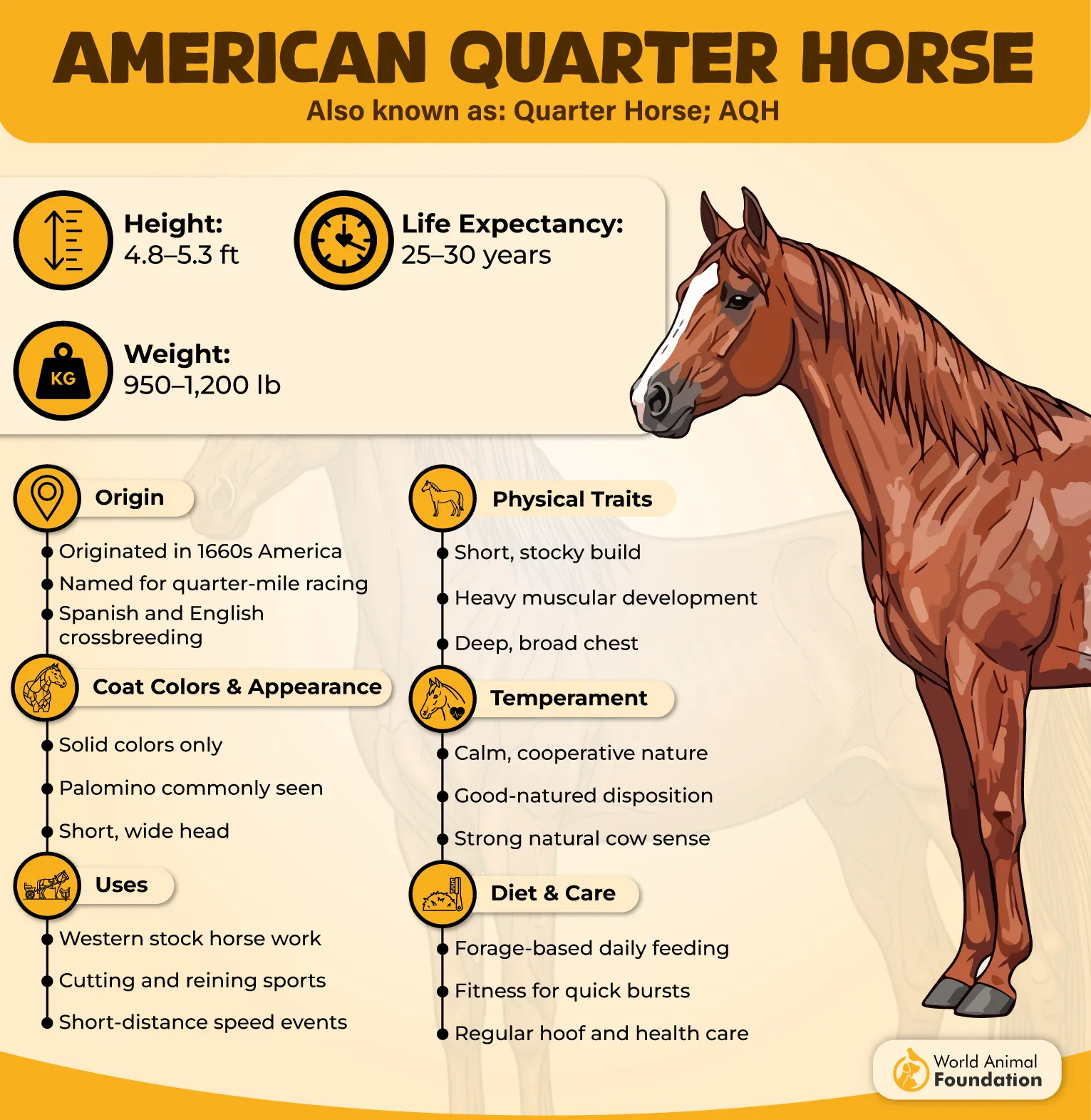
1. American Quarter Horse
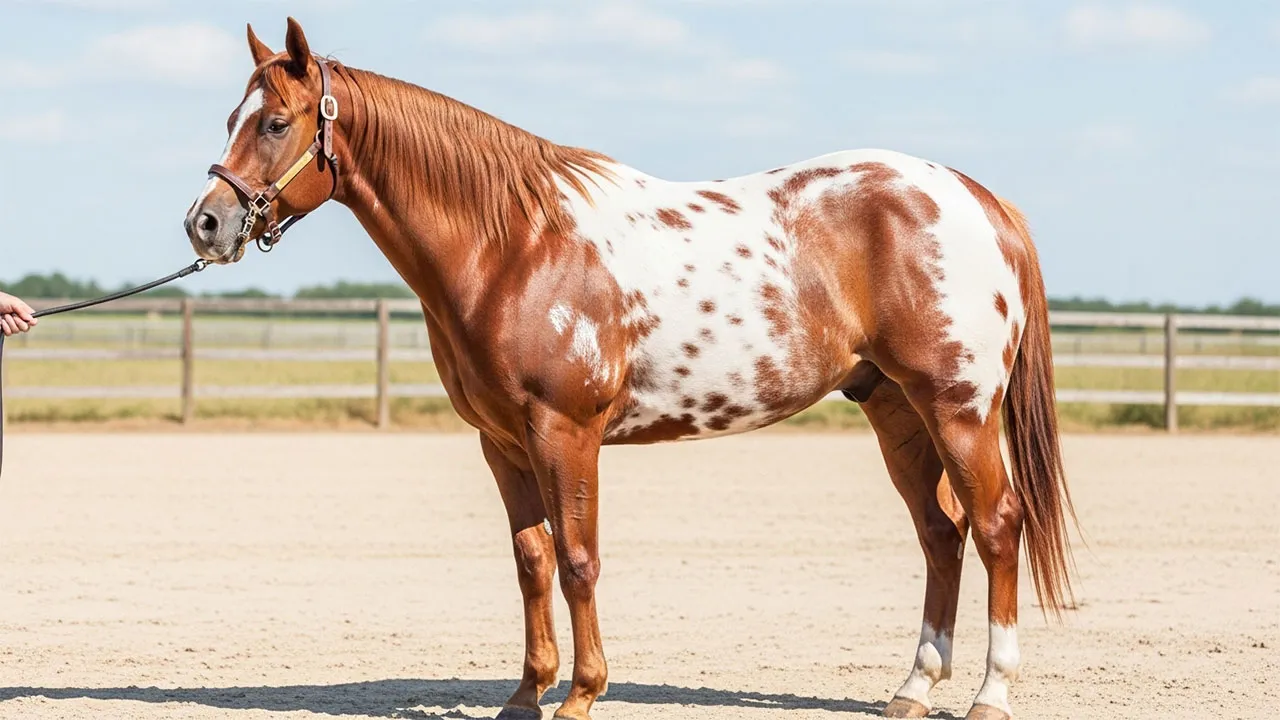
Explosive starts define how the American Quarter Horse controls movement around livestock. The horse’s short bursts of power allow rapid turns, stops, and direction changes without hesitation, as Britannica notes. That ability becomes essential when herding demands immediate responses rather than sustained speed.
A Mind Tuned to Cattle
An instinctive awareness of herd behavior allows this horse to anticipate motion before it unfolds. Reading subtle shifts helps maintain order without constant pressure. That natural timing gives herding work a smoother rhythm.
This instinct shows itself in practical ways:
Sharp stops
Tight turns
Quick rollbacks
Versatility Inside and Outside the Pen
Cutting, sorting, and roping rely on quick judgment rather than brute force. This horse shifts easily between precision tasks and relaxed riding without losing responsiveness. That balance keeps herding controlled instead of chaotic.
2. Mustang
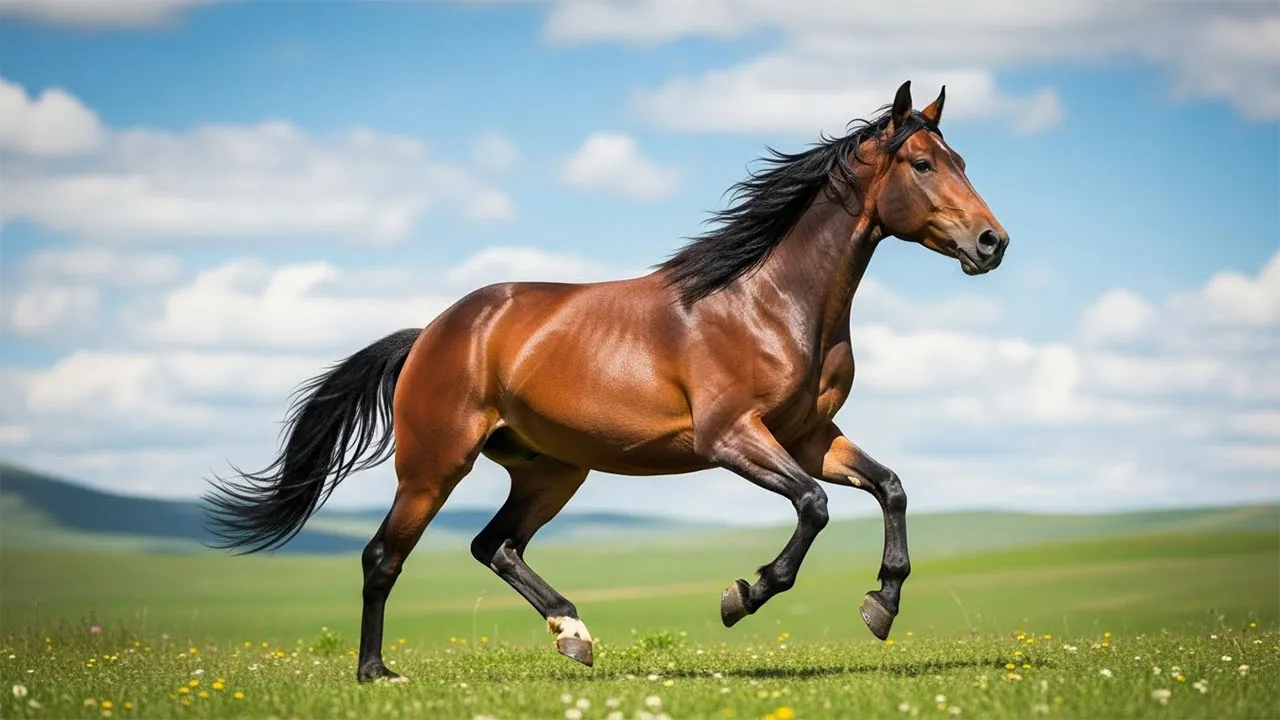
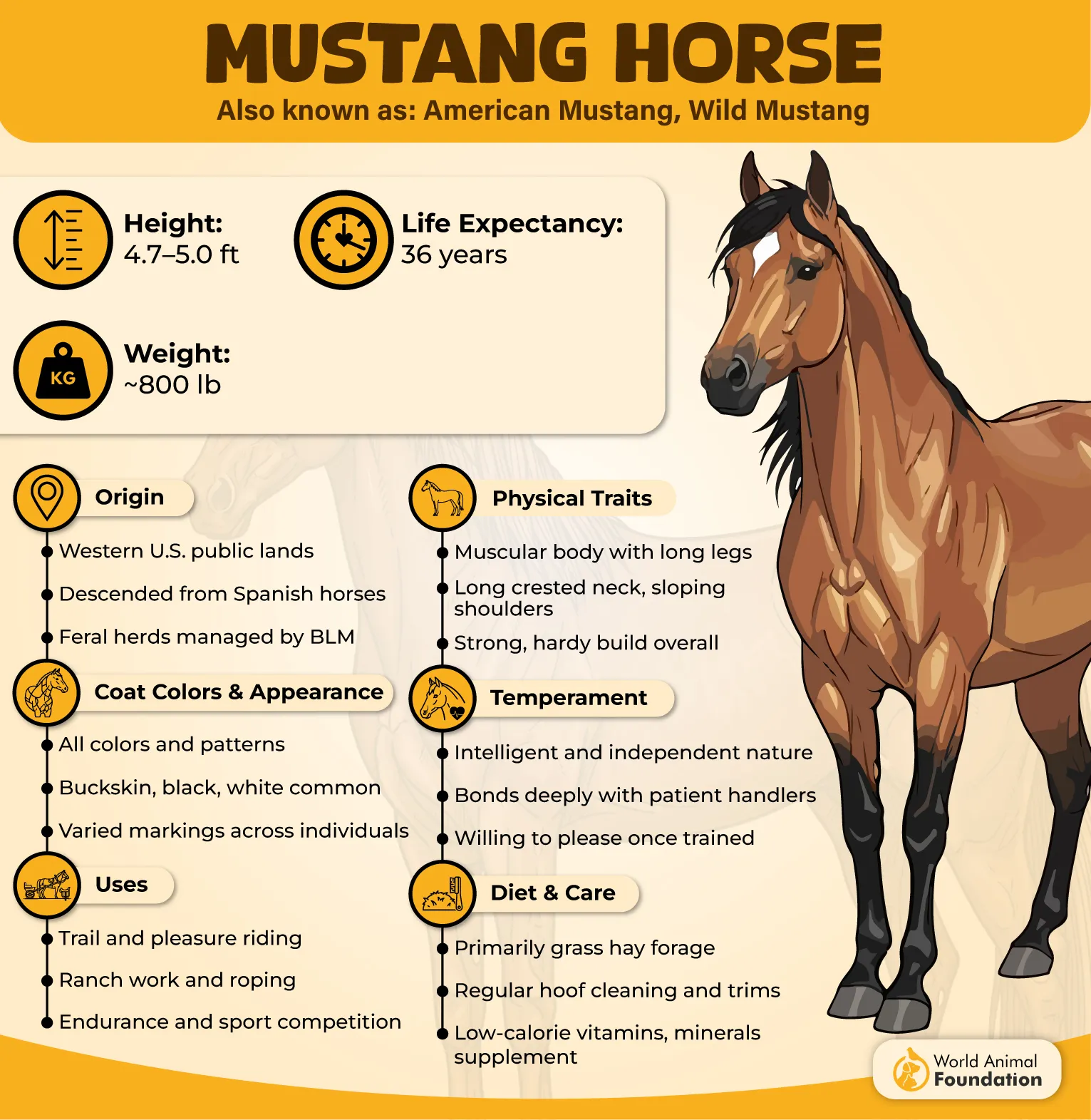
Adaptability shapes how a Mustang approaches work that demands stamina and alert movement. Life in open terrain sharpens awareness, helping them read livestock patterns quickly. That awareness becomes valuable when steady control matters more than speed alone.
Versatility Across Ranch Tasks
Variation within Mustang herds allows selection based on the job at hand rather than a fixed mold. Some excel at strength-driven work, while others bring agility to fast-moving situations, as PetMD reports.
That range becomes clearer when you break it down.
Strong stamina
Low upkeep
Job-specific builds
Builds That Match the Workload
Heavier, muscular Mustangs suit tasks that require pushing power and physical presence. Medium-framed horses offer quicker turns and sharper foot placement. This makes them practical partners in herding environments.
3. Morgan Horse
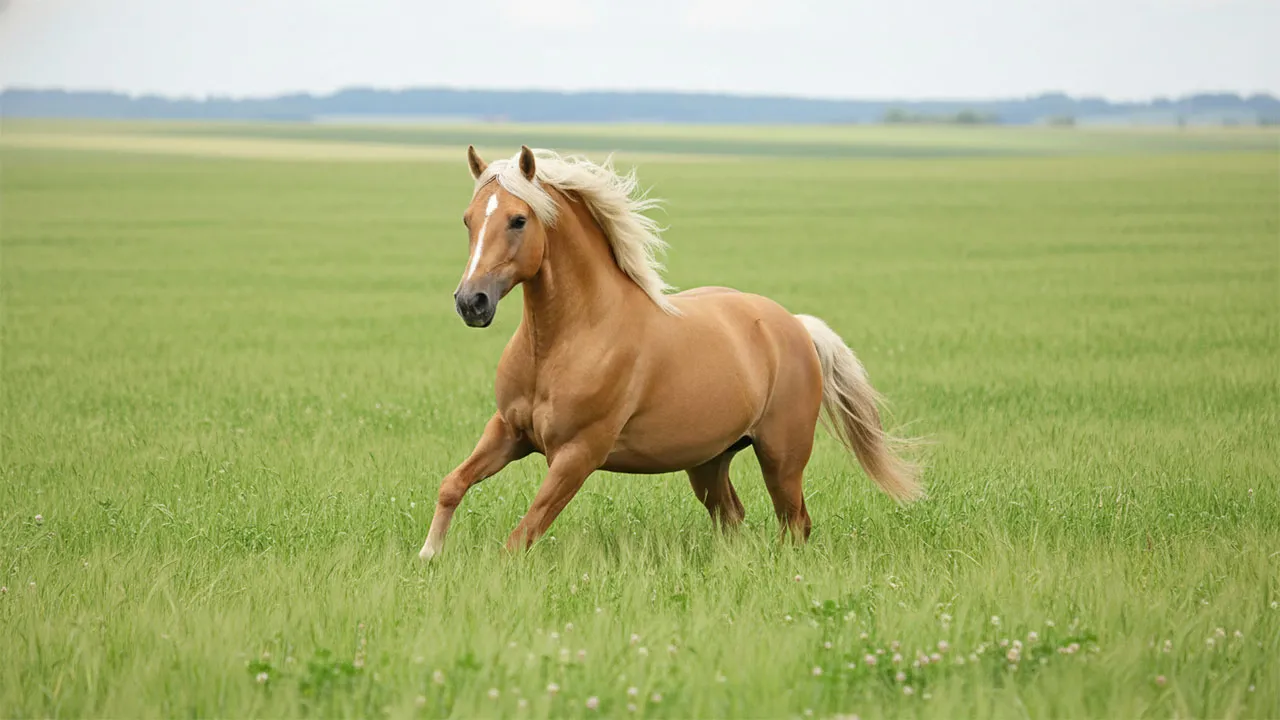
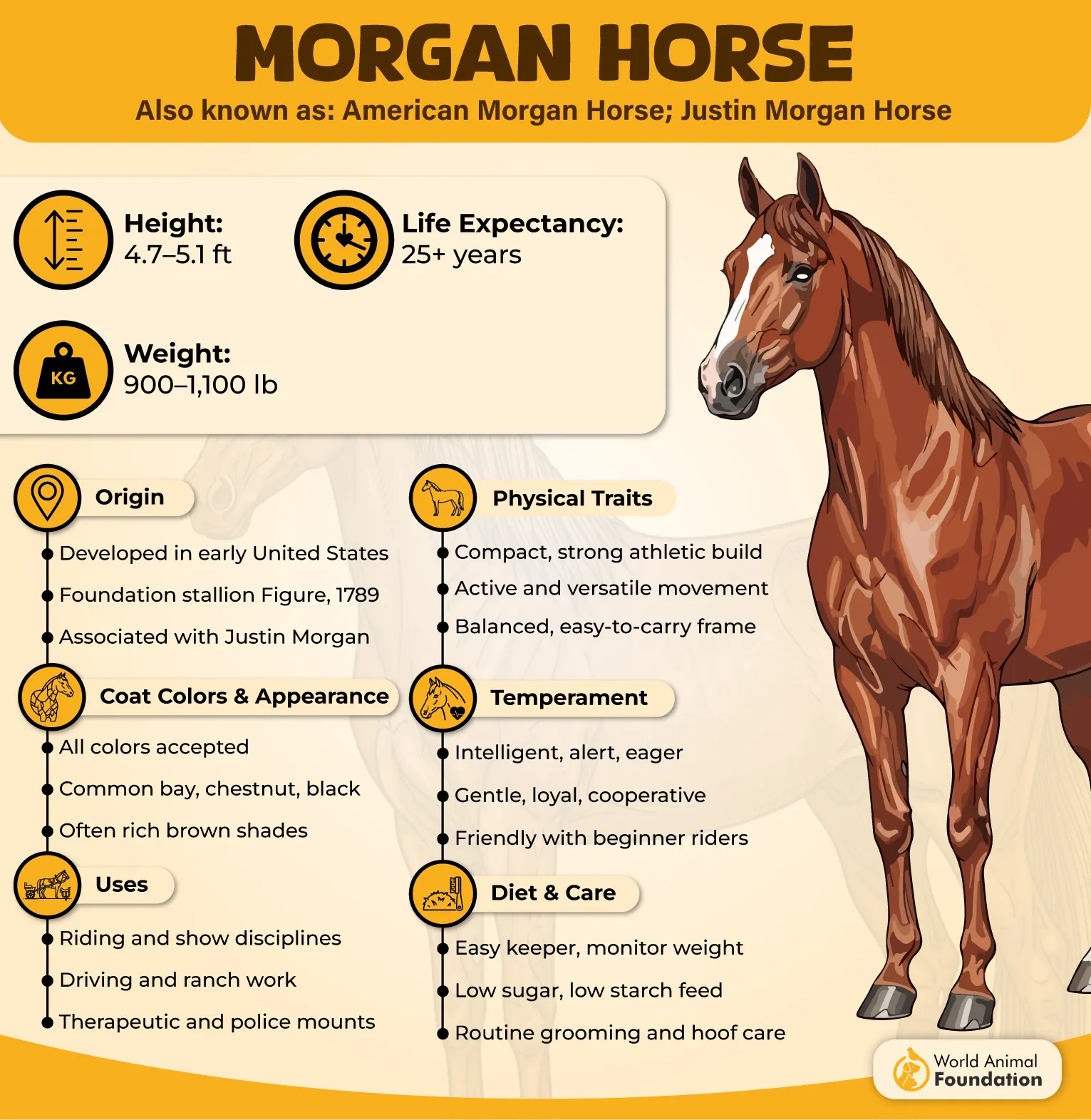
Compact size gives the Morgan horse an advantage when space is tight, and decisions need to be quick. Their muscular build supports steady movement while controlling livestock across uneven ranch ground. This physical balance makes them reliable partners for herding work that demands endurance without excess bulk.
Versatility That Fits Ranch Reality
Small operations often rely on one horse to manage several responsibilities in a single day. Morgan horses adapt smoothly to cattle work, ranch chores, and equipment pulling without losing rhythm.
What reinforces its flexibility shows up in daily work:
Strong pulling ability
Calm cattle handling
Consistent stamina
Work Roots That Still Matter
Their history of pulling equipment shaped a horse that stays willing under steady pressure, as per WebMD. Ranch hands notice how easily they shift from herding cattle to heavier physical tasks. This ability keeps them useful across changing demands rather than limiting them to one role.
Note: Morgan horses hold official recognition as the state horse of Vermont, reflecting their long-standing working presence in American agriculture.
4. American Paint Horse
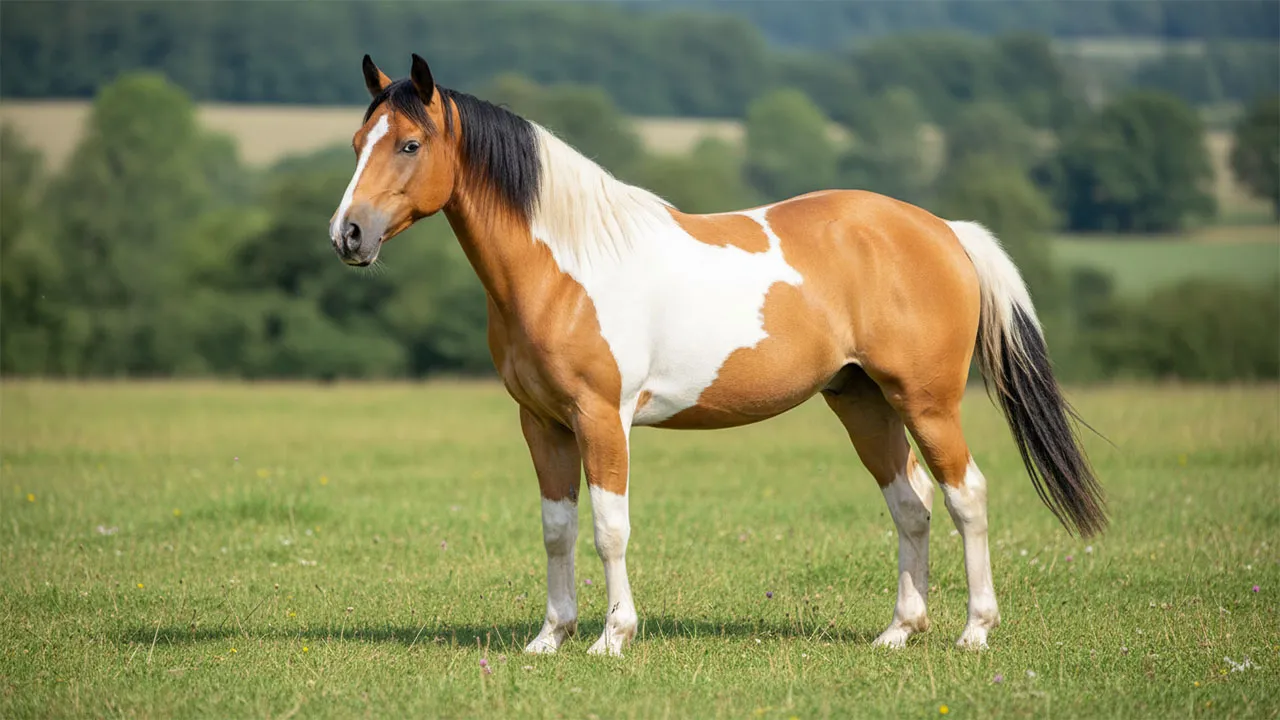
Agility often shows up first when the American Paint Horse moves cattle across tight spaces. Sharp reflexes and a compact, muscular frame allow fast direction changes without losing balance. That responsiveness places it firmly among horses trusted for herding work.
Ranch Ability With Real Presence
Shared bloodlines with stock horses give it the same cow sense and athletic control. Smooth movement under the saddle keeps the ride steady during long sorting sessions. The bold coat patterns add visibility without affecting performance.
A closer look explains why it excels in herd settings:
Fast lateral movement
Calm under pressure
Reliable stop and turn
Confidence That Transfers to the Rider
Clear communication through the reins makes transitions feel natural during branding or pen work. Its cooperative nature supports both seasoned riders and those still refining timing. That balance helps maintain flow when cattle scatter or resist.
5. Appaloosa
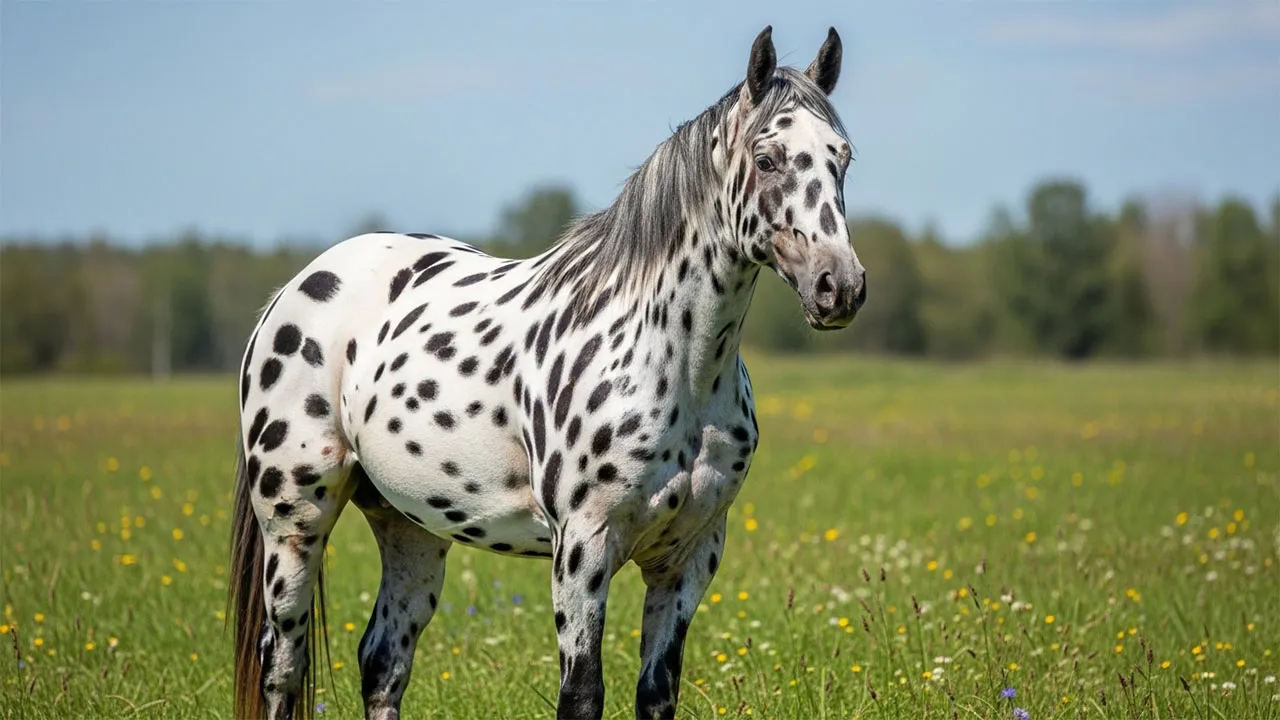
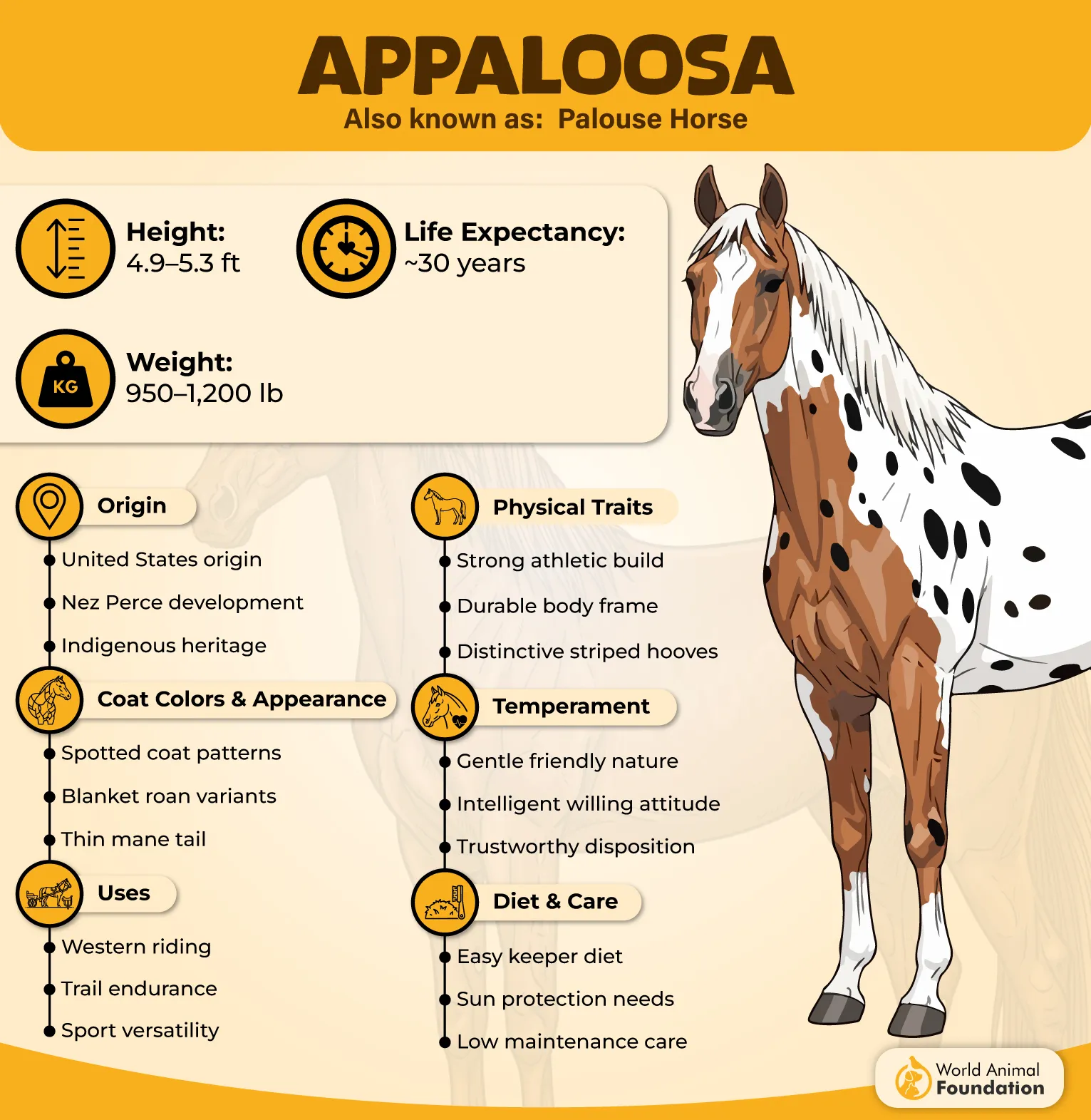
Confidence on rough ground makes the Appaloosa horse dependable when herding cattle across uneven land. Rocks, river edges, brush, and snow do not interrupt its rhythm. That steady movement keeps livestock calm during long pushes through difficult terrain.
Durability That Supports Daily Ranch Work
Built to handle repeated miles, this horse stays consistent through long hours without demanding constant care. Its independent thinking helps once trust is established, especially during solo tasks.
This working style becomes clearer in everyday use:
Strong footing on unstable ground
Durable hooves
Steady pace
An Instinct for Practical Decisions
Instead of waiting for constant direction, this horse reads situations and adjusts smoothly. That trait helps during small herd movement where quick decisions matter. It keeps pressure low while maintaining control in tight or open spaces.
6. Friesian
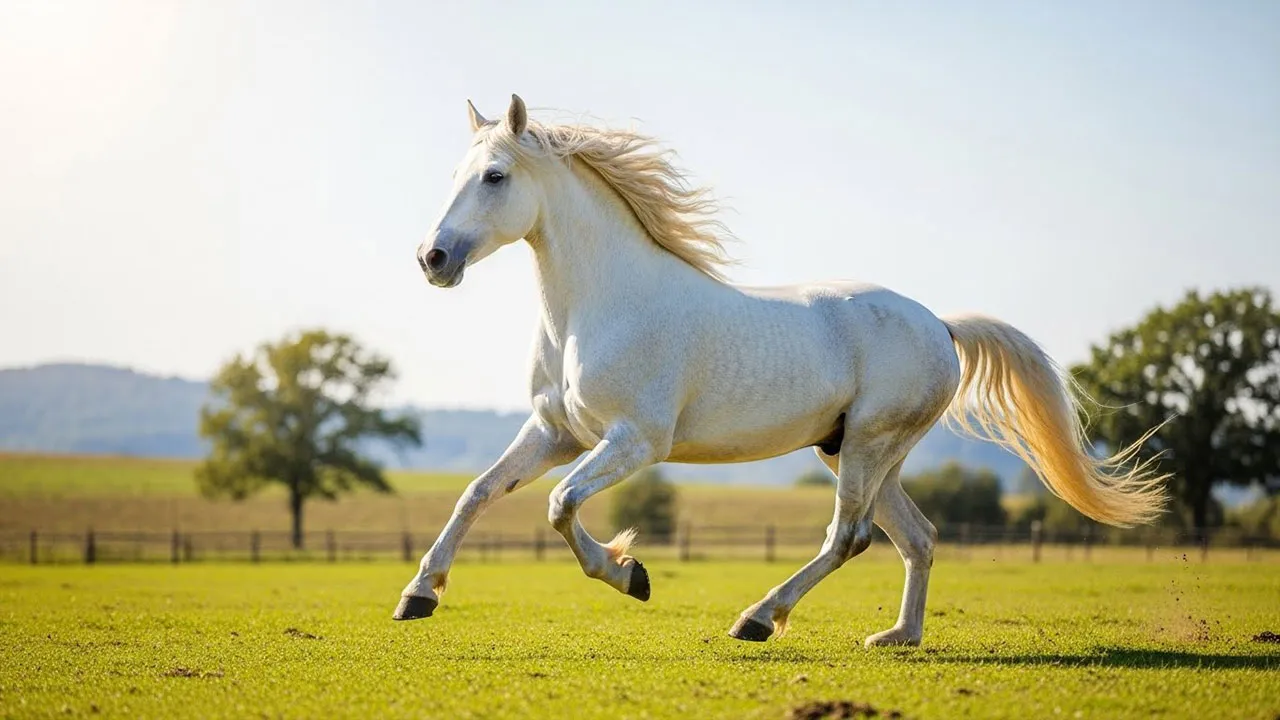
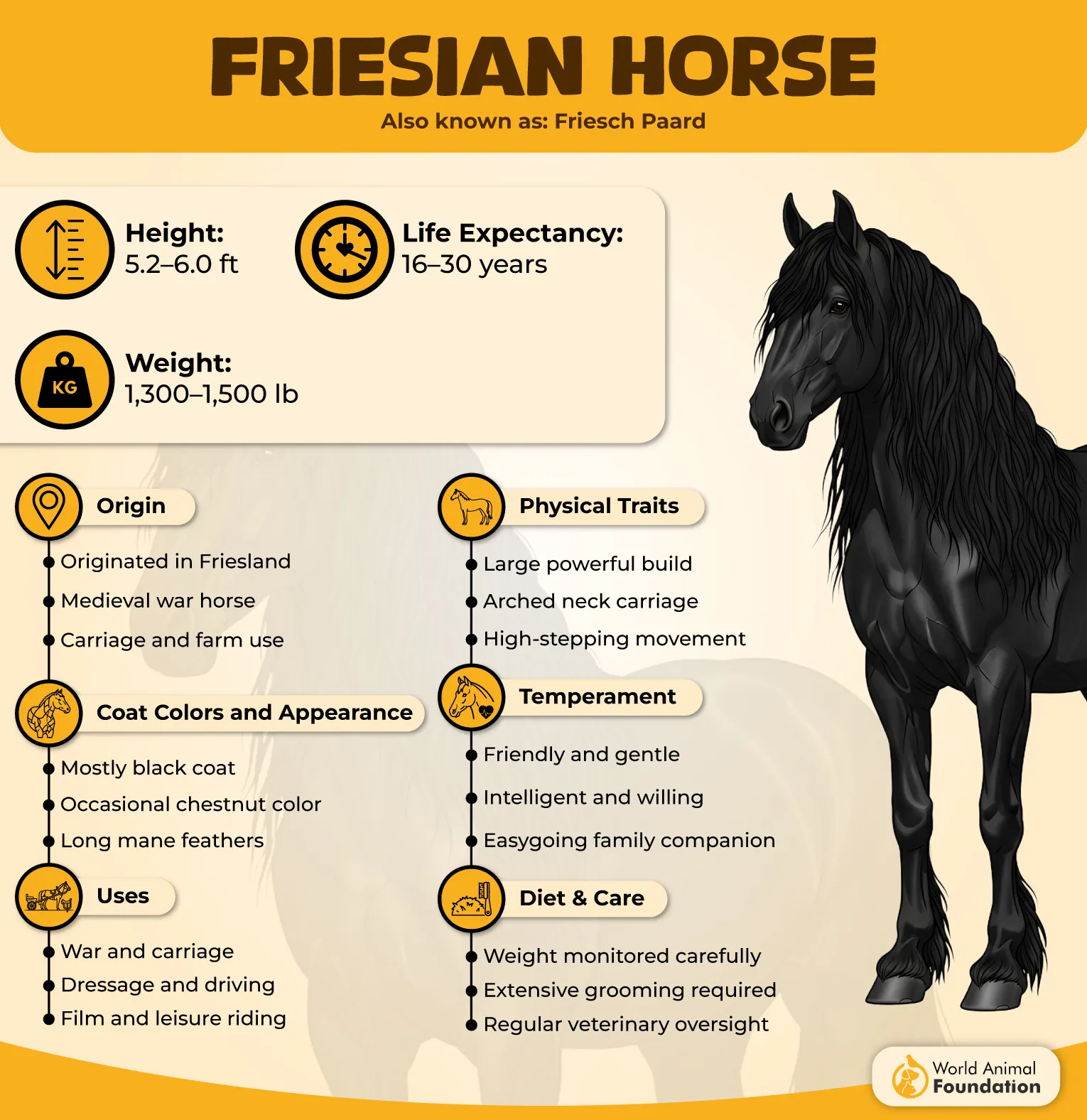
Flowing movement and an upright frame give the Friesian a controlled presence that works well in managed herding settings. Their expressive stride allows smooth turns and steady pacing around livestock. This balance helps maintain order without rushing the herd.
Built for Practical Farm Work
Friesians have long been used for lighter agricultural duties where consistency matters more than raw pulling force. Their resilience allows them to stay effective through long working hours. That blend of agility and stamina fits structured herding tasks.
That balance shows up clearly in daily work:
Steady response to cues
Smooth directional control
Reliable pacing
Adaptability Through Change
Agricultural shifts once reduced their numbers, pushing the breed close to decline. Careful crossbreeding later restored strength and usability without losing versatility. That revival returned them to working roles tied to farm and field routines.
7. Percheron
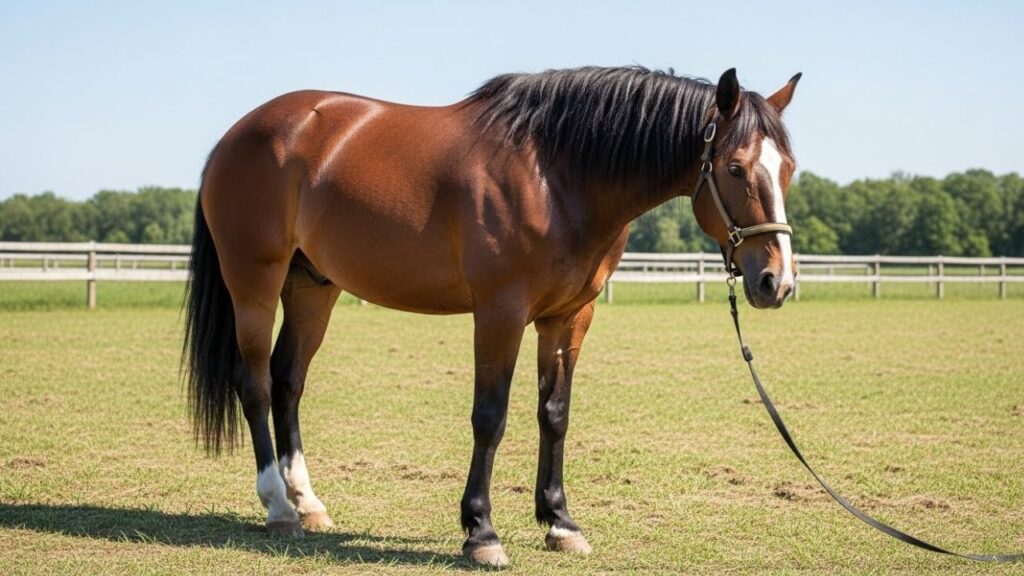
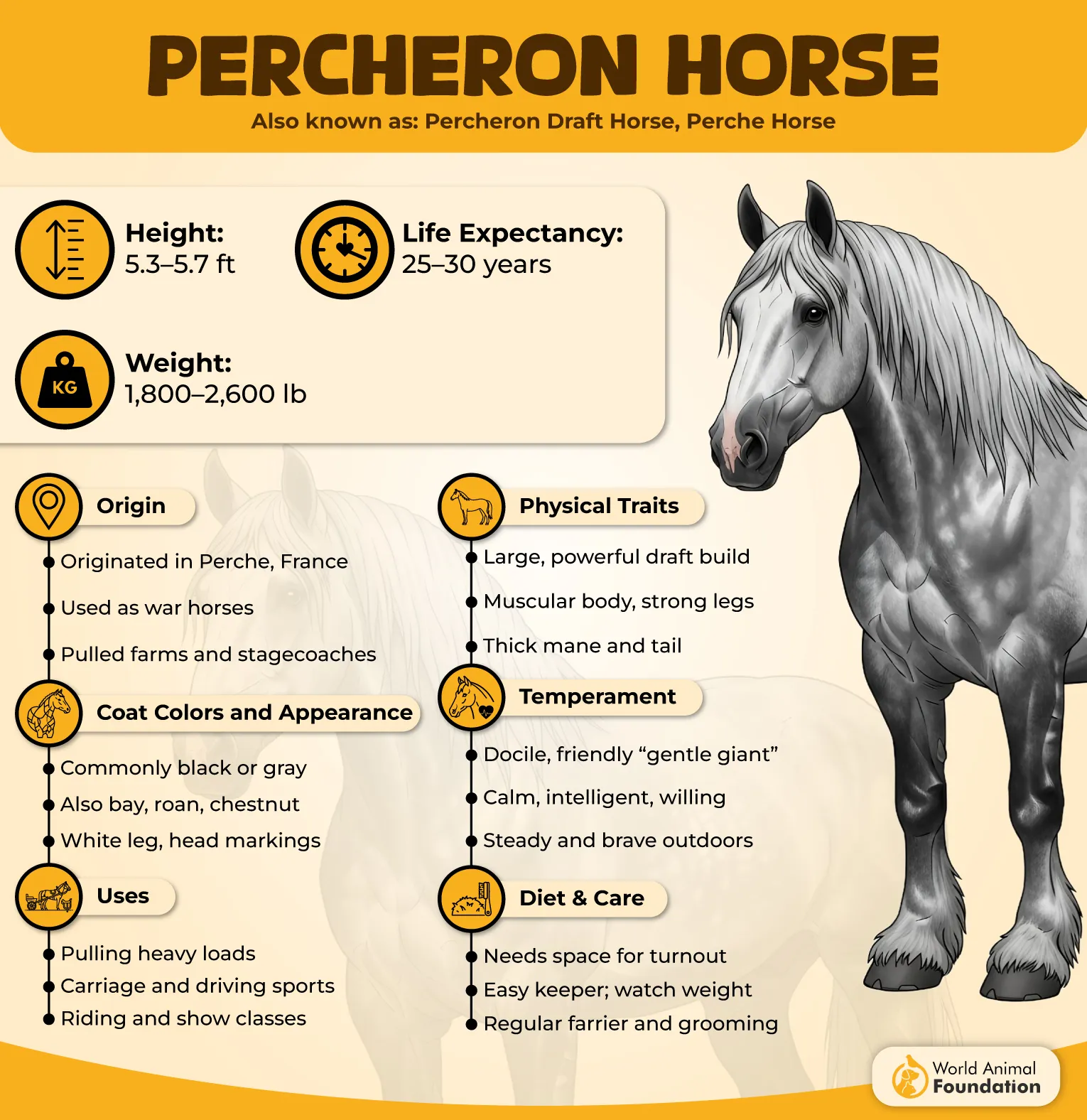
Calm strength shapes how the Percheron approaches demanding ranch tasks. Its large frame supports steady movement through livestock without rushing or scattering the herd. That balance of size and control suits long hours spent guiding cattle across open land.
Built for Long Ranch Days
Muscular legs and solid joints help this horse stay consistent during physically demanding work. Refinement added through selective breeding improved agility while keeping the strength needed for daily ranch routines. Under saddle or in harness, it stays dependable across changing terrain.
That reliability shows up in small but important ways.
Smooth pressure control
Strong pulling balance
Consistent pacing
Endurance That Supports Herding Work
Working cattle requires stamina more than speed, and this horse handles repetition without strain. Its ability to remain steady while responding to direction makes it effective when herds need slow, deliberate movement. Ranch life favors this kind of physical patience.
Conclusion
Herding work succeeds when horse and rider trust each other through pressure and repetition. The right horse responds without panic and adjusts movement before problems grow. Many horse breeds were shaped for livestock work, and horse breeds continue to prove value through instinct and training.
A calm temperament matters when guiding large herds across open ground or tight pens. A good horse keeps rhythm steady while reading space and intent. Different horse breeds offer different strengths, yet consistency defines success. Other horses may help, but reliability earns preference. Choosing well supports control, safety, and confidence every working day on ranches.
