




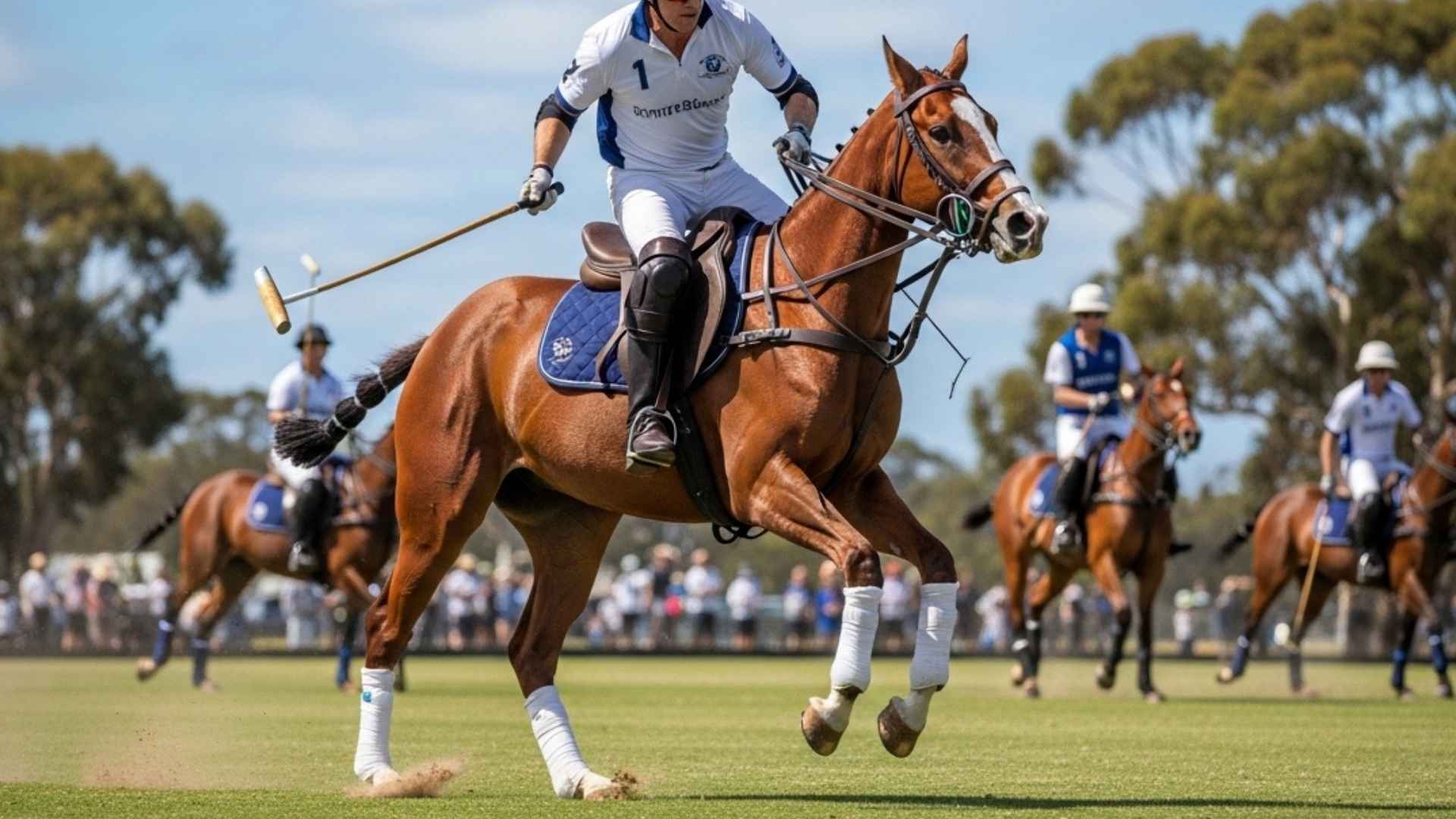
As polo gains wider visibility through international tournaments and media coverage, attention often focuses on the players. The horses remain the true engines of the sport.
Horses that are great for polo define the pace, flow, and outcome of every match. Modern polo emphasizes speed, safety, and precision more than ever before. This shift highlights horses that move efficiently, recover quickly, and stay mentally composed under continuous pressure.
Athletic adaptability now matters as much as raw speed. Polo horses must perform consistently across multiple chukkas while responding instantly to subtle cues. The sport has evolved, and the horses have evolved with it.
This article looks closely at what modern polo demands from a horse, and how those demands shape selection, training, and performance on the field.
Key Takeaways
Polo rewards horses that can think and move at the same time, staying balanced while the game changes direction in seconds.
The Argentine Polo Pony sets the standard with sharp turns, steady control, and the stamina to stay strong through long chukkas.
Thoroughbreds and Quarter Horses bring speed and fast reactions, helping riders close gaps and strike cleanly under pressure.
As the list unfolds, each breed shows how precision, agility, and timing quietly shape every winning play on the field.
Horses That Are Great for Polo
1. Argentine Polo Pony
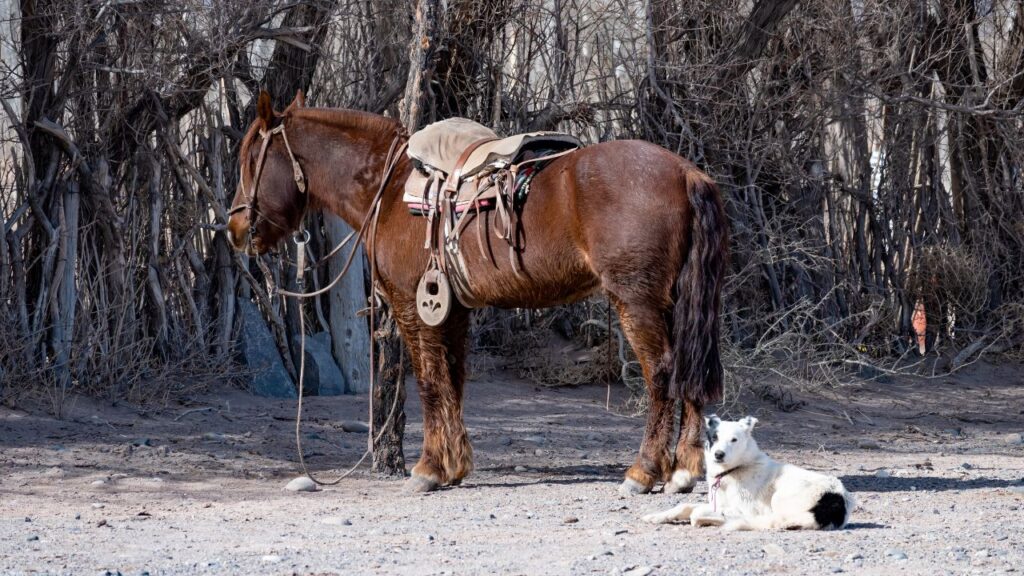
Balance shows first when this Argentine Polo Pony horse shifts direction without losing speed. Compact movement allows tight turns while staying grounded during sudden stops. That control gives polo players confidence when the match accelerates.
Built for Long Chukkas
Endurance plays a major role when matches stretch across repeated chukkas. This horse stays responsive without fading, even late in the game, as Chevaux du Monde notes. Its work-focused build supports sustained performance under pressure.
What helps this horse stay match-ready:
Rapid directional changes
Consistent energy output
Strong stop-and-go response
Agility Shaped by Purpose
Shorter stature supports faster pivots while keeping the rider close to the play. The horse reacts quickly to leg cues and rein pressure without hesitation. That responsiveness allows smoother transitions between attack and defense.
2. Thoroughbred
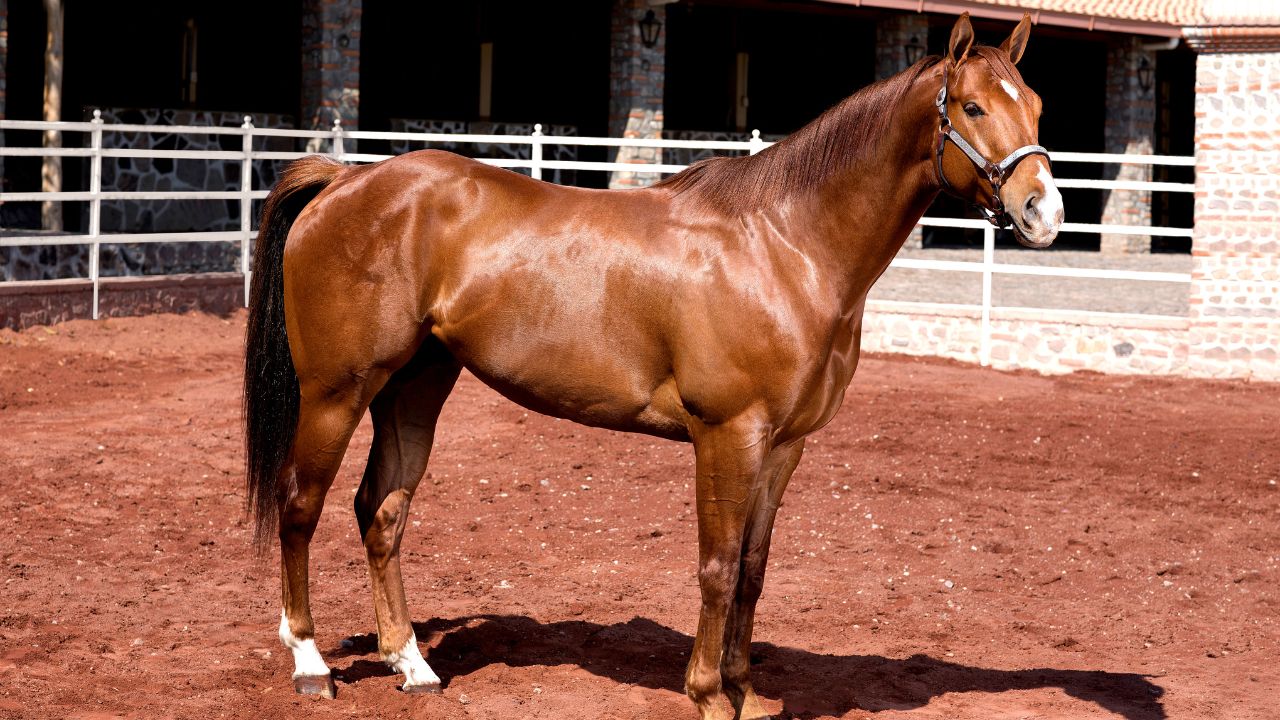
Quick reactions shape how a Thoroughbred performs when play accelerates across the field. Their alert nature helps them read changes in direction without hesitation. This responsiveness fits seamlessly into the constant shifts required during polo chukkas.
Built for Speed in Play
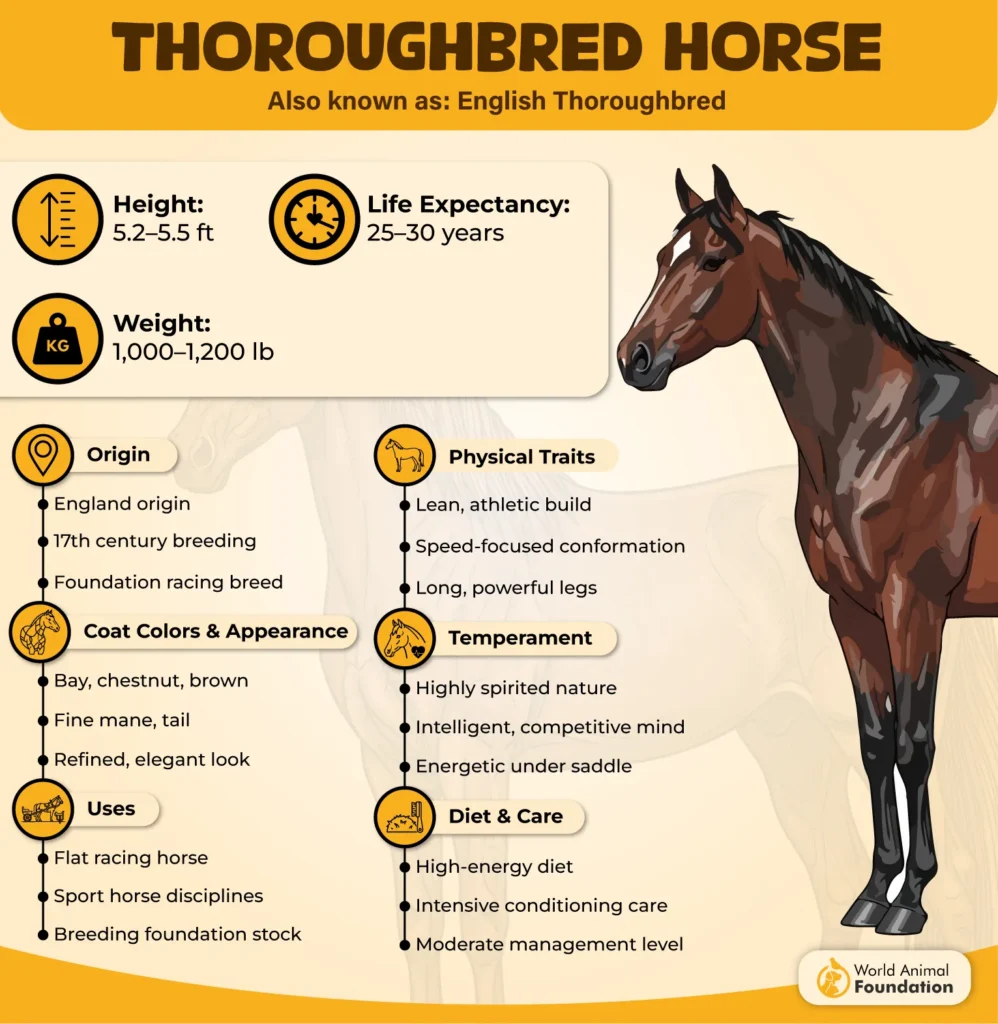
A sleek frame and strong legs allow rapid movement without wasted motion, as Britannica mentioned. Fast acceleration gives players an edge during breaks and sudden sprints.
That edge comes from specific physical advantages:
Rapid acceleration
Long, efficient stride
Light yet powerful build
Precision Under Pressure
High-speed control sets this horse apart during close contact and tight turns. Smooth coordination between rider and horse allows quick stops and sharp pivots. These aspects support clean ball strikes without breaking rhythm.
3. Quarter Horse
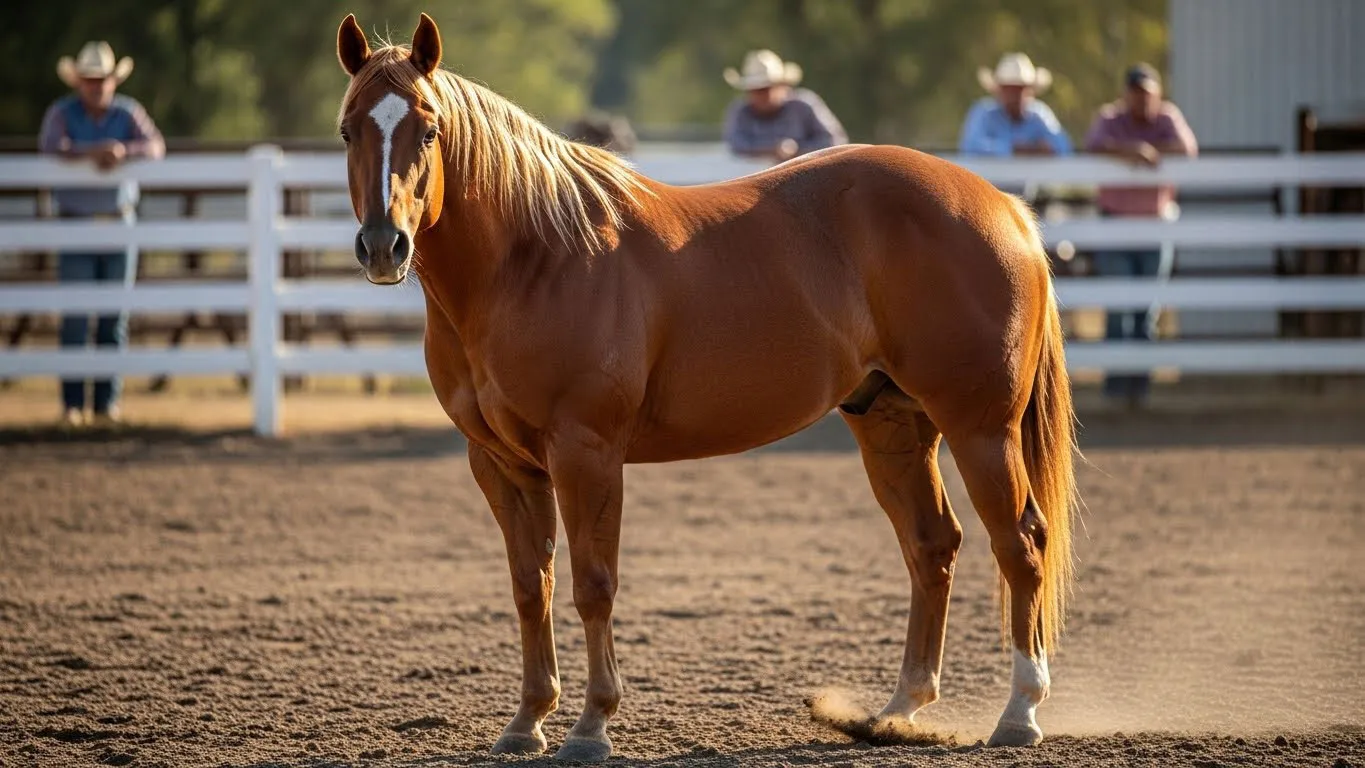
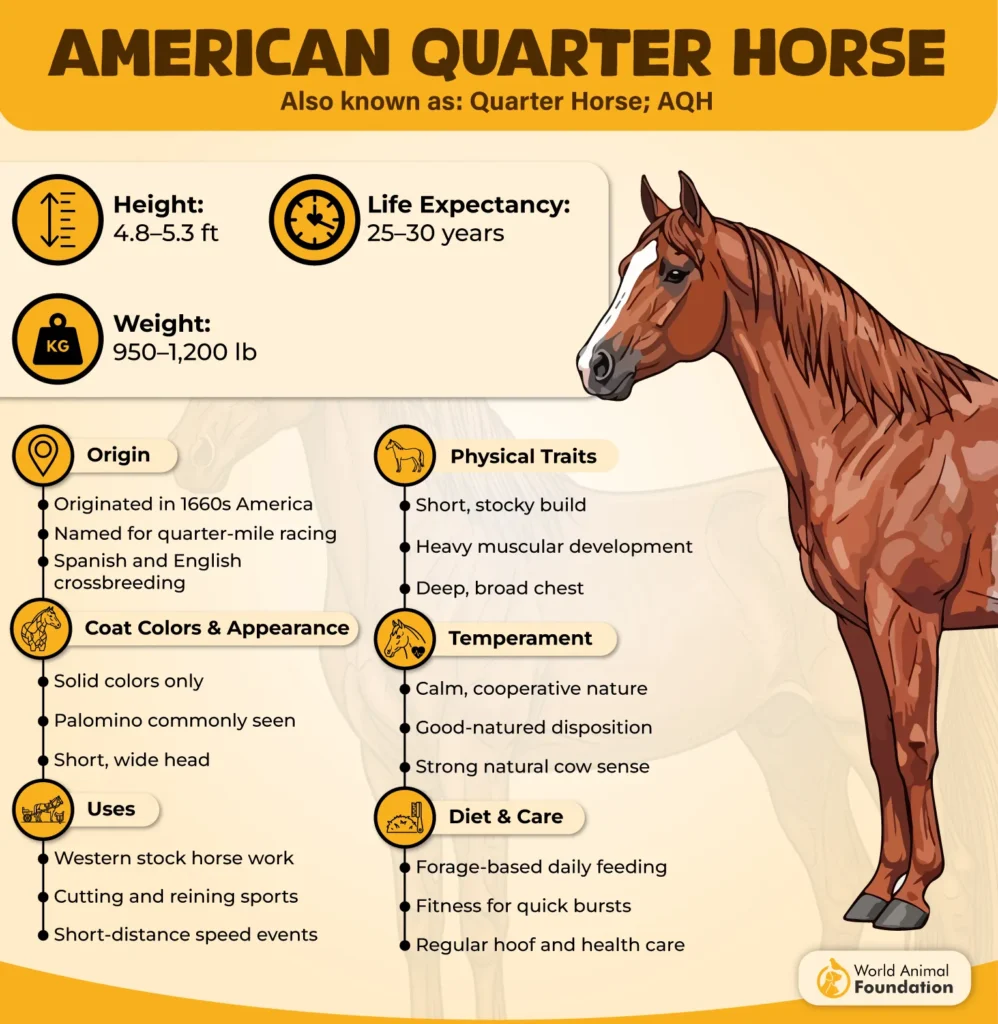
Sharp awareness and a responsive nature allow the Quarter Horse to stay in sync with fast-moving play. This mental sharpness helps them read cues instantly, which matters when decisions must happen in seconds. Polo rewards horses that think as fast as they move, and this breed fits that rhythm naturally.
Built for Rapid Direction Changes
A compact frame paired with strong hindquarters supports sudden stops and explosive turns. Their movement stays balanced even when the pace shifts without warning. That balance becomes especially useful during tight plays near the ball.
That natural balance shows up in the following ways:
Fast bursts over short ground
Strong push-off from the rear
Smooth lateral movement
Agility That Matches the Game
Polo demands constant acceleration followed by immediate control, and this horse adapts well to that cycle. Their body mechanics allow quick resets between sprints, helping maintain consistency across chukkas. Riders often rely on this steadiness when the tempo climbs.
4. Arabian

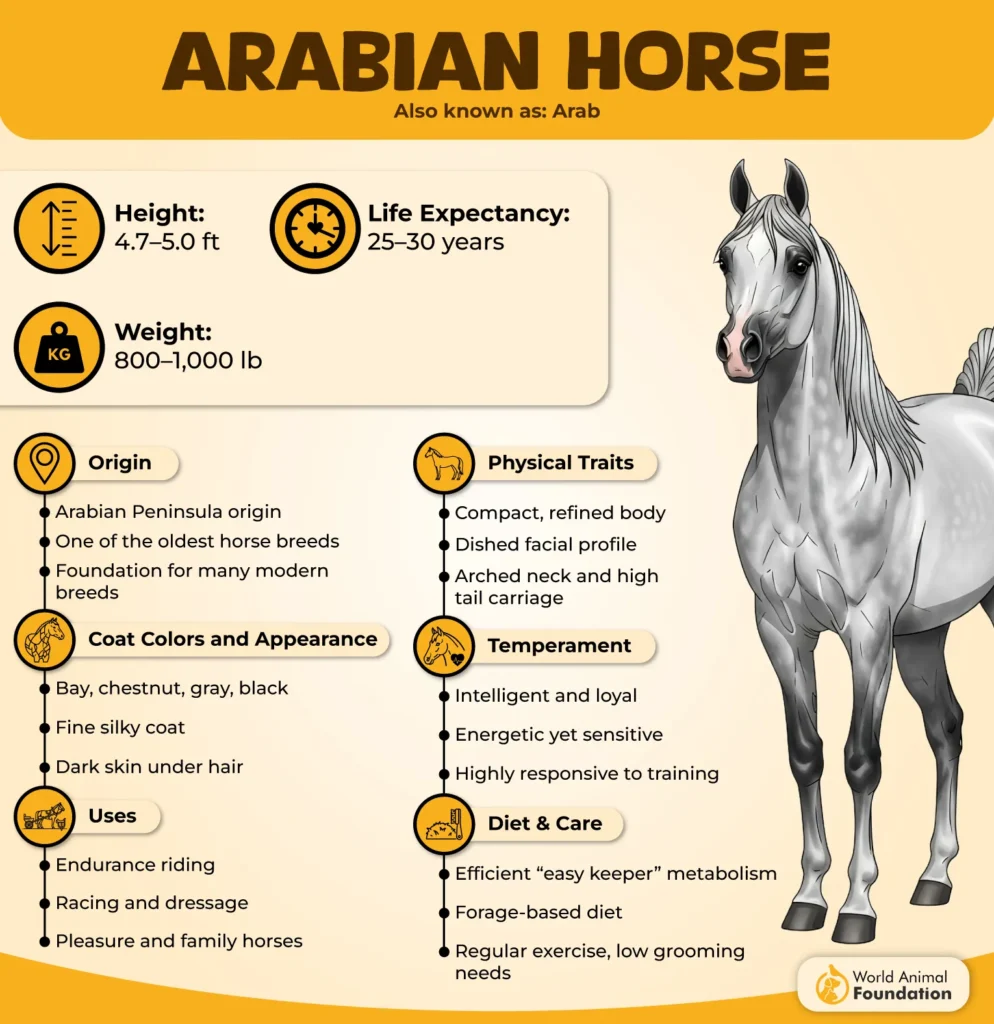
Compact proportions give the Arabian an edge where balance and precision matter most. A short back with fewer vertebrae allows quicker weight shifts during tight maneuvers. These physical traits align well with the rapid pace and constant directional changes seen in polo.
Movement That Matches the Game
Agility and speed shape how this horse performs during active chukkas. Quick responses help riders adjust instantly during contested plays. The breed’s endurance also plays a role when repeated sprints are required across the field.
That combination shows up clearly in action:
Fast lateral turns
Sustained energy
Responsive stride
Design Details That Matter
Distinct features such as a long arched neck support rein control during close play, as PetMD notes. A naturally elevated tail reflects balance while accelerating or slowing sharply. These details influence how smoothly the horse transitions between offense and defense.
5. Manipuri Breed
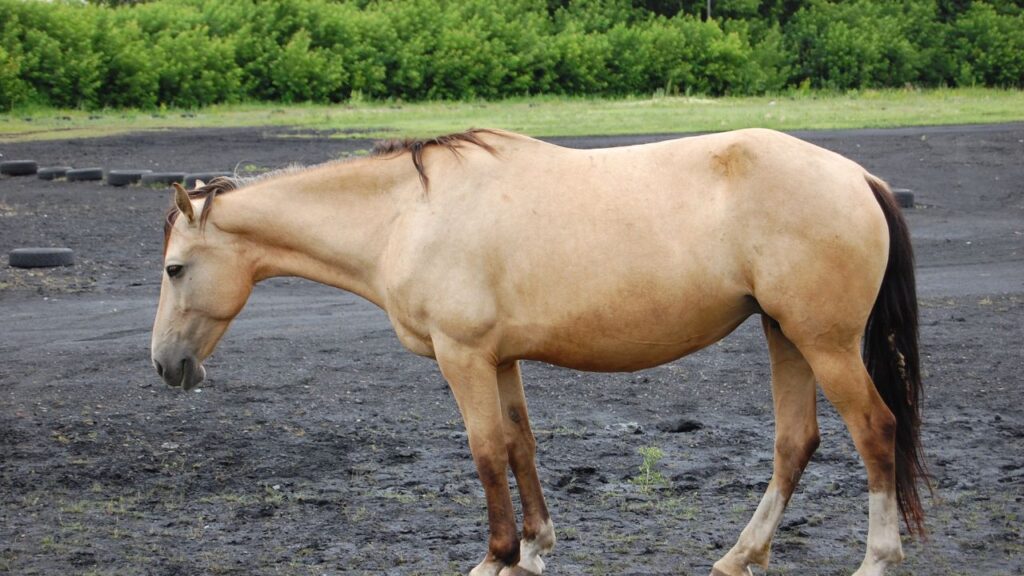
Compact movement and sharp turning ability make the Manipuri an excellent match for fast-paced polo play. Their low center of gravity allows smooth pivots during close chukkas. This physical balance helps riders maintain control in tight field situations.
Built for Competitive Play
Short backs and powerful hindquarters support quick bursts of speed during active matches. These horses adjust easily to the rhythm of polo without excessive strain. Their size also influences how players adapt equipment on the field.
That difference shows up clearly during play:
Shortened mallet shafts
Fast acceleration
Stable footing
A Sporting Past That Shaped Precision
Long before formal matches, these horses served in organized cavalry units where responsiveness mattered. That background shaped a breed capable of reacting instantly to rider cues. Polo later refined those traits into controlled athletic performance.
6. Appendix
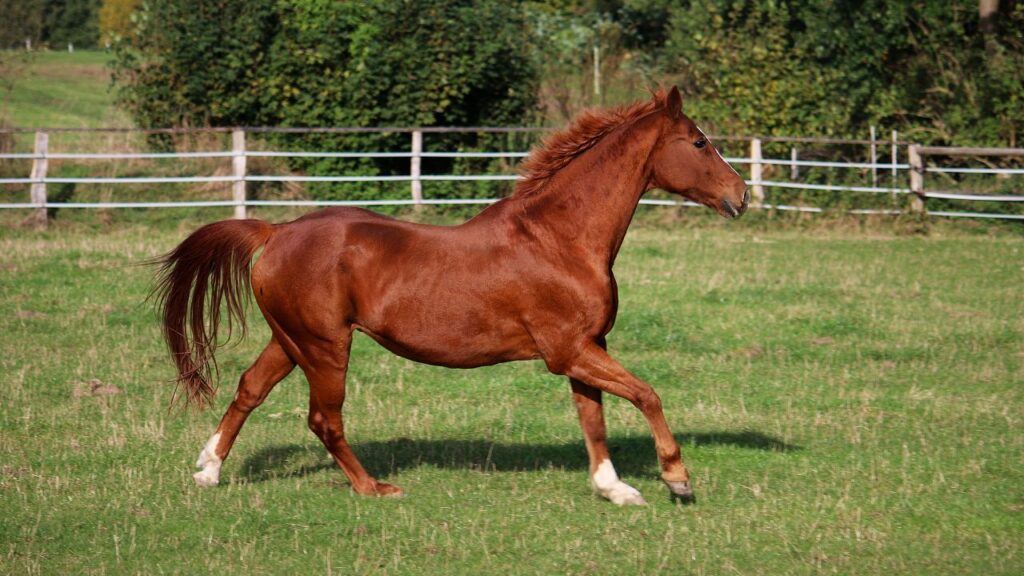
Agility sits at the core of an Appendix horse’s performance, allowing quick responses during fast-paced chukkers. Their build supports sharp direction changes without breaking rhythm. This balance becomes especially useful when play tightens near the goal.
Why Polo Players Rely on Them
Speed and stamina blend naturally in this horse, making repeated sprints feel controlled rather than rushed. Their movement stays efficient even during long matches. That mix explains their strong presence in competitive polo strings.
Here is where that advantage becomes clear:
Rapid acceleration
Tight turning radius
Steady pace control
Designed for Fast Decisions
Polo demands instant reactions, and Appendix horses handle sudden shifts with ease. Their limber frame allows them to pivot cleanly while maintaining forward drive. This responsiveness helps riders stay connected during high-pressure plays.
7. Australian Stock Horse
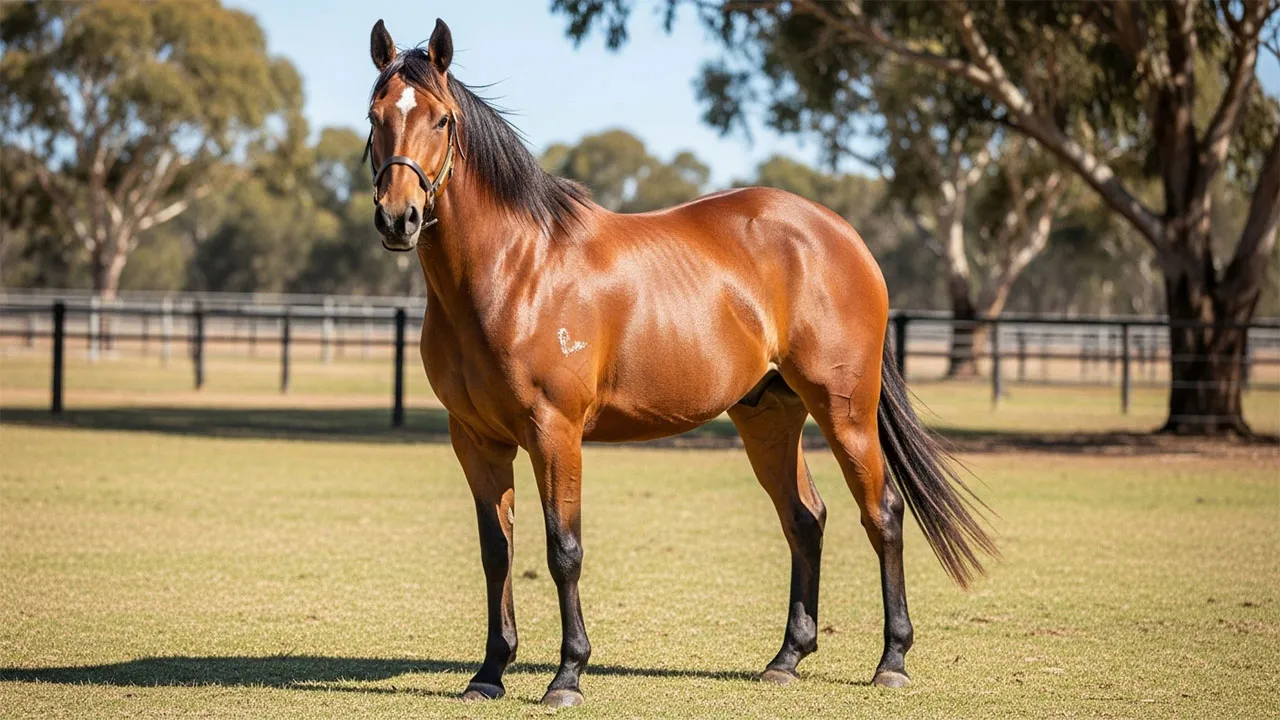
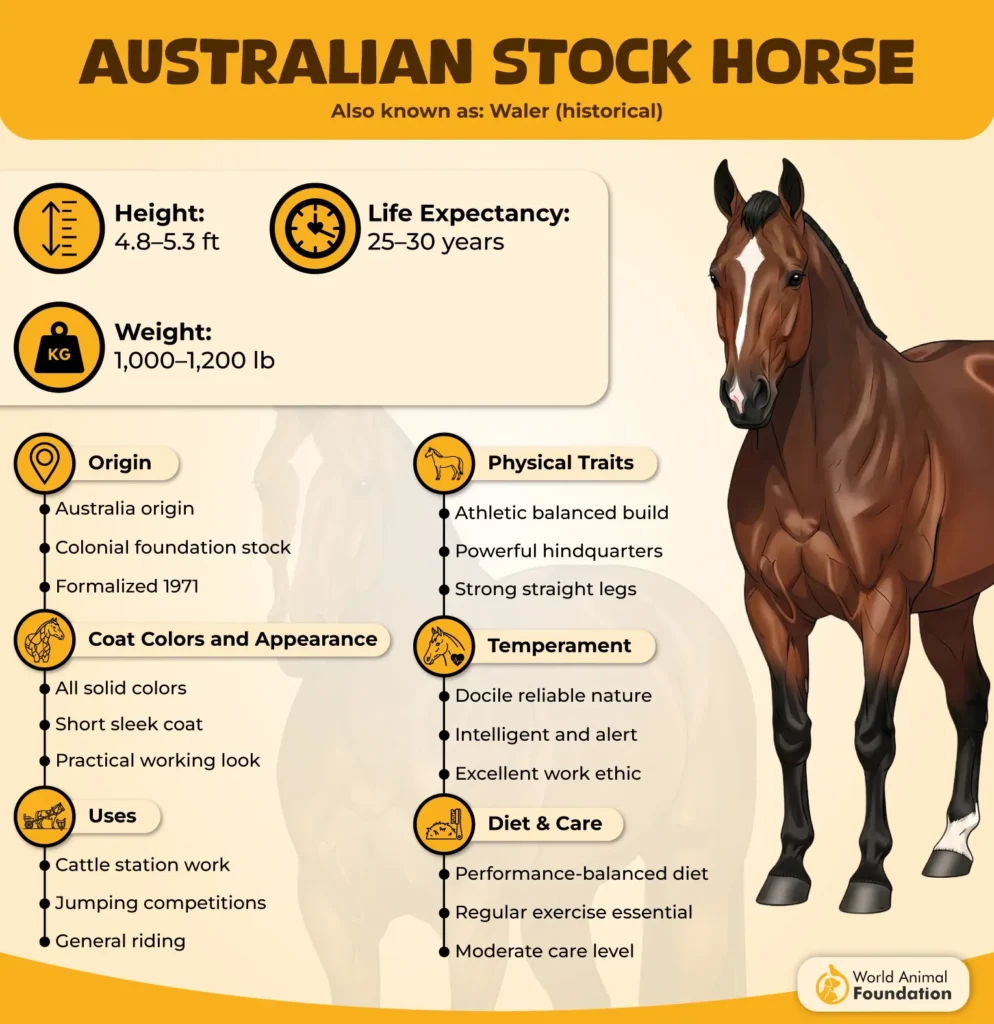
Composure under pressure defines how the Australian Stock Horse operates in polo. Years of selective breeding for demanding cattle work have shaped a temperament that remains steady during rapid transitions and close play. This calm focus helps riders maintain flow without overmanaging every stride.
Built for Sustained Performance
Physical resilience plays a central role in their effectiveness across long matches. A muscular frame and natural stamina support repeated sprints without sharp drops in energy.
A closer look reveals what supports this consistency:
Strong hindquarter engagement
Efficient energy use during acceleration
Balanced movement on uneven ground
Instinctive Response to the Game
Mental sharpness allows the Australian Stock Horse to read cues with minimal delay. Instead of reacting late, they often anticipate direction changes, keeping pace with the flow of play. This awareness supports cleaner lines and smoother ball tracking at speed.
Conclusion
Polo success depends on more than talent in the saddle. Playing polo demands horses that balance speed and endurance across constant motion. Playing polo also requires focus when pressure rises on the polo field. Different horses bring unique strengths, and different horses suit different styles of play.
A popular breed earns its place through reliability, not hype. Speed and endurance matter as much as control and timing. Quick acceleration creates openings, while recovery keeps horses effective late. Compared with other horses, polo mounts stay responsive under contact. Speed and endurance separate those built to last from those built to flash.
