




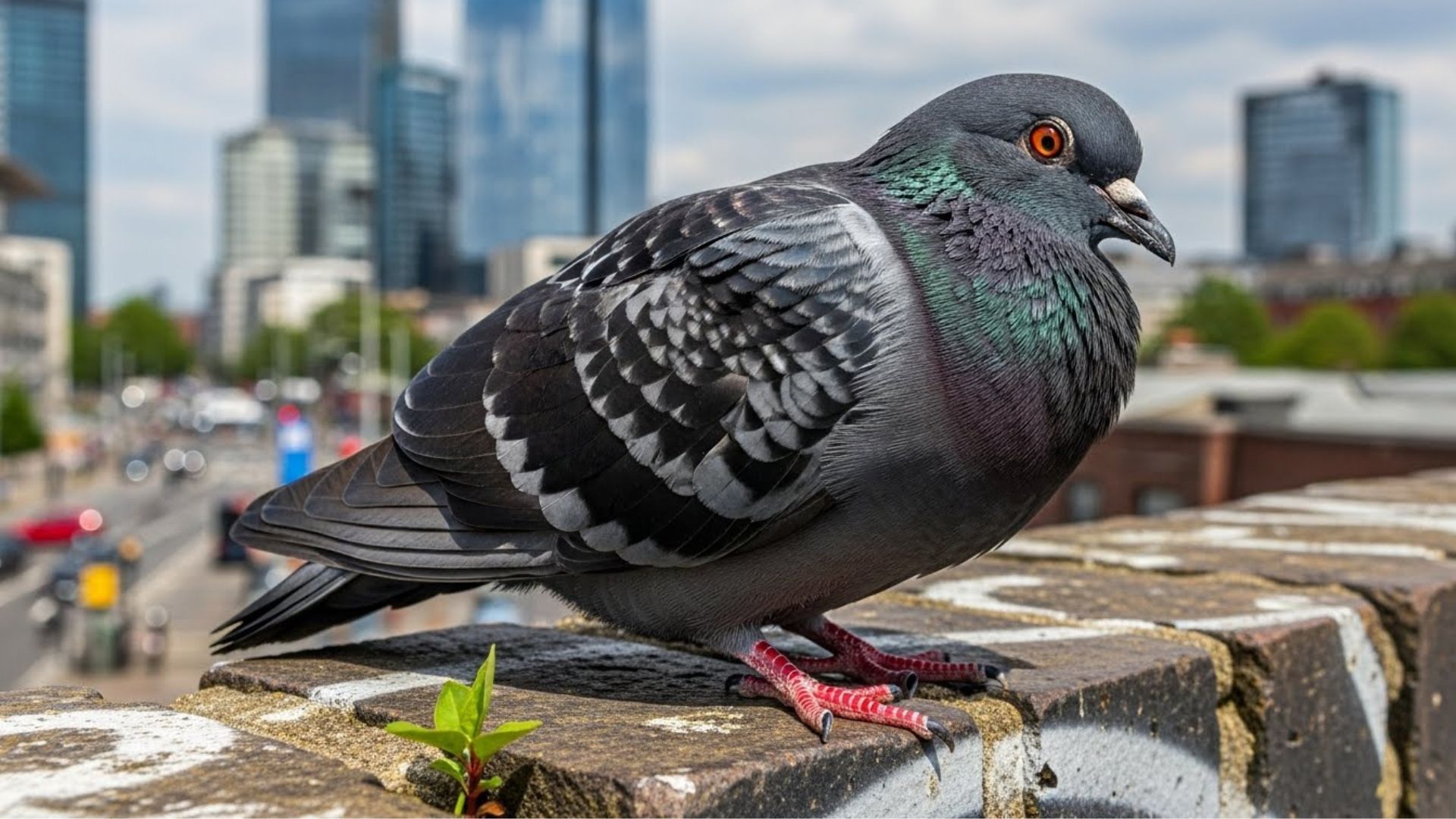
Climate change is rewriting the rules of survival, and birds are right at the center of this global shift. As temperatures rise and habitats transform, birds are being pushed to respond in remarkable ways. Some move in search of milder conditions, while others stay put and adjust their behavior, timing, or bodies to cope with the heat.
For a long time, it was believed that birds had a clear advantage because they could simply fly away from trouble. In reality, adapting to a changing environment is far more complex. Suitable habitats are shrinking, extreme climates leave little room to escape, and rapid warming makes adjustment harder than ever.
Despite these challenges, certain birds show impressive flexibility. By changing how they feed, breed, and live, they manage to survive in shifting environments. With Earth already warmed by about 1.1°C, these adaptable birds offer a powerful example of resilience in a rapidly changing world.
Birds That Can Adapt to Changes in Environment
1. Pigeon
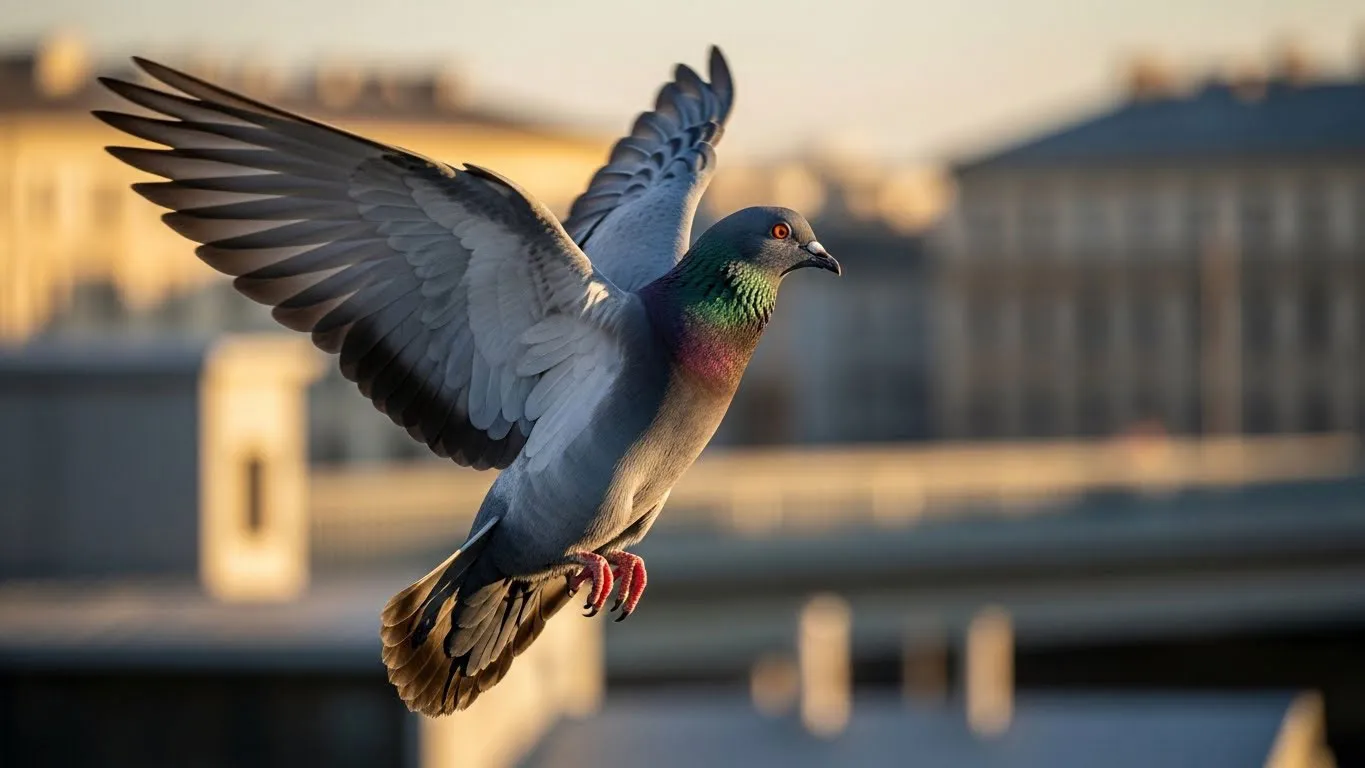
Pigeons are one of the best examples of birds that can adapt to environmental change. Once living on rocky cliffs, they now use buildings, bridges, and ledges as substitute habitats. Cities offer warmth, shelter, and steady food sources, helping pigeons survive where many birds cannot.
Their success comes from flexibility and learning. Pigeons quickly adjust to human routines, changing weather, and limited natural spaces. Milder winters and longer breeding seasons have also helped urban populations grow.
Key ways pigeons adapt to urban environments include:
Using buildings as artificial cliffs for nesting
Finding food from human activity and waste
Adjusting breeding cycles due to warmer climates
Living in large social groups for protection
Thriving despite limited natural predators
Despite their success, managing pigeon populations remains a challenge. Their droppings can damage property and pose health risks, which has led cities to develop new, humane control strategies.
Understanding how pigeons adapt helps create better solutions that balance urban wildlife with human needs.
2. House Sparrow
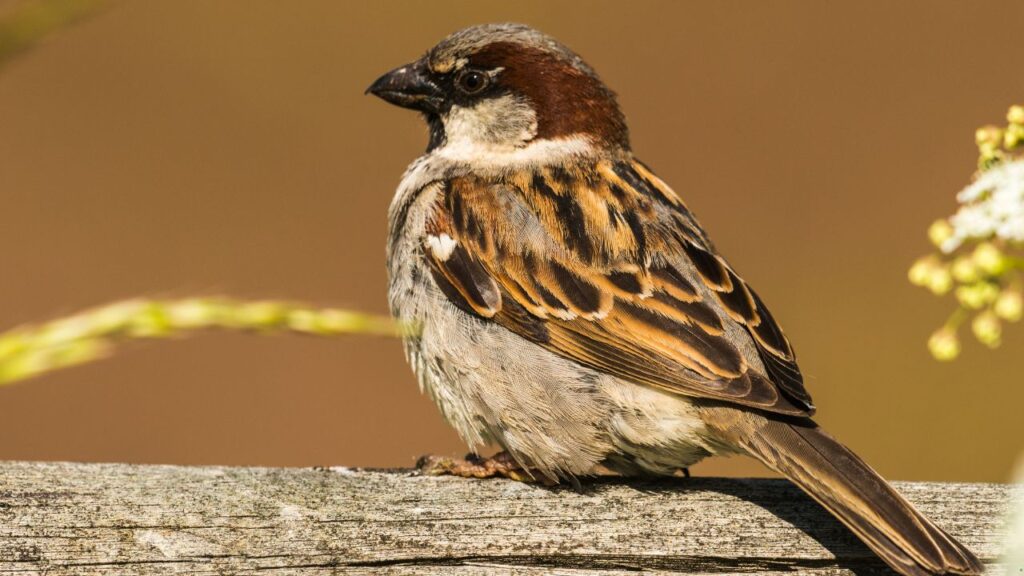
House Sparrows are one of the most familiar birds in cities worldwide and a shining example of urban adaptability. Originally from rural areas, these small birds have made themselves at home in towns and cities, thriving alongside people.
They take full advantage of human structures for nesting and have adapted their diets to include a wide range of food scraps and insects.
Their success is linked to their flexibility and social nature. According to All About Birds, House Sparrows live in tight-knit flocks that help them find food and stay safe.
They also time their breeding to the availability of food, allowing them to raise several broods in a single year—something many wild birds can’t do in urban settings.
How House Sparrows adapt so well to cities:
Nesting in building crevices, vents, and roof spaces
Eating a diverse diet including seeds, insects, and human leftovers
Living in large social groups for safety and cooperation
Adjusting breeding cycles based on food and weather
Tolerating close contact with humans and noisy environments
Despite their adaptability, House Sparrows have faced population declines in some cities due to habitat loss and changes in food availability. Their story highlights both the resilience and fragility of urban wildlife—showing how even the toughest urban dwellers need thoughtful environments to thrive.
3. Crow
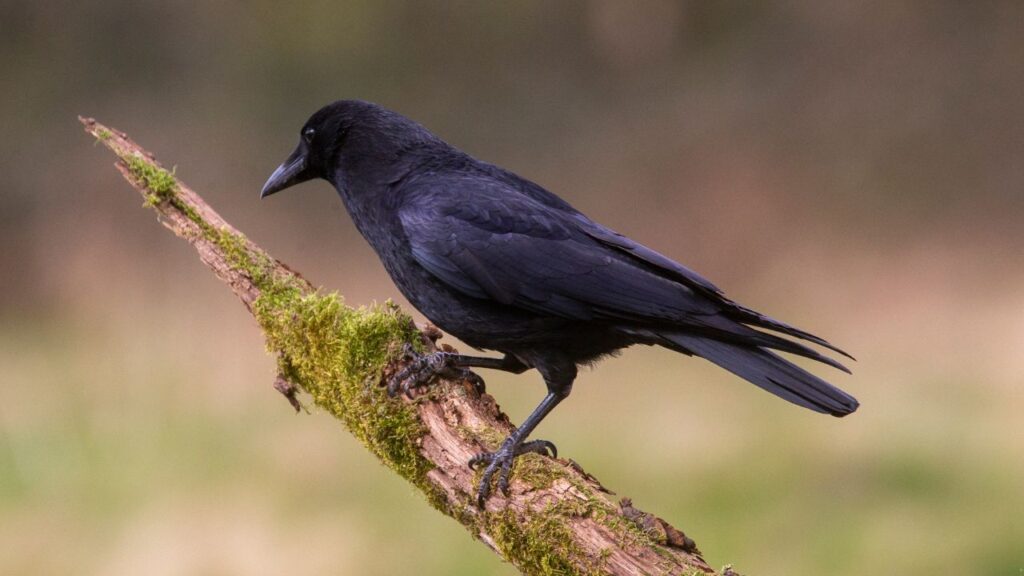
Crows are among the most intelligent and adaptable birds thriving in cities worldwide. Their remarkable problem-solving skills and ability to learn from their environment make them exceptional urban survivors. From parks to streets, crows have learned to exploit a variety of resources created by humans.
These birds use their keen intelligence to find food, avoid dangers, and even communicate complex information within their social groups. Crows often use tools, recognize human faces, and adjust their behavior based on past experiences, showing a level of adaptability few other birds possess.
Key ways crows adapt to urban environments:
Scavenging diverse food sources, from natural prey to human waste
Using tools and problem-solving to access food
Living in tight-knit social groups that share knowledge
Recognizing human faces and responding to threats
Nesting in a wide range of urban structures
While crows sometimes cause conflicts—such as noise or scavenging in public spaces—their adaptability highlights how wildlife can coexist with people. Understanding their behavior helps cities find balanced ways to live alongside these clever birds.
4. Common Myna
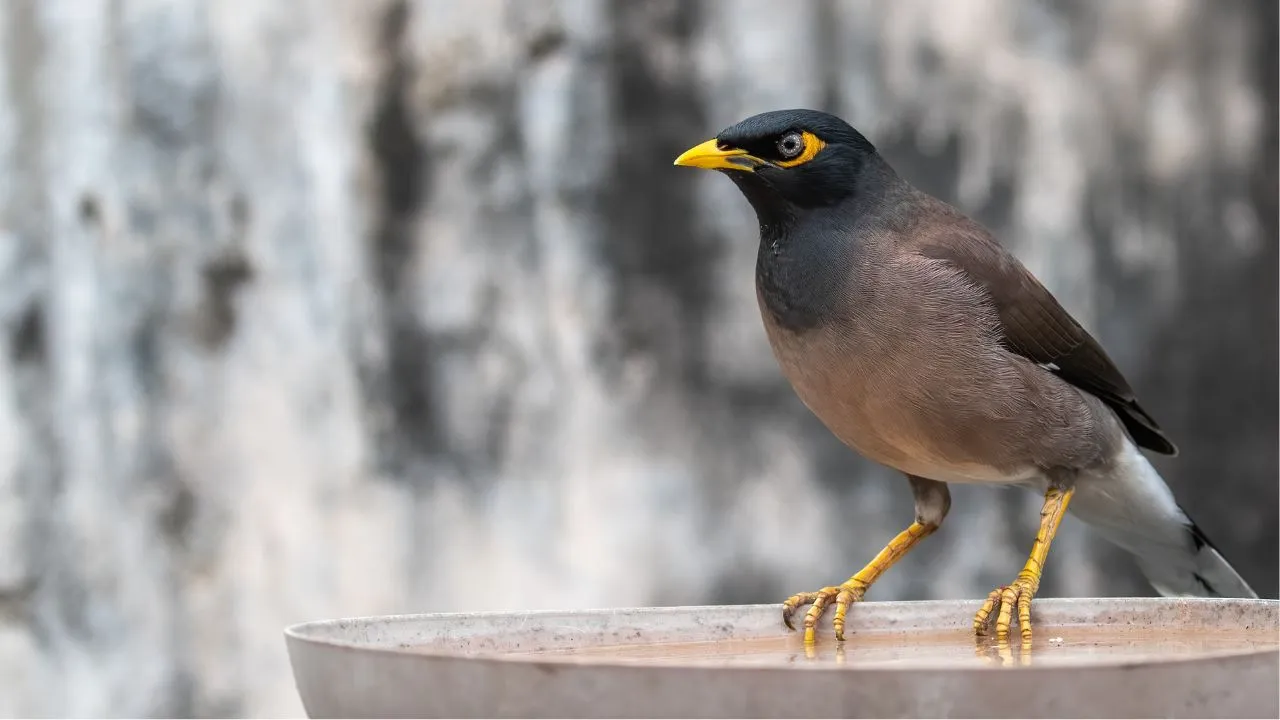
Common Mynas are known for their boldness and ability to thrive in diverse environments, especially cities and towns.
Originally from South Asia, these birds have spread worldwide, making themselves at home in urban areas by taking advantage of human activity and structures. Their adaptability has helped them become one of the most successful urban birds in many regions.
The Australian Museum mentions that Mynas are highly accomplished scavengers, eating everything from insects and fruits to human food waste.
They are aggressive competitors, often outcompeting native birds for nesting sites and food. Their vocal nature and intelligence allow them to quickly learn and adjust to new challenges in city life.
How Common Mynas adapt to urban environments:
Nesting in building crevices, streetlights, and trees
Eating a varied diet including insects, fruits, and scraps
Competing aggressively with other bird species
Using loud calls to communicate and establish territory
Quickly exploiting new food and shelter opportunities
Though successful, Common Mynas can disrupt local ecosystems by displacing native species. Their story shows how adaptability can be a double-edged sword, highlighting the need for balanced urban wildlife management.
5. Seagull

Seagulls, once strictly coastal birds, are now common sights in many cities worldwide. Their move inland reflects incredible adaptability as they take advantage of urban resources like food waste and new nesting sites. This shift shows how wildlife can quickly adjust to changing environments.
Seagulls have larger brains compared to some other birds, helping them solve problems and exploit complex urban habitats.
They use buildings and rooftops as substitutes for cliffs, while their flexible diet includes everything from fish to discarded human food. Their intelligence allows them to thrive despite the challenges of city life.
Ways seagulls adapt to urban environments:
Nesting on rooftops and tall structures like artificial cliffs
Feeding on a wide variety of foods, including waste and insects
Using problem-solving skills to access difficult food sources
Adjusting breeding times to urban conditions
Living in large, noisy colonies that protect against predators
Their success highlights how animals can reshape their behavior to fit new environments, reminding us that cities are becoming unexpected wildlife habitats.
6. Starling
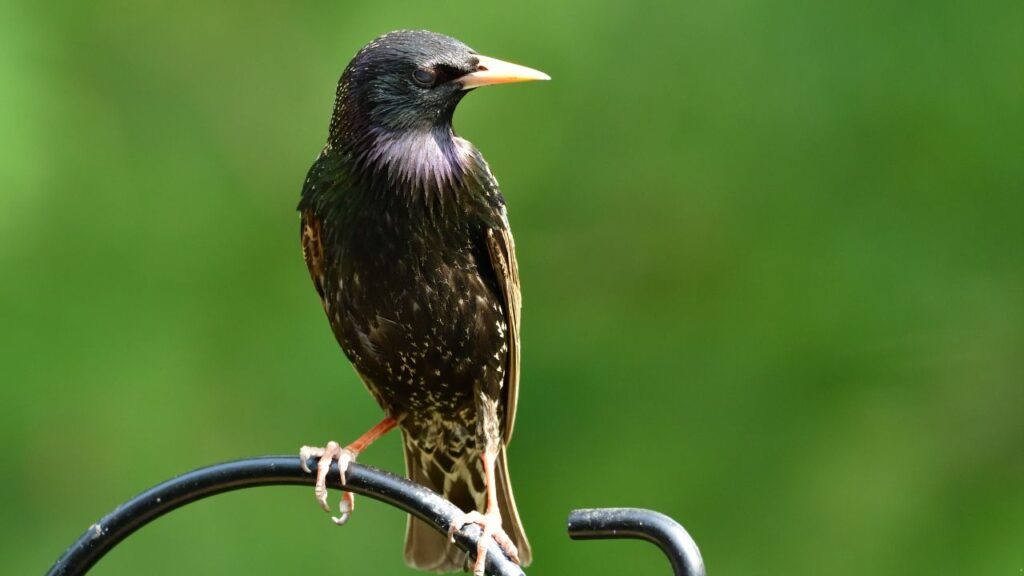
Starlings are remarkable urban survivors thanks to a unique mix of genetics and behavior. Their ability to adapt quickly to new environments has allowed them to thrive in cities and towns worldwide.
From their stunning murmuration displays to their resourceful feeding habits, starlings are true masters of city life. Their success is partly due to genetic diversity, which helps populations adjust to different conditions quickly.
Starlings nest in cavities found in buildings and trees, and their flexible diet includes insects, fruits, and human food scraps, as mentioned by Britannica. Their social nature and ability to learn from each other give them a strong edge in urban habitats.
Key ways starlings adapt to cities:
Nesting in building crevices and tree holes
Eating a wide variety of foods, including urban scraps
Forming large, coordinated flocks to avoid predators
Rapidly adjusting to changing environments thanks to genetic diversity
Using vocal mimicry to communicate and adapt behavior
Starlings show how genetic adaptability combined with social behavior can make a species thrive even in rapidly changing urban landscapes.
7. Red-tailed Hawk
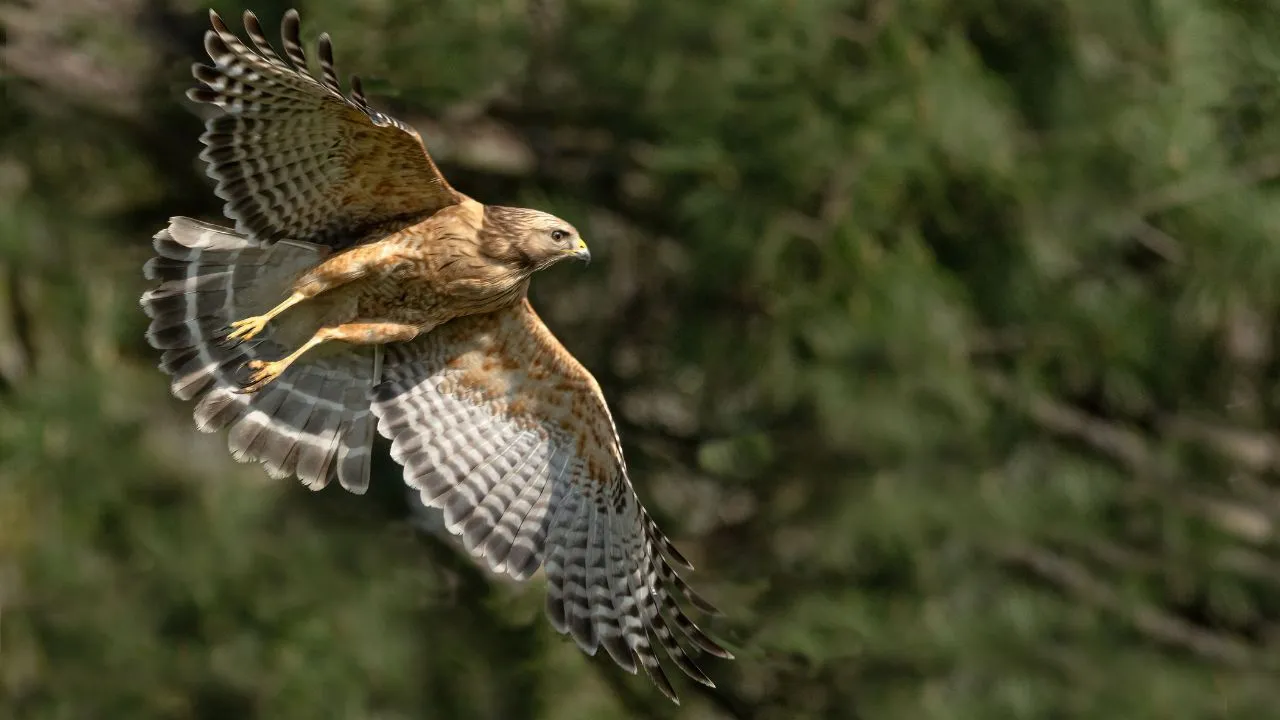
The Red-tailed Hawk is a powerful raptor known for its incredible adaptability to different environments, including cities.
With keen eyesight and strong hunting skills, these hawks have learned to thrive near urban areas where prey like rodents and pigeons are plentiful. Their ability to use man-made structures for nesting and perching helps them survive alongside human development.
These hawks are built for success—strong talons, sharp beaks, and agile flight make them efficient predators.
They adjust their hunting techniques and timing to urban life, often taking advantage of open spaces like parks and highways to spot prey. This flexibility allows them to maintain healthy populations even in changing landscapes.
How Red-tailed Hawks adapt to urban environments:
Nesting on tall buildings, cell towers, and cliffs
Hunting a wide variety of prey, including rodents and birds
Using excellent eyesight to spot prey from high perches
Adjusting hunting times to avoid human activity
Thriving in both wild and urban settings
Their presence in cities shows how top predators can adapt and even benefit from human-altered landscapes, playing a key role in urban ecosystems.
Conclusion
Global warming and the changing climate have affected most species, raising deep concerns about bird populations and their response to climate change.
While many mobile species can relocate quickly over long distances or move to higher elevations to follow shifts in local temperature, avian species that are geographically tied face an impending extinction crisis.
The temperature increase observed so far, measured in degrees Celsius, highlights the limits of birds’ ability to adapt. Lesser-known species, in particular, struggle to persist as rising temperatures challenge their survival in a warmer world.
Scientists have observed changes in birds and other species that reflect complex responses involving evolution, ecology, and environmental conditions. The presence of invasive species and observed changes in habitat further affect bird populations.
A much better understanding of how birds adapt, across generations, is expected to help guide future conservation efforts. Science continues to gather data on these observed changes, aiming to predict the future direction of bird populations and how they will respond to the degree Celsius increase in global temperatures.
