




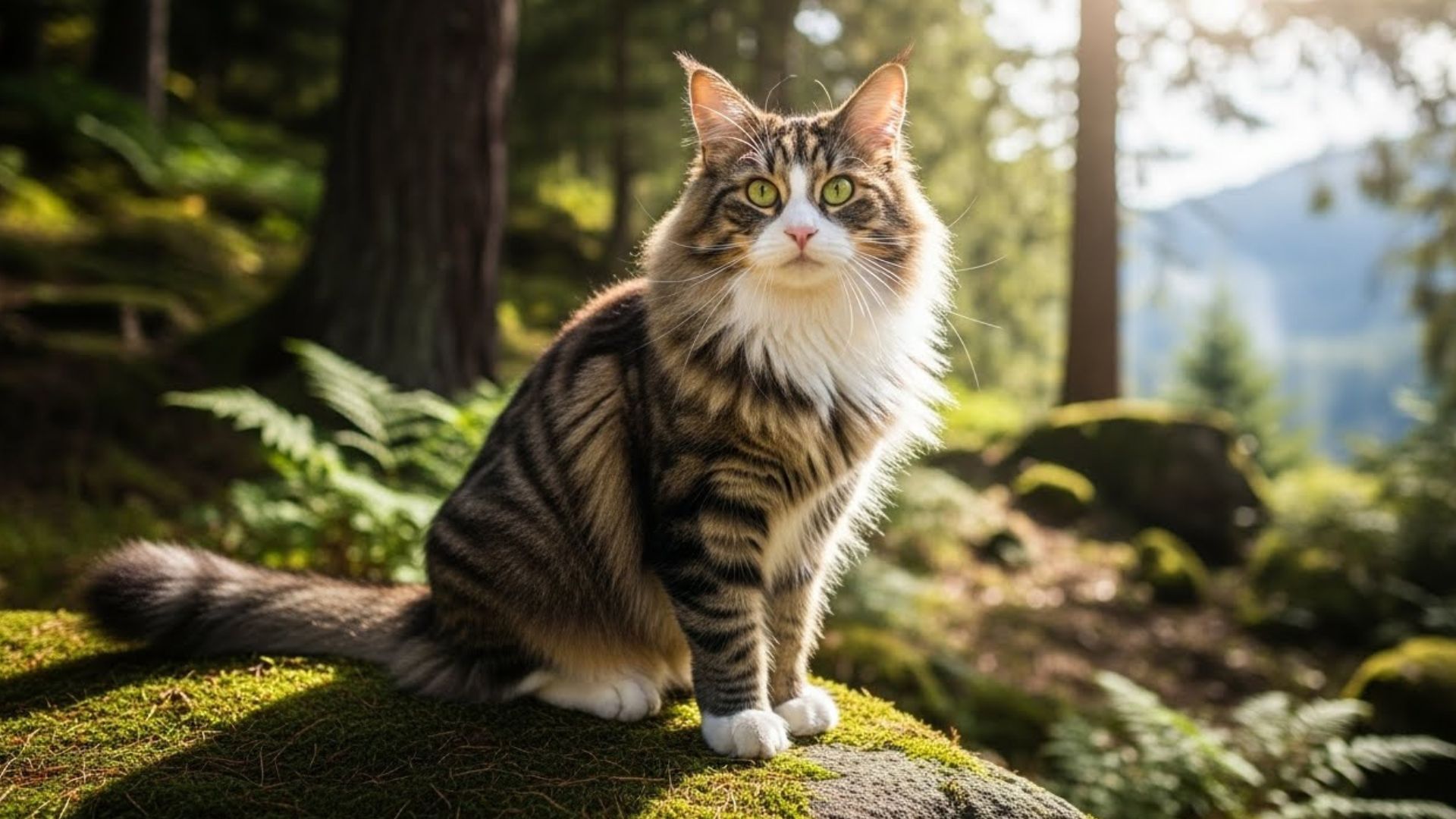
Cats have shared their lives with humans for thousands of years, yet not all breeds were shaped by selective breeding. Some cats developed naturally, evolving over generations in specific regions as they adapted to local climates, landscapes, and lifestyles. These breeds weren’t designed by people—they emerged on their own, guided by survival, environment, and genetics.
From ancient communities to remote landscapes, naturally developed cat breeds reflect a deep connection between place and evolution.
Their physical traits, behaviors, and resilience tell stories of how cats thrived without human direction, long before formal breed standards existed. Even today, many of these cats retain strong instincts and characteristics shaped by their original environments.
While modern breeding has since refined and standardized these cats, their origins remain rooted in nature rather than intention. Historical records, oral traditions, and genetic research all contribute pieces to their stories, though details may vary by source.
In this article, we explore cat breeds that developed naturally, highlighting the unique histories and traits of these remarkable felines shaped by time—not design.
Cat Breeds Developed Naturally
1. Maine Coon
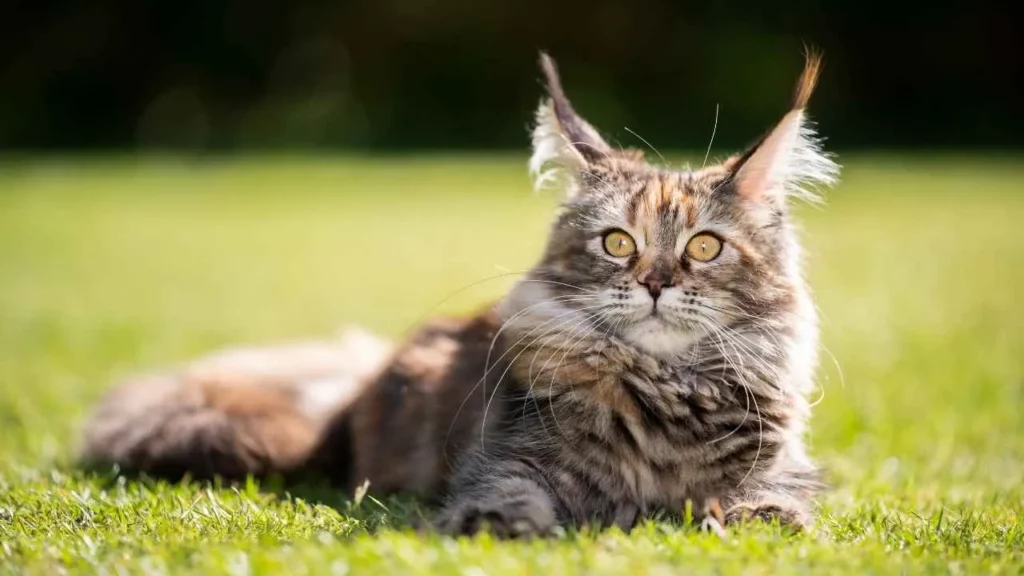
Often called the Gentle Giant, the Maine Coon is one of the oldest native cat breeds in the United States, with roots tracing back to the 1800s. Known for its massive size, shaggy coat, and tufted ears, this breed developed long before modern breeding programs.
According to Britannica, the Maine Coon is considered North America’s only native breed of long-haired domestic cat.
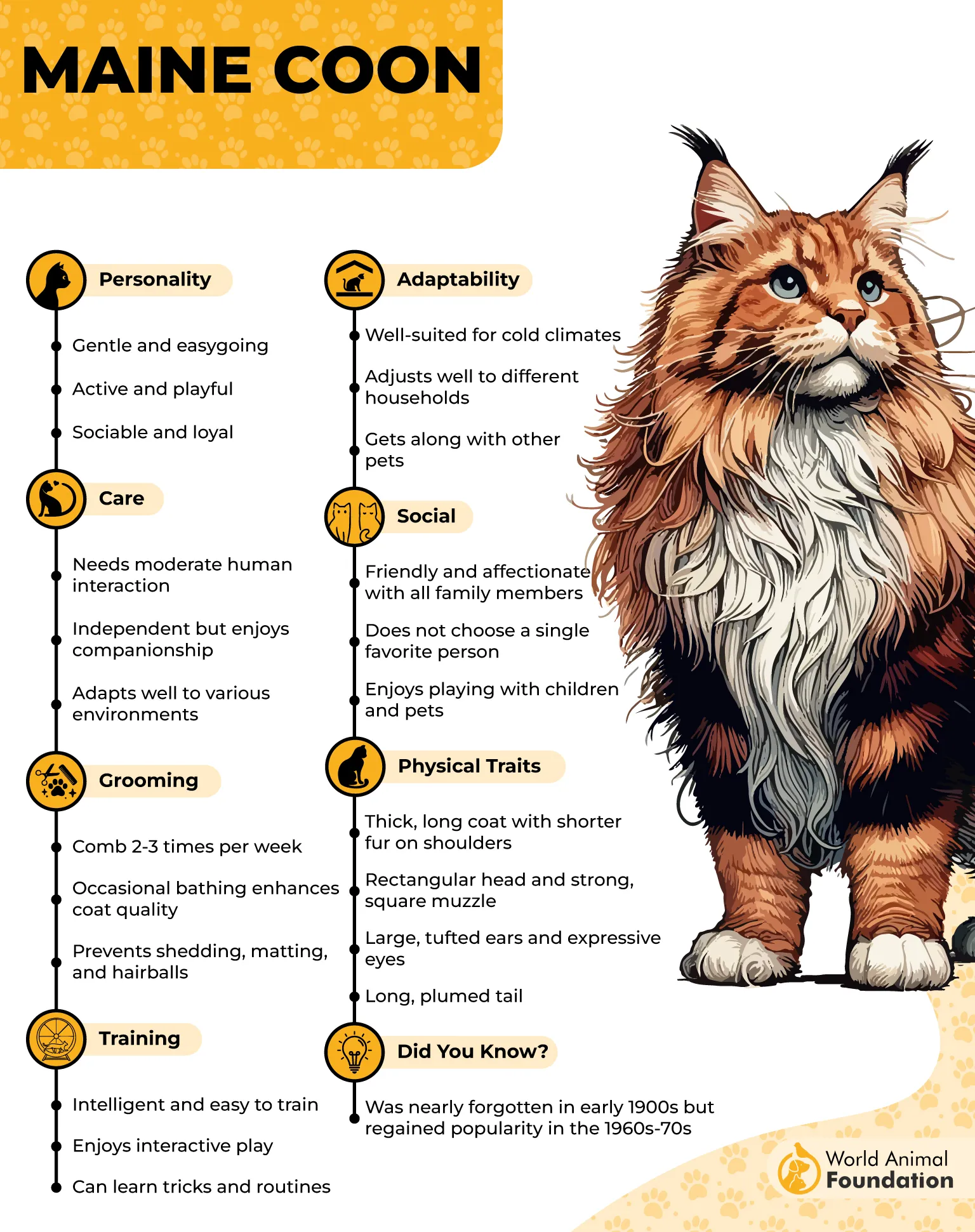
When we say a cat breed developed naturally, the Maine Coon is a prime example. Rather than being selectively bred, these large cats evolved in New England, where cold winters shaped their thick coats, sturdy bodies, and tufted paws for survival.
Their natural development also influenced temperament. Maine Coons became valued farm and ship cats thanks to strong mousing instincts and an easygoing, dog-like personality that made them dependable companions rather than purely ornamental pets.
Over time, folklore surrounded their origins, but genetics point to environmental adaptation rather than human design.
Fact: Maine Coons are considered the oldest native cat breed in the U.S., having naturally adapted to harsh New England winters.
2. Norwegian Forest Cat
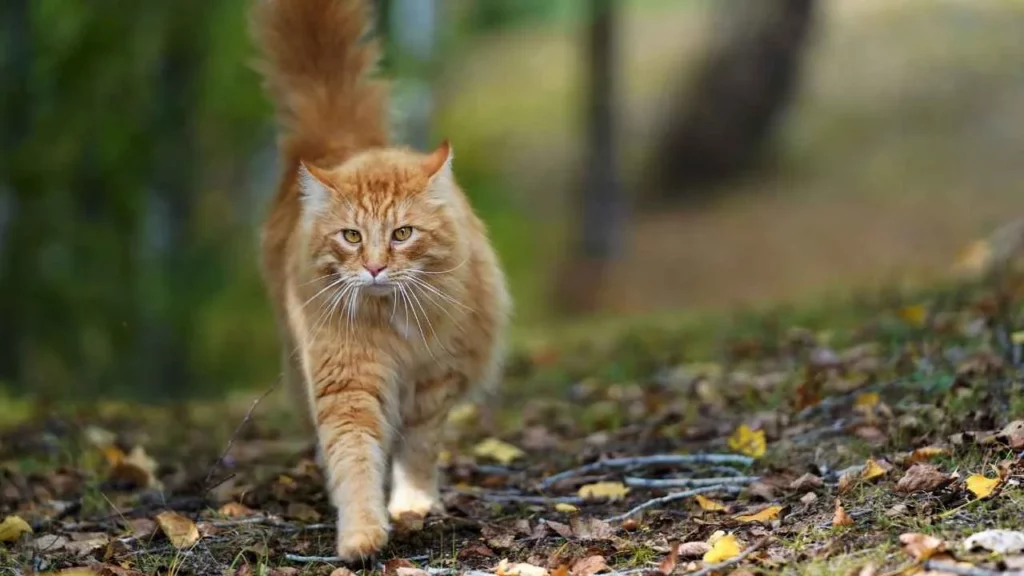
Also known as the Wegie or Skogkatt, the Norwegian Forest Cat is an ancient, naturally developed breed from Scandinavia.
With its large frame, thick double coat, and strong climbing ability, it evolved without deliberate human breeding. According to PetMD, the Norwegian Forest Cat is a playful, friendly breed with a large, muscular build.
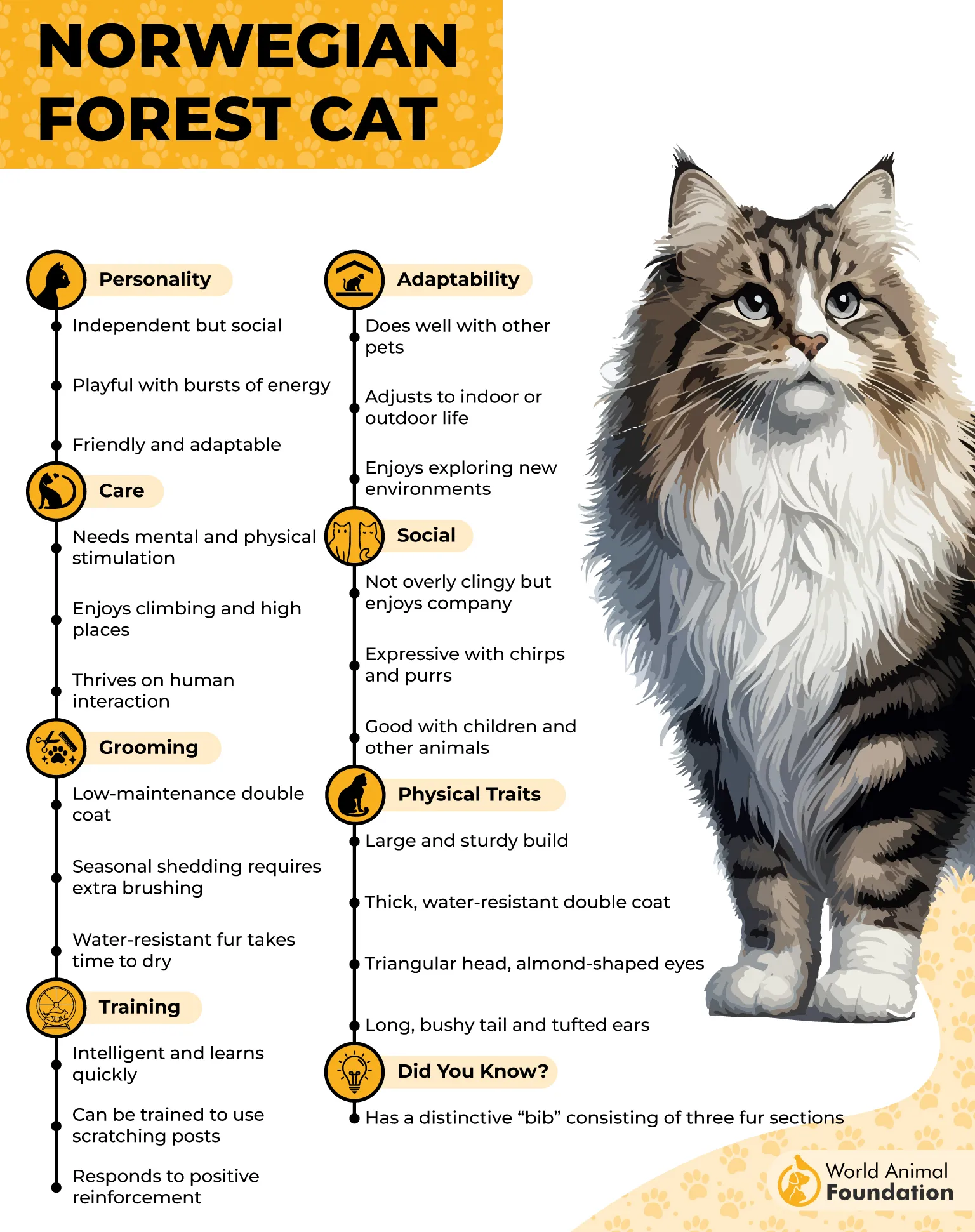
This breed’s origins are deeply tied to nature and survival. Ancestors lived in Norwegian forests for centuries, adapting to harsh winters with water-resistant fur and sturdy bodies. These traits emerged naturally, shaped by climate rather than selective design.
Historically, Norwegian Forest Cats served as ship cats for Viking explorers, controlling rodents and providing companionship on long voyages. Their hunting skill and independence made them invaluable on farms and at sea, reinforcing their role as a true landrace breed.
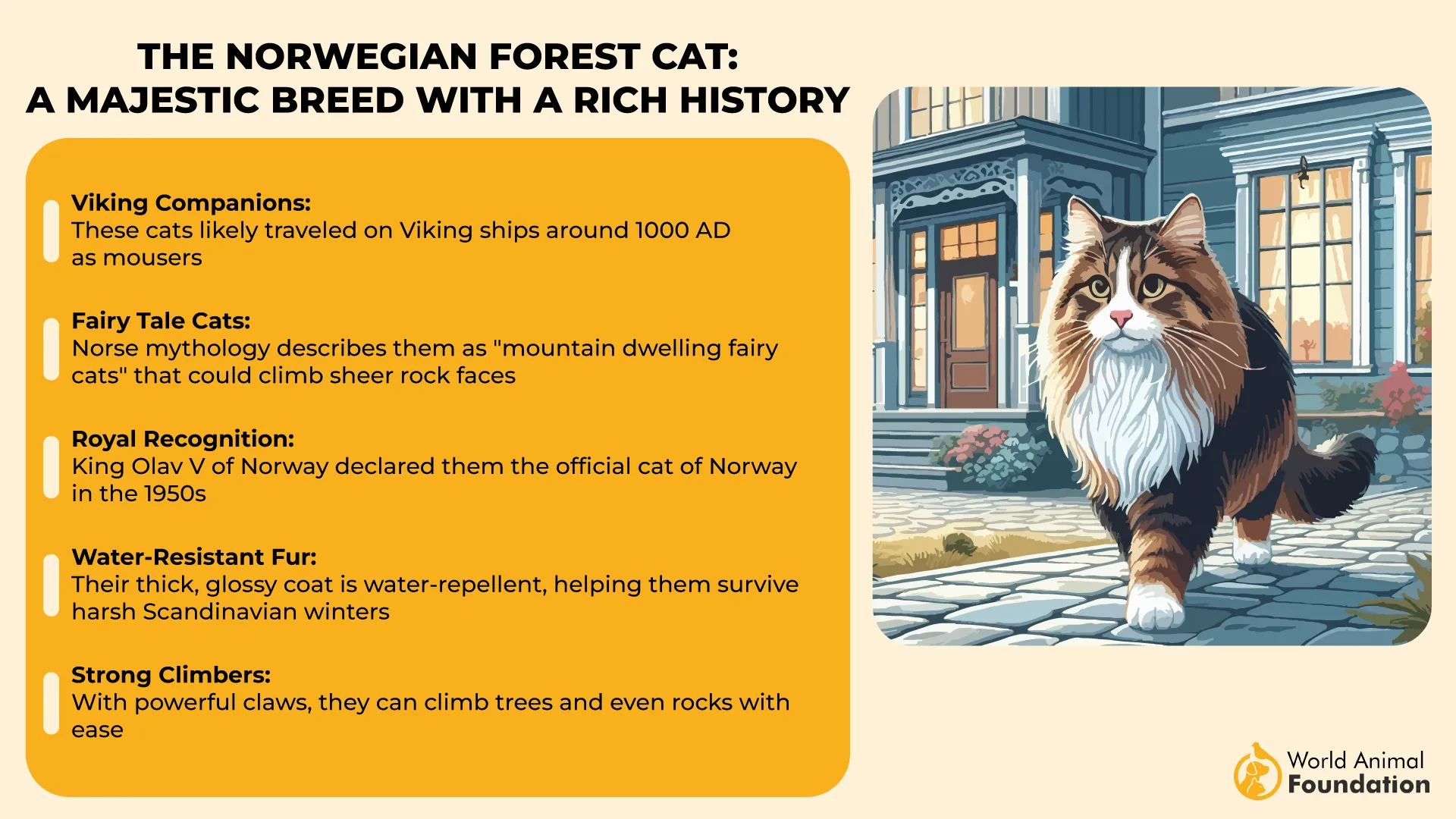
Despite their rugged roots, they’re loyal and social on their own terms, bonding closely with chosen humans and coexisting well with other pets.
Fact: Norwegian Forest Cats evolved naturally to survive Scandinavia’s cold climate and were nearly extinct after World War II before dedicated breeders restored the breed.
3. Siberian
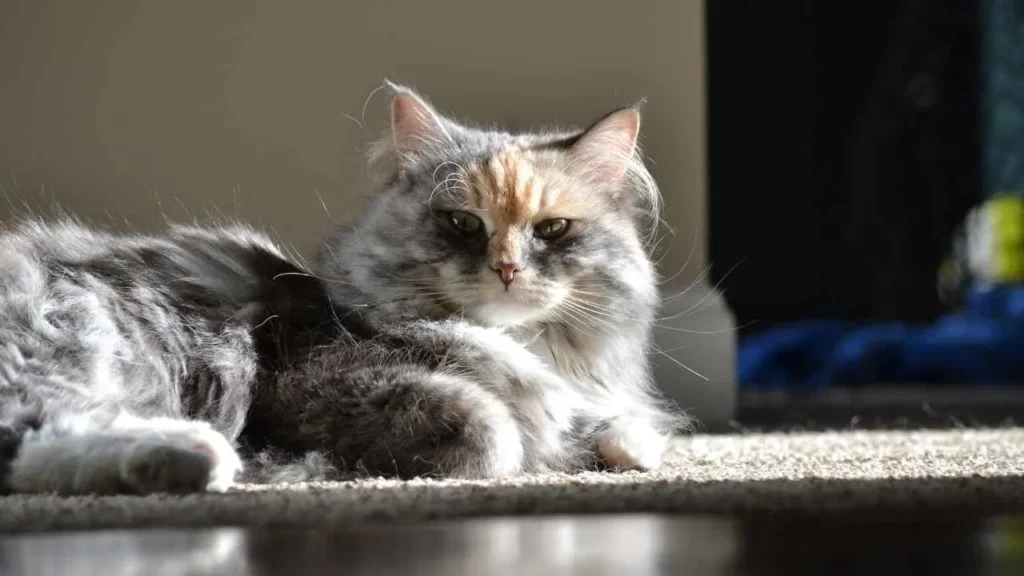
Also known as the Siberian Forest Cat, the Siberian is a naturally developed breed that originated in Russia’s harsh Siberian region. Long before formal breeding, these cats evolved on their own in cold, forested landscapes.
According to WebMD, these cats are a large and attractive breed known for being friendly, outgoing, and curious, which makes them well-suited to many different types of homes.
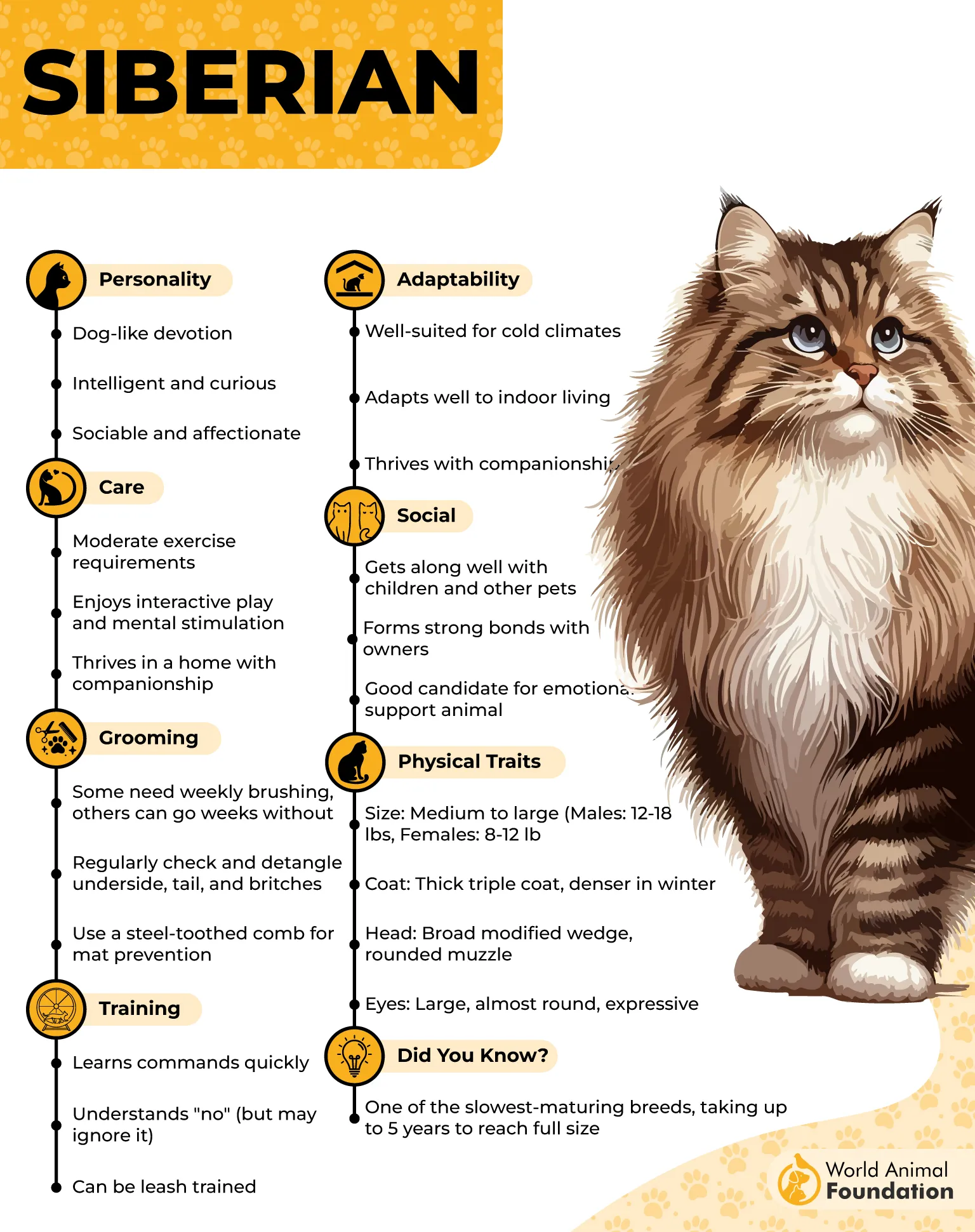
Their development was shaped almost entirely by climate and geography. Centuries spent in freezing temperatures favored a dense, water-resistant triple coat, a sturdy frame, and powerful muscles that helped them survive deep snow and long winters.
Broad paws and strong hind legs allowed Siberians to move easily through rugged terrain and climb trees in dense forests. Their thick ruff and bushy tail offered additional insulation, showing how the environment directly influenced physical structure.
Over time, these naturally adapted cats became woven into Russian culture and folklore, later gaining recognition in formal registries.
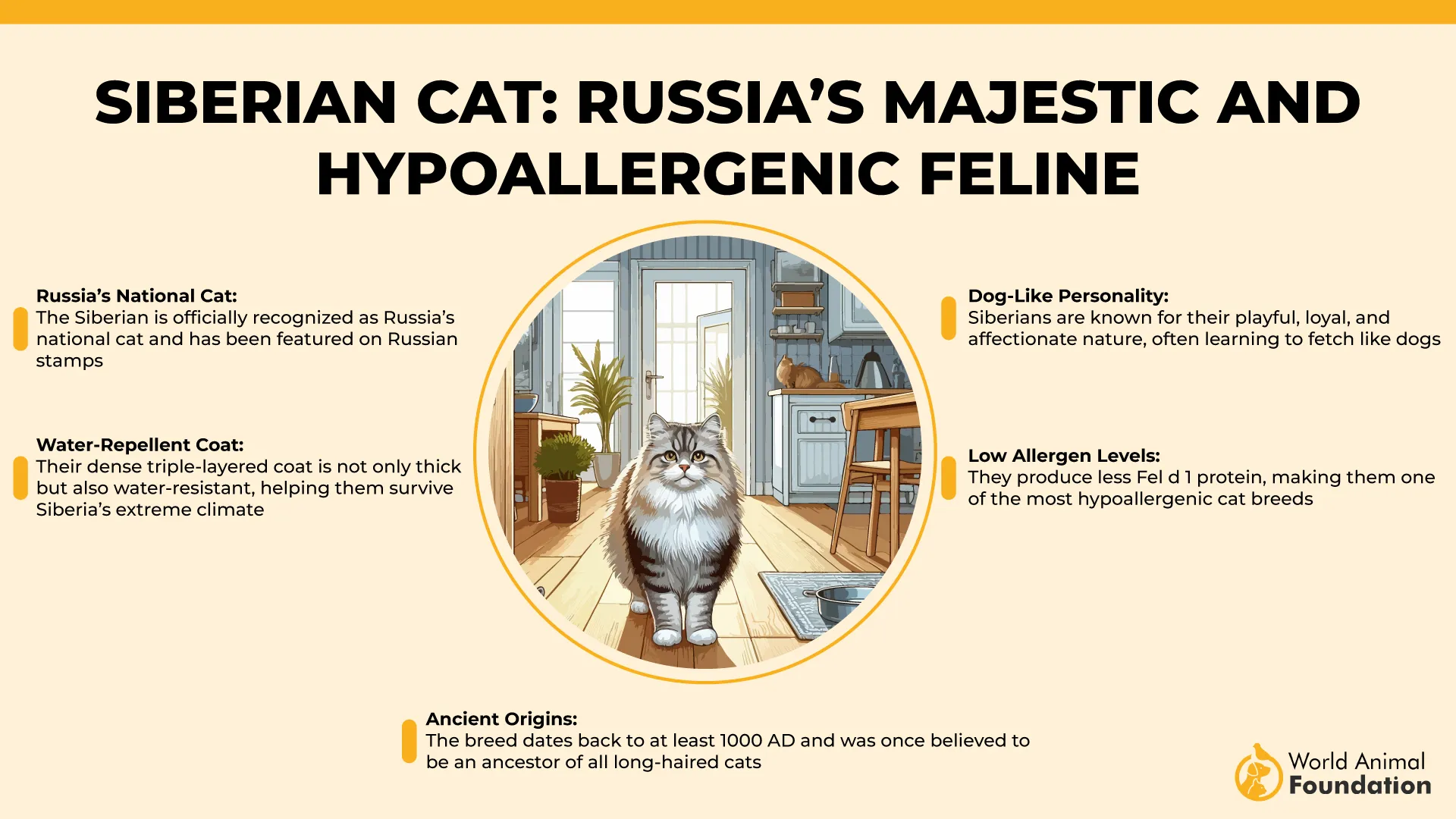
Fact: Siberian cats are believed to have developed naturally over centuries in Siberia’s cold forests, earning the name “Siberian Forest Cat.”
4. Turkish Van
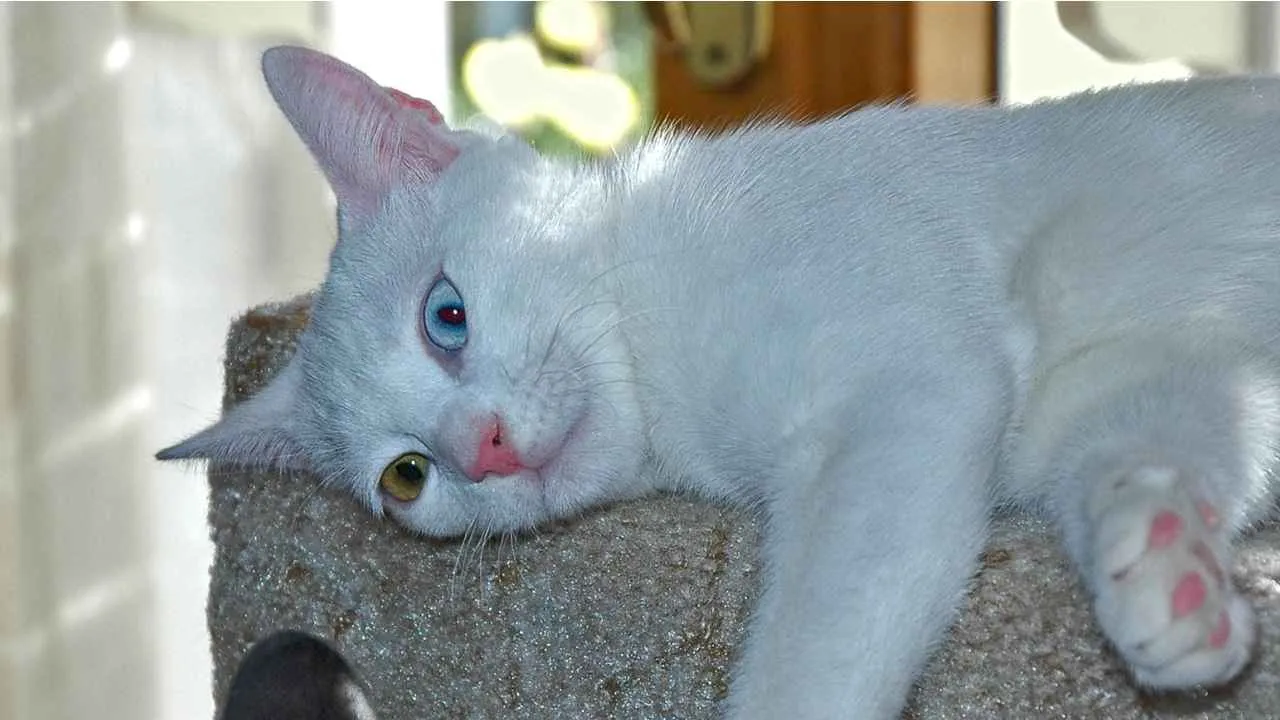
Often called the “swimming cat,” the Turkish Van is a naturally developed breed that originated near Lake Van in Turkey. It’s best known for the distinctive van pattern—a mostly white coat with color limited to the head and tail—and a strong, athletic build shaped by its environment.
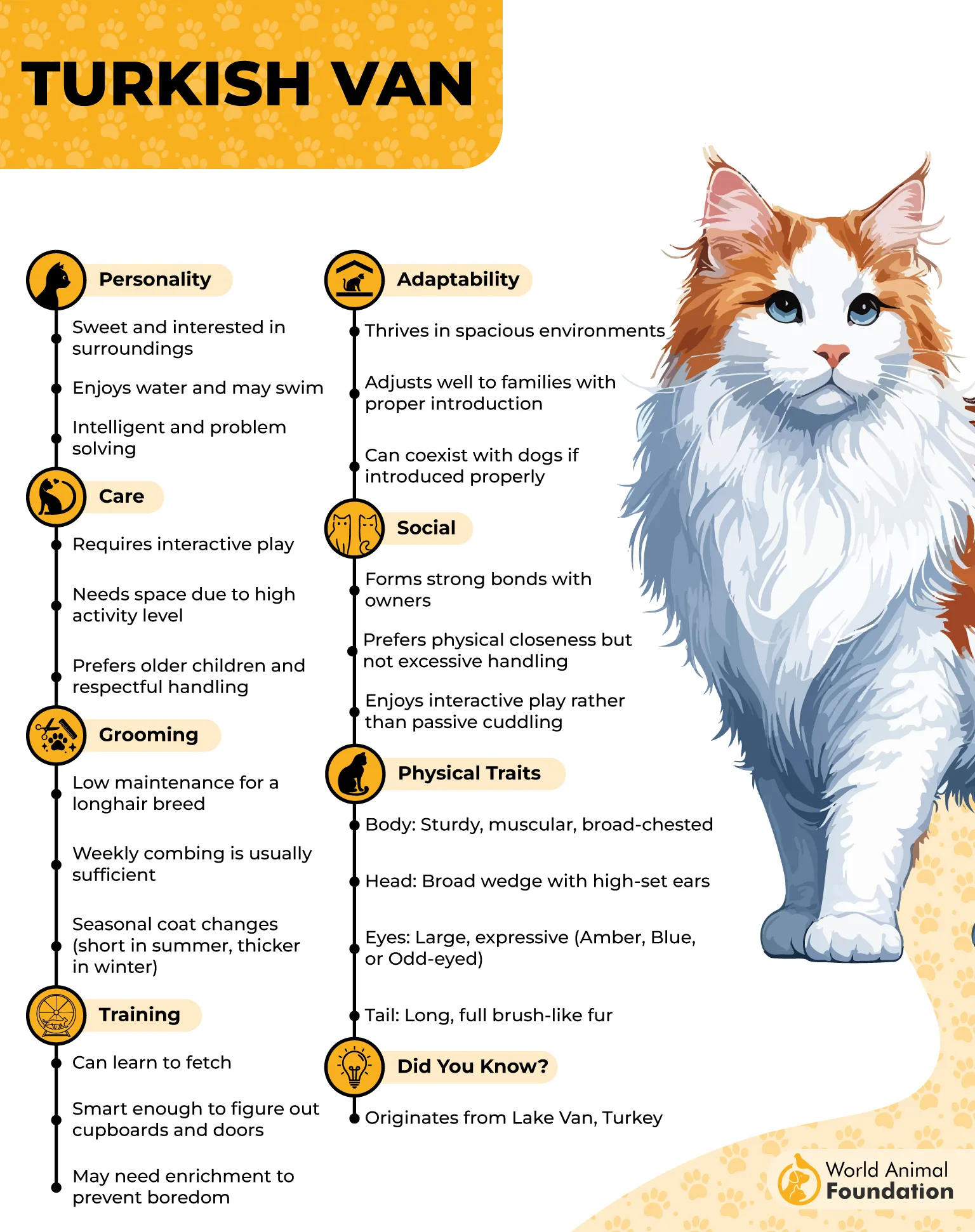
The temperament of the Turkish Van reflects its natural origins. These cats are energetic, cheerful, and highly engaged with their surroundings, showing confidence and curiosity rather than timidity. They enjoy being involved in daily household activities and thrive when given space to climb and explore.
Naturally developed cats like the Turkish Van often balance independence with affection. While playful and active, this breed also enjoys downtime, happily lounging on laps and seeking physical affection—though they’re clear about boundaries if overstimulated.
Their intelligence and adaptability are standout traits. Turkish Vans respond well to training, puzzles, and interactive play, which supports both mental stimulation and bonding.
Fact: Turkish Vans are known for their seasonal coat changes and lack a dense undercoat, meaning they mat less than most long-haired breeds.
5. Egyptian Mau
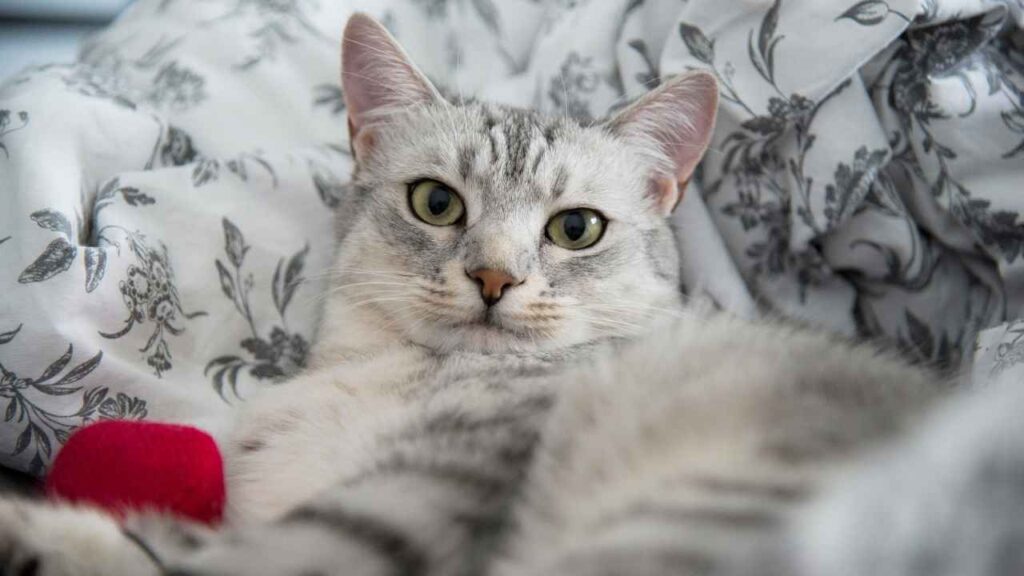
The Egyptian Mau, known by the same official and common name, is considered one of the oldest naturally developed cat breeds. Recognized by the CFA, it’s the only naturally spotted domestic cat, closely resembling felines shown in ancient Egyptian art.
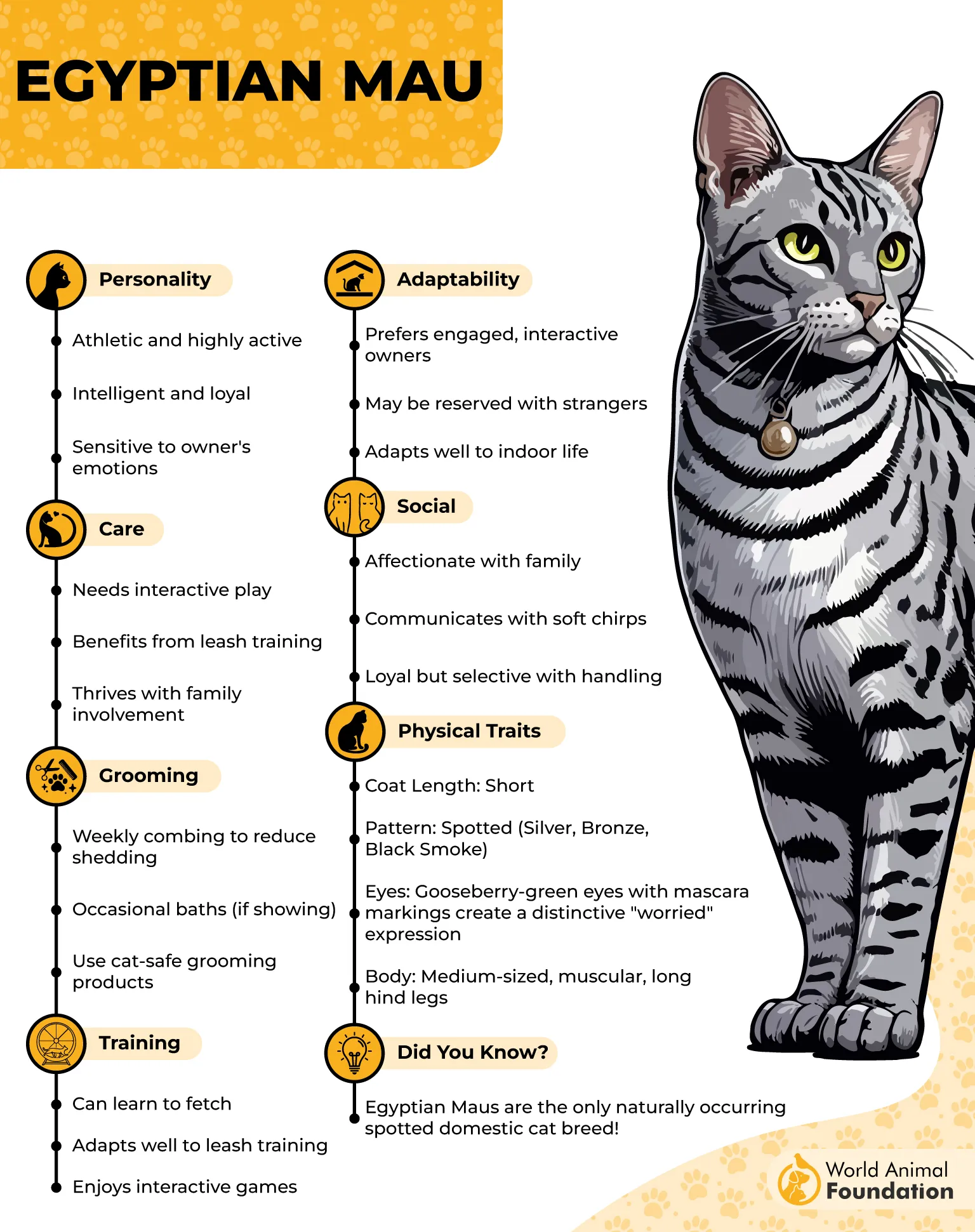
This breed emerged without deliberate human breeding, shaped by its environment along the Nile. Its naturally occurring spotted coat once served as camouflage for hunting, a trait that reflects strong survival-driven genetics rather than selective design.
Because the Mau developed organically, it retains impressive athleticism and genetic resilience. These cats are intelligent, affectionate, and active, demonstrating how natural evolution can preserve both physical ability and balanced temperament over generations.
Health and genetic diversity remain strengths of the breed, though routine care is still important. Responsible breeding and veterinary oversight help manage inherited risks like HCM or asthma.
Fact: Egyptian Maus are capable of reaching speeds up to 30 miles per hour, making them the fastest domestic cat breed.
6. Manx
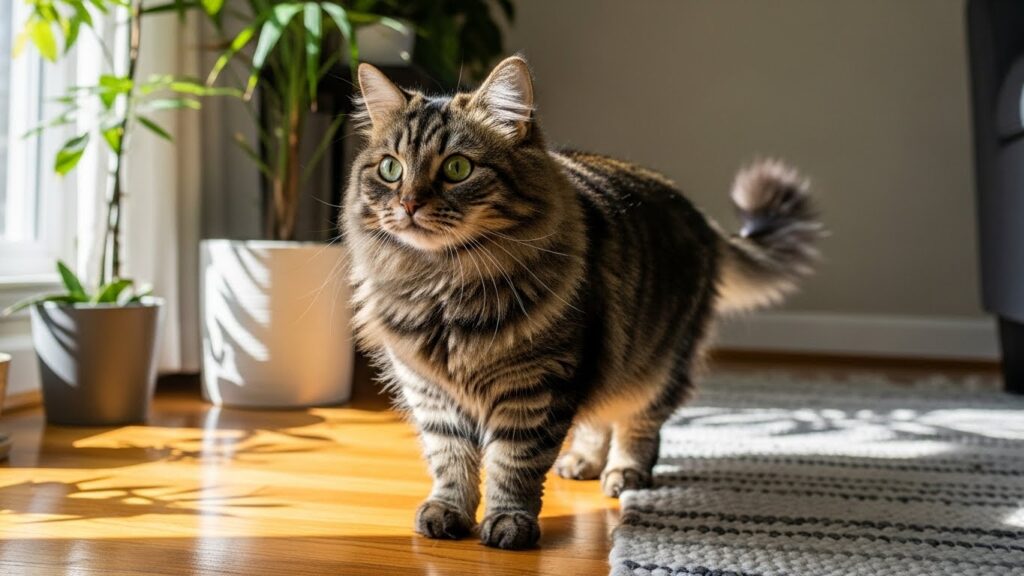
Also known simply as the Manx Cat, this distinctive breed is instantly recognized for its naturally shortened or absent tail—a result of a spontaneous genetic mutation. The Manx developed on the Isle of Man, where isolation allowed the trait to become firmly established.
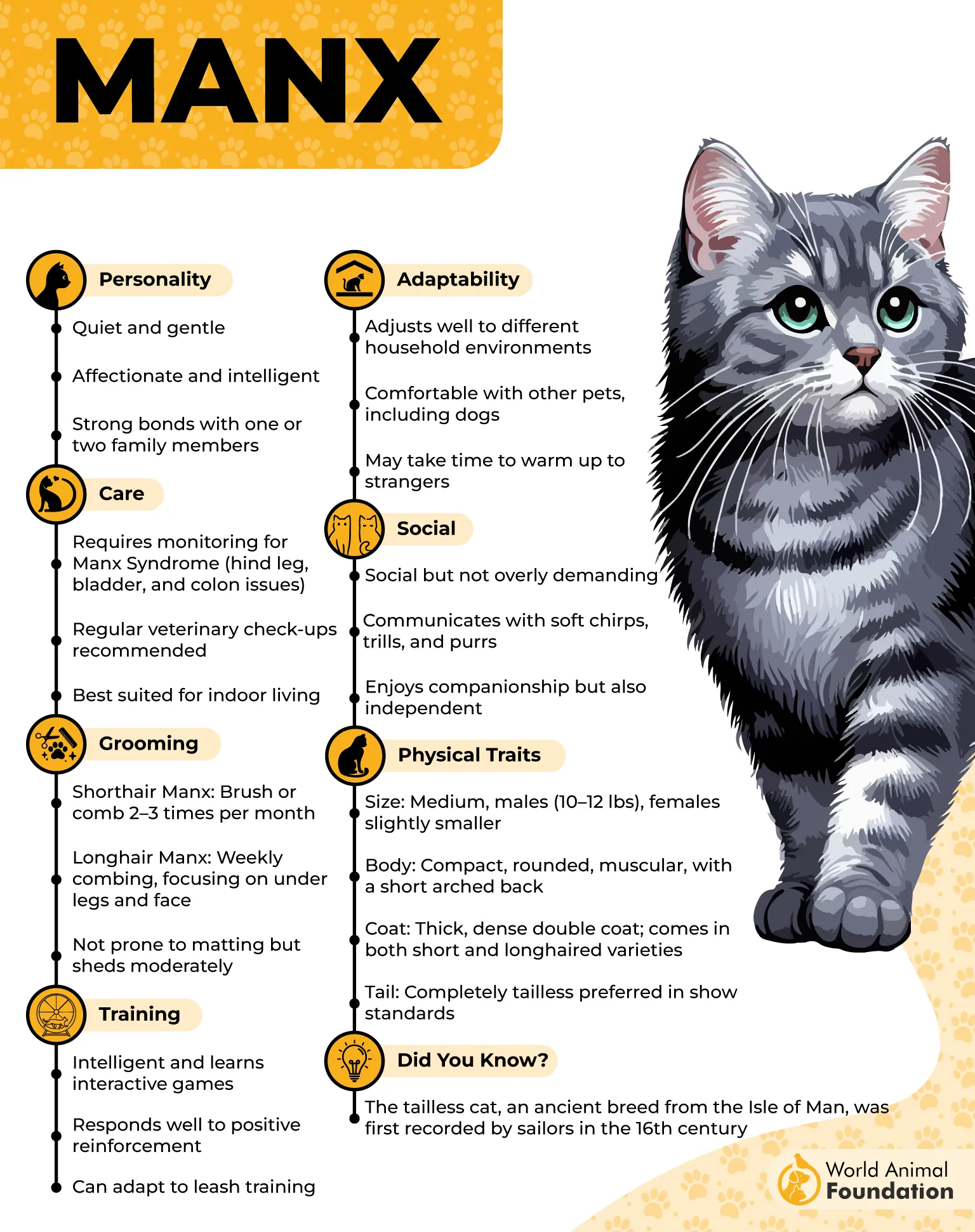
Because the Manx evolved without human-directed breeding, it shows strong adaptability and physical resilience. These cats are intelligent, agile hunters that historically thrived as mousers for sailors and farmers, shaping a hardy, self-sufficient temperament.
Naturally developed breeds like the Manx often retain balanced personalities and robust instincts. Friendly and affectionate, the Manx bonds closely with its household while remaining playful and active well into old age, showing long-term vitality.
Their ability to adapt to different environments and maintain energy over time highlights why naturally evolved breeds tend to be resilient.
Fact: The Manx became the dominant cat breed on the Isle of Man due to a naturally occurring genetic mutation that shortens the tail.
7. Russian Blue
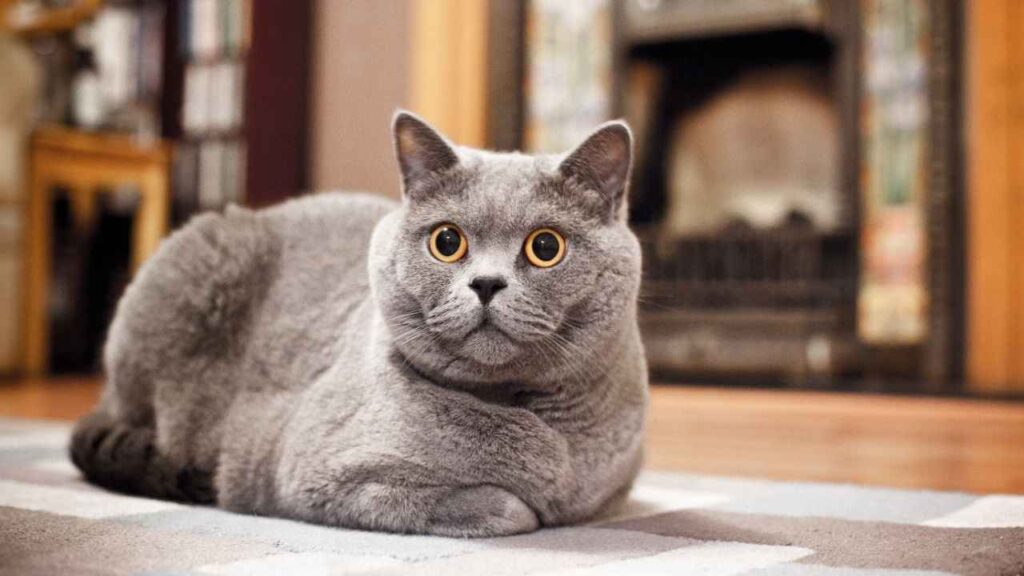
Also known as the Archangel Blue, the Russian Blue is believed to have originated naturally in the port city of Arkhangelsk, Russia. This elegant breed is admired for its plush blue-gray coat and striking green or yellow-green eyes.
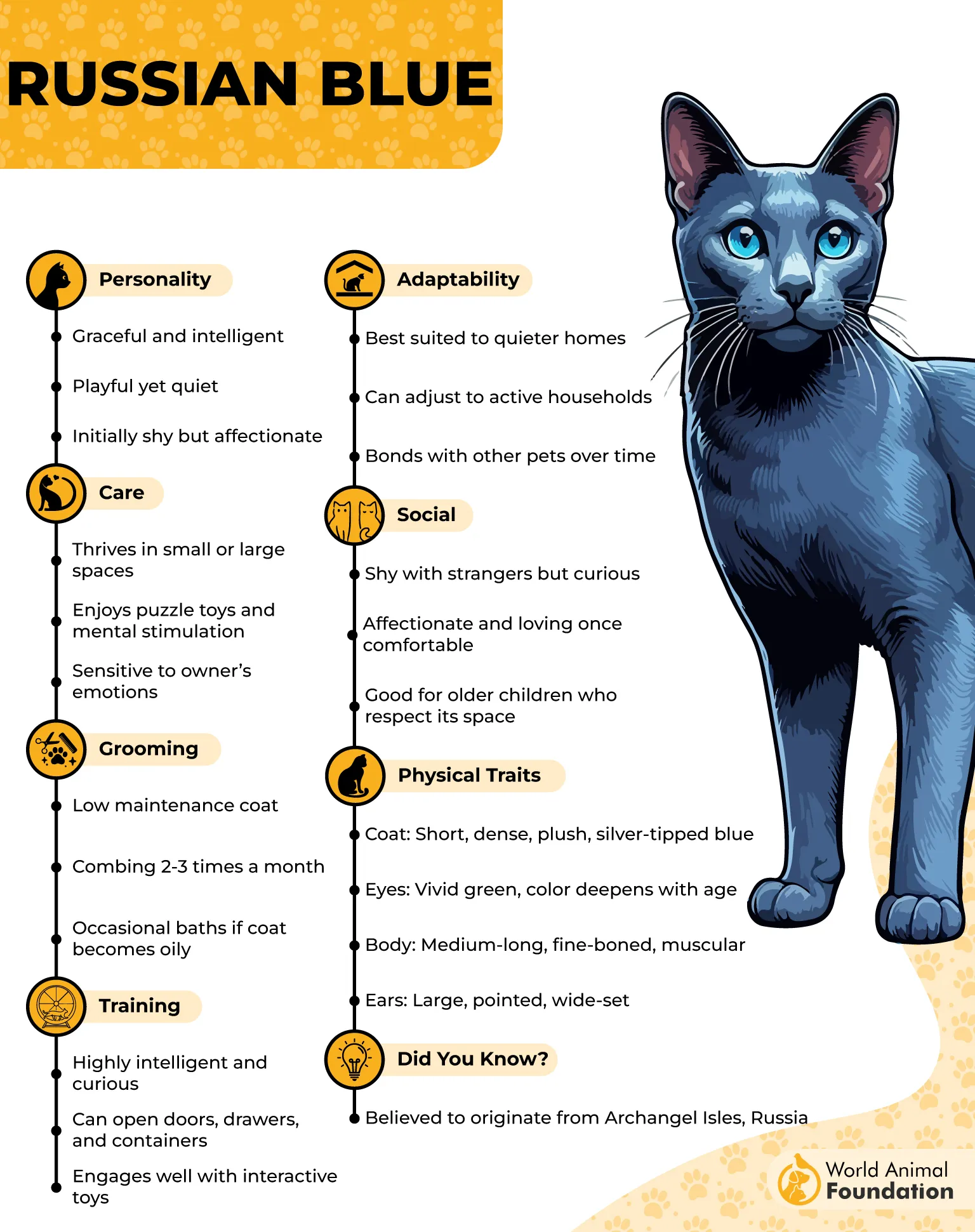
As a naturally developed landrace, the Russian Blue evolved in a cold northern climate, shaping its dense, silver-tipped coat and resilient health. Sailors later carried these cats to Northern Europe, allowing the breed to spread without losing its original traits.
For those choosing a naturally developed cat breed, the Russian Blue offers a balance of history and refinement. While selectively bred in later years, its foundation remained rooted in natural adaptation rather than deliberate design.
Today’s Russian Blue reflects careful preservation of its original qualities, with earlier Siamese influences largely bred out after World War II.
Fact: The Russian Blue is selectively bred from a naturally occurring landrace believed to have originated in Arkhangelsk, Russia.
Conclusion
Cat breeds developed naturally offer a fascinating glimpse into how environment, geography, and time shape animals without deliberate human design.
These cats weren’t created in breeding programs—these breeds originated through survival and adaptation, forming stable bloodlines long before formal standards existed. From hardy landraces to breeds later refined, their rich history reflects natural selection rather than appearance-driven goals.
Many of today’s domesticated cats trace roots to these naturally formed populations, including breeds linked to regions like central Russia or places where cats were considered a national treasure, such as the Turkish Angora.
Others, like the Kurilian Bobtail, evolved in isolation, while feral cats helped preserve original traits. Even well-known breeds like Persian cats began with natural foundations before refinement. These cats remind us that evolution shaped them absolutely first—long before registries, standards, or any modern site documented their stories.
