




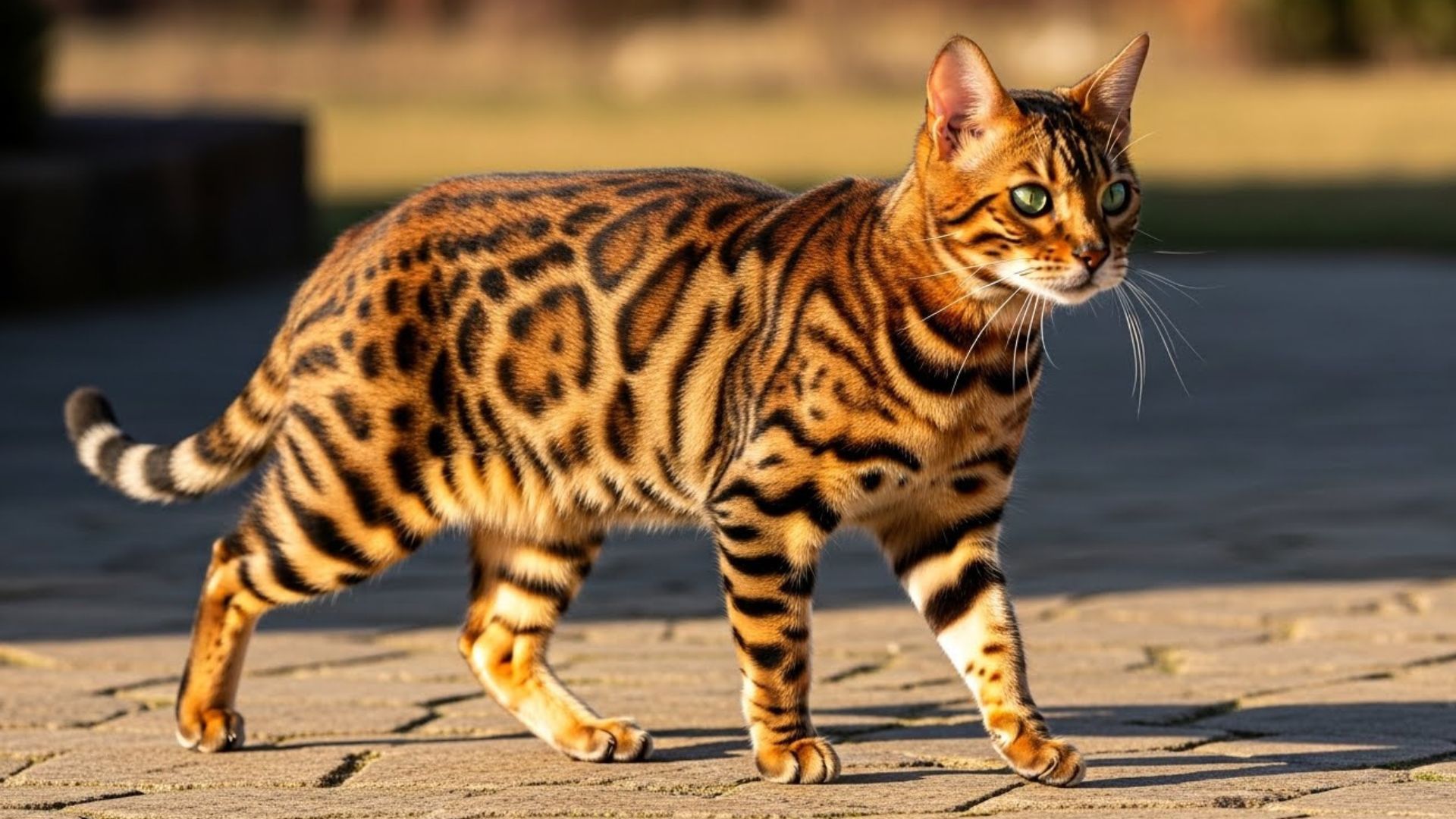
A cat’s coat can be as captivating as a piece of art, displaying patterns and colors shaped by genetics, chance, and careful breeding. While all cats share the same basic color foundations, the way those colors blend, dilute, and arrange themselves creates an astonishing range of markings. Some patterns are familiar and widespread, while others are rare, intricate, and instantly eye-catching.
Behind every striking coat is a genetic story. Variations in color and pattern emerge through combinations of red, black, and white, influenced by gene expression and selective breeding over time.
These differences can result in dramatic swirls, delicate spotting, or bold contrasts that make certain cats stand out from the crowd. Experts often note that it’s not just color alone, but the balance between pattern, eye color, and body structure that defines true beauty.
In this article, we explore cats with the most intricate markings. From rare color patterns to uniquely detailed coats, these cats showcase the remarkable diversity and artistry found in the feline world.
Cat Breeds with the Most Intricate Markings
1. Bengal
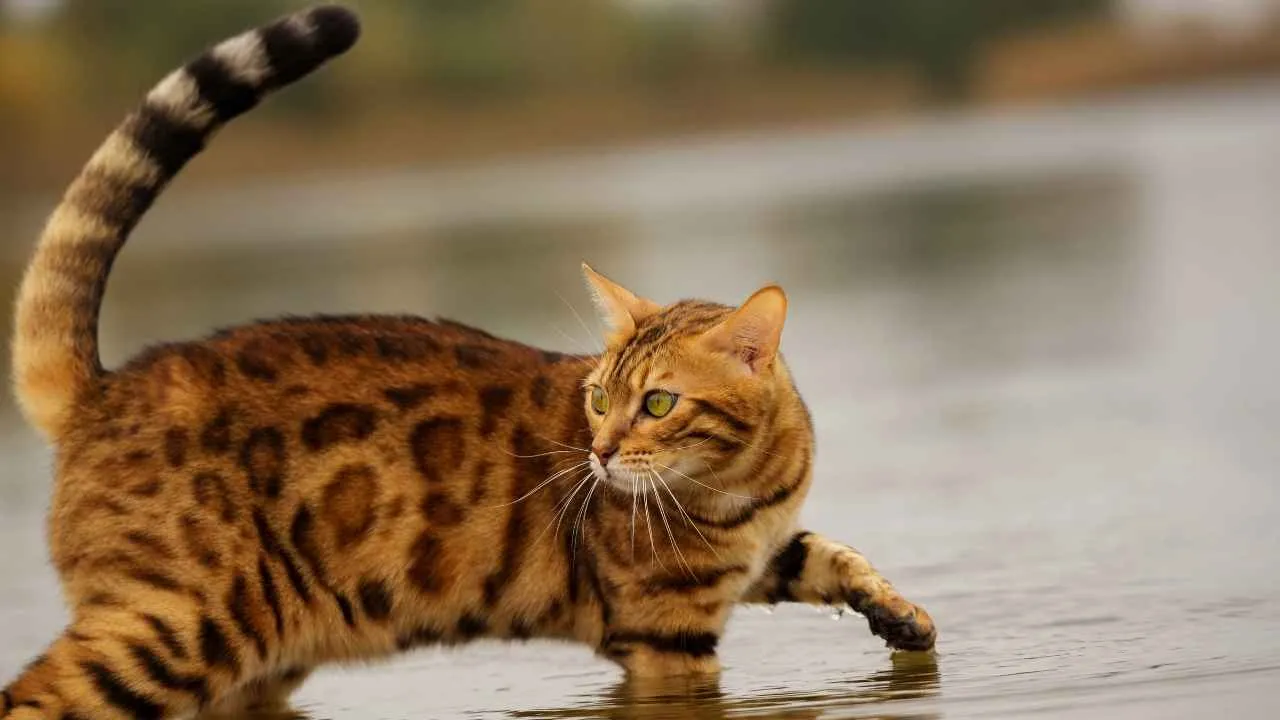
Sometimes called the mini-leopard, the Bengal is a striking domestic breed originally developed from crosses with the Asian leopard cat. Its athletic build and bold, wild appearance make it instantly recognizable.
According to Britannica, the Bengal is a short-haired cat breed that was developed in the United States during the 1970s and 1980s by crossing an Asian leopard cat with a domesticated tabby cat.
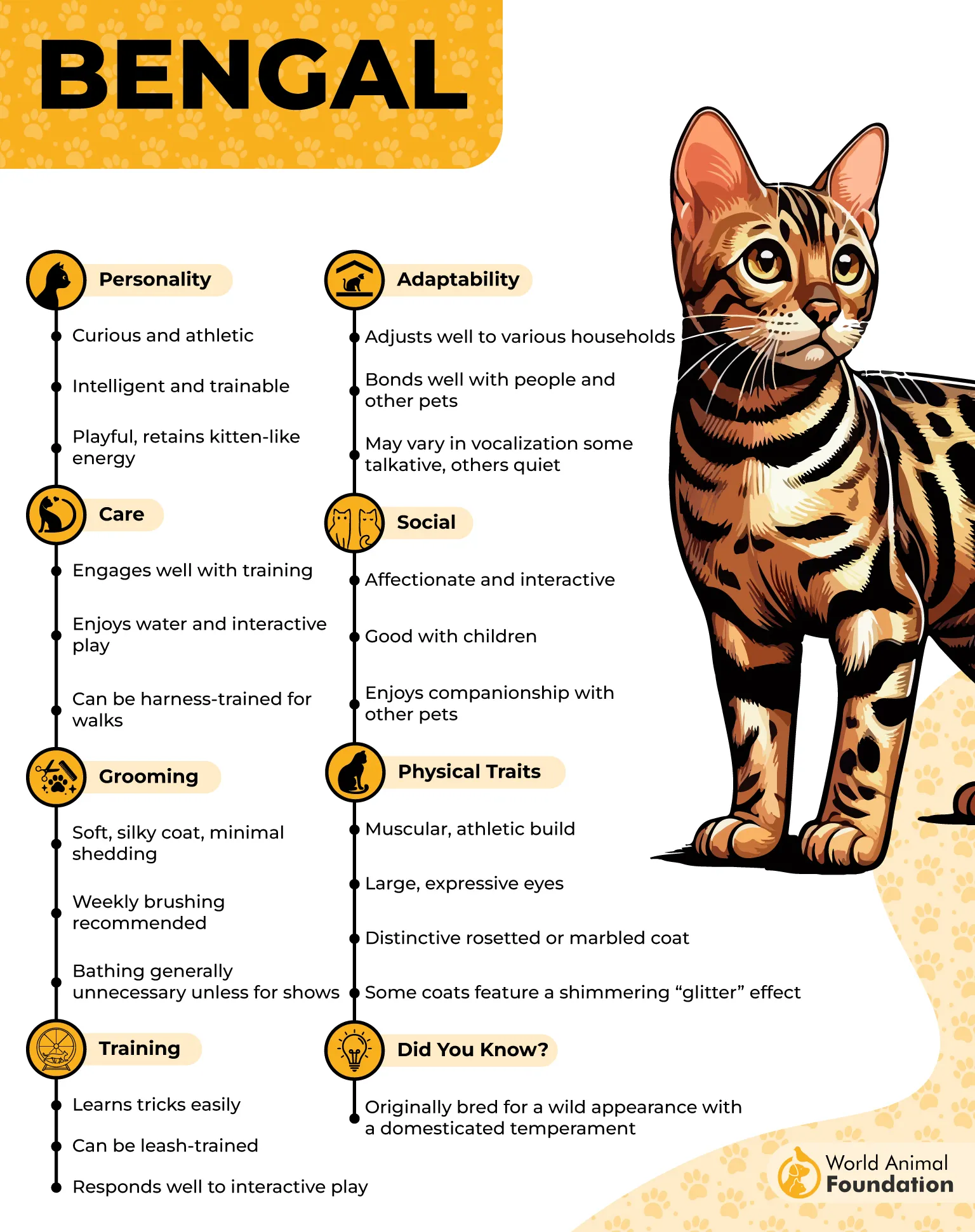
What makes Bengal markings so unique is their dramatic coat pattern. Bengals display vivid spots or flowing marbling, often with rosettes similar to those seen on leopards and jaguars—an extremely rare trait in domestic cats.
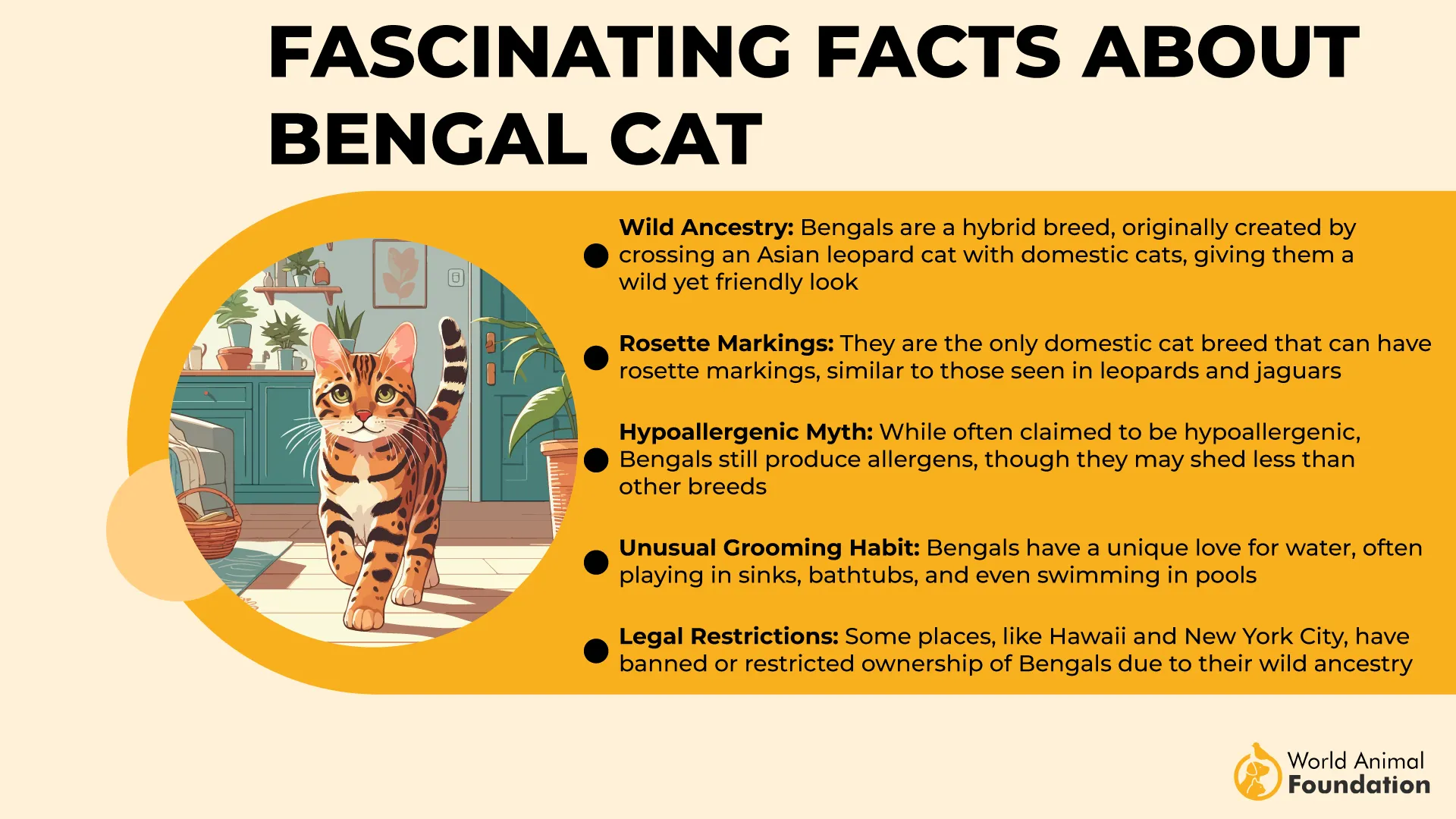
Adding to the visual impact, some Bengals carry a distinctive “glitter” effect. This gives individual hairs an iridescent sheen, creating a shimmering finish that enhances the depth and contrast of their markings.
Their patterned coat is paired with expressive tabby facial markings and large, oval eyes, completing the exotic look. Beyond beauty, Bengals are confident and social, matching striking visuals with personality.
Fact: The Bengal is the only domestic cat breed known to have rosetted markings like those of wild cats.
2. Egyptian Mau
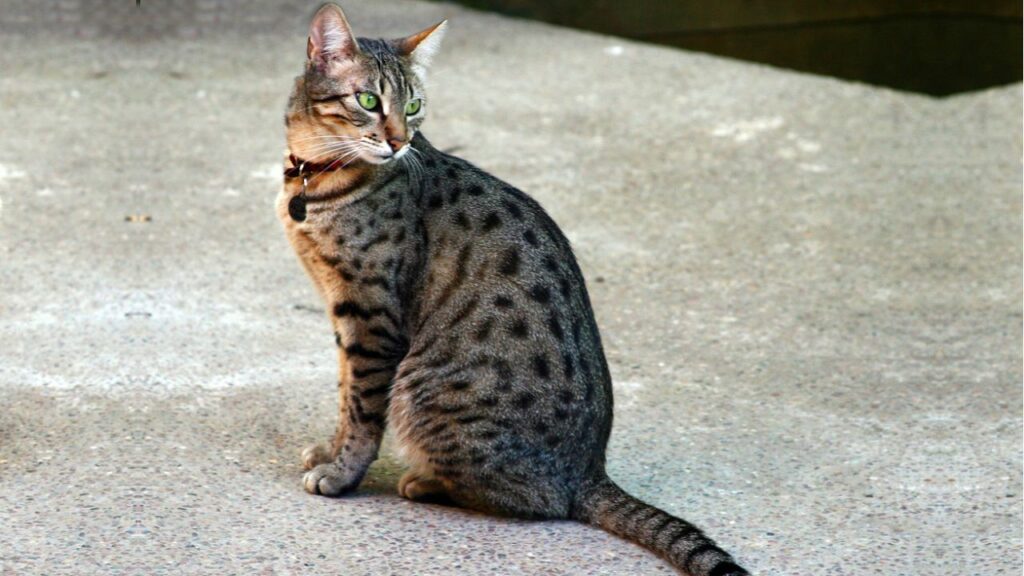
Sometimes simply called the Mau, the Egyptian Mau is a natural breed celebrated for its striking, leopard-like appearance. It is instantly recognizable by its vivid green eyes, graceful build, and dramatic spotted coat.
According to PetMD, Egyptian Maus are medium-sized, short-haired cats that are descended from felines that once roamed the streets of Egypt.
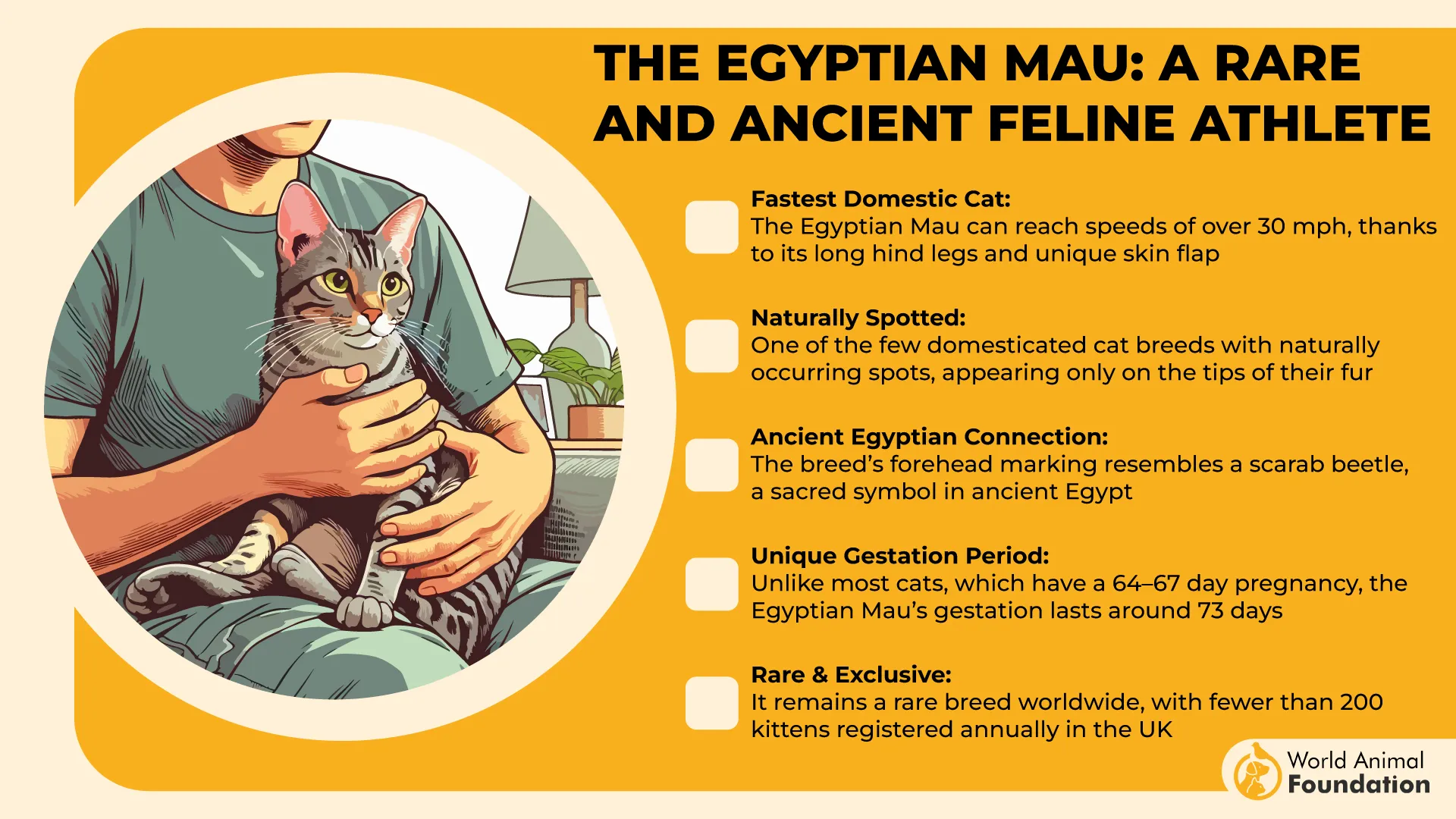
What makes the Mau exceptional is that it’s the only domestic cat whose spots occur naturally, not through selective breeding. These markings vary in size and placement, creating a one-of-a-kind pattern across each cat’s body.
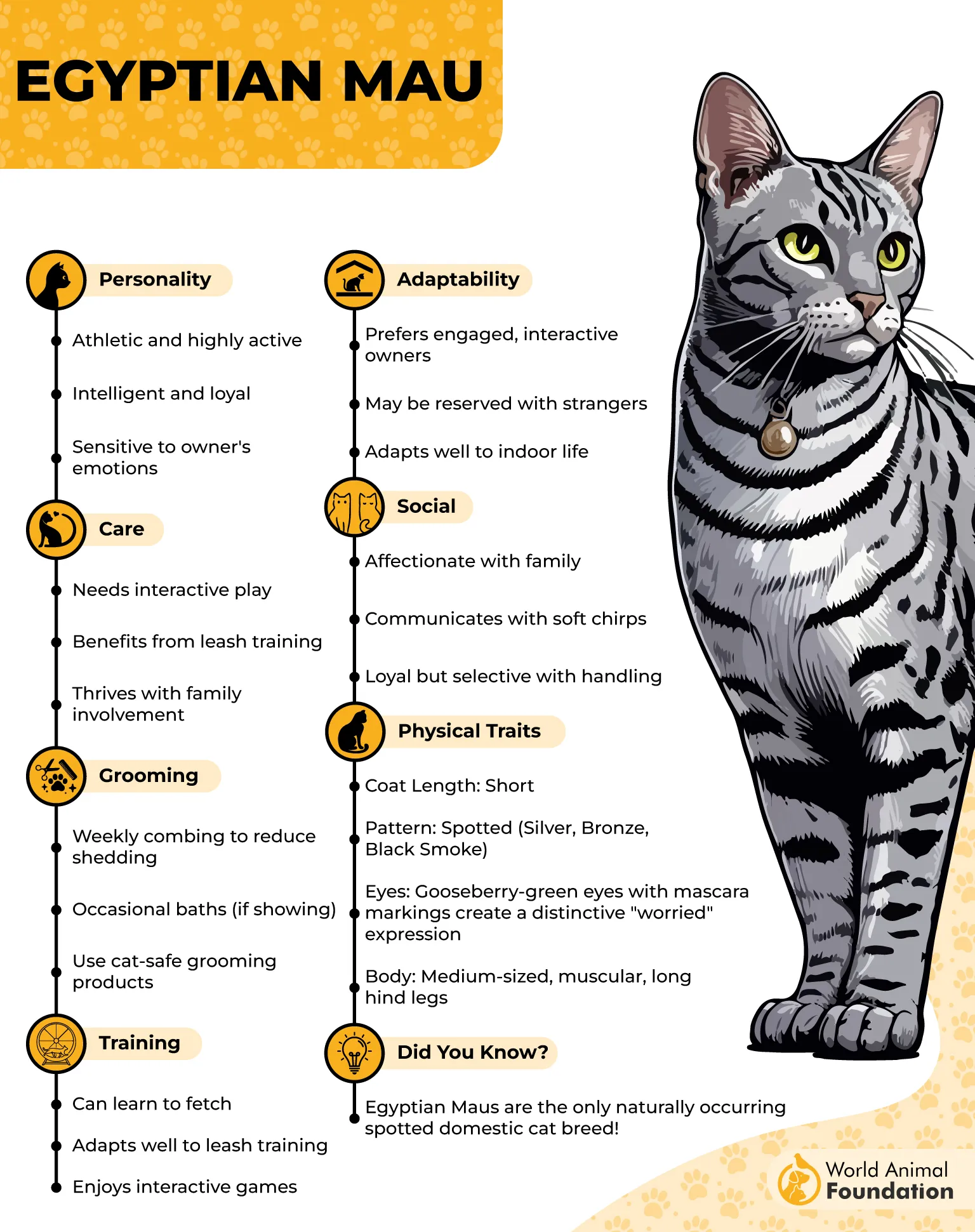
The genetics behind these complex coat patterns are especially fascinating. Although their coats appear varied, Egyptian Maus are genetically rooted in black, with the agouti and inhibitor genes working together to produce silver, bronze, smoke, and black variations.
This genetic simplicity, paired with visual complexity, highlights how subtle changes in gene expression can create extraordinary results.
Fact: The Egyptian Mau is the only naturally spotted domestic cat breed, with spots that are not bred in but occur organically.
3. Ocicat
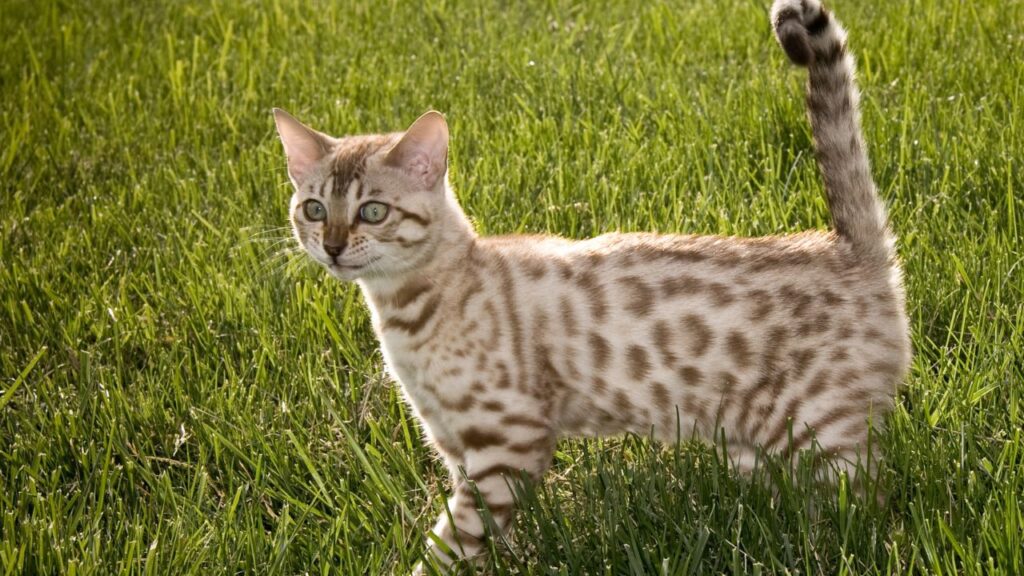
The Ocicat takes its name from a spotted kitten called Tonga, born in the 1960s and named for his resemblance to a wild ocelot.
According to WebMD, the Ocicat may resemble a wild cat because of its spotted coat, but it is actually a very sociable and friendly domestic breed.
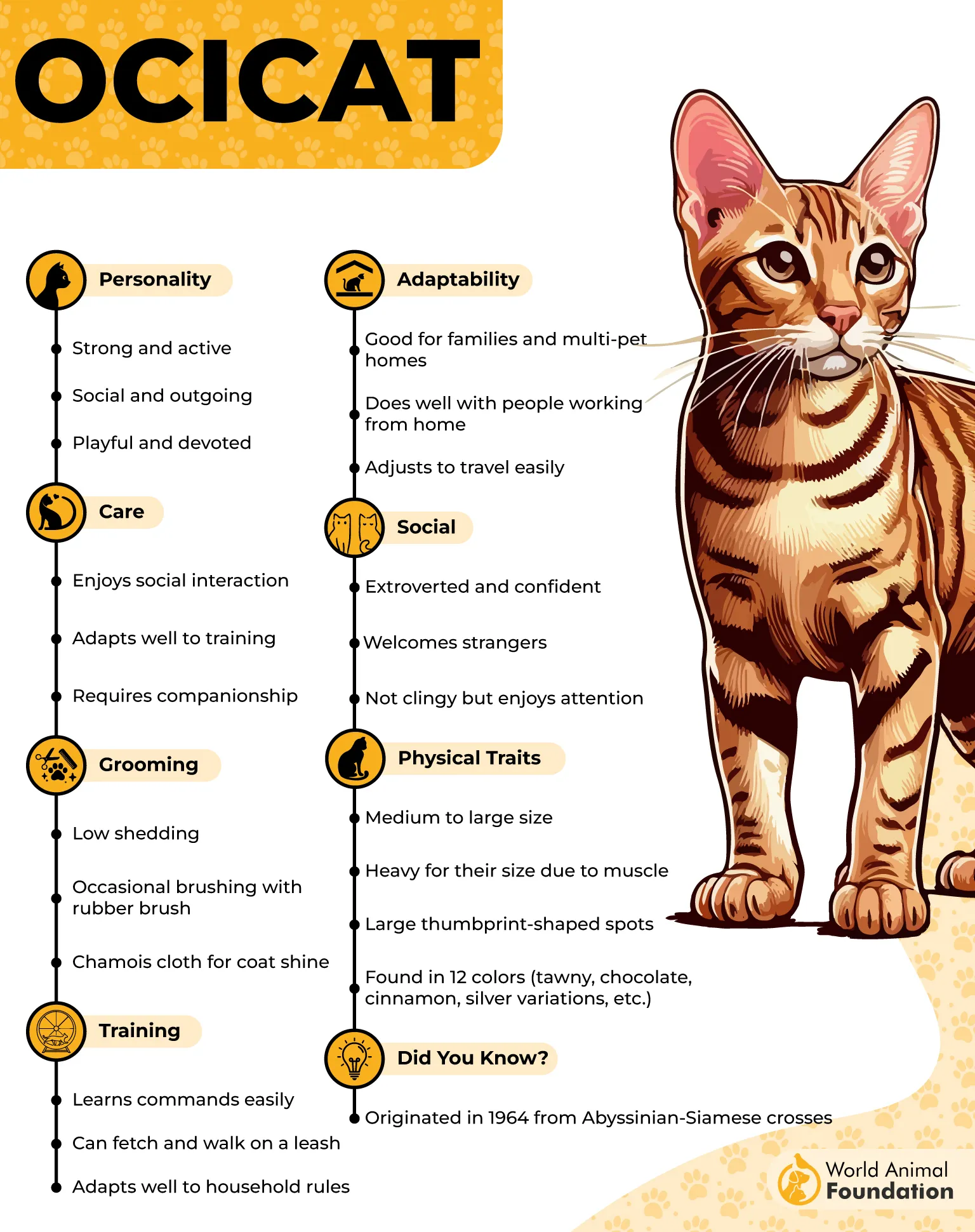
Its coat is what earns the Ocicat a place among cats with the most intricate markings. Bold, thumbprint-shaped spots are evenly distributed across the body, creating a dramatic pattern that mimics wild cats while remaining unmistakably refined.
Spotted, swirled, and striped patterns come together in a striking visual display. Developed through crossings of Siamese and Abyssinian cats, and later American Shorthairs, the breed gained silver tones and enhanced contrast in its markings.
These carefully preserved patterns make the Ocicat a standout example of genetic artistry. Their muscular build further highlights the clarity and symmetry of each spot.
Fact: The Ocicat received championship status from the Cat Fanciers’ Association in 1987 after full breed recognition in 1986.
4. Toyger
The Toyger, sometimes simply called the tiger-look cat, is a modern breed developed to mimic the appearance of a wild tiger. Created in the U.S. during the 1980s, it combines a domestic temperament with a strikingly exotic look.
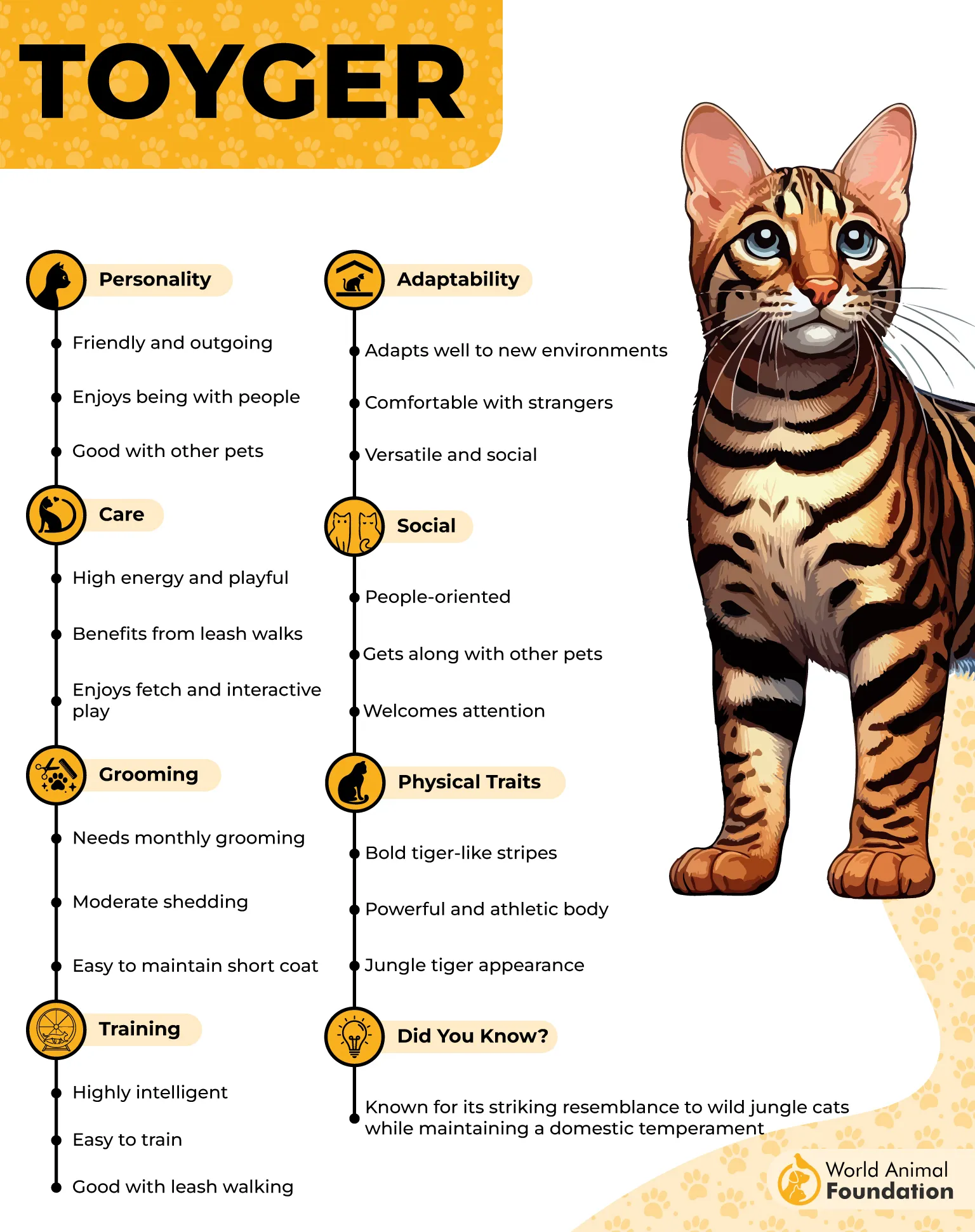
What sets the Toyger apart is its extraordinarily intricate coat. Bold, broken vertical stripes stretch across a vivid orange background, branching and circling in patterns unlike typical tabby markings. Even the head displays rare circular striping, a feature unique among domestic cats.
The role of the environment in coat appearance becomes especially noticeable with Toygers. Proper lighting, nutrition, and coat care can enhance the breed’s signature “glittered” fur, making the contrast and sheen of their markings more pronounced and visually dramatic.
Their short coat also highlights every detail of the pattern, leaving little to hide imperfections.
Fact: Toygers typically weigh under 15 pounds and are known for tiger-like stripes that cover the entire body, including distinctive circular head markings.
5. Savannah
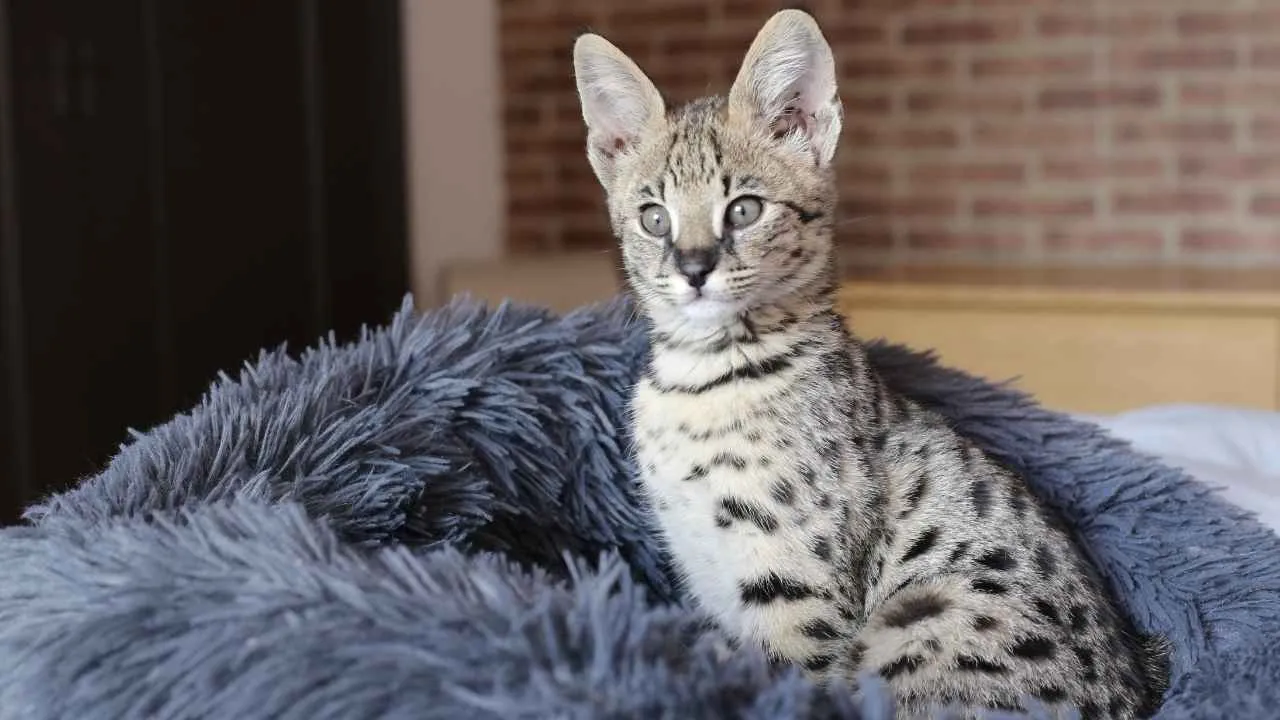
The Savannah Cat, a striking hybrid breed descended from the serval and domestic cats, is known for its tall build, long legs, and wild-inspired appearance. Its coat instantly stands out for bold spotting and exotic patterns.
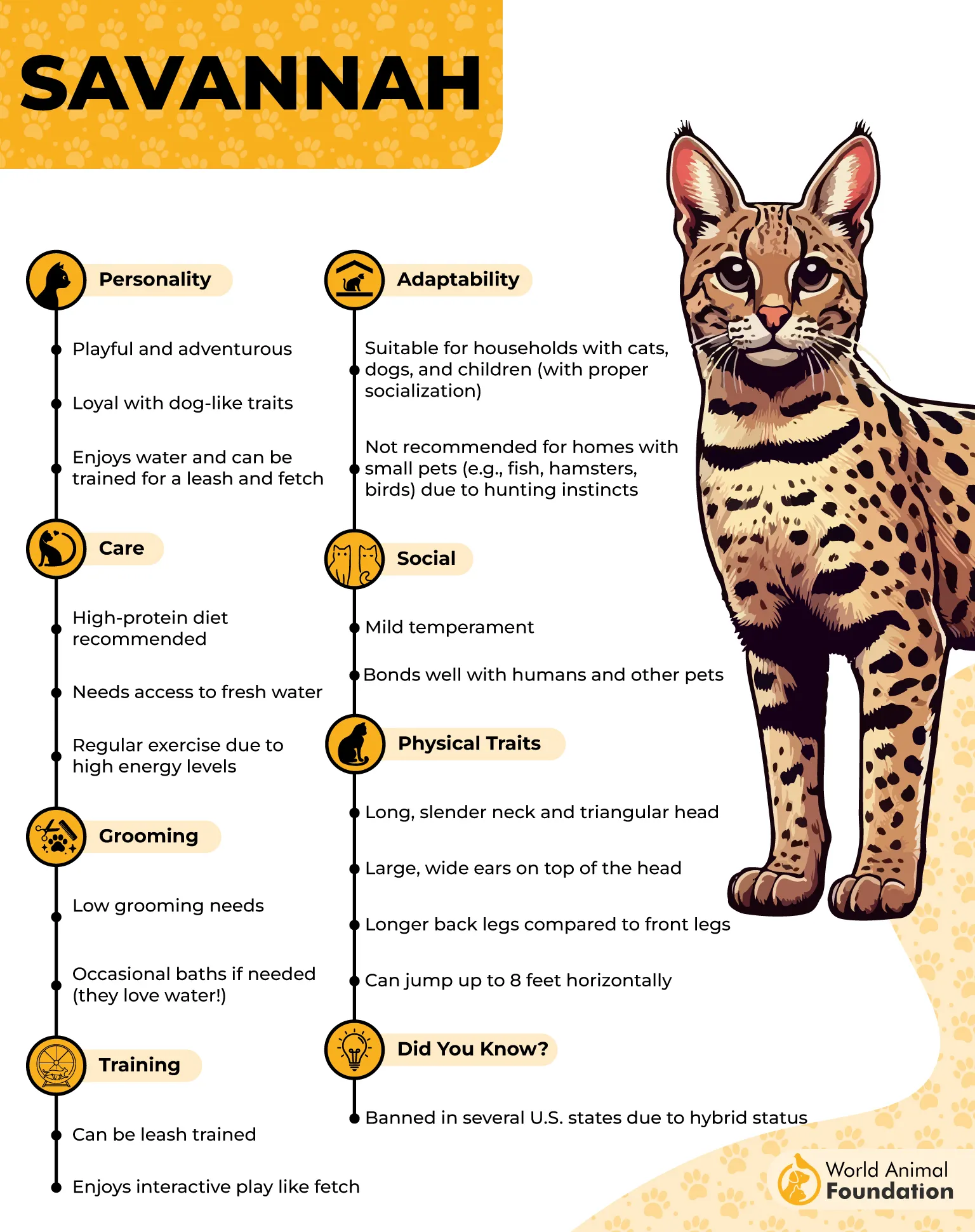
What makes the Savannah especially fascinating are its intricate markings, including the inherited ocelli—light, eye-like spots on the back of the ears. These markings, borrowed from the serval, are more muted but still visually dramatic, adding depth and contrast to the coat.
Savannahs come in a range of coat colors and patterns, from brown and silver spotted tabbies to black and smoke variations. These complex patterns are the result of layered genetics, making each cat’s coat truly unique and often unpredictable.
Caring for cats with specialized coats means more than grooming. Savannahs need daily physical exercise, mental stimulation, and early training to thrive, as their appearance reflects both beauty and high energy.
Fact: Savannah cats inherit ocelli ear markings from servals, though the contrast is usually softer than in wild cats.
6. American Shorthair
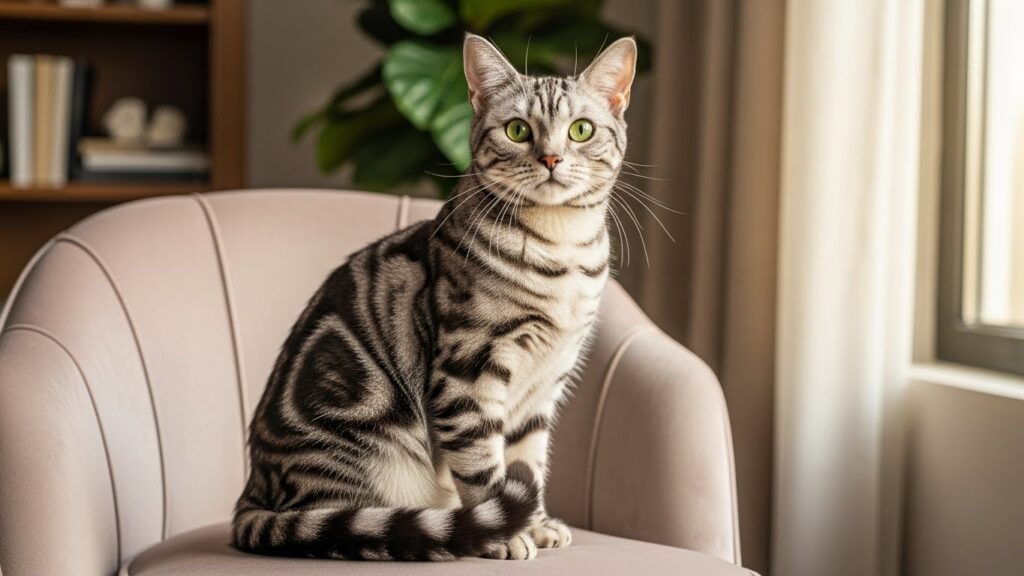
Sometimes referred to as the Domestic Shorthair in casual conversation, the American Shorthair is a classic breed with deep roots in early American history. Originally prized for rodent control, it’s now one of the most popular and recognizable cats in the United States.
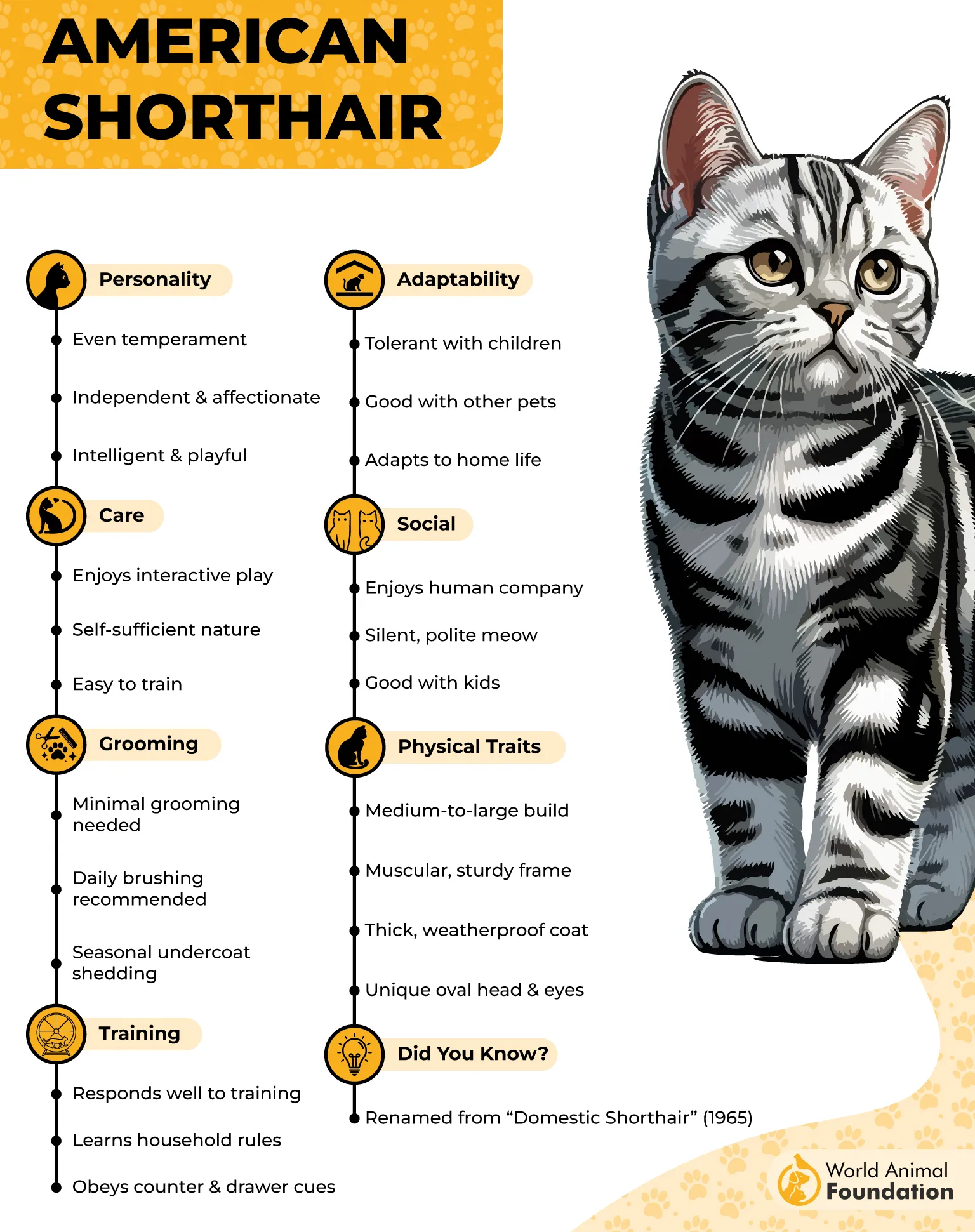
What truly earns this breed a spot among cats with the most intricate markings is its incredible coat variety. Despite the short hair, American Shorthairs come in nearly 100 different colors and patterns, from bold tabbies to striking silvers, making each cat visually unique.
These detailed markings captivate cat lovers because they showcase the complexity of feline genetics. Patterns can be sharply defined or softly blended, creating coats that feel almost hand-painted and endlessly fascinating to admire.
Beyond appearance, the American Shorthair’s calm and affectionate nature makes it easy to enjoy those beautiful markings up close.
Fact: The Cat Fanciers’ Association recognizes nearly 100 color and pattern variations in the American Shorthair breed.
7. British Shorthair
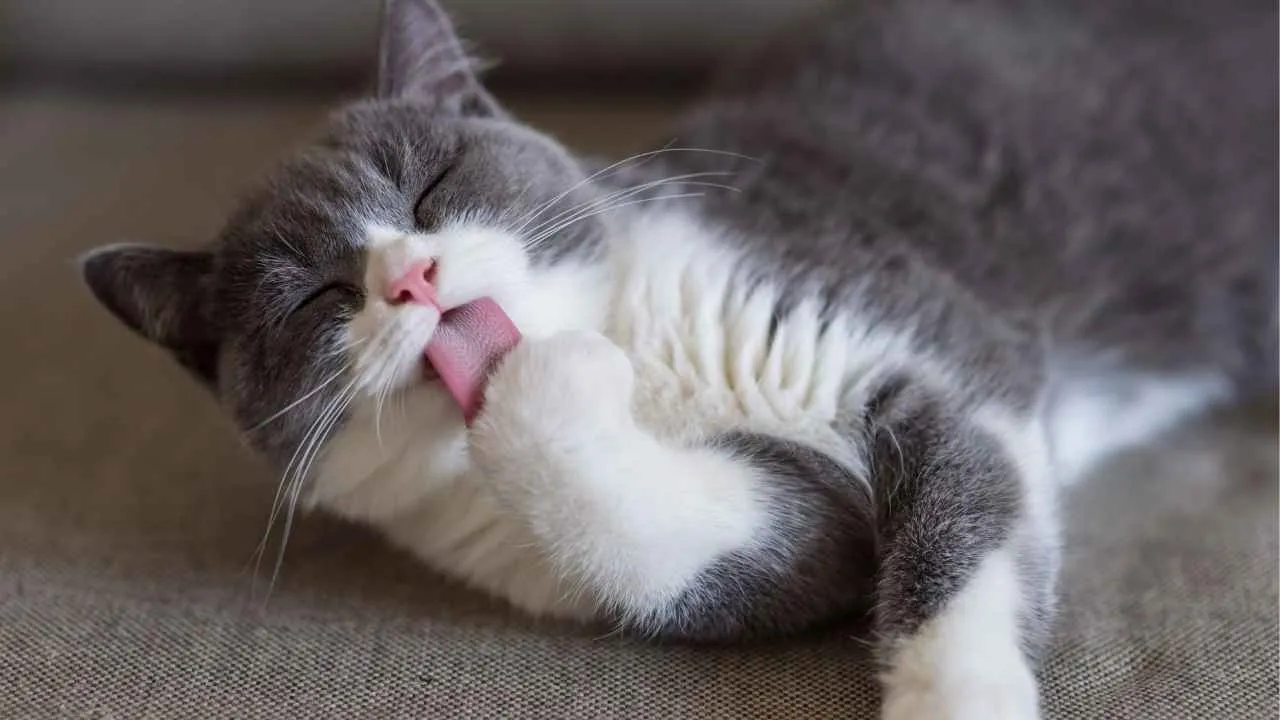
The British Shorthair, sometimes simply called the British Blue in its most famous color, is the pedigreed form of the traditional British domestic cat. With a stocky build, round face, and plush coat, this breed has a timeless, classic look.
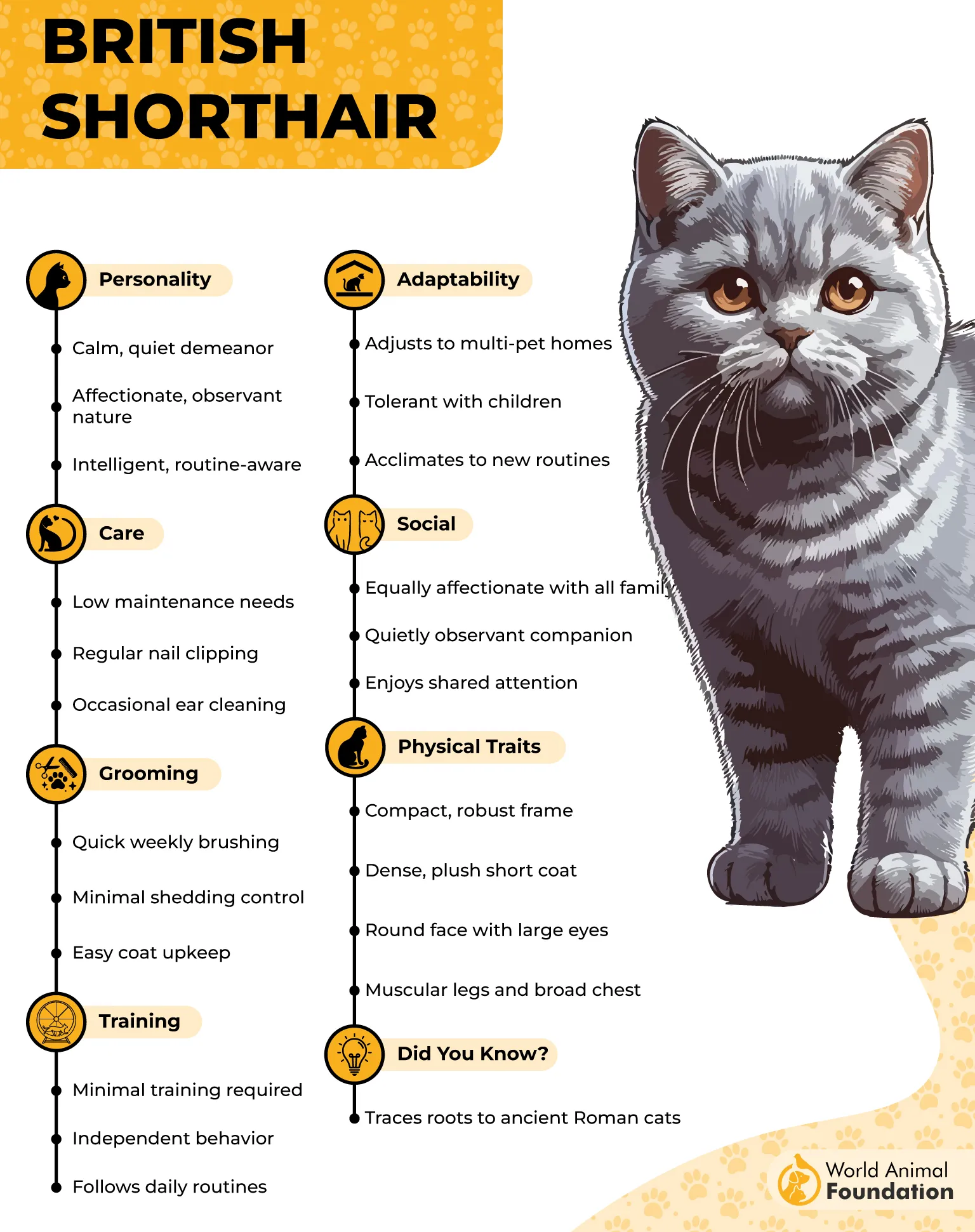
What makes the British Shorthair especially striking is the range of intricate markings and colors it displays. Beyond solid coats, the breed appears in tabby patterns, colorpoints, and rich shades that include orange-to-gold hues, each showcasing subtle variations and depth.
These markings stand out even more due to the breed’s dense, even-textured coat, which highlights pattern clarity and color balance. Combined with copper or gold-toned eyes, the overall effect feels carefully painted rather than accidental.
Beauty written in fur is a fitting description for this ancient landrace turned pedigree. The British Shorthair’s calm presence and distinctive patterns continue to captivate admirers worldwide.
Fact: The British Shorthair is one of the oldest known cat landraces and is the most popular pedigree cat in the UK.
Conclusion
Cats with the most intricate markings show just how creative genetics can be. Across different cat breeds, patterns appear in endless forms—from a bold black spot on the belly to a whisker-like mustache, classic tuxedo contrast, or finely detailed striping.
Breeds like Maine Coons and British Shorthairs highlight how symmetry, shading, and placement work together to create coats that feel intentional rather than random.
What makes these markings even more fascinating is how they’re introduced and preserved over time, with each version of a pattern telling a slightly different story. Whether it’s half-and-half coloring or subtle accents, these details remain visually relevant to cat lovers everywhere.
Sharing a photo in a post, leaving a comment, or joining a cat-loving community often starts with admiration for these beautiful coats—proof that intricate markings continue to captivate and connect people through their love of cats.
