




Cats have left paw prints all over human history, often in ways more dramatic and surprising than many realize. From revered figures in ancient civilizations to unlikely public officials and fearless adventurers, cats have repeatedly stepped into the spotlight. Their independence, intelligence, and mystery have made them natural legends across cultures and centuries.
History is filled with extraordinary feline stories—cats who survived shipwrecks, traveled into space, inspired brilliant minds, and even held official titles. In ancient Egypt, cats were elevated to sacred status, symbolized by goddesses like Bastet and protected by law.
Centuries later, cats continued to earn admiration, whether serving as loyal mousers in government buildings or becoming beloved mascots in far-flung towns.
These stories reveal more than novelty; they highlight the enduring bond between humans and cats. Whether through courage, curiosity, or quiet companionship, cats have shaped moments in world history in unforgettable ways.
In this article, we explore cats with the most interesting histories, celebrating the remarkable roles they’ve played far beyond the living room sofa.
Cat Breeds with the Most Interesting History
1. Félicette
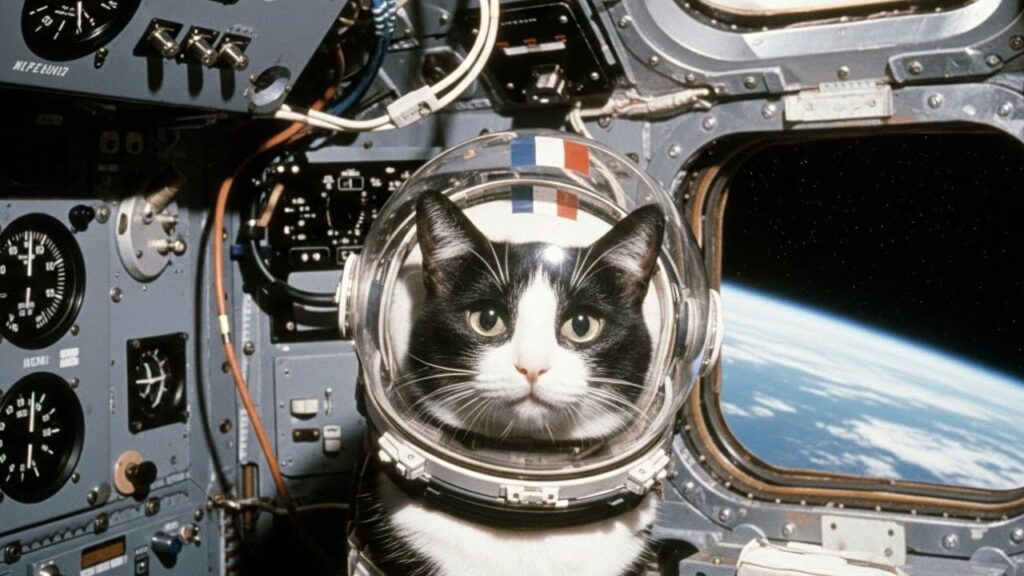
Known officially as C 341 and later named Félicette, this Parisian street cat holds a singular place in history as the first—and only—cat to survive spaceflight.
According to The Guardian, a Parisian stray cat named Félicette became the first cat in space after being launched far beyond Earth. Chosen for her calm temperament and precise weight, she became an unlikely pioneer of the space age.
In 1963, Félicette underwent rigorous astronaut-style training, including compression chambers and monitoring equipment, before being launched by France on a sub-orbital mission. Her journey reflected humanity’s long fascination with cats as symbols of curiosity, resilience, and adaptability.
That fascination stretches back to ancient Egyptian cats, once revered as sacred animals linked to divine protection and cosmic order. While Félicette lived millennia later, her role echoed that legacy—cats once again placed at the intersection of science, symbolism, and human ambition.
Her mission produced valuable biological data and ended with a safe return to Earth, cementing her place in history.
Fact: Félicette’s spaceflight on October 18, 1963, lasted 13 minutes, making her the only cat to survive a journey into space.
2. Unsinkable Sam
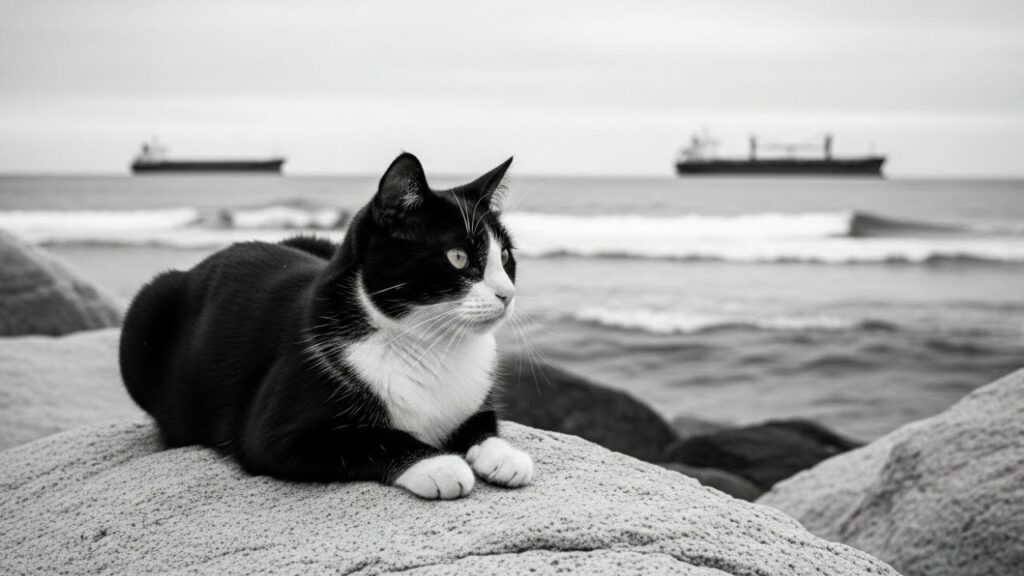
Known variously as Oscar or Unsinkable Sam, this black-and-white ship’s cat is one of the most legendary felines in modern history. He became famous during World War II for his remarkable survival story at sea.
According to The News International, Unsinkable Sam was a well-known mascot of the British Royal Navy and originally served as the ship’s cat on the German battleship Bismarck.
Sam’s tale begins in May 1941 aboard the German battleship Bismarck, which was sunk by the British Royal Navy. Rescued from the water by sailors from HMS Cossack, he was adopted and renamed Oscar, quickly becoming a symbol of luck and resilience.
His story grew even more extraordinary when HMS Cossack was later sunk, followed by the torpedoing of HMS Ark Royal. Each time, the cat reportedly survived, reinforcing his near-mythical status and earning him a place among history’s most fascinating cats tied to military and royal naval power.
Although some details are debated, Unsinkable Sam’s legend endures, closely linked to naval prestige and wartime nobility.
Fact: Contemporary reports confirm a cat named Oscar was rescued from HMS Ark Royal in 1941 and lived out the rest of his life in the UK.
3. Blackie
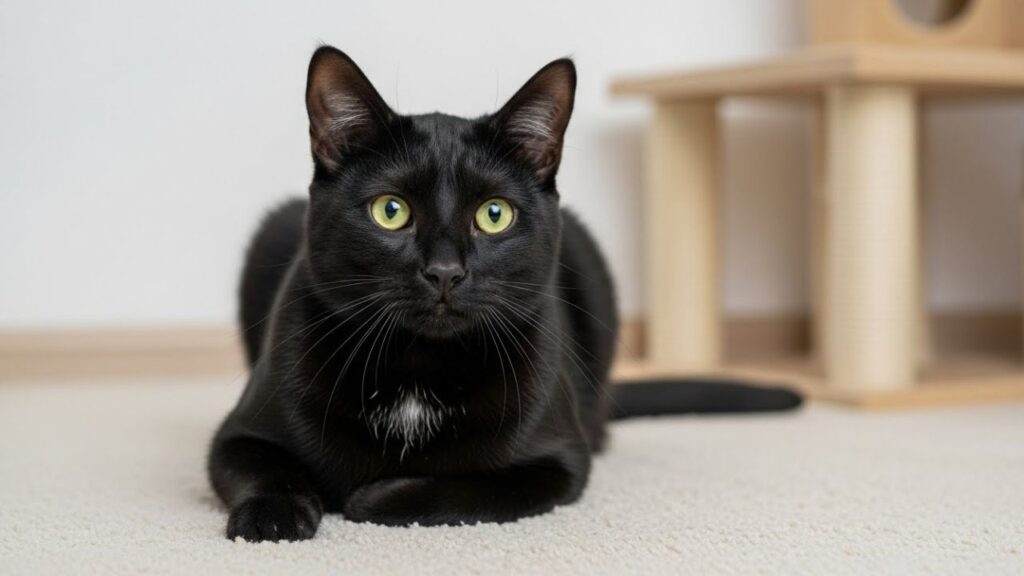
Known simply as Blackie, this famous black domestic cat holds a unique place in history—not for breed traits, but for an extraordinary legacy. Blackie lived in Britain with an antique dealer owner whose life and wealth were shaped by global trade and collecting.
Blackie’s story reflects how animals can be touched by human movement, wealth, and geography. His owner’s success in antiques—an industry built on international trade routes—ultimately changed Blackie’s fate, linking a housecat to global commerce in an unexpected way.
When discussing histories shaped by geography and trade, Blackie stands out as a symbol of how prosperity can ripple beyond humans. Rather than inheriting land or titles, this cat became a beneficiary of wealth generated through centuries-old trading networks and cultural exchange.
His legacy also reshaped charitable landscapes, as funds tied to global trade were redirected toward animal welfare.
Fact: In 1988, Blackie inherited $12.5 million, making him the richest cat in recorded history.
4. Stubbs
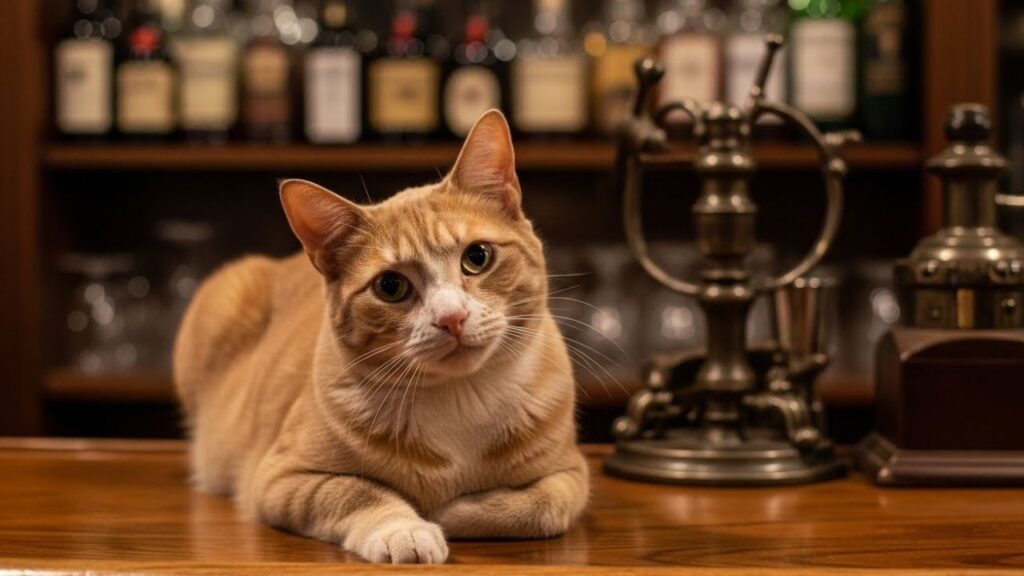
Known simply as Stubbs, this orange tabby with a naturally short tail wasn’t famous for a breed standard, but for an extraordinary life in public service.
According to Wikipedia, Stubbs was a domestic cat player whose gameplay began on April 12. Found as a kitten in Talkeetna, Alaska, Stubbs became a symbol of community spirit and charm.
In 1997, when residents felt uninspired by human candidates, a write-in campaign propelled Stubbs into office as the town’s honorary mayor. His role wasn’t ceremonial in name alone—he became a unifying figure who represented local pride and lighthearted resistance.
Stubbs’ story fits among cats that survived historic challenges and unusual circumstances. During his long tenure, he famously survived a serious dog attack and continued “serving” his town, welcoming visitors daily from his post at the local general store.
His presence drew dozens of tourists each day and boosted Talkeetna’s identity worldwide, proving cats can shape history without battlefields or disasters.
Fact: Stubbs served as Talkeetna’s honorary mayor for nearly 20 years and passed away peacefully in 2017 at the age of 20.
5. Tama
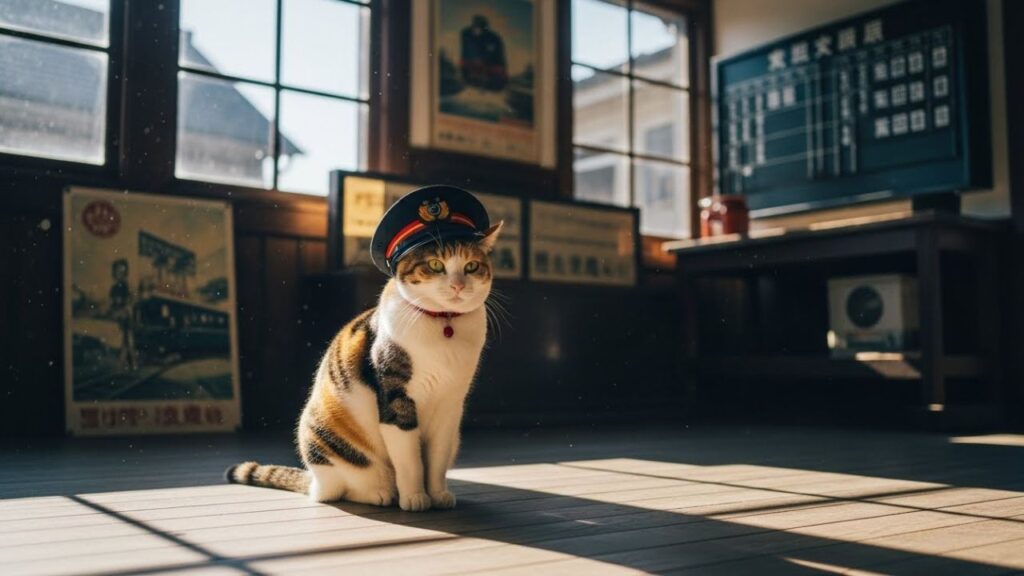
Known simply as Tama, this famous calico cat wasn’t a breed icon but became a historic figure through an extraordinary role. She rose to fame in Wakayama, Japan, after being appointed stationmaster at Kishi Station.
Tama’s story captured the public imagination because it blended charm with civic impact. Her primary duty was greeting passengers, but her presence transformed a struggling rural rail line into a cultural attraction, drawing visitors from around the world.
As word spread online and through the media, Tama became a symbol of how animals can influence human communities. She wore a custom stationmaster’s hat and a gold name tag, reinforcing her official status and deepening her connection with commuters.
Among famous cats that left a mark on history, Tama stands out for tangible results. Her popularity boosted tourism and local pride before her death in 2015.
Fact: Publicity surrounding Tama was estimated to contribute about 1.1 billion yen to the local economy.
6. Trim
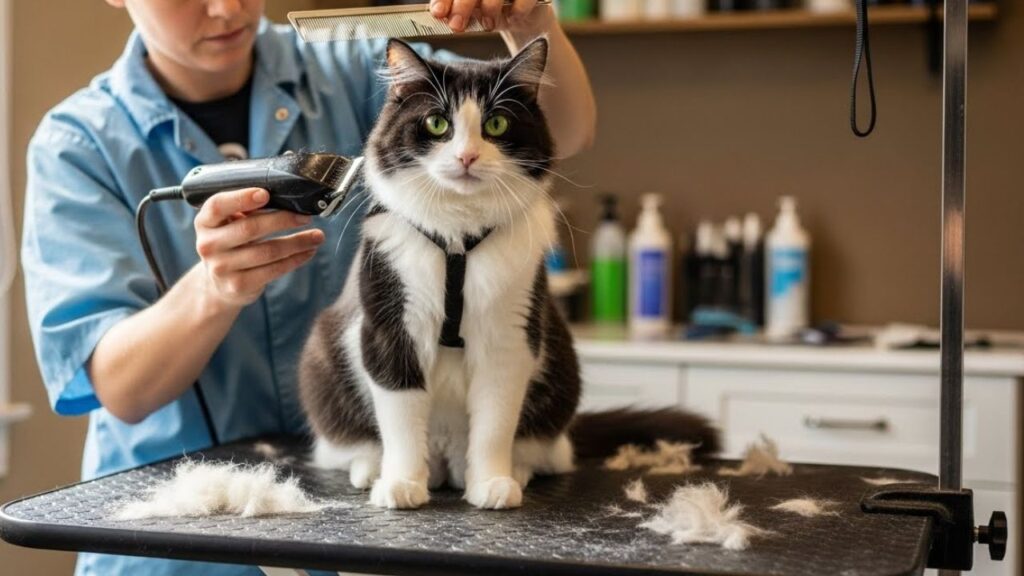
Trim, sometimes called Trim the Navigator, was a jet-black ship’s cat with a white star on his chest and four white paws. Born aboard Captain Matthew Flinders’ vessel in the late 1700s, he became one of history’s most famous seafaring cats.
Trim’s story stands out because it predates modern selective breeding. His intelligence, balance, and fearlessness were natural traits, not the result of planned breeding, reflecting how historic cats were valued for ability rather than appearance.
As selective breeding later reshaped many historic cat breeds, cats like Trim represented an earlier era—when survival skills, adaptability, and temperament defined a cat’s legacy. His agility, comfort around water, and knack for learning tricks made him indispensable on long voyages.
Though Trim was ultimately lost after Flinders’ imprisonment, his impact endured. He was later memorialized in writing and sculpture, showing how individual cats shaped history long before breed standards existed.
Fact: A bronze statue of Trim was installed in 1996 at Australia’s State Library of New South Wales, honoring his maritime legacy.
7. Socks

Socks, a black-and-white tuxedo cat, rose to fame after moving into the White House in 1993 with President Bill Clinton and First Lady Hillary Clinton. Originally adopted as a stray in Arkansas, his distinctive markings and calm presence made him instantly recognizable.
Socks quickly became more than a presidential pet—he was a cultural figure. Often seen accompanying Hillary Clinton and starring in a White House video tour, he offered the public a rare, personal glimpse into life behind the scenes of American politics.
His popularity grew alongside the early internet era, earning him fan mail, media appearances, and even a dedicated website. Though his rivalry with the family dog, Buddy, made headlines, it only added to his charm and relatability.
After leaving Washington, Socks retired to a quieter life with Betty Currie, where he lived comfortably until his passing.
Fact: Socks the Cat lived in the White House from 1993 to 2001 and became one of the most recognizable presidential pets in U.S. history.
Conclusion
Cats have woven themselves into human stories in remarkable ways, earning reputations that feel larger than life. From the ancient Egyptian goddess Bastet to the idea of nine lives, felines were revered long before modern homes.
They guarded food stores, served as symbols of bad luck or fortune, and even appeared during the silent film era. Famous examples include Him Oscar, who survived three shipwrecks, and the oldest cat, Creme Puff, whose longevity amazed French scientists and cat lovers alike.
In more recent history, cats stepped into public life. From the White House chief mouser role—connected to four British prime ministers, the Cabinet Office, the Lord Chancellor, and the current chief mouser—to presidential ties like Abraham Lincoln, felines left their mark.
From a black cat in Key West to the Hemingway home, stories of animal heroism, aircraft carrier mascots, and playful kittens prove cats have always been part of our shared history.
