




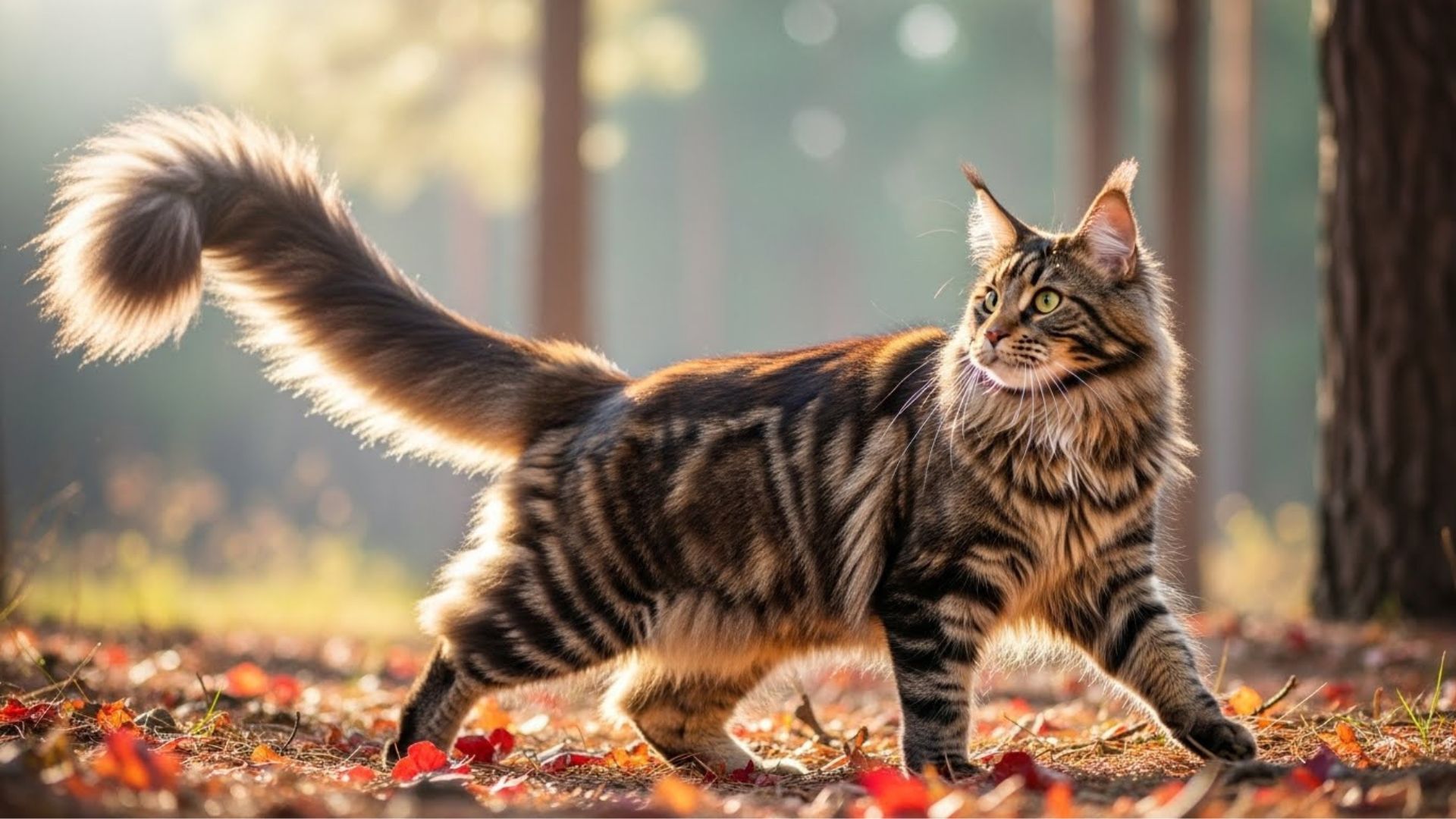
A cat’s tail is far more than a decorative flourish—it’s a vital tool for balance, communication, and expression. From subtle flicks that reveal mood to sweeping movements that aid agility, tails play a central role in how cats move through and interact with their world. Some cats, however, take this feature to extraordinary lengths—quite literally.
Long-tailed cats often turn heads with their elegant proportions, and in some cases, they even make record books. Some breeds are famous for their impressively long, fluffy tails, which can sometimes be so dramatic that they affect everyday play.
These extended tails aren’t just eye-catching; they help with balance, athletic movement, and emotional signaling, adding another layer to a cat’s personality.
But tail length isn’t just about records or appearance. It can reflect breed lineage, physical function, and even behavioral quirks. Some long tails hint at a cat’s agility or confidence, while others enhance communication with humans and other animals.
In this article, we explore cats with the longest tails and uncover why this striking trait matters more than you might think.
Cat Breeds with the Longest Tails
1. Maine Coon
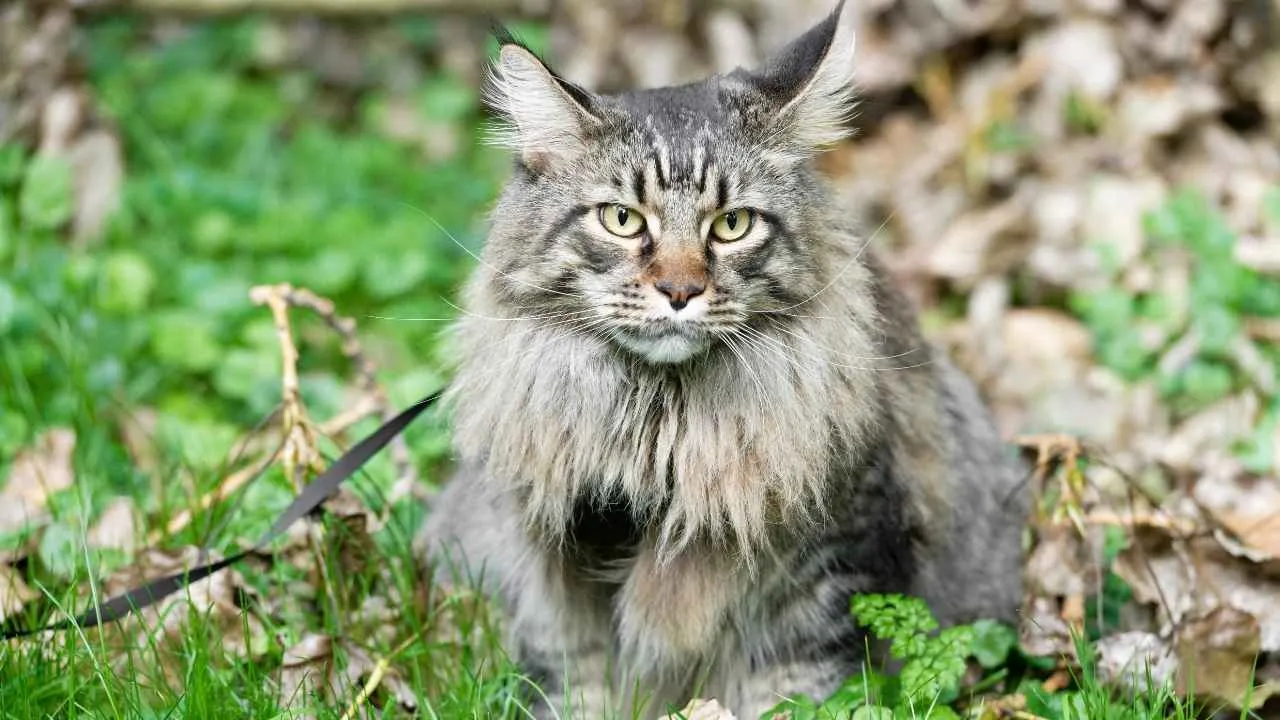
Often called the gentle giant of the cat world, the Maine Coon is a large, rugged breed known for its tufted ears, bushy coat, and famously long, plush tail.
Originating in cold climates, this cat was built for size, strength, and balance. According to Britannica, although the breed’s exact origins are unclear, it was first exhibited in Boston in 1878.
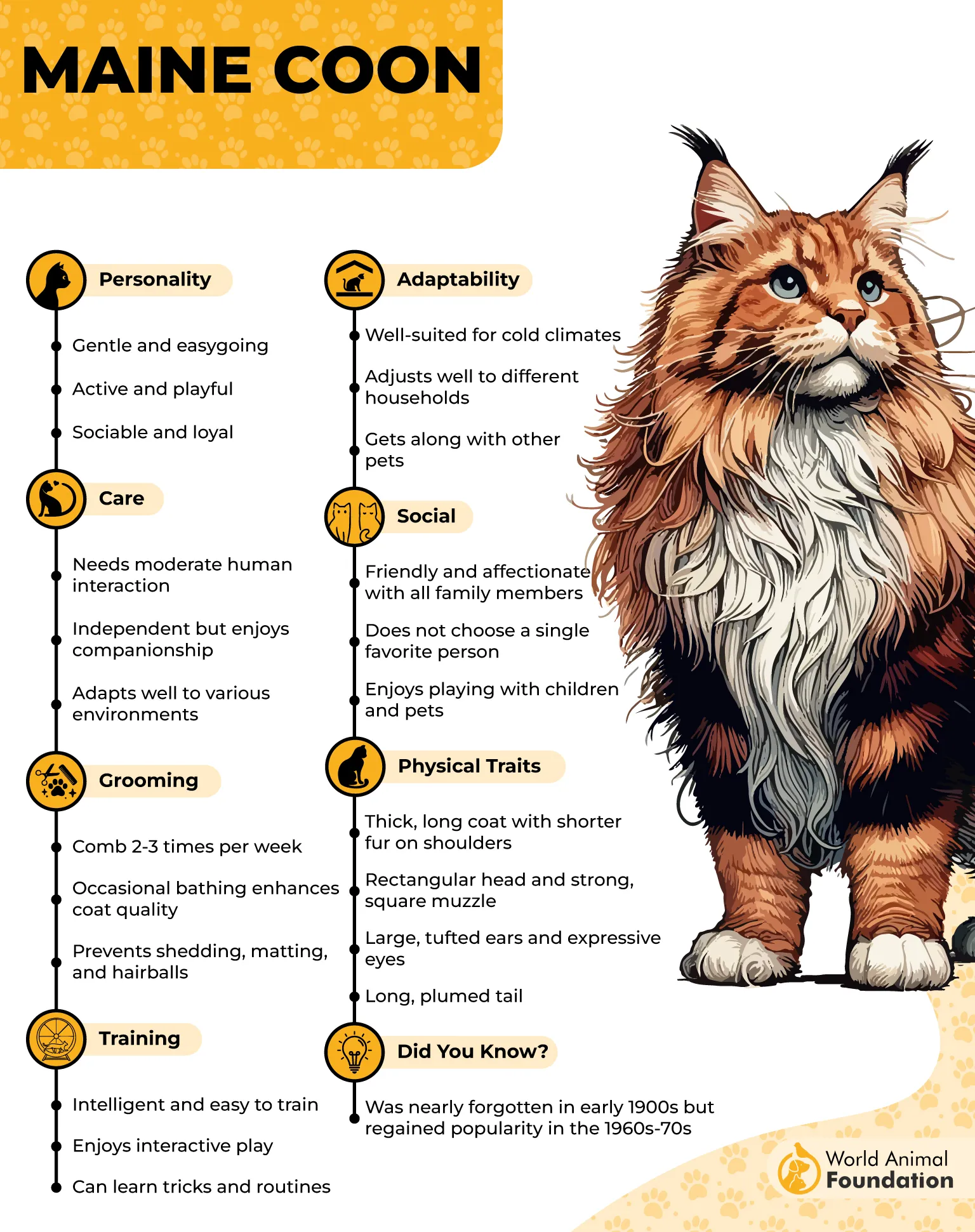
Maine Coons are especially notable for tail length, which can reach around 16 inches and feels thick like a winter scarf. These extended tails help with balance during climbing and jumping, and in colder weather, they’re often wrapped around the body for warmth.
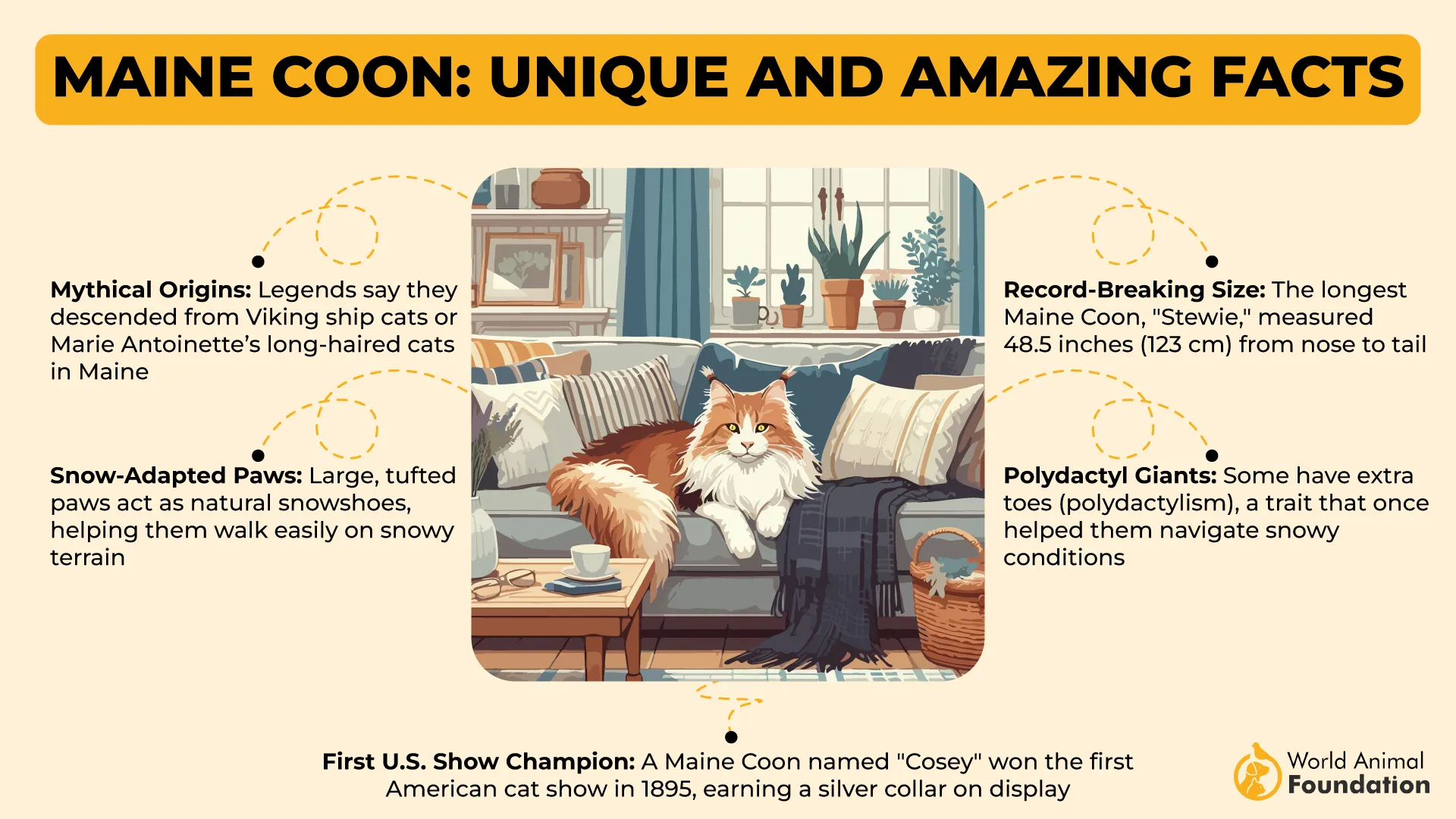
So why do some cats develop exceptionally long tails? In breeds like the Maine Coon, long tails are an adaptation tied to climate and function. Extra length improves agility on uneven surfaces and supports the cat’s large frame during movement.
Beyond function, the tail also reflects personality and energy. Playful and intelligent, Maine Coons use their tails expressively while exploring, hunting, or interacting with humans.
Fact: A Maine Coon named Cygnus Regulus Powers holds the Guinness World Record for the longest domestic cat tail at 17.58 inches.
2. American Shorthair

Sometimes simply called the American Shorthair Cat, this breed is known for its sturdy build, round face, and classic tabby patterns—often silver with black markings.
Developed in North America, it’s a well-balanced, adaptable cat with enduring appeal. According to PetMD, American Shorthairs are known for being playful, easygoing, and sociable.
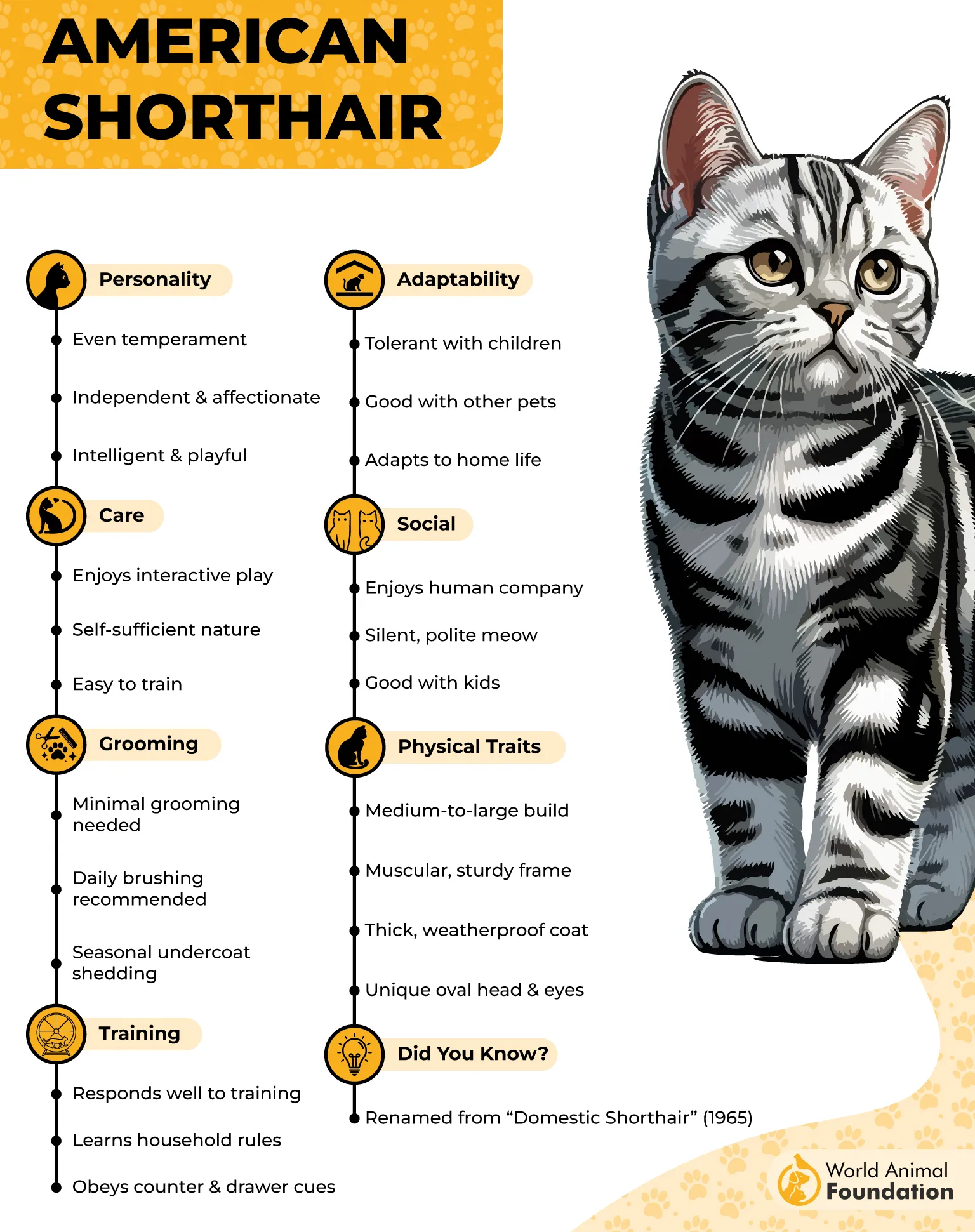
While not extreme in tail length, the American Shorthair’s tail plays an essential functional role. Strong and proportionate, it supports balance during climbing, jumping, and quick turns—skills inherited from its history as an efficient mouser.
That tail is also a key communication tool. Subtle movements signal curiosity, contentment, or playfulness, helping owners read moods with ease. Combined with an easygoing temperament, this makes interactions smooth and intuitive.
Beauty matters too. The tail’s shape and movement add to the breed’s overall symmetry and charm, enhancing its calm, confident presence.
Fact: The American Shorthair descends from European cats brought to North America by early settlers, prized for their hunting ability and adaptable nature.
3. Cornish Rex
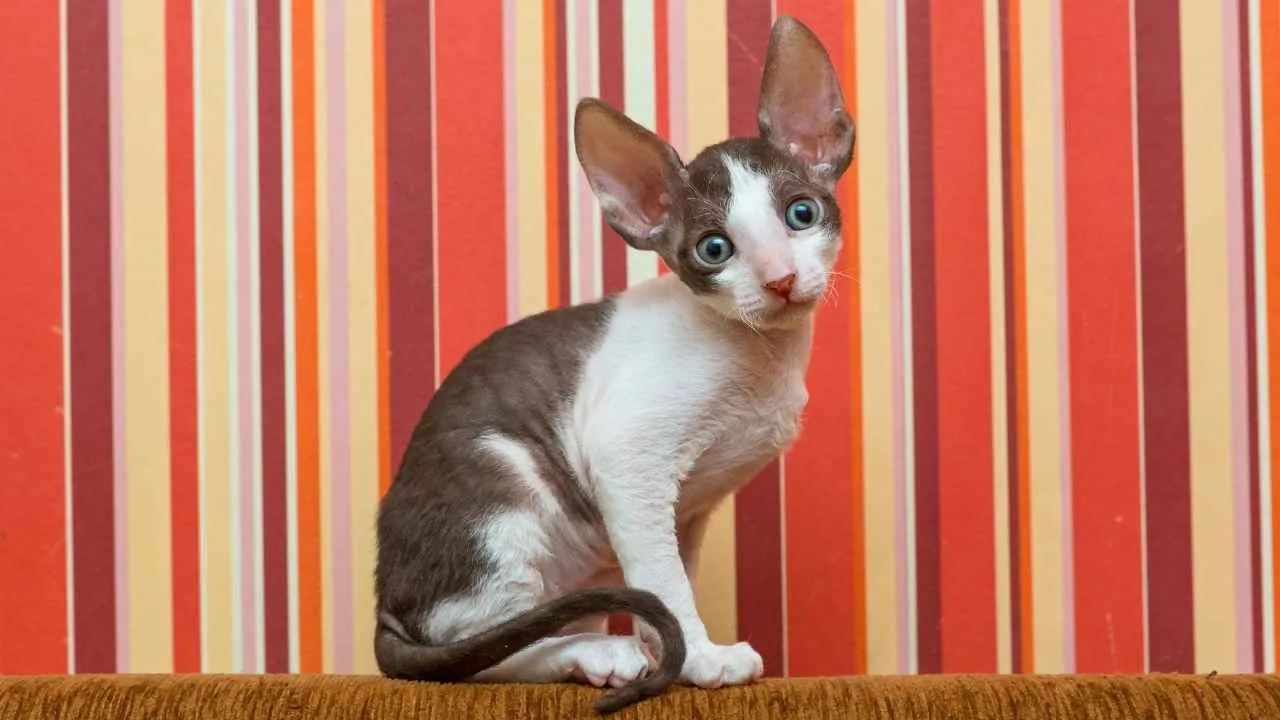
The Cornish Rex is sometimes simply called the Rex and is instantly recognized for its slender body, arched back, fine-boned legs, and tightly curled coat.
According to WebMD, Cornish Rex cats are a distinctive breed that is recognized for their affectionate nature. Originating in Cornwall, England, this breed also features a long, whip-like tail that accentuates its elegant silhouette.
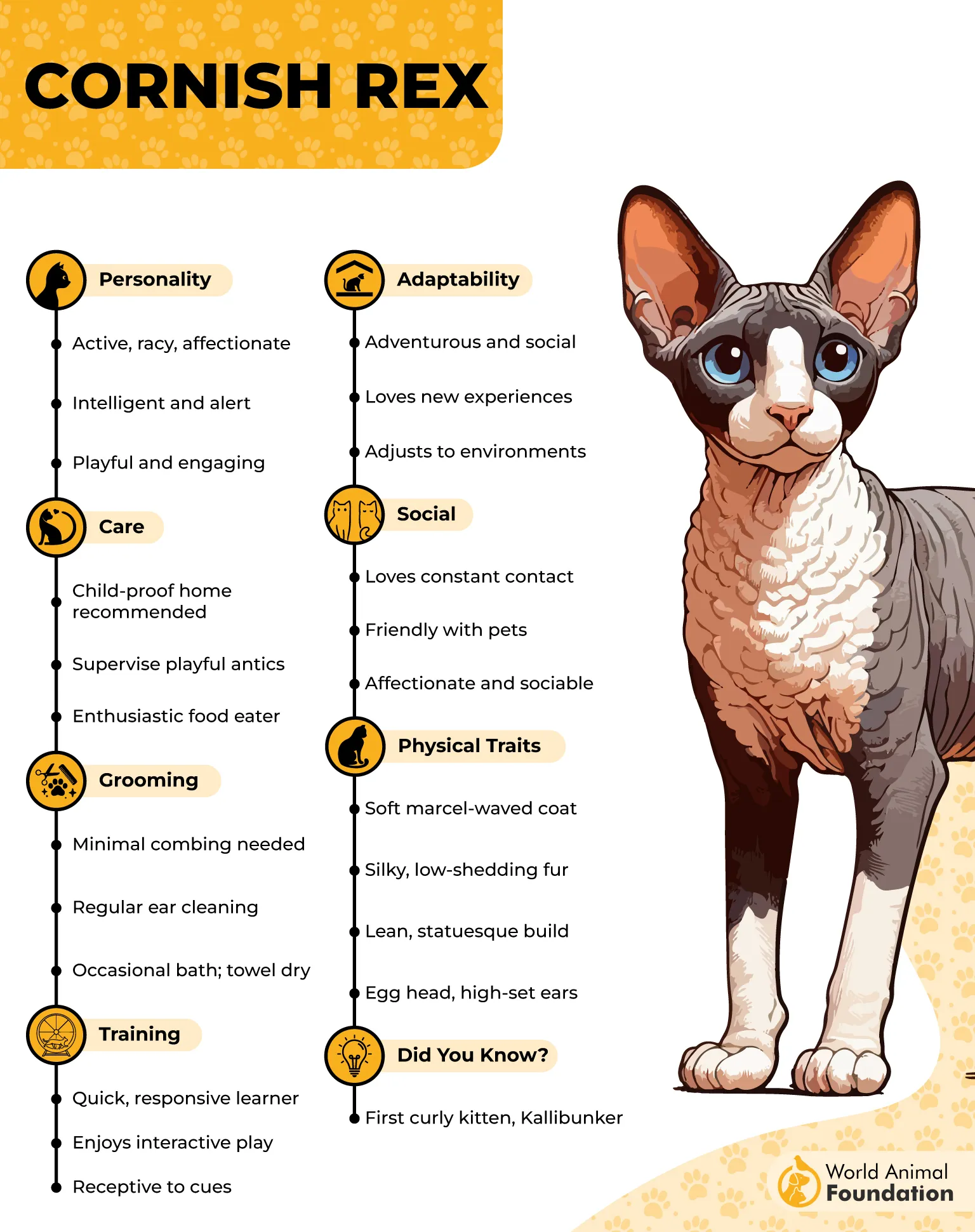
When discussing long tails, the Cornish Rex stands out for proportion rather than fluff. Its tail is thin, flexible, and noticeably long compared to its lightweight frame, aiding balance and sharp turns during fast, athletic movement. The tail’s length enhances the breed’s signature graceful agility.
Compared to the Maine Coon—the fluffy tail champion—the Cornish Rex shows how tail length serves different purposes. Where Maine Coons rely on bushy tails for warmth and balance, the Cornish Rex uses its sleek tail like a counterweight, supporting speed, jumps, and quick directional changes.
The breed’s survival is also part of its story. After near extinction, careful breeding restored its original slender form, preserving defining traits like the long tail.
Fact: At one point in the UK, only a single fertile Cornish Rex male remained, making modern Cornish Rex lines possible through careful outcrossing.
4. Ragdoll
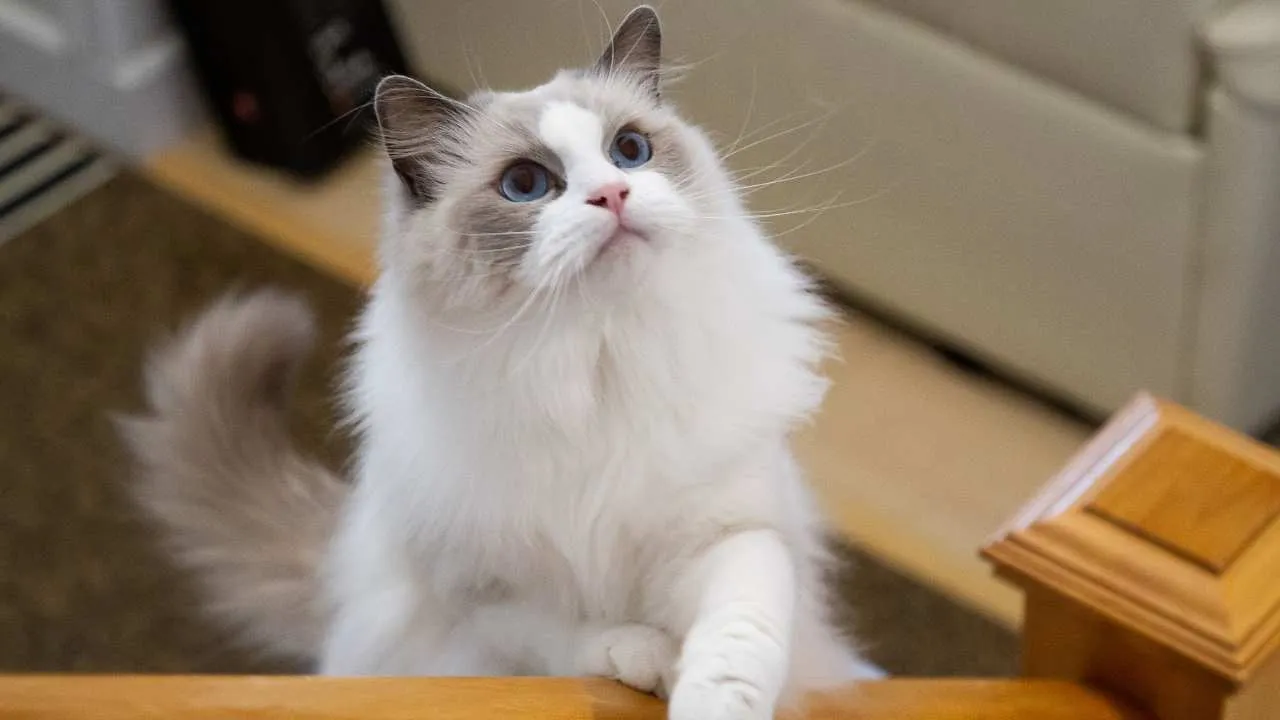
Often simply called the Ragdoll, this large, blue-eyed breed originated in California during the early 1960s. Known for a silky, semi-long coat and relaxed demeanor, Ragdolls are instantly recognizable for their graceful build and flowing proportions.
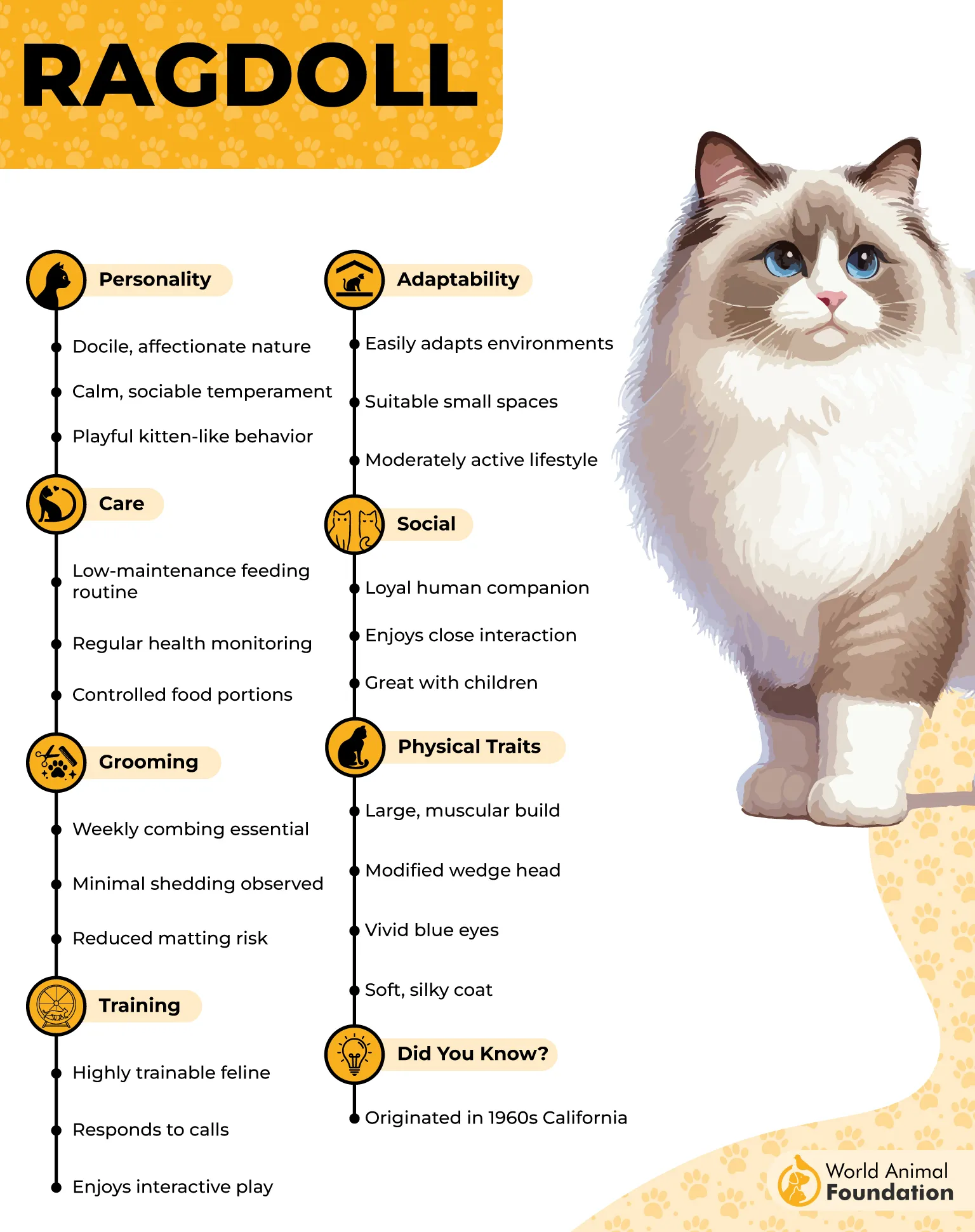
Their tails are a standout feature—long, plush, and feather-soft—adding to the breed’s elegant silhouette. Much like the Turkish Angora’s flowing fur, the Ragdoll’s tail enhances balance and movement, trailing gently as they walk or lounge.
Despite their size, Ragdolls move with calm confidence. The length and softness of their tails complement their slow, relaxed motions, helping them maintain balance while climbing furniture or shifting positions during play.
Well-suited to indoor living, these cats remain curious and playful without being overly active. Their long tails require light grooming to stay smooth and untangled, especially given their tendency to relax fully when handled.
Fact: Ragdolls are named for their tendency to go limp and relaxed when picked up, a trait selectively bred from the original cat, Josephine.
5. Turkish Angora
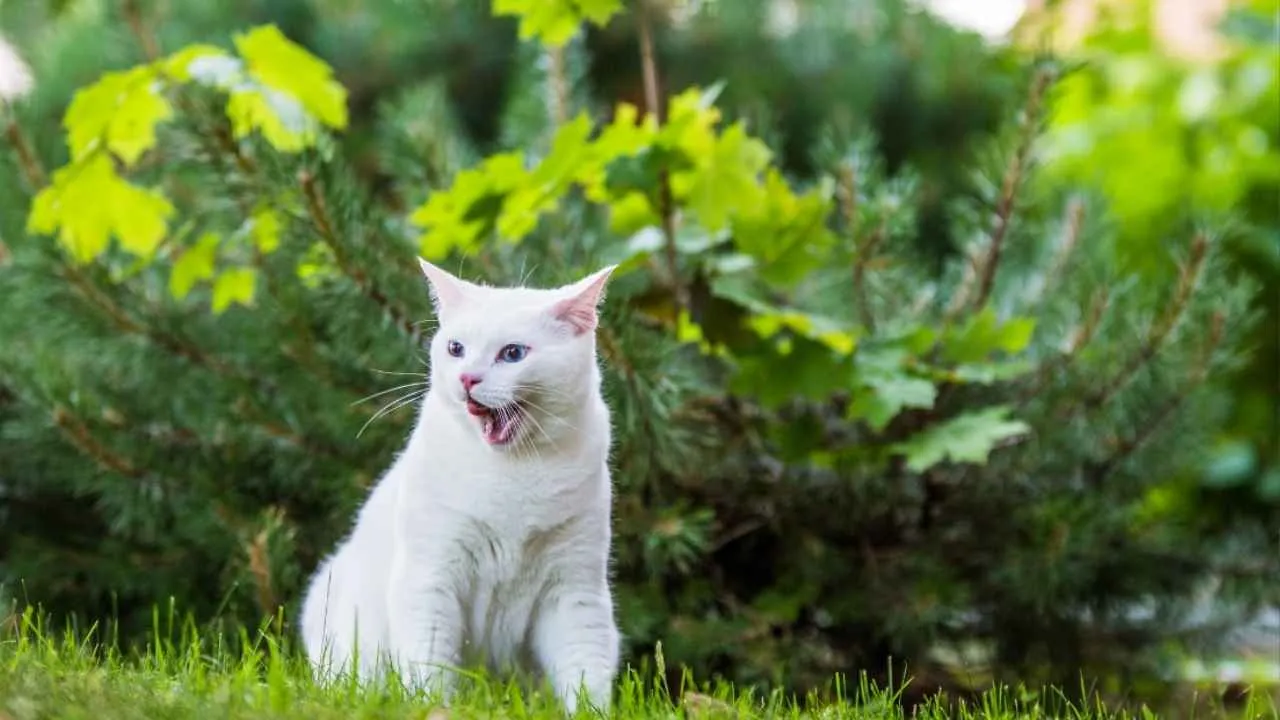
Also known simply as the Angora, the Turkish Angora is an ancient breed that originated in the Ankara region of Turkey. It’s admired for its fine-boned build, silky single-layer coat, and a long, plumed tail carried high like a banner.
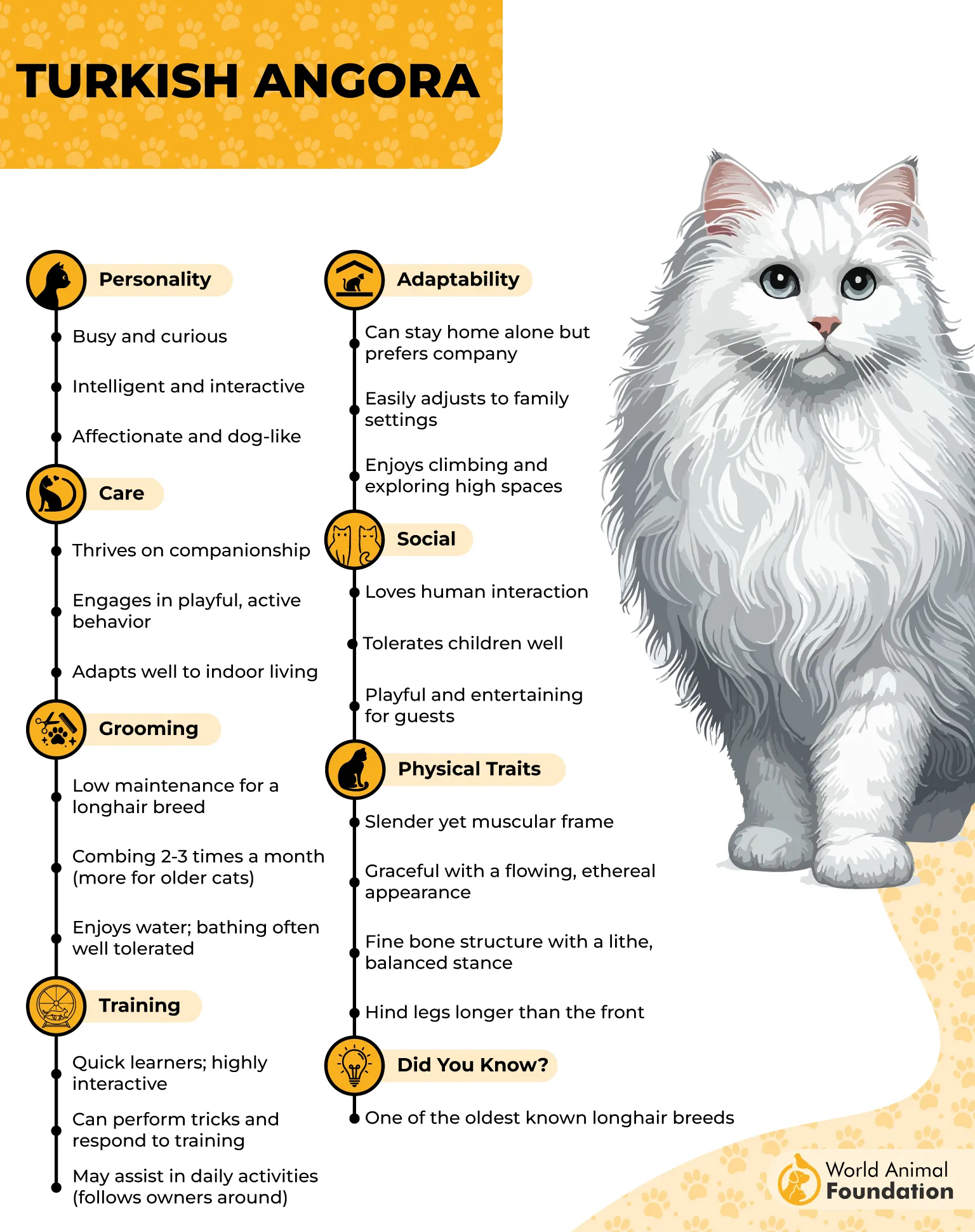
That elegant tail isn’t just for show. The Turkish Angora’s long tail plays an important role in balance and agility, helping this slender cat make sharp turns, confident leaps, and graceful landings during play and climbing.
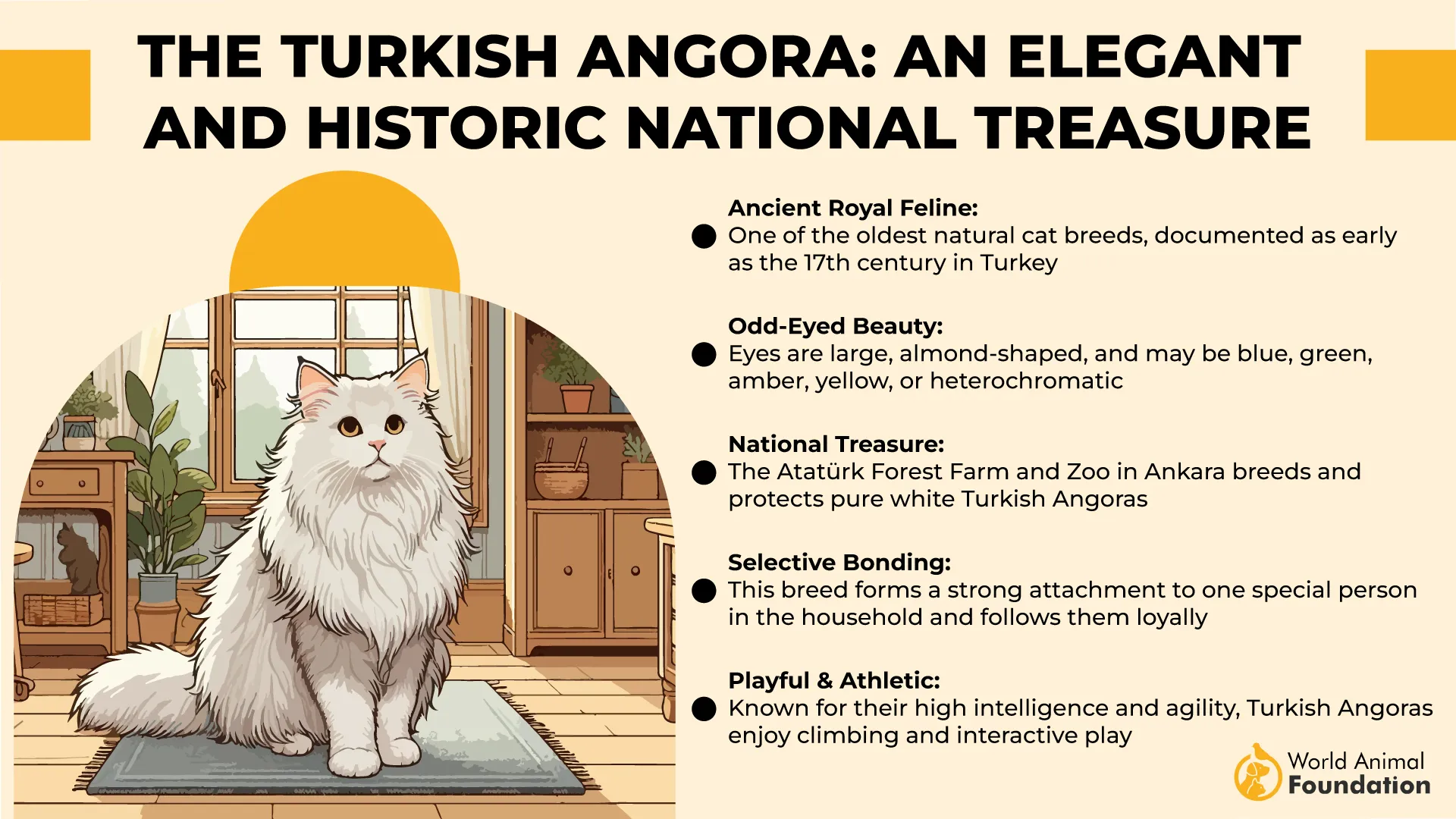
Despite their delicate appearance, these cats are muscular and highly active. Adult males typically weigh about 6.6–11 pounds, with females around 5.5–8.8 pounds, and their long tail complements their athletic frame without hindering movement or health.
A longer tail doesn’t negatively affect this breed’s well-being; instead, it enhances coordination and expression. With proper care and regular activity, Turkish Angoras remain agile well into old age.
Fact: Turkish Angoras are known for their distinctive plumed tails and single-layer coats, which contribute to both agility and relatively easy grooming.
6. Norwegian Forest Cat
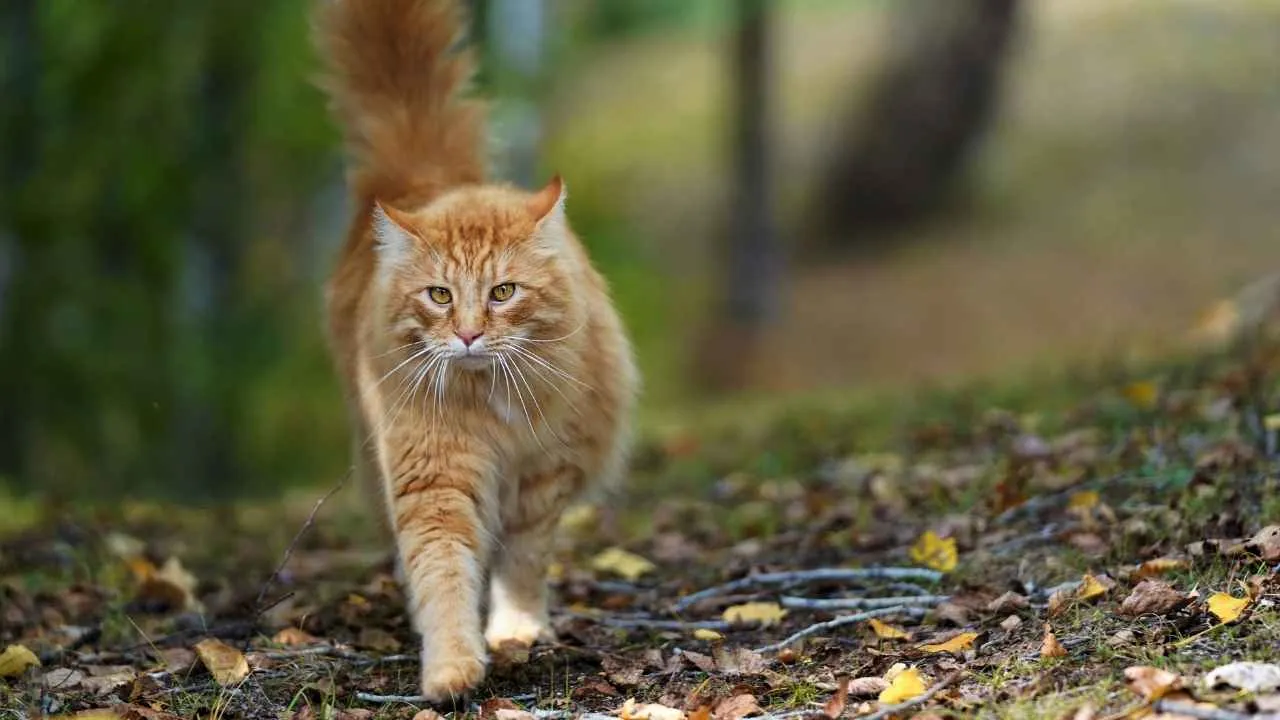
Also known as the Wegie or Forest Cat, the Norwegian Forest Cat is a large, ancient breed steeped in Scandinavian lore. Revered for its rugged build and semi-long coat, it’s often described as a gift of the Norse gods.
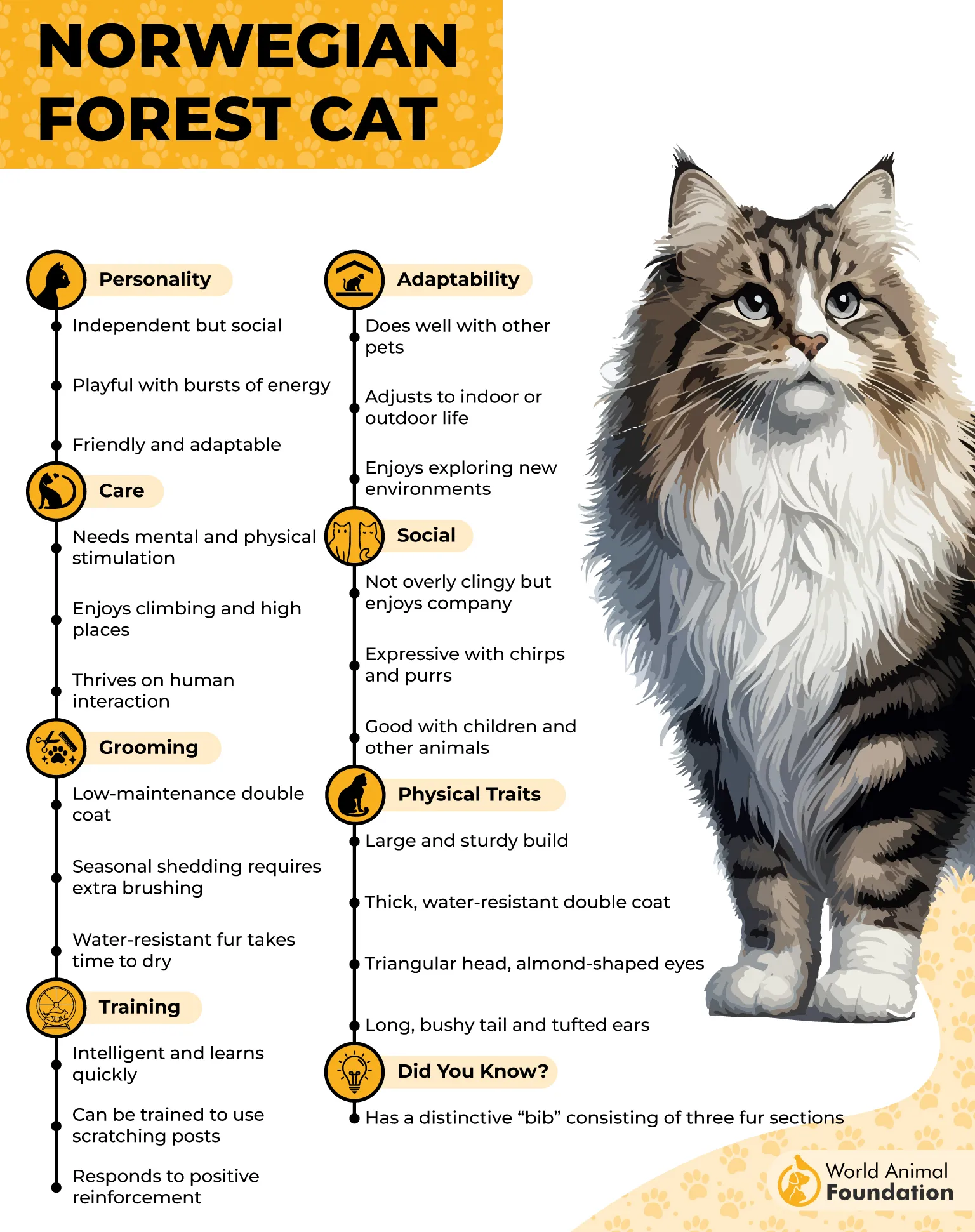
This breed’s long, bushy tail is perfectly suited to its forest origins. Thick and expressive, the tail aids balance while climbing and jumping—skills Wegies excel at—and adds to the majestic silhouette that makes long-tailed cats so striking.
Among fun facts about record-holding cat tails, Wegies stand out for proportion and function rather than sheer length. Their tails are designed to wrap around the body for warmth and counterbalance agile movements, a hallmark of cats built for cold climates.
Despite their size, Norwegian Forest Cats are gentle and loyal, pairing independence with affection. They thrive with tall cat trees and interactive play that shows off tail-assisted athleticism.
Fact: Adult males typically weigh between 12 and 16 pounds, while females weigh about 9 to 12 pounds, and the breed matures slowly, often around 5 years old.
7. Balinese
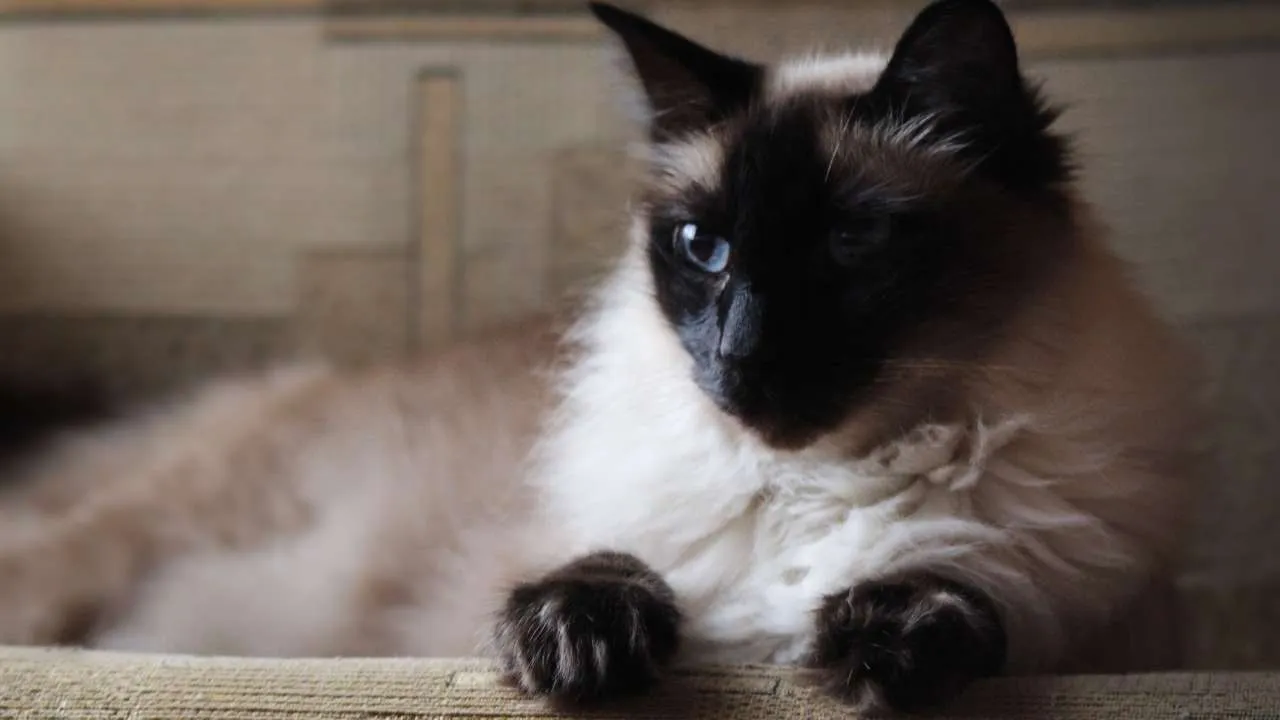
Often described as the long-haired Siamese, the Balinese is a slender, elegant cat with graceful lines, bright blue eyes, and a silky coat. In the U.S., closely related cats with additional markings are sometimes called Javanese.

What truly earns the Balinese a place among cats with the longest tails is its striking plume. The tail is long, flowing, and covered in longer hair that moves like a feather, emphasizing balance and elegance with every step.
That extended tail isn’t just for show—it supports the breed’s agility and expressive body language. Watching a Balinese move, the tail acts like a banner, signaling mood, aiding precision, and adding flair to jumps and turns.
When it comes to fun facts about record-holding cat tails, the Balinese stands out for pairing length with ease of care. Despite the dramatic plume, the coat lacks a woolly undercoat and stays manageable.
Fact: Balinese cats weigh about 5–8 pounds and can live into their 20s.
Conclusion
Cats with exceptionally long tails remind us that this feature is far more than decorative. In breeds like Maine Coon cats, often considered the largest domestic cat breed, a really long tail supports balance, communication, and confidence.
Whether it’s a female cat or a striking black Maine Coon cat, tail length and tail position help express mood and movement. Some record holders, like Pugsley Addams, have brought attention to the longest cat tail, proving how impressive fluffy-tailed felines can be compared to most cats and other cats.
Living with a kitty blessed with a really long tail means appreciating how a longer tail helps with agility while fitting seamlessly into family life.
These cats are often pretty level-headed, with a calm demeanor, happy to rest around the house, manage daily routines like food and litter, and stay well-equipped for colder climates such as snowy Minnesota winters—even if treats like beef jerky are strictly off-limits.
