





Play is more than just entertainment for cats. It is how they learn, release energy, and connect with the people and animals around them. While every cat has its own personality, some breeds are especially known for the way they play, whether that means fast-paced chasing, thoughtful problem solving, or gentle interactive games.
Understanding different play styles can help cat owners choose toys, routines, and activities that truly match their pet’s needs. It can also improve bonding and reduce boredom-related behaviors at home.
In this article, we will explore cats that are often recognized for their engaging and distinctive play styles, and how those traits can shape everyday life with your feline companion.
Cat Breeds with the Best Play Styles
1. Bengal
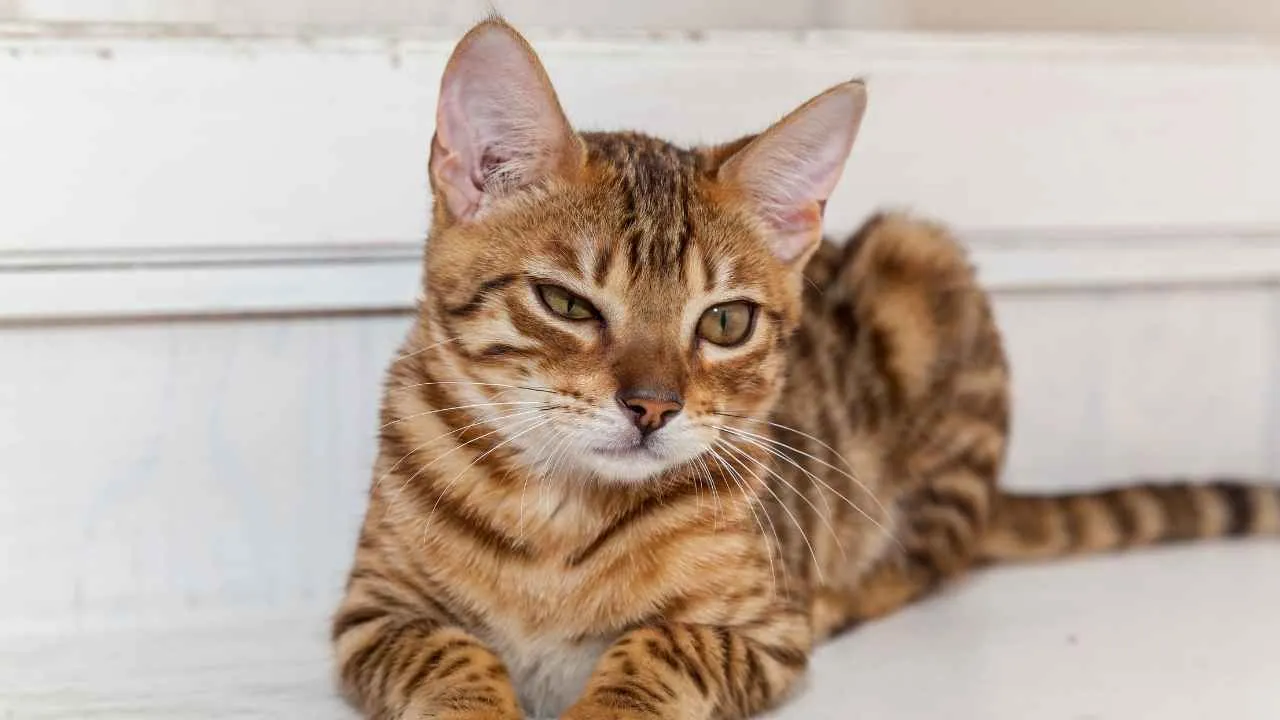
The Bengal has a sleek, muscular body and a short, glossy coat that reflects its active nature. Originally developed through selective breeding, this cat has long legs and a strong core that support constant movement. Its physical build encourages jumping, climbing, and fast direction changes.
As per Purina, Bengals are highly energetic and easily stimulated by motion. They enjoy games that involve chasing, running, and reacting quickly to changing patterns. This breed often invents its own activities if not given enough structured engagement.
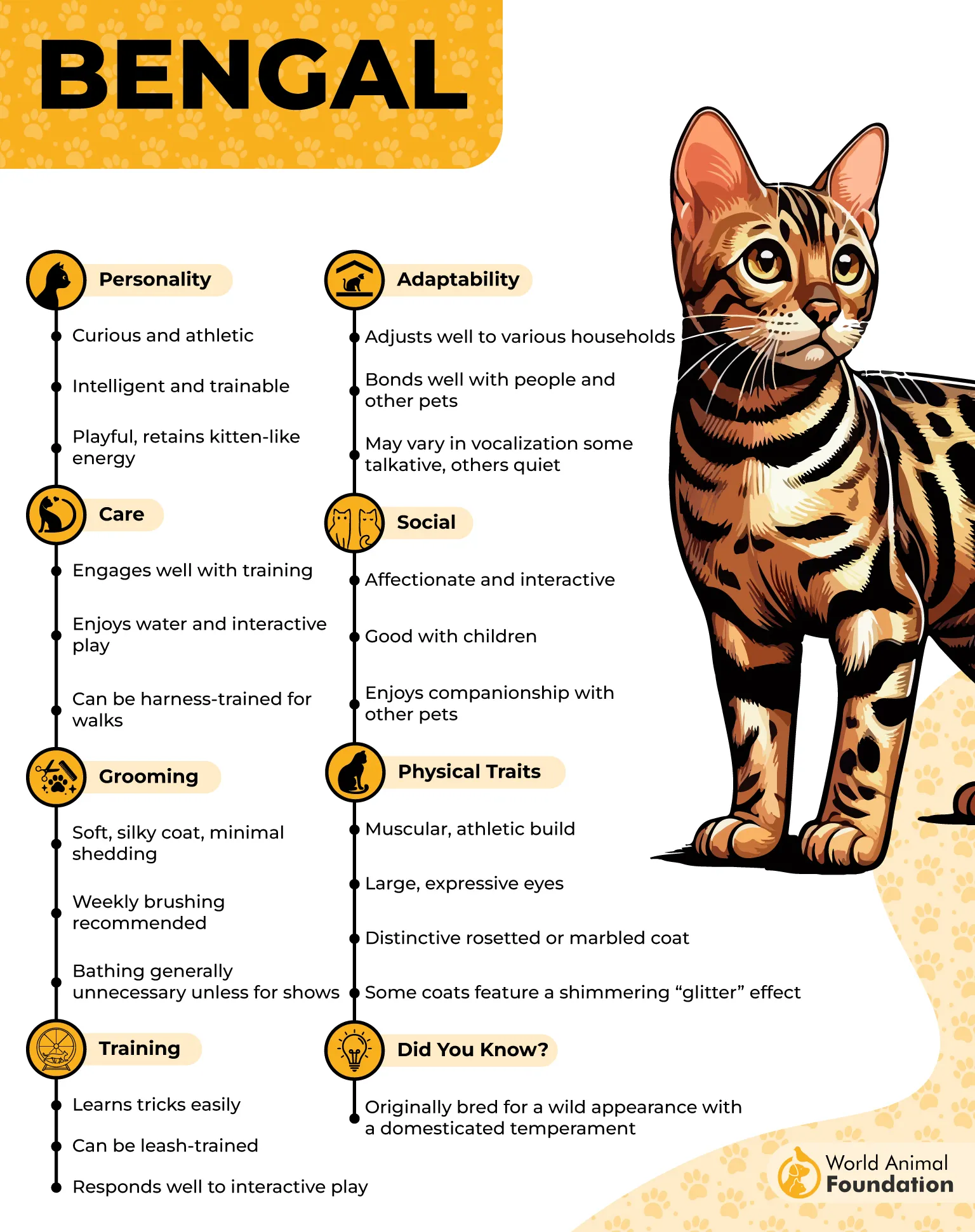
When it comes to people, Bengals are confident and interactive. They often seek involvement rather than passive observation and prefer play that feels dynamic and purposeful. Many owners notice that shared play sessions become a key part of bonding with this breed.
Why This Cat Is a Good Fit
Thrives with fast-paced and interactive play
Enjoys toys that move, bounce, or change direction
Stays mentally engaged through active routines
2. Abyssinian
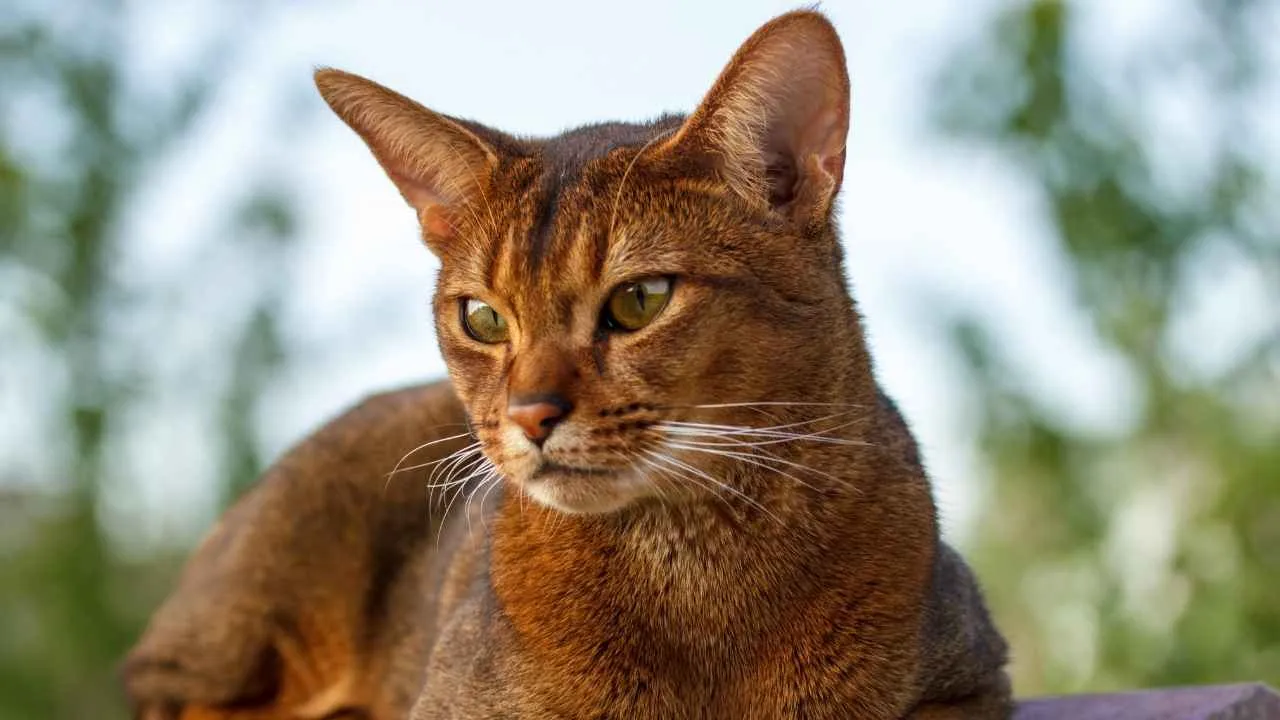
The Abyssinian is known for its slim build, long legs, and short ticked coat. Its lightweight frame supports agility and balance, making movement look effortless. The breed has a long history and is often associated with an alert, expressive posture.
Abyssinians are curious and constantly in motion. They enjoy exploring, climbing, and engaging with toys that encourage problem-solving. Rather than short bursts of play, they often stay active throughout the day.
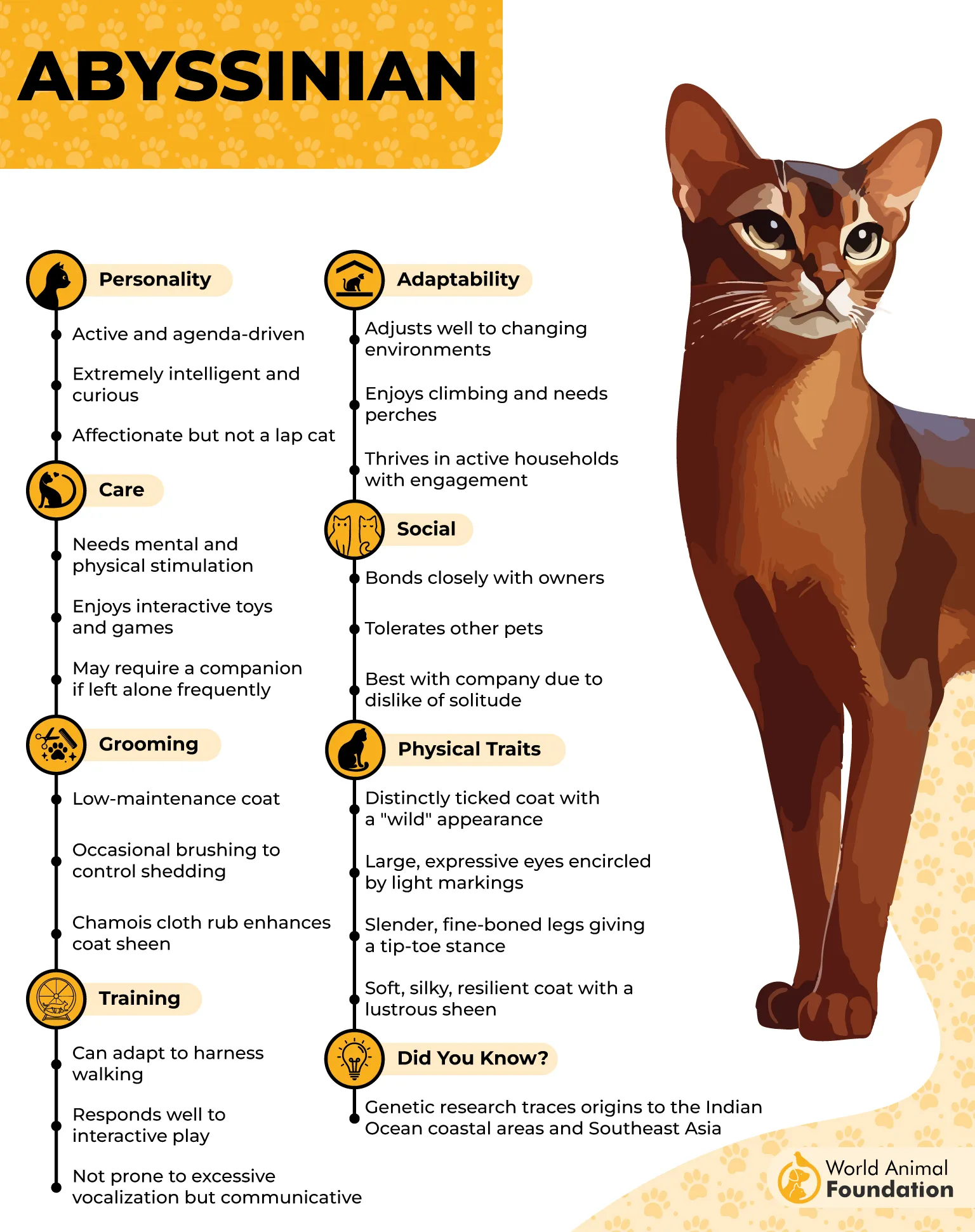
CFA states that Abyssinians are social and attentive. They enjoy being included in daily activities and often use play as a way to connect. Interactive games tend to suit them better than solitary toys left on the floor.
Why This Cat Is a Good Fit
Enjoys thoughtful and continuous play
Responds well to interactive challenges
Uses play as a form of social bonding
3. Maine Coon
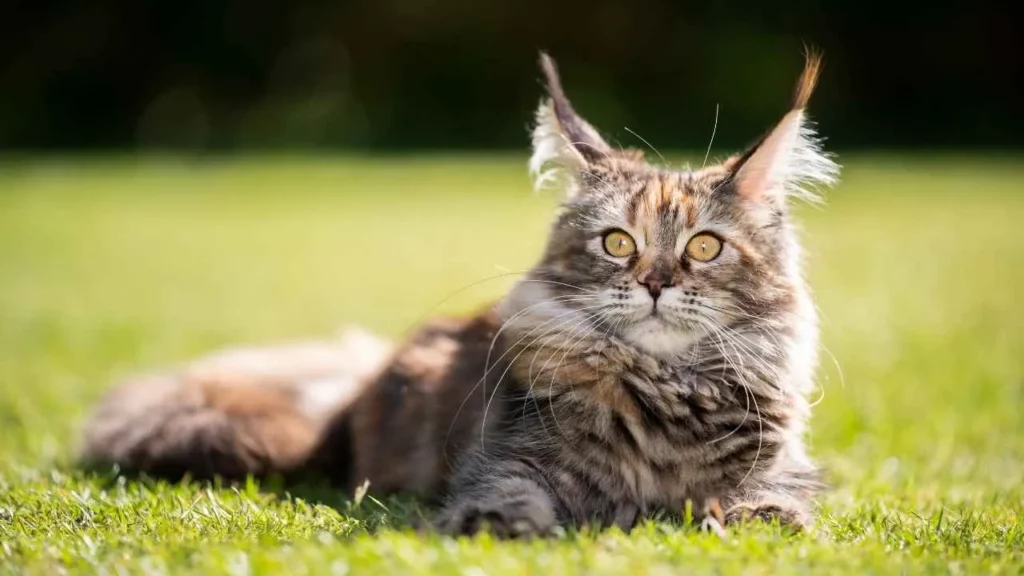
The Maine Coon is a large cat with a sturdy body, long fur, and a broad chest. Its size gives it a grounded presence, while its strong legs allow steady and controlled movement. This breed developed with a balance of strength and adaptability.
Maine Coons often approach play in a relaxed but attentive way. As per PetMD, they enjoy games that involve tracking, gentle chasing, or figuring out how objects move. Their play style tends to be less frantic and more deliberate.
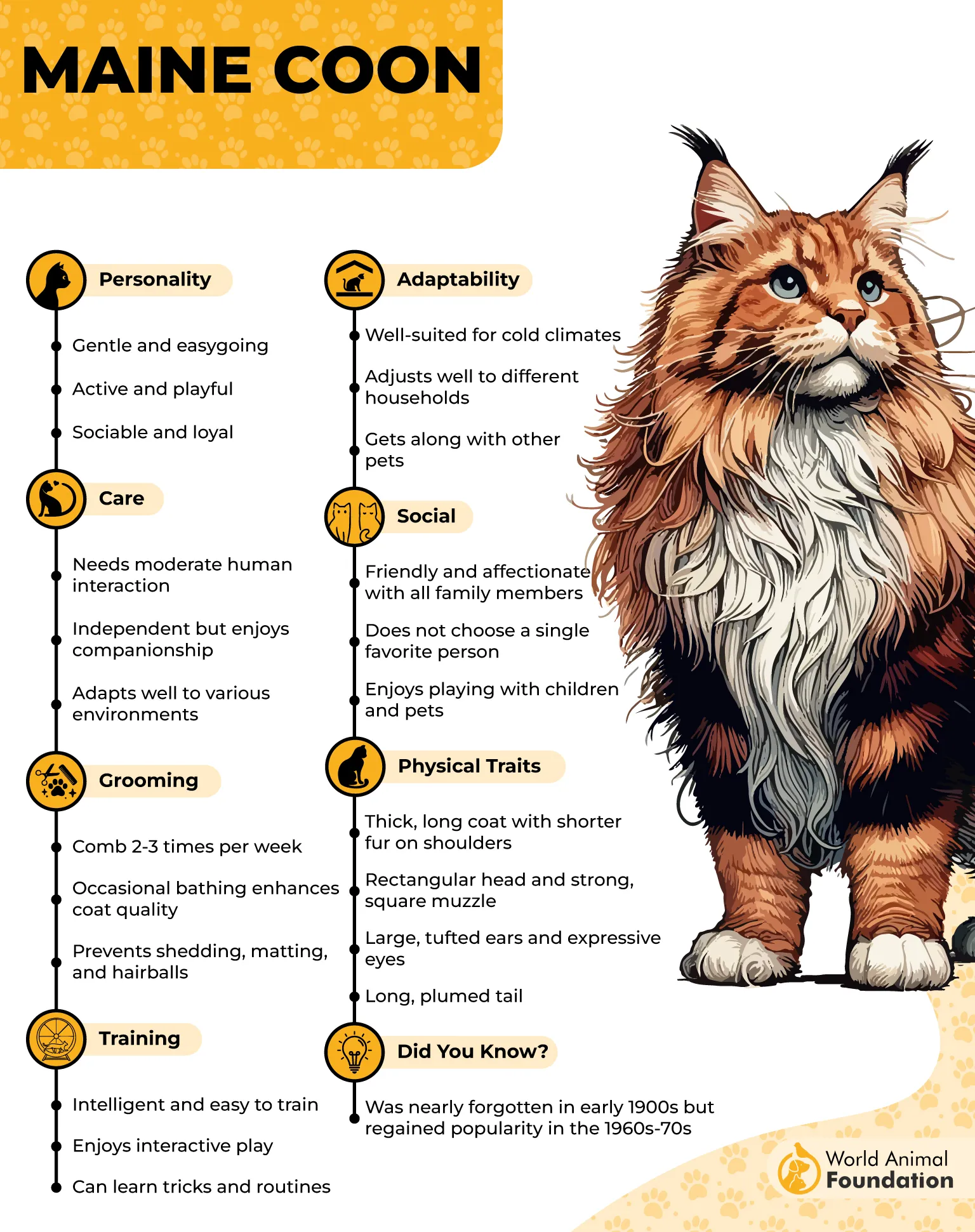
Maine Coons are friendly and tolerant. They often enjoy shared activities without demanding constant attention. Playtime can be calm and enjoyable, fitting well into a household routine.
Why This Cat Is a Good Fit
Prefers steady and engaging play
Enjoys toys that involve movement and timing
Adapts easily to shared play routines
4. Turkish Angora
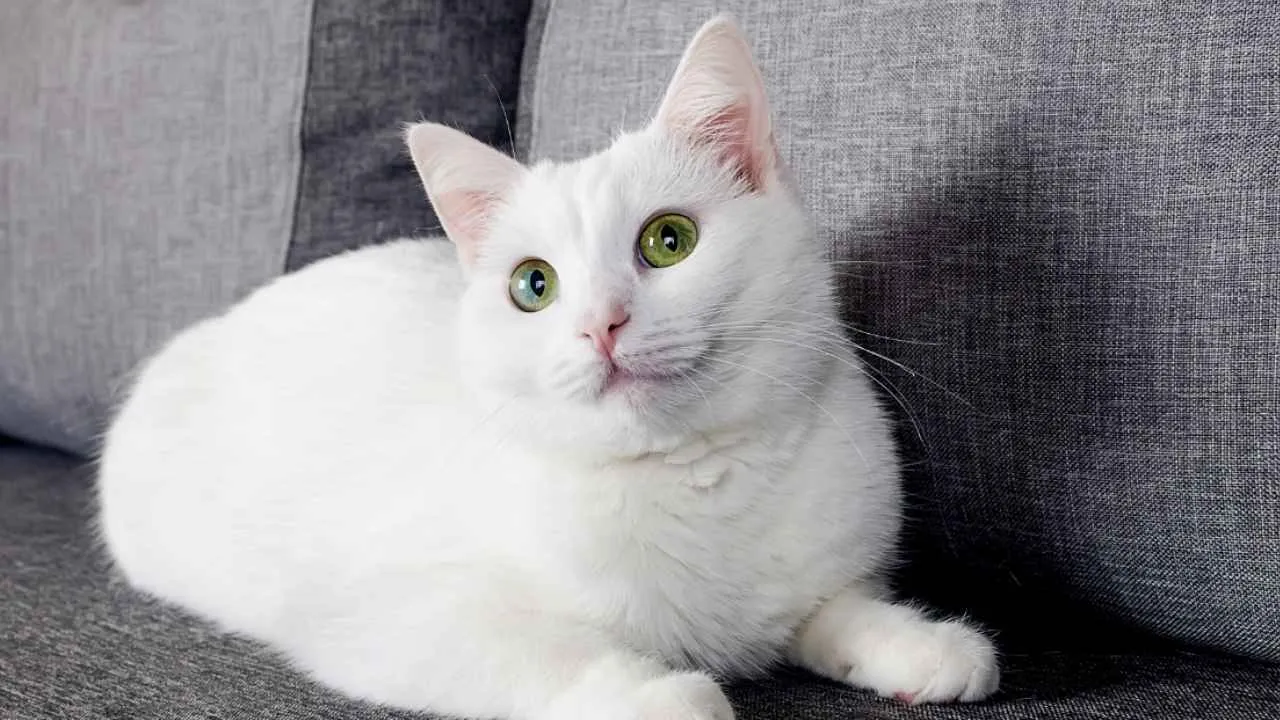
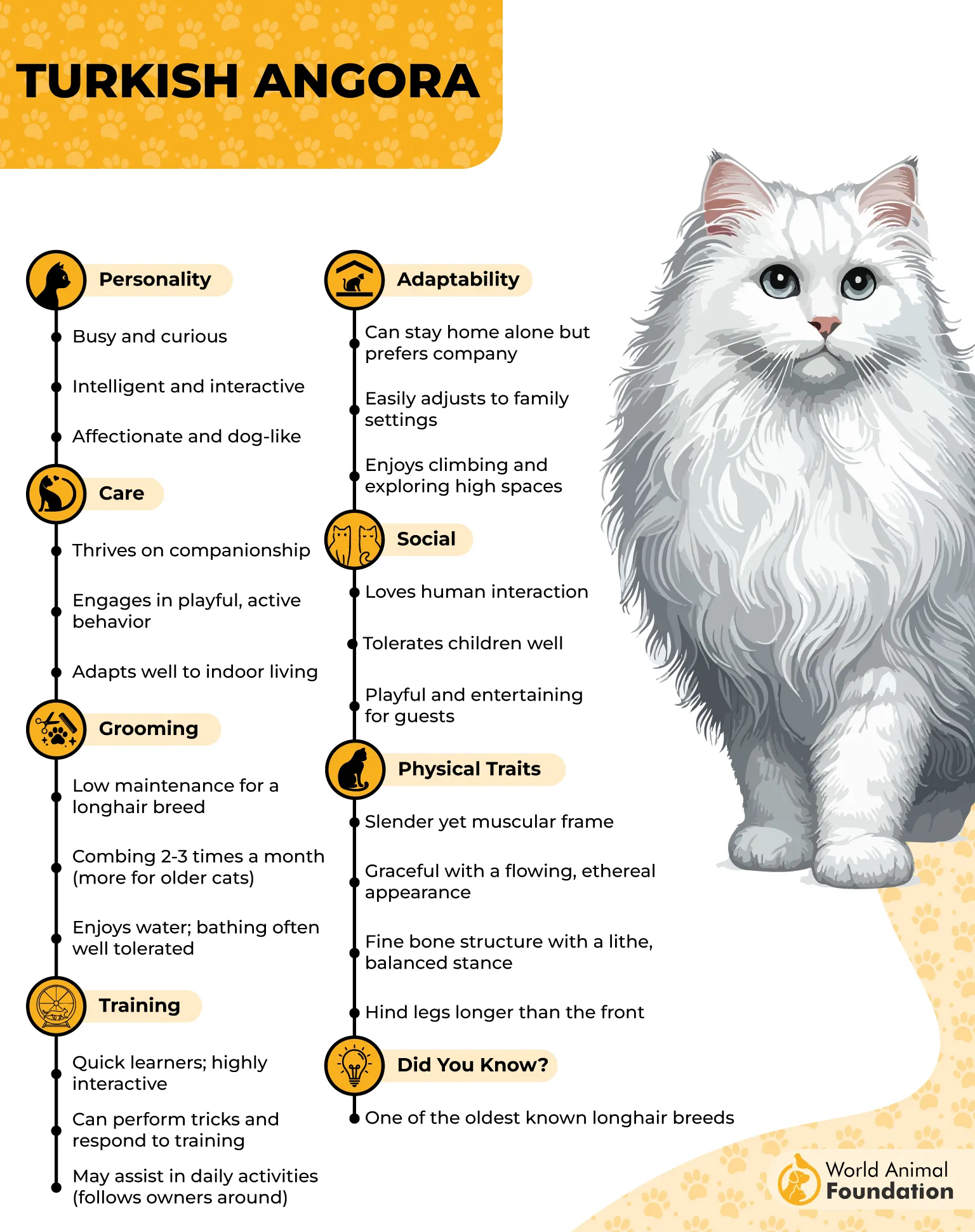
The Turkish Angora has a slender body, fine bones, and a silky coat that moves fluidly. It is one of the older natural breeds, known for elegance and agility. Its physical traits support quick jumps and graceful motion.
This breed is alert and playful, often reacting quickly to sounds or movement. Turkish Angoras enjoy games that allow them to leap, chase, and explore elevated spaces. They often stay playful well into adulthood.
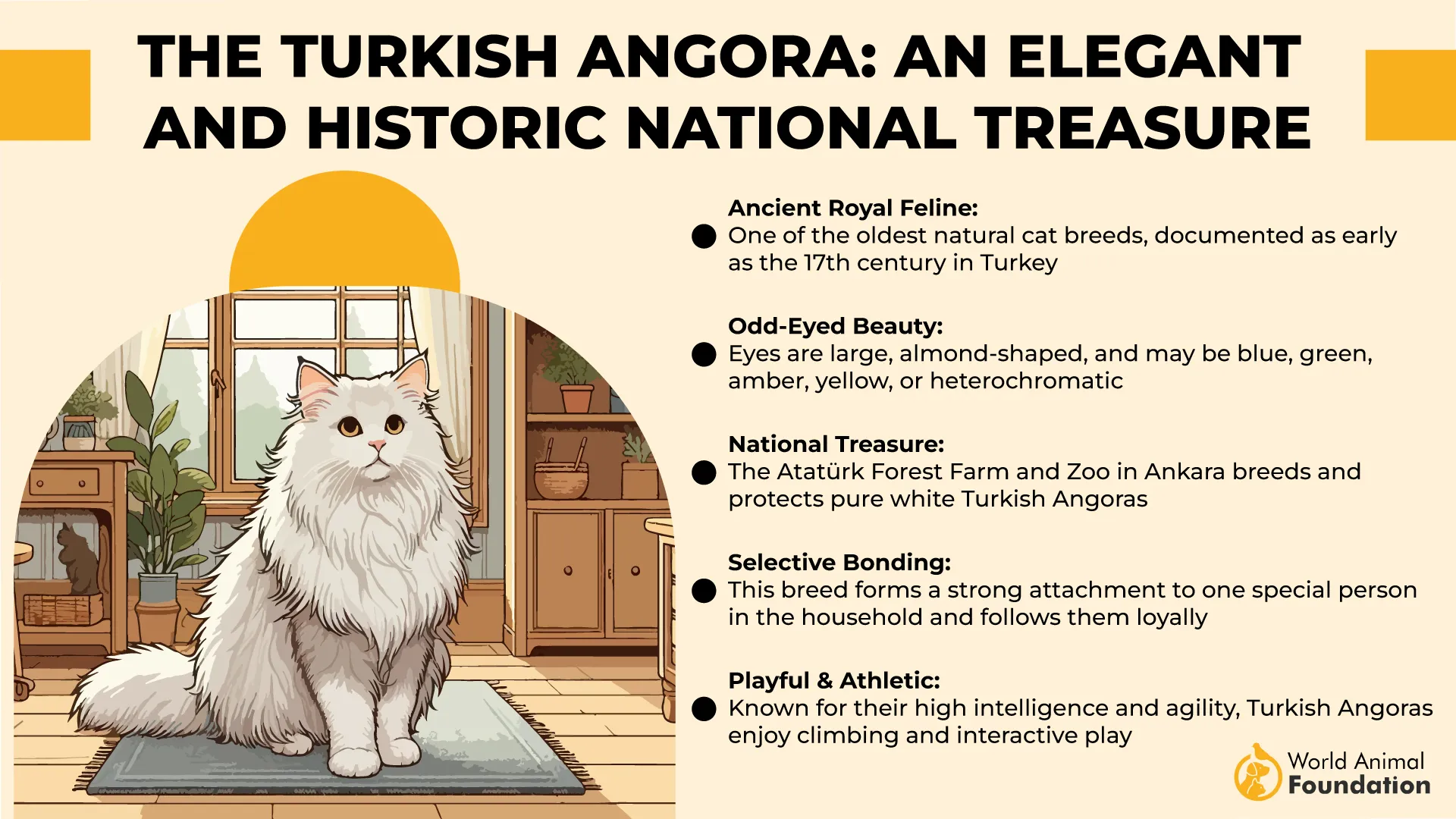
In relationships with humans, Turkish Angoras are affectionate and attentive. They often initiate interaction and enjoy being the focus of activity. Playtime is most successful when it feels engaging and responsive.
Why This Cat Is a Good Fit
Enjoys agile and movement-based play
Stays engaged through variety and interaction
Likes play that includes human involvement
5. Manx
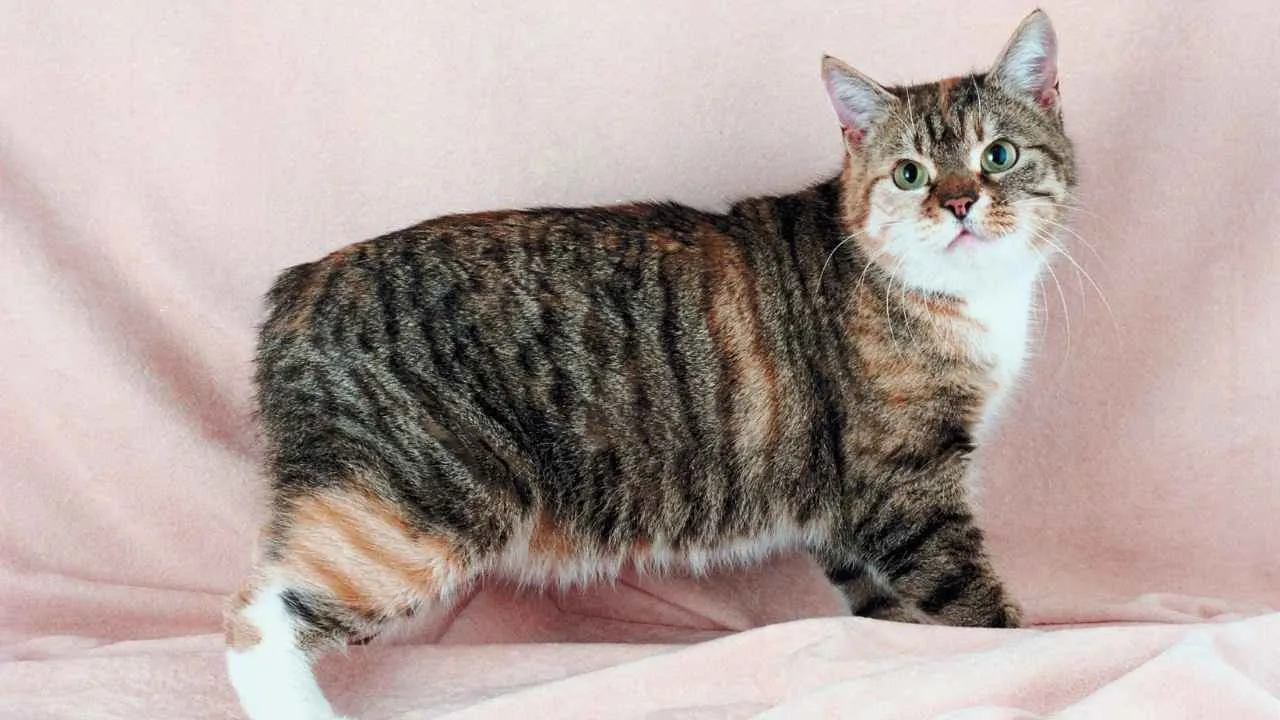
The Manx is best known for its naturally short or absent tail, a trait linked to its origins on the Isle of Man. This breed has a rounded body, strong hind legs, and a compact frame that supports powerful movement. Its physical structure often gives it a hopping or bounding style when active.
In daily behavior, the Manx is playful without being chaotic. It enjoys games that involve chasing, carrying, or batting objects across the floor. Many Manx cats show interest in toys that roll or respond to repeated interaction rather than quick, one-time motion.
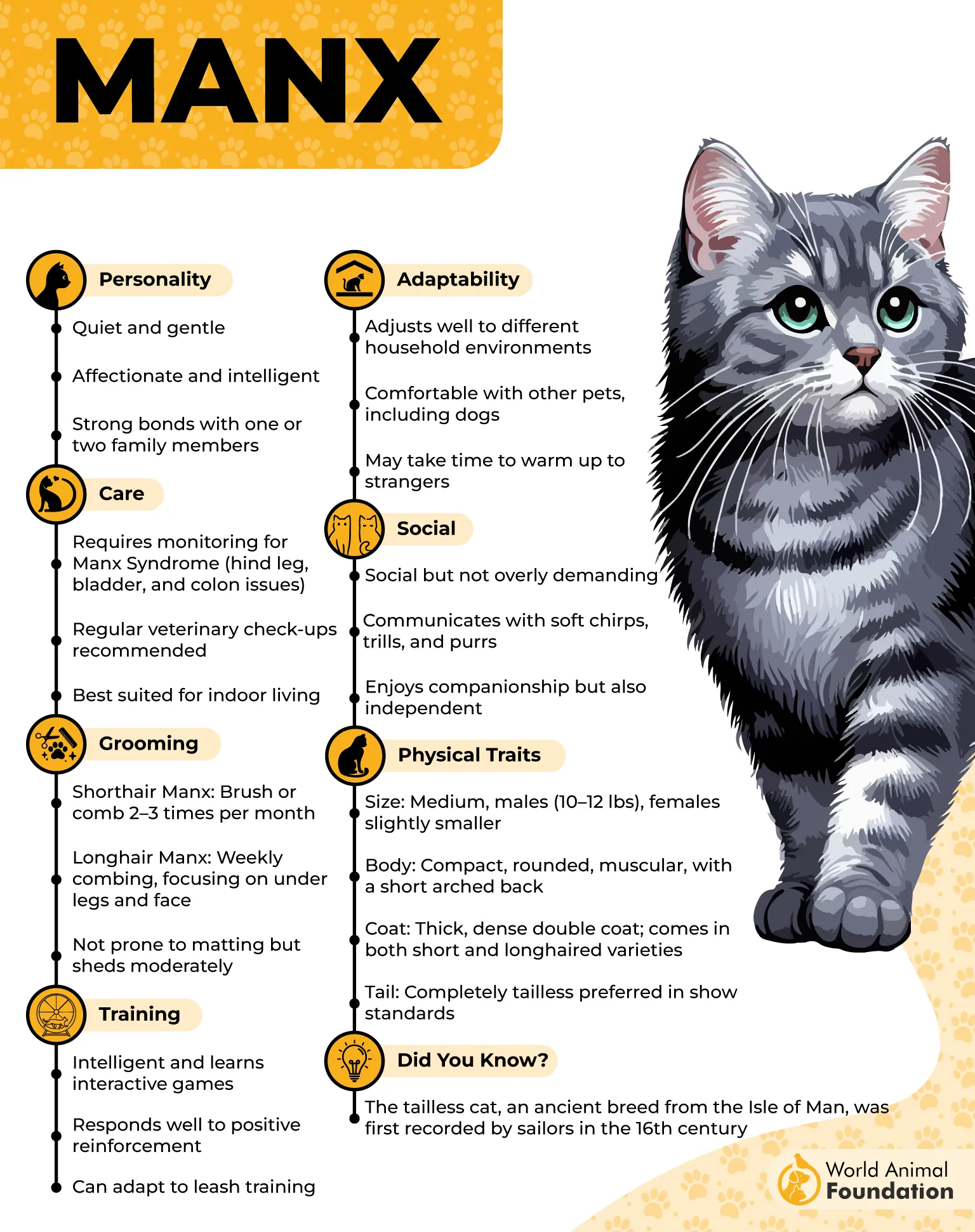
With people, the Manx is loyal and people-focused. It often chooses to stay near family members and joins activities happening around the home. Playtime works best when it feels shared and familiar rather than overly fast or noisy.
Why This Cat Is a Good Fit
Enjoys grounded, object-based play
Responds well to repeated interactive games
Comfortable blending play into daily routines
6. Japanese Bobtail
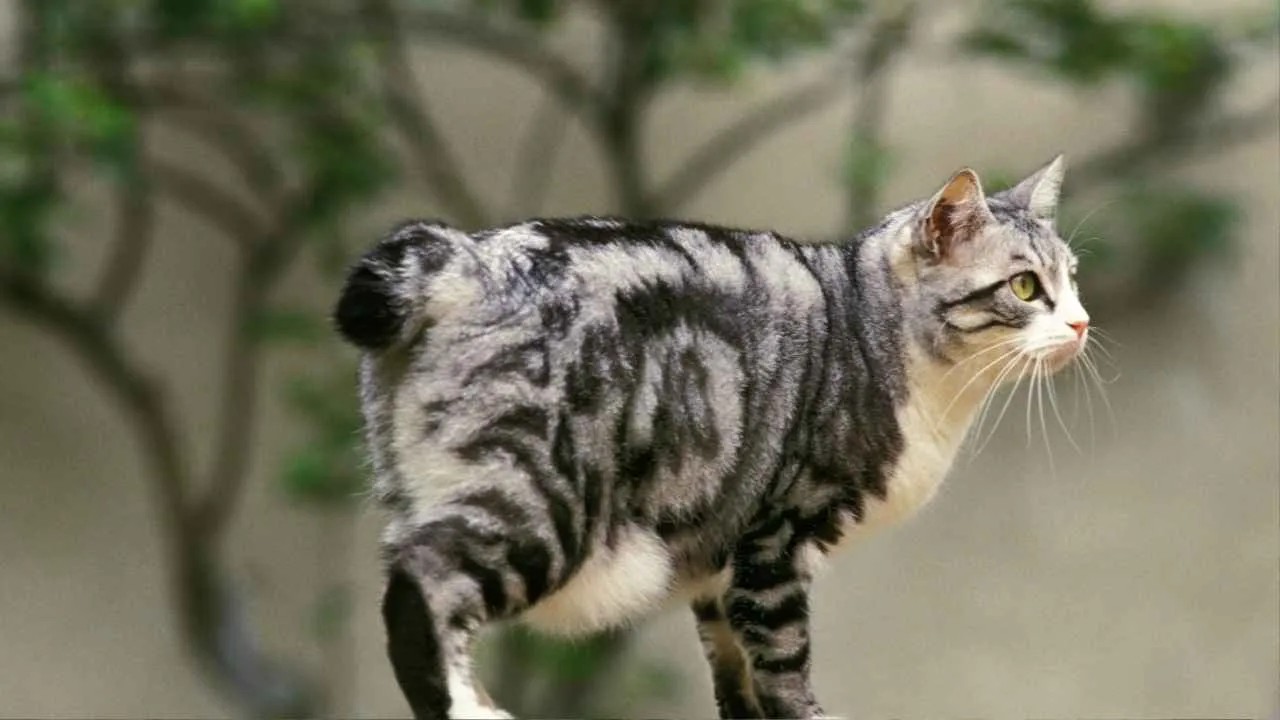
The Japanese Bobtail has a slim, athletic body and a short pom-style tail. Its long legs and balanced frame support light, quick movement. This breed has been part of Japanese culture for centuries and is known for its expressive posture.
Japanese Bobtails are highly playful and alert. They enjoy games that involve jumping, chasing, and quick responses to sound or motion. This breed often stays playful throughout the day rather than limiting activity to short bursts.
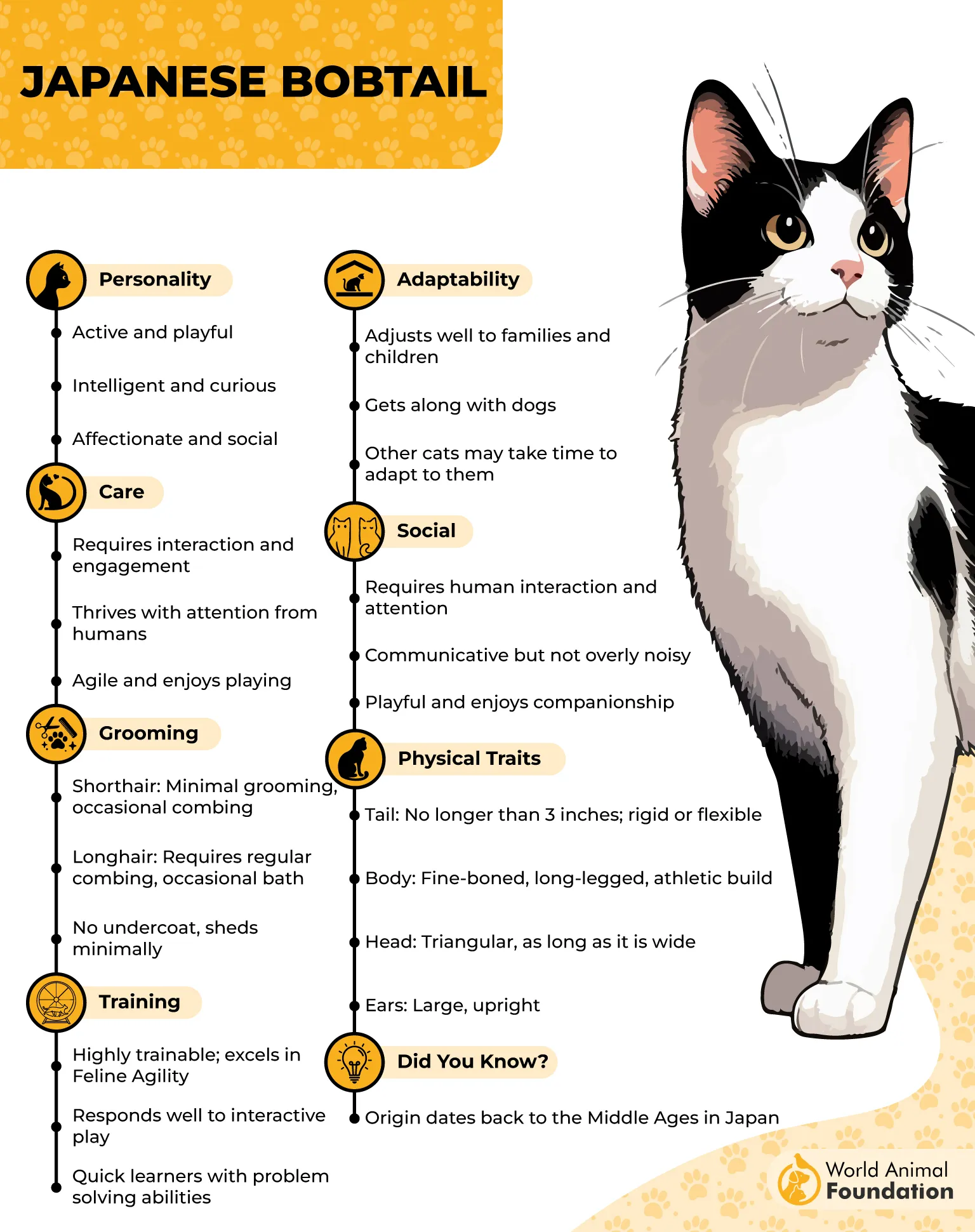
In human relationships, Japanese Bobtails are social and outgoing. They frequently initiate interaction and enjoy being part of household activity. Play often doubles as communication, making interactive toys especially rewarding.
Why This Cat Is a Good Fit
Thrives with responsive and lively play
Enjoys jumping and fast engagement
Uses play to connect with people
7. Siberian Forest
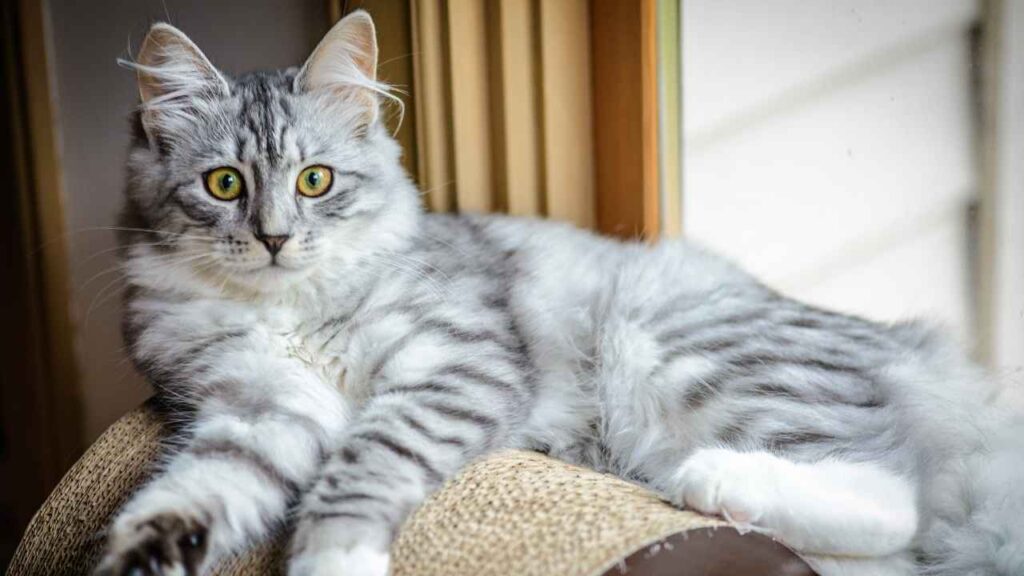
The Siberian Forest cat has a strong, muscular body and a thick coat developed for cold climates. Its powerful legs and broad frame support climbing and controlled movement. This breed combines strength with surprising agility.
Siberians tend to approach play with focus and intention. They enjoy toys that allow stalking, pouncing, or problem-solving. Rather than constant motion, they often prefer meaningful and engaging play sessions.
With people, Siberians are affectionate and calm. They enjoy interaction but are not overly demanding, making playtime feel relaxed and natural. Games that mix movement with thinking tend to hold their attention longest.
Why This Cat Is a Good Fit
Enjoys purposeful and thoughtful play
Balances strength with controlled movement
Adapts well to calm interactive routines
Conclusion
Play style is a big part of how cats love, learn, and spend time with the people and animals around them. From a playful kitty racing across the house to a gentle giant relaxing on the couch after playing games, every cat has unique energy levels.
Some cats like to play fetch, learn simple tricks, or chase a wand toy, while others prefer climbing a cat tree or cuddling after fun. Kittens, adult cats, and even cats in old age benefit from enrichment activities that prevent boredom and support a happy home with kids, other pets, or even a dog. In the end, matching toys, space, and time to your cat’s needs matters most.
Other playful cat breeds, such as the Cornish Rex, Siamese cats, Egyptian Mau, and even a tiny wild cat like a kitten from a local shelter, can bring fun and joy to your house.
