




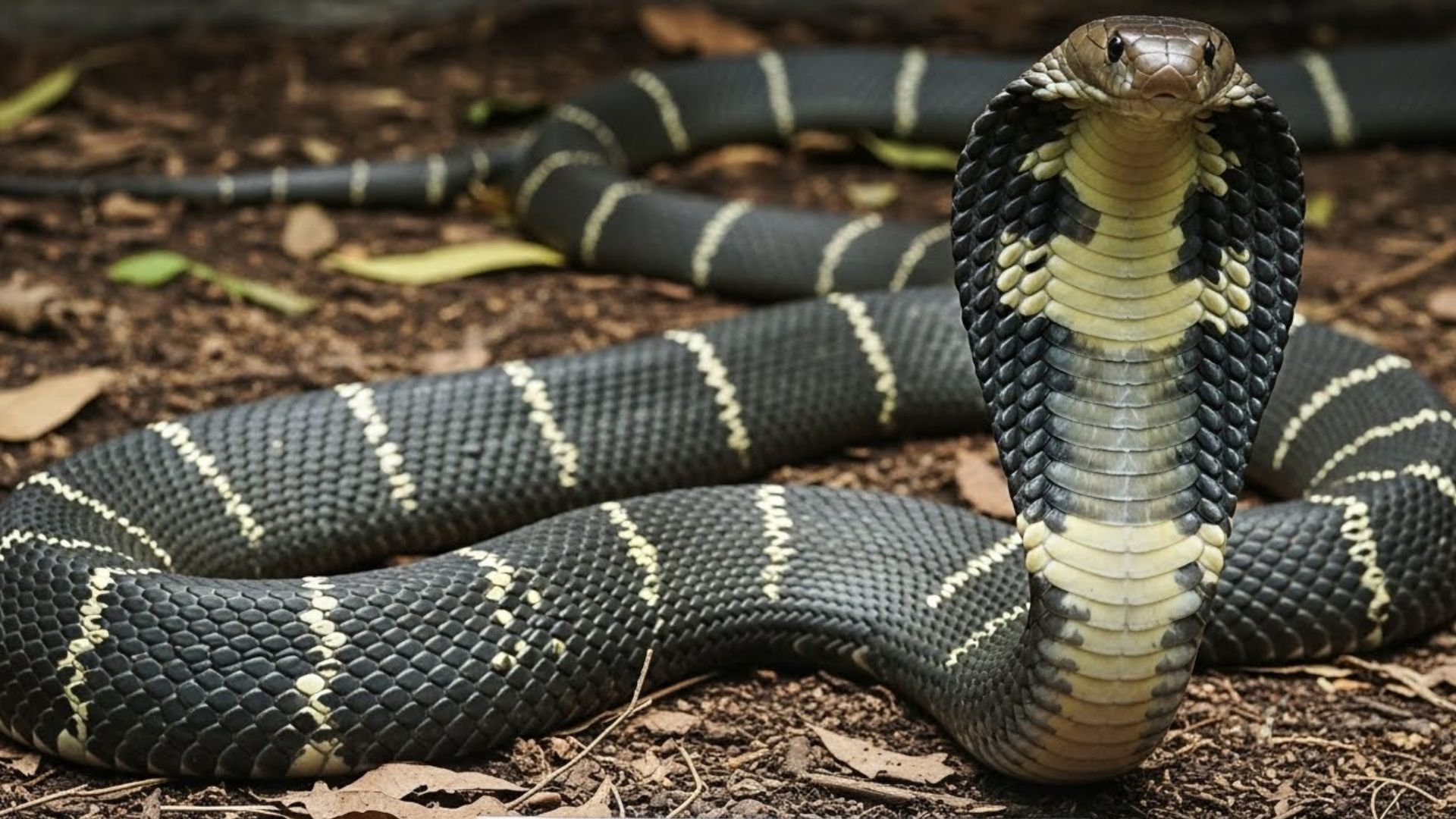
A single bite can mean the difference between life and death—and for some snakes, that bite is among the most powerful weapons in nature. Snakes with the most powerful venomous bites combine potent toxins with highly efficient delivery systems, making them not only formidable predators but also dangerous adversaries to anything that threatens them.
Venom isn’t just about killing prey; it’s a sophisticated chemical cocktail carefully evolved to immobilize, digest, or deter threats. Some species produce venom so strong that even a small dose can incapacitate or kill much larger animals. Others rely on rapid strikes and precise fang placement, ensuring every drop counts, minimizing wasted energy while maximizing effectiveness.
We’ll explore snakes known for their incredibly powerful venomous bites, diving into what makes their venom so deadly, how they hunt, and the specialized adaptations that make their strikes so effective.
From lightning-fast strikes to chemically potent venom, these serpents showcase some of nature’s most terrifyingly efficient biological weapons, demonstrating that survival in the wild is as much about strategy and chemistry as it is about strength.
Fact: A single bite from certain snakes can deliver a lethal biochemical cocktail. The inland taipan and black mamba are among the most feared, capable of injecting venom potent enough to overwhelm prey—or humans—within minutes if untreated.
10 Snakes That Have the Most Powerful Venomous Bites
1. Inland Taipan

Meet the Inland Taipan, the ultimate heavyweight champion of venom. Don’t let its unassuming, almost shy appearance fool you—this snake packs a punch so powerful it could theoretically take down 100 humans with a single bite. Yep, that’s not just scary math; it’s pure venomous wizardry.
What makes the Inland Taipan’s bite so lethal? Its venom is like a supervillain cocktail: neurotoxins that scramble your nerves, procoagulants that mess with your blood’s ability to clot, and myotoxins that make your muscles scream for mercy.
The result? Paralysis, internal bleeding, and muscle damage—all rolled into one tiny but terrifying package. Found slinking across the arid regions of Australia all the way to the southern tip of New Guinea, this snake comes in shades from pale brown to dark brown—perfect for hiding while plotting its next rodent snack.
Yes, these snakes are basically the pest control heroes of the outback, keeping local rodent populations in check (and probably saving a farmer or two from a mouse invasion).
So, next time you think “cute little snake,” remember the Inland Taipan: small, shy, and basically a venomous ninja. Approach with caution—or better yet, admire from a safe distance.
2. Eastern Brown Snake
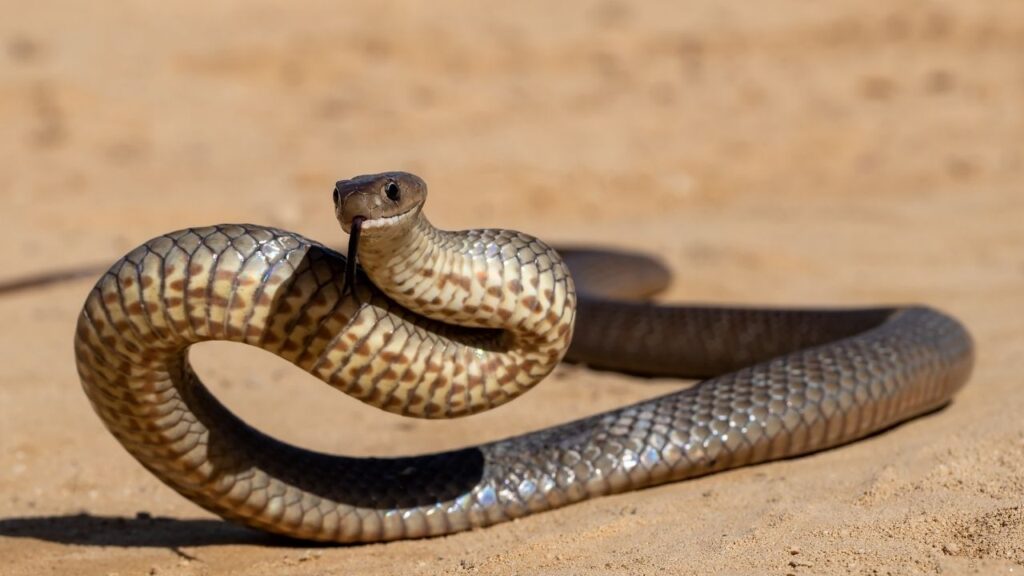
Meet the Eastern Brown Snake, Australia’s own “home-invader with attitude.” This snake is infamous for being responsible for more human fatalities than any other Australian species. And unlike some snakes that give you a dramatic warning hiss, the Eastern Brown Snake’s bite is often painless—which is basically its way of saying, “Surprise!”
As per Wikipedia, venom-wise, it’s the world’s second-most venomous land snake, right after the Inland Taipan. One bite can unleash toxins that cause paralysis and internal bleeding, and get this—they’re one of the few snakes capable of killing a human in under 15 minutes.
What makes them even more intriguing (and slightly terrifying) is their boldness. Eastern Browns are daytime hunters and often wander into the suburbs, making casual appearances in gardens, parks, and even schoolyards.
Many bites occur when humans, trying to be heroes, attempt to kill or relocate them. Pro tip: if you see one, don’t play “snake whisperer”—step back and call a professional.
Despite their reputation, these snakes play a crucial role in controlling pests like rodents and small reptiles. They’re basically the unappreciated guardians of the Australian suburbs, though most people would probably prefer they keep a little more distance.
3. Black Mamba
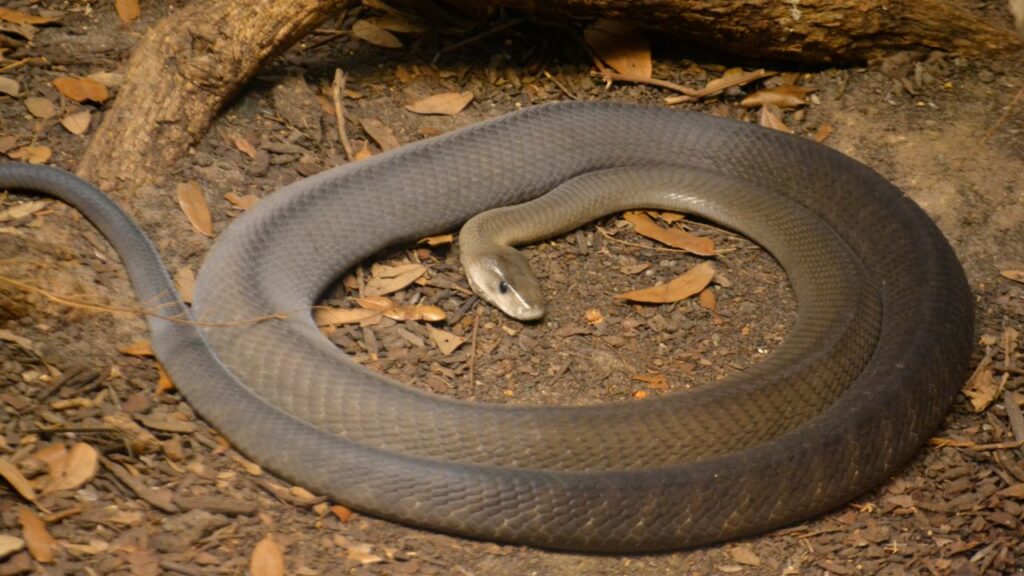
If venom had a VIP club, the Black Mamba would be the president. Hailing from sub-Saharan Africa, this sleek, powerful predator is infamous for its deadly bite, which can be 100% fatal if untreated.
And let’s be honest—“Black Mamba” sounds way scarier than “grayish-brown snake,” but the name comes from the black interior of its mouth. Talk about a dramatic smile!
These snakes aren’t just deadly; they’re speed demons of the reptile world. Reaching speeds over 12 miles per hour, they could probably outrun your morning jog (and you’d really wish you’d stayed in bed if one was chasing you). Measuring up to eight feet long, the Black Mamba commands respect in both length and lethality.
Despite their fearsome reputation, Black Mambas usually avoid humans—they’re more interested in hunting small mammals and birds.
But if cornered or threatened, they won’t hesitate to defend themselves with a bite that delivers highly potent neurotoxins, which can paralyze the nervous system and shut down the respiratory system in record time.
In short: fast, deadly, and sleek as a sports car, the Black Mamba is basically the James Bond of snakes—cool, lethal, and never boring to read about… from a safe distance.
4. King Cobra
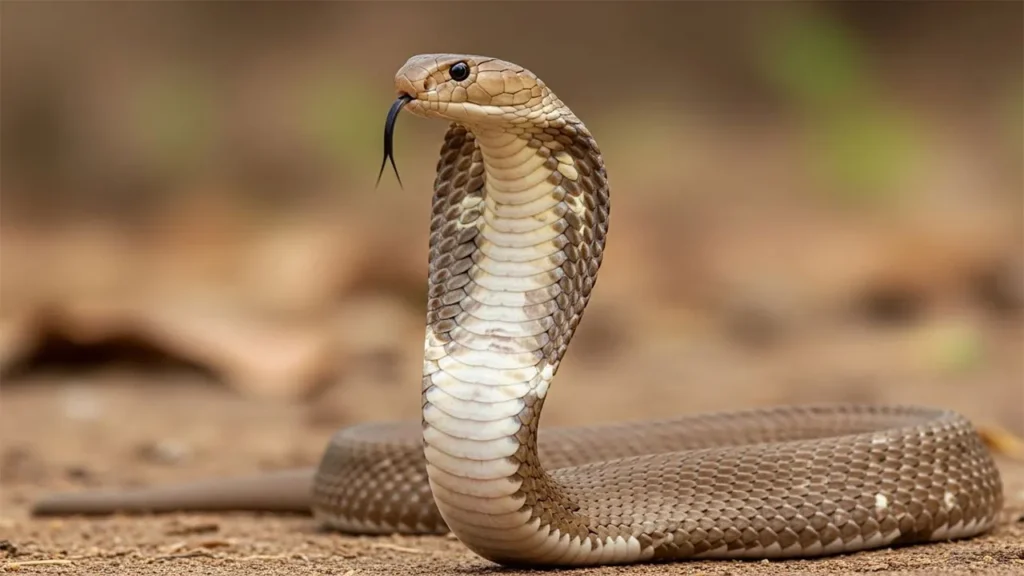
Bow down to the King Cobra, the snake kingdom’s absolute monarch. This majestic reptile can reach lengths of over 18 feet, making it one of the world’s longest venomous snakes on Earth.
With colors ranging from green to yellow to black, and those iconic large scales on its head, the King Cobra has a look that says, “I’m royalty—approach with caution.”
Despite its fearsome reputation, the King Cobra is usually not aggressive toward humans. It prefers to keep to itself, but don’t be fooled—if it feels threatened, startled, or during the drama of breeding season, it can strike with paralyzing venom strong enough to kill an elephant in just three hours.
That’s not your average backyard snake! As per Britannica, humans are, unfortunately, the King Cobra’s most significant predators.
People hunt them for food, traditional medicine, and even leather. Basically, the King Cobra is both feared and highly desired—which makes it the celebrity of the snake world, albeit a very dangerous one.
So, if you ever spot a King Cobra, remember: respect the throne, admire from a distance, and avoid getting on the wrong side of this regal reptile.
5. Tiger Snake
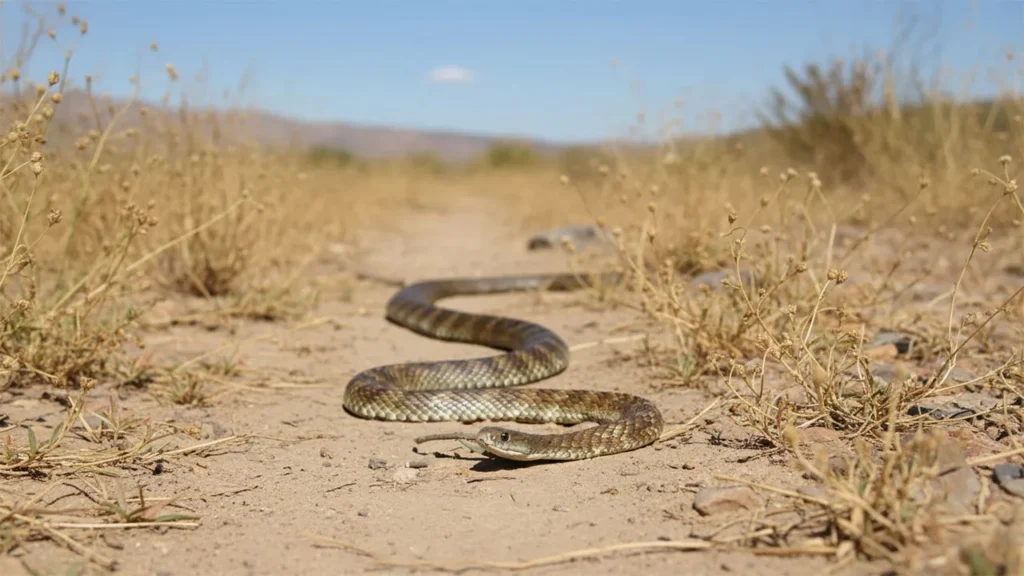
Say hello to the Tiger Snake, Australia’s very own striped predator. Measuring around three feet long, these snakes are instantly recognizable by their dark brown or yellow-brown bands stretching across their backs, paired with a light underbelly—a fashion statement that screams, “I mean business.”
Tiger Snakes are voracious eaters with a taste for frogs, but they won’t turn down a meal of birds, fish, reptiles, or small mammals if the opportunity arises.
This makes them crucial players in controlling local populations of pests like rats and mice. Think of them as tiny, slithering pest-control officers—just way more dangerous than your average exterminator.
Found along the south-eastern coast of Australia, especially near creeks, rivers, and swamps, Tiger Snakes are highly venomous. Their fangs may only measure 3–5 mm, but don’t let the small size fool you—these tiny daggers deliver venom potent enough to incapacitate prey and pose serious danger to humans.
So, next time you spot a Tiger Snake, remember: it might be small compared to a King Cobra, but with its striped pattern and lethal bite, it’s still a force to be reckoned with. Admire the stripes, respect the venom, and maybe stay on the opposite side of the creek!
6. Russell’s Viper

Enter the Russell’s Viper, a snake that’s small in size but big on danger. Found across South and Southeast Asia, this viper is infamous for its aggressive temperament and highly toxic venom.
Unlike some snakes that give you warning signs, the Russell’s Viper can strike quickly if it feels threatened—so think of it as the “surprise villain” of the snake world.
With a stout body patterned with intricate brown and tan diamond shapes, this snake looks almost artistic… until you remember that its bite can cause internal bleeding, kidney failure, and severe pain in humans. Yes, it’s as deadly as it sounds.
Russell’s Vipers are also active hunters, feeding primarily on rodents, birds, and amphibians. Ironically, their meals often help humans by controlling pest populations, but accidentally crossing paths with one is definitely not on the to-do list for most people.
So, while their pattern might catch your eye, remember: admiration is best done from a safe distance. Russell’s Viper is quick, potent, and certainly not the kind of roommate you want in your backyard.
7. Boomslang
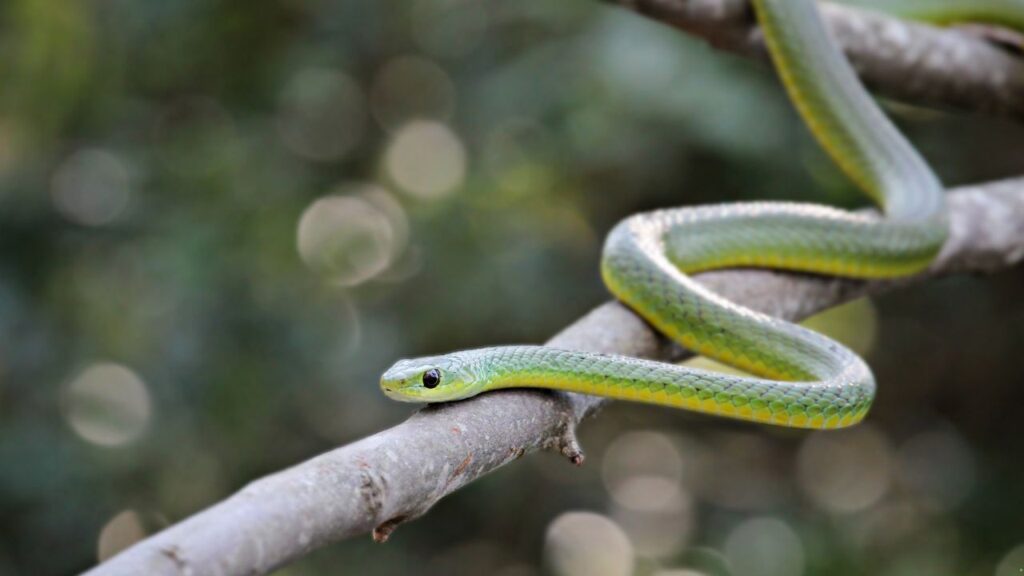
Meet the Boomslang, Africa’s stealthy tree-dwelling assassin. This snake is a master of disguise—its secret? camouflage that would make a chameleon jealous.
Perched on a branch, it can stretch its front half forward, perfectly mimicking a twig, and stay absolutely motionless, waiting for the perfect moment to strike. Birds, chameleons, or unsuspecting small mammals? Boomslang doesn’t miss.
But don’t let its quiet, patient hunting style fool you—this snake’s venom is serious business. Just a small dose can trigger severe hemorrhaging and can be fatal to humans. Think of it as nature’s way of saying, “Don’t underestimate me just because I’m chilling in a tree.”
With its combination of stealth, precision, and deadly venom, the Boomslang is basically the ninja of the snake world: silent, almost invisible, and incredibly dangerous. The safest way to admire one? From the ground, binoculars in hand, and absolutely no sudden movements.
8. Coastal Taipan
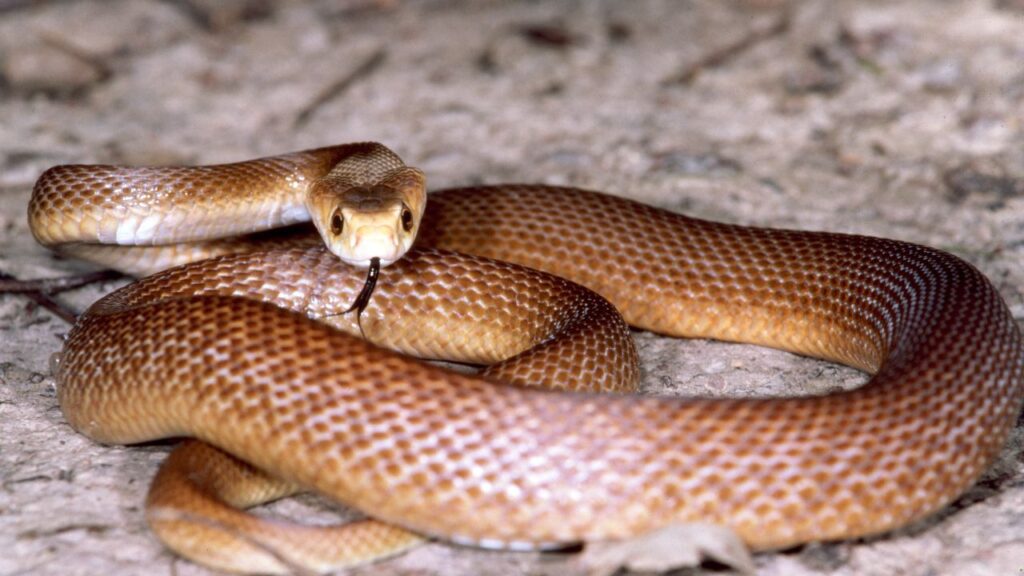
Say hello to the Coastal Taipan, Australia’s fast and formidable venom expert. Related to the infamous Inland Taipan, this snake might not grab as many headlines, but don’t let that fool you—it’s highly venomous and capable of delivering a bite that can be deadly to humans if left untreated.
Coastal Taipans are long and slender, built for speed and precision. They can strike quickly, injecting powerful neurotoxins that attack the nervous system and stop breathing in its prey—or an unfortunate human—if antivenom isn’t administered in time.
Basically, it’s a snake that doesn’t waste time: see target, strike, repeat. Found along the coastlines of northern and eastern Australia, these snakes prefer forests, woodlands, and farmlands, but they’re surprisingly good at avoiding people… most of the time.
Their diet consists mainly of rodents, making them excellent pest controllers. So while they’re dangerous, they do provide a natural service—just don’t get too close while they’re at work.
In short: the Coastal Taipan is a speedy, highly efficient, and very venomous hunter—an apex predator that combines lethal precision with a healthy dose of “don’t mess with me.”
9. Blue Krait
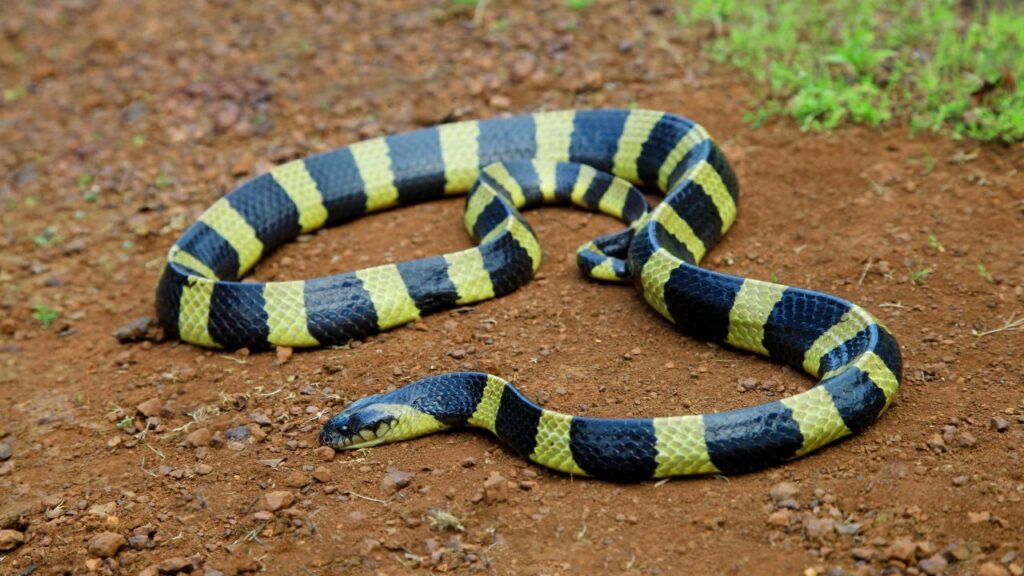
Meet the Blue Krait, also known as the Malayan Krait, a snake that proves you can be both deadly and dazzling. Its nickname, the “five-step snake,” comes from an old, spine-chilling idea: if bitten and envenomated, a person might only take about five steps before collapsing.
While modern medicine and antivenom make that a bit of an exaggeration, it’s still a clear warning that this snake’s venom is no joke.
According to A-Z Animals, the Blue Krait’s venom is extremely neurotoxic, attacking the nervous system and shutting down vital functions if left untreated. Even juvenile kraits can deliver a bite potent enough to kill, making every encounter potentially dangerous.
Yet, despite this lethality, Blue Kraits are surprisingly tame and calm. In fact, some people have been known to handle them carefully, mesmerized by their slender bodies and striking black-and-white bands that almost look like nature’s own artwork.
These snakes are mainly nocturnal hunters, sneaking out at night to feed on small reptiles, amphibians, and occasionally rodents. Their stealthy habits and quiet demeanor during the day make them easy to admire from afar—just don’t get too close.
In short, the Blue Krait is a perfect mix of beauty and danger: elegant enough to be mesmerizing, lethal enough to command respect. It’s a reminder that in nature, the most stunning creatures are often the ones you most need to watch out for.
10. Eastern Diamondback Rattlesnake
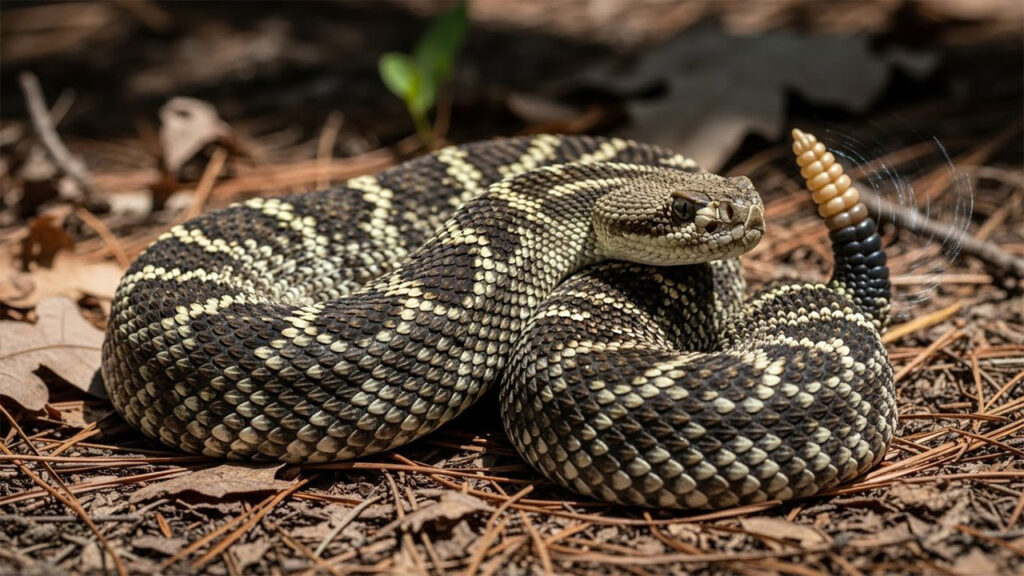
Meet the Eastern Diamondback Rattlesnake, the heavyweight champion of North American snakes. With its robust body, distinctive diamond-shaped pattern, and signature rattle, this snake is impossible to miss—and even harder to ignore. The rattle isn’t just for show; it’s nature’s very own warning sign, saying, “Back off, or things get messy.”
Found primarily in the southeastern United States, Eastern Diamondbacks can reach lengths of up to 8 feet and weigh over 10 pounds, making them not only highly venomous but also physically imposing.
Their venom is a potent hemotoxin, capable of causing severe tissue damage, internal bleeding, and even death if untreated. A single bite is serious business—definitely not something you want to test your luck with.
Despite their reputation, Eastern Diamondbacks are generally not aggressive and prefer to avoid humans whenever possible. Most bites occur when people accidentally step on them or try to handle them. In other words, respect the rattle, give them space, and you’ll both go home in one piece.
These snakes are also skilled hunters, feeding on small mammals, birds, and occasionally reptiles, which helps control local rodent populations. In short, the Eastern Diamondback is a perfect mix of power, precision, and cautionary flair—a true titan of the snake world.
Conclusion
Other snake species that have the most powerful venomous bites include the deadliest snakes and venomous species worldwide, such as the Indian Cobra, Philippine Cobra, Cape Cobra, Common Krait, Saw Scaled Viper, Russell’s Viper, Puff Adder, and Common Death Adder. Some are Africa’s deadliest snakes, others dominate the Indian subcontinent or Central and South America. With muscular bodies, body length, and heavy-bodied structures, these dangerous snakes can strike repeatedly, injecting most potent venom that can paralyze muscles, cause progressive paralysis, respiratory failure, tissue death, untreatable bleeding, blood clotting mechanisms disruption, and red blood cell destruction.
Their venom glands produce extremely potent venom, including hemotoxic venom and neurotoxic components, leading to most excruciatingly painful bites and high untreated mortality rates. These snakes act as ambush predators, targeting preferred prey while remaining a perceived threat to humans in human habitation. With snakebite incidents, recorded fatalities, and many lives affected, the combination of venom produced, powerful venom, and strike capabilities cements these species as the most venomous snakes in the world, showcasing how other species and humans alike must respect their deadly potential.
