




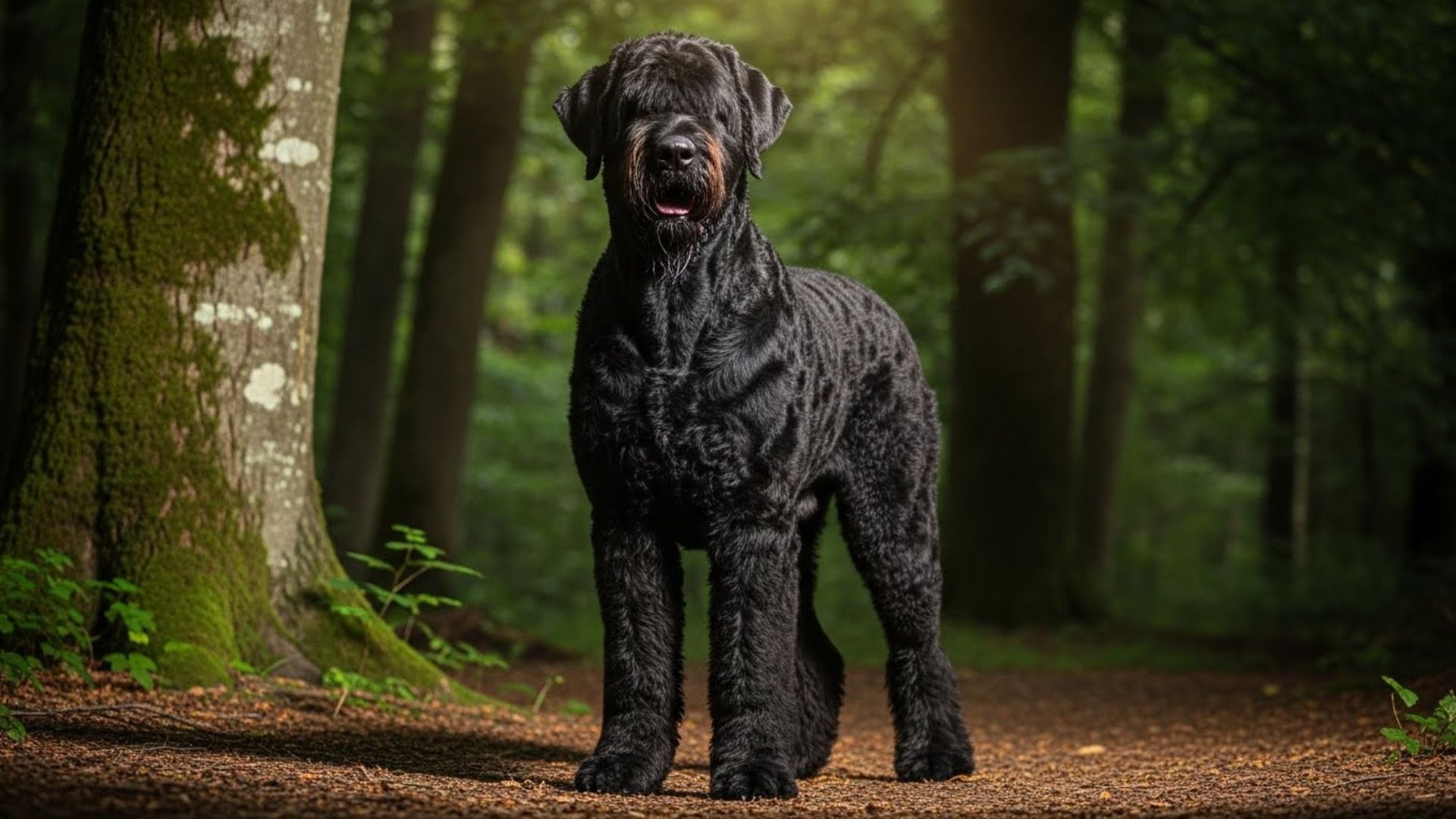
Big dogs have a way of filling a room, and your heart. Some giants are famous. You know the usual list. But there’s a “secret menu” of huge dog breeds that most people never meet. And honestly, that feels unfair.
Want to see how we do that? We’re going breed by breed, like friends swapping stories. We’ll share what makes each one odd in a good way, what you’ll notice fast, and what you’ll need to handle like a responsible human.
One quick heads-up: “giant” is not just a vibe. These dogs can be 80 to 150 pounds or more, with big bones, big feelings, and big needs. If you like personal space… it gets even worse, though, because they will sit on your feet like it’s their job.
Now, let’s meet the underrated legends. These rare dog breeds are unique, real, and wildly lovable too.
Unusual Giant Dog Breeds You Probably Haven’t Heard Of
1. Black Russian Terrier
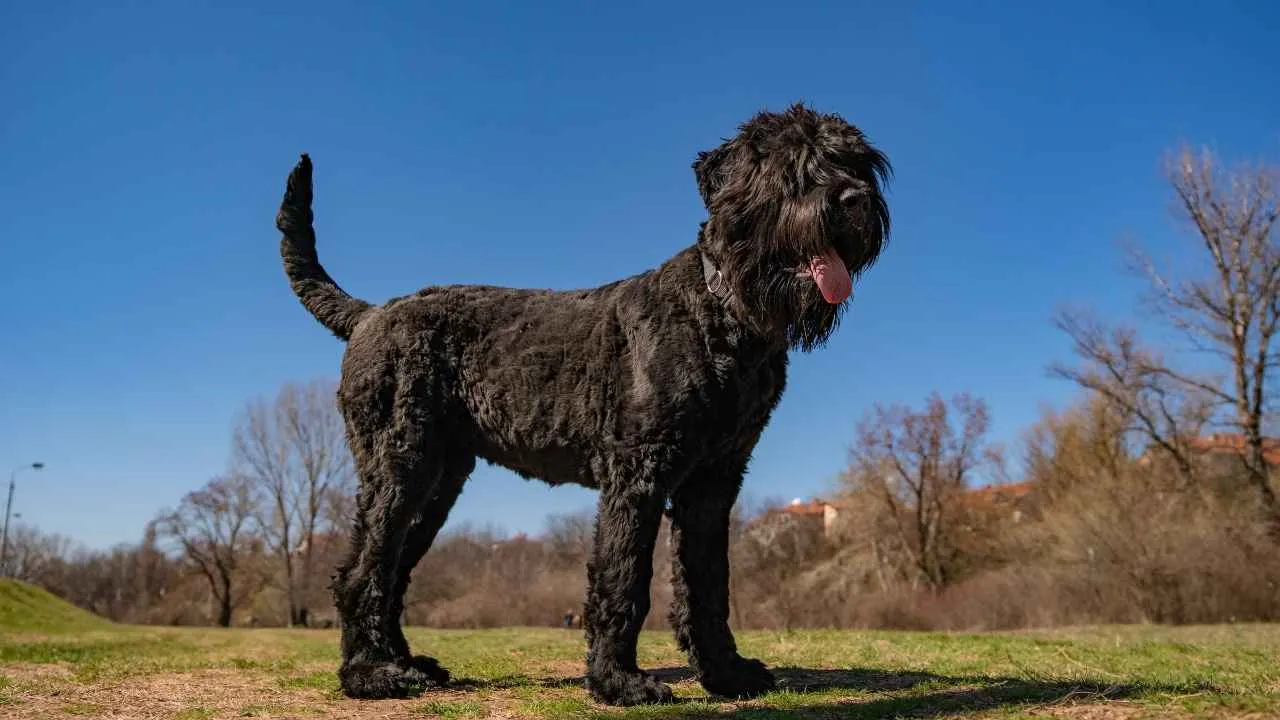
The Black Russian Terrier looks like a walking black cloud with eyebrows. Under that rugged coat is a smart, steady guardian built for real work.
Europetnet notes that this breed was developed in the former USSR for guard and police-style jobs, and you can still feel that “I’m on duty” focus today. They’re confident, courageous, and often aloof with strangers.
This is a big dog, often 80 to 130 pounds, and many stand close to 30 inches at the shoulder. When one leans on you, you learn new physics.
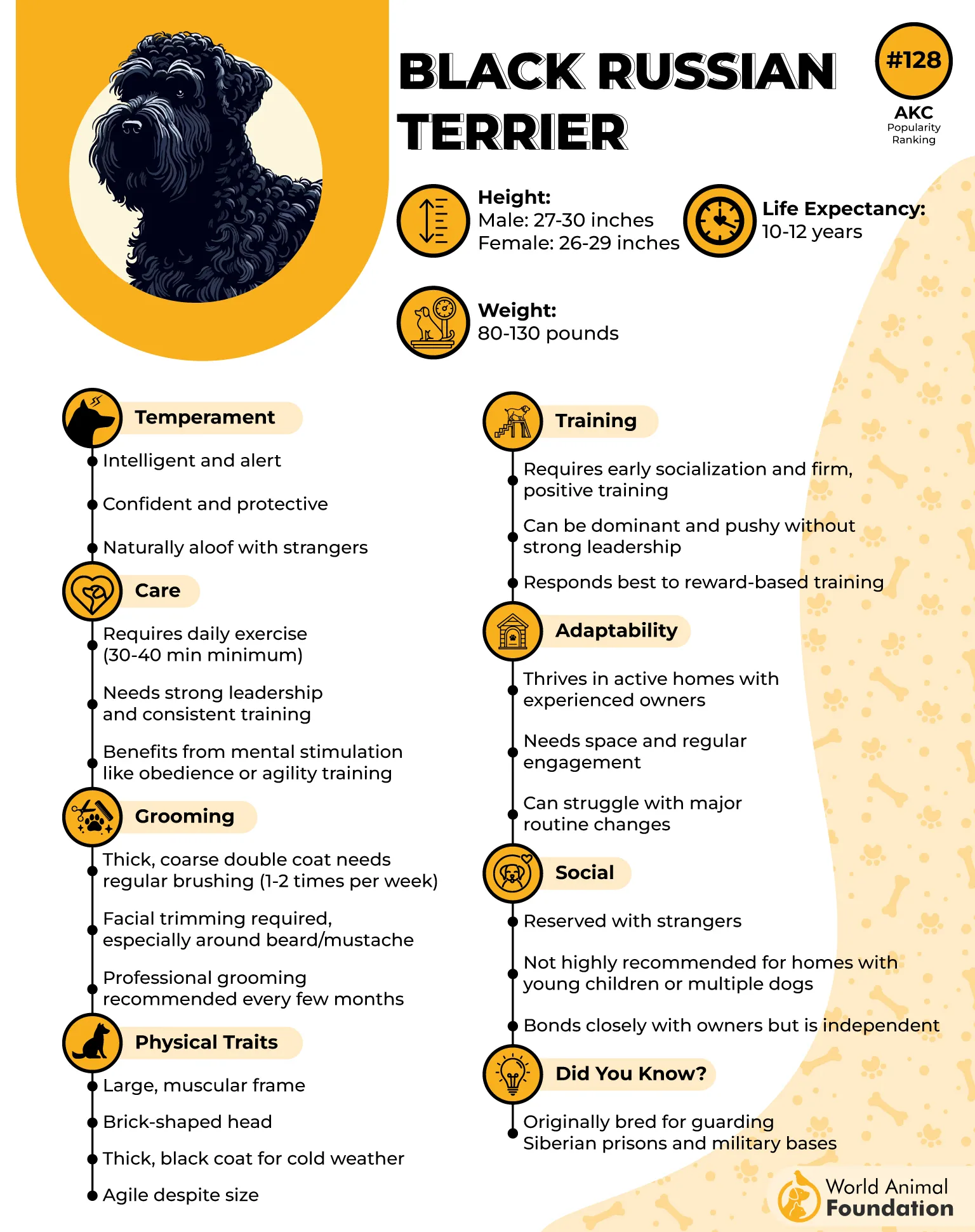
They bond hard with their people, and they can be excellent learners when you keep training calm and fair. If you try to push them around, they won’t “respect” you. They’ll just decide you’re weird. Exactly.
Here’s the best part: that thick, coarse, all-black coat is not just a style. It helped them handle rough weather and harsh conditions.
But it also means grooming is not optional. You’ll be brushing, trimming, and checking that beard like you’re maintaining a fancy rug. They also need steady mental work, or they invent their own “security jobs” at home.
Important note: Living with the “bearded bouncer.”
Needs early social time so “protective” doesn’t turn into “pushy.”
Best with firm, fair training, not harsh correction.
Coat care is a real hobby, not a once-a-month task.
2. Bloodhound
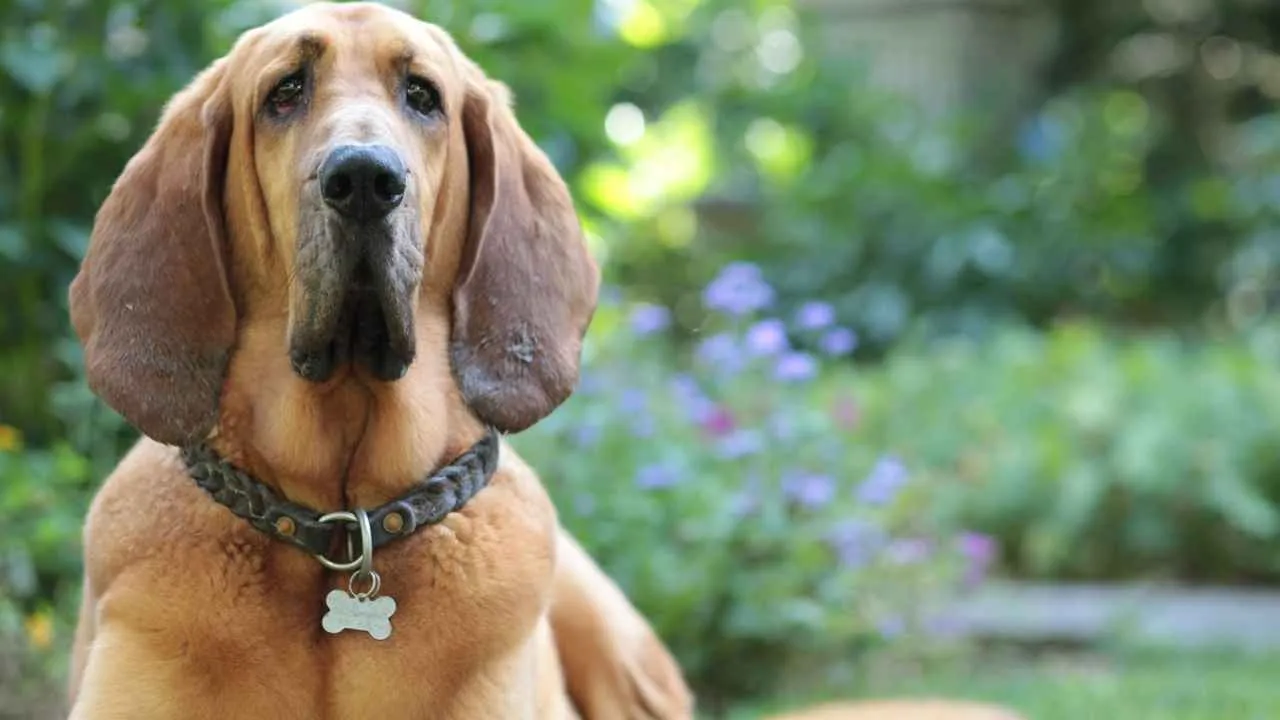
A Bloodhound is basically a nose with a dog attached. This breed is famous for tracking people, even when the trail is old.
When a Bloodhound catches a scent, their whole body changes. Ears swing. Head drops. Brain locks in. You can almost hear the theme music.
They’re also huge, often 90 pounds and up, with long ears and loose skin that gives them a wise, droopy face. But don’t let the slow look fool you. They can be stubborn and independent, especially on a smell mission.
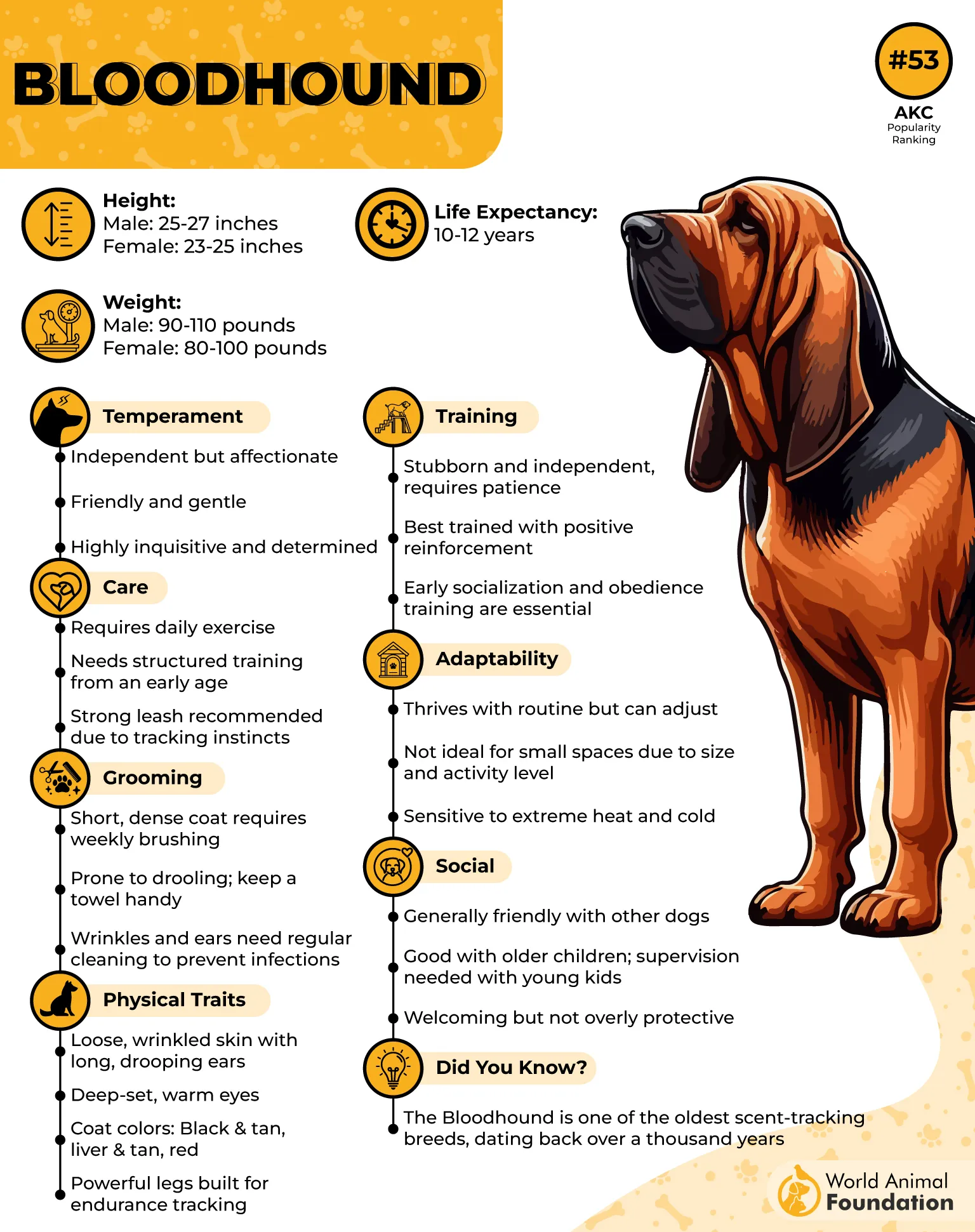
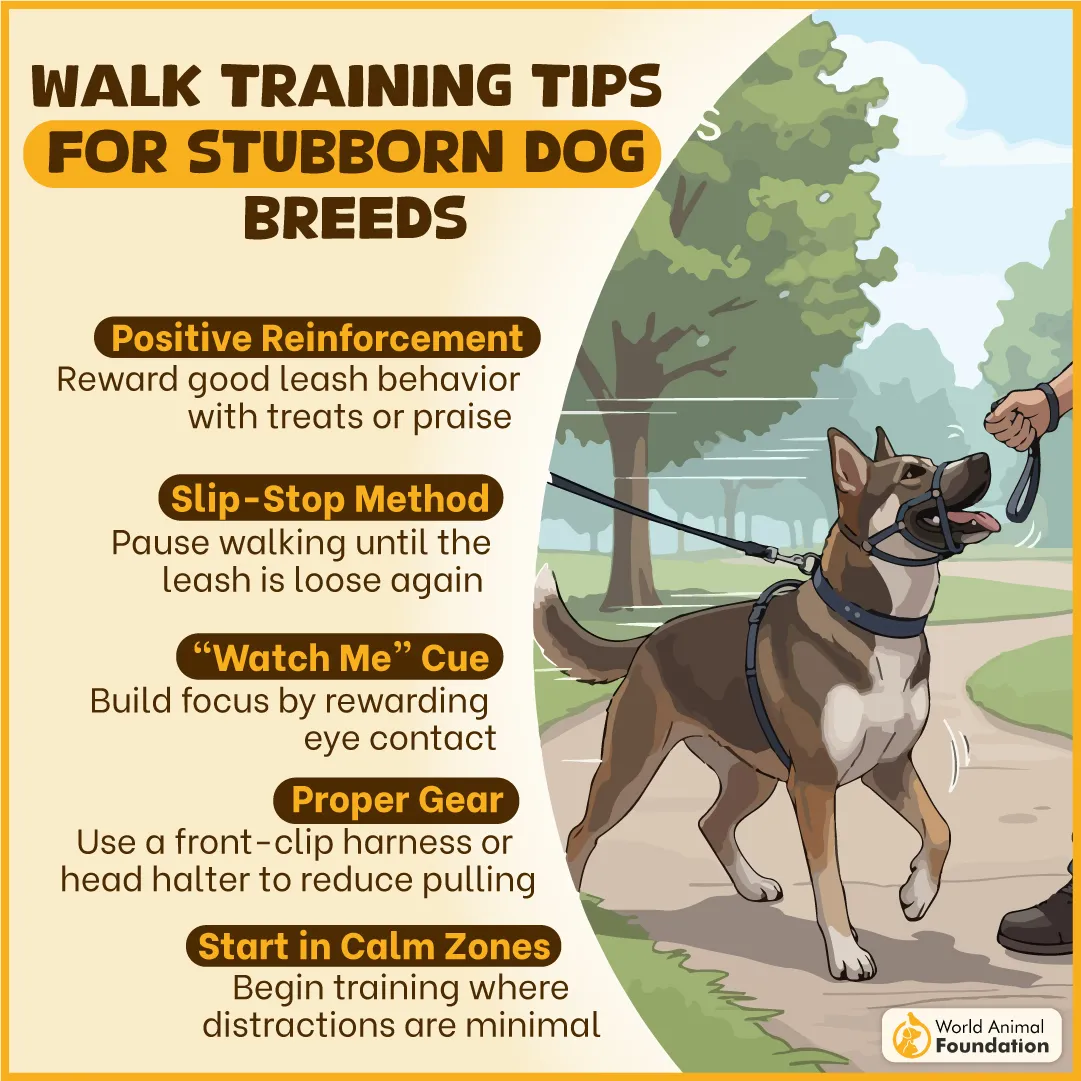
Training works best when you turn it into a game and keep your patience tank full. But wait, there’s more: they can pull like a tiny tractor. Start leash manners early, or your shoulder will write you a complaint letter.
Bloodhounds are usually gentle and affectionate at home, and they tend to love being close to their people. Care-wise, you’ll be doing ear checks often, because those long, droopy ears can trap moisture and get irritated. Also, yes, drool is part of the package.
Keep a towel nearby and accept your new lifestyle. A secure fence matters too, because that nose can lead them on surprise side quests. Sounds crazy, right?
Important note: The “towel budget” is real
Do regular ear cleaning, especially after water time.
Expect slobber after meals, play, and happy moments.
Give them safe scent games, or boredom gets loud.
3. Dogue de Bordeaux
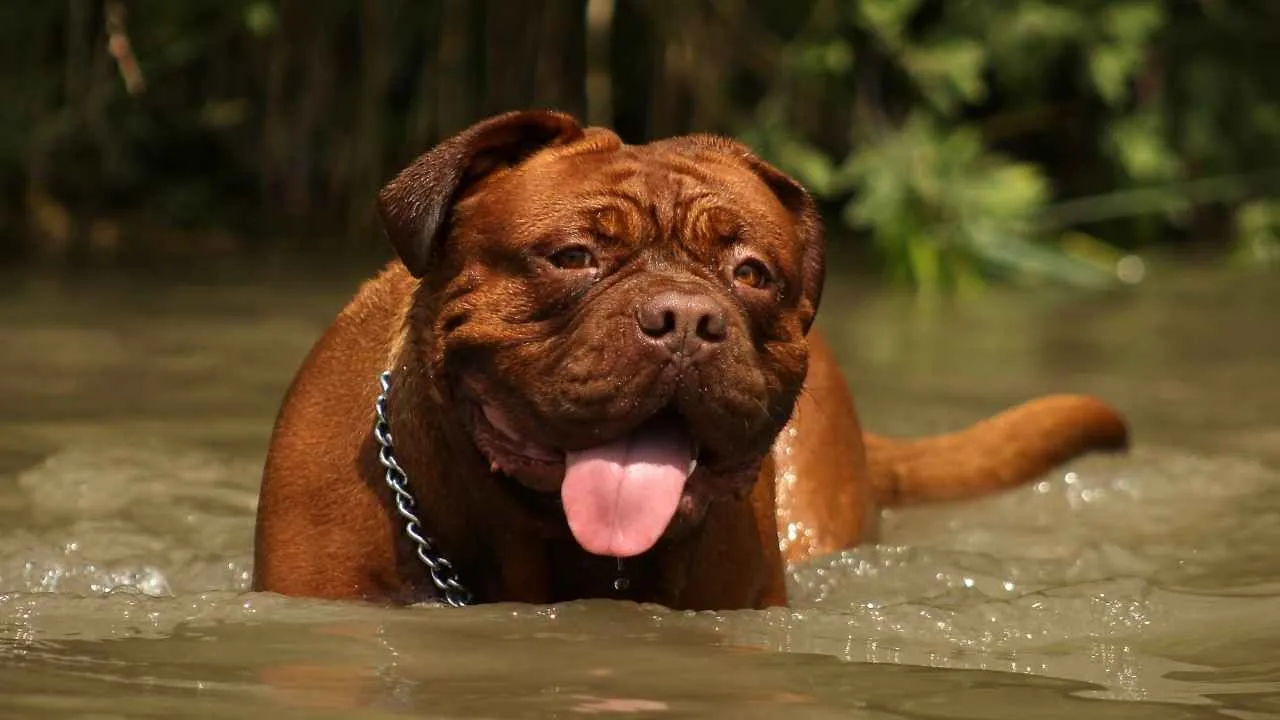
The Dogue de Bordeaux, also called the French Mastiff, has a face you never forget. Massive head. Heavy jowls. A body that looks like it was carved out of muscle.
It’s one of the most ancient French breeds, and it still carries that old-school guardian vibe. Yet with their own people, many are sweet, sensitive, and deeply loyal.
This is a true giant, often 110 pounds and up, and built low to the ground like a tank with feelings. Many are calmer indoors than you’d expect, as long as they get routine and kind, consistent training.
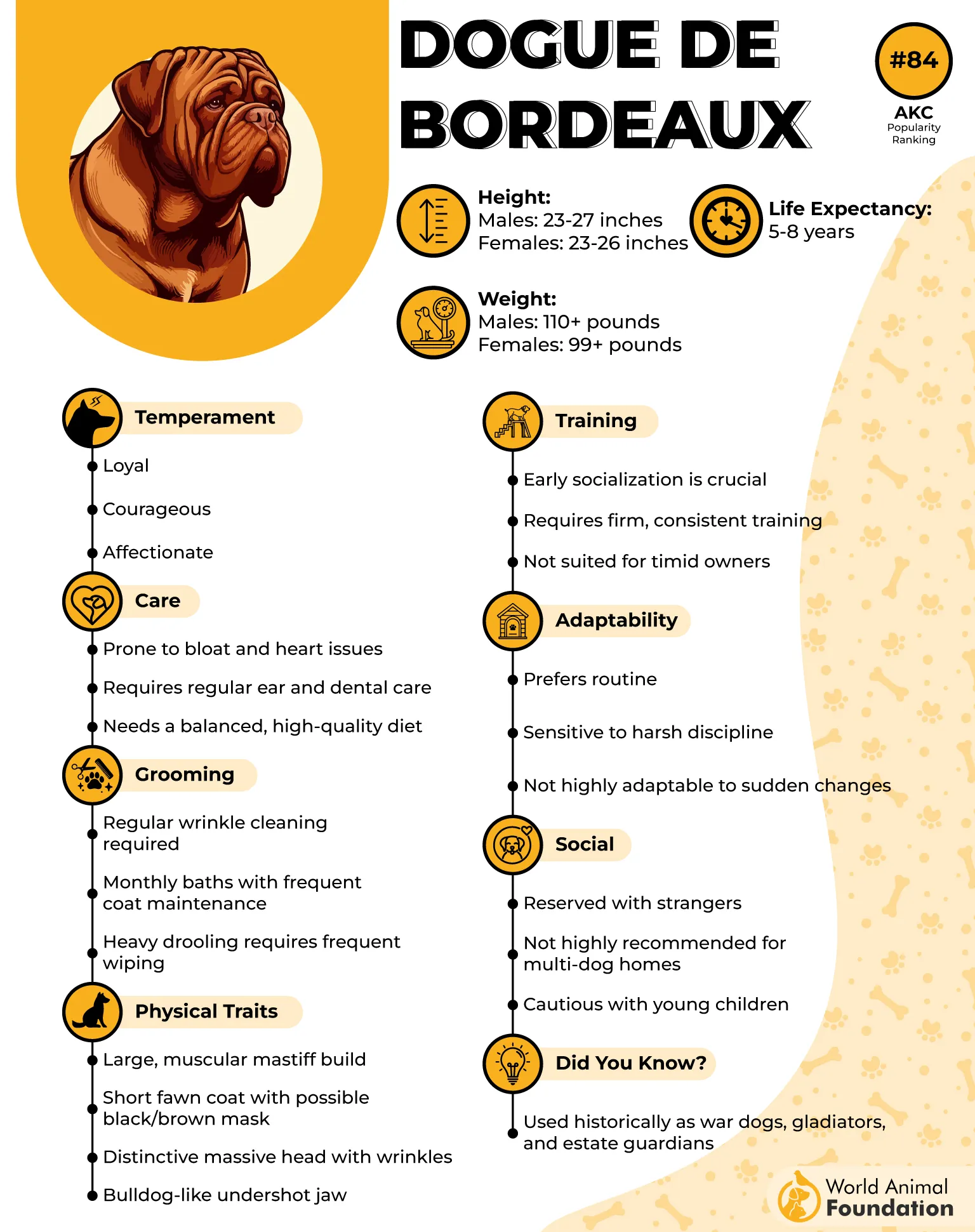
Early social time matters because a giant dog who is unsure can become a giant problem fast.
Now for the real talk: the drool is legendary. Their wrinkled, jowly muzzle can trap moisture, so wiping the face and keeping folds clean helps prevent irritation. Grooming the coat is simple, but face care is a daily thing.
Health-wise, this breed can have a shorter life span than many dogs and may be prone to heart and joint issues, so steady vet care and smart weight habits matter. Keep them cool in hot weather, too, because heavy bodies can overheat.
Here’s the good part: if you can handle the mess, you get a devoted, protective cuddle-tank who adores its people.
Important note: Big heart, big head, big responsibilities
Keep facial wrinkles clean and dry to avoid skin trouble.
Patient, steady training helps with that independent streak.
Avoid heavy exercise for growing pups to protect joints.
4. Leonberger
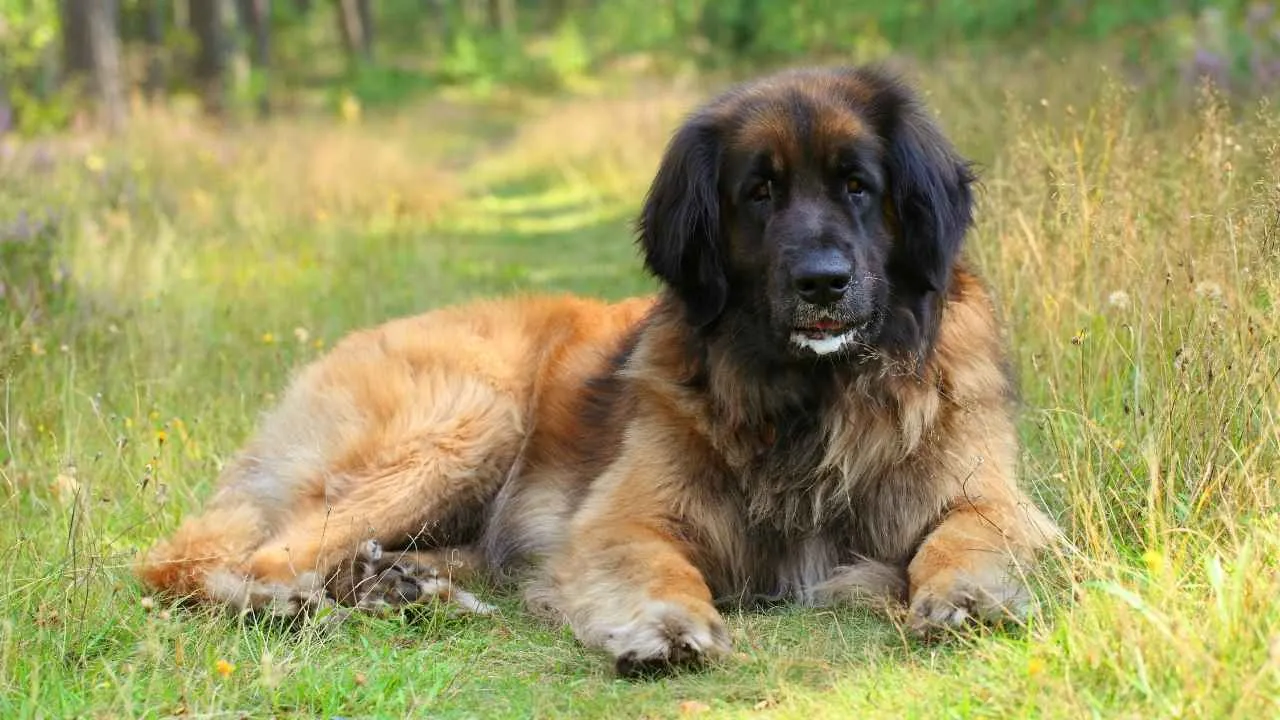
The Leonberger looks like a lion that decided to become your best friend. They’re a lush-coated giant from Germany, known for a gentle, patient nature and a deep love for family life. You’ll often see a calm “I’ve got this” attitude, even when the house is loud.
They’re also relatively rare, and at points in history, the breed came close to extinction, which is wild when you think about how lovable they are.
Size-wise, they’re often over 100 pounds with a thick double coat. Many have webbed feet, and they’ve been linked with water work, which fits their steady, helpful personality.
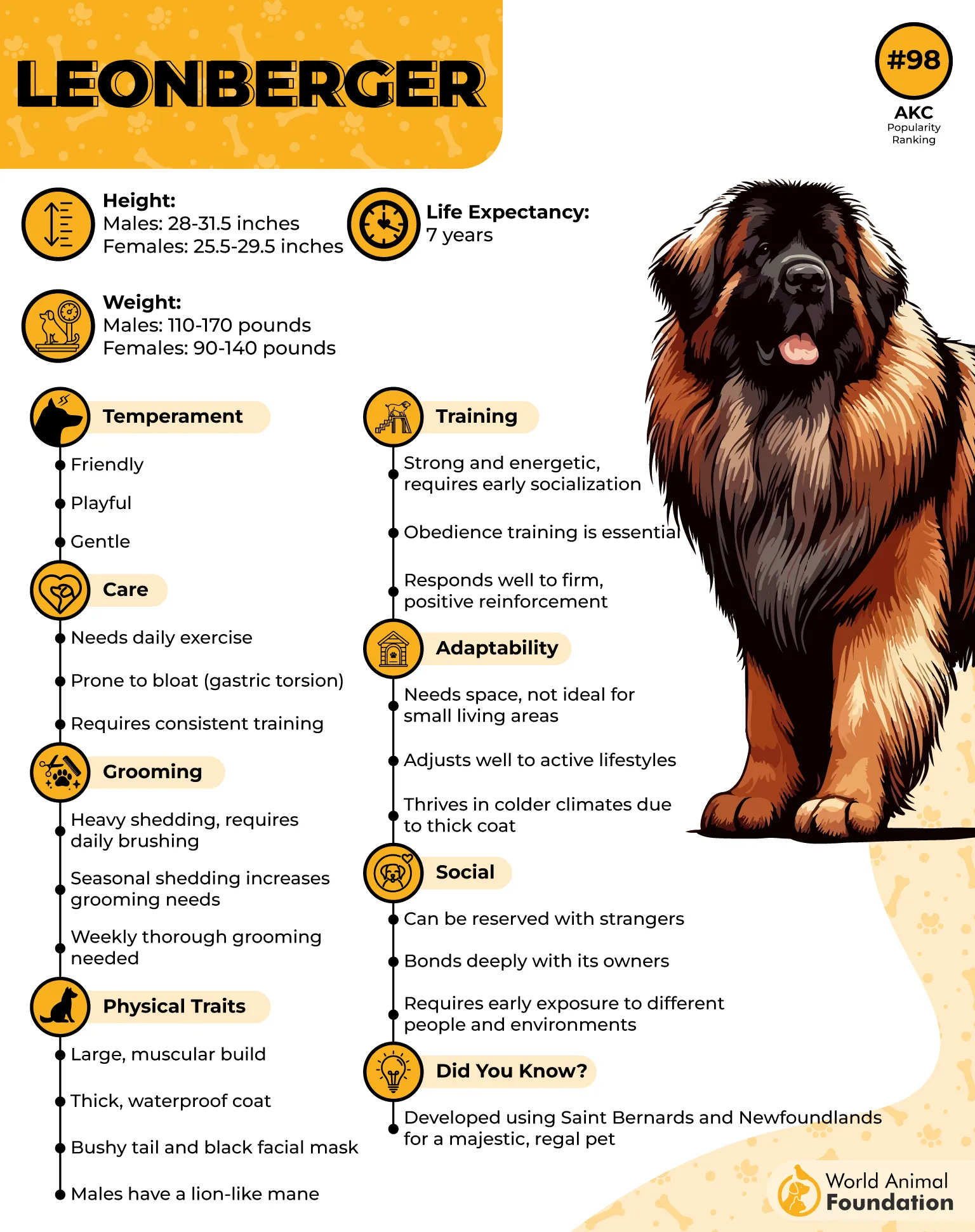
Living with a Leonberger is like living with a gentle moving blanket. They want to be near you and do best when included in daily life. Grooming is a big deal here. That coat can shed and tangle if you ignore it, so brushing is a real habit.
Giant bodies can struggle with joints, so keep them fit and avoid overfeeding. Many also shine as calm comfort dogs, because they read the room so well. And here’s the best part: when a Leo leans their head into your side, it feels like a warm “you’re safe.”
Important note: The family lion who hates being left out
Regular brushing keeps the coat from turning into a knot festival.
Keep growing pups from doing too much hard jumping.
They thrive on family time, not being parked outside.
5. Neapolitan Mastiff
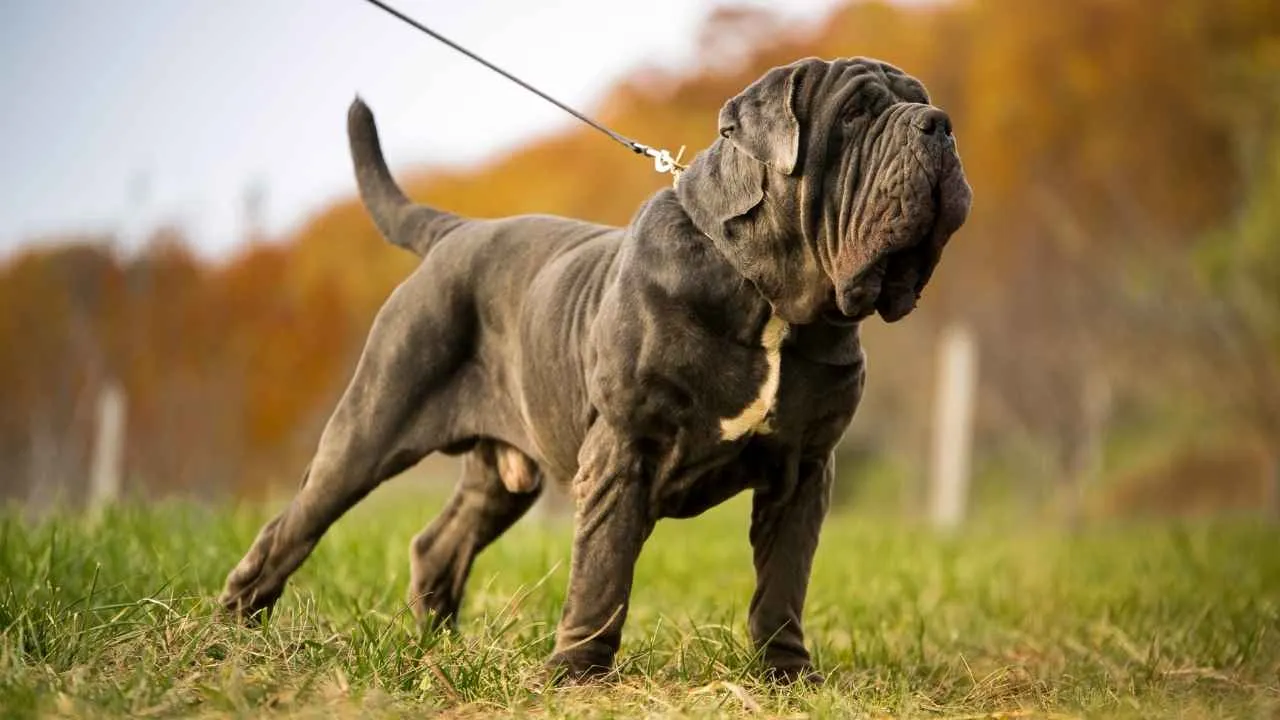
The Neapolitan Mastiff is the dog version of an ancient fortress. Huge. Heavy. Wrinkled in a way that looks almost unreal. This is a serious guard breed, and the look alone can make strangers rethink their choices. But with family, many are sweet, placid, and steady.
They are truly massive, often 110 to 150 pounds, and they move with slow confidence. You won’t get nonstop chaos. You’ll get short bursts of energy and then a nap that steals half the couch.
Training and early social time matter because these dogs are naturally wary of strangers. You want “calm protector,” not “panic alarm.”
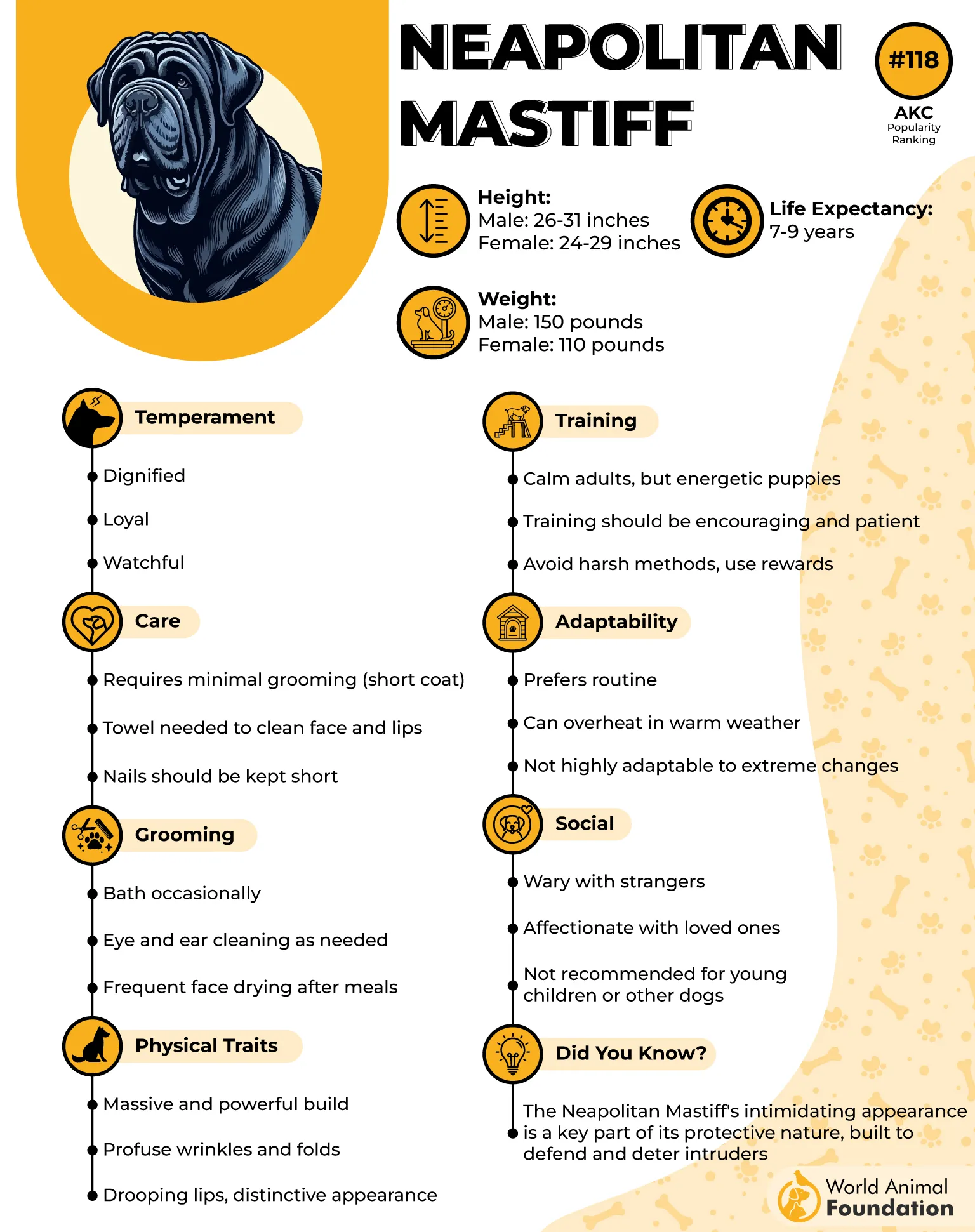
Here’s the good part and the messy part: drool and wrinkles team up like a prank. Those skin folds need to be kept clean and dry, and you’ll want towels in a few rooms. Their coat is short and fairly easy, but wrinkle care is a daily habit.
They also don’t love heat, and giant size can come with health risks, so gentle exercise and regular vet checks matter. This is not the dog for neat-freaks, and that’s the truth.
But why bother with that? Because if you do it right, you get a loyal, laid-back guardian who protects without constant noise.
Important note: Wrinkles are cute until they aren’t
Clean and dry skin folds to prevent irritation and odor.
Keep exercise gentle, especially in the heat.
Plan for drool. A lot.
6. Scottish Deerhound
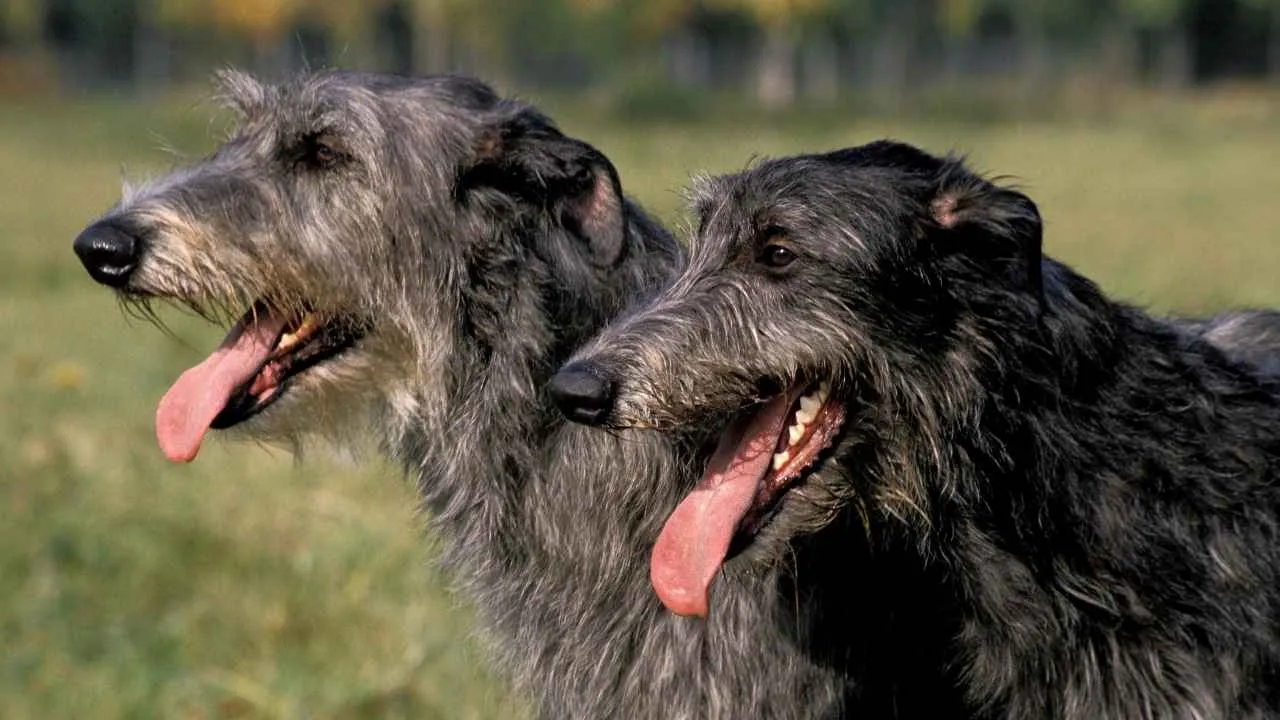
The Scottish Deerhound is tall, shaggy, and quietly royal. They were originally bred to stalk and course wild red deer in Scotland, and you can still see that long-legged grace and athletic build.
They’re among the tallest breeds, but they often act like calm roommates who just happen to be huge.
Most Deerhounds are sweet with their people, but can be reserved with strangers at first. They’re also sighthounds, which means they see movement and chase before their brain checks in.
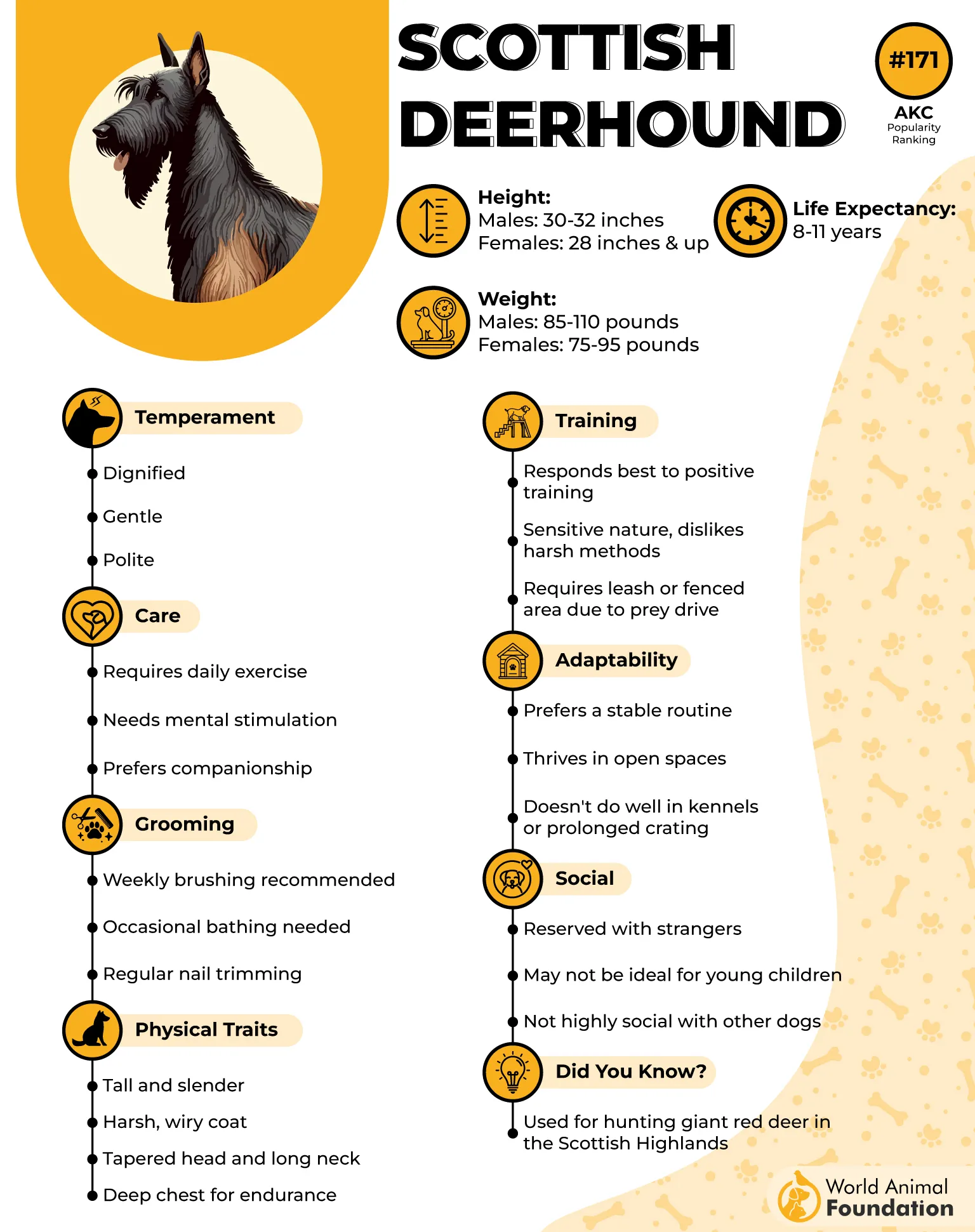
Small pets can be tempting targets, and letting them off-leash in open areas can turn into a full sprint adventure you did not plan. Sounds crazy, right? That prey drive is real.
Their coat is rough and crisp, and grooming is usually more about quick brushing than fancy styling. What they really need is space to stretch out and a solid daily walk, plus a safe chance to run.
Hill’s Pet Nutrition notes that they’re not “hyper,” but they do need real exercise for body and brain.
Also, they’re bony, so they love a soft bed like it’s fine art. And here’s the best part: when a Deerhound chooses you, the bond feels quiet and deep, like a soft promise.
Important note: A gentle giant with a turbo button
Aim for about an hour of daily exercise, plus safe run time.
Secure leash and fencing matter because prey drive is strong.
They don’t love being alone for long stretches.
7. Broholmer
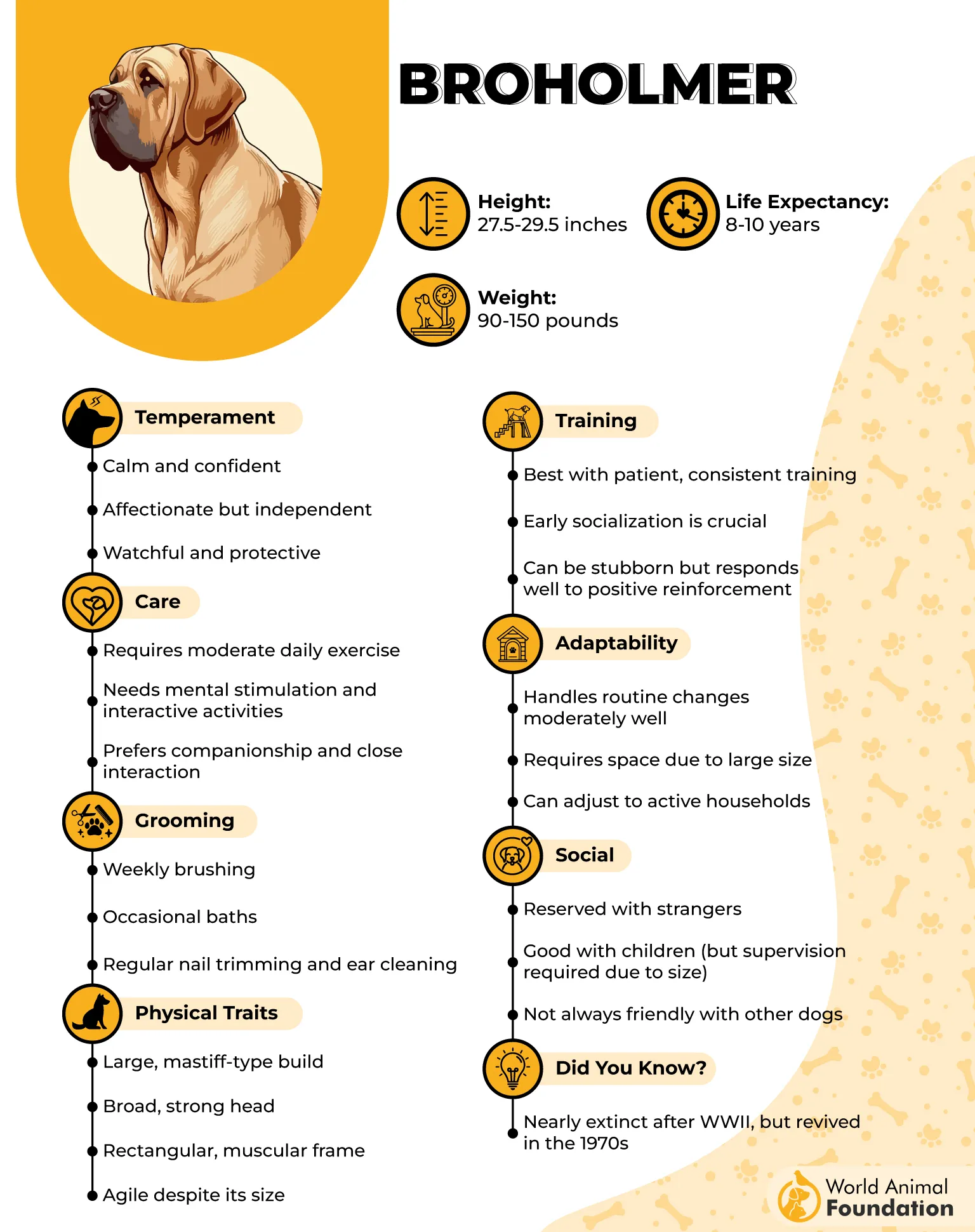
The Broholmer is a Danish giant that most people never spot in the wild. It’s a mastiff-type dog with a big, broad head and a calm, watchful vibe.
Historically, according to AKC, they were used as guard dogs in Denmark, and you can still see that steady confidence in the way they stand and stare.
They are large and powerful, often well over 100 pounds, but usually not wild or high-strung. They tend to be calm, docile, and even-tempered, loyal with family, and cautious with strangers.
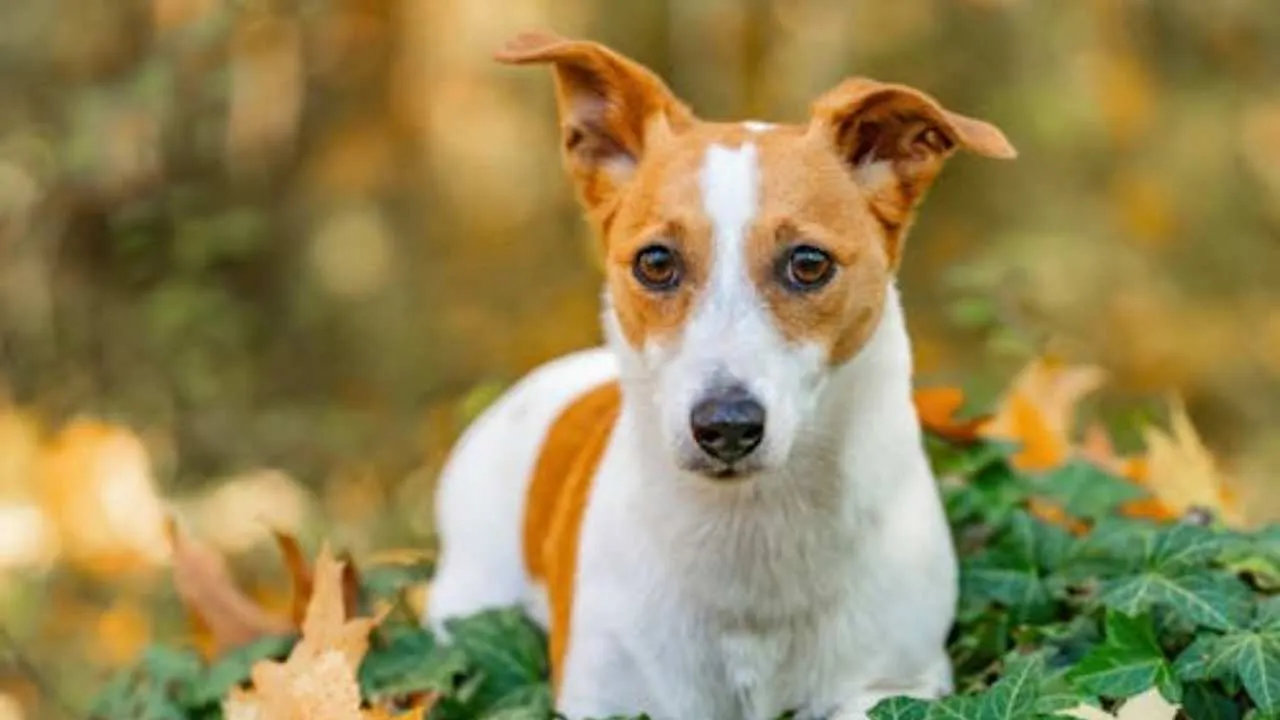
They do best with people who can handle a huge body and teach polite manners early, especially around guests.
And here’s the good part: they can be surprisingly agile for their size, and they enjoy outdoor time. Daily exercise helps keep them balanced, and skipping it can lead to bored, pushy behavior.
Broholmers are still uncommon in many places, which is part of what makes them feel unusual. Some also mature slowly, so patience pays off. So if you want a rare giant that feels steady and serious, this Danish tank is worth knowing. Exactly.
Important note: The calm Danish tank
Early training helps prevent “big dog bad habits.”
Daily outdoor time keeps them mentally settled.
Expect a watchful nature, not instant friendship with strangers.
Conclusion
Bringing home a Rare Breed Dog can feel like meeting a legend you’ve only heard about. At one point, some of these dogs were almost household names, while others kept wild roots from ancient times, West Africa, or even World War II history.
Some were developed for herding Livestock, working around horses, or helping owners with animals and other animals on busy farms. Others were bred to hunt Rabbits, hunt large game, or run with Hounds like the English Foxhound.
You might even spot odd traits like six toes in a few of the oldest breeds. Whether it’s a Finnish Spitz, Alaskan Klee Kai, Mountain dog, Carolina dog, Danish Swedish farmdog, or the rarest dog you never expected, every dog lover and pet parent should remember this: Rare doesn’t mean hard; it means special.
With a gentle nature, good-tempered vibes, and Affectionate hearts, many become gentle companions for Kids, Pups, puppies, Pets, Terriers, and even other breeds in the same household.
Now, here’s the good part: these athletic dogs can be Calm at home when they get the right mix of Exercise and mental exercise. Active families usually do best, because regular exercise, agility, playful time, and smart training help prevent Stubborn habits, especially with Strangers.
Athletic, active, and well-suited dogs thrive when experienced dog owners stay consistent and kind, from early Training with puppies to daily routines for grown Dogs.
Keep it fun, keep it steady, and your breed choice will shine, whether it’s biewer terrier, Skye Terrier, Cesky Terrier, or one of those rare breeds that makes you grin every time you say their name.
The world is full of amazing dogs, and once you find the right match, you’ll wonder why you waited so long.
