




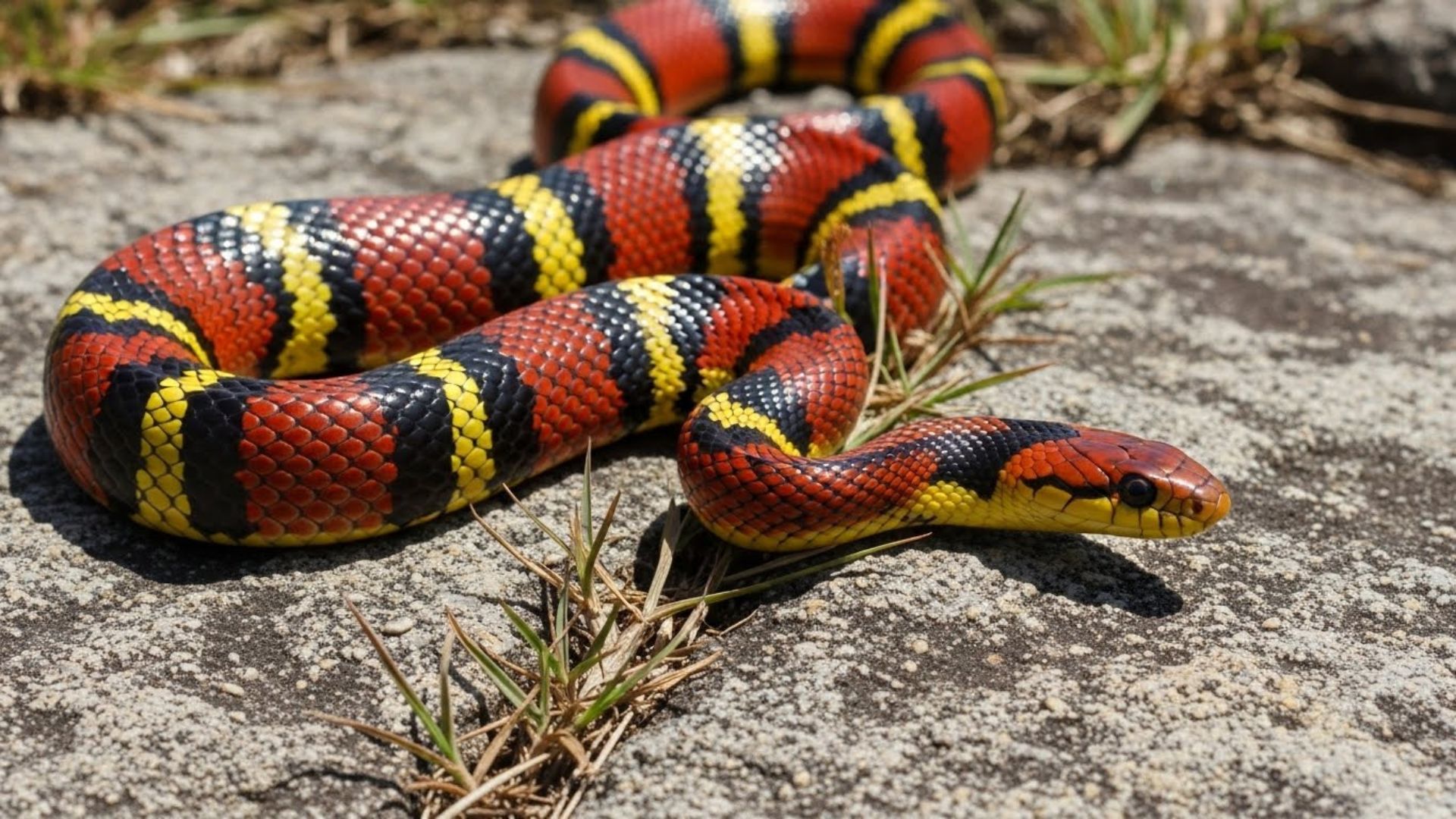
Imagine venturing into a remote rainforest, mist curling around ancient trees, or peering into a hidden cave system far from human eyes. In these isolated corners of the world, some of nature’s most elusive and extraordinary creatures live quietly—rare snakes that many people don’t even know exist.
Their uncommon appearances, bizarre behaviors, or highly specialized habitats make them standouts in the snake kingdom, capturing the fascination of scientists and snake enthusiasts alike. These rare snakes may possess unusual colors, striking patterns, or unique physical adaptations that set them apart from more familiar species.
Some are found only on a single island or within a tiny ecological niche, making sightings incredibly uncommon. Others have mysterious habits—some are nocturnal, others live underground, and a few even display hunting or survival strategies unlike anything else in the reptile world.
Exploring these rare snakes opens a window into the hidden diversity of life on Earth. They remind us that even in a world we think we know, there are still marvels waiting to be discovered—serpents so unusual, elusive, and extraordinary that they defy expectations and ignite our curiosity.
Fact: Many are endangered due to habitat loss, and some have evolved astonishing adaptations—like infrared-sensing pits or needle-thin bodies—to survive in secretive niches.
7 Rare Snakes You Probably Didn’t Know Existed
1. Stiletto Snake
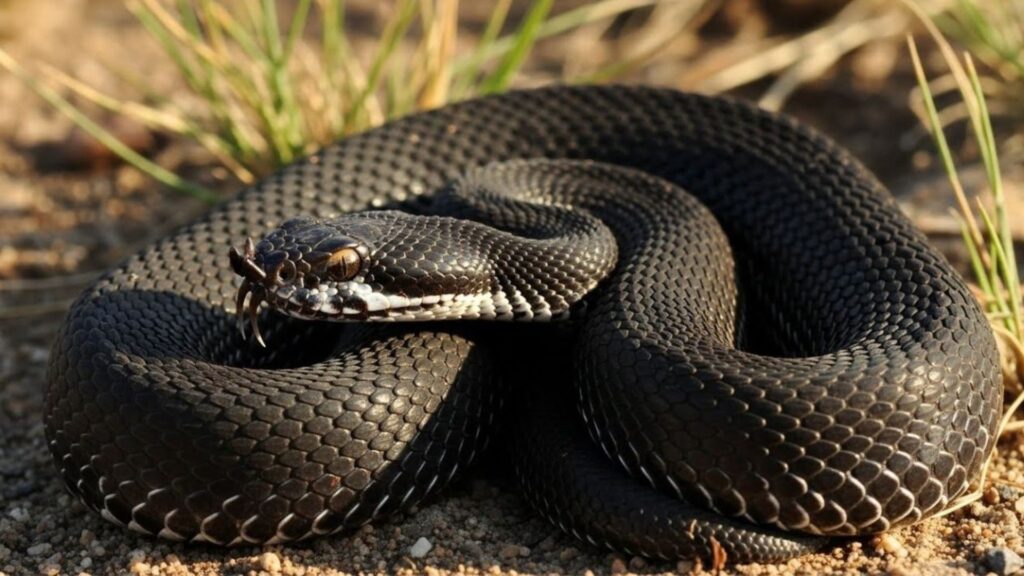
When it comes to snakes that make you do a double-take, the stiletto snake deserves a top spot. At first glance, this slithery critter might not scream “danger,” but don’t be fooled—it’s one of Africa’s deadliest predatorss, according to A-Z Animals.
Its secret weapon? Wandering fangs that can strike from bizarre angles, making it almost impossible to hold or handle safely. Think of it as the ninja of the snake world—silent, deadly, and always ready to surprise you.
One of the trickiest things about the stiletto snake is telling which end is its head. Seriously, don’t try guessing—you’ll lose. Its dark scales, small eyes, and eerily similar appearance to harmless snakes make misidentification a real risk. So, unless you’re a trained herpetologist, it’s best to admire these snakes from a safe distance… or maybe even from behind a sturdy wall.
Native to sub-Saharan Africa, stiletto snakes prefer hiding in lush vegetation, which suits their ambush style perfectly. They aren’t out hunting humans for fun—they’re more “don’t bother me, and I won’t bother you”—but cross their path, and their venom can make you wish you hadn’t.
Despite their fearsome reputation, stiletto snakes live surprisingly long lives. In the wild, they often reach 12–20 years, and in captivity, some have made it past 22 years. That’s a lot of years to perfect the art of looking harmless while being one of nature’s sneakiest assassins.
So, next time you’re hiking in Africa and spot a dark, slithery shape blending into the undergrowth, remember: the stiletto snake may look innocent, but it’s packing a serious punch—and a sense of humor it keeps entirely to itself.
2. Irwin’s Wolf Snake
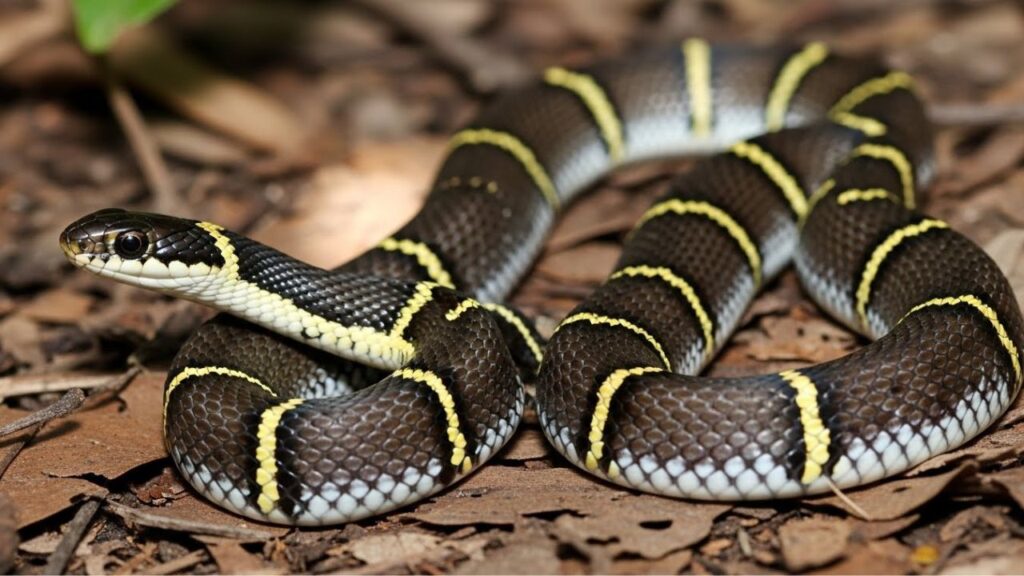
Meet Irwin’s wolf snake—a slender, stealthy serpent native to the Nicobar Islands of India. Unlike the big, showy snakes you see in documentaries, this little guy prefers the quiet life, slinking through the moist evergreen forests of Great Nicobar Island.
In fact, it’s so exclusive to this island that you could call it a true “local resident.” With an average length of 2.5 to 3 feet, it’s not exactly a giant, though some lucky—or unlucky—specimens stretch nearly 1.2 meters.
Its long, tapering tail ends in a whitish tip, almost like it’s waving a tiny white flag to say, “Hey, I’m just minding my own business here.”
Part of the Colubridae family, Irwin’s wolf snake isn’t known for aggressive behavior. Instead, it’s more of a forest ninja—slender, silent, and capable of slipping through undergrowth without making a sound. If you’re lucky enough to spot one, consider it a rare wildlife encounter: quiet, unassuming, and just a little mysterious.
So, while it might not strike fear like a stiletto snake, Irwin’s wolf snake wins points for being secretive, elegant, and uniquely island-bound—a real hidden gem in the world of serpents.
3. Tentacled Snake
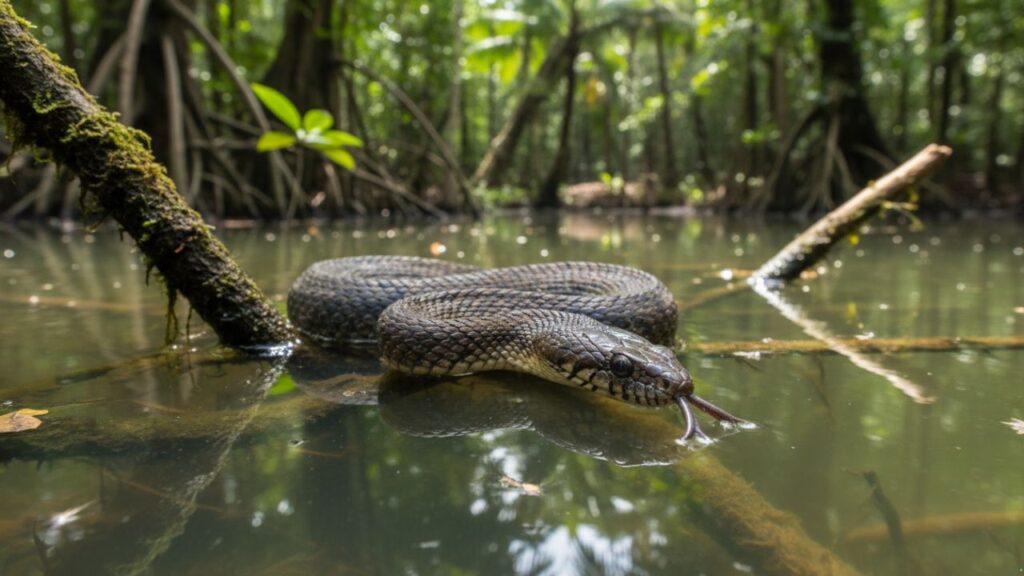
If snakes could win “Most Unusual Look” awards, the Tentacled Snake would take the trophy—hands down. Native to Southeast Asia, this aquatic marvel has a body designed for one thing: hunting fish… with style. And by style, I mean an almost alien appearance that will make you do a double take.
The tentacled snake gets its name from the tiny, fleshy tentacles on its snout. These aren’t decorative—they’re specialized sensors that help detect the slightest movement of fish in the water. It’s basically the snake version of having night-vision goggles… or a built-in motion detector.
Unlike most snakes, the tentacled snake is an ambush predator. It floats perfectly still, sometimes curling its body into a unique “J” shape, waiting for an unsuspecting fish to swim by. Then—snap!—it strikes faster than you can blink.
Watching this snake hunt is like seeing a live-action nature documentary, except you’re the audience, not the fish. Despite its scary hunting skills, this snake isn’t a threat to humans. Its venom is mild, mainly suited for subduing fish, not people.
But let’s be honest—its face alone is enough to make anyone give it a wide berth. So, next time you’re wandering near freshwater ponds or slow-moving rivers in Southeast Asia, keep an eye out.
You might just spot this underwater ninja with a built-in fish radar, silently waiting to show off its otherworldly hunting skills.
4. San Francisco Garter Snake
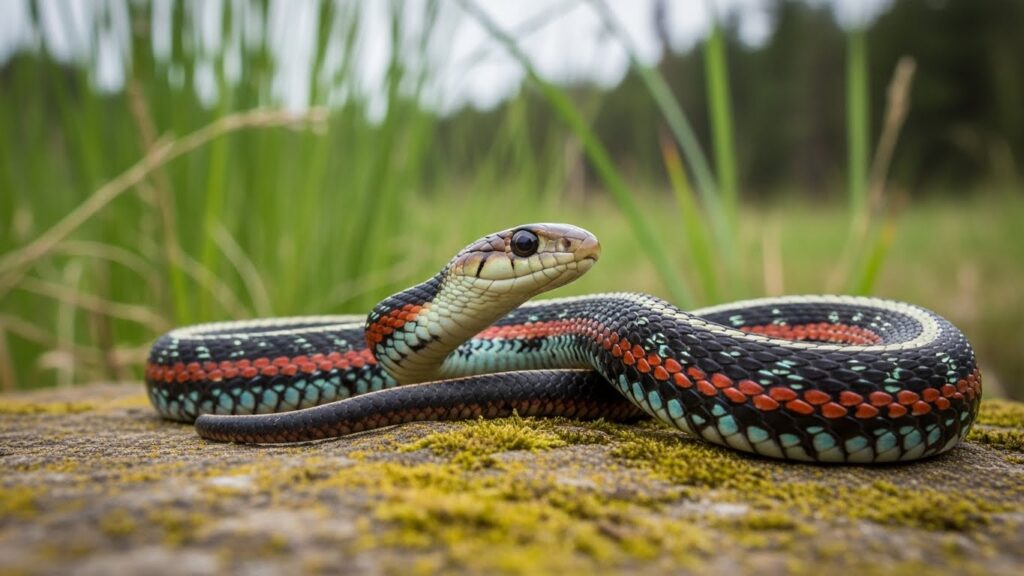
If snakes had a fashion week, the San Francisco garter snake would strut down the runway in dazzling stripes of blue, red, and black. This slender, multi-colored subspecies of the common garter snake is not only a visual stunner but also one of the rarest snakes in the world.
Wikipedia noted with only an estimated 1,000 to 2,000 adults left, spotting one is like finding a needle in a haystack… if that needle were wearing designer stripes.
These snakes are picky about their real estate. They love densely vegetated ponds near open hillsides, where they can sunbathe, snack, and hide in rodent burrows when things get scary. But they’re adaptable too, sometimes venturing into forests with thick canopies, proving they can handle a bit of variety in their lifestyle.
Speaking of snacks, the San Francisco garter snake has refined taste buds—it primarily feasts on California red-legged frogs, a species that’s itself federally threatened.
They also nibble on juvenile American bullfrogs, but adult bullfrogs have been known to turn the tables, preying on the baby snakes. Talk about the circle of life with a twist! This predator-prey dynamic might even explain part of why this garter snake is so rare today.
So, while it may be small and non-aggressive, the San Francisco garter snake is a living work of art with a side of ecological drama. If you ever see one gliding near a pond in the Bay Area, consider yourself lucky—it’s like catching a rainbow in motion.
5. Brahminy Blind Snake
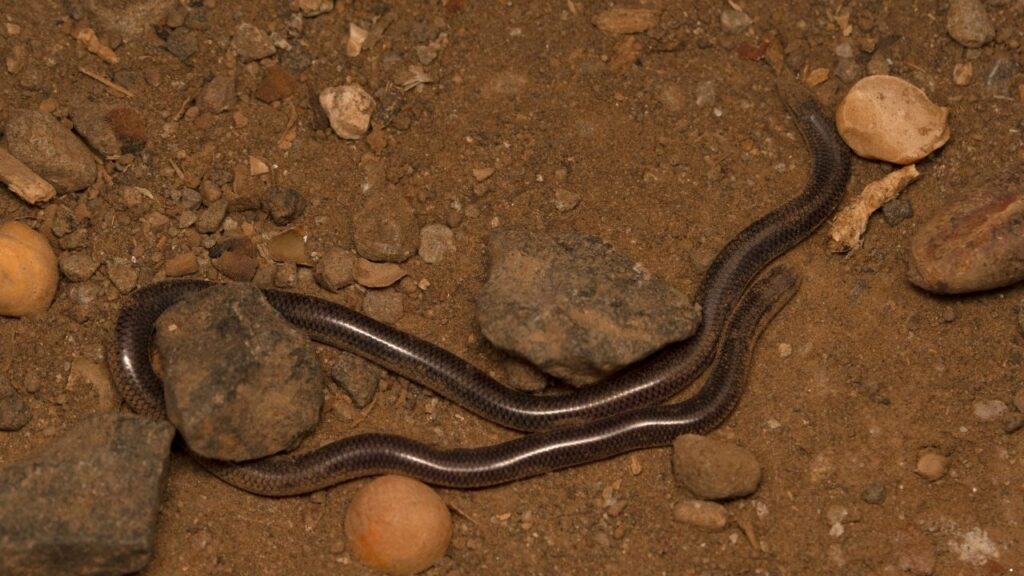
Meet the Brahminy blind snake, nature’s ultimate disguise artist. At first glance, you might think you’ve stumbled across a worm, and honestly… you wouldn’t be far off. These tiny, shy snakes often reach only 6 inches as adults, though some ambitious individuals can stretch up to 3.3 feet—a real “small but mighty” scenario.
Blind snakes are master underground dwellers, making them incredibly elusive. They prefer burrowing in soil, hiding under leaves, or sneaking through tropical terrain, which is probably why we don’t know exactly how many exist.
The planet is literally crawling with them—they’re found on every continent except Antarctica, and tropical regions in Africa, Asia, and the Americas are their playgrounds.
Fun fact: the Bimini islands in the Caribbean are home to the adorable pink blind snake, adding a pop of pastel to the underground scene.
Reclusive and non-venomous, these snakes are far from aggressive. If you encounter one, it will likely slip away before you can say “snake!” Some people keep them as pets, but don’t expect a snuggly companion—they’re more like the introverted roommates of the snake world.
Despite their small size and secretive nature, Brahminy blind snakes play a vital role in ecosystems by feeding on tiny insects and keeping the underground world in check. They may not dazzle with colors or fangs, but they’re the humble, stealthy, worm-like wonders of the snake kingdom.
6. Dragon Snake
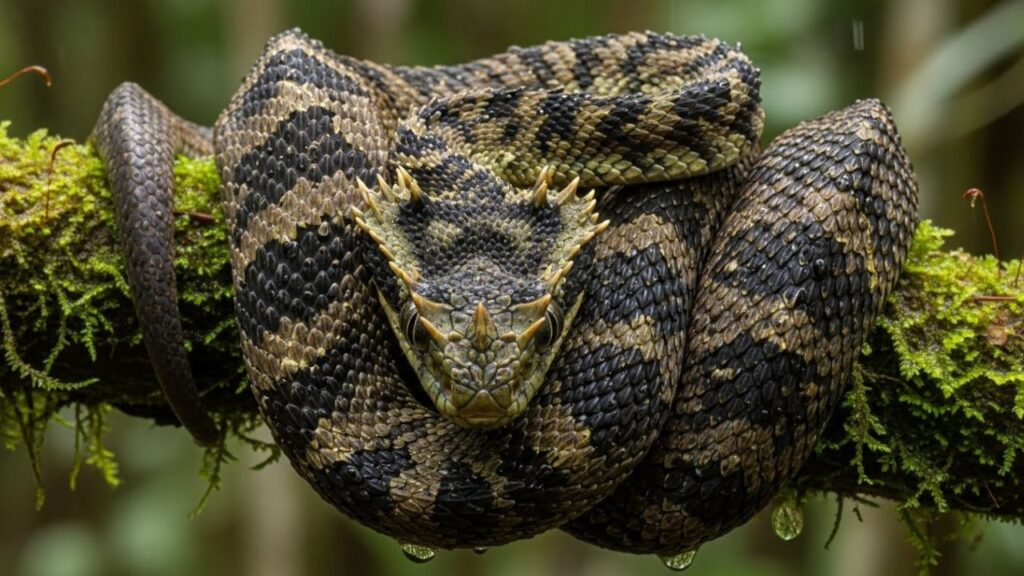
Don’t worry—this Dragon Snake won’t breathe fire or hoard treasure—but it does bring a fair bit of drama to the rainforest.
Native to Southeast Asia, this small but striking snake species earn its name from the dark, glossy scales and subtle iridescence that make it look like a miniature, armored dragon gliding through the undergrowth.
Despite its fearsome name, the dragon snake is relatively small, usually around 60–80 centimeters long. But don’t underestimate it—this snake is venomous, though not typically dangerous to humans. Its venom is perfectly designed for taking down its preferred prey: fish and amphibians in the wetland habitats it loves.
The dragon snake is no social butterfly. It prefers to slink through muddy streams, swamps, and dense forest floors, hunting with stealth rather than speed. Its hunting style is almost elegant—like a tiny, coiled dragon waiting for its next meal to swim by.
While it’s a master of camouflage, the dragon snake’s dark, shimmering scales make it look like something out of a fantasy novel if you’re lucky enough to spot one. For snake enthusiasts, it’s a real treat—a rare glimpse of nature’s own mythical creature, without the fire hazard.
In short, the dragon snake proves that even the smallest snakes can carry mystery, style, and a touch of danger, earning its place among the world’s most fascinating serpents.
7. Arizona Black Rattlesnake
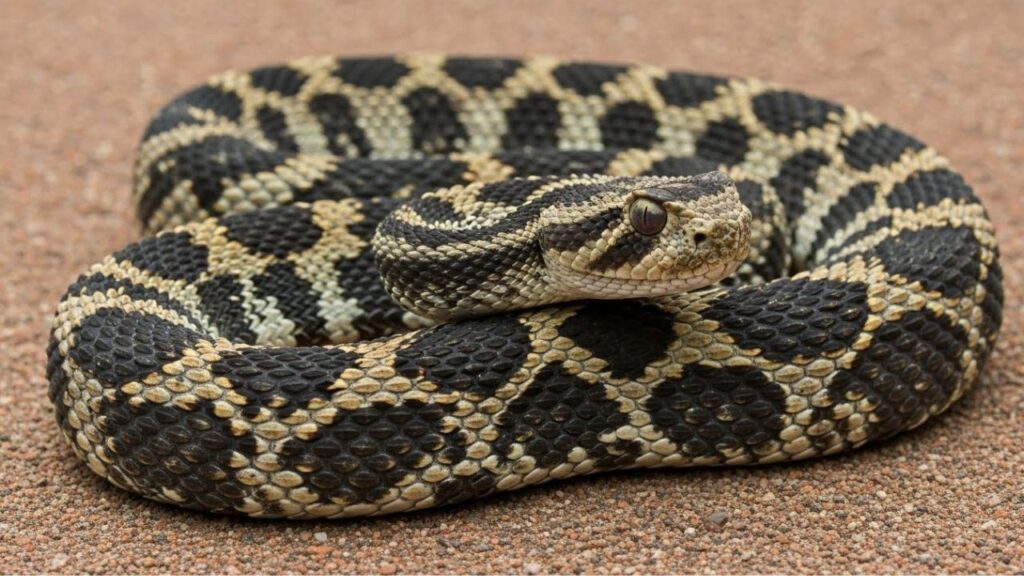
When it comes to desert coolness, the Arizona Black Rattlesnake takes the crown. Native to the American Southwest, this sleek, dark serpent blends into rocky terrain like a shadow slipping across the sand.
Unlike the classic patterned rattlesnakes you might imagine, its jet-black scales give it a mysterious, almost ninja-like vibe—perfect for disappearing into the desert when it wants to.
These rattlers aren’t huge, but they pack a punch. Equipped with venom potent enough to subdue prey, they mostly hunt small mammals, lizards, and birds, relying on stealth and surprise rather than brute force.
And yes, it does rattle—but only when it really, really needs to get your attention. Consider it a polite “back off” warning rather than a constant alarm bell.
Despite their fearsome reputation, Arizona black rattlesnakes are usually shy around humans, preferring to slip away silently rather than start a fight. Their low-profile lifestyle, combined with their dark coloration, makes them surprisingly tricky to spot—one minute the desert looks empty, the next you realize a sleek, black snake was lounging on a sun-warmed rock all along.
If you ever encounter one in the wild, admire it from a safe distance. The Arizona Black Rattlesnake is a perfect example of how nature can create something both beautiful and deadly, all wrapped up in a sleek, dark package.
Conclusion
The world of snakes is filled with rare snake species that most people have never encountered, from the desert horned viper in northern Africa to sea snakes of the Indian and Pacific oceans, and the flying snake and vine snake weaving through tropical forests. Unique species like the green tree python, corn snakes, and the bizarre spider-tailed viper showcase strange adaptations, including keeled scales, unusual skin, and specialized snake’s eyes.
These highly venomous or endemic reptiles often lay eggs and live in land or aquatic habitats, surviving long periods in challenging environments. Observing these amazing creatures offers a good reason to appreciate the diversity of animals and the incredible ways snakes protect themselves and experience life in the wild.
