




Tiny dogs may be small, but they bring a lot to a home. If you want a companion that is easy to carry, fits well in apartments, and still has a big personality, dog breeds under 12 pounds are worth a close look.
But size is only one part of the story. Each breed has its own energy level, grooming needs, and comfort with kids, guests, and daily routines.
In this blog, you will meet seven top little dog breeds that stay under 12 pounds as adults. We will cover what makes each one unique, what day-to-day life feels like, and the care points that matter most.
By the end, you will have a clear, practical idea of which tiny dog could be the right match for you.
Top Dog Breeds Under 12 Pounds: A Tiny Guide
1. Chihuahua
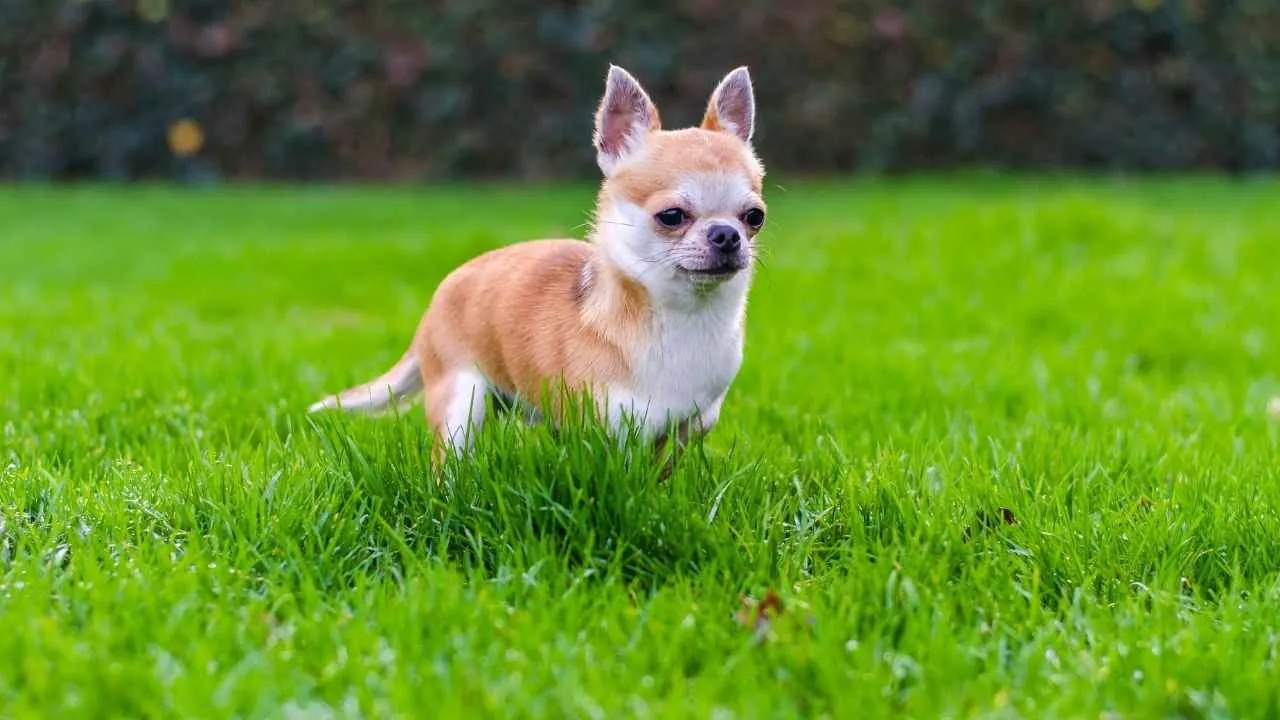
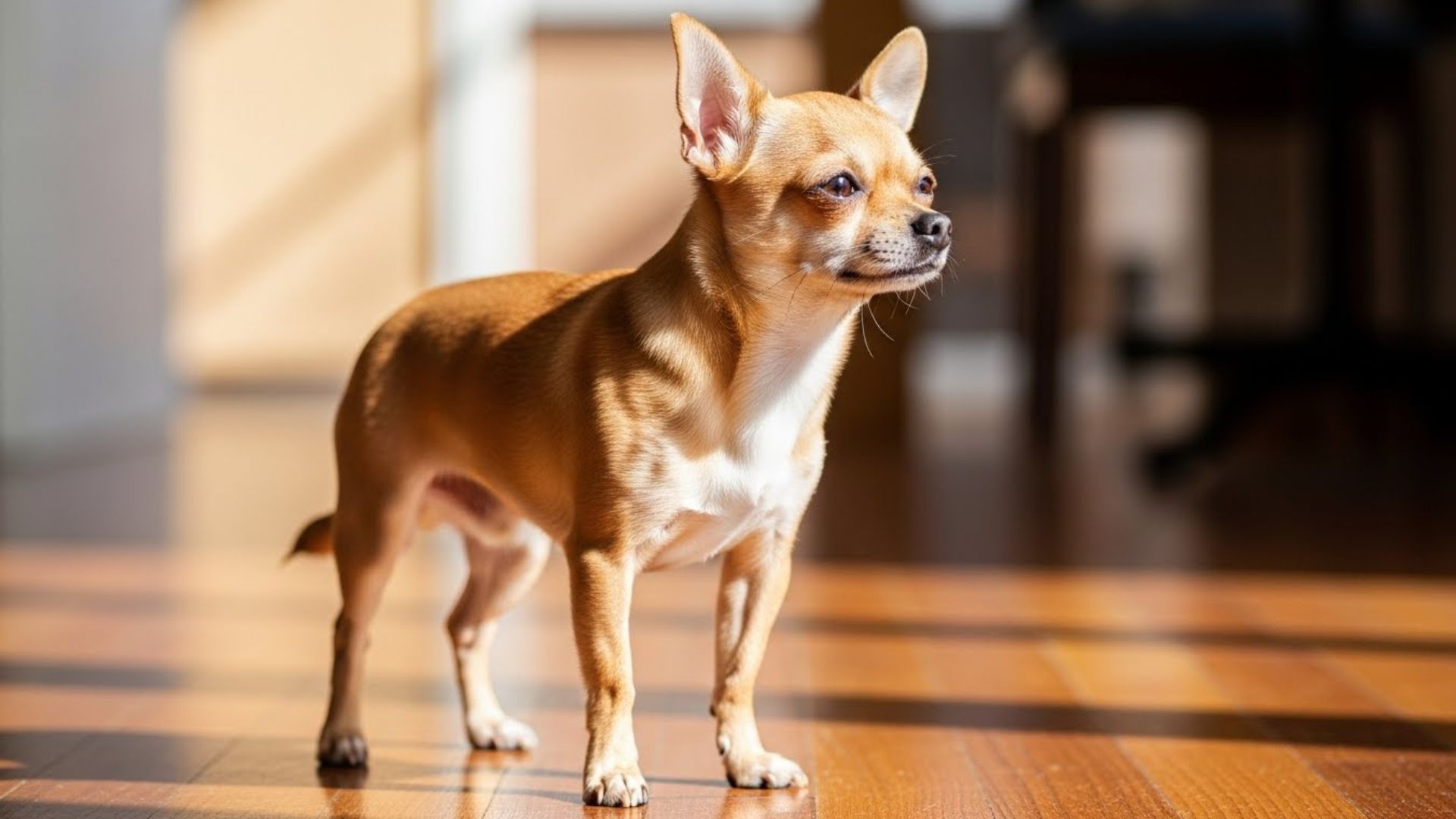
The Chihuahua is tiny, but wow, the confidence. Many stay at 6 pounds or less, and they carry themselves like they own the whole street. They often bond hard with one person and become a loyal little shadow.
The breed is also a national symbol of Mexico, with roots tied to old cultures in the Americas. So yes, small body, long history.
They come in many coat colors, and in short coat and long coat types. Short-coated Chihuahuas are pretty easy to keep clean with light brushing.
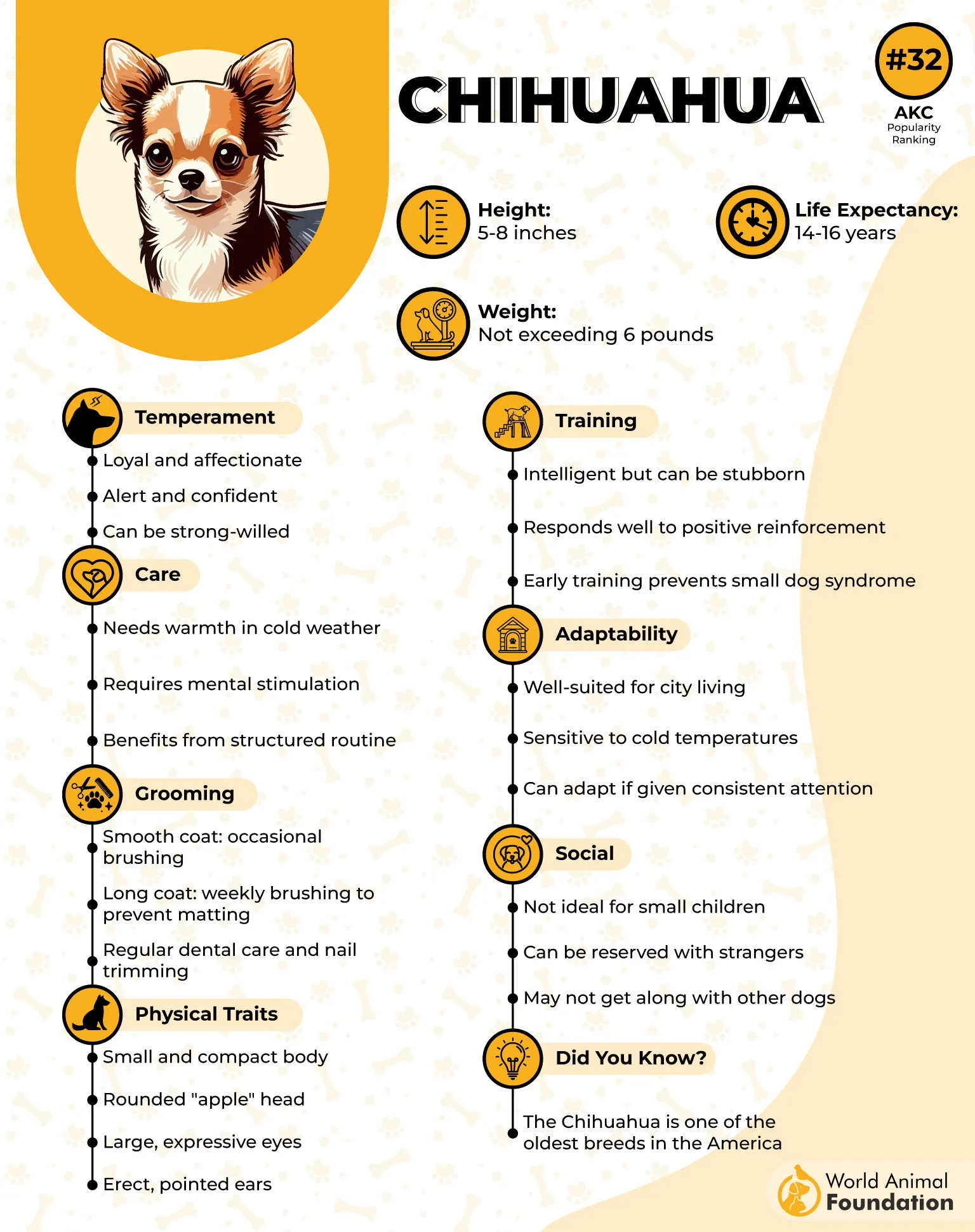
According to Purina, long-coated Chihuahuas need more help, like regular brushing and the occasional trim. And yes, you might see them in sweaters. They can get cold fast, and they will act offended about it.
Now, here’s the best part. A Chihuahua can turn quiet nights into cozy moments. They often meet a lot of their exercise needs by following you around the house, plus a few short play sessions.
But why bother with training if they are so small? Because they can be bold and a little spicy. Gentle, steady training and early social time help them feel safe.
Tiny life notes for Chihuahuas
Best for: people who want a loyal companion
Daily needs: short walks, indoor play, and warm spots to nap
Fun fact: Chihuahuas hold records for being among the shortest dogs in the world
2. Pomeranian
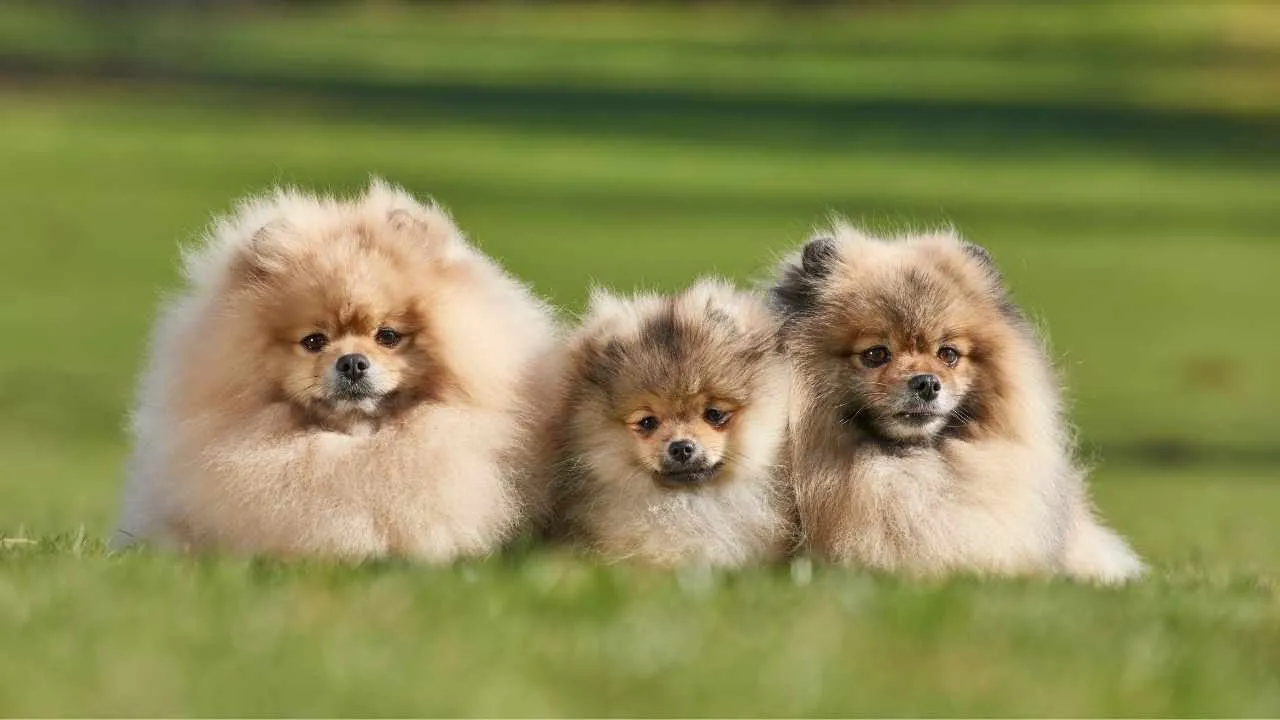
The Pomeranian looks like a fluffy cotton ball with a gentle nature. Most are just 3 to 7 pounds, but their playful personality can feel like 30. They are bright, lively, and love being noticed. If you enjoy a dog that acts like the main character, you just found one.
The breed name comes from Pomerania, a region linked to early Poms. PetMD notes that the oldest versions were much bigger, even up to around 30 pounds, before the breed shifted smaller size over time.
Poms also share traits with other spitz-type dogs, like a thick double coat, pointy ears, almond-shaped eyes, and a busy, clever mind that wants something to do.
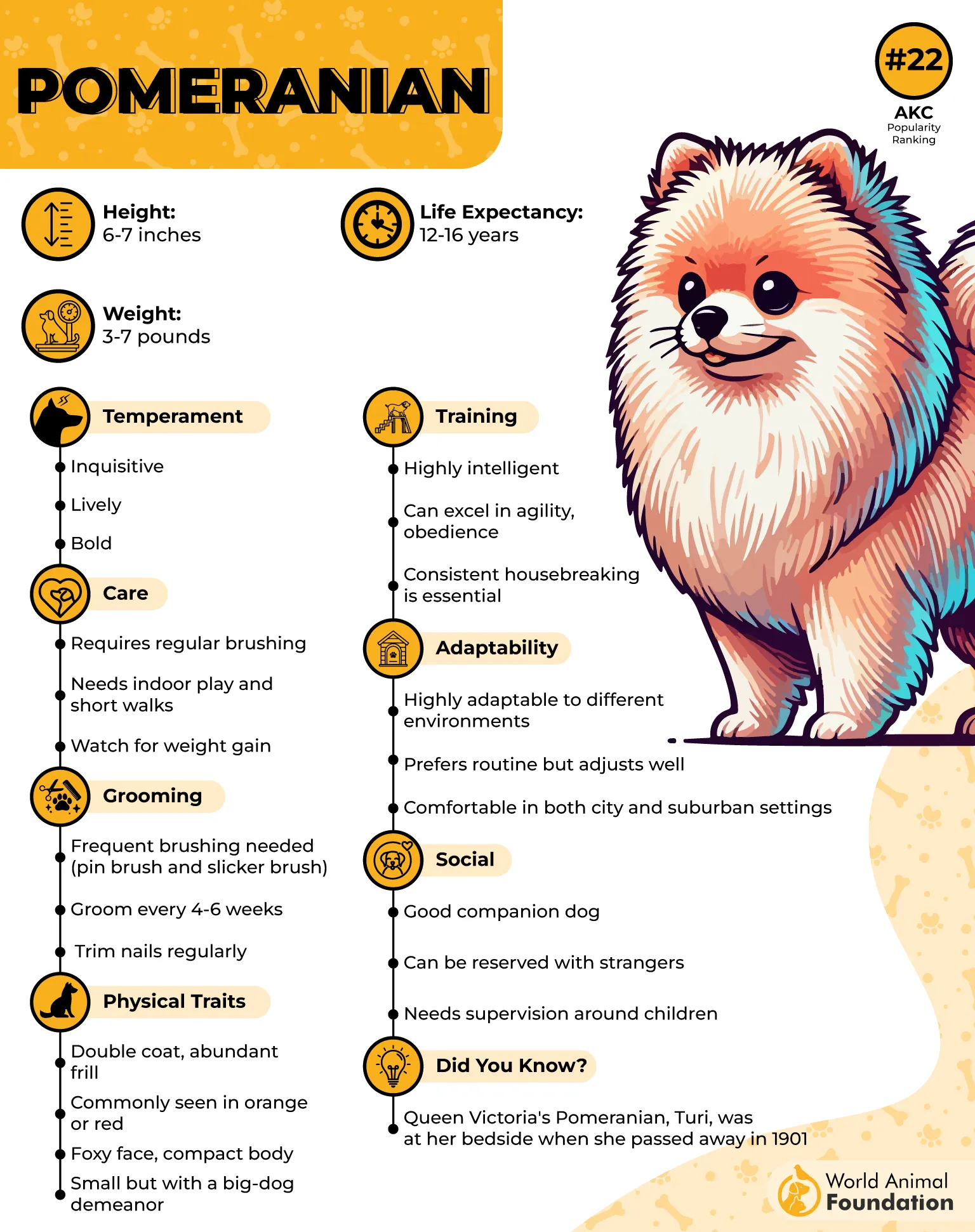
That luxurious coat is stunning, but it sheds. Brushing several times a week helps a lot. Skip it, and the fur will remind you, loudly, with tangles and tumbleweeds. It gets even worse, though, if you forget mental play. A bored Pom can bark just for sport.
Give them short training games, puzzle toys, and fun tricks. And here’s the good part: their tiny size makes regular exercise easy.
Tiny life notes for Pomeranians
Best for: people who love regular grooming, photos, and a social little dog
Daily needs: brushing, short walks, and brain games
Important note: teach a “quiet” cue early, because many Poms find their voice
3. Biewer Terrier
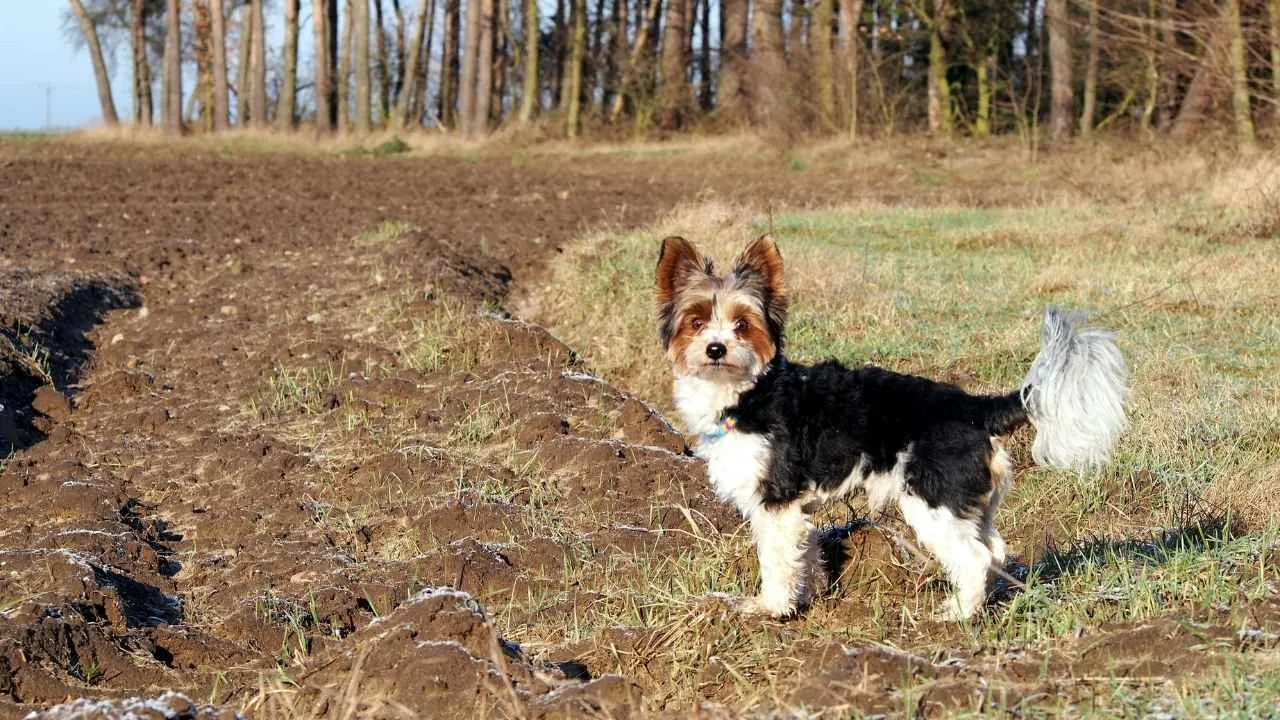
The Biewer Terrier is rare, small, and seriously cute. Most are about 4 to 8 pounds, with a long coat that can reach the floor. At first glance, people confuse them with Yorkshire Terriers.
But Biewers have their own look, and they became officially recognized by the AKC in 2021, which is pretty recent in dog world terms.
So what makes them different from a Yorkie look-alike? Their coat has three colors, with more white spread through the fur. They also have a full tail that flows over their back.
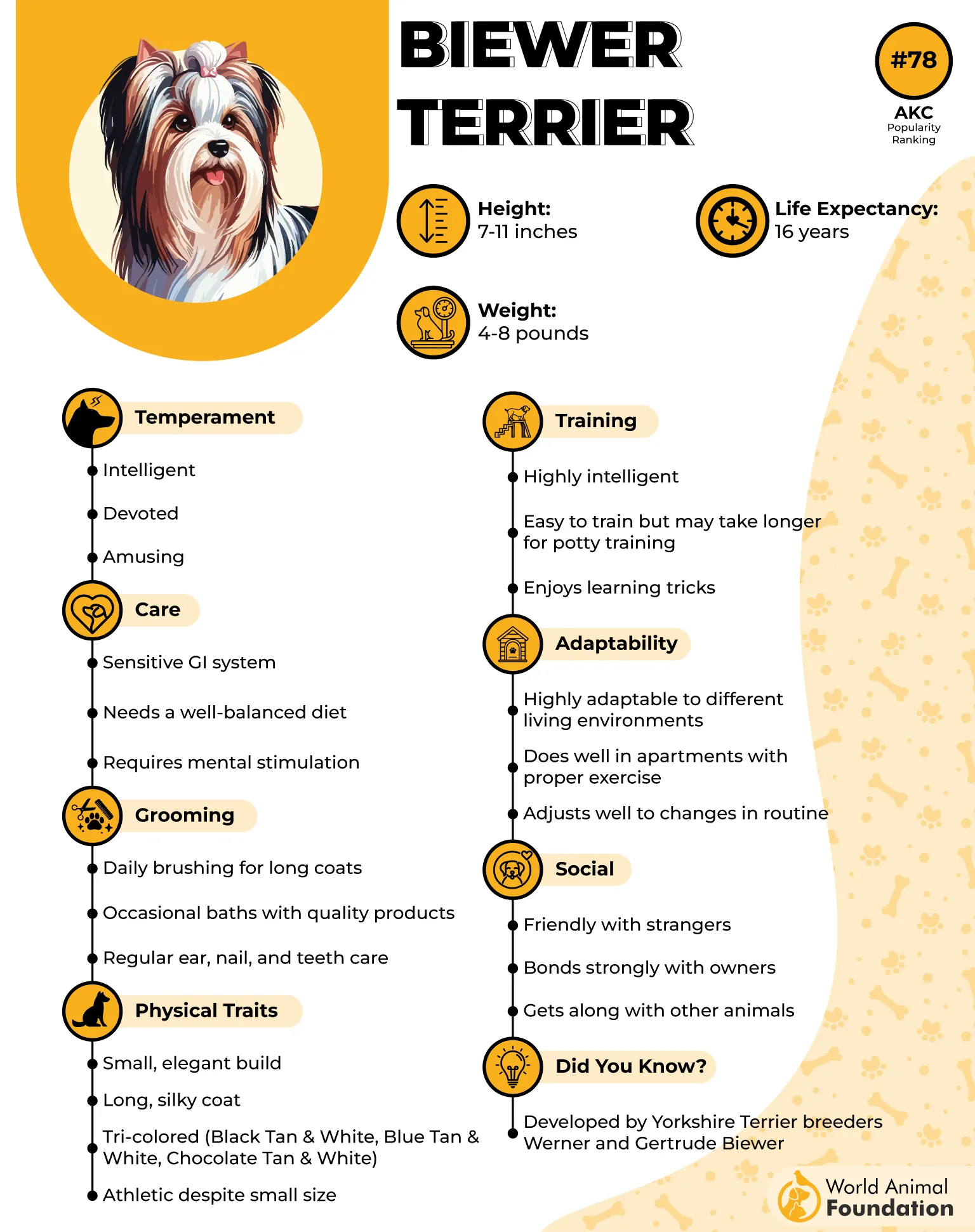
Those details sound tiny, but in real life, they change the whole vibe. It is like the difference between a classic outfit and one with bright accents.
The loyal Biewer is often happiest in your lap, but terrier instincts still pop up. That can mean curiosity and quick little chases. Their coat is a big commitment.
Regular brushing is not optional if you want to avoid mats. Sounds crazy, right? But wait, there’s more! Because they are so light, they fit travel life well and can be great for calm apartment living.
Tiny life notes for Biewer Terriers
Best for: people who want an excellent companion and can handle coat care
Daily needs: brushing, gentle play, and short walks
Special note: small litters can make the breed harder to find
4. Toy Fox Terrier
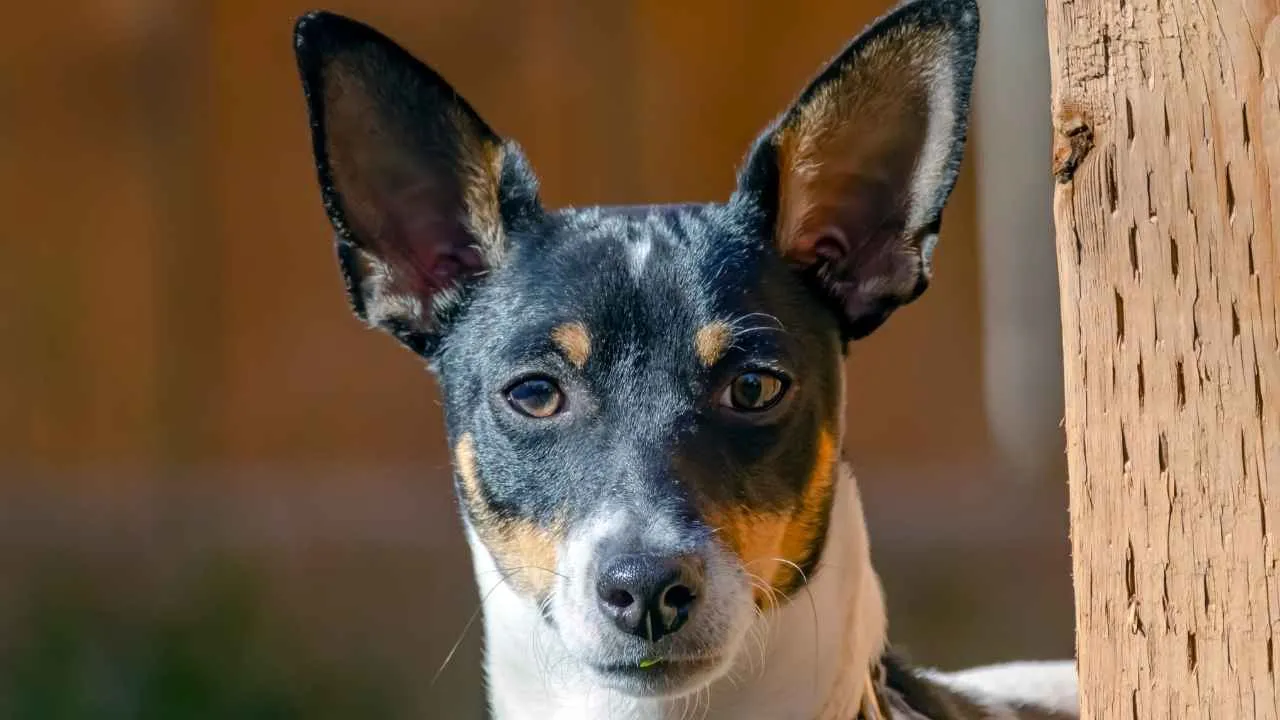
The Toy Fox Terrier is a tiny athlete in a sleek outfit with a playful nature. Most are around 4 to 9 pounds, with a short, fine coat that is easy to groom.
These dogs started as barnyard ratters, bred to chase vermin and stay quick on their feet. They kept that sharp, alert energy, but packed it into a compact size.
They are “toy and terrier” at the same time. That means they can be cuddly, then suddenly ready to sprint. They also have a fun performance history.
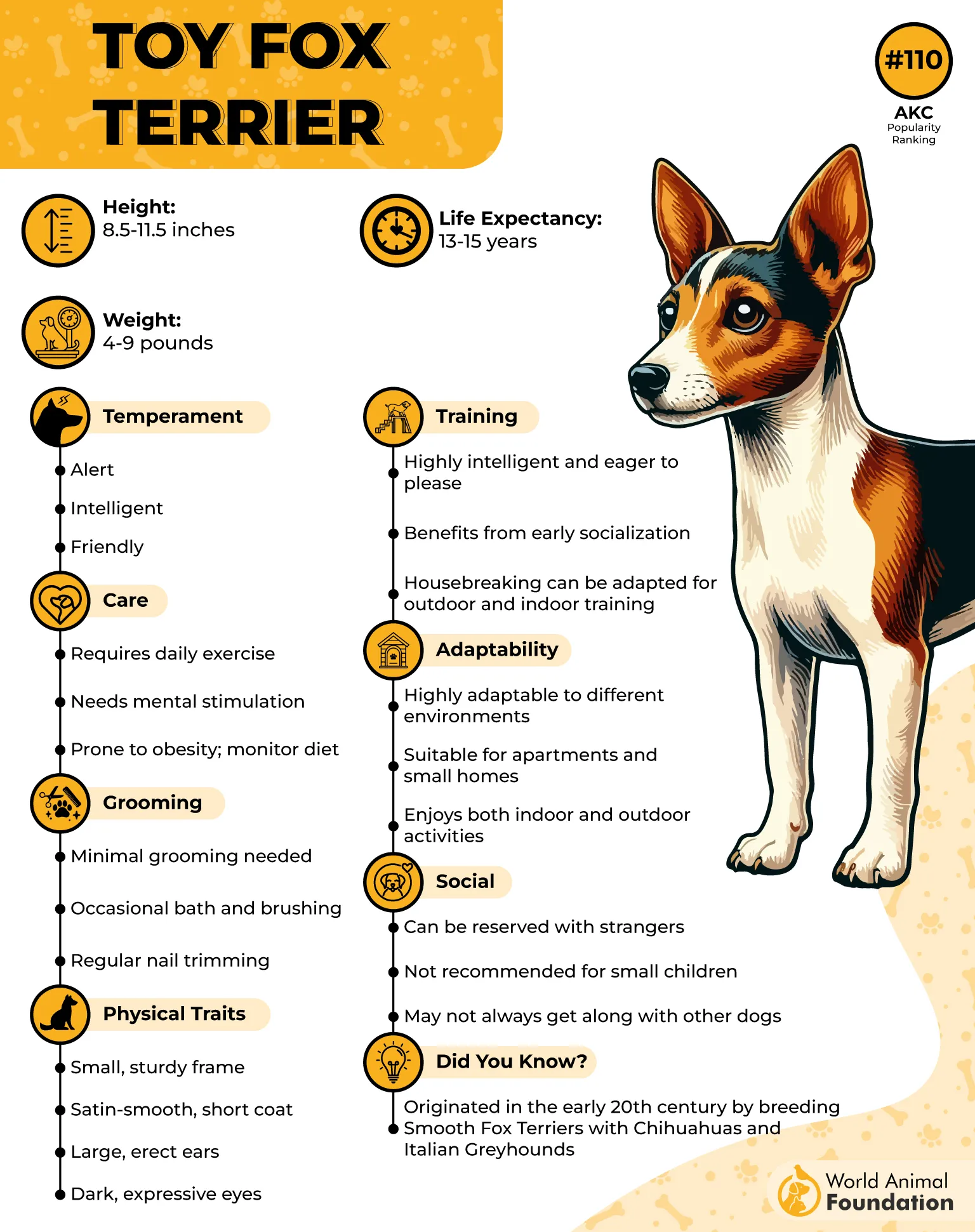
Some were known for circus-style tricks because they learn fast and moved like little gymnasts. If you like teaching “spin” and “high five,” this small breed will happily show off.
Now, they do not usually enjoy rough handling. If you have very small children, this is important. They can also be sensitive about personal space.
On the plus side, they often do fine with other pets, including cats, when introduced well. And their low fuss coat is a gift for busy people who still want a sporty little buddy.
Tiny life notes for Toy Fox Terriers
Best for: people who want a playful, sporty, small dog with regular grooming
Daily needs: short walks, training games, and active play bursts
Important note: keep play gentle, because they are not fans of rough grabs
5. Papillon
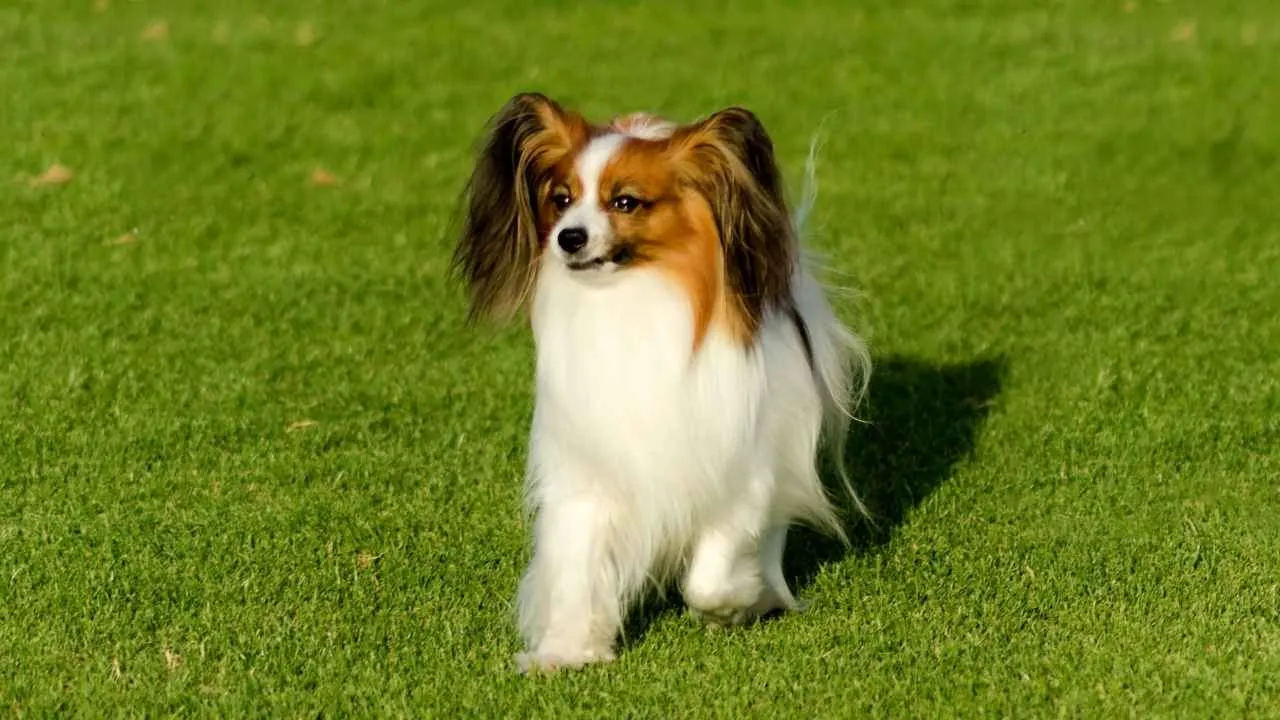
The Papillon is tiny, elegant, and surprisingly sporty. Many weigh about 5 to 10 pounds, and they would rather play fetch than sit still for hours.
If you want a small dog that feels like a “real dog” in a mini body, this ancient breed nails it. They are upbeat, quick, and often ready for the next game.
They are known for their butterfly-like ears. The name Papillon means “butterfly” in French. They are also one of the oldest toy spaniels, showing up in portraits as far back as the 1500s.
That fancy look can fool people, though. They are not built for all-day couch time. They need activity and mental fun, or boredom creeps in fast.
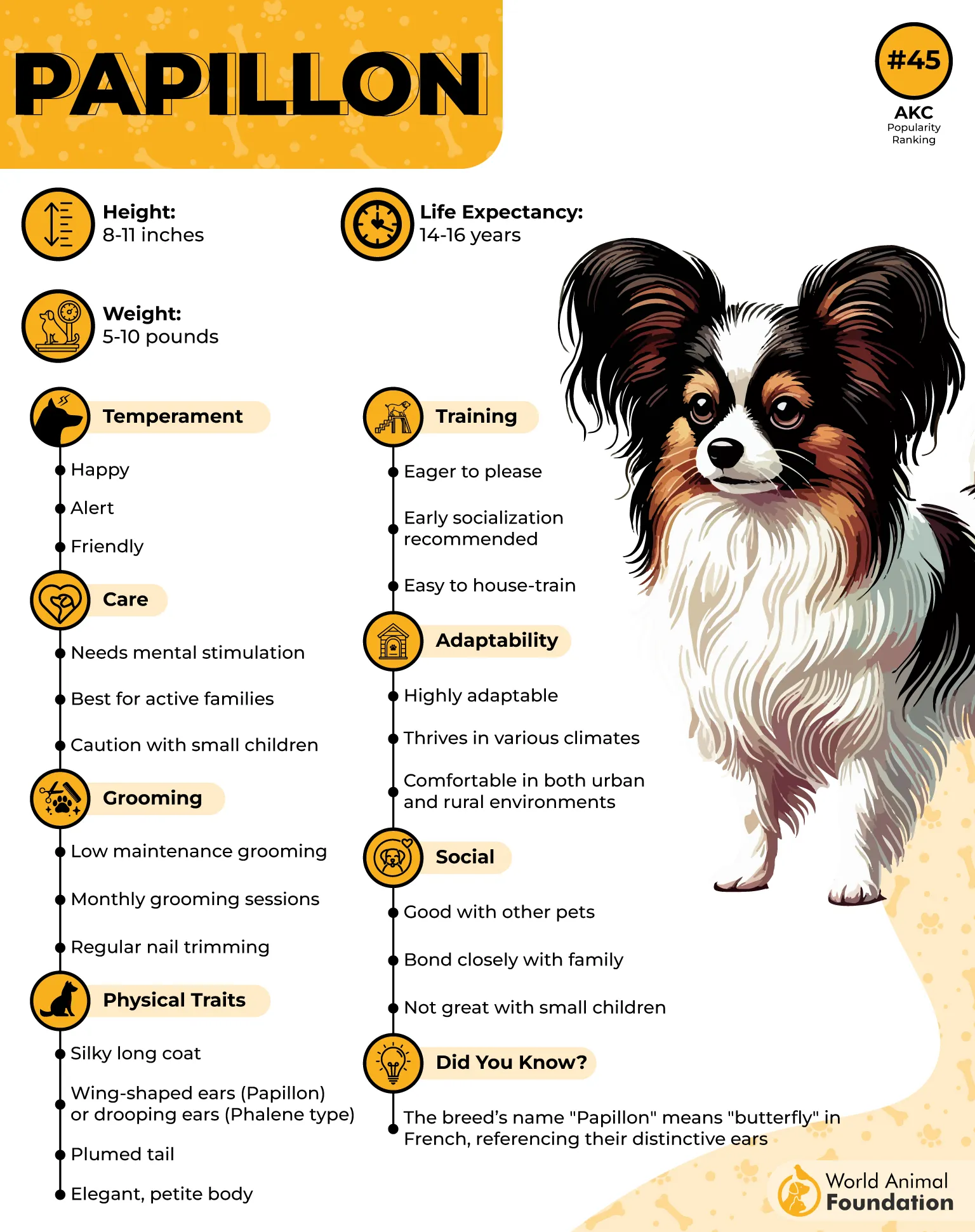
Here’s the good part: When properly trained papillons often shine in dog sports because they learn quickly and stay alert. They can be happy, friendly, and curious with family and guests. Grooming is not as intense as you might think, but their longer coat needs care.
Frequent baths and regular brushing help prevent mats and keep the feathering neat. They also have a hardy feel for a toy dog, so they can handle busy days when you build up slowly.
Tiny life notes for Papillons
Best for: people who want a smart, athletic toy dog that loves games
Daily needs: fetch, training, and puzzle time
Fun fact: they can surprise you with how “sporty” they are for such a tiny breed
6. Maltese
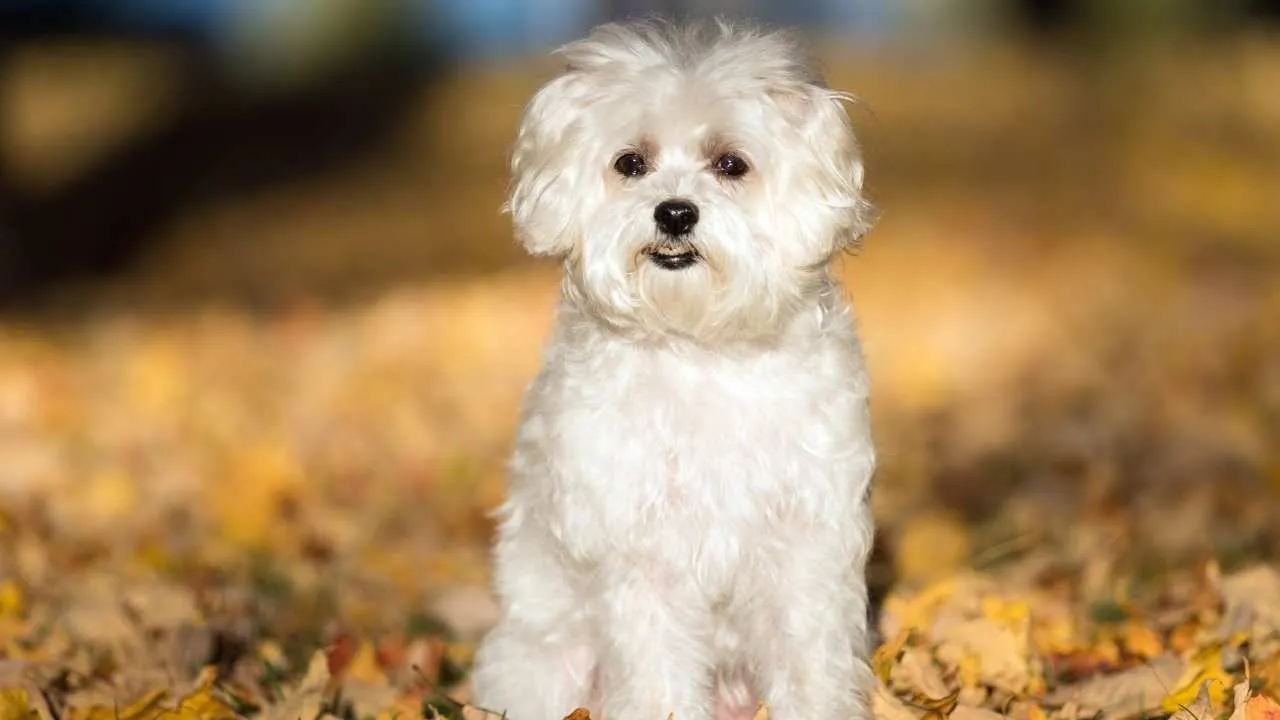
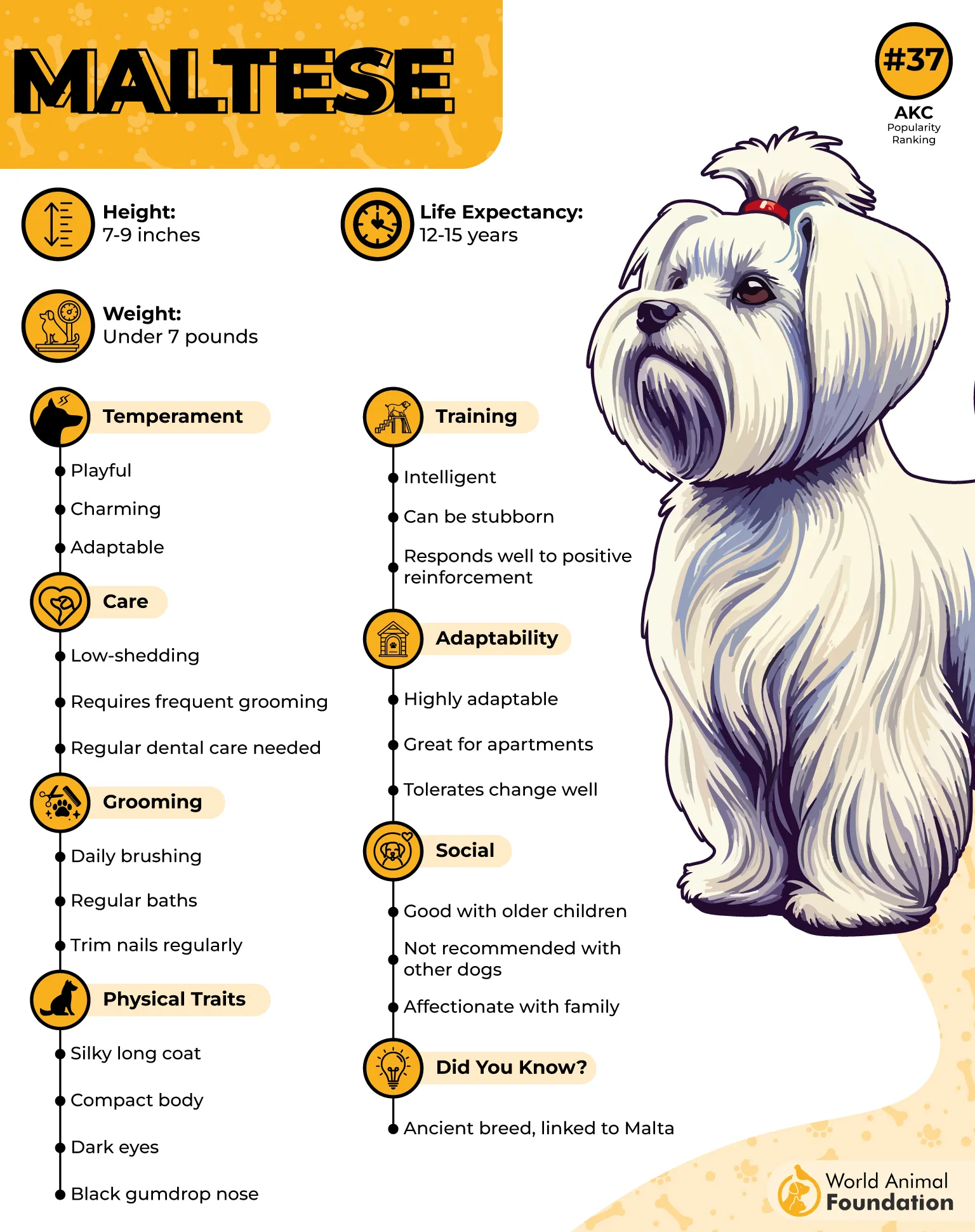
The Maltese is tiny, soft, and built for human companionship. Many are under 7 pounds, wrapped in a long, straight, silky white coat.
They are playful, charming, and adaptable, so they can fit apartment life or busy homes with routines. If you want a gentle toy dog that still has pep, this one checks a lot of boxes.
Their history is wild in the best way. Maltese dogs have been around the Mediterranean for thousands of years, and the breed is linked to the island of Malta.
Stories even say sailors, including Phoenician traders, carried them to help protect food stores from rodents on ships. So behind that fancy coat is a little worker spirit.
They tend to stay close to their person. If you like a dog with expressive eyes that follows you from room to room, this is your buddy. But do not carry them everywhere. They still need daily walks and chances to sniff and explore.
With no undercoat, they often shed less than many other small dog breeds, which can help some allergy-prone homes. Important note: lighter skin can mean sunburn, so shade on hot days is smart.
Tiny life notes for Maltese
Best for: people who want a gentle lap dog that can still play and learn
Daily needs: coat care, short walks, and calm bonding time
Special note: protect them from harsh sun, especially during long outdoor times
7. Bolognese
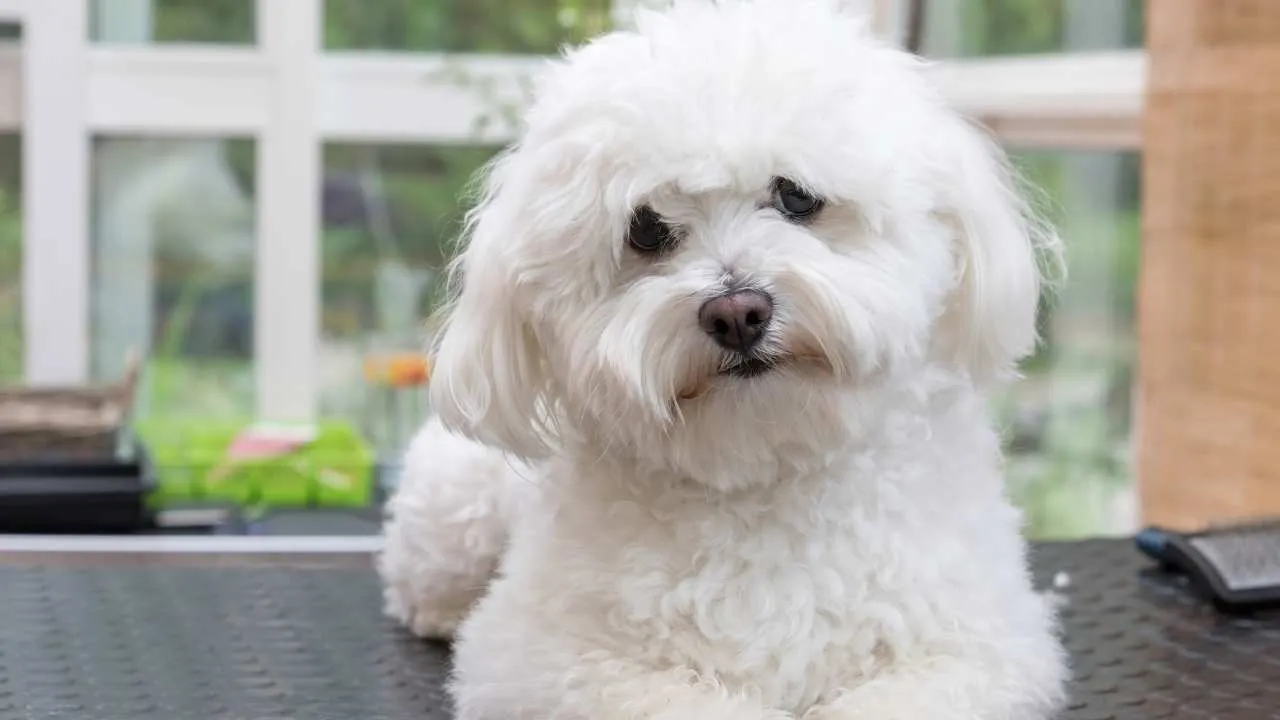
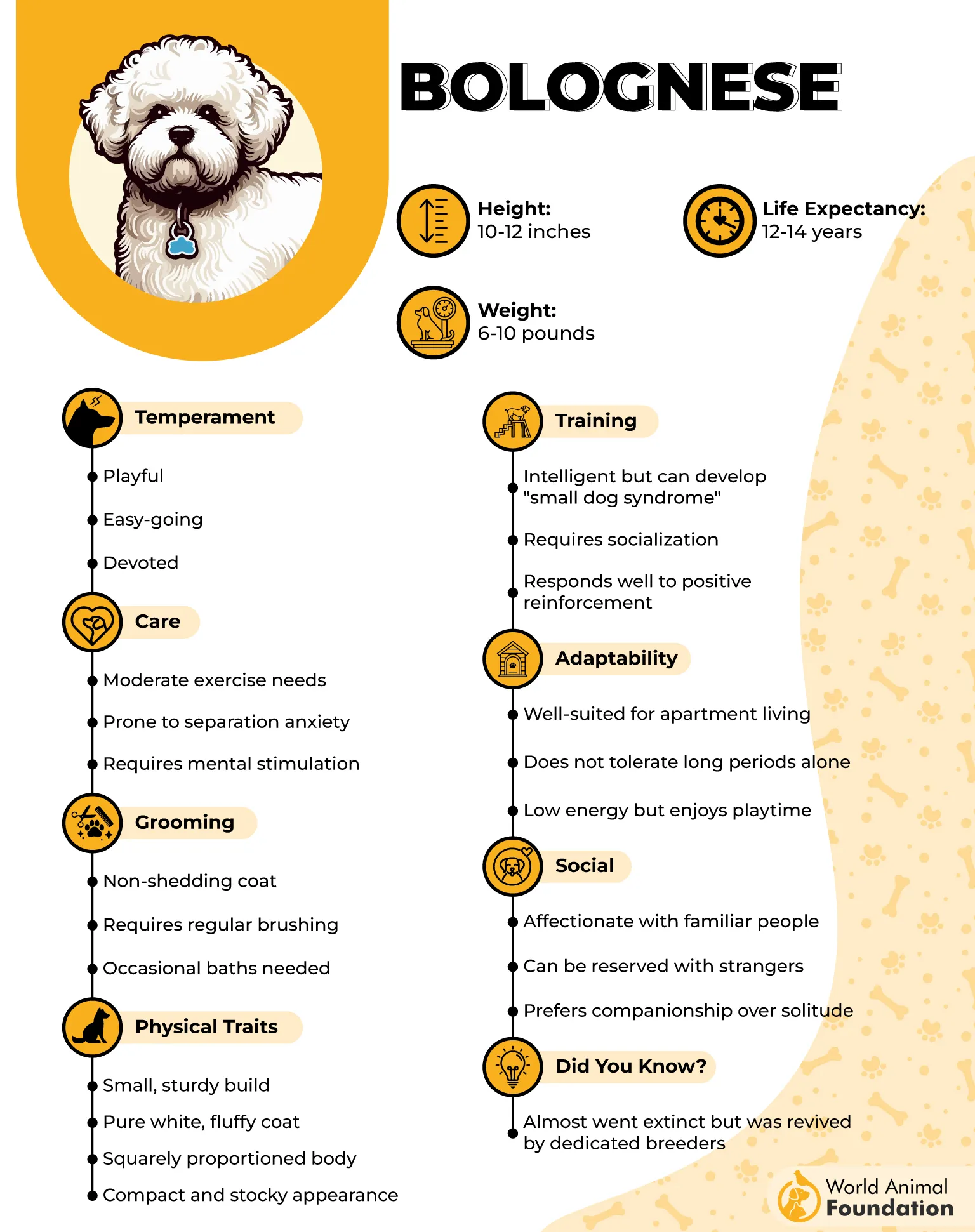
The Bolognese is a calm, faithful companion from Italy with a protective nature. Most are about 6 to 10 pounds, with a fluffy, long-haired white coat. They are playful and easy-going, and they love people.
If you want a soft, sweet dog that prefers together time over chaos, this breed is a solid pick.
This little white furball is also known as the Bichon Bolognese, named for Bologna. The breed dates back centuries, and it has had some very fancy fans.
Think nobles and artists who treated them like living treasures. That history shows up today as a breed that enjoys comfort, closeness, and steady affection.
Their coat looks like a cloud, and it needs regular care. Frequent brushing helps prevent tangles and keeps the fluff soft. The payoff is a dog that feels like a little comfort animal with legs. Exactly. They are often gentle with visitors, too, as long as introductions are calm and you do not rush them.
They also tend to do well in smaller homes because they do not need miles of running. They need gentle play, light walks, and, most of all, your presence.
Tiny life notes for Bolognese
Best for: people who want a calm, people-focused companion dog
Daily needs: brushing, light exercise, and lots of social time
Important note: they can get clingy, so build confidence with short alone time
Conclusion
Choosing from the best small dog breeds is really about picking the right match for your life, not just the cutest face. Toy breeds can be great companions in small living spaces, but they still need time, training, and smart care.
Some are easy to train and fit well with first-time dog owners, while others need a bit more structure around other dogs and daily routines.
And yes, health issues matter, so it is always worth learning what a breed was originally bred for and what problems can show up later, whether you are dreaming of a Cavalier King Charles Spaniel or looking for a national dog that feels like a proud little mascot in your home.
No matter what you choose, the goal is the same: happy, safe furry friends who feel like part of the family. Maybe you love a silky coat like a Yorkshire Terrier, prefer a smooth coat for easy cleanup, or need a hypoallergenic dog vibe for your home.
You might fall for the lion dog look, or want the bold energy of a Jack Russell Terrier, or the steady charm of a Miniature Schnauzer.
The good news is that many of these pups can be great family dogs when you give them patience, gentle training, and real love. That is where the magic is.
