





A peaceful home has a rhythm of its own, and the right canine companion can gently blend into that calm. Quiet dogs don’t just lower the volume—they elevate the atmosphere of everyday living.
But what does “low-noise” really mean in a dog? It’s not about silence, but intention. Some calm dogs simply choose when communication matters, expressing themselves without constant barking.
Are quiet dogs naturally calm, or just thoughtful communicators? Often, they’re a mix of both—dogs who observe more than they announce. Their stillness can feel grounding, especially in busy modern lives.
Low-noise and low-energy breeds are ideal for apartment dwellers, families craving balance, and remote workers needing focus. They fit seamlessly into spaces where peace is valued, and sound carries.
This guide helps you understand what defines a low-noise dog, from rare barking to gentle vocalizations. You’ll also see why environment, training, and daily routines play a key role in maintaining that calm harmony.
Low-Noise Dog Breeds Ideal for Calm & Relaxed Homes: Top Picks
1. Basenji

Basenjis are famous for their near-silent presence, often described as “barkless,” which immediately sets expectations for a low-noise dog breed suited to calm and relaxed homes.
Instead of barking, they communicate with soft yodels or expressive body language, giving first-time owners a sense of quiet sophistication. Their alert eyes and cat-like cleanliness add to the impression of a thoughtful, observant companion.
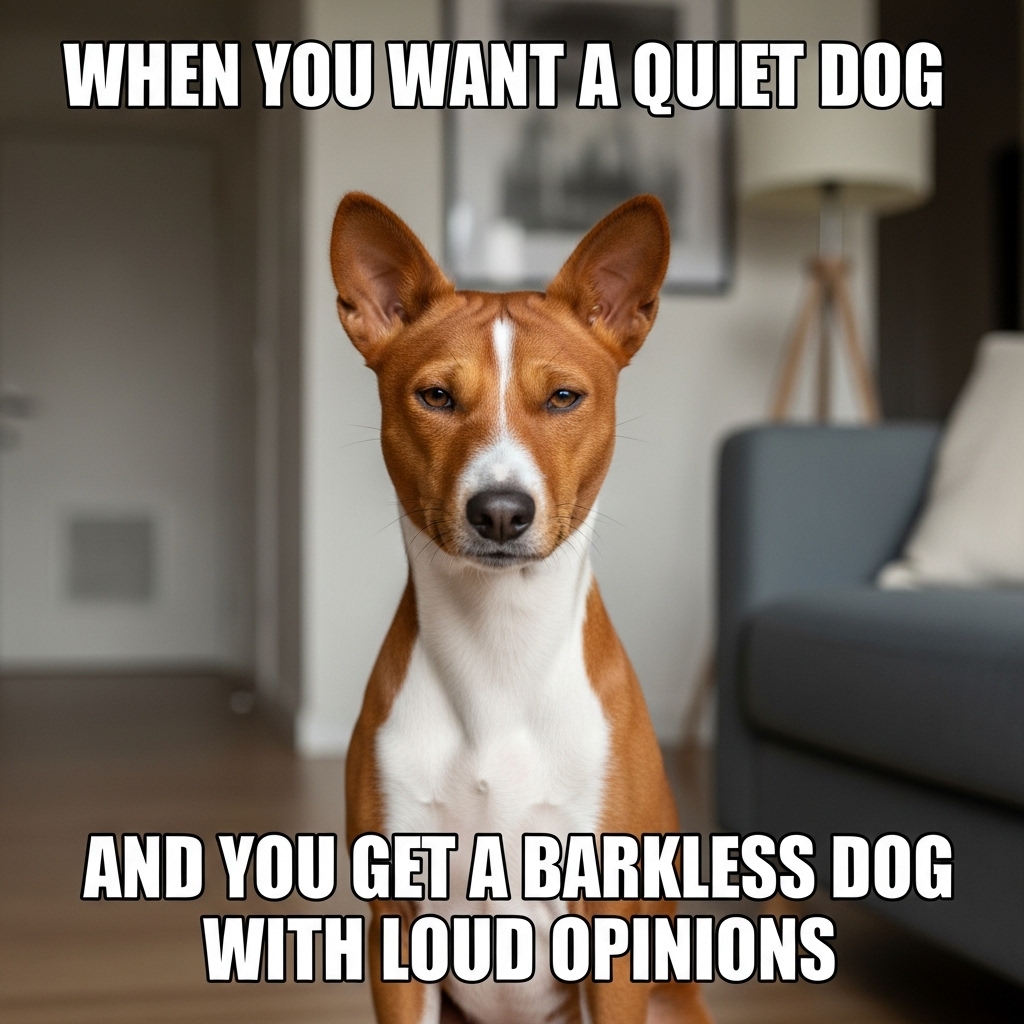
Temperamentally, the Basenji has a calm and relaxed demeanor that is intelligent, curious, and independent-minded. This barkless dog breed enjoys companionship but also values personal space, creating a balanced dynamic in peaceful living environments.
Their calm indoor demeanor contrasts with a sharp awareness of surroundings, making them quietly engaging rather than demanding.

Ideal Home Environment
Quiet households that value routine and structure
Apartments or homes with secure outdoor access
Owners who appreciate an independent yet affectionate dog
Social & Training Traits
Highly intelligent with selective responsiveness
Best with positive, consistency-based training
Polite but reserved around strangers
AKC notes that daily energy levels are moderate, with bursts of playful enthusiasm balanced by long stretches of relaxation. A brisk walk or interactive play session satisfies their exercise needs and supports their low-noise behavior. Mental stimulation is equally important to prevent boredom-driven mischief.
For quiet-home compatibility, Basenjis suit owners who respect independence and calm routines. Matching expectations around training and engagement is key to harmonious living. In the right environment, this breed blends silence, elegance, and quiet companionship seamlessly.
🎧 Dogcast
Episode 37 — Why Dogs Stay Close without Touching
If you don’t hear sound, tap the button above to enable audio.
2. French Bulldog

French Bulldogs are naturally low-noise dogs, known for minimal barking and a relaxed indoor presence that suits calm and peaceful homes.
Their expressive faces and gentle snorts replace vocal alerts, offering a quiet charm rather than constant sound. First impressions often highlight their compact size and easygoing attitude.
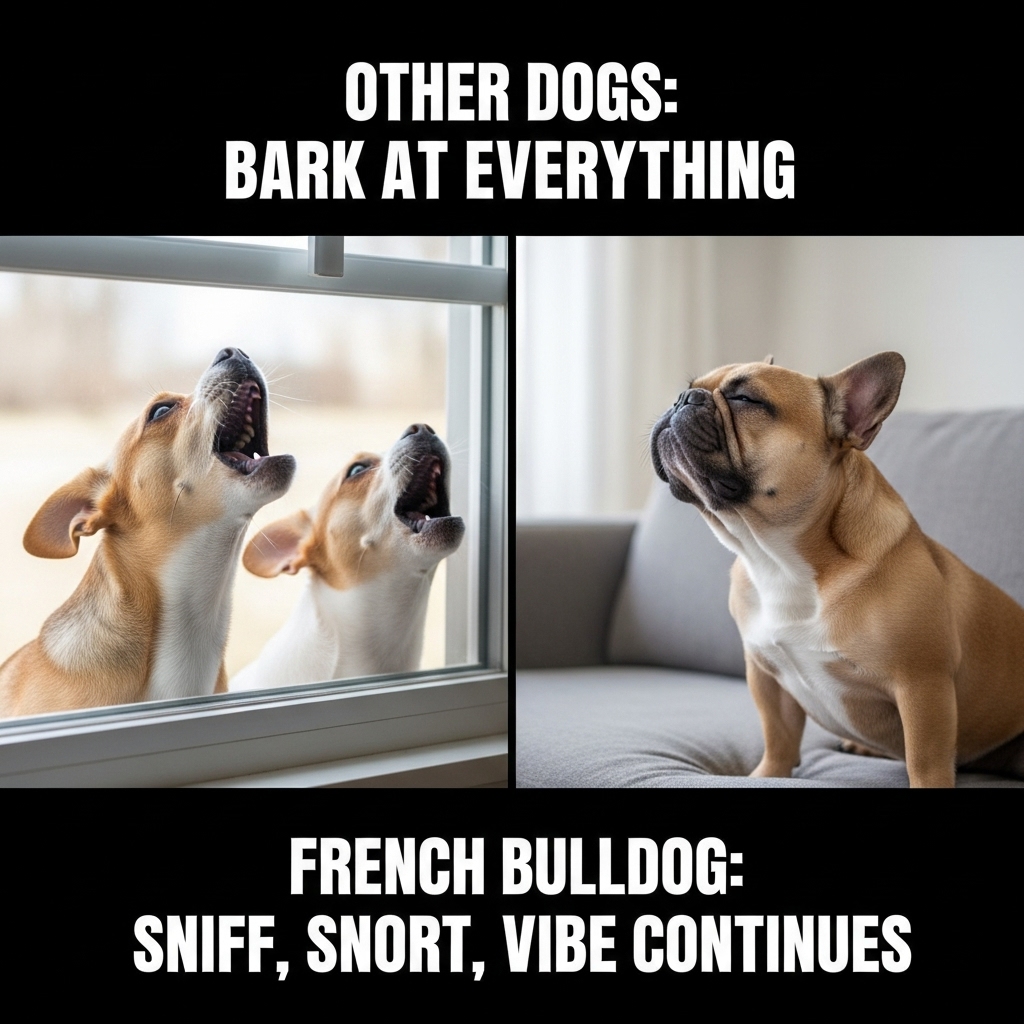
PetMD explains that personality-wise, French Bulldogs are affectionate, steady, and people-focused. They thrive on close human interaction and prefer being near their family without demanding excessive activity. This emotional steadiness contributes to their reputation as ideal companions for relaxed living.
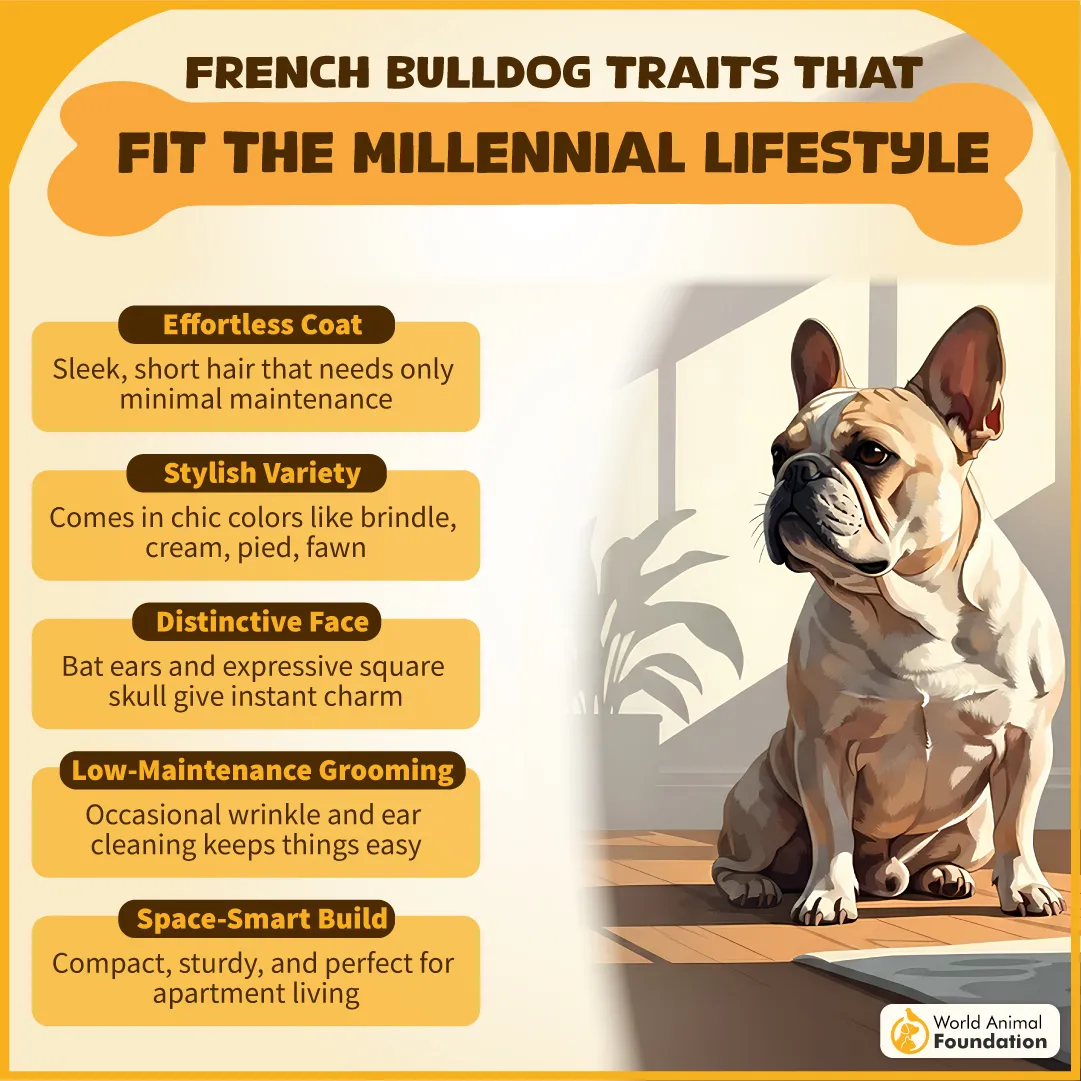
Ideal Home Environment
Apartments and smaller living spaces
Homes with predictable daily routines
Owners seeking a companion-oriented dog
Social & Training Traits
Friendly and adaptable with guests
Responsive to gentle, reward-based training
Low tendency toward territorial behavior
Daily exercise needs are modest, centered around short walks and light play. French Bulldogs have low energy and enjoy lounging, which supports a low-noise household atmosphere. Overexertion is unnecessary and often unwelcome.
In terms of quiet-home compatibility, French Bulldogs align well with calm lifestyles and close companionship. Matching their need for presence rather than activity helps maintain balance. Their steady temperament and soft communication style make peaceful living feel effortless.
🐕 Dog Breed Bark Comparison
Compare barking levels between different dog breeds
3. Whippet
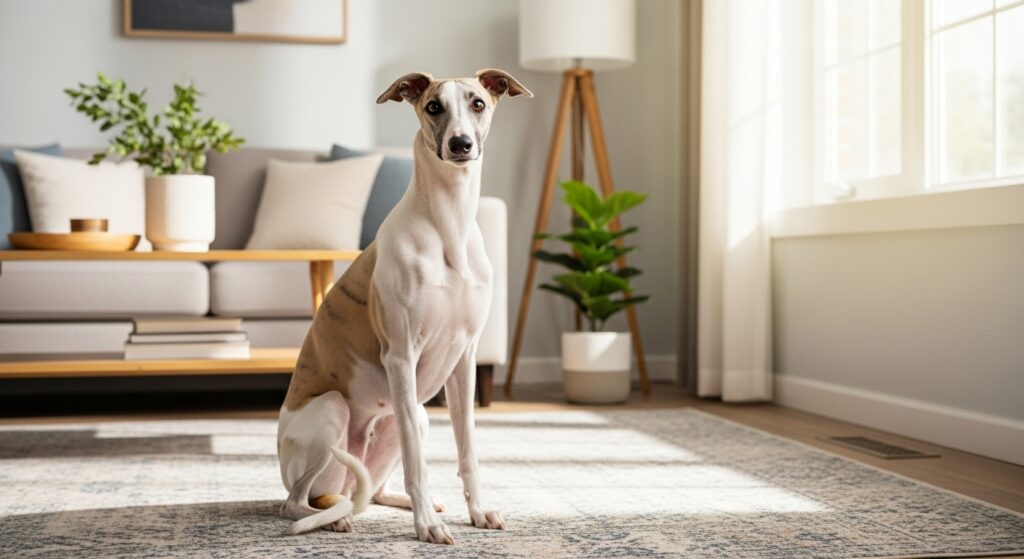
Whippets are among the quietest dog breeds, bringing an almost serene presence into calm and relaxed homes. Barking is rare, and their soft movements create an atmosphere of quiet elegance. First impressions often surprise people with how still and gentle they are indoors.
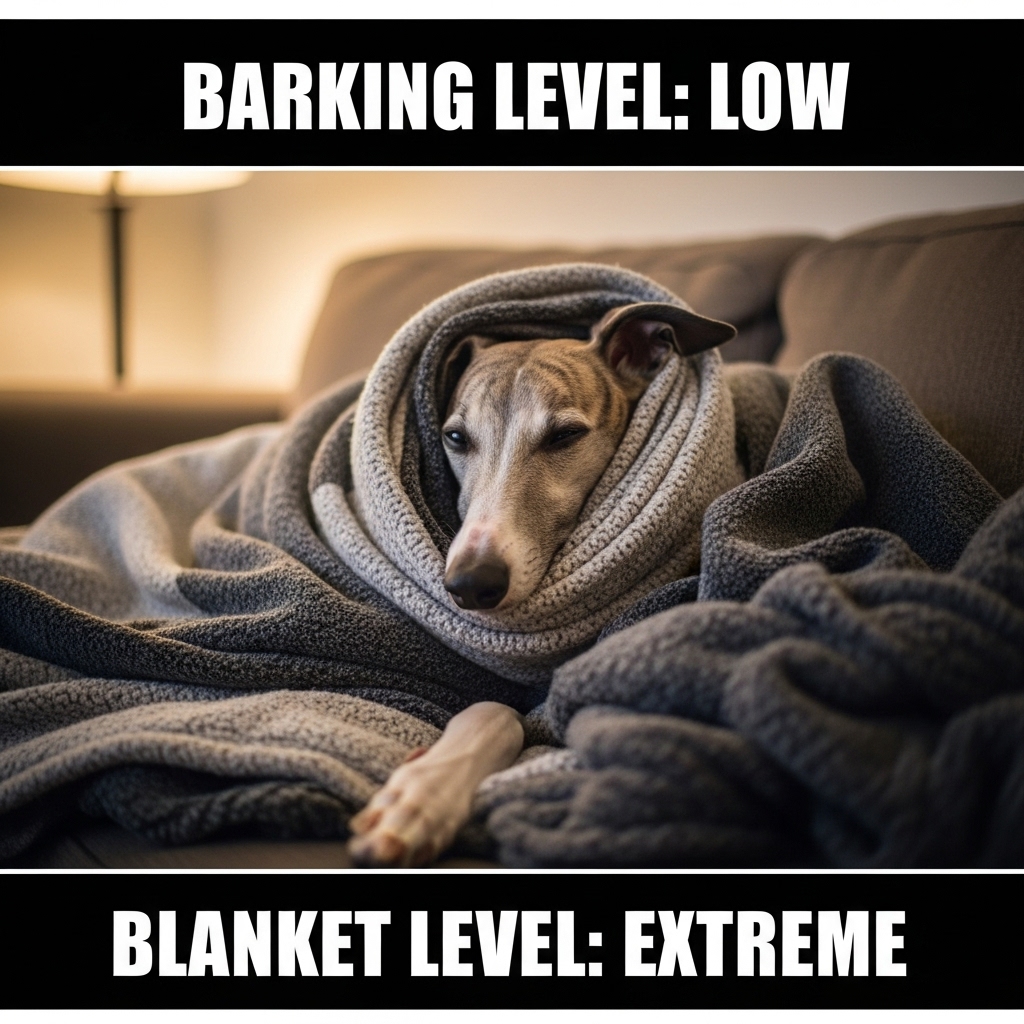
They have a calm and friendly nature that is affectionate yet understated, blending sensitivity with calm confidence. Whippets bond closely with their people and enjoy peaceful companionship without constant interaction. Indoors, they are content observers, preferring comfort and warmth.
Ideal Home Environment
Quiet households with soft routines
Homes offering cozy resting areas
Owners who value calm over constant play
Social & Training Traits
Gentle and polite with visitors
Responsive to calm, encouraging training
Sensitive to tone and environment
PDSA explains that energy needs are unique, with short bursts of speed balanced by long rest periods. A daily run or brisk walk satisfies their physical needs and supports relaxed indoor behavior. Once exercised, they settle quickly.
For quiet-home compatibility, this racing dog thrives in environments that respect their sensitivity. Matching lifestyle expectations around rest and gentle interaction is essential. Their low-noise nature and peaceful demeanor enhance a tranquil home setting naturally.
4. Cavalier King Charles Spaniel

Cavalier King Charles Spaniels are known for soft vocal habits and a gentle presence, making them well-suited to low-noise dog households. They communicate more through eye contact and tail wags than barking. First impressions often focus on their warmth and approachability.
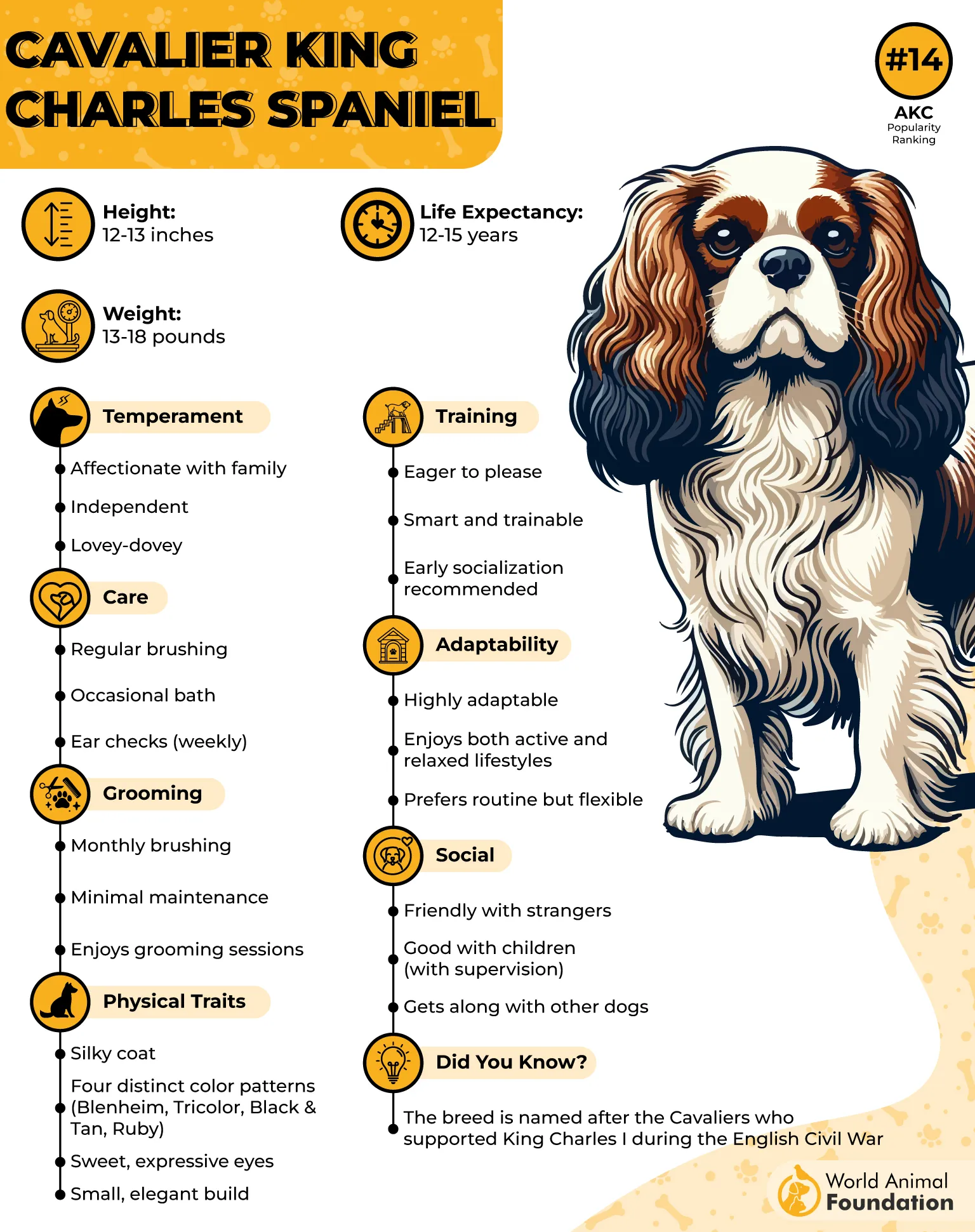
This breed’s temperament is affectionate, emotionally intuitive, and calm. Cavaliers enjoy companionship and adapt easily to household rhythms. Their desire to please supports harmony in relaxed living spaces.
Ideal Home Environment
Families seeking calm companionship
Apartments or quiet suburban homes
Owners who enjoy close bonding
Social & Training Traits
Highly people-oriented and friendly
Easy to train with gentle reinforcement
Comfortable around children and guests
Daily activity levels are moderate, with walks and light play meeting their needs. They enjoy activity but transition smoothly into rest. Balanced routines help maintain their quiet behavior.
Quiet-home compatibility is high when expectations focus on companionship and consistency. Cavaliers respond well to calm leadership and predictable schedules. Their soft demeanor supports peaceful living effortlessly.
5. Shih Tzu
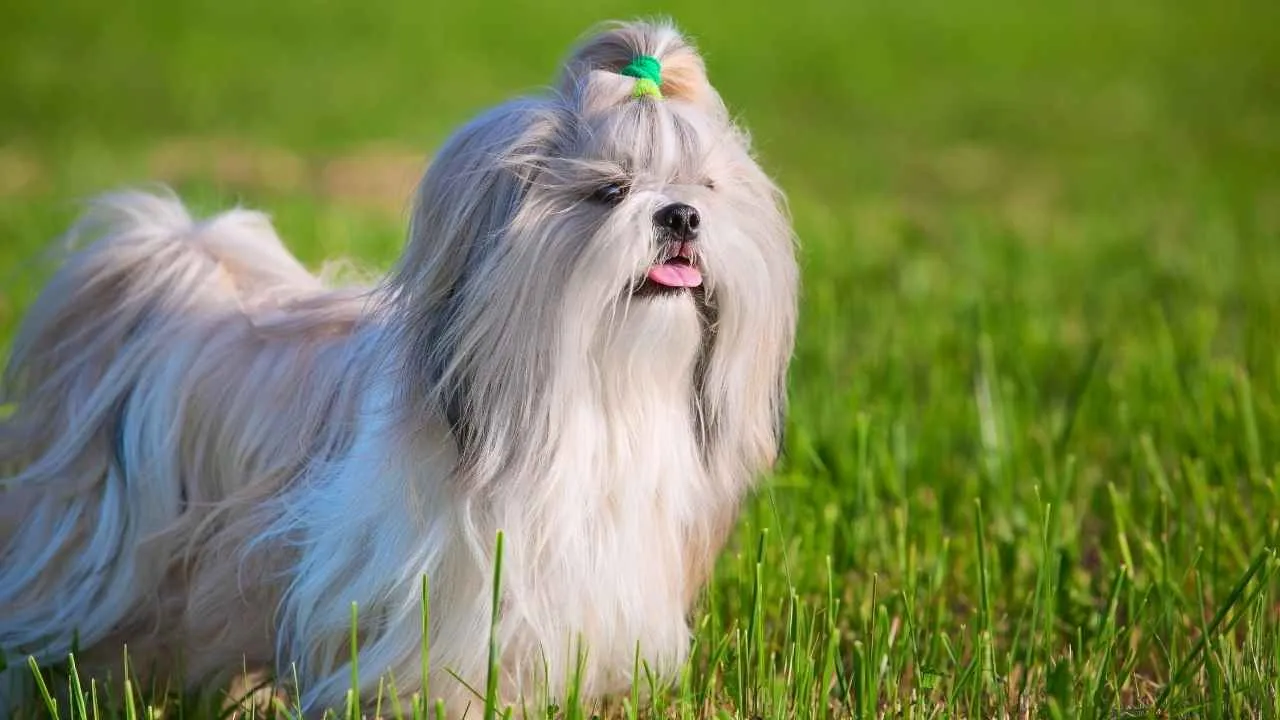
Shih Tzus are naturally low-noise dogs, often content to observe quietly rather than vocalize. Barking tends to be purposeful rather than frequent, aligning well with calm and relaxed homes. First impressions highlight their composed and dignified nature.

Their personality blends affection with independence, creating a steady emotional presence. Shih Tzus enjoy attention but also appreciate downtime. This balance supports a soothing household atmosphere.
Ideal Home Environment
Quiet indoor-focused homes
Owners who enjoy gentle routines
Apartments with consistent schedules
Social & Training Traits
Friendly but not overly excitable
Trainable with patience and consistency
Comfortable with familiar faces
Exercise needs are light, focusing on short walks and indoor play. They conserve energy and prefer comfort over intensity. This lifestyle supports low-noise living.
Quiet-home compatibility depends on matching their calm pace and grooming needs. Shih Tzus thrive with owners who value serenity and structure. Their quiet companionship adds warmth without disruption.
6. Pug

Pugs are low-noise companions known more for soft snuffles than barking, making them ideal for peaceful living environments. Vocalizations are minimal and expressive rather than loud. First impressions often include their relaxed posture and charming expressions.
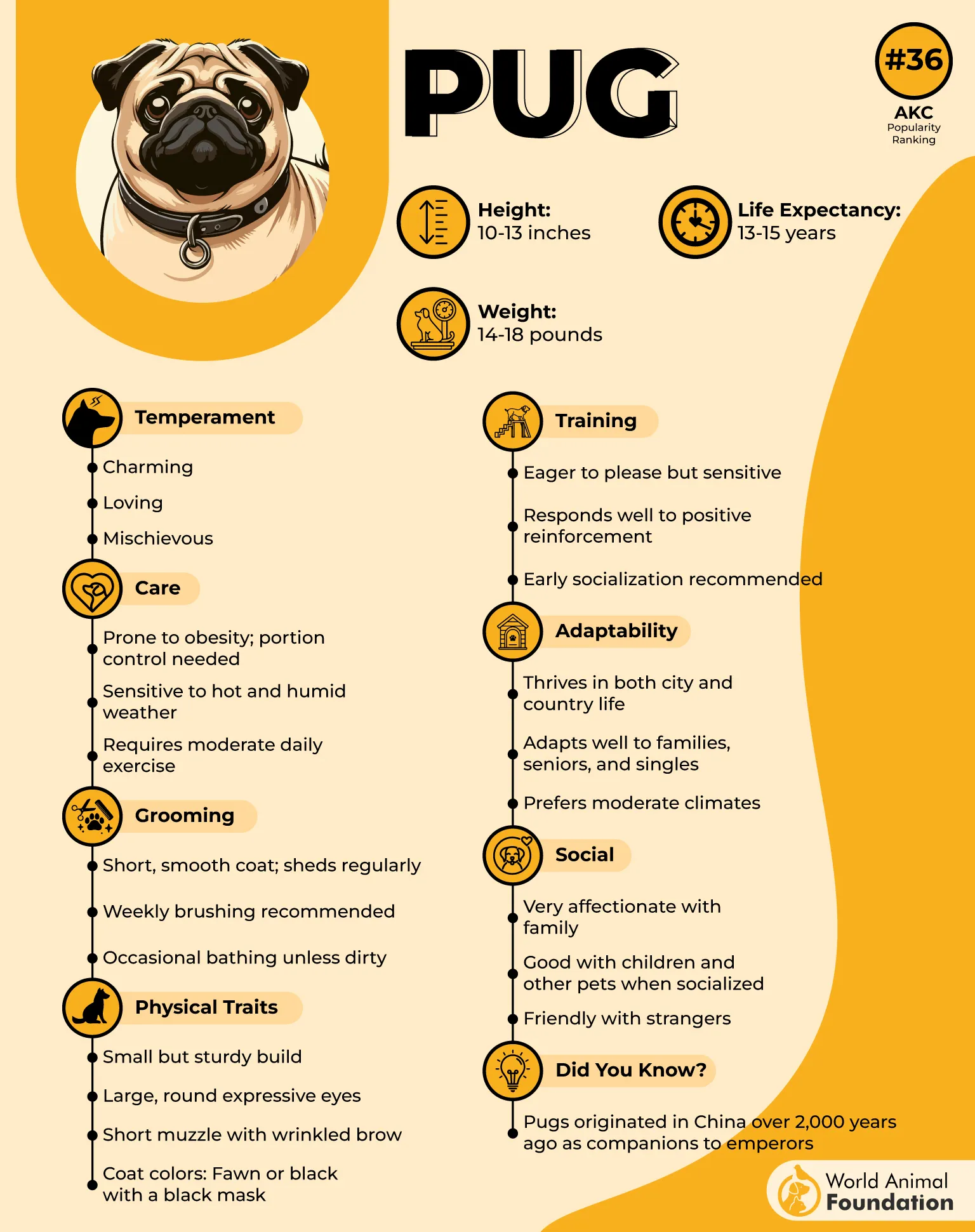
Temperamentally, Pugs are affectionate, steady, and emotionally attuned to their people. They are couch potatoes who enjoy companionship without demanding constant stimulation. Their calm presence supports a relaxed household rhythm.
Ideal Home Environment
Apartments and close living spaces
Homes prioritizing companionship
Owners with a relaxed lifestyle
Social & Training Traits
Sociable and people-focused
Motivated by positive reinforcement
Low reactivity to environmental noise
Exercise needs are modest, with short walks and light play. Overactivity is unnecessary and often avoided by the breed. This balance supports quiet indoor behavior.
For quiet-home compatibility, Pugs suit owners who value presence over performance. Matching expectations around activity and care creates harmony. Their gentle nature enhances calm living naturally.
7. Borzoi
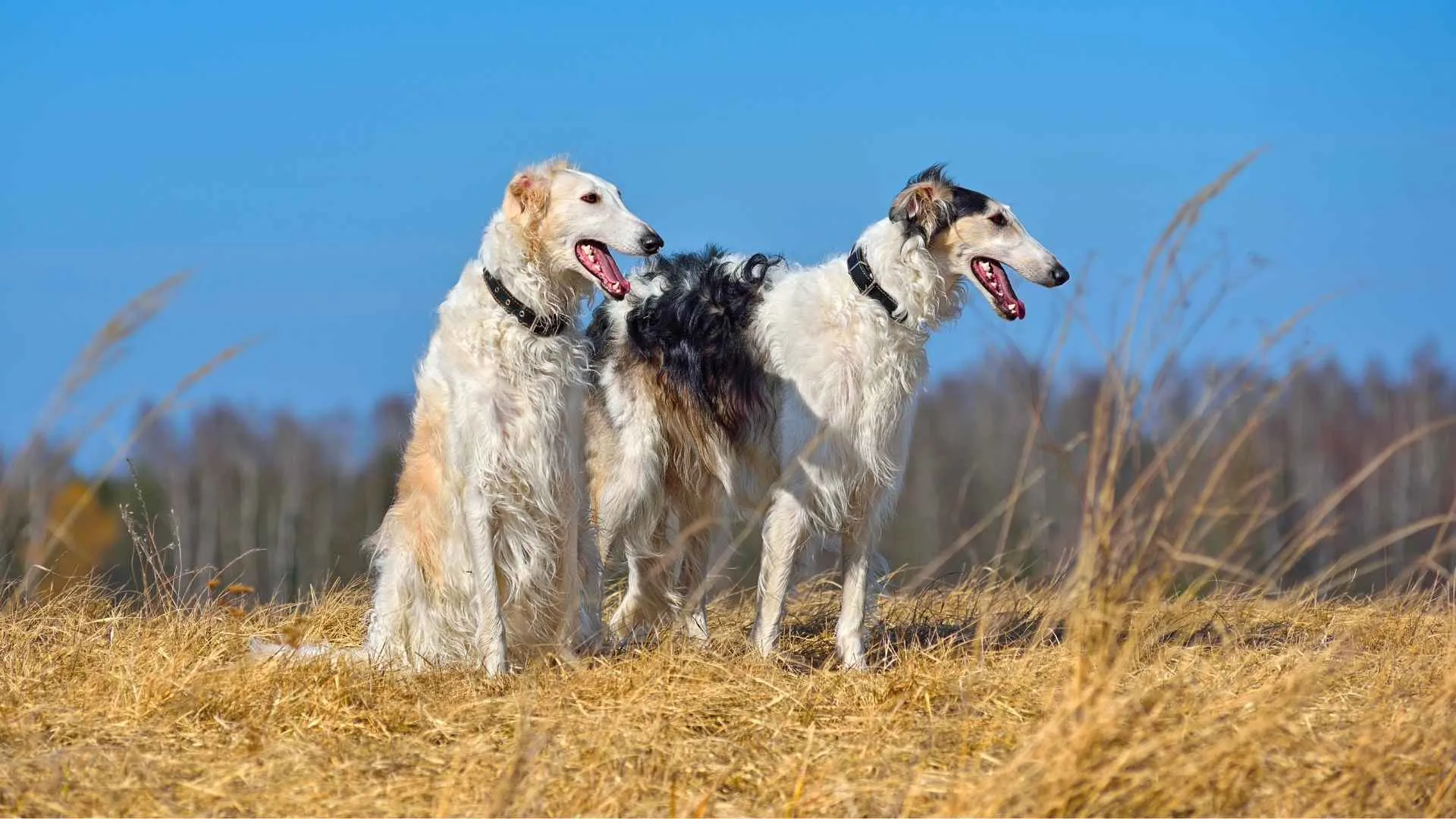
Borzois are exceptionally quiet, bringing a dignified stillness to calm and relaxed homes. Barking is uncommon, and their movements are measured and graceful. First impressions often focus on their serene, almost meditative presence.
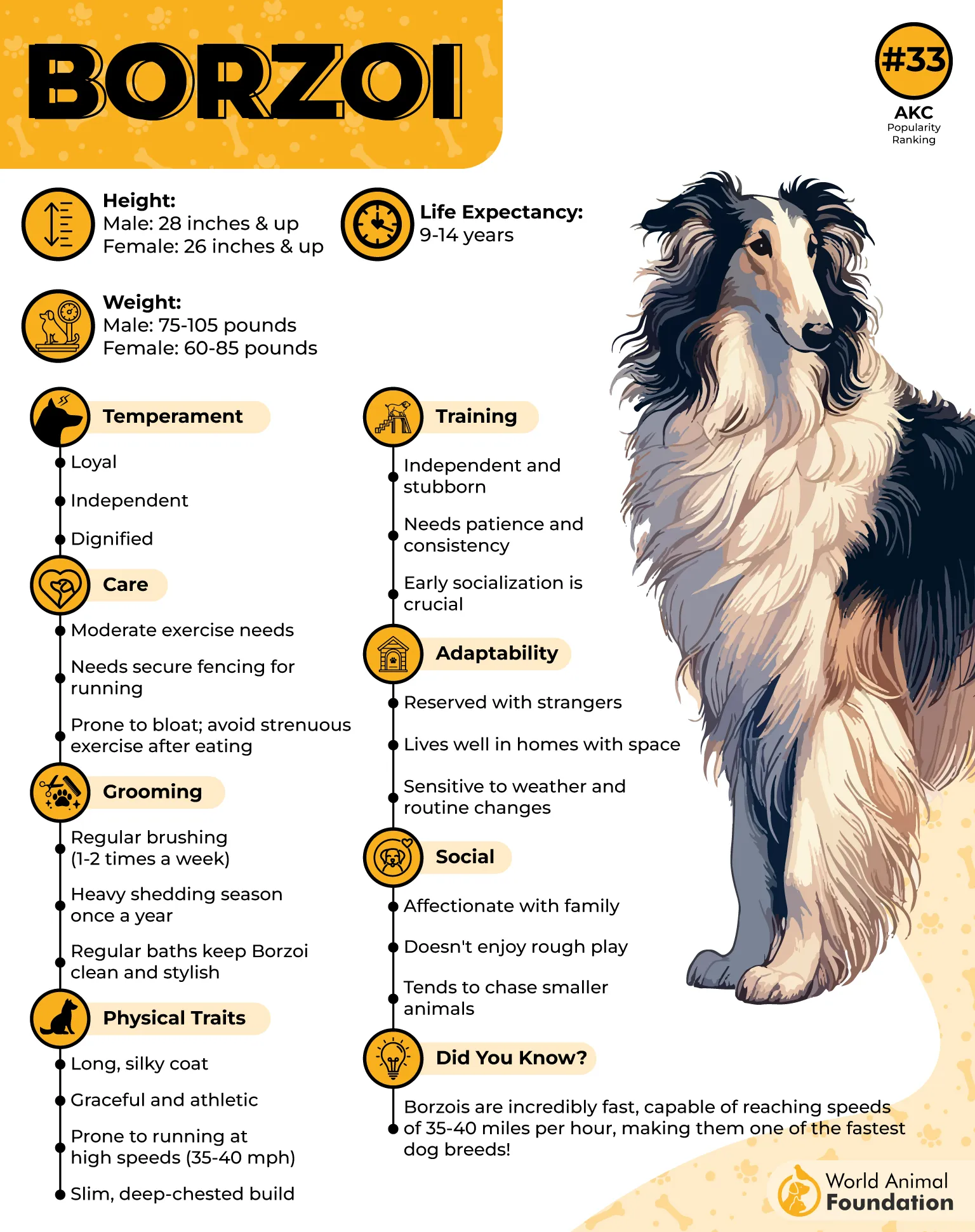
Their temperament is gentle, reserved, and thoughtful. This dog thrives in an incredibly affectionate household while maintaining a composed demeanor. This emotional balance supports peaceful living environments.
Ideal Home Environment
Spacious, quiet homes
Owners who value calm elegance
Low-chaos households
Social & Training Traits
Polite and reserved with strangers
Responsive to respectful training
Low need for constant interaction
Daily exercise involves controlled walks and occasional running in secure areas. Indoors, Borzois prefer rest and quiet observation. Their energy management supports low-noise living.
Quiet-home compatibility is strongest when expectations align with their calm nature. Borzois thrive in environments that respect space and routine. Their tranquil presence elevates peaceful living effortlessly.
Conclusion
A calm home environment begins with choosing the right dog—one with a calm demeanor, quiet nature, and gentle temperament that fits apartment living or family life. Calm dogs with moderate exercise needs, minimal exercise routines, and a relaxed demeanor often become excellent companions and loving furry companions.
Breeds not covered here, such as Bernese Mountain Dogs, Basset Hounds, Chow Chows, Bulldogs, and Retired Racing Greyhounds, are also surprisingly calm, gentle dogs known for forming strong bonds.
With daily walks, regular grooming, and an easygoing nature, the right dog becomes a low-key companion that supports peaceful living for both you and other pets.
