




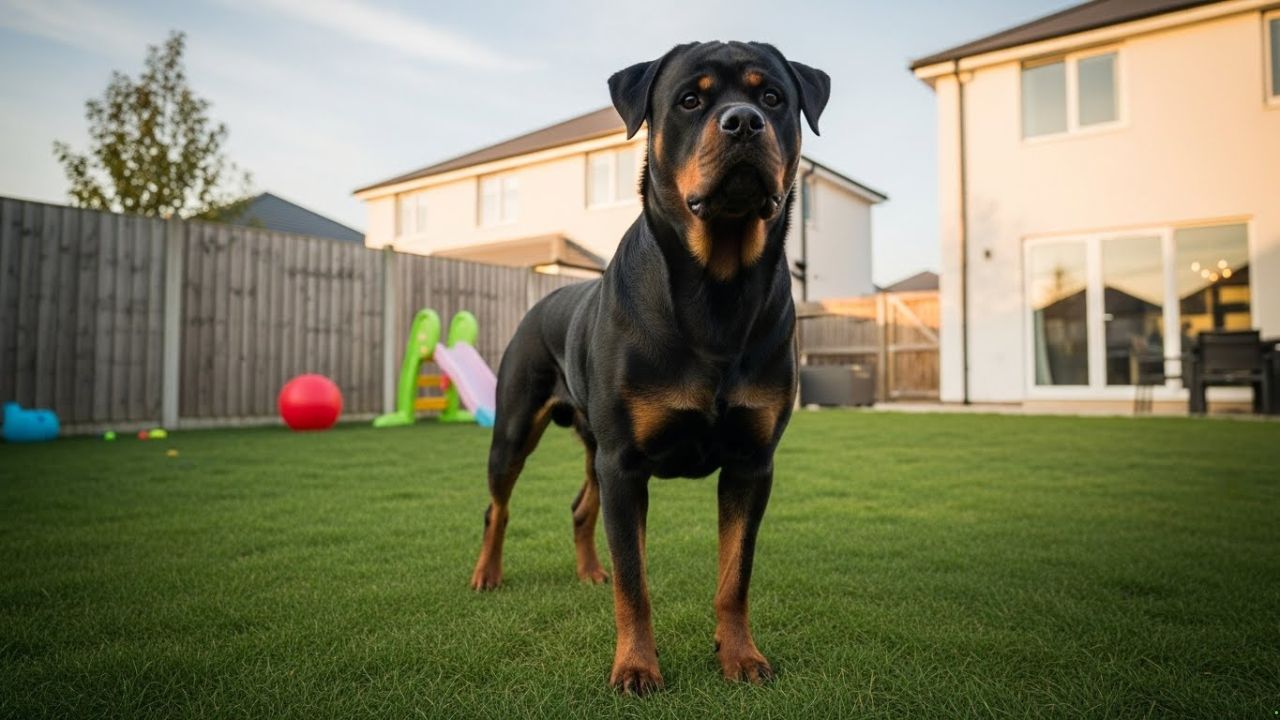
Feeling safe at home should not feel like a luxury. It should feel normal. And if you are reading this, you are looking for that calm, steady feeling in your chest when the doorbell rings at night.
A good protection dog is not a “mean dog.” It is a stable dog with the right instincts, the right nerve, and the right training.
The best ones can be sweet with family, serious with strangers, and smart enough to tell the difference.
Want to see how we do that? We skip the drama and talk about real traits: confidence, alertness, loyalty, and how well a dog can learn rules.
Because here’s the best part. When you pick the right breed and raise them right, you get both safety and a best friend.
Best Dog Breeds for Personal Protection Needs For Safer Homes
1. Bullmastiff
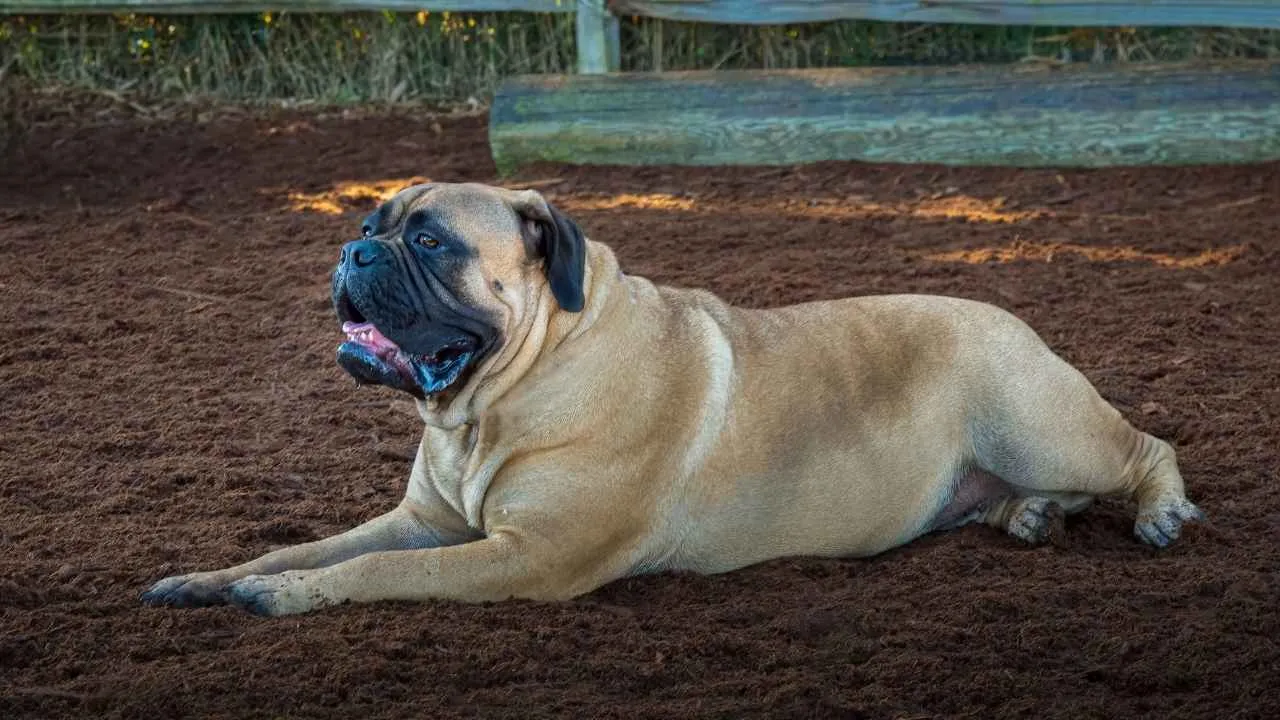
The Bullmastiff is the “quiet wall” of personal protection. Big body. Calm mind. And a serious guard instinct that does not need a lot of noise. This breed was made to protect, not to show off. That matters when you want a steady home guardian, not a dog that loses it at every leaf.
Bullmastiffs often stay relaxed with their people. They can be gentle at home, then switch into watch mode when something feels wrong.
Sounds crazy, right? A dog that can chill and protect. Exactly. They tend to observe first, then move with purpose. That silent confidence is a big reason people like them for home security.
According to the AKC, this is a powerful dog with a strong will. They need early socialization, clear house rules, and early training.
No yelling matches. No “alpha” nonsense. Just firm, fair habits. Do that, and you get a loyal family protector who takes their job seriously.
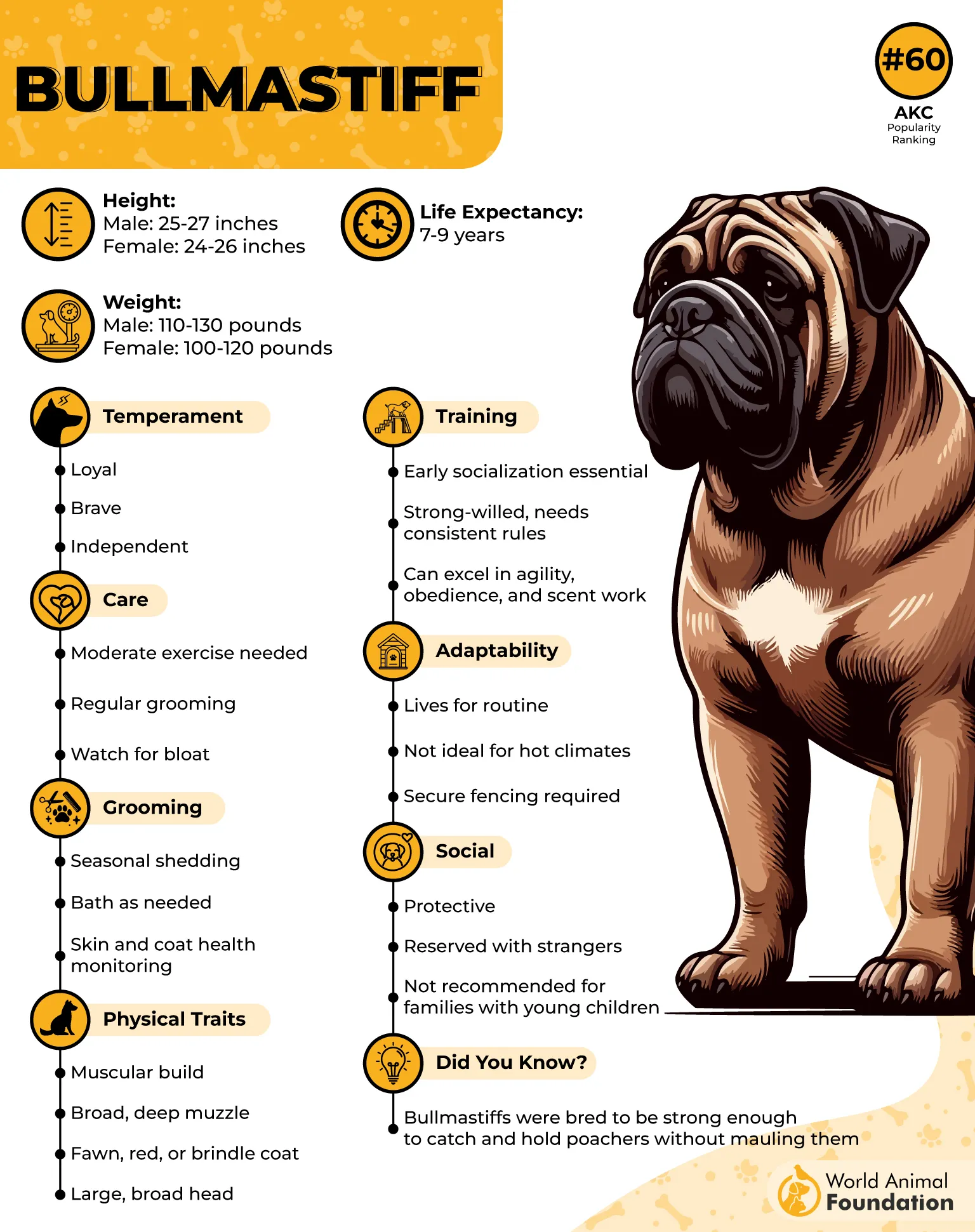
Important note for Bullmastiff owners
Best for people who want a calm, strong deterrent
Needs early socialization so “protective” does not turn into “suspicious of everyone.”
Short daily exercise, but a steady routine and manners training matter a lot
Often guards with presence more than barking
2. German Shepherd
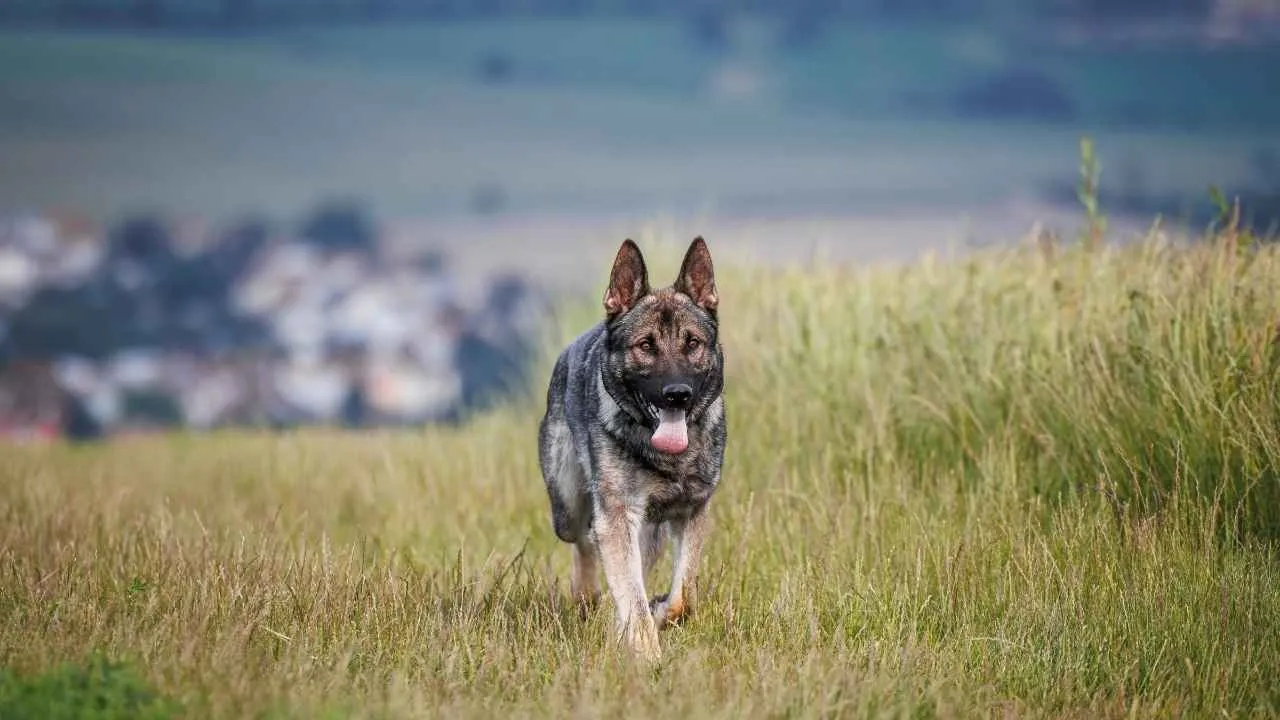
German Shepherds are the classic all-purpose protection dog for a reason. They are smart, brave, and built to work.
If you want a dog that can learn complex commands, follow a routine, and still be a loving family buddy, this smartest breed is usually near the top of the list.
What makes them special is how fast they connect patterns. They notice changes. They read your mood. They can go from playful to alert in a second, then back again.
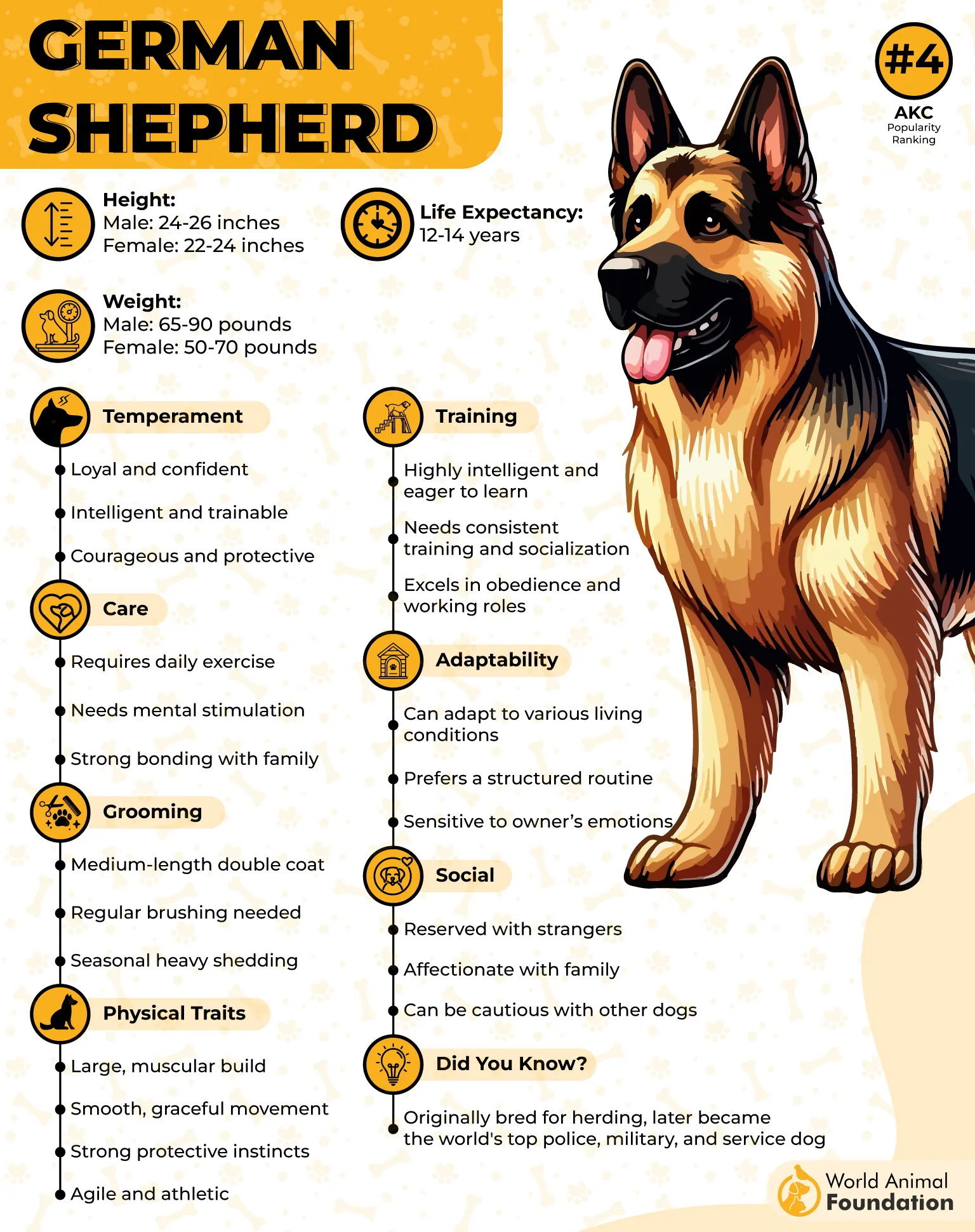
And here’s the good part. With proper training, that alertness becomes a skill, not chaos. That is why they show up so often in police work, service roles, and serious home protection.
But why bother with that training part? Because a bored, undertrained Shepherd can turn into a furry stress machine.
They need jobs. Mental games. Obedience drills. Structured walks. If you can give them purpose, you get a fiercely loyal guardian with self-control and confidence.
A smart way to set up a German Shepherd for protection
Focus on obedience first, then add protection style work later
Daily mental work helps more than endless running
Socialize early so they stay steady around visitors and public places
Best match for owners who like routine and training sessions
3. Rottweiler
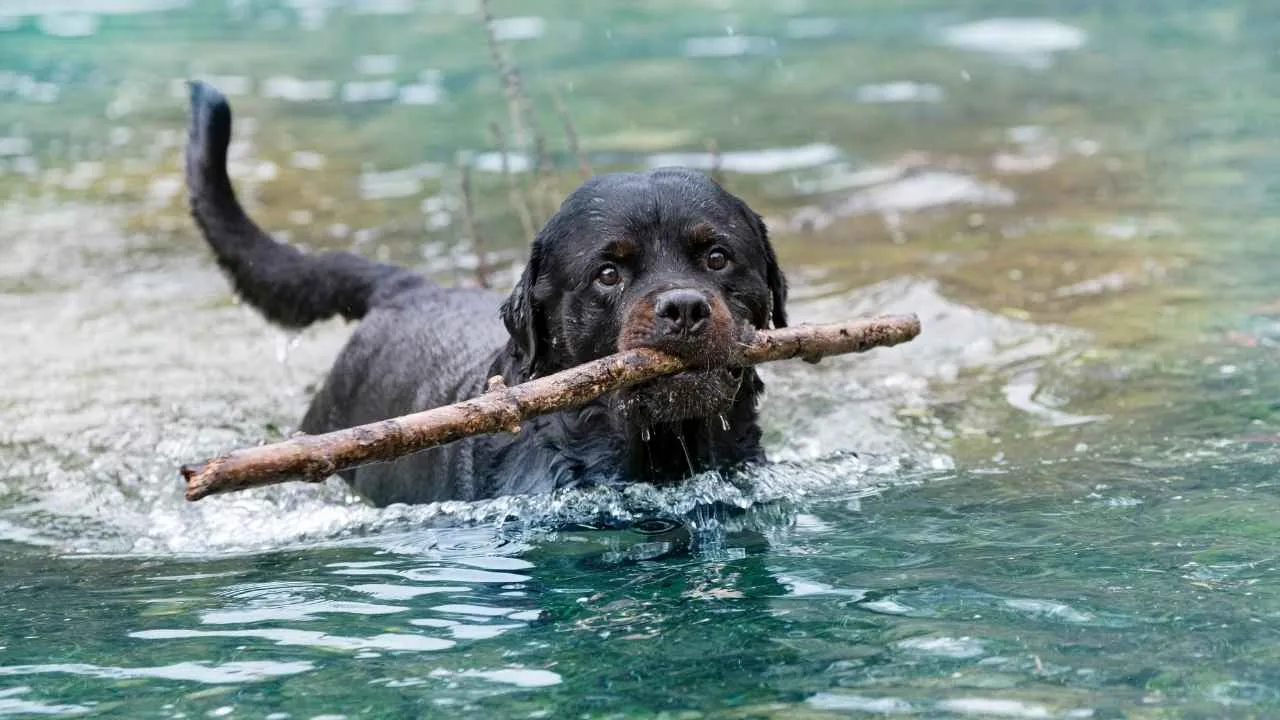
Rottweilers look like they mean business, and honestly, they do. But a well-raised Rottie is not a cartoon villain. They are often calm, confident, and deeply loyal to their people.
Their protective instinct is real, and it can feel like having a bodyguard who also wants to sit on your feet like a warm brick.
What makes the Rottweiler different from the German Shepherd is the vibe. Shepherds often scan the world like security cameras. Rotties can feel more like a solid barrier.
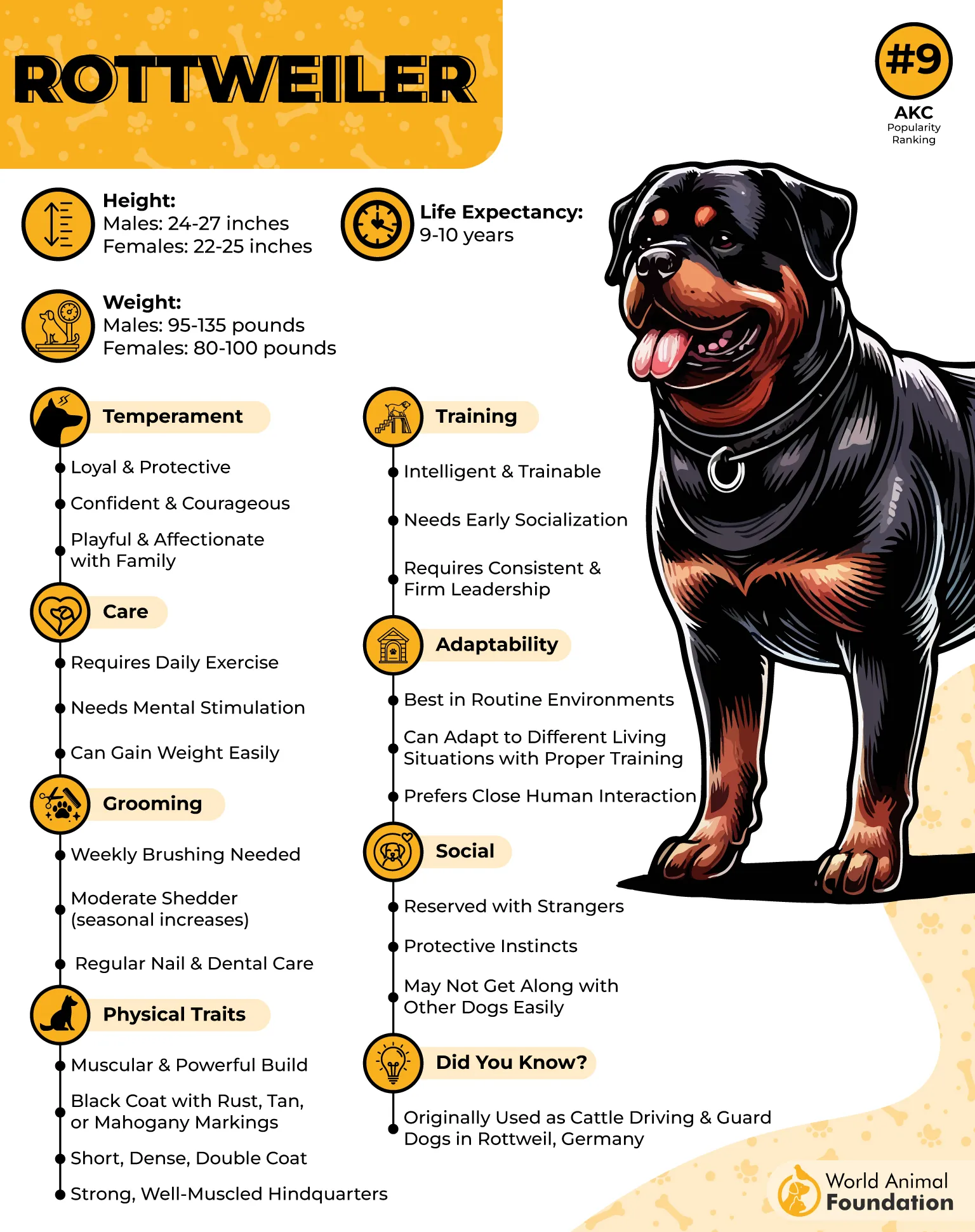
They often hold their ground and watch closely. They can be aloof with strangers, which is great for personal protection needs, as long as you teach them what “normal” looks like.
It gets even worse, though, if someone gets a Rottweiler and skips socialization. A strong dog with poor manners is not “protective.”
It is a liability. Rottweilers need calm leadership, early exposure to people and places, and consistent training. Do it right, and you get a steady guardian who is brave without being out of control.
What makes a Rottweiler shine as a protector
Natural confidence and strong guardian instincts
Often calm and controlled when trained well
Loyal to family, usually reserved with strangers
Needs early social time and firm, proper training
4. Cane Corso
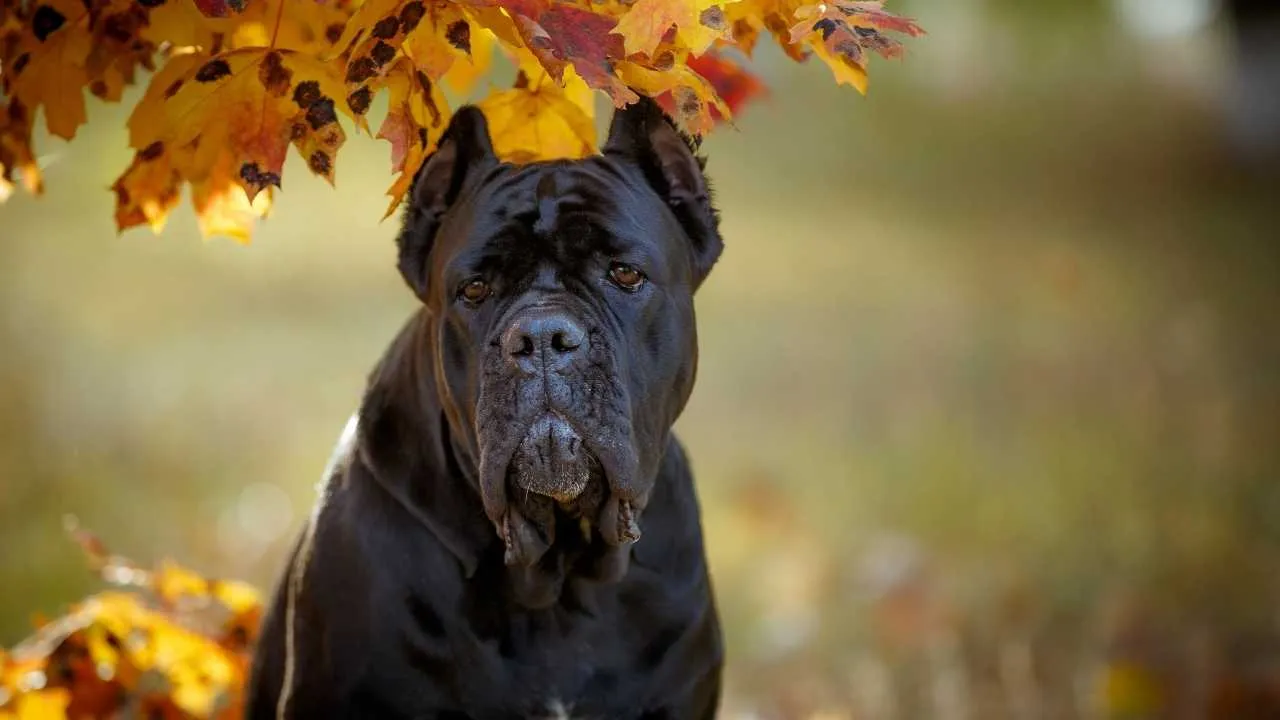
The Cane Corso is one of the best guard dog breeds. This is not a “maybe I will train later” dog. This is a powerful, athletic guardian with strong protective instincts and a sharp sense of territory.
If you want a dog that looks like a private security guard, this one has that presence.
Corsos tend to bond hard with family life. They can be affectionate at home, then very wary of strangers. That “wary” part is the point for protection needs.
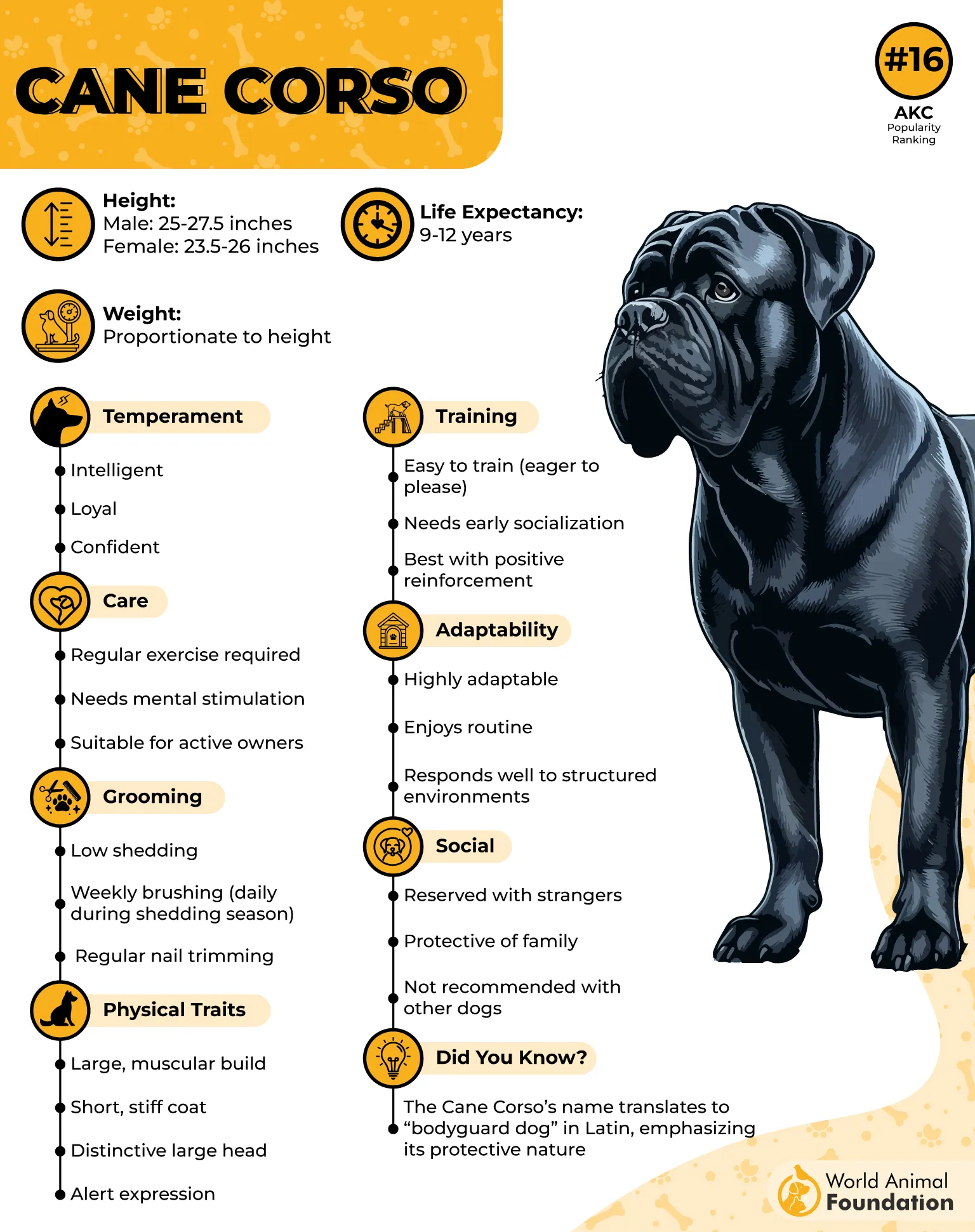
They are often not the type to welcome every visitor like a golden retriever. They watch. They judge. Then they decide. And yes, that can feel comforting when you want a watchdog that takes safety seriously.
Here’s the good part. With early socialization and obedience training, many Cane Corsos grow into well-mannered adults who can handle real-life situations.
But they still need structure. They need boundaries. They need an owner who will stay consistent. If you are ready for that, the Cane Corso can be a strong home guardian and a loyal companion.
Must know Cane Corso basics
Best for experienced owners who like training and structure
Early socialization helps prevent overprotection
Daily exercise matters, plus mental work
Strong territorial instinct, so clear visitor rules are a must
5. Akita
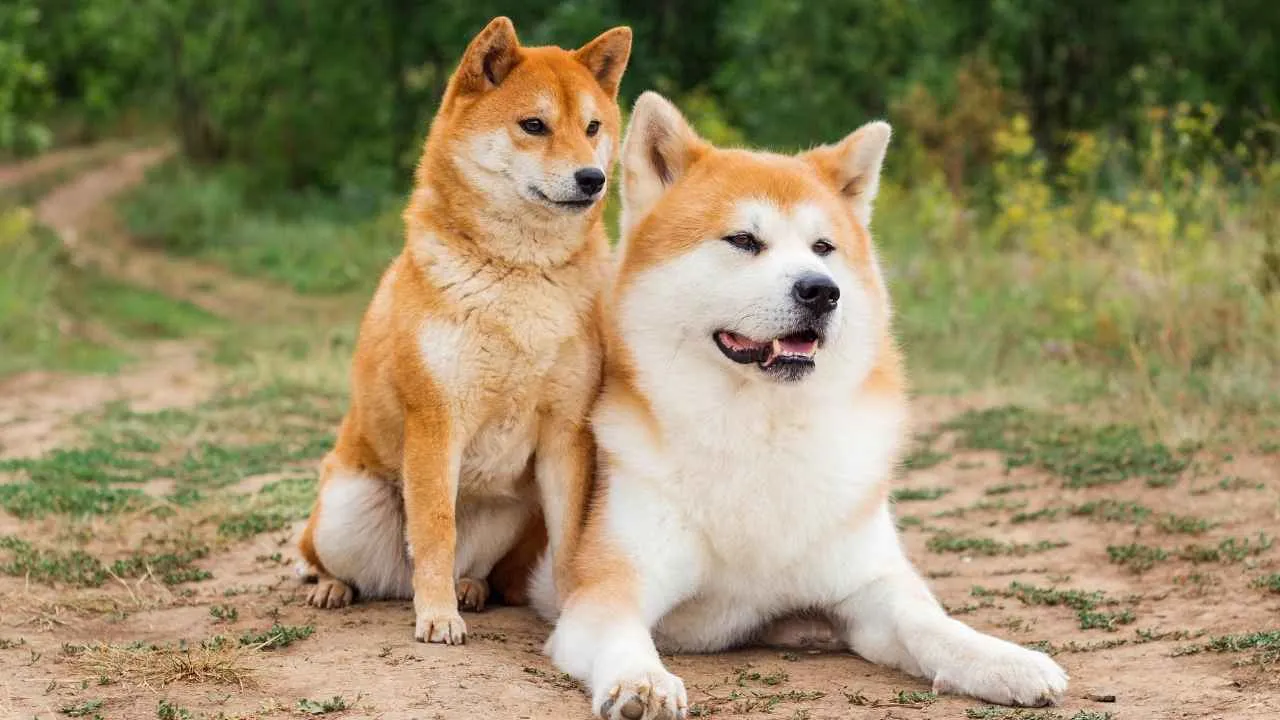
Akitas have a different kind of protection style. They are not usually loud. They are not usually clingy. They are often dignified, brave, and extremely loyal.
Think “quiet guardian” with a strong backbone. If you like a dog that does not act goofy with strangers, the Akita may fit your personal protection goals.
PetMD notes that they often bond deeply with their family, and that loyalty can feel intense in a good way. Many Akitas are naturally watchful and territorial about their home.
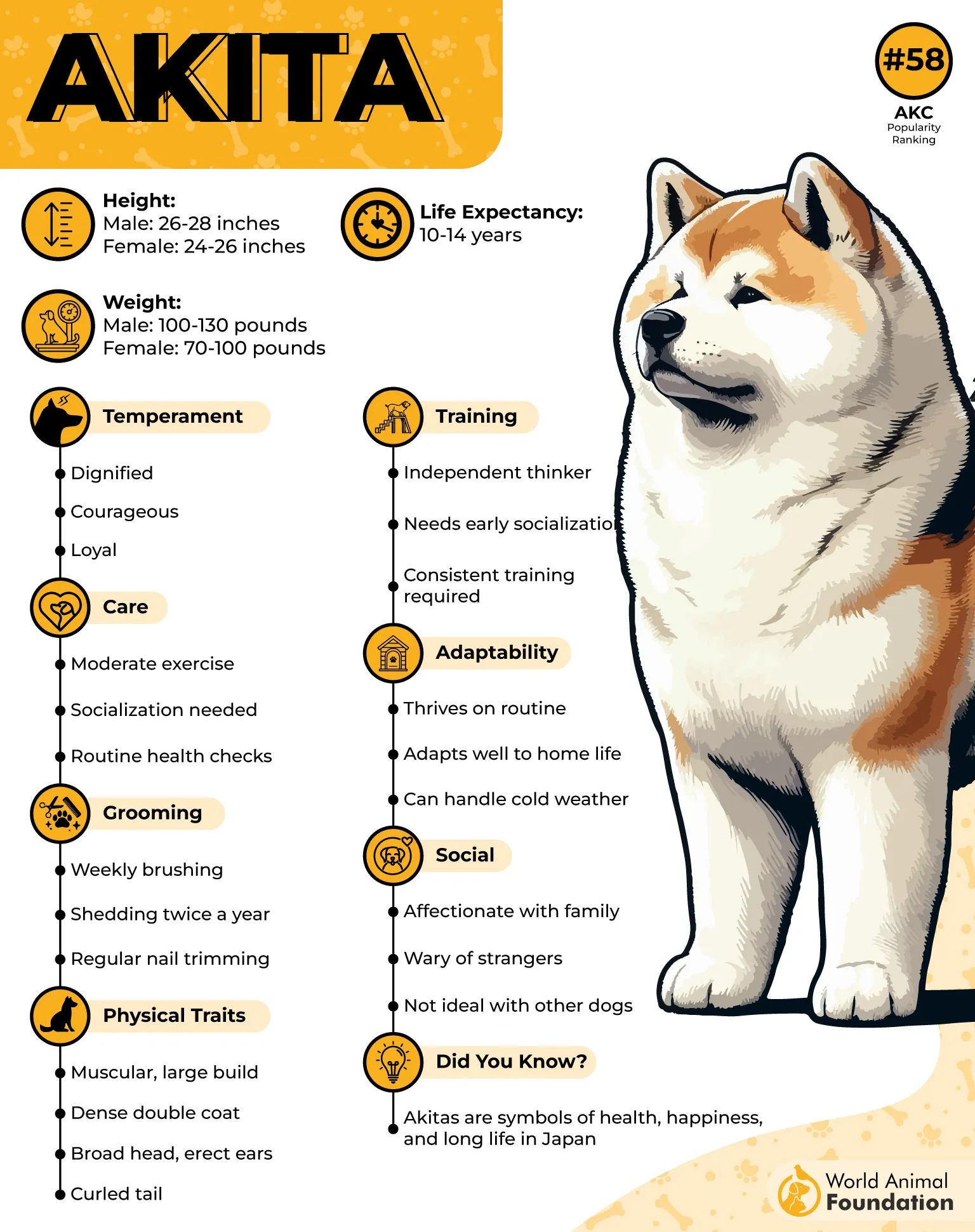
They tend to be reserved with strangers, which can add a strong deterrent effect. People can sense when a dog is confident and serious, even before the dog does anything.
Now: Akitas can be independent and strong-willed. They usually do best with calm, obedience training and early socialization. They may not be the easiest choice for a first-time dog owner, especially if you want a dog who obeys instantly every time.
But if you respect their personality and train with patience, they can be loyal guardians who make you feel safe, making them one of the best guard dog breeds.
Akita’s protection traits that stand out
Brave, incredibly loyal, and naturally protective of home
Often quiet and observant, not noisy
Can be independent, so training must be consistent
Best with owners who like calm leadership, not rough handling
6. Kuvasz
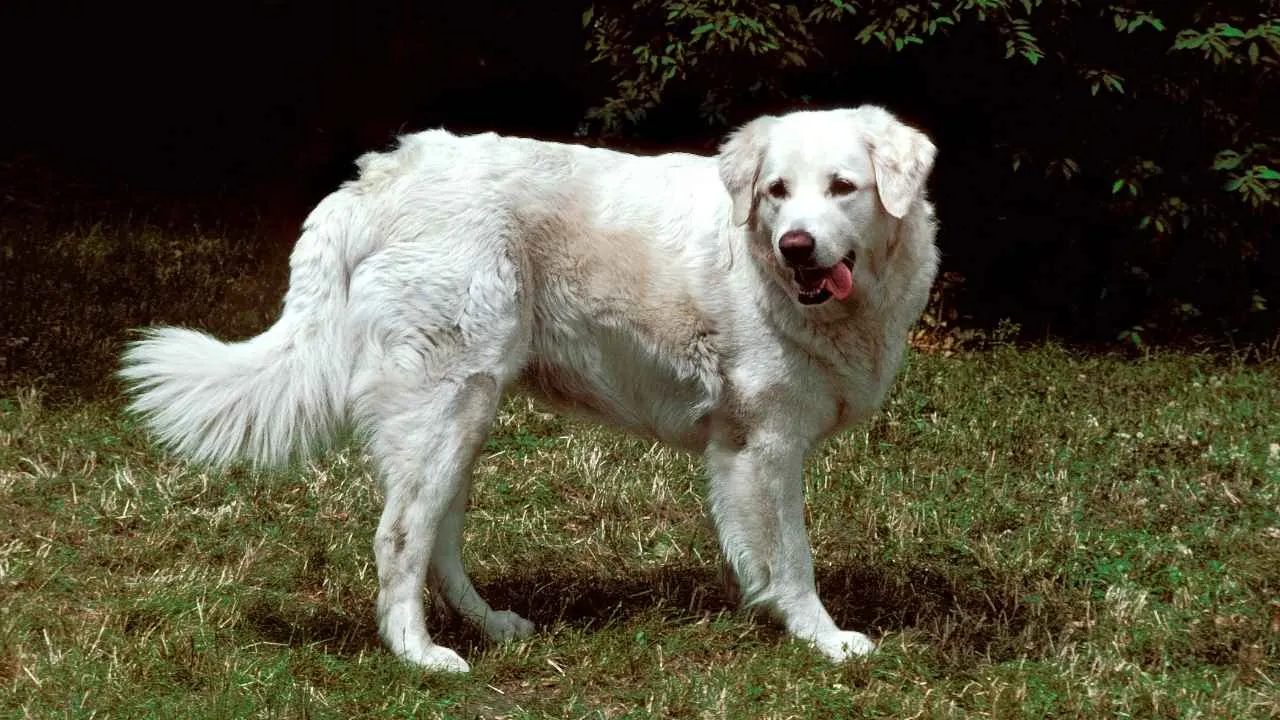
The Kuvasz is like having an old school guardian with a soft heart for the right people. This breed comes from a livestock guarding background, which means they were originally bred to make choices and protect without needing constant directions.
That independence is their superpower, and also the part you must respect.
As per Britannica, Kuvasz dogs tend to bond strongly with family life. They can be protective, especially with children, and they are often wary of strangers. Here’s the best part. Many of them take cues from their owners.
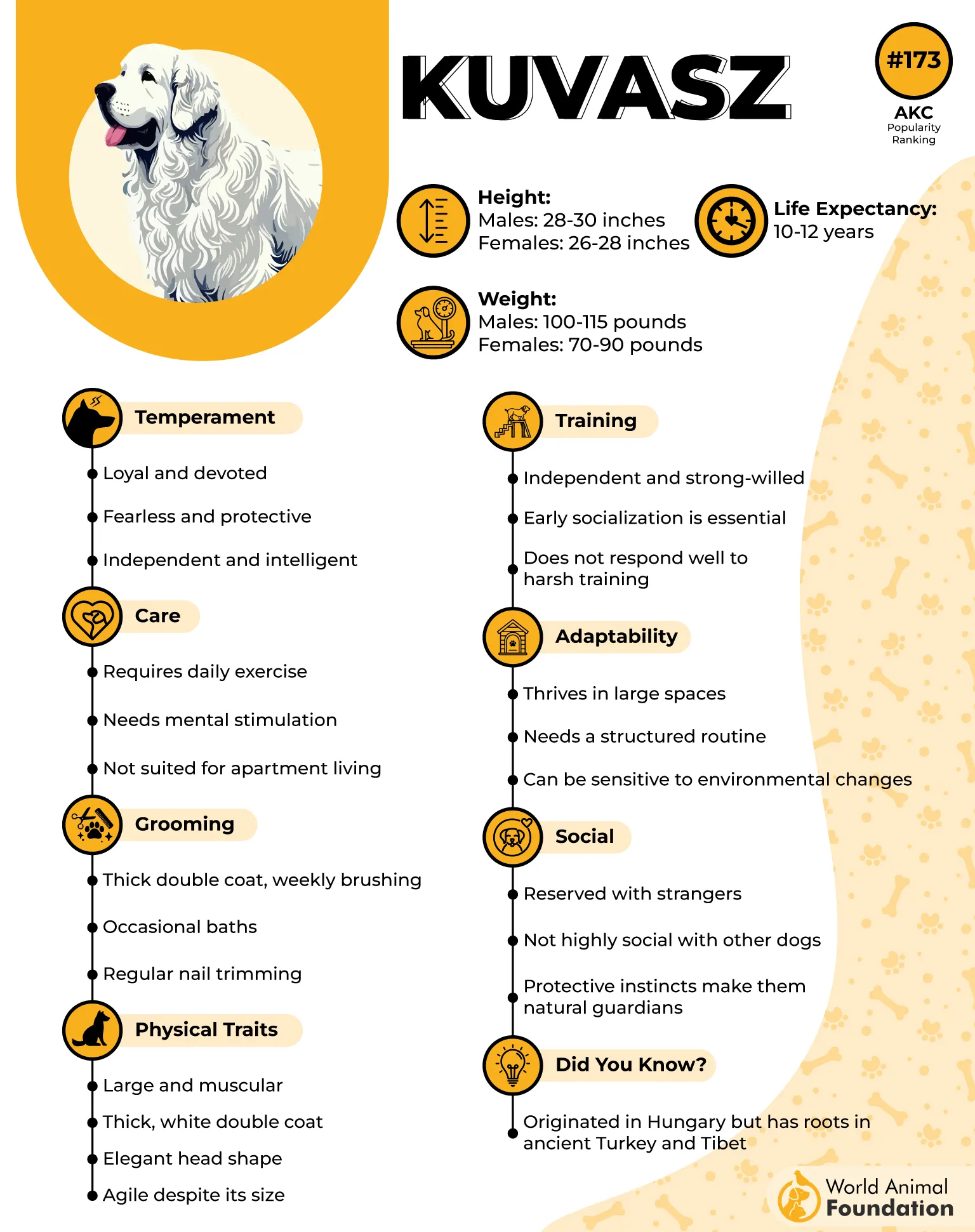
So when you are calm and confident, you can help your Kuvasz understand who is safe and who is not. That makes them a strong watchdog for personal protection needs, especially in a home setting.
But wait, there’s more! Because they think for themselves, training is not about forcing them. It is about earning trust and being consistent.
Socialization is huge with this breed. You want them to recognize normal life so they save their guard mode for real problems, not your cousin walking in with pizza.
Kuvasz notes for real-life home security
Independent guardian mindset, not a “people pleaser.”
Strong protective instincts and deep family bonds
Wary of strangers, so socialization is non-negotiable
Best for owners who can lead calmly and consistently
7. Giant Schnauzer
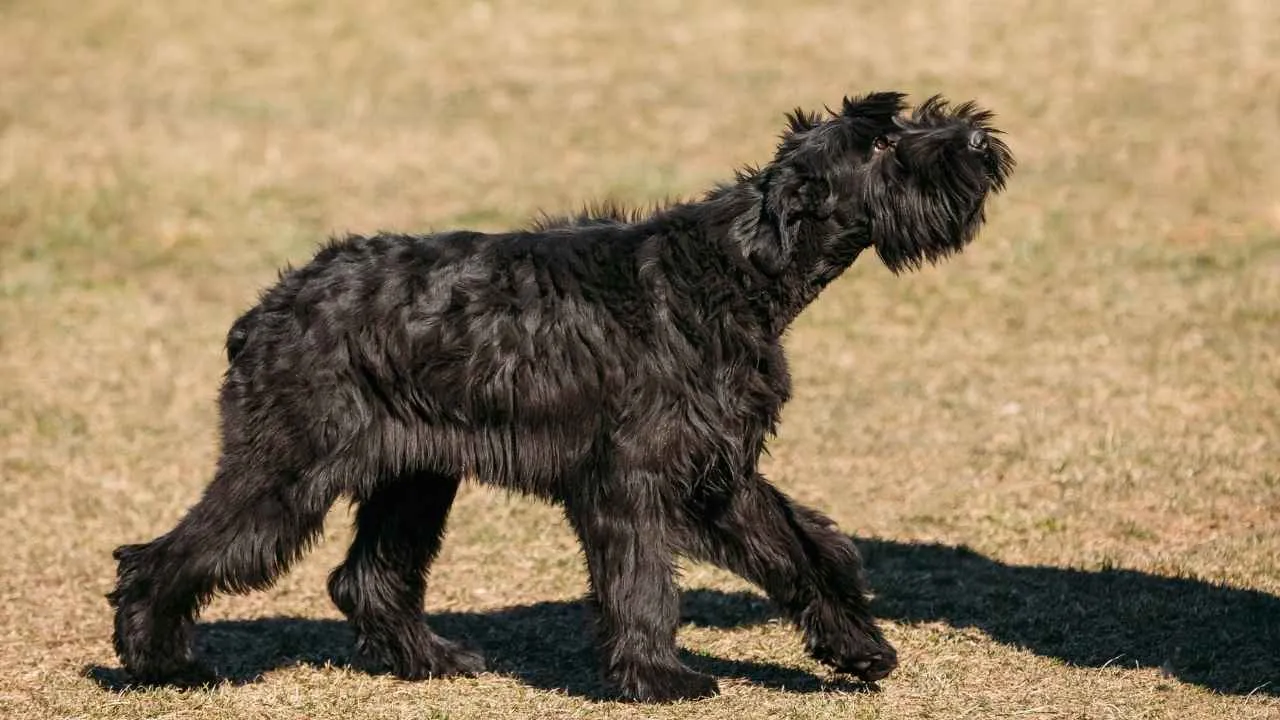
Giant Schnauzers are bold, smart, and very protective. They are known for being territorial and feeling a real responsibility for their people.
If you want a dog that will take personal protection seriously and still be trainable, this breed can be a strong pick.
They have that “working dog” brain. They learn fast. They like structure. And when they bond with you, they often stay close and watchful.
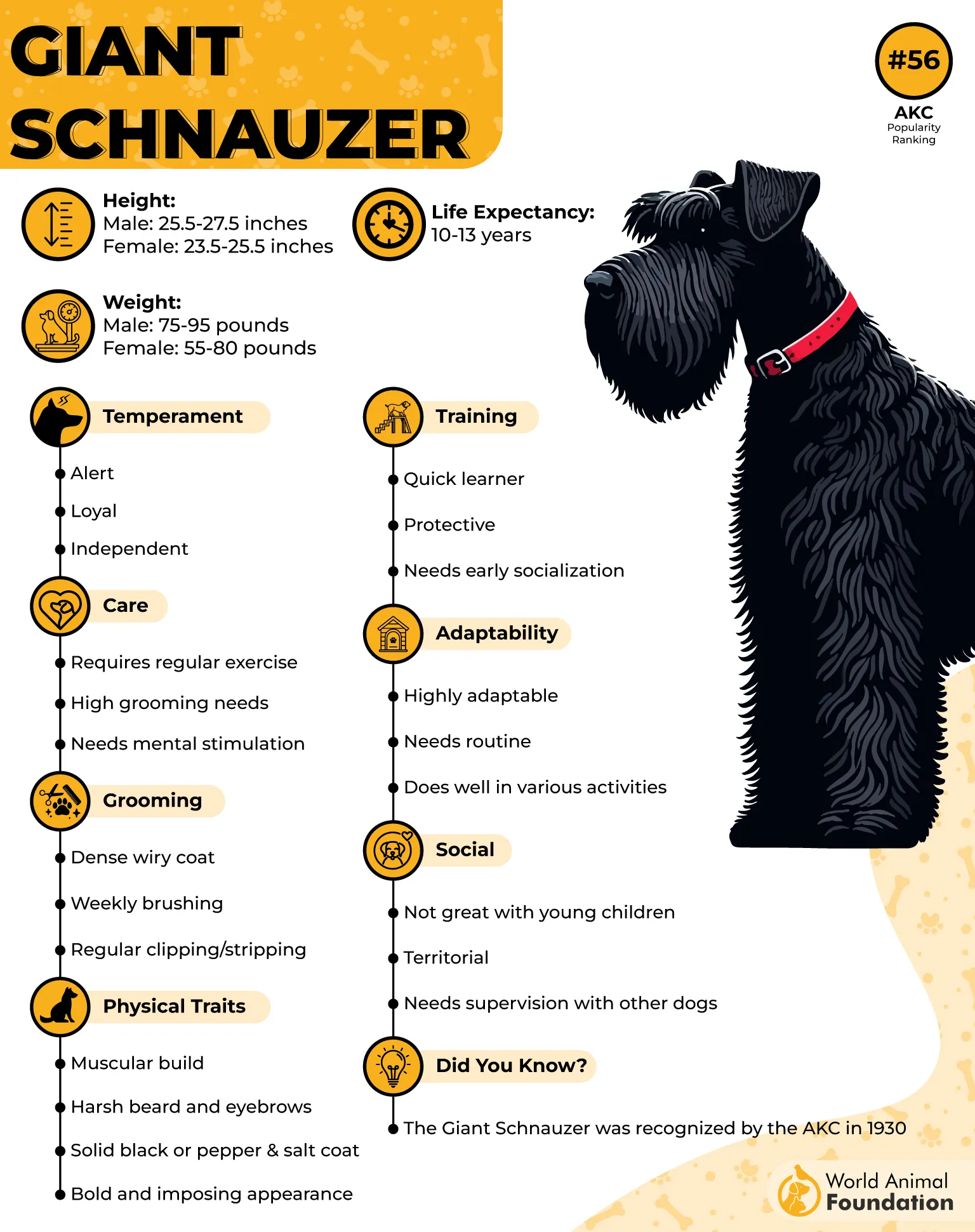
Many are not naturally open with strangers, which can be perfect for guarding. Their alert bark can be a strong warning system, and their size adds a serious deterrent effect.
Here’s the part people forget. Giant Schnauzers need exercise, training, and regular grooming. If you skip the routine, you may get a frustrated dog who invents their own job, like redecorating your couch with their teeth. Not ideal.
But if you give them a clear role and consistent rules, they can be incredibly loyal protectors who are also affectionate with family.
Giant Schnauzer quick protection checklist
Strong territorial instinct and loud alert bark
Extremely intelligent and learns fast with obedience training
Needs daily exercise and mental work
Grooming is part of the deal, so plan for it
Conclusion
A real protection dog starts learning at an early age. Early training and proper socialization at a young age teach them how to stay calm in threatening situations. That is how you get the right guard dog, not just a loud one.
Some breeds are highly trainable, like the Doberman Pinscher, and they can learn rules fast. Others rely more on sharp instincts and a strong instinct, like the Tibetan Mastiff, which is often naturally wary and can be extremely protective.
Dogs like the Rhodesian Ridgeback and the Catahoula Leopard Dog bring different strengths than other breeds, but the goal stays the same: control and confidence that can help deter intruders without creating drama at home.
But wait, there’s more. A good guard dog is still a family dog. Even big, bold, muscular dogs need regular exercise and mental stimulation to stay balanced. An energetic breed needs daily outlets, while a gentle giant still needs structure and clear routines.
If you choose a flock guardian type like the Tibetan Mastiff, it helps to be an experienced owner, because these dogs can think for themselves and may act before you ask. Also, think about other dogs in the house, since manners and boundaries matter.
When you match the breed to your life and respect their natural protective instincts, you do not just get safety. You get loving companions who make your home feel steadier, safer, and happier every single day.
