





Dogs can surprise us with their longevity, and some breeds seem almost to defy the usual limits of age. Their unique biology, careful breeding, and active lifestyles often allow them to remain energetic, playful, and loving well into their senior years. Observing a dog live a long, healthy life is both inspiring and a testament to how proper care and attention can make a real difference.
According to Guinness World Records, a Chihuahua mix named Spike lived 23 years and 7 days, setting a remarkable example of canine longevity. Stories like Spike’s show that with the right genetics, care, and lifestyle, dogs can provide companionship far longer than most people expect.
This blog explores some of the longest-living dog breeds, their traits, and the reasons behind their remarkable lifespans. Whether you’re curious about longevity or considering a long-term furry companion, this highlights breeds that combine health, personality, and enduring companionship.
Dog Breeds Offering the Longest Years of Loving Support
1. Shih Tzu

Known as the “Chrysanthemum Dog,” these sturdy lion dogs were once the prized lap-warmers of Chinese royalty. With their iconic undershot grin and hair that grows in every direction like flower petals, they look absolutely regal. Honestly, they were bred strictly for companionship, so if you want a roommate whose main job is to look fabulous on your velvet sofa, you found your match!
Their ancient, hearty genetic lineage is a major secret to their staying power. As one of the world’s oldest breeds, their lineage is naturally hardy. Their longevity is primarily linked to their small size, which allows them to age at a much slower physiological pace than larger breeds. According to PetMD, Shih Tzu are affectionate and energetic dogs; they love to be around people.
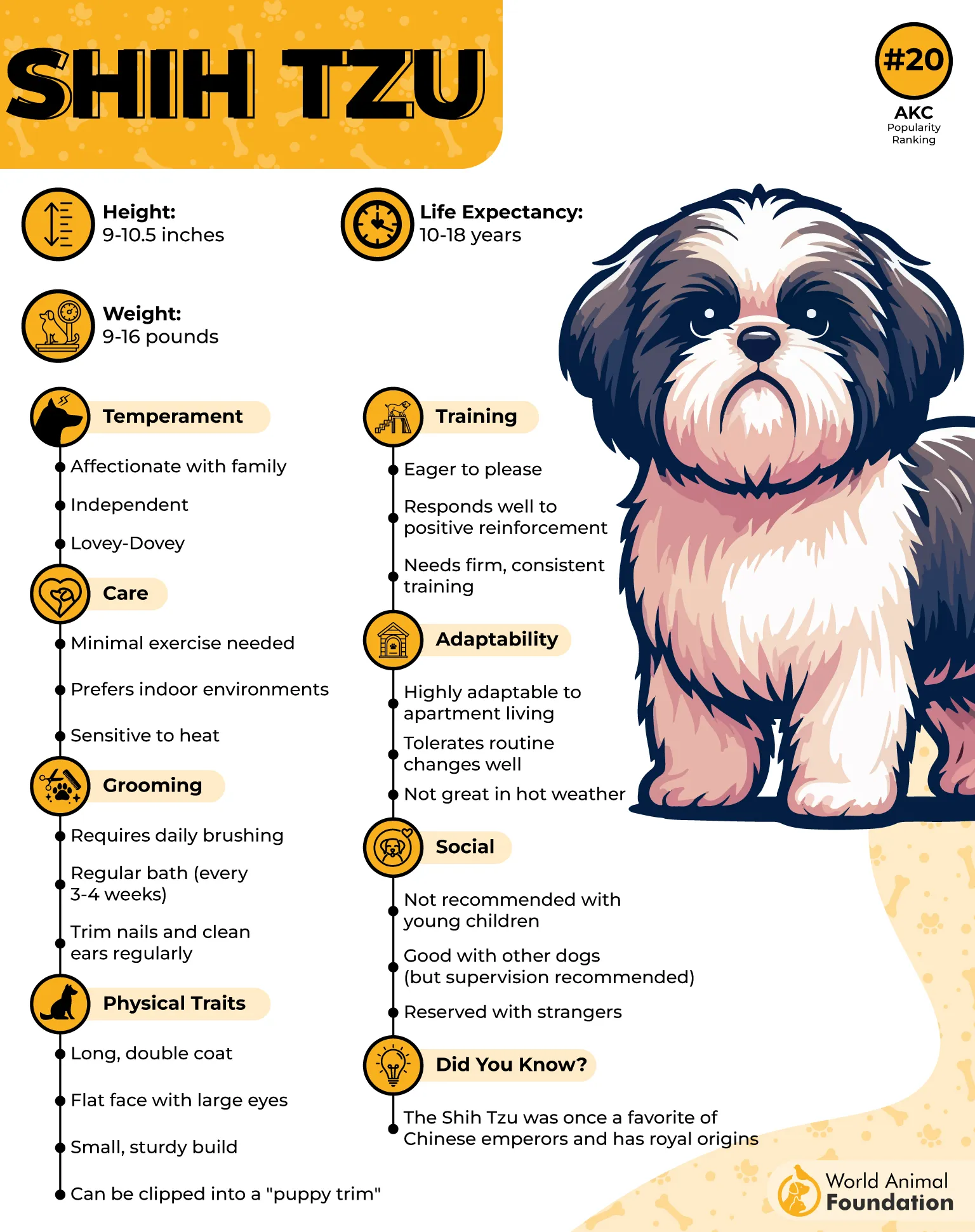
Additionally, their low physical skeletal stress plays a massive role in their longevity. Since they aren’t out jumping hurdles, their joint health remains remarkably good over the years. But you have to take care of their respiratory health. Also, keep an eye on their weight, and they will stay loyal. With daily walks, outdoor activities, and preventive care, your pet lives long.
2. Maltese
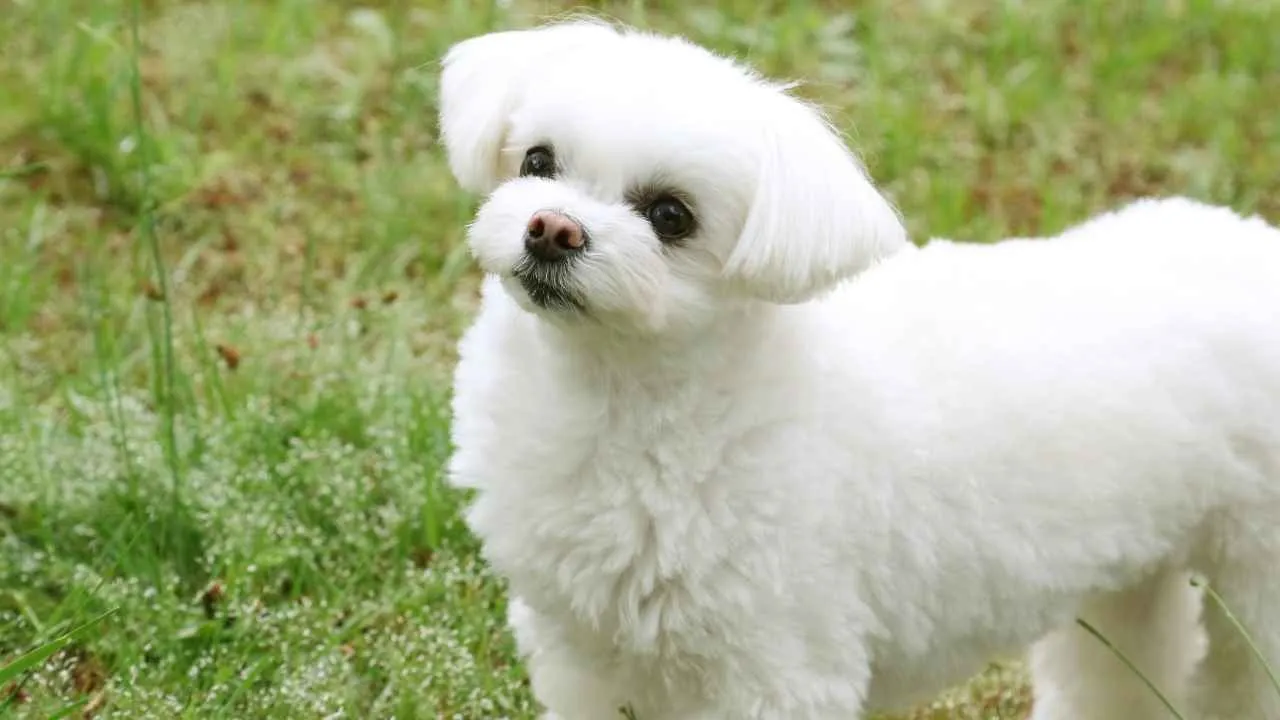
These snow-white aristocrats have been around since the Roman Empire, where noblewomen carried them in their sleeves like accessories. With no undercoat to shed, they are the supermodels of the non-shedding world. They possess a tiny button nose and large, expressive eyes that make them look like perpetual puppies.
One reason they stick around so long is their consistent physical resilience. Biologically speaking, their small frames put significantly less strain on their vital organs, such as the heart and kidneys, compared to larger dogs. So, they maintain youthful energy well into their teens. This efficiency helps these affectionate dogs maintain that youthful energy well into their teens.
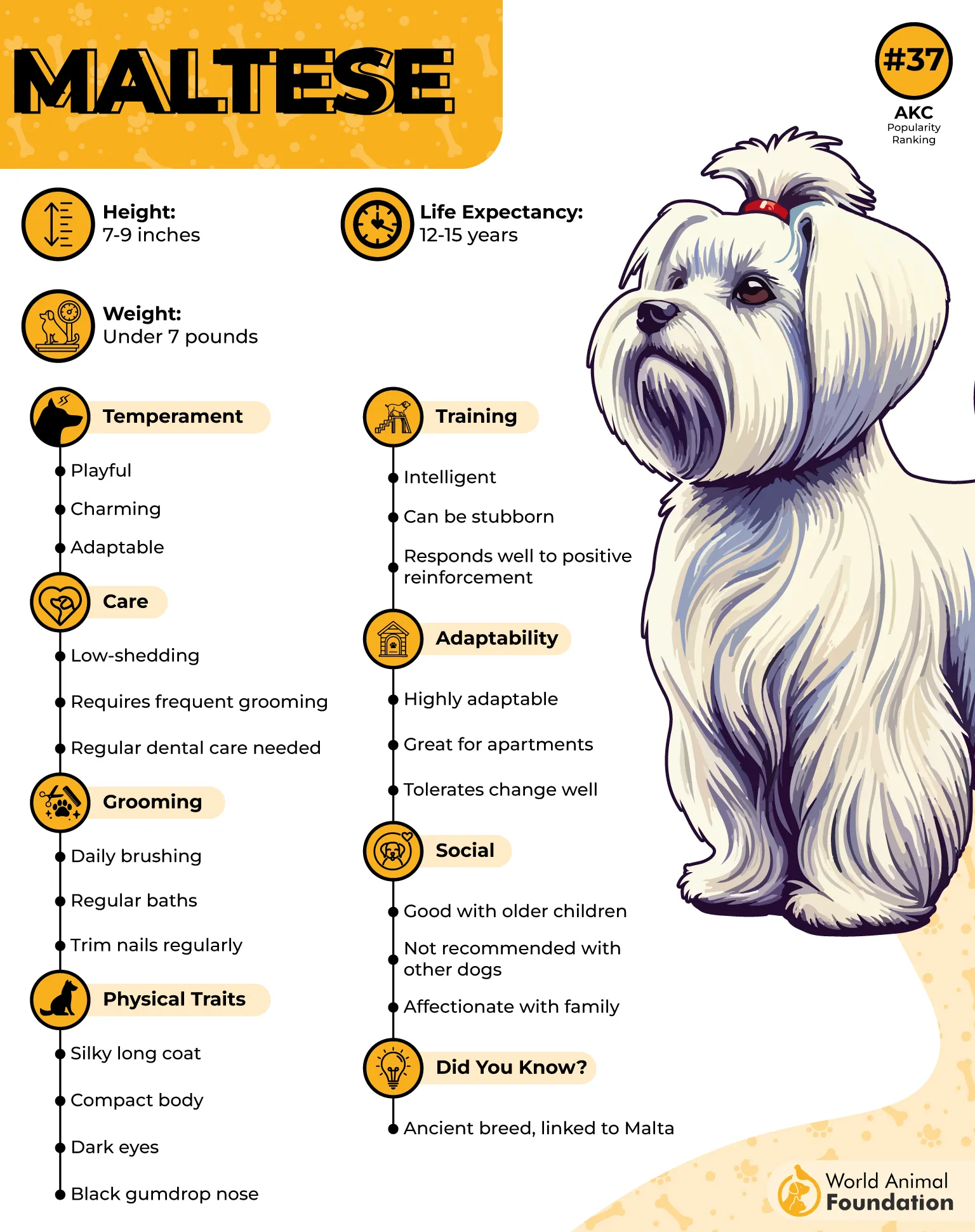
Furthermore, they boast a very efficient toxin-processing metabolism. Their internal organs don’t have to work quite as hard as larger breeds to filter out the bad stuff, which preserves their vitality. While they are intelligent and can be quite feisty watchdogs, their tiny stature does need exercise for mental stimulation. Daily brushing keeps the coat healthy, with regular grooming every 6 to 8 weeks.
3. Beagle

The Beagle is a small scent hound from England, originally bred to track rabbits and foxes. It has a short, smooth coat in white, black, brown, and tan. Known for its cheerful, wagging personality, they have three distinct sounds: a bark, a bay, and a half-bay, often used when spotting prey or waking the neighborhood early in the morning.
Their strong cardiovascular endurance system is a huge plus for their lifespan. Because they were bred to run for miles, their hearts and lungs are naturally more robust than average. This athletic build keeps them resilient as they age. Beagles are intelligent, often strong-willed, and independent dogs.
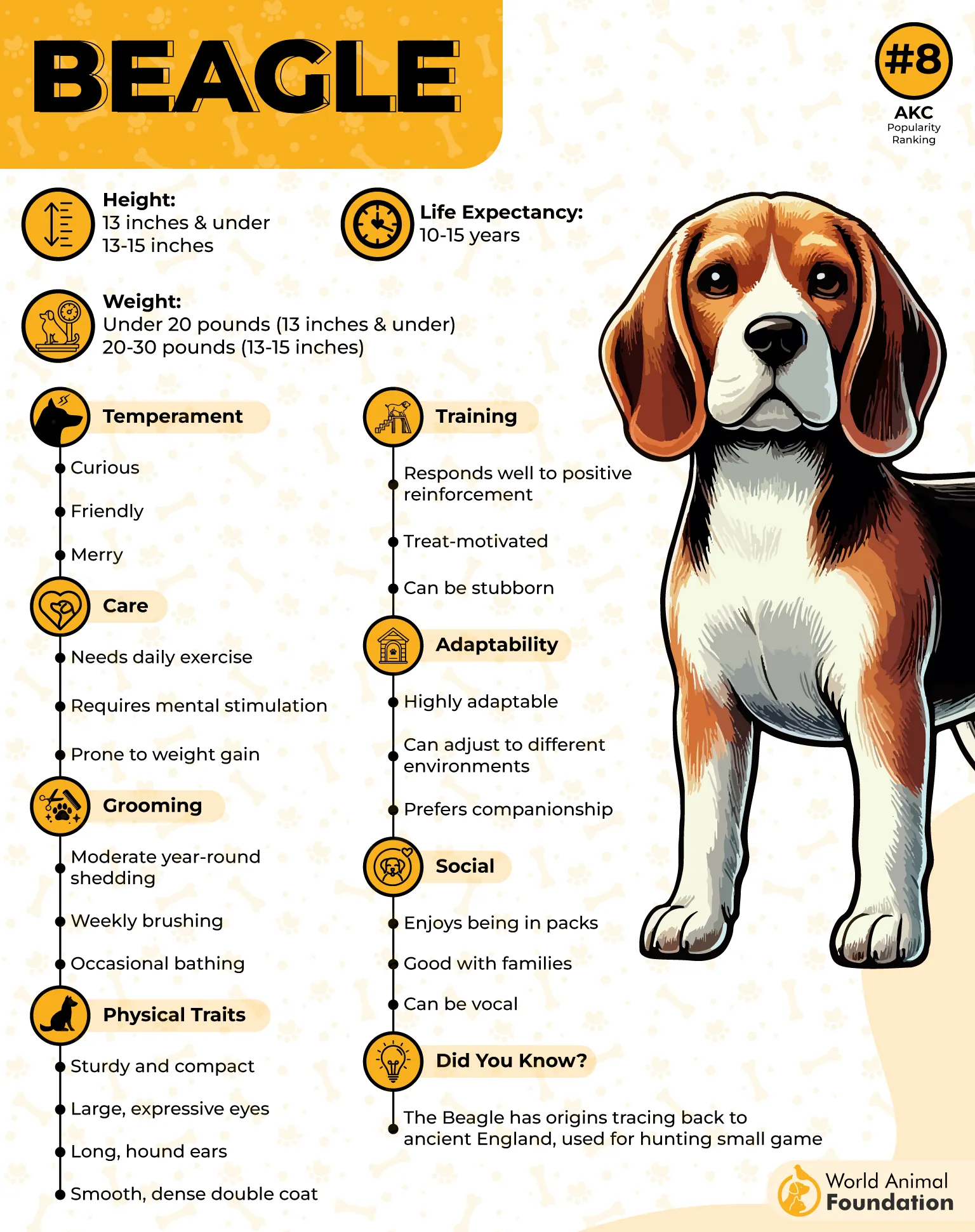
They also benefit from a history of being bred for stamina and outdoor work. While no breed is free of health issues, the Beagle’s athletic heritage has equipped them with a sturdy physical foundation. They are medium-sized dogs but have the longevity of a much smaller dog. With a friendly and gentle nature, they make excellent companions for people of all ages.
4. Pomeranian
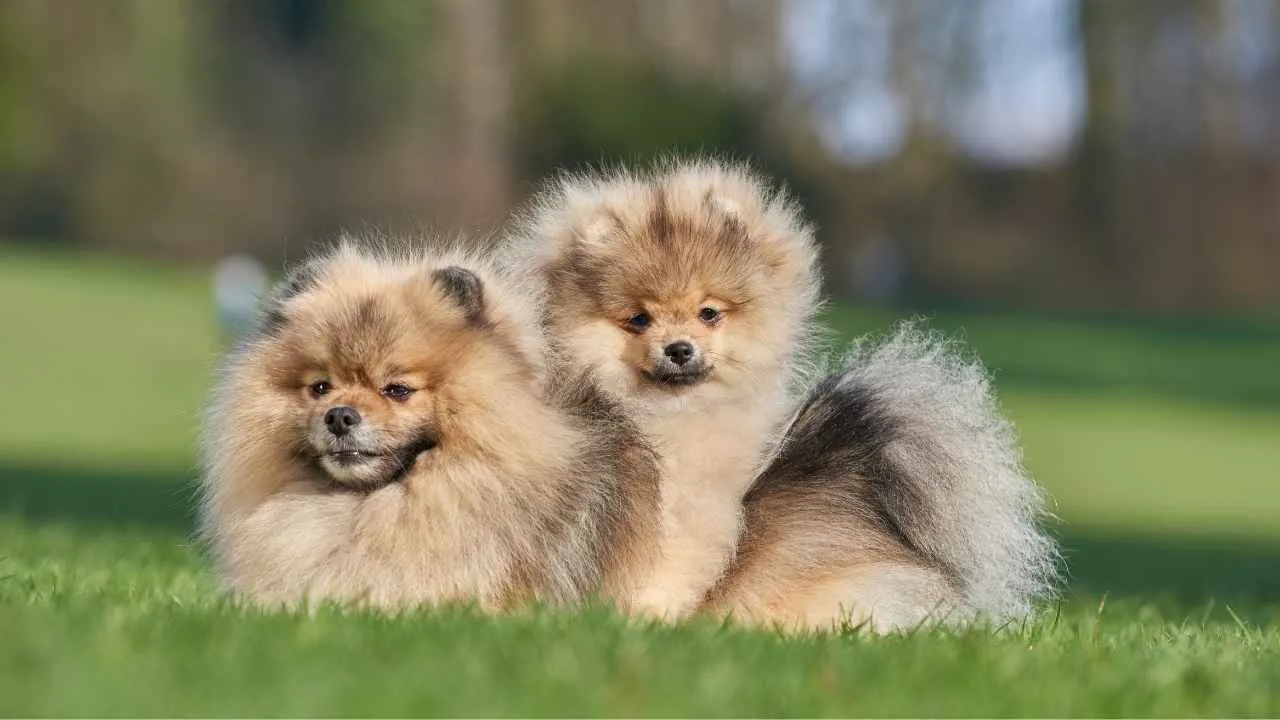
Descended from large Arctic sled dogs, these “little lions” were eventually shrunk down by Queen Victoria. Despite being tiny, they still have that thick coat and a bold, foxy expression that says, “I am definitely the boss here.” They are famous for their “pom-pom” shape and a tail that plumes over their back like a royal fan. They honestly don’t realize their size.
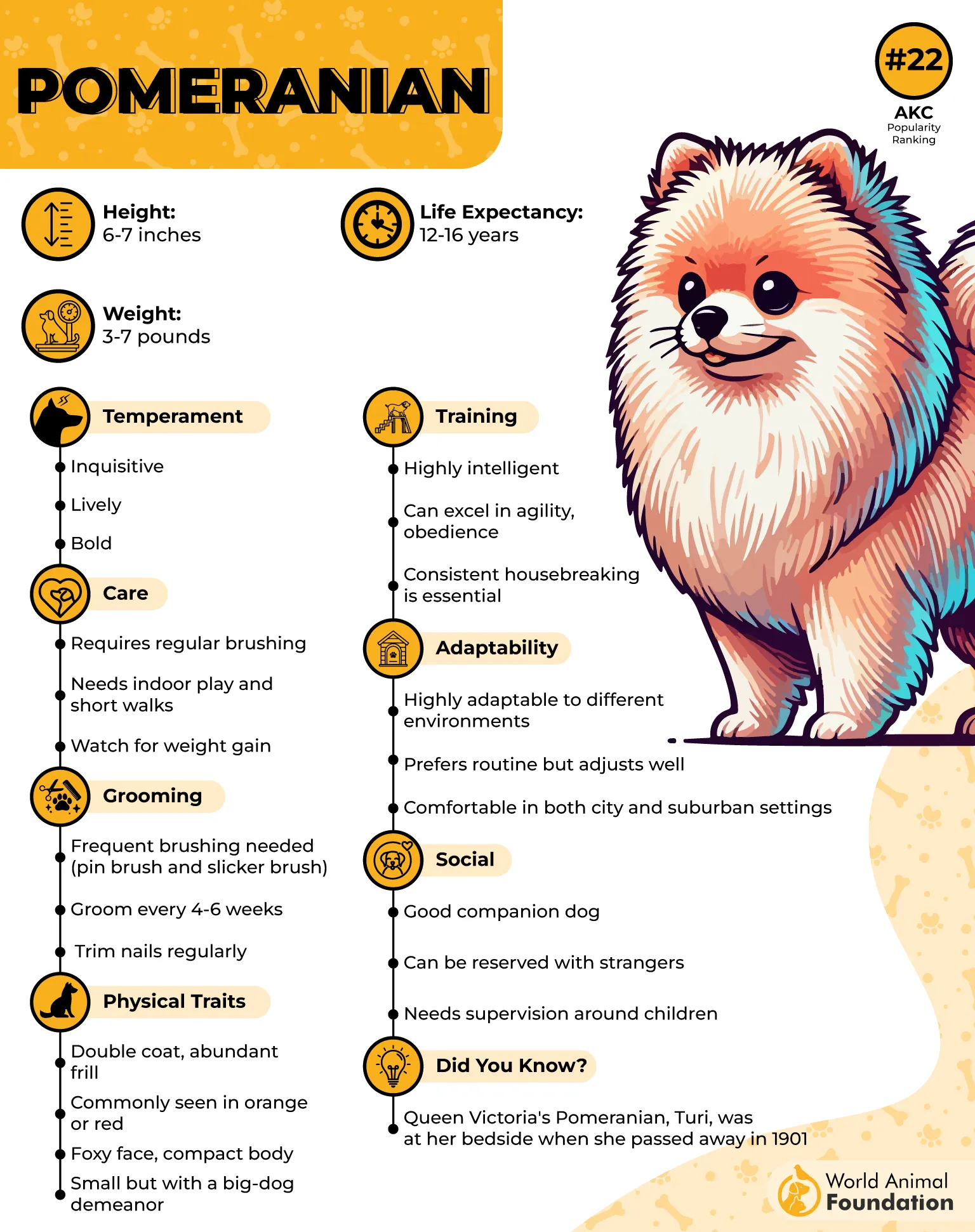
A fascinating factor in their longevity is their slow senior transition. While they reach adulthood quickly, they remain in their ‘prime’ years much longer than larger dogs, avoiding the rapid physical decline often seen in bigger breeds. Purina mentions that these devoted companions make a strong bond, but generally to one person.

Moreover, they have significantly reduced cancer risk factors. Because of their tiny body mass, there is simply less room for cellular mutations to take hold and spread. This makes them one of the hardiest toy breeds available. Although Poms enjoy being on a lap, they do need regular exercise for a happy life.
5. Yorkshire Terrier
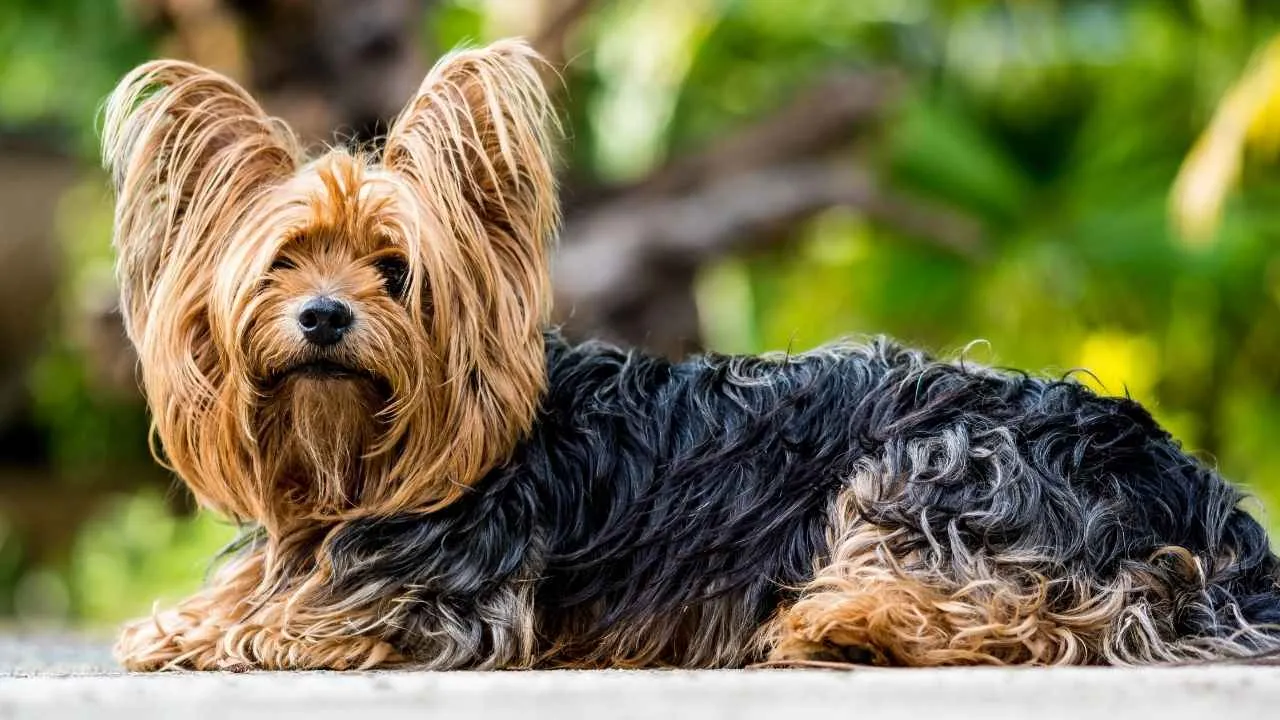
The Yorkshire Terrier, or Yorkie, is a small 19th-century breed from Yorkshire, England. Though only 8–9 inches tall and under 7 pounds, these tiny companions have enormous personalities. A standout feature of Yorkies is their luxurious, silky coat, usually a mix of blue and tan, with a steel-blue or silver-blue body.
Their robust immune system response is a standout trait that makes them stand out among the longest living dog breeds. Coming from a line of working-class dogs that lived in tough environments, they evolved to have a very high resistance. Yorkies are high-energy dogs and enjoy playtime and short walks. Daily exercise is essential to keep them both physically and mentally healthy.
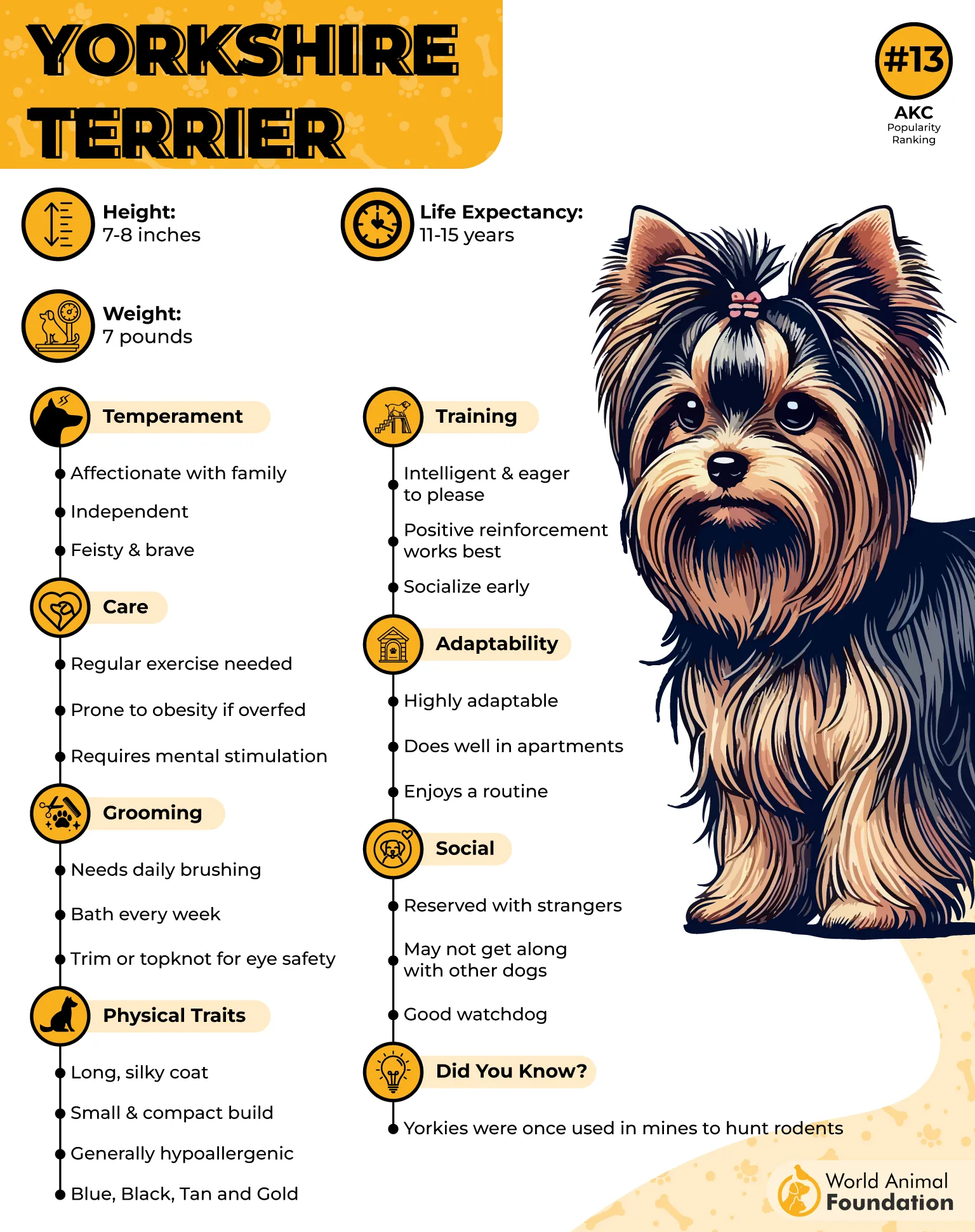
They also carry a very durable working breed ancestry. Because they weren’t originally bred just for looks, their physical structure is quite sound. They are highly intelligent dogs who thrive on mental challenges, but suit active families. Pet parents should take proper care of their coats, and professional grooming is recommended after 4 to 6 weeks.
6. Lhasa Apso
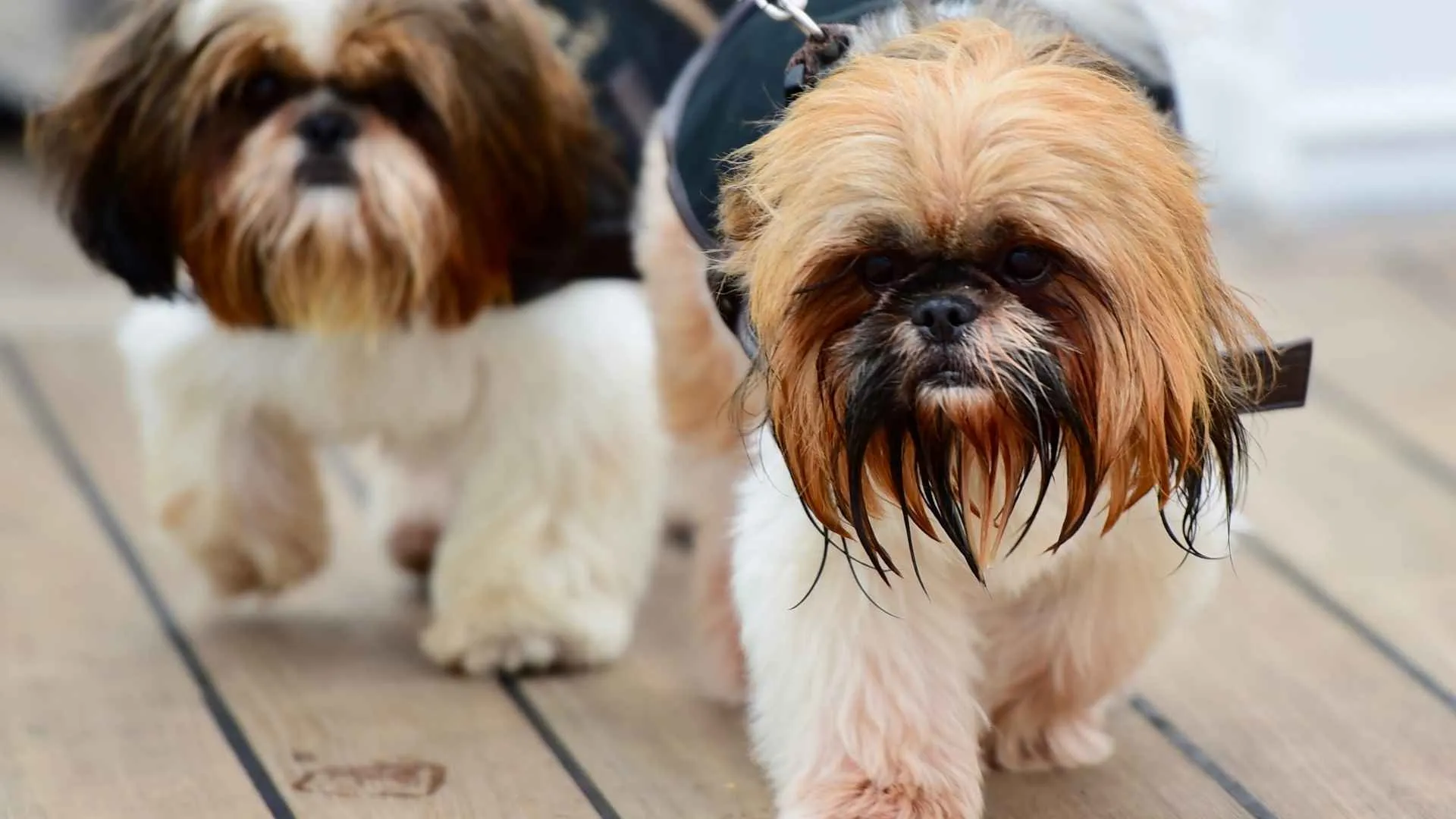
These “Bark Lion Sentinel Dogs” were the sacred guardians of Tibetan monasteries for over a thousand years. With floor-length hair and a tail that plumes like a feather, they look like they belong in a palace, which they do. They were bred to be indoor watchdogs, using their acute hearing to alert monks.
Originating from high-altitude environments, they developed a naturally sturdy constitution. Their history as mountain survivors means they are physically resilient, with a robust respiratory system that supports their long-term vitality. PDSA states that the Lhasa Apso has an independent nature and it is aloof of strangers. Early socialization can make them well-mannered pets.
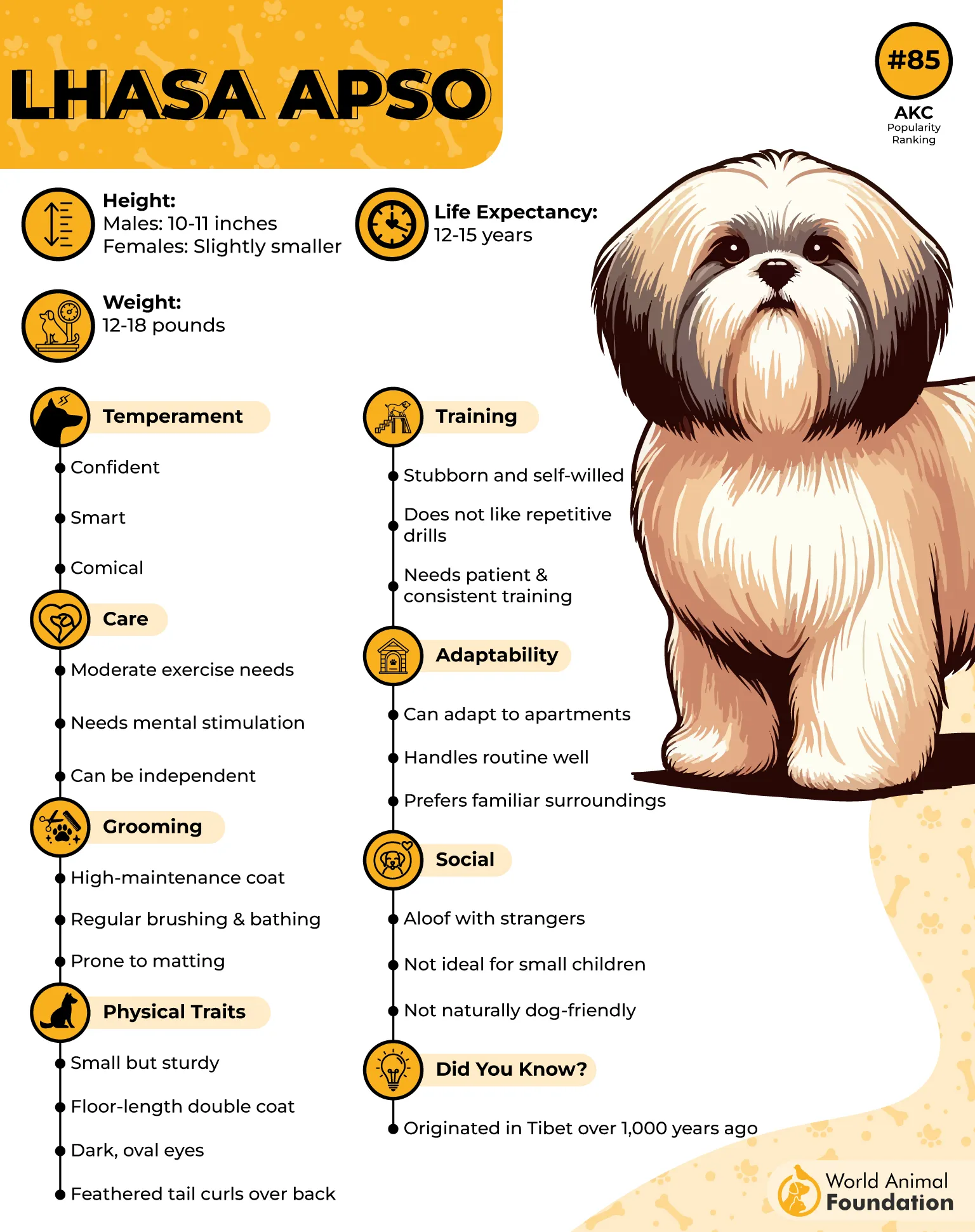
Their isolated mountain survival traits also contribute to their long lives. Because they were bred in a harsh, secluded environment, they avoided many of the genetic diseases that spread through more common breeds. However, they must get proper veterinary care and healthy fats for a better life.
7. Chihuahua

The world’s smallest dog is actually a giant when it comes to living a long time. Named after a Mexican state, they likely date back to ancient Aztec times. They have huge, bat-like ears and big, watery eyes that can guilt-trip you into giving them your last bite of steak. They are spirited, sassy, and often act like they could take on a Doberman.
Chis is the breed with the longest life span. They live longer by slowing their aging process, reaching senior years later than most breeds. While a large dog might feel old at seven, a Chihuahua is often still in its prime at ten. Deeply devoted, these velcro dogs thrive on human interaction and can suffer from separation anxiety if left alone.
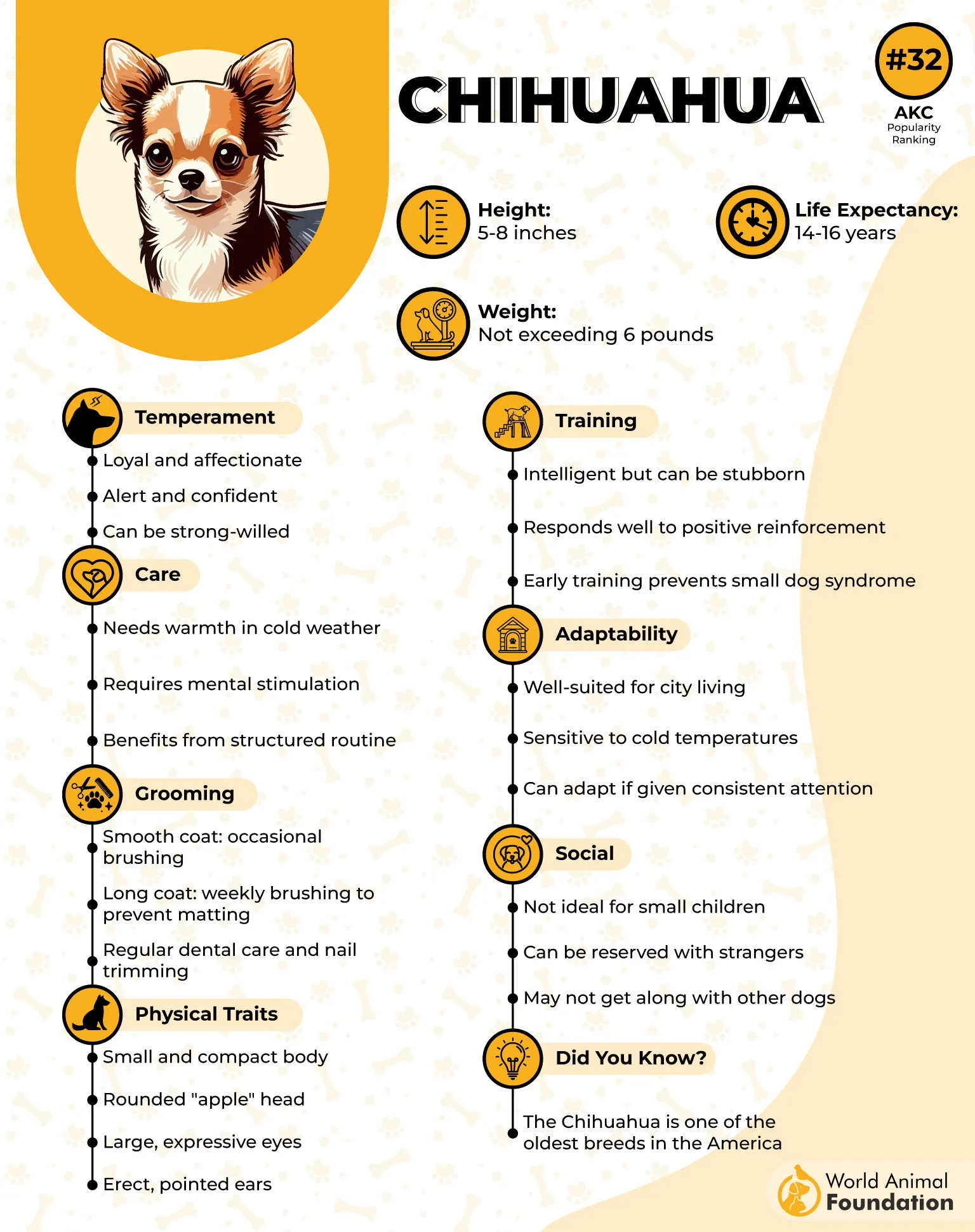
These lap dogs benefit from having the lowest metabolic demand of almost any breed. Because their bodies don’t have to support a large frame or heavy muscle mass, their internal systems experience less ‘wear and tear’ over the decade. Long-haired Chihuahuas have a thick double coat and need regular brushing with a soft-bristle brush.
Conclusion
These long-living breeds highlight the incredible diversity of dogs and how their unique traits, shaped by genetics, environment, and purpose, allow them to stay healthy, active, and full of personality for many years.
Owning one is more than having a pet; it’s sharing life with a devoted, intelligent companion who thrives on attention and interaction. Their playful energy, affectionate nature, and strong bonds make them rewarding for families and individuals alike, as long as their physical and mental needs are met.
With proper care, balanced nutrition, regular exercise, and preventive health measures, these dogs can enjoy long, vibrant lives. They bring years of loyalty, joy, and unforgettable companionship.
