




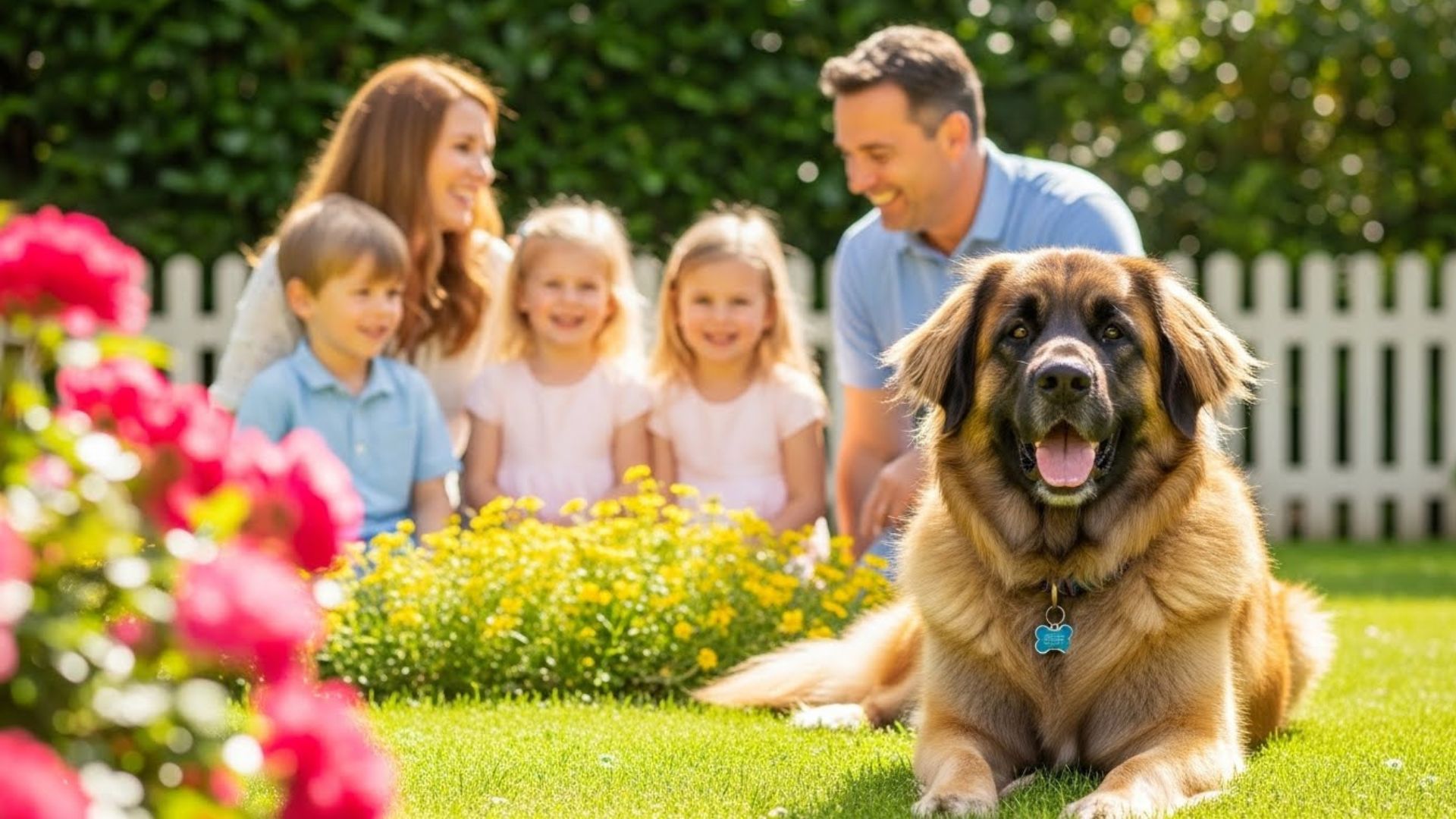
Some dogs walk into your life. Giant dogs move in like lovable furniture—with tail-wind thumps, slow-motion zoomies, and a heart big enough for the whole family.
In this guide, we’ll explore rare, magnificent giants and what day-to-day life with them really looks like: temperament, training, space needs, grooming, and the hilarious “how did you even fit there?” moments.
But before you fall for the fluff and those solemn, wise eyes, let’s talk about doing it the right way. With rare breeds, especially, good sourcing matters as much as good chemistry.
Responsible breeders are proud to show health testing, speak openly about strengths and challenges, and use clear contracts that protect the dog long-term. Prefer adoption? Rescue and rehoming groups can be wonderful—ask for vet records, behavior notes, and why the dog needs a new home.
Rare and Magnificent Giant Dog Breeds to Consider
1. Estrela Mountain Dog
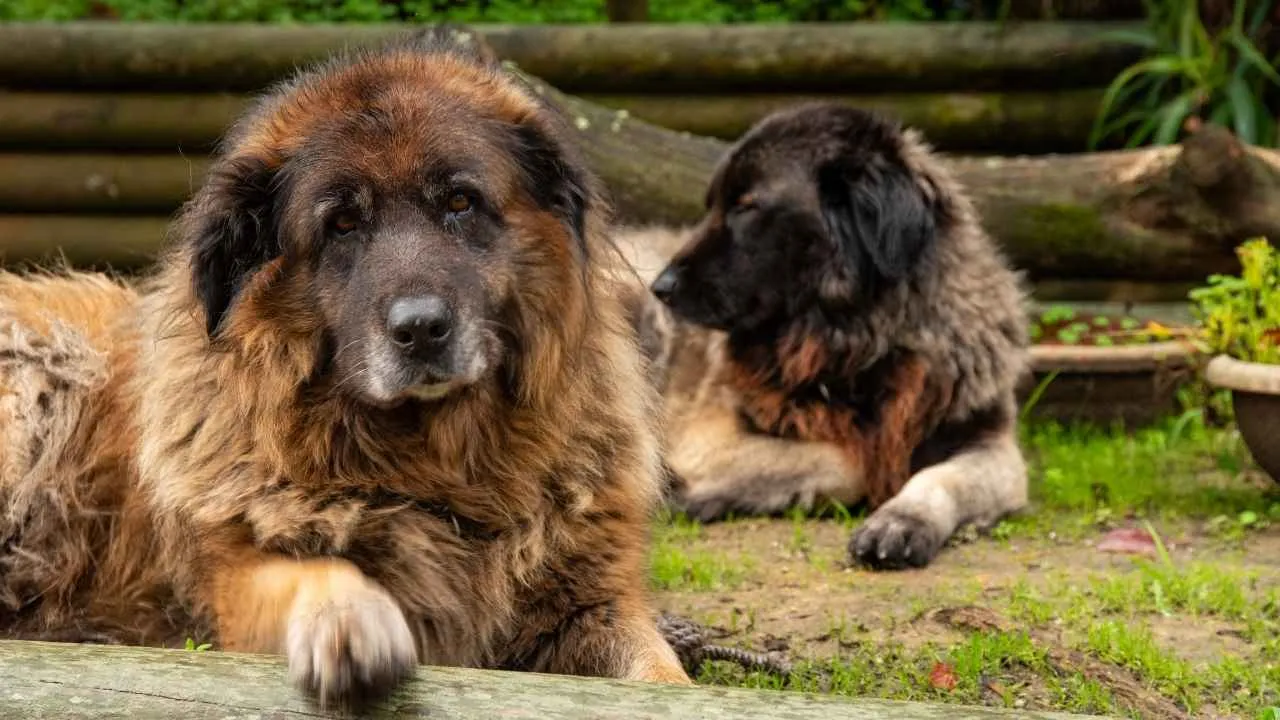
Portugal’s Serra da Estrela mountains shaped this guardian into a no-nonsense protector of flocks and farms. That working history shows up today as quiet confidence, a strong sense of territory, and loyalty that feels like a personal promise. With family, the Estrela is affectionate in a grounded way—more “I’ve got you” than “look at me!”
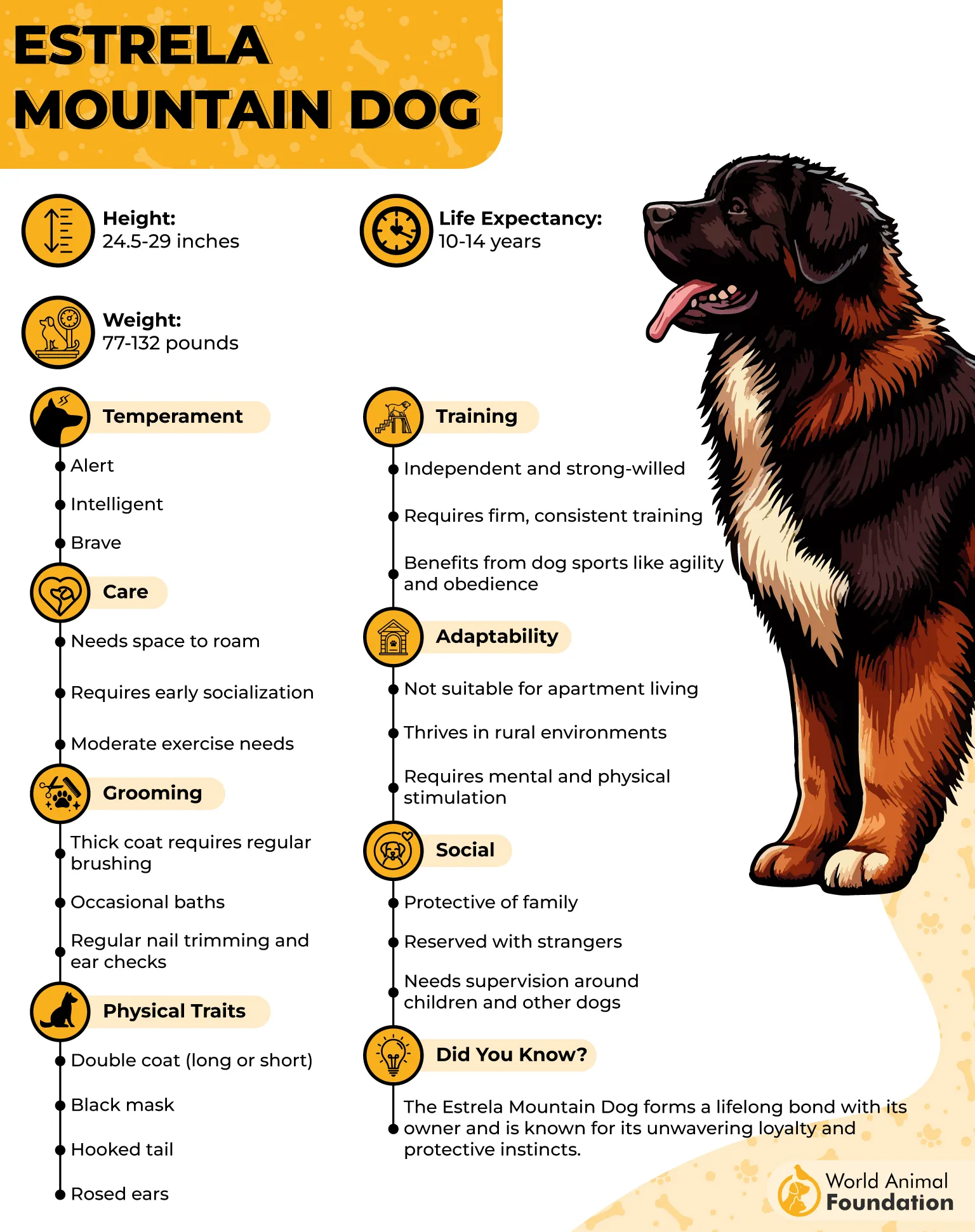
Life with this rare breed runs best on routine and purpose. Think long, unhurried walks, sniff-heavy exploring, and little “jobs” like carrying a pack or mastering a calm “place” cue rather than marathon jogging. Give it structure, and it settles into an impressive calm that reads like competence.
Training & Socialization:
Start early with leash skills, polite greetings, and calm door manners.
Build neutral confidence around strangers and new environments through controlled exposure.
Food, Growth & “The Puppy Trap”
Support slow, steady growth with large-breed-appropriate nutrition and a lean body condition.
Split meals and keep post-meal activity calm to support comfort and digestion.
AKC claims that coat care is a real relationship: thick fur means brushing several times a week, plus seasonal shedding that can redecorate your floors. Many Estrelas carry an outdoorsy “weatherproof” feel, so check ears, paws, and nails often. For health, keep an eye on mobility and conditioning—big frames benefit from steady strength-building, not sudden bursts.
Plan secure fencing, durable gear, and a supportive bed that can handle a heavyweight nap schedule. Skip this breed if you want an instant social butterfly or a low-maintenance dog; it shines with owners who enjoy training, boundaries, and a loyal family guardian presence.
2. Leonberger
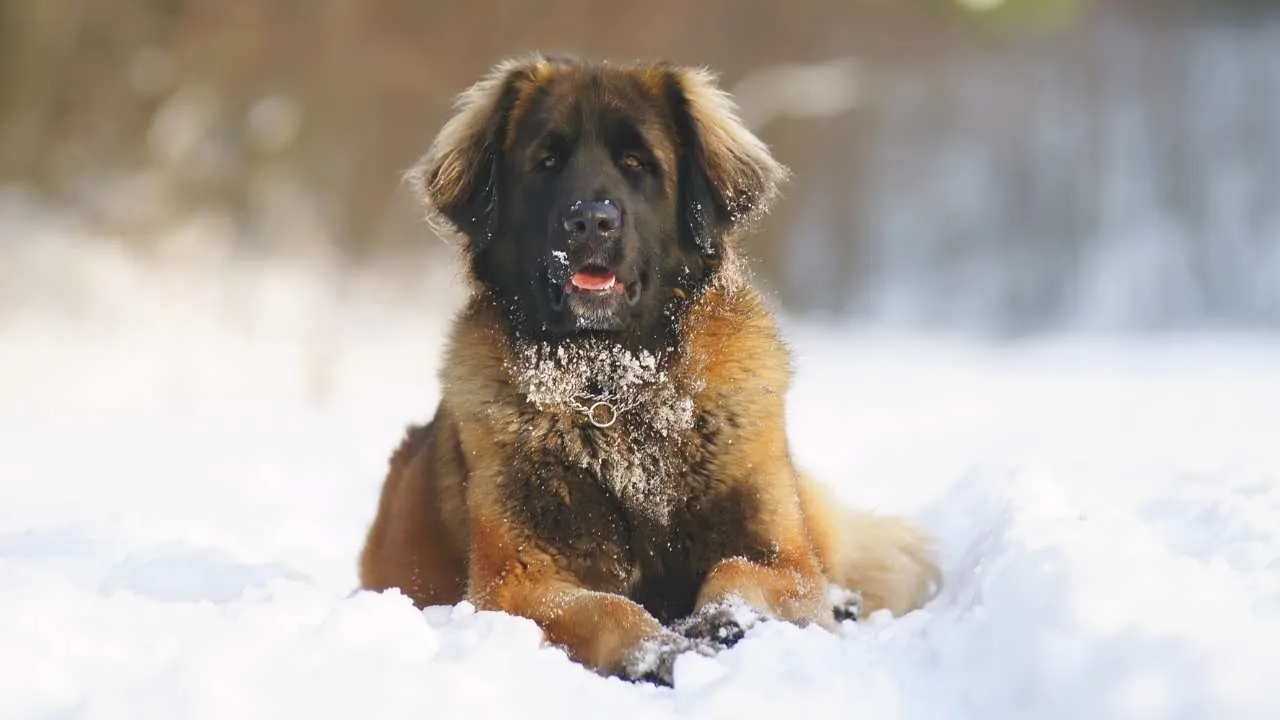
The Leonberger was designed to turn heads—an impressive, lion-like giant created as a grand companion dog. Behind the majestic look is a friendly, people-centered temperament that often blends gentleness with a playful streak. Many act like a calm family shadow… until they decide it’s time for a goofy moment.
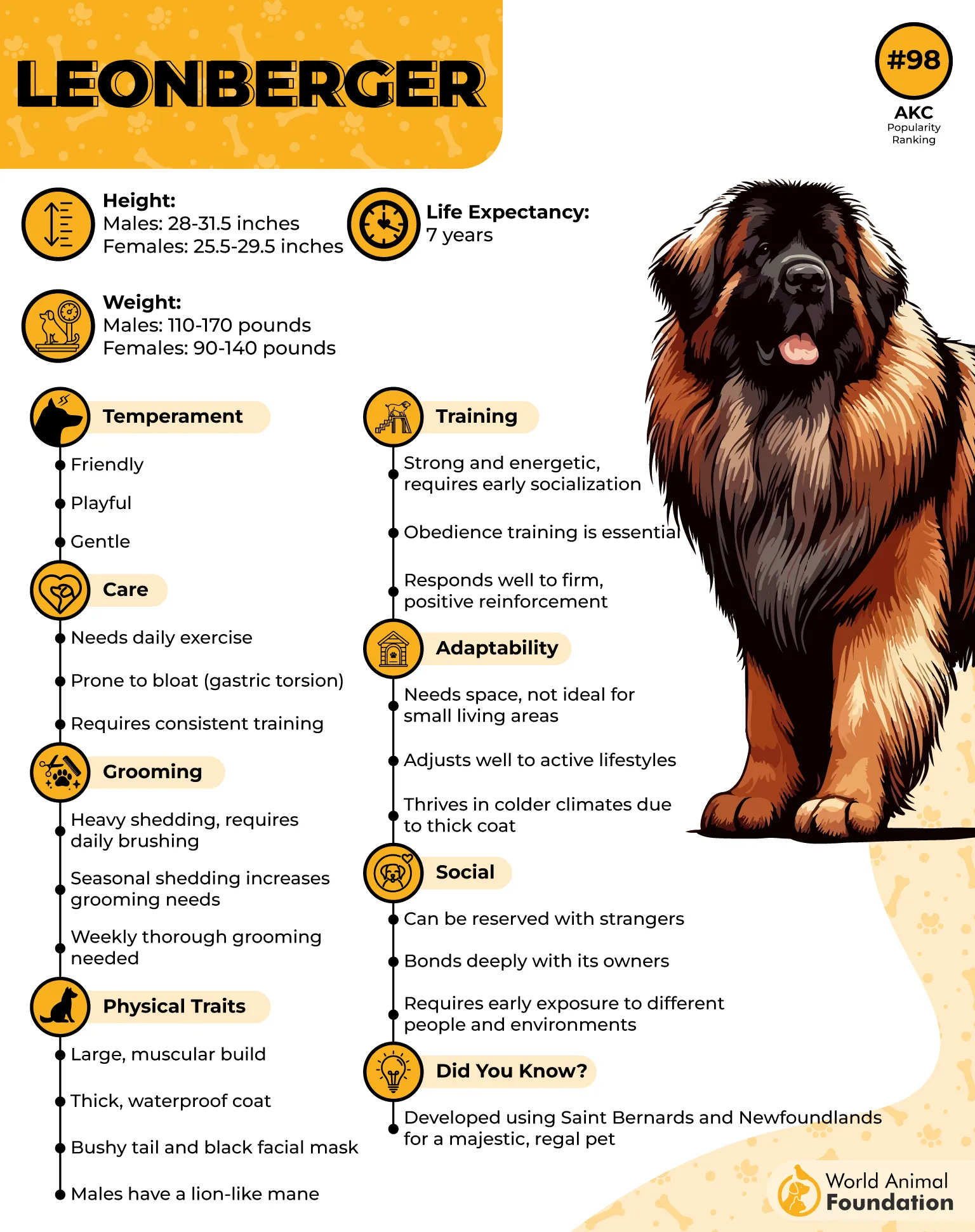
This intelligent dog breed thrives on togetherness and predictable family rhythms. PetMD suggests that exercise is usually “steady and sensible”: long walks, relaxed hikes, and swimming or low-impact play often suit their build better than repeated high-speed running. They mature slowly, so patience and consistency build the best adult dog.
Training & Socialization: Big Dog, Bigger Consequences
Teach calm entrances, no-jumping greetings, and loose-leash walking before full strength arrives.
Keep sessions upbeat and short; teamwork tends to get better results than pressure.
Food, Growth & “The Puppy Trap”
Feed for controlled growth and keep puppies lean to support developing joints.
Measure portions, split meals, and keep post-meal zoomies on pause.
That gorgeous coat comes with a vacuum tax: regular brushing controls shedding and keeps feathering from tangling. Drool may appear after drinks or excitement, so keep a towel handy and treat it like part of the charm. Smart prevention matters—watch mobility, prioritize conditioning, and take appetite or digestion changes seriously.
Make your home Leonberger-friendly with non-slip rugs, a roomy crate or safe zone, and a car plan for a very large passenger. Skip this breed if heavy grooming and big-dog logistics feel like chores; it’s happiest with families who enjoy hands-on care and constant companionship.
3. Tibetan Mastiff
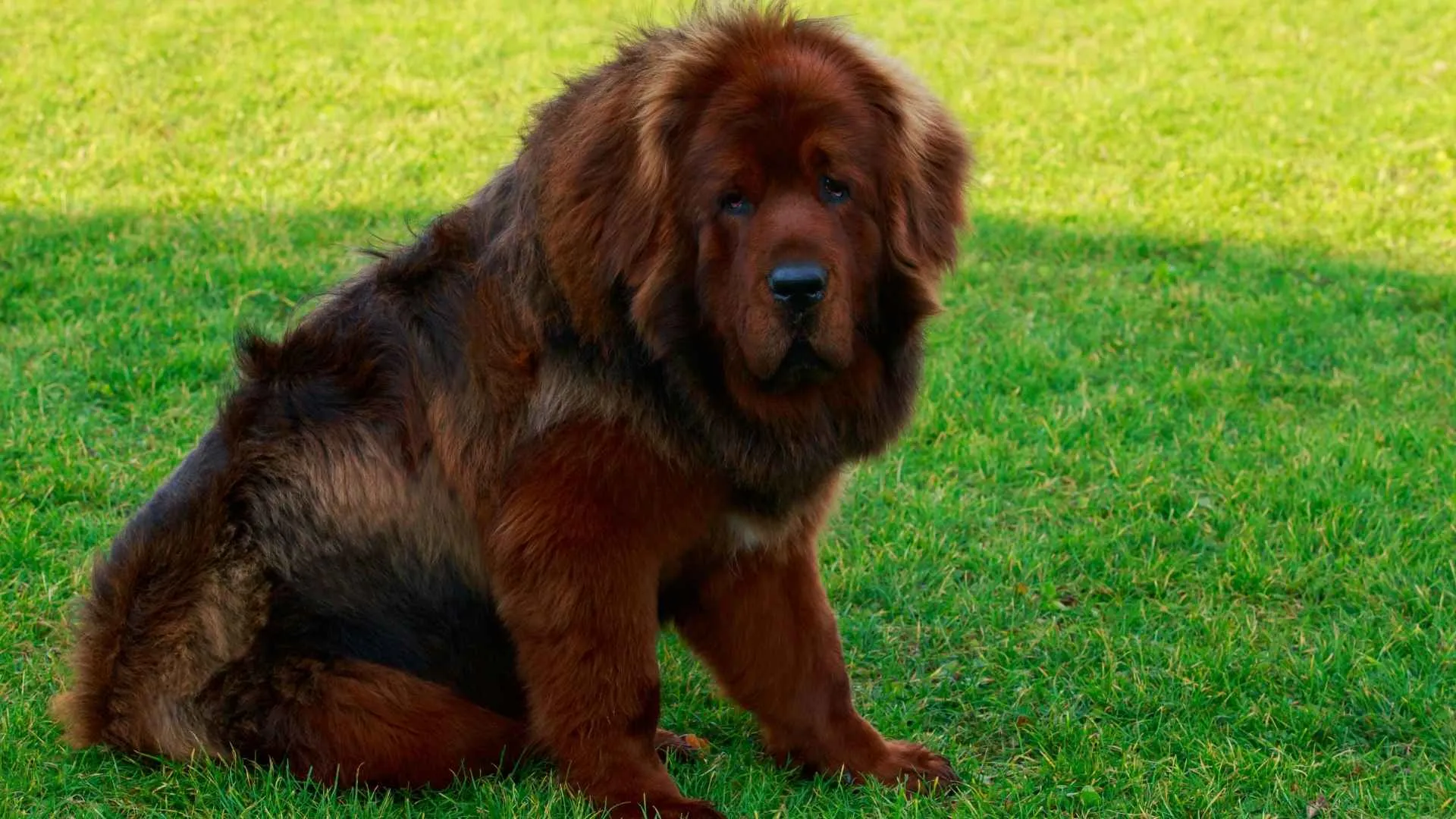
This ancient guardian developed in harsh highland conditions, built to protect homes and livestock with serious conviction. The Tibetan Mastiff tends to bond deeply with its people, then evaluates the world with calm suspicion and an independent streak. It’s not clingy—it’s watchful, strategic, and proudly self-possessed.
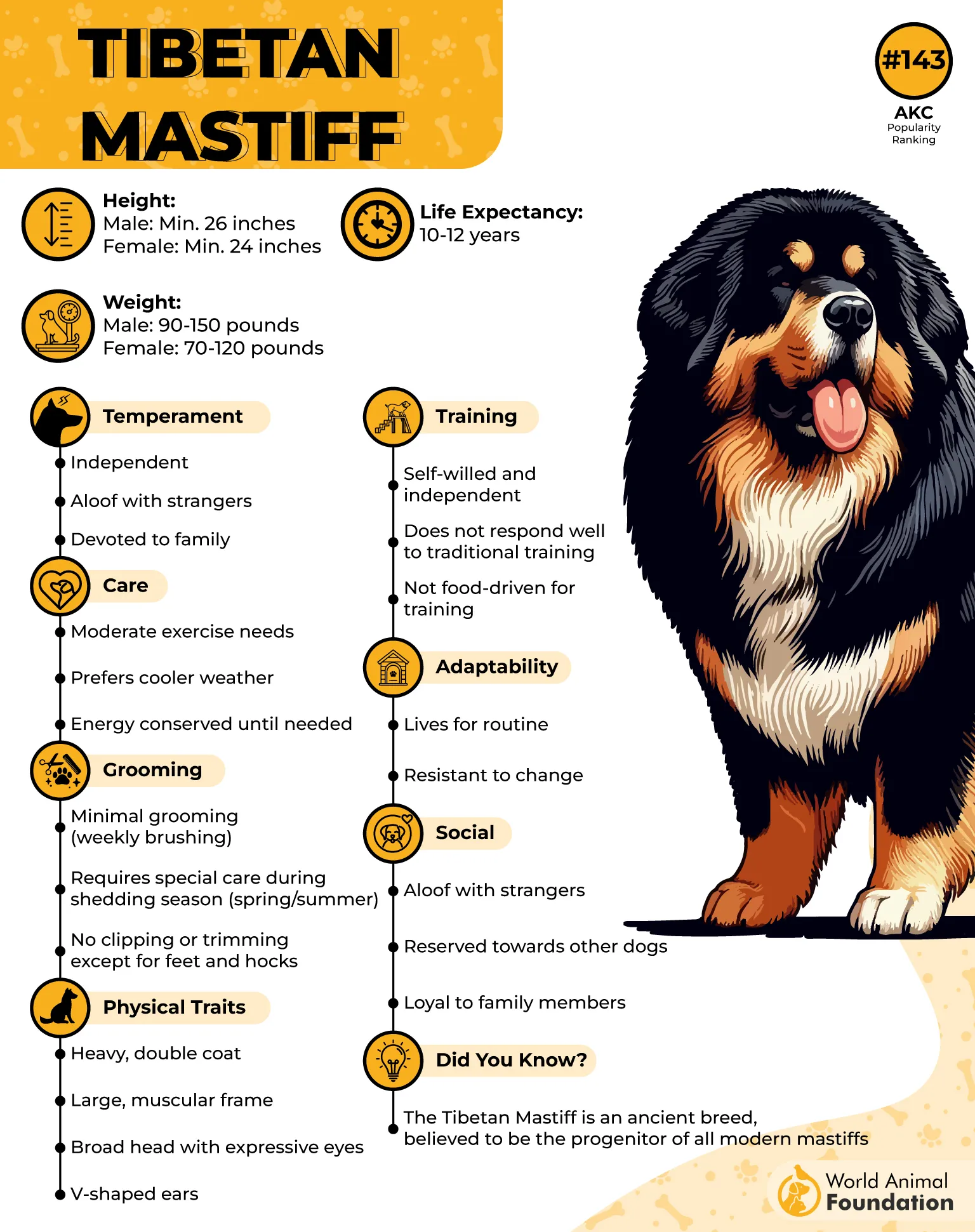
As a dog breed for families, it fits best with confident handlers who value boundaries and clear household rules. Exercise is typically moderate: purposeful walks, controlled yard time, and brain work like scent games beat repetitive running. Many are more “night watch” than “fitness buddy,” so plan enrichment that uses their mind.
Training & Socialization: Big Dog, Bigger Consequences
Prioritize calm neutrality around strangers and new places; avoid forcing friendliness.
Be consistent with rules—mixed signals invite negotiation from an independent thinker.
Food, Growth & “The Puppy Trap”
Aim for slow growth and a lean physique; track weight and body condition regularly.
Use structured mealtimes and keep playtime gentle right after eating.
PDSA notes that the coat is dense and dramatic: much of the year, it’s manageable, then seasonal shedding arrives like a snowfall indoors. Grooming includes brushing, paw checks, and extra care in warm weather because that coat is built for cold weather. For health, proactive joint support and quick attention to energy or appetite shifts are smart habits with a giant guardian.
Set up secure fencing, strong door manners, and a visitor routine that prevents surprise guarding. Skip this breed if you want off-leash reliability, frequent dog-park mingling, or a laid-back first-time experience; it’s best for owners who respect an ancient protector’s instincts and can channel them calmly.
4. Pyrenean Mastiff
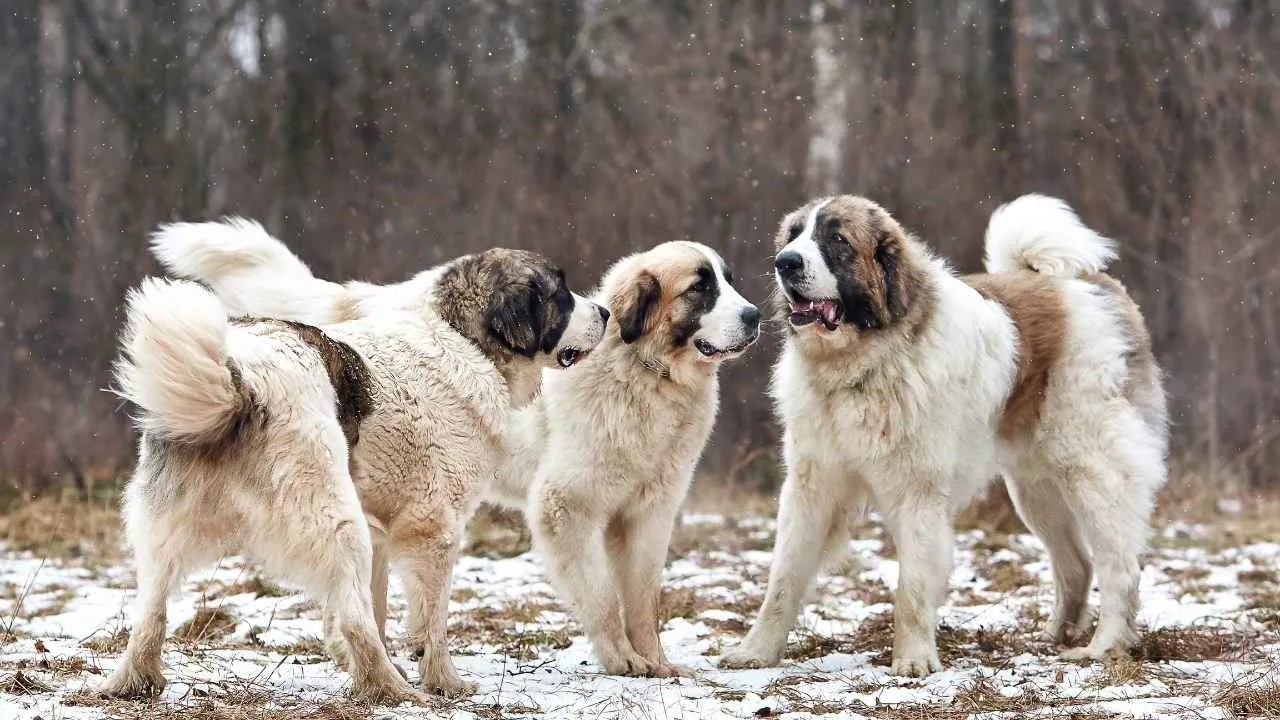
Raised in Spain’s Pyrenees as a livestock guardian, the Pyrenean Mastiff was built for chilly mountains, long nights, and serious responsibility. Temperament-wise, think steady and affectionate with family, plus a natural “security system” mindset that notices everything. It’s often gentle at home, then switches to calm vigilance when something feels off.
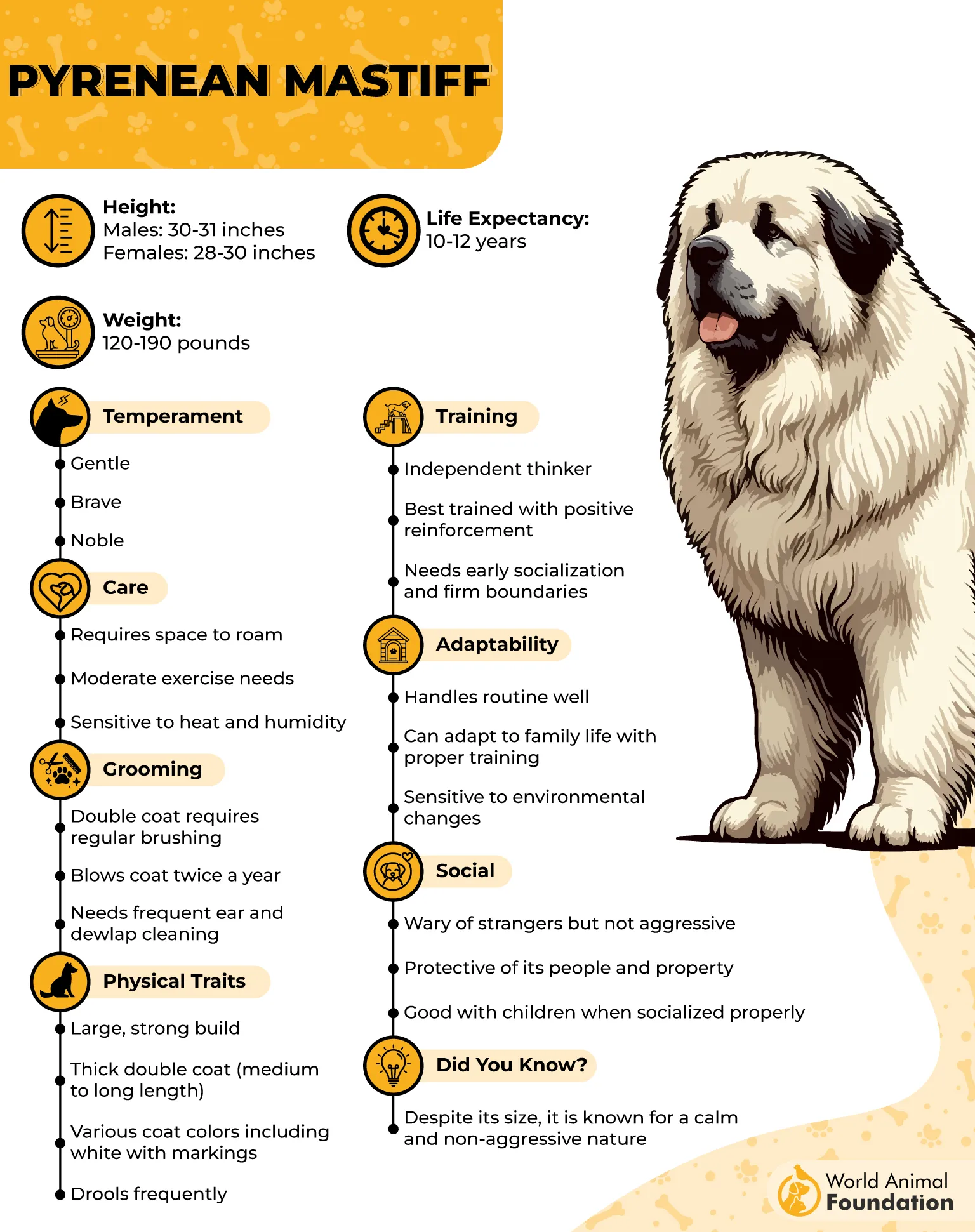
This rare dog breed fits families who like a slower, steadier pace and can offer space to stretch out. Exercise is usually moderate: relaxed walks, roaming time in a secure yard, and enrichment that uses their nose and brain, rather than intense running. They’re not here for sprint intervals—they’re here for patrols and peace.
Training & Socialization: Big Dog, Bigger Consequences
Teach leash manners early; even friendly giants can accidentally bulldoze.
Practice structured greetings so that guarding instincts stay controlled and polite.
Food, Growth & “The Puppy Trap”
Support slow growth with large-breed nutrition and keep your pup lean, not chunky-cute.
Split meals and keep post-meal activity calm to support comfort and digestion.
That plush coat is gorgeous, and it collects souvenirs from the outdoors like it’s a hobby. Regular brushing helps manage shedding and keeps mats away, especially around the ears and feathering. For health, prioritize joint support and smart conditioning; with giant dogs, prevention is the secret sauce.
Plan secure fencing, a sturdy harness, and a bed that can handle an expert-level sprawl. Skip this breed if you want a highly obedient “do-it-now” dog, or you dislike hair and slobber potential; it suits families who appreciate a calm, protective presence with a soft side.
5. Irish Wolfhound
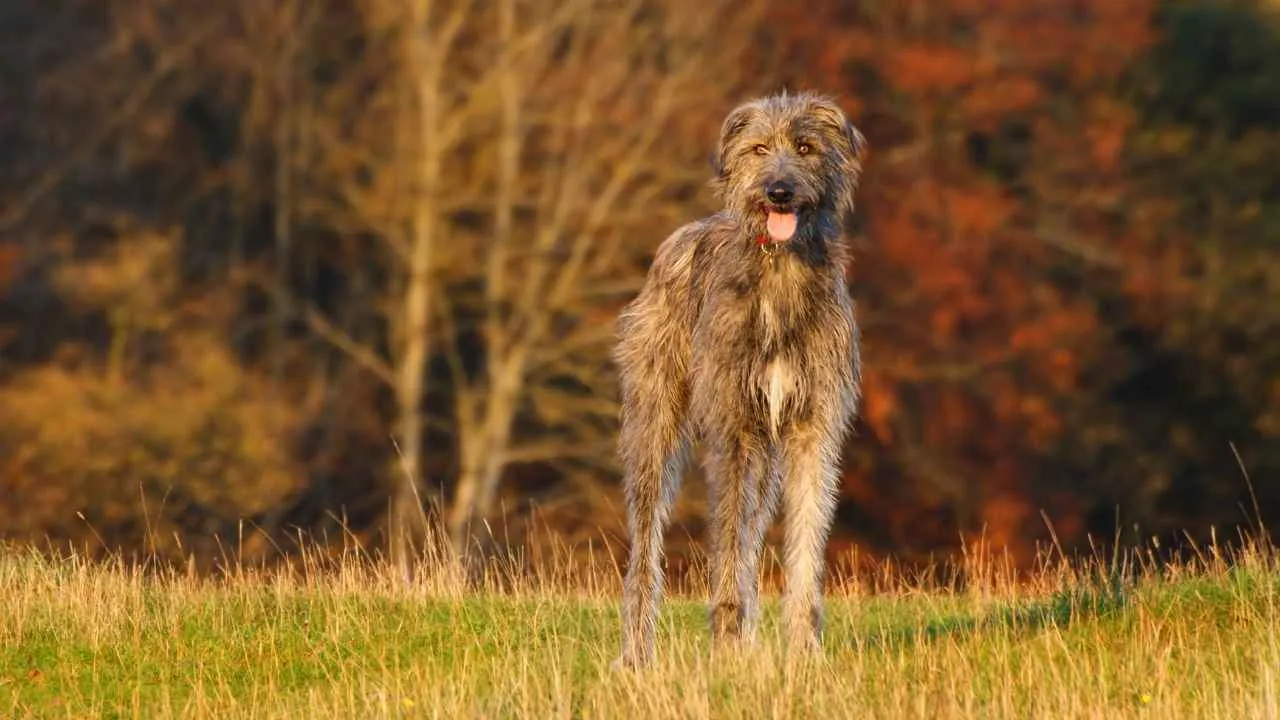
The Irish Wolfhound comes with a legend-sized origin—bred in Ireland for hunting and guarding, then treasured for its noble presence. Temperament is often a charming contradiction: tall and imposing, yet famously gentle and quietly affectionate at home. Many feel like calm roommates who happen to be the height of your kitchen counter
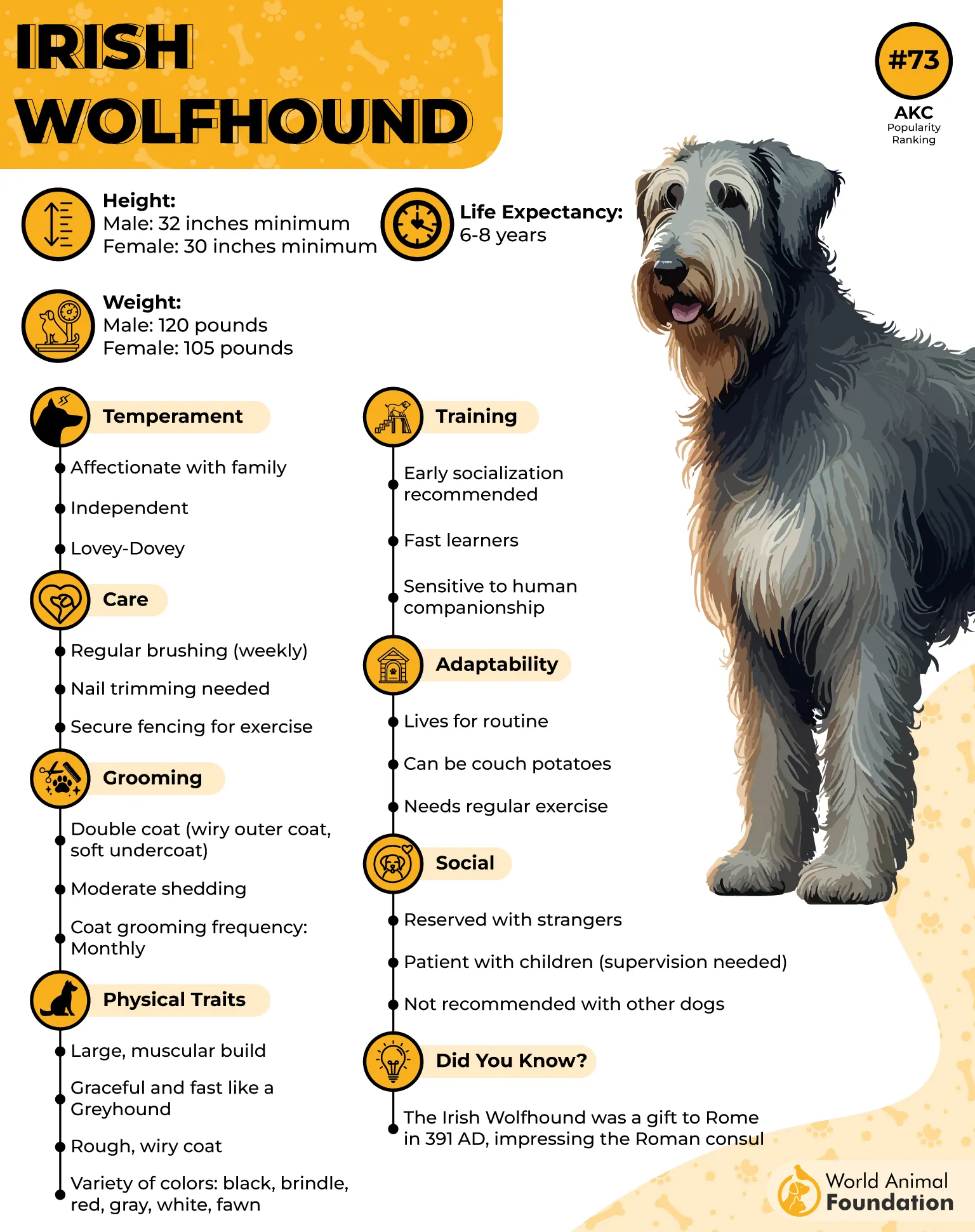
For family life, this rare giant breed thrives on space, soft routines, and careful handling during growth. Exercise is best kept sensible: steady walks, gentle play, and short bursts that don’t punish young joints, rather than daily long-distance running. They can be surprisingly chill indoors once their needs are met.
Training & Socialization: Big Dog, Bigger Consequences
Train polite leash walking and calm greetings early—long legs + excitement can equal chaos.
Use short, upbeat sessions; sensitivity is common, and harsh methods backfire fast.
Food, Growth & “The Puppy Trap”
Slow growth is your goal—feed appropriately and keep body condition lean.
Avoid excessive jumping and hard sprinting in puppyhood; think “protect the frame.”
Coat care is refreshingly simple compared to many fluffy giants: the rough coat benefits from regular brushing and occasional hand-stripping or tidying, depending on preference. Health-wise, giant-breed prevention matters—stay alert to mobility changes and take sudden digestive distress seriously. Their shorter lifespan can make proactive care feel extra important.
Set up roomy lounging areas, non-slip surfaces, and a car plan that doesn’t involve folding a giraffe into a tiny back seat. Skip this breed if you want a long-living, rugged hiking partner for intense daily miles; it’s better for people who value a gentle giant’s calm companionship and can protect growing joints.
6. Black Russian Terrier
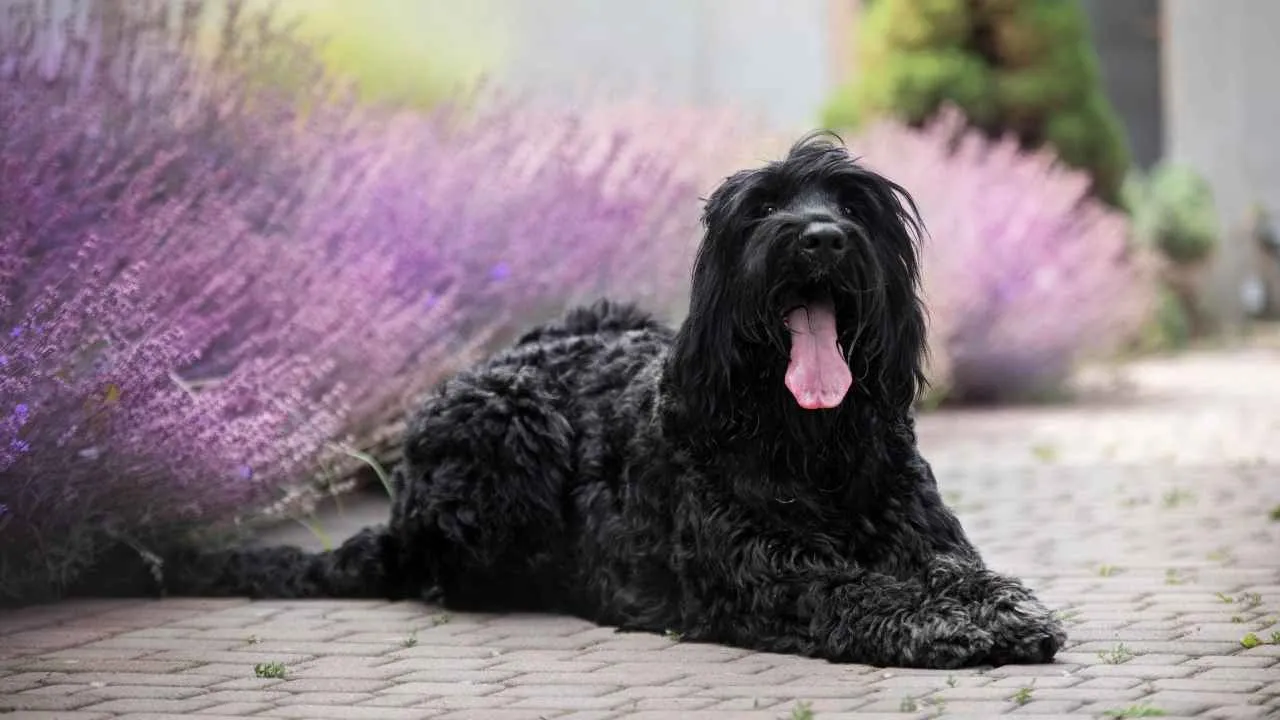
Created in the Soviet era for working roles, the Black Russian Terrier is a powerhouse with brains—think “guardian with a résumé.” Temperament often combines confidence, loyalty, and a serious streak, with a playful, affectionate side reserved for the inner circle. This is a rare giant dog breed that likes having a purpose and a person to focus on.
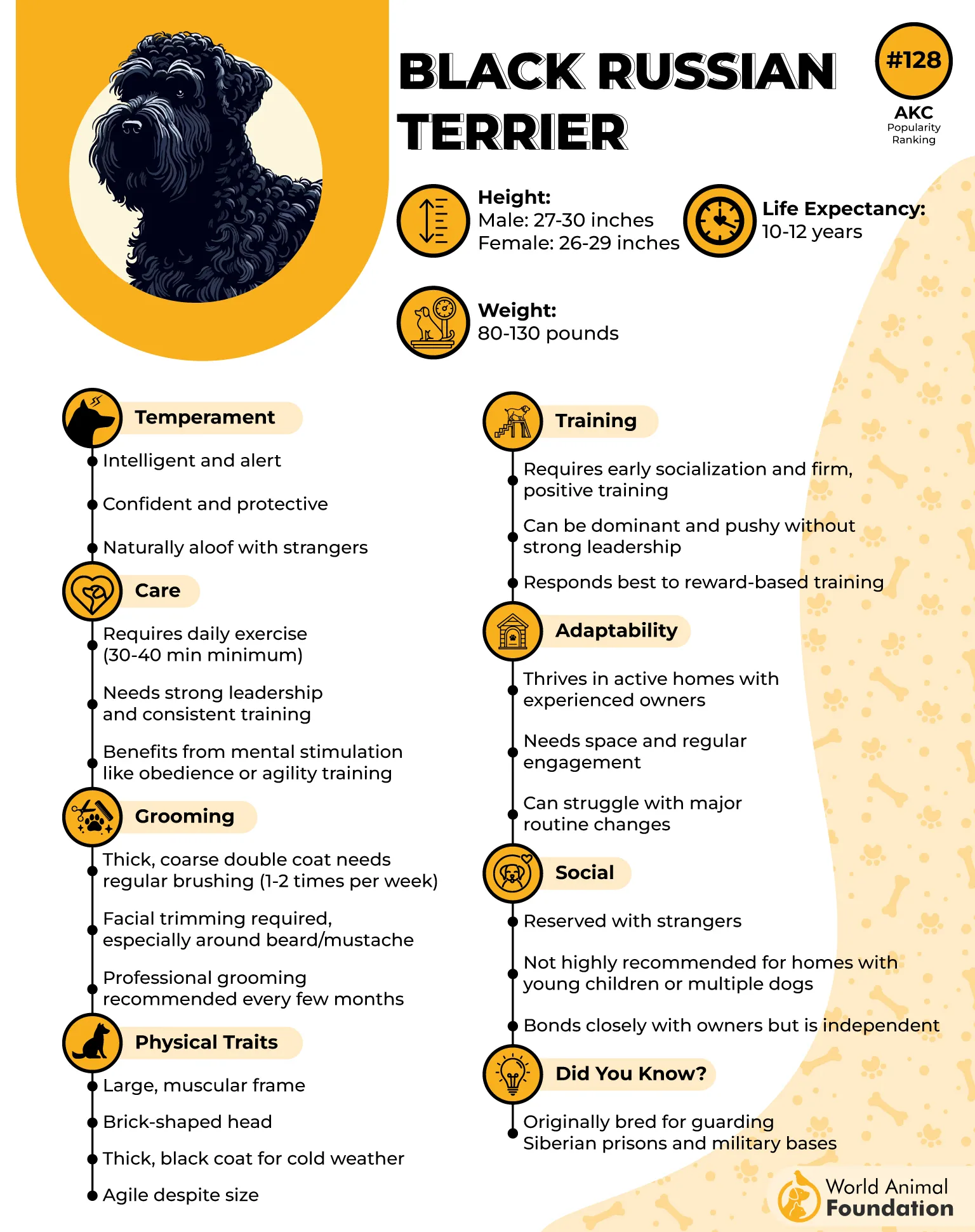
Lifestyle fit leans toward active, structured homes that enjoy training as a hobby, not a chore. Exercise needs are solid: brisk walks, obedience work, scent games, and tasks that make them think; they’re more “working partner” than “couch ornament.” If your idea of fun includes mastering skills, you’ll click.
Training & Socialization: Big Dog, Bigger Consequences
Start socialization early and keep it ongoing; confidence grows from steady, positive exposure.
Teach impulse control cues (leave it, place, heel) so strength stays manageable.
Food, Growth & “The Puppy Trap”
Feed for steady growth and athletic condition—avoid rapid weight gain.
Use measured portions and training treats wisely; this breed can “bulk up” fast.
That signature black coat is more like a wardrobe than fur: it needs regular brushing and scheduled grooming to prevent mats. Shedding is often lower than that of many giants, but grooming effort is higher—pick your trade-off. For health, stay proactive with joint care, conditioning, and routine vet monitoring, especially in a large, muscular frame.
Home setup should include sturdy gear, a grooming plan, and boundaries that stay consistent. Skip this breed if you want a low-training, low-grooming experience or frequent drop-in visitors without structure; it suits experienced owners who enjoy a smart, protective dog with serious presence.
7. Neapolitan Mastiff
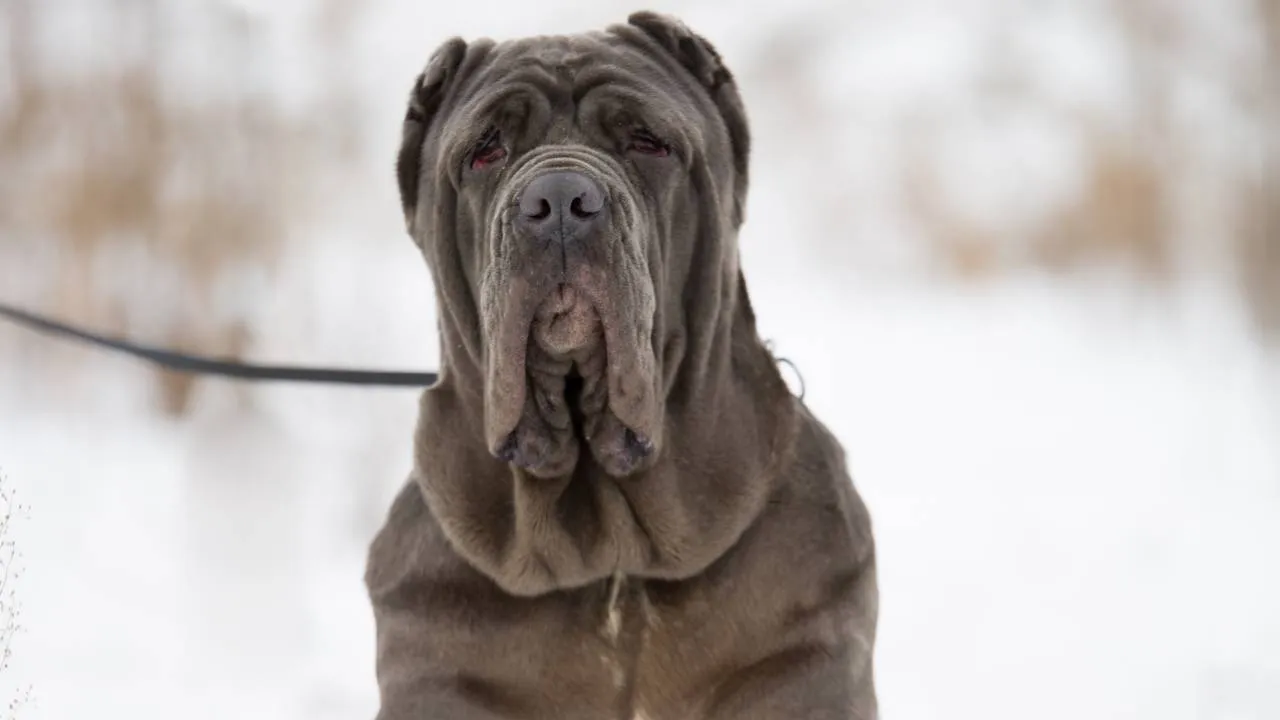
The Neapolitan Mastiff looks like it was sculpted from ancient stone—massive, wrinkled, and unmistakably intimidating. Originally bred as a guardian, its temperament tends to be devoted and steady with family, paired with a strong protective instinct and a “watch first, react later” vibe. It often prefers quiet confidence over chaos.
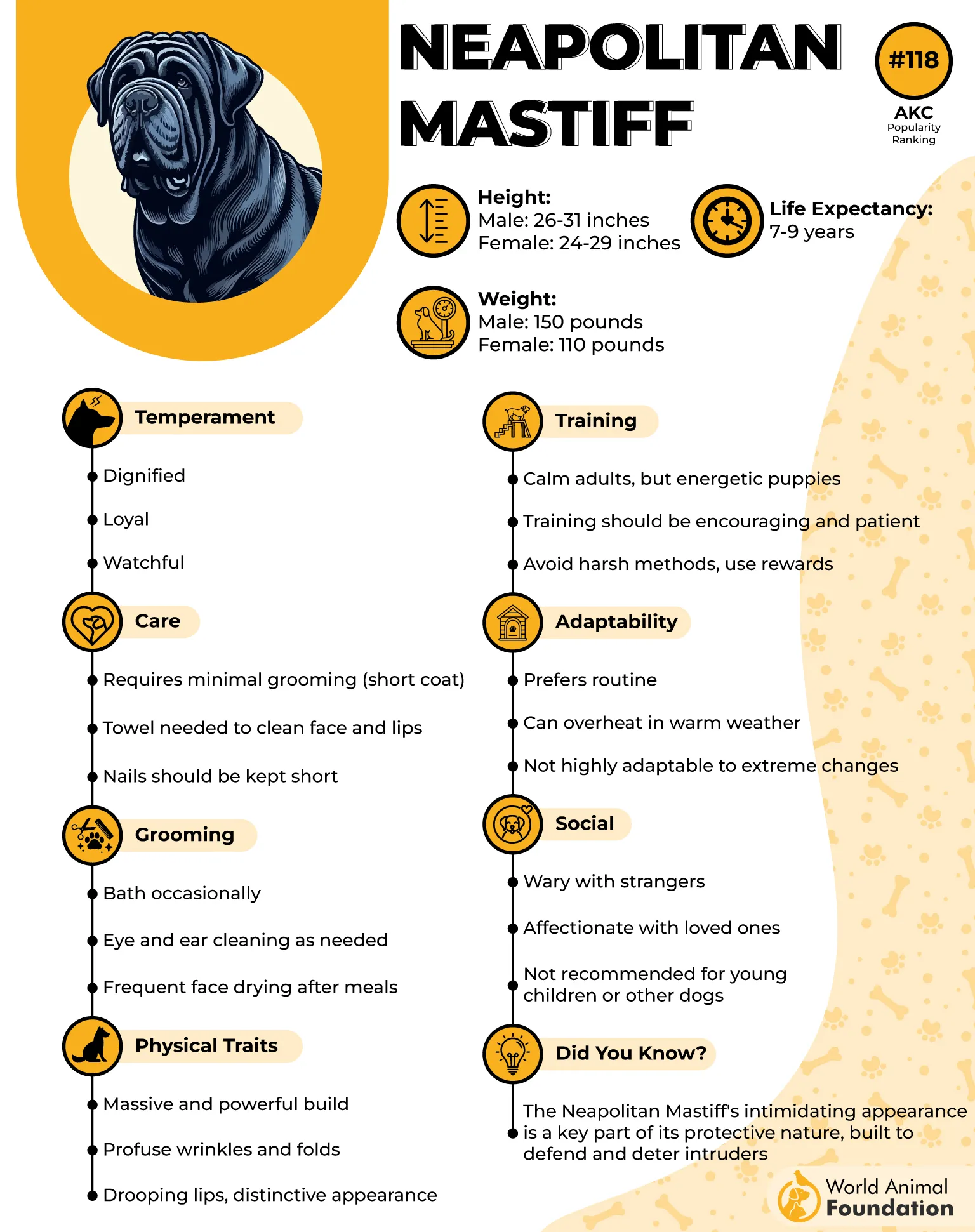
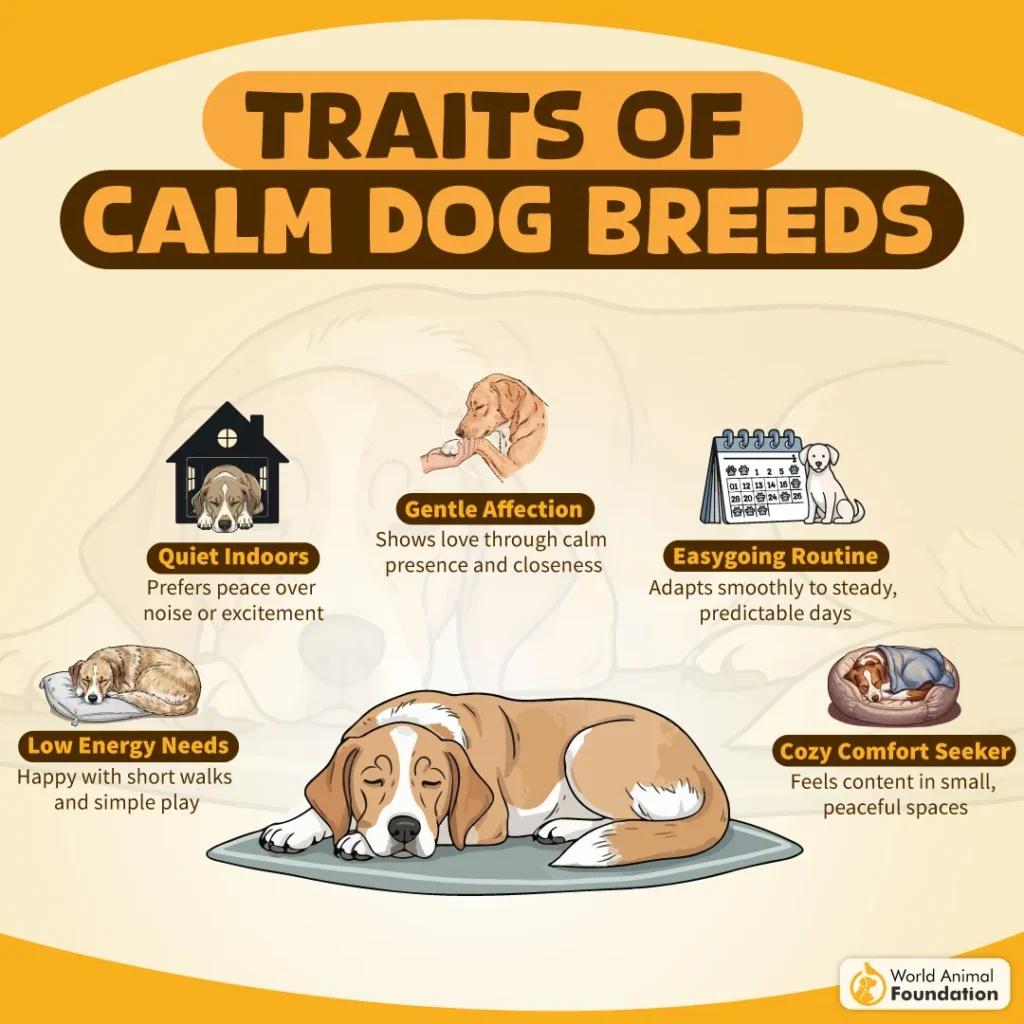
This rare dog breed is happiest in a calm household with clear rules and plenty of downtime. Exercise is low to moderate: slow walks, gentle play, and mental enrichment; think “stately stroll,” not “let’s run a 5K.” Heat can be rough on heavy-bodied dogs, so plan schedules around cooler hours.
Training & Socialization: Big Dog, Bigger Consequences
Focus on early leash training and calm greetings—mass + momentum is real.
Socialize carefully with positive experiences so that guarding stays controlled and predictable.
Food, Growth & “The Puppy Trap”
Keep growth slow and maintain a lean body condition to support joints.
Split meals and keep post-meal activity calm for comfort and safety.
Grooming is less about brushing and more about management: skin folds need regular cleaning and drying, and drool is part of the package. Shedding is usually manageable, but wrinkles require consistency—skip a week and the “funk” can move in. For health, prioritize mobility support, watch skin and eye areas, and keep an eye on breathing comfort and overheating.
Set up non-slip floors, supportive bedding, and an easy-access water station with a towel nearby for after-drink cleanup. Skip this breed if you dislike drool, wrinkles, or a slow-moving house guardian vibe; it’s best for families who love a calm, loyal protector and can commit to daily skin care.
Conclusion
Rare dog breeds and big dog breeds can be a great fit for experienced dog owners, but large breed dogs need early training, daily exercise, and responsible breeding to stay properly socialized with children and other dogs.
Plan for more food (sometimes a copious amount) and watch health problems like hip dysplasia, joint issues, heart disease, and life expectancy in large dogs and large dog breeds.
Still deciding? Consider Scottish Deerhound, Great Pyrenees, Great Danes, English Mastiffs, French Mastiff (Dogue de Bordeaux), Alaskan Malamute, Afghan Hound, Standard Poodles, and breeds from Northern Japan—then choose your royal dog and start your search today.
