




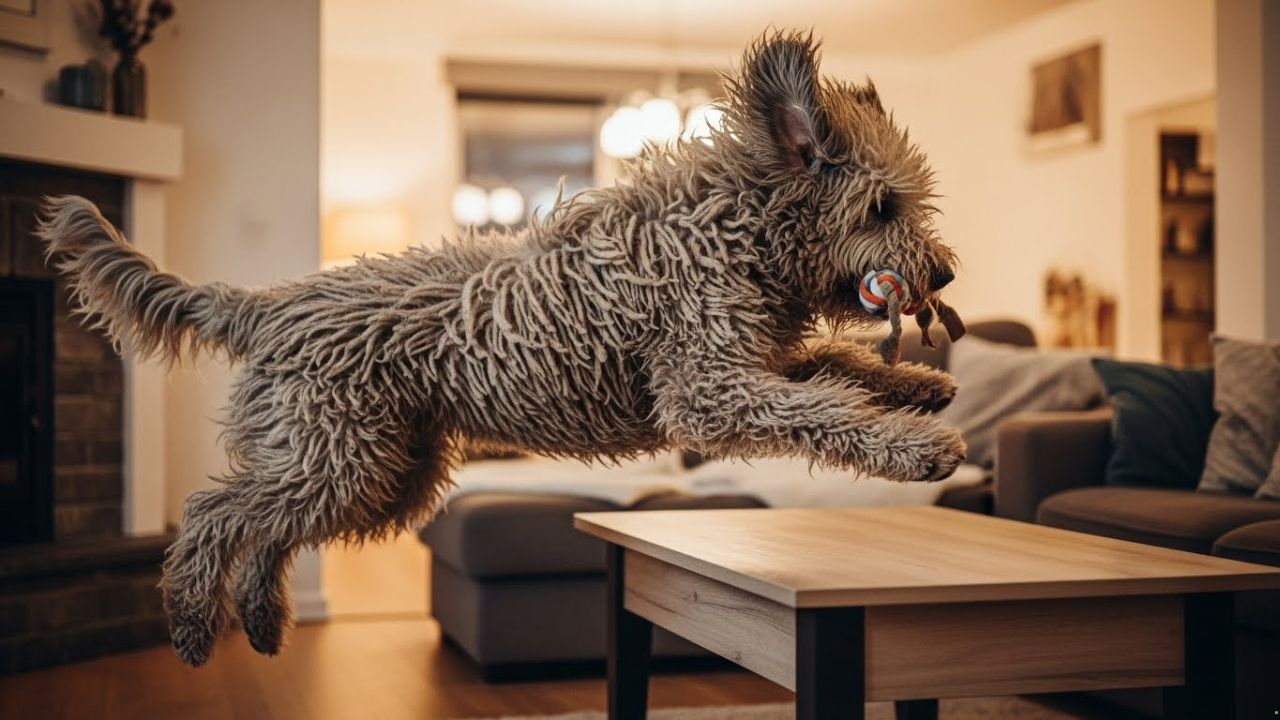
If you think the dog world holds no more surprises, it may still have a few remarkable stories left to tell. While familiarity brings comfort, there are extraordinary dogs beyond the spotlight; breeds whose names are rarely heard, yet whose abilities and personalities are anything but ordinary.
These hidden dogs were never bred for fashion or trends. They are naturally striking, shaped by necessity and purpose, with traits like endurance, stamina, and resilience that allow them to thrive in harsh environments. Their sharp minds and physical strength developed through generations of working closely with humans, meeting real-world challenges head-on.
Let’s uncover their stories and rediscover the remarkable skills they’ve earned through centuries of partnership, resilience, and instinct.
Fun Fact: Some dogs are natural problem-solvers who don’t rely on commands. Science refers to this as innate behavior, driven by genetics. For example, the Norwegian Lundehund was bred to hunt puffins and can climb, twist, and balance effortlessly, without any formal training.
Hidden Dog Breeds That Will Surprise Even the Most Experienced Pet Parent
1. Leonberger

The Leonberger nearly faced extinction during the World Wars, as they were heavily used as war dogs. Today, this rare and ancient breed is most commonly found in Finland, with an estimated population of around 20,000 among 5.5 million inhabitants. The Leonberger originates from Germany, specifically the town of Leonberg, from which it gets its name.
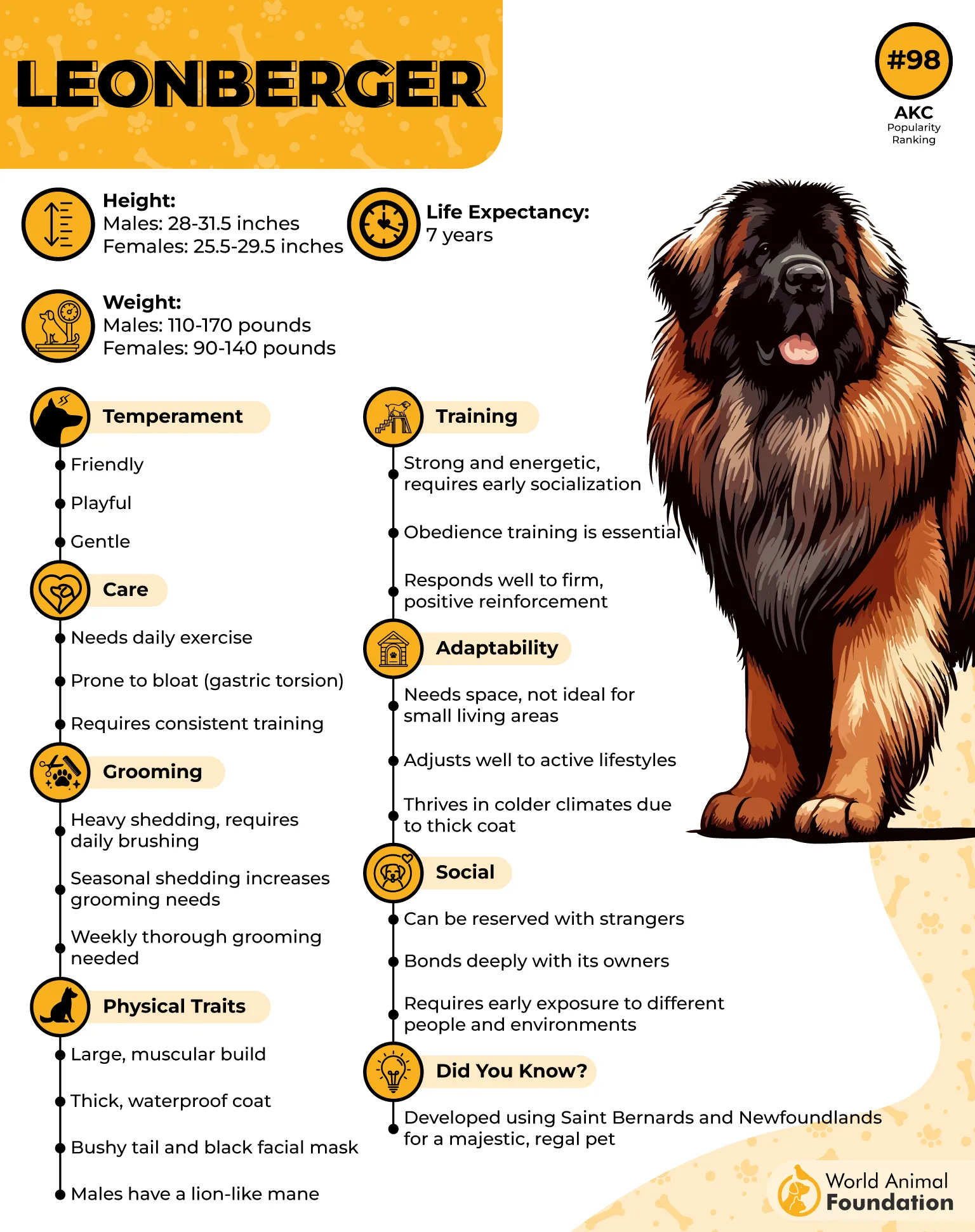
This reddish-gold giant gained popularity among European royalty because of its friendly disposition and majestic, lion-like coat. Despite their impressive size, Leonbergers are gentle, affectionate, and people-oriented. In modern times, they continue to serve humans as reliable search and rescue dogs while also thriving as loyal family companions.
With proper training and early socialization, Leonbergers form strong bonds with their family members and are known for their calm, devoted nature. After completing tasks or outdoor activities, they enjoy relaxing and snuggling with their favorite people.
Due to their large size and working background, these dogs require a serious amount of regular exercise, including jogging, hiking, and agility-based activities, to stay healthy and mentally balanced.
2. Komondor
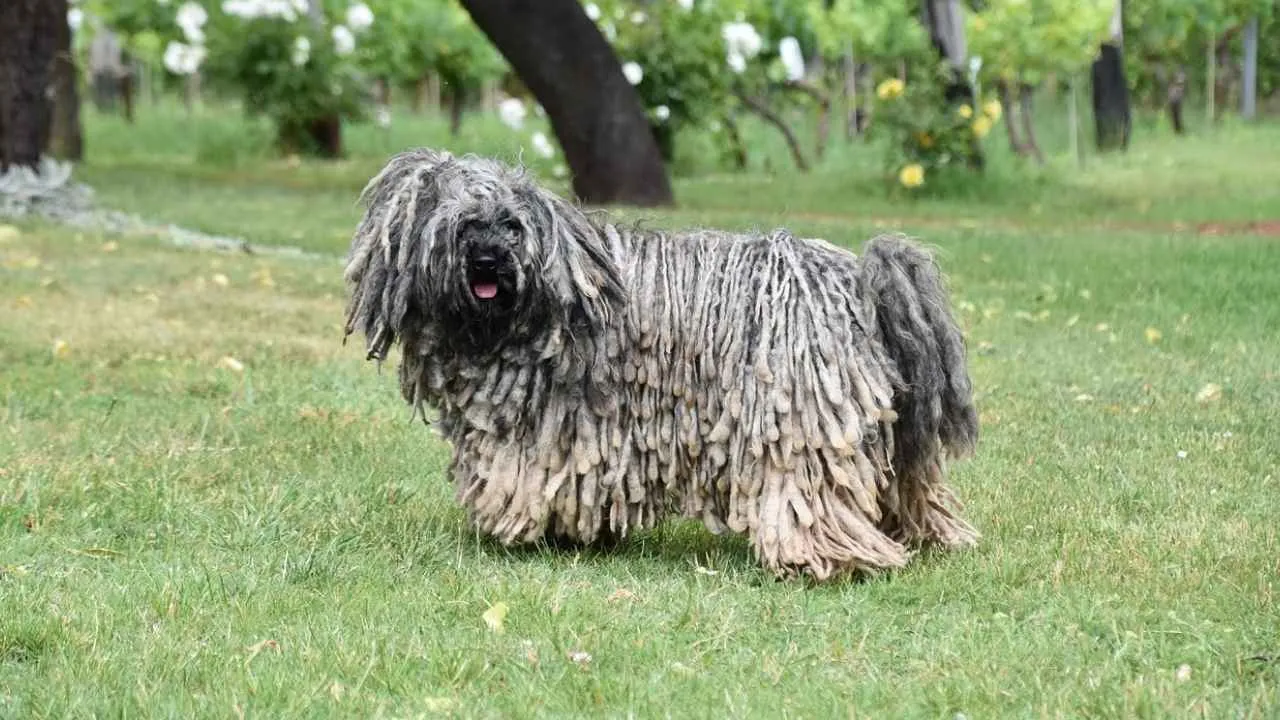
The Komondor was originally bred in the 16th century as a livestock guardian dog to protect Hungarian flocks. Today, it is considered a rare breed, with a global population of fewer than 10,000 dogs. What makes the Komondor particularly challenging for many owners is its independent temperament and demanding coat maintenance.
As Komondors reach adulthood, their coats naturally develop distinctive matting and cording. According to Hill’s Pet, once these cords begin forming, they continue to grow and can reach the ground if not properly managed. Weekly grooming is essential, along with regular bathing and thorough drying, to keep the coat clean and healthy.
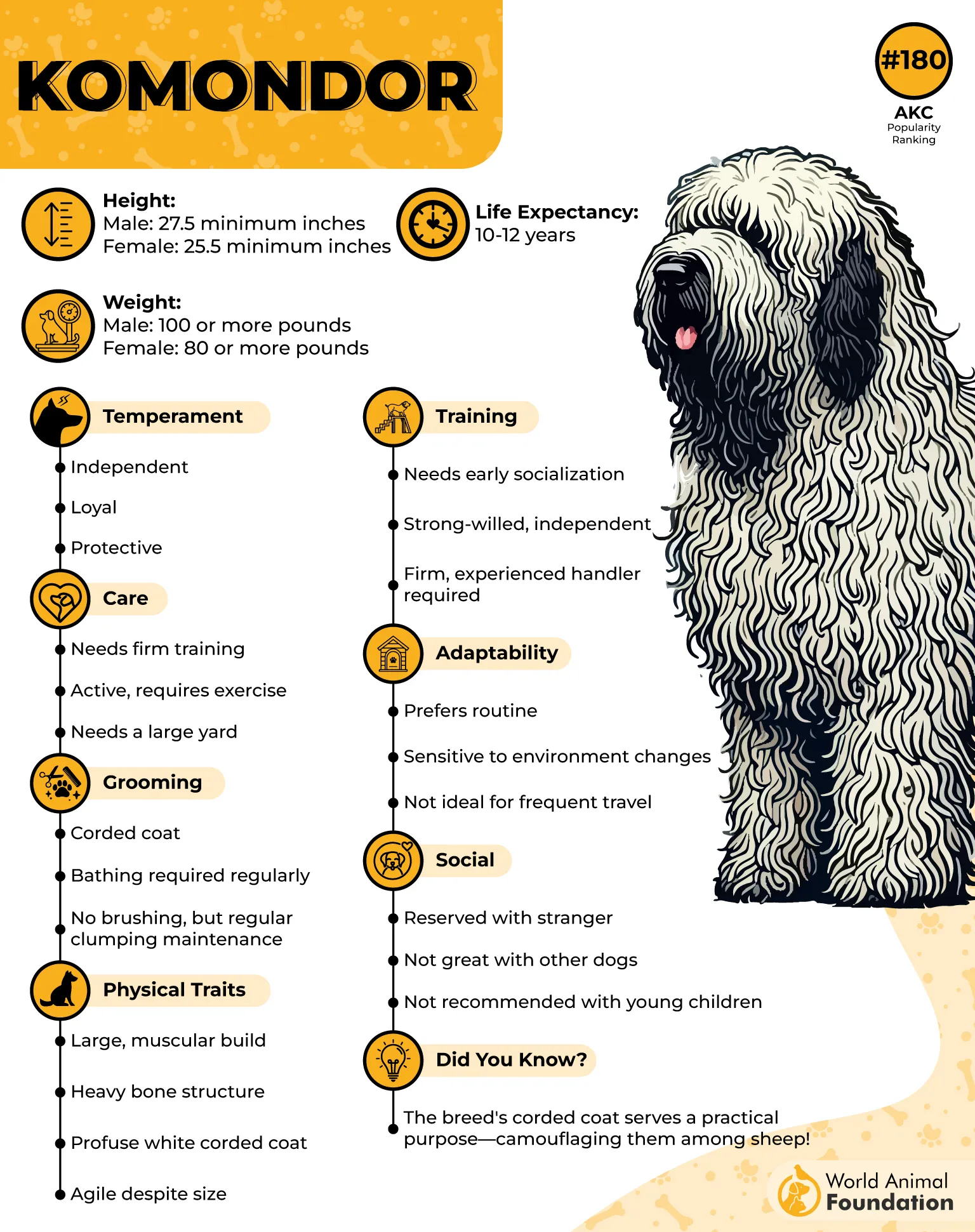
As a true guardian breed, the Komondor requires consistent training and early exposure to new environments, people, and experiences to behave appropriately. These intelligent but independent thinkers respond best when training begins in puppyhood using positive reinforcement methods. With structure, patience, and clear leadership, the Komondor becomes a devoted and reliable protector.
3. Black Russian Terrier
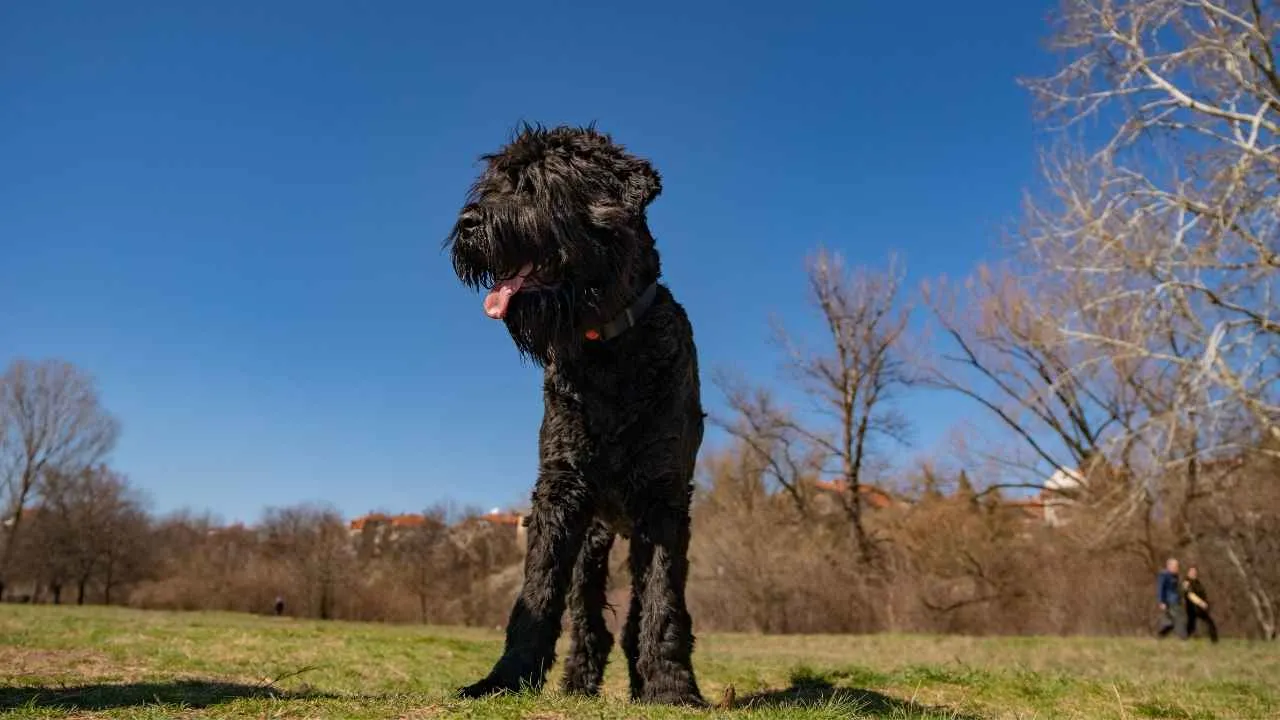
The Black Russian Terrier was initially bred for Russian military forces, bred to withstand harsh winter conditions and demanding working environments. Even today, this powerful breed remains uncommon worldwide. Their strong protective instincts, high intelligence, and exceptional work ethic can be challenging for novice pet owners to manage.
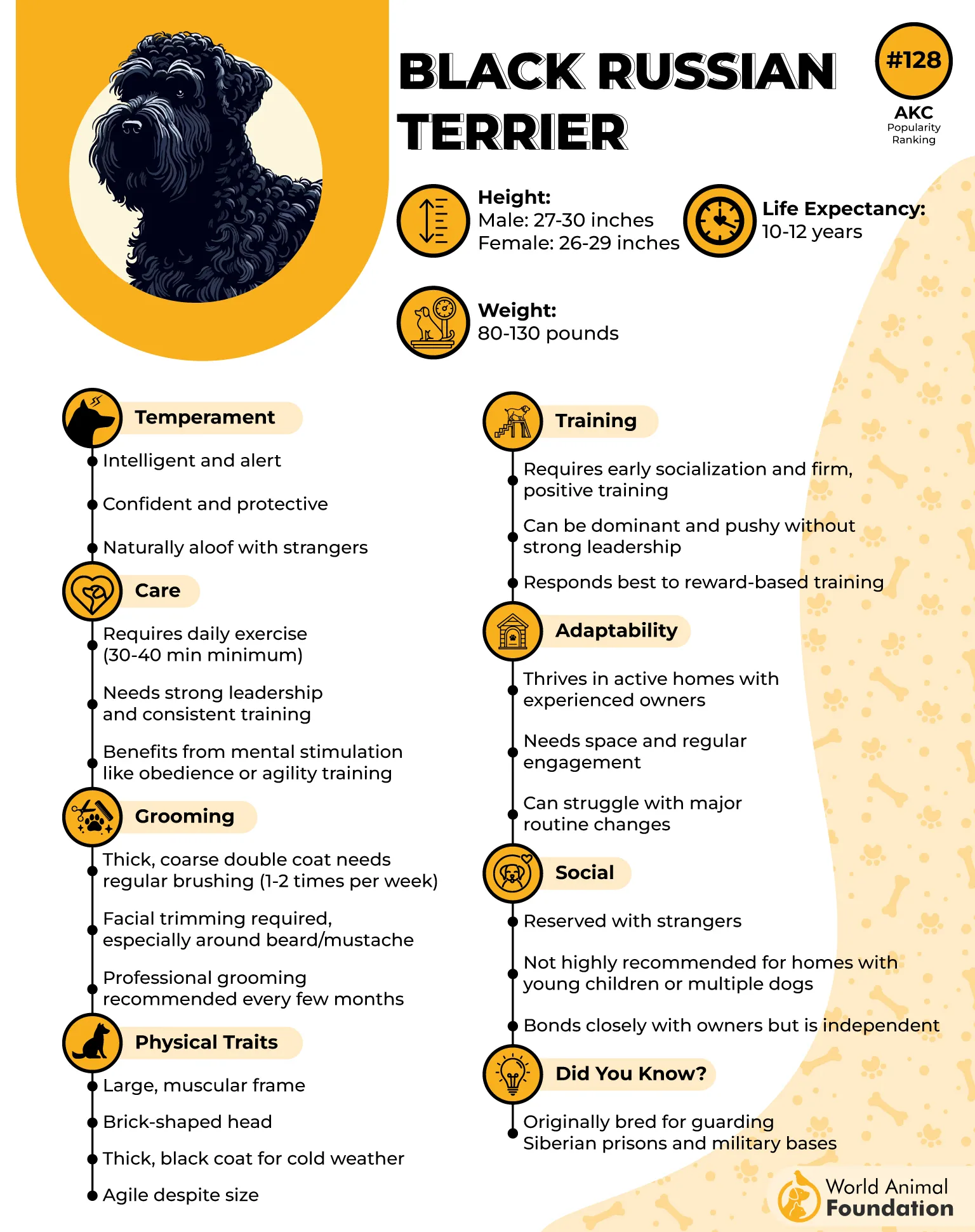
This muscular and robust dog breed is known for its impressive stamina and versatility, excelling in various working roles both in the field and at home. Black Russian Terriers form strong, loyal bonds with their owners but tend to remain reserved and aloof with strangers; an instinctive trait that makes them reliable guardians.
Their dense double coat and high energy levels make them a high-maintenance breed. These large dogs thrive on outdoor activities and structured exercise, while displaying a calm and composed temperament indoors. Long walks, regular play sessions, and participation in dog sports help keep them physically fit and mentally satisfied.
4. Estrela Mountain Dog
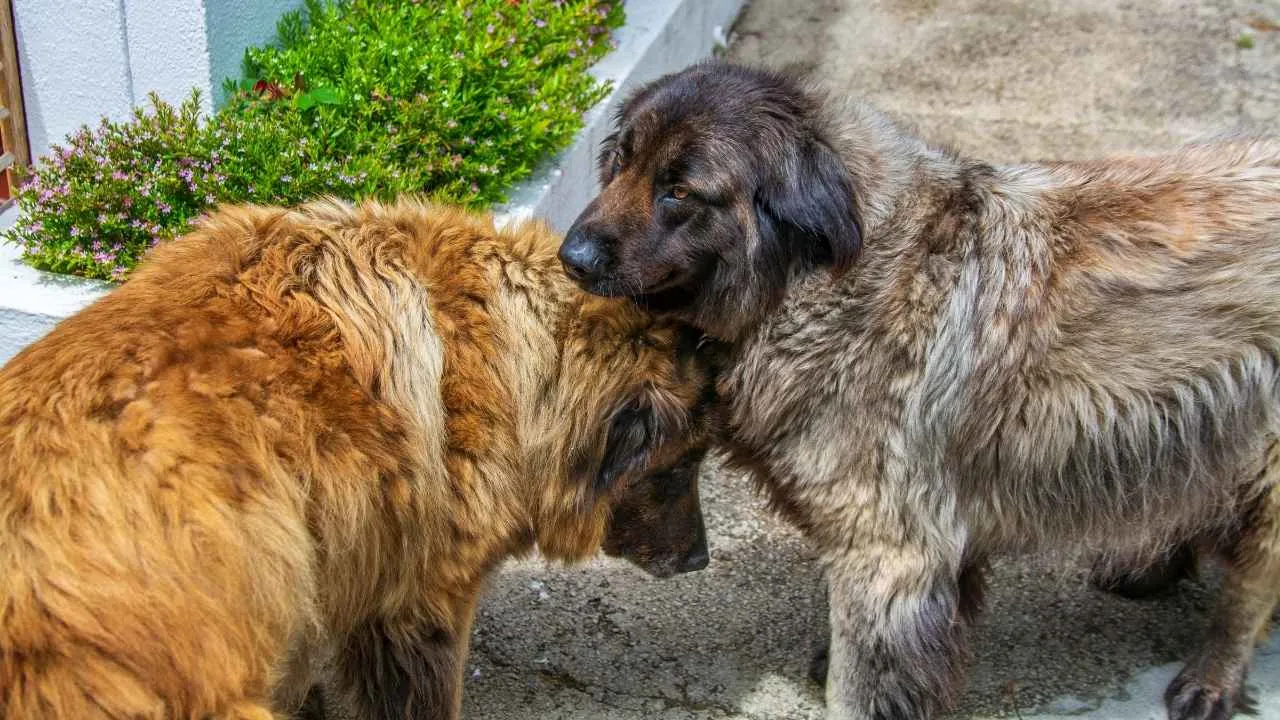
The Estrela Mountain Dog is a powerful and intelligent breed with deep roots in the Estrela Mountains of Portugal, where it was traditionally used to guard livestock from predators. Today, thanks to its sharp instincts and reliability, this breed is sometimes seen in police and protection work. Despite its impressive abilities, the Estrela Mountain Dog remains relatively unknown among many dog lovers.
Shaped by a strong working background, these large, robust dogs require regular physical exercise along with consistent mental stimulation. They are naturally protective and form strong bonds with their families, showing a special affection toward children. Early socialization and structured training are essential to help them become balanced and trustworthy family companions.
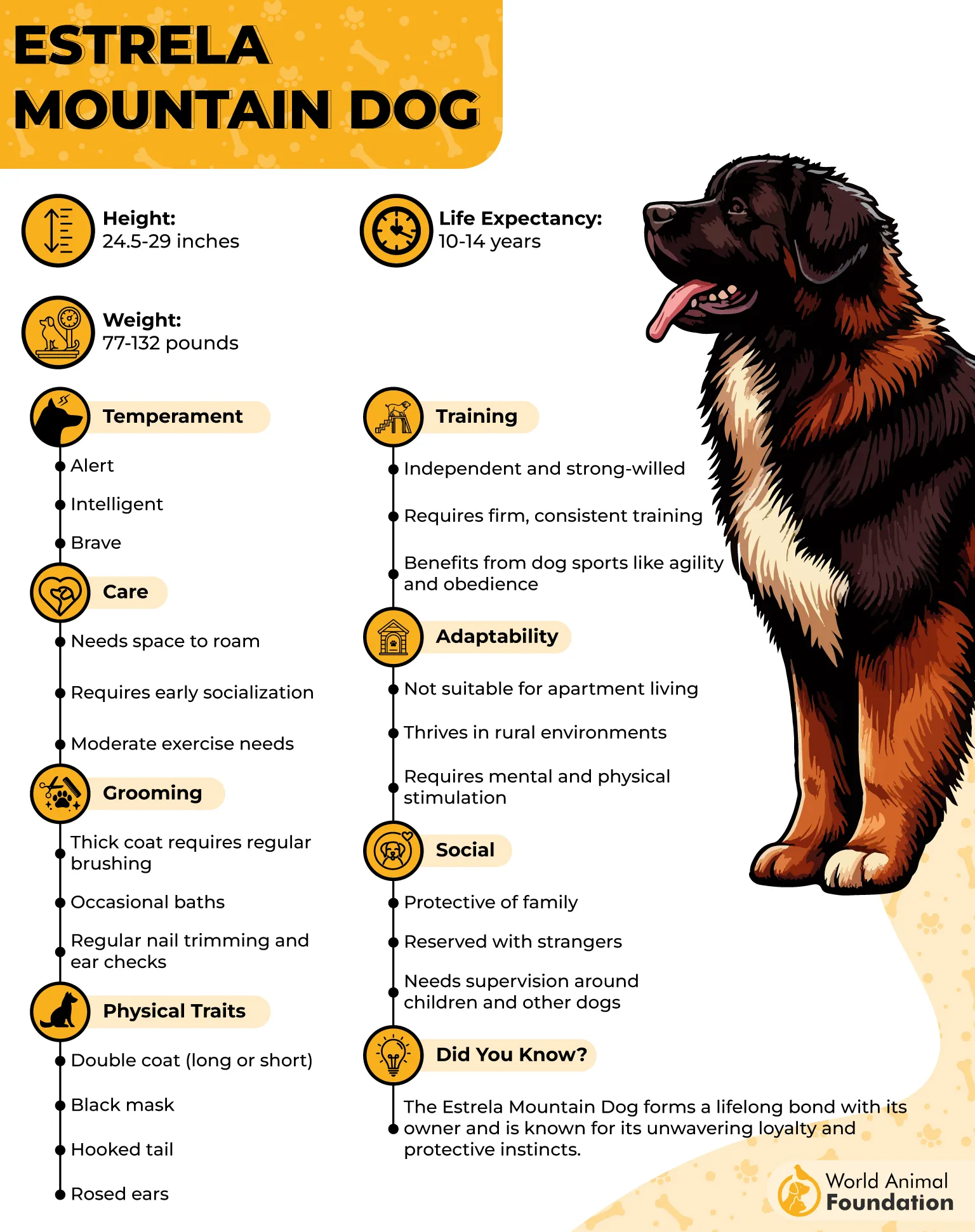
Because Estrela Mountain Dogs historically worked independently while guarding herds, they can be strong-willed and somewhat stubborn. This independent nature may make training challenging at times, but with patience, consistency, and positive reinforcement, they respond well. Their natural guarding instincts and intelligence also make them suitable for roles assisting law enforcement and security work.
5. Fila Brasileiro
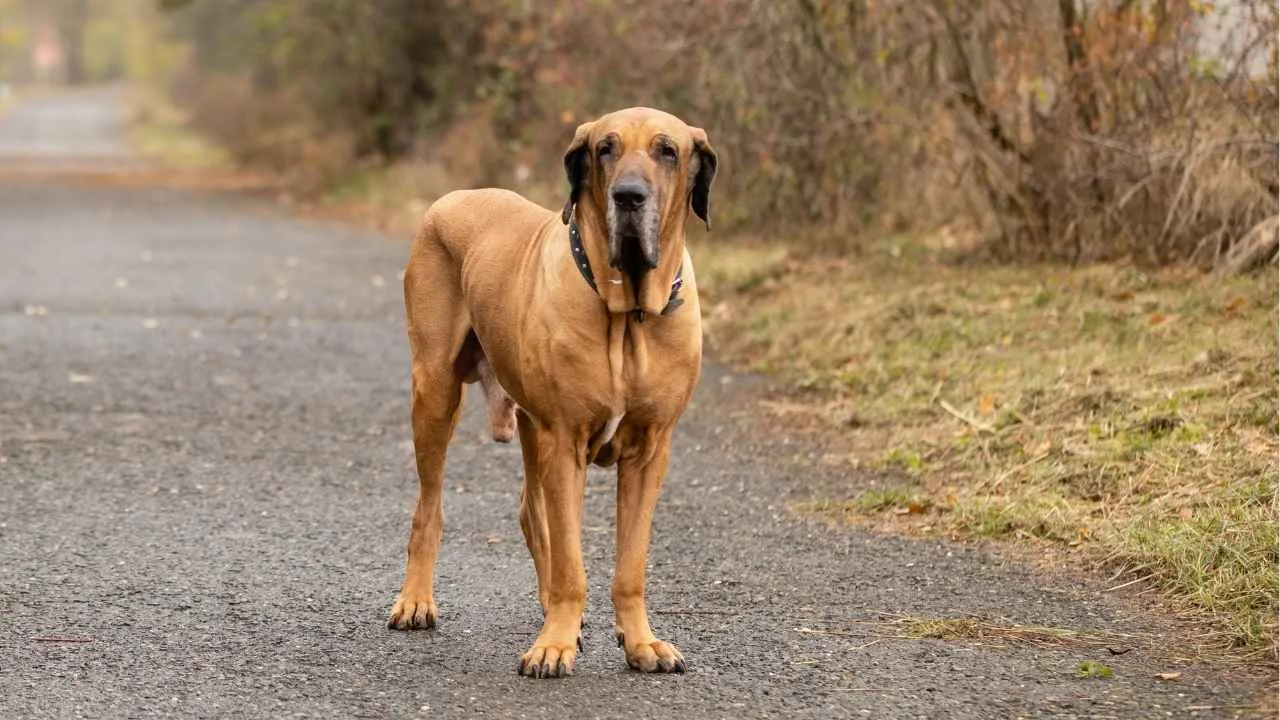
Also known as the Brazilian Mastiff, the Fila Brasileiro is an ancient breed with a complex history. Originally developed in Brazil, they were used for guarding, tracking, and hunting due to their exceptional strength, endurance, and determination. Today, these powerful dogs are still valued for their working abilities, particularly as guard and tracking dogs.

Fila Brasileiros are intensely loyal and devoted to their owners but require experienced handling. Without proper training and socialization, their strong protective instincts can lead to aggressive behavior. These dogs are not suitable for first-time owners due to their independent nature, physical power, and strong personality.
They have moderate energy levels but need ample space to move and relax, making them poorly suited for small homes or apartments. Highly intelligent, Filas enjoy mentally challenging tasks and problem-solving. Early, consistent, and lifelong training is essential to ensure they behave appropriately around people and remain reliable companions for active, confident owners.
6. Tibetan Mastiff
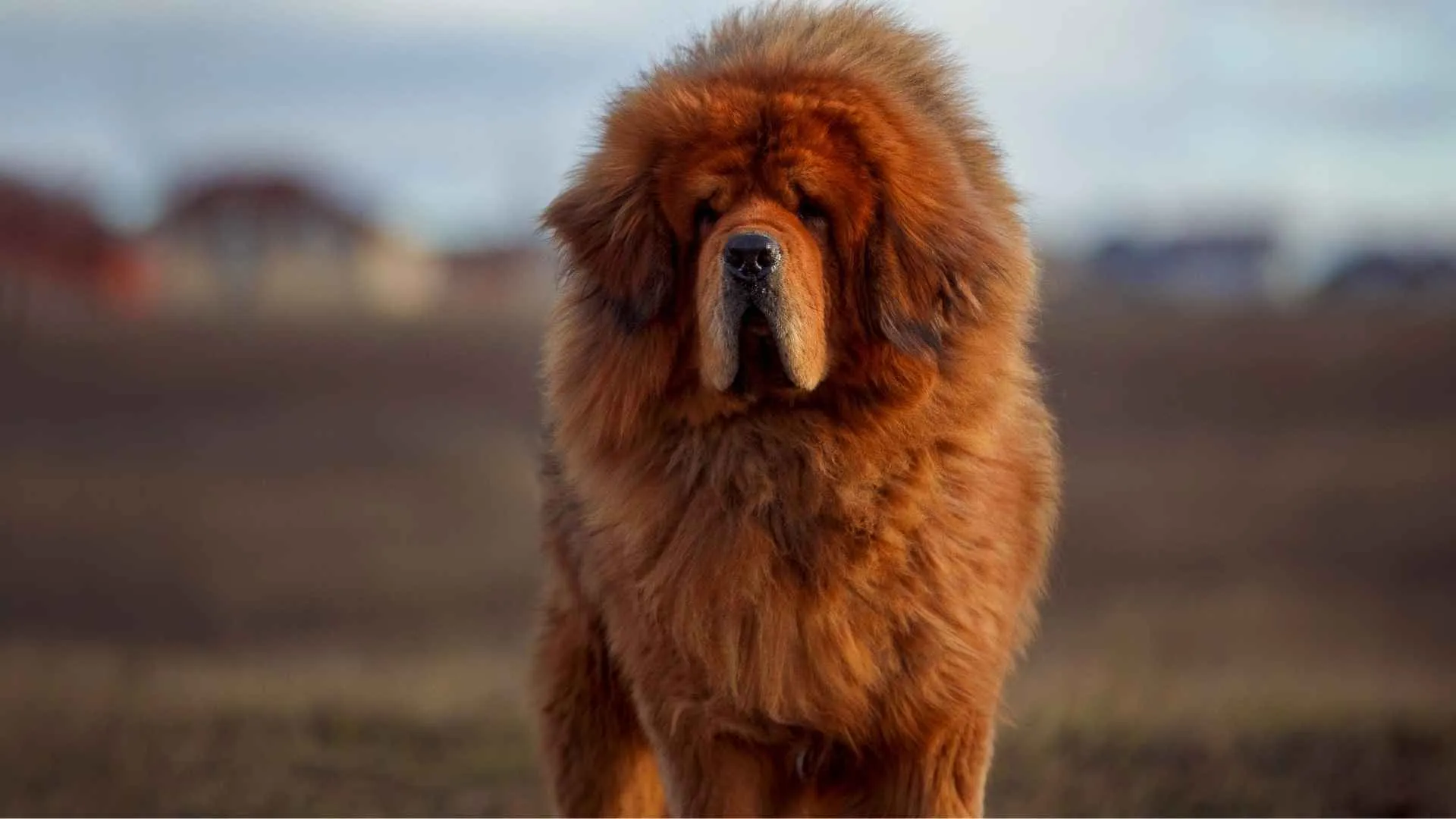
Originally bred to guard livestock in the harsh Himalayan regions, the Tibetan Mastiff is an ancient guardian and herding dog. Today, it is often seen as a prestigious companion among elite owners, but its needs go far beyond status. Despite their calm and composed demeanor indoors, PDSA notes that Tibetan Mastiffs require ample space and regular exercise to stay healthy and balanced.
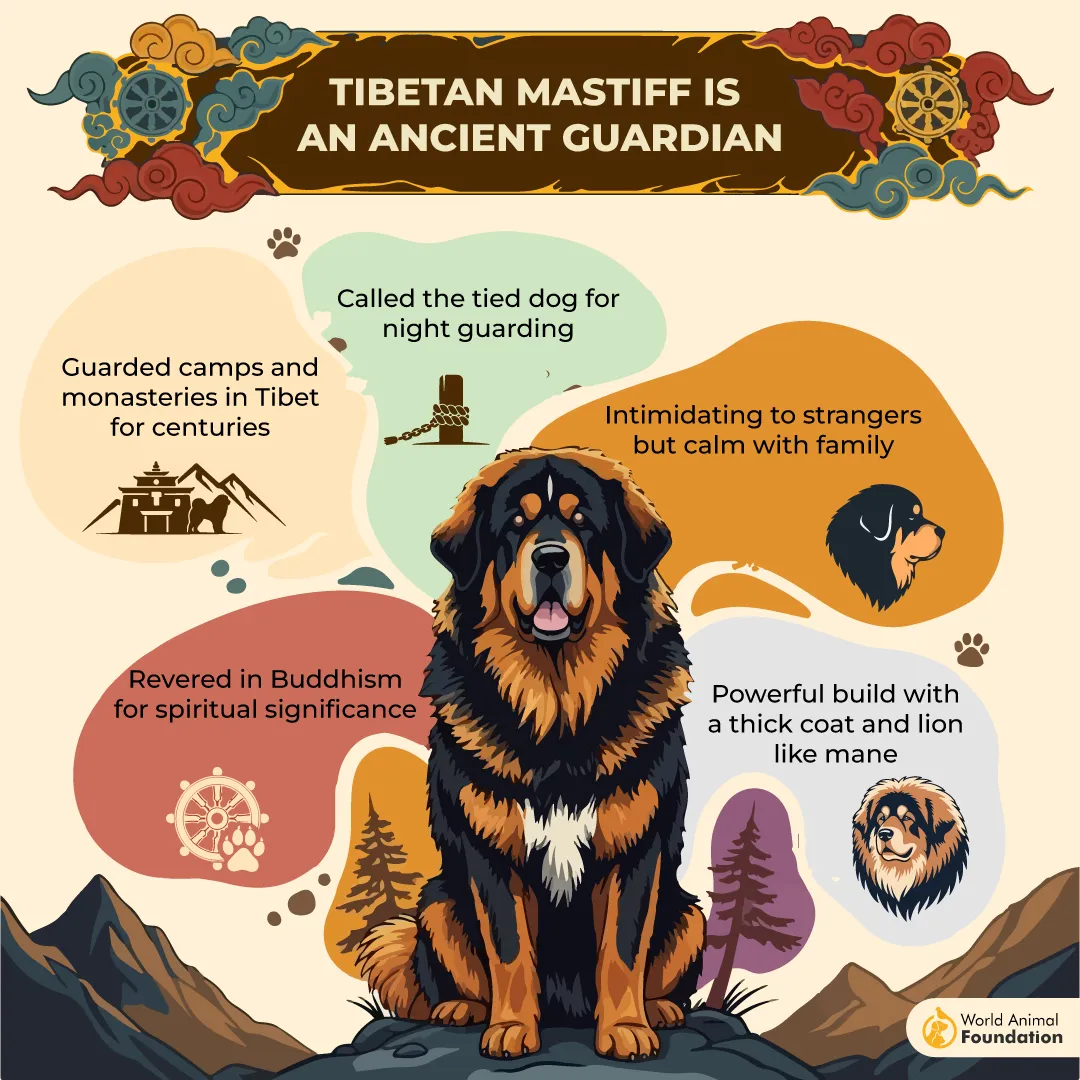
Their impressive size, strength, and independent nature make them unsuitable for first-time dog owners. Naturally protective and highly alert, Tibetan Mastiffs are known to be quiet dogs that vocalize only when necessary. Their thick, lion-like coat also demands a consistent grooming routine to prevent matting and maintain skin health.
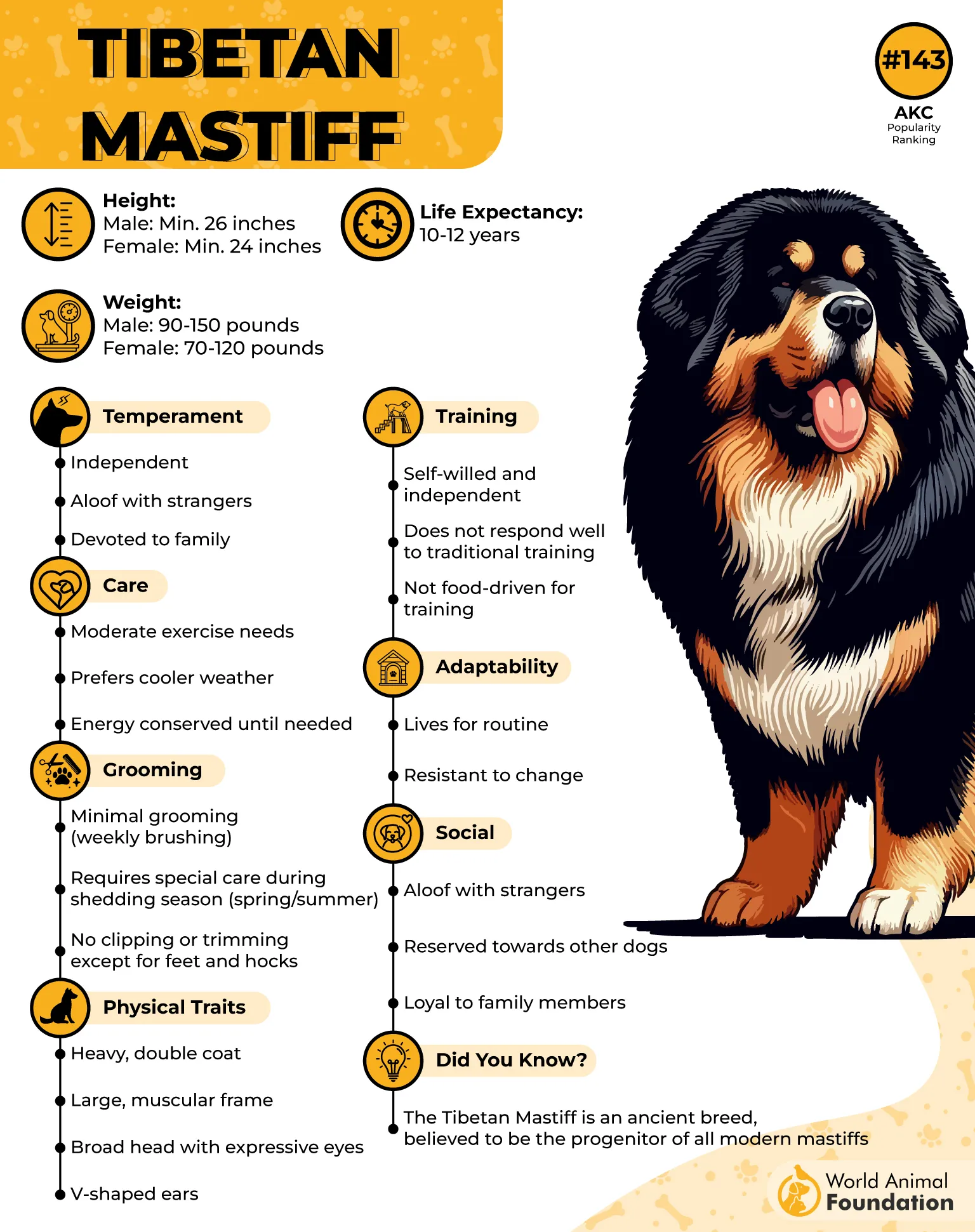
Early socialization is essential if Tibetan Mastiffs are to coexist peacefully with other pets. They thrive in cold climates and struggle in even moderately warm temperatures. With experienced, confident handlers who understand guard dog breeds, Tibetan Mastiffs can be trained successfully and become loyal, steady companions.
7. Boerboel
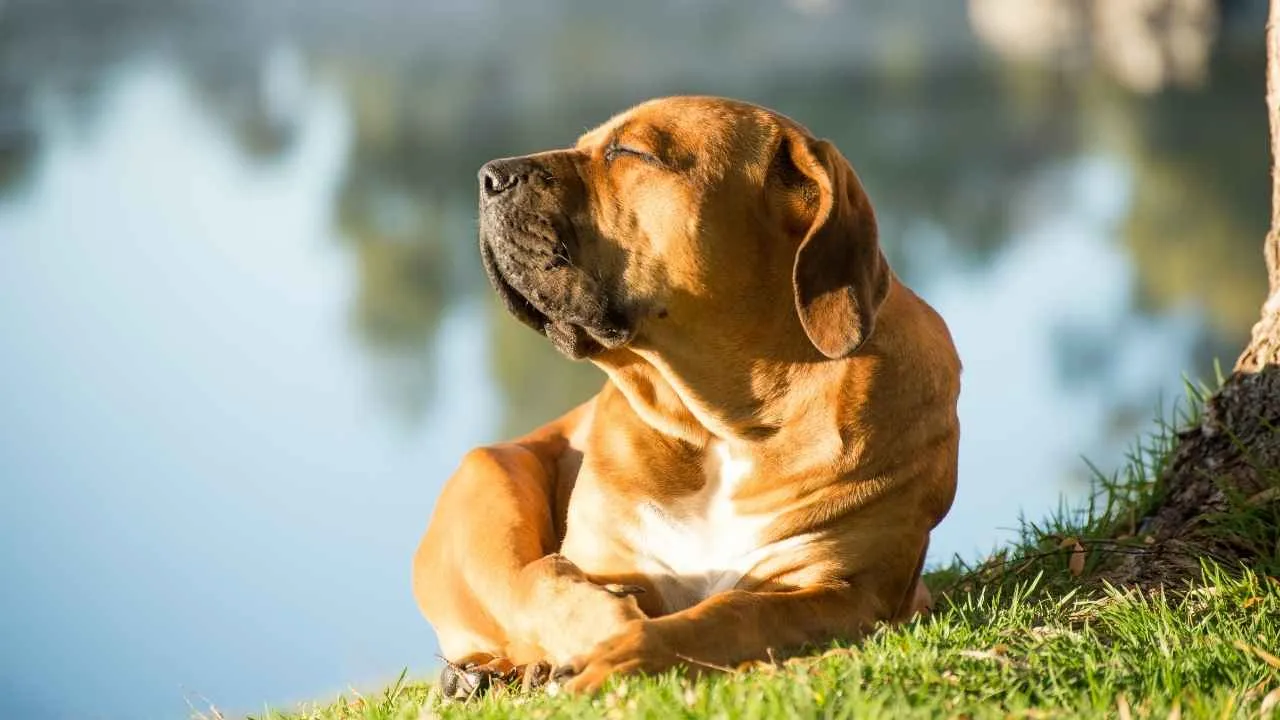
Originating in South Africa, the Boerboel is a powerful mastiff-type breed originally developed to guard farms and protect families from large predators such as lions and hyenas. Despite their strength and working heritage, Boerboels are considered rare, with very limited numbers even in their native region. By the 1980s, only a small population was officially registered.
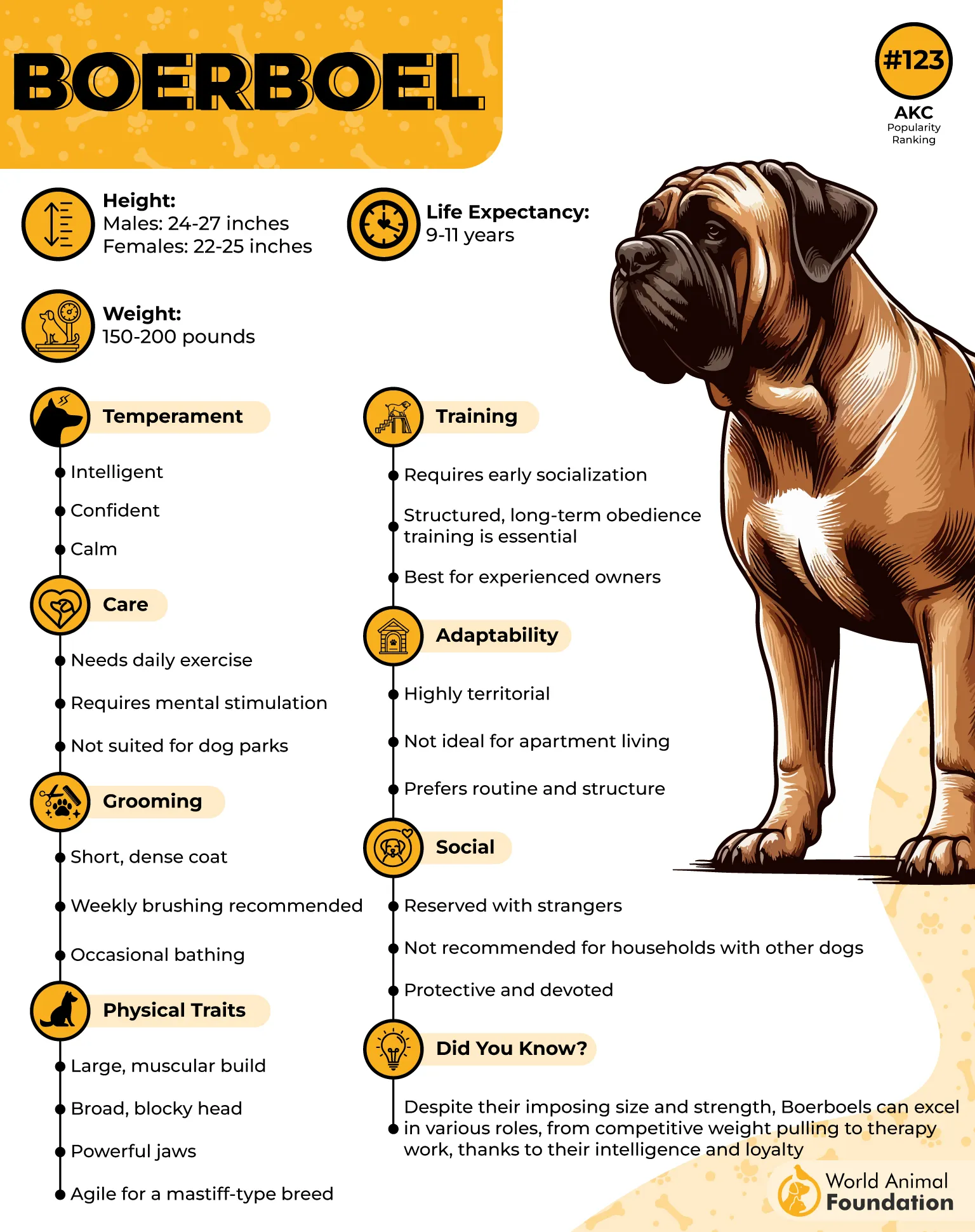
Boerboels are known for their calm, confident, and deeply affectionate nature toward their families. They form strong bonds with their owners and do well with older children who understand how to interact respectfully with large dogs. Intelligent and highly trainable, they thrive best with experienced pet parents who can provide firm leadership.
Early training and clear boundaries are essential, as Boerboels are naturally protective and may view unfamiliar people or animals as potential threats. According to PetMD, consistent training, patience, and positive reinforcement help shape them into obedient and well-balanced companions. Adequate exercise and mental stimulation are also crucial to prevent boredom-related or destructive behaviors.
8. Chinook
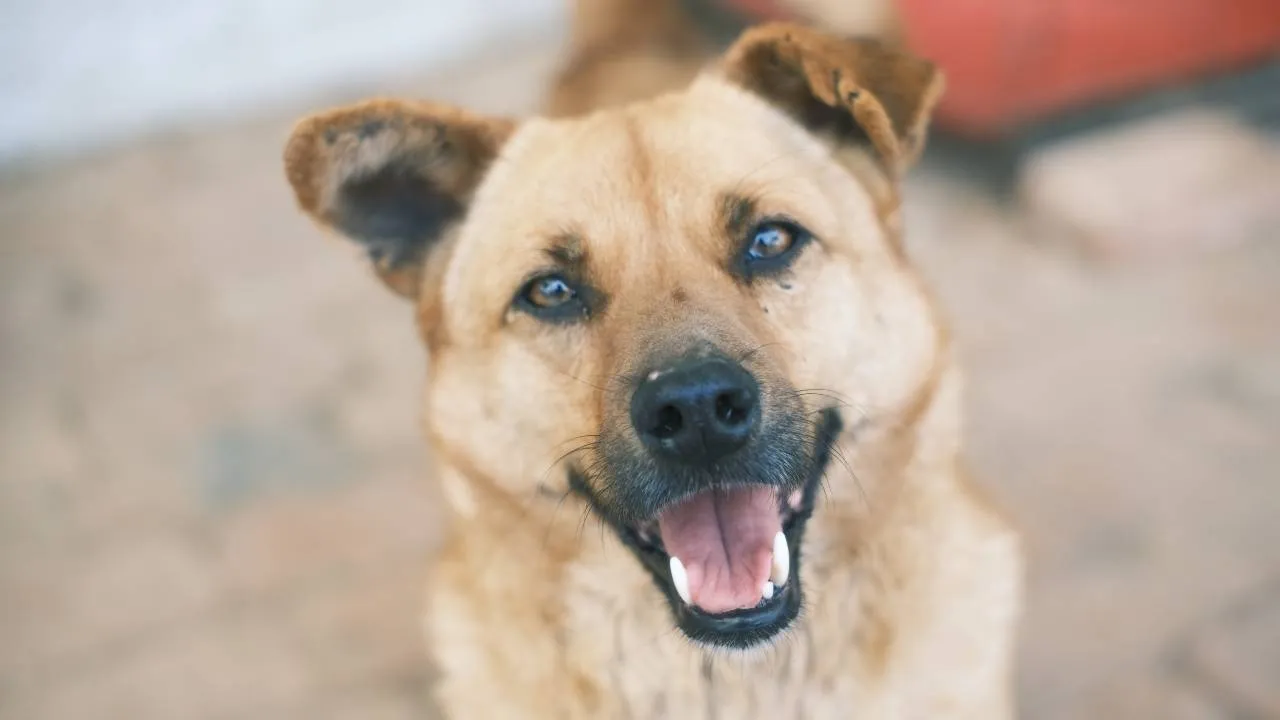
Pronounced “Sha-nook,” the Chinook is a powerful and athletic sled dog known for its gentle and affectionate temperament. Despite its capabilities, the breed was declared one of the rarest in the world by Guinness World Records in 1965, making it a true hidden gem among working dogs.
With a dense double coat, Chinooks are well adapted to cold climates. Their working heritage means they have high energy levels and thrive when given a purpose or job. Compared to other breeds, Chinooks are notably healthy and enjoy an impressive lifespan of up to 14 years.
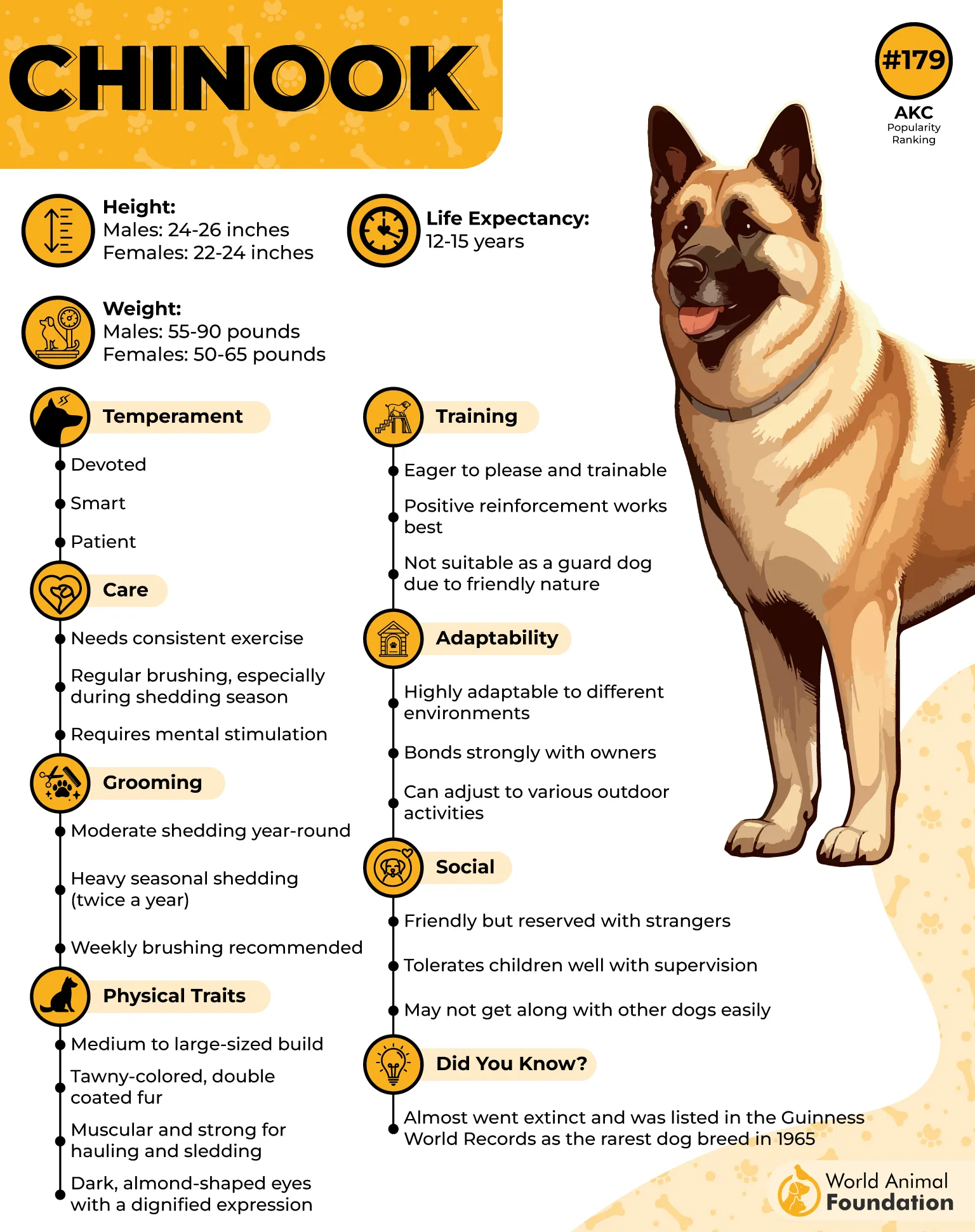
Chinooks flourish in active households where running, hiking, and outdoor adventures are part of daily life. They also excel in canine sports such as herding, tracking, agility, and obedience. Intelligent and eager to please, Chinooks respond exceptionally well to positive training methods and high-value rewards.
9. Otterhound
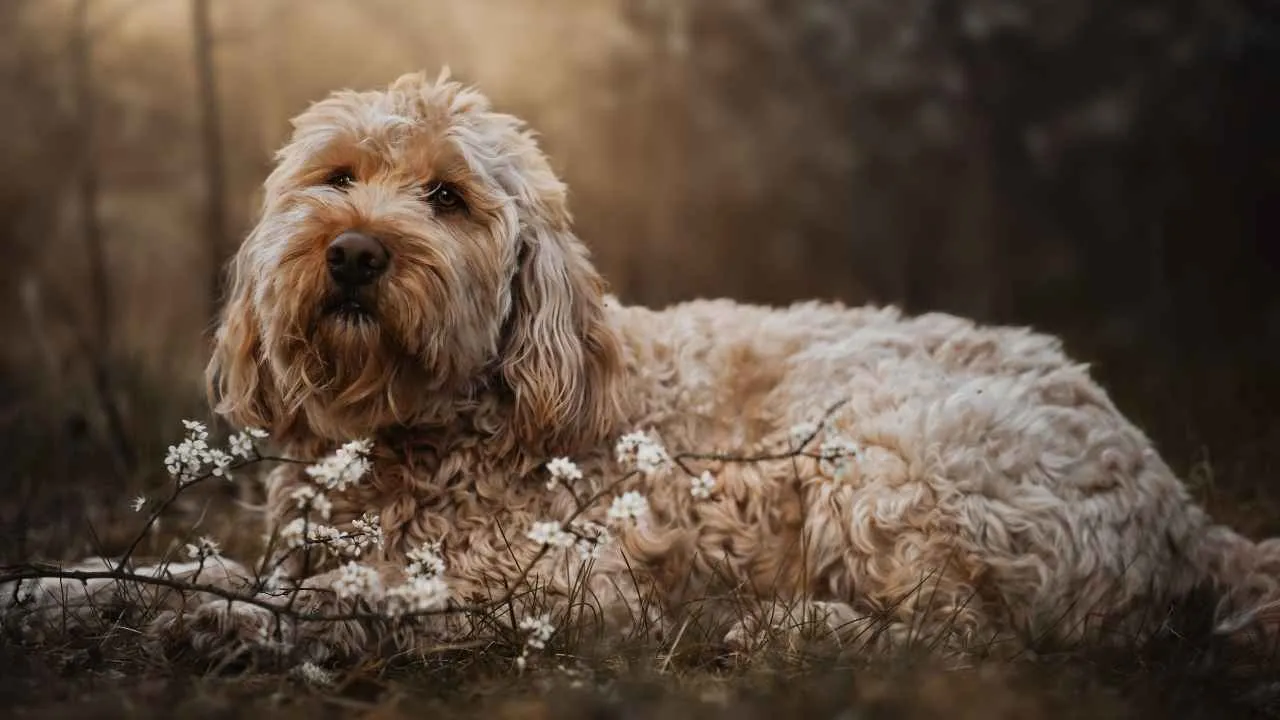
The Otterhound is one of the oldest scent hound breeds, with fewer than 800 dogs estimated worldwide, making them rarer than the giant panda. These large, shaggy dogs were originally bred to hunt otters, and they stand apart from other hounds thanks to their waterproof coats and distinctive webbed feet, which make them excellent swimmers.
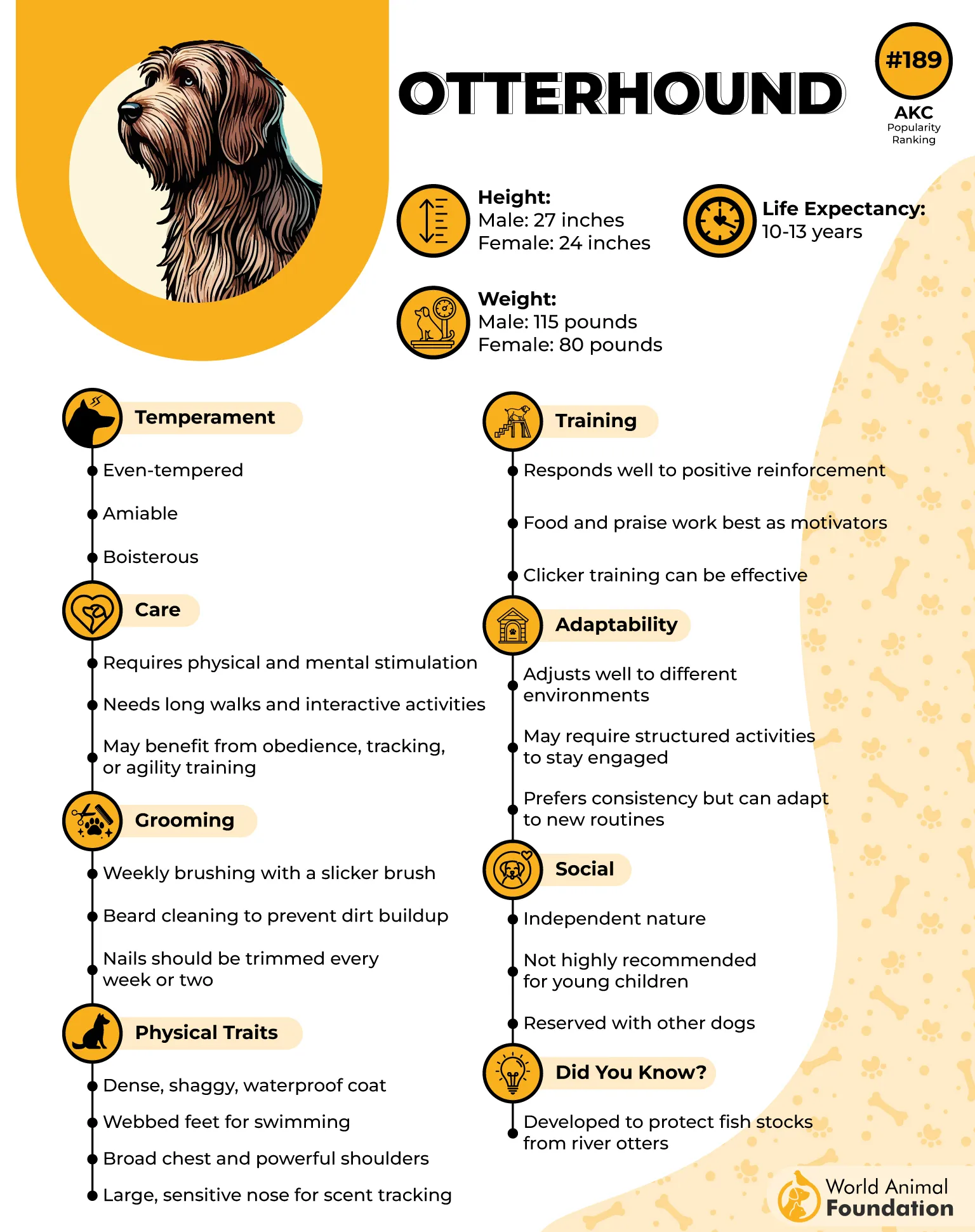
Known for their friendly and outgoing nature, Otterhounds are true social companions who tend to get along well with people and other dogs. Unlike traditional guarding breeds, they are not naturally suspicious or territorial. However, their sensitive temperament means they do not cope well with being left alone for long periods and may develop separation anxiety.
Because of their powerful sense of smell, secure fencing and leash training are essential; once an Otterhound catches a scent, curiosity can take over. They thrive in activities shared with their humans, including hiking, swimming, and scent-based games. While their coat does not require professional grooming, regular brushing is necessary to prevent tangles and matting.
Conclusion
Beyond the popular ones that are commonly noticed in homes and parks, there exists a quieter world of furry friends shaped by history, geography, and purpose. These breeds do not announce themselves through trends, yet they have remarkable smartness and emotional depth, understanding their humans’ needs.
For those who believe that they have discovered each breed, these mentioned pooches serve as a reminder that experience grows richer when curiosity is allowed to lead the way.
